Effortil
Italy
Table of Contents
- Package leaflet: Information for the user
- EFFORTIL 7.5 mg/mL oral drops, solution
- 1. What Effortil is and what it is used for
- 2. What you need to know before taking Effortil
- 3. How to take Effortil
- 4. Possible side effects
- 5. How to store Effortil
- 6. Package contents and other information
- EFFORTIL 10 mg/ml injectable solution
- 1. What Effortil is and what it is used for
- 2. What you need to know before using Effortil
- 3. How to use Effortil
- 4. Possible side effects
- 5. How to store Effortil
- 6. Package contents and other information
- The following information is intended exclusively for doctors or healthcare professionals:
Package leaflet: Information for the user
EFFORTIL 7.5 mg/mL oral drops, solution
Etilefrine hydrochloride
Please read all of this leaflet carefully before taking this medicine because it contains important information for you.
- Keep this leaflet. You may need to read it again.
- If you have any questions, ask your doctor or pharmacist.
- This medicine has been prescribed for you only. Do not give it to others, even if their symptoms are the same as yours, as it could be harmful.
- If you experience any side effects, including those not listed in this leaflet, tell your doctor or pharmacist. See section 4.
Contents of this leaflet:
- What Effortil is and what it is used for
- What you need to know before taking Effortil
- How to take Effortil
- Possible side effects
- How to store Effortil
- Contents of the pack and other information
1. What Effortil is and what it is used for
Effortil contains etilefrina hydrochloride, a medicine that works by stimulating the heart and increasing blood pressure.
Effortil is indicated to increase blood pressure in cases of orthostatic hypotension (a sudden drop in blood pressure when moving from a lying or sitting position to a standing position, accompanied by symptoms such as dizziness or lightheadedness).
Consult your doctor if you do not feel better or if you feel worse.
2. What you need to know before taking Effortil
Do not take Effortil
- if you are allergic to etilefrine hydrochloride or to any of the other ingredients of this medicine (listed in section 6);
- if you suffer from a blood pressure disorder (hypotensive dysregulation) causing an increase in blood pressure when standing up;
- if you have high blood pressure (hypertension);
- if you have excessive levels in the blood of certain hormones produced by the thyroid gland in the neck (thyrotoxicosis);
- if you have a condition causing the release in the body of substances that increase blood pressure (pheochromocytoma);
- if you have severe glaucoma, i.e. an eye disease caused by increased pressure of the fluid inside the eye (angle-closure glaucoma);
- if you have prostate diseases (the gland in men that produces seminal fluid), resulting in its enlargement and associated with difficulty of the urinary bladder to empty completely (prostatic hypertrophy or prostatic adenoma with urinary retention);
- if you have a heart disease characterized by obstruction of the coronary arteries, the blood vessels supplying blood to the heart (coronary insufficiency);
- if you have a condition characterized by the heart's inability to supply adequate blood to the body (decompensated heart failure);
- if you have a severe disease of the heart muscle causing fatigue and breathing difficulties (hypertrophic obstructive cardiomyopathy);
- if you have narrowing of the heart valves regulating blood flow within the heart (cardiac valve stenosis);
- if you have narrowing of the blood vessels supplying blood to the heart (central arterial stenosis);
- if you have heart rhythm disorders;
- if you are in the first three months of pregnancy or are breastfeeding;
- if you suffer from rare inherited conditions that could be incompatible with one of the components of this medicine (see "Effortil oral drops contain parahydroxybenzoates and sodium metabisulfite").
Warnings and precautions
Talk to your doctor or pharmacist before taking Effortil:
- if you have an increased heart rate (tachycardia) or heart rhythm disturbances (cardiac arrhythmias);
- if you have severe heart or blood vessel disorders (severe cardiovascular disorders);
- if you have a disease characterized by high blood sugar levels (diabetes mellitus);
- if you have a thyroid gland disorder (hyperthyroidism);
- if you are taking MAO inhibitors (medicines used to treat depression) or have stopped taking them less than two weeks ago (see below "Other medicines and Effortil").
Children
EFFORTIL 7.5 mg/ml oral drops, solution should be used with caution in children under two years of age due to their limited ability to metabolize the excipient propyl-parahydroxybenzoate (propylparabens). If you have any doubts about using this medicine, consult your doctor or pharmacist.
For those engaged in sports
Using this medicine without therapeutic need constitutes doping and may lead to a positive anti-doping test.
Other medicines and Effortil
Tell your doctor or pharmacist if you are taking, have recently taken, or might take any other medicines.
Inform your doctor if you are taking the following medicines:
- guanethidine and reserpine (medicines used for high blood pressure);
- mineralocorticoids (medicines used to treat conditions involving insufficient production of steroid hormones);
- thyroid hormones (medicines used for thyroid disorders, a gland in the neck);
- tricyclic antidepressants, MAO inhibitors (medicines for treating depression);
- antihistamines (medicines used for allergies);
- cardiac glycosides (medicines for treating heart disorders);
- dihydroergotamine (a medicine for treating headache);
- atropine (a substance acting on the nervous system);
- desoxycorticosterone acetate (a medicine acting by regulating blood electrolytes);
- antidiabetic agents (medicines for treating diabetes, acting by reducing blood sugar levels);
- alpha-blockers (medicines used for high blood pressure and prostate disorders);
- beta-blockers (medicines that slow heart rate, used for high blood pressure and heart problems);
- quinidine (a medicine for treating heart rhythm disorders);
- halogenated aliphatic hydrocarbons (inhaled anesthetics used during surgical procedures).
Pregnancy, breastfeeding and fertility
If you are pregnant, think you may be pregnant, or are planning to become pregnant, ask your doctor or pharmacist for advice before using this medicine.
Pregnancy
Do not take Effortil during the first three months of pregnancy (see section "Do not take Effortil").
Use Effortil from the fourth to the ninth month of pregnancy only after consulting your doctor, who will carefully evaluate the risk/benefit ratio.
Effortil may reduce blood flow to the fetus and cause uterine relaxation.
Breastfeeding
Do not take Effortil if you are breastfeeding (see section "Do not take Effortil").
Fertility
No animal studies have been conducted on the effect of Effortil on fertility.
No studies have been conducted on the effect of Effortil on human fertility.
Driving and using machines
No studies have been conducted on the ability to drive or operate machinery.
If you experience adverse effects such as dizziness during treatment with Effortil, exercise caution when driving or operating machinery.
Effortil oral drops contain parahydroxybenzoates, sodium and sodium metabisulfite
Parahydroxybenzoates: may cause allergic reactions (including delayed reactions).
Sodium metabisulfite: rarely may cause severe hypersensitivity reactions and bronchospasm.
Sodium: this medicine contains less than 1 mmol (23 mg) of sodium per maximum daily dose (30 drops), i.e. it is essentially "sodium-free".
3. How to take Effortil
Take this medicine exactly as directed by your doctor or pharmacist. If you have any doubts, consult your doctor or pharmacist.
Adults
The recommended dose is 5–10 drops, three times daily.
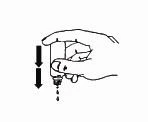
The oral dropper bottle is equipped with a child-resistant safety cap. To open, follow the instructions below:

If you take more Effortil than you should
In case of accidental ingestion/overdose of Effortil, contact your doctor immediately or go to the nearest hospital.
Symptoms
If you take too much Effortil, you may experience a worsening of the serious adverse reactions listed in section “Possible side effects”. In addition, agitation and vomiting may occur. If an excessive dose is accidentally taken by newborns or infants, they may develop reduced and/or stopped breathing (central respiratory depression) and coma.
Treatment
Your doctor will provide appropriate supportive therapy.
If you forget to take Effortil
Do not take a double dose to make up for a forgotten dose.
If you stop taking Effortil
If you have any doubts about using this medicine, consult your doctor or pharmacist.
4. Possible side effects
Like all medicines, this medicine can cause side effects, although not everybody gets them.
The possible side effects are listed below, classified according to the following frequency:
Common (may affect up to 1 in 10 people)
- headache (cephalalgia).
Uncommon (may affect up to 1 in 100 people)
- anxiety;
- insomnia;
- tremor;
- restlessness;
- dizziness;
- vertigo;
- irregular heart rhythm (arrhythmia);
- increased heart rate (tachycardia);
- awareness of heartbeats (palpitations);
- nausea.
Not known (frequency cannot be estimated from the available data)
- allergic reactions (hypersensitivity);
- chest pain (angina pectoris);
- increased blood pressure;
- excessive sweating (hyperhidrosis).
Other reported side effects include vomiting and reduced heart rate with increased blood pressure (reflex bradycardia).
Reporting of side effects
If you experience any side effect, including those not listed in this leaflet, talk to your doctor or pharmacist.
You can also report side effects directly via the national reporting system at
www.aifa.gov.it/content/segnalazioni-reazioni-avverse .
By reporting side effects, you can help provide more information on the safety of this medicine.
5. How to store Effortil
Keep this medicine out of the sight and reach of children.
This medicine does not require any special storage conditions.
Do not use this medicine after the expiry date stated on the pack after "Exp". The expiry date refers to the last day of that month.
Do not dispose of medicines via wastewater or household waste. Ask your pharmacist how to dispose of medicines no longer required. This will help protect the environment.
6. Package contents and other information
What Effortil contains
- The active substance is ethylnoradrenaline hydrochloride 7.5 mg (1 ml of solution (approximately 15 drops) contains 7.5 mg of ethylnoradrenaline).
- The other components are: methyl parahydroxybenzoate, propyl parahydroxybenzoate, sodium metabisulphite (see section “Effortil oral drops contain parahydroxybenzoates, sodium and sodium metabisulphite”), purified water.
Description of the appearance of Effortil and contents of the pack
It is a clear, colourless solution, contained in a 15 ml amber glass bottle with a dropper.
The bottle is equipped with a child-resistant safety cap.
It is possible that not all pack sizes are marketed.
Marketing Authorisation Holder and Manufacturer
SERB SA
Avenue Louise 480
1050 Brussels, Belgium
Manufacturer
Istituto De Angeli S.r.l.
Loc. Prulli 103/c - 50066 Reggello (FI)
Package leaflet: information for the user
EFFORTIL 10 mg/ml injectable solution
Etilefrine hydrochloride
Please read this leaflet carefully before using this medicine as it contains
important information for you.
- Keep this leaflet. You may need to read it again.
- If you have any questions, consult your doctor or pharmacist.
- This medicine has been prescribed for you only. Do not give it to other people, even if their symptoms are the same as yours, as it may be harmful.
- If you experience any side effect, including those not listed in this leaflet, contact your doctor or pharmacist. See section 4.
Contents of this leaflet:
- What Effortil is and what it is used for
- What you need to know before using Effortil
- How to use Effortil
- Possible side effects
- How to store Effortil
- Contents of the pack and other information
1. What Effortil is and what it is used for
Effortil contains ethylnoradrenaline hydrochloride, a medicine that works by stimulating the heart and increasing blood pressure.
Effortil is indicated to increase blood pressure in cases of orthostatic hypotension (a sudden drop in blood pressure when moving from a sitting or lying position to a standing position, accompanied by symptoms such as dizziness or lightheadedness).
Consult your doctor if you do not feel better or if you feel worse.
2. What you need to know before using Effortil
Do not use Effortil
- if you are allergic to etilefrine hydrochloride or to any of the other ingredients of this medicine (listed in section 6);
- if you suffer from a blood pressure disorder (hypotensive dysregulation) causing an increase in blood pressure when standing up;
- if you suffer from high blood pressure (hypertension);
- if you suffer from excessive levels in the blood of certain hormones produced by the thyroid gland in the neck (thyrotoxicosis);
- if you suffer from a condition causing the release into the body of substances that increase blood pressure (pheochromocytoma);
- if you suffer from a severe form of glaucoma, i.e. an eye disease caused by increased pressure of the fluid inside the eye (closed-angle glaucoma);
- if you suffer from prostate diseases (the gland in men that produces seminal fluid), resulting in its enlargement and associated with difficulty of the urinary bladder to empty completely (prostatic hypertrophy or prostatic adenoma with urinary retention);
- if you suffer from a heart disease characterized by obstruction of the coronary arteries, the blood vessels supplying blood to the heart (coronary insufficiency);
- if you suffer from a condition characterized by the heart's inability to supply adequate blood to the body (decompensated heart failure);
- if you suffer from a severe disease of the heart muscle causing fatigue and difficulty breathing (hypertrophic obstructive cardiomyopathy);
- if you suffer from narrowing of the heart valves regulating blood flow within the heart (cardiac valve stenosis);
- if you suffer from narrowing of the blood vessels supplying blood to the heart (central arterial stenosis);
- if you suffer from heart rhythm disorders;
- if you are in the first three months of pregnancy or if you are breastfeeding;
- if you are taking cardiac glycosides (see "Other medicines and Effortil").
Warnings and precautions
Talk to your doctor or pharmacist before using Effortil:
- if you suffer from increased heart rate (tachycardia) and heart rhythm disturbances (cardiac arrhythmias);
- if you suffer from severe heart and blood vessel disorders (severe cardiovascular disorders);
- if you suffer from a disease characterized by high levels of sugar in the blood (diabetes mellitus);
- if you suffer from a disorder of the thyroid gland in the neck (hyperthyroidism);
- if you are taking MAO inhibitors (medicines used to treat depression) or have stopped taking them less than two weeks ago (see "Other medicines and Effortil" below).
For those engaged in sports activities
Using this medicine without therapeutic need constitutes doping and may lead to a positive result in anti-doping tests.
Other medicines and Effortil
Inform your doctor or pharmacist if you are taking, have recently taken, or might take any other medicine.
Inform your doctor if you are taking the following medicines:
- guanethidine and reserpine (medicines used in case of high blood pressure);
- mineralocorticoids (medicines used to treat conditions involving insufficient production of steroid hormones);
- thyroid hormones (medicines used in case of thyroid disorders, a gland in the neck);
- tricyclic antidepressants, MAO inhibitors (medicines for treating depression);
- antihistamines (medicines used for allergies);
- cardiac glycosides (medicines for treating heart disorders);
- dihydroergotamine (a medicine for treating headache);
- atropine (a substance acting on the nervous system); if you are taking this medicine together with Effortil, you may experience an increased heart rate;
- desoxycorticosterone acetate (a medicine acting by regulating blood electrolytes);
- antidiabetic agents (medicines for treating diabetes, which work by lowering blood sugar levels);
- alpha-blockers (medicines used to treat high blood pressure and prostate disorders);
- beta-blockers (medicines that slow heart rate, used to treat high blood pressure and heart problems);
- quinidine (a medicine for treating heart rhythm disorders);
- halogenated aliphatic hydrocarbons (inhaled anesthetics used during surgical procedures).
Pregnancy, breastfeeding and fertility
If you are pregnant, think you may be pregnant, or are planning to become pregnant, consult your doctor or pharmacist before using this medicine.
Pregnancy
Do not use Effortil during the first three months of pregnancy (see section "Do not use Effortil").
Use Effortil from the fourth to the ninth month of pregnancy only after consulting your doctor, who will carefully evaluate the risk/benefit ratio.
Effortil may reduce blood flow to the fetus and cause uterine relaxation.
Breastfeeding
Do not use Effortil if you are breastfeeding (see section "Do not use Effortil").
Fertility
No animal studies have been conducted on the effect of Effortil on fertility.
No studies have been conducted on the effect of Effortil on human fertility.
Driving and using machines
No studies have been carried out on the ability to drive and use machinery.
If you experience adverse effects such as dizziness during treatment with Effortil, exercise caution when driving or operating machinery.
3. How to use Effortil
Use this medicine exactly as instructed by your doctor or pharmacist. If you have any doubts, consult your doctor or pharmacist.
This medicine can be administered by a healthcare professional as an injection under the skin, into a muscle, or into a vein.
Adults
One vial, and if necessary, several times a day at two-hour intervals.
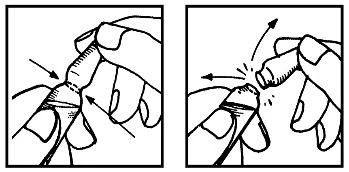
The vial is equipped with a pre-scored break line; therefore, a file is not required.
Effortil injectable solution must not be mixed with levulose solution or with hydroxyethyl starch solution. Effortil is compatible with physiological saline solution or Ringer's lactate solution, without additional additives.
If you use more Effortil than you should
If you accidentally take too much Effortil, inform your doctor immediately or go to the nearest hospital.
Symptoms
If you take too much Effortil, you may experience a worsening of the serious side effects listed in section “Possible side effects”. In addition, agitation and vomiting may occur. If an excessive dose of Effortil is accidentally taken by newborns or infants, they may develop reduced and/or stopped breathing (central respiratory depression) and coma.
Treatment
Your doctor will provide appropriate supportive treatment.
If you forget to use Effortil
Do not use a double dose to make up for the forgotten dose.
If you stop using Effortil
If you have any doubts about using this medicine, consult your doctor or pharmacist.
4. Possible side effects
Like all medicines, this medicine can cause side effects, although not everybody gets them.
The possible side effects are listed below by the following frequency:
Common (may affect up to 1 in 10 people)
- headache (cephalalgia).
Uncommon (may affect up to 1 in 100 people)
- anxiety;
- insomnia;
- tremor;
- restlessness;
- dizziness;
- change in heart rhythm (arrhythmia);
- increased heart rate (tachycardia);
- awareness of heartbeat (palpitations);
- nausea.
Not known (frequency cannot be estimated from the available data)
- allergic reactions (hypersensitivity);
- chest pain (angina pectoris);
- increased blood pressure;
- excessive sweating (hyperhidrosis).
Other reported side effects include vomiting and reduced heart rate with increased blood pressure (reflex bradycardia), disturbances in sensation of limbs or other parts of the body (paraesthesia), goosebumps (piloerection), feeling cold, chills.
Reporting of side effects
If you experience any side effect, including those not listed in this leaflet, talk to your doctor or pharmacist. You can also report side effects directly via the national reporting system at
www.aifa.gov.it/content/segnalazioni-reazioni-avverse. By reporting side effects, you can help provide more information on the safety of this medicine.
5. How to store Effortil
Keep this medicine out of the sight and reach of children.
This medicine does not require any special storage conditions.
Do not use this medicine after the expiry date stated on the carton after "Exp". The expiry date refers to the last day of that month.
Do not dispose of medicines via wastewater or household waste. Ask your pharmacist how to dispose of medicines you no longer use. This will help protect the environment.
6. Package contents and other information
What Effortil contains
- The active substance is etilefrine hydrochloride 10 mg (1 ml of solution contains 10 mg of etilefrine).
- The other component is: water for injections.
Description of the appearance of Effortil and contents of the pack
It is a clear, colourless solution contained in 1 ml dark glass vials. The vials are packaged in a carton box containing 6 vials of 1 ml.
Marketing Authorization Holder and Manufacturer
Marketing Authorization Holder
SERB SA
Avenue Louise 480
1050 Brussels, Belgium
Manufacturer
Cenexi
52 rue Marcel et Jacques Gaucher
94120 Fontenay sous Bois, France
The following information is intended exclusively for doctors or healthcare professionals:
No incompatibilities with other medicinal products are known.
Effortil injectable solution is not compatible with fructose solution or hydroxyethyl starch solution.
Effortil is compatible with physiological saline solution or Ringer's lactate solution, without additional additives.
Chemical and physical stability after first opening has been demonstrated for up to 48 hours at 30°C when diluted with physiological saline solution or Ringer's lactate solution at a concentration of one vial in 250 ml or 500 ml.
From a microbiological standpoint, the ready-to-use injectable solution should be used immediately. If not used immediately, the time and storage conditions prior to use are the responsibility of the user.