Dulcolax
Italy
Table of Contents
- Package leaflet: Information for the user
- DULCOLAX 5 mg coated tablets, 10 mg suppositories
- 1. What Dulcolax is and what it is used for
- 2. What you need to know before taking/giving Dulcolax to your child
- 3. How to take/give Dulcolax to your child
- 4. Possible side effects
- 5. How to store Dulcolax
- 6. Package contents and other information
- Package leaflet: information for the user
- DULCOLAX Children 5 mg Suppositories
- 1. What Dulcolax is and what it is used for
- 2. What you should know before giving Dulcolax to your child
- 3. How to give Dulcolax to your child
- 4. Possible side effects
- 5. How to store Dulcolax
- 6. Package contents and other information
Package leaflet: Information for the user
DULCOLAX 5 mg coated tablets, 10 mg suppositories
Bisacodyl
Read this leaflet carefully before you take/give your child this medicine
because it contains important information for you.
Always take/give your child this medicine exactly as described in this leaflet or
as your doctor or pharmacist has told you to do.
- Keep this leaflet. You may need to read it again.
- If you want more information or advice, consult your pharmacist.
- If any side effects occur, including those not listed in this leaflet, consult your doctor or pharmacist. See section 4.
- Consult your doctor if you do not notice improvement or if symptoms worsen after 7 days.
Contents of this leaflet:
- What Dulcolax is and what it is used for
- What you need to know before taking/giving your child Dulcolax
- How to take/give your child Dulcolax
- Possible side effects
- How to store Dulcolax
- Contents of the pack and other information
1. What Dulcolax is and what it is used for
Dulcolax contains bisacodyl. It belongs to a group of medicines called stimulant laxatives.
Dulcolax works by stimulating intestinal movements and accelerating the passage of intestinal contents.
Dulcolax is used in adults, children and adolescents aged 2 to 18 years for the short-term treatment of occasional constipation.
Consult your doctor if you do not feel better or if you feel worse after 7 days.
2. What you need to know before taking/giving Dulcolax to your child
Do not take/do not give Dulcolax to your child
- if you and/or your child are allergic to bisacodyl or to any of the other ingredients of this medicine (listed in section 6);
- if you and/or your child suffer from intestinal obstruction due to paralysis of intestinal muscles (paralytic ileus);
- if you and/or your child have acute abdominal conditions, such as inflammation of the appendix (appendicitis), or severe abdominal pain associated with nausea and vomiting, which may be signs of serious illness;
- if you and/or your child have intestinal obstruction or narrowing (intestinal stenosis);
- if you and/or your child have acute inflammation of the stomach and intestines;
- if you and/or your child have unexplained rectal bleeding;
- if you and/or your child have severe loss of body fluids (dehydration);
- if you and/or your child have a hereditary disease that may be incompatible with the intake of one of the excipients (see section 2, "Dulcolax tablets contain lactose and sucrose");
- if your child is under 2 years of age;
- if you and/or your child have anal fissures or anal ulcers, do not use the suppositories (perianal pain and bleeding may occur). If you are pregnant or breastfeeding, see section "Pregnancy and breastfeeding".
Warnings and precautions
Talk to your doctor or pharmacist before taking/giving Dulcolax to your child.
Cases of dizziness and/or fainting (syncope) have been reported after taking Dulcolax. Data from these cases suggest that these events may be less related to the intake of Dulcolax and more likely interpreted as manifestations of "defecation syncope" (due to the effort of defecation), or as a reflex response to abdominal pain related to constipation itself.
Use of suppositories may cause painful sensations and local irritation, particularly in the presence of anal fissures or inflammatory disease of the rectum (ulcerative proctitis) (see section 2, "Do not take/do not give Dulcolax to your child").
Like all laxatives, do not take/do not give Dulcolax daily or for prolonged periods without first having the cause of constipation evaluated by a doctor. Treatment of chronic or recurrent constipation always requires medical supervision for diagnosis, prescription of medication, and monitoring during therapy.
In particular, consult your doctor:
- if the need for a laxative arises from a sudden change in previous bowel habits (frequency and characteristics of bowel movements) lasting more than two weeks, or if use of the laxative fails to produce an effect;
- if you are elderly or in poor health;
- if you/your child have diabetes mellitus, high blood pressure (hypertension), or heart disease (cardiopathy).
Laxative abuse
Abuse of laxatives (frequent or prolonged use, or excessive doses) may cause persistent diarrhea, leading to fluid loss (dehydration) or decreased potassium levels in the blood (hypokalemia).
In severe cases, low potassium levels may cause heart or muscle disorders, especially if you are also taking certain heart medications (cardiac glycosides), medications that increase urine production (diuretics), or medications used to treat inflammation (corticosteroids).
Symptoms of fluid loss from the intestines (dehydration) may include thirst and reduced urine output (oliguria).
Fluid loss (dehydration) can be dangerous if you/your child have reduced kidney function (renal insufficiency) or if you are elderly; in such cases, stop treatment with Dulcolax and consult your doctor.
Blood in the stool (hematochezia) may also occur, which is usually mild and resolves spontaneously.
Avoid frequent or prolonged use of the medicine, as it may lead to tolerance and dependence (i.e., the need to progressively increase the dose and inability to stop using the medicine), as well as chronic constipation and loss of normal intestinal function (intestinal atony).
Stimulant laxatives, including Dulcolax, do not contribute to weight loss.
Children
In children aged between 2 and 10 years, this medicine should be used only after consulting a doctor.
Dulcolax must not be used in children under two years of age.
Other medicines and Dulcolax
Tell your doctor or pharmacist if you/your child are taking, have recently taken, or might take any other medicines.
Inform your doctor if you are taking:
- diuretics (medicines that increase urinary excretion) or adrenocorticosteroids (medicines used to treat inflammation). If you take these medicines and excessive doses of Dulcolax, the risk of imbalance in blood electrolytes may increase. This imbalance, in turn, may increase sensitivity to cardioactive glycosides (medicines used to treat heart disorders);
- antacids (medicines used to treat heartburn). These may alter the effect of the medicine; wait at least one hour before taking the laxative. Laxatives may reduce intestinal transit time, and thus the absorption of other medicines taken orally at the same time. Therefore, avoid taking/giving laxatives and other medicines simultaneously: wait at least two hours after taking/giving another medicine before taking the laxative. Concomitant use of other laxatives may enhance gastrointestinal side effects of Dulcolax.
Dulcolax and drinks
Milk may alter the effect of the medicine; wait at least one hour before taking/giving the laxative to your child.
Pregnancy, breastfeeding, and fertility
If you are pregnant, suspect you may be pregnant, planning to become pregnant, or breastfeeding, consult your doctor or pharmacist before taking this medicine.
Pregnancy
There are no adequate and well-controlled studies on the use of this medicine during pregnancy. Therefore, although no adverse or toxic effects have ever been reported during pregnancy, as with all medicines, Dulcolax should be used during pregnancy only if necessary, under direct medical supervision, after the doctor has evaluated the expected benefit to you in relation to the possible risk to the fetus.
Breastfeeding
Clinical data show that the active form of bisacodyl and its glucuronide derivatives do not pass into breast milk. However, use the medicine only if necessary, under direct medical supervision, after the doctor has evaluated the expected benefit to you in relation to the possible risk to the infant.
Fertility
No studies have been conducted to investigate effects on human fertility.
Driving and using machines
No studies have been conducted on the effects of this medicine on the ability to drive or use machinery.
Due to reflex responses to abdominal pain caused by constipation itself, such as abdominal spasms, dizziness and/or fainting (syncope) may occur. If you/your child experience abdominal pain (abdominal spasms), avoid potentially dangerous activities such as driving vehicles or operating machinery.
Dulcolax tablets contain lactose, sucrose, and castor oil
Dulcolax tablets contain lactose: if your doctor has diagnosed you/your child with an intolerance to certain sugars, contact your doctor before taking this medicine.
Dulcolax tablets contain sucrose: if your doctor has diagnosed you/your child with an intolerance to certain sugars, contact your doctor before taking this medicine.
Dulcolax tablets contain castor oil: this may cause gastrointestinal disturbances and diarrhea.
3. How to take/give Dulcolax to your child
Take/give this medicine to your child exactly as stated in this leaflet or as directed by your doctor or pharmacist. If you are in doubt, consult your doctor or pharmacist.
The recommended dose is as follows:
Film-coated tablets
Adults
1-2 film-coated tablets per day.
Use in children and adolescents
Children over 10 years: 1-2 film-coated tablets per day.
Children aged 2 to 10 years: 1 film-coated tablet per day.
Children aged 10 years or younger with chronic or persistent constipation should take Dulcolax only after consulting a doctor. Dulcolax must not be used in children under 2 years of age.
It is advisable to start with the lowest recommended dose.
The dose may then be increased, up to the maximum recommended dose, to achieve regular bowel movements.
The maximum daily dose must never be exceeded.
Take/give the film-coated tablets preferably in the evening to produce a bowel movement the following morning (after approximately 10 hours). When administered in the morning on an empty stomach, the effect occurs after about five hours.
Do not take/give the film-coated tablets with milk, bicarbonate, medicines for heartburn (antacids), or proton pump inhibitors.
The film-coated tablets should be swallowed whole with an adequate amount of water (a generous glass). A diet rich in fluids enhances the effect of the medicine.
The recommended dose is as follows:
Suppositories
Adults
1 adult suppository (10 mg) per day.
Use in children and adolescents
Children over 10 years: 1 adult suppository (10 mg) per day.
Children aged 10 years or younger with chronic or persistent constipation should take Dulcolax only after consulting a doctor.
Dulcolax must not be used in children under 2 years of age.
The maximum daily dose must never be exceeded.
The suppositories must be removed from their outer wrapper and inserted into the rectum with the pointed end first.
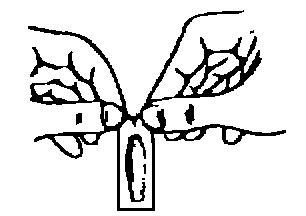
The effect of the suppositories usually occurs within approximately 20 minutes (onset of effect may vary between individuals and may occur between 10 and 30 minutes).
Duration of treatment
Use laxatives as infrequently as possible and for no longer than 7 days. Use beyond this period requires a doctor's prescription following appropriate individual assessment.
Consult your doctor if the condition recurs or if you notice any recent changes in its characteristics.
As a stimulant laxative acting on the intestine (colon), bisacodyl stimulates the natural bowel evacuation process. Therefore, bisacodyl does not alter digestion or the absorption of calories or essential nutrients in the intestine.
If you/your child takes more Dulcolax than you/they should
In case of accidental ingestion/overdose of Dulcolax, contact your doctor immediately or go to the nearest hospital.
Symptoms
If you/your child takes excessive doses of Dulcolax, symptoms such as abdominal pain and diarrhoea may occur, along with significant loss of substances present in the blood (potassium and other electrolytes).
If you/your child chronically abuse Dulcolax, as with other laxatives, chronic diarrhoea, abdominal pain, low blood potassium levels (hypokalaemia), increased production of a hormone (aldosterone) by the adrenal gland, which may lead to low blood potassium levels (secondary hyperaldosteronism), and formation of small stones in the kidney (renal calculi) may occur. In addition, kidney damage, reduced acidity in the blood (metabolic alkalosis), and muscle weakness due to low blood potassium levels (hypokalaemia) may occur.
See also the section “Warnings and precautions” regarding laxative abuse.
Treatment
If intervention occurs shortly after ingestion of Dulcolax tablets, absorption may be reduced or prevented by inducing vomiting or gastric lavage (emptying of stomach contents, to be performed in hospital). The doctor will replace lost fluids and blood components (electrolytes). This is particularly important in elderly patients or children.
Additionally, the doctor may administer to you/your child medications to relieve intestinal muscle contractions (spasmolytics).
If you forget to take/give Dulcolax to your child
Do not take/give a double dose to make up for a missed tablet or suppository.
If you stop treatment with Dulcolax
If you have any doubts about using this medicine, consult your doctor or pharmacist.
4. Possible side effects
Like all medicines, this medicine can cause side effects, although not everybody gets them.
Stop taking the medicine and contact your doctor immediately if you experience any of the
following symptoms:
- severe allergic reaction which may cause swelling of the face, lips, tongue or throat (angioedema)
- dizziness
The following side effects are listed according to frequency:
Common (may affect up to 1 in 10 people)
- abdominal cramps, abdominal pain, diarrhoea, nausea
Uncommon (may affect up to 1 in 100 people)
- dizziness,
- blood in the stools (haematochezia), vomiting, stomach discomfort, rectal discomfort
Rare (may affect up to 1 in 1,000 people)
- anaphylactic reactions, swelling of the face, lips, tongue or throat (angioedema), hypersensitivity,
- fluid loss (dehydration),
- fainting (syncope),
- inflammation of the bowel (colitis, including ischaemic colitis).
In addition, cases of dizziness and fainting after taking this medicine may occur due to a vasovagal response (e.g. abdominal pain, defecation).
Reporting of side effects
If you or your child experience any side effects, including those not listed in this leaflet, please inform your doctor or pharmacist. You can also report side effects directly via the national reporting system on the website of the Italian Medicines Agency: https://www.aifa.gov.it/content/segnalazioni-reazioni-avverse.
By reporting side effects, you can help provide more information on the safety of this medicine.
5. How to store Dulcolax
Keep this medicine out of the sight and reach of children.
Do not use this medicine after the expiry date which is stated on the packaging after "Exp".
The expiry date refers to the last day of that month.
Tablets: this medicine does not require any special storage conditions.
Suppositories: do not store above 30°C.
Do not dispose of medicines via wastewater or household waste. Ask your pharmacist how to dispose of medicines you no longer use. This will help protect the environment.
6. Package contents and other information
What Dulcolax contains
Coated tablets
- The active substance is bisacodyl 5 mg.
- The other ingredients are: lactose monohydrate, sucrose, castor oil (see section 2, “Dulcolax contains lactose, sucrose and castor oil”), maize starch, modified starch, glycerol, magnesium stearate, talc, arabic gum, titanium dioxide (E171), methacrylic acid/methyl methacrylate copolymer (1:1), methacrylic acid/methyl methacrylate copolymer (1:2), macrogol 6000, iron oxide (E172), white wax, carnauba wax, shellac gum.
Suppositories
- The active substance is bisacodyl 10 mg.
- The other ingredient is saturated fatty acid triglycerides.
Description of the appearance of Dulcolax and contents of the pack
Coated tablets
Dulcolax 5 mg coated tablets are coated tablets.
Pack contents: 40, 30, 24 or 20 coated tablets.
Suppositories
Dulcolax 10 mg suppositories for adults are suppositories.
Pack contents: 6 suppositories.
Not all pack sizes may be marketed.
Marketing Authorization Holder
Opella Healthcare Italy S.r.l.
Viale L. Bodio, 37/B
20158 Milano (Italy)
Manufacturer
Coated tablets:
Delpharm Reims S.A.S. – 10 rue Colonel Charbonneaux – 51100 Reims (France)
Adult suppositories:
Istituto De Angeli S.r.l. – Loc. Prulli n. 103/c – 50066 Reggello (FI)
Health education notes
First of all, it should be remembered that, in most cases, a balanced diet rich in water and fibre (bran, vegetables and fruit) can provide a lasting solution to constipation.
Many people believe they are constipated if they do not have a bowel movement every day. This is a mistaken belief, as this condition is completely normal for many individuals. Constipation should instead be considered to occur when bowel movements are reduced compared to an individual's usual pattern and are associated with the passage of hard stools. If episodes of constipation recur frequently, a doctor should be consulted.
Package leaflet: information for the user
DULCOLAX Children 5 mg Suppositories
Bisacodyl
Please read this leaflet carefully before giving this medicine to your child because it contains important information for you.
Give this medicine to your child exactly as described in this leaflet or as your doctor or pharmacist has instructed you.
- Keep this leaflet. You may need to read it again.
- If you need more information or advice, consult your pharmacist.
- If any adverse reaction occurs, including those not listed in this leaflet, consult your doctor or pharmacist. See section 4.
- Consult your doctor if you do not notice any improvement or if symptoms worsen after 7 days.
Contents of this leaflet:
- What Dulcolax is and what it is used for
- What you need to know before giving Dulcolax to your child
- How to give Dulcolax to your child
- Possible side effects
- How to store Dulcolax
- Contents of the pack and other information
1. What Dulcolax is and what it is used for
Dulcolax contains bisacodyl. It belongs to a group of medicines called stimulant laxatives.
Dulcolax works by stimulating intestinal movements and accelerating the passage of intestinal contents.
Dulcolax is used in children aged between 2 and 10 years for the short-term treatment of occasional constipation.
Consult your doctor if your child does not feel better or feels worse after 7 days.
2. What you should know before giving Dulcolax to your child
Do not give Dulcolax to your child
- if he/she is allergic to bisacodyl or to any of the other ingredients of this medicine (listed in section 6),
- if he/she has intestinal obstruction due to paralysis of the intestinal muscles (paralytic ileus),
- if he/she has acute abdominal conditions such as inflammation of the appendix (appendicitis), or severe abdominal pain associated with nausea and vomiting, which may be signs of serious diseases,
- if he/she has intestinal obstruction or narrowing (intestinal stenosis),
- if he/she has acute inflammation of the stomach and intestines,
- if he/she has unexplained rectal bleeding,
- if he/she has severe fluid loss from the body (state of dehydration),
- if he/she is under 2 years of age,
- if he/she has anal fissures or ulcers (anal fissures and ulcers may cause perianal pain and bleeding).
Warnings and precautions
Talk to your doctor or pharmacist before giving Dulcolax to your child.
Cases of dizziness and/or fainting (syncope) have been reported after taking Dulcolax. Available data
on these cases suggest that such events may not be directly related to Dulcolax intake, but rather may
be interpreted as "defecation syncope" (caused by the effort of defecation), or as a reflex response to
abdominal pain associated with constipation itself.
Use of suppositories may cause painful sensations and local irritation, particularly in the presence of
anal fissures or inflammatory disease of the rectum (ulcerative proctitis) (see section 2 “Do not give
Dulcolax to your child”).
Like all laxatives, do not give Dulcolax to your child daily or for prolonged periods without first
consulting a doctor to determine the cause of constipation. Treatment of chronic or recurrent
constipation always requires medical supervision for diagnosis, prescription of medication, and
monitoring during therapy.
In particular, consult your doctor:
- if the need for a laxative arises from a sudden change in previous bowel habits (frequency and characteristics of bowel movements) lasting more than two weeks, or if the laxative fails to produce an effect;
- if your child’s general health condition is poor;
- if your child has diabetes mellitus, high blood pressure (hypertension), or heart disease (cardiopathy).
Laxative abuse
Abuse of laxatives (frequent or prolonged use, or excessive doses) may cause persistent diarrhoea,
leading to fluid loss (dehydration) or decreased potassium levels in the blood (hypokalaemia).
In severe cases, low potassium levels may cause heart or muscle disorders, especially if your child is
also taking certain heart medications (cardiac glycosides), drugs that increase urine production
(diuretics), or anti-inflammatory drugs (corticosteroids).
Symptoms of fluid loss from the intestines (dehydration) may include thirst and reduced urine output
(oliguria).
Fluid loss (dehydration) can be dangerous if your child has reduced kidney function (renal
insufficiency); in such cases, stop treatment with Dulcolax and consult your doctor.
Blood in the stool (haematochezia) may also occur, which is usually mild and resolves spontaneously.
Avoid frequent or prolonged use of the medicine, as this may lead to tolerance and dependence (i.e.
progressive need for higher doses and inability to stop using the medicine), as well as chronic
constipation and loss of normal intestinal function (intestinal atony).
Stimulant laxatives, including Dulcolax, do not contribute to weight loss.
Children
In children aged between 2 and 10 years, this medicine should be used only after consulting a doctor.
Dulcolax must not be used in children under 2 years of age.
Other medicines and Dulcolax
Inform your doctor or pharmacist if your child is taking, has recently taken, or might take any other
medicines.
Tell your doctor if your child is taking:
- diuretics (medicines that increase urinary excretion) or adrenocorticosteroids (medicines used to treat inflammation). If these medicines are used together with excessive doses of Dulcolax, the risk of an imbalance in blood electrolytes may increase. This imbalance, in turn, may increase sensitivity to cardioactive glycosides (medicines used to treat heart disorders);
- antacids (medicines used to treat heartburn). These may alter the effect of the medicine; wait at least one hour before taking the laxative.
Laxatives may reduce intestinal transit time, and therefore reduce the absorption of other medicines
taken simultaneously by mouth.
Therefore, avoid giving your child laxatives and other medicines at the same time: wait at least two
hours after administering another medicine before giving the laxative.
Concomitant use of other laxatives may increase the gastrointestinal side effects of Dulcolax.
Dulcolax with drinks
Milk may alter the effect of the medicine; wait at least one hour before giving the laxative to your child.
Driving and using machines
No studies have been conducted on the effects of Dulcolax on the ability to drive or use machinery.
Due to reflex responses to abdominal pain caused by constipation, such as abdominal spasms, dizziness
and/or fainting (syncope) may occur. If your child experiences abdominal pain (abdominal spasm), he
or she should avoid potentially dangerous activities such as driving vehicles or operating machinery.
3. How to give Dulcolax to your child
Give this medicine to your child exactly as described in this leaflet or as directed by your doctor or pharmacist. If you have any doubts, consult your doctor or pharmacist.
The recommended dose is as follows:
Children aged between 2 and 10 years: 1 paediatric suppository (5 mg) per day.
Children aged 10 years or younger with chronic or persistent constipation should only take Dulcolax after consulting a doctor.
Dulcolax must not be used in children under 2 years of age.
The maximum daily dose must never be exceeded.
Remove the outer wrapping from the suppository and insert it into the rectum pointed end first.
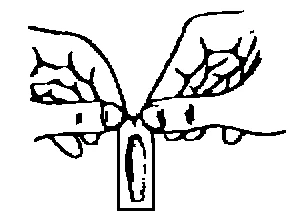
The effect of the suppositories usually occurs within about 20 minutes (however, the onset of action may vary between individuals and may occur between 10 and 30 minutes).
Duration of treatment
Give laxatives to your child as infrequently as possible and for no longer than 7 days. Use beyond this period requires a doctor's prescription following appropriate evaluation of the individual case.
Consult your doctor if symptoms recur repeatedly or if you notice any recent changes in their characteristics.
As a stimulant laxative acting on the intestine (colon), bisacodyl stimulates the natural evacuation process. Therefore, bisacodyl does not alter digestion or the absorption of calories or essential nutrients in the intestine.
If you give your child more Dulcolax than you should
In case of accidental ingestion/overdose of Dulcolax, contact your doctor immediately or go to the nearest hospital.
Symptoms
If your child takes an excessive dose of Dulcolax, they may experience abdominal pain and diarrhoea, and significant loss of substances present in the blood (potassium and other electrolytes).
If your child chronically abuses Dulcolax, as with other laxatives, they may develop chronic diarrhoea, abdominal pain, decreased potassium levels in the blood (hypokalaemia), increased production of a hormone (aldosterone) by the adrenal gland, which may lead to reduced potassium levels in the blood (secondary hyperaldosteronism), and formation of small stones in the kidney (renal calculi). In addition, they may develop kidney damage, reduced blood acidity (metabolic alkalosis), and muscle weakness caused by low potassium levels in the blood (hypokalaemia).
See also the information in section "Warnings and precautions" regarding laxative abuse.
Treatment
If treatment is initiated promptly, the doctor will replace fluid and blood substance losses (electrolytes). This is particularly important for your child.
Additionally, the doctor may administer medications to relieve intestinal muscle contractions (spasmolytics) to your child.
If you forget to give your child Dulcolax
Do not give your child a double dose to make up for the forgotten suppository.
If you stop treatment with Dulcolax
If you have any doubts about using this medicine, consult your doctor or pharmacist.
4. Possible side effects
Like all medicines, this medicine can cause side effects, although not everybody will get them.
Stop taking the medicine and contact your doctor immediately if your child experiences any of the following symptoms:
- severe allergic reaction which may cause swelling of the face, lips, tongue or throat (angioedema)
- dizziness
The following side effects are listed according to frequency:
Common (may affect up to 1 in 10 people)
-
abdominal cramps, abdominal pain, diarrhoea, nausea;
Uncommon (may affect up to 1 in 100 people) -
dizziness (vertigo),
-
blood in the stool (haematochezia), vomiting, stomach discomfort, anorectal discomfort;
Rare (may affect up to 1 in 1,000 people) -
anaphylactic reactions, swelling of the face, lips, tongue or throat (angioedema), hypersensitivity,
-
fluid loss (dehydration),
-
fainting (syncope),
-
inflammation of the intestine (colitis, including ischaemic colitis).
In addition, cases of dizziness and fainting after taking this medicine may occur due to a vasovagal response (e.g. abdominal pain, defecation).
Reporting of side effects
If your child experiences any side effect, including those not listed in this leaflet, speak to your doctor or pharmacist. You may also report side effects directly via
https://www.aifa.gov.it/content/segnalazioni-reazioni-avverse.
By reporting side effects, you can help provide more information on the safety of this medicine.
5. How to store Dulcolax
Keep this medicine out of the sight and reach of children.
Do not use this medicine after the expiry date stated on the carton after "Exp.".
The expiry date refers to the last day of that month.
Do not store above 30°C.
Do not dispose of any medicine via wastewater or household waste. Ask your pharmacist how to
dispose of medicines no longer required. This will help protect the environment.
6. Package contents and other information
What Dulcolax contains
- The active substance is bisacodyl 5 mg.
- The other components are saturated fatty acid triglycerides.
Description of the appearance of Dulcolax and package contents
Dulcolax Bambini 5 mg suppositories are presented as suppositories.
The pack contains 6 suppositories.
Marketing Authorization Holder
Opella Healthcare Italy S.r.l.
Viale L. Bodio, 37/B
20158 Milano (Italy)
Manufacturer
Istituto De Angeli S.r.l. – Loc. Prulli n. 103/c – 50066 Reggello (FI)
Health education notes
In most cases, a balanced diet rich in water and fibre (bran, vegetables, and fruit) can
provide a lasting solution to constipation.
Many people believe they suffer from constipation if they do not have a bowel movement every day. This is a mistaken belief, as this situation is completely normal for many individuals. Constipation is instead defined by bowel movements that are less frequent than an individual's usual pattern and are associated with the passage of hard stools.
If the problem is persistent (chronic constipation) or recurrent, you should consult your doctor.