Droptimol
ItalyTable of Contents
- Package leaflet: Information for the patient
- Droptimol 2.5 mg/ml eye drops, solution, 5 mg/ml eye drops, solution
- 1. What Droptimol is and what it is used for
- 2. What you should know before using Droptimol
- 3. How to use Droptimol
- 4. Possible side effects
- 5. How to store Droptimol
- 6. Contents of the pack and other information
- The following information is intended exclusively for healthcare professionals:
Package leaflet: Information for the patient
Droptimol 2.5 mg/ml eye drops, solution, 5 mg/ml eye drops, solution
Timolol maleate
Please read all of this leaflet carefully before you start using this medicine because it contains important information for you.
- Keep this leaflet. You may need to read it again.
- If you have any questions, ask your doctor or pharmacist.
- This medicine has been prescribed for you only. Do not give it to other people, even if their symptoms are the same as yours, as it may be harmful.
- If you experience any side effect, including those not listed in this leaflet, tell your doctor or pharmacist. See section 4.
Contents of this leaflet:
- What Droptimol is and what it is used for
- What you need to know before using Droptimol
- How to use Droptimol
- Possible side effects
- How to store Droptimol
- Contents of the pack and other information
1. What Droptimol is and what it is used for
Droptimol contains the active substance timolol maleate, which belongs to a group of medicines called beta-blockers.
- This medicine is administered by ocular route (into the eye) and is used to treat:
- certain types of eye diseases in patients with elevated intraocular pressure (ocular hypertension)
- patients with chronic open-angle glaucoma
- aphakic patients (without lens) with glaucoma
- patients with narrow angle and previous episodes of angle closure, either spontaneous or drug-induced, in the fellow eye, when reduction of intraocular pressure is required. Droptimol is also indicated as concomitant therapy in paediatric glaucoma not adequately controlled with other anti-glaucoma treatments.
2. What you should know before using Droptimol
Do not use Droptimol
- if you are allergic to timolol maleate, to other similar medicines (beta-blockers), or to any of the other ingredients of this medicine (listed in section 6);
- if you have or have previously had breathing problems such as asthma or severe chronic obstructive bronchitis (a serious lung disease that may cause shortness of breath, difficulty breathing and/or prolonged coughing);
- if you have or have previously had heart rhythm problems (sinus bradycardia, sick sinus syndrome, sinoatrial block, second- or third-degree atrioventricular block not controlled by a pacemaker);
- if you suffer from heart problems (heart failure, cardiogenic shock).
Warnings and precautions
Talk to your doctor or pharmacist before using Droptimol.
Be especially careful with Droptimol and inform your doctor if you have or have previously had:
- heart problems including first-degree heart block, coronary artery disease (symptoms may include chest pain or tightness, difficulty breathing or suffocation), heart failure, low blood pressure;
- heart rhythm disorders such as slow heartbeat;
- breathing problems such as respiratory distress, asthma, or chronic obstructive broncho-pulmonary disease;
- circulatory disorders (such as Raynaud’s disease or Raynaud’s syndrome);
- diabetes, because the active substance in this medicine (timolol) may mask the signs and symptoms of low blood sugar (hypoglycaemia);
- low blood sugar levels (spontaneous hypoglycaemia);
- overactive thyroid gland (hyperthyroidism), since timolol may mask signs and symptoms;
- diseases of the cornea, as ophthalmic beta-blockers (such as Droptimol) may cause dry eyes.
Before undergoing surgery, inform your doctor that you are using Droptimol, since the active substance in the medicine (timolol) may alter the effects of certain medicines used during anaesthesia.
Children
Eye drops containing timolol should generally be used with caution in children.
Droptimol must be used with extreme caution in newborns, infants, and young children. If coughing, asthma, abnormal breathing, or breathing pauses (apnoea) occur, stop treatment immediately and contact your doctor as soon as possible. In such cases, it is useful to have a portable device available for monitoring apnoea.
The active substance of the medicine (timolol) has been studied in newborns and children aged between 12 days and 5 years who presented abnormally elevated intraocular pressure or were diagnosed with glaucoma (a disease of the optic nerve). For further information, please consult your doctor.
Other medicines and Droptimol
Inform your doctor or pharmacist if you are currently using, have recently used, or might use any other medicines.
Droptimol may affect or be affected by other medicines you are taking, including:
other eye drops for the treatment of glaucoma
medicines to reduce blood pressure
medicines for the heart
medicines for the treatment of diabetes
quinidine (used to treat heart diseases and certain types of malaria)
medicines for depression (antidepressants) known as fluoxetine and paroxetine
other beta-blockers for local (topical) use (combination not recommended)
other beta-blockers for systemic use
adrenaline (pupil dilation of the eye has occasionally been reported following concomitant use of ophthalmic timolol maleate and adrenaline)
anaesthetics
For those engaged in sports activities: using this medicine without a therapeutic need constitutes doping and may result in a positive anti-doping test.
Pregnancy and breastfeeding
If you are pregnant, think you may be pregnant, planning to become pregnant, or breastfeeding, consult your doctor or pharmacist before using this medicine.
Do not use Droptimol during pregnancy unless your doctor considers it necessary.
Do not use Droptimol if you are breastfeeding, as the medicine may be excreted in breast milk.
Driving and using machines
Possible side effects associated with the use of Droptimol, such as visual disturbances and dizziness, may impair your ability to drive or operate machinery. If you experience these side effects, do not drive and avoid using machinery.
Droptimol contains phosphate buffer
This medicine contains:
- 0.586 mg of phosphate buffer per drop, equivalent to 11.72 mg/ml, in the single-dose formulation containing 2.5 mg/ml timolol
- 0.644 mg of phosphate buffer per drop, equivalent to 12.88 mg/ml, in the multidose formulation containing 2.5 mg/ml timolol
- 0.598 mg of phosphate buffer per drop, equivalent to 11.96 mg/ml, in formulations containing 5 mg/ml timolol, with a theoretical drop volume of approximately 50 µL. In cases of severe damage to the outermost transparent layer of the eye (the cornea), phosphates may very rarely cause corneal opacities due to calcium deposits during treatment.
Droptimol multidose bottle contains benzalkonium chloride
This medicine contains 0.005 mg of benzalkonium chloride per drop (with a theoretical drop volume of approximately 50 µL), equivalent to 0.1 mg/ml.
Benzalkonium chloride may be absorbed by soft contact lenses and may cause a change in their colour. Remove your contact lenses before using this medicine and wait 15 minutes before reinserting them.
Benzalkonium chloride may also cause eye irritation, especially if you have dry eye or corneal disorders (the most superficial transparent layer of the eye). If you experience unusual sensations in the eye, such as burning or pain after using this medicine, speak with your doctor.
3. How to use Droptimol
Use this medicine exactly as instructed by your doctor or pharmacist. If you have any doubts, consult your doctor or pharmacist.
The appropriate dosage must be determined by your doctor.
Generally, treatment is started by administering one drop of the 2.5 mg/ml solution into the affected eye or eyes every 12 hours. If the clinical response is not adequate, the dose may be increased to one drop of the 5 mg/ml solution in each affected eye every 12 hours.
If necessary, Droptimol may be used concomitantly with other therapy for reducing intraocular pressure. The use of two locally acting beta-blocking medicines is not recommended.
If intraocular pressure remains at satisfactory levels, treatment may continue with once-daily administration.
Use in children
A thorough medical examination is recommended before using Droptimol. Your doctor will carefully evaluate the risks and benefits of treatment with this medicine.
If the benefits outweigh the risks, it is recommended to use the lowest available concentration of the medicine, administered once daily.
Regarding use in paediatrics, an active ingredient concentration of 0.1% may be sufficient to control intraocular pressure. If intraocular pressure is not adequately controlled with this dosage, the dose may need to be increased to twice daily, with a 12-hour interval between doses.
Additionally, patients, especially newborns, should be closely monitored for one to two hours after the first dose and carefully observed for adverse effects until surgical intervention is performed.
Duration of treatment:
Use for temporary treatment in children.
Method of administration:
Instill only one drop of Droptimol per dose.
After instilling the eye drops, keep the eye closed for as long as possible (3–5 minutes) and apply pressure to the corner of the eye near the nose to prevent the eye drops from spreading into the rest of the body (systemic absorption).
Instructions for use:
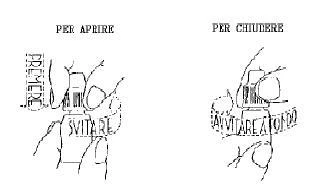
Multi-dose bottle: to open, press the closure cap and unscrew simultaneously. After use, close by screwing tightly.
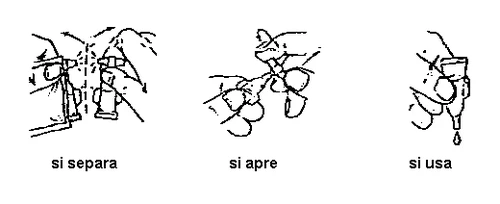
Single-dose container: open the container by twisting and pulling off the cap.
After using Droptimol, press a finger to the corner of the eye near the nose for two minutes. This helps prevent the medicine from spreading throughout the body.
The single-dose container does not contain preservatives: use the product immediately after opening and discard any remaining medicine.
If you use more Droptimol than you should
Following accidental overdose of Droptimol eye drops, systemic effects may occur such as dizziness, headache, shortness of breath, slowed heart rate (bradycardia), narrowing of the airways causing breathing difficulty (bronchospasm), and sudden cessation of heart activity (cardiac arrest).
Treatment should be symptomatic and supportive.
In case of accidental overdose of Droptimol, contact your doctor immediately or go to the nearest hospital.
If you forget to use Droptimol
If a dose of this medicine is missed, instill the missed dose as soon as possible. However, if it is almost time for the next dose, skip the missed dose and resume your regular dosing schedule.
Do not use a double dose to make up for a forgotten dose.
If you stop using Droptimol
If you need to stop treatment, contact your doctor immediately. Do not stop treatment with Droptimol without first consulting your doctor.
If you have any doubts about how to use this medicine, consult your doctor or pharmacist.
4. Possible side effects
Like all medicines, this medicine can cause side effects, although not everybody gets them.
You can usually continue using the eye drops unless the side effects are severe. If you are concerned, speak to your doctor or pharmacist. Do not stop treatment with Droptimol without first consulting your doctor.
- generalized allergic reactions including subcutaneous swelling – which may occur in areas such as the face and limbs, and may obstruct the airways causing difficulty in swallowing or breathing, hives or itchy rash, generalized or localized rash, itching, severe sudden allergic reaction with life-threatening risk
- low blood glucose levels (hypoglycaemia)
- sleep disorders (insomnia), nightmares
- depression
- memory loss
- fainting, stroke, reduced blood supply to the brain
- worsening of signs and symptoms of myasthenia gravis (a muscle disease)
- dizziness
- unusual sensations such as tingling
- headache
- signs and symptoms of eye irritation (e.g. burning, stinging, itching, tearing, redness), eyelid inflammation, corneal inflammation, blurred vision, and detachment of the layer beneath the retina containing blood vessels following filtering surgery, which may cause visual disturbances; reduced corneal sensitivity, dry eye, corneal erosion (damage to the front layer of the eyeball), drooping of the upper eyelid (causing the eye to appear half-closed), double vision. In very rare cases, some patients with severe damage to the outermost transparent layer of the eye (the cornea) have developed cloudy spots on the cornea due to calcium deposits during treatment.
- slow heart rate
- chest pain
- palpitations
- oedema (fluid accumulation)
- changes in heart rhythm or heart rate
- congestive heart failure (heart disease with shortness of breath and swelling of the feet and legs due to fluid accumulation), a type of heart rhythm disorder
- heart attack, heart failure
- low blood pressure
- Raynaud's phenomenon
- cold hands and feet
- narrowing of the airways in the lungs (mainly in patients with pre-existing lung disease)
- breathing difficulties
- cough
- taste disturbances
- nausea, vomiting, indigestion, diarrhoea, abdominal pain
- dry mouth
- hair loss
- skin rashes with a silvery appearance (psoriasiform eruption), worsening of psoriasis, skin rash
- muscle pain not caused by physical exercise
- muscle weakness / fatigue
- sexual dysfunction, decreased sexual desire
Reporting of side effects
If you experience any side effect, including those not listed in this leaflet, please inform your doctor or pharmacist. You can also report side effects directly via the national reporting system at: http://www.agenziafarmaco.gov.it/content/come-segnalare-una-sospetta-reazione-avversa. By reporting side effects, you can help provide more information on the safety of this medicine.
5. How to store Droptimol
Keep this medicine out of the sight and reach of children.
Do not use this medicine after the expiry date stated on the packaging after "Exp.".
The expiry date refers to the last day of that month. This date applies to the medicine kept in its original, unopened packaging and stored correctly.
Multi-dose bottle: do not use the medicine more than 30 days after opening the container.
Single-dose container: the single-dose container does not contain preservatives: use the medicine immediately after first opening the container and discard it even if only partially used.
Do not dispose of any medicine via wastewater or household waste. Ask your pharmacist how to dispose of medicines you no longer use. This will help protect the environment.
6. Contents of the pack and other information
What Droptimol contains
Droptimol 2.5 mg/ml eye drops, solution - multidose container
- The active substance is timolol. 1 ml of solution contains 2.5 mg of timolol (equivalent to 3.42 mg of timolol maleate).
- The other components are: monobasic sodium phosphate monohydrate, dibasic sodium phosphate anhydrous, benzalkonium chloride, water for injections.
Droptimol 5 mg/ml eye drops, solution - multidose container
- The active substance is timolol. 1 ml of solution contains 5 mg of timolol (equivalent to 6.83 mg of timolol maleate).
- The other components are: monobasic sodium phosphate monohydrate, dibasic sodium phosphate anhydrous, benzalkonium chloride, water for injections.
Droptimol 2.5 mg/ml eye drops, solution - single-dose container
- The active substance is timolol. 1 ml of solution contains 2.5 mg of timolol (equivalent to 3.42 mg of timolol maleate).
- The other components are: monobasic sodium phosphate monohydrate, dibasic sodium phosphate anhydrous, water for injections.
Droptimol 5 mg/ml eye drops, solution - single-dose container
- The active substance is timolol. 1 ml of solution contains 5 mg of timolol (equivalent to 6.83 mg of timolol maleate).
- The other components are: monobasic sodium phosphate monohydrate, dibasic sodium phosphate anhydrous, water for injections.
Contents of the pack and other information
Droptimol is an eye drop solution available as follows:
Droptimol 2.5 mg/ml: box containing 1 bottle of 5 ml solution; box containing 25 single-dose units of 0.2 ml solution
Droptimol 5 mg/ml: box containing 1 bottle of 5 ml solution; box containing 25 single-dose units of 0.2 ml solution
Marketing Authorization Holder
Farmigea S.p.A., Via G.B. Oliva 6/8, 56121 - Pisa
Manufacturer
Farmigea S.p.A., Via G.B. Oliva 8, 56121 - Pisa
The following information is intended exclusively for healthcare professionals:
Please read carefully the information contained in sections 1-6 as well.
The following may occur with the use of Droptimol:
Like other drugs administered into the eyes, timolol is absorbed into the bloodstream. This may cause
adverse effects similar to those observed with "intravenous" and/or oral administration of beta-blockers.
The incidence of adverse effects following ophthalmic topical administration is lower than when drugs are, for example, taken orally or injected.
The listed adverse effects include reactions observed within the class of beta-blockers when used in the treatment of ocular diseases.
If you use more Droptimol than you should:
In case of ingestion, gastric lavage is recommended.
Studies have shown that timolol is not readily dialyzed.
Emergency treatment consists of removing the toxic agent and administering atropine sulfate intramuscularly or intravenously at a dose of 0.25–2 mg; if unsuccessful, beta-mimetics (isoprenaline, etc.) are recommended.