Dropirole
ItalyTable of Contents
Patient Information Leaflet
Dropizole 10 mg/ml oral drops, solution
Morphine in opium tincture
Please read all of this leaflet carefully before taking this medicine because it contains important information for you.
- Keep this leaflet. You may need to read it again.
- If you have any questions, ask your doctor, pharmacist, or nurse.
- This medicine has been prescribed for you only. Do not give it to others, even if they have the same symptoms as yours, as it could be harmful.
- If you experience any side effects, including those not listed in this leaflet, contact your doctor, pharmacist, or nurse. See section 4.
Contents of this leaflet
- What Dropizole is and what it is used for
- What you need to know before taking Dropizole
- How to take Dropizole
- Possible side effects
- How to store Dropizole
- Contents of the pack and other information
1. What Dropizole is and what it is used for
Dropizole is a herbal medicinal product containing morphine.
Dropizole belongs to a group of medicines called antipropulsives and is used in adults for the treatment of symptoms of severe diarrhoea, when the use of other treatments to stop diarrhoea has not produced a sufficient effect.
Dropizole works by inhibiting intestinal movements.
2. What you should know before taking Dropizole
Do not take Dropizole:
- If you are allergic to opium or morphine or to any of the other ingredients of this medicine (listed in section 6).
- If you are opioid-dependent
- If you have glaucoma (increased eye pressure)
- If you have severe kidney or liver disease
- If you are experiencing symptoms of alcohol withdrawal (delirium tremens)
- If you have severe head trauma
- If you are at risk of paralytic ileus (intestinal obstruction due to paralysis of intestinal muscles)
- If you have acute asthma or chronic lung disease that makes breathing difficult (COPD)
- If you have respiratory problems due to severe respiratory depression. Your doctor will have informed you if you suffer from any of these conditions. Symptoms may include shortness of breath, cough, or slower or weaker breathing than expected.
- If you have heart failure secondary to lung disease (cor pulmonale)
- If you are breastfeeding
Warnings and precautions
Talk to your doctor, pharmacist, or nurse before taking Dropizole if:
- You are elderly, as older people may react differently to this medicine. The dose may need to be adjusted.
- You have chronic kidney and/or liver disease. The dose may need to be adjusted.
- You suffer from narcotic or alcohol dependence
- You have gallbladder disease or gallstones
- You have head trauma or increased intracranial pressure
- You have reduced level of consciousness
- You are taking a medicine for depression (moclobemide or other MAO inhibitors), or if you have stopped taking such medicine within the last 2 weeks.
- You have reduced adrenal function
- You have an underactive thyroid; the dose may need to be adjusted.
- Low blood pressure with reduced blood volume
- Pancreatitis (inflammation of the pancreas)
- You have benign prostatic hyperplasia (enlarged prostate) and/or conditions predisposing to urinary retention.
- You have an intestinal infection or inflammation, as inhibition of peristalsis may increase the risk of toxin absorption, development of a dilated colon, and intestinal perforation.
- You suffer from epilepsy
- You are taking other medications for diarrhoea
- You experience seizures
- You have gastrointestinal bleeding and/or intestinal haemorrhage
- You are taking medicines for high blood pressure
If you experience difficulty urinating, you must contact a healthcare professional.
Due to the risk of paralytic ileus, whose symptoms include nausea and vomiting, Dropizole is not recommended
before surgery or within 24 hours after an operation.
Risk of dependence and tolerance with prolonged use of this product.
Tolerance, dependence, and addiction
This medicine contains morphine, which is an opioid medicine. Repeated use of opioids may cause the
medicine to become less effective (you get used to it, a phenomenon known as tolerance). Repeated use of
Dropizole may also lead to dependence, abuse, and addiction, which can result in a life-threatening overdose.
The risk of these side effects may increase with higher doses and longer duration of use.
Dependence or addiction may make you feel as though you no longer have control over how much medicine
you take or how often you take it.
The risk of becoming dependent varies from person to person. You may have a higher risk of becoming dependent
on Dropizole if:
- You or someone in your family has ever abused or been dependent on alcohol, prescription medicines, or illegal drugs ("addiction").
- You are a smoker.
- You have ever had mood problems (depression, anxiety, or personality disorders) or have been treated by a psychiatrist for other mental illnesses.
If you notice any of the following signs while taking Dropizole, it could be a sign that you have become
dependent or addicted:
- You need to take the medicine for longer than your doctor advised
- You need to take a higher dose than recommended
- You are using the medicine for reasons other than prescribed, e.g., "to stay calm" or "to help you sleep"
- You have made repeated unsuccessful attempts to stop or control use of the medicine
- You feel unwell when stopping treatment with the medicine and feel better once you restart it (“withdrawal effects”)
If you notice any of these signs, speak to your doctor to discuss the best treatment approach for you, including
when it is appropriate to stop treatment and how to stop safely (see section 3, If you stop taking Dropizole).
Acute generalized exanthematous pustulosis (AGEP) has been reported in association with treatment with
Dropizole. Symptoms usually appear within the first 10 days of treatment. Inform your doctor if you have ever
developed a severe skin rash, skin peeling, blisters, and/or mouth ulcers after taking Dropizole or other opioids.
Stop using Dropizole and contact your doctor immediately if you notice any of the following symptoms: blisters, widespread scaly skin, or pus-filled spots together with fever.
Sleep-related breathing disorders
Dropizole may cause sleep-related breathing disorders such as sleep apnoea (breathing pauses during sleep) and sleep-related hypoxia (low blood oxygen levels during sleep). Symptoms may include breathing pauses during sleep, nighttime awakenings due to breathlessness, difficulty maintaining sleep, or excessive daytime sleepiness. If you or someone else observes these symptoms, contact your doctor. Your doctor may consider reducing the dose.
Contact your doctor if you experience severe upper abdominal pain that may radiate to the back, nausea, vomiting, or fever, as these could be symptoms associated with inflammation of the pancreas (pancreatitis) or the biliary system.
Children and adolescents
Dropizole must not be used in children and adolescents under 18 years of age.
Other medicines and Dropizole
Inform your doctor or pharmacist if you are taking, have recently taken, or might take any other medicines.
It is especially important that you inform your doctor or pharmacist if you are taking:
- Medicines that enhance the reduction in consciousness and breathing difficulties seen with Dropizole, such as:
- Alcohol
- Sleeping pills (e.g., zolpidem) and general anaesthetics (e.g., barbiturates)
- Medicines for depression (tricyclic antidepressants) or Parkinson’s disease (MAO inhibitors, e.g., safinamide)
- Sedative antipsychotics (e.g., phenothiazines)
- Medicines for epilepsy and nerve-related pain (gabapentin or pregabalin)
- Medicines for nausea and vomiting (e.g., bromopride, meclizine, metoclopramide)
- Medicines for allergies (antihistamines, e.g., carbinoxamine, doxylamine)
- Other opioid painkillers (e.g., alfentanil, butorphanol, fentanyl, hydrocodone, hydromorphone, levorphanol, meperidine, methadone, oxycodone, oxymorphone, remifentanil, sufentanil, tapentadol, tramadol)
- Medicines with a mode of action similar to morphine, which may increase withdrawal symptoms and reduce therapeutic effect (buprenorphine, nalbuphine, nalmefene, naltrexone, pentazocine)
- Medicines for alcohol dependence (disulfiram) or medicines for certain infections (metronidazole), as they may cause unpleasant side effects such as flushing, rapid breathing, and fast heartbeat
- Medicines for tuberculosis (rifampicin), which reduce the effect of morphine
- Some medicines used to treat blood clots (e.g., clopidogrel, prasugrel, ticagrelor) may have delayed and reduced effects when taken with opioids
- Amphetamines and analogues may reduce the sedative effect of opioids
- Loxapine and periciazine may increase the sedative effect of opioids
- Concomitant use of flibanserin and opioids may increase the risk of CNS depression
- Opioids may increase plasma concentrations of desmopressin and sertraline
- Zidovudine (a medicine to treat or prevent HIV infections)
- Medicines for depression (fluoxetine) may reduce the duration of action of morphine
Concomitant use of Dropizole and sedatives such as benzodiazepines or related drugs increases the risk of dizziness, breathing difficulties (respiratory depression), coma, and may be potentially fatal. Because of this, concomitant use should only be considered when no other treatment options are available.
However, if your doctor prescribes Dropizole together with sedatives, the dose and duration of concomitant treatment must be limited by your doctor.
Inform your doctor about all sedatives you are taking and follow your doctor’s dosage recommendations carefully. It may be helpful to inform friends or family to watch for the signs and symptoms listed above. Contact your doctor if you experience such symptoms.
Concomitant administration of morphine may enhance the effects of medicines that lower blood pressure or other medicines with blood pressure-lowering effects.
Dropizole with food, drinks, and alcohol
Dropizole may be taken with food and drinks. Dropizole contains alcohol; therefore, caution is advised when consuming alcohol.
See “Dropizole contains ethanol” below.
Pregnancy, breastfeeding, and fertility
If you are pregnant, think you may be pregnant, plan to become pregnant, or are breastfeeding, consult your doctor or pharmacist before taking this medicine.
Pregnancy:
Do not take Dropizole during pregnancy unless instructed by your doctor. Dropizole should not be taken close to the time of delivery due to the risk of withdrawal symptoms in the newborn.
Breastfeeding:
Dropizole must not be used during breastfeeding.
Fertility:
It is not known whether morphine may impair fertility. Men and women of reproductive potential should use an effective method of contraception while taking Dropizole.
Driving and using machines
Dropizole contains morphine and ethanol and may cause drowsiness and significantly affect your ability to drive or operate machinery.
Do not drive or operate machinery until you know how these substances affect you.
Dropizole contains ethanol
This medicine contains 33% vol ethanol (alcohol), i.e., up to 260 mg per dose, equivalent to 6.6 ml of beer or 2.8 ml of wine per dose. Harmful for individuals suffering from alcoholism. This should be taken into account in pregnant or breastfeeding women, children, and high-risk groups such as patients with liver disease or epilepsy.
3. How to take Dropizole
Take this medicine exactly as directed by your doctor. If you have any doubts, consult your doctor or pharmacist.
The recommended dose in adults is:
Adults: 5-10 drops, 2-3 times daily.
The single dose must not exceed 1 ml and the total daily dose must not exceed 6 ml.
Elderly: dosage should be reduced.
Hepatic impairment: Dropizole must not be used or dosage must be reduced. See section 2 "Do not take" and section 2 "Warnings and precautions".
Renal impairment: Dropizole must not be used or dosage must be reduced.
See section 2 "Do not take" and section 2 "Warnings and precautions".
There are approximately 20 drops in 1 ml.
Method of administration
For oral use.
Dropizole may be taken undiluted or mixed in a glass of water. Once mixed in water, it must be used immediately. If Dropizole is taken undiluted, the correct dose can be administered with a spoon.

Use in children and adolescents
Dropizole must not be used in children and adolescents under 18 years of age.
If you take more Dropizole than you should
If you take too much Dropizole, you may experience small pupils, slow heart rate, low blood pressure, pulmonary edema, breathing difficulties, and decreased level of consciousness which may lead to coma.
Contact your doctor if you have taken more Dropizole than prescribed by your doctor or than indicated in this patient information leaflet and you do not feel well.
If you forget to take Dropizole
Take the missed dose as soon as you remember, unless it is almost time for your next dose. Do not take a double dose to make up for the forgotten dose.
If you stop taking Dropizole
Continue taking the medicine for the duration indicated by your doctor.
If you have any questions about the use of this medicine, consult your doctor, pharmacist, or nurse.
4. Possible side effects
Like all medicines, this medicine can cause side effects, although not everyone experiences them.
Stop using Dropizole and consult your doctor immediately if you notice any of the following
Serious side effects
Common (may affect up to 1 in 10 people):
Difficulty urinating
Uncommon (may affect up to 1 in 100 people):
Shortness of breath, fatigue, anxiety, bluish lips and fingers, headache, confusion, seizures, swelling of the legs and feet (respiratory depression).
Cardiac arrhythmia (fast or slow heartbeat).
Not known (frequency cannot be estimated from the available data):
Severe skin reaction with blisters, widespread scaly rash, pus-filled spots together with fever. This could be a condition called acute generalized exanthematous pustulosis (AGEP).
Other side effects
Very common (may affect more than 1 in 10 people):
Drowsiness, constipation and dry mouth
Common (may affect up to 1 in 10 people):
Dizziness, headache, pupil constriction, nausea and vomiting, loss of appetite, indigestion or discomfort, altered taste and smell, urticaria, sweating, bronchospasm, reduced cough, asthenia
Uncommon (may affect up to 1 in 100 people):
Facial flushing, itching, spasms in the lower urinary tract, abnormal liver function tests
Rare (may affect up to 1 in 1,000 people):
Increased pancreatic enzymes (detected in blood tests) and inflammation of the pancreas, pain due to kidney stones (renal colic) or gallbladder (biliary colic), withdrawal symptoms, orthostatic hypotension (a form of low blood pressure that occurs when standing up from sitting or lying down)
Very rare (may affect up to 1 in 10,000 people):
Difficulty breathing, muscle cramps, seizures, burning and stabbing pain, increased sensitivity to pain, blurred vision, double vision, involuntary eye movements, condition in which the intestine does not function properly (ileus), abdominal pain, rash, swelling of the hands, ankles or feet, feeling unwell, chills, syndrome of inappropriate antidiuretic hormone secretion (SIADH) (symptoms: nausea, malaise, headache, fatigue, and in severe cases may progress to seizures and coma), absence of menstruation.
Not known (frequency cannot be estimated from the available data):
Adrenal insufficiency (fatigue, weight loss, fainting, low blood sugar levels, nausea, diarrhea, vomiting and abdominal pain). Euphoria (intense feeling of well-being, happiness and excitement), uncontrolled muscle movements, dependence, dysphoric mood (sad, without energy), restlessness, decreased libido or sexual potency, hallucinations, dizziness and fever. Sleep apnoea (breathing pauses during sleep). Symptoms associated with inflammation of the pancreas (pancreatitis) and the biliary system, e.g. severe upper abdominal pain that may radiate to the back, nausea, vomiting or fever.
Reporting of side effects
If you experience any side effect, including those not listed in this leaflet, please contact your doctor, pharmacist or nurse.
You can also report side effects directly via the website: https://www.aifa.gov.it/content/segnalazioni-reazioni-avverse .
By reporting side effects, you can help provide more information on the safety of this medicine.
5. How to store Dropizole
Keep this medicine out of the sight and reach of children.
Do not use this medicine after the expiry date stated on the carton and bottle after "exp". The expiry date refers to the last day of that month.
Do not refrigerate or freeze.
After first opening, the bottle can be used for 4 weeks.
Do not dispose of any medicine via wastewater or household waste. Ask your pharmacist how to dispose of medicines no longer required. This will help protect the environment.
6. Package contents and other information
What Dropizole contains
- The active substance is: opium tincture
- 1 ml of oral liquid contains 1 ml of tincture of Papaver somniferum L., succus siccus (crude opium), corresponding to 10 mg of morphine. 1 drop contains 50 mg of opium tincture equivalent to 0.5 mg (10 mg/ml) of anhydrous morphine. 1 ml contains 20 drops.
- Extraction solvent: ethanol 33% (V/V)
- Excipients
- Ethanol 96% V/V
- Purified water
Description of the appearance of Dropizole and package contents
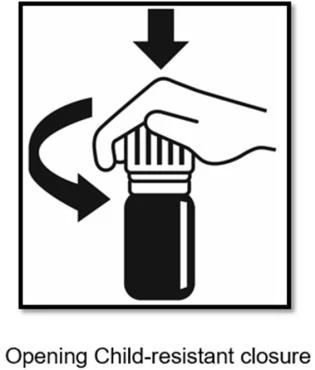
Dropizole is a dark, reddish-brown liquid. It is available in brown glass bottles with dropper and child-resistant closure.
Pack sizes: 1 x 10 ml, 2 x 10 ml, 3 x 10 ml, 4 x 10 ml, 5 x 10 ml and 10 x 10 ml.
Not all pack sizes may be marketed.
Marketing Authorization Holder and Manufacturer
Marketing Authorization Holder
Pharmanovia A/S
Ørestads Boulevard 108, 5
DK-2300 København S
Denmark
Email: [email protected]
Manufacturer
Lomapharm GmbH
Langes Feld 5
D-31860 Emmerthal
Germany
Atnahs Pharma Denmark ApS
Copenhagen Towers,
Ørestads Boulevard 108, 5.tv,
DK-2300 København S,
Denmark
For further information on this medicinal product, please contact the local representative of the Marketing Authorization Holder:
| DenmarkPharmanovia A/S Ørestads Boulevard 108, 5 DK-2300 København S Denmark [email protected] | NorwayPharmanovia A/S Ørestads Boulevard 108, 5 DK-2300 København S Denmark [email protected] |
| IcelandPharmanovia A/S Ørestads Boulevard 108, 5 DK-2300 København S Denmark [email protected] | FinlandPharmanovia A/S Ørestads Boulevard 108, 5 DK-2300 København S Denmark [email protected] |
| SwedenPharmanovia A/S Ørestads Boulevard 108, 5 DK-2300 København S Denmark [email protected] | United KingdomPharmanovia A/S Ørestads Boulevard 108, 5 DK-2300 København S Denmark [email protected] |
| AustriaPharmanovia A/S Ørestads Boulevard 108, 5 DK-2300 København S Denmark [email protected] | BelgiumPharmanovia A/S Ørestads Boulevard 108, 5 DK-2300 København S Denmark [email protected] |
| Czech RepublicPharmanovia A/S Ørestads Boulevard 108, 5 DK-2300 København S Denmark [email protected] | GermanyPharmanovia A/S Ørestads Boulevard 108, 5 DK-2300 København S Denmark [email protected] |
| SpainPharmanovia A/S Ørestads Boulevard 108, 5 DK-2300 København S Denmark [email protected] | FrancePharmanovia A/S Ørestads Boulevard 108, 5 DK-2300 København S Denmark [email protected] |
| HungaryPharmanovia A/S Ørestads Boulevard 108, 5 DK-2300 København S Denmark [email protected] | IrelandPharmanovia A/S Ørestads Boulevard 108, 5 DK-2300 København S Denmark [email protected] |
| ItalyPharmanovia A/S Ørestads Boulevard 108, 5 DK-2300 København S Denmark [email protected] | LuxembourgPharmanovia A/S Ørestads Boulevard 108, 5 DK-2300 København S Denmark [email protected] |
| NetherlandsPharmanovia A/S Ørestads Boulevard 108, 5 DK-2300 København S Denmark [email protected] | PortugalPharmanovia A/S Ørestads Boulevard 108, 5 DK-2300 København S Denmark [email protected] |
This medicinal product is authorised in the EEA Member States under the following names: