Doxorubicin Aurobindo
Italy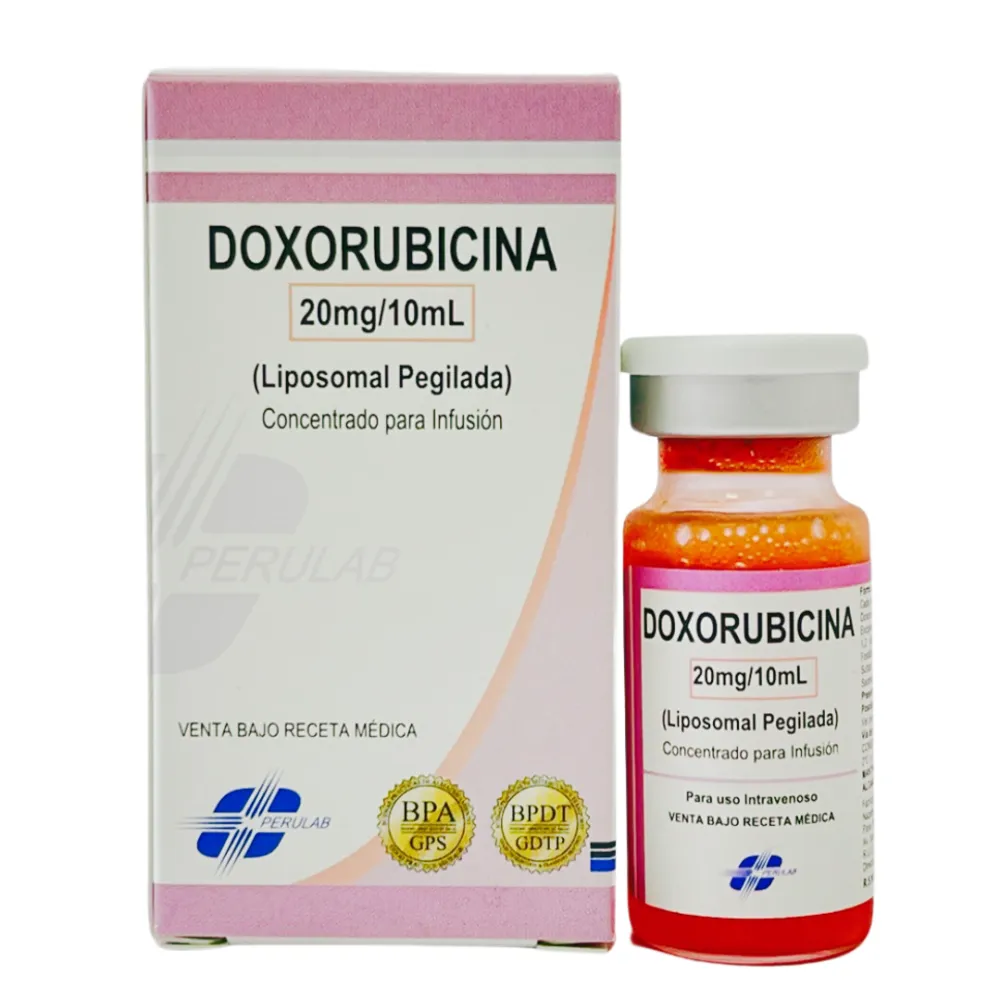
Table of Contents
- Package leaflet: Information for the user
- Doxorubicin Aurobindo 2 mg/ml concentrate for solution for infusion
- 1. What Doxorubicin Aurobindo is and what it is used for
- 2. What you need to know before receiving Doxorubicin Aurobindo
- 3. How Doxorubicin Aurobindo is administered
- 4. Possible side effects
- 5. How to store Doxorubicin Aurobindo
- 6. Package contents and other information
Package leaflet: Information for the user
Doxorubicin Aurobindo 2 mg/ml concentrate for solution for infusion
Generic medicine
Please read all of this leaflet carefully before you are given this medicine because it contains important information for you:
- Keep this leaflet. You may need to read it again.
- If you have any questions, ask your doctor or pharmacist.
- If you get any side effects, talk to your doctor or pharmacist. This includes any possible side effects not listed in this leaflet. See section 4.
Contents of this leaflet:
- What Doxorubicin Aurobindo is and what it is used for
- What you need to know before you are given Doxorubicin Aurobindo
- How Doxorubicin Aurobindo is given
- Possible side effects
- How to store Doxorubicin Aurobindo
- Contents of the pack and other information
1. What Doxorubicin Aurobindo is and what it is used for
Doxorubicin Aurobindo belongs to a group of anticancer medicines called anthracyclines.
Doxorubicin Aurobindo is used in the treatment of the following types of cancer:
- small cell lung cancer,
- bladder cancer,
- bone cancer,
- breast cancer,
- blood cancer,
- lymphatic system cancer (Hodgkin and Non-Hodgkin lymphoma),
- bone marrow cancer,
- thyroid gland cancer,
- soft tissue sarcoma (in adults),
- recurrent ovarian cancer or cancer of the uterine mucosal lining,
- certain types of kidney cancer affecting children (Wilms' tumour),
- specific types of advanced nerve cell cancer affecting children (neuroblastoma).
Doxorubicin Aurobindo is also used in combination with other anticancer medicines.
2. What you need to know before receiving Doxorubicin Aurobindo
Do not take Doxorubicin Aurobindo:
- if you are allergic to doxorubicin or to any of the excipients of this medicine (listed in section 6);
- if you are allergic to medicines of the anthracycline or anthracenedione class;
- if you are breastfeeding.
Consult your doctor if any of the conditions listed above apply to you.
Doxorubicin Aurobindo must not be administered intravenously:
- if, after previous chemotherapy, you have had a persistent reduction in red blood cell production (your bone marrow is not functioning properly);
- if, after previous chemotherapy, you have experienced severe mouth inflammation or ulcers;
- if you have heart problems;
- if you tend to bleed easily;
- if you have any type of systemic infection;
- if your liver is not functioning properly;
- if you have previously received therapy with doxorubicin or other anthracyclines up to the maximum cumulative dose.
Contact your doctor if any of the above conditions apply to you.
Doxorubicin Aurobindo must not be administered intravesically:
- if you have a tumor that has grown into the bladder wall;
- if you have a urinary tract infection;
- if you have bladder inflammation;
- if there is blood in the urine;
- if you have problems with instillation (e.g., urethral obstruction). Contact your doctor if any of the above conditions apply to you.
Warnings and precautions
Talk to your doctor or pharmacist before receiving Doxorubicin Aurobindo
- if you think you are (or might become) pregnant. See also the sections "Pregnancy" and "Breast-feeding";
- if you have previously undergone radiotherapy;
- if you are trying to conceive, planning a pregnancy, or are likely to attempt conception in the future;
- if you have kidney problems;
- if you have or have had heart problems.
Doxorubicin strongly reduces blood cell production in the bone marrow. This may
make you more susceptible to infections or bleeding. Inform your doctor if you develop fever or other
signs of infection, or if you experience bleeding.
Vaccination is not recommended. You must avoid contact with individuals recently vaccinated
against polio.
Doxorubicin Aurobindo must be administered only under the supervision of a qualified physician
experienced in cancer therapies. Patients must also be closely and frequently monitored,
e.g., blood tests and assessments of heart, liver, and kidney function.
Inform your doctor or medical staff immediately if you feel pain or a burning sensation at the site of administration. This pain may occur in case of extravasation (leakage of the
medicine from the blood vessel into surrounding tissues) and may require appropriate treatment.
Other medicines and Doxorubicin Aurobindo
Inform your doctor if you are taking, have recently taken, or might take any other medicines.
This is particularly important for:
- other anticancer medicines, e.g., anthracyclines (daunorubicin, epirubicin, idarubicin, trastuzumab), cyclophosphamide, cytarabine, cisplatin, fluorouracil, taxanes (e.g., paclitaxel), mercaptopurine, methotrexate, streptozocin;
- cyclosporine (used in organ and tissue transplants);
- cardioactive drugs (medicines for heart diseases), e.g., calcium channel blockers, digoxin;
- drugs that lower uric acid levels in the blood;
- rifampicin (an antibiotic);
- cimetidine (used to treat heartburn and stomach ulcers);
- live vaccines (e.g., for polio);
- phenytoin, carbamazepine, valproate, phenobarbital, and other barbiturates (used to treat epilepsy);
- chloramphenicol and sulfonamides (medicines for infections);
- amphotericin B (a medicine for fungal infections);
- antiviral drugs, such as ritonavir (used to treat HIV);
- clozapine (an antipsychotic);
- amidopyrine derivatives (for pain and inflammation).
Pregnancy, breast-feeding, and fertility
If you are pregnant, suspect you may be pregnant, or are planning a pregnancy, consult your doctor or
pharmacist before using this medicine.
It is known that doxorubicin crosses the placenta and causes fetal harm in animal studies.
Therefore, doxorubicin must not be administered during pregnancy. Inform your doctor immediately if
you are pregnant or think you might be pregnant.
Women must not become pregnant during treatment with Doxorubicin Aurobindo or within six months after treatment. Men must take adequate precautions to ensure their partner does not become pregnant during and up to 6 months after treatment with doxorubicin. Men and
women who are sexually active must therefore use effective contraceptive methods during and for 6 months after treatment.
Due to the possibility that doxorubicin therapy may cause irreversible infertility, men are advised to seek information about sperm cryopreservation before starting treatment. Speak with your doctor if you wish to have children after treatment.
The drug is excreted in breast milk. You must not breast-feed during treatment with Doxorubicin Aurobindo.
Driving and using machines
Due to the frequent occurrence of nausea and vomiting, it is advised not to drive or operate machinery.
Doxorubicin Aurobindo contains sodium
This medicinal product contains 3.54 mg (<1 mmol) of sodium per ml of concentrate. This should be taken into account for patients on a low-sodium diet.
3. How Doxorubicin Aurobindo is administered
Doxorubicin Aurobindo must be administered only under the supervision of a physician experienced in
cancer therapy.
Method and route of administration
The medicine will be given to you by intravenous infusion into a blood vessel under the supervision of
specialists. Do not self-administer this medicine. You will be monitored regularly both during and after
treatment. If you have superficial bladder cancer, the medicine may be administered intravesically. The
medicine must be diluted before use.
Intravenous administration
The dose is generally calculated based on body surface area. Doxorubicin Aurobindo may be administered,
for example, once a week, every three weeks, or at longer intervals. The dose and frequency also depend on
other anticancer drugs used, the type of disease, and your general health status. Your doctor will determine the
dose you will receive.
Instillation into the bladder
The dose is 30–50 mg of doxorubicin in 25–50 ml of physiological saline solution. The solution must remain in
the bladder for 1–2 hours. During this time, you should be rotated approximately 90° every 15 minutes. You must
abstain from drinking any fluids for a period of 12 hours before intravesical instillation to avoid unwanted
dilution of the medicine with urine. Instillations may be repeated at intervals ranging from 1 week to 1 month.
Your doctor will inform you of the necessary frequency.
Use in children
Dosage should be reduced in children. Your doctor will advise you on the appropriate dose.
If you take more Doxorubicin Aurobindo than you should
Since the medicine will be administered by your doctor, it is unlikely that you will receive too much.
However, if in doubt, contact your doctor or nurse immediately.
Acute overdose worsens side effects such as mouth ulcers, reduces the number of white blood cells and
platelets in the blood, and may cause cardiac problems. In case of overdose, appropriate treatment will be
determined by the doctor. Heart disorders may appear up to six months after an overdose.
If you miss a dose of Doxorubicin Aurobindo
Your doctor will decide the duration of your treatment with Doxorubicin Aurobindo. If treatment is stopped
before completing the recommended number of cycles, the effectiveness of doxorubicin therapy may be
reduced. Consult your doctor if you wish to discontinue treatment.
If you have any doubts about using this medicine, consult your doctor or pharmacist.
4. Possible side effects
Like all medicines, this medicine can cause side effects, although not everyone gets them.
Contact your doctor or nurse immediately if you experience:
- dizziness, fever, shortness of breath with tightness in the chest or throat, or itchy skin rash. This may be a type of allergic reaction that could be very serious;
- feeling of tiredness and lethargy. This may be a sign of anaemia (low number of red blood cells in the blood);
- fever or symptoms of infection. This may be a sign of low white blood cell count;
- increased tendency to bruise or bleed. This may be a sign of low platelet count in the blood.
Very common (may affect more than 1 in 10 people):
- nausea, vomiting, abdominal pain, indigestion, diarrhoea;
- inflammation of mucous membranes, e.g. in the mouth or oesophagus;
- hair loss (usually reversible), skin redness, skin sensitivity to artificial or natural light (photosensitivity);
- red discoloration of the urine for one or two days after administration. This is normal and should not cause concern;
- bone marrow suppression (reduced blood cells), including reduced numbers of white blood cells (which may lead to infection), platelets (which may lead to bleeding and bruising), and red blood cells (anaemia; therefore, the skin may appear pale and you may experience weakness or difficulty breathing);
- severe heart problems (cardiotoxicity), such as damage to the heart muscle or fast, slow or irregular heartbeat. These effects may occur shortly after starting treatment or several years later;
- fever.
Common (may affect up to 1 in 10 people):
- bacterial infection;
- bacterial infection in the blood;
- cardiac arrhythmias (irregular heartbeat, fast heartbeat, slow heartbeat);
- reduced amount of blood pumped by the heart, worsening of heart function (cardiomyopathy), which may be life-threatening;
- bleeding (haemorrhage);
- eating disorder (anorexia);
- local allergic reaction at the irradiated site;
- itching;
- difficulty or pain during urination, inflammation of the bladder following intravesical instillation, sometimes with bladder irritation, blood in the urine, pain during urination, increased need to urinate, reduced urine output.
Uncommon (may affect up to 1 in 100 people):
- acute blood cancer (certain types of leukaemia);
- inflammation of a vein;
- bleeding in the stomach or intestines;
- ulceration of the mucous membranes of the mouth, pharynx, oesophagus and gastrointestinal tract;
- ulcers and potential death of cells/tissues in the colon when Doxorubicin Aurobindo is administered in combination with cytarabine;
- dehydration.
Rare (may affect up to 1 in 1,000 people):
- inflammation of the outer layer of the eye (conjunctivitis);
- hives, skin rashes and redness;
- dark areas of the skin and nails, nail loss (onycholysis);
- severe allergic reactions with or without shock, including skin rash, itching, fever and chills (anaphylactic reactions);
- chills;
- dizziness;
- secondary leukaemia (blood cancer, developed after treatment for another cancer) when Doxorubicin Aurobindo is used in combination with other anticancer medicines that damage DNA;
- tumour lysis syndrome (chemotherapy complications due to products released from the breakdown of dead tumour cells, which may, for example, affect blood and kidneys);
- reaction at the injection site including redness, rash, pain, inflammation of the vein (phlebitis), thickening or hardening of the vein wall (phlebosclerosis);
- sensation of pain or burning at the administration site related to extravasation. This may cause death of local tissue cells, requiring appropriate intervention, and in some cases surgical measures.
Very rare (may affect up to 1 in 10,000 people):
- facial flushing;
- changes in heart function (non-specific ECG changes), isolated cases of life-threatening irregular heartbeat (arrhythmias), heart failure, inflammation of the pericardium/myocardium, loss of nerve impulses in the heart;
- formation of a blood clot in a blood vessel;
- discolouration (pigmentation) of the oral mucosa;
- swelling and numbness of the hands and feet (acral erythema), blistering, tissue damage especially in the hands and feet causing redness, swelling, blisters, tingling or burning sensation where drug extravasation into tissue has occurred (palmar-plantar erythrodysesthesia syndrome);
- acute kidney failure;
- abnormally high levels of uric acid in the blood;
- absence of menstrual periods;
- fertility problems in men (reduced or absent sperm).
Not known (frequency cannot be estimated from the available data):
- increased tear production;
- cough or difficulty breathing caused by sudden narrowing of the airways;
- inflammation of the lungs;
- liver toxicity, which sometimes may cause permanent liver tissue damage (cirrhosis);
- transient increase in liver enzymes;
- greasy skin, hair loss or scaly, crusted skin patches (actinic keratosis);
- severe joint pain and swelling;
- weakness;
- radiation damage (to the skin, lungs, throat, oesophagus, stomach, intestinal mucosa, heart) that was healing may reappear following administration of doxorubicin.
Reporting of side effects
If you experience any side effect, including those not listed in this leaflet, talk to your doctor or pharmacist.
You can also report side effects directly via the national reporting system at www.agenziafarmaco.gov.it/it/responsabili. By reporting side effects, you can help provide more information on the safety of this medicine.
5. How to store Doxorubicin Aurobindo
Keep out of the sight and reach of children.
Do not use this medicine after the expiry date stated on the vial and outer carton after EXP. The expiry date refers to the last day of the month.
Store in the refrigerator (2-8°C). Keep the vial in the outer carton to protect it from light.
Do not use this medicine if you notice that the solution is not clear, red and free from particles.
Unused product and waste materials resulting from this medicine must be disposed of in accordance with local regulations. Follow the guidelines for handling cytotoxic drugs.
Medicines must not be disposed of via wastewater or household waste. Ask your pharmacist how to dispose of medicines you no longer use. This will help protect the environment.
6. Package contents and other information
What Doxorubicina Aurobindo contains
- The active substance is doxorubicin hydrochloride. Each vial contains 2 mg/ml of doxorubicin hydrochloride.
The excipients are: sodium chloride, hydrochloric acid, and water for injections.
Description of the appearance of Doxorubicina Aurobindo and contents of the pack
Doxorubicina Aurobindo concentrate for solution for infusion is a clear red solution.
Doxorubicina Aurobindo is contained in a colourless glass vial with a rubber stopper and sealed with an aluminium cap and a polypropylene disc. The vial may be packaged with or without a protective plastic coating.
Pack sizes:
1 vial of 5 ml
1 vial of 25 ml
1 vial of 50 ml
1 vial of 100 ml
Marketing Authorisation Holder
Eugia Pharma (Malta) Limited
Vault 14, Level 2, Valletta Waterfront,
Floriana FRN 1914, Malta
Responsible person for batch release
Generis Farmacêutica, S.A. – Rua João de Deus, no 19, Venda Nova – 2700-487 Amadora (Portugal)
APL Swift Services (Malta) Ltd – HF26, Hal Far Industrial Estate, Hal Far, Birzebbugia - BBG 3000 (Malta)
This medicinal product is authorised in the European Economic Area Member States under the following names:
Belgium Doxorubicin AB 2 mg/ml concentrate for solution for infusion
Germany Doxorubicin Aurobindo 2 mg/ml concentrate for solution for infusion
Italy Doxorubicina Aurobindo
Netherlands Doxorubicine HCl Aurobindo 2 mg/ml concentraat voor oplossing voor infusie
Portugal Doxorrubicina Aurovitas
Spain Doxorubicina Aurovitas 2 mg/ml concentrado para solución para perfusión EFG
The following information is intended exclusively for physicians or healthcare professionals:
Doxorubicina Aurobindo 2 mg/ml concentrate for solution for infusion
Doxorubicin is a potent cytotoxic agent and must be prescribed, prepared, and administered only by trained professionals experienced in the safe handling of such preparations. For dosage recommendations and administration methods, see section 4.2 of the SmPC for this medicinal product. During handling, preparation, and disposal of doxorubicin, follow the guidelines below.
For single use only.
Preparation
- Cytotoxic agents must be prepared for administration only by personnel trained in the safe handling of such preparations. Before starting, refer to local guidelines regarding cytotoxic substances.
- Pregnant personnel must not handle the drug.
- Personnel handling doxorubicin must wear protective clothing: safety goggles, gown, gloves, and disposable mask.
- All items used for administration or cleaning, including gloves, must be placed in high-risk waste disposal bags for incineration at high temperature (700°C).
- All cleaning materials must be disposed of as indicated above.
- Always wash hands after removing gloves. Do not use Doxorubicina Aurobindo if the solution is not clear, red, and free from particles.
Contamination
- In case of contact with skin or mucous membranes, wash the affected area thoroughly with water and soap or a sodium bicarbonate solution. However, do not abrade the skin using a brush. A mild cream may be used to treat transient skin discomfort.
- In case of eye contact, lift the eyelid(s) and rinse the affected eye(s) with copious amounts of water for at least 15 minutes or with normal saline solution 9 mg/ml (0.9%). Seek medical or ophthalmological advice.
- Spills or leaks should be treated with a 1% sodium hypochlorite solution or phosphate buffer (pH > 8) until the solution decolorizes. Use a cloth or sponge kept in the designated area.
Rinse twice with water. Place all contaminated clothing in a plastic bag, seal it, and dispose of by incineration.
In-use stability
Opened vials: Chemical and physical in-use stability has been demonstrated for 28 days when stored at 2–8°C. From a microbiological standpoint, the product should be used immediately unless the method of opening excludes the risk of microbial contamination. Otherwise, the responsibility for storage times and conditions during use lies with the user.
Prepared infusion solution: Chemical and physical stability of the drug after dilution, when protected from light, has been demonstrated up to:
- 7 days at 2–8°C and 2 days at 25°C in 0.9% sodium chloride solution (PE vial) at a concentration of 1.25 mg/ml
- 24 hours at 2–8°C and 25°C in 5% glucose solution (PP bags) at a concentration of 1.25 mg/ml
- 2 days at 2–8°C and 7 days at 25°C in 0.9% sodium chloride solution (PE vial) at a concentration of 0.5 mg/ml
- 24 hours at 2–8°C and 7 days at 25°C in 5% glucose solution (PE bags) at a concentration of 0.5 mg/ml.
From a microbiological standpoint, the product should be used immediately. If immediate use is not possible, the user is responsible for storage times and conditions: generally no more than 24 hours at a temperature of 2–8°C, unless dilution was performed under controlled, validated aseptic conditions.
The storage times for the opened vial and the diluted infusion solution are not additive.
Disposal
Unused product and waste material derived from this medicinal product must be disposed of in accordance with local regulations. Follow guidelines for handling cytotoxic drugs.
Note:
The dosage regimens for doxorubicin S-liposomal and conventional doxorubicin (as in Doxorubicina Aurobindo) are different.
The two formulations are not interchangeable.
Incompatibilities
Doxorubicin must not be mixed with heparin, as a precipitate may form, and must not be mixed with 5-fluorouracil, as degradation may occur. Prolonged contact with alkaline pH solutions should be avoided, as it causes drug hydrolysis.
In the absence of compatibility studies, this medicinal product must not be mixed with other medicinal products.