Dexabem
ItalyTable of Contents
- Patient Information Leaflet
- Dexabem 2 mg effervescent tablets, 4 mg effervescent tablets, 8 mg effervescent tablets
- 1. What Dexabem is and what it is used for
- 2. What you need to know before taking Dexabem
- 3. How to take Dexabem
- 4. Possible side effects
- 5. How to store Dexabem
- 6. Package contents and other information
- 1. What Dexabem is and what it is used for
- 2. What you should know before taking Dexabem
- 1. What Dexabem is and what it is used for
- 2. What you need to know before taking Dexabem
- 1. What Dexabem is and what it is used for
- 2. What you should know before taking Dexabem
Patient Information Leaflet
Dexabem 2 mg effervescent tablets, 4 mg effervescent tablets, 8 mg effervescent tablets
Dexamethasone
Please read this leaflet carefully before taking this medicine because it contains important information for you.
- Keep this leaflet. You may need to read it again.
- If you have any questions, ask your doctor or pharmacist.
- This medicine has been prescribed for you only. Do not give it to other people, even if their symptoms are the same as yours, as it may be harmful.
- If you experience any side effects, including those not listed in this leaflet, contact your doctor, pharmacist, or nurse. See section 4.
Contents of this leaflet:
- What Dexabem is and what it is used for
- What you need to know before taking Dexabem
- How to take Dexabem
- Possible side effects
- How to store Dexabem
- Contents of the pack and other information
1. What Dexabem is and what it is used for
Dexabem contains the active substance dexamethasone. Dexamethasone is a synthetic glucocorticoid (adrenocortical hormone).
It is indicated in a wide variety of conditions:
- Oncological disorders: Treatment of acute lymphatic leukemia (active blood cancers) in children aged between 1 and 18 years, within specific therapeutic protocols in combination with other medicinal products.
Prevention of chemotherapy-induced nausea and vomiting as part of antiemetic regimens in adults.
- Neurological disorders: Short-term symptomatic treatment of cerebral edema (fluid accumulation in the brain) associated with primary and metastatic brain tumors in adults.
- COVID-19: Dexabem 2 mg and 4 mg effervescent tablets are used as treatment for coronavirus disease 2019 (COVID-19) in adult and adolescent patients (aged 12 years and older, with body weight of at least 40 kg) who have difficulty breathing and require oxygen therapy. Dexabem 8 mg effervescent tablets are not indicated for the treatment of COVID-19.
- Respiratory disorders: Treatment of exacerbations of asthma in children from 1 year of age up to adolescents aged 18 years.
2. What you need to know before taking Dexabem
Do not take Dexabem
- if you are allergic to dexamethasone or to any of the other ingredients of this medicine (listed in section 6);
- if you have a systemic infection not treated with specific anti-infective therapy;
- if you have a systemic fungal infection;
- if you have a lesion of the stomach and duodenum mucosa (peptic ulcer);
- if you suffer from a psychiatric illness (psychosis);
- if you have a viral infection of the eye(s) (ocular herpes simplex).
If you are taking Dexabem, avoid administration of live viral vaccines.
Warnings and precautions
Talk to your doctor, pharmacist, or nurse before using Dexabem.
Treatment with high-dose corticosteroids may reduce your body’s ability to fight infections. This may lead to infections caused by microorganisms that rarely cause infection under normal circumstances (so-called opportunistic infections). If you develop any type of infection during treatment with this medicine, contact your doctor immediately. This is particularly important if you notice signs of pneumonia: cough, fever, shortness of breath, and chest pain. You may also feel confused, especially if you are elderly. Inform your doctor if you have previously had tuberculosis or if you have stayed in areas where nematode infections are common.
During treatment with Dexabem, it is important to avoid contact with anyone who has chickenpox, measles, or shingles. If you think you have been exposed to someone with these conditions, inform your doctor immediately.
High-dose corticosteroids, including dexamethasone, may cause psychological problems, sometimes severe. Consult your doctor before taking Dexabem if you or a close family member have ever had or currently have severe depression or manic episodes. If you feel depressed or have suicidal thoughts, contact your doctor immediately.
Contact your doctor if you experience symptoms of tumor lysis syndrome such as muscle cramps, muscle weakness, confusion, vision loss or disturbances, and shortness of breath.
During treatment with this medicine, it is important to follow a balanced diet. Your doctor will advise you on an appropriate diet (low-salt diet) and may prescribe potassium, calcium, or vitamin D supplements.
Treatment with this medicine may trigger a pheochromocytoma crisis, which can be fatal. Pheochromocytoma is a rare tumor of the adrenal glands. A crisis may occur with the following symptoms: headache, sweating, palpitations, and hypertension. Contact your doctor immediately if you experience any of these symptoms. If you are a patient with suspected or confirmed pheochromocytoma, consult your doctor to evaluate the therapeutic benefit against the possible risk.
Long-term use of this medicine may cause cataract (clouding of vision), glaucoma (increased pressure inside the eye) with possible optic nerve damage, and may promote the development of fungal or viral eye infections.
Pay special attention if you suffer from ocular herpes simplex (viral infection of the eye area), due to the possible risk of corneal ulceration and perforation.
Treatment with this medicine may cause central serous chorioretinopathy, an eye disease leading to blurred or distorted vision. If you notice blurred or distorted vision lasting several days, contact your ophthalmologist.
If you are exposed to significant stress (e.g., after surgery, infections, or trauma), inform your doctor, as your dose may need adjustment depending on the severity of the stressful condition.
If you are undergoing laboratory tests such as skin tests or infection diagnostic tests, inform your doctor that you are taking dexamethasone, as it may interfere with test results.
If you become ill or are involved in an accident, or if you need surgery (including dental procedures) or vaccination (especially with vaccines containing “live viruses”), inform your doctor that you are taking or have recently taken high-dose corticosteroids.
If you have low protrombin levels (a blood clotting factor), use caution when taking aspirin (acetylsalicylic acid) during dexamethasone therapy.
If you have reduced thyroid function or suffer from liver cirrhosis (a severe inflammatory liver disease), exercise particular caution, as your body’s response to this medicine may be increased, requiring close monitoring.
Before taking Dexabem, inform your doctor
- if you have liver or kidney disease,
- if you have heart disease or have recently had a heart attack,
- if you have high blood pressure, high cholesterol, or smoke,
- if you have diabetes or a family history of diabetes,
- if you have osteoporosis, especially if you are a postmenopausal woman,
- if you have glaucoma (increased eye pressure) or a family history of glaucoma,
- if you have myasthenia gravis (a disease affecting muscles),
- if you have a peptic ulcer (ulcer in the stomach or duodenum) or a history of peptic ulcers, gastrointestinal bleeding, or perforation,
- if you have colitis, diverticulitis, or have recently undergone intestinal surgery,
- if you have tendon inflammation,
- if you have or are suspected of having pheochromocytoma (a tumor of the adrenal glands),
- if you have a brain tumor being treated with immunotherapy.
Your doctor will monitor you more closely if you have any of the conditions listed above.
Abrupt discontinuation of treatment, especially if at high doses or prolonged duration, may cause acute adrenal insufficiency (adrenal gland failure). Therefore, if treatment is to be stopped, the dose should be gradually reduced. Depending on the dose and duration of treatment, adrenal insufficiency caused by glucocorticoid therapy may persist for several months and, in individual cases, for over a year after stopping treatment.
If you experience situations of particular physical stress during treatment, such as febrile illness, accidents, or surgery, contact your doctor immediately or inform the emergency room staff that you are currently being treated with dexamethasone. A temporary increase in the daily dose of dexamethasone may be necessary. Glucocorticoid administration may also be required during physical stress if adrenal insufficiency persists after therapy ends.
If you are elderly, some of the adverse effects of Dexabem may be more severe, particularly bone thinning (osteoporosis), high blood pressure, low potassium levels, diabetes, increased susceptibility to infections, and skin thinning. Your doctor will monitor you closely.
Administration of dexamethasone may reduce the effectiveness of immunotherapy in patients with brain tumors. Therefore, the use of dexamethasone in these patients should be carefully evaluated.
Newborns and premature infants
Dexabem is not indicated in newborns. Available data suggest long-term adverse effects on neurological development following early treatment of premature infants with chronic lung disease.
Children and adolescents
In children and adolescents, Dexabem is recommended only for certain therapeutic indications (see section 3). Due to the risk of growth retardation, dexamethasone should be used at the lowest effective dose for the shortest possible duration.
Children and adolescents undergoing prolonged Dexabem therapy should be carefully monitored for growth and development.
Other medicines and Dexabem
Inform your doctor or pharmacist if you are taking, have recently taken, or might take any other medicine.
Before starting treatment with Dexabem, read the package leaflet of all medicines you are taking in combination with Dexabem to obtain all necessary information.
If you are taking any of the following medicines, inform your doctor before taking Dexabem:
- anticoagulant medicines (blood thinners)
- acetylsalicylic acid, a substance present in many medicines used for relief of pain and mild fever, and other medicines for pain, inflammation, and fever: ibuprofen, naproxen, diclofenac, meloxicam, and others;
- medicines for treating hypertension or heart disease;
- medicines for treating diabetes;
- medicines for stomach problems (e.g., antacids) and cholestyramine (to lower cholesterol);
- medicines that reduce potassium levels in the blood: e.g., certain diuretics or laxatives;
- cortisone or other corticosteroids, tetracosactide (used for adrenal function tests), or aminoglutethimide (used for treating Cushing's syndrome or breast cancer);
- macrolide antibiotics such as clarithromycin, erythromycin, telithromycin; fluoroquinolones such as ciprofloxacin and levofloxacin; antifungal medicines (for treating fungal infections) such as itraconazole, ketoconazole, posaconazole, voriconazole, or amphotericin B; anti-HIV medicines such as nelfinavir, ritonavir, indinavir;
- rifampicin, rifabutin, or isoniazid (used for treating tuberculosis);
- praziquantel or ivermectin (for certain parasitic infections);
- estrogen hormones, including oral contraceptives and hormone replacement therapy (HRT);
- anticonvulsants (for treating epilepsy) and midazolam (used as a sleeping pill and for treating epilepsy);
- aprepitant or fosaprepitant (for preventing nausea and vomiting caused by chemotherapy);
- certain cancer treatments: docetaxel, cyclophosphamide, lapatinib, or methotrexate. Methotrexate is also used for treating rheumatism or psoriasis;
- erythropoietic medicines such as erythropoietin (EPO, for treating anemia);
- cyclosporine (for treating psoriasis, atopic dermatitis, rheumatoid arthritis, or nephrotic syndrome, and for suppressing immune reactions after organ or bone marrow transplantation);
- ephedrine (for nasal decongestion).
Also inform your doctor if you have recently received or plan to receive a vaccination.
Pregnancy and breastfeeding
If you are pregnant, think you may be pregnant, plan to become pregnant, or are breastfeeding, consult your doctor before taking this medicine.
Pregnancy
Dexabem should not be used during pregnancy unless clearly indicated by your doctor.
You should avoid becoming pregnant during treatment with Dexabem. You and your partner should use adequate contraception. Inform your doctor immediately if you become pregnant or suspect pregnancy during treatment.
Breastfeeding
Do not use Dexabem if you are breastfeeding, as Dexabem is excreted in breast milk.
Driving and using machines
Do not drive, operate tools or machinery, or perform hazardous activities if you experience adverse effects such as confusion, hallucinations, dizziness, fatigue, somnolence, fainting, or blurred vision.
Dexabem contains sodium benzoate
This medicine contains 3.8 mg of sodium benzoate per tablet.
Sodium benzoate may increase jaundice (yellowing of the skin and eyes) in infants up to 4 weeks of age.
Dexabem contains sodium
This medicine contains less than 1 mmol (23 mg) of sodium per tablet, i.e., essentially “sodium-free”.
For athletes: using the drug without therapeutic need constitutes doping and may result in a positive anti-doping test.
3. How to take Dexabem
Take Dexabem exactly as directed by your doctor or pharmacist. Your doctor will decide
how long you should take dexamethasone. If you have any doubts, consult your doctor or pharmacist.
Your doctor will prescribe the most appropriate dose for your condition. In any case, do not exceed the prescribed dose.
For the treatment of acute lymphoblastic leukemia
The dose and frequency of administration vary depending on the therapeutic protocol and concomitant therapies.
Treatment must be initiated and monitored by physicians experienced in managing acute lymphoblastic leukemia, who will determine the appropriate dose of dexamethasone based on your condition and disease status.
For the prevention of chemotherapy-induced nausea and vomiting
The dose varies according to the emetogenic potential of the chemotherapy:
- Highly/moderately emetogenic chemotherapy: Day 1: 8–20 mg, possibly in divided doses. Days 2, 3 or Days 2, 3, 4: 8–16 mg, possibly in divided doses.
- Low emetogenic potential chemotherapy: Day 1: 4–8 mg.
For the treatment of cerebral edema associated with primary and metastatic brain tumors
In adult patients, a daily dose of 4–16 mg (preferably in divided doses) is recommended.
Treatment should be gradually tapered until complete discontinuation.
For the treatment of Covid-19
In adult patients, a daily dose of 6 mg is recommended for up to a maximum of 10 days.
This dose can be achieved by taking:
- 3 tablets of Dexabem 2 mg, or
- 1 tablet of Dexabem 2 mg together with 1 tablet of Dexabem 4 mg.
Use in adolescents: In pediatric patients (adolescents aged 12 years and older), a daily dose of 6 mg for up to a maximum of 10 days is recommended.
For the treatment of asthma exacerbations
In children from 1 year of age up to adolescents under 18 years of age, a single dose of 0.3 mg/kg to 0.6 mg/kg is recommended, not exceeding a total of 12 mg.
Treatment should not last longer than two days.
Children and adolescents
In pediatric patients, Dexabem should be used under strict medical supervision.
The use of Dexabem in the pediatric population for the prevention of chemotherapy-induced nausea and vomiting and for cerebral edema associated with primary and metastatic brain tumors is not recommended due to lack of clinical data.
The medicine is not indicated for children who are unable to take the medicine as specified in the section "Method of administration". It is not possible to administer a partial volume of the reconstituted solution to achieve lower doses. Therefore, if a dose cannot be achieved with the available formulations, or if the pharmaceutical form does not allow proper administration (e.g., in early infancy), alternative formulations should be used.
Method of administration
For oral use.
The tablets should be taken as a drink, after dissolving them in a glass of water.
Dexabem tablets are not divisible.
If you take more Dexabem than you should
In case of accidental ingestion or overdose of Dexabem, contact your doctor immediately or go to the nearest hospital.
If you forget to take Dexabem
Do not take a double dose to make up for the missed dose.
If you stop taking Dexabem
Do not stop taking this medicine abruptly unless clearly instructed by your doctor. When Dexabem has been administered for more than a few days, the dose should be gradually reduced or discontinued slowly, as abrupt withdrawal may lead to symptoms such as fever, muscle and joint pain, and malaise.
If you have any doubts about how to use this medicine, consult your doctor or pharmacist.
4. Possible side effects
Like all medicines, this medicine can cause side effects, although not everybody gets them.
Your doctor will discuss this with you and explain the potential risks and benefits of treatment.
In some cases, combining different medicines can increase the side effects of one or the other medicine taken separately.
Dexabem may cause serious mental health problems. These are common (may affect up to 1 in 10 people) and may include:
- feelings of depression (including suicidal thoughts),
- extreme happiness (euphoria),
- anxiety, difficulty concentrating, and memory disturbances,
- perceiving, seeing, or hearing things that are not there or believing in things that are not real, dark thoughts, changes in behaviour (frequency not known).
If you notice any of these symptoms, contact your doctor immediately.
Other possible side effects are:
Very common: may affect more than 1 in 10 people
- increased blood sugar levels,
- constipation,
- difficulty sleeping,
- muscle cramps, muscle weakness,
- tiredness, weakness, swelling of the body and face.
Common: may affect up to 1 in 10 people
- bacterial, viral, or fungal infections, including pneumonia, shingles (herpes zoster), infections of the nose, mouth, tonsils or throat, bronchitis, herpes, bladder infection, infections caused by a type of fungus (candida),
- reduced number of red or white blood cells and/or platelets, or increased number of white blood cells, reduced levels of potassium or albumin (a protein) in the blood, increased levels of uric acid in the blood, changes in liver function tests,
- Cushing's syndrome, i.e. weight gain in the trunk and face, excessive sweating, stretch marks, visible swollen capillaries (small blood vessels) and dry skin, increased facial hair growth (especially in women), and hair thinning,
- onset of diabetes, loss or increase in appetite, weight gain or loss, fluid retention,
- aggression, confusion, irritability, nervousness, restlessness, mood changes,
- skin sensitivity, numbness, tingling or burning sensations on the skin, or pain in the hands or feet due to nerve damage, dizziness, tremor, headache, loss or change in taste,
- clouding of the eye's lens (cataract), blurred vision,
- rapid or irregular heartbeat, blood pressure too high or too low, formation of blood clots that can block blood vessels (e.g. in the legs or lungs), swelling of the arms or legs, redness of the face or body skin,
- cough, difficulty breathing, difficulty speaking, sore throat or mouth inflammation, hoarseness, dry mouth, hiccups, inflammation of the mucous membranes,
- vomiting, nausea, diarrhoea, indigestion, flatulence, bloating and/or stomach pain,
- skin rash, itching, skin redness, excessive sweating (hyperhidrosis),
- muscle deterioration, muscle, joint, bone or limb pain,
- frequent need to urinate,
- pain, fever, chills, fainting, dizziness, fatigue, drowsiness, altered sense of balance.
Uncommon: may affect up to 1 in 100 people
- fever due to deficiency of certain white blood cells, deficiency of all types of blood cells, impaired blood clotting ability, reduced levels of magnesium or calcium in the blood,
- inability of the thyroid gland to produce normal amounts of hormones (hypothyroidism),
- insufficient body water (dehydration), with thirst or headache,
- stroke or temporary stroke-like symptoms known as transient ischaemic attack (TIA), difficulty with coordination or movement, fainting,
- eye and/or eyelid inflammation, increased tearing,
- heart attack, excessively slow heartbeat,
- hives (urticaria),
- mood swings,
- kidney failure.
Not known: frequency cannot be estimated from the available data
- infection, systemic inflammation due to infection (sepsis),
- inability of the body to respond normally to severe stress, such as accidents, surgery, or illness due to insufficient adrenal function, unusually severe headache with visual disturbances related to stopping treatment,
- menstrual cycle irregularities, absence of menstruation (amenorrhoea), increased body hair (hirsutism),
- increased blood sugar levels and possible diabetes (impaired glucose tolerance), electrolyte imbalance, potassium loss due to low levels of carbon dioxide (a condition called metabolic alkalosis),
- epileptic seizures, feelings of elation (mania),
- increased pressure in the eye, including glaucoma, disorders of the choroid and retina (chorioretinopathy), increased protrusion of the eyeball (exophthalmos), papilledema, thinning of the cornea or sclera,
- inability of the heart to pump sufficient blood to the body (heart failure), shock,
- ulcers, perforations and/or bleeding in the oesophagus, stomach or intestine, inflammation of the pancreas (which may present as back and abdominal pain),
- delayed wound healing, development of pimples and skin irritation (acne), skin thinning, bruising, red or purple spots on the skin (purpura), allergic dermatitis, swelling (angioneurotic oedema), changes in skin colour (hyperpigmentation or hypopigmentation), dilation of small blood vessels (telangiectasia), appearance of stretch marks (striae),
- bone thinning with increased risk of fracture, bone disease, tendon rupture,
- hypersensitivity reactions, severe allergic reactions (anaphylactic).
Additional side effects in children and adolescents
- growth suppression.
Reporting of side effects
If you experience any side effect, including those not listed in this leaflet, talk to your doctor or pharmacist.
You can also report side effects directly via the national reporting system at: https://www.aifa.gov.it/content/segnalazioni-reazioni-avverse .
By reporting side effects, you can help provide more information on the safety of this medicine.
5. How to store Dexabem
Keep this medicine out of sight and reach of children.
Store the medicine in its original packaging to protect it from moisture, at a temperature below 30°C.
Do not use this medicine after the expiry date stated on the packaging after “Exp”.
The expiry date refers to the last day of the month.
Do not dispose of any medicine via wastewater or household waste. Ask your pharmacist how to dispose of medicines you no longer use. This will help protect the environment.
6. Package contents and other information
What Dexabem contains
The active substance is dexamethasone.
Each 2 mg effervescent tablet contains 2 mg of dexamethasone (equivalent to 2.631 mg of dexamethasone
sodium phosphate).
Each 4 mg effervescent tablet contains 4 mg of dexamethasone (equivalent to 5.263 mg of dexamethasone
sodium phosphate).
Each 8 mg effervescent tablet contains 8 mg of dexamethasone (equivalent to 10.525 mg of dexamethasone
sodium phosphate).
The other components are: Disodium citrate sesquihydrate, Sodium bicarbonate, Povidone K30, Sodium
benzoate, Sodium stearil fumarate, Sodium saccharin.
Description of the appearance of Dexabem and the contents of the pack
Dexabem is available in blisters containing 30 effervescent tablets in OPA/Al/PVC-Al blisters.
The number 2 is imprinted on the 2 mg tablets.
The number 4 is imprinted on the 4 mg tablets.
The number 8 is imprinted on the 8 mg tablets.
Marketing Authorization Holder
Genetic S.p.A., Via G. Della Monica 26, 84083 Castel San Giorgio (SA), Italy
Manufacturer
Genetic S.p.A., Contrada Canfora – Fisciano (SA), Italy
This leaflet was last approved on:
1. What Dexabem is and what it is used for
Dexabem is a medicine containing the active substance dexamethasone. Dexamethasone is a synthetic glucocorticoid (adrenocortical hormone).
2. What you should know before taking Dexabem
Do not take Dexabem
- if you are allergic to dexamethasone or to any of the other ingredients of this medicine (listed in section 6);
Talk to your doctor, pharmacist, or nurse before using Dexabem.
Treatment with high-dose corticosteroids may reduce your body’s ability to fight infections. This may lead to infections caused by germs that rarely cause infection under normal circumstances (so-called opportunistic infections). If you develop any type of infection during treatment with this medicine, contact your doctor immediately. This is particularly important if you notice signs of pneumonia: cough, fever, shortness of breath, and chest pain. You may also feel confused, especially if you are elderly. You should inform your doctor if you have had tuberculosis or if you have stayed in areas where infections caused by nematodes are common.
During treatment with Dexabem, it is important to avoid contact with anyone who has chickenpox, measles, or herpes zoster. If you think you have been exposed to someone with one of these conditions, inform your doctor immediately.
High-dose corticosteroids, including dexamethasone, can cause psychological problems, sometimes severe. Consult your doctor before taking Dexabem if you or a close family member have ever had or currently have severe depression or manic episodes. If you feel depressed or have suicidal thoughts, contact your doctor immediately.
Contact your doctor if you experience symptoms of tumour lysis syndrome, such as muscle cramps, muscle weakness, confusion, loss or disturbances of vision, and shortness of breath.
During treatment with this medicine, it is important to follow a balanced diet. Your doctor will advise you on an appropriate diet (low-salt diet) and may prescribe potassium, calcium, or vitamin D supplements.
Treatment with this medicine may trigger a pheochromocytoma crisis, which can be fatal. Pheochromocytoma is a rare tumour of the adrenal glands. A crisis may occur with the following symptoms: headache, sweating, palpitations, and hypertension. Contact your doctor immediately if you experience any of these symptoms. If you are a patient with suspected or confirmed pheochromocytoma, consult your doctor to evaluate the therapeutic benefit against the possible risk.
Treatment with this medicine may cause central serous chorioretinopathy, an eye disease that leads to blurred or distorted vision. If you notice blurred or distorted vision lasting several days, contact your ophthalmologist.
If you become ill or are involved in an accident, or if you need surgery (even dental surgery) or vaccination (particularly with vaccines containing “live viruses”), you must inform your doctor that you are taking or have recently taken high-dose corticosteroids.
Before taking Dexabem, inform your doctor
- if you have liver or kidney disease,
- if you have heart disease or have recently had a heart attack,
- if you have high blood pressure, high cholesterol, or smoke,
- if you have diabetes or a family history of diabetes,
- if you have osteoporosis, especially if you are a postmenopausal woman,
- if you have glaucoma (increased eye pressure) or a family history of glaucoma,
- if you have myasthenia gravis (a disease affecting the muscles),
- if you have a peptic ulcer (ulcer in the stomach or duodenum) or a history of peptic ulcers, gastrointestinal bleeding, or perforation,
- if you have inflammation of the colon, diverticulitis, or have recently undergone intestinal surgery,
- if you have inflammation of a tendon,
- if you have or are suspected of having pheochromocytoma (a tumour of the adrenal glands),
- if you have a brain tumour and are undergoing immunotherapy.
Your doctor will closely monitor you if you have any of the conditions listed above.
If you are elderly, some of the side effects of Dexabem may be more severe, particularly thinning of the bones (osteoporosis), high blood pressure, low potassium levels, diabetes, increased susceptibility to infections, and thinning of the skin. Your doctor will monitor you closely.
Newborns and premature infants
Dexabem is not indicated in newborns. Available data suggest long-term adverse effects on neurological development following early treatment of premature infants with chronic lung disease.
Children and adolescents
Children and adolescents undergoing prolonged treatment with Dexabem should be carefully monitored for growth and development.
Other medicines and Dexabem
Inform your doctor or pharmacist if you are taking, have recently taken, or might take any other medicines.
Before starting treatment with Dexabem, read the package leaflet of all medicines you are taking in combination with Dexabem to obtain all necessary information.
If you are taking any of the following medicines, inform your doctor before taking Dexabem:
Inform your doctor also if you have recently received or plan to receive a vaccination.
Pregnancy and breastfeeding
If you are pregnant, think you may be pregnant, are planning to become pregnant, or are breastfeeding, consult your doctor before taking this medicine.
Pregnance
Breastfeeding
Do not use Dexabem if you are breastfeeding, as Dexabem is excreted in breast milk.
Driving and using machines
Do not drive, operate tools or machinery, or engage in hazardous activities if you experience side effects such as confusion, hallucinations, dizziness, fatigue, drowsiness, fainting, or blurred vision.
This medicine contains 1 mg of benzoic acid per 1 ml of solution.
This medicine contains less than 1 mmol (23 mg) of sodium per 1 ml of solution, i.e., essentially ‘sodium-free’.
For those engaged in sports: using the medicine without therapeutic need constitutes doping and may result in a positive anti-doping test.
The use of Dexabem in the paediatric population for the prevention of chemotherapy-induced nausea and vomiting and for cerebral oedema associated with primary and metastatic brain tumours is not recommended due to lack of clinical data.
| Dexamethasone 2mg/mL |
| Oral solution | ||
| Volume (mL) | 2 mg/mL | |
| Dexamethasone mg/dose | ||
| 0.25 | 0.50 | |
| 0.50 | 1.00 | |
| 0.75 | 1.50 | |
| 1.00 | 2.00 | |
| 1.25 | 2.50 | |
| 1.50 | 3.00 | |
| 1.75 | 3.50 | |
| 2.00 | 4.00 | |
| 2.25 | 4.50 | |
| 2.50 | 5.00 | |
| 2.75 | 5.50 | |
| 3.00 | 6.00 | |
| 3.25 | 6.50 | |
| 3.50 | 7.00 | |
| 3.75 | 7.50 | |
| 4.00 | 8.00 | |
| 4.25 | 8.50 | |
| 4.50 | 9.00 | |
| 4.75 | 9.50 | |
| 5.00 | 10.00 | |
1. What Dexabem is and what it is used for
Dexabem is a medicine containing the active substance dexamethasone. Dexamethasone is a synthetic glucocorticoid (corticosteroid hormone).
2. What you need to know before taking Dexabem
Do not take Dexabem
- if you are allergic to dexamethasone or to any of the other ingredients of this medicine (listed in section 6);
- if you have a systemic infection that is not being treated with specific anti-infective therapy;
- if you have a lesion of the stomach or duodenal mucosa (peptic ulcer);
- if you suffer from a psychiatric illness (psychosis);
- if you have a viral eye infection (ocular herpes simplex).
Consult your doctor, pharmacist, or nurse before using Dexabem.
If you develop any type of infection during treatment with this medicine, contact your doctor immediately. This is particularly important if you notice signs of pneumonia: cough, fever, shortness of breath, and chest pain. You may also feel confused, especially if you are elderly. Inform your doctor if you have previously had tuberculosis or if you have stayed in areas where infections caused by nematodes are common.
During treatment with Dexabem, it is important to avoid contact with anyone who has chickenpox, measles, or herpes zoster. If you think you have been exposed to someone with one of these conditions, inform your doctor immediately.
High-dose corticosteroids, including dexamethasone, may cause psychological problems, sometimes severe. Consult your doctor before taking Dexabem if you or a close family member have suffered or are currently suffering from severe depression or manic episodes. If you feel depressed or have suicidal thoughts, contact your doctor immediately.
Consult your doctor if you experience symptoms of tumor lysis syndrome such as muscle cramps, muscle weakness, confusion, vision loss or disturbances, and shortness of breath.
During treatment with this medicine, it is important to follow a balanced diet. Your doctor will advise you on an appropriate diet (low-salt diet) and may prescribe potassium, calcium, or vitamin D supplements.
Treatment with this medicine may trigger a pheochromocytoma crisis, which can be fatal. Pheochromocytoma is a rare tumor of the adrenal glands. The crisis may present with the following symptoms: headache, sweating, palpitations, and hypertension. Contact your doctor immediately if you experience any of these symptoms. If you are a patient with suspected or confirmed pheochromocytoma, consult your doctor to evaluate the therapeutic benefit against the potential risk.
Prolonged use of this medicine may cause cataracts (clouding of vision), glaucoma (increased pressure inside the eye) with possible damage to the optic nerves, and may promote eye infections caused by fungi or viruses.
Treatment with this medicine may cause central serous chorioretinopathy, an eye disease that leads to blurred or distorted vision. If you notice blurred or distorted vision lasting several days, contact your ophthalmologist.
If you have low prothrombin levels (a blood clotting factor), use caution when taking aspirin (acetylsalicylic acid) during dexamethasone therapy.
If you have reduced thyroid function or suffer from hepatic cirrhosis (a severe inflammatory liver disease), exercise particular caution, as your body's response to this medicine may be increased; therefore, you should be closely monitored.
Newborns and premature infants
Dexabem is not indicated in newborns.
Children and adolescents
Children and adolescents undergoing prolonged therapy with Dexabem should be carefully monitored for growth and development.
Other medicines and Dexabem
Inform your doctor or pharmacist if you are taking, have recently taken, or might take any other medicines.
Before starting treatment with Dexabem, read the package leaflet of all medicines you are taking in combination with Dexabem to obtain all necessary information.
If you are taking any of the following medicines, inform your doctor before taking Dexabem:
Also inform your doctor if you have recently received or are planning to receive any vaccination.
Pregnancy and breastfeeding
If you are pregnant, think you might be pregnant, planning to become pregnant, or breastfeeding, consult your doctor before taking this medicine.
Pregnancy
Breastfeeding
Do not use Dexabem if you are breastfeeding, as Dexabem is excreted in breast milk.
Driving and using machines
Do not drive, operate tools or machinery, or perform hazardous activities if you experience adverse effects such as confusion, hallucinations, dizziness, fatigue, drowsiness, fainting, or blurred vision.
This medicine contains 1 mg of benzoic acid per 1 ml of solution.
This medicine contains less than 1 mmol (23 mg) of sodium per 1 ml of solution, i.e., essentially 'sodium-free'.
For those engaged in sports activities: using this medicine without a therapeutic need constitutes doping and may lead to a positive result in anti-doping tests.
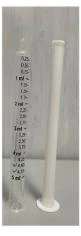 | Dexamethasone 0.4 mg/mL Oral Solution | |
| Volume (mL) | 0.4 mg/mL | |
| Dexamethasone mg/dose | ||
| 1.25 | 0.50 | |
| 1.50 | 0.60 | |
| 1.75 | 0.70 | |
| 2.00 | 0.80 | |
| 2.25 | 0.90 | |
| 2.50 | 1.00 | |
| 2.75 | 1.10 | |
| 3.00 | 1.20 | |
| 3.25 | 1.30 | |
| 3.50 | 1.40 | |
| 3.75 | 1.50 | |
| 4.00 | 1.60 | |
| 4.25 | 1.70 | |
| 4.50 | 1.80 | |
| 4.75 | 1.90 | |
| 5.00 | 2.00 | |
1. What Dexabem is and what it is used for
Dexabem is a medicine that contains the active substance Dexamethasone. It belongs to a group of medicines called corticosteroids, which are synthetic analogues of substances (hormones) normally produced by the adrenal cortex. Dexamethasone has potent anti-inflammatory, immunosuppressive, and antiallergic properties.
Dexabem is used for the treatment of conditions requiring anti-inflammatory or immunosuppressive intervention, such as:
- Inflammatory and autoimmune diseases
- Allergic disorders
- Certain types of cancer
- Respiratory diseases (e.g. severe asthma, COPD exacerbations)
- Neurological conditions (e.g. cerebral edema)
- Organ transplantation (to prevent rejection)
The exact indication depends on the formulation (e.g. tablet, injectable solution) and the dosage prescribed by the physician.
2. What you should know before taking Dexabem
Do not take Dexabem
- if you are allergic to dexamethasone or to any of the other ingredients of this medicine (listed in section 6);
If you are taking Dexabem, avoid administration of live viral vaccines.
Consult your doctor, pharmacist, or nurse before using Dexabem.
Treatment with high-dose corticosteroids may reduce the body’s ability to fight infections. This may lead to infections caused by germs that rarely cause infection under normal circumstances (so-called opportunistic infections). If you develop any type of infection during treatment with this medicine, contact your doctor immediately. This is particularly important if you notice signs of pneumonia: cough, fever, shortness of breath, and chest pain. You may also feel confused, especially if you are elderly. You must inform your doctor if you have had tuberculosis or if you have stayed in regions where infections with nematodes are common.
During treatment with Dexabem, it is important to avoid contact with anyone who has chickenpox, measles, or herpes zoster. If you think you have been exposed to someone with one of these conditions, inform your doctor immediately.
High-dose corticosteroids, including dexamethasone, may cause psychological problems, sometimes severe. Consult your doctor before taking Dexabem if you or a close family member have suffered or are currently suffering from severe depression or manic episodes. If you feel depressed or have suicidal thoughts, contact your doctor immediately.
Contact your doctor if you experience symptoms of tumor lysis syndrome such as muscle cramps, muscle weakness, confusion, loss or disturbances of vision, and shortness of breath.
During treatment with this medicine, it is important to follow a balanced diet. Your doctor will advise you on an appropriate diet (low-salt diet) and may prescribe potassium, calcium, or vitamin D supplements.
If you have previously had blood clots, inform your doctor before taking Dexabem.
The combination of dexamethasone with thalidomide, lenalidomide, or pomalidomide (medicines used to treat multiple myeloma) increases the risk of blood clots in veins and arteries. Inform your doctor immediately if you experience breathlessness, chest pain, or swelling in the arms or legs.
The combination of dexamethasone with lenalidomide or pomalidomide may cause a reduction in the number of white blood cells (blood cells that help fight infections) and/or platelets (which help prevent bleeding). Your doctor will arrange appropriate blood tests before and during treatment.
Treatment with this medicine may trigger a pheochromocytoma crisis, which can be fatal. Pheochromocytoma is a rare tumor of the adrenal glands. A crisis may occur with the following symptoms: headache, sweating, palpitations, and hypertension. Contact your doctor immediately if you experience any of these symptoms. If you are a patient with suspected or confirmed pheochromocytoma, consult your doctor to evaluate the therapeutic benefit against the potential risk.
Treatment with this medicine may cause central serous chorioretinopathy, an eye disease that leads to blurred or distorted vision. If you notice blurred or distorted vision lasting several days, contact an ophthalmologist.
If you are exposed to significant stress (e.g., after surgery, infections, or trauma), inform your doctor, as dose adjustment may be necessary depending on the severity of the stressful condition.
If you need to undergo laboratory tests such as skin tests or tests for diagnosing infections, inform your doctor that you are taking dexamethasone, as it may interfere with test results.
If you become ill or are involved in an accident, or if you need surgery (even dental surgery) or vaccination (especially with vaccines containing "live viruses"), you must inform your treating doctor that you are taking or have recently taken high-dose corticosteroids.
If you have low levels of prothrombin (a blood clotting factor), use caution when taking aspirin (acetylsalicylic acid) during treatment with dexamethasone.
If you have reduced thyroid function or suffer from hepatic cirrhosis (a severe inflammatory liver disease), exercise particular caution, as your body’s response to this medicine may be increased, requiring close monitoring.
Before taking Dexabem, inform your doctor:
- if you have a liver or kidney disease,
- if you have heart disease or have recently had a heart attack,
- if you have high blood pressure, high cholesterol, or smoke,
- if you have diabetes or a family history of diabetes,
- if you have osteoporosis, especially if you are a postmenopausal woman,
- if you have glaucoma (increased eye pressure) or a family history of glaucoma,
- if you have myasthenia gravis (a disease affecting the muscles),
- if you have peptic ulcer (ulcer in the stomach or duodenum) or a history of peptic ulcers, gastrointestinal bleeding, or perforation,
- if you have inflammation of the colon, diverticulitis, or have recently undergone intestinal surgery,
- if you have inflammation of a tendon,
- if you have or are suspected of having pheochromocytoma (a tumor of the adrenal glands),
- if you have a brain tumor and are undergoing immunotherapy.
Your doctor will monitor you closely if you have any of the conditions listed above.
If you are elderly, some of the side effects of Dexabem may be more severe, particularly thinning of the bones (osteoporosis), high blood pressure, low potassium levels, diabetes, increased susceptibility to infections, and thinning of the skin. Your doctor will monitor you closely.
Newborns and premature infants
Dexabem is not indicated in newborns. Available data suggest long-term adverse effects on neurological development following early treatment of premature infants with chronic lung disease.
Children and adolescents
Children and adolescents undergoing prolonged treatment with Dexabem should be carefully monitored for growth and development.
Other medicines and Dexabem
Inform your doctor or pharmacist if you are taking, have recently taken, or might take any other medicines.
Before starting treatment with Dexabem, read the package leaflet of all medicines you are taking in combination with Dexabem to obtain all necessary information. Special attention must be paid to the requirements regarding testing and pregnancy prevention when taking thalidomide, lenalidomide, or pomalidomide.
If you are taking any of the following medicines, inform your doctor before taking Dexabem:
Inform your doctor also if you have recently undergone or plan to undergo vaccination.
Pregnancy and breastfeeding
If you are pregnant, suspect you may be pregnant, planning to become pregnant, or breastfeeding, consult your doctor before taking this medicine.
Pregnancy
Breastfeeding
Do not use Dexabem if you are breastfeeding, as Dexabem is excreted in breast milk.
Driving and using machines
Do not drive, operate tools or machinery, or engage in hazardous activities if you experience side effects such as confusion, hallucinations, dizziness, fatigue, drowsiness, fainting, or blurred vision.
This medicine contains 1 mg of benzoic acid per 1 ml of solution.
This medicine contains less than 1 mmol (23 mg) of sodium per 1 ml of solution, i.e., essentially 'sodium-free'.
For those engaged in sports: using the medicine without therapeutic need constitutes doping and may result in a positive anti-doping test.
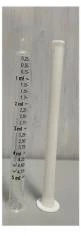 | Dexamethasone 4 mg/mL Oral Solution | |
| Volume (mL) | 4 mg/mL | |
| Dexamethasone mg/dose | ||
| 0.25 | 1.00 | |
| 0.50 | 2.00 | |
| 0.75 | 3.00 | |
| 1.00 | 4.00 | |
| 1.25 | 5.00 | |
| 1.50 | 6.00 | |
| 1.75 | 7.00 | |
| 2.00 | 8.00 | |
| 2.25 | 9.00 | |
| 2.50 | 10.00 | |
| 2.75 | 11.00 | |
| 3.00 | 12.00 | |
| 3.25 | 13.00 | |
| 3.50 | 14.00 | |
| 3.75 | 15.00 | |
| 4.00 | 16.00 | |
| 4.25 | 17.00 | |
| 4.50 | 18.00 | |
| 4.75 | 19.00 | |
| 5.00 | 20.00 | |