Depalgos
Italy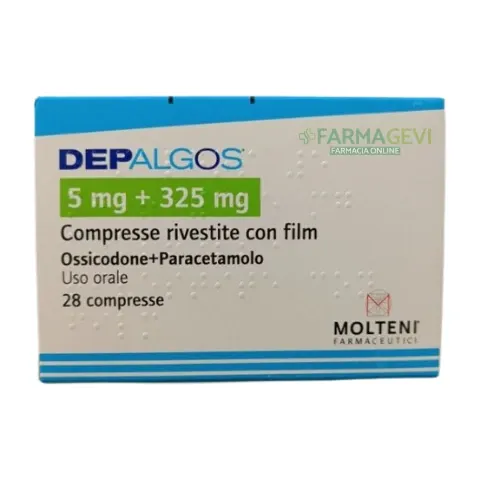
Table of Contents
- Package leaflet: Information for the patient
- DEPALGOS 5 mg + 325 mg film-coated tablets, 10 mg + 325 mg film-coated tablets, 20 mg + 325 mg film-coated tablets
- 1. What Depalgos is and what it is used for
- 2. What you should know before taking Depalgos
- 3. How to take Depalgos
- 4. Possible side effects
- 5. How to store Depalgos
- 6. Contents of the pack and other information
- Patient information leaflet: information for the patient
- DEPALGOS 5 mg / 325 mg effervescent tablets, 10 mg / 325 mg effervescent tablets, 20 mg / 325 mg effervescent tablets
- 1. What Depalgos is and what it is used for
- 2. What you need to know before taking Depalgos
- 3. How to take Depalgos
- 4. Possible side effects
- 5. How to store Depalgos
- 6. Package contents and other information
Package leaflet: Information for the patient
DEPALGOS 5 mg + 325 mg film-coated tablets, 10 mg + 325 mg film-coated tablets, 20 mg + 325 mg film-coated tablets
Oxycodone and paracetamol
Please read this leaflet carefully before taking this medicine, as it contains
important information for you.
- Keep this leaflet. You may need to read it again.
- If you have any questions, ask your doctor or pharmacist.
- This medicine has been prescribed for you only. Do not give it to other people, even if their symptoms are the same as yours, as it may be harmful.
- If you experience any side effects, including those not listed in this leaflet, please inform your doctor or pharmacist. See section 4.
Contents of this leaflet:
- What Depalgos is and what it is used for
- What you need to know before taking Depalgos
- How to take Depalgos
- Possible side effects
- How to store Depalgos
- Contents of the pack and other information
1. What Depalgos is and what it is used for
Depalgos is a combination of two active ingredients with analgesic action: oxycodone and paracetamol. Oxycodone belongs to a group of medicines called opioid analgesics. Paracetamol belongs to a group of medicines called analgesic-antipyretic agents.
Depalgos is used for the treatment of moderate to severe pain in the following conditions:
- diseases affecting muscles, bones and joints when paracetamol or non-steroidal anti-inflammatory drugs (NSAIDs) used alone are not effective;
- tumours (pain of oncological origin).
2. What you should know before taking Depalgos
Do not take Depalgos if:
- you are allergic to oxycodone, paracetamol, or any of the other ingredients of this medicine (listed in section 6);
- you are under 18 years of age;
- you have a deficiency of a specific enzyme (glucose-6-phosphate dehydrogenase);
- you have severe blood disorders (porphyria, haemolytic anaemia);
- you have severe liver problems (severe hepatic insufficiency);
- you have severe kidney problems (severe renal insufficiency);
- you have severe breathing problems such as frequent asthma attacks or respiratory failure;
- you have high levels of carbon dioxide in the blood (hypercapnia);
- you have intestinal blockage (paralytic ileus);
- you are breastfeeding;
- you are taking or have taken within the last 2 weeks medicines used for depression such as monoamine oxidase inhibitors (MAOIs), tricyclic antidepressants, or serotonin reuptake inhibitors (see section “Other medicines and Depalgos”).
Warnings and precautions
Talk to your doctor or pharmacist before taking Depalgos.
Take this medicine with caution and inform your doctor if:
- you have recently had head injuries (cranial trauma or other injuries);
- you have high pressure inside the skull;
- you have liver or kidney problems;
- you are debilitated;
- you are over 65 years old;
- you have an underactive thyroid (hypothyroidism);
- you suffer from stomach or intestinal disorders (abdominal conditions);
- you suffer from a disease of the adrenal glands called Addison’s disease;
- you suffer from prostate problems (prostatic hypertrophy) or urinary tract problems (urethral stenosis);
- you have inflammation of the pancreas (which may cause severe abdominal and back pain), gallbladder problems, or bile duct disorders;
- you have abdominal pain or discomfort similar to that caused by colic;
- you or a family member has ever abused or been dependent on alcohol, prescription medicines, or illegal drugs (“addiction”);
- you are a smoker;
- you have had mood disorders (depression, anxiety, or a personality disorder) or have been treated by a psychiatrist for other mental illnesses.
During treatment with Depalgos, inform your doctor immediately if you suffer from serious conditions, including severe renal impairment or sepsis (when bacteria and their toxins circulate in the blood causing organ damage), malnutrition, chronic alcoholism, or if you are also taking flucloxacillin (an antibiotic). In patients with these conditions, a serious condition called metabolic acidosis (an abnormality in blood and body fluids) has been reported when paracetamol is used regularly for prolonged periods or when paracetamol is taken together with flucloxacillin. Symptoms of metabolic acidosis may include: severe breathing difficulties with deep, rapid breathing, drowsiness, nausea, and vomiting.
Contact your doctor if you experience severe pain in the upper abdomen possibly radiating to the back, nausea, vomiting, or fever, which could be symptoms associated with inflammation of the pancreas (pancreatitis) or the biliary tract.
Tolerance, physical and psychological dependence
With prolonged or inappropriate use of Depalgos, your body may become accustomed to this medicine (“tolerance”), and the dose taken will become less effective.
This medicine contains oxycodone, which belongs to a class of medicines called opioids.
Repeated use of opioid painkillers may lead to reduced effectiveness of the drug (the patient becomes accustomed to taking it, a phenomenon known as tolerance).
Repeated use of Depalgos may also lead to abuse and physical and psychological dependence, with a consequent risk of potentially fatal overdose.
The risk of these adverse effects may increase with higher doses and prolonged use.
If you develop physical or psychological dependence, you may feel unable to control the amount of medicine you need or how often you take it.
You may feel the need to continue taking the medicine even when it no longer relieves your pain.
The risk of developing physical or psychological dependence varies from person to person. The risk of developing physical or psychological dependence on Depalgos may be higher if:
- you or a family member has ever abused or been dependent on alcohol, prescription medicines, or illegal drugs (“addiction”);
- you are a smoker;
- you have had mood disorders (depression, anxiety, or a personality disorder) or have been treated by a psychiatrist for other mental illnesses.
If you notice any of the following signs during use of Depalgos, you may have developed physical or psychological dependence:
- you need to use the medicine for a longer period than recommended by your doctor;
- you need to take a higher dose than recommended;
- you are using the medicine for reasons other than those for which it was prescribed, for example, “to stay calm” or “to help sleep”;
- you have repeatedly tried, but failed, to stop or control use of the medicine;
- you feel unwell when you stop taking the medicine, and feel better when you take it again (“withdrawal symptoms”).
If you notice any of these signs, consult your doctor to evaluate the best treatment approach for you, including when and how to safely discontinue treatment (see section 3, “If you stop taking Depalgos”).
Moreover, do not stop treatment abruptly, as this may cause withdrawal symptoms (see also section 3, “If you stop taking Depalgos”).
It is important to follow your doctor’s recommendations and advice to avoid these situations.
During treatment with Depalgos, pain control may be supported by adopting a healthy lifestyle (such as weight reduction and regular moderate physical exercise), as well as combining other treatments such as heat application (paraffin, mud), ultrasound, or physiotherapy.
Sleep-related breathing disorders
Depalgos may cause sleep-related breathing disorders, such as sleep apnoea (pauses in breathing during sleep) and sleep-related hypoxaemia (low levels of oxygen in the blood). Symptoms may include breathing pauses during sleep, nighttime awakenings due to breathlessness, difficulty maintaining sleep, or excessive daytime sleepiness.
If you or someone else observes these symptoms, consult your doctor. Your doctor may consider reducing the dose.
Effects on anti-doping tests
For individuals engaged in sports, using Depalgos without a therapeutic need constitutes doping and may result in a positive anti-doping test.
Children and adolescents
Children and adolescents under 18 years of age must not take this medicine.
Other medicines and Depalgos
Tell your doctor or pharmacist if you are taking, have recently taken, or might take any other medicines.
This includes medicines obtained without a prescription. This is because Depalgos may affect how some medicines work, or other medicines may affect how Depalgos works.
Do not take Depalgos and ask your doctor or pharmacist if you are taking or have taken any of the following medicines used for depression within the last 2 weeks:
- medicines called MAOIs (monoamine oxidase inhibitors) – for example, phenelzine;
- medicines called tricyclic antidepressants – for example, clomipramine, amitriptyline, and desipramine;
- medicines called SSRIs (serotonin reuptake inhibitors) – for example, paroxetine, fluoxetine, and citalopram.
Tell your doctor or pharmacist before taking Depalgos if you are taking any of the following medicines, as it may be necessary to adjust the dose or discontinue treatment:
- medicines used to relieve pain or cough belonging to the opioid analgesic group – such as morphine and codeine;
- medicines used to treat mental disorders (phenothiazines);
- medicines used to induce anaesthesia (anaesthetics);
- medicines used to treat allergies (antihistamines);
- medicines used to relax muscles (anticholinergics);
- ciclosporin, used after organ transplantation;
- ketoconazole, used to treat fungal infections;
- erythromycin and rifampicin, used to treat bacterial infections;
- flucloxacillin (an antibiotic), due to a serious risk of blood and fluid abnormalities (called metabolic acidosis) that require urgent treatment (see section 2).
Concomitant use of Depalgos and sedative medicines such as benzodiazepines or related medicines increases the risk of drowsiness, breathing difficulties (respiratory depression), coma, and may be life-threatening. For this reason, concomitant use should only be considered when no other treatment options are possible.
However, if your doctor prescribes Depalgos together with sedative medicines, the dose and duration of concomitant treatment must be limited by your doctor.
Inform your doctor about all sedative medicines you are taking and follow your doctor’s dose recommendations carefully. It may be helpful to inform friends or family members to watch for the signs and symptoms listed above.
Contact your doctor if you experience such symptoms.
The risk of adverse effects increases when taking antidepressants (such as citalopram, duloxetine, escitalopram, fluoxetine, fluvoxamine, paroxetine, sertraline, venlafaxine). These medicines may interact with oxycodone, and you may experience symptoms such as involuntary rhythmic muscle contractions, including muscles controlling eye movements, agitation, excessive sweating, tremor, exaggerated reflexes, increased muscle tone, and body temperature above 38°C. Consult your doctor if you experience these symptoms.
Depalgos with food, drinks, and alcohol
Do not drink alcoholic beverages while taking this medicine. Alcohol may increase the adverse effects of Depalgos.
Pregnancy, breastfeeding, and fertility
If you are pregnant, think you may be pregnant, are planning to become pregnant, or are breastfeeding, consult your doctor or pharmacist before taking this medicine.
Use of this medicine is not recommended during pregnancy.
Do not take Depalgos if you are breastfeeding.
Driving and using machines
Avoid driving or operating machinery, as Depalgos may cause drowsiness and reduce your reflexes.
3. How to take Depalgos
Take this medicine exactly as directed by your doctor or pharmacist.
If you have any doubts, consult your doctor or pharmacist.
Before starting treatment, and regularly during treatment, your doctor will discuss with you what to expect from using Depalgos, when and for how long you should take it, when you should contact your doctor, and when you should stop taking it (see also section "If you stop taking Depalgos").
Dosage
-
For the treatment of pain due to diseases affecting muscles, bones, and joints
Your dose will be determined by your doctor. Always take the dose prescribed by your doctor.- The initial dose is 1 tablet (5 mg + 325 mg) every 6–8 hours (3–4 times daily).
- Depending on how the medicine works, your doctor may increase the dose, using tablets containing 10 mg + 325 mg or 20 mg + 325 mg.
- Treatment should continue until symptoms disappear and generally lasts about 1 month.
-
For the treatment of pain in cancer
Your doctor will determine the dose based on the intensity of pain and whether you have previously taken other opioid medicines for pain relief. Always take the dose prescribed by your doctor.- If you have not previously taken opioid medicines, or have taken "weak" opioids such as codeine, the initial dose is 1 tablet (5 mg + 325 mg) every 6 hours (4 times daily).
- If you have previously taken "strong" opioids such as morphine, your doctor will determine your individual dose to be taken every 6 hours (4 times daily).
- Depending on how the medicine works, your doctor may increase the dose using tablets containing 10 mg + 325 mg or 20 mg + 325 mg.
- If treatment is prolonged, your doctor will periodically monitor your health status.
Never exceed the maximum daily dose of 4000 mg of paracetamol and 80 mg of oxycodone, corresponding to:
- 12 tablets per day of Depalgos 5 mg + 325 mg,
- 8 tablets per day of Depalgos 10 mg + 325 mg,
- 4 tablets per day of Depalgos 20 mg + 325 mg.
How to take the tablets
Swallow the tablets with a glass of water.
Use in patients with liver or kidney problems
If you have liver or kidney problems, treatment with Depalgos will start with a lower dose: 1 tablet of 5 mg + 325 mg taken every 8 hours (3 times daily). In such cases, your doctor may decide to monitor you more closely.
Use in elderly patients
If you are over 65 years of age, treatment will start with a lower dose: 1 tablet of 5 mg + 325 mg, taken every 6–12 hours (2 to 4 times daily).
If you take more Depalgos than you should
If you have taken more Depalgos than prescribed, speak to a doctor or go to hospital immediately. Take the medicine packaging with you.
The following effects may occur:
- severe liver problems (hepatic cytolytic hepatitis) manifesting with symptoms such as:
- nausea;
- vomiting;
- profuse sweating;
- feeling unwell.
- severe kidney problems;
- sudden loss of consciousness due to low blood sugar levels (hypoglycaemic coma);
- reduced number of platelets in the blood (thrombocytopenia);
- breathing difficulties or respiratory arrest;
- bluish discoloration of the skin due to insufficient oxygenation of the blood (cyanosis);
- excessive drowsiness, which may lead to reduced reflexes (stupor) and loss of consciousness (coma);
- loss of muscle tone and movement difficulties (musculoskeletal flaccidity);
- cold and clammy skin;
- low blood pressure (hypotension);
- circulatory and heart function disorders (bradycardia, cardiocirculatory collapse, cardiac arrest, and death);
- a brain disorder known as toxic leukoencephalopathy.
If you forget to take Depalgos
If you miss a dose, skip the missed dose and take the next one as scheduled. Do not take a double dose to make up for the missed tablet.
If you stop taking Depalgos
Do not stop treatment with Depalgos without first discussing it with your doctor, as this may cause unwanted effects. If you need to discontinue Depalgos, your doctor will gradually taper off the treatment.
Abruptly stopping treatment may lead to a withdrawal syndrome with symptoms such as:
- anxiety;
- irritability;
- chills;
- pupil dilation (mydriasis);
- hot flushes;
- sweating;
- tearing (lacrimation);
- runny nose (rhinorrhoea);
- nausea;
- vomiting;
- abdominal cramps;
- diarrhoea;
- joint pain (arthralgia).
If you have any questions about the use of this medicine, consult your doctor or pharmacist.
4. Possible side effects
Like all medicines, this medicine can cause side effects, although not everybody gets them.
Tell your doctor immediately if you have intestinal obstruction. Your doctor will assess how to discontinue treatment.
The possible side effects are listed below:
Common (may affect up to 1 in 10 people)
- headache, confusion, dizziness, sedation, anxiety, strange dreams and thoughts, insomnia, restlessness, drowsiness;
- feeling of fatigue, muscle weakness, involuntary muscle contractions (myoclonus);
- sensation of dizziness when standing up, due to a sudden drop in blood pressure (orthostatic hypotension);
- difficulty breathing, reduced cough reflex;
- constipation, nausea, vomiting, dry mouth, loss of appetite, indigestion, abdominal pain, diarrhoea;
- skin irritation (erythema), itching;
- sweating, chills.
Uncommon (may affect up to 1 in 100 people)
- dehydration, swelling due to fluid retention (oedema), especially in the legs and ankles, thirst;
- dizziness, hallucinations, disorientation, mood changes (euphoria, dysphoria), restlessness, agitation, depression, tremor, memory loss, reduced sensitivity, reduced muscle tone (hypotonia), feeling unwell, altered sensation in arms and legs, speech disorders, seizures, visual disturbances;
- increased awareness of heartbeat (palpitations), rapid heartbeat (tachycardia);
- low blood pressure (hypotension) and circulatory problems (vasodilation);
- temporary loss of consciousness (syncope);
- severe difficulty in breathing (respiratory depression);
- liver problems (biliary spasm, cholestasis, increased liver enzymes), difficulty swallowing food (dysphagia), belching (eructation), excessive gas formation in the stomach or intestine (flatulence), stomach disorders (gastritis) and intestinal disorders (intestinal obstruction), altered taste, hiccups, dental disorders;
- dry skin, skin redness with peeling (exfoliative dermatitis) or itching (urticaria);
- difficulty or pain when urinating;
- impotence, absence of menstrual periods (amenorrhoea), decreased sexual desire;
- muscle stiffness;
- facial flushing, allergic reactions including severe reactions (anaphylactic and anaphylactoid reactions), fever;
- reduction in pupil size (miosis);
- withdrawal syndrome (see "If you stop treatment with Depalgos").
Frequency not known (frequency cannot be estimated from the available data)
- sleep apnoea (pauses in breathing during sleep);
- problem affecting a valve in the intestine that may cause severe upper abdominal pain (Oddi sphincter dysfunction);
- severe condition that may make the blood more acidic (called metabolic acidosis), in patients with a serious illness using paracetamol (see section 2).
Reporting of side effects
If you experience any side effect, including those not listed in this leaflet, talk to your doctor or pharmacist.
You can also report side effects directly via the national reporting system at
https://www.aifa.gov.it/content/segnalazioni-reazioni-avverse .
By reporting side effects, you can help provide more information on the safety of this medicine.
5. How to store Depalgos
- Keep this medicine out of the sight and reach of children. Store this medicine safely, in a place inaccessible to others. It may cause serious harm or be fatal to people for whom it has not been prescribed.
- Do not use this medicine after the expiry date stated on the packaging after “Exp.”. The expiry date refers to the last day of that month.
- Do not dispose of any medicine via wastewater or household waste. Ask your pharmacist how to dispose of medicines you no longer use. This will help protect the environment.
6. Contents of the pack and other information
What Depalgos 5 mg + 325 mg film-coated tablets contains
- The active substances are oxycodone hydrochloride and paracetamol. Each tablet contains 5 mg of oxycodone hydrochloride and 325 mg of paracetamol.
- The other components are microcrystalline cellulose, colloidal silicon dioxide, povidone, crospovidone, pregelatinized starch, maize starch, stearic acid, magnesium stearate, hypromellose, titanium dioxide (E171), talc, macrogol 6000, yellow iron oxide (E172).
What Depalgos 10 mg + 325 mg film-coated tablets contains
- The active substances are oxycodone hydrochloride and paracetamol. Each tablet contains 10 mg of oxycodone hydrochloride and 325 mg of paracetamol.
- The other components are microcrystalline cellulose, colloidal silicon dioxide, povidone, crospovidone, pregelatinized starch, maize starch, stearic acid, magnesium stearate, hypromellose, titanium dioxide (E171), talc, macrogol 6000, yellow iron oxide (E172), red iron oxide (E172).
What Depalgos 20 mg + 325 mg film-coated tablets contains
- The active substances are oxycodone hydrochloride and paracetamol. Each tablet contains 20 mg of oxycodone hydrochloride and 325 mg of paracetamol.
- The other components are microcrystalline cellulose, colloidal silicon dioxide, povidone, crospovidone, pregelatinized starch, maize starch, stearic acid, magnesium stearate, hypromellose, titanium dioxide (E171), talc, macrogol 6000, red iron oxide (E172).
Description of the appearance of Depalgos and contents of the pack
Round tablets, each dosage having a different colour:
“5 mg + 325 mg”: yellow;
“10 mg + 325 mg”: pink;
“20 mg + 325 mg”: red;
Pack sizes of 14, 28 or 56 tablets.
Marketing Authorisation Holder
L. Molteni & C. dei F.lli Alitti Società di Esercizio S.p.A., Strada Statale 67, Fraz. Granatieri, 50018
Scandicci (FI)
Manufacturers
Cosmo SpA, Via C. Colombo 1, 20045 Lainate (MI)
L. Molteni & C. dei F.lli Alitti Società di Esercizio S.p.A, Strada Statale 67 Fraz. Granatieri, 50018
Scandicci (FI)
Fine Foods & Pharmaceuticals N.T.M. SpA, Via Grignano 43, 24041 Brembate (BG)
Patient information leaflet: information for the patient
DEPALGOS 5 mg / 325 mg effervescent tablets, 10 mg / 325 mg effervescent tablets, 20 mg / 325 mg effervescent tablets
Oxycodone and paracetamol
Please read this leaflet carefully before taking this medicine because it contains
important information for you.
- Keep this leaflet. You may need to read it again.
- If you have any questions, ask your doctor or pharmacist.
- This medicine has been prescribed for you only. Do not give it to others, even if their symptoms are the same as yours, as it could be harmful.
- If you experience any side effect, including those not listed in this leaflet, contact your doctor or pharmacist. See section 4.
Contents of this leaflet:
- What Depalgos is and what it is used for
- What you need to know before taking Depalgos
- How to take Depalgos
- Possible side effects
- How to store Depalgos
- Contents of the pack and other information
1. What Depalgos is and what it is used for
Depalgos is a combination of two active substances with analgesic action: oxycodone and paracetamol.
Oxycodone belongs to a group of medicines called opioid analgesics.
Paracetamol belongs to a group of medicines called analgesic-antipyretic agents.
Depalgos is used in adults for the treatment of moderate to severe pain in the following conditions:
- diseases affecting muscles, bones and joints when paracetamol or non-steroidal anti-inflammatory drugs (NSAIDs) used alone are not effective;
- tumours (pain of oncological origin).
2. What you need to know before taking Depalgos
Do not take Depalgos if:
- you are allergic to oxycodone, paracetamol, or any of the other ingredients of this medicine (listed in section 6);
- you are under 18 years of age;
- you have a deficiency in a specific enzyme (glucose-6-phosphate dehydrogenase);
- you have severe blood disorders (porphyria, haemolytic anaemia);
- you have severe liver problems (severe hepatic insufficiency);
- you have severe kidney problems (severe renal insufficiency);
- you have severe breathing problems such as frequent asthma attacks or respiratory failure;
- you have high levels of carbon dioxide in your blood (hypercapnia);
- you have intestinal blockage (paralytic ileus);
- you are breastfeeding;
- you are taking or have taken within the last 2 weeks medicines used for depression such as monoamine oxidase inhibitors, tricyclic antidepressants, or serotonin reuptake inhibitors (see section “Other medicines and Depalgos”).
Warnings and precautions
Talk to your doctor or pharmacist before taking Depalgos.
Take this medicine with caution and inform your doctor if:
- you have recently had head injury (cranial trauma or other injuries);
- you have increased pressure inside the skull;
- you have liver or kidney problems;
- you are debilitated;
- you are over 65 years of age;
- your thyroid gland is underactive (hypothyroidism);
- you suffer from stomach or intestinal disorders (abdominal conditions);
- you suffer from a disease of the adrenal glands called Addison's disease;
- you suffer from prostate problems (prostatic hypertrophy) or urinary tract problems (urethral stenosis);
- you have inflammation of the pancreas (which may cause severe abdominal and back pain), gallbladder problems, or bile duct disorders;
- you have abdominal pain or discomfort similar to colic;
- you or a family member has ever abused or been dependent on alcohol, prescription medicines, or illegal drugs (“dependence”);
- you are a smoker;
- you have had mood disorders (depression, anxiety, or a personality disorder) or have been treated by a psychiatrist for other mental illnesses. During treatment with Depalgos, inform your doctor immediately if
- you suffer from serious conditions, including severe renal impairment or sepsis (when bacteria and their toxins circulate in the blood causing organ damage), malnutrition, chronic alcoholism, or if you are also taking flucloxacillin (an antibiotic). In patients with these conditions, a serious condition called metabolic acidosis (an abnormality in blood and body fluids) has been reported when paracetamol is used regularly over a prolonged period or when paracetamol is taken concomitantly with flucloxacillin. Symptoms of metabolic acidosis may include: severe breathing difficulties with deep rapid breathing, drowsiness, nausea, and vomiting.
Contact your doctor if you experience severe pain in the upper abdomen possibly radiating to the back, nausea, vomiting, or fever, which could be symptoms associated with inflammation of the pancreas (pancreatitis) and biliary tract.
Tolerance, physical and psychological dependence
With prolonged or incorrect use of Depalgos, your body may become accustomed to this medicine (“tolerance”), and the dose taken will become less effective.
This medicine contains oxycodone, which belongs to a class of medicines called opioids.
Repeated use of opioid painkillers may lead to reduced effectiveness of the drug (the patient becomes accustomed to its use, a phenomenon known as tolerance).
Repeated use of Depalgos may also lead to abuse and physical and psychological dependence, with a consequent risk of potentially fatal overdose.
The risk of these adverse effects may increase with higher doses and prolonged use.
If you develop physical or psychological dependence, you may feel unable to control the amount of medicine you need or how often you take it. You may feel the need to continue taking the medicine even when it no longer relieves your pain.
The risk of developing physical or psychological dependence varies from person to person. The risk of developing physical or psychological dependence on Depalgos may be higher if:
- you or a family member has ever abused or been dependent on alcohol, prescription medicines, or illegal drugs (“dependence”);
- you are a smoker;
- you have had mood disorders (depression, anxiety, or a personality disorder) or have been treated by a psychiatrist for other mental illnesses.
If you notice any of the following signs during use of Depalgos, you may have developed physical or psychological dependence:
- you need to use the medicine for a longer period than recommended by your doctor;
- you need to take a higher dose than recommended;
- you are using the medicine for reasons other than those for which it was prescribed, for example “to stay calm” or “to help sleep”;
- you have repeatedly tried, but unsuccessfully, to stop or control use of the medicine;
- you feel unwell when you stop taking the medicine, and feel better when you take it again (“withdrawal effects”).
If you notice any of these signs, talk to your doctor to evaluate the best therapeutic approach for you, including when and how to safely discontinue treatment (see section 3, “If you stop treatment with Depalgos”).
In addition, you must not stop treatment abruptly, as this may cause withdrawal symptoms (see also section 3 “If you stop treatment with Depalgos”).
It is important to follow your doctor’s recommendations and advice to avoid these situations.
Pain control during Depalgos therapy may be supported by adopting a proper lifestyle (reducing weight and engaging in moderate but regular physical activity), as well as combining other treatments such as heat application (paraffin, mud), ultrasound, or physiotherapy.
Sleep-related breathing disorders
Depalgos may cause sleep-related breathing disorders, such as sleep apnoea (pauses in breathing during sleep) and sleep-related hypoxaemia (low oxygen levels in the blood). Symptoms may include pauses in breathing during sleep, nighttime awakenings due to breathlessness, difficulty maintaining sleep, or excessive daytime sleepiness.
If you or someone else observes these symptoms, consult your doctor. Your doctor may consider reducing the dose.
Effects on anti-doping tests
For individuals engaged in sports, using Depalgos without therapeutic need constitutes doping and may result in a positive anti-doping test.
Children and adolescents
Children and adolescents under 18 years of age must not take this medicine.
Other medicines and Depalgos
Inform your doctor or pharmacist if you are taking, have recently taken, or might take any other medicines.
This includes medicines obtained without a prescription. This is because Depalgos may affect how some medicines work, or because other medicines may affect how Depalgos works.
Do not take Depalgos and consult your doctor or pharmacist if you are taking or have taken any of the following medicines for depression within the last 2 weeks:
- medicines called MAOIs (monoamine oxidase inhibitors) – for example phenelzine;
- medicines called tricyclic antidepressants – for example clomipramine, amitriptyline, and desipramine;
- medicines called SSRIs (serotonin reuptake inhibitors) – for example paroxetine, fluoxetine, and citalopram.
Inform your doctor or pharmacist before taking Depalgos if you are taking any of the following medicines, as dose adjustment or discontinuation of treatment may be necessary:
- medicines used to relieve pain or cough belonging to the opioid analgesic group – such as morphine and codeine;
- medicines used to treat mental disorders (phenothiazines);
- medicines used to induce anaesthesia (anaesthetics);
- medicines used to treat allergies (antihistamines);
- medicines used to relax muscles (anticholinergics);
- cyclosporine, used after organ transplantation;
- ketoconazole, used to treat fungal infections;
- erythromycin and rifampicin, used to treat bacterial infections;
- flucloxacillin (an antibiotic), due to a serious risk of blood and fluid abnormalities (called metabolic acidosis) that require urgent treatment (see section 2). Concomitant use of Depalgos and sedative medicines such as benzodiazepines or related medicines increases the risk of drowsiness, breathing difficulties (respiratory depression), coma, and may be life-threatening. For this reason, concomitant use should only be considered when no other treatment options are available.
However, if your doctor prescribes Depalgos together with sedative medicines, the dose and duration of concomitant treatment must be limited by your doctor.
Inform your doctor about all sedative medicines you are taking and follow your doctor’s dose recommendations carefully. It may be helpful to inform friends or relatives to watch for the signs and symptoms listed above.
Contact your doctor if you experience such symptoms.
The risk of adverse effects increases with the use of antidepressants (such as citalopram, duloxetine, escitalopram, fluoxetine, fluvoxamine, paroxetine, sertraline, venlafaxine). These medicines may interact with oxycodone and you may experience symptoms such as involuntary and rhythmic muscle contractions, including muscles controlling eye movements, agitation, excessive sweating, tremor, exaggerated reflexes, increased muscle tone, and body temperature above 38°C. Consult your doctor if you experience these symptoms.
Depalgos with food, drinks and alcohol
Do not drink alcoholic beverages while taking this medicine. Alcohol may increase the adverse effects of Depalgos.
Pregnancy, breastfeeding and fertility
If you are pregnant, suspect you may be pregnant, planning to become pregnant, or breastfeeding, consult your doctor or pharmacist before taking this medicine.
Use of this medicine is not recommended during pregnancy.
Do not take Depalgos if you are breastfeeding.
Driving and using machines
Avoid driving or operating machinery, as Depalgos may cause drowsiness and thus reduce your reflexes.
Depalgos effervescent tablets contain sorbitol
This medicine contains:
- 306 mg of sorbitol per 5 mg/325 mg tablet
- 301 mg of sorbitol per 10 mg/325 mg tablet
- 291 mg of sorbitol per 20 mg/325 mg tablet
Sorbitol is a source of fructose. If your doctor has told you that you have an intolerance to certain sugars, or if you have been diagnosed with hereditary fructose intolerance, a rare genetic condition in which patients cannot metabolize fructose, speak with your doctor before taking this medicine. It may cause gastrointestinal problems and has a mild laxative effect.
3. How to take Depalgos
Take this medicine exactly as directed by your doctor or pharmacist.
If you have any doubts, consult your doctor or pharmacist.
Before starting treatment, and at regular intervals during treatment, your doctor will discuss with you:
what to expect from using Depalgos, when and for how long you should take it, when you should contact your doctor, and when you should stop taking it (see also section "If you stop taking Depalgos").
Dosage
-
For the treatment of pain due to diseases affecting muscles, bones, and joints
Your dose will be determined by your doctor. Always take the dose prescribed by your doctor. -
The initial dose is 1 effervescent tablet (5 mg / 325 mg) every 6–8 hours (3–4 times daily).
-
Depending on how the medicine works, your doctor may increase the dose, using effervescent tablets of 10 mg / 325 mg or 20 mg / 325 mg.
-
Treatment should continue until symptoms disappear and generally lasts about 1 month.
-
For the treatment of pain due to cancer
Your doctor will determine the dose based on the intensity of pain and whether you have previously taken other opioid medicines for pain relief. Always take the dose prescribed by your doctor. -
If you have not previously taken opioid medicines, or if you have taken "weak" opioids such as codeine, the initial dose is 1 effervescent tablet (5 mg / 325 mg) every 6 hours (4 times daily).
-
If you have previously taken "strong" opioids such as morphine, your doctor will determine an individual dose for you, to be taken every 6 hours (4 times daily).
-
Depending on how the medicine works, your doctor may increase the dose using effervescent tablets of 10 mg / 325 mg or 20 mg / 325 mg.
-
During prolonged treatment, your doctor will periodically monitor your health status.
Never exceed the maximum daily dose of 4000 mg of paracetamol and 80 mg of oxycodone, corresponding to:
- 12 effervescent tablets per day of Depalgos 5 mg / 325 mg,
- 8 effervescent tablets per day of Depalgos 10 mg / 325 mg,
- 4 effervescent tablets per day of Depalgos 20 mg / 325 mg.
How to take the tablets
Dissolve the effervescent tablet in a glass of water and drink the resulting solution.
Use in patients with liver or kidney problems
If you have liver or kidney problems, treatment with Depalgos should start with a lower dose: 1 effervescent tablet of 5 mg / 325 mg taken every 8 hours (3 times daily). In such cases, your doctor may decide to monitor you more closely.
Use in the elderly
If you are over 65 years of age, treatment should start with a lower dose: 1 effervescent tablet of 5 mg / 325 mg taken every 6–12 hours (2 to 4 times daily).
If you take more Depalgos than you should
If you have taken more Depalgos than you should, speak to a doctor or go to hospital immediately. Take the medicine pack with you.
The following effects may occur:
- severe liver problems (hepatic cytolysis) manifesting with symptoms such as:
- nausea;
- vomiting;
- profuse sweating;
- feeling unwell.
- severe kidney problems;
- sudden loss of consciousness due to low blood sugar levels (hypoglycaemic coma);
- reduced platelet count in the blood (thrombocytopenia);
- breathing difficulties or respiratory arrest;
- bluish discoloration of the skin due to insufficient blood oxygenation (cyanosis);
- excessive drowsiness, which may also cause reduced reflexes (stupor) and loss of consciousness (coma);
- loss of muscle tone and movement difficulties (musculoskeletal flaccidity);
- cold, clammy skin;
- low blood pressure (hypotension);
- circulatory and heart function disorders (bradycardia, cardiocirculatory collapse, cardiac arrest, and death);
- a brain disorder known as toxic leukoencephalopathy.
If you forget to take Depalgos
If you forget a dose, skip the missed dose and take the next one as scheduled. Do not take a double dose to make up for the forgotten tablet.
If you stop taking Depalgos
Do not stop treatment with Depalgos without first discussing it with your doctor, as this may cause unwanted effects. If you need to stop taking Depalgos, your doctor will gradually discontinue it.
Abruptly stopping treatment may lead to a "withdrawal syndrome" with symptoms such as:
- anxiety;
- irritability;
- chills;
- pupil dilation (mydriasis);
- hot flushes;
- sweating;
- tearing;
- runny nose (rhinorrhoea);
- nausea;
- vomiting;
- abdominal cramps;
- diarrhoea;
- joint pain (arthralgia).
If you have any questions about the use of this medicine, consult your doctor or pharmacist.
4. Possible side effects
Like all medicines, this medicine can cause side effects, although not everyone experiences them.
Tell your doctor immediately if you have a bowel obstruction. Your doctor will assess how to
discontinue the treatment.
The side effects that may occur are listed below:
Common (may affect up to 1 in 10 people)
- headache, confusion, dizziness, sedation, anxiety, strange dreams and thoughts, insomnia, nervousness, drowsiness;
- feeling of fatigue, muscle weakness, involuntary muscle contractions (myoclonus);
- sensation of dizziness when standing up, due to a sudden drop in blood pressure (orthostatic hypotension);
- difficulty breathing, reduced cough reflex;
- constipation, nausea, vomiting, dry mouth, loss of appetite, indigestion, abdominal pain, diarrhoea;
- skin irritation (erythema), itching;
- sweating, chills.
Uncommon (may affect up to 1 in 100 people)
- dehydration, swelling due to fluid accumulation (oedema), especially in the legs and ankles, thirst;
- dizziness, hallucinations, disorientation, mood changes (euphoria, dysphoria), restlessness, agitation, depression, tremor, memory loss, reduced sensitivity, reduced muscle tone (hypotonia), malaise, altered sensation in arms and legs, speech disorders, seizures, vision disorders;
- increased awareness of heartbeat (palpitations), rapid heartbeat (tachycardia);
- low blood pressure (hypotension) and circulatory problems (vasodilation);
- temporary loss of consciousness (syncope);
- severe difficulty in breathing (respiratory depression);
- liver problems (spasm of the bile ducts, cholestasis, increased liver enzymes), difficulty swallowing food (dysphagia), belching (eructation), excessive gas formation in the stomach or intestines (flatulence), stomach disorders (gastritis) and intestinal disorders (intestinal obstruction), altered taste, hiccups, dental disorders;
- dry skin, skin redness with peeling (exfoliative dermatitis) or itching (urticaria);
- difficulty or pain when urinating;
- impotence, absence of menstrual periods (amenorrhoea), decreased sexual desire;
- muscle stiffness;
- facial flushing, allergic reactions including severe reactions (anaphylactic and anaphylactoid reactions), fever;
- reduction in pupil size (miosis);
- withdrawal syndrome (see "If you stop treatment with Depalgos").
Frequency not known (frequency cannot be estimated from the available data)
- sleep apnoea (pauses in breathing during sleep);
- problem affecting a valve in the intestine that may cause severe pain in the upper abdomen (Oddi sphincter dysfunction);
- severe condition that may make the blood more acidic (called metabolic acidosis), in patients with a serious illness who are using paracetamol (see section 2).
Reporting of side effects
If you experience any side effect, including those not listed in this leaflet, talk to your doctor or pharmacist.
You can also report side effects directly via the national reporting system at https://www.aifa.gov.it/content/segnalazioni-reazioni-avverse.
By reporting side effects, you can help provide more information on the safety of this medicine.
5. How to store Depalgos
- Keep this medicine out of the sight and reach of children. Store this medicine securely in a safe place, where other people cannot access it. It may cause serious harm or be fatal to individuals for whom it has not been prescribed.
- Keep this medicine in its original packaging to protect it from moisture.
- Do not use this medicine after the expiry date stated on the pack after "Exp." The expiry date refers to the last day of that month.
- Do not dispose of any medicine via wastewater or household waste. Ask your pharmacist how to dispose of medicines no longer in use. This will help protect the environment.
6. Package contents and other information
What Depalgos 5 mg / 325 mg effervescent tablets contain
- The active substances are oxycodone hydrochloride and paracetamol. Each tablet contains 5 mg of oxycodone hydrochloride and 325 mg of paracetamol.
- The other components are citric acid, sodium bicarbonate, sorbitol (E420), sodium carbonate, potassium acesulfame, lemon flavour, simethicone (30% emulsion), polysorbate 20.
What Depalgos 10 mg / 325 mg effervescent tablets contain
- The active substances are oxycodone hydrochloride and paracetamol. Each tablet contains 10 mg of oxycodone hydrochloride and 325 mg of paracetamol.
- The other components are citric acid, sodium bicarbonate, sorbitol (E420), sodium carbonate, potassium acesulfame, lemon flavour, simethicone (30% emulsion), polysorbate 20.
What Depalgos 20 mg / 325 mg effervescent tablets contain
- The active substances are oxycodone hydrochloride and paracetamol. Each tablet contains 20 mg of oxycodone hydrochloride and 325 mg of paracetamol.
- The other components are citric acid, sodium bicarbonate, sorbitol (E420), sodium carbonate, potassium acesulfame, lemon flavour, simethicone (30% emulsion), polysorbate 20.
Description of the appearance of Depalgos and contents of the pack
Round, white effervescent tablets.
Pack sizes: 6, 14, 28 tablets.
Marketing Authorization Holder
L. Molteni & C. dei F.lli Alitti Società di Esercizio S.p.A., Strada Statale 67, Fraz. Granatieri,
50018 Scandicci (FI)
Manufacturers
E-Pharma S.p.A., Via Provina 2, Frazione Ravina, 38123 Trento
L. Molteni & C. dei F.lli Alitti Società di Esercizio S.p.A., Strada Statale 67 Fraz. Granatieri, 50018
Scandicci (FI)