Depakin
Italy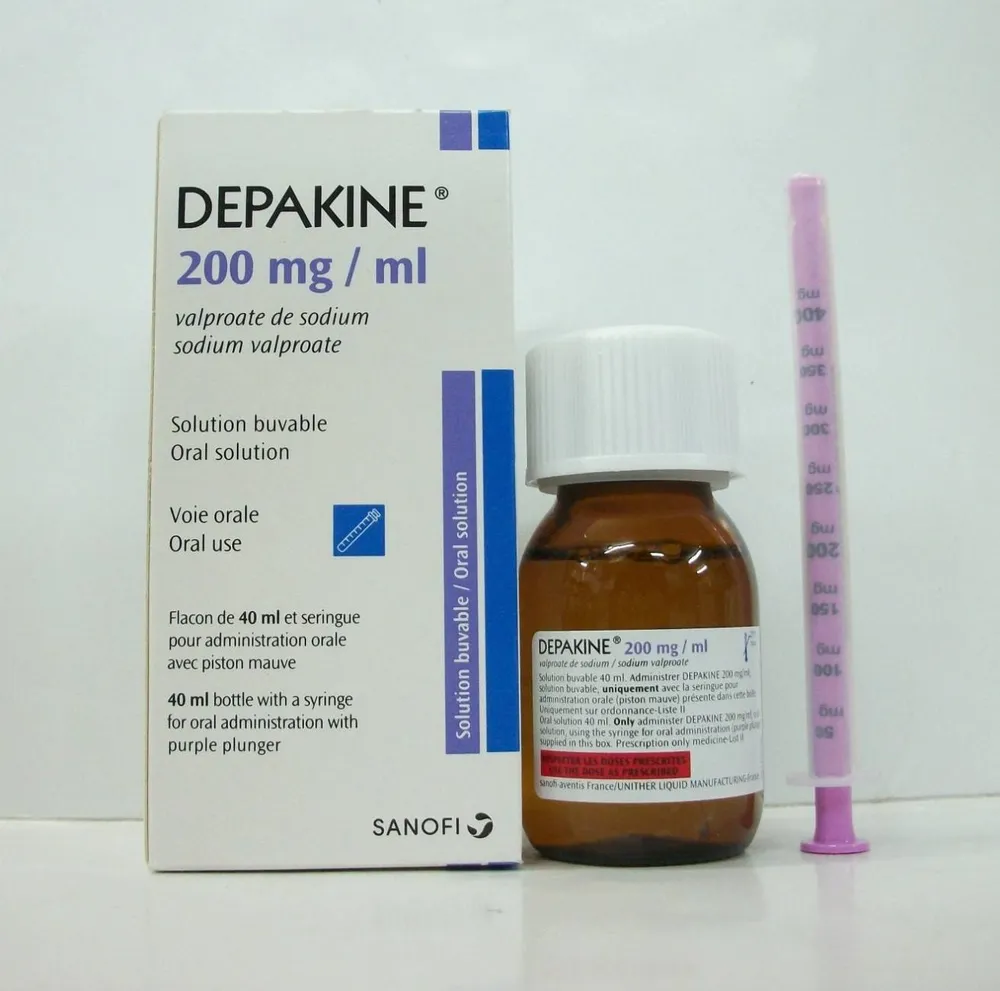
Table of Contents
- Package leaflet: Information for the patient
- DEPAKIN CHRONO 300 mg prolonged-release tablets, CHRONO 500 mg prolonged-release tablets
- 1. What Depakin is and what it is used for
- 2. What you should know before taking Depakin
- 3. How to take Depakin
- 4. Possible side effects
- 5. How to store Depakin
- 6. Package contents and other information
- Patient Information Leaflet
- DEPAKIN 200 mg gastro-resistant tablets, 500 mg gastro-resistant tablets, 200 mg/ml oral solution
- 1. What Depakin is and what it is used for
- 2. What you should know before taking Depakin
- 3. How to take Depakin
- 4. Possible side effects
- 5. How to store Depakin
- 6. Package contents and other information
- Patient information leaflet
- DEPAKIN 100 mg modified-release granules, 250 mg modified-release granules, 500 mg modified-release granules, 750 mg modified-release granules, 1000 mg modified-release granules
- 1. What Depakin is and what it is used for
- 2. What you should know before taking Depakin
- 3. How to take Depakin
- 4. Possible side effects
- 5. How to store Depakin
- 6. Package contents and other information
- Patient Information Leaflet: information for the patient
- DEPAKIN 400 mg/4 ml powder and solvent for solution for infusion
- 1. What Depakin is and what it is used for
- 2. What you should know before taking Depakin
- 3. How to take Depakin
- 4. Possible side effects
- 5. How to store Depakin
- 6. Package contents and other information
Package leaflet: Information for the patient
DEPAKIN CHRONO 300 mg prolonged-release tablets, CHRONO 500 mg prolonged-release tablets
sodium valproate – valproic acid
This medicinal product is subject to additional monitoring. This will allow for rapid identification of
new safety information. You can help by reporting any side effects you experience while taking this
medicinal product. See the end of section 4 for information on how to report side effects.
WARNING
Depakin, valproate, may seriously harm the unborn baby if taken during pregnancy. If you are a woman of
childbearing age, you must use an effective method of birth control (contraception) continuously
throughout your treatment with Depakin. Your doctor will discuss this with you, but you should also
follow the recommendations in section 2 of this leaflet.
If you are planning a pregnancy or think you might be pregnant, contact your doctor urgently.
Do not stop taking Depakin unless your doctor tells you to, as your condition could worsen.
Please read all of this leaflet carefully before you start using this medicine, because it contains
important information for you.
- Keep this leaflet. You may need to read it again.
- If you have any questions, ask your doctor or pharmacist.
- This medicine has been prescribed for you only. Do not give it to others, even if their symptoms are the same as yours, as it may be harmful.
- If you experience any side effect, including those not listed in this leaflet, contact your doctor or pharmacist. See section 4.
Contents of this leaflet:
- What Depakin is and what it is used for
- What you need to know before taking Depakin
- How to take Depakin
- Possible side effects
- How to store Depakin
- Contents of the pack and other information
1. What Depakin is and what it is used for
Depakin contains the active substances sodium valproate and valproic acid and belongs to a group of medicines called "antiepileptic fatty acid derivatives".
Depakin is indicated for:
- In the treatment of generalized epilepsy, particularly in seizures of the following types:
- brief and sudden loss of consciousness for short periods (absence)
- muscle spasms (myoclonic)
- alternating muscle contractions and relaxation (tonic-clonic)
- loss of muscle tone (atonic)
- mixed
- In partial epilepsy:
- simple or complex
- secondarily generalized
- In the treatment of specific disorders (West Syndrome, Lennox-Gastaut Syndrome)
- In the treatment of episodes of excitement (mania) due to a disease causing alternating periods of excitement and depression (bipolar disorder), when lithium is contraindicated or not tolerated. Continuing therapy after the episode of excitement (mania) may be considered in patients who have responded to valproate during episodes of excitement (acute mania).
2. What you should know before taking Depakin
Do not take Depakin
- if you are allergic to sodium valproate, valproic acid, or any of the other ingredients of this medicine (listed in section 6)
- if you have acute inflammation of the liver (acute hepatitis)
- if you have chronic inflammation of the liver (chronic hepatitis)
- if you or your family members have or have ever had serious liver problems (severe hepatopathy), especially if caused by medicines
- if you have a rare disease called hepatic porphyria
- if you have blood clotting problems
- if you suffer from genetic disorders causing disease in specific cellular organelles called mitochondria (e.g., Alpers-Huttenlocher syndrome)
- if you suffer from genetic disorders caused by deficiency of an enzyme involved in the urea cycle, which manifest with alterations, usually severe, of the nervous system (see "Warnings and precautions")
- if you have carnitine deficiency (a very rare metabolic disorder) that is untreated.
Bipolar disorder
- If you are pregnant, you must not use Depakin for bipolar disorder.
- For bipolar disorder, if you are a woman of childbearing potential, you must not take Depakin unless you are using an effective method of birth control (contraceptive) throughout the entire treatment with Depakin. Do not stop taking Depakin or your contraceptive unless you have discussed this with your doctor. Your doctor will advise you further (see below under "Pregnancy, breastfeeding and fertility - Important warning for women").
Epilepsy
- If you are pregnant, you must not use Depakin for epilepsy, unless nothing else is effective for you.
- For epilepsy, if you are a woman of childbearing potential, you must not take Depakin unless you are using an effective method of birth control (contraceptive) throughout the entire treatment with Depakin. Do not stop taking Depakin or your contraceptive unless you have discussed this with your doctor. Your doctor will advise you further (see below under "Pregnancy, breastfeeding and fertility - Important warning for women").
Warnings and precautions
In children aged three years or younger, antiepileptic medicines containing valproic acid
are only exceptionally considered as first-line therapy.
CONTACT YOUR DOCTOR IMMEDIATELY:
- I f you experience liver problems. See section "LIVER PROBLEMS (HEPATOPATHIES)". The risk of liver damage increases if Depakin is taken by children under 3 years of age, in people taking other antiepileptic medicines simultaneously, or in those suffering from other neurological or metabolic diseases and severe forms of epilepsy. If you or your child taking Depakin develop problems with balance and coordination, feel drowsy or less alert, or vomit, inform your doctor immediately. This may be due to increased ammonia levels in the blood.
- Serious skin reactions, including Stevens-Johnson syndrome, toxic epidermal necrolysis, drug reaction with eosinophilia and systemic symptoms (DRESS), erythema multiforme, and angioedema, have been reported in association with valproate treatment. Seek immediate medical advice if you notice any of the symptoms related to these serious skin reactions described in section 4.
Talk to your doctor before taking Depakin:
- Before taking Depakin because your doctor may require tests to check your liver function, both before starting treatment (see "Do not take Depakin") and at regular intervals during the first 6 months. If your health status resembles those listed under "Do not take Depakin" and "Special warnings", your doctor is more likely to perform monitoring tests. Depending on test results and your health status, your doctor may decide to adjust the dose of Depakin or perform additional tests.
- In children under 3 years of age, do not take Depakin with other medicines, and your doctor will evaluate the risk-benefit ratio (liver and pancreas problems) before starting treatment. In children under 3 years of age, do not take Depakin if they are taking medicines containing salicylic acid or its derivatives, as this may increase the risk of liver toxicity (hepatotoxicity).
- If there are genetic disorders in your family causing disease in specific cellular organelles called mitochondria, due to a possible risk of liver damage.
- If you have high levels of ammonia in your blood (hyperammonaemia), because valproate can
increase ammonia levels in the blood (see "Do not take Depakin" and "Possible side effects"). If you experience symptoms involving changes in behavior and emotions (apathy), drowsiness, vomiting, low blood pressure (hypotension), and an increase in the number of seizures, your doctor may decide to perform tests.
- If you suspect you suffer from metabolic disorders, particularly inherited enzyme deficiencies such as "urea cycle disorder", due to a possible risk of increased ammonia levels in the blood.
- If you have a disease reducing the amount of an enzyme called carnitine palmitoyltransferase (CPT) type II, because valproate may increase the risk of a muscle cell disease called rhabdomyolysis.
- If you have a reduced dietary intake of carnitine, found in meat and dairy products, especially in children under 10 years of age.
- If you have carnitine deficiency and are taking carnitine supplements.
- If you have reduced kidney function (renal insufficiency) or reduced levels of protein in the blood (hypoproteinaemia), your doctor may decide to modify treatment based on clinical monitoring results.
- If you have a skin and tissue disease called "systemic lupus erythematosus", because your doctor will need to evaluate the risk-benefit ratio during valproate use, due to the possibility of causing immune-mediated diseases.
- If you have previously developed a severe skin rash, skin peeling, blisters, and/or mouth ulcers after taking valproate.
- If you have sudden abdominal pain, because your doctor may discontinue valproate and perform tests to rule out pancreatitis (inflammation of the pancreas).
- If you are on special diets, because Depakin may cause weight gain at the beginning of treatment (see "Possible side effects").
- If you are taking antibiotics belonging to a class called carbapenems, because concomitant use of valproic acid/sodium valproate is not recommended (see "Other medicines and Depakin").
- If you are a woman of childbearing potential (see "Pregnancy, breastfeeding and fertility").
- If you have blood disorders, because your doctor may perform tests before surgery or dental procedures and in case of spontaneous bruising or sudden bleeding (haemorrhage) (see "Possible side effects"); your doctor will also perform blood tests before starting treatment or before surgery and in case of spontaneous bruising or bleeding.
- If you are taking blood-thinning medicines belonging to the category of vitamin K antagonists, because your doctor may perform checks.
- If you have or have previously had any bone marrow diseases, because your doctor may decide to perform checks.
If you take this medicine for epilepsy, as with other antiepileptic drugs, you may experience a reversible worsening in the frequency and severity of seizures (up to status epilepticus) or may develop new types of seizures (see "Possible side effects"). In this case, contact your doctor immediately.
If during treatment with Depakin you have thoughts of harming yourself or of suicide, contact your doctor immediately, as such disorders have been observed with a class of medicines called "antiepileptics", such as valproate.
Do not consume alcohol during treatment with valproate.
If you suffer from diabetes, because if you need to undergo tests for ketone bodies, Depakin may alter the results.
LIVER PROBLEMS (HEPATOPATHIES)
- How it manifests: Administration of Depakin has exceptionally led to severe liver damage (hepatic injury), which has sometimes been fatal. If you are a newborn or a child under 3 years with severe forms of a condition called epilepsy, particularly if you have brain damage (cerebral), mental developmental delay (psychic), and/or a metabolic or degenerative congenital disease, and are on treatment with multiple medicines, you have a higher risk of developing severe liver problems. If your doctor considers it essential to administer the medicine to a child under three years of age for treating a type of epilepsy that improves with valproate, despite the risk of liver damage (hepatopathy), do not take Depakin with any other medicine. If the child is over 3 years, the likelihood of these complications is lower, as the risk decreases with increasing age. In most cases, liver damage (hepatic) occurred during the first 6 months of treatment.
- Symptoms: Especially if you are a high-risk patient, clinical symptoms are essential for early diagnosis. Two types of manifestations that may precede yellowing of the skin (jaundice: see "How it manifests") should be particularly considered:
- if you suffer from epilepsy, seizures may reappear
- non-specific symptoms of epilepsy, which appear rapidly, such as fatigue (asthenia), severe loss of appetite (anorexia), excessive sleepiness (lethargy), excessive tiredness (drowsiness), sometimes associated with repeated vomiting and abdominal pain. If during treatment you experience any of the symptoms listed above, inform your doctor immediately, who will perform tests. As with most antiepileptic drugs, increases in liver blood tests (liver enzymes) may be observed, particularly at the beginning of treatment; in such cases, your doctor will perform frequent checks and may adjust the dose.
- Monitoring during treatment: If you take Depakin, your doctor will perform liver checks (liver function) before starting treatment and at regular intervals for the first 6 months, as well as whenever deemed necessary or for other checks. These checks are particularly important in children.
PANCREAS INFLAMMATION (PANCREATITIS)
Severe pancreas inflammation (pancreatitis) may occur, although very rarely, and can even be fatal. These serious pancreas problems are more frequent in children. The risk decreases with increasing age. If during treatment you experience severe epileptic seizures, nervous system (neurological) disorders, or are taking other seizure medications, inform your doctor, as these may increase the risk of pancreatitis. If you have liver disease (hepatic insufficiency) and pancreas inflammation (pancreatitis) simultaneously, Depakin will increase the risk of a fatal outcome. If you experience acute abdominal pain, report it immediately to your doctor, who will examine you and discontinue valproate if pancreatitis (pancreas inflammation) is suspected.
Other medicines and Depakin
Inform your doctor or pharmacist if you are taking, have recently taken, or might take any other medicines, including those without a prescription. Some medicines may affect the action of valproate and vice versa.
Effects of valproate on other medicines
-
Neuroleptics, MAO inhibitors, antidepressants, and benzodiazepines: If you take valproate with medicines used for behavioral disorders belonging to classes called neuroleptics, MAO inhibitors, antidepressants, and benzodiazepines, an unintended increase in effect may occur. Therefore, your doctor will monitor you and, when necessary, adjust your treatment.
-
Phenobarbital: If you take a medicine called phenobarbital, inform your doctor because valproate increases the amount of phenobarbital in the blood, which may cause excessive sedation, especially in children. Your doctor will perform checks during the first 15 days of combined treatment, immediately reducing phenobarbital doses in case of sedation, and possibly monitoring phenobarbital blood levels.
-
Primidone: If you take a medicine called primidone, valproate may increase its blood levels, possibly increasing its side effects (such as sedation); this interaction ceases with long-term treatment, so your doctor will perform checks especially at the beginning of therapy, adjusting primidone dose when necessary.
-
Phenytoin: If you take valproate concomitantly with a phenytoin-based medicine, your doctor will perform checks because valproate alters phenytoin blood levels, possibly causing overdose symptoms.
-
Carbamazepine: If you take valproate with a carbamazepine-based medicine, your doctor will perform checks, especially at the beginning of therapy. These checks are performed because valproate increases carbamazepine toxicity.
-
Lamotrigine: If you take Depakin concomitantly with lamotrigine-based medicines, you may have an increased risk of side effects due to increased lamotrigine toxicity (severe skin disorders). Your doctor will perform checks and reduce lamotrigine dose if necessary.
-
Ethosuximide: If you take valproate with medicines containing ethosuximide, it may increase the latter's blood levels.
-
Zidovudine: Be cautious when taking valproate with zidovudine-based medicines, as it may increase zidovudine blood levels and related toxicity.
-
Felbamate: Valproic acid may decrease felbamate metabolism (used in epilepsy).
-
Olanzapine: If you take Depakin with olanzapine-based medicines (used in certain mental illnesses), it may increase the latter's blood levels.
-
Rufinamide: If you take Depakin with rufinamide-containing medicines (used in epilepsy), it may increase the latter's blood levels. The increased rufinamide blood levels depend on the dose of Depakin used. This effect is greater in children.
-
Propofol: If you take valproate with propofol (used for anesthesia), your doctor may consider reducing the propofol dose, as valproate may increase its blood levels.
-
Nimodipine: Depakin may increase nimodipine effects.
-
Clozapine (used to treat mental health problems).
Effects of other medicines on valproate
If you take medicines for epilepsy treatment (particularly phenytoin, phenobarbital, and carbamazepine) concomitantly with valproic acid, your doctor may perform checks because valproic acid blood levels may decrease. Treatment will be adjusted based on results.
The combination of felbamate and valproate increases valproic acid blood levels. Therefore, valproate blood levels should be monitored.
If you take Depakin with phenytoin or phenobarbital-based medicines, pay particular attention to symptoms of hyperammonaemia (nausea, vomiting, agitation, confusion, seizures, drowsiness, muscle coordination disorders).
If you take a medicine used to treat malaria called mefloquine concomitantly with valproic acid, your doctor may perform checks because you may experience epileptic seizures.
Concomitant use of valproate and substances highly bound to proteins (acetylsalicylic acid) may increase valproic acid blood levels.
Do not take valproic acid-containing medicines concomitantly with acetylsalicylic acid-containing medicines used to treat fever and pain, especially in newborns and children.
Your doctor will perform blood clotting checks if you are taking Depakin with medicines to make blood more fluid belonging to the class of "vitamin K-dependent" drugs.
If you take Depakin with cimetidine, erythromycin, rifampicin, or fluoxetine-based medicines, your doctor will perform checks because valproic acid blood levels may be altered.
Do not take Depakin concomitantly with antibiotics belonging to the carbapenem class (used to treat bacterial infections) (see "Warnings and precautions").
Protease inhibitors
If you take Depakin with medicines such as lopinavir and ritonavir (used in severe viral diseases), Depakin blood levels may decrease.
Cholestyramine
If you take Depakin with cholestyramine-based medicines (used to lower blood cholesterol), Depakin blood levels may decrease.
Metamizole
If you take Depakin with metamizole, used to treat pain and fever, Depakin blood levels may decrease.
Methotrexate (used to treat tumors and inflammatory diseases).
Other interactions
Cannabidiol (used to treat epilepsy and other conditions).
Some anti-infective medicines containing pivalate (e.g., pivampicillin, adefovir dipivoxil).
If you take valproic acid-containing medicines concomitantly with seizure treatment medicines containing topiramate or with acetazolamide (used for high blood pressure), your doctor will perform checks because the risk increases of elevated blood ammonia levels and/or brain inflammation (hyperammonaemic encephalopathy).
Estrogen-containing products
Estrogen-containing products (including some birth control pills) may decrease valproate blood levels. Discuss with your doctor the most appropriate birth control method (contraception) for you.
Valproate generally does not have an enzyme-inducing effect; therefore, it does not reduce the effectiveness of combined oral contraceptives.
If you take medicines acting on the nervous system, belonging to the benzodiazepine class (diazepam, lorazepam, clonazepam), concomitantly with valproate, your doctor may perform checks, as benzodiazepine blood levels may be altered.
Be cautious if you take valproic acid concomitantly with a depression medicine called sertraline and a psychotropic medicine called risperidone, as catatonia (a disorder reducing motor and intellectual activity) may occur.
Quetiapine
If you take valproate concomitantly with an antipsychotic medicine called quetiapine, the possibility may increase of a decrease in certain blood cells (neutropenia/leucopenia).
Depakin with food, drinks, and alcohol
Alcohol consumption is not recommended during treatment with valproate.
Pregnancy, breastfeeding and fertility
If you are pregnant, suspect you are pregnant, plan to become pregnant, or are breastfeeding, consult your doctor or pharmacist before taking this medicine.
Important warning for women
Bipolar disorder
- If you are pregnant, you must not use Depakin for bipolar disorder.
- For bipolar disorder, if you are a woman of childbearing potential, you must not take Depakin unless you are using an effective method of birth control (contraceptive) throughout the entire treatment with Depakin. Do not stop taking Depakin or your contraceptive unless you have discussed this with your doctor. Your doctor will advise you further.
Epilepsy
- If you are pregnant, you must not use Depakin for epilepsy, unless nothing else is effective for you.
- For epilepsy, if you are a woman of childbearing potential, you must not take Depakin unless you are using an effective method of birth control (contraceptive) throughout the entire treatment with Depakin. Do not stop taking Depakin or your contraceptive unless you have discussed this with your doctor. Your doctor will advise you further.
Risks of taking valproate during pregnancy (regardless of the condition for which it is used)
- Talk immediately with your doctor if you are planning to have a child or are pregnant.
- Valproate poses risks if taken during pregnancy. The risk is higher with higher doses, but all doses pose a risk, including valproate use in combination with other medicines treating epilepsy.
- It may cause serious birth defects and may affect the child's physical and mental development and growth after birth. The most frequently reported birth defects include: spina bifida (incomplete development of some spinal bones); facial and skull malformations; heart, kidney, urinary tract, and genital organ malformations; limb defects and multiple malformations affecting various organs and body parts. Birth defects may lead to disabilities that can be severe.
- Hearing problems or deafness have been reported in children exposed to valproate during pregnancy.
- Eye malformations associated with other congenital malformations have been reported in children exposed to valproate during pregnancy. These eye malformations may affect vision.
- Women taking valproate during pregnancy have a higher risk, compared to other women, of having a child with birth defects requiring medical treatment. Because valproate has been used for many years, we know that about 11 out of 100 children born to women taking valproate have birth defects, compared to 2-3 out of 100 children born to women without epilepsy.
- It is estimated that up to 30-40% of preschool-aged children whose mothers took valproate during pregnancy may experience developmental problems in early childhood. These children
may start walking and talking later, be intellectually disadvantaged
compared to other children, and have language and memory difficulties.
- Autism spectrum disorders are more frequently diagnosed in children exposed to valproate during pregnancy, and there is some evidence that children exposed to valproate during pregnancy have a higher risk of developing attention deficit hyperactivity disorder (ADHD).
- Before prescribing this medicine, your doctor will explain what could happen to your child if you become pregnant while taking valproate. If later you decide to have a child, do not stop taking the medicine or your contraceptive method before discussing it with your doctor.
- If you are a parent or caregiver of a girl treated with valproate, contact the doctor as soon as the girl has her first menstrual period.
- Some birth control pills (estrogen-containing birth control pills) may decrease valproate blood levels. Make sure to discuss with your doctor the most suitable contraceptive method (birth control) for you.
- Consult your doctor about taking folic acid while trying to become pregnant. Folic acid may reduce the general risk of spina bifida and miscarriage, possible in all pregnancies. However, it is unlikely to reduce the risk of birth defects associated with valproate use.
Read and select the situations applicable to you from those described below:
O I AM STARTING TREATMENT WITH DEPAKIN
O I AM TAKING DEPAKIN AND DO NOT PLAN TO HAVE A CHILD
O I AM TAKING DEPAKIN AND PLAN TO HAVE A CHILD
O I AM PREGNANT AND TAKING DEPAKIN
I AM STARTING TREATMENT WITH DEPAKIN
If Depakin is prescribed to you for the first time, your doctor will explain the risks to the fetus in case of pregnancy. If you are of childbearing age, you must ensure to use an effective contraceptive method continuously throughout the entire Depakin treatment. Talk to your doctor or visit a family planning clinic if you need advice on contraception.
Key messages:
- before starting Depakin treatment, pregnancy must be ruled out through a pregnancy test confirmed by your doctor;
- during the entire Depakin treatment, you must use an effective method of birth control (contraceptive);
- you must discuss appropriate birth control methods (contraceptives) with your doctor. The doctor will explain how to prevent pregnancy and may refer you to a specialist for contraception advice;
- you must schedule regular appointments (at least once a year) with an expert specialist in managing bipolar disorder or epilepsy. During this visit, your
doctor will ensure you are fully aware and understand all risks and advice related to valproate use in pregnancy;
- inform your doctor if you wish to have a child;
- inform your doctor immediately if you are pregnant or think you might be.
I AM TAKING DEPAKIN AND DO NOT PLAN TO HAVE A CHILD.
If you are continuing Depakin treatment but do not plan to have a child, ensure you use an effective contraceptive method continuously throughout the entire Depakin treatment. Talk to your doctor or visit a family planning clinic if you need advice on contraception.
Key messages:
- you must use an effective method of birth control (contraceptive) during the entire Depakin treatment;
- you must discuss contraception (birth control) with your doctor. The doctor will explain how to prevent pregnancy and may refer you to a specialist for contraception advice;
- you must schedule regular appointments (at least once a year) with an expert specialist in managing bipolar disorder or epilepsy. During this visit, your doctor will ensure you are fully aware and understand all risks and advice related to valproate use in pregnancy;
- inform your doctor if you wish to have a child;
- inform your doctor immediately if you are pregnant or think you might be.
I AM TAKING DEPAKIN AND PLAN TO HAVE A CHILD
If you are planning to have a child, schedule an appointment with your doctor first.
Do not stop taking Depakin or your contraceptive unless you have discussed it with your doctor. Your doctor will advise you further.
Children born to mothers treated with valproate have a high risk of birth defects and developmental problems that may be severely disabling. Your doctor will refer you to an expert specialist in managing bipolar disorder or epilepsy to evaluate alternative treatment options as soon as possible. The specialist may take various measures to facilitate the pregnancy as much as possible and minimize risks for you and the child.
The specialist may decide to adjust the Depakin dose or switch to another medicine, or discontinue Depakin treatment well before pregnancy to ensure the disease is stable.
Ask your doctor about taking folic acid when planning to have a child. Folic acid may reduce the general risk of spina bifida and miscarriage, possible in all pregnancies. However, it is unlikely to reduce the risk of birth defects associated with valproate use.
Key messages:
- do not stop taking Depakin unless your doctor tells you to;
- do not stop using birth control methods (contraceptives) before discussing it with your doctor and agreeing on a plan to ensure disease control and minimize risks for the child;
- first schedule an appointment with your doctor. During this visit, the doctor will ensure you are fully aware and understand all risks and advice related to valproate use in pregnancy;
- your doctor will try to change your medicine or discontinue Depakin treatment well before pregnancy;
- request an urgent appointment with your doctor if you are pregnant or think you might be pregnant. I AM PREGNANT AND TAKING DEPAKIN Do not stop taking Depakin unless your doctor advises you to, because your condition may worsen. Request an urgent appointment with your doctor if you are pregnant or think you might be pregnant. Your doctor will advise you further. Children born to mothers treated with valproate have a high risk of birth defects and developmental problems that may be severely disabling. You will be referred to an expert specialist in managing bipolar disorder or epilepsy to evaluate alternative treatment options. In exceptional circumstances, if Depakin is the only available treatment option during pregnancy, you will be closely monitored for both your underlying condition management and fetal development. You and your partner may receive counseling and support regarding valproate exposure during pregnancy. Ask your doctor about taking folic acid. Folic acid may reduce the general risk of spina bifida and miscarriage, possible in all pregnancies. However, it is unlikely to reduce the risk of birth defects associated with valproate use. Key messages:
- request an urgent appointment with your doctor if you are pregnant or think you might be pregnant;
- do not stop taking Depakin unless your doctor tells you to;
- ensure you are referred to an expert specialist in epilepsy or bipolar disorder treatment to evaluate the need for alternative treatment options;
- you must receive detailed counseling on the risks of Depakin in pregnancy, including teratogenicity (birth defects) and physical and mental developmental disorders in children;
- ensure you are referred to a prenatal monitoring specialist to identify possible malformation cases. Make sure to read the patient guide you will receive from your doctor. Your doctor will discuss the Annual Risk Acceptance Form and ask you to sign and keep it. You will also receive from the pharmacist the Patient Card to remind you of valproate risks in pregnancy.
Additional risks for the newborn
- If you take valproate during pregnancy, the newborn may rarely have severe bleeding (haemorrhagic syndrome) due to reduced levels of several clotting factors. These reductions in clotting factors may sometimes be fatal, which is why your doctor will perform several checks.
- If you take valproate during the third trimester of pregnancy, the newborn may have reduced blood sugar (hypoglycaemia).
- If you take valproate during pregnancy, the newborn may have disorders caused by reduced levels of thyroid hormones in the blood (hypothyroidism).
- If you take valproate during the last trimester of pregnancy, the newborn may have disorders caused by "withdrawal syndrome" (e.g., particularly agitation, irritability, hyperexcitability, nervousness, increased movements (hyperkinesia), muscle activity disorders (tonicity), tremor, seizures, and feeding disorders).
If you are pregnant, do not interrupt valproic acid treatment or reduce intake without
consulting your doctor, as this could cause epileptic seizures that might seriously harm you and the unborn child.
Important warning for male patients
Potential risk associated with valproate use in the 3 months before conception
A study suggests a possible risk of movement and mental development disorders (problems affecting early childhood development) in children born to fathers treated with valproate in the 3 months before conception. In this study, about 5 out of 100 children had such disorders when born to fathers treated with valproate, compared to about 3 out of 100 children born to fathers treated with lamotrigine or levetiracetam (other medicines that may be used to treat your condition). The risk for children born to fathers who discontinued valproate treatment 3 months (the time needed to form new sperm) or more before conception is unknown. The study has limitations, so it is not entirely clear whether the increased risk of movement and mental development disorders suggested by this study is caused by valproate. The study was not large enough to show which particular type of movement and mental development disorder the children may be at risk of developing.
As a precautionary measure, your doctor will discuss with you:
- the potential risk for children born to fathers taking valproate
- the need to consider effective contraception (birth control) for you and your partner during treatment and for 3 months after stopping treatment
- the need to consult the specialist if you are planning to conceive and before stopping contraception (birth control)
- the possibility of other treatments that may be used to treat your condition, depending on your individual situation
Do not donate sperm while taking valproate and for 3 months after stopping valproate.
Talk to your doctor if you are thinking of having a child.
If your partner becomes pregnant while you have taken valproate in the 3 months before conception and have questions, contact your doctor. Do not stop treatment without discussing it with your doctor. If you stop treatment, your symptoms may worsen.
You should plan regular appointments with your prescribing doctor. During this visit, your doctor will discuss with you the precautions associated with valproate use and the possibility of other treatments that may be used to treat your condition, depending on your individual situation.
Make sure to read the patient guide you will receive from your doctor. You will also receive from the pharmacist the Patient Card to remind you of valproate's potential risks.
Breastfeeding
If you are taking valproate during breastfeeding, your doctor will evaluate whether to discontinue or continue treatment because the medicine is excreted in breast milk and may cause blood disorders (haematological) (see "Possible side effects").
Your doctor will carefully evaluate whether to stop breastfeeding or discontinue/abstain from Depakin therapy, considering the benefit of breastfeeding for the child and the benefit of therapy for the woman.
Fertility
If you are a woman of childbearing potential, the medicine may increase the likelihood of menstrual flow cessation (amenorrhoea), presence of multiple ovarian cysts (polycystic ovaries), and increased blood testosterone levels (see "Possible side effects"). If you are a man, valproate administration may impair your fertility (see "Possible side effects"). These fertility disorders are reversible after discontinuation of treatment.
Driving and using machines
If you take Depakin with a class of drugs called "barbiturates" or other drugs causing reduced central nervous system activity, some individuals may experience fatigue (asthenia), drowsiness, or confusion, which may impair response ability for driving vehicles, operating machinery, or performing activities with risk of falls or accidents.
The same symptoms may occur after consuming alcoholic beverages. Your doctor will explain the problems you may have in driving vehicles or performing tasks requiring normal attention.
Depakin contains sodium
- Depakin Chrono 300 mg prolonged-release tablets contain 28.31 mg of sodium (main component of table salt) per tablet. This corresponds to 1.41% of the maximum daily recommended dietary intake for an adult.
- Depakin Chrono 500 mg prolonged-release tablets contain 47.21 mg of sodium (main component of table salt) per tablet. This corresponds to 2.36% of the maximum daily recommended dietary intake for an adult.
3. How to take Depakin
Take this medicine exactly as directed by your doctor or pharmacist. If you have any doubts, consult your doctor or pharmacist.
Girls and women of childbearing age
Treatment with Depakin must be initiated and supervised by a physician specialized in the treatment of epilepsy or bipolar disorders.
Male patients
It is recommended that treatment with Depakin be initiated and supervised by a specialist experienced in managing epilepsy or bipolar disorder – see section 2. Important warning for male patients.
Epilepsy treatment
Before starting therapy with DEPAKIN CHRONO, please consider the following:
- If you are a patient not previously treated with other antiepileptic medicines, your doctor will increase the dose at intervals of 2–3 days to reach the recommended dose within approximately one week.
- If you are currently taking other antiepileptic medicines, your doctor will gradually replace them with valproate, reaching the optimal dose over about two weeks, while reducing and then discontinuing the other treatments.
- If your doctor decides to add another antiepileptic medicine, this will be done gradually (see “Other medicines and Depakin”).
Oral administration of DEPAKIN CHRONO: practical considerations.
In general, the recommended dose will be determined by your doctor based on your age, body weight, therapeutic response, and clinical response. If the desired therapeutic response is not achieved, your doctor may decide to monitor the blood levels of valproic acid.
Specifically, the recommended dose is:
usually an initial daily dose of 10–15 mg/kg; doses should then be progressively increased until reaching the optimal dosage, which generally ranges from 20 to 30 mg/kg. However, when adequate seizure control is not achieved with this dosage, doses may be further increased; your doctor will closely monitor you when daily doses exceed 50 mg/kg (see “Warnings and precautions”).
In children, the usual maintenance dose is approximately 30 mg/kg per day.
In adults, the usual maintenance dose is between 20 and 30 mg/kg per day.
In elderly patients, the dose should be determined based on control of epileptic seizures.
The use of the prolonged-release formulation – DEPAKIN CHRONO – allows for a reduced number of daily administrations (1–2 times per day). Additionally, the possibility of dividing the tablets (fractionation) provides greater dosing flexibility (posology).
DEPAKIN CHRONO may also be used in children who are able to swallow tablets, which may also be split (fractionated). However, for children under 11 years of age, the preferred oral formulations are the oral solution and granules.
Manic episodes related to bipolar disorder
In adults
The recommended dose is:
the daily dose must be established and monitored by your doctor.
The recommended initial daily dose is 750 mg. Prolonged-release formulations may be administered once or twice daily. The dose should be increased as rapidly as possible to reach the lowest therapeutic dose that provides the desired clinical effect. The daily dose should be adjusted according to clinical response to determine the minimum effective dose for the individual patient.
The usual average daily dose ranges between 1000 and 2000 mg of valproate. Patients receiving a daily dose exceeding 45 mg/kg body weight should be carefully monitored.
Patients with kidney problems/hypoproteinemia
Your doctor may decide to adjust the dose.
Use in children and adolescents
Children and adolescents under 18 years of age:
Depakin must not be used in children and adolescents under 18 years of age for the treatment of mania.
If you take more Depakin than you should
If you have taken or ingested an excessive dose of Depakin, contact your doctor immediately or go to the nearest hospital.
Signs and symptoms of overdose
Blood levels of valproic acid within the normal therapeutic range have relatively low toxicity, and acute valproic acid intoxication is very rare.
Toxicity is more likely at higher doses.
Signs of severe acute overdose generally include coma with reduced muscle tone (hypotonia), diminished reflexes (hyporeflexia), reduced pupil size (miosis), impaired respiratory function, changes in blood acidity (metabolic acidosis), decreased blood pressure (hypotension), cardiovascular disturbances, circulatory collapse/shock, and increased blood sodium levels (hypernatremia).
In adults or children, elevated blood levels of valproic acid may cause neurological disturbances, such as increased tendency to epileptic seizures and behavioral changes.
Fatal outcomes have been reported following severe overdose, although the prognosis in cases of intoxication is generally favorable.
Symptoms may vary, and epileptic seizures have been reported in cases of very high blood levels of valproic acid.
Cases of increased intracranial pressure (intracranial hypertension) associated with cerebral edema have also been reported.
If you forget to take Depakin
Do not take a double dose to make up for a missed dose.
If you have any doubts about how to use Depakin, consult your doctor or pharmacist.
4. Possible side effects
Like all medicines, DEPAKIN may cause side effects, although not everybody gets them.
If you experience any side effect, including those not listed in this leaflet, please consult your doctor or pharmacist.
Contact your doctor immediately if you notice any of the following serious side effects.
You may need urgent medical treatment:
- Problems with balance and coordination, feeling lethargic or less alert, associated with vomiting. This may be due to increased levels of ammonia in the blood.
- Kidney disorders (renal failure, tubulointerstitial nephritis) which may present as reduced urine output.
- Uncommon: breathing difficulties, chest pain or tightness (especially during inspiration), shortness of breath and dry cough due to fluid accumulation around the lungs (pleural effusion).
Inform your doctor or pharmacist if any of the following side effects worsen or
last longer than a few days; you may need medical treatment:
Rare: excessive urination and thirst (Fanconi syndrome).
Frequency not known: darkened areas of the skin and mucous membranes (hyperpigmentation).
Frequency not known: decreased levels of carnitine (detected by blood or muscle tests).
Very common side effects (may affect more than 1 in 10 people):
- Nausea.
- Tremor.
Common side effects (may affect from 1 to 10 in 100 people):
- Severe liver dysfunction (severe hepatic dysfunction), not dose-dependent, which may occasionally be fatal. If you are a child, particularly when receiving Depakin together with other antiepileptic medicines, the risk of liver damage (hepatic) is significantly increased (see "Warnings and precautions").
- Vomiting, gum disorders, mainly gum swelling (gingival hyperplasia), inflammation of the mouth lining (stomatitis), upper abdominal pain, diarrhoea; these effects frequently occur in some patients at the beginning of treatment, but usually disappear after a few days without discontinuation of treatment.
- Reduced sodium levels in the blood (hyponatraemia). In children, reduced activity of the enzyme biotinidase has been observed during treatment with medicines containing valproic acid. There have also been reports of vitamin H (biotin) deficiency.
- Reduced sensation (paraesthesia), dose-dependent, disorders of a part of the nervous system called extrapyramidal (inability to stay still, rigidity, tremors, slow movements, involuntary movements, muscle contractions), stupor, tremor when attempting to maintain a fixed position (postural tremor), drowsiness, seizures, poor memory, headache, involuntary eye movements (nystagmus), dizziness occurring a few minutes after intravenous injection, resolving spontaneously within a few minutes.
- Confusional state, hallucinations, aggression*, agitation*, attention disorders* (*These side effects have been observed mainly in children).
- Reduced haemoglobin in the blood (anaemia), reduced platelet count in the blood (thrombocytopenia).
- Dose-dependent weight gain or weight loss, increased or decreased appetite. Since weight gain is a risk factor for a condition affecting the ovaries called "polycystic ovary syndrome", it should be carefully monitored (see "What you need to know before taking Depakin").
- Hypersensitivity, transient hair loss (transient alopecia), and/or dose-related.
- Painful menstrual cycle (dysmenorrhoea).
- Bleeding (haemorrhage) (see "What you need to know before taking Depakin" and "Warnings and precautions").
- Deafness, presence of a disturbing noise in the ear (tinnitus).
- Nail disorders.
- Involuntary loss of urine (urinary incontinence).
Uncommon side effects (may affect from 1 to 10 in 1,000 people):
- Increased salivation (hypersalivation), inflammation of the pancreas (pancreatitis), sometimes fatal (see "Warnings and precautions" and "What you need to know before taking Depakin").
- Syndrome of inappropriate antidiuretic hormone secretion (SIADH), increased production of male hormones (hyperandrogenism) characterised by increased body hair (hirsutism), appearance of male characteristics in women (virilism), acne, male-pattern hair loss and/or increased levels of male hormones (androgens).
- Increased muscle tone (spasticity), difficulty in performing voluntary movements (ataxia), particularly at the beginning of treatment, coma, state of confusion (encephalopathy), increased sleepiness (lethargy), symptoms resembling Parkinson's disease which may be resolved or eliminated (reversible parkinsonism). Worsening of seizures (see "Warnings and precautions").
- Irritability, hyperactivity and confusion, particularly at the beginning of treatment (occasionally aggression, behavioural disorders).
- Changes in number or shape of blood cells (neutropenia, leucopenia or pancytopenia, red blood cell hypoplasia). Peripheral oedema, bleeding.
- Swelling of the face, hands and feet, lips, tongue or throat (angioedema), skin redness (cutaneous), hair abnormalities (such as abnormal hair structure, changes in hair colour, abnormal hair growth).
- Absence of menstrual periods (amenorrhoea).
- Inflammation of blood vessels (vasculitis).
- Reduced body temperature (hypothermia).
- Reduced kidney function (renal failure).
Rare side effects (may affect from 1 to 10 in 10,000 people):
-
Reduced production of thyroid hormones (hypothyroidism) (see "Warnings and precautions").
-
Increased ammonia levels in the blood (hyperammonaemia). A moderate and isolated increase in blood ammonia (isolated hyperammonaemia) may occur without changes in liver function tests (hepatic function), and this should not lead to discontinuation of treatment. However, during monotherapy or polytherapy (with: phenobarbital, carbamazepine, phenytoin, topiramate), an acute syndrome of altered consciousness due to increased blood ammonia (hyperammonaemic encephalopathy) may occur, with normal liver function and absence of cell damage (cytolysis). Hyperammonaemia-induced encephalopathy due to valproate manifests acutely and is characterised by loss of consciousness, stupor, muscle weakness (muscular hypotonia), motor disorders (choreic dyskinesia), severe generalised abnormalities on electroencephalogram (EEG), and focal and general neurological signs with increased frequency of epileptic seizures. It may appear after a few days or weeks of starting therapy and resolves with discontinuation of valproate. The confusional state (encephalopathy) is not dose-dependent and EEG changes are characterised by the appearance of slow waves and increased epileptic discharges.
-
Blood disorder due to bone marrow problems (myelodysplastic syndrome).
-
Reversible dementia associated with reversible brain changes (cerebral atrophy), learning disorders (cognitive), confusional states, a particular state of unconsciousness called "stupor" and increased sleepiness "lethargy", sometimes leading to transient coma (encephalopathy): these effects are rare or associated with an increase in the number of epileptic seizures during therapy and have regressed with treatment discontinuation or dose reduction. These cases have been reported mainly during combination therapy (particularly with phenobarbital or topiramate) or after a sudden increase in valproate dosage. Sedation has been reported.
-
Abnormal behaviour*, psychomotor hyperactivity*, learning disorders* (*These side effects have been observed mainly in children).
-
Reduced bone marrow function (bone marrow failure including pure red cell aplasia). Changes in number or shape of blood cells (agranulocytosis, macrocytic anaemia, macrocytosis).
-
Decreased coagulation factors, deficiency of a specific coagulation factor called "factor VIII" (von Willebrand factor), abnormal coagulation tests (such as prolonged prothrombin time, prolonged activated partial thromboplastin time, prolonged thrombin time, prolonged INR) (see also "Pregnancy, breastfeeding and fertility"). Isolated cases of reduced fibrinogen have been reported. Deficiency of vitamin H (biotin) and of the enzyme called biotinidase.
-
Severe skin disorders (toxic epidermal necrolysis, Stevens-Johnson syndrome, erythema multiforme). Allergic reactions, particularly drug reaction with eosinophilia and systemic symptoms (DRESS), with increased levels of certain white blood cells (eosinophilia) and systemic disturbances.
-
Male infertility, which is generally reversible after treatment discontinuation and may be reversible after dose reduction. Do not stop treatment without first consulting your doctor.
-
Involuntary loss of urine at night (enuresis), kidney disorders (tubulointerstitial nephritis, reversible Fanconi syndrome).
-
Disorders affecting the skin and tissues, such as systemic lupus erythematosus, muscle disorders (rhabdomyolysis); (see "What you need to know before taking Depakin").
-
Obesity.
-
Double vision.
Side effects with frequency not known (frequency cannot be estimated from the available data)
- Congenital malformations and developmental disorders (see "Warnings and precautions - Pregnancy, breastfeeding and fertility").
- Elevated testosterone levels. Cases of a condition affecting the ovaries called "polycystic ovary" have been reported in patients who experienced significant weight gain.
- Decreased bone mineral density (osteopenia and osteoporosis) and fractures in patients receiving long-term Depakin therapy.
Additional side effects in children
Some side effects of valproate occur more frequently or are more severe in children than in adults. These include liver damage, inflammation of the pancreas (pancreatitis), aggression, agitation, attention disorders, abnormal behaviour, hyperactivity and learning disorders.
Reporting of side effects
If you experience any side effect, including those not listed in this leaflet, please consult your doctor or pharmacist. You can also report side effects directly via the national reporting system at https://www.aifa.gov.it/content/segnalazioni-reazioni-avverse.
By reporting side effects, you can help provide more information on the safety of this medicine.
5. How to store Depakin
Keep in the original container.
Do not use this medicine after the expiry date stated on the packaging after "Exp.". The expiry date refers to the last day of that month.
Keep this medicine out of the sight and reach of children.
Do not dispose of any medicine via wastewater or household waste. Ask your pharmacist how to dispose of medicines you no longer use. This will help protect the environment.
6. Package contents and other information
What Depakin contains
DEPAKIN CHRONO 300 mg prolonged-release tablets
The active substances are sodium valproate and valproic acid. One tablet contains 199.8 mg of sodium
valproate and 87.0 mg of valproic acid (equivalent to 300 mg of sodium valproate).
The other components are: ethylcellulose, hypromellose, hydrated colloidal silica, sodium saccharin,
polyacrylate dispersion 30%, macrogol 6000, talc, titanium dioxide.
DEPAKIN CHRONO 500 mg prolonged-release tablets
The active substances are sodium valproate and valproic acid. One tablet contains 333 mg of sodium
valproate and 145 mg of valproic acid (equivalent to 500 mg of sodium valproate).
The other components are: ethylcellulose, hypromellose, anhydrous colloidal silica, hydrated colloidal
silica, sodium saccharin, polyacrylate dispersion 30%, macrogol 6000, talc, titanium dioxide.
Description of the appearance of Depakin and contents of the pack
Depakin is available as prolonged-release tablets.
A box contains 30 divisible tablets of 300 mg or 30 divisible tablets of 500 mg.
Marketing Authorization Holder
Sanofi S.r.l. – Viale L. Bodio, 37/B - Milan
Manufacturer
DEPAKIN CHRONO 300 mg prolonged-release tablets
SANOFI WINTHROP INDUSTRIE - 1, Rue de la Vierge - Ambarès (France)
DEPAKIN CHRONO 500 mg prolonged-release tablets
SANOFI WINTHROP INDUSTRIE - 1, Rue de la Vierge - Ambarès (France)
SANOFI S.r.l. - S.S.17 KM 22 – 67019 Scoppito (AQ) – Italy
Detailed and up-to-date information on this medicinal product is available by scanning the QR code
on this package leaflet and the outer packaging using a smartphone. The same information is also available at the following URL:
https://qr.Ioevalproato.it/it-IT/chrono

Patient Information Leaflet
DEPAKIN 200 mg gastro-resistant tablets, 500 mg gastro-resistant tablets, 200 mg/ml oral solution
sodium valproate
This medicinal product is subject to additional monitoring. This will allow for rapid identification of
new safety information. You can help by reporting any adverse reactions you experience while taking
this medicine. See the end of section 4 for information on how to report adverse reactions.
WARNING
Depakin, valproate, may cause severe harm to the fetus if taken during pregnancy. If you are a woman of
childbearing potential, you must use an effective method of birth control (contraception) continuously
throughout your treatment with Depakin. Your doctor will discuss this with you, but you should also
follow the recommendations in section 2 of this leaflet.
If you are planning a pregnancy or think you might be pregnant, urgently consult your doctor.
Do not stop taking Depakin unless instructed by your doctor, as your condition could worsen.
Please read all of this leaflet carefully before you start using this medicine, as it contains
important information for you.
- Keep this leaflet. You may need to read it again.
- If you have any questions, ask your doctor or pharmacist.
- This medicine has been prescribed for you only. Do not give it to others, even if their symptoms are the same as yours, as it may be harmful.
- If you experience any adverse reaction, including those not listed in this leaflet, contact your doctor or pharmacist. See section 4.
Contents of this leaflet:
- What Depakin is and what it is used for
- What you need to know before taking Depakin
- How to take Depakin
- Possible side effects
- How to store Depakin
- Contents of the pack and other information
1. What Depakin is and what it is used for
Depakin contains the active substance sodium valproate and belongs to a group of medicines called
"antiepileptic fatty acid derivatives".
Depakin is indicated for:
- In the treatment of generalized epilepsy, particularly in seizures of the following types:
- brief and sudden loss of consciousness for short periods (absence)
- muscle spasms (myoclonic)
- alternating muscle contractions and relaxation (tonic-clonic)
- loss of muscle tone (atonic)
- mixed
- In partial epilepsy:
- simple or complex
- secondarily generalized
- In the treatment of specific disorders (West Syndrome, Lennox-Gastaut Syndrome).
2. What you should know before taking Depakin
Do not take Depakin
- if you are allergic to sodium valproate, valproic acid, or any of the other ingredients of this medicine (listed in section 6)
- if you have acute inflammation of the liver (acute hepatitis)
- if you have chronic inflammation of the liver (chronic hepatitis)
- if you or your family members have or have ever had serious liver problems (severe hepatopathy), especially if caused by medicines
- if you have a rare disease called hepatic porphyria
- if you have blood clotting problems
- if you suffer from genetic disorders causing disease in specific cellular organelles called mitochondria (e.g., Alpers-Huttenlocher syndrome)
- if you suffer from genetic disorders due to deficiency of an enzyme involved in the urea cycle, which manifest with alterations, usually severe, of the nervous system (see "Warnings and precautions")
- if you have carnitine deficiency (a very rare metabolic disorder) that is untreated
- if you are pregnant, you must not use Depakin for epilepsy unless no other treatment is effective for you
- for epilepsy, if you are a woman of childbearing potential, you must not take Depakin unless you are using an effective method of birth control (contraception) throughout the entire treatment with Depakin. Do not stop taking Depakin or your contraceptive unless you have discussed it with your doctor. Your doctor will advise you further (see below under "Pregnancy, breastfeeding and fertility - Important notice for women").
Warnings and precautions
In children aged three years or younger, antiepileptic medicines containing valproic acid
are only exceptionally the first-line therapy.
CONTACT YOUR DOCTOR IMMEDIATELY:
- If you experience liver problems. See the section “LIVER PROBLEMS (HEPATOPATHIES)”. The risk of liver damage increases if Depakin is taken by children under 3 years of age, in people taking other antiepileptic medicines simultaneously, or those suffering from other neurological or metabolic diseases and severe forms of epilepsy. If you or your child are taking Depakin and develop balance and coordination problems, feel drowsy or less alert, or vomit, inform your doctor immediately. This may be due to increased ammonia levels in the blood.
- Serious skin reactions, including Stevens-Johnson syndrome, toxic epidermal necrolysis, drug reaction with eosinophilia and systemic symptoms (DRESS), erythema multiforme, and angioedema, have been reported in association with valproate treatment. Seek immediate medical attention if you notice any of the symptoms related to these serious skin reactions described in section 4.
Talk to your doctor before taking Depakin:
- Before starting Depakin, because your doctor may require tests to check your liver function, both before starting treatment (see "Do not take Depakin") and at regular intervals during the first 6 months. If your health status is similar to those listed under "Do not take Depakin" and "Special warnings", you are more likely to undergo monitoring tests. Depending on test results and your health status, your doctor may decide to adjust the dose of Depakin or perform further tests.
- In children under 3 years of age, do not take Depakin with other medicines, and your doctor will evaluate the risk-benefit ratio (liver and pancreas problems) before starting treatment. In children under 3 years of age, do not take Depakin if they are taking medicines containing salicylic acid or its derivatives, as this may increase the risk of liver toxicity (hepatotoxicity).
- If there are genetic disorders in your family causing disease in specific cellular organelles called mitochondria, due to a possible risk of liver damage.
- If you have high levels of ammonia in your blood (hyperammonemia), because valproate can increase ammonia levels in the blood (see "Do not take Depakin" and "Possible side effects"). If you experience disturbances involving changes in behavior and emotions (apathy), drowsiness, vomiting, low blood pressure (hypotension), and increased frequency of seizures, your doctor may decide to perform tests.
- If it is suspected that you suffer from metabolic disorders, particularly inherited enzyme deficiencies such as "urea cycle disorder", due to a possible risk of increased ammonia levels in the blood.
- If you suffer from a disease that reduces the amount of an enzyme called carnitine palmitoyltransferase (CPT) type II, because valproate may increase the risk of a muscle cell disease called rhabdomyolysis.
- If you have a reduced dietary intake of carnitine, found in meat and dairy products, especially in children under 10 years of age.
- If you have carnitine deficiency and are taking carnitine supplements.
- If you have reduced kidney function (renal insufficiency) or reduced levels of proteins in the blood (hypoproteinemia), your doctor may decide to modify treatment based on clinical monitoring.
- If you suffer from a skin and tissue disease called "systemic lupus erythematosus", because your doctor will need to evaluate the risk-benefit ratio during valproate intake due to the possibility of causing immune-mediated diseases.
- If you have ever developed a severe skin rash, skin peeling, blisters, and/or mouth ulcers after taking valproate.
- If you have sudden abdominal pain, because your doctor may discontinue valproate and perform tests to rule out pancreatitis (inflammation of the pancreas).
- If you are following specific diets, because Depakin may cause weight gain at the beginning of treatment (see "Possible side effects").
- If you are taking antibiotics belonging to a class called carbapenems, because concomitant use of valproic acid/sodium valproate is not recommended (see "Other medicines and Depakin").
- If you are a woman of childbearing potential (see "Pregnancy, breastfeeding and fertility").
- If you have blood disorders, because your doctor may perform tests before surgery or dental procedures and in case of spontaneous bruising or sudden bleeding (haemorrhage) (see "Possible side effects"); your doctor will perform blood tests before starting treatment, before surgery, and in case of spontaneous bruising or bleeding.
- If you are taking blood-thinning medicines belonging to the category of vitamin K antagonists, because your doctor may perform checks.
- If you have or have previously had any bone marrow disease, because your doctor may decide to perform checks.
If you take this medicine for epilepsy, as with other antiepileptic drugs, you may experience a reversible worsening in the frequency and severity of seizures (up to status epilepticus), or you may develop new types of seizures (see "Possible side effects"). In this case, you must inform your doctor immediately.
If during treatment with Depakin you have thoughts leading you to want to harm yourself or commit suicide, inform your doctor immediately, as such disorders have been observed with a class of medicines called "antiepileptics", such as valproate.
Do not consume alcohol during treatment with valproate.
If you suffer from a condition called diabetes, because if you need to undergo tests for ketone bodies, Depakin may alter the results.
LIVER PROBLEMS (HEPATOPATHIES)
- How it manifests: Administration of Depakin has exceptionally led to severe liver damage (hepatic injury), which has occasionally been fatal. If you are a newborn or a child under 3 years with severe forms of a condition called epilepsy, particularly if you have brain damage (cerebral), mental developmental delay (psychic), and/or a metabolic or degenerative congenital disease from birth, and are on treatment with multiple medicines, you have a higher chance of developing serious liver problems. If your doctor considers it essential to administer the medicine to a child under three years of age for treating a type of epilepsy that improves with valproate,
despite the risk of liver damage (hepatopathy), do not take Depakin with any other
medicine.
If the child is over 3 years old, the likelihood of these complications is lower, as the risk decreases with increasing age.
In most cases, liver damage (hepatic) occurred during the first 6 months of
treatment.
- Symptoms: Especially if you are a high-risk patient, clinical symptoms are essential for early diagnosis. In particular, two types of manifestations that may precede yellowing of the skin (jaundice: see "How it manifests") should be considered:
- if you suffer from epilepsy, seizures may recur
- non-specific symptoms of epilepsy, which appear rapidly, such as fatigue (asthenia), severe loss of appetite (anorexia), excessive sleepiness (lethargy), excessive tiredness (drowsiness), sometimes associated with repeated vomiting and abdominal pain. If during treatment you experience any of the symptoms listed above, inform your doctor immediately, who will perform tests. As with most antiepileptic drugs, increases in liver blood tests (liver enzymes) may occur, particularly at the beginning of treatment; in such cases, your doctor will perform frequent checks and may adjust the dose.
- Monitoring during treatment: If you are taking Depakin, your doctor will perform liver checks (liver function) before starting treatment and at regular intervals for the first 6 months, as well as whenever deemed necessary or for other checks. These checks are particularly important in children.
PANCREATITIS (INFLAMMATION OF THE PANCREAS)
Severe pancreatitis (inflammation of the pancreas), which may be fatal, is possible, although very rare. These serious pancreatic problems are more frequent in children. The risk decreases with increasing age. If you experience severe epileptic seizures, neurological disorders, or are taking other anticonvulsant medicines during treatment, inform your doctor, as these may increase the risk of pancreatitis. If you have liver disease (hepatic insufficiency) and pancreatitis simultaneously, Depakin increases the risk of fatal outcome. If you have acute abdominal pain, report it immediately to your doctor, who will examine you and discontinue valproate if pancreatitis is diagnosed.
Other medicines and Depakin
Inform your doctor or pharmacist if you are taking, have recently taken, or might take any other medicines, including those without a prescription. Some medicines may affect the action of valproate and vice versa.
Effects of valproate on other medicines
- Neuroleptics, MAO inhibitors, antidepressants, and benzodiazepines: If you take valproate with medicines used for behavioral disorders belonging to classes called neuroleptics, MAO inhibitors, antidepressants, and benzodiazepines, an unintended increase in effect may occur. Therefore, your doctor will monitor you and, when necessary, adjust your treatment.
- Phenobarbital: If you are taking a medicine called phenobarbital, inform your doctor, as valproate increases phenobarbital levels in the blood, potentially causing excessive sedation, especially in children. Your doctor will monitor you during the first 15 days of combined treatment, immediately reducing phenobarbital doses if sedation occurs, and possibly checking phenobarbital blood levels.
- Primidone: If you are taking a medicine called primidone, valproate may increase its blood levels, potentially increasing side effects (such as sedation); this interaction diminishes with long-term treatment, so your doctor will monitor you, especially at the beginning of therapy, and adjust primidone dosage when necessary.
- Phenytoin: If you take valproate concomitantly with a phenytoin-based medicine, your doctor will monitor you because valproate alters phenytoin blood levels, potentially causing overdose symptoms.
- Carbamazepine: If you take valproate with a carbamazepine-based medicine, your doctor will monitor you, especially at the beginning of therapy. These checks are performed because valproate increases carbamazepine toxicity.
- Lamotrigine: If you take Depakin concomitantly with lamotrigine-based medicines, you may have an increased risk of side effects due to increased lamotrigine toxicity (severe skin disorders). Your doctor will monitor you and reduce lamotrigine dosage if necessary.
- Ethosuximide: If you take valproate with medicines containing ethosuximide, it may increase ethosuximide blood levels.
- Zidovudine: Be cautious when taking valproate with zidovudine-based medicines, as it may increase zidovudine blood levels and associated toxic effects.
- Felbamate: Valproic acid may decrease felbamate metabolism (used in epilepsy).
- Olanzapine: If you take Depakin with olanzapine-based medicines (used in certain mental illnesses), it may increase olanzapine blood levels.
- Rufinamide: If you take Depakin with rufinamide-containing medicines (used in epilepsy), it may increase rufinamide blood levels. The increased rufinamide blood level depends on the Depakin dose used. This effect is greater in children.
- Propofol: If you take valproate with propofol (used for anesthesia), your doctor may consider reducing the propofol dose, as valproate may increase its blood levels.
- Nimodipine: Depakin may enhance the effects of nimodipine.
- Clozapine (for treating mental health problems).
Effects of other medicines on valproate
If you take medicines for epilepsy treatment (particularly phenytoin, phenobarbital, and carbamazepine)
concomitantly with valproic acid, your doctor may monitor you because valproic acid blood levels may decrease. Treatment will be adjusted based on results.
The combination of felbamate and valproate increases valproic acid blood levels. Therefore, valproate blood levels should be monitored.
If you take Depakin with phenytoin- or phenobarbital-based medicines, pay particular attention to symptoms of hyperammonemia (nausea, vomiting, agitation, confusion, seizures, drowsiness, coordination disturbances).
If you take an antimalarial medicine called mefloquine concomitantly with valproic acid, your doctor may monitor you because you may experience epileptic seizures.
Concomitant use of valproate and substances highly bound to proteins (acetylsalicylic acid) may increase valproic acid blood levels.
Do not take valproic acid-containing medicines concomitantly with acetylsalicylic acid-containing medicines used to treat fever and pain, especially in newborns and children.
Your doctor will monitor your blood clotting if you are taking Depakin with blood-thinning medicines belonging to the "vitamin K-dependent" class.
If you take Depakin with cimetidine, erythromycin, rifampicin, or fluoxetine-based medicines, your doctor will monitor you because valproic acid blood levels may be altered.
Do not take Depakin concomitantly with antibiotics belonging to the carbapenem class (used to treat bacterial infections) (see "Warnings and precautions").
Protease inhibitors
If you take Depakin with medicines such as lopinavir and ritonavir (used in severe viral diseases), Depakin blood levels may decrease.
Colestyramine
If you take Depakin with colestyramine-based medicines (used to lower blood cholesterol), Depakin blood levels may decrease.
Metamizole
If you take Depakin with metamizole, used to treat pain and fever, Depakin blood levels may decrease.
Methotrexate (used to treat tumors and inflammatory diseases).
Other interactions
Cannabidiol (used to treat epilepsy and other conditions).
Some anti-infective medicines containing pivalate (e.g., pivampicillin, adefovir dipivoxil).
If you take valproic acid-containing medicines concomitantly with anticonvulsant medicines containing topiramate or with acetazolamide (used for high blood pressure), your doctor will monitor you because there is an increased risk of elevated blood ammonia levels and/or brain inflammation (hyperammonaemic encephalopathy).
Estrogen-containing products
Estrogen-containing products (including some birth control pills) may decrease valproate blood levels. Discuss with your doctor the most appropriate contraceptive method for you.
Valproate generally does not have an enzyme-inducing effect; therefore, it does not reduce the effectiveness of combined oral contraceptives.
If you take medicines acting on the nervous system, belonging to the benzodiazepine class (diazepam, lorazepam, clonazepam), concomitantly with valproate, your doctor may monitor you because benzodiazepine blood levels may be altered.
Be cautious if taking valproic acid concomitantly with a depression medicine called sertraline and a psychotropic medicine called risperidone, as catatonia (a condition reducing motor and intellectual activity) may occur.
Quetiapine
If you take valproate concomitantly with an antipsychotic medicine called quetiapine, it may increase the risk of reduced levels of certain blood cells (neutropenia/leucopenia).
Depakin with food, drinks, and alcohol
Alcohol consumption is not recommended during treatment with valproate.
Pregnancy, breastfeeding and fertility
If you are pregnant, suspect you may be pregnant, plan to become pregnant, or are breastfeeding, consult your doctor or pharmacist before taking this medicine.
Important notice for women
- If you are pregnant, you must not use Depakin for epilepsy unless no other treatment is effective for you.
- For epilepsy, if you are a woman of childbearing potential, you must not take Depakin unless you are using an effective method of birth control (contraception) throughout the entire treatment with Depakin. Do not stop taking Depakin or your contraceptive unless you have discussed it with your doctor. Your doctor will advise you further.
Risks of taking valproate during pregnancy (regardless of the condition for which it is used)
- Speak immediately with your doctor if you are planning to have a child or are pregnant.
- Valproate poses risks when taken during pregnancy. The risk is higher with higher doses, but all doses carry a risk, including valproate used in combination with other epilepsy medicines.
- It may cause serious birth defects and may affect the child's physical and mental development and growth after birth. The most frequently reported birth defects include: spina bifida (incomplete development of certain spinal bones); facial and cranial malformations; heart, kidney, urinary tract, and genital organ malformations; limb defects and multiple malformations affecting various organs and body parts. Birth defects may lead to disabilities that can be severe.
- Hearing problems or deafness have been reported in children exposed to valproate during pregnancy.
- Eye malformations associated with other congenital malformations have been reported in children exposed to valproate during pregnancy. These eye malformations may affect vision.
- Women taking valproate during pregnancy have a higher risk of having a child with birth defects requiring medical treatment compared to other women. Because valproate has been used for many years, we know that approximately 11 out of 100 children born to women taking valproate have birth defects, compared to 2-3 out of 100 children born to women without epilepsy.
- It is estimated that up to 30-40% of preschool-aged children whose mothers took valproate during pregnancy may experience developmental problems in early childhood. These children may start walking and talking later, be intellectually disadvantaged compared to other children, and have language and memory difficulties.
- Autism spectrum disorders are more frequently diagnosed in children exposed to valproate during pregnancy, and there is some evidence that these children have a higher risk of developing attention deficit hyperactivity disorder (ADHD).
- Before prescribing this medicine, your doctor will explain what could happen to your child if you become pregnant while taking valproate. If later you decide to have a child, do not stop taking the medicine or your contraceptive method before discussing it with your doctor.
- If you are the parent or caregiver of a girl treated with valproate, contact the doctor as soon as the girl has her first menstrual period.
- Some contraceptive pills (estrogen-containing contraceptive pills) may decrease valproate blood levels. Make sure to discuss with your doctor the most suitable contraceptive method for you.
- Consult your doctor about taking folic acid while trying to become pregnant. Folic acid may reduce the general risk of spina bifida and miscarriage, possible in all pregnancies. However, it is unlikely to reduce the risk of birth defects associated with valproate use.
Read and select the situations applicable to you from those described below:
O I AM STARTING TREATMENT WITH DEPAKIN
O I AM TAKING DEPAKIN AND DO NOT PLAN TO HAVE A CHILD
O I AM TAKING DEPAKIN AND PLAN TO HAVE A CHILD
O I AM PREGNANT AND TAKING DEPAKIN
I AM STARTING TREATMENT WITH DEPAKIN
If Depakin is prescribed to you for the first time, your doctor will explain the risks to the fetus in case of pregnancy. If you are of childbearing age, you must ensure you use an effective contraceptive method continuously throughout the entire Depakin treatment. Talk to your doctor or visit a family planning clinic if you need advice on contraception.
Key messages:
- before starting Depakin treatment, pregnancy must be ruled out through a pregnancy test confirmed by your doctor;
- during the entire Depakin treatment, you must use an effective method of birth control (contraception);
- you must discuss appropriate contraceptive methods with your doctor. Your doctor will explain how to prevent pregnancy and may refer you to a specialist for contraception advice;
- you must schedule regular appointments (at least once a year) with an epilepsy management specialist. During this visit, your doctor will ensure you are fully aware and understand all risks and advice related to valproate use in pregnancy;
- inform your doctor if you wish to have a child;
- inform your doctor immediately if you are pregnant or suspect you may be.
I AM TAKING DEPAKIN AND DO NOT PLAN TO HAVE A CHILD.
If you are continuing Depakin treatment but do not plan to have a child, ensure you use an effective contraceptive method continuously throughout the treatment. Talk to your doctor or a family planning clinic if you need advice on contraception.
Key messages:
- you must use an effective method of birth control (contraception) during the entire Depakin treatment;
- you must discuss contraception with your doctor. Your doctor will explain how to prevent pregnancy and may refer you to a specialist for contraception advice;
- you must schedule regular appointments (at least once a year) with an epilepsy management specialist. During this visit, your doctor will ensure you are fully aware and understand all risks and advice related to valproate use in pregnancy;
- inform your doctor if you wish to have a child;
- inform your doctor immediately if you are pregnant or suspect you may be.
I AM TAKING DEPAKIN AND PLAN TO HAVE A CHILD
If you are planning to have a child, schedule an appointment with your doctor first.
Do not stop taking Depakin or your contraceptive unless you have discussed it with your doctor. Your doctor will advise you further.
Children born to mothers treated with valproate have a high risk of birth defects and developmental problems that can be severely disabling. Your doctor will refer you to an epilepsy management specialist to evaluate alternative treatment options. The specialist may take various measures to facilitate pregnancy as much as possible and minimize risks for you and your child.
The specialist may decide to adjust the Depakin dose, switch to another medicine, or discontinue Depakin treatment well before pregnancy to ensure the condition is stable.
Ask your doctor about taking folic acid when planning to have a child. Folic acid may reduce the general risk of spina bifida and miscarriage, possible in all pregnancies. However, it is unlikely to reduce the risk of birth defects associated with valproate use.
Key messages:
- do not stop taking Depakin unless instructed by your doctor;
- do not stop using contraceptive methods before discussing it with your doctor and agreeing on a plan to ensure disease control and minimize risks for the child;
- first schedule an appointment with your doctor. During this visit, the doctor will ensure you are fully aware and understand all risks and advice related to valproate use in pregnancy;
- your doctor will try to change your medicine or discontinue Depakin treatment well before pregnancy;
- request an urgent appointment with your doctor if you are pregnant or suspect you may be pregnant.
I AM PREGNANT AND TAKING DEPAKIN
Do not stop taking Depakin unless instructed by your doctor, because your condition may worsen. Request an urgent appointment with your doctor if you are pregnant or suspect you may be pregnant. Your doctor will advise you further. Children born to mothers treated with valproate have a high risk of birth defects and developmental problems that can be severely disabling. You will be referred to an epilepsy management specialist to evaluate alternative treatment options. In exceptional circumstances, if Depakin is the only available treatment option during pregnancy, you will undergo close monitoring for both your underlying condition and fetal development. You and your partner may receive counseling and support regarding valproate exposure during pregnancy.
Ask your doctor about taking folic acid. Folic acid may reduce the general risk of spina bifida and miscarriage, possible in all pregnancies. However, it is unlikely to reduce the risk of birth defects associated with valproate use.
Key messages:
- request an urgent appointment with your doctor if you are pregnant or suspect you may be pregnant;
- do not stop taking Depakin unless instructed by your doctor;
- ensure you are referred to an epilepsy treatment specialist to evaluate the need for alternative treatment options;
- you must receive detailed counseling on the risks of Depakin in pregnancy, including teratogenicity (birth defects) and physical and mental developmental disorders in children;
- ensure you are referred to a prenatal monitoring specialist to identify possible malformation cases. Make sure to read the patient guide you will receive from your doctor. Your doctor will discuss the Annual Risk Acknowledgment Form and ask you to sign and keep it. You will also receive from the pharmacist the Patient Card reminding you of the risks of valproate in pregnancy.
Additional risks for the newborn
- If you take valproate during pregnancy, the newborn may rarely experience severe bleeding (hemorrhagic syndrome) due to reduced levels of various clotting factors. These reductions in clotting factors may sometimes be fatal, which is why your doctor will perform several checks.
- If you take valproate during the third trimester of pregnancy, the newborn may have low blood sugar (hypoglycemia).
- If you take valproate during pregnancy, the newborn may experience disorders due to reduced levels of hormones produced by the thyroid gland (hypothyroidism).
- If you take valproate during the last trimester of pregnancy, the newborn may experience disorders due to "withdrawal syndrome" (e.g., agitation, irritability, hyperexcitability, nervousness, increased movements (hyperkinesia), muscle activity disorders (tonicity), tremor, seizures, and feeding disorders).
If you are pregnant, do not interrupt valproic acid treatment or reduce intake without consulting your doctor, as this could cause epileptic seizures that may severely harm you and the unborn child.
Important notice for male patients
Potential risk associated with valproate use in the 3 months preceding conception
A study suggests a possible risk of movement and mental development disorders (problems affecting early childhood development) in children born to fathers treated with valproate in the 3 months preceding conception. In this study, about 5 out of 100 children had such disorders when born to fathers treated with valproate, compared to about 3 out of 100 children born to fathers treated with lamotrigine or levetiracetam (other medicines that may be used to treat your condition). The risk for children born to fathers who discontinued valproate treatment 3 months (the time required to form new sperm) or longer before conception is unknown. The study has limitations, so it is not entirely clear whether the increased risk of movement and mental development disorders suggested by this study is caused by valproate. The study was not large enough to show which specific type of movement and mental development disorder the children may be at risk of developing.
As a precautionary measure, your doctor will discuss with you:
- The potential risk for children born to fathers taking valproate
- The need to consider effective contraception for you and your partner during treatment and for 3 months after stopping treatment
- The need to consult a specialist if you are planning to conceive and before stopping contraception
- The possibility of other treatments that may be used to treat your condition, depending on your individual situation
Do not donate sperm while taking valproate and for 3 months after stopping valproate.
Talk to your doctor if you are thinking of having a child.
If your partner becomes pregnant while you have taken valproate in the 3 months preceding conception and you have questions, contact your doctor. Do not stop treatment without discussing it with your doctor. If you stop treatment, your symptoms may worsen.
You should plan regular appointments with your prescribing doctor. During this visit, your doctor will discuss the precautions associated with valproate use and the possibility of other treatments that may be used to treat your condition, depending on your individual situation.
Make sure to read the patient guide you will receive from your doctor. You will also receive from the pharmacist the Patient Card reminding you of the potential risks of valproate.
Breastfeeding
If you are taking valproate during breastfeeding, your doctor will evaluate whether to discontinue or continue treatment because the medicine is excreted in breast milk and may cause blood disorders (hematological) (see "Possible side effects").
Your doctor will carefully evaluate whether to stop breastfeeding or discontinue or refrain from Depakin treatment, considering the benefit of breastfeeding for the child and the benefit of treatment for the woman.
Fertility
If you are a woman of childbearing age, the medicine may increase the likelihood of menstrual flow cessation (amenorrhea), presence of multiple ovarian cysts (polycystic ovaries), and increased blood testosterone levels (see "Possible side effects"). If you are a man, valproate administration may impair your fertility (see "Possible side effects"). These fertility disorders are reversible after treatment discontinuation.
Driving and using machines
If you take Depakin with a class of drugs called "barbiturates" or other drugs causing reduced central nervous system activity, some individuals may experience fatigue (asthenia), drowsiness, or confusion, which may impair response ability when driving vehicles, operating machinery, or performing activities with fall or accident risk.
The same symptoms may occur after consuming alcoholic beverages. Your doctor will explain the problems you may have when driving vehicles or performing operations requiring normal attention.
Depakin contains sodium
- Depakin 200 mg gastro-resistant tablets contain 27.68 mg of sodium (main component of table salt) per tablet. This corresponds to 1.38% of the maximum daily dietary intake recommended for an adult.
- Depakin 500 mg gastro-resistant tablets contain 69.19 mg of sodium (main component of table salt) per tablet. This corresponds to 3.46% of the maximum daily dietary intake recommended for an adult.
- Depakin 200 mg/ml oral solution contains 27.67 mg of sodium (main component of table salt) per ml of solution. This corresponds to 1.38% of the maximum daily dietary intake recommended for an adult.
To be considered in individuals with reduced kidney function or those following a low-sodium diet.
3. How to take Depakin
Take this medicine exactly as directed by your doctor or pharmacist. If you
have any doubts, consult your doctor or pharmacist.
Girls and women of childbearing age
Treatment with Depakin must be initiated and supervised by a physician specialized in the
management of epilepsy.
Male patients
It is recommended that treatment with Depakin be initiated and supervised by a specialist experienced in the management of epilepsy – see section 2. Important warning for male patients.
Before starting DEPAKIN therapy, please consider the following:
- If you are a patient not previously treated with other antiepileptic medicines, your doctor will increase the dose at intervals of 2–3 days, reaching the recommended dose in about one week.
- If you are already taking antiepileptic medicines, your doctor will gradually replace them with valproate, reaching the optimal dose over approximately two weeks, while progressively reducing and then discontinuing the other treatments.
- If your doctor decides to add another antiepileptic medicine, this will be done gradually (see “Other medicines and Depakin”).
Oral administration of DEPAKIN: practical considerations
The recommended dose is:
generally 10–15 mg per kg per day; subsequently, doses are adjusted until the optimal dose is reached (see “Starting DEPAKIN therapy”).
This is generally between 20–30 mg/kg. Nevertheless, if seizure control is not achieved with these doses, your doctor may appropriately increase them; patients must be carefully monitored when receiving daily doses exceeding 50 mg/kg (see “Precautions for use”).
In children, the usual maintenance dose is approximately 30 mg/kg per day.
In adults, the usual maintenance dose is between 20–30 mg/kg per day.
In elderly patients, the dose should be determined based on seizure control.
Patients with kidney problems/hypoproteinemia
Your doctor may decide to adjust the dose.
If you take more Depakin than you should
If you take or ingest an excessive dose of Depakin, inform your doctor immediately or go to the nearest hospital.
Signs and symptoms of overdose
At normal doses, valproic acid in the blood has relatively low toxicity, and acute valproic acid intoxication is very rare.
Toxicity is more likely at higher doses.
Signs of severe acute overdose generally include coma with reduced muscle tone (hypotonia), diminished reflexes (hyporeflexia), reduced pupil size (miosis), impaired respiratory function, changes in blood acidity (metabolic acidosis), decreased blood pressure (hypotension), heart and circulatory (cardiovascular) disturbances, circulatory collapse/shock, and increased sodium levels in the blood (hypernatremia).
In adults or children, increased blood levels of valproic acid may cause neurological disturbances, such as increased tendency to epileptic seizures and behavioral changes.
Death has occurred following severe overdose, although the prognosis in cases of intoxication is generally favorable.
Symptoms may, however, vary, and epileptic seizures have been reported with very high blood levels of valproic acid.
Cases of high blood pressure in the head (intracranial hypertension) associated with cerebral edema have been reported.
If you forget to take Depakin
Do not take a double dose to make up for a forgotten dose.
If you have any doubts about how to use Depakin, consult your doctor or pharmacist.
4. Possible side effects
Like all medicines, DEPAKIN can cause side effects, although not everybody gets them.
If you experience any side effect, including those not listed in this leaflet, contact your doctor or pharmacist.
Contact your doctor immediately if you notice any of the following serious side effects.
You may need urgent medical treatment:
- Problems with balance and coordination, feeling lethargic or less alert, associated with vomiting. This may be due to increased levels of ammonia in the blood.
- Kidney disorders (renal failure, tubulointerstitial nephritis) which may present as reduced urine output.
- Uncommon: breathing difficulties, chest pain or pressure (especially during inspiration), shortness of breath and dry cough due to fluid accumulation around the lungs (pleural effusion).
Inform your doctor or pharmacist if any of the following side effects worsen or
persist for more than a few days; you may need medical treatment:
Rare: excessive urination and thirst (Fanconi syndrome).
Frequency not known: darkened areas of the skin and mucous membranes (hyperpigmentation).
Frequency not known: decreased levels of carnitine (detected by blood or muscle tests).
Very common side effects (may affect more than 1 in 10 people):
- Nausea.
- Tremor.
Common side effects (may affect from 1 to 10 in 100 people):
- Severe liver dysfunction (severe hepatic dysfunction), not dose-dependent, which may occasionally be fatal. If you are a child, especially receiving Depakin together with other antiepileptic medicines, the risk of liver damage (hepatic) is significantly increased (see "Warnings and precautions").
- Vomiting, gum disorders, mainly gum swelling (gingival hyperplasia), inflammation of the mouth lining (stomatitis), upper abdominal pain, diarrhoea; these effects frequently occur in some patients at the beginning of treatment, but usually disappear after a few days without discontinuation of treatment.
- Decreased sodium levels in the blood (hyponatremia). In children, reduced activity of the enzyme biotinidase has been observed during treatment with medicines containing valproic acid. Cases of vitamin H (biotin) deficiency have also been reported.
- Decreased sensation (paraesthesiae), dose-dependent; disorders affecting part of the nervous system called extrapyramidal (inability to remain still, rigidity, tremors, slow movements, involuntary movements, muscle contractions); stupor; tremor when attempting to maintain a fixed posture (postural tremor); drowsiness; seizures; poor memory; headache; involuntary eye movements (nystagmus); dizziness occurring a few minutes after intravenous injection, resolving spontaneously within a few minutes.
- Confusional state, hallucinations, aggression*, agitation*, attention disorders* (*These side effects have been observed mainly in children).
- Reduced haemoglobin in the blood (anaemia), reduced platelet count in the blood (thrombocytopenia).
- Dose-dependent weight gain or weight loss, increased or decreased appetite. Since weight gain is a risk factor for a condition affecting the ovaries called
“polycystic ovary syndrome”, weight should be carefully monitored (see "What you need to know before taking Depakin").
- Hypersensitivity, transient hair loss (transient alopecia), and/or dose-related.
- Painful menstrual cycle (dysmenorrhoea).
- Bleeding (haemorrhage) (see "What you need to know before taking Depakin" and "Warnings and precautions").
- Deafness, perception of ringing or other noise in the ear (tinnitus).
- Nail disorders.
- Involuntary loss of urine (urinary incontinence).
Uncommon side effects (may affect from 1 to 10 in 1,000 people):
- Increased salivation (hypersalivation), inflammation of the pancreas (pancreatitis), sometimes fatal (see "Warnings and precautions" and "What you need to know before taking Depakin").
- Syndrome of inappropriate ADH secretion (SIADH), increased production of male hormones (hyperandrogenism) characterised by increased body hair (hirsutism), development of male characteristics in women (virilisation), acne, male-pattern hair loss and/or increased male hormones (androgens).
- Increased muscle tone (spasticity), difficulty in performing voluntary movements (ataxia), particularly at the beginning of treatment, coma, confusional state (encephalopathy), increased sleep (lethargy), Parkinson-like symptoms which may resolve or disappear (reversible parkinsonism). Worsening of seizures (see "Warnings and precautions").
- Irritability, hyperactivity and confusion, particularly at the beginning of treatment (occasionally aggression, behavioural disorders).
- Changes in number or shape of blood cells (neutropenia, leucopenia or pancytopenia, red blood cell hypoplasia). Peripheral oedema, bleeding.
- Swelling of the face, hands and feet, lips, tongue or throat (angioedema), skin redness (cutaneous erythema), hair abnormalities (such as abnormal hair structure, changes in hair colour, abnormal hair growth).
- Absence of menstrual periods (amenorrhoea).
- Inflammation of blood vessels (vasculitis).
- Reduced body temperature (hypothermia).
- Reduced kidney function (renal failure).
Rare side effects (may affect from 1 to 10 in 10,000 people):
-
Reduced production of thyroid hormones (hypothyroidism) (see "Warnings and precautions").
-
Increased ammonia levels in the blood (hyperammonaemia). A moderate and isolated increase in blood ammonia (isolated hyperammonaemia) may occur without abnormalities in liver function tests (liver function), and this should not lead to discontinuation of treatment. However, during monotherapy or combination therapy (with: phenobarbital, carbamazepine, phenytoin, topiramate), an acute encephalopathy syndrome due to increased blood ammonia (hyperammonaemic encephalopathy) may occur, with normal liver function and absence of liver cell damage (cytolysis). Hyperammonaemia-induced encephalopathy due to valproate occurs acutely and is characterised by loss of consciousness, stupor, muscle weakness (hypotonia), motor disturbances (choreic dyskinesia), severe generalised abnormalities on electroencephalogram (EEG), and focal and general neurological signs with increased frequency of epileptic seizures. It may appear several days or weeks after starting therapy and resolves upon discontinuation of valproate. The confusional state (encephalopathy) is not dose-dependent, and EEG changes are characterised by appearance of slow waves and increased epileptic discharges.
-
Blood disorders due to bone marrow problems (myelodysplastic syndrome).
-
Reversible dementia associated with reversible brain changes (cerebral atrophy), learning difficulties (cognitive disorders), confusional states, a particular state of unconsciousness called "stupor", and increased sleep ("lethargy"), sometimes leading to transient coma (encephalopathy): these effects are rare or associated with increased frequency of epileptic seizures during therapy and have regressed upon discontinuation or dose reduction. These cases have been reported mainly during combination therapy (particularly with phenobarbital or topiramate) or after a sudden increase in valproate dosage. Sedation has been reported.
-
Abnormal behaviour*, psychomotor hyperactivity*, learning disorders* (*These side effects have been observed mainly in children).
-
Reduced bone marrow function (bone marrow failure, including pure red cell aplasia). Changes in number or shape of blood cells (agranulocytosis, macrocytic anaemia, macrocytosis).
-
Decreased coagulation factors, deficiency of a specific coagulation factor called "factor VIII" (von Willebrand factor), abnormal coagulation tests (such as prolonged prothrombin time, prolonged activated partial thromboplastin time, prolonged thrombin time, prolonged INR) (see also "Pregnancy, breastfeeding and fertility"). Isolated cases of reduced fibrinogen have been reported. Deficiency of vitamin H (biotin) and of the enzyme called biotinidase.
-
Severe skin disorders (toxic epidermal necrolysis, Stevens-Johnson syndrome, erythema multiforme). Allergic reactions, particularly drug reaction with eosinophilia and systemic symptoms (DRESS), with increased levels of certain white blood cells (eosinophilia) and systemic disturbances.
-
Male infertility, which is generally reversible after discontinuation of treatment and may be reversible after dose reduction. Do not stop treatment without first consulting your doctor.
-
Night-time urine loss (enuresis), kidney disorders (tubulointerstitial nephritis, reversible Fanconi syndrome).
-
Disorders affecting the skin and tissues, such as systemic lupus erythematosus, muscle disorders (rhabdomyolysis); (see "What you need to know before taking Depakin").
-
Obesity.
-
Double vision.
Side effects with unknown frequency (frequency cannot be determined from available data):
- Congenital malformations and developmental disorders (see "Warnings and precautions – Pregnancy, breastfeeding and fertility").
- Elevated testosterone levels. Cases of a condition affecting the ovaries called "polycystic ovary" have been reported in patients who experienced significant weight gain.
- Decreased bone mineral density (osteopenia and osteoporosis) and fractures in patients receiving long-term Depakin therapy.
Additional side effects in children
Some valproate side effects occur more frequently or are more severe in children than in adults. These include liver damage, pancreatitis, aggression, agitation, attention disorders, abnormal behaviour, hyperactivity and learning difficulties.
Reporting of side effects
If you experience any side effect, including those not listed in this leaflet, contact your doctor or pharmacist. You can also report side effects directly via the national reporting system at https://www.aifa.gov.it/content/segnalazioni-reazioni-avverse.
By reporting side effects, you can help provide more information on the safety of this medicine.
5. How to store Depakin
DEPAKIN gastro-resistant tablets
Do not store above 30°C.
DEPAKIN oral solution
Do not store above 25°C.
Keep the container in the outer packaging.
Do not use this medicine after the expiry date stated on the carton after “Exp.”. The expiry date refers to the last day of that month.
Keep this medicine out of the sight and reach of children.
Do not dispose of medicines via wastewater or household waste. Ask your pharmacist how to dispose of medicines you no longer use. This will help protect the environment.
6. Package contents and other information
What Depakin contains
DEPAKIN 200 mg gastro-resistant tablets
The active substance is sodium valproate. One tablet contains 200 mg of sodium valproate.
Other components are: povidone, calcium silicate, magnesium stearate, talc, macrogol
400, maize starch, titanium dioxide, cellulose acetophthalate, diethyl phthalate.
DEPAKIN 500 mg gastro-resistant tablets
The active substance is sodium valproate. One tablet contains 500 mg of sodium valproate.
Other components are: povidone, calcium silicate, magnesium stearate, talc, macrogol
400, maize starch, titanium dioxide, yellow iron oxide, cellulose acetophthalate, diethyl phthalate.
DEPAKIN 200 mg/ml oral solution
The active substance is sodium valproate. 100 ml of solution contain 20 g of sodium
valproate.
Other components are: urea, sodium hydroxide, purified water.
Description of the appearance of Depakin and contents of the pack
DEPAKIN gastro-resistant tablets:
Depakin is presented as gastro-resistant tablets.
A carton contains 40 gastro-resistant tablets of 200 mg or 40 gastro-resistant tablets of 500 mg.
DEPAKIN oral solution:
Depakin is presented as an oral solution.
A carton contains 1 bottle of 40 ml oral solution 200 mg/ml with dosing device.
Marketing Authorization Holder
Sanofi S.r.l. – Viale L. Bodio, 37/B - Milan
Manufacturer
DEPAKIN gastro-resistant tablets:
SANOFI WINTHROP INDUSTRIES - 1, Rue de la Vierge - Ambares - (F)
SANOFI-AVENTIS S.A. - Riells y Viabrea - Girona, Spain
DEPAKIN oral solution:
UNITHER LIQUID MANUFACTURING - 1-3 Allee de la Neste - Z.I. En Sigal - 31770 Colomiers (F)
SANOFI WINTHROP INDUSTRIES 30-36 avenue Gustave Eiffel – 37100 Tours (France)
Detailed and updated information on this medicinal product is available by scanning the QR code
on this package leaflet and the outer packaging with a smartphone. The same
information is also available at the following URL:
https://qr.Ioevalproato.it/it-IT/cpr_sol

Instructions for opening the solution bottle
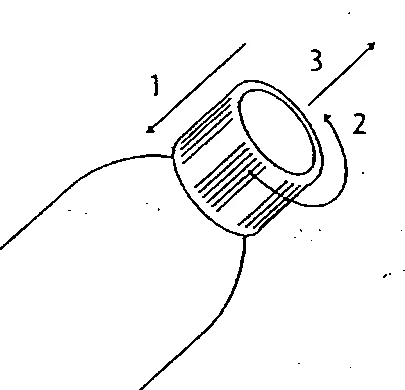
1-2 PRESS THE CAP AND
SIMULTANEOUSLY
TURN IT COUNTERCLOCKWISE
3 REMOVE THE CAP
TO CLOSE THE BOTTLE
SCREW THE CAP ON NORMALLY
Patient information leaflet
DEPAKIN 100 mg modified-release granules, 250 mg modified-release granules, 500 mg modified-release granules, 750 mg modified-release granules, 1000 mg modified-release granules
sodium valproate – valproic acid
This medicinal product is subject to additional monitoring. This will allow for rapid identification of
new safety information. You can help by reporting any side effects you experience while taking
this medicine. See the end of section 4 for information on how to report side effects.
WARNING
Depakin, valproate, may cause severe harm to the fetus if taken during pregnancy. If you are a woman of childbearing potential, you must use an effective method of birth control (contraception) continuously throughout your entire treatment with Depakin. Your doctor will discuss this with you, but you should also follow the recommendations in section 2 of this leaflet.
If you are planning a pregnancy or think you might be pregnant, urgently consult your doctor.
Do not stop taking Depakin unless instructed by your doctor, as your condition could worsen.
Please read this entire leaflet carefully before using this medicine, as it contains important
information for you.
- Keep this leaflet. You may need to read it again.
- If you have any questions, ask your doctor or pharmacist.
- This medicine has been prescribed for you only. Do not give it to others, even if they have the same symptoms as you, because it could be harmful.
- If you experience any side effects, including those not listed in this leaflet, tell your doctor or pharmacist. See section 4.
Contents of this leaflet:
- What Depakin is and what it is used for
- What you need to know before taking Depakin
- How to take Depakin
- Possible side effects
- How to store Depakin
- Contents of the pack and other information
1. What Depakin is and what it is used for
Depakin contains the active substances sodium valproate and valproic acid and belongs to a group of medicines called "antiepileptics derived from fatty acids".
Depakin is indicated for:
- The treatment of generalized epilepsy, particularly in seizures of the following types:
- brief and sudden loss of consciousness for short periods (absence)
- muscle spasms (myoclonic)
- alternating muscle contractions and relaxation (tonic-clonic)
- loss of muscle tone (atonic)
- mixed type
- In partial epilepsy:
- simple or complex
- secondarily generalized
- In the treatment of specific disorders (West Syndrome, Lennox-Gastaut Syndrome)
- In the treatment of episodes of excitement (mania) due to a disorder causing alternating periods of excitement and depression (bipolar disorder), when lithium is contraindicated or not tolerated. Continuing treatment after the episode of excitement (mania) may be considered in patients who have responded to valproate during manic episodes (acute mania).
2. What you should know before taking Depakin
Do not take Depakin
- if you are allergic to sodium valproate, valproic acid, or any of the other ingredients of this medicine (listed in section 6)
- if you have acute inflammation of the liver (acute hepatitis)
- if you have chronic inflammation of the liver (chronic hepatitis)
- if you or your family members have or have ever had serious liver problems (severe hepatopathy), especially if caused by medicines
- if you have a rare disease called hepatic porphyria
- if you have blood clotting problems
- if you suffer from genetic disorders causing disease in specific cellular organelles called mitochondria (e.g., Alpers-Huttenlocher syndrome)
- if you suffer from genetic disorders caused by deficiency of an enzyme involved in the urea cycle, which manifest with alterations, usually severe, of the nervous system (see "Warnings and precautions")
- if you have carnitine deficiency (a very rare metabolic disorder) that is untreated. Bipolar disorder
- If you are pregnant, you must not use Depakin for bipolar disorder.
- For bipolar disorder, if you are a woman of childbearing age you must not take Depakin unless you are using an effective method of birth control (contraceptive) throughout the entire treatment with Depakin. Do not stop taking Depakin or your contraceptive unless you have discussed it with your doctor. Your doctor will advise you further (see below under "Pregnancy, breastfeeding and fertility - Important warning for women"). Epilepsy
- If you are pregnant, you must not use Depakin for epilepsy unless nothing else is effective for you.
- For epilepsy, if you are a woman of childbearing age you must not take Depakin unless you are using an effective method of birth control (contraceptive) throughout the entire treatment with Depakin. Do not stop taking Depakin or your contraceptive unless you have discussed it with your doctor. Your doctor will advise you further (see below under "Pregnancy, breastfeeding and fertility - Important warning for women").
Warnings and precautions
In children aged 3 years or younger, antiepileptic medicines containing valproic acid
are only exceptionally the first-choice therapy.
CONTACT YOUR DOCTOR IMMEDIATELY:
- If you experience liver problems. See the section “LIVER PROBLEMS (HEPATOPATHIES)” The risk of liver damage increases if Depakin is taken by children under 3 years of age, in people taking other antiepileptic medicines simultaneously, or who suffer from other neurological or metabolic diseases and severe forms of epilepsy. If you or your child taking Depakin develop problems with balance and coordination, feel drowsy or less alert, or vomit, inform your doctor immediately. This may be due to increased ammonia levels in the blood.
- Serious skin reactions including Stevens-Johnson syndrome, toxic epidermal necrolysis, drug reaction with eosinophilia and systemic symptoms (DRESS), erythema multiforme and angioedema have been reported in association with valproate treatment. Seek immediate medical advice if you notice any of the symptoms related to these serious skin reactions described in section 4.
Talk to your doctor before taking Depakin:
- Before taking Depakin because your doctor may require tests to check your liver function, both before starting treatment (see "Do not take Depakin") and at repeated intervals during the first 6 months. If your health condition is similar to those listed in the section “Do not take Depakin” and “Special warnings”, you are more likely to be subjected to monitoring tests. Depending on test results and your health status, your doctor may decide to adjust the dose of Depakin or perform additional tests.
- In children under 3 years of age do not take Depakin with other medicines and your doctor will evaluate the risk-benefit ratio (liver and pancreas problems) before starting treatment.
In children under 3 years of age, do not take Depakin if they are taking medicines
containing salicylic acid or its derivatives because this could increase the risk of
liver toxicity (hepatotoxicity).
- If there are genetic disorders in your family causing disease in specific cellular organelles called mitochondria, due to a possible risk of liver damage.
- If you have high levels of ammonia in the blood (hyperammonaemia) because valproate can increase ammonia levels in the blood (see "Do not take Depakin" and "Possible side effects"). If you experience symptoms involving changes in behaviour and emotions (apathy), drowsiness, vomiting, low blood pressure (hypotension) and increased frequency of seizures, your doctor may decide to perform checks.
- If it is suspected that you suffer from metabolic disorders, particularly inherited enzyme deficiencies such as "urea cycle disorder", due to a possible risk of increased ammonia levels in the blood.
- If you suffer from a disease that reduces the amount of an enzyme called carnitine palmitoyltransferase (CPT) type II, because valproate could increase the risk of developing a muscle cell disease called rhabdomyolysis.
- If you have a reduced dietary intake of carnitine, found in meat and dairy products, especially in children under 10 years of age.
- If you have carnitine deficiency and are taking carnitine.
- If you have reduced kidney function (renal insufficiency) or reduced levels of protein in the blood (hypoproteinaemia), your doctor may decide to modify therapy based on clinical monitoring results.
- If you suffer from a skin and tissue disease called "systemic lupus erythematosus", because your doctor will need to evaluate the risk-benefit ratio during valproate intake due to the possibility of causing immune-mediated diseases.
- If you have ever developed a severe skin rash or skin peeling, blisters and/or mouth ulcers after taking valproate.
- If you have sudden abdominal pain, because your doctor may discontinue valproate and perform checks to rule out pancreatitis (inflammation of the pancreas).
- If you are following special diets, because Depakin may cause weight gain at the beginning of treatment (see "Possible side effects").
- If you are taking antibiotics belonging to a class called carbapenems because concomitant use of valproic acid/sodium valproate is not recommended (see "Other medicines and Depakin").
- If you are a woman of childbearing age (see "Pregnancy, breastfeeding and fertility").
- If you have blood disorders because your doctor may perform tests before surgery or dental procedures and in case of spontaneous bruising or sudden bleeding (haemorrhage) (see "Possible side effects"); your doctor will perform blood tests before starting treatment or before surgery and in case of spontaneous bruising or bleeding.
- If you are taking blood clotting medicines belonging to the category of vitamin K antagonists because your doctor may perform checks.
- If you have or have previously had any bone marrow disease because your doctor may decide to perform checks.
If you take this medicine for epilepsy, as with other antiepileptic drugs, you may experience a
reversible worsening in the frequency and severity of seizures (up to status epilepticus)
or may develop new types of seizures (see "Possible side effects"). In this
case you must inform your doctor immediately.
If during treatment with Depakin you have thoughts leading you to want to harm yourself or to
end your life, inform your doctor immediately, because such disorders have been observed
in a class of medicines called “antiepileptics”, such as valproate.
Do not consume alcohol during treatment with valproate.
If you suffer from a disease called diabetes, because if you need tests for ketone bodies, Depakin may alter the results.
LIVER PROBLEMS (HEPATOPATHIES)
- How it manifests The administration of Depakin has exceptionally led to severe liver damage (hepatic injury), which has sometimes been fatal. If you are a newborn or a child under 3 years with severe forms of a condition called epilepsy, particularly if you have brain damage (cerebral), mental developmental delay (psychic) and/or a metabolic or congenital degenerative disease from birth and are on multiple medications, you have a higher risk of developing severe liver problems. If your doctor considers it essential to administer the medicine to a child under 3 years of age for treating a type of epilepsy that improves with valproate, despite the risk of liver damage (hepatopathy), do not take Depakin with any other medicine. If the child is over 3 years old, the risk of these complications is lower because the probability decreases with increasing age. In most cases, liver damage (hepatic) occurred during the first 6 months of treatment.
- Symptoms Especially if you are a high-risk patient, clinical symptoms are essential for early diagnosis. Two types of manifestations that may precede yellowing of the skin (jaundice: see "how it manifests") should be particularly considered:
- if you suffer from epilepsy, seizures may recur
- non-specific symptoms of epilepsy, which appear rapidly, such as fatigue (asthenia), severe loss of appetite (anorexia), excessive sleepiness (lethargy), excessive tiredness (drowsiness), sometimes associated with repeated vomiting and abdominal pain. If during treatment you experience any of the symptoms listed above, inform your doctor immediately, who will perform checks. As with most antiepileptic drugs, increases in liver blood tests (liver enzymes) may be observed, particularly at the beginning of treatment; in such cases your doctor will perform frequent checks and may adjust the dose.
- Monitoring during treatment If you take Depakin, your doctor will perform liver checks (liver function) before starting treatment and at regular intervals for the first 6 months, as well as whenever deemed necessary or for other checks. These checks are particularly important in children.
INFLAMMATION OF THE PANCREAS (PANCREATITIS)
Severe inflammation of the pancreas (pancreatitis), although very rare, is possible
and can even be fatal. These serious pancreatic problems are more frequent in children. The risk decreases
with increasing age. If during treatment you experience severe epileptic attacks, neurological disorders or if you are taking other anticonvulsant medicines, inform your doctor because they may increase the risk of pancreatitis. If you have liver disease
(liver insufficiency) and at the same time pancreatitis (pancreatic inflammation), Depakin
will increase the risk of fatal outcome. If you have acute abdominal pain, report it immediately to
your doctor who will examine you and discontinue valproate if pancreatitis (pancreatic inflammation) is present.
Other medicines and Depakin
Inform your doctor or pharmacist if you are taking, have recently taken or might take any other medicine, including those without a prescription. Some medicines
can affect the effect of valproate and vice versa.
Effects of valproate on other medicines
- Neuroleptics, MAO inhibitors, antidepressants and benzodiazepines If you take valproate with medicines used for behavioural disorders belonging to classes called neuroleptics, MAO inhibitors, antidepressants and benzodiazepines, an unwanted increase in effect may occur. For this reason, your doctor will perform checks and, when necessary, modify your treatment.
- Phenobarbital If you take a medicine called phenobarbital, inform your doctor because valproate increases the amount of phenobarbital in the blood; excessive sedation may occur, especially in children. Your doctor will perform checks during the first 15 days of combined treatment, immediately reducing phenobarbital doses in case of sedation, and possibly checking phenobarbital blood levels.
- Primidone If you take a medicine called primidone, valproate may increase its blood levels, possibly increasing its side effects (such as sedation); this interaction ceases with long-term treatment, therefore your doctor will perform checks especially at the beginning of therapy, adjusting primidone dose when necessary.
- Phenytoin If you take valproate concomitantly with a phenytoin-based drug, your doctor will perform checks because valproate alters phenytoin blood levels, with possible overdose symptoms.
- Carbamazepine If you take valproate with a carbamazepine-based medicine, your doctor will perform checks, especially at the beginning of therapy. These checks are performed because valproate increases carbamazepine toxicity.
- Lamotrigine If you take Depakin concomitantly with lamotrigine-based medicines, you may have an increased risk of side effects due to increased lamotrigine toxicity (serious skin disorders). Your doctor will perform checks and reduce lamotrigine dose if necessary.
- Ethosuximide If you take valproate with medicines containing ethosuximide, it may increase the latter's blood levels.
- Zidovudine Be cautious when taking valproate with zidovudine-based medicines because it may lead to
an increase in zidovudine blood levels and related toxic effects.
- Felbamate Valproic acid may decrease felbamate metabolism (used in epilepsy).
- Olanzapine If you take Depakin with olanzapine-based medicines (used in certain mental illnesses), it may increase olanzapine blood levels.
- Rufinamide If you take Depakin with rufinamide-containing medicines (used in epilepsy), it may increase rufinamide blood levels. Increased rufinamide blood levels depend on the Depakin dose used. This effect is greater in children.
- Propofol If you take valproate together with propofol (used for anaesthesia), your doctor will consider reducing the propofol dose since valproate may increase its blood levels.
- Nimodipine Depakin may increase the effects of nimodipine.
- Clozapine (to treat mental health problems).
Effects of other medicines on valproate
If you take medicines for epilepsy treatment (particularly phenytoin, phenobarbital and carbamazepine)
concomitantly with valproic acid, your doctor may perform checks because valproic acid blood levels may be reduced. Therapy will be modified according to results.
The combination of felbamate and valproate increases valproic acid blood levels. Therefore, valproate blood levels should be monitored.
If you take Depakin with phenytoin or phenobarbital-based medicines, pay particular
attention to symptoms of hyperammonaemia (nausea, vomiting, agitation, confusion, seizures,
drowsiness, coordination disorders).
If you take an antimalarial medicine called mefloquine concomitantly with
valproic acid, your doctor may perform checks because you may have epileptic seizures.
Concomitant use of valproate and substances that bind strongly to proteins (acetylsalicylic acid) may increase valproic acid blood levels.
Do not take valproic acid-containing medicines concomitantly with acetylsalicylic acid-containing medicines used to treat fever and pain, particularly in newborns and children.
Your doctor will perform blood clotting checks if you are taking Depakin with medicines to make blood thinner belonging to the class of “vitamin K-dependent” agents.
If you take Depakin with cimetidine, erythromycin, rifampicin or fluoxetine-based medicines, your doctor will perform checks because valproic acid blood levels may be altered.
Do not take Depakin concomitantly with antibiotics belonging to the carbapenem class (used to treat bacterial infections) (see "Warnings and precautions").
Protease inhibitors
If you take Depakin with medicines such as lopinavir and ritonavir (medicines used in severe viral diseases), Depakin blood levels decrease.
Colestyramine
If you take Depakin with colestyramine-based medicines (used to lower blood cholesterol), Depakin blood levels may decrease.
Metamizole
If you take Depakin with metamizole, used to treat pain and fever, Depakin blood levels may decrease.
Methotrexate (used to treat tumours and inflammatory diseases).
Other interactions
Cannabidiol (used to treat epilepsy and other conditions).
Some antiviral medicines containing pivalate (e.g., pivampicillin, adefovir dipivoxil).
If you take valproic acid-containing medicines concomitantly with anticonvulsant medicines containing topiramate or with acetazolamide (used for high blood pressure), your doctor will perform checks because the likelihood of increased blood ammonia levels and/or brain inflammation (hyperammonaemic encephalopathy) increases.
Estrogen-containing products
Estrogen-containing products (including some birth control pills) may reduce valproate blood levels. Discuss with your doctor the most appropriate contraceptive method (birth control) for you.
Valproate generally does not have an enzyme-inducing effect; therefore it does not reduce the effectiveness of oral hormonal contraceptives.
If you take medicines acting on the nervous system, belonging to the benzodiazepine class (diazepam, lorazepam, clonazepam) concomitantly with valproate, your doctor may perform checks because benzodiazepine blood levels may be altered.
Be cautious if you take valproic acid concomitantly with a depression medicine called sertraline and a psychotropic medicine called risperidone because catatonia, a condition reducing motor and intellectual activity, may develop.
Quetiapine
If you take valproate concomitantly with an antipsychotic medicine called quetiapine, it may increase the risk of decreased certain blood cells (neutropenia/leucopenia).
Depakin with food, drinks and alcohol
Alcohol consumption is not recommended during treatment with valproate. DEPAKIN modified-release granules must not be administered with warm or hot foods or drinks (soups, coffee, tea, etc.).
Pregnancy, breastfeeding and fertility
If you are pregnant, suspect you are pregnant, plan to become pregnant, or are breastfeeding with breast milk, consult your doctor or pharmacist before taking this medicine.
Important warning for women
Bipolar disorder
- If you are pregnant, you must not use Depakin for bipolar disorder.
- For bipolar disorder, if you are a woman of childbearing age you must not take Depakin unless you are using an effective method of birth control (contraceptive) throughout the entire treatment with Depakin. Do not stop taking Depakin or your contraceptive unless you have discussed it with your doctor. Your doctor will advise you further.
Epilepsy
- If you are pregnant, you must not use Depakin for epilepsy unless nothing else is effective for you.
- For epilepsy, if you are a woman of childbearing age you must not take Depakin unless you are using an effective method of birth control (contraceptive) throughout the entire treatment with Depakin. Do not stop taking Depakin or your contraceptive unless you have discussed it with your doctor. Your doctor will advise you further.
Risks of taking valproate during pregnancy (regardless of the condition for which it is used)
- Talk immediately with your doctor if you are planning to have a child or are pregnant.
- Valproate poses risks if taken during pregnancy. The risk is higher with higher doses, but all doses carry a risk, including valproate use in combination with other epilepsy medicines.
- It may cause serious birth defects and may have consequences on the child's physical and mental development and growth after birth. The most frequently reported birth defects include: spina bifida (incomplete development of some spinal bones); facial and cranial malformations; heart, kidney, urinary tract and genital organ malformations; limb defects and multiple associated malformations affecting various organs and body parts. Birth defects may lead to disabilities that can be severe.
- Hearing problems or deafness have been reported in children exposed to valproate during pregnancy.
- Eye malformations associated with other congenital malformations have been reported in children exposed to valproate during pregnancy. These eye malformations may affect vision.
- Women who take valproate during pregnancy have a higher risk, compared to other women, of having a child with birth defects requiring medical treatment. Since valproate has been used for many years, we know that approximately 11 out of 100 children born to women taking valproate have birth defects, compared to 2-3 out of 100 children born to women who do not have epilepsy.
- It is estimated that up to 30-40% of preschool-aged children whose mothers took valproate during pregnancy may show developmental problems in early childhood. These children may start walking and talking later, be intellectually disadvantaged compared to other children and have language and memory difficulties.
- Autism spectrum disorders are more frequently diagnosed in children exposed to valproate during pregnancy and there is some evidence that children exposed to valproate during pregnancy have a higher risk of developing attention deficit hyperactivity disorder (ADHD).
- Before prescribing this medicine, your doctor will explain what could happen to your child if you become pregnant while taking valproate. If later you decide to have a child, do not stop taking the medicine or your contraceptive method before discussing it with your doctor.
- If you are the parent or caregiver of a girl treated with valproate, contact the doctor as soon as the girl has her first menstrual period.
- Some contraceptive pills (estrogen-containing contraceptive pills) may reduce valproate blood levels. Make sure to discuss with your doctor the most suitable contraceptive method (birth control) for you.
- Consult your doctor about taking folic acid while trying to become pregnant. Folic acid may reduce the general risk of spina bifida and miscarriage, possible in all pregnancies. However, it is unlikely to reduce the risk of birth defects associated with valproate use.
Read and select the situations applicable to you from those described below:
O I AM STARTING TREATMENT WITH DEPAKIN
O I AM TAKING DEPAKIN AND DO NOT PLAN TO HAVE A CHILD
O I AM TAKING DEPAKIN AND PLAN TO HAVE A CHILD
O I AM PREGNANT AND TAKING DEPAKIN
I AM STARTING TREATMENT WITH DEPAKIN
If Depakin is prescribed to you for the first time, your doctor will explain the risks to the fetus in case
of pregnancy. If you are of childbearing age, you must ensure you use an effective contraceptive method continuously throughout the entire duration of Depakin treatment. Talk to your doctor or visit a family planning clinic if you need advice on contraception.
Key messages :
- before starting Depakin treatment, pregnancy must be ruled out through a pregnancy test confirmed by your doctor;
- during the entire Depakin treatment, you must use an effective method of birth control (contraceptive);
- you must discuss appropriate birth control methods (contraceptives) with your doctor. Your doctor will explain how to prevent pregnancy and can refer you to a specialist for birth control advice;
- you must schedule regular appointments (at least once a year) with a specialist experienced in managing bipolar disorder or epilepsy. During this visit, your doctor will ensure you are fully aware and understand all risks and advice related to valproate use in pregnancy;
- inform your doctor if you wish to have a child;
- inform your doctor immediately if you are pregnant or think you might be.
I AM TAKING DEPAKIN AND DO NOT PLAN TO HAVE A CHILD.
If you are continuing Depakin treatment but do not plan to have a child, ensure you use an effective contraceptive method continuously throughout the entire duration of Depakin treatment. Talk to your doctor or visit a family planning clinic if you need advice on contraception.
Key messages:
- you must use an effective method of birth control (contraceptive) during the entire Depakin treatment;
- you must discuss contraception (birth control) with your doctor. Your doctor will explain how to prevent pregnancy and can refer you to a specialist for birth control advice;
- you must regularly schedule appointments (at least once a year) with a specialist experienced in managing bipolar disorder or epilepsy. During this visit, your doctor will ensure you are fully aware and understand all risks and advice related to valproate use in pregnancy;
- inform your doctor if you wish to have a child;
- inform your doctor immediately if you are pregnant or think you might be.
I AM TAKING DEPAKIN AND PLAN TO HAVE A CHILD
If you are planning to have a child, schedule an appointment with your doctor first.
Do not stop taking Depakin or your contraceptive unless you have discussed it with your doctor. Your doctor will advise you further.
Children born to mothers treated with valproate have a high risk of birth defects and developmental problems that may be severely disabling. Your doctor will refer you to a specialist experienced in managing bipolar disorder or epilepsy to evaluate alternative therapeutic options as soon as possible. The specialist may take various measures to facilitate the pregnancy as much as possible and minimise risks for you and your child.
The specialist may decide to adjust the Depakin dose or switch to another medicine, or discontinue Depakin treatment well before pregnancy to ensure the disease is stable.
Ask your doctor about taking folic acid when planning to have a child.
Folic acid may reduce the general risk of spina bifida and miscarriage, possible in all pregnancies.
However, it is unlikely to reduce the risk of birth defects associated with valproate use.
Key messages :
- do not stop taking Depakin unless your doctor tells you to;
- do not stop using birth control methods (contraceptives) before discussing it with your doctor and agreeing on a plan to ensure disease control and reduce risks for the child;
- first schedule an appointment with your doctor. During this visit, the doctor will ensure you are fully aware and understand all risks and advice related to valproate use in pregnancy;
- your doctor will try to change your medicine or discontinue Depakin treatment well before pregnancy;
- request an urgent appointment with your doctor if you are pregnant or think you might be. I AM PREGNANT AND TAKING DEPAKIN Do not stop taking Depakin unless decided by your doctor, because your condition may worsen. Request an urgent appointment with your doctor if you are pregnant or think you might be. Your doctor will advise you further. Children born to mothers treated with valproate have a high risk of birth defects and developmental problems that may be severely disabling. You will be referred to a specialist experienced in managing bipolar disorder or epilepsy to evaluate alternative therapeutic options. In exceptional circumstances, if Depakin is the only available treatment option during pregnancy, you will be closely monitored for both management of your underlying condition and fetal development. You and your partner may receive counselling and support regarding valproate exposure during pregnancy. Ask your doctor about taking folic acid. Folic acid may reduce the general risk of spina bifida and miscarriage, possible in all pregnancies. However, it is unlikely to reduce the risk of birth defects associated with valproate use. Key messages :
- request an urgent appointment with your doctor if you are pregnant or think you might be;
- do not stop taking Depakin unless your doctor tells you to;
- ensure you are referred to a specialist experienced in treating epilepsy or bipolar disorder to evaluate the need for alternative treatment options;
- you must receive detailed counselling on the risks of Depakin in pregnancy, including teratogenicity (birth defects) and physical and mental developmental disorders in children;
- ensure you are referred to a specialist in prenatal monitoring to identify possible cases of malformation. Make sure to read the patient guide you will receive from your doctor. Your doctor will discuss the Annual Risk Acceptance Form and ask you to sign and keep it. You will also receive from the pharmacist the Patient Card reminding you of the risks of valproate in pregnancy.
Additional risks for the newborn
- If you take valproate during pregnancy, the newborn may have, although rarely, severe bleeding (haemorrhagic syndrome) due to reduced levels of various clotting factors. These reductions in clotting factors may sometimes be fatal and this is why your doctor will perform various checks.
- If you take valproate in the third trimester of pregnancy, the newborn may have low blood sugar (hypoglycaemia).
- If you take valproate during pregnancy, the newborn may have disorders caused by reduced levels of thyroid hormones in the blood (hypothyroidism).
- If you take valproate during the last trimester of pregnancy, the newborn may have disorders caused by "withdrawal syndrome" (e.g., particularly agitation, irritability, hyperexcitability, nervousness, increased movements (hyperkinesia), muscle activity disorders (tonicity), tremor, seizures and feeding disorders).
If you are pregnant, do not interrupt valproic acid treatment or reduce intake without
consulting your doctor because this could cause epileptic seizures that could seriously harm you and the unborn child.
Important warning for male patients
Potential risk associated with valproate use in the 3 months preceding conception
A study suggests a possible risk of movement and mental development disorders
(problems affecting early childhood development) in children born to fathers treated with
valproate in the 3 months preceding conception. In this study, about 5 children out of 100
had such disorders when born to fathers treated with valproate, compared to about 3 children out of 100
born to fathers treated with lamotrigine or levetiracetam (other medicines that may be used to treat your condition). The risk for children born to fathers who discontinued valproate treatment 3 months (the time needed to form new sperm) or more before conception is unknown. The study has limitations and therefore it is not entirely clear whether the increased risk of movement and mental development disorders suggested by this study is caused by valproate. The study was not large enough to show which specific type of movement and mental development disorder the children may be at risk of developing.
As a precautionary measure, your doctor will discuss with you:
- The potential risk for children born to fathers taking valproate
- The need to consider effective contraception (birth control) for you and your partner during treatment and for 3 months after stopping treatment
- The need to consult a specialist if you are planning to conceive a child and before stopping contraception (birth control)
- The possibility of other treatments that may be used to treat your condition, depending on your individual situation
Do not donate sperm while taking valproate and for 3 months after stopping valproate.
Talk to your doctor if you are thinking of having a child.
If your partner becomes pregnant while you have taken valproate in the 3 months preceding conception and have questions, contact your doctor. Do not stop treatment without discussing it with your doctor. If you stopped treatment, your symptoms may worsen.
You must plan regular appointments with your prescribing doctor. During this visit, your
doctor will discuss with you the precautions associated with valproate use and the possibility of other treatments that may be used to treat your condition, depending on your individual situation.
Make sure to read the patient guide you will receive from your doctor. You will also receive
from the pharmacist the Patient Card reminding you of the potential risks of valproate.
Breastfeeding
If you are taking valproate during breastfeeding, your doctor will evaluate whether to discontinue or continue treatment because the medicine is excreted in milk, and because it may cause blood disorders (haematological) (see "Possible side effects").
Your doctor will carefully evaluate whether to stop breastfeeding or discontinue or refrain from Depakin therapy, considering the benefit of breastfeeding for the child and the benefit of therapy for the woman.
Fertility
If you are a woman of childbearing age, the medicine may increase the likelihood of menstrual cessation (amenorrhoea), presence of multiple ovarian cysts (polycystic ovaries) and increased blood testosterone levels (see "Possible side effects"). If you are a man, valproate administration may impair your fertility (see "Possible side effects"). These fertility disorders are reversible after treatment discontinuation.
Driving and use of machines
If you take Depakin with a class of medicines called “barbiturates” or other medicines causing reduced central nervous system activity, some individuals may experience fatigue (asthenia), drowsiness or confusion, which may thus alter response capacity for driving a vehicle, using machinery or performing activities with risk of falls or accidents.
The same manifestations may occur after consuming alcoholic beverages. Your doctor will explain the problems you may have in driving vehicles or performing operations requiring normal attention levels.
Depakin contains sodium
- Depakin 100 mg modified-release granules contains 9.22 mg of sodium (main component of table salt) per sachet. This corresponds to 0.46% of the maximum daily recommended dietary intake for an adult.
- Depakin 250 mg modified-release granules contains 23.07 mg of sodium (main component of table salt) per sachet. This corresponds to 1.15% of the maximum daily recommended dietary intake for an adult.
- Depakin 500 mg modified-release granules contains 46.08 mg of sodium (main component of table salt) per sachet. This corresponds to 2.30% of the maximum daily recommended dietary intake for an adult.
- Depakin 750 mg modified-release granules contains 69.20 mg of sodium (main component of table salt) per sachet. This corresponds to 3.46% of the maximum daily recommended dietary intake for an adult.
- Depakin 1000 mg modified-release granules contains 92.24 mg of sodium (main component of table salt) per sachet. This corresponds to 4.61% of the maximum daily recommended dietary intake for an adult.
To be considered in people with reduced kidney function or those following a low-sodium diet.
3. How to take Depakin
Take this medicine exactly as directed by your doctor or pharmacist. If you have any doubts, consult your doctor or pharmacist.
Girls and women of childbearing age
Treatment with Depakin must be initiated and supervised by a specialist doctor experienced in the treatment of epilepsy or bipolar disorder.
Male patients
It is recommended that treatment with Depakin be initiated and supervised by a specialist experienced in managing epilepsy or bipolar disorder – see section 2. Important warning for male patients.
If you are a child under 11 years of age, the most suitable oral formulations are the oral solution and granules.
DEPAKIN modified-release granules is a pharmaceutical form suitable for everyone, particularly children (if they are able to swallow soft foods), adults with swallowing difficulties, and elderly patients.
If you are a child, the appropriate sachets are those containing 100 mg.
DEPAKIN modified-release granules is a controlled-release formulation of Depakin that reduces peak concentrations and ensures more stable plasma levels throughout the day.
Epilepsy treatment
The recommended dose is:
the dose your doctor will determine based on your age and body weight, as well as your therapeutic response to valproate. The correct dose should primarily be based on clinical response. If the therapeutic dose is not achieved, your doctor may decide to monitor the blood levels of valproic acid. Your doctor will divide the dose into two daily administrations.
Starting therapy with DEPAKIN modified-release granules (oral administration):
-
If you are a patient not previously treated with other antiepileptic medicines, your doctor will increase the dose every 2–3 days to reach the recommended dose within approximately one week.
-
If you are already taking antiepileptic medicines, your doctor will gradually replace them with DEPAKIN modified-release granules, reaching the optimal dose over about two weeks, while reducing and then discontinuing the other treatments.
-
If your doctor decides to add another antiepileptic medicine, this will be done gradually (see “Other medicines and Depakin”).
Oral administration of DEPAKIN modified-release granules: practical considerations
The recommended dose is:
generally 10–15 mg per kg per day, after which doses may be adjusted to reach the optimal dose (see “Starting therapy with DEPAKIN modified-release granules”).
This is generally between 20–30 mg/kg. However, if seizure control is not achieved with these doses, they may be appropriately increased; patients must be closely monitored when receiving daily doses exceeding 50 mg/kg (see “Precautions for use”).
In children, the usual maintenance dose is approximately 30 mg/kg per day.
In adults, the usual maintenance dose is 20–30 mg/kg per day.
In elderly patients, the dose should be determined based on seizure control.
Manic episodes associated with bipolar disorder
In adults
The recommended dose is:
the dose your doctor considers appropriate for each individual patient.
If you are to take valproic acid, your doctor will increase the dose gradually to reach the lowest therapeutic dose that provides the desired clinical effect, considering that the recommended initial daily dose is 750 mg.
The usual average daily dose ranges between 1000 and 2000 mg of valproate, and your doctor will divide the dose into one or two daily administrations. If you take a dose of valproic acid exceeding 45 mg/kg body weight, your doctor will monitor you closely.
If you suffer from a condition causing severe mood disturbances (manic episodes associated with bipolar disorder), your doctor will determine the lowest effective dose.
Patients with kidney problems/hypoproteinemia
Your doctor may decide to adjust the dose.
Use in children and adolescents
Children and adolescents under 18 years of age:
Depakin must not be used in children and adolescents under 18 years of age for the treatment of mania.
Administration instructions for both indications
If you are a child, you may take DEPAKIN modified-release granules mixed with soft foods (yogurt, cooked fruit, fresh cheeses, etc.) or cold or room-temperature drinks (orange juice, etc.).
Do not take DEPAKIN modified-release granules with warm or hot foods or drinks (soups, coffee, tea, etc.).
If you are a child, do not put DEPAKIN modified-release granules into a feeding bottle, as they may block the teat.
If you take Depakin with liquid, rinse the glass with a small amount of water, as some granules may remain attached to the glass.
Alternatively, the granules may be placed directly into the mouth and swallowed with water or cold or room-temperature drinks.
If you are taking Depakin, be careful to swallow the preparation immediately without chewing it, and do not store any remaining medicine for later use.
Due to the release mechanism and the nature of the excipients in this formulation, the inert matrix of the granules is not absorbed in the digestive tract and is excreted unchanged in the faeces after the active ingredient has been released.
If you take more Depakin than you should
If you take or ingest too much Depakin, contact your doctor immediately or go to the nearest hospital.
Signs and symptoms of overdose
Blood levels of valproic acid within the normal therapeutic range have relatively low toxicity, and acute valproic acid intoxication is very rare.
Toxicity is more likely at higher doses.
Signs of severe acute overdose generally include coma, reduced muscle tone (hypotonia), reduced reflexes (hyporeflexia), constricted pupils (miosis), impaired respiratory function, changes in blood acidity (metabolic acidosis), low blood pressure (hypotension), heart and circulation (cardiovascular) problems, circulatory collapse/shock, and increased sodium levels in the blood (hypernatraemia).
In adults or children, increased blood levels of valproic acid may cause neurological disturbances, such as increased tendency to epileptic seizures and behavioural changes.
Fatal outcomes have occurred following severe overdose, although the prognosis in cases of intoxication is generally favourable.
Symptoms may vary, and epileptic seizures have been reported at very high blood levels of valproic acid.
Cases of high blood pressure in the brain (intracranial hypertension) associated with cerebral oedema have also been reported.
If you forget to take Depakin
Do not take a double dose to make up for a missed dose.
If you have any doubts about how to use Depakin, consult your doctor or pharmacist.
4. Possible side effects
Like all medicines, DEPAKIN can cause side effects, although not everyone experiences them.
If you experience any side effect, including those not listed in this leaflet, contact your doctor or pharmacist.
Contact your doctor immediately if you notice any of the following serious side effects.
You may require urgent medical treatment:
-
Problems with balance and coordination, feeling lethargic or less alert, associated with
vomiting. This may be due to increased levels of ammonia in the blood. -
Kidney disorders (renal failure, tubulointerstitial nephritis) which may present as reduced urine output.
-
Uncommon: breathing difficulties, chest pain or pressure (especially during inspiration), shortness of breath, and dry cough due to fluid accumulation around the lungs (pleural effusion).
Inform your doctor or pharmacist if any of the following side effects worsen or
last longer than a few days; you may require medical treatment:
Rare: excessive urination and thirst (Fanconi syndrome).
Frequency not known: darkened areas of the skin and mucous membranes (hyperpigmentation).
Very common side effects (may affect more than 1 in 10 people):
- Nausea.
- Tremor.
Common side effects (may affect from 1 to 10 people in 100):
- Severe liver dysfunction (severe hepatic dysfunction), not dose-dependent, which may occasionally be fatal. If you are a child, particularly receiving Depakin together with other antiepileptic medicines, the risk of liver damage (hepatic) is significantly increased (see “Warnings and precautions”).
- Vomiting, gum disorders, mainly gum swelling (gingival hyperplasia), inflammation of the mouth lining (stomatitis), upper abdominal pain, diarrhoea; these effects frequently occur in some patients at the beginning of treatment, but usually disappear after a few days without discontinuation of treatment.
- Decreased sodium levels in the blood (hyponatraemia). In children, reduced activity of the enzyme biotinidase has been observed during treatment with medicines containing valproic acid. There have also been reports of vitamin H (biotin) deficiency.
- Decreased sensation (paraesthesiae), dose-dependent, disorders of a part of the nervous system called extrapyramidal (inability to stay still, rigidity, tremors, slow movements, involuntary movements, muscle contractions), stupor, tremor when attempting to maintain a fixed position (postural tremor), drowsiness, seizures, poor memory, headache, involuntary eye movements (nystagmus), dizziness occurring a few minutes after intravenous injection, which resolve spontaneously within a few minutes.
- Confusional state, hallucinations, aggression*, agitation*, attention disturbances* (* These side effects have been observed mainly in children).
- Decreased haemoglobin in the blood (anaemia), reduced platelet count in the blood (thrombocytopenia).
- Dose-dependent weight gain or weight loss, increased or decreased appetite. Since weight gain is a risk factor for a condition affecting the ovary called “polycystic ovary syndrome”, it should be carefully monitored (see “What you need to know before taking Depakin”).
- Hypersensitivity, transient hair loss (transient alopecia), and (or) dose-related.
- Painful menstrual cycle (dysmenorrhoea).
- Bleeding (haemorrhage) (see “What you need to know before taking Depakin” and “Warnings and precautions”).
- Deafness, presence of a disturbing noise in the ear (tinnitus).
- Nail disorders.
- Involuntary loss of urine (urinary incontinence).
Uncommon side effects (may affect from 1 to 10 people in 1,000):
- Increased salivation (hypersalivation), inflammation of the pancreas (pancreatitis), sometimes fatal (see “Warnings and precautions” and “What you need to know before taking Depakin”).
- Inappropriate secretion of antidiuretic hormone (SIADH), increased production of male hormones (hyperandrogenism) characterised by increased body hair (hirsutism), appearance of male characteristics in women (virilism), acne, male-pattern baldness and/or increased male hormones (androgens).
- Increased muscle tone (spasticity), difficulty in performing voluntary movements (ataxia), particularly at the beginning of treatment, coma, confusional state (encephalopathy), increased sleep (lethargy), symptoms similar to Parkinson’s disease which may be reversible (reversible parkinsonism). Worsening of seizures (see “Warnings and precautions”).
- Irritability, hyperactivity and confusion, particularly at the beginning of treatment (occasionally aggression, behavioural disorders).
- Changes in number or shape of blood cells (neutropenia, leucopenia or pancytopenia, red blood cell hypoplasia). Peripheral oedema, bleeding.
- Swelling of the face, hands and feet, lips, tongue or throat (angioedema), skin redness (cutaneous), hair abnormalities (such as abnormal hair structure, changes in hair colour, abnormal hair growth).
- Absence of menstrual periods (amenorrhoea).
- Inflammation of blood vessels (vasculitis).
- Reduced body temperature (hypothermia).
- Reduced kidney function (renal failure).
Rare side effects (may affect from 1 to 10 people in 10,000):
-
Reduced production of thyroid hormones (hypothyroidism) (see “Warnings and precautions”).
-
Increased ammonia levels in the blood (hyperammonaemia). A moderate and isolated increase in blood ammonia levels (isolated hyperammonaemia) may occur, without changes in liver function tests (hepatic function), and this should not lead to discontinuation of treatment. However, during monotherapy or polytherapy (with: phenobarbital, carbamazepine, phenytoin, topiramate), an acute syndrome of impaired consciousness due to increased blood ammonia levels (hyperammonaemic encephalopathy) may occur, with normal liver function and absence of cell damage (cytolysis). Hyperammonaemia-induced encephalopathy due to valproate occurs acutely and is characterised by loss of consciousness, stupor, muscle weakness (muscular hypotonia), motor disturbances (choreic dyskinesia), severe generalised changes in electroencephalogram (EEG), and focal and general neurological signs with increased frequency of epileptic seizures. It may appear after a few days or weeks of starting treatment and resolves with discontinuation of valproate. The confusional state (encephalopathy) is not dose-dependent and EEG changes are characterised by the appearance of slow waves and increased epileptic discharges.
-
Blood disorder due to bone marrow problems (myelodysplastic syndrome).
-
Reversible dementia associated with reversible brain changes (cerebral atrophy), learning difficulties (cognitive disorders), confusional states, a particular state of unconsciousness called “stupor”, and increased sleep “lethargy”, sometimes leading to transient coma (encephalopathy): these effects are rare or associated with an increased number of epileptic seizures during therapy and have regressed with treatment discontinuation or dose reduction. These cases have been reported mainly during combination therapy (particularly with phenobarbital or topiramate) or after a sudden increase in valproate doses. Sedation has been reported.
-
Abnormal behaviour*, psychomotor hyperactivity*, learning disorders* (* These side effects have been observed mainly in children).
-
Reduced bone marrow function (bone marrow failure including pure red cell aplasia). Changes in number or shape of blood cells (agranulocytosis, macrocytic anaemia, macrocytosis).
-
Decreased coagulation factors, deficiency of a specific coagulation factor called “factor VIII” (von Willebrand factor), abnormal coagulation tests (such as prolonged prothrombin time, prolonged activated partial thromboplastin time, prolonged thrombin time, prolonged INR) (see also “Pregnancy, breastfeeding and fertility”). Isolated cases of reduced fibrinogen have been reported. Deficiency of vitamin H (biotin) and of the enzyme called biotinidase.
-
Severe skin disorders (toxic epidermal necrolysis, Stevens-Johnson syndrome, erythema multiforme). Allergic reactions, particularly drug reaction with eosinophilia and systemic symptoms (DRESS), with increased levels of certain white blood cells (eosinophilia) and systemic disturbances.
-
Male infertility, which is generally reversible after treatment discontinuation and may be reversible after dose reduction. Do not stop treatment without first consulting your doctor.
-
Night-time urine loss (enuresis), kidney disorders (tubulointerstitial nephritis, reversible Fanconi syndrome).
-
Disorders affecting the skin and tissues, such as systemic lupus erythematosus, muscle disorders (rhabdomyolysis); (see “What you need to know before taking Depakin”).
-
Obesity.
-
Double vision.
Side effects with frequency not known (frequency cannot be estimated from available data)
- Congenital malformations and developmental disorders (see "Warnings and precautions - Pregnancy, breastfeeding and fertility").
- Elevated testosterone hormone levels. Cases of a condition affecting the ovary called “polycystic ovary” have been reported in patients who experienced significant weight gain. (osteopenia and osteoporosis) Depakin.
Additional side effects in children
Some side effects of valproate occur more frequently or are more severe in children compared to adults. These include liver damage, inflammation of the pancreas (pancreatitis), aggression, agitation, attention disturbances, abnormal behaviour, hyperactivity and learning disorders.
Reporting of side effects
If you experience any side effect, including those not listed in this leaflet, contact your doctor or pharmacist. You can also report side effects directly via the national reporting system at https://www.aifa.gov.it/content/segnalazioni-reazioni-avverse.
By reporting side effects, you can help provide more information on the safety of this medicine.
5. How to store Depakin
Do not store above 25°C.
Do not refrigerate or freeze. Protect from moisture and sources of heat.
Keep in the original container.
Do not use this medicine after the expiry date stated on the pack after "Exp.". The expiry date refers to the last day of that month.
Keep the medicine out of the sight and reach of children.
Do not dispose of medicines via wastewater or household waste. Ask your pharmacist how to dispose of medicines no longer required. This will help protect the environment.
6. Package contents and other information
What Depakin contains
DEPAKIN 100 mg modified-release granules
The active substances are sodium valproate and valproic acid. One sachet contains 66.66 mg of
sodium valproate and 29.03 mg of valproic acid (equivalent to 100 mg of sodium valproate).
The other components are: hard paraffin, glycerol dibehenate, hydrated colloidal silica.
DEPAKIN 250 mg modified-release granules
The active substances are sodium valproate and valproic acid. One sachet contains 166.76 mg of
sodium valproate and 72.61 mg of valproic acid (equivalent to 250 mg of sodium valproate).
The other components are: hard paraffin, glycerol dibehenate, hydrated colloidal silica.
DEPAKIN 500 mg modified-release granules
The active substances are sodium valproate and valproic acid. One sachet contains 333.30 mg of
sodium valproate and 145.14 mg of valproic acid (equivalent to 500 mg of sodium valproate).
The other components are: hard paraffin, glycerol dibehenate, hydrated colloidal silica.
DEPAKIN 750 mg modified-release granules
The active substances are sodium valproate and valproic acid. One sachet contains 500.06 mg of
sodium valproate and 217.75 mg of valproic acid (equivalent to 750 mg of sodium valproate).
The other components are: hard paraffin, glycerol dibehenate, hydrated colloidal silica.
DEPAKIN 1000 mg modified-release granules
The active substances are sodium valproate and valproic acid. One sachet contains 666.60 mg of
sodium valproate and 290.27 mg of valproic acid (equivalent to 1000 mg of sodium valproate).
The other components are: hard paraffin, glycerol dibehenate, hydrated colloidal silica.
Description of the appearance of Depakin and contents of the pack
Depakin is a modified-release granule supplied in cartons containing 30 or 50 sachets.
Marketing Authorization Holder
Sanofi S.r.l. – Viale L. Bodio, 37/B - Milan, Italy
Manufacturer
Sanofi Winthrop Industrie – 196, Rue Du Marechal Juin – Amilly (France)
Detailed and up-to-date information on this medicinal product is available by scanning the QR code
on this package leaflet and the outer packaging with a smartphone. The same information is also available at the following URL:

Patient Information Leaflet: information for the patient
DEPAKIN 400 mg/4 ml powder and solvent for solution for infusion
sodium valproate
This medicinal product is subject to additional monitoring. This will allow for rapid identification of
new safety information. You can help by reporting any side effects you experience while taking this
medication. See the end of section 4 for information on how to report side effects.
WARNING
Depakin, valproate, if taken during pregnancy, can severely harm the unborn baby. If you are a woman
of childbearing age, you must use an effective method of birth control (contraception) continuously
throughout the duration of treatment with Depakin. Your doctor will discuss this with you, but you
should also follow the recommendations in section 2 of this leaflet.
If you are planning a pregnancy or think you might be pregnant, urgently contact your doctor.
Do not stop taking Depakin unless your doctor tells you to, as your condition could worsen.
PLEASE READ THIS ENTIRE LEAFLET CAREFULLY BEFORE USING THIS MEDICINE, AS IT CONTAINS
IMPORTANT INFORMATION FOR YOU.
- Keep this leaflet. You may need to read it again.
- If you have any questions, ask your doctor or pharmacist.
- This medicine has been prescribed for you only. Do not give it to others, even if they have the same symptoms as you, because it could be harmful.
- If you experience any side effect, including those not listed in this leaflet, contact your doctor or pharmacist. See section 4.
Contents of this leaflet:
- What Depakin is and what it is used for
- What you need to know before taking Depakin
- How to take Depakin
- Possible side effects
- How to store Depakin
- Contents of the pack and other information
1. What Depakin is and what it is used for
Depakin contains the active substance sodium valproate and belongs to a group of medicines called
"fatty acid derivative antiepileptics".
Depakin is indicated for:
- In the treatment of generalized epilepsy, particularly in seizures of the following types:
- brief and sudden loss of consciousness for short periods (absence)
- muscle spasms (myoclonic)
- alternating muscle contractions and relaxation (tonic-clonic)
- loss of muscle tone (atonic)
- mixed
- In partial epilepsy:
- simple or complex
- secondarily generalized
- In the treatment of specific disorders (West Syndrome, Lennox-Gastaut Syndrome).
2. What you should know before taking Depakin
Do not take Depakin
- if you are allergic to sodium valproate, valproic acid, or any of the other ingredients of this medicine (listed in section 6)
- if you have acute inflammation of the liver (acute hepatitis)
- if you have chronic inflammation of the liver (chronic hepatitis)
- if you or your family members have or have ever had serious liver problems (severe hepatopathy), especially if caused by medicines
- if you have a rare disease called hepatic porphyria
- if you have blood clotting problems
- if you suffer from genetic disorders causing disease in specific cellular organelles called mitochondria (e.g., Alpers-Huttenlocher syndrome)
- if you suffer from genetic disorders caused by deficiency of an enzyme involved in the urea cycle, which manifest with disturbances, usually severe, of the nervous system (see "Warnings and precautions")
- if you have untreated carnitine deficiency (a very rare metabolic disorder)
- if you are pregnant, you must not use Depakin for epilepsy unless no other treatment is effective for you
- for epilepsy, if you are a woman of childbearing potential, you must not take Depakin unless you are using an effective method of birth control (contraception) throughout the entire treatment with Depakin. Do not stop taking Depakin or your contraceptive unless you have discussed this with your doctor. Your doctor will advise you further (see below under "Pregnancy, breastfeeding and fertility - Important warning for women").
Warnings and precautions
CONTACT YOUR DOCTOR IMMEDIATELY:
- If you experience liver problems. See the section "LIVER PROBLEMS (HEPATOPATHIES)". If you or your child are taking Depakin and develop problems with balance and coordination, feel drowsy or less alert, or vomit, inform your doctor immediately. This may be
due to increased levels of ammonia in the blood.
- Serious skin reactions, including Stevens-Johnson syndrome, toxic epidermal necrolysis, drug reaction with eosinophilia and systemic symptoms (DRESS), erythema multiforme, and angioedema, have been reported in association with valproate treatment. Seek immediate medical advice if you notice any of the symptoms related to these serious skin reactions described in section 4.
Talk to your doctor before taking Depakin:
- Before starting Depakin, because your doctor may require tests to check your liver function, both before starting treatment (see "Do not take Depakin") and at regular intervals during the first 6 months. If your health condition resembles those listed under "Do not take Depakin" and "Special warnings", you are more likely to require monitoring tests. Depending on test results and your health status, your doctor may decide to adjust your Depakin dose or perform further tests.
- If there is a family history of genetic disorders affecting specific cellular organelles called mitochondria, due to a possible risk of liver damage.
- If you have high levels of ammonia in the blood (hyperammoniaemia), because valproate can increase blood ammonia levels (see "Do not take Depakin" and "Possible side effects"). If you experience disturbances involving changes in behavior and emotions (apathy), drowsiness, vomiting, low blood pressure (hypotension), or increased frequency of seizures, your doctor may decide to perform tests.
- If you are suspected of having metabolic disorders, particularly inherited enzyme deficiencies such as "urea cycle disorder," due to a possible risk of increased blood ammonia levels.
- If you have a disease reducing the activity of an enzyme called carnitine palmitoyltransferase (CPT) type II, because valproate may increase the risk of a muscle cell disease called rhabdomyolysis.
- If you have a reduced dietary intake of carnitine, found in meat and dairy products.
- If you have carnitine deficiency and are taking carnitine supplements.
- If you have reduced kidney function (renal insufficiency) or low levels of protein in the blood (hypoproteinemia), your doctor may decide to modify treatment based on clinical monitoring.
- If you have a skin and tissue disease called "systemic lupus erythematosus," because your doctor will need to evaluate the risk-benefit ratio during valproate use, due to the possibility of causing immune-mediated diseases.
- If you have previously developed a severe skin rash, skin peeling, blisters, and/or mouth ulcers after taking valproate.
- If you experience sudden abdominal pain, because your doctor may discontinue valproate and perform tests to rule out pancreatitis (inflammation of the pancreas).
- If you are on special diets, because Depakin may cause weight gain at the beginning of treatment (see "Possible side effects").
- If you are taking antibiotics belonging to a class called carbapenems, because concomitant use of valproic acid/sodium valproate is not recommended (see "Other medicines and Depakin").
- If you are a woman of childbearing potential (see "Pregnancy, breastfeeding and fertility").
- If you have blood disorders, because your doctor may perform tests before surgery or dental procedures and in case of spontaneous bruising or unexpected bleeding (haemorrhage) (see "Possible side effects"); your doctor will also perform blood tests before starting treatment, before surgery, and in case of spontaneous bruising or bleeding.
- if you are taking blood-thinning medicines belonging to the vitamin K antagonist class, because your doctor may perform monitoring tests.
- if you have or have previously had any bone marrow disorders, because your doctor may decide to perform tests. If you take this medicine for epilepsy, as with other antiepileptic drugs, you may experience a reversible worsening in the frequency and severity of seizures (up to status epilepticus), or may develop new types of seizures (see "Possible side effects"). In this case, contact your doctor immediately. If you have thoughts about harming yourself or ending your life while being treated with Depakin, inform your doctor immediately, as such disturbances have been observed with a class of medicines called "antiepileptics," such as valproate. Do not consume alcohol during treatment with valproate. If you have diabetes, because tests for ketone bodies may be affected by Depakin.
LIVER PROBLEMS (HEPATOPATHIES)
- How it manifests: Administration of Depakin has rarely led to severe liver damage (hepatic injury), particularly in younger patients, which has occasionally been fatal. In most cases, liver damage occurred during the first 6 months of treatment.
- Symptoms: Especially if you are a high-risk patient, clinical symptoms are essential for early diagnosis. In particular, two types of manifestations that may precede yellowing of the skin (jaundice: see "How it manifests") should be considered:
- if you have epilepsy, seizures may recur
- non-specific symptoms not related to epilepsy, which appear rapidly, such as fatigue (asthenia), severe loss of appetite (anorexia), excessive sleepiness (lethargy), excessive tiredness (drowsiness), sometimes associated with repeated vomiting and abdominal pain. If you experience any of the above symptoms during treatment, inform your doctor immediately for evaluation and testing. As with most antiepileptic drugs, increases in liver blood tests (liver enzymes) may occur, particularly at the beginning of treatment; in such cases, your doctor will perform frequent monitoring and may adjust your dose.
- Monitoring during treatment: If you are taking Depakin, your doctor will perform liver function tests before starting treatment and at regular intervals during the first 6 months, as well as whenever deemed necessary.
PANCREATITIS (INFLAMMATION OF THE PANCREAS)
Severe pancreatitis (inflammation of the pancreas), although very rare, may occur and can be
potentially fatal. These serious pancreatic problems are more common in younger patients. The risk
decreases with increasing age. If you experience severe epileptic seizures, neurological disturbances,
or are taking other anticonvulsant medicines during treatment, inform your doctor, as these may
increase the risk of pancreatitis. If you have liver disease (hepatic insufficiency) and pancreatitis
simultaneously, Depakin increases the risk of fatal outcome. If you experience acute abdominal pain,
inform your doctor immediately, who will examine you and discontinue valproate if pancreatitis is
diagnosed.
Other medicines and Depakin
Inform your doctor or pharmacist if you are taking, have recently taken, or might take any other
medicines, including those without a prescription. Some medicines may affect the action of valproate
and vice versa.
Effects of valproate on other medicines
-
Neuroleptics, MAO inhibitors, antidepressants, and benzodiazepines: If you take valproate with medicines used for behavioral disorders belonging to classes called neuroleptics, MAO inhibitors, antidepressants, and benzodiazepines, an unintended increase in effect may occur. Therefore, your doctor will monitor you and, when necessary, adjust your treatment.
-
Phenobarbital: If you are taking a medicine called phenobarbital, inform your doctor, because valproate increases blood levels of phenobarbital, potentially causing excessive sedation. Your doctor will monitor you during the first 15 days of combined treatment, immediately reducing phenobarbital doses if sedation occurs, and possibly checking phenobarbital blood levels.
-
Primidone: If you are taking a medicine called primidone, valproate may increase its blood levels, potentially increasing side effects (such as sedation); this interaction diminishes with long-term treatment, so your doctor will monitor you especially at the beginning of therapy, adjusting primidone dose when necessary.
-
Phenytoin: If you take valproate concomitantly with phenytoin, your doctor will monitor you because valproate alters phenytoin blood levels, potentially causing overdose symptoms.
-
Carbamazepine: If you take valproate with carbamazepine, your doctor will monitor you, especially at the beginning of treatment, due to increased carbamazepine toxicity.
-
Lamotrigine: If you take Depakin concomitantly with lamotrigine-containing medicines, you may have an increased risk of side effects due to increased lamotrigine toxicity (severe skin disorders). Your doctor will monitor you and reduce lamotrigine dose if necessary.
-
Ethosuximide: If you take valproate with ethosuximide-containing medicines, blood levels of the latter may increase.
-
Zidovudine: Be cautious when taking valproate with zidovudine-containing medicines, as it may increase zidovudine blood levels and associated toxic effects.
-
Felbamate: Valproic acid may decrease felbamate metabolism (used in epilepsy).
-
Olanzapine: If you take Depakin with olanzapine-containing medicines (used in certain mental illnesses), blood levels of the latter may increase.
-
Rufinamide: If you take Depakin with rufinamide-containing medicines (used in epilepsy), blood levels of the latter may increase. The increased rufinamide blood levels depend on the Depakin dose used. This effect is greater in children.
-
Propofol: If you take valproate with propofol (used for anesthesia), your doctor may consider reducing the propofol dose, as valproate may increase its blood levels.
-
Nimodipine: Depakin may enhance the effects of nimodipine.
-
Clozapine (used to treat mental health conditions).
Effects of other medicines on valproate
If you take antiepileptic medicines (particularly phenytoin, phenobarbital, and carbamazepine)
concomitantly with valproic acid, your doctor may monitor you because blood levels of valproic acid
may decrease. Treatment will be adjusted based on results.
The combination of felbamate and valproate increases blood levels of valproic acid. Blood levels of
valproate should therefore be monitored.
If you take Depakin with phenytoin or phenobarbital, pay particular attention to symptoms of
hyperammonaemia (nausea, vomiting, agitation, confusion, seizures, drowsiness, muscle coordination
disturbances).
If you take an antimalarial medicine called mefloquine concomitantly with valproic acid, your doctor
may monitor you due to increased risk of epileptic seizures.
Concomitant use of valproate and highly protein-bound substances (acetylsalicylic acid) may increase
blood levels of valproic acid.
Do not take valproic acid-containing medicines concomitantly with acetylsalicylic acid-containing
medicines used to treat fever and pain, especially in younger patients.
Your doctor will monitor your blood clotting if you are taking Depakin with blood-thinning medicines
belonging to the vitamin K-dependent class.
If you take Depakin with cimetidine, erythromycin, rifampicin, or fluoxetine, your doctor will monitor
you because blood levels of valproic acid may be altered.
Do not take Depakin concomitantly with antibiotics belonging to the carbapenem class (used to treat
bacterial infections) (see "Warnings and precautions").
Protease inhibitors
If you take Depakin with medicines such as lopinavir and ritonavir (used in severe viral diseases),
Depakin blood levels may decrease.
Colestyramine
If you take Depakin with colestyramine-containing medicines (used to lower blood cholesterol),
Depakin blood levels may decrease.
Metamizole
If you take Depakin with metamizole, used to treat pain and fever, Depakin blood levels may decrease.
Methotrexate (used to treat tumors and inflammatory diseases).
Other interactions
Cannabidiol (used to treat epilepsy and other conditions).
Some anti-infective medicines containing pivalate (e.g., pivampicillin, adefovir dipivoxil).
If you take valproic acid-containing medicines concomitantly with anticonvulsant medicines
containing topiramate or with acetazolamide (used for high blood pressure), your doctor will monitor
you because there is an increased risk of elevated blood ammonia levels and/or brain inflammation
(hyperammonaemic encephalopathy).
Estrogen-containing products
Estrogen-containing products (including some birth control pills) may reduce valproate blood levels.
Discuss with your doctor the most appropriate contraceptive method for you.
Valproate generally does not have enzyme-inducing effects; therefore, it does not reduce the efficacy of
combined hormonal contraceptives.
If you take medicines acting on the nervous system, belonging to the benzodiazepine class (diazepam,
lorazepam, clonazepam), concomitantly with valproate, your doctor may monitor you, as benzodiazepine
blood levels may be altered.
Be cautious if taking valproic acid concomitantly with sertraline (an antidepressant) and risperidone (a
psychotropic medicine), as catatonia (a condition reducing motor and intellectual activity) may occur.
Quetiapine
If you take valproate concomitantly with the antipsychotic medicine quetiapine, you may have an
increased risk of reduced blood cell counts (neutropenia/leucopenia).
Depakin with food, drinks and alcohol
Alcohol consumption is not recommended during treatment with valproate.
Pregnancy, breastfeeding and fertility
If you are pregnant, suspect you may be pregnant, plan to become pregnant, or are breastfeeding,
consult your doctor or pharmacist before taking this medicine.
Important warning for women
- If you are pregnant, you must not use Depakin for epilepsy unless no other treatment is effective for you.
- For epilepsy, if you are a woman of childbearing potential, you must not take Depakin unless you are using an effective method of birth control (contraception) throughout the entire treatment with Depakin. Do not stop taking Depakin or your contraceptive unless you have discussed this with your doctor. Your doctor will advise you further.
Risks of taking valproate during pregnancy (regardless of the condition being treated)
-
Talk immediately with your doctor if you are planning a pregnancy or are pregnant.
-
Valproate poses risks if taken during pregnancy. The risk is higher with higher doses, but all doses carry some risk, including valproate used in combination with other epilepsy medicines.
-
It may cause serious birth defects and may affect the child's physical and mental development and growth after birth. The most frequently reported birth defects include: spina bifida (incomplete development of some spinal bones); facial and skull malformations; heart, kidney, urinary tract, and genital organ malformations; limb defects; and multiple associated malformations affecting various organs and body parts. Birth defects may lead to disabilities, which can be severe.
-
Hearing problems or deafness have been reported in children exposed to valproate during pregnancy.
-
Eye malformations associated with other congenital malformations have been reported in children exposed to valproate during pregnancy. These eye malformations may affect vision.
-
Women taking valproate during pregnancy have a higher risk of having a child with birth defects requiring medical treatment compared to other women. Because valproate has been used for many years, we know that about 11 out of 100 babies born to women taking valproate have birth defects, compared to 2-3 out of 100 babies born to women without epilepsy.
-
It is estimated that up to 30-40% of preschool-aged children whose mothers took valproate during pregnancy may experience developmental problems in early childhood. These children may start walking and talking later, may be intellectually disadvantaged compared to other children, and may have language and memory difficulties.
-
Autism spectrum disorders are more frequently diagnosed in children exposed to valproate during pregnancy, and there is some evidence that these children have an increased risk of developing attention deficit hyperactivity disorder (ADHD).
-
Before prescribing this medicine, your doctor will explain what could happen to your baby if you become pregnant while taking valproate. If later you decide to have a child, do not stop taking the medicine or your contraceptive method before discussing it with your doctor.
-
If you are the parent or caregiver of a girl treated with valproate, contact the doctor as soon as the girl has her first menstrual period.
-
Some contraceptive pills (estrogen-containing contraceptive pills) may reduce valproate blood levels. Make sure to discuss with your doctor the most suitable contraceptive method for you.
-
Consult your doctor about taking folic acid when trying to become pregnant. Folic acid may reduce the general risk of spina bifida and miscarriage, which are possible in all pregnancies. However, it is unlikely to reduce the risk of birth defects associated with valproate use.
Read and select the situation applicable to you from those described below:
O I AM STARTING DEPAKIN TREATMENT
O I AM TAKING DEPAKIN AND DO NOT PLAN TO HAVE A CHILD
O I AM TAKING DEPAKIN AND PLAN TO HAVE A CHILD
O I AM PREGNANT AND TAKING DEPAKIN
I AM STARTING DEPAKIN TREATMENT
If Depakin is prescribed to you for the first time, your doctor will explain the risks to the fetus in case of pregnancy. If you are of childbearing age, you must ensure you use an effective contraceptive method continuously throughout the entire Depakin treatment. Talk to your doctor or visit a family planning clinic if you need advice on contraception.
Key messages:
- Before starting Depakin treatment, pregnancy must be ruled out with a pregnancy test confirmed by your doctor;
- During the entire Depakin treatment, you must use an effective method of birth control (contraception);
- You must discuss appropriate contraceptive methods (contraceptives) with your doctor. Your doctor will explain how to prevent pregnancy and may refer you to a specialist for contraceptive advice;
- You must schedule regular appointments (at least once a year) with an epilepsy management specialist. During this visit, your doctor will ensure you fully understand all risks and advice related to valproate use in pregnancy;
- Inform your doctor if you wish to have a child;
- Inform your doctor immediately if you are pregnant or think you might be.
I AM TAKING DEPAKIN AND DO NOT PLAN TO HAVE A CHILD.
If you are continuing Depakin treatment but do not plan to have a child, ensure you use an effective
contraceptive method continuously throughout the entire Depakin treatment. Talk to your doctor or a
family planning clinic if you need advice on contraception.
Key messages:
- You must use an effective method of birth control (contraception) during the entire Depakin treatment;
- You must discuss contraception (birth control) with your doctor. Your doctor will explain how to prevent pregnancy and may refer you to a specialist for contraceptive advice;
- You must schedule regular appointments (at least once a year) with an epilepsy management specialist. During this visit, your doctor will ensure you fully understand all risks and advice related to valproate use in pregnancy;
- Inform your doctor if you wish to have a child;
- Inform your doctor immediately if you are pregnant or think you might be.
I AM TAKING DEPAKIN AND PLAN TO HAVE A CHILD
If you are planning to have a child, schedule an appointment with your doctor first. Do not stop taking
Depakin or your contraceptive unless you have discussed this with your doctor. Your doctor will advise
you further. Children born to mothers treated with valproate have a high risk of birth defects and
developmental problems that may result in severe disability. Your doctor will refer you to an epilepsy
management specialist to evaluate alternative treatment options as soon as possible. The specialist may
take various measures to facilitate pregnancy as much as possible and minimize risks for you and your
baby. The specialist may decide to adjust the Depakin dose, switch to another medicine, or discontinue
Depakin well before pregnancy to ensure disease stability. Ask your doctor about taking folic acid when
planning a pregnancy. Folic acid may reduce the general risk of spina bifida and miscarriage, possible
in all pregnancies. However, it is unlikely to reduce the risk of birth defects associated with valproate
use.
Key messages:
- Do not stop taking Depakin unless your doctor tells you to;
- Do not stop using birth control (contraceptives) before discussing it with your doctor and agreeing on a plan to ensure disease control and reduce risks for the baby;
- First, schedule an appointment with your doctor. During this visit, your doctor will ensure you fully understand all risks and advice related to valproate use in pregnancy;
- Your doctor will try to change your medicine or discontinue Depakin well before pregnancy;
- Request an urgent appointment with your doctor if you are pregnant or think you might be.
I AM PREGNANT AND TAKING DEPAKIN
Do not stop taking Depakin unless advised by your doctor, because your condition may worsen. Request
an urgent appointment with your doctor if you are pregnant or think you might be. Your doctor will
advise you further. Children born to mothers treated with valproate have a high risk of birth defects and
developmental problems that may result in severe disability. You will be referred to an epilepsy
management specialist to evaluate alternative treatment options. In exceptional circumstances, if
Depakin is the only available treatment option during pregnancy, you will be closely monitored for both
your underlying condition and fetal development. You and your partner may receive counseling and
support regarding valproate exposure during pregnancy. Ask your doctor about taking folic acid. Folic
acid may reduce the general risk of spina bifida and miscarriage, possible in all pregnancies. However, it
is unlikely to reduce the risk of birth defects associated with valproate use.
Key messages:
- Request an urgent appointment with your doctor if you are pregnant or think you might be;
- Do not stop taking Depakin unless your doctor tells you to;
- Ensure you are referred to an epilepsy treatment specialist to evaluate the need for alternative treatment options;
- You must receive detailed counseling on the risks of Depakin in pregnancy, including teratogenicity (birth defects) and physical and mental developmental disorders in children;
- Ensure you are referred to a prenatal monitoring specialist to identify possible malformations.
Make sure to read the patient guide you will receive from your doctor. Your doctor will discuss the Annual Risk Acknowledgment Form and ask you to sign and keep it. You will also receive the Patient Alert Card from the pharmacist to remind you of the risks of valproate in pregnancy.
Additional risks for the newborn
- If you take valproate during pregnancy, the newborn may rarely experience severe bleeding (haemorrhagic syndrome) due to reduced levels of several clotting factors. These reductions in clotting factors can sometimes be fatal, which is why your doctor will perform several checks.
- If you take valproate during the third trimester of pregnancy, the newborn may have low blood sugar (hypoglycaemia).
- If you take valproate during pregnancy, the newborn may have disorders due to reduced levels of thyroid hormones in the blood (hypothyroidism).
- If you take valproate during the last trimester of pregnancy, the newborn may experience disorders due to "withdrawal syndrome" (e.g., agitation, irritability, hyperexcitability, nervousness, increased movements (hyperkinesia), muscle activity disturbances (tonicity), tremor, seizures, and feeding disorders).
If you are pregnant, do not interrupt valproic acid treatment or reduce dosage without consulting your
doctor, as this could cause epileptic seizures that may seriously harm you and the unborn child.
Important warning for male patients
Potential risk associated with valproate use in the 3 months before conception
One study suggests a possible risk of movement and mental development disorders (problems affecting
early childhood development) in children born to fathers treated with valproate in the 3 months before
conception. In this study, about 5 out of 100 children had such disorders when born to fathers treated
with valproate, compared to about 3 out of 100 children born to fathers treated with lamotrigine or
levetiracetam (other medicines that may be used to treat your condition). The risk for children born to
fathers who discontinued valproate treatment 3 months (the time required to form new sperm) or more
before conception is unknown. The study has limitations, so it is not entirely clear whether the
increased risk of movement and mental development disorders suggested by this study is caused by
valproate. The study was not large enough to show which specific types of movement and mental
development disorders the children may be at risk of developing.
As a precautionary measure, your doctor will discuss with you:
- The potential risk for children born to fathers taking valproate
- The need to consider effective contraception (birth control) for you and your partner during treatment and for 3 months after stopping treatment
- The need to consult a specialist if you are planning to conceive and before stopping contraception (birth control)
- The possibility of other treatments that may be used to treat your condition, depending on your individual situation
Do not donate sperm while taking valproate and for 3 months after stopping valproate.
Talk to your doctor if you are thinking of having a child.
If your partner becomes pregnant while you have taken valproate in the 3 months before conception and
you have questions, contact your doctor. Do not stop treatment without discussing it with your doctor.
If you stop treatment, your symptoms may worsen.
You should plan regular appointments with your prescribing doctor. During this visit, your doctor will
discuss with you the precautions associated with valproate use and the possibility of other treatments
that may be used to treat your condition, depending on your individual situation.
Make sure to read the patient guide you will receive from your doctor. You will also receive the Patient
Alert Card from the pharmacist to remind you of the potential risks of valproate.
Breastfeeding
If you are taking valproate while breastfeeding, your doctor will evaluate whether to discontinue
treatment because the medicine is excreted in breast milk and may cause blood disorders (haematological) (see "Side effects").
Your doctor will carefully evaluate whether to stop breastfeeding or discontinue or refrain from
Depakin treatment, considering the benefit of breastfeeding for the child and the benefit of treatment for
the mother.
Fertility
If you are a woman of childbearing age, the medicine may increase the likelihood of menstrual
cessation (amenorrhoea), presence of multiple ovarian cysts (polycystic ovaries), and increased blood
testosterone levels (see "Possible side effects"). If you are a man, valproate administration may impair
your fertility (see "Possible side effects"). These fertility disorders are reversible after discontinuation of
treatment.
Driving and using machines
If you take Depakin with a class of medicines called "barbiturates" or other medicines that reduce
central nervous system activity, some individuals may experience fatigue (asthenia), drowsiness, or
confusion, which may impair ability to drive vehicles, operate machinery, or perform activities with a
risk of falling or accidents.
The same symptoms may occur after consuming alcoholic beverages. Your doctor will explain the
problems you may have in driving or performing tasks requiring normal attention.
Depakin contains sodium
This medicine contains 55.35 mg of sodium (main component of table salt) per vial. This corresponds to 2.77% of the maximum daily dietary intake recommended for an adult.
3. How to take Depakin
Take this medicine exactly as directed by your doctor or pharmacist. If you
have any doubts, consult your doctor or pharmacist.
Girls aged 12 years and older and women of childbearing potential
Treatment with Depakin must be initiated and supervised by a physician specialized in the
treatment of epilepsy.
Male patients
It is recommended that treatment with Depakin be initiated and supervised by a specialist
experienced in managing epilepsy – see section 2. Important warning for male patients.
Depakin is always administered to you or your child by a doctor or nurse, as it must be given as a slow injection or intravenous (endovenous) infusion.
If you are unsure why Depakin is being administered to you or your child, or have questions about the amount of Depakin given, speak with your doctor or nurse.
In children under 12 years of age, the efficacy and safety of Depakin 400 mg/4 ml powder and solvent for solution for infusion have not yet been established.
Amount of Depakin administered
Your doctor will decide the amount to administer to you or your child based on the condition being treated. The dose you or your child will receive depends on age and body weight. The daily dose, frequency, and timing of administration are determined and monitored by the doctor. The duration of treatment is established by the doctor.
If you or your child have been taking Depakin orally, your doctor may decide to administer the same dose of Depakin 6 hours after the last oral dose, either as a continuous or repeated infusion.
If you or your child have never taken Depakin before:
In adults and children aged 12 years and older, the recommended dose is
usually 15 mg/kg administered by slow intravenous injection over 3–5 minutes,
followed by continuous or repeated infusion.
Patients with kidney problems/hypoproteinemia
Your doctor may decide to adjust the dose.
If you take more Depakin than you should
In case of overdose or accidental ingestion of Depakin, contact your doctor immediately or go to the nearest hospital.
Signs and symptoms of overdose
At normal doses, valproic acid in the blood has relatively low toxicity, and acute valproic acid intoxication is very rare.
Toxicity is more likely at higher doses.
Signs of severe acute overdose generally include coma with reduced muscle tone (hypotonia), reduced reflexes (hyporeflexia), decreased pupil size (miosis), impaired respiratory function, changes in blood acidity (metabolic acidosis), decreased blood pressure (hypotension), heart and circulatory (cardiovascular) disturbances, circulatory collapse/shock, and increased sodium levels in the blood (hypernatremia).
In adults or children, increased blood levels of valproic acid may cause neurological disturbances, such as increased tendency to seizures and behavioral changes.
Fatal outcomes have occurred following severe overdose, although the prognosis in cases of intoxication is generally favorable.
Symptoms may, however, vary, and seizures have been reported with very high blood levels of valproic acid.
Cases of high blood pressure in the head (intracranial hypertension) associated with cerebral edema have been reported.
If you forget to take Depakin
Do not take a double dose to make up for a missed dose.
If you have any doubts about how to use Depakin, consult your doctor or pharmacist.
4. Possible side effects
Like all medicines, DEPAKIN can cause side effects, although not everyone experiences them.
If you experience any side effect, including those not listed in this leaflet, consult your doctor or pharmacist.
Contact your doctor immediately if you notice any of the following serious side effects.
You may require urgent medical treatment:
- Problems with balance and coordination, feeling lethargic or less alert, associated with vomiting. This may be due to increased levels of ammonia in the blood.
- Kidney disorders (renal failure, tubulointerstitial nephritis) which may present as reduced urine output.
- Uncommon: breathing difficulties, chest pain or pressure (especially during inspiration), shortness of breath, and dry cough due to fluid accumulation around the lungs (pleural effusion).
Inform your doctor or pharmacist if any of the following side effects worsen or
last longer than a few days; you may require medical treatment:
Rare: excessive urination and thirst (Fanconi syndrome).
Frequency not known: decreased levels of carnitine (detected by blood or muscle tests).
Frequency not known: darker areas of the skin and mucous membranes (hyperpigmentation).
Very common side effects (may affect more than 1 in 10 people):
- Nausea, occurring a few minutes after intravenous injection and resolving spontaneously within a few minutes.
- Tremor.
Common side effects (may affect from 1 to 10 in 100 people):
- Severe liver dysfunction (severe hepatic dysfunction), not dose-dependent, which may occasionally be fatal. If you are a child, particularly on therapy with Depakin and other antiepileptic drugs, the risk of liver damage (hepatic) is significantly increased (see "Warnings and precautions").
- Vomiting, gum disorders, mainly gum swelling (gingival hyperplasia), inflammation of the mouth mucosa (stomatitis), upper abdominal pain, diarrhoea; these commonly occur in some patients at the beginning of treatment but usually disappear after a few days without discontinuing treatment.
- Reduced sodium levels in the blood (hyponatraemia). In children, reduced activity of the enzyme biotinidase has been observed during treatment with medicines containing valproic acid. There have also been reports of vitamin H (biotin) deficiency.
- Decreased sensation (paraesthesia), dose-dependent, disorders affecting part of the nervous system called extrapyramidal (inability to remain still, rigidity, tremors, slow movements, involuntary movements, muscle contractions), stupor, tremor when attempting to maintain a fixed position (postural tremor), drowsiness, seizures, poor memory, headache, involuntary eye movements (nystagmus), dizziness occurring a few minutes after intravenous injection, which
resolve spontaneously within a few minutes.
- Confusion, hallucinations, aggression*, agitation*, attention disorders* (* These side effects have been observed mainly in children).
- Reduced haemoglobin in the blood (anaemia), reduced platelet count in the blood (thrombocytopenia).
- Dose-dependent weight gain or weight loss, increased or decreased appetite. Since weight gain is a risk factor for a condition affecting the ovaries called “polycystic ovary syndrome”, it should be carefully monitored (see “What you need to know before taking Depakin”).
- Hypersensitivity, transient hair loss (transient alopecia), and/or dose-related.
- Painful menstrual cycle (dysmenorrhoea).
- Bleeding (haemorrhage) (see “What you need to know before taking Depakin” and “Warnings and precautions”).
- Deafness, presence of a ringing noise in the ear (tinnitus).
- Nail disorders.
- Involuntary loss of urine (urinary incontinence).
Uncommon side effects (may affect from 1 to 10 in 1,000 people):
- Increased salivation (hypersalivation), inflammation of the pancreas (pancreatitis), sometimes fatal (see “Warnings and precautions” and “What you need to know before taking Depakin”).
- Syndrome of inappropriate antidiuretic hormone secretion (SIADH), increased production of male hormones (hyperandrogenism) characterised by increased body hair (hirsutism), development of male characteristics in women (virilism), acne, male-pattern baldness and/or increased male hormones (androgens).
- Increased muscle tone (spasticity), difficulty in performing voluntary movements (ataxia), particularly at the beginning of treatment, coma, confusion (encephalopathy), increased sleepiness (lethargy), symptoms similar to Parkinson’s disease which may be reversible (reversible parkinsonism). Worsening of seizures (see “Warnings and precautions”).
- Irritability, hyperactivity and confusion, particularly at the beginning of treatment (occasionally aggression, behavioural disorders).
- Changes in number or shape of blood cells (neutropenia, leucopenia or pancytopenia, red blood cell hypoplasia). Peripheral oedema, bleeding.
- Swelling of the face, hands and feet, lips, tongue or throat (angioedema), skin redness (cutaneous), hair abnormalities (such as abnormal hair structure, changes in hair colour, abnormal hair growth).
- Absence of menstrual periods (amenorrhoea).
- Inflammation of blood vessels (vasculitis).
- Reduced body temperature (hypothermia).
- Reduced kidney function (renal failure).
Rare side effects (may affect from 1 to 10 in 10,000 people):
- Reduced production of thyroid hormones (hypothyroidism) (see “Warnings and precautions”).
- Increased ammonia levels in the blood (hyperammonaemia). A moderate and isolated increase in blood ammonia (isolated hyperammonaemia) may occur without changes in liver function tests (hepatic function), and this should not lead to discontinuation of treatment. However, during monotherapy or combination therapy (with: phenobarbital, carbamazepine, phenytoin, topiramate), an acute syndrome of altered consciousness due to
increased blood ammonia (hyperammonaemic encephalopathy) may occur, with normal
liver function (hepatic function) and absence of cell damage (cytolysis). The syndrome of
altered consciousness due to increased blood ammonia (hyperammonaemic encephalopathy)
induced by valproate presents acutely and is characterised by loss of consciousness, stupor,
muscle weakness (muscular hypotonia), motor disturbances (choreic dyskinesia), severe
generalised changes on electroencephalogram (EEG), and focal and general neurological
signs with increased frequency of epileptic seizures. It may appear after a few days or weeks
of starting therapy and resolves upon discontinuation of valproate. The state of confusion
(encephalopathy) is not dose-dependent and EEG changes are characterised by the
appearance of slow waves and increased epileptic discharges.
- Blood disorder due to bone marrow problems (myelodysplastic syndrome).
- Reversible dementia associated with reversible brain changes (cerebral atrophy), learning difficulties (cognitive disorders), confusional states, a particular state of unconsciousness called “stupor”, and increased sleepiness “lethargy”, sometimes leading to transient coma (encephalopathy): these effects are rare or associated with an increased number of epileptic seizures during therapy and resolve upon discontinuation of treatment or dose reduction. These cases have been reported mainly during combination therapy (particularly with phenobarbital or topiramate) or after a sudden increase in valproate doses. Sedation has been reported.
- Abnormal behaviour*, psychomotor hyperactivity*, learning difficulties* (* These side effects have been observed mainly in children).
- Reduced bone marrow function (bone marrow failure including pure red cell aplasia). Changes in number or shape of blood cells (agranulocytosis, macrocytic anaemia, macrocytosis).
- Decreased coagulation factors, deficiency of a specific coagulation factor called “factor VIII” (von Willebrand factor), abnormal coagulation tests (such as prolonged prothrombin time, prolonged activated partial thromboplastin time, prolonged thrombin time, prolonged INR) (see also “Pregnancy, breastfeeding and fertility”). Isolated cases of reduced fibrinogen have been reported. Deficiency of vitamin H (biotin) and of the enzyme called biotinidase.
- Severe skin disorders (toxic epidermal necrolysis, Stevens-Johnson syndrome, erythema multiforme). Allergic reactions, particularly drug reaction with eosinophilia and systemic symptoms (DRESS), with increased levels of certain white blood cells (eosinophilia) and generalised systemic disturbances.
- Male infertility, which is generally reversible after discontinuation of treatment and may be reversible after dose reduction. Do not stop treatment without first consulting your doctor.
- Night-time loss of urine (enuresis), kidney disorders (tubulointerstitial nephritis, reversible Fanconi syndrome).
- Skin and connective tissue disorders, such as systemic lupus erythematosus, muscle disorders (rhabdomyolysis); (see “What you need to know before taking Depakin”).
- Obesity.
- Double vision.
Side effects with unknown frequency (frequency cannot be estimated from the available data)
- Congenital malformations and developmental disorders (see "Warnings and precautions - Pregnancy, breastfeeding and fertility").
- Elevated testosterone hormone levels. Cases of a condition affecting the ovaries
called “polycystic ovary” have been reported in patients who experienced significant weight gain.
- Decreased bone mineral density (osteopenia and osteoporosis) and fractures in patients on long-term Depakin therapy.
Additional side effects in children
Some side effects of valproate occur more frequently or are more severe in children than in adults. These include liver damage, inflammation of the pancreas (pancreatitis), aggression, agitation, attention disorders, abnormal behaviour, hyperactivity and learning difficulties.
Reporting of side effects
If you experience any side effect, including those not listed in this leaflet, consult your doctor or pharmacist. You can also report side effects directly via the national reporting system at https://www.aifa.gov.it/content/segnalazioni-reazioni-avverse.
By reporting side effects, you help provide more information on the safety of this medicine.
5. How to store Depakin
Unopened powder vial: no special storage conditions required.
Keep in the original container.
After reconstitution: immediate use is recommended.
Do not use this medicine after the expiry date stated on the carton after "Exp.". The expiry date refers to the last day of that month.
Keep this medicine out of the sight and reach of children.
Do not dispose of any medicine via wastewater or household waste. Ask your pharmacist how to dispose of medicines you no longer use. This will help protect the environment.
6. Package contents and other information
What Depakin contains
The active substance is sodium valproate. Each vial of powder contains 400 mg of sodium valproate.
One solvent vial contains: water for injections.
After reconstitution, each ml of solution contains 100 mg of sodium valproate.
Description of the appearance of Depakin and contents of the pack
Depakin 400 mg/4 ml is a whiteish powder. The solvent is a clear, colourless liquid.
Depakin 400 mg/4 ml powder and solvent for solution for infusion is available in a pack containing: 4 powder vials + 4 solvent vials.
Marketing Authorization Holder
Sanofi S.r.l. – Viale L. Bodio, 37/B - Milan
Manufacturer
Sanofi S.r.l. – Via Valcanello, 4 – 03012 Anagni (FR) - Italy
Detailed and up-to-date information on this medicinal product is available by scanning the QR code on this package leaflet and the outer packaging with a smartphone. The same information is also available at the following URL:

The following information is intended exclusively for physicians or healthcare professionals:
Each vial of Depakin powder for solution for infusion is for single use only.
The vial and the ampoule contain an overfill to allow withdrawal of the nominal quantity indicated:
- Vial: 415 mg of lyophilized sodium valproate powder (displacement factor: 8.65%)
- Ampoule: 4.25 ml of solvent (water for injections).
Reconstitution:
- Use a graduated syringe to withdraw 3.8 ml of solvent (water for injections) from the ampoule and inject it into the vial of lyophilized powder.
- Allow complete dissolution.
- The total volume of the reconstituted solution is 4.15 ml, with a concentration of 100 mg/ml.
- It is possible to withdraw 4 ml of the reconstituted injectable solution (100 mg/ml) from the vial. The reconstituted solution is clear and almost colourless.
Depakin must be administered by slow intravenous injection (3 minutes) or by infusion. If other substances are to be infused simultaneously, a separate access route must be used.
The chemical and physical compatibility of 400 mg of Depakin 400 mg powder and solvent for solution for infusion has been studied in 500 ml of each of the following solutions (250 ml in the case of tromethamol):
- Sodium chloride 0.9 g in 100 ml
- Glucose 5 g in 100 ml
- Glucose 10 g in 100 ml
- Glucose 20 g in 100 ml
- Glucose 30 g in 100 ml
- Glucose 2.55 g + sodium chloride 0.45 g in 100 ml
- Sodium bicarbonate 0.14 g in 100 ml
- Tromethamol (THAM) 3.66 g + NaCl 0.172 g in 100 ml
The intravenous solution may be used for infusion in PVC, polyethylene, and glass containers.
Depakin must be reconstituted immediately before use. The infusion solution containing the medicinal product must be used within 24 hours.