Decapeptyl
Italy
Table of Contents
- Patient Information Leaflet
- DECAPEPTYL 0.1 mg/ml powder and solvent for injectable solution
- 1. What Decapeptyl is and what it is used for
- 2. What you need to know before using Decapeptyl
- 3. How to use Decapeptyl
- 4. Possible adverse effects
- 5. How to store Decapeptyl
- 6. Package contents and other information
- 1. What Decapeptyl is and what it is used for
- 2. What you need to know before using Decapeptyl
- 3. How to use Decapeptyl
- 4. Possible side effects
- 5. How to store Decapeptyl
- 6. Package contents and other information
- INSTRUCTIONS FOR USE
- 1. What Decapeptyl is and what it is used for
- 2. What you need to know before using Decapeptyl
- 3. How to use Decapeptyl
- 4. Possible side effects
- 5. How to store Decapeptyl
- 6. Package contents and other information
- 1. What Decapeptyl is and what it is used for
- 2. What you should know before using Decapeptyl
- 3. How to use Decapeptyl
- 4. Possible side effects
- 5. How to store Decapeptyl
- 6. Package contents and other information
Patient Information Leaflet
DECAPEPTYL 0.1 mg/ml powder and solvent for injectable solution
Triptorelin
Please read all of this leaflet carefully before using this medicine because it contains important information for you.
- Keep this leaflet. You may need to read it again.
- If you have any questions, ask your doctor, pharmacist, or nurse.
- This medicine has been prescribed for you only. Do not give it to others, even if they have the same symptoms as yours, because it could be harmful.
- If you experience any side effect, including those not listed in this leaflet, talk to your doctor, pharmacist, or nurse. See section 4.
Contents of this leaflet:
- What Decapeptyl is and what it is used for
- What you need to know before using Decapeptyl
- How to use Decapeptyl
- Possible side effects
- How to store Decapeptyl
- Contents of the pack and other information
1. What Decapeptyl is and what it is used for
This medicinal product contains triptorelin. Triptorelin belongs to a group of medicines called GnRH analogues. One of its actions is to reduce the production of sex hormones in the body.
This medicine is used for the treatment of female infertility in combination with gonadotropins in ovulation induction protocols, within the context of in vitro fertilization followed by embryo transfer (IVFET) and in other assisted reproductive techniques.
2. What you need to know before using Decapeptyl
Do not use Decapeptyl
- if you are allergic to triptorelin or to any of the other ingredients of this medicine (listed in section 6).
- if you are allergic (hypersensitive) to GnRH or to other GnRH analogues (medicines similar to Decapeptyl).
- if you are pregnant or breastfeeding (see section “Pregnancy, breastfeeding and fertility”).
If in doubt, it is essential to consult your doctor or pharmacist.
Warnings and precautions
The use of GnRH agonists may cause a reduction in bone mineral density.
Pay special attention if you are exposed to additional risk factors for osteoporosis (e.g. chronic alcohol abuse, smoking, long-term treatment with medicines that reduce bone mineral density, such as corticosteroids, antiepileptic drugs or adrenal hormones, family history of osteoporosis, malnutrition). If you experience bone problems that may be due to osteoporosis, inform your doctor. This may influence how your doctor decides to treat you.
If you have an undiagnosed benign tumour of the pituitary gland, it might become apparent during treatment with triptorelin. Symptoms may include sudden headache, vomiting, visual disturbances and eye paralysis.
Cases of depression, which may be severe, have been reported in patients receiving Decapeptyl. If you are taking Decapeptyl and experience depressive symptoms, inform your doctor.
Consult your doctor if you have any of the following conditions: any heart or blood vessel disorder, including heart rhythm problems (arrhythmias), or if you are being treated with medicines for these conditions. The risk of heart rhythm problems may increase with the use of Decapeptyl 0.1 mg.
If seizures occur, inform your doctor immediately. Seizures have been reported in patients receiving triptorelin or similar medicines. These cases occurred in patients with or without a history of epilepsy.
Before taking triptorelin, your doctor will perform a test to rule out existing pregnancy.
Ovarian stimulation induced by GnRH analogues and gonadotropins may be excessive for you, particularly if you have Polycystic Ovary Syndrome. The response to stimulation, even when using the same drug dosage, may vary between patients and even in the same patient from one cycle to another.
Your doctor will closely monitor ovulation through regular checks such as ultrasound and assessment of plasma estrogens (female sex hormones in the blood). In case of ovarian hyperstimulation, your doctor will recommend stopping gonadotropin administration, while instructing you to continue taking Decapeptyl 0.1 mg for a few days to prevent a possible spontaneous surge of the natural hormone that stimulates the ovary.
Other medicines and Decapeptyl
Inform your doctor or pharmacist if you are taking, have recently taken, or might take any other medicines.
Decapeptyl 0.1 mg may interfere with certain medicines used to treat heart rhythm disorders (e.g. quinidine, disopyramide, amiodarone, and sotalol) or may increase the risk of heart rhythm problems when used together with certain other medicines, such as methadone (used to relieve pain and in addiction detoxification programs), moxifloxacin (an antibiotic), or antipsychotics (used for severe mental illnesses).
Your doctor will monitor your hormonal status when Decapeptyl is administered together with other medicines that affect pituitary gonadotropin secretion.
Pregnancy, breastfeeding and fertility
If you are pregnant, suspect you may be pregnant, plan to become pregnant, or are breastfeeding, consult your doctor or pharmacist before taking this medicine.
Do not use this medicine during pregnancy or while breastfeeding.
Do not use Decapeptyl if you suspect you are pregnant. During treatment with Decapeptyl, you must use non-hormonal contraception, such as condoms or diaphragms.
Your doctor must exclude pregnancy before you start triptorelin treatment for infertility. When triptorelin is used to treat infertility, there is no evidence of an association between the use of the drug and abnormalities in oocyte development, pregnancy, or pregnancy outcomes.
Driving and using machines
You may feel dizzy, tired, or experience vision problems such as blurred vision. These are possible side effects of the treatment or of the underlying disease. If you experience any of these adverse effects, you must not drive or operate machinery.
Decapeptyl contains sodium
This medicine contains less than 1 mmol (23 mg) of sodium per vial, i.e. essentially “sodium-free”.
For those engaged in sports activities
Using this medicine without therapeutic need constitutes doping and may lead to a positive anti-doping test.
3. How to use Decapeptyl
Use this medicine exactly as prescribed by your doctor. If you have any doubts, consult your doctor.
Recommended dose:
- Short protocol: administer 1 vial daily by subcutaneous injection starting on the second day of the menstrual cycle (concurrently with the initiation of ovarian stimulation) until the day before hCG administration, for an average duration of 10–12 days.
- Long protocol: administer 1 vial daily by subcutaneous injection starting on the second day of the menstrual cycle. After achieving pituitary desensitization (plasma estrogen concentration below 50 pg/ml, usually around day 15 of treatment), begin stimulation with gonadotropins concurrently with Decapeptyl 0.1 mg/1 ml, continuing until the day before hCG administration.
The medicine is administered subcutaneously after extemporaneous preparation.
Instructions for use:
Withdraw the contents of the vial with the syringe and transfer all the liquid from the vial into the vial.
Gently shake the vial without inverting it to ensure a homogeneous solution.
Proceed immediately to injection.
Note: It is important that the injection be performed strictly in accordance with the instructions for use.
If you use more Decapeptyl than you should
Although adverse reactions following overdose have not been reported, if you accidentally take an excessive dose of triptorelin, inform your doctor immediately or go to the nearest hospital.
If you forget to use Decapeptyl
Do not use a double dose to make up for the missed dose. Inform your doctor.
If you stop using Decapeptyl
Do not stop treatment with Decapeptyl on your own; follow your doctor's instructions carefully.
If you have any questions about the use of this medicine, consult your doctor or pharmacist.
4. Possible adverse effects
Like all medicines, this medicine can cause adverse effects, although not everyone experiences them.
In rare cases, a severe allergic reaction may occur. Inform your doctor immediately if you experience symptoms such as difficulty swallowing or breathing, swelling of the lips, face, throat or tongue, or skin rash.
Clinical trial experience
The adult population treated with immediate-release triptorelin in clinical trials included 127 men with prostate cancer treated daily for 3 months, and approximately 1,000 women undergoing in vitro fertilization. The safety of triptorelin has also been evaluated in clinical trials conducted in men and women using triptorelin formulations of 3.75 mg and 11.25 mg.
General tolerability in women
Many of the side effects are expected due to changes in estrogen levels in the body.
Very common (occur in more than 1 in 10 patients)
- Weakness
- Headache
- Sleep disorders (including insomnia), mood changes, decreased libido
- Breast disorders, pain during or after sexual intercourse, genital bleeding (including vaginal bleeding, withdrawal bleeding), ovarian hyperstimulation syndrome, ovarian hypertrophy, pelvic pain, vulvovaginal dryness
- Acne, excessive sweating, seborrhoea, hot flushes
Common (occur in more than 1 in 100 patients)
- Nausea, abdominal pain or discomfort
- Swelling, inflammation, redness and/or pain at injection site, peripheral edema
- Allergic reaction
- Weight gain
- Joint pain, muscle cramps, limb pain
- Dizziness
- Nervousness, depression (long-term use. This frequency is based on the class effect frequency, common to all GnRH agonists)
- Breast pain
Uncommon (occur in more than 1 in 1,000 patients)
- Palpitations
- Dizziness
- Dry eyes, visual disturbances
- Abdominal distension, dry mouth, flatulence, mouth ulceration, vomiting
- Weight loss
- Decreased appetite, fluid retention
- Back pain, muscle pain
- Taste disturbance, altered sensation, syncope, memory impairment, attention disorders, tingling, tremor
- Emotional lability, anxiety, depression (short-term use. This frequency is based on the class effect frequency, common to all GnRH agonists), disorientation
- Bleeding during sexual intercourse, vaginal prolapse, menstrual cycle disorders (including painful cycles, genital bleeding, heavy menstrual periods), ovarian cyst, vaginal discharge
- Difficulty breathing, nosebleeds
- Hair loss, dry skin, abnormal hair growth, brittle nails, itching and skin rash
Not known (frequency cannot be estimated from the available data)
- Visual disturbances
- Diarrhea
- Fever, malaise
- Anaphylactic shock
- Increased blood alkaline phosphatase, increased blood pressure
- Muscle weakness
- Seizures
- Confusional state
- Absence of menstruation
- Angioneurotic edema, urticaria
- High blood pressure
- If a pituitary tumour is present, there is an increased risk of bleeding in the area.
Reporting of adverse effects
If you experience any adverse effect, including those not listed in this leaflet, please inform your doctor, pharmacist or nurse. You may also report adverse effects directly via the national reporting system at: https://www.aifa.gov.it/content/segnalazioni-reazioni-avverse.
By reporting adverse effects, you can help provide more information on the safety of this medicine.
5. How to store Decapeptyl
Store below 25°C.
Keep this medicine out of the sight and reach of children.
Do not use this medicine after the expiry date stated on the pack after "Exp.". The expiry date refers to the last day of that month.
Do not use this medicine if you notice any visible signs of deterioration.
Do not dispose of medicines via wastewater or household waste. Ask your pharmacist how to dispose of medicines no longer required. This will help protect the environment.
6. Package contents and other information
What Decapeptyl contains
- The active substance is triptorelin.
- The other component present in the powder vial is mannitol.
- The components of the solvent vial are sodium chloride, water for injections.
Description of the appearance of Decapeptyl and contents of the pack
The powder vial contains 0.1 mg of triptorelin.
The vial contains 1 ml of solvent solution.
The pack contains 7 powder vials, 7 solvent vials of 1 ml.
Marketing Authorisation Holder and Manufacturer
Marketing Authorisation Holder
IPSEN S.p.A. - Via Vittor Pisani n. 22 - 20124 Milan, Italy
Manufacturer
Ipsen Pharma Biotech S.A.S, Parc d'Activités du Plateau de Signes - Chemin Départemental n. 402 - 83870
Signes (France)
Patient Information Leaflet
DECAPEPTYL 3.75 mg/2 ml powder and solvent for prolonged-release injectable suspension
triptorelin
Please read this leaflet carefully before using this medicine, as it contains important information for you.
- Keep this leaflet. You may need to read it again.
- If you have any questions, ask your doctor, pharmacist, or nurse.
- This medicine has been prescribed for you only. Do not give it to others, even if their symptoms are the same as yours, because it could be harmful.
- If you experience any side effects, including those not listed in this leaflet, contact your doctor, pharmacist, or nurse. See section 4.
Contents of this leaflet:
- What Decapeptyl is and what it is used for
- What you need to know before using Decapeptyl
- How to use Decapeptyl
- Possible side effects
- How to store Decapeptyl
- Package contents and other information
1. What Decapeptyl is and what it is used for
This medicinal product contains triptorelin. Triptorelin belongs to a group of medicines called
GnRH analogues. One of its actions is to reduce the production of sex hormones
in the body.
This medicine is used:
In men:
- for malignant tumour (carcinoma) of the prostate with metastases (spread to other organs), when suppression of male hormone (testosterone) production is indicated.
In women:
- for premenopausal or early postmenopausal (perimenopausal) malignant breast tumour (carcinoma), when hormonal treatment is indicated;
- for genital and extragenital endometriosis (stages I-IV);
- for benign uterine tumours (fibroids).
- as a treatment (for a duration of three months) prior to surgical removal of fibroids and the uterus in patients with significant genital bleeding;
- as a treatment (for a duration of one month) prior to certain surgical procedures such as endometrial ablation and resection of intrauterine septa by hysteroscopy.
- as a treatment for female infertility in combination with gonadotrophins (HMG, HCG, FSH) in ovulation induction protocols.
In children:
- for the treatment of Central Precocious Puberty (early puberty) before the age of 8 in girls and before the age of 10 in boys.
2. What you need to know before using Decapeptyl
Do not use Decapeptyl
- if you are allergic to triptorelin or to any of the other ingredients of this medicine (listed in section 6).
- if you are allergic (hypersensitive) to GnRH or other GnRH analogues (medicines similar to Decapeptyl).
- if you are pregnant or breastfeeding (see section “Pregnancy, breastfeeding and fertility”).
Warnings and precautions
Talk to your doctor or pharmacist before using Decapeptyl.
Cases of depression, which may be severe, have been reported in patients receiving Decapeptyl. If you are taking Decapeptyl 3.75 mg/2 ml and develop depression, inform your doctor.
If seizures occur, inform your doctor immediately. Seizures have been reported in patients receiving triptorelin or similar medicines. These cases occurred in patients with or without a history of epilepsy.
Talk to your doctor if you have any of the following conditions: any heart or blood vessel disorder, including heart rhythm problems (arrhythmias), or if you are being treated with medicines for these conditions. The risk of heart rhythm problems may increase with the use of Decapeptyl.
If you have an undiagnosed benign tumour of the pituitary gland, it may become apparent during treatment with triptorelin 3.75 mg. Symptoms include: sudden headache, vomiting, visual disturbances, and eye paralysis.
In men
- At the beginning of treatment, there is an increase in testosterone circulating in the body. This may cause worsening of tumour symptoms. Contact your doctor if this occurs. Your doctor may prescribe you medicines (anti-androgens) to prevent worsening of symptoms. During the first few weeks of treatment, Decapeptyl, like other GnRH analogues, may in rare cases cause spinal cord compression (paresthesia or weakness in the lower limbs) or urethral obstruction (where urine passes). Your doctor will monitor you and prescribe appropriate treatments if such a situation occurs.
- After surgical castration, triptorelin does not produce any further reduction in testosterone.
- Diagnostic tests assessing pituitary gland function performed during or after discontinuation of Decapeptyl treatment may be misleading.
- In adults, if Decapeptyl or another GnRH analogue is used for a prolonged period, it may increase the risk of bone structure weakening, which may be harmful especially if you chronically abuse alcohol, are a smoker, have a family history of osteoporosis (a condition affecting bone strength), are malnourished, or take anticonvulsant medicines (for epilepsy) or corticosteroids (steroids). If you have any bone-related problems such as osteoporosis, or any of the aforementioned risk factors, inform your doctor. This may influence how your doctor decides to treat you.
- If you are at risk of developing diabetes or have heart problems, inform your doctor.
- Treatment with GnRH analogues, including DECAPEPTYL 3.75 mg, may increase the risk of anaemia (defined as a decrease in the number of red blood cells).
In women
- In adults, if Decapeptyl or another GnRH analogue is used for a prolonged period, it may increase the risk of bone structure weakening, which may be harmful especially if you chronically abuse alcohol, are a smoker, have a family history of osteoporosis (a condition affecting bone strength), are malnourished, or take anticonvulsant medicines (for epilepsy) or corticosteroids (steroids). If you have any bone-related problems such as osteoporosis, or any of the aforementioned risk factors, inform your doctor. This may influence how your doctor decides to treat you.
- Vaginal bleeding may occur during the first month of treatment. After the first month, the menstrual cycle usually stops. Inform your doctor if bleeding continues after the first month of treatment. The menstrual cycle typically resumes about 2–3 months after the last injection.
- You must use contraceptive methods other than the “pill” (non-hormonal methods) during treatment and for one month after the last injection, when triptorelin is not being used for infertility.
- During infertility treatment, gonadotropins associated with the product may cause ovarian enlargement or ovarian hyperstimulation, which can lead to pelvic and/or abdominal pain and breathing difficulties. If this occurs, consult your doctor immediately.
In children
- During the first month of treatment, girls may experience mild to moderate episodes of vaginal bleeding.
- When treatment is stopped, signs of puberty will appear.
- In girls, menstruation will begin on average one year after treatment is discontinued.
- Central precocious puberty caused by other diseases should be ruled out by the doctor.
- Bone mineral content decreases during treatment, but subsequent bone growth is preserved after treatment is stopped.
- If the patient experiences sudden hip pain after treatment discontinuation, the doctor must be informed.
- If your child suffers from severe or recurrent headaches, vision problems, or tinnitus (ringing or buzzing in the ears), contact a doctor immediately (see section 4).
If you have a brain tumour, inform your doctor.
If you have any doubts about using this medicine, talk to your doctor.
For possible side effects, see section 4.
Other medicines and Decapeptyl
Inform your doctor or pharmacist if you are taking, have recently taken, or might take any other medicine.
Decapeptyl may interfere with certain medicines used to treat heart rhythm disorders (e.g., quinidine, procainamide, amiodarone, and sotalol), or may increase the risk of heart rhythm problems when used with certain other medicines, such as methadone (used for pain relief and in drug detoxification programmes), moxifloxacin (an antibiotic), or antipsychotics (used for serious mental illnesses).
Your doctor will monitor your hormonal status when Decapeptyl is administered together with other medicines that affect pituitary gonadotropin secretion.
Pregnancy, breastfeeding and fertility
This medicine must not be used during pregnancy or breastfeeding.
Do not use Decapeptyl if you are trying to become pregnant (unless Decapeptyl is being used for the treatment of infertility).
Driving and using machines
You may experience dizziness, drowsiness, or vision problems such as blurred vision. These are possible side effects of the treatment or your underlying condition. If you experience any of these side effects, do not drive or operate machinery.
Decapeptyl contains sodium
This medicine contains less than 1 mmol (23 mg) of sodium per vial, i.e., essentially “sodium-free”.
For those engaged in sports
Using this medicine without therapeutic need constitutes doping and may lead to a positive anti-doping test.
3. How to use Decapeptyl
Use this medicine exactly as directed by your doctor. If you have any doubts, consult your doctor. Do not stop treatment without consulting your doctor.
Recommended dose is
- Prostate cancer and breast cancer: one injection every four weeks for a period determined by the doctor.
- Endometriosis and inoperable uterine fibroids: one injection every four weeks for six months, starting treatment within the first five days of the menstrual cycle.
- Pre-surgical treatment prior to myomectomy, hysterectomy, endometrial ablation, and resection of uterine septa: treatment should begin within the first five days of the cycle. The injection schedule is one every 4 weeks for 3 months.
- Female infertility: administration of one vial of Decapeptyl is recommended on the second day of the menstrual cycle; gonadotropin stimulation may be started when plasma estrogen concentration is below 50 pg/ml (usually around day 15 of the cycle).
In women, prolonged administration beyond 6 months should be carefully evaluated by a specialist physician, so that the expected benefit outweighs the potential adverse effects resulting from prolonged estrogen suppression, particularly on bone.
Use in children
The dose depends on body weight.
Children weighing more than 30 kg: administer one intramuscular injection every 4 weeks (28 days).
Children weighing between 20 kg and 30 kg: administer two-thirds of the dose by intramuscular injection every 4 weeks (28 days) (administer two-thirds of the volume of the reconstituted suspension).
Children weighing less than 20 kg: administer half the dose by intramuscular injection every 4 weeks (28 days) (administer half the volume of the reconstituted suspension).
If you use more Decapeptyl than you should
Although no adverse reactions due to overdose have been reported, if you accidentally take an excessive dose of triptorelin, inform your doctor immediately or go to the nearest hospital.
If you forget to use Decapeptyl
Do not use a double dose to make up for the missed dose. Inform your doctor.
If you stop using Decapeptyl
Do not stop treatment with Decapeptyl on your own initiative, but follow your doctor's instructions precisely. If you have any doubts about how to use this medicine, consult your doctor.
4. Possible side effects
Like all medicines, this medicine can cause side effects, although not everyone experiences them.
In rare cases, a serious allergic reaction may occur. Inform your doctor immediately if you experience symptoms such as difficulty swallowing or breathing, swelling of the lips, face, throat or tongue, or skin rash.
With other triptorelin-containing products, unusual pressure-sensitive infiltrations at the injection site have been reported after subcutaneous injection.
Men
Many of the side effects are expected due to changes in testosterone levels in the body.
These effects include hot flushes and decreased libido.
Very common (occur in more than 1 in 10 patients)
- Hot flushes
- Weakness
- Excessive sweating
- Back pain
- Tingling in the legs
- Reduced libido
- Impotence (including absent ejaculation and ejaculation disorders)
Common (occur in more than 1 in 100 patients)
- Nausea, dry mouth
- Pain, redness, inflammation at the injection site, oedema (fluid accumulation in body tissues)
- Muscle and bone pain, pain in arms and legs
- Lower abdominal pain
- High blood pressure
- Allergic reaction
- Weight gain
- Dizziness, headache
- Loss of libido, depression*, mood changes*
* This frequency is based on the class effect frequency, common to all GnRH agonists.
Uncommon (occur in more than 1 in 1,000 patients)
- Increase in platelet count
- Palpitations
- Tinnitus, dizziness
- Visual disturbances
- Abdominal pain, constipation, diarrhoea, vomiting
- Lethargy, muscle stiffness, somnolence, pain, peripheral oedema
- Changes in certain blood tests (including increased results in liver and kidney function tests), increased blood pressure
- Weight loss
- Loss of appetite, increased appetite, gout (severe pain, swelling and redness in joints, frequently affecting for example the big toe), diabetes, excessive lipids in the blood
- Joint pain, muscle cramps, muscle weakness and pain, bone pain
- Tingling or numbness
- Insomnia, irritability
- Breast enlargement in men, breast pain, reduction in testicular volume, testicular pain
- Difficulty breathing
- Acne, hair loss, itching, skin rash, skin redness, urticaria
- Excessive urination during night rest, urinary problems
- Nosebleeds
Rare (occur in more than 1 in 10,000 patients)
- Red or purple skin discolouration, blisters
- Abnormal sensation in the eyes, visual disturbances
- Abdominal fullness, flatulence, altered taste sensation
- Chest pain
- Difficulty standing
- Influenza-like symptoms, fever
- Anaphylactic reaction (severe allergic reaction that may cause dizziness or difficulty breathing)
- Inflammation of nose/throat
- Increased alkaline phosphatase in blood
- Stiff joints, swollen joints, musculoskeletal stiffness, osteoarthritis
- Memory impairment
- Confusional state, decreased activity, euphoria
- Shortness of breath when lying down
- Low blood pressure
Not known (frequency cannot be estimated from available data)
- Anaphylactic shock (severe allergic reaction that may cause dizziness or difficulty breathing)
- General malaise
- Anxiety
- Angioedema
- Urinary incontinence
- Changes in ECG trace (QT prolongation)
- If a pituitary tumour is present, there is an increased risk of bleeding in the area.
- Anaemia (reduction in red blood cell count).
An increase in lymphocyte count has been reported in patients treated with GnRH analogues.
Women
Many of the side effects are expected due to changes in oestrogen levels in the body.
Very common (occur in more than 1 in 10 patients)
- Weakness
- Headache
- Sleep disorders (including insomnia), mood changes, decreased libido
- Breast disorders, pain during or after sexual intercourse, genital bleeding (including vaginal bleeding, withdrawal bleeding), ovarian hyperstimulation syndrome, ovarian hypertrophy, pelvic pain, vulvovaginal dryness
- Acne, excessive sweating, seborrhoea
- Hot flushes
Common (occur in more than 1 in 100 patients)
- Nausea, abdominal pain or discomfort
- Swelling, inflammation, redness and/or pain at injection site, peripheral oedema
- Allergic reaction
- Weight gain
- Joint pain, muscle cramps, pain in extremities
- Dizziness
- Nervousness, depression (long-term use. This frequency is based on the class effect frequency, common to all GnRH agonists)
- Breast pain
Uncommon (occur in more than 1 in 1,000 patients)
- Palpitations
- Dizziness
- Dry eyes, visual disturbances
- Abdominal distension, dry mouth, flatulence, mouth ulceration, vomiting
- Weight loss
- Decreased appetite, fluid retention
- Back pain, muscle pain
- Taste disturbances, sensory disturbances, syncope, memory impairment, attention disorders, tingling, tremor
- Emotional lability, anxiety, depression (short-term use. This frequency is based on the class effect frequency, common to all GnRH agonists), disorientation
- Bleeding during sexual intercourse, vaginal prolapse, menstrual cycle disorders (including painful cycles, genital bleeding, heavy menstrual bleeding), ovarian cyst, vaginal discharge
- Difficulty breathing, nosebleeds
- Hair loss, dry skin, abnormal hair growth, brittle nails, itching and skin rash
Not known (frequency cannot be estimated from available data)
- Visual disturbances
- Diarrhoea
- Fever, malaise
- Anaphylactic shock
- Increased alkaline phosphatase in blood, increased blood pressure
- Muscle weakness
- Seizures
- Confusional state
- Absence of menstruation
- Angioedema, urticaria, high blood pressure
- If a pituitary tumour is present, there is an increased risk of bleeding in the area.
During infertility treatment, the combination of triptorelin with gonadotrophins may cause ovarian hyperstimulation syndrome. Ovarian hypertrophy, pelvic and/or abdominal pain may occur.
Children
Very common (occur in more than 1 in 10 patients)
- Vaginal bleeding (including vaginal haemorrhage, withdrawal bleeding, uterine haemorrhage, vaginal discharge, vaginal bleeding including spotting)
Common (occur in more than 1 in 100 patients)
- Abdominal pain
- Injection site reactions (redness, inflammation and/or pain)
- Allergic reaction
- Weight gain
- Headache
- Acne
- Hot flushes
Uncommon (occur in more than 1 in 1,000 patients)
- Visual disturbances
- Vomiting, constipation, nausea
- Malaise
- Obesity
- Neck pain
- Mood changes
- Breast pain
- Nosebleeds
- Itching, skin rash, urticaria
Not known (frequency cannot be estimated from available data)
- Visual disturbances
- Anaphylactic shock
- Seizures
- Increased prolactin levels in blood, increased blood pressure
- Muscle pain
- Emotional lability, depression, nervousness
- Angioedema
- Increased blood pressure
- Idiopathic intracranial hypertension (increased intracranial pressure around the brain, characterised by headache, double vision and other visual symptoms, tinnitus or ringing in the ears)
Reporting of side effects
If you experience any side effect, including those not listed in this leaflet, talk to your doctor, pharmacist or nurse. You can also report side effects directly via the national reporting system at: https://www.aifa.gov.it/content/segnalazioni-reazioni-avverse.
By reporting side effects, you can help provide more information on the safety of this medicine.
5. How to store Decapeptyl
This medicinal product does not require any special storage conditions.
Keep the medicine in the original packaging to protect it from light and moisture.
Keep this medicine out of the sight and reach of children.
Do not use this medicinal product after the expiry date stated on the carton after "Exp". The expiry date refers to the last day of that month.
Do not use this medicinal product if you notice any visible signs of deterioration.
Do not dispose of medicines via wastewater or household waste. Ask your pharmacist how to dispose of medicines no longer required. This will help protect the environment.
6. Package contents and other information
What Decapeptyl contains
- The active substance is triptorelin.
- The other components present in the powder vial are poly(d,l-lactide-co-glycolide), mannitol, sodium carmellose, polysorbate 80.
- The components of the solvent vial are mannitol, water for injections.
Description of the appearance of Decapeptyl and package contents
The powder vial contains 3.75 mg of triptorelin.
The vial contains 2 ml of suspension solvent.
The pack contains 1 powder vial, 1 solvent vial of 2 ml, 2 needles, 1 syringe.
Marketing Authorization Holder and Manufacturer
Marketing Authorization Holder
Ipsen S.p.A.
Via Vittor Pisani, n. 22
20124 Milan, Italy
Manufacturer
Ipsen Pharma Biotech S.A.S, Parc d'Activités du Plateau de Signes - Chemin Départemental n. 402 -
83870 Signes (France)
<------------------------------------------------------------------------------------------------------------------------>
The following information is intended exclusively for healthcare professionals (see section 3):
INSTRUCTIONS FOR USE
Read the leaflet carefully before injection
The suspension must be injected immediately after preparation, using only the suspension solvent provided in the package. The resulting suspension must not be mixed with other medicinal products.
Note: It is important that the injection preparation is carried out strictly according to the instructions below. Any injection performed incorrectly, resulting in loss of medication, must be immediately reported to the doctor.
| 1 – PATIENT PREPARATION BEFORE RECONSTITUTION OF THE SUSPENSION | |
| • Prepare the patient by disinfecting the gluteal injection site. This must be done before reconstitution, as the suspension must be injected immediately after reconstitution. | |
| 2 – INJECTION PREPARATION | |
The package contains two needles: • Needle 1: a 20G needle (38 mm long) without safety device, to be used for reconstitution • Needle 2: a 20G needle (38 mm long) with safety device, to be used for injection Needle 1 – 38 mm Needle 2 – 38 mm The presence of bubbles on the surface of the lyophilized powder is normal. The following steps must be completed in continuous sequence. |  |
| 2a • Take the vial containing the solvent. Gently tap the vial to bring any solution at the top down into the body of the vial. • Attach Needle 1 (without safety device) to the syringe. Do not | |
| remove the needle cap yet. • Snap off the vial neck (dot facing upward). • Remove the cap from Needle 1. Insert the needle into the vial and withdraw all the solvent into the syringe. • Set aside the syringe containing the solvent. | 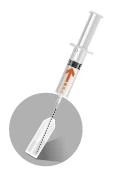 |
| 2b • Take the vial containing the powder. Gently tap the vial to bring any powder accumulated at the top down to the bottom. • Remove the plastic cap from the vial. • Take the syringe with the solvent and insert the needle vertically into the vial through the rubber stopper. Slowly inject the solvent, directing it so that it washes over as much of the inner surface of the vial as possible. | 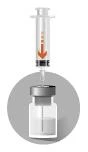 |
| 2c • Position Needle 1 above the liquid level. Do not remove the needle from the vial. Reconstitute the suspension by gently rocking the vial from side to side. Do not invert the vial. • Ensure that mixing continues long enough (at least 30 seconds) to obtain a homogeneous, milky suspension. | 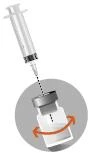 |
| |
| 2d • Once the suspension is homogeneous, lower the needle and, without inverting the vial, withdraw all the suspension into the syringe. A small amount will remain in the vial and should be discarded. An overfill is included to account for this loss. | 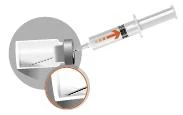 |
| • Grasp the colored part of the needle to detach it from the syringe. Remove Needle 1 (used for reconstitution) from the syringe. Attach Needle 2 to the syringe. • Slide the safety shield away from the needle in the direction of the syringe barrel. The safety shield remains in the set position. • Remove the needle cap. • Prime the needle to remove air from the syringe and inject immediately. | |
| 3 – INTRAMUSCULAR INJECTION | 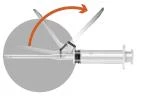 |
| • To avoid sedimentation, inject immediately into the disinfected site as quickly as possible (within 1 minute after reconstitution). | 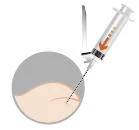 |
| 4 – AFTER USE | 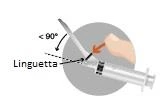 |
| • Activate the safety system using the one-handed technique Note: Keep your finger behind the tab at all times Two alternative methods are available to activate the safety mechanism. • Method A: push the tab forward with your finger • • Method B: press the tab against a flat surface • In both cases, push downward with a firm and quick motion until a click is heard. • Visually confirm that the safety mechanism has locked. Used needles, any unused suspension, and other waste materials must be disposed of in accordance with local regulations. | Method A Method B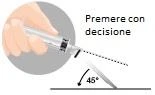  |
Inform your doctor if there is a significant loss of the medicinal product following an incorrectly administered injection, so that a second injection can be given shortly afterwards.
Dispose of the materials used for the injection by placing them back into the packaging and do not reuse them.
Package leaflet: Information for the patient
Decapeptyl 11.25 mg/2 ml powder and solvent for prolonged-release injectable suspension
triptorelin
Please read this leaflet carefully before using this medicine as it contains important information for you.
- Keep this leaflet. You may need to read it again.
- If you have any questions, ask your doctor, pharmacist, or nurse.
- This medicine has been prescribed for you only. Do not give it to other people, even if their symptoms are the same as yours, as it could be harmful.
- If you experience any side effect, including those not listed in this leaflet, contact your doctor, pharmacist, or nurse. See section 4.
Contents of this leaflet:
- What Decapeptyl is and what it is used for
- What you need to know before using Decapeptyl
- How to use Decapeptyl
- Possible side effects
- How to store Decapeptyl
- Contents of the pack and other information
1. What Decapeptyl is and what it is used for
This medicinal product contains triptorelin. Triptorelin belongs to a group of medicines called
GnRH analogues. One of its actions is to reduce the production of sex hormones
in the body.
This medicine is used:
In men:
- for malignant tumour (carcinoma) of the prostate with metastases (spread to other organs), when suppression of male hormone (testosterone) production is indicated.
In women:
- for malignant tumour of the breast (carcinoma) in the pre-menopausal period or early menopausal period (perimenopause), when hormonal treatment is indicated;
- for genital and extragenital endometriosis (stages I-IV);
- for benign tumours (fibroids) of the uterus.
In children:
- as treatment for Central Precocious Puberty (early puberty), before the age of 8 in girls and before the age of 10 in boys.
2. What you need to know before using Decapeptyl
Do not use Decapeptyl
- if you are allergic to triptorelin or to any of the other ingredients of this medicine (listed in section 6).
- if you are allergic to GnRH or to other GnRH analogues (medicines similar to Decapeptyl).
- if you are pregnant or breastfeeding (see section “Pregnancy, breastfeeding and fertility”).
Warnings and precautions
Talk to your doctor or pharmacist before using Decapeptyl.
Cases of depression, which may be severe, have been reported in patients taking Decapeptyl. If you are receiving Decapeptyl 11.25 mg/2 ml and develop depression, inform your doctor.
If seizures occur, inform your doctor immediately. Seizures have been reported in patients receiving triptorelin or similar medicines. These cases occurred in patients with or without a history of epilepsy.
- Talk to your doctor if you have any of the following conditions: any heart or blood vessel disorder, including heart rhythm problems (arrhythmias), or if you are being treated with medicines for these conditions. The risk of heart rhythm problems may increase with the use of Decapeptyl.
- If you have an undiagnosed benign tumour of the pituitary gland, it might become apparent during treatment with triptorelin 11.25 mg. Symptoms may include: sudden headache, vomiting, visual disturbances, and eye paralysis.
In men:
- At the beginning of treatment, there is an increase in testosterone circulating in the body. This could cause a worsening of tumour symptoms. Contact your doctor if this occurs. Your doctor may prescribe you medicines (anti-androgens) to prevent worsening of symptoms. During the first weeks of treatment, Decapeptyl, like other GnRH analogues, may in rare cases cause spinal cord compression (paresthesia or weakness in the lower limbs) or urethral obstruction (where urine passes). Your doctor will monitor you and prescribe appropriate treatments if such a situation occurs.
- After surgical castration, triptorelin does not produce any further reduction in testosterone.
- Diagnostic tests assessing pituitary gland function performed during or after discontinuation of Decapeptyl therapy may be misleading.
- In adults, if Decapeptyl or another GnRH analogue is used for a prolonged period, it may increase the risk of developing bone structure weakening, which may be particularly harmful if you chronically abuse alcohol, are a smoker, have a family history of osteoporosis (a condition affecting bone strength), are malnourished, or take anticonvulsant medicines (for epilepsy) or corticosteroids (steroids). If you have any bone-related problems such as osteoporosis, or any of the aforementioned risk factors, inform your doctor. This may influence how your doctor decides to treat you.
- If you are at risk of developing diabetes or have heart problems, inform your doctor.
- Treatment with GnRH analogues, including DECAPEPTYL 11.25 mg, may increase the risk of anaemia (defined as a decrease in the number of red blood cells).
In women:
- In adults, if Decapeptyl or another GnRH analogue is used for a prolonged period, it may increase the risk of developing bone structure weakening, which may be particularly harmful if you chronically abuse alcohol, are a smoker, have a family history of osteoporosis (a condition affecting bone strength), are malnourished, or take anticonvulsant medicines (for epilepsy) or corticosteroids (steroids). If you have any bone-related problems such as osteoporosis, or any of the aforementioned risk factors, inform your doctor. This may influence how your doctor decides to treat you.
- Vaginal bleeding may occur during the first month of treatment. After the first month, the menstrual cycle usually stops. Inform your doctor if bleeding continues beyond the first month of treatment. The menstrual cycle typically resumes about 5 months after the last injection.
- You must use contraceptive methods other than the “pill” (non-hormonal methods) during treatment and for 3 months after the last injection, when triptorelin is not being used for infertility.
In children
- During the first month of treatment, girls may experience mild to moderate episodes of vaginal bleeding.
- When treatment is stopped, signs of puberty will reappear.
- In girls, menstruation will typically start on average one year after discontinuation of treatment.
- Central precocious puberty caused by other diseases should be ruled out by the doctor.
- Bone mineral content decreases during treatment, but after discontinuation, subsequent bone growth is preserved.
- If the patient experiences sudden hip pain after stopping treatment, the doctor must be informed.
- If your child suffers from severe or recurrent headaches, vision problems, or ringing or buzzing in the ears, contact a doctor immediately (see section 4).
If you have a brain tumour, inform your doctor.
If you have any doubts about using this medicine, consult your doctor.
For possible side effects, read section 4.
Other medicines and Decapeptyl
Inform your doctor or pharmacist if you are taking, have recently taken, or might take any other medicines.
Decapeptyl may interfere with certain medicines used to treat heart rhythm problems (e.g., quinidine, procainamide, amiodarone, and sotalol) or may increase the risk of heart rhythm problems when used with certain other medicines, for example methadone (used to relieve pain and in drug detoxification programmes), moxifloxacin (an antibiotic), or antipsychotics (used for severe mental illnesses).
Your doctor will monitor your hormonal status when Decapeptyl is administered together with other medicines that affect pituitary gonadotropin secretion.
Pregnancy, breastfeeding and fertility
This medicine must not be used during pregnancy or while breastfeeding.
Driving and using machines
You may experience dizziness, drowsiness, or vision problems such as blurred vision. These are possible side effects of the treatment or of your underlying disease. If you experience any of these side effects, you must not drive or operate machinery.
Decapeptyl contains sodium
This medicine contains less than 1 mmol (23 mg) of sodium per vial, i.e., essentially “sodium-free”.
For individuals engaged in sports
Using this medicine without a therapeutic need constitutes doping and may result in a positive anti-doping test.
3. How to use Decapeptyl
Use this medicine exactly as instructed by your doctor. If you have any doubts, consult your doctor. Do not stop treatment without consulting your doctor.
The recommended dose is:
- Prostate cancer and breast cancer: administer one injection strictly every 3 months.
- Endometriosis and uterine fibroids: one injection every three months, starting treatment within the first five days of the menstrual cycle. In women, prolonged administration beyond 6 months should be carefully evaluated by a specialist physician to ensure that the expected benefit outweighs the potential adverse effects resulting from prolonged estrogen suppression, particularly on bone health.
Use in children
In central precocious puberty, treatment with triptorelin must be carried out under the supervision of a pediatric endocrinologist, a pediatrician, or an endocrinologist experienced in treating central precocious puberty.
Children weighing more than 20 kg: administer one intramuscular injection of Decapeptyl 11.25 mg/2 ml every 3 months.
Treatment should be discontinued once the child reaches the physiological age of puberty. It is recommended not to continue treatment in girls with a bone age greater than 12 years. Limited data are available in children regarding the optimal age for treatment discontinuation based on bone age; however, discontinuation is advised in children with a bone age of 13–14 years.
The suspension must be injected immediately after preparation, using only the provided suspension solvent included in the package. The resulting suspension must not be mixed with other medicinal products.
If you use more Decapeptyl than you should
Although adverse reactions due to overdose have not been reported, if you accidentally take an excessive dose of triptorelin, inform your doctor immediately or go to the nearest hospital.
If you forget to use Decapeptyl
Do not use a double dose to make up for the missed dose. Inform your doctor.
If you stop using Decapeptyl
Do not stop treatment with Decapeptyl on your own; follow your doctor’s instructions carefully. If you have any questions about the use of this medicine, consult your doctor.
4. Possible side effects
Like all medicines, this medicine can cause side effects, although not everybody gets them.
In rare cases, a severe allergic reaction may occur. Inform your doctor immediately if you experience symptoms such as difficulty swallowing or breathing, swelling of the lips, face, throat or tongue, or skin rash.
With other triptorelin products, unusual pressure-sensitive infiltrations at the injection site have been reported after subcutaneous injection.
Men
Many of the side effects are expected due to changes in testosterone levels in the body.
These effects include: hot flushes and decreased libido.
Very common (occur in more than 1 in 10 patients):
- Weakness
- Back pain
- Tingling in the legs
- Reduced libido
- Impotence (including failure to ejaculate and ejaculation problems)
- Excessive sweating
- Hot flushes
Common (occur in more than 1 in 100 patients):
- Dry mouth, nausea
- Pain, inflammation and redness at the injection site, oedema (fluid accumulation in body tissues)
- Lower abdominal pain
- Muscle and bone pain, pain in arms and legs
- High blood pressure
- Allergic reaction
- Weight gain
- Dizziness, headache
- Loss of libido, depression*, mood changes*
*This frequency is based on the frequency of the class effect, common to all GnRH agonists.
Uncommon (occur in more than 1 in 1,000 patients):
- Increased platelet count
- Palpitations
- Ringing in the ears, dizziness
- Vision disturbances
- Abdominal pain, constipation, diarrhoea, vomiting
- Lethargy, muscle stiffness, somnolence, pain, peripheral oedema
- Changes in certain blood tests (including elevated results in liver and kidney function tests), increased blood pressure, weight loss
- Loss of appetite, increased appetite, gout (severe pain, swelling and redness in joints, frequently affecting the big toe), diabetes, elevated blood lipids
- Joint pain, muscle cramps, muscle weakness and pain, bone pain
- Tingling or numbness
- Insomnia, irritability
- Breast enlargement in men, breast pain, reduced testicular volume, testicular pain
- Difficulty breathing, nosebleeds
- Acne, hair loss, itching, skin rash, skin redness, urticaria
Rare (occur in more than 1 in 10,000 patients):
- Red or purple skin discolouration, blisters
- Abnormal sensation in the eyes, visual disturbances
- Abdominal fullness, flatulence, altered taste sensation
- Chest pain
- Difficulty standing
- Influenza-like symptoms, fever
- Anaphylactic reaction (severe allergic reaction which may cause dizziness or difficulty breathing)
- Inflammation of the nose/throat
- Increased alkaline phosphatase in the blood
- Stiff, swollen joints, musculoskeletal stiffness, osteoarthritis
- Memory impairment
- Confusional state, decreased activity, euphoria
- Shortness of breath when lying down
- Low blood pressure
Not known (frequency cannot be estimated from available data):
- Anaphylactic shock (severe allergic reaction which may cause dizziness or difficulty breathing)
- General malaise
- Anxiety
- Angioedema
- Changes in ECG trace (QT prolongation)
- Urinary incontinence
- If a pituitary tumour is present, there is an increased risk of bleeding in the area.
- Anaemia (reduced number of red blood cells).
An increase in lymphocyte count has been reported in patients treated with GnRH analogues.
Women
Many of the side effects are expected due to changes in oestrogen levels in the body.
Very common (occur in more than 1 in 10 patients):
- Weakness
- Headache
- Sleep disorders (including insomnia), mood changes, decreased libido
- Breast disorders, pain during or after sexual intercourse, genital bleeding (including vaginal bleeding, withdrawal bleeding), ovarian hyperstimulation syndrome, ovarian enlargement, pelvic pain, vulvovaginal dryness
- Acne, excessive sweating, seborrhoea
- Hot flushes
Common (occur in more than 1 in 100 patients):
- Nausea, abdominal pain or discomfort
- Redness, swelling, inflammation and/or pain at the injection site, peripheral oedema
- Allergic reaction
- Weight gain
- Joint pain, muscle cramps, pain in extremities
- Dizziness
- Depression (long-term use. This frequency is based on the frequency of the class effect, common to all GnRH agonists), nervousness
- Breast pain
Uncommon (occur in more than 1 in 1,000 patients):
- Palpitations
- Dizziness
- Dry eyes, vision disturbances
- Abdominal distension, dry mouth, flatulence, mouth ulceration, vomiting
- Weight loss
- Decreased appetite, fluid retention
- Back pain, muscle pain
- Altered taste, altered sensation, syncope, memory impairment, attention disorders, tingling, tremor
- Emotional lability, anxiety, depression (short-term use. This frequency is based on the frequency of the class effect, common to all GnRH agonists), disorientation
- Bleeding after sexual intercourse, vaginal prolapse, menstrual cycle disorders (including painful cycles, genital bleeding, heavy menstrual bleeding), ovarian cyst, vaginal discharge
- Difficulty breathing, nosebleeds
- Hair loss, dry skin, abnormal hair growth, brittle nails, itching, rash, urticaria
Not known (frequency cannot be estimated from available data):
- Vision disorders
- Diarrhoea
- Fever, malaise
- Anaphylactic shock
- Increased alkaline phosphatase in blood, increased blood pressure
- Muscle weakness
- Seizures
- Confusional state
- Absence of menstruation
- Angioedema, urticaria
- High blood pressure
- If a pituitary tumour is present, there is an increased risk of bleeding in the area.
Children
Very common (occur in more than 1 in 10 patients):
- Vaginal bleeding (including vaginal haemorrhage, withdrawal bleeding, uterine haemorrhage, vaginal discharge, vaginal bleeding including spotting)
Common (occur in more than 1 in 100 patients):
- Abdominal pain
- Reaction at injection site (redness, inflammation and/or pain)
- Allergic reaction
- Weight gain
- Headache
- Acne
- Hot flushes
Uncommon (occur in more than 1 in 1,000 patients):
- Vision disturbances
- Vomiting, constipation, nausea
- Malaise
- Obesity
- Neck pain
- Mood changes
- Breast pain
- Nosebleeds
- Itching, urticaria, skin rash
Long-term studies (up to 4 years) have not revealed any new or significant safety concerns.
Not known (frequency cannot be estimated from available data):
- Visual disturbance
- Anaphylactic shock
- Seizures
- Increased blood pressure, increased prolactin levels in blood
- Muscle pain
- Emotional lability, nervousness, depression
- Angioedema
- Increased blood pressure
- Idiopathic intracranial hypertension (increased intracranial pressure around the brain, characterised by headache, double vision and other visual symptoms, tinnitus or ringing in the ears)
Reporting of side effects
If you experience any side effect, including those not listed in this leaflet, talk to your doctor, pharmacist or nurse. You can also report side effects directly via the national reporting system at: https://www.aifa.gov.it/content/segnalazioni-reazioni-avverse. By reporting side effects, you can help provide more information on the safety of this medicine.
5. How to store Decapeptyl
Store below 25°C.
Keep this medicine out of the sight and reach of children.
Do not use this medicine after the expiry date which is stated on the carton after "Exp". The expiry date refers to the last day of that month.
Do not use this medicine if you notice any visible signs of deterioration.
Do not dispose of medicines via wastewater or household waste. Ask your pharmacist how to dispose of medicines you no longer use. This will help protect the environment.
6. Package contents and other information
What Decapeptyl contains
- The active substance is triptorelin.
- The other components present in the powder vial are d,l-lactide-co-glycolide copolymer, mannitol, sodium carboxymethylcellulose, polysorbate 80.
- The components of the solvent vial are mannitol, water for injections.
Description of the appearance of Decapeptyl and pack contents
The powder vial contains 11.25 mg of triptorelin.
The vial contains 2 ml of suspension solvent.
The pack contains 1 powder vial, 1 solvent vial of 2 ml, 2 needles, 1 syringe.
Marketing Authorization Holder and Manufacturer
Marketing Authorization Holder
IPSEN S.p.A.
Via Vittor Pisani n. 22
20124 Milan
Manufacturer
Ipsen Pharma Biotech S.A.S, Parc d'Activités du Plateau de Signes - Chemin Departemental n. 402 -
83870 Signes (France)
<------------------------------------------------------------------------------------------------------------------------>
The following information is intended exclusively for healthcare professionals:
INSTRUCTIONS FOR USE
Read the leaflet carefully before injection
Note: It is important that the preparation of the injection be carried out strictly according to the instructions below. Any injection performed incorrectly, resulting in loss of medicinal product, must be immediately reported to the physician.
| 1 – PATIENT PREPARATION BEFORE RECONSTITUTION OF THE SUSPENSION | |
| • Prepare the patient by disinfecting the gluteal injection site. This must be performed before reconstitution, as the suspension must be injected immediately after reconstitution. | |
2 – PREPARATION OF THE INJECTION |  |
| The package contains two needles: • Needle 1: a 20G needle (38 mm long) without safety device, to be used for reconstitution • Needle 2: a 20G needle (38 mm long) with safety device, to be used for administration Needle 1 – 38 mm Needle 2 – 38 mm The presence of bubbles on the surface of the lyophilized powder is normal. The following steps must be completed in continuous sequence. | |
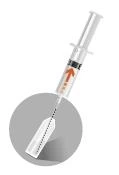
| 2a • Take the vial containing the solvent. Gently tap the vial to bring any solution adhering to the top down into the body of the vial. • Attach Needle 1 (without safety device) to the syringe. Do not remove the needle cap yet. • Snap off the neck of the solvent vial (dot facing upward). • Remove the cap from Needle 1. Insert the needle into the vial and withdraw all the solvent into the syringe. • Set aside the syringe containing the solvent. | |
 | |
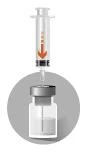
| 2b • Take the vial containing the powder. Tap the vial gently to settle any powder that may have collected at the top. • Remove the plastic cap from the vial. • Take the syringe with the solvent and insert the needle vertically through the rubber stopper into the vial. Slowly inject the solvent, directing the stream so that it washes over the inner walls of the vial, if possible. | |
 | |
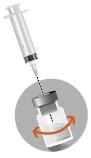
| 2c • Position the needle above the liquid level. Do not remove the needle from the vial. Reconstitute the suspension by gently rocking the vial from side to side. Do not invert the vial. • Ensure sufficient mixing (at least 30 seconds) to obtain a homogeneous, milky white suspension. | |
|  |
| 2d • When the suspension is homogeneous, lower the needle and, without inverting the vial, aspirate the entire suspension. A small amount will remain in the vial and should be discarded. An overfill is included to allow for this loss. | 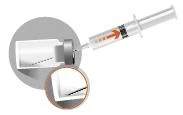 |
| • Grasp the colored part of the needle to detach it from the syringe. Remove Needle 1 (used for reconstitution) from the syringe. Attach Needle 2 to the syringe. • Slide the safety shield away from the needle toward the syringe body. The safety shield remains in the set position. • Remove the needle cap. • Prime the needle to remove air from the syringe and inject immediately. | 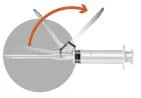 |
| 3 – INTRAMUSCULAR INJECTION | 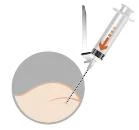 |
| • To avoid sedimentation, inject immediately into the disinfected site as quickly as possible (within 1 minute of reconstitution). | 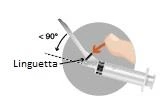 |
| 4 – AFTER USE | 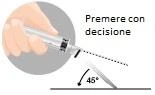 |
| • Activate the safety system using the one-handed technique. Note: Keep your finger behind the tab at all times. There are two alternative methods to activate the safety system. • Method A: push the tab forward with your finger • • Method B: press the tab against a flat surface. • In both cases, push down firmly and quickly until a click is heard. • Visually confirm that the safety device has locked. Used needles, any unused suspension, and other waste materials must be disposed of in accordance with applicable local regulations. | Method A Method B |
 |
Inform your doctor if there is a significant loss of the medicinal product following an incorrectly administered injection, so that a second injection can be given shortly afterwards.
Dispose of the materials used for the injection by placing them back into the packaging, and do not reuse them.
Package leaflet: Information for the patient
Decapeptyl 22.5 mg/2 ml powder and solvent for prolonged-release injectable suspension
triptorelin
Please read all of this leaflet carefully before using this medicine because it contains important information for you.
- Keep this leaflet. You may need to read it again.
- If you have any questions, ask your doctor, pharmacist, or nurse.
- This medicine has been prescribed for you only. Do not give it to others, even if they have the same symptoms as you, because it could be harmful.
- If you experience any side effect, including those not listed in this leaflet, contact your doctor, pharmacist, or nurse. See section 4.
Contents of this leaflet:
- What Decapeptyl is and what it is used for
- What you need to know before using Decapeptyl
- How to use Decapeptyl
- Possible side effects
- How to store Decapeptyl
- Contents of the pack and other information
1. What Decapeptyl is and what it is used for
This medicinal product contains triptorelin. Triptorelin belongs to a group of medicines called
GnRH analogues. One of its actions is to reduce the production of sex hormones in the body.
In men, triptorelin reduces levels of the male hormone testosterone; in women, it reduces levels of
estrogens.
This medicine is used:
- In adult men with malignant tumour (carcinoma) of the prostate gland and metastases (spread to other organs), when suppression of male hormone (testosterone) production is indicated.
- In children aged 2 years and older, Decapeptyl 22.5 mg/2 ml is used to treat early onset of puberty, that is, before the age of 8 in girls and before the age of 10 in boys. This condition is referred to as "Central Precocious Puberty" in this leaflet.
2. What you should know before using Decapeptyl
Do not use Decapeptyl
if you are allergic to triptorelin or to any of the other ingredients of this medicine
(listed in section 6).
if you are allergic (hypersensitive) to GnRH or to other GnRH analogues (medicines similar to Decapeptyl).
if you are pregnant or breastfeeding (see section “Pregnancy, breastfeeding and fertility”).
Warnings and precautions
Talk to your doctor or pharmacist before using Decapeptyl.
Cases of depression, which could be severe, have been reported in patients receiving Decapeptyl 22.5 mg/2 ml. If you are taking Decapeptyl 22.5 mg/2 ml and develop depression, inform your doctor.
If you are taking medicines to prevent blood clotting, you may experience, in addition to burning, bruising at the injection site.
Talk to your doctor if you have any of the following conditions: any heart or blood vessel disorder, including heart rhythm problems (arrhythmias), or if you are being treated with medicines for these conditions. The risk of heart rhythm problems may increase with the use of Decapeptyl.
If seizures occur, inform your doctor immediately. Seizures have been reported in patients receiving triptorelin or similar medicines. These cases occurred in patients with or without a history of epilepsy.
This medicine must be injected only into the muscle.
Men
At the beginning of treatment, there is an increase in testosterone circulating in the body. This could cause worsening of tumour symptoms. Contact your doctor if this occurs. Your doctor may prescribe you medicines (anti-androgens) to prevent worsening of symptoms. During the first weeks of treatment, Decapeptyl, like other GnRH analogues, may in isolated cases cause spinal cord compression (paresthesia or weakness in the lower limbs) or urethral obstruction (where urine passes). You will be monitored by your doctor and appropriate treatments will be prescribed if such a situation occurs.
After surgical castration, triptorelin does not produce any further reduction in testosterone.
If Decapeptyl or another GnRH analogue is used for a long period of time, it may increase the risk of bone structure weakening. This risk may be particularly harmful if you chronically abuse alcohol, are a smoker, have a family history of osteoporosis (a condition affecting bone strength), are malnourished, or take anticonvulsant medicines (for epilepsy) or corticosteroids (steroids). If you have any bone-related problems such as osteoporosis or any of the above-mentioned risk factors, inform your doctor. This may influence how your doctor decides to treat you.
If you are at risk of developing diabetes or have heart problems, inform your doctor.
If you have an undiagnosed benign tumour of the pituitary gland, it might become apparent during treatment with triptorelin 22.5 mg. Symptoms include: sudden headache, vomiting, vision disturbances, and eye paralysis.
Treatment with GnRH analogues, including DECAPEPTYL 22.5 mg, may increase the risk of anaemia (defined as a decrease in the number of red blood cells).
Children:
Girls with Central Precocious Puberty (early puberty) may experience vaginal bleeding during the first month of treatment.
When treatment is stopped, signs of puberty will reappear.
In girls, menstruation will typically start about one year after treatment is discontinued.
Central precocious puberty caused by other diseases should be ruled out by the doctor.
Bone mineral content decreases during treatment, but subsequent bone growth is preserved after treatment is stopped.
If the patient experiences sudden hip pain after treatment discontinuation, the doctor must be informed.
If your child suffers from severe or recurrent headaches, vision problems, or ringing or buzzing in the ears, contact a doctor immediately (see section 4).
If you have a progressing brain tumour, inform your doctor. This may influence how your doctor decides to treat you.
If you have any doubts about using this medicine, talk to your doctor.
For possible side effects, read section 4.
Other medicines and Decapeptyl
Inform your doctor or pharmacist if you are taking, have recently taken, or might take any other medicines.
Decapeptyl may interfere with some medicines used to treat heart rhythm problems (e.g. quinidine, procainamide, amiodarone and sotalol), or may increase the risk of heart rhythm problems when used together with certain other medicines (e.g. methadone (used to relieve pain and in drug detoxification programmes), moxifloxacin (an antibiotic), antipsychotics (used for severe mental illnesses)).
Your doctor will monitor your hormonal status when Decapeptyl is administered together with other medicines that affect pituitary gonadotropin secretion.
Pregnancy, breastfeeding and fertility
If you are pregnant, suspect you may be pregnant, are planning to become pregnant, or are breastfeeding, ask your doctor or pharmacist for advice before taking this medicine.
Do not use this medicine if you are pregnant.
Do not use this medicine if you are breastfeeding.
Driving and using machines
You may experience dizziness, drowsiness, or vision problems such as blurred vision. These are possible side effects of the treatment or of your illness. If you experience any of these side effects, you must not drive or operate machinery.
For those engaged in sports
Using this medicine without therapeutic need constitutes doping and may result in a positive anti-doping test.
Decapeptyl contains sodium
This medicine contains less than 1 mmol (23 mg) of sodium per dose, i.e. it is essentially “sodium-free”.
3. How to use Decapeptyl
Use this medicine exactly as your doctor has instructed you. If you have any doubts, consult your doctor. Do not stop treatment without your doctor's advice.
Men
The recommended dose is
one intramuscular injection every 6 months (24 weeks). Decapeptyl 22.5 mg/2 ml must be injected only into the muscle.
Children
one intramuscular injection every 6 months (24 weeks). Decapeptyl 22.5 mg/2 ml must be injected only into the muscle. Your doctor will decide when to stop treatment (normally at age 12–13 years for girls and 13–14 years for boys).
As with all medicines administered by injection, the injection site should be changed periodically.
Since Decapeptyl is a suspension of microgranules, accidental intravascular injection must be strictly avoided.
Dosage adjustment is not required in patients with impaired renal or hepatic function.
Strictly follow your doctor's instructions; do not discontinue treatment without consulting your doctor.
If you use more Decapeptyl than you should
Although adverse reactions following overdose have not been reported, if you accidentally take an excessive dose of triptorelin, notify your doctor immediately or go to the nearest hospital.
In case of overdose, symptomatic treatment is recommended.
If you forget to use Decapeptyl
Do not use a double dose to make up for the forgotten dose. Inform your doctor.
If you stop using Decapeptyl
Do not stop Decapeptyl treatment on your own; follow your doctor's instructions carefully. If you have any questions about how to use this medicine, consult your doctor or pharmacist.
4. Possible side effects
Like all medicines, this medicine can cause side effects, although not everybody gets them.
Many of the side effects are expected due to changes in testosterone levels in the body.
These include: hot flushes and decreased libido.
In rare cases, a serious allergic reaction may occur. Inform your doctor immediately if you experience symptoms such as difficulty swallowing or breathing, swelling of the lips, face, throat or tongue, or skin rash.
Men
With other triptorelin-containing products, unusual pressure-sensitive infiltrations at the injection site have been reported after subcutaneous injection.
Very common (occur in more than 1 in 10 patients):
- Hot flushes
- Weakness
- Excessive sweating
- Back pain
- Tingling in the legs
- Reduced libido
- Impotence (including failure to ejaculate and ejaculation disorders)
Common (occur in more than 1 in 100 patients):
- Nausea, dry mouth
- Pain, redness and inflammation at the injection site, oedema (fluid accumulation in body tissues)
- Muscle and bone pain, pain in arms and legs
- Lower abdominal pain
- High blood pressure
- Allergic reaction
- Weight gain
- Dizziness, headache
- Loss of libido, depression*, mood changes*
* This frequency is based on the frequency of the class effect, common to all GnRH agonists
Uncommon (occur in more than 1 in 1,000 patients):
- Increased platelet count
- Palpitations
- Ringing in the ears, dizziness
- Vision disturbances
- Abdominal pain, constipation, diarrhoea, vomiting
- Lethargy, muscle stiffness, somnolence, pain, peripheral oedema
- Abnormalities in certain blood tests (including increased results in liver and kidney function tests), increased blood pressure
- Weight loss
- Loss of appetite, increased appetite, gout (severe pain, swelling and redness in joints, frequently, for example, in the big toe), diabetes, excessive lipids in the blood
- Joint pain, muscle cramps, muscle weakness and pain, bone pain
- Tingling or numbness
- Insomnia, irritability
- Breast enlargement in men, breast pain, reduced testicular volume, testicular pain
- Difficulty breathing, nosebleeds
- Acne, hair loss, itching, rash, skin redness, urticaria
- Excessive urination during night rest, problems urinating
Rare (occur in more than 1 in 10,000 patients):
- Red or purple skin discolouration, blisters
- Abnormal sensation in the eyes, visual disturbances
- Feeling of abdominal fullness, flatulence, altered taste sensation
- Chest pain
- Difficulty standing
- Influenza-like symptoms, fever
- Anaphylactic reaction (severe allergic reaction that may cause dizziness or difficulty breathing)
- Inflammation of nose/throat
- Increased alkaline phosphatase in blood
- Stiff joints, swelling, musculoskeletal stiffness, osteoarthritis
- Memory impairment
- Confusional state, decreased activity, euphoria
- Shortness of breath when lying down
- Low blood pressure
Not known (frequency cannot be estimated from the available data):
- Anaphylactic shock (severe allergic reaction that may cause dizziness or difficulty breathing)
- General malaise
- Anxiety
- Angioneurotic oedema
- Urinary incontinence
- Changes in ECG trace (QT prolongation)
- If a pituitary tumour is present, there is an increased risk of bleeding in the area
- Anaemia (reduction in the number of red blood cells)
Children
Very common (occur in more than 1 in 10 patients):
- Vaginal bleeding which may occur during the first month of treatment in girls
Common (occur in more than 1 in 100 patients):
- Abdominal pain
- Injection site pain
- Redness and swelling at the injection site
- Headache
- Hot flushes
- Weight gain
- Acne
- Allergic reaction
Uncommon (occur in more than 1 in 1,000 patients):
- Vision disturbances
- Vomiting
- Constipation
- Nausea
- General malaise
- Obesity
- Neck pain
- Mood changes
- Breast pain
- Nosebleeds
- Itching
- Skin rash or urticaria
Not known (frequency cannot be estimated from the available data):
- High blood pressure
- Visual disturbances
- Severe allergic reaction causing difficulty swallowing, breathing problems, swelling of the lips, face, throat and tongue, or urticaria
- Seizures
- Abnormalities in certain blood tests, including hormone levels
- Rapid formation of wheals due to swelling of the skin or mucous membranes
- Muscle pain
- Emotional lability
- Depression
- Nervousness
- Idiopathic intracranial hypertension (increased intracranial pressure around the brain, characterised by headache, double vision and other visual symptoms, ringing or buzzing in the ears)
If you have an undiagnosed benign tumour of the pituitary gland, it may become apparent during treatment with triptorelin 22.5 mg. Symptoms include: sudden headache, vomiting, visual disturbances and eye paralysis.
In patients treated with GnRH analogues, an increase in lymphocyte count has been reported.
Reporting of side effects
If you experience any side effects, including those not listed in this leaflet, please inform your doctor, pharmacist or nurse. You can also report side effects directly via the national reporting system at: https://www.aifa.gov.it/content/segnalazioni-reazioni-avverse.
By reporting side effects, you can help provide more information on the safety of this medicine.
5. How to store Decapeptyl
Keep in the original packaging to protect the medicine from light and moisture.
The reconstituted suspension must be used immediately.
Keep this medicine out of the sight and reach of children.
Do not use this medicine after the expiry date stated on the carton after "Exp." The expiry date refers to the last day of that month.
Do not use this medicine if you notice any visible signs of deterioration.
Do not dispose of any medicine via wastewater or household waste. Ask your pharmacist how to dispose of medicines you no longer use. This will help protect the environment.
6. Package contents and other information
What Decapeptyl contains
The active substance is triptorelin.
The other components present in the powder vial are: polymer Poli(DL-lactide co-glycolide)
75/25 (“PLG 75/25”), Poli(DL-lactide co-glycolide) 85/15 lauryl ester (“PLG85/15”), mannitol,
sodium carmellose, polysorbate 80.
The component of the solvent vial is water for injections.
Description of the appearance of Decapeptyl and package contents
The powder vial contains 22.5 mg of triptorelin.
The vial contains 2 ml of suspension solvent.
The pack contains 1 powder vial, 1 solvent vial of 2 ml, 2 needles, 1 syringe.
Marketing Authorization Holder and Manufacturer
Marketing Authorization Holder
IPSEN S.p.A.
Via Vittor Pisani n. 22
20124 Milan, Italy
Manufacturer
Ipsen Pharma Biotech, Parc d'Activités du Plateau de Signes - Chemin Départemental N° 402 - 83870
Signes (France)
<------------------------------------------------------------------------------------------------------------------------>
The following information is intended exclusively for healthcare professionals (see section 3):
INSTRUCTIONS FOR USE
Read the leaflet carefully before injection
The suspension must be injected immediately after preparation, using only the suspension solvent provided in the package. The resulting suspension must not be mixed with other medicinal products.
Note: It is important that the injection preparation is carried out strictly according to the instructions below. Any incorrectly administered injection resulting in loss of medicinal product must be immediately reported to the physician.
| 1 – PATIENT PREPARATION BEFORE RECONSTITUTION OF THE SUSPENSION | |
| oPrepare the patient by disinfecting the gluteal injection site. This must be done before reconstitution, as the suspension must be injected immediately after reconstitution. | |
| 2 – PREPARATION OF THE INJECTION | |
The package contains two needles: • Needle 1: a 20G needle (38 mm long) without safety device, to be used for reconstitution • Needle 2: a 20G needle (38 mm long) with safety device, to be used for administration Needle 1 – 38 mm Needle 2 – 38 mm The presence of bubbles on the surface of the lyophilisate is normal. The following steps must be completed in continuous sequence. |  |
| 2a oTake the vial containing the solvent. Gently tap the vial to allow any solution at the top to fall into the main body of the vial. oAttach Needle 1 (without safety device) to the syringe. Do not remove the needle cap yet. oSnap off the neck of the vial (dot facing upwards). oRemove the cap from Needle 1. Insert the needle into the vial and withdraw all the solvent into the syringe. oSet aside the syringe containing the solvent. | |
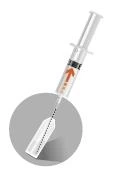 | |
| 2b oTake the vial containing the powder. Gently tap the vial to settle any powder at the top down to the bottom. oRemove the plastic cap from the vial. oTake the syringe with the solvent and insert the needle vertically into the vial through the rubber stopper. Slowly inject the solvent, aiming it so that it washes down the inner walls of the vial if possible. | 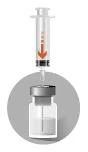 |
| 2c • Position Needle 1 above the liquid level. Do not remove the needle from the vial. Reconstitute the suspension by gently rocking the vial from side to side. Do not invert the vial. • Ensure that mixing continues for sufficient time (at least 30 seconds) to obtain a homogeneous, milky suspension. | 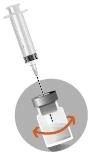 |
| |
| 2d oOnce the suspension is homogeneous, lower the needle and, without inverting the vial, withdraw the entire suspension into the syringe. A small amount will remain in the vial and must be discarded. An overfill is included to account for this loss. | 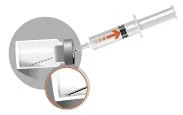 |
| oGrasp the colored part of the needle to detach it from the syringe. Remove Needle 1 (used for reconstitution) from the syringe. Attach Needle 2 to the syringe. oSlide the safety shield away from the needle towards the syringe body. The safety shield remains in the set position. oRemove the needle cap. oPrime the syringe to expel air and inject immediately. | 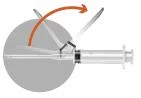 |
| 3 – INTRAMUSCULAR INJECTION | |
| oTo avoid sedimentation, inject immediately into the disinfected site as quickly as possible (within 1 minute after reconstitution). | 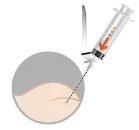 |
| 4 – AFTER USE | 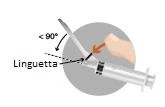 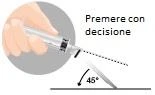 |
| oActivate the safety system using the one-handed technique. Note: Keep your finger behind the tab at all times. There are two alternative methods to activate the safety system. oMethod A: push the tab forward with your finger o oMethod B: press the tab against a flat surface. oIn both cases, push down firmly and quickly until a click is heard. oVisually confirm that the safety device is locked. Used needles, any unused suspension, and other waste materials must be disposed of in accordance with local regulations. | Method A Method B |
The physician should be informed in case of significant loss of drug due to an incorrectly administered injection, so that a second injection may be promptly administered.
Dispose of the used injection materials by placing them back into the packaging, and do not reuse them.