Dapagut
ItalyTable of Contents
Package leaflet: Information for the user
Dapagut 33.1 mg/ml, oral drops, solution
Paroxetine (as mesylate)
Please read all of this leaflet carefully before taking this medicine because it contains important information for you.
- Keep this leaflet. You may need to read it again.
- If you have any questions, ask your doctor or pharmacist.
- This medicine has been prescribed for you only. Do not give it to other people, even if their symptoms are the same as yours, as it may be harmful.
- If you experience any side effect, including those not listed in this leaflet, talk to your doctor or pharmacist. See section 4.4
Contents of this leaflet:
- What Dapagut is and what it is used for
- What you need to know before taking Dapagut
- How to take Dapagut
- Possible side effects
- How to store Dapagut
- Contents of the pack and other information
1. What Dapagut is and what it is used for
Paroxetine belongs to a group of medicines known as selective serotonin reuptake inhibitors (SSRIs) – antidepressants.
Dapagut is used in the treatment of:
- Depression (major depressive episode)
- Obsessive-compulsive disorder (obsessive repetition of thoughts and/or actions)
- Panic disorder with or without agoraphobia (e.g. intense fear of leaving home, entering shops, or fear of public places)
- Social anxiety disorder/social phobia (intense fear or desire to avoid everyday social interaction situations)
- Generalized anxiety disorder (generalized feeling of intense anxiety or nervousness)
- Post-Traumatic Stress Disorder (anxiety state caused by reliving traumatic events)
2. What you should know before taking Dapagut
Do not take Dapagut
- if you are allergic to paroxetine or to any of the other ingredients of this medicine (listed in section 6)
- if you are taking certain medicines used to treat depression or Parkinson’s disease (known as monoamine oxidase inhibitors (MAOIs) ).
- You may start taking paroxetine only if at least 14 days have passed since stopping the use of irreversible MAOIs (such as isocarbazide and phenelzine).
- If you are taking a reversible MAOI (such as moclobemide, linezolid, methylene blue (methylthioninium chloride)), you must wait at least 24 hours before starting paroxetine.
- Conversely, you must wait at least 7 days after stopping paroxetine before starting an MAOI.
- if you are taking a specific medicine ( thioridazine ) used to treat severe mental illnesses such as psychosis. Paroxetine may increase blood levels of thioridazine, thereby increasing the risk of adverse effects caused by thioridazine. One possible adverse effect is irregular heartbeat (severe ventricular arrhythmia) and sudden death (see also section 2, “Other medicines and Dapagut”).
- if you are taking a specific antipsychotic medicine ( pimozide ). Paroxetine may increase blood levels of pimozide, thereby increasing the risk of developing any of the adverse effects associated with pimozide (see section 2, “Other medicines and Dapagut”).
Warnings and precautions
Talk to your doctor or pharmacist before taking Dapagut:
- if you are taking certain medicines used to treat depression or Parkinson’s disease (MAOIs) . You must not take paroxetine simultaneously. Your doctor will inform you when to start treatment with paroxetine after stopping these MAOIs (see section 2, “Do not take Dapagut” and section 2, “Other medicines and Dapagut”).
- if you experience restlessness, hyperactivity, or inability to sit still or remain immobile (akathisia). This is more likely to occur within the first few weeks of treatment. If you develop such symptoms, contact your doctor promptly. In such cases, increasing the dose may be harmful.
- if you develop a specific syndrome ( serotonin syndrome ). This syndrome is characterised by a combination of symptoms such as: (extreme) agitation, confusion, irritability, hallucinations (seeing things that are not real), sweating, tremors or shivering, exaggerated reflexes, sudden onset of muscle spasms (myoclonus), increased body temperature, or stiffness (see section 2, “Other medicines and Dapagut”). If you experience several of these symptoms simultaneously, contact your doctor immediately and discontinue treatment with paroxetine.
- if you have experienced episodes of extreme euphoria or overexcitement leading to unusual behaviour ( mania ). If a manic episode occurs, treatment with paroxetine must be discontinued.
- if you have liver problems or severe kidney problems. Your doctor may need to adjust your dose.
- if you have cardiovascular diseases.
- if you have an abnormality in your heart tracing on electrocardiogram (ECG) known as prolonged QT interval.
- if you have a family history of QT prolongation, heart conditions such as heart failure, low heart rate, or low levels of potassium or magnesium.
- if you have diabetes. Treatment with paroxetine may alter blood sugar (glucose) levels, requiring close monitoring. It may be necessary to adjust the dose of insulin and/or other oral antidiabetic medicines.
- if you suffer from or have previously suffered from epilepsy or seizures. Paroxetine may cause seizures (convulsions), so your doctor must exercise particular caution. If you experience seizures (convulsions), contact your doctor immediately. It may be necessary to discontinue treatment with paroxetine.
- if you have undergone electroconvulsive therapy (ECT). Clinical experience with concomitant administration of paroxetine and ECT is limited, so your doctor must exercise particular caution.
- if you suffer from or have previously suffered from elevated intraocular pressure (glaucoma). Paroxetine may cause excessive dilation of the pupils (mydriasis), potentially increasing pressure within the eyeball. Your doctor must exercise particular caution.
- if you are an elderly patient, taking other medicines, or have liver problems (cirrhosis), as you may be at increased risk of low blood sodium levels. Paroxetine may further reduce blood sodium levels, leading to feelings of weakness and fatigue. If this occurs, consult your doctor.
- if you experience increased tendency to bleeding or are taking medicines that may increase the risk of bleeding, or if you are pregnant (see “Pregnancy, breastfeeding and fertility”). Examples include certain medicines used to thin the blood (anticoagulants), certain medicines used to treat severe mental illnesses or nausea and vomiting (phenothiazines), certain medicines used to treat schizophrenia (clozapine), acetylsalicylic acid, and certain medicines used to treat pain and inflammation (NSAIDs, such as ibuprofen or COX-2 inhibitors). Paroxetine may cause abnormal bleeding, so your doctor must exercise particular caution (see section 2, “Other medicines and Dapagut”).
- if you have visual impairment. Your doctor will advise that it is better not to take this medicine alone if you have visual impairment. Ask someone caring for you or a friend to count the drops you need.
- if you wish to stop taking paroxetine. You may experience withdrawal symptoms, especially if you stop abruptly (see section 3, “If you stop taking Dapagut”). Consult your doctor before stopping treatment with paroxetine.
Suicidal thoughts and worsening of your depression or anxiety disorder
If you are depressed and/or suffer from anxiety disorders, you may occasionally have self-harming or suicidal thoughts. These thoughts may be more common when you first start taking antidepressants, as all these medicines take time to work—usually about two weeks, but sometimes longer.
You are more likely to have such thoughts if:
- you have previously had suicidal or self-harming thoughts.
- you are a young adult. Clinical studies have shown an increased risk of suicidal behaviour in adults under 25 years of age with psychiatric disorders who are treated with antidepressants.
At any time if you have self-harming or suicidal thoughts, contact your doctor or go directly to hospital.
You may find it helpful to tell a friend or relative that you suffer from depression or an anxiety disorder and ask them to read this leaflet. You may ask them to inform you if they think your depression or anxiety is worsening, or if they are concerned about changes in your behaviour.
Medicines such as Dapagut (so-called selective serotonin reuptake inhibitors (SSRIs)) may cause symptoms of sexual dysfunction (see section 4). In some cases, these symptoms may persist after stopping treatment.
Children and adolescents
Paroxetine should not normally be used to treat children and adolescents under 18 years of age. These patients, in fact, have an increased risk of adverse effects such as suicide attempts, suicidal thoughts, and hostile behaviours (mainly aggression, oppositional behaviour, and anger) when taking medicines in this group. Nevertheless, your doctor may decide to prescribe paroxetine to patients under 18 years of age if deemed strictly necessary. If your doctor has prescribed paroxetine to a patient under 18 years of age and you wish to obtain further information, do not hesitate to contact them. You must inform your doctor if any of the above symptoms appear or worsen during treatment with paroxetine in a patient under 18 years of age. Furthermore, the long-term safety effects of paroxetine on growth, maturation, and cognitive and behavioural development in this age group have not yet been established.
Other medicines and Dapagut
Tell your doctor or pharmacist if you are taking, have recently taken, or might take any other medicines.
Some medicines may affect the effects of paroxetine, or paroxetine may affect their effects. Paroxetine may interact with:
-
medicines used to treat depression or Parkinson’s disease ( MAOIs such as moclobemide or isocarboxazid ), certain dietary supplements ( L-tryptophan ), certain medicines used to treat migraine ( triptans, such as sumatriptan, almotriptan ), certain analgesics ( tramadol, buprenorphine, pethidine ), a medicine used to treat infections ( linezolid ), a preoperative imaging agent ( methylene blue ), other selective serotonin reuptake inhibitors ( SSRIs, such as fluoxetine, sertraline ), certain medicines used to treat psychiatric conditions ( lithium, risperidone ), a specific medicine used to treat chronic pain or for anaesthesia ( fentanyl ), and St John’s wort ( Hypericum perforatum ), a herbal remedy for depression. Concomitant use of these medicines may lead to the development of serotonin syndrome (see section 2, “Do not take Dapagut” and section 2, “Warnings and precautions”).
-
Buprenorphine combined with naloxone in opioid dependence replacement therapy.
-
a specific medicine used to treat psychosis ( pimozide ). Studies investigating the concomitant use of paroxetine and pimozide have shown that, when taken together, paroxetine may increase blood levels of pimozide. Since pimozide can cause serious adverse effects such as irregular heartbeat, you must not take paroxetine together with pimozide (see section 2, “Do not take Dapagut”).
-
enzyme inhibitors, such as certain medicines used to treat depression ( clomipramine ). Your doctor may decide to prescribe a lower than usual dose. If you are taking paroxetine together with enzyme inducers (such as carbamazepine, rifampicin, phenobarbital, and phenytoin ), a lower starting dose is usually not required, and your doctor will adjust subsequent doses based on the drug’s effects.
-
muscle relaxants used in anaesthesia such as mivacurium and succinylcholine may have their muscle-relaxing effects prolonged due to an interaction with paroxetine.
-
the combination of certain medicines used to treat HIV infection (fosamprenavir and ritonavir ).
-
a specific medicine used to treat Parkinson’s disease ( procyclidine ). The effectiveness and adverse effects of procyclidine may be enhanced. If you experience adverse effects such as dry mouth, blurred vision, constipation, or difficulty emptying the bladder (urinary retention), you may need to consult your doctor for possible dose reduction of procyclidine.
-
certain medicines used to treat epilepsy (anticonvulsants, such as sodium valproate ). Although no direct effect has been demonstrated, your doctor must exercise particular caution when prescribing paroxetine to epileptic patients.
-
medicines that are metabolised by the same liver enzymes that metabolise paroxetine. Examples include: certain medicines used to treat depression ( tricyclic antidepressants , such as nortriptyline and desipramine ), certain medicines used to treat severe mental illnesses such as psychosis ( perphenazine, thioridazine, and risperidone ), a specific medicine used to treat ADHD in children ( atomoxetine ), certain medicines used to treat arrhythmias (such as flecainide and propafenone ), a specific medicine used to treat chest pain (angina pectoris) and high blood pressure ( metoprolol ), a specific medicine used to treat high cholesterol ( pravastatin ), and certain medicines used to treat severe mental illnesses or nausea and vomiting ( phenothiazines ). The effectiveness and adverse effects of these medicines may be enhanced.
Paroxetine and thioridazine must not be taken together due to the risk of serious adverse effects such as irregular heartbeat and sudden death (see section 2, “Do not take Dapagut”). -
certain medicines that prevent blood clotting ( anticoagulants , such as acenocoumarol, phenprocoumon ). The effectiveness and adverse effects of these medicines may be enhanced, increasing the risk of bleeding. In such cases, closer monitoring by your doctor is required, and adjustment of anticoagulant dosage may be necessary (see section 2, “Warnings and precautions”).
-
a specific medicine used to treat breast cancer or fertility problems ( tamoxifen ).
-
medicines that increase the risk of bleeding. Examples include: certain medicines used to treat severe mental illnesses or nausea and vomiting ( phenothiazines, such as chlorpromazine, perphenazine ), a specific medicine used to treat schizophrenia ( clozapine ), certain medicines used to treat depression ( tricyclic antidepressants ), acetylsalicylic acid , and medicines that relieve pain and inflammation (NSAIDs, such as ibuprofen or COX-2 inhibitors, such as rofecoxib, celecoxib ) (see section 2, “Warnings and precautions”).
-
Medicines used to reduce stomach acid (such as cimetidine, omeprazole ).
Dapagut with food, drinks and alcohol
Concomitant intake of alcohol and paroxetine should be avoided.
Pregnancy, breastfeeding and fertility
If you are pregnant or breastfeeding, if you suspect you may be pregnant, or if you are planning to become pregnant, ask your doctor or pharmacist for advice before taking this medicine. There are insufficient data available to determine the safety and efficacy of paroxetine use during pregnancy. Some studies have suggested an increased risk of heart defects in children whose mothers took paroxetine during the first months of pregnancy. In consultation with your doctor, you may decide that it would be best to switch to another treatment or gradually discontinue paroxetine during pregnancy. However, depending on your condition, your doctor may recommend continuing paroxetine as the most appropriate choice for you.
Make sure to inform your midwife and/or doctor that you are taking paroxetine. If you take Dapagut near the end of pregnancy, there may be an increased risk of heavy vaginal bleeding shortly after delivery, especially if you have bleeding disorders (tendency to bleed). Inform your doctor or midwife that you are taking Dapagut so they can advise you on what to do.
When medicines such as paroxetine are taken during pregnancy, especially in the last months, there may be an increased risk of persistent pulmonary hypertension in the newborn (PPHN), leading to rapid breathing and bluish skin colouration in the baby.
This condition usually appears within the first 24 hours after birth. If this happens to your baby, contact your midwife and/or doctor immediately.
If you have taken paroxetine during the last 3 months of pregnancy, the newborn may also experience certain symptoms, usually appearing within the first 24 hours after birth. Symptoms include difficulty sleeping and feeding, breathing difficulties, cyanosis or unstable body temperature, nausea (vomiting), constant crying, muscle stiffness or weakness, lethargy, tremors, restlessness, or seizures. If your baby shows any of these symptoms at birth and you are concerned, seek advice from your doctor or midwife.
Paroxetine is excreted in breast milk in small amounts. If you are taking paroxetine, consult your doctor before starting breastfeeding. In agreement with your doctor, you may decide that you can breastfeed while taking paroxetine.
Paroxetine has been shown in animal studies to reduce sperm quality. In theory, this could affect fertility, but no impact on human fertility has been observed.
Driving and using machines
There is no evidence that paroxetine affects the ability to drive or use machines. However, this medicine may cause adverse effects (such as blurred vision, dizziness, drowsiness, or confusion). If you experience any adverse effect, do not drive and do not use machines, or engage in any other activity requiring attention and concentration.
This means that before performing such activities, you should observe your reaction to paroxetine.
Dapagut contains ethanol (alcohol), propylene glycol and sodium
This medicine contains 67 mg of alcohol (ethanol) in each 20 drops, equivalent to 111 mg/ml (11% w/v). The amount in 20 drops is less than 2 ml of beer or 1 ml of wine. The small amount of alcohol in this medicine will have no noticeable effects.
This medicine contains 490 mg of propylene glycol in each 20 drops, equivalent to 811 mg/ml.
This medicine contains less than 1 mmol of sodium (23 mg) per ml, i.e., essentially “sodium-free”.
3. How to take Dapagut
Take this medicine exactly as prescribed by your doctor or pharmacist. If you have any doubts, consult your doctor or pharmacist.
Paroxetine should preferably be taken in the morning with food.
Take paroxetine with water, not with other liquids.
Paroxetine may be administered using a dropper (doses from 10 to 30 mg inclusive) or an oral syringe (doses from 40 to 60 mg inclusive).
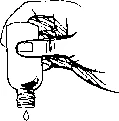
If your doctor advises you to use the dropper, dispense the required number of drops into a glass of water (200 ml), mix well, and drink the entire contents of the glass.
To avoid errors in counting 40 drops or more, your doctor may consider prescribing tablets instead or recommend using an oral syringe for administering the oral solution (the dose is expressed in ml).
If your doctor advises you to use an oral syringe, insert the tip of the syringe into the plastic dropper on the bottle, turn the
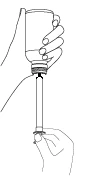
bottle upside down, and draw the prescribed amount of ml into the syringe. Empty the syringe contents into a glass of water (200 ml), mix well, and drink the entire contents of the glass.
After each use, rinse the oral syringe with water and allow it to air dry.
The recommended dose is:
-
Major depressive episode The recommended daily dose is 20 mg (20 drops). Improvement generally begins after one week, but may become evident later (e.g., in the second week). If the response is inadequate, your doctor may gradually increase the dose in 10 mg (10 drops) increments up to a maximum of 50 mg (1.5 ml) per day. Your doctor will advise you on how long you need to continue taking the drops. This may extend for more than 6 months.
-
Obsessive-compulsive disorder (OCD) The recommended daily dose is 40 mg (1.2 ml), starting at a dose of 20 mg (20 drops) per day. If the response is inadequate, your doctor may gradually increase the dose in 10 mg (10 drops) increments up to a maximum of 60 mg (1.8 ml) per day. Your doctor will advise you on how long you need to continue taking the drops. This may extend for several months or longer.
-
Panic disorder with or without agoraphobia The recommended daily dose is 40 mg (1.2 ml), starting at a dose of 10 mg (10 drops) per day. If the response is inadequate, your doctor may gradually increase the dose in 10 mg (10 drops) increments up to a maximum of 60 mg (1.8 ml) per day. A low initial dose is recommended to avoid potential worsening of panic symptoms at the beginning of treatment. Your doctor will advise you on how long you need to continue taking the drops. This may extend for several months or longer.
-
Social anxiety disorder/social phobia The recommended daily dose is 20 mg (20 drops). If the response is inadequate, your doctor may gradually increase the dose in 10 mg (10 drops) increments up to a maximum of 50 mg (1.5 ml) per day. Your doctor will advise you on how long you need to continue taking the drops. This may extend for a long period, during which treatment will be periodically reviewed.
-
Generalized anxiety disorder The recommended daily dose is 20 mg (20 drops). If the response is inadequate, your doctor may gradually increase the dose in 10 mg (10 drops) increments up to a maximum of 50 mg (1.5 ml) per day. Your doctor will advise you on how long you need to continue taking the drops. This may extend for a long period, during which treatment will be periodically reviewed.
-
Post-traumatic stress disorder The recommended daily dose is 20 mg (20 drops). If the response is inadequate, your doctor may gradually increase the dose in 10 mg (10 drops) increments up to a maximum of 50 mg (1.5 ml) per day. Your doctor will advise you on how long you need to continue taking the drops. This may extend for a long period, during which treatment will be periodically reviewed.
Elderly patients
The recommended starting dose for elderly patients is the same as the initial dose used in adults, but the maximum daily dose should not exceed 40 mg (1.2 ml).
Use in children and adolescents
Paroxetine must not be used in children and adolescents under 18 years of age (see section 2, “Children and adolescents”).
Patients with impaired hepatic or renal function
If you have liver problems or severe kidney disease, dose adjustment is necessary.
Duration of treatment
Your doctor will advise you on how long you need to take paroxetine. Depending on your condition, long-term treatment may be required. You should continue taking paroxetine for some time after symptoms have disappeared to ensure they do not return. Never stop treatment with paroxetine without first consulting your doctor. Abruptly stopping paroxetine treatment may cause withdrawal symptoms; therefore, the dose should be gradually reduced (see section 3, “If you stop taking Dapagut”).
If you take more Dapagut than you should
Never take more drops than prescribed by your doctor. If you have taken more medicine than prescribed, contact your doctor immediately or go immediately to the nearest hospital. Show this leaflet and any remaining solution to your doctor. In addition to known side effects (see section 4, “Possible side effects”), you may experience the following symptoms: fever and involuntary muscle contractions.
If you forget to take Dapagut
Do not take a double dose of paroxetine to make up for a missed dose. Skip the missed dose and take the next dose at the usual time. If in doubt, always consult your doctor.
If you stop taking Dapagut
Never stop treatment with Dapagut without first consulting your doctor, and never stop treatment abruptly, as this may cause withdrawal symptoms. Symptoms that may occur after stopping paroxetine include: dizziness, sensory disturbances (tingling sensation, burning sensation, electric shock-like sensations, ringing, buzzing, whistling, or other persistent unpleasant sounds in the ear (tinnitus)), anxiety, sleep disturbances (including vivid dreams or nightmares), and headache.
Less common effects include: agitation, nausea, tremor, confusion, sweating, emotional instability, visual disturbances, strong and rapid perception of heartbeat (palpitations), diarrhoea, and irritability (see also section 4, “Possible side effects”).
These symptoms usually appear within the first few days after stopping treatment, but may also occur in patients who have missed a dose. Withdrawal symptoms usually resolve within two weeks, but in some patients they may be more severe or persist for a longer period (2–3 months or longer). If, in agreement with your doctor, you decide to stop paroxetine treatment, the daily dose should be gradually reduced over several weeks or months (starting with gradual reductions of 10 mg per week). Always consult your doctor before reducing the dose.
If you have any questions about the use of this medicine, consult your doctor or pharmacist.
4. Possible side effects
Like all medicines, this medicine can cause side effects,
although not everybody gets them.
Contact your doctor or go to hospital immediately if you notice any of the following
side effects during treatment.
Uncommon side effects (may affect up to 1 in 100 people)
- Abnormal bleeding, particularly skin bruising (ecchymoses) and gynaecological bleeding.
Rare side effects (may affect up to 1 in 1,000 people)
- Seizures, epileptic fits (convulsions)
- Restlessness and hyperactivity associated with inability to sit or stand still (akathisia)
- Low levels of sodium in the blood (hyponatraemia), mainly in elderly patients.
Very rare side effects (may affect up to 1 in 10,000 people)
- Allergic reactions, which may be severe with the use of paroxetine, accompanied by increasing itching and painful skin rash (urticaria), or a serious reaction leading to swelling of the skin, throat or tongue, breathing difficulties and/or itching (angioedema). If you develop a red, bumpy skin rash, swelling of the eyelids, face, lips, mouth or tongue, feel itchy or have difficulty breathing (shortness of breath) or swallowing, or feel weak or dizzy leading to collapse or loss of consciousness
- The so-called serotonin syndrome (symptoms of which may include agitation, confusion, sweating, seeing things that are not real (hallucinations), hyperreflexia, sudden appearance of muscle spasms (myoclonus), chills, tremor and increased heart rate (tachycardia))
- Sudden increase in intraocular pressure (acute glaucoma).
Not known side effects (frequency cannot be estimated from the available data)
- Aggression; cases of self-harming or suicidal thoughts or behaviours have been reported during paroxetine therapy or immediately after discontinuation of treatment. However, this symptomatology may be due to the underlying illness.
- Heavy vaginal bleeding shortly after childbirth (postpartum haemorrhage); see “Pregnancy, breastfeeding and fertility” in section 2 for further information.
Other side effects
Very common side effects (may affect more than 1 in 10 people)
- Feeling unwell (nausea)
- Sexual dysfunction, such as ejaculation disorders, reduced libido, male impotence and inability to achieve orgasm.
Common side effects (may affect up to 1 in 10 people)
- Increased blood cholesterol levels, decreased appetite
- Drowsiness, inability to sleep (insomnia), agitation, abnormal dreams (including nightmares)
- Dizziness, feeling of unsteadiness (tremor), headache, loss of concentration (impaired concentration)
- Blurred vision
- Yawning
- Constipation, diarrhoea, vomiting, dry mouth
- Sweating
- Weight gain, general feeling of tiredness with loss of muscle strength (asthenia).
Uncommon side effects (may affect up to 1 in 100 people)
- Decrease in the number of white blood cells
- If you are a diabetic patient, taking paroxetine may lead to loss of control of your blood sugar levels. Consult your doctor for adjustment of insulin or diabetes medication dosage
- Confusion, seeing things that are not real (hallucinations)
- Involuntary movements of the body or face (extrapyramidal disorders)
- Pupil dilation (mydriasis)
- Accelerated heart rate (sinus tachycardia)
- Feeling of dizziness or fainting, especially when standing up suddenly from a sitting or lying position (postural hypotension)
- Skin rash, itching
- Problems emptying the bladder (urinary retention) and uncontrolled, involuntary leakage of urine (urinary incontinence).
Rare side effects (may affect up to 1 in 1,000 people)
- Periods of extreme euphoria or overexcitement leading to unusual behaviour (mania, manic episodes), anxiety, panic attacks, depersonalisation
- Irresistible urge to move the legs (restless legs syndrome)
- Slowing of the heart rate (bradycardia)
- Increase in liver enzymes
- Muscle pain (myalgia), joint pain (arthralgia)
- Increased blood concentration of the hormone prolactin (hyperprolactinaemia), which may cause abnormal milk production (galactorrhoea) in both men and women, and disturbances in the menstrual cycle (including heavy or irregular periods, bleeding between periods, or absence or delay of menstruation).
Very rare side effects (may affect up to 1 in 10,000 people)
- Decrease in platelets in the blood, increasing the risk of bleeding or bruising (thrombocytopenia)
- Fluid retention and low blood sodium levels as a consequence of syndrome of inappropriate antidiuretic hormone secretion (SIADH)
- Gastrointestinal bleeding
- Liver disorders, such as inflammation (hepatitis), sometimes associated with jaundice and/or liver failure
- Severe skin reactions (including erythema multiforme, Stevens-Johnson syndrome and toxic epidermal necrolysis), sensitivity to sunlight (photosensitivity reactions)
- Painful erection (priapism)
- Swelling of arms and/or legs (peripheral oedema).
Not known side effects (frequency cannot be estimated from the available data)
- Teeth grinding
- Ringing, buzzing, hissing, tinkling or other persistent noises in the ear (tinnitus)
- Inflammation of the colon (causing diarrhoea). An increased risk of bone fractures has been observed in patients taking this type of medicine.
Withdrawal symptoms observed after discontinuation of
paroxetine treatment
Common: dizziness, sensory disturbances, sleep disturbances, anxiety and headache
Uncommon: agitation, nausea, sweating, tremor, confusion, emotional instability, visual disturbances, palpitations, diarrhoea and irritability.
Generally, these events are mild and self-limiting. Never stop treatment with paroxetine without first consulting your doctor, and never stop treatment abruptly, as withdrawal symptoms may occur (see section 3, “If you stop taking Dapagut”).
Additional side effects in children and adolescents
In cases of paroxetine administration to children and adolescents under 18 years of age, more than 1 in 100 but fewer than 1 in 10 children/adolescents have experienced one of the following side effects: emotional lability (including crying and mood swings), self-harming behaviour, suicide attempts and suicidal ideation, hostile or aggressive behaviour, loss of appetite, chills, abnormal sweating, hyperactivity, agitation, nausea, abdominal pain and nervousness.
Reporting of side effects
If you experience any side effect, including those not listed in this leaflet, talk to your doctor or pharmacist. You can also report side effects directly via the national reporting system at https://www.aifa.gov.it/content/segnalazioni-reazioni-avverse.
By reporting side effects, you can help provide more information on the safety of this medicine.
5. How to store Dapagut
Keep this medicine out of the sight and reach of children.
Do not use this medicine after the expiry date stated on the
pack after the wording 'EXP'.
The expiry date refers to the last day of that month.
This medicine does not require any special storage conditions.
After opening, the solution must be used within 56 days.
Do not dispose of any medicine via wastewater or household waste. Ask your
pharmacist how to dispose of medicines you no longer use. This will help
protect the environment.
6. Package Contents and Other Information
What Dapagut Contains
- The active substance is paroxetine (as mesylate). 1 ml contains 33.1 mg of paroxetine (as mesylate). 1 drop contains 1 mg of paroxetine (as mesylate).
- The other components are: Sodium saccharin (E954), Acesulfame potassium (E950), Peppermint flavour (peppermint essential oil, menthol, eucalyptol, ethanol, water), Polysorbate 80 (E433), Ethanol (114 mg/ml), Propylene glycol (E1520).
Description of the Appearance of Dapagut and Contents of the Pack
Dapagut is a clear solution, ranging in colour from light reddish to light brownish. It is supplied in 20 ml amber glass bottles containing at least 18.5 ml of solution.
The bottle is packaged in a cardboard box and is equipped with a plastic dropper and a child-resistant closure. An oral syringe may also be included.
Not all pack sizes may be marketed.
Marketing Authorisation Holder and Manufacturer
Marketing Authorisation Holder:
Aziende Chimiche Riunite Angelini Francesco - A.C.R.A.F. S.p.A.
Viale Amelia 70 - 00181 Rome, Italy
Manufacturers:
- Synthon BV, Microweg 22 - 6545 CM Nijmegen, The Netherlands
- Synthon Hispania S.L., Castello 1 Poligono Las Salinas, 08830 Sant Boi de Llobregat, Spain
This medicinal product is authorised in the Member States of the European Economic Area under the following names:
Austria:
Ennos 33.1mg/ml, oral solution
Germany:
Paroxetin-Hormosan 33.1 mg/ml
Italy:
Dapagut 33.1mg/ml, oral drops, solution
The Netherlands:
Parmite drops/solution 33.1 mg/ml
Spain:
Daparox 33.1mg/ml, oral solution drops