Cyclophosphamide Seacross
Italy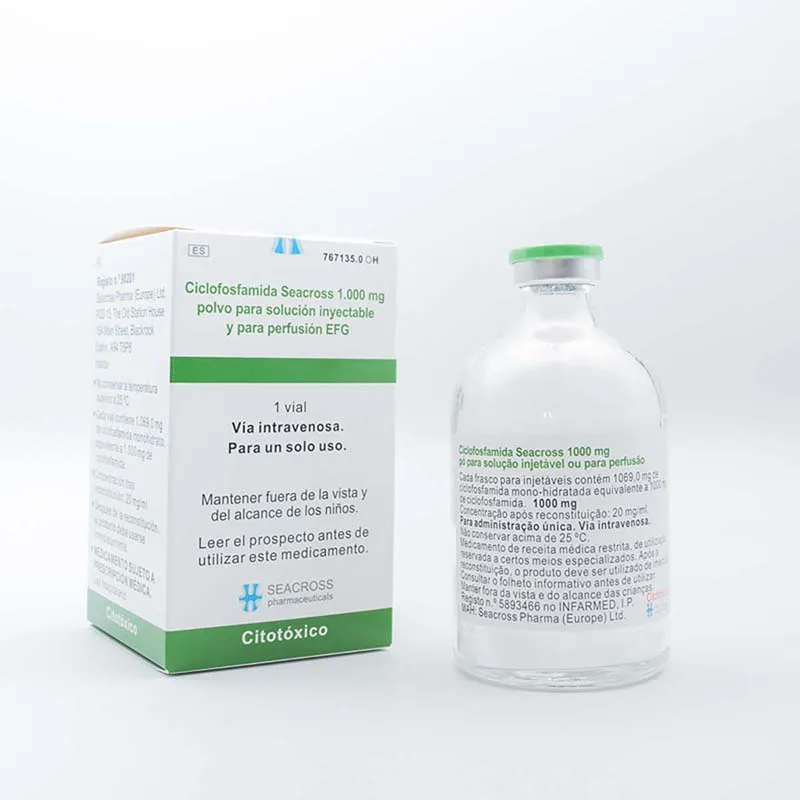
Table of Contents
- Package leaflet: Information for the patient
- CICLOFOSFAMIDE SEACROSS 500 mg powder for injectable solution/for infusion, 1000 mg powder for injectable solution/for infusion
- CICLOFOSFAMIDE SEACROSS that might be particularly relevant in your case.
- 1. What CICLOFOSFAMIDE SEACROSS is and what it is used for
- 2. What you should know before being administered CICLOFOSFAMIDE SEACROSS
- 3. How to use CICLOFOSFAMIDE SEACROSS
- 4. Possible side effects
- 5. How to store CICLOFOSFAMIDE SEACROSS
- 6. Package contents and other information
- The following information is intended exclusively for healthcare professionals:
Package leaflet: Information for the patient
CICLOFOSFAMIDE SEACROSS 500 mg powder for injectable solution/for infusion, 1000 mg powder for injectable solution/for infusion
Cyclophosphamide
Generic medicine
Please read this leaflet carefully before taking this medicine because it contains important information for you.
- Keep this leaflet. You may need to read it again.
- If you have any questions, ask your doctor or nurse.
- If you experience any side effects, including those not listed in this leaflet, tell your doctor or nurse. See section 4.
Important things you need to know about CICLOFOSFAMIDE SEACROSS
Your doctor has prescribed CICLOFOSFAMIDE SEACROSS because you have a cancer that can be treated. CICLOFOSFAMIDE SEACROSS is a medicine that kills cancer cells but, inevitably, also attacks normal cells. It may therefore cause a range of side effects. Your doctor will not give you CICLOFOSFAMIDE SEACROSS unless he or she is convinced that the risk posed by your cancer is greater than any possible side effect. Your doctor will monitor you regularly and, where possible, treat any side effects. CICLOFOSFAMIDE SEACROSS:
- will reduce your blood cell count, resulting in tiredness and an increased risk of infections.
- may affect your kidneys and bladder. To prevent possible damage, you may be given another medicine (Mesna). If you notice blood in your urine, inform your doctor immediately.
- like most anticancer or chemotherapy medicines, may cause hair loss (from thinning to complete loss), although hair should regrow after treatment ends. It may also cause you to feel unwell and nauseous. Your doctor can offer advice or prescribe medicines to help.
- men and women must not have children during treatment with CICLOFOSFAMIDE SEACROSS or for at least 3–6 months after treatment. You must use an effective contraceptive. Ask your doctor for advice on this.
Now read the rest of this package leaflet. It contains further important information on the use of
CICLOFOSFAMIDE SEACROSS that might be particularly relevant in your case.
Contents of this leaflet
- What CICLOFOSFAMIDE SEACROSS is and what it is used for
- What you need to know before you are given CICLOFOSFAMIDE SEACROSS
- How to use CICLOFOSFAMIDE SEACROSS
- Possible side effects
- How to store CICLOFOSFAMIDE SEACROSS
- Contents of the pack and other information
1. What CICLOFOSFAMIDE SEACROSS is and what it is used for
CICLOFOSFAMIDE SEACROSS contains an active substance called cyclophosphamide.
Cyclophosphamide is a cytotoxic or antineoplastic medicine. It works by killing cancer cells, like any so-called 'chemotherapy'.
Cyclophosphamide is often used alone or in combination with other anticancer drugs or radiotherapy for the treatment of various types of cancer. These include:
- certain types of white blood cell cancer (acute lymphoblastic leukemia, chronic lymphocytic leukemia);
- various forms of lymphomas affecting the immune system (Hodgkin's disease, non-Hodgkin lymphoma, and multiple myeloma);
- ovarian or breast cancer;
- Ewing's sarcoma (a type of bone cancer);
- small cell lung cancer;
- advanced or metastatic central nervous system tumors (neuroblastoma).
Additionally, cyclophosphamide is used in preparation for bone marrow transplantation in the treatment of certain types of white blood cell cancers (acute lymphoblastic leukemia, chronic myeloid leukemia, and acute myeloid leukemia).
Occasionally, some physicians may prescribe cyclophosphamide for other non-cancer conditions:
- life-threatening autoimmune diseases: severe and progressive forms of lupus nephritis (kidney inflammation caused by an immune system disorder) and Wegener's granulomatosis (a rare form of vasculitis).
2. What you should know before being administered CICLOFOSFAMIDE SEACROSS
You will not be given CICLOFOSFAMIDE SEACROSS
- if you are allergic to cyclophosphamide or any of its metabolites. An allergic reaction may include shortness of breath, wheezing, rash, itching, or swelling of the face and lips.
- if you currently have infections.
- if your bone marrow is not functioning properly (especially if you have previously received chemotherapy or radiotherapy). Blood tests will be performed to monitor your bone marrow function.
- if you have a urinary tract infection, which may present as pain during urination (cystitis).
- if you have had kidney or bladder problems following previous chemotherapy or radiotherapy.
- if you have a condition that reduces your ability to urinate (urinary outflow obstruction).
- if you are breastfeeding.
Warnings and precautions
Talk to your doctor before receiving CICLOFOSFAMIDE SEACROSS if you:
- have low blood cell counts;
- have severe infections;
- are currently undergoing, or have recently undergone, radiotherapy or chemotherapy;
- have diabetes;
- have liver or kidney problems. Your doctor will check liver and kidney function with blood tests;
- have had your adrenal glands removed;
- have heart problems or have received radiotherapy to the heart area;
- are in a generally poor state of health or are frail;
- are elderly;
- have had surgery less than 10 days ago.
During treatment with cyclophosphamide, potentially life-threatening allergic reactions (anaphylactic reactions) may occur.
Take special care with CICLOFOSFAMIDE SEACROSS
Cyclophosphamide may affect the blood and immune system.
- Blood cells are produced in the bone marrow. There are three different types of blood cells:
- red blood cells, which carry oxygen throughout the body,
- white blood cells, which fight infections, and
- platelets, which help blood to clot.
- After receiving cyclophosphamide, the count of all three types of blood cells will decrease. This is an inevitable side effect of cyclophosphamide. Your blood count will reach its lowest level approximately 5–10 days after starting treatment with cyclophosphamide and will remain low for several days after treatment ends. Most people return to normal blood counts within 21–28 days. If you have previously received extensive chemotherapy, it may take slightly longer to return to normal.
- If your blood cell count drops, you are more likely to develop infections. Try to avoid close contact with people who have coughs, colds, or other infections. Your doctor will treat you with appropriate medication if they suspect you have an infection or are at risk of developing one.
- Your doctor will check that your levels of red blood cells, white blood cells, and platelets are sufficiently high before and during your treatment with cyclophosphamide. It may be necessary to reduce the dose or delay the next dose.
- Cyclophosphamide may impair wound healing. Keep any cuts clean and dry and monitor them for normal healing.
- It is important to maintain healthy gums, as mouth ulcers and infections may occur. Consult your doctor if you are unsure.
- Cyclophosphamide may damage the lining of the bladder, causing bleeding in the urine and painful urination. Your doctor is aware of this risk and, if necessary, will administer a protective medication (Mesna).
- Mesna may be administered as a short injection, mixed into the intravenous infusion solution with cyclophosphamide, or in tablet form.
- Further information on Mesna is available in the patient leaflet for Mesna Injection and Mesna tablets.
- Most people receiving cyclophosphamide with Mesna do not develop bladder problems, but your doctor may test your urine for blood using a test strip or microscope.
- If you notice blood in your urine, inform your doctor immediately, as it may be necessary to discontinue cyclophosphamide.
- Your doctor will ensure you are well hydrated and will monitor your fluid balance to maintain adequate urine flow.
- Anticancer drugs and radiotherapy may increase the risk of developing other cancers, which may occur years after treatment ends. Cyclophosphamide carries a higher risk of causing cancer in the bladder area. Your doctor is aware of this and may provide treatments to reduce this risk.
- Cyclophosphamide may cause heart damage or affect your heart rhythm. This risk increases with higher doses of cyclophosphamide, if you are receiving radiation therapy or other chemotherapeutic drugs, or if you are elderly. Your doctor will closely monitor your heart during treatment.
- Cyclophosphamide may cause lung inflammation or scarring. This may occur more than six months after treatment. If you develop breathing difficulties, inform your doctor immediately.
- Cyclophosphamide may have potentially life-threatening effects on the liver. If you experience sudden weight gain, liver pain, or yellowing of the skin or whites of the eyes (jaundice), inform your doctor immediately.
- Hair thinning or hair loss may occur. Hair should regrow normally, although it may differ in texture or color.
- Cyclophosphamide may cause malaise and nausea. This may last about 24 hours after receiving cyclophosphamide. You may need to be given medications to relieve these symptoms. Ask your doctor.
Other medicines and CICLOFOSFAMIDE SEACROSS
Inform your doctor or nurse if you are taking, have recently taken, or might take any other medicines, including those purchased without a prescription. In particular, inform them about the following medicines or treatments, as they may not work well with cyclophosphamide:
The following medicines may reduce the effectiveness of cyclophosphamide:
- aprepitant (used to prevent nausea)
- bupropion (an antidepressant)
- busulfan, thiotepa (used to treat cancer)
- ciprofloxacin, chloramphenicol (used to treat bacterial infections)
- fluconazole, itraconazole (used to treat fungal infections)
- prasugrel (used to thin the blood)
- sulfonamides, such as sulfadiazine, sulfasalazine, sulfamethoxazole (used to treat bacterial infections)
- ondansetron (used to prevent nausea)
The following medicines may increase the toxicity of cyclophosphamide:
- allopurinol (used to treat gout)
- azathioprine (used to reduce immune system activity)
- chloral hydrate (used to treat insomnia)
- cimetidine (used to reduce stomach acid)
- disulfiram (used to treat alcoholism)
- glycerol (used to treat warts)
- protease inhibitors (used to treat viruses)
- medicines that increase liver enzymes, such as:
- rifampicin (used to treat bacterial infections)
- carbamazepine, phenobarbital, phenytoin (used to treat epilepsy)
- St. John's wort (a herbal remedy for mild depression)
- corticosteroids (used to treat inflammation)
- dabrafenib (an anticancer drug)
- medicines that may increase toxic effects on blood cells and immunity:
- other anticancer drugs (used to treat cancer)
- clozapine (used to treat symptoms of certain psychiatric disorders)
- zidovudine (used to treat viruses)
- ACE inhibitors (used to treat hypertension)
- natalizumab (used to treat multiple sclerosis)
- thiazide diuretics such as hydrochlorothiazide or chlorothalidone (used to treat hypertension or fluid retention)
- medicines that may increase toxic effects on the heart:
- anthracyclines such as bleomycin, doxorubicin, epirubicin, mitomycin (used to treat cancer)
- cytarabine, pentostatin, trastuzumab (used to treat cancer)
- radiation to the heart area
- medicines that may increase toxic effects on the lungs:
- amiodarone (used to treat irregular heartbeat)
- G-CSF, GM-CSF hormones (used to increase white blood cell count after chemotherapy)
- medicines that may increase toxic effects on the kidneys:
- amphotericin B (used to treat fungal infections)
- indometacin (used to treat pain and inflammation)
- other medicines that may affect cyclophosphamide or be affected by it include:
- etanercept (used to treat rheumatoid arthritis)
- metronidazole (used to treat bacterial or protozoal infections)
- tamoxifen (used to treat breast cancer)
- bupropion (used for smoking cessation)
- coumarins such as warfarin (used to thin the blood)
- cyclosporine (used to reduce immune system activity)
- succinylcholine (used to relax muscles during medical procedures)
- digoxin, β-acetyldigoxin (used to treat heart conditions)
- vaccines
- verapamil (used to treat hypertension, angina, or irregular heartbeat)
- sulfonylurea derivatives (blood sugar levels may drop if cyclophosphamide and sulfonylurea derivatives are used together)
CICLOFOSFAMIDE SEACROSS with food, drinks, and alcohol
Drinking alcohol may increase nausea and vomiting caused by cyclophosphamide.
Grapefruit (as fruit or juice) must not be consumed while taking cyclophosphamide. It may interfere with the usual effect of your medicine and alter the effectiveness of cyclophosphamide.
Pregnancy, breastfeeding, and fertility
If you are pregnant or breastfeeding, think you may be pregnant, or are planning to have a baby, consult your doctor before taking this medicine.
Pregnancy
Cyclophosphamide may cause miscarriage or harm the unborn baby.
If you are a woman, you must not become pregnant during treatment with cyclophosphamide or for up to 6 months after treatment ends.
If you are a man, you must take appropriate precautions, including using an effective contraceptive, to ensure you do not father a child during treatment with cyclophosphamide or for up to 3 months after treatment ends.
Breastfeeding:
Do not breastfeed during treatment with cyclophosphamide. Ask your doctor for advice.
Fertility
Cyclophosphamide may impair your ability to have children in the future. Talk to your doctor about cryopreservation (freezing) of sperm or eggs before treatment, due to the possibility of irreversible infertility caused by cyclophosphamide therapy. If you are considering having children after treatment, discuss this with your doctor.
Driving and using machines
Some of the side effects of treatment with cyclophosphamide may affect your ability to drive or operate machinery safely. Your doctor will decide whether it is safe for you to do so.
What to do if you see another doctor or need to go to hospital
If you see another doctor or need to go to hospital for any reason, inform them about the medicines you are taking. Do not take any other medicines unless your doctor knows you are receiving CICLOFOSFAMIDE SEACROSS.
3. How to use CICLOFOSFAMIDE SEACROSS
Method of administration
For intravenous use
CICLOFOSFAMIDE SEACROSS will be administered to you by a doctor or an experienced nurse in
oncological chemotherapy.
CICLOFOSFAMIDE SEACROSS will be given to you by a doctor or a nurse.
- It is administered as an injection.
- It is usually added to a large bag of fluid and slowly infused directly into a vein. The vein may be in the arm, the back of the hand, or a large vein beneath the clavicle. Depending on the dose, administration typically takes from a few minutes up to one hour.
- CICLOFOSFAMIDE SEACROSS is often administered together with other anticancer drugs or radiotherapy.
Recommended dose
- Your doctor will decide how much of the medicine you need and when it should be given.
- The amount of cyclophosphamide you will receive depends on:
- the type of disease you have;
- your body size (combination of height and weight);
- your general health;
- whether you are receiving other anticancer drugs or undergoing radiotherapy.
It is advisable to receive cyclophosphamide in the morning. It is important that you receive adequate amounts of fluids before, during, and after administration to avoid potential adverse effects on the urinary tract.
CICLOFOSFAMIDE SEACROSS is usually given as a series of treatment cycles. After each cycle, there is a break (a period during which CICLOFOSFAMIDE SEACROSS is not administered) before the next cycle begins.
Your doctor may need to adjust the dose of the medicine and monitor you more closely if:
- you have liver or kidney problems;
- you are elderly.
Use in children and adolescents
Cyclophosphamide has been administered to children. The safety profile of cyclophosphamide in pediatric patients is similar to that in the adult population.
If you use more CICLOFOSFAMIDE SEACROSS than you should
Since cyclophosphamide is administered under your doctor's supervision, it is very unlikely that you will receive more than the intended amount. However, if you experience any adverse effects after receiving cyclophosphamide, inform your doctor immediately or go to the nearest emergency room. Urgent medical intervention may be required.
Symptoms of cyclophosphamide overdose include the adverse effects listed below in the section “Undesirable effects”, but are usually more severe.
If you have any further questions about the use of this medicine, consult your doctor or nurse.
4. Possible side effects
Like all medicines, this medicine can cause side effects, although not everyone experiences them.
Side effects may sometimes occur after treatment has ended. The following side effects may occur with this medicine.
Immediately inform your doctor if you notice any of the following serious side effects:
- allergic reactions. Signs of this reaction include shortness of breath, difficulty breathing, increased heart rate, low blood pressure (extreme tiredness), skin rash, itching, or swelling of the face and lips. Severe allergic reactions may lead to breathing difficulties or shock, possibly resulting in death (anaphylactic shock, anaphylactic/anaphylactoid reaction).
- appearance of bruises without having suffered trauma or bleeding from the gums. This may be a sign that your platelet levels in the blood are dropping too low.
- a decrease in your white blood cell count will be monitored by your doctor during treatment. This does not cause any symptoms, but you may be more prone to infections. If you suspect you have an infection (high temperature, feeling cold with chills or feeling hot with sweating, or any signs of infection such as cough or burning during urination), you may need antibiotics to treat infections because your blood count is lower than normal.
- paleness, lethargy, and fatigue. This may be a sign of low red blood cell levels (anemia). Usually, no treatment is required, as your body will eventually restore red blood cells. In cases of severe anemia, a blood transfusion may be necessary.
- blood in the urine, pain during urination, or reduced urine output.
- severe chest pain.
- symptoms such as weakness, vision loss, speech disturbances, or loss of sense of touch.
Other possible side effects may include:
Very common: may affect more than 1 in 10 people
- decrease in blood cell count (myelosuppression)
- decrease in white blood cells important in fighting infections (leukopenia, neutropenia)
- hair loss (alopecia)
- burning sensation during urination and frequent need to urinate (cystitis)
- presence of blood in the urine (microhematuria)
- fever
- suppression of the immune system
Common: may affect up to 1 in 10 people
- infections
- inflammation of mucous membranes (mucositis)
- blood in the urine and painful urination (hemorrhagic cystitis)
- presence of blood in the urine (macrohematuria)
- abnormal liver function
- infertility in men
- chills
- feeling of weakness
- general feeling of malaise
- decrease in white blood cells and fever (febrile neutropenia)
Uncommon: may affect up to 1 in 100 people
- anemia (low red blood cell count) which may cause tiredness and drowsiness
- easy bruising due to thrombocytopenia (low platelet count)
- lung inflammation (pneumonitis)
- sepsis
- allergic reactions
- infertility in women (rarely irreversible)
- chest pain
- rapid heartbeat
- heart problems
- changes in results of certain blood tests
- skin flushing
- nerve damage that may cause numbness, tingling sensations, and weakness (neuropathy)
- pain along the distribution of a nerve (neuralgia)
- anorexia
- deafness
- changes in ECG
- reduced left ventricular ejection fraction
- lower levels of female sex hormones
Rare: may affect up to 1 in 1,000 people
- increased risk of white blood cell cancer (acute leukemia) and other types of cancer (bladder cancer, ureter cancer)
- ineffective production of the myeloid class of blood cells (myelodysplastic syndrome)
- increased release of antidiuretic hormone from the pituitary gland (syndrome of inappropriate antidiuretic hormone secretion). This affects the kidneys, causing low sodium levels in the blood (hyponatremia) and water retention, leading to cerebral edema due to excess water in the blood. Signs may include headache, personality or behavioral changes, confusion, drowsiness.
- changes in heart rhythm
- liver inflammation
- skin rash
- skin inflammation
- absence of menstruation
- absence of sperm
- dizziness
- vision impairment, blurred vision
- changes in nail and skin color
- dehydration
- seizures
- bleeding
- chest pain
Very rare: may affect up to 1 in 10,000 people
- breakdown of red blood cells and kidney failure (hemolytic-uremic syndrome)
- blood clots forming in all small blood vessels throughout the body (disseminated intravascular coagulation)
- shock
- complications that may occur after cancer treatment due to breakdown products of dying tumor cells (tumor lysis syndrome)
- low sodium levels in the blood (hyponatremia)
- high blood pressure (hypertension)
- low blood pressure (hypotension)
- angina
- heart attack
- blockage of a blood vessel due to a blood clot in the circulatory system (thromboembolism)
- lung injury (acute respiratory distress syndrome)
- lung scarring causing shortness of breath (chronic interstitial pulmonary fibrosis)
- difficulty breathing with breathlessness or cough (bronchospasm)
- dyspnea
- condition in which the body or a region is deprived of adequate oxygen supply (hypoxia)
- cough
- mouth pain or ulcers (stomatitis)
- nausea, vomiting, or diarrhea
- constipation
- intestinal inflammation
- pancreatitis
- blood clots in the liver (hepatic veno-occlusive disease)
- liver enlargement (hepatomegaly)
- yellowing of the eyes or skin
- severe hypersensitivity reactions with high fever, red skin spots, joint pain and/or eye infection (Stevens-Johnson syndrome)
- severe sudden hypersensitivity reaction with fever and skin blisters/peeling skin (toxic epidermal necrolysis)
- radiation dermatitis
- itching
- impaired sense of taste (dysgeusia, hypogeusia)
- tingling, prickling, stinging, or burning sensations (paresthesia)
- impaired sense of smell (parosmia)
- abnormal muscle breakdown that may lead to kidney problems (rhabdomyolysis)
- cramps
- bladder problems
- kidney problems, including kidney failure
- headache
- multi-organ failure
- injection/infusion site reactions
- weight gain
- confusion
- conjunctivitis, eye swelling
- respiratory failure due to fluid accumulation in the lungs (pulmonary edema)
- fluid accumulation in the abdominal cavity (ascites)
- ventricular fibrillation
- pericarditis
- atrial fibrillation
- suburethral hemorrhage
- myocardial infarction
- increased creatinine in the blood
Frequency not known: frequency cannot be estimated from available data
- various types of cancer, for example blood cancer (non-Hodgkin lymphoma), kidney cancer, thyroid cancer
- sarcoma
- various types of blood disorders (agranulocytosis, lymphopenia, reduced hemoglobin)
- blockage of a blood vessel due to a blood clot in the circulatory system (thromboembolic events), including possible blockage of pulmonary vessels (pulmonary embolism)
- blood clot, usually in a leg, causing pain, swelling, or redness (venous thrombosis)
- inflammation of blood vessels (vasculitis)
- reduced blood flow to hands and feet (peripheral ischemia). This may cause pain, weakness, numbness, ulcers, or changes in skin color or temperature
- increased tear production (lacrimation)
- tinnitus
- hearing impairment
- nasal airway obstruction (nasal congestion)
- oropharyngeal pain
- rhinorrhea
- sneezing
- pulmonary veno-occlusive disease
- bronchiolitis obliterans
- allergic alveolitis
- pneumonia
- pleural effusion
- abdominal pain
- bleeding from the stomach or intestine
- intestinal problems/bleeding
- liver failure
- skin rash, skin redness, lip/eye/mouth blisters, skin peeling (erythema multiforme, urticaria, erythema)
- hand-foot syndrome
- facial swelling
- increased sweating
- skin hardening (scleroderma)
- muscle spasm and pain
- joint pain
- bladder inflammation, scarring, and contraction
- fetal damage or death
- changes in results of certain blood tests (glucose levels, hormone levels)
- brain disorder (encephalopathy), neurotoxicity manifesting as a syndrome characterized by headache, confusion, seizures, and visual loss (reversible posterior encephalopathy syndrome), abnormal sensations (dysesthesia, hypoesthesia), tremor, altered sense of taste (dysgeusia, hypogeusia), smell disorders (parosmia)
- various types of cardiac disorders (ventricular tachycardia, cardiogenic shock, pericardial effusion, bradycardia, palpitations, prolonged QT interval on electrocardiogram)
- infertility in women and men
- changes in menstrual cycle frequency
- intrauterine death
- fetal malformation
- fetal growth retardation
- carcinogenic effect on offspring
- inflammation of salivary glands (usually in the cheek area; parotid gland inflammation)
- skin redness which may be accompanied by warmth or sweating
- increased blood pressure in the lungs which may cause shortness of breath, fatigue, cough, angina, fainting, peripheral edema (pulmonary hypertension)
- interruption of bile production by the liver, which may cause itching, jaundice, pale stools, dark urine (cholestasis)
- accumulation of toxins in the body due to liver failure (hepatotoxicity). This may affect the brain, causing confusion, loss of consciousness, or coma (hepatic encephalopathy)
- death of cells and tissues (necrosis), ulceration, or scarring (fibrosis) of the bladder
- ovarian disorder
- general physical deterioration
- localized swelling (edema)
- changes in kidney tissue impairing proper function (renal tubular necrosis, renal tubular disorder)
- kidney damage due to toxins in the blood (toxic nephropathy)
- inflammation of the urethra causing pain and bleeding (hemorrhagic ureteritis)
- glucose in the urine (nephrogenic diabetes insipidus)
- increased blood urea nitrogen levels. Your doctor will perform blood tests to monitor this.
- premature labor
- nail disorders
- toxic skin rash
- blisters
- cerebral edema due to excess water in the blood (water intoxication). Signs may include: headache, personality or behavioral changes, confusion, drowsiness.
Reporting of side effects
If you experience any side effect, including those not listed in this leaflet, please inform your doctor or nurse. You may also report side effects directly via the national reporting system at https://www.aifa.gov.it/content/segnalazioni-reazioni-avverse.
By reporting side effects, you can help provide more information on the safety of this medicine.
5. How to store CICLOFOSFAMIDE SEACROSS
Keep this medicine out of the sight and reach of children.
Do not use this medicine after the expiry date stated on the carton and on the label of the vial after EXP. The expiry date refers to the last day of that month.
Do not store above 25 °C.
After reconstitution for intravenous administration
After reconstitution/dilution:
Chemical and physical in-use stability has been demonstrated for 24 hours at 2 °C - 8 °C for the reconstituted solution and for the diluted solution.
From a microbiological point of view, the reconstituted and diluted solution should be used immediately, unless reconstitution has taken place under controlled and validated aseptic conditions. If not used immediately, the times and conditions of storage prior to use are the responsibility of the user and normally should not exceed 24 hours at 2-8 °C, unless reconstitution/dilution has been carried out under controlled and validated aseptic conditions.
Do not dispose of any medicine via wastewater. Ask your doctor how to dispose of medicines no longer required. These measures will help protect the environment.
6. Package contents and other information
What CICLOFOSFAMIDE SEACROSS contains
- The active substance is cyclophosphamide.
Each CICLOFOSFAMIDE SEACROSS 500 mg powder for solution for injection/infusion contains
534.5 mg of monohydrated cyclophosphamide, equivalent to 500 mg of cyclophosphamide.
Each CICLOFOSFAMIDE SEACROSS 1000 mg powder for solution for injection/infusion
contains 1069.0 mg of monohydrated cyclophosphamide, equivalent to 1000 mg of cyclophosphamide.
- There are no other ingredients.
Description of the appearance of CICLOFOSFAMIDE SEACROSS and contents of the pack
CICLOFOSFAMIDE SEACROSS is a white crystal or crystalline powder.
CICLOFOSFAMIDE SEACROSS 500 mg powder for solution for injection/infusion is a white
crystalline or crystalline solid, supplied in a 50 ml colourless type I glass vial, sealed with a butyl rubber stopper and an aluminium flip-off seal with a red polypropylene button, containing 500 mg of cyclophosphamide.
CICLOFOSFAMIDE SEACROSS 1000 mg powder for solution for injection/infusion is a white
crystalline or crystalline solid, supplied in a 100 ml colourless type I glass vial, sealed with a butyl rubber stopper and an aluminium flip-off seal with a green polypropylene button, containing 1000 mg of cyclophosphamide.
Each pack contains one vial of CICLOFOSFAMIDE SEACROSS.
Marketing Authorization Holder and Manufacturer
Seacross Pharma (Europe) Limited
POD 13, The Old Station House
15A Main Street, Blackrock
Dublin, A94 T8P8
Ireland
This medicinal product is authorized in the EEA Member States under the following names:
| IE | Cyclophosphamide Seacross 200 mg powder for solution for injection/infusion Cyclophosphamide Seacross 500 mg powder for solution for injection/infusion Cyclophosphamide Seacross 1000 mg powder for solution for injection/infusion Cyclophosphamide Seacross 2000 mg powder for solution for injection/infusion |
| DE | Cyclophosphamide Seacross 200 mg powder for solution for injection/infusion Cyclophosphamide Seacross 500 mg powder for solution for injection/infusion Cyclophosphamide Seacross 1000 mg powder for solution for injection/infusion Cyclophosphamide Seacross 2000 mg powder for solution for injection/infusion |
| NL | Cyclophosphamide Seacross 500 mg powder for solution for injection / infusion Cyclophosphamide Seacross 1000 mg powder for solution for injection / infusion Cyclophosphamide Seacross 2000 mg powder for solution for injection / infusion |
| PT | Cyclophosphamide Seacross |
| ES | Cyclophosphamide Seacross 500 mg powder for injectable solution and for perfusion EFG Cyclophosphamide Seacross 1000 mg powder for injectable solution and for perfusion EFG |
| FR | CYCLOPHOSPHAMIDE SEACROSS 500 mg, powder for injectable solution/for perfusion CYPLOPHOSPHAMIDE SEACROSS 1000 mg, powder for injectable solution/for perfusion |
| IT | CYCLOPHOSPHAMIDE SEACROSS |
The following information is intended exclusively for healthcare professionals:
CICLOFOSFAMIDE SEACROSS must be used only by physicians experienced in the use of anticancer chemotherapy. CICLOFOSFAMIDE SEACROSS must be administered only if facilities are available for regular monitoring of clinical, biochemical, and hematological parameters before, during, and after administration, and under the supervision of a specialized oncology unit.
Dosage and method of administration
The dosage must be individualized. Doses, duration of treatment, and/or treatment intervals depend on the therapeutic indication, the regimen of combination therapy, the patient's general health status, organ function, and laboratory monitoring results (particularly blood cell counts).
When used in combination with other cytotoxic agents having similar toxicity, dose reduction or extended treatment-free intervals may be necessary.
The use of hematopoietic growth factors (colony-stimulating factors and erythropoiesis-stimulating agents) may be considered to reduce the risk of myelosuppressive complications and/or to facilitate delivery of the planned dose.
Adequate amounts of fluid must be ingested or infused before, during, and immediately after administration to promote diuresis and thereby reduce the risk of urinary tract toxicity.
Therefore, CICLOFOSFAMIDE SEACROSS should be administered in the morning.
Cyclophosphamide is inert until activated by hepatic enzymes. However, as with all cytotoxic agents, reconstitution should be performed by trained personnel in a designated area.
Those handling the preparation must wear protective gloves. Care must be taken to avoid spraying material into the eyes. The product must not be handled by pregnant or breastfeeding women.
Handling:
The choice of solvent for reconstituting CICLOFOSFAMIDE SEACROSS containing cyclophosphamide depends on the intended route of administration.
Infusion:
If the solution is to be used for intravenous infusion, CICLOFOSFAMIDE SEACROSS (containing cyclophosphamide) should be reconstituted by adding sterile water for injection or 9 mg/ml (0.9%) sodium chloride solution for injection.
Reconstituted CICLOFOSFAMIDE SEACROSS must be further diluted in 5% glucose solution or 9 mg/ml (0.9%) sodium chloride solution for infusion prior to infusion.
Direct injection:
If the solution is to be used for direct injection, CICLOFOSFAMIDE SEACROSS (containing cyclophosphamide) should be reconstituted by adding 9 mg/ml (0.9%) injectable sodium chloride solution.
Note that only CICLOFOSFAMIDE SEACROSS reconstituted in 9 mg/ml (0.9%) injectable sodium chloride solution is suitable for bolus injection.
Reconstituted CICLOFOSFAMIDE SEACROSS (containing cyclophosphamide) in water is hypotonic and must not be injected directly.
The following volumes of water for injection or 9 mg/ml (0.9%) sodium chloride injectable solution should be added to vials containing CICLOFOSFAMIDE SEACROSS, powder for solution for injection/infusion:
Vial of 500 mg: 25 ml
Vial of 1000 mg: 50 ml
Injecting solvent into the vial creates abnormally high pressure, which dissipates as soon as a second sterile needle is inserted into the vial's rubber stopper. The powder dissolves readily when the vial is shaken vigorously to yield a clear solution. If the powder does not dissolve immediately, continue shaking the vial vigorously for several minutes until complete dissolution is achieved. The solution should be administered as soon as possible after reconstitution.
After reconstitution, the solution is clear and colorless to pale yellow. Inspect the vial again before use. Only clear solutions should be used.
Infusion:
Reconstituted CICLOFOSFAMIDE SEACROSS must be further diluted in 5% glucose solution or 9 mg/ml (0.9%) sodium chloride solution for infusion prior to administration; the solution should be diluted to a minimum concentration of 2 mg/ml.
During reconstitution or handling of CICLOFOSFAMIDE SEACROSS, the general rules and regulations for handling cytotoxic agents must be observed. Reconstitution should, as far as possible, be carried out under a laminar airflow safety cabinet. The person handling the product must wear a protective mask and gloves. In case of spillage, the area should be thoroughly rinsed with water. If CICLOFOSFAMIDE SEACROSS, powder for solution for injection/infusion, is stored (e.g., during transport) at temperatures above the maximum recommended, cyclophosphamide may melt. Vials containing melted cyclophosphamide can be identified visually. Cyclophosphamide is a white powder. Melted cyclophosphamide is a clear or slightly yellowish viscous liquid (usually appearing as droplets within affected vials). Vials containing melted cyclophosphamide must not be used.
Guidelines for safe handling of antineoplastic agents
During reconstitution or handling of CICLOFOSFAMIDE SEACROSS, the general rules and regulations for handling cytotoxic substances must be observed.
Reconstitution should, as far as possible, be performed in a laminar airflow safety cabinet. Cytotoxic preparations must not be handled by pregnant personnel.
The drug must be diluted by trained personnel. This procedure must be carried out in a designated area. The work surface should be covered with disposable absorbent paper with a plastic backing.
Wear appropriate protective gloves, masks, and clothing. Precautions must be taken to prevent accidental contact of the drug with skin or mucous membranes; any affected area should be thoroughly cleaned with soap and water. In case of accidental eye contamination, rinse eyes immediately and thoroughly with water.
Use Luer-Lock connectors on all syringes and administration sets. To minimize pressure and the potential for aerosol formation, it is recommended to use large-bore needles. Pressure can also be reduced by using a venting needle.
Any unused contents must be discarded. Appropriate care and caution must be exercised in the disposal of materials used to dilute cyclophosphamide. Unused product or contaminated materials must be placed in a high-risk waste bag. Sharp objects (needles, syringes, ampoules, etc.) must be placed in a rigid, puncture-resistant container.
Personnel responsible for collecting and disposing of such waste must be aware of the associated risks.
Disposal:
Unused medicine and waste materials derived from this medicine must be disposed of in accordance with local regulations applicable to cytotoxic agents.