Corsodyl
Italy
Table of Contents
- Package leaflet: Information for the patient
- CORSODYL 10 mg/g dental gel
- 1. What CORSODYL is and what it is used for
- 2. What you need to know before using CORSODYL
- 3. How to use CORSODYL
- 4. Possible side effects
- 5. How to store CORSODYL
- 6. Package contents and other information
- Patient information leaflet: information for the patient
- CORSODYL 2 mg/ml oral mucosa spray
- 1. What CORSODYL is and what it is used for
- 2. What you need to know before using CORSODYL
- 3. How to use CORSODYL
- 4. Possible side effects
- 5. How to store CORSODYL
- 6. Contents of the pack and other information
- Patient Information Leaflet
- CORSODYL 2 mg/ml oral mucosal solution
- 1. What CORSODYL is and what it is used for
- 2. What you need to know before using CORSODYL
- 3. How to use CORSODYL
- 4. Possible side effects
- 5. How to store CORSODYL
- 6. Package contents and other information
Package leaflet: Information for the patient
CORSODYL 10 mg/g dental gel
chlorhexidine gluconate
Please read all of this leaflet carefully before you start using this medicine because it contains important information for you
- Use this medicine exactly as described in this leaflet or as your doctor or pharmacist has instructed you.
- Keep this leaflet. You may need to read it again.
- If you need more information or advice, consult your pharmacist.
- If you experience any side effects, including those not listed in this leaflet, contact your doctor or pharmacist. See section 4.
- Contact your doctor if you do not notice any improvement or if you notice worsening of symptoms after a short period of treatment.
Contents of this leaflet
- What CORSODYL is and what it is used for
- What you need to know before using CORSODYL
- How to use CORSODYL
- Possible side effects
- How to store CORSODYL
- Contents of the pack and other information
1. What CORSODYL is and what it is used for
CORSODYL contains the active substance chlorhexidine gluconate, which belongs to a class of medicines with antiseptic and anti-infective properties. CORSODYL prevents and fights local oral infections, particularly by:
- disinfecting the oral cavity, including before and after tooth extractions or minor surgical procedures;
- helping to prevent dental plaque formation, thereby preventing inflammation of the gums (gingivitis) or of the supporting tissues of the teeth (periodontitis) caused by dental plaque;
- providing protection against infections in users of fixed or removable dentures, thanks to its antiseptic action on teeth and gums.
Consult your doctor if you do not feel better or if you feel worse after a short period of treatment.
2. What you need to know before using CORSODYL
Do not use CORSODYL
- If you are allergic to chlorhexidine gluconate or to any of the other ingredients of this medicine (listed in section 6).
Warnings and precautions
- Do not swallow CORSODYL, as it is intended for external oral use only.
- Avoid contact with the eyes or ears: if the product comes into contact with the eyes or ears, rinse immediately with water.
- If you experience pain, swelling or irritation in the mouth, stop treatment and consult your doctor or dentist.
- Initially, temporary disturbances in taste and temporary sensations of numbness, tingling or burning of the tongue may occur. These effects usually diminish with continued use. If they persist, consult your doctor or dentist.
- The use, especially prolonged, of topical medicines such as CORSODYL may lead to sensitization reactions. If this occurs, discontinue treatment and consult your doctor.
- If you develop a skin rash, swelling of the lips, tongue, throat or face, or difficulty breathing, stop using the product and seek immediate medical attention. These effects could be signs of a rare and severe allergic reaction (see also section 4 “Possible side effects”). Seek medical advice even if you have experienced such symptoms in the past.
- Chlorhexidine gluconate may cause superficial staining of the tongue, teeth and certain materials used in fillings and dental prostheses. These stains are not permanent and can largely be prevented by reducing consumption of foods or beverages that may stain, such as tea, coffee and red wine. Staining of teeth and orthodontic appliances can be prevented by daily use of a regular toothpaste. Since chlorhexidine gluconate is incompatible with certain detergents (anionic compounds such as sodium lauryl sulfate) commonly present in regular toothpastes, use toothpaste before applying CORSODYL, rinse your mouth with water, and wait 5 minutes before using CORSODYL, or use toothpaste at another time of day, separate from the use of CORSODYL. In some cases, professional cleaning by a dentist may be required to remove staining. In the case of dental prostheses or anterior fillings with cracks and/or rough surfaces, staining may persist even after professional cleaning. Professional dental cleaning may also be necessary following treatments (such as jaw fixation or orthodontic appliance placement) that have prevented normal mechanical oral hygiene (e.g. brushing).
Other medicines and CORSODYL
Inform your doctor or pharmacist if you are using, have recently used or might use any other
medicines.
No clinically significant interactions with other medicines are known.
The use of CORSODYL together with other antiseptics (medicines against infections) is not recommended.
Pregnancy, breastfeeding and fertility
If you are pregnant, think you may be pregnant, are planning to become pregnant, or are breastfeeding,
please consult your doctor or pharmacist before using this medicine.
CORSODYL can be used during pregnancy and breastfeeding.
Driving and using machines
No effects on the ability to drive or operate machinery have been reported or are known.
CORSODYL dental gel contains polyoxyl 40 hydrogenated castor oil
CORSODYL contains polyoxyl 40 hydrogenated castor oil, which may cause localized skin reactions.
CORSODYL dental gel contains peppermint flavor
CORSODYL contains a flavoring agent containing d-Limonene, which may cause allergic reactions.
3. How to use CORSODYL
Use this medicine exactly as stated in this leaflet or as instructed by your doctor or pharmacist. If you have any doubts, consult your doctor or pharmacist.
Dosage, method and duration of use
Caution: Do not exceed the recommended dose.
Adults
Recommended dose: Apply 2 cm of gel onto teeth and gums for one minute, one or two times daily, using a soft toothbrush or your fingers.
If you wear a removable denture, after cleaning, apply a small amount of gel to the surfaces that come into contact with the gums. Spit out any excess product. Do not rinse your mouth after applying the gel.
Elderly patients
The recommended adult dose is also suitable for elderly patients, unless otherwise directed by the doctor or dentist.
Children and adolescents
CORSODYL may be used in children from 12 years of age onwards at the same recommended dose as for adults, unless otherwise directed by the doctor or dentist.
In children under 12 years of age, CORSODYL should be used only if prescribed by a doctor or dentist.
Do not use CORSODYL for prolonged periods. If there is no improvement after a short period of treatment, consult your doctor.
Also consult your doctor if the condition recurs or if you notice any recent changes in its characteristics.
If you use more CORSODYL than you should
Ingestion of CORSODYL, even in large amounts, is unlikely to cause systemic effects. However, if you have used or accidentally swallowed an excessive dose of CORSODYL, inform your doctor immediately or go to the nearest hospital.
If you have any doubts about how to use this medicine, consult your doctor or pharmacist.
4. Possible side effects
Like all medicines, this medicine can cause side effects, although not everybody will experience them.
The reported side effects are generally mild and localized.
Data from clinical studies
Very common side effects (may affect more than 1 in 10 people):
coated tongue.
Common side effects (may affect up to 1 in 10 people):
dry mouth, loss/alteration of taste, tongue pain, sensation of numbness/reduced sensitivity in the oral cavity.
Post-marketing data
Frequency not known (frequency cannot be estimated from the available data):
severe allergic reactions (including anaphylaxis), presenting as skin rash, swelling of the lips, tongue, throat or face, or breathing difficulties (see section 2 "Warnings and precautions"). If these side effects occur, stop treatment immediately and contact your doctor without delay.
Superficial discoloration of the tongue and teeth (see section 2 "Warnings and precautions"),
pain/irritation of the mouth, desquamation/pain/swelling of the oral mucosa (see section 2 "Warnings and precautions"), swelling of the glands located behind the jaw (parotid glands).
These side effects are generally transient. Following the instructions provided in this leaflet reduces the risk of side effects.
Reporting of side effects
If you experience any side effect, including those not listed in this leaflet, please inform your doctor or pharmacist. You may also report side effects directly via the national reporting system at the following website: https://www.aifa.gov.it/content/segnalazioni-reazioni-avverse.
By reporting side effects, you can help provide more information on the safety of this medicine.
5. How to store CORSODYL
Keep this medicine out of the sight and reach of children.
Do not use this medicine after the expiry date stated on the tube and the carton after "Exp.".
The expiry date refers to the last day of that month.
The expiry date refers to the product in its original, unopened packaging, correctly stored.
Do not store above 25°C.
Do not use this medicine if you notice that the seal covering the opening of the CORSODYL tube is broken.
Do not dispose of any medicine via wastewater or household waste. Ask your pharmacist how to dispose of medicines you no longer use. This will help protect the environment.
6. Package contents and other information
What CORSODYL contains
- The active substance is chlorhexidine gluconate. 1 g of gel contains 10 mg of chlorhexidine gluconate.
- The other components are: polyoxyl castor oil, hydroxypropyl cellulose, sodium acetate, menthol, peppermint flavour, isopropyl alcohol, purified water.
Description of the appearance of CORSODYL and the contents of the pack
CORSODYL is a dental gel. Each pack contains one 30 g aluminium tube.
Marketing Authorisation Holder
Haleon Italy S.r.l. - Via Monte Rosa 91 - 20149 Milan, Italy.
Manufacturer
FAMAR SA - 49 Km Athens – Lamia – Avlona – Greece.
Patient information leaflet: information for the patient
CORSODYL 2 mg/ml oral mucosa spray
chlorhexidine gluconate
Please read this leaflet carefully before using this medicine as it contains important information for you
- Use this medicine exactly as described in this leaflet or as your doctor or pharmacist has instructed.
- Keep this leaflet. You may need to read it again.
- If you would like more information or advice, please consult your pharmacist.
- If you experience any side effects, including those not listed in this leaflet, contact your doctor or pharmacist. See section 4.
- Consult your doctor if you do not notice improvement or if symptoms worsen after a short period of treatment.
Contents of this leaflet
- What CORSODYL is and what it is used for
- What you need to know before using CORSODYL
- How to use CORSODYL
- Possible side effects
- How to store CORSODYL
- Package contents and other information
1. What CORSODYL is and what it is used for
CORSODYL contains the active substance chlorhexidine gluconate, which belongs to a class of medicines with
antiseptic and anti-infective properties. CORSODYL prevents and fights local oral infections, in
particular it has:
- disinfectant action in the oral cavity, including before and after tooth extractions or minor procedures;
- anti-plaque action, helping to prevent inflammation of the gums (gingivitis) or of the supporting tissues of the teeth (periodontitis), caused by dental plaque formation;
- protective action against infections in users of fixed or removable dentures, thanks to its antiseptic activity on teeth and gums.
Consult your doctor if you do not feel better or if you feel worse after a short period of treatment.
2. What you need to know before using CORSODYL
Do not use CORSODYL
- If you are allergic to chlorhexidine gluconate or to any of the other ingredients of this medicine (listed in section 6).
Warnings and precautions
- Do not swallow CORSODYL, as it is intended for external oral use only.
- Avoid contact with eyes or ears: if the product comes into contact with eyes or ears, rinse immediately with water.
- If you experience pain, swelling or irritation in the mouth, stop treatment and consult your doctor or dentist.
- Initially, temporary alterations in taste and temporary sensations of numbness, tingling or burning of the tongue may occur. These effects usually diminish with continued use. If they persist, consult your doctor or dentist.
- The use, especially if prolonged, of topical medicines such as CORSODYL may lead to sensitization. In such cases, discontinue treatment and consult your doctor.
- If a skin rash appears, or swelling of the lips, tongue, throat or face, or difficulty breathing, stop using the product and seek medical advice immediately. These effects could be signs of a rare but serious allergic reaction (see also section 4 “Possible side effects”). Consult your doctor also if you have experienced such symptoms in the past.
- Chlorhexidine gluconate may cause superficial staining of the tongue, teeth and certain materials used in fillings and dental prostheses. The stains are not permanent and can largely be prevented by reducing consumption of foods or beverages that may stain, such as tea, coffee and red wine. Staining of teeth and orthodontic appliances can be prevented by daily use of a regular toothpaste. Since chlorhexidine gluconate is incompatible with certain detergents (anionic compounds such as sodium lauryl sulfate) generally present in common toothpastes, use toothpaste before using CORSODYL, rinse your mouth with water and wait 5 minutes before using CORSODYL, or use toothpaste at another time of day, separate from the use of CORSODYL. In some cases, staining may be removed by visiting your dentist for professional cleaning. In cases of dental prostheses or anterior fillings with cracks and/or rough surfaces, staining may persist even after professional cleaning. Professional cleaning may also be necessary following treatments (such as jaw fixation or orthodontic appliance application) that have made normal mechanical oral hygiene (e.g. brushing) impossible.
Other medicines and CORSODYL
Inform your doctor or pharmacist if you are taking, have recently taken or might take any other
medicines.
No clinically significant interactions with other medicines are known.
The use of CORSODYL together with other antiseptics (medicines against infections) is not recommended.
Pregnancy, breastfeeding and fertility
If you are pregnant, think you may be pregnant, are planning to become pregnant, or are breastfeeding,
please consult your doctor or pharmacist before using this medicine.
CORSODYL may be used during pregnancy and breastfeeding.
Driving and using machines
No effects on the ability to drive or use machinery have been reported or are known.
CORSODYL oral spray contains polyoxyl 40 hydrogenated castor oil
CORSODYL contains polyoxyl 40 hydrogenated castor oil, which may cause localized skin reactions.
CORSODYL oral spray contains mint flavoring
CORSODYL contains a flavoring which in turn contains d-limonene, eugenol and linalool, which may cause
allergic reactions.
3. How to use CORSODYL
Use this medicine exactly as stated in this leaflet or as directed by your doctor or pharmacist. If you have any doubts, consult your doctor or pharmacist.
Dosage, method and duration of administration
Caution: do not exceed the recommended dose.
Adults
Recommended dose: spray the medicine onto the teeth and gums twice daily.
Maximum daily dosage is 12 sprays (approximately 0.14 ml per spray), twice daily, in the morning and evening.
Elderly patients
The recommended adult dose is appropriate for elderly patients, unless otherwise indicated by the doctor or dentist.
Children and adolescents
CORSODYL can be used in children from 12 years of age onwards at the same recommended dose as for adults, unless otherwise directed by the doctor or dentist.
In children under 12 years of age, CORSODYL should only be used if prescribed by a doctor or dentist.
Do not use CORSODYL for prolonged periods. If you do not notice improvement after a short period of treatment, consult your doctor.
Also consult your doctor if the condition recurs repeatedly or if you notice any recent changes in its characteristics.
If you use more CORSODYL than you should
Ingestion of CORSODYL, even in large quantities, is unlikely to cause systemic effects; however, if you have used or accidentally swallowed an excessive dose of CORSODYL, contact your doctor immediately or go to the nearest hospital.
CORSODYL contains 6.72% ethanol: take particular care with high intakes in children and consult your doctor if appropriate to establish suitable therapy.
If you forget to use CORSODYL
Do not use a double dose to make up for the missed dose.
If you have any doubts about the use of this medicine, consult your doctor or pharmacist.
4. Possible side effects
Like all medicines, this medicine can cause side effects, although not everyone gets them.
The reported side effects are generally mild and localized.
Data from clinical studies
Very common side effects (may affect more than 1 in 10 people):
coated tongue.
Common side effects (may affect up to 1 in 10 people):
dry mouth, loss/alteration of taste, tongue pain, sensation of numbness/decreased sensitivity in the oral cavity.
Post-marketing data
Frequency not known (frequency cannot be estimated from the available data):
severe allergic reactions (including anaphylaxis), presenting as skin rash, swelling of the lips, tongue, throat or face, or breathing difficulties (see section 2 "Warnings and precautions"). If these side effects occur, stop treatment immediately and contact your doctor without delay.
Superficial discoloration of the tongue and teeth (see section 2 "Warnings and precautions"),
mouth pain/irritation, desquamation/pain/swelling of the oral mucosa (see section 2 "Warnings and precautions"), swelling of the glands located behind the jaw (parotid glands).
These side effects are generally temporary. Following the instructions in this leaflet reduces the risk of side effects.
Reporting of side effects
If you experience any side effect, including those not listed in this leaflet, talk to your doctor or pharmacist. You can also report side effects directly via the national reporting system at https://www.aifa.gov.it/content/segnalazioni-reazioni-avverse.
By reporting side effects, you can help provide more information on the safety of this medicine.
5. How to store CORSODYL
Keep this medicine out of the sight and reach of children.
Do not use this medicine after the expiry date stated on the bottle and outer packaging after “Exp.”. The
expiry date refers to the last day of that month.
The expiry date applies to the product in its original, unopened packaging, correctly stored.
This medicine does not require any special storage conditions.
Do not use this medicine if the bottle seal is broken.
Do not dispose of any medicine via wastewater or household waste. Ask your pharmacist how to properly dispose of medicines you no longer use. This will help protect the environment.
6. Contents of the pack and other information
What CORSODYL contains
- The active substance is chlorhexidine gluconate. 1 ml of solution contains 2 mg of chlorhexidine gluconate.
- The other ingredients are: polyoxyl 40 hydrogenated castor oil, sorbitol (70% non-crystallising), peppermint flavour, ethanol (96%), purified water.
Description of the appearance of CORSODYL and contents of the pack
CORSODYL is a clear, colourless solution. Each pack contains one 60 ml plastic-coated glass bottle of solution, closed with a cap equipped with a dispenser.
Marketing Authorisation Holder
Haleon Italy S.r.l. - Via Monte Rosa 91 - 20149 Milan, Italy.
Manufacturer
FARMACLAIR, 440, Avenue du General De Gaulle
Herouville Saint Clair – France.
Patient Information Leaflet
CORSODYL 2 mg/ml oral mucosal solution
chlorhexidine gluconate
Please read this leaflet carefully before using this medicine, as it contains important information for you
- Use this medicine exactly as described in this leaflet or as your doctor or pharmacist has instructed you.
- Keep this leaflet. You may need to read it again.
- If you need more advice or information, consult your pharmacist.
- If you experience any of the side effects, including those not listed in this leaflet, consult your doctor or pharmacist. See section 4.
- Consult your doctor if you do not notice any improvement or if your symptoms worsen after a short period of treatment.
Contents of this leaflet:
- What CORSODYL is and what it is used for
- What you need to know before using CORSODYL
- How to use CORSODYL
- Possible side effects
- How to store CORSODYL
- Contents of the pack and other information
1. What CORSODYL is and what it is used for
CORSODYL contains the active substance chlorhexidine gluconate, which belongs to a class of medicines with
antiseptic and anti-infective properties. CORSODYL prevents and fights local oral infections, in
particular it has:
- a disinfecting action in the oral cavity, even before and after tooth extractions or minor surgical procedures;
- an anti-plaque action, helping to prevent inflammation of the gums (gingivitis) or of the supporting tissues of the teeth (periodontitis), caused by dental plaque formation;
- a protective action against infections in users of fixed or removable dentures, thanks to its antiseptic activity on teeth and gums.
Consult your doctor if you do not feel better or if you feel worse after a short period of treatment.
2. What you need to know before using CORSODYL
Do not use CORSODYL
- If you are allergic to chlorhexidine gluconate or to any of the other ingredients of this medicine (listed in section 6).
Warnings and precautions
- Do not swallow CORSODYL, as it is intended for external oral use only.
- Avoid contact with eyes or ears: if the product comes into contact with eyes or ears, rinse immediately with water.
- If you experience pain, swelling or irritation in the mouth, stop treatment and consult your doctor or dentist.
- Initially, temporary alterations in taste and temporary sensations of numbness, tingling or burning of the tongue may occur. These effects usually diminish with continued use. If they persist, consult your doctor or dentist.
- The use, especially if prolonged, of topical medicines such as CORSODYL, may lead to sensitization. In such cases, discontinue treatment and consult your doctor.
- If a skin rash appears, or if swelling of the lips, tongue, throat or face, or difficulty breathing occurs, stop using the product and seek immediate medical attention. These effects could be signs of a rare but serious allergic reaction (see also section 4 “Possible side effects”). Consult your doctor also if you have previously experienced such symptoms.
- Chlorhexidine gluconate may cause superficial staining of the tongue, teeth and certain materials used in fillings and prostheses. These stains are not permanent and can largely be prevented by reducing consumption of foods or drinks that may stain, such as tea, coffee and red wine. Staining of teeth and orthodontic appliances can be prevented by daily use of a regular toothpaste. Since chlorhexidine gluconate is incompatible with certain detergents (anionic compounds such as sodium lauryl sulfate) commonly found in regular toothpastes, use toothpaste before using CORSODYL, rinse your mouth with water and wait 5 minutes before using CORSODYL, or use toothpaste at another time of day, well apart from the use of CORSODYL. In some cases, you may need to consult your dentist for professional cleaning to remove staining. In the case of prostheses or anterior fillings with cracks and/or rough surfaces, staining may persist even after professional cleaning. Professional cleaning may also be necessary following treatments (such as jaw fixation or orthodontic appliance placement) that have made normal mechanical oral hygiene (e.g. brushing) impossible.
Other medicines and CORSODYL
Inform your doctor or pharmacist if you are using, have recently used, or might use any other
medicines.
No clinically significant interactions with other medicines are known.
The use of CORSODYL together with other antiseptics (medicines against infections) is not recommended.
Pregnancy, breastfeeding and fertility
If you are pregnant, think you may be pregnant, are planning a pregnancy, or are breastfeeding, ask your doctor or pharmacist for advice before using this medicine.
CORSODYL may be used during pregnancy and breastfeeding.
Driving and using machines
No effects on the ability to drive or operate machinery have been reported or are known.
CORSODYL oral mucosa solution contains polyoxyl 40 hydrogenated castor oil
CORSODYL oral mucosa solution contains polyoxyl 40 hydrogenated castor oil, which may cause localized skin reactions.
CORSODYL oral mucosa solution contains mint flavoring, an aroma containing d-limonene, eugenol and linalool, which may cause allergic reactions.
3. How to use CORSODYL
Use this medicine exactly as stated in this leaflet or as instructed by your doctor or pharmacist. If you have any doubts, consult your doctor or pharmacist.
Dosage and duration
Caution: Do not exceed the recommended dose.
Adults
Recommended dose: Pour 10 ml of CORSODYL into the provided measuring cup and rinse your mouth for about 1 minute, twice daily, until symptoms have completely disappeared. Do not dilute the product and spit it out after use.
In cases of ulcers or candidal infections (oral thrush), continue treatment for an additional 48 hours after the signs and symptoms have resolved.
Elderly patients
The recommended adult dose is appropriate for elderly patients, unless otherwise directed by the doctor or dentist.
Children and adolescents
CORSODYL can be used in children from 12 years of age onwards at the same recommended dose as for adults, unless otherwise directed by the doctor or dentist.
In children under 12 years of age, CORSODYL should only be used if prescribed by a doctor or dentist.
Do not use CORSODYL for prolonged periods. If there is no improvement after a short period of treatment, consult your doctor.
Also consult your doctor if the condition recurs repeatedly or if you notice any recent changes in its characteristics.
How to use
CORSODYL must be used undiluted.
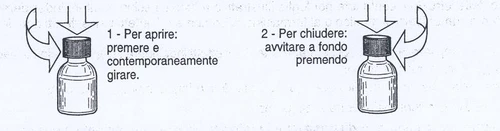
CORSODYL is supplied with a cap featuring a child-resistant closure system.
If you use more CORSODYL than you should
Ingestion of CORSODYL, even in large quantities, is unlikely to cause systemic effects. However, if you have used or accidentally swallowed an excessive amount of CORSODYL, contact your doctor immediately or go to the nearest hospital.
CORSODYL contains 6.72% ethanol (alcohol): exercise particular caution with high intakes in children and consult your doctor to establish appropriate therapy if necessary.
If you forget to use CORSODYL
Do not use a double dose to make up for a forgotten dose.
If you have any doubts about how to use this medicine, consult your doctor or pharmacist.
4. Possible side effects
Like all medicines, this medicine can cause side effects, although not everyone gets them.
The side effects observed are generally mild and localized.
Data from clinical studies
Very common side effects (may affect more than 1 in 10 people):
coated tongue.
Common side effects (may affect up to 1 in 10 people):
dry mouth, loss/alteration of taste, tongue pain, numbness/loss of sensation in the oral cavity.
Post-marketing data
Frequency not known (cannot be estimated from the available data):
severe allergic reactions (including anaphylaxis), presenting as skin rash, swelling of the lips, tongue, throat or face, or difficulty breathing (see section 2 “Warnings and precautions”). If you experience these side effects, stop treatment immediately and contact your doctor without delay.
Superficial discoloration of the tongue and teeth (see section 2 “Warnings and precautions”),
pain/irritation of the mouth, desquamation/pain/swelling of the oral mucosa (see section 2 “Warnings and precautions”), swelling of the glands located behind the jaw (parotid glands).
These side effects are generally transient. Following the instructions provided in this leaflet reduces the risk of side effects.
Reporting of side effects
If you experience any side effect, including those not listed in this leaflet, talk to your doctor or pharmacist. You may also report side effects directly via the national reporting system at https://www.aifa.gov.it/content/segnalazioni-reazioni-avverse.
By reporting side effects, you can help provide more information on the safety of this medicine.
5. How to store CORSODYL
Keep this medicine out of the sight and reach of children.
Do not use this medicine after the expiry date stated on the bottle and packaging after “Exp.”.
The expiry date refers to the last day of that month.
The expiry date applies to the product in its original, unopened packaging, properly stored.
Do not store above 25°C.
Do not use this medicine if you notice that the cap is broken or if the security seal is broken or separated from the cap itself.
Do not dispose of medicines via wastewater or household waste. Ask your pharmacist how to dispose of medicines you no longer use. This will help protect the environment.
6. Package contents and other information
What CORSODYL contains
- The active substance is chlorhexidine gluconate. 1 ml of solution contains 2 mg of chlorhexidine gluconate.
- The other components are: polyoxyl 40 hydrogenated castor oil, sorbitol (70% non-crystallizable), peppermint flavour, ethanol (96%), purified water.
Description of the appearance of CORSODYL and contents of the pack
CORSODYL is a clear, colourless solution. Each pack contains one 150 ml amber glass bottle, closed with a tamper-resistant cap.
Marketing Authorization Holder
Haleon Italy S.r.l. - Via Monte Rosa 91 - 20149 Milano.
Manufacturer*
ALFA WASSERMANN S.p.A.
Via Enrico Fermi 1
Alanno (PE).
or:
FARMACLAIR
440, Avenue du General De Gaulle
Herouville Saint Clair – France.