Colpotrophine
Italy
Table of Contents
- Package leaflet: Information for the user
- Colpotrophine 10 mg vaginal capsules
- 1. What Colpotrophine is and what it is used for
- 2. What you should know before using Colpotrophine
- 3. How to use Colpotrophine
- 4. Possible side effects
- 5. How to store Colpotrophine
- 6. Package contents and other information
- Patient Information Leaflet
- Colpotrophine 10 mg/g vaginal cream
- 1. What Colpotrophine is and what it is used for
- 2. What you should know before using Colpotrophine
- 3. How to use Colpotrophine
- 4. Possible side effects
- 5. How to store Colpotrophine
- 6. Package contents and other information
Package leaflet: Information for the user
Colpotrophine 10 mg vaginal capsules
promestriene
Please read all of this leaflet carefully before you start using this medicine because it contains important information for you.
- Keep this leaflet. You may need to read it again.
- If you have any questions, ask your doctor or pharmacist.
- This medicine has been prescribed for you only. Do not give it to others, even if their symptoms are the same as yours, as it may be harmful.
- If you experience any side effects, including those not listed in this leaflet, tell your doctor or pharmacist. See section 4.
Contents of this leaflet:
- What Colpotrophine is and what it is used for
- What you need to know before using Colpotrophine
- How to use Colpotrophine
- Possible side effects
- How to store Colpotrophine
- Contents of the pack and other information
1. What Colpotrophine is and what it is used for
Colpotrophine belongs to a group of medicines used in vaginal Hormone Replacement Therapy (HRT). It contains the active substance promestriene, a hormone with reparative properties, effective in restoring the structural and functional balance of the vaginal mucosa. It is used to relieve vaginal symptoms such as dryness and irritation, medically recognized as "vaginal atrophy", caused by a decrease in estrogen levels—a condition that naturally occurs after menopause.
Colpotrophine works by replacing the estrogens normally produced by a woman's ovaries, and is applied locally in the vagina to deliver the hormone exactly where it is needed. This can relieve vaginal discomfort.
This medicine is used in all gynecological conditions in which the vaginal mucosa becomes thin, fragile, and more susceptible to infections:
- inflammation of the vaginal mucosa (vaginitis) caused by various factors (hormonal deficiencies, aging, etc.);
- vulvar pruritus (external genital organs);
- a rare disease affecting the vulvar and vaginal mucosa that may occur after menopause (vulvar kraurosis);
- impaired healing after childbirth or following gynecological surgery.
2. What you should know before using Colpotrophine
Medical history and regular check-ups
The use of HRT (hormone replacement therapy) involves certain risks that must be taken into consideration when deciding whether to start or continue treatment.
Experience in treating women with premature menopause (due to ovarian failure or surgical intervention) is limited. If you have entered menopause early, the risks associated with HRT may differ. Please consult your doctor.
Before starting (or restarting) HRT, your doctor will ask about your family medical history (the health status of your relatives) and may decide whether further medical examinations are needed, which could include a breast examination and/or a more thorough gynecological examination, if necessary.
Once you have started treatment with Colpotrophine, you must undergo regular medical check-ups (at least once a year), during which you and your doctor should evaluate the benefits and risks of continuing treatment with Colpotrophine.
Perform regular breast examinations as recommended by your doctor.
Do not use Colpotrophine
if any of the following conditions apply to you. For any doubts regarding the points listed below, please consult your doctor before taking Colpotrophine.
Do not use Colpotrophine:
- if you are allergic (hypersensitive) to promestriene (or similar substances) or to any of the other ingredients of this medicine (listed in section 6);
- together with latex condoms;
- if you have, have had, or suspect you have breast cancer;
- if you have or suspect you have an estrogen-sensitive tumor, such as cancer of the uterine lining (endometrium);
- if you suffer from excessive thickening of the uterine lining (endometrial hyperplasia) for which you are not receiving treatment;
- if you have vaginal bleeding of unknown cause;
- if you suffer from severe kidney disease;
- if you have or have had liver disease and your liver function test results are abnormal; if you suffer from severe heart disease;
- if you have superficial vein inflammation (thrombophlebitis);
- if you have or have had a blood clot in a vein (venous thrombosis), for example in the legs (deep vein thrombosis) or in the lungs (pulmonary embolism);
- if you suffer from blood clotting disorders (e.g., deficiency of protein C, protein S, or antithrombin);
- if you have or have recently had an arterial disease caused by a blood clot, such as angina, stroke, or heart attack;
- during pregnancy or if you suspect you are pregnant;
- during breastfeeding;
- if you suffer from a rare inherited (familial) disease called "porphyria".
If any of the above conditions develops for the first time while using Colpotrophine, stop taking the medicine immediately and consult your doctor without delay.
Warnings and precautions
Talk to your doctor or pharmacist before using Colpotrophine.
Local estrogen-containing products for the treatment of menopausal symptoms should only be initiated if these symptoms negatively affect your quality of life.
In any case, you and your doctor should evaluate whether and for how long to continue therapy. If treatment continues, your doctor will schedule regular follow-up visits (at least one annual check-up) to assess whether continuing therapy is safe for your health.
You should consult your doctor before starting treatment, and more frequently during treatment, especially if you have previously suffered from any of the following conditions, as they may recur or worsen during treatment with promestriene.
Absorption of promestriene during vaginal use of Colpotrophine is minimal; therefore, recurrence or worsening of the conditions listed below is less likely than with oral estrogen therapy:
- uterine fibroids (leiomyoma);
- growth of uterine tissue outside the uterus (endometriosis) or past episodes of excessive growth of uterine tissue (endometrial hyperplasia);
- increased risk of blood clots (thrombosis);
- increased risk of developing estrogen-sensitive tumors (e.g., if you have a mother, sister, or grandmother who had breast cancer);
- high blood pressure (hypertension);
- liver problems, such as benign liver tumor (liver adenoma);
- diabetes;
- gallstones;
- migraine or severe headaches;
- an autoimmune disease affecting multiple organs (systemic lupus erythematosus);
- epilepsy;
- asthma;
- a disease affecting the eardrum and hearing (otosclerosis);
- elevated fat levels in the blood (triglycerides);
- fluid retention due to heart or kidney problems;
- severe depression. A Pap test should be performed and suspected or confirmed cases of dysplasia should be ruled out.
Before starting therapy, you must undergo a gynecological examination to assess the health of your breasts and to rule out pregnancy. Your doctor will also advise you on how often to have follow-up checks and inform you about any changes in your breasts or other symptoms to monitor during treatment.
You must stop using Colpotrophine and contact your doctor immediately if any of the following conditions occur during HRT:
- any of the contraindications listed under “Do not use Colpotrophine”;
- yellowing of the skin or whites of the eyes (jaundice). These may be signs of liver problems;
- a significant increase in blood pressure (with symptoms such as headache, fatigue, dizziness);
- migraine or migraine-like headaches not experienced before treatment;
- pregnancy;
- symptoms related to blood clot formation such as:
- painful swelling and redness of the legs;
- sudden abdominal pain;
- difficulty breathing; for more information, see section “Blood clots in a vein (thrombosis)”.
Note: Colpotrophine is not a contraceptive. If less than 12 months have passed since your last menstrual period or if you are under 50 years of age, you may still need to use contraception to prevent pregnancy. Please consult your doctor.
HRT and cancer
Excessive thickening of the uterine lining (endometrial hyperplasia) and cancer of the uterine lining (endometrial cancer)
Long-term use of oral estrogen-only HRT may increase the risk of developing cancer of the uterine lining (endometrium).
It is not certain whether there is a similar risk with Colpotrophine when used repeatedly or for long-term treatment (more than one year). However, Colpotrophine has been shown to have very low systemic absorption, so adding a progestogen is not necessary.
If you experience bleeding or spotting, it is usually not a cause for concern, but you should see your doctor; it could be a sign that the endometrium has become thicker.
The following risks apply to systemic HRT medicines circulating in the blood. However, Colpotrophine is intended for local vaginal use and systemic absorption is very low. It is less likely that the conditions listed below will worsen or recur during treatment with Colpotrophine, but you should contact your doctor if you have any doubts.
Breast cancer
Evidence suggests that the use of Colpotrophine does not increase the risk of breast cancer in women who have not previously had this type of cancer. It is not known whether Colpotrophine can be safely used in women who have previously had breast cancer.
Perform regular breast examinations. Consult your doctor if you notice changes such as:
- skin dimpling or puckering;
- changes in the nipple;
- lumps that can be seen or felt.
Additionally, participation in mammographic screening programs is recommended.
Ovarian cancer
Ovarian cancer is rare, much rarer than breast cancer. The use of estrogen-only HRT has been associated with a slightly increased risk of ovarian cancer.
The risk of ovarian cancer varies with age. For example, among women aged 50 to 54 who do not take HRT, about 2 out of 2,000 will develop ovarian cancer over a 5-year period. Among women who have taken HRT for 5 years, there will be about 3 cases per 2,000 patients (about 1 additional case).
Effects of HRT on the heart and circulation
Blood clots in a vein (thrombosis)
The risk of developing blood clots in the veins is approximately 1.3 to 3 times higher in women taking HRT compared to those who do not, especially during the first year of treatment.
Blood clots can be serious, and if one travels to the lungs, it may cause chest pain, shortness of breath, fainting, or even death.
The likelihood of developing a blood clot in the veins increases with age and under the following conditions; inform your doctor if any of these apply to you:
- you are unable to walk for long periods due to surgery, injury, or illness (see also section 3 “If you need to undergo surgery”);
- you are seriously overweight (BMI > 30 kg/m²);
- you have blood clotting disorders requiring long-term treatment with anticoagulant medication;
- a close relative has ever had a blood clot in the leg, lung, or another organ;
- you have systemic lupus erythematosus (SLE);
- you have cancer.
To recognize symptoms of a blood clot, see the section “You must stop using Colpotrophine and contact your doctor immediately”.
Comparison
Based on observations over a 5-year period in women aged 50 to 60 not using HRT, it is estimated that, on average, 4 to 7 out of 1,000 women may develop venous blood clots.
For women aged 50 to 60 who have taken estrogen-only HRT for more than 5 years, this estimate increases to 5–8 cases per 1,000 (i.e., 1 additional case).
Heart disease (heart attack)
There is no increased risk of developing heart disease in women taking estrogen-only HRT.
Stroke
The risk of stroke is approximately 1.5 times higher in users of HRT compared to non-users. The number of additional stroke cases due to HRT use increases with age.
Comparison
Based on observations over a 5-year period in women aged 50 to 60 not using HRT, it is estimated that, on average, 8 out of 1,000 women may have a stroke.
For women aged 50 to 60 who have taken estrogen-only HRT for more than 5 years, this estimate increases to 11 cases per 1,000 (i.e., 3 additional cases).
Other conditions
- HRT does not prevent memory loss. There is some evidence of an increased risk of memory loss in women who start HRT after age 65. Please consult your doctor.
- If you also have a vaginal infection, your doctor may combine your Colpotrophine treatment with a specific medication for your condition or with an anti-inflammatory.
The medicine should not be used for prolonged periods, as allergic reactions to the drug may develop over time. Therefore, it is recommended to use the medicine in cycles alternating with appropriate periods of interruption. Your doctor will advise you on the best way to take Colpotrophine and may prescribe tests to monitor the vaginal mucosa and rule out other diseases, especially if you undergo long-term treatment or experience abnormal bleeding.
Other medicines and Colpotrophine
Inform your doctor or pharmacist if you are taking, have recently taken, or might take any other medicines, including over-the-counter medicines, herbal remedies, or other natural products, even though absorption of promestriene after vaginal application is minimal and is therefore unlikely to cause significant interactions with other orally taken drugs.
Colpotrophine may interfere with other vaginal treatments, although it is unlikely to affect other medicines.
The use of latex condoms is contraindicated during treatment with Colpotrophine to avoid the risk of condom breakage.
Pregnancy and breastfeeding
If you are pregnant, suspect you may be pregnant, are planning a pregnancy, or are breastfeeding, consult your doctor or pharmacist before using this medicine.
Colpotrophine is contraindicated during pregnancy.
Colpotrophine is also contraindicated during breastfeeding. Therefore, you and your doctor must decide whether to discontinue breastfeeding or stop treatment with the medicine, taking into account the benefits of breastfeeding for the infant and the benefits of therapy for the mother.
Driving and using machines
Colpotrophine does not affect the ability to drive or operate machinery.
Colpotrophine contains sodium methyl parahydroxybenzoate and sodium propyl parahydroxybenzoate:
may cause allergic reactions (including delayed reactions).
3. How to use Colpotrophine
Use this medicine exactly as instructed by your doctor or pharmacist. If you have
any doubts, consult your doctor or pharmacist.
The recommended dose is 1 capsule inserted deeply into the vagina daily for 20-day cycles.
Your doctor will prescribe the lowest effective dose needed to treat your symptoms for the shortest possible duration.
Consult your doctor if you think the dose is too strong or not strong enough.
If you need to undergo surgery
If you are scheduled for surgery, you must inform your surgeon that you are taking
Colpotrophine. You may need to stop taking Colpotrophine approximately 4 to 5
weeks before the operation to reduce the risk of blood clot formation (see section 2,
"Blood clots in a vein (thrombosis)"). Ask your doctor when you can resume
treatment with Colpotrophine.
If you use more Colpotrophine than you should
Excessive use of medicines containing estrogens may lead to anabolic effects
(typical of estrogen-containing products), increased reabsorption of water and salts at the
kidney level (fluid and salt retention), and increased blood glucose levels (hyperglycemia). However, such effects are unlikely with Colpotrophine due to the minimal systemic absorption of promestriene (local administration only at the vaginal level).
An overdose of this medicine may worsen local side effects such as irritation, itching, and vaginal burning.
If you forget to use Colpotrophine
Do not use a double dose to make up for the missed capsule. Continue using the product as usual.
If you stop using Colpotrophine
Consult your doctor if you intend to discontinue the treatment prematurely.
If you have any doubts about how to use this medicine, speak to your doctor or pharmacist.
4. Possible side effects
Like all medicines, this medicine can cause side effects, although not everyone experiences them.
Stop treatment immediately and contact your doctor if you experience any of the following symptoms:
- A sensation of heaviness, swelling, warmth, or pain in the legs, especially if these symptoms mainly affect only one leg. Decreased temperature with cold skin, feeling cold in the fingers, weakness, lack of strength, numbness, and tingling in a limb. Chest pain or discomfort, pressure, or burning sensation in the chest. Difficulty breathing. The symptoms listed above may be the first signs of thrombotic or embolic disorders;
- Increase in blood pressure without having previously suffered from it (with symptoms such as headache, fatigue, dizziness);
- Yellowing of the skin or the whites of the eyes (jaundice), especially if you have previously experienced this condition during pregnancy;
- Migraine or migraine-like headaches not experienced before treatment;
- Small, continuous bleeding (dripping).
The following conditions have been reported more frequently in women using systemic menopausal hormone therapy (MHT) compared to women not using MHT. These risks are lower with locally administered treatments such as Colpotrophine:
- Ovarian cancer;
- Blood clots in the veins of the legs or lungs (venous thromboembolism);
- Stroke;
- Possible memory loss if MHT was started at age 65 or older. For further information on these side effects, see section 2.
Other side effects are:
Unknown frequency (frequency cannot be estimated from the available data)
- Allergic-type reactions (hypersensitivity); mild vaginal burning sensation, possibly accompanied by transient redness of the vaginal mucosa (may occur especially after prolonged use in sensitive patients);
- Vaginal itching;
- Vaginal irritation;
- Vaginal bleeding.
Side effects that may occur with the use of Colpotrophine (as with all topical hormonal drugs) include:
- Fungal infections (vaginal candidiasis);
- Changes in vaginal discharge;
- Worsening of any pre-existing endometriosis;
- Breast pain (mastodynia);
- Breast enlargement;
- Possible discharge of fluid from the nipples;
- Worsening of any pre-existing allergic skin eruptions.
The following side effects have been reported with oral estrogen therapies; therefore, the risk of these events occurring with local estrogen therapy such as Colpotrophine is unknown:
- Benign or malignant tumors (e.g., endometrial or breast cancer);
- Formation of blood clots (thrombi) in the veins;
- Heart attack;
- Stroke;
- Gallbladder disease;
- Appearance of dark, irregular patches on the skin, especially on the face (chloasma);
- Inflammatory skin disorders (erythema multiforme, erythema nodosum, vascular purpura);
- Loss of normal intellectual function (dementia), particularly in women over 65 years of age.
Reporting of side effects
If you experience any side effect, including those not listed in this leaflet, talk to your doctor or pharmacist. You can also report side effects directly via the national reporting system at: https://www.aifa.gov.it/it/content/segnalazioni-reazioni-avverse. By reporting side effects, you can help provide more information on the safety of this medicine.
5. How to store Colpotrophine
Do not store above 25°C.
Keep this medicine out of the sight and reach of children.
Do not use this medicine after the expiry date stated on the carton after “Exp.”.
The expiry date refers to the last day of that month.
Do not dispose of any medicine via wastewater or household waste. Ask your pharmacist how to
dispose of medicines you no longer use. This will help protect the environment.
6. Package contents and other information
What Colpotrophine contains
- The active substance is promestriene. Each capsule contains 10 mg of promestriene.
- The other components are: polyisobutene perhydrogenated, vaseline, sorbitan sesquioleate, anhydrous colloidal silica, sodium methyl parahydroxybenzoate, sodium propyl parahydroxybenzoate, gelatin, glycerol, dimethicone, purified water.
Description of the appearance of Colpotrophine and package contents
Colpotrophine 10 mg vaginal capsules are presented in a cardboard box containing 20 capsules in blister packs.
Marketing Authorisation Holder and Manufacturer
Marketing Authorisation Holder
Theramex Ireland Limited
Kilmore House, Park Lane, Spencer Dock
Dublin 1, D01 YE64
Ireland
Manufacturer
Laphal Industries 248 Avenue Victoire, 13106 ROUSSET France
Patient Information Leaflet
Colpotrophine 10 mg/g vaginal cream
promestriene
Please read this leaflet carefully before using this medicine because it contains important information for you.
- Keep this leaflet. You may need to read it again.
- If you have any questions, consult your doctor or pharmacist.
- This medicine has been prescribed for you only. Do not give it to others, even if their symptoms are the same as yours, as it could be harmful.
- If you experience any adverse reaction, including those not listed in this leaflet, consult your doctor or pharmacist. See section 4.
Contents of this leaflet:
- What Colpotrophine is and what it is used for
- What you need to know before using Colpotrophine
- How to use Colpotrophine
- Possible side effects
- How to store Colpotrophine
- Package contents and other information
1. What Colpotrophine is and what it is used for
Colpotrophine belongs to a group of medicines used in vaginal Hormone Replacement Therapy (HRT). It contains the active substance promestriene, a hormone with reparative properties, effective in restoring the structural and functional balance of the vaginal mucosa. It is used to relieve vaginal symptoms such as dryness and irritation, medically recognized as "vaginal atrophy", caused by a decrease in estrogen levels—a condition that naturally occurs after menopause.
Colpotrophine works by replacing the estrogens normally produced by the ovaries in women and is applied locally in the vagina, to deliver the hormone exactly where it is needed. This can relieve vaginal discomfort.
This medicine is used in all gynecological conditions in which the vaginal mucosa becomes thin, fragile, and more susceptible to infections:
- inflammation of the vaginal mucosa (vaginitis) caused by various factors (hormonal deficiencies, aging, etc.);
- vulvar pruritus (external genital organs);
- a rare disease affecting the vulvar and vaginal mucosa that may occur after the onset of menopause (vulvar kraurosis);
- impaired healing after childbirth or following gynecological surgery.
2. What you should know before using Colpotrophine
Medical history and regular check-ups
Hormone replacement therapy (HRT) involves certain risks that must be considered when deciding whether to start or continue treatment.
Experience with treating women who have experienced early menopause (due to ovarian failure or surgical procedures) is limited. If you entered menopause prematurely, the risks associated with HRT may differ. Consult your doctor.
Before starting (or restarting) HRT, your doctor will ask about your family medical history (the health status of your relatives) and may decide whether further medical examinations are needed, which could include a breast examination and/or a more thorough gynecological examination if necessary.
Once you have started treatment with Colpotrophine, you must undergo regular medical check-ups (at least once a year), and during each visit, you should discuss with your doctor the benefits and risks of continuing treatment with Colpotrophine.
Perform regular breast examinations as recommended by your doctor.
Do not use Colpotrophine
if any of the following conditions apply to you. For any doubts regarding the points listed below, consult your doctor before taking Colpotrophine.
Do not use Colpotrophine:
- if you are allergic (hypersensitive) to promestriene (or similar substances) or to any of the other ingredients of this medicine (listed in section 6);
- if you have, have had, or suspect you have breast cancer;
- if you have or suspect you have an estrogen-sensitive tumor, such as cancer of the uterine lining (endometrium);
- if you suffer from excessive thickening of the uterine lining (endometrial hyperplasia) for which you are not receiving treatment;
- if you have vaginal bleeding of unknown cause;
- if you suffer from severe kidney disease;
- if you suffer from or have suffered from liver disease and your liver function test results are abnormal;
- if you suffer from severe heart disease;
- if you have inflammation of superficial veins (thrombophlebitis);
- if you have or have had a blood clot in a vein (thrombosis), for example in the legs (deep vein thrombosis) or in the lungs (pulmonary embolism);
- if you suffer from blood clotting disorders (e.g., deficiency of protein C, protein S, or antithrombin);
- if you suffer from or have recently suffered from an arterial disease caused by a blood clot, such as angina, stroke, or heart attack;
- during pregnancy or if you suspect you are pregnant;
- during breastfeeding;
- if you suffer from a rare inherited (hereditary) condition called "porphyria".
If any of the above conditions occurs for the first time while using Colpotrophine, stop taking the medicine immediately and consult your doctor without delay.
Warnings and precautions
Talk to your doctor or pharmacist before using Colpotrophine.
Local use of estrogen-containing products for treating menopausal symptoms should only be initiated if these symptoms negatively affect your quality of life.
In any case, you should discuss with your doctor whether and for how long to continue the treatment. If treatment continues, your doctor will schedule regular check-ups (at least one annual check-up to assess whether continuing therapy is safe for your health).
You should consult your doctor before taking the medicine and more frequently during treatment, especially if you have previously suffered from any of the conditions listed below, as they may reappear or worsen during treatment with promestriene.
Absorption of promestriene during vaginal use of Colpotrophine is minimal; therefore, recurrence or worsening of the following conditions is less likely than with oral estrogen therapy:
- uterine fibroids (leiomyoma);
- growth of uterine tissue outside the uterus (endometriosis) or past episodes of excessive growth of uterine tissue (endometrial hyperplasia);
- increased risk of blood clot formation (thrombosis);
- increased risk of developing estrogen-sensitive tumors (e.g., if you have a mother, sister, or grandmother who had breast cancer);
- high blood pressure (hypertension);
- liver problems, such as benign liver tumor (liver adenoma);
- diabetes;
- gallstones;
- migraine or severe headaches;
- an autoimmune disease affecting multiple organs (systemic lupus erythematosus);
- epilepsy;
- asthma;
- a disease affecting the eardrum and hearing (otosclerosis);
- high levels of fats in the blood (triglycerides);
- fluid retention due to heart or kidney problems;
- severe depression.
It is advisable to perform a Pap test and rule out suspected or confirmed cases of dysplasia.
Before starting treatment, you should undergo a gynecological examination to check the health of your breasts and exclude pregnancy. Your doctor will also advise you on how often to have follow-up checks and inform you about any breast changes or other symptoms to monitor during treatment.
You must stop using Colpotrophine and contact your doctor immediately if any of the following conditions occur during HRT:
- any of the contraindications listed in the section "Do not use Colpotrophine";
- yellowing of the skin or whites of the eyes (jaundice). These could be signs of liver problems;
- a significant increase in blood pressure (with symptoms such as headache, fatigue, dizziness);
- migraine or migraine-like headaches not experienced before treatment;
- pregnancy;
- symptoms related to blood clot formation such as:
- painful swelling and redness of the legs;
- sudden abdominal pain;
- difficulty breathing; for more information, see the section "Blood clots in a vein (thrombosis)".
Note: Colpotrophine is not a contraceptive. If it has been less than 12 months since your last menstrual period or you are under 50 years of age, you may still need to use contraception to prevent pregnancy. Ask your doctor for advice.
HRT and cancer
Excessive thickening of the uterine lining (endometrial hyperplasia) and cancer of the uterine lining (endometrial cancer)
Long-term use of oral estrogen-only HRT may increase the risk of developing cancer of the uterine lining (endometrium).
It is not certain whether a similar risk exists with Colpotrophine used for repeated or long-term treatment (more than one year). However, Colpotrophine has demonstrated very low systemic absorption and therefore the addition of a progestogen is not necessary.
If you experience vaginal bleeding or spotting, this is usually not a cause for concern, but you should see your doctor; it could be a sign that the endometrium has become thicker.
The following risks apply to systemic hormone replacement therapies (HRT) that circulate in the bloodstream. However, Colpotrophine is intended for local vaginal use and has very low systemic absorption. It is less likely that the conditions listed below will worsen or reappear during treatment with Colpotrophine, but if you have any doubts, contact your doctor.
Breast cancer
Evidence suggests that using Colpotrophine does not increase the risk of breast cancer in women who have not previously had this type of cancer. It is not known whether Colpotrophine can be safely used in women who have previously had breast cancer.
Perform regular breast examinations. Consult your doctor if you notice changes such as:
- skin dimpling or puckering;
- changes in the nipple;
- lumps that can be seen or felt.
Additionally, participation in mammographic screening programs is recommended.
Ovarian cancer
Ovarian cancer is rare, much rarer than breast cancer. The use of estrogen-only HRT has been associated with a slightly increased risk of ovarian cancer.
The risk of ovarian cancer varies with age. For example, among women aged 50 to 54 years who do not take HRT, about 2 out of 2,000 will develop ovarian cancer within 5 years. Among women who have taken HRT for 5 years, there will be about 3 cases per 2,000 women (approximately 1 additional case).
Effects of HRT on the heart and circulation
Blood clots in a vein (thrombosis)
The risk of developing blood clots in the veins is approximately 1.3 to 3 times higher in women taking HRT compared to those who do not, especially during the first year of treatment.
Blood clots can be serious, and if one travels to the lungs, it may cause chest pain, shortness of breath, fainting, or even death.
The likelihood of developing a blood clot in the veins increases with age and under the following conditions; inform your doctor if any of these apply to you:
- inability to walk for long periods due to surgery, injury, or illness (see also section 3 "If you need to undergo surgery");
- being seriously overweight (BMI > 30 kg/m²);
- blood clotting disorders requiring long-term treatment with anticoagulant medication;
- a close relative who has ever had a blood clot in the leg, lung, or another organ;
- systemic lupus erythematosus (SLE);
- having cancer.
To recognize symptoms of a blood clot, see the section "You must stop using Colpotrophine and contact your doctor immediately".
Comparison
Based on observations over a 5-year period in women aged 50 to 60 not using HRT, it is expected that, on average, 4 to 7 out of 1,000 women may develop venous blood clots.
For women aged 50 to 60 who have taken estrogen-only HRT for more than 5 years, this estimate increases to 5–8 cases per 1,000 (i.e., 1 additional case).
Heart disease (heart attack)
There is no increased risk of developing heart disease in women taking estrogen-only HRT.
Stroke
The risk of stroke is approximately 1.5 times higher in users of HRT compared to non-users. The number of additional stroke cases due to HRT use increases with age.
Comparison
Based on observations over a 5-year period in women aged 50 to 60 not using HRT, it is expected that, on average, 8 out of 1,000 women may have a stroke.
For women aged 50 to 60 who have taken estrogen-only HRT for more than 5 years, this estimate increases to 11 cases per 1,000 (i.e., 3 additional cases).
Other conditions
- HRT does not prevent memory loss. There is some evidence of an increased risk of memory loss in women who started HRT after age 65. Consult your doctor.
- If you also have a vaginal infection, your doctor may prescribe a specific medication for your condition or an anti-inflammatory alongside Colpotrophine.
This medicine should not be used for prolonged periods, as allergic reactions to the drug may develop over time. Therefore, it is recommended to take the medicine in alternating cycles with appropriate breaks. Your doctor will advise you on the best way to take Colpotrophine and may prescribe tests to monitor the vaginal mucosa and rule out other diseases, especially if undergoing long-term treatment or experiencing abnormal bleeding.
Other medicines and Colpotrophine
Inform your doctor or pharmacist if you are taking, have recently taken, or might take any other medicines, including over-the-counter medicines, herbal remedies, or other natural products, even though absorption of promestriene after vaginal application is minimal and therefore significant interactions with orally taken drugs are unlikely.
Colpotrophine may interfere with other vaginal treatments, although it is unlikely to affect other medicines.
Pregnancy and breastfeeding
If you are pregnant, suspect you may be pregnant, are planning a pregnancy, or are breastfeeding, consult your doctor or pharmacist before using this medicine.
Colpotrophine is contraindicated during pregnancy.
Colpotrophine is also contraindicated during breastfeeding. Therefore, you and your doctor must decide whether to discontinue breastfeeding or stop treatment with the medicine, taking into account the benefits of breastfeeding for the child and the benefits of therapy for the mother.
Driving and using machines
Colpotrophine does not affect the ability to drive or operate machinery.
Colpotrophine contains sodium methyl parahydroxybenzoate and sodium propyl parahydroxybenzoate:
these may cause allergic reactions (including delayed reactions).
3. How to use Colpotrophine
Use this medicine exactly as directed by your doctor or pharmacist. If you have
any doubts, consult your doctor or pharmacist.
The recommended dose is 1 g of cream, applied to the affected area, 1–2 times daily for cycles
of 20 days. To ensure the correct amount of medicine is used, the package contains a calibrated
applicator designed to hold 1 g of cream.
Your doctor will advise whether the cream should be applied externally only or also internally.
For external treatment, gently massage the area after applying the product.
For internal application, use the provided applicator.
Your doctor will prescribe the lowest effective dose needed to treat your symptoms for the shortest possible duration.
Consult your doctor if you think the dose is too strong or not strong enough.
Instructions for using the applicator:
Open the tube and screw the applicator onto the tube in place of the cap.
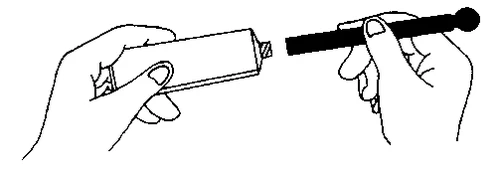
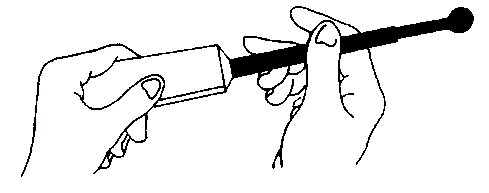
Fill the applicator by gently squeezing the tube until the plunger stops at the marked line. This ensures that the applicator contains exactly 1 g of cream.
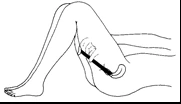
Unscrew the applicator and insert it deeply into the vagina; then empty it by firmly pressing the plunger.
After use, disassemble the applicator and wash it thoroughly with lukewarm water. To clean the applicator, remove the plunger from the body of the applicator.
If you are scheduled for surgery
If you are due to undergo surgery, you must inform your surgeon that you are taking
Colpotrophine. You may need to stop taking Colpotrophine approximately 4 to 5
weeks before the operation to reduce the risk of blood clot formation (see section 2,
"Blood clots in a vein (thrombosis)"). Ask your doctor when you can resume treatment with
Colpotrophine.
If you use more Colpotrophine than you should
Using excessive amounts of medicines containing estrogens may lead to anabolic effects
(typical of estrogen-containing products), increased reabsorption of water and salts at the kidney level (water and salt retention), and elevated blood glucose levels (hyperglycemia). However, these effects are unlikely with Colpotrophine due to the minimal systemic absorption of promestriene (local vaginal administration only).
An overdose of the medicine may worsen local side effects such as irritation, itching, and vaginal burning.
If you forget to use Colpotrophine
Do not use a double dose to make up for a missed dose. Continue using the product as usual.
If you stop using Colpotrophine
Consult your doctor if you intend to stop treatment early.
If you have any doubts about how to use this medicine, consult your doctor or pharmacist.
4. Possible side effects
Like all medicines, this medicine can cause side effects, although not everybody will experience them.
Stop treatment immediately and contact your doctor if you experience any of the following symptoms:
- Sensation of heaviness, swelling, warmth or pain in the legs, especially if these symptoms affect mainly one leg. Decreased temperature with cold skin, cold sensation in the fingers, weakness, lack of strength, numbness and tingling in a limb. Pain or discomfort, tightness or burning sensation in the chest. Difficulty breathing. The symptoms listed above may be the first signs of thrombotic or embolic disorders;
- Increased blood pressure in individuals who have never previously suffered from it (with symptoms such as headache, fatigue, dizziness);
- Yellowing of the skin or the white part of the eyes (jaundice), particularly if you have previously experienced this condition during pregnancy;
- Migraine or migraine-like headaches not previously experienced before treatment;
- Small, continuous bleeding (spotting).
The following conditions have been reported more frequently in women using systemic hormone replacement therapy (HRT) compared to women not using HRT. These risks are lower with locally administered treatments such as Colpotrophine.
- Ovarian cancer;
- Blood clots in the veins of the legs or lungs (venous thromboembolism);
- Stroke;
- Possible memory loss if HRT is initiated at age 65 or older. For further information on these side effects, see section 2.
Other side effects are:
Not known (frequency cannot be estimated from the available data)
- Allergic-type reactions (hypersensitivity); mild vaginal burning sensation, which may be accompanied by transient redness of the vaginal mucosa (may occur especially after prolonged use in sensitive patients);
- Vaginal itching;
- Vaginal irritation;
- Vaginal bleeding.
Side effects that may occur during use of Colpotrophine (as with all hormone-containing creams) include:
- Fungal infections (vaginal candidiasis);
- Changes in vaginal discharge;
- Worsening of any pre-existing endometriosis;
- Breast pain (mastodynia);
- Breast enlargement;
- Possible discharge of fluid from the nipples;
- Worsening of any pre-existing allergic skin eruptions.
The following side effects have been reported during oral estrogen therapy; therefore, the risk with local estrogen therapy such as Colpotrophine is unknown:
- Benign or malignant tumours (e.g. endometrial or breast cancer);
- Formation of blood clots (thrombi) in veins;
- Heart attack;
- Stroke;
- Gallbladder disease;
- Appearance of dark, irregular patches on the skin, especially on the face (chloasma);
- Inflammatory skin disorders (erythema multiforme, erythema nodosum, vasculitic purpura);
- Loss of normal intellectual functions (dementia), particularly in women over 65 years of age.
Reporting of side effects
If you experience any side effect, including those not listed in this leaflet, please inform your doctor or pharmacist. You can also report side effects directly via the national reporting system at: https://www.aifa.gov.it/it/content/segnalazioni-reazioni-avverse. By reporting side effects, you can help provide more information on the safety of this medicine.
5. How to store Colpotrophine
Do not store above 25°C.
Keep this medicine out of the sight and reach of children.
Do not use this medicine after the expiry date stated on the carton after “Exp.”.
The expiry date refers to the last day of that month.
Do not use Colpotrophine more than 1 month after first opening.
Do not dispose of any medicine via wastewater or household waste. Ask your pharmacist how to
dispose of medicines you no longer use. This will help protect the environment.
6. Package contents and other information
What Colpotrophine contains
- The active substance is promestriene. 100 g of cream contain 1 g of promestriene.
- The other components are: mixture of mono- and diglycerides of saturated fatty acids, polyglycyl ether of saturated fatty alcohols, decyl oleate, medium-chain saturated triglycerides, glycerol, sodium methyl parahydroxybenzoate, sodium propyl parahydroxybenzoate, purified water.
Description of the appearance of Colpotrophine and contents of the pack
Colpotrophine 10 mg/g vaginal cream is supplied in a collapsible aluminium tube closed with a screw cap. The tube contains 30 g of cream and a calibrated 1 g applicator is also included in the pack.
Marketing Authorisation Holder and Manufacturer
Marketing Authorisation Holder
Theramex Ireland Limited
Kilmore House, Park Lane, Spencer Dock
Dublin 1, D01 YE64
Ireland
Manufacturer
Laboratoires CHEMINEAU, 93 route de Monnaie, 37210 Vouvray - France