Clopixol
Italy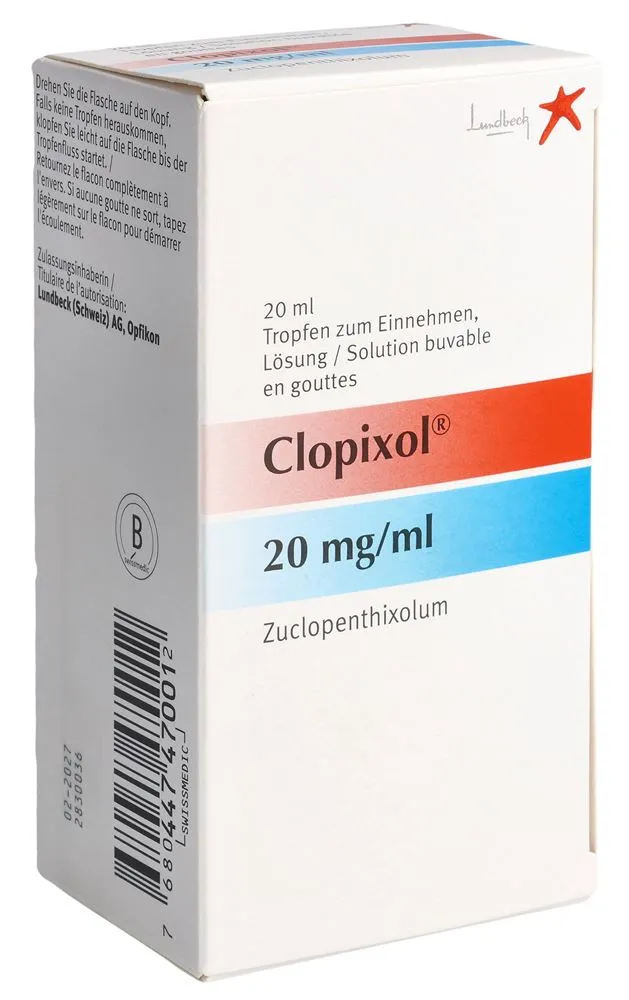
Table of Contents
- Patient Information Leaflet
- CLOPIXOL 20 mg/ml oral drops, solution
- 1. What CLOPIXOL is and what it is used for
- 2. What you should know before taking CLOPIXOL
- 3. How to take CLOPIXOL
- 4. Possible side effects
- 5. How to store CLOPIXOL
- 6. Package contents and other information
- Patient Information Leaflet
- CLOPIXOL 10 mg film-coated tablets, 25 mg film-coated tablets
- 1. What CLOPIXOL is and what it is used for
- 2. What you should know before taking CLOPIXOL
- 3. How to take CLOPIXOL
- 4. Possible side effects
- 5. How to store CLOPIXOL
- 6. Package Contents and Other Information
- Package leaflet: information for the user
- CLOPIXOL 200 mg/ml prolonged-release injectable solution
- 1. What CLOPIXOL is and what it is used for
- 2. What you should know before using CLOPIXOL
- 3. How to use CLOPIXOL
- 4. Possible side effects
- 5. How to store CLOPIXOL
- 6. Package contents and other information
- Package leaflet: Information for the user
- CLOPIXOL 50 mg/ml injectable solution
- 1. What CLOPIXOL is and what it is used for
- 2. What you should know before using CLOPIXOL
- 3. How to use CLOPIXOL
- 4. Possible side effects
- 5. How to store CLOPIXOL
- 6. Package contents and other information
Patient Information Leaflet
CLOPIXOL 20 mg/ml oral drops, solution
Zuclopentixol
Please read this leaflet carefully before taking this medicine because it contains important information for you.
- Keep this leaflet. You may need to read it again.
- If you have any questions, ask your doctor or pharmacist.
- This medicine has been prescribed for you only. Do not give it to others, even if they have the same symptoms as you, because it may be harmful.
- If you experience any adverse reactions, including those not listed in this leaflet, contact your doctor or pharmacist. See section 4.
Contents of this leaflet:
- What CLOPIXOL is and what it is used for
- What you need to know before taking CLOPIXOL
- How to take CLOPIXOL
- Possible side effects
- How to store CLOPIXOL
- Contents of the pack and other information
1. What CLOPIXOL is and what it is used for
CLOPIXOL contains the active substance zuclopentixol, which belongs to a group of medicines called antipsychotics, used to treat certain mental disorders.
This medicine is indicated for the treatment of the following mental disorders:
- acute and chronic schizophrenia and other disorders (dissociative syndromes) characterized by symptoms such as hallucinations, agitation, mental and motor restlessness (psychomotor excitement), negative behaviour towards others (hostility), aggressiveness, and disturbances of emotions (affective disturbances);
- the manic phase of manic-depressive psychosis;
- disturbances in brain function (organic mental syndromes) such as mental retardation, accompanied by delirium, mental and motor restlessness (psychomotor hyperexcitability), and agitation.
2. What you should know before taking CLOPIXOL
Do not take CLOPIXOL
- if you are allergic to zuclopentixol or to any of the other ingredients of this medicine (listed in section 6);
- if you have taken large amounts (acute intoxication) of alcohol, medicines that reduce brain activity (barbiturates), or pain-relieving medicines (opioids); CLOPIXOL must not be administered:
- if the person taking this medicine has reduced level of consciousness up to coma;
- if the person taking this medicine is a child or adolescent (See section “Children and adolescents”).
Warnings and precautions
Talk to your doctor or pharmacist before taking CLOPIXOL.
This medicine is not indicated for the treatment of behavioural problems associated with dementia.
Inform your doctor or pharmacist:
- if you are taking other medicines used to treat mental disorders (neuroleptics) (See section “Other medicines and CLOPIXOL”);
- if you suffer from mental problems due to impaired brain function (organic brain syndrome);
- if you have seizures;
- if you have severe liver problems;
- if you have diabetes, as your antidiabetic therapy dose may need to be adjusted;
- if you have any of the following risk factors for heart problems, as this medicine may cause serious changes in heart rhythm (QT interval prolongation, malignant arrhythmias):
- low levels of potassium and magnesium in the blood (hypokalaemia, hypomagnesaemia); or family history of these conditions;
- if anyone in your family suffers from heart problems or irregular heartbeat (genetic predisposition, family history of QT interval prolongation);
- if you have previously had heart problems (QT interval prolongation, bradycardia, recent acute myocardial infarction, heart failure, or cardiac arrhythmia).
- if you have risk factors for blood circulation disorders (venous thromboembolism). In such cases, your doctor must monitor you closely before and during treatment with CLOPIXOL;
- if you have risk factors for stroke (smoking, high blood pressure);
- if you or someone in your family has a history of thrombotic events, as medicines like this have been associated with blood clot formation.
Movement disorders such as tremors and muscle spasms may occur, especially during the first days of treatment. Inform your doctor, as the dose may need to be reduced. Inform your doctor if symptoms of a constant need to move persist, as these symptoms can be managed with appropriate medication. Inform your doctor if you experience uncontrolled movements of the face and jaw, as treatment interruption may be necessary.
Difficulty in swallowing may occur as a side effect of extrapyramidal symptoms (such as tremors, muscle spasms or movement disorders), sedation (drowsiness), increased salivation and/or neuroleptic malignant syndrome (a rare, life-threatening reaction with fever, muscle rigidity, changes in blood pressure, and coma).
Children and adolescents
This medicine is not recommended for use in children and adolescents (See section “Do not take CLOPIXOL”).
Other medicines and CLOPIXOL
Inform your doctor or pharmacist if you are taking, have recently taken, or might take any other medicines.
In particular, inform your doctor or pharmacist if you are taking any of the following medicines:
- other medicines used for mental disorders (neuroleptics) (See section “Warnings and precautions”);
- medicines that may increase the risk of heart rhythm disturbances (QT interval prolongation, arrhythmias), such as:
- antiarrhythmics (quinidine, amiodarone, sotalol), used to treat heart rhythm disorders;
- antipsychotics (haloperidol, droperidol, pimozide) and lithium, used to treat certain mental disorders;
- certain antibiotics (erythromycin, moxifloxacin), used to treat bacterial infections;
- antihistamines (terfenadine, astemizole), used to treat allergies;
- cisapride, used for stomach and intestinal problems;
- diuretics that increase urine elimination and may cause reduced levels of potassium (hypokalaemia) and/or magnesium (hypomagnesaemia) in the blood.
- medicines that reduce brain activity, such as barbiturates (medicines causing drowsiness), as CLOPIXOL may enhance their sedative effects;
- medicines to lower high blood pressure (antihypertensives), such as guanethidine, as CLOPIXOL may reduce their effectiveness;
- lithium, used to treat certain mental disorders, as taking it together with CLOPIXOL may increase the risk of brain toxicity (neurotoxicity);
- medicines used to treat depression (tricyclic antidepressants);
- medicines used to treat epilepsy;
- levodopa and other medicines used to treat Parkinson’s disease, as CLOPIXOL may reduce their effectiveness;
- adrenaline or similar medicines, as CLOPIXOL may reduce their effect;
- medicines used to treat stomach problems (metoclopramide) or urinary tract infestations (piperazine), as they may increase the risk of movement disorders (extrapyramidal symptoms);
- medicines that increase the amount of zuclopentixol in the blood (CYP2D6 inhibitors), as in this case the risk of heart rhythm disturbances is higher (QT interval prolongation, malignant arrhythmias) (See section “Warnings and precautions”).
CLOPIXOL and alcohol
CLOPIXOL enhances the sedative effect of alcohol, increasing drowsiness.
You are advised not to drink alcohol during treatment with CLOPIXOL.
Pregnancy, breastfeeding and fertility
If you are pregnant, suspect you may be pregnant, plan to become pregnant, or are breastfeeding, consult your doctor or pharmacist before taking this medicine.
Pregnancy
During pregnancy, take CLOPIXOL only when strictly necessary and under direct medical supervision.
The newborn's general condition may be affected by the use of this medicine.
The following symptoms have been observed in newborns of mothers who took conventional or atypical antipsychotics, including CLOPIXOL, during the third trimester (last three months) of pregnancy: tremors, muscle stiffness and/or weakness, drowsiness, agitation, breathing difficulties, and feeding problems. If your baby shows any of these symptoms, contact your doctor.
Breastfeeding
If you are breastfeeding, consult your doctor or pharmacist before taking any medicine.
CLOPIXOL must not be used during breastfeeding, as small amounts of the medicine may pass into breast milk.
Fertility
CLOPIXOL may affect male and female sexual function and fertility (See section “Possible side effects”).
Animal studies have shown that CLOPIXOL affects fertility. Consult your doctor before taking this medicine.
Driving and using machines
This medicine may affect your attention level and ability to concentrate. Therefore, exercise particular caution before driving or operating machinery.
CLOPIXOL contains ethanol (alcohol) and sodium
This medicine contains 120 mg of alcohol (96% ethanol) per ml, equivalent to 14.2% v/v. The amount in 1 ml of this medicine is equivalent to less than 3 ml of beer or 2 ml of wine.
The small amount of alcohol in this medicine will not have significant effects.
It may be harmful for alcoholics. This should be considered in pregnant or breastfeeding women, children, and high-risk groups such as patients with liver disease or epilepsy.
This medicine contains less than 1 mmol (23 mg) of sodium per ml, i.e., essentially “sodium-free”.
3. How to take CLOPIXOL
Take this medicine exactly as directed by your doctor or pharmacist. If you have any doubts, consult your doctor or pharmacist.
Your doctor will determine the most appropriate dose for you based on your health condition. At the beginning of treatment, your doctor will prescribe lower doses, which will then be gradually increased until the optimal dose is reached.
One drop contains 1 mg of zuclopentixol.
Treatment of acute schizophrenia, other mental disorders (acute dissociative syndromes), severe states of acute agitation, and manic states
The recommended dose is 10–50 mg (corresponding to 10–50 drops) per day. In some cases (moderate or severe), your doctor may decide to start with a dose of 20 mg (20 drops) per day and increase it by 10–20 mg (10–20 drops) every 2–3 days, up to 75 mg (75 drops). In some cases, it may be necessary to increase the dose up to 150 mg (150 drops) per day. The maximum daily dose and individual doses may be adjusted at the doctor’s discretion depending on the patient’s condition and response. Do not exceed the recommended maximum daily dose.
Treatment of chronic schizophrenia and other mental disorders (chronic dissociative syndromes)
The recommended maintenance dose is 20–40 mg (corresponding to 20–40 drops) per day. Do not exceed the recommended maximum daily dose.
Treatment of agitation in individuals with intellectual disability
The recommended dose is 6–20 mg (corresponding to 6–20 drops) per day. If necessary, your doctor may increase the dose up to 25–40 mg (25–40 drops) per day. Do not exceed the recommended maximum daily dose.
Method of administration
CLOPIXOL can be taken with or without food.
Dilute the drops in a small amount of water, orange juice, apple juice, or blackcurrant juice.
Turn the bottle completely upside down. If no drops come out, tap the bottle gently to start the flow.

Use in children and adolescents
The use of CLOPIXOL in children and adolescents is not recommended.
If you take more CLOPIXOL than you should
In case of accidental ingestion or overdose of CLOPIXOL, contact your doctor immediately or go to the nearest hospital.
Do this even if you do not feel unwell or show signs of poisoning. Take the CLOPIXOL packaging with you if you visit a doctor or go to hospital.
Symptoms that may occur after an overdose of this medicine include: drowsiness, loss of consciousness, movement disorders, seizures, severe circulatory problems (low blood pressure, weak pulse, rapid heartbeat, pallor, agitation), and disturbances in body temperature (hyperthermia/hypothermia).
When CLOPIXOL has been taken in overdose together with other medicines known to affect heart function, changes in heart rhythm have been observed, including slowed or irregular heartbeat.
If you forget to take CLOPIXOL
Do not take a double dose to make up for the missed dose.
If you stop taking CLOPIXOL
Your doctor will decide when and how to stop treatment to avoid unpleasant symptoms that may occur following abrupt discontinuation (e.g. difficulty sleeping, muscle stiffness, feeling of malaise).
If you have any questions about the use of this medicine, consult your doctor or pharmacist.
4. Possible side effects
Like all medicines, this medicine can cause side effects, although not everybody gets them.
The side effects that may occur are listed below.
If you experience any of the following side effects, contact your doctor or go to hospital immediately:
Uncommon (may affect up to 1 in 100 people):
- Tardive dyskinesia, a condition characterised by rhythmic, uncontrollable movements, mainly of the tongue, lips and face, which may require discontinuation of treatment.
Rare (may affect up to 1 in 1,000 people): - Difficulty swallowing (see section 2).
Very rare (may affect up to 1 in 10,000 people): - Neuroleptic Malignant Syndrome (a rare condition presenting with the following symptoms: high fever, unusual muscle stiffness, altered mental state associated with sweating and rapid heartbeat);
- formation of a blood clot in a vein (venous thromboembolism);
- inflammation of the liver (cholestatic hepatitis), yellowing of the skin and eyes (jaundice).
The following side effects are more pronounced at the beginning of treatment and most of them tend to disappear during treatment:
Very common (may affect more than 1 in 10 people) - drowsiness, akathisia (inability to remain still), hyperkinesia (involuntary movements), hypokinesia (slowed or reduced movements);
- dry mouth;
- movement disorders (extrapyramidal symptoms) – due to effects on a part of the brain that controls movement, which may cause tremors, muscle spasms or movement disorders (see section 2).
Common (may affect up to 1 in 10 people) - increased appetite and body weight;
- difficulty sleeping (insomnia), depression, anxiety, nervousness, vivid dreams, agitation, reduced sexual desire (libido);
- tremor, difficulty with movement (dystonia) and posture, increased muscle stiffness (hypertonia), dizziness, headache, altered skin sensation (paraesthesia), attention disturbances, memory loss (amnesia), abnormal walking pattern (abnormal gait);
- dizziness (sensation of spinning or swaying while the body is still);
- vision problems (accommodation disorders, abnormal vision);
- increased heart rate (tachycardia), increased awareness of heartbeats (palpitations);
- stuffy nose (nasal congestion), difficulty breathing (dyspnoea);
- increased saliva production (hypersalivation), constipation, vomiting, digestive disturbances (dyspepsia), diarrhoea;
- increased sweating (hyperhidrosis), itching;
- muscle pain (myalgia);
- difficulty urinating (urinary disorders, urinary retention), excessive need to urinate (polyuria);
- weakness (asthenia), fatigue, malaise, pain.
Uncommon (may affect up to 1 in 100 people) - decreased appetite and body weight;
- indifference to surroundings (apathy), nightmares, increased sexual desire (libido), confusion;
- increased reflexes (hyperreflexia), jerky movements (dyskinesia), Parkinson-like symptoms (parkinsonism), temporary loss of consciousness (syncope), loss of coordination of movements (ataxia), speech disorders, reduced muscle tone (hypotonia), seizures, migraine;
- upward deviation of the eyes (oculogyric crisis), pupil dilation (mydriasis);
- excessive sensitivity and intolerance to sounds (hyperacusis), perception of ringing in the ears (tinnitus);
- low blood pressure (hypotension), hot flushes;
- abdominal pain, nausea, flatulence;
- abnormal liver function test results;
- skin irritation (rash), skin sensitivity to light (photosensitivity reactions), skin pigmentation disorders, increased production of oily substances on the skin and hair (seborrhoea), skin inflammation (dermatitis), skin disease characterised by red spots on the skin and bleeding (purpura);
- muscle stiffness, difficulty opening the mouth (trismus), neck stiffness or immobility (torticollis);
- sexual problems in men (ejaculation disorders, erectile dysfunction), difficulty achieving orgasm and dryness of the genitals in women;
- thirst, lowered body temperature (hypothermia), fever.
Rare (may affect up to 1 in 1,000 people) - decreased number of platelets in the blood (thrombocytopenia), decreased number of white blood cells in the blood (neutropenia, leucopenia, agranulocytosis);
- allergic reactions (hypersensitivity reactions), including severe reactions (anaphylactic reaction);
- increased levels of a hormone called prolactin in the blood (hyperprolactinaemia);
- problems related to sugar and fat levels in the blood (hyperglycaemia, impaired glucose tolerance, hyperlipidaemia);
- prolonged QT interval on electrocardiogram;
- breast development in men (gynaecomastia), sudden production of milk (galactorrhoea), absence of menstrual periods (amenorrhoea), prolonged and painful erection (priapism).
Frequency not known (cannot be estimated from the available data) - Neonatal withdrawal syndrome and extrapyramidal symptoms may occur in newborns of mothers who have taken this medicine during pregnancy (see section “Pregnancy”). Motor disturbances, movement rigidity, tremors, slow movements or difficulty initiating movement (extrapyramidal symptoms) have been observed, particularly during the initial phase of treatment. Your doctor will monitor these symptoms and may reduce the dose or provide appropriate treatment. Cases of QT interval prolongation, ventricular arrhythmias such as torsade de pointes, ventricular tachycardia, ventricular fibrillation and cardiac arrest have been observed with CLOPIXOL and other drugs in the same therapeutic class of antipsychotics. Very rare cases of sudden death have also been reported.
Venous blood clots, especially in the legs (symptoms include swelling, pain and redness in the leg), which may travel through blood vessels to the lungs, causing chest pain and breathing difficulties. If you notice any of these symptoms, consult your doctor immediately.
In elderly patients with dementia, a small increase in the number of deaths has been reported among patients taking antipsychotics compared to those not taking them.
Reporting of side effects
If you experience any side effect, including those not listed in this leaflet, talk to your doctor or pharmacist. You can also report side effects directly via the website: https://www.aifa.gov.it/content/segnalazioni-reazioni-avverse.
By reporting side effects, you can help provide more information on the safety of this medicine.
5. How to store CLOPIXOL
Keep this medicine out of the sight and reach of children.
Do not use this medicine after the expiry date stated on the pack after "Exp.".
The expiry date refers to the last day of that month.
Store the bottle in the original packaging to protect the medicine from light.
The product can be used for up to 6 weeks after first opening of the bottle, provided it is
stored below 25°C and protected from light.
Do not dispose of any medicine via wastewater or household waste. Ask your pharmacist
how to dispose of medicines no longer required. This will help protect the environment.
6. Package contents and other information
What CLOPIXOL contains
- The active substance is zuclopentixol. 1 ml of solution contains 20 mg of zuclopentixol (equivalent to 23.64 mg of zuclopentixol dihydrochloride).
- The other components are: hydroxypropylbetadex, ethanol, sodium hydroxide, and purified water.
Description of the appearance of CLOPIXOL and contents of the pack
Amber glass bottle of 25 ml with dropper cap and child-resistant closure. The bottle contains 20 ml of a clear, almost colourless to yellowish oral solution for drops.
Marketing Authorisation Holder and Manufacturer
Marketing Authorisation Holder
Lundbeck Italia S.p.A. - Via Joe Colombo, 2 - 20124 Milan, Italy
Manufacturer
H. Lundbeck A/S - Ottiliavej 9 - DK-2500 Valby - Denmark
Patient Information Leaflet
CLOPIXOL 10 mg film-coated tablets, 25 mg film-coated tablets
Zuclopentixol
Please read this leaflet carefully before taking this medicine because it contains
important information for you.
- Keep this leaflet. You may need to read it again.
- If you have any questions, ask your doctor or pharmacist.
- This medicine has been prescribed for you only. Do not give it to other people, even if they have the same symptoms as yours, because it may be harmful.
- If you experience any side effects, including those not listed in this leaflet, talk to your doctor or pharmacist. See section 4.
Contents of this leaflet:
- What CLOPIXOL is and what it is used for
- What you need to know before taking CLOPIXOL
- How to take CLOPIXOL
- Possible side effects
- How to store CLOPIXOL
- Contents of the pack and other information
1. What CLOPIXOL is and what it is used for
CLOPIXOL contains the active substance zuclopentixol, which belongs to a group of medicines
called antipsychotics, used to treat certain mental illnesses.
This medicine is indicated for the treatment of the following mental disorders:
- acute and chronic schizophrenia and other disorders (dissociative syndromes) characterized by symptoms such as hallucinations, agitation, restlessness of the mind and movements (psychomotor agitation), negative behaviour towards others (hostility), aggressiveness, and disturbances in emotions (affective disturbances);
- the manic phase of manic-depressive psychosis;
- disturbances in brain function (organic mental syndromes) such as mental retardation, accompanied by delusions, restlessness of the mind and movements (psychomotor hyperexcitability), agitation.
2. What you should know before taking CLOPIXOL
Do not take CLOPIXOL
- if you are allergic to zuclopentixol or to any of the other ingredients of this medicine (listed in section 6);
- if you have taken large amounts (acute intoxication) of alcohol, medicines that reduce brain activity (barbiturates), or medicines that relieve pain (opioids);
CLOPIXOL must not be administered:
- if the person taking this medicine is in a state of reduced consciousness up to coma;
- if the person taking this medicine is a child or adolescent (See section “Children and adolescents”).
Warnings and precautions
Talk to your doctor or pharmacist before taking CLOPIXOL.
This medicine is not indicated for the treatment of behavioural problems associated with dementia.
Inform your doctor or pharmacist:
- if you are taking other medicines used to treat mental disorders (neuroleptics) (See section “Other medicines and CLOPIXOL”);
- if you suffer from mental problems due to impaired brain function (organic brain syndrome);
- if you suffer from seizures;
- if you suffer from liver problems;
- if you have diabetes, as it may be necessary to adjust the dose of your antidiabetic therapy;
- if you have any of the following risk factors for heart problems, as this medicine may cause serious changes in heart rhythm (QT interval prolongation, malignant arrhythmias):
- low levels of potassium and magnesium in the blood (hypokalaemia, hypomagnesaemia) or a family history of these conditions;
- a family history of heart problems or irregular heartbeat (genetic predisposition, family history of QT interval prolongation);
- if you have previously suffered from heart problems (QT interval prolongation, bradycardia, recent acute myocardial infarction, heart failure, or cardiac arrhythmia).
- if you have risk factors for blood circulation disorders (venous thromboembolism). In such cases, your doctor must monitor you closely before and during treatment with CLOPIXOL;
- if you have risk factors for stroke (smoking, high blood pressure);
- if you or someone in your family has a history of thrombotic events, as medicines like this have been associated with blood clot formation.
Movement disorders such as tremors and muscle spasms may occur, especially during the first days after starting treatment. Inform your doctor, as it may be necessary to reduce the dose. Inform your doctor if symptoms of a constant need to move persist, as these symptoms can be managed with appropriate medication. Inform your doctor if you experience uncontrollable movements of the face and jaw, as treatment interruption may be required.
Difficulty in swallowing may occur as a side effect of extrapyramidal symptoms (such as tremors, muscle spasms, or movement disorders), sedation (drowsiness), increased salivation and/or neuroleptic malignant syndrome (a rare, life-threatening reaction with fever, muscle rigidity, changes in blood pressure, and coma).
Children and adolescents
This medicine is contraindicated in children and adolescents (See section “Do not take CLOPIXOL”).
Other medicines and CLOPIXOL
Inform your doctor or pharmacist if you are taking, have recently taken, or might take any other medicines.
In particular, inform your doctor or pharmacist if you are taking any of the following medicines:
- other medicines used for mental disorders (neuroleptics) (See section “Warnings and precautions”);
- medicines that may increase the risk of heart rhythm disturbances (QT interval prolongation, arrhythmias), such as:
- antiarrhythmics (quinidine, amiodarone, sotalol), used to treat heart rhythm disorders;
- antipsychotics (haloperidol, droperidol, pimozide) and lithium, used to treat certain mental disorders;
- certain antibiotics (erythromycin, moxifloxacin), used to treat bacterial infections;
- antihistamines (terfenadine, astemizole), used to treat allergies;
- cisapride, used for stomach and intestinal problems;
- diuretics that promote urine elimination and may cause reduced levels of potassium (hypokalaemia) and/or magnesium (hypomagnesaemia) in the blood.
- medicines that reduce brain activity, such as barbiturates (medicines that cause drowsiness), because CLOPIXOL may enhance their sedative effects;
- medicines to lower high blood pressure (antihypertensives), such as guanethidine, as CLOPIXOL may reduce their effectiveness;
- lithium, used to treat certain mental disorders, because when taken together with CLOPIXOL, it may increase the risk of brain toxicity (neurotoxicity);
- medicines used to treat depression (tricyclic antidepressants);
- medicines used to treat epilepsy;
- levodopa and other medicines used to treat Parkinson’s disease, because CLOPIXOL may reduce their effectiveness;
- adrenaline or similar medicines, because CLOPIXOL may reduce their effects;
- medicines used to treat stomach problems (metoclopramide) or urinary tract infestations (piperazine), as they may increase the risk of movement disorders (extrapyramidal symptoms);
- medicines that increase the amount of zuclopentixol in the blood (CYP2D6 inhibitors), because in such cases, the risk of heart rhythm disturbances is higher (QT interval prolongation, malignant arrhythmias) (See section “Warnings and precautions”).
CLOPIXOL and alcohol
CLOPIXOL enhances the sedative effect of alcohol, increasing drowsiness.
It is recommended not to consume alcohol during treatment with CLOPIXOL.
Pregnancy, breastfeeding, and fertility
If you are pregnant, think you may be pregnant, are planning to become pregnant, or are breastfeeding, consult your doctor or pharmacist before taking this medicine.
Pregnancy
Take CLOPIXOL during pregnancy only if strictly necessary and under direct medical supervision.
The newborn's general condition may be affected by the use of this medicine.
The following symptoms have been observed in newborns whose mothers took conventional or atypical antipsychotics, including CLOPIXOL, during the third trimester (last three months) of pregnancy: tremors, muscle rigidity and/or weakness, drowsiness, agitation, breathing difficulties, and feeding problems. If your baby shows any of these symptoms, contact your doctor.
Breastfeeding
If you are breastfeeding, consult your doctor or pharmacist before taking any medicine.
CLOPIXOL must not be used during breastfeeding, as small amounts of this medicine may pass into breast milk.
Fertility
CLOPIXOL may affect male and female sexual function and fertility (See section “Possible side effects”).
Animal studies have shown that CLOPIXOL affects fertility. Consult your doctor before taking this medicine.
Driving and using machines
This medicine may affect attention levels and concentration ability. Therefore, exercise particular caution before driving or operating machinery.
CLOPIXOL contains lactose and castor oil
This medicine contains lactose, a type of sugar. If your doctor has diagnosed you with an intolerance to certain sugars, consult them before taking this medicine.
CLOPIXOL contains hydrogenated castor oil, which may cause gastrointestinal disturbances and diarrhoea.
3. How to take CLOPIXOL
Take this medicine exactly as instructed by your doctor or pharmacist. If you have any doubts, consult your doctor or pharmacist.
Your doctor will determine the most appropriate dose for you based on your health condition. At the beginning of treatment, your doctor will prescribe lower doses, which will then be gradually increased until the optimal dose is reached.
CLOPIXOL may be taken with or without food.
Swallow the tablets with water; do not chew them.
Treatment of acute schizophrenia, other mental disorders (acute dissociative syndromes), severe acute agitation, and manic states
The recommended dose is 10–50 mg per day. In some cases (moderate or severe), your doctor may decide to start with a dose of 20 mg per day and increase it (by 10–20 mg) every 2–3 days, up to 75 mg or more per day.
Treatment of chronic schizophrenia and other mental disorders (chronic dissociative syndromes)
The recommended maintenance dose is 20–40 mg per day.
Treatment of agitation in patients with intellectual disability
The recommended dose in adults is 6–20 mg per day. If necessary, your doctor may increase the dose up to 25–40 mg per day.
Use in children and adolescents
The use of CLOPIXOL in children and adolescents is contraindicated.
If you take more CLOPIXOL than you should
In case of accidental overdose of CLOPIXOL, contact your doctor immediately or go to the nearest hospital.
Do this even if you do not experience any signs of illness or poisoning. Bring the CLOPIXOL package with you if you go to see a doctor or to hospital.
Symptoms that may occur after an overdose of this medicine include: drowsiness, loss of consciousness, movement disorders, seizures, severe circulatory problems (low blood pressure, weak pulse, rapid heartbeat, pallor, agitation), and disturbances in body temperature (hyperthermia/hypothermia).
When CLOPIXOL has been taken in overdose together with other medicines known to affect heart function, changes in heartbeat have been observed, including slowing or irregular heartbeat.
If you forget to take CLOPIXOL
Do not take a double dose to make up for the forgotten tablet.
If you stop taking CLOPIXOL
Your doctor will decide when and how to stop treatment to avoid unpleasant symptoms that may occur following abrupt discontinuation (e.g., difficulty sleeping, muscle stiffness, feeling of malaise).
If you have any doubts about how to use this medicine, consult your doctor or pharmacist.
4. Possible side effects
Like all medicines, this medicine can cause side effects, although not everybody gets them.
The side effects that may occur are listed below.
If any of the following side effects occur, contact your doctor or go to hospital immediately:
Uncommon (may affect up to 1 in 100 people):
- Tardive dyskinesia, a condition characterised by rhythmic and uncontrollable movements, mainly of the tongue, lips and face, which may require discontinuation of treatment.
Rare (may affect up to 1 in 1,000 people):
- Difficulty swallowing (see section 2).
Very rare (may affect up to 1 in 10,000 people):
- Neuroleptic Malignant Syndrome (a rare condition presenting with symptoms such as high fever, unusual muscle rigidity, altered mental status, sweating, and rapid heartbeat);
- Formation of a blood clot in a vein (venous thromboembolism);
- Inflammation of the liver (cholestatic hepatitis), yellowing of the skin and eyes (jaundice).
The following side effects are more pronounced at the beginning of treatment and most of them tend to diminish during treatment:
Very common (may affect more than 1 in 10 people):
- Drowsiness, akathisia (inability to remain still), hyperkinesia (involuntary movements), hypokinesia (slowed or reduced movements);
- Dry mouth;
- Movement disorder (extrapyramidal symptoms) – due to effects on a part of the brain that controls movement, which may cause tremors, muscle spasms, or movement disorders (see section 2).
Common (may affect up to 1 in 10 people):
- Increased appetite and body weight;
- Difficulty sleeping (insomnia), depression, anxiety, nervousness, vivid dreams, agitation, reduced sexual desire (libido);
- Tremor, difficulty in movement (dystonia) and posture, increased muscle rigidity (hypertonia), dizziness, headache, altered skin sensation (paraesthesia), attention disturbances, memory loss (amnesia), abnormal gait (abnormal walking pattern);
- Dizziness (sensation of spinning or swaying while the body is still);
- Vision problems (accommodation disorders, abnormal vision);
- Increased heart rate (tachycardia), increased awareness of heartbeats (palpitations);
- Stuffy nose (nasal congestion), difficulty breathing (dyspnea);
- Increased saliva production (hypersalivation), constipation, vomiting, digestive disturbances (dyspepsia), diarrhoea;
- Increased sweating (hyperhidrosis), itching;
- Muscle pain (myalgia);
- Difficulty urinating (urinary disorders, urinary retention), excessive need to urinate (polyuria);
- Weakness (asthenia), fatigue, malaise, pain.
Uncommon (may affect up to 1 in 100 people):
- Decreased appetite and body weight;
- Indifference to surroundings (apathy), nightmares, increased sexual desire (libido), confusion;
- Increased reflexes (hyperreflexia), jerky movements (dyskinesia), Parkinson-like symptoms (parkinsonism), temporary loss of consciousness (syncope), loss of coordination (ataxia), speech disorders, reduced muscle tone (hypotonia), seizures, migraine;
- Upward deviation of the eyes (oculogyric crisis), pupil dilation (mydriasis);
- Excessive sensitivity and intolerance to sounds (hyperacusis), perception of ringing in the ears (tinnitus);
- Low blood pressure (hypotension), hot flushes;
- Abdominal pain, nausea, flatulence;
- Abnormal liver function test results;
- Skin irritation (rash), skin sensitivity to light (photosensitivity reactions), skin pigmentation disorders, increased production of oily substances on the skin and hair (seborrhoea), skin inflammation (dermatitis), skin disease characterised by red patches and bleeding on the skin (purpura);
- Muscle stiffness, difficulty opening the mouth (trismus), neck stiffness or immobility (torticollis);
- Sexual problems in men (ejaculation disorders, erectile dysfunction), difficulty reaching orgasm and genital dryness in women;
- Thirst, lowered body temperature (hypothermia), fever.
Rare (may affect up to 1 in 1,000 people):
- Decreased number of platelets in the blood (thrombocytopenia), decreased number of white blood cells (neutropenia, leucopenia, agranulocytosis);
- Allergic reactions (hypersensitivity reactions), including severe reactions (anaphylactic reaction);
- Increased levels of a hormone called prolactin in the blood (hyperprolactinaemia);
- Problems related to sugar and fat levels in the blood (hyperglycaemia, impaired glucose tolerance, hyperlipidaemia);
- Prolonged QT interval on electrocardiogram;
- Breast development in men (gynaecomastia), sudden production of milk (galactorrhoea), absence of menstrual periods (amenorrhoea), prolonged and painful erection (priapism).
Frequency not known (cannot be estimated from the available data):
- Neonatal withdrawal syndrome and extrapyramidal symptoms may occur in newborns of mothers who have taken this medicine during pregnancy (see section “Pregnancy”). Motor disorders, movement rigidity, tremors, slowed movements or difficulty initiating movement (extrapyramidal symptoms) have been observed, especially during the initial phase of treatment. The doctor will monitor these symptoms and may reduce the dose or provide appropriate therapy.
Rare cases of QT interval prolongation, ventricular arrhythmias such as torsades de pointes, ventricular tachycardia, ventricular fibrillation, and cardiac arrest have been observed with CLOPIXOL and other antipsychotic medicines of the same therapeutic class.
Very rare cases of sudden death have been reported.
Venous thrombosis, particularly in the legs (symptoms include swelling, pain and redness in the leg), which may travel through blood vessels to the lungs, causing chest pain and breathing difficulties. If you notice any of these symptoms, consult your doctor immediately.
In elderly patients with dementia, a slightly increased number of deaths has been reported among patients taking antipsychotics compared to those not taking them.
Reporting of side effects
If you experience any side effect, including those not listed in this leaflet, talk to your doctor or pharmacist. You can also report side effects directly via the website: https://www.aifa.gov.it/content/segnalazioni-reazioni-avverse.
By reporting side effects, you can help provide more information on the safety of this medicine.
5. How to store CLOPIXOL
Keep this medicine out of the sight and reach of children.
Do not use this medicine after the expiry date stated on the packaging after "Exp.".
The expiry date refers to the last day of that month.
Do not store above 30°C.
Do not dispose of any medicine via wastewater or household waste. Ask your pharmacist
how to dispose of medicines you no longer use. This will help protect the environment.
6. Package Contents and Other Information
What CLOPIXOL Contains
CLOPIXOL 10 mg Film-coated Tablets
- The active substance is zuclopentixol. Each tablet contains 10 mg of zuclopentixol (equivalent to 11.82 mg of zuclopentixol dihydrochloride).
- The other components are:
o Tablet core: potato starch, lactose monohydrate, microcrystalline cellulose, copovidone, glycerol 85%, talc, hydrogenated castor oil, magnesium stearate;
o Coating: hypromellose 5, macrogol 6000, titanium dioxide (E 171), red iron oxide (E 172).
CLOPIXOL 25 mg Film-coated Tablets
- The active substance is zuclopentixol. Each tablet contains 25 mg of zuclopentixol (equivalent to 29.55 mg of zuclopentixol dihydrochloride).
- The other components are:
o Tablet core: potato starch, lactose monohydrate, microcrystalline cellulose, copovidone, glycerol 85%, talc, hydrogenated castor oil, magnesium stearate;
o Coating: hypromellose 5, macrogol 6000, titanium dioxide (E 171), red iron oxide (E 172).
Description of the Appearance of CLOPIXOL and Contents of the Package
CLOPIXOL 10 mg Film-coated Tablets
Box containing 30 film-coated tablets, light reddish-brown in colour, round, biconvex, in PVC blisters with aluminium foil, packed in a cardboard carton.
CLOPIXOL 25 mg Film-coated Tablets
Box containing 20 film-coated tablets, light reddish-brown in colour, round, biconvex, in PVC blisters with aluminium foil, packed in a cardboard carton.
Marketing Authorization Holder and Manufacturer
Marketing Authorization Holder
Lundbeck Italia S.p.A. - Via Joe Colombo, 2 - 20124 Milan - Italy
Manufacturer
H. Lundbeck A/S - Ottiliavej 9 - DK-2500 Valby - Denmark
Package leaflet: information for the user
CLOPIXOL 200 mg/ml prolonged-release injectable solution
Zuclopentixol
Please read this leaflet carefully before using this medicine as it contains
important information for you.
- Keep this leaflet. You may need to read it again.
- If you have any questions, ask your doctor, pharmacist or nurse.
- This medicine has been prescribed for you only. Do not give it to other people, even if they have the same symptoms as yours, because it could be harmful.
- If you experience any side effects, including those not listed in this leaflet, contact your doctor, pharmacist or nurse. See section 4.
Contents of this leaflet:
- What CLOPIXOL is and what it is used for
- What you need to know before using CLOPIXOL
- How to use CLOPIXOL
- Possible side effects
- How to store CLOPIXOL
- Contents of the pack and other information
1. What CLOPIXOL is and what it is used for
CLOPIXOL contains the active substance zuclopentixol decanoate, which belongs to a group of
medicines called antipsychotics, used to treat certain mental disorders.
This medicine is indicated for the treatment of acute and chronic dissociative syndromes,
as well as other paranoid and hallucinatory syndromes, especially when the clinical picture is
characterized by anxiety and restlessness, psychomotor hyperexcitability, and affective reactions.
2. What you should know before using CLOPIXOL
Do not use CLOPIXOL
- if you are allergic to zuclopenthixol or to any of the other ingredients of this medicine (listed in section 6);
- if you have taken large amounts (acute intoxication) of alcohol, medicines that reduce brain activity (barbiturates), or medicines that relieve pain (opioids);
- if you suffer from circulatory problems affecting the heart (coronary artery disease) or brain (cerebrovascular disease);
- if you suffer from heart function problems (congestive heart failure);
- if you suffer from parkinsonism;
- if you suffer from severe kidney (nephropathy) or liver (hepatopathy) problems.
CLOPIXOL must not be administered:
- if the person receiving this medicine is in a state of reduced consciousness up to coma;
- if the person using this medicine is a child or adolescent (See section “Children and adolescents”).
Warnings and precautions
Talk to your doctor, pharmacist, or nurse before using CLOPIXOL.
This medicine is not indicated for the treatment of behavioural problems associated with dementia.
Inform your doctor or pharmacist:
- if you are taking other medicines used to treat mental disorders (neuroleptics) (See section “Other medicines and CLOPIXOL”);
- if you suffer from mental problems due to impaired brain function (organic brain syndrome);
- if you suffer from seizures;
- if you suffer from liver problems;
- if you have diabetes, as your antidiabetic therapy dose may need to be adjusted;
- if you have any of the following risk factors for heart problems, as this medicine may cause serious changes in heart rhythm (QT interval prolongation, malignant arrhythmias):
- low levels of potassium and magnesium in the blood (hypokalaemia, hypomagnesaemia) or a family history of these conditions;
- if anyone in your family suffers from heart problems or irregular heartbeat (genetic predisposition, family history of QT interval prolongation);
- if you have previously had heart problems (QT interval prolongation, bradycardia, recent acute myocardial infarction, heart failure, or cardiac arrhythmia).
- if you have risk factors for blood circulation disorders (venous thromboembolism). In such cases, your doctor must monitor you closely before and during treatment with CLOPIXOL;
- if you have risk factors for stroke (smoking, high blood pressure);
- if you or a member of your family has a history of thrombotic events, as medicines like this have been associated with blood clot formation.
Movement disorders such as tremors and muscle spasms may occur, especially during the first few days after starting treatment. Inform your doctor, as the dose may need to be reduced. Inform your doctor if symptoms of an uncontrollable urge to move persist, as these symptoms can be managed with appropriate medication.
Inform your doctor if you experience uncontrolled movements of the face and jaw, as treatment interruption may be necessary.
Difficulty in swallowing may occur as a side effect of extrapyramidal symptoms (such as tremors, muscle spasms, or movement disorders), sedation (drowsiness), increased salivation, and/or neuroleptic malignant syndrome (a rare but serious reaction with fever, muscle rigidity, changes in blood pressure, and coma).
Children and adolescents
This medicine is contraindicated in children and adolescents (See section “Do not use CLOPIXOL”).
Other medicines and CLOPIXOL
Inform your doctor or pharmacist if you are taking, have recently taken, or might take any other medicines.
In particular, inform your doctor or pharmacist if you are taking any of the following medicines:
- other medicines used for mental disorders (neuroleptics) (See section “Warnings and precautions”);
- medicines that may increase the risk of heart rhythm disorders (QT interval prolongation, arrhythmias), such as:
- antiarrhythmics (quinidine, amiodarone, sotalol), used to treat heart rhythm disorders;
- antipsychotics (haloperidol, droperidol, pimozide) and lithium, used to treat certain mental disorders;
- certain antibiotics (erythromycin, moxifloxacin), used to treat bacterial infections;
- antihistamines (terfenadine, astemizole), used to treat allergies;
- cisapride, used for stomach and intestinal problems;
- diuretics that promote urine elimination and may cause reduced levels of potassium (hypokalaemia) and/or magnesium (hypomagnesaemia) in the blood.
- medicines that reduce brain activity, such as barbiturates (medicines that cause drowsiness), as CLOPIXOL may enhance their sedative effects;
- medicines to lower high blood pressure (antihypertensives), such as guanethidine, as CLOPIXOL may reduce their effectiveness;
- lithium, used to treat certain mental disorders, as taking it together with CLOPIXOL may increase the risk of brain toxicity (neurotoxicity);
- medicines used to treat depression (tricyclic antidepressants);
- medicines used to treat epilepsy;
- levodopa and other medicines used to treat Parkinson’s disease, as CLOPIXOL may reduce their effect;
- adrenaline or similar medicines, as CLOPIXOL may reduce their effect;
- medicines used to treat stomach problems (metoclopramide) or urinary tract infestations (piperazine), as they may increase the risk of movement disorders (extrapyramidal symptoms);
- medicines that increase the amount of zuclopenthixol in the blood (CYP2D6 inhibitors), as in this case the risk of heart rhythm disturbances is higher (QT interval prolongation, malignant arrhythmias) (See section “Warnings and precautions”).
CLOPIXOL and alcohol
CLOPIXOL enhances the sedative effect of alcohol, increasing drowsiness.
It is recommended not to consume alcohol during treatment with CLOPIXOL.
Pregnancy, breastfeeding, and fertility
If you are pregnant, suspect you may be pregnant, planning to become pregnant, or breastfeeding, consult your doctor or pharmacist before using this medicine.
Pregnancy
During pregnancy, use CLOPIXOL only when strictly necessary and under direct medical supervision.
The general condition of the newborn may be affected by the use of this medicine.
The following symptoms have been observed in newborns whose mothers took conventional or atypical antipsychotics, including CLOPIXOL, during the third trimester (last three months) of pregnancy: tremors, muscle rigidity and/or weakness, drowsiness, agitation, breathing difficulties, and feeding problems. If your baby shows any of these symptoms, contact your doctor.
Breastfeeding
If you are breastfeeding, consult your doctor or pharmacist before taking any medicine.
CLOPIXOL must not be used during breastfeeding, as small amounts of this medicine may pass into breast milk.
Fertility
CLOPIXOL may affect male and female sexual function and fertility (See section “Possible side effects”).
Animal studies have shown that CLOPIXOL affects fertility. Consult your doctor before taking this medicine.
Driving and using machines
This medicine may affect attention levels and concentration ability. Therefore, exercise particular caution before driving or operating machinery.
3. How to use CLOPIXOL
Use this medicine exactly as instructed by your doctor or pharmacist.
If you have any doubts, consult your doctor or pharmacist.
Treatment with this medicine will be started in a hospital or other specialized center under the supervision of a doctor.
This medicine will be administered to you as an injection into the buttock (deep gluteal injection), with aspiration before injection to ensure the needle has not entered a blood vessel.
The recommended dose ranges from 200 to 400 mg (1–2 ml), every 2–4 weeks.
In some individuals, higher doses and more frequent administrations may be required.
At the beginning of treatment, the dose is 100 mg. After one week, or if symptoms recur, a second dose of 100–200 mg (or higher) will be administered.
For maintenance therapy, the recommended dose is 100 to 600 mg (usually 200 mg is sufficient), every 2–4 weeks.
If more than 2 ml of medicine needs to be injected, you will receive injections at different sites.
Use in children and adolescents
The use of CLOPIXOL in children and adolescents is contraindicated.
If you use more CLOPIXOL than you should
If you have been given too much CLOPIXOL, contact your doctor immediately or go to the nearest hospital.
Do this even if you do not show any signs of illness or poisoning. Take the CLOPIXOL package with you if you visit a doctor or go to hospital.
The following symptoms may occur in case of overdose: drowsiness, loss of consciousness, movement disorders, seizures, severe circulatory problems (low blood pressure, weak pulse, rapid heartbeat, pallor, agitation), and disturbances in body temperature (hyperthermia/hypothermia).
When CLOPIXOL has been administered in overdose together with other medicines known to affect heart function, changes in heartbeat have been observed, including slowed or irregular heartbeat.
If you forget to use CLOPIXOL
Do not use a double dose to make up for the missed dose.
If you stop treatment with CLOPIXOL
Your doctor will decide when and how to stop treatment, in order to avoid unpleasant symptoms that may occur following abrupt discontinuation (e.g., difficulty sleeping, muscle stiffness, feeling unwell).
If you have any questions about the use of this medicine, consult your doctor, pharmacist, or nurse.
4. Possible side effects
Like all medicines, this medicine can cause side effects, although not everyone gets them.
The side effects that may occur are listed below.
If any of the following side effects occur, contact your doctor or go to hospital immediately:
Uncommon (may affect up to 1 in 100 people):
- tardive dyskinesia, a condition characterised by rhythmic and uncontrollable movements, mainly of the tongue, lips and face, which may require discontinuation of therapy.
Rare (may affect up to 1 in 1,000 people):
- difficulty swallowing (see section 2).
Very rare (may affect up to 1 in 10,000 people):
- Neuroleptic Malignant Syndrome (a rare condition presenting with the following symptoms: high fever, unusual muscle rigidity, altered mental status associated with sweating and rapid heartbeat);
- formation of a blood clot in a vein (venous thromboembolism);
- inflammation of the liver (cholestatic hepatitis), yellowing of the skin and eyes (jaundice).
The following side effects are more pronounced at the beginning of treatment, and most tend to diminish during treatment:
Very common (may affect more than 1 in 10 people):
- drowsiness, akathisia (inability to remain still), hyperkinesia (involuntary movements), hypokinesia (slowed or reduced movements);
- dry mouth;
- movement disorder (extrapyramidal symptoms) – due to effects on a part of the brain that controls movement, which may cause tremors, muscle spasms or movement disorders (see section 2).
Common (may affect up to 1 in 10 people):
- increased appetite and body weight;
- difficulty sleeping (insomnia), depression, anxiety, nervousness, vivid dreams, agitation, reduced sexual desire (libido);
- tremor, difficulty with movement (dystonia) and posture, increased muscle stiffness (hypertonia), dizziness, headache, altered skin sensation (paraesthesia), attention disturbances, memory loss (amnesia), abnormal walking pattern (abnormal gait);
- vertigo (sensation of spinning or swaying while the body is still);
- vision problems (accommodation disorders, abnormal vision);
- increased heart rate (tachycardia), increased awareness of heartbeats (palpitations);
- stuffy nose (nasal congestion), difficulty breathing (dyspnea);
- increased saliva production (hypersalivation), constipation, vomiting, digestive problems (dyspepsia), diarrhoea;
- increased sweating (hyperhidrosis), itching;
- muscle pain (myalgia);
- difficulty urinating (urinary disorders, urinary retention), excessive need to urinate (polyuria);
- weakness (asthenia), fatigue, malaise, pain.
Uncommon (may affect up to 1 in 100 people):
- decreased appetite and body weight;
- indifference to surroundings (apathy), nightmares, increased sexual desire (libido), confusion;
- increased reflexes (hyperreflexia), jerky movements (dyskinesia), Parkinson-like symptoms (parkinsonism), temporary loss of consciousness (syncope), loss of coordination (ataxia), speech disorders, reduced muscle tone (hypotonia), seizures, migraine;
- upward deviation of the eyes (oculogyric crisis), pupil dilation (mydriasis);
- excessive sensitivity and intolerance to sounds (hyperacusis), perception of ringing in the ears (tinnitus);
- low blood pressure (hypotension), hot flushes;
- abdominal pain, nausea, flatulence;
- abnormal liver function test results;
- skin irritation (rash), skin sensitivity to light (photosensitivity reactions), skin pigmentation disorders (pigmentation disturbances), increased production of oily substances on the skin and hair (seborrhoea), skin inflammation (dermatitis), skin disease characterised by red spots and bleeding (purpura);
- muscle stiffness, difficulty opening the mouth (trismus), neck stiffness or immobility (torticollis);
- sexual problems in men (ejaculation disorders, erectile dysfunction), difficulty reaching orgasm and dryness of the genitals in women;
- thirst, lowered body temperature (hypothermia), fever.
Rare (may affect up to 1 in 1,000 people):
- decrease in the number of platelets in the blood (thrombocytopenia), decrease in the number of white blood cells in the blood (neutropenia, leucopenia, agranulocytosis);
- allergic reactions (hypersensitivity reactions), including severe reactions (anaphylactic reaction);
- increased levels of a hormone called prolactin in the blood (hyperprolactinaemia);
- problems related to sugar and fat levels in the blood (hyperglycaemia, impaired glucose tolerance, hyperlipidaemia);
- prolonged QT interval on electrocardiogram (ECG);
- breast development in men (gynaecomastia), sudden milk production (galactorrhoea), absence of menstrual periods (amenorrhoea), prolonged and painful erection (priapism).
Frequency not known (frequency cannot be estimated from available data):
- neonatal withdrawal syndrome and extrapyramidal symptoms may occur in newborns of mothers who have used this medicine during pregnancy (see section “Pregnancy”). Motor disorders, movement rigidity, tremors, slow movements or difficulty initiating movement (extrapyramidal symptoms) have been observed, particularly during the initial phase of treatment. Your doctor will monitor these symptoms and may reduce the dose or initiate appropriate therapy. Rare cases of QT interval prolongation, ventricular arrhythmias such as torsade de pointes, ventricular tachycardia, ventricular fibrillation and cardiac arrest have been observed with CLOPIXOL and other antipsychotic medicines of the same therapeutic class. Very rare cases of sudden death have been reported. Venous thrombosis, especially in the legs (symptoms include swelling, pain and redness of the leg), which may travel through blood vessels to the lungs, causing chest pain and breathing difficulties. If you notice any of these symptoms, consult your doctor immediately.
In elderly patients with dementia, a slightly increased number of deaths has been reported among patients taking antipsychotics compared to those who did not.
Reporting of side effects
If you experience any side effect, including those not listed in this leaflet, talk to your doctor, pharmacist or nurse. You can also report side effects via the website: https://www.aifa.gov.it/content/segnalazioni-reazioni-avverse.
By reporting side effects, you can help provide more information on the safety of this medicine.
5. How to store CLOPIXOL
Keep this medicine out of the sight and reach of children.
Do not use this medicine after the expiry date which is stated on the carton after "Exp.".
The expiry date refers to the last day of that month.
Keep the vial in the outer packaging to protect the medicine from light.
Do not dispose of any medicine via wastewater or household waste. Ask your pharmacist
how to dispose of medicines you no longer use. This will help protect the environment.
6. Package contents and other information
What CLOPIXOL contains
The active substance is zuclopentixol decanoate.
Each milliliter (ml) of CLOPIXOL contains:
200 mg of zuclopentixol decanoate
The other component is: vegetable oil (medium-chain triglycerides).
Description of the appearance of CLOPIXOL 200 mg/ml prolonged-release injectable solution and
packaged contents
CLOPIXOL 200 mg/ml prolonged-release injectable solution is available in a 1 ml clear glass vial, packed in a cardboard carton.
CLOPIXOL 200 mg/ml prolonged-release injectable solution is a liquid ranging from transparent to pale yellow in colour.
Marketing Authorization Holder and Manufacturer
Marketing Authorization Holder
Lundbeck Italia S.p.A. - Via Joe Colombo, 2 - 20124 Milan - Italy
Manufacturer
H. Lundbeck A/S - Ottiliavej 9 - DK-2500 Valby - Denmark
Package leaflet: Information for the user
CLOPIXOL 50 mg/ml injectable solution
Zuclopentixol
Please read this leaflet carefully before using this medicine because it contains
important information for you.
- Keep this leaflet. You may need to read it again.
- If you have any questions, ask your doctor, pharmacist or nurse.
- This medicine has been prescribed for you only. Do not give it to others, even if their symptoms are the same as yours, as it could be harmful.
- If you experience any side effects, including those not listed in this leaflet, contact your doctor, pharmacist or nurse. See section 4.
Contents of this leaflet:
- What CLOPIXOL is and what it is used for
- What you need to know before using CLOPIXOL
- How to use CLOPIXOL
- Possible side effects
- How to store CLOPIXOL
- Contents of the pack and other information
1. What CLOPIXOL is and what it is used for
CLOPIXOL contains the active substance zuclopentixol acetate, which belongs to a group of
medicines called antipsychotics, used to treat certain mental illnesses.
This medicine is indicated for the initial treatment of acute dissociative syndromes, including
manic psychosis and relapses of chronic psychoses.
2. What you should know before using CLOPIXOL
Do not use CLOPIXOL
- if you are allergic to zuclopenthixol or to any of the other ingredients of this medicine (listed in section 6);
- if you have taken large amounts (acute intoxication) of alcohol, medicines that reduce brain activity (barbiturates), or medicines that relieve pain (opioids).
CLOPIXOL must not be administered:
- if the person who is to take this medicine is in a state of reduced consciousness up to coma;
- if the person who is to use this medicine is a child or adolescent (See section “Children and adolescents”).
Warnings and precautions
Talk to your doctor, pharmacist, or nurse before taking CLOPIXOL.
This medicine is not indicated for the treatment of behavioural problems associated with dementia.
Inform your doctor or pharmacist:
- if you are taking other medicines used to treat mental disorders (neuroleptics) (See section “Other medicines and CLOPIXOL”);
- if you suffer from mental problems due to impaired brain function (organic brain syndrome);
- if you suffer from seizures;
- if you suffer from liver problems;
- if you have diabetes, as your antidiabetic therapy dose may need to be adjusted;
- if you have any of the following risk factors for heart problems, as this medicine may cause serious changes in heart rhythm (QT interval prolongation, malignant arrhythmias):
- low levels of potassium and magnesium in the blood (hypokalaemia, hypomagnesaemia) or a family history of these conditions;
- a family history of heart problems or irregular heartbeat (genetic predisposition, family history of QT interval prolongation);
- if you have previously had heart problems (QT interval prolongation, bradycardia, recent acute myocardial infarction, heart failure, or cardiac arrhythmia).
- if you have risk factors for blood circulation disorders (venous thromboembolism). In such cases, your doctor must monitor you closely before and during treatment with CLOPIXOL.
- if you have risk factors for stroke (smoking, high blood pressure);
- if you or someone in your family has a history of thrombotic events, as medicines like this have been associated with blood clot formation.
Movement disorders such as tremors and muscle spasms may occur, especially during the first days after starting treatment. Inform your doctor, as the dose may need to be reduced. Inform your doctor if symptoms of an uncontrollable urge to move persist, as these symptoms can be managed with appropriate medication. Inform your doctor if you experience uncontrolled movements of the face and jaw, as treatment interruption may be necessary.
Difficulty in swallowing may occur as a side effect of extrapyramidal symptoms (such as tremors, muscle spasms, or movement disorders), sedation (drowsiness), increased salivation and/or neuroleptic malignant syndrome (a rare but dangerous reaction with fever, muscle rigidity, changes in blood pressure, and coma).
Children and adolescents
This medicine is contraindicated in children and adolescents (See section “Do not use CLOPIXOL”).
Other medicines and CLOPIXOL
Tell your doctor or pharmacist if you are taking, have recently taken, or might take any other medicines.
In particular, inform your doctor or pharmacist if you are taking any of the following medicines:
- other medicines used for mental disorders (neuroleptics) (See section “Warnings and precautions”);
- medicines that may increase the risk of heart rhythm disorders (QT interval prolongation, arrhythmias), such as:
- antiarrhythmics (quinidine, amiodarone, sotalol), used to treat heart rhythm disorders;
- antipsychotics (haloperidol, droperidol, pimozide) and lithium, used to treat certain mental disorders;
- certain antibiotics (erythromycin, moxifloxacin), used to treat bacterial infections;
- antihistamines (terfenadine, astemizole), used to treat allergies;
- cisapride, used for stomach and intestinal problems;
- diuretics that promote urine elimination and may cause reduced levels of potassium (hypokalaemia) and/or magnesium (hypomagnesaemia) in the blood.
- medicines that reduce brain activity, such as barbiturates (medicines that cause drowsiness), because CLOPIXOL may enhance their sedative effects;
- medicines to lower high blood pressure (antihypertensives), such as guanethidine, because CLOPIXOL may reduce their effectiveness;
- lithium, used to treat certain mental disorders, because when taken together with CLOPIXOL it may increase the risk of brain toxicity (neurotoxicity);
- medicines used to treat depression (tricyclic antidepressants);
- medicines used to treat epilepsy;
- levodopa and other medicines used to treat Parkinson’s disease, because CLOPIXOL may reduce their effectiveness;
- adrenaline or similar medicines, because CLOPIXOL may reduce their effect;
- medicines used to treat stomach problems (metoclopramide) or urinary tract infestations (piperazine), as they may increase the risk of movement disorders (extrapyramidal symptoms);
- medicines that increase the amount of zuclopenthixol in the blood (CYP2D6 inhibitors), because in this case the risk of heart rhythm disturbances is higher (QT interval prolongation, malignant arrhythmias) (See section “Warnings and precautions”).
CLOPIXOL and alcohol
CLOPIXOL enhances the sedative effect of alcohol, increasing drowsiness.
It is recommended not to consume alcohol during treatment with CLOPIXOL.
Pregnancy, breastfeeding, and fertility
If you are pregnant, think you may be pregnant, planning to become pregnant, or breastfeeding, consult your doctor or pharmacist before using this medicine.
Pregnancy
During pregnancy, use CLOPIXOL only when strictly necessary and under direct medical supervision.
The general condition of the newborn may be affected by the use of this medicine.
The following symptoms have been observed in newborns of mothers who took conventional or atypical antipsychotics, including CLOPIXOL, during the third trimester (last three months) of pregnancy: tremor, muscle rigidity and/or weakness, drowsiness, agitation, breathing difficulties, and feeding problems. If your baby shows any of these symptoms, contact your doctor.
Breastfeeding
If you are breastfeeding, consult your doctor or pharmacist before taking any medicine.
CLOPIXOL must not be used during breastfeeding, as small amounts of this medicine may pass into breast milk.
Fertility
CLOPIXOL may affect male and female sexual function and fertility (See section “Possible side effects”).
Animal studies have shown that CLOPIXOL affects fertility. Consult your doctor before taking this medicine.
Driving and using machines
This medicine may affect your attention level and concentration ability. Therefore, exercise particular caution before driving or operating machinery.
3. How to use CLOPIXOL
Use this medicine exactly as directed by your doctor or pharmacist.
If you have any doubts, consult your doctor or pharmacist.
Your doctor will determine the most appropriate dose for you based on your health condition.
This medicine will be administered to you as an injection into a muscle (deep intramuscular injection).
The recommended dose ranges from 50 to 150 mg (1-3 ml). If necessary, administration may be repeated every 2-3 days.
In some individuals, an additional dose may be required 24-48 hours after the first injection.
After 1 or 2 injections of this medicine (intramuscular route), your doctor may decide to continue treatment with oral CLOPIXOL (maintenance oral therapy).
Oral therapy is generally started 2 or 3 days after the last injection of zuclopentixol, and the recommended dose is 20-60 mg daily. If necessary, your doctor may decide to prescribe the maximum dose (150 mg daily).
Use in children and adolescents
The use of CLOPIXOL in children and adolescents is contraindicated.
If you use more CLOPIXOL than you should
If you receive an excessive dose of CLOPIXOL, contact your doctor immediately or go to the nearest hospital.
Do this even if you do not show signs of illness or poisoning. Take the CLOPIXOL package with you if you visit a doctor or go to hospital.
Symptoms that may occur following an overdose of this medicine include: drowsiness, loss of consciousness, movement disorders, seizures, severe circulatory problems (low blood pressure, weak pulse, rapid heartbeat, pallor, restlessness), and disturbances in body temperature (hyperthermia/hypothermia).
When CLOPIXOL has been administered in overdose together with other medicines known to affect heart function, changes in heart rhythm have been observed, including slowing or irregular heartbeat.
If you forget to use CLOPIXOL
Do not use a double dose to make up for the forgotten dose.
If you stop using CLOPIXOL
Your doctor will decide when and how to discontinue treatment to avoid unpleasant symptoms that may occur following abrupt interruption (e.g., difficulty sleeping, muscle stiffness, feeling unwell).
If you have any questions about using this medicine, consult your doctor, pharmacist, or nurse.
4. Possible side effects
Like all medicines, this medicine can cause side effects, although not everyone experiences them.
The side effects that may occur are listed below.
If any of the following side effects occur, contact your doctor or go to hospital immediately:
Uncommon (may affect up to 1 in 100 people):
- Tardive dyskinesia, a condition characterised by rhythmic and uncontrollable movements, mainly of the tongue, lips and face, which may require discontinuation of treatment.
Rare (may affect up to 1 in 1,000 people):
- Difficulty swallowing (see section 2).
Very rare (may affect up to 1 in 10,000 people):
- Neuroleptic Malignant Syndrome (a rare condition presenting with the following symptoms: high fever, unusual muscle rigidity, altered mental status associated with sweating and rapid heartbeat);
- Formation of a blood clot in a vein (venous thromboembolism);
- Inflammation of the liver (cholestatic hepatitis), yellowing of the skin and eyes (jaundice).
The following side effects are more pronounced at the beginning of treatment, and most tend to disappear during treatment:
Very common (may affect more than 1 in 10 people):
- Drowsiness, akathisia (inability to remain still), hyperkinesia (involuntary movements), hypokinesia (slowed or reduced movements);
- Dry mouth;
- Movement disorder (extrapyramidal symptoms) – due to effects on a part of the brain that controls movement, which may cause tremors, muscle spasms or movement disorders (see section 2).
Common (may affect up to 1 in 10 people):
- Increased appetite and body weight;
- Difficulty sleeping (insomnia), depression, anxiety, nervousness, vivid dreams, restlessness, reduced sexual desire (libido);
- Tremor, difficulty with movement (dystonia) and posture, increased muscle rigidity (hypertonia), dizziness, headache, altered skin sensation (paresthesia), attention disturbances, memory loss (amnesia), abnormal gait (abnormal walking pattern);
- Dizziness (sensation of spinning or swaying while the body is still);
- Vision problems (accommodation disorders, abnormal vision);
- Increased heart rate (tachycardia), increased awareness of heartbeats (palpitations);
- Stuffy nose (nasal congestion), difficulty breathing (dyspnea);
- Increased saliva production (hypersalivation), constipation, vomiting, digestive disturbances (dyspepsia), diarrhea;
- Increased sweating (hyperhidrosis), itching;
- Muscle pain (myalgia);
- Difficulty urinating (urinary disorders, urinary retention), excessive need to urinate (polyuria);
- Weakness (asthenia), fatigue, malaise, pain.
Uncommon (may affect up to 1 in 100 people):
- Decreased appetite and body weight;
- Indifference to surroundings (apathy), nightmares, increased sexual desire (libido), confusion;
- Increased reflexes (hyperreflexia), jerky movements (dyskinesia), Parkinson-like symptoms (parkinsonism), temporary loss of consciousness (syncope), loss of coordination (ataxia), speech disorders, reduced muscle tone (hypotonia), seizures, migraine;
- Eyes deviating upwards (oculogyric crisis), pupil dilation (mydriasis);
- Excessive sensitivity and intolerance to sounds (hyperacusis), perception of ringing in the ears (tinnitus);
- Low blood pressure (hypotension), hot flushes;
- Abdominal pain, nausea, flatulence;
- Abnormal liver function tests;
- Skin irritation (rash), skin sensitivity to light (photosensitivity reactions), skin pigmentation disorders, increased production of oily secretions from the skin and hair (seborrhoea), skin inflammation (dermatitis),
skin disease characterised by the appearance of red spots on the skin and bleeding (purpura);
- Muscle stiffness, difficulty opening the mouth (trismus), neck stiffness or immobility (torticollis);
- Sexual problems in men (ejaculation disorders, erectile dysfunction), difficulty achieving orgasm and genital dryness in women;
- Thirst, lowered body temperature (hypothermia), fever.
Rare (may affect up to 1 in 1,000 people):
- Decreased number of platelets in the blood (thrombocytopenia), decreased number of white blood cells (neutropenia, leucopenia, agranulocytosis);
- Allergic reactions (hypersensitivity reactions), including severe reactions (anaphylactic reaction);
- Increased levels of a hormone called prolactin in the blood (hyperprolactinaemia);
- Problems related to blood sugar and fat levels (hyperglycaemia, impaired glucose tolerance, hyperlipidaemia);
- Prolonged QT interval on electrocardiogram (ECG);
- Breast development in men (gynaecomastia), sudden milk production (galactorrhoea), absence of menstrual periods (amenorrhoea), prolonged and painful erection (priapism).
Frequency not known (cannot be estimated from the available data):
- Neonatal withdrawal syndrome and extrapyramidal symptoms may occur in newborns of mothers who used this medicine during pregnancy (see section “Pregnancy”). Motor disturbances, movement rigidity, tremors, slow movements or difficulty initiating movement (extrapyramidal symptoms) have been observed, particularly during the initial phase of treatment. Your doctor will monitor for these symptoms and may reduce the dose or provide appropriate treatment. Rare cases of QT interval prolongation, ventricular arrhythmias such as torsades de pointes, ventricular tachycardia, ventricular fibrillation and cardiac arrest have been observed with CLOPIXOL and other drugs in the same therapeutic class of antipsychotics. Very rare cases of sudden death have been reported. Venous thrombosis, especially in the legs (symptoms include swelling, pain and redness in the leg), which may travel through blood vessels to the lungs, causing chest pain and breathing difficulties. If you notice any of these symptoms, consult your doctor immediately. In elderly patients with dementia, a small increase in the number of deaths has been reported among patients taking antipsychotics compared to those who did not. Reporting of side effects If you experience any side effects, including those not listed in this leaflet, talk to your doctor, pharmacist or nurse. You can also report side effects via the website: https://www.aifa.gov.it/content/segnalazioni-reazioni-avverse.
By reporting side effects, you can help provide more information on the safety of this medicine.
5. How to store CLOPIXOL
Keep this medicine out of the sight and reach of children.
Do not use this medicine after the expiry date stated on the carton after “Exp.”.
The expiry date refers to the last day of that month.
Keep the vials in the outer packaging to protect the medicine from light.
Do not dispose of any medicine via wastewater or household waste. Ask your pharmacist
how to dispose of medicines you no longer use. This will help protect the environment.
6. Package contents and other information
What CLOPIXOL contains
The active substance is zuclopentixol acetate.
Each millilitre (ml) of CLOPIXOL 50 mg/ml injectable solution contains 50 mg of zuclopentixol acetate.
The other components are: vegetable oil (medium-chain triglycerides).
Description of the appearance of CLOPIXOL 50 mg/ml injectable solution and
packaging contents
CLOPIXOL 50 mg/ml injectable solution is available in 1 ml glass vials, packed in a cardboard carton.
CLOPIXOL 50 mg/ml injectable solution is a clear to pale yellow liquid.
Marketing Authorisation Holder and Manufacturer
Marketing Authorisation Holder
Lundbeck Italia S.p.A - Via Joe Colombo, 2 - 20124 Milano - Italy
Manufacturer
H. Lundbeck A/S - Ottiliavej 9 - DK-2500 Valby - Denmark