Clinimix
Italy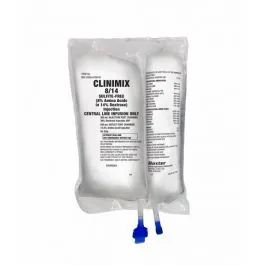
Table of Contents
- Patient Information Leaflet: Information for the patient
- CLINIMIX N9G15E, solution for infusion
- 1. What CLINIMIX is and why it is given
- 2. What you need to know before CLINIMIX is administered to you
- 3. How CLINIMIX is administered
- 4. Possible side effects
- 5. How to store CLINIMIX
- 6. Contents of the pack and other information
- The following information is intended for healthcare professionals only:
- 1. QUANTITATIVE COMPOSITION
- 2. DOSAGE AND ADMINISTRATION
- 3. SPECIAL WARNINGS AND PRECAUTIONS FOR USE
- 4. PRACTICAL INFORMATION ON PREPARATION AND HANDLING
- 1. 2. 3.
- 4. 5. 6.
- 5. SHELF LIFE
- CLINIMIX N9G20E, infusion solution
- 1. What CLINIMIX is and why it is given
- 2. What you need to know before CLINIMIX is administered to you
- 3. How CLINIMIX is administered
- 4. Possible side effects
- 5. How to store CLINIMIX
- 6. Contents of the pack and other information
- The following information is intended exclusively for healthcare professionals:
- 1. QUANTITATIVE COMPOSITION
- 2. DOSAGE AND ADMINISTRATION
- 3. SPECIAL WARNINGS AND PRECAUTIONS FOR USE
- 4. PRACTICAL INFORMATION ON PREPARATION AND HANDLING
- 1. 2. 3.
- 4. 5. 6.
- 5. EXPIRY DATE
- CLINIMIX N12G20, infusion solution
- 1. What CLINIMIX is and why it is given
- 2. What you need to know before CLINIMIX is administered to you
- 3. How CLINIMIX is administered
- 4. Possible side effects
- 5. How to store CLINIMIX
- 6. Contents of the pack and other information
- The following information is intended for healthcare professionals only:
- 1. QUANTITATIVE COMPOSITION
- 2. DOSAGE AND ADMINISTRATION
- 3. SPECIAL WARNINGS AND PRECAUTIONS FOR USE
- 4. PRACTICAL INFORMATION ON PREPARATION AND HANDLING
- 1. 2. 3.
- 4. 5. 6.
- 5. EXPIRY DATE
- CLINIMIX N12G20E, infusion solution
- 1. What CLINIMIX is and why it is given
- 2. What you need to know before CLINIMIX is administered to you
- 3. How CLINIMIX is administered
- 4. Possible side effects
- 5. How to store CLINIMIX
- 6. Package contents and other information
- The following information is intended for healthcare professionals only:
- 1. QUANTITATIVE COMPOSITION
- 2. DOSAGE AND METHOD OF ADMINISTRATION
- 3. SPECIAL WARNINGS AND PRECAUTIONS FOR USE
- 4. PRACTICAL INFORMATION ON PREPARATION AND HANDLING
- 1. 2. 3.
- 4. 5. 6.
- 5. EXPIRY DATE
- CLINIMIX N14G30, infusion solution
- 1. What CLINIMIX is and why it is used
- 2. What you need to know before CLINIMIX is administered to you
- 3. How CLINIMIX is administered
- 4. Possible side effects
- 5. How to store CLINIMIX
- 6. Contents of the package and other information
- The following information is intended exclusively for healthcare professionals:
- 1. QUANTITATIVE COMPOSITION
- 2. DOSAGE AND METHOD OF ADMINISTRATION
- 3. SPECIAL WARNINGS AND PRECAUTIONS FOR USE
- 4. PRACTICAL INFORMATION ON PREPARATION AND HANDLING
- 1. 2. 3.
- 4.5.6.
- 5. EXPIRY DATE
- CLINIMIX N14G30E, solution for infusion
- 1. What CLINIMIX is and why it is given
- 2. What you need to know before CLINIMIX is administered to you
- 3. How CLINIMIX is administered
- 4. Possible side effects
- 5. How to store CLINIMIX
- 6. Contents of the pack and other information
- The following information is intended exclusively for healthcare professionals:
- 1. QUANTITATIVE COMPOSITION
- 2. DOSAGE AND ADMINISTRATION
- 3. SPECIAL WARNINGS AND PRECAUTIONS FOR USE
- 4. PRACTICAL INFORMATION ON PREPARATION AND HANDLING
- 1. 2. 3.
- 4.5.6.
- 5. EXPIRY DATE
- CLINIMIX N17G35, infusion solution
- 1. What CLINIMIX is and why it is used
- 2. What you need to know before CLINIMIX is administered to you
- 3. How CLINIMIX is administered
- 4. Possible side effects
- 5. How to store CLINIMIX
- 6. Contents of the pack and other information
- The following information is intended exclusively for healthcare professionals:
- 1. QUANTITATIVE COMPOSITION
- 2. DOSAGE AND ADMINISTRATION
- 3. SPECIAL WARNINGS AND PRECAUTIONS FOR USE
- 4. PRACTICAL INFORMATION ON PREPARATION AND HANDLING
- 1. 2. 3.
- 4.5.6.
- 5. EXPIRY DATE
- CLINIMIX N17G35E, infusion solution
- 1. What CLINIMIX is and why it is given
- 2. What you need to know before CLINIMIX is administered to you
- 3. How CLINIMIX is administered
- 4. Possible side effects
- 5. How to store CLINIMIX
- 6. Contents of the pack and other information
- The following information is intended for healthcare professionals only:
- 1. QUANTITATIVE COMPOSITION
- 2. DOSAGE AND METHOD OF ADMINISTRATION
- 3. SPECIAL WARNINGS AND PRECAUTIONS FOR USE
- 4. PRACTICAL INFORMATION ON PREPARATION AND HANDLING
- 1. 2. 3.
- 4.5.6.
- 5. SHELF LIFE
Clinimix FI Apr 2021
Patient Information Leaflet: Information for the patient
CLINIMIX N9G15E, solution for infusion
Please read this leaflet carefully before you are given this medicine, as it contains important information for you.
- Keep this leaflet. You may need to read it again.
- If you have any questions, consult your doctor or nurse.
- If you experience any side effects, including those not listed in this leaflet, inform your doctor or nurse. See section 4.
Contents of this leaflet:
- What CLINIMIX is and why it is administered
- What you need to know before CLINIMIX is administered to you
- How CLINIMIX is administered
- Possible side effects
- How to store CLINIMIX
- Contents of the pack and other information
1. What CLINIMIX is and why it is given
CLINIMIX is an infusion solution. It is supplied in a two-compartment bag. One compartment contains an amino acid solution with electrolytes, while the second compartment contains a glucose solution with calcium chloride. The compartments are separated by a non-permanent membrane. Just before administration, the contents of the two compartments are mixed by rolling the upper end of the bag to activate the membranes.
CLINIMIX is administered to provide nutrition in adults and children through a tube inserted into a vein, when normal oral feeding is not suitable.
CLINIMIX must be administered exclusively under medical supervision.
2. What you need to know before CLINIMIX is administered to you
CLINIMIX must not be administered if:
- you are allergic to any of the ingredients of this medicine (listed in section 6).
- the use of certain amino acids causes problems for your body.
- you have too much sugar in your blood (severe hyperglycemia).
- your blood is too acidic (metabolic acidosis due to excess lactate).
- your blood levels of sodium, potassium, magnesium, calcium and/or phosphorus are too high (hypernatremia, hyperkalemia, hypermagnesemia, hypercalcemia and/or hyperphosphatemia).
- in children under 28 days of age, ceftriaxone must not be co-administered with intravenous solutions containing calcium due to the risk of particle formation.
In all cases, your doctor will decide whether you should receive this medicine based on factors such as age, weight,
clinical condition, and test results.
Warnings and precautions
Talk to your doctor or nurse before CLINIMIX is administered to you.
If you develop any signs or symptoms of an allergic reaction such as fever, chills, skin rash,
difficulty breathing, excessive sweating, nausea or headache, inform your doctor or nurse immediately: the infusion
must be stopped immediately. Your doctor will monitor your condition while you are receiving this medicine and
may adjust the dosage or add nutrients such as lipids, vitamins, electrolytes, and trace elements as deemed necessary.
Page 1 of 96
Clinimix FI Apr 2021
Some medicines and certain diseases may increase the risk of infection or sepsis (presence of bacteria in
the blood). The risk of infection or sepsis is particularly high when a tube (intravenous catheter) is inserted into
a vein. Your doctor will carefully examine you for any signs of infection. The risk of infection can
be reduced by using an "aseptic technique" ("germ-free") when inserting and maintaining the catheter and when
preparing the nutritional formula.
CLINIMIX with electrolytes contains calcium. It must not be administered together with the antibiotic ceftriaxone due to the risk of particle formation.
If you are severely malnourished and require intravenous nutrition, parenteral nutrition should be started slowly and carefully.
Your doctor will monitor your condition at the beginning of the infusion, especially if you have liver, kidney,
adrenal, heart or circulatory problems. Your doctor should also be informed of any serious conditions affecting how your body handles sugars, fats, proteins or salts (metabolic disorders). The infusion must be stopped if abnormal signs develop, including venous irritation.
To monitor the effectiveness and safety of administration, your doctor will perform clinical and laboratory tests while you are receiving this medicine. If you receive this medicine for several weeks, your blood will be tested regularly. In particular, if you have glucose intolerance, blood and urine glucose levels must be monitored regularly, and if you are diabetic, your insulin dosage may need to be adjusted.
When used in children under 2 years of age, the solution (in bags and administration sets) must be protected from exposure to light until administration is complete.
Exposure of Clinimix to ambient light, especially after the addition of trace elements and/or vitamins,
generates peroxides and other degradation products, which can be minimized by protecting from light exposure.
Other medicines and CLINIMIX
Inform your doctor if you are taking or using, have recently taken or used, or might take or use any other medicines.
CLINIMIX with electrolytes contains calcium. It must not be given together with the antibiotic ceftriaxone due to the risk of particle formation.
Due to its potassium content, CLINIMIX must be administered with caution in patients treated with potassium-sparing diuretics (e.g., amiloride, spironolactone, triamterene), angiotensin-converting enzyme (ACE) inhibitors, angiotensin II receptor antagonists, or the immunosuppressants tacrolimus and cyclosporine, due to the risk of hyperkalemia.
Pregnancy, breastfeeding and fertility
If you are pregnant, think you may be pregnant, planning to become pregnant, or are breastfeeding, please consult your doctor before this medicine is administered to you.
3. How CLINIMIX is administered
Before administering the product, the non-permanent membrane between the two compartments must be broken and the contents of the two compartments must be mixed.
CLINIMIX can be given to adults and children.
It is an infusion solution administered through a tube into a vein in the arm or into a large vein in the chest.
Page 2 of 96
Clinimix FI Apr 2021
When used in children under 2 years of age, the solution (in the bags and in the administration sets) must be protected from exposure to light until administration is complete (see section 2).
Dosage – adults and children
Your doctor will decide how much to administer and for how long. This will depend on age, weight and height, clinical condition, daily fluid volume, and energy and nitrogen requirements.
Always take CLINIMIX exactly as instructed by your doctor. If you have any doubts, consult your doctor.
The prescription may continue for as long as necessary, depending on your clinical condition.
Infusion of one bag usually lasts between 8 and 24 hours.
If you are given more CLINIMIX than you should
If the dose administered is too high or the infusion is too fast, the blood volume may increase or your blood may become too acidic. The glucose content may increase blood and urine glucose levels. Administration of too large a volume may cause nausea, vomiting, chills, and electrolyte imbalances; in such cases, the infusion must be stopped immediately.
In some severe cases, your doctor may temporarily subject you to renal dialysis to help your kidneys eliminate the excess product.
To prevent such events, your doctor will regularly monitor your condition and analyze your blood parameters.
If you have any doubts about the use of this product, consult your doctor.
4. Possible side effects
Like all medicines, this medicine can cause side effects, although not everyone experiences them.
If you notice any changes in how you feel during or after treatment, inform your doctor or nurse immediately.
The tests your doctor performs while you are receiving this medicine are intended to reduce the risk of side effects.
If any abnormal signs or symptoms of an allergic reaction develop, such as excessively low or high blood pressure, appearance of blue or red skin discoloration, excessively rapid heart rate, breathing difficulties, nausea, vomiting, skin rashes, increased body temperature, excessive sweating, chills or tremors, the infusion must be immediately stopped.
Other side effects that have been observed, occurring with varying frequency, include:
- Anaphylaxis (serious, rapidly developing allergic reaction that may be fatal).
- High concentrations of glucose, ammonia and nitrogen-containing compounds in the blood.
- Impaired liver function, abnormal blood tests for liver function.
- Inflammation of the gallbladder, presence of gallstones in the gallbladder.
- Vein inflammation at the injection site, venous irritation, pain, irritation, warmth, swelling.
- Presence of glucose in the urine.
- Diabetic coma.
- Formation of small particles blocking the pulmonary blood vessels.
Reporting of side effects
Page 3 of 96
Clinimix FI Apr 2021
If you experience any side effect, including those not listed in this leaflet, talk to your doctor or nurse.
You can also report side effects directly via the national reporting system at the following website:
https://www.aifa.gov.it/content/segnalazioni-reazioni-avverse
By reporting side effects, you can help provide more information on the safety of this medicine.
5. How to store CLINIMIX
Keep this medicine out of the sight and reach of children.
When used in children under 2 years of age, the solution (in bags and administration sets) must be protected from light exposure until administration is complete (see section 2).
This medicine must not be administered after the expiry date stated on the container and outer packaging (MM/YYYY). The expiry date refers to the last day of that month.
Do not freeze.
Keep the container in its outer packaging.
Do not dispose of medicines via wastewater or household waste. Ask your pharmacist how to dispose of medicines you no longer use. This will help protect the environment.
6. Contents of the pack and other information
What CLINIMIX contains
The active substances in each bag of the reconstituted solution are:
| Active substances | 1 l | 1.5 l | 2 l |
|---|---|---|---|
| L-alanine L-arginine Glycine L-histidine L-isoleucine L-leucine L-lysine (as lysine hydrochloride) L-methionine L-phenylalanine L-proline L-serine L-threonine L-tryptophan L-tyrosine L-valine Sodium acetate, 3H2O Potassium phosphate dibasic Sodium chloride Magnesium chloride, 6H2O Anhydrous glucose (as monohydrate glucose) Calcium chloride, 2H2O | 5.70 g 3.17 g 2.84 g 1.32 g 1.65 g 2.01 g 1.60 g (2.00 g) 1.10 g 1.54 g 1.87 g 1.38 g 1.16 g 0.50 g 0.11 g 1.60 g 2.16 g 2.61 g 1.12 g 0.51 g 75 g (83 g) 0.33 g | 8.54 g 4.75 g 4.25 g 1.98 g 2.48 g 3.02 g 2.39 g (2.99 g) 1.65 g 2.31 g 2.81 g 2.06 g 1.73 g 0.74 g 0.17 g 2.39 g 3.23 g 3.92 g 1.68 g 0.77 g 113 g (124 g) 0.50 g | 11.39 g 6.33 g 5.67 g 2.64 g 3.30 g 4.02 g 3.19 g (3.99 g) 2.20 g 3.08 g 3.74 g 2.75 g 2.31 g 0.99 g 0.22 g 3.19 g 4.31 g 5.22 g 2.24 g 1.02 g 150 g (165 g) 0.66 g |
The other components are:
- acetic acid, hydrochloric acid (for adjusting the pH of the solution),
- water for injections. Page 4 of 96
Clinimix PI Apr 2021
Description of the appearance of CLINIMIX and contents of the pack
CLINIMIX is an infusion solution supplied in a two-compartment bag, which is a multilayer plastic bag. The material of the inner layer (in contact) of the bag is based on polymers (a mixture of polyolefin copolymers) compatible with the constituents and authorized additives. Other layers are made of EVA (ethylene-vinyl acetate copolymer) and a copolyester.
Before reconstitution, the amino acid and glucose solutions are clear and colourless or slightly yellow. After reconstitution, the solution remains clear and colourless or slightly yellow.
To prevent contact with atmospheric oxygen, the bag is packaged in an outer oxygen-barrier pouch containing an oxygen-absorbing sachet.
Pack sizes
1000 ml bag: pack containing 8 bags
1000 ml: 1 bag
1500 ml bag: pack containing 6 bags
1500 ml: 1 bag
2000 ml bag: pack containing 4 bags
2000 ml: 1 bag
It is possible that not all pack sizes are marketed.
Marketing Authorisation Holder
For further information on CLINIMIX, please contact the Marketing Authorisation Holder:
BAXTER S.p.A.
Via del Serafico 89, 00142 ROMA
Manufacturers
Baxter S.A., Boulevard René Branquart, 80, 7860 Lessines, Belgium
This medicinal product is authorised in the European Economic Area Member States under the following
names:
CLINIMIX N9G15E, infusion solution
In some countries it is registered under other names as described below:
Austria: Clinimix 3% G-E
This summary of product characteristics was last revised in: April 2021
Page 5 of 96
Clinimix PI Apr 2021
The following information is intended for healthcare professionals only:
1. QUANTITATIVE COMPOSITION
After mixing the contents of the two compartments, the composition of the binary mixture, for all available bag sizes, is as follows:
| 1 l | 1.5 l | 2 l | |
| Nitrogen (g) Amino acids (g) Glucose (g) | 4.6 28 75 | 6.8 41 113 | 9.1 55 150 |
| Total calories (kcal) Calories from glucose (kcal) | 410 300 | 615 450 | 820 600 |
| Sodium (mmol) Potassium (mmol) Magnesium (mmol) Calcium (mmol) Acetate (mmol) Chloride (mmol) Phosphates as HPO42- (mmol) | 35 30 2.5 2.3 50 40 15 | 53 45 3.8 3.4 75 60 23 | 70 60 5.0 4.5 100 80 30 |
| pH Osmolarity (mOsm/l) | 6 845 | ||
2. DOSAGE AND ADMINISTRATION
Administer the product only after breaking the non-permanent membrane between the two compartments and mixing the contents of both compartments.
Dosage and infusion rate
The dosage must be individualized according to the patient's nutritional and fluid requirements, energy expenditure, clinical condition, body weight, and ability to metabolize the components of Clinimix, as well as to additional energy or protein supplied orally/enterally. Furthermore, daily requirements for fluids, nitrogen, and energy continuously decrease with age.
In adults, nitrogen requirements range from 0.16 g nitrogen/kg/day (approximately 1 g amino acids/kg/day) to 0.32 g nitrogen/kg/day (approximately 2 g amino acids/kg/day).
In children, nitrogen requirements range from 0.16 g nitrogen/kg/day (approximately 1.0 g amino acids/kg/day) to 0.40 g nitrogen/kg/day (approximately 2.5 g amino acids/kg/day).
In adults and patients aged 12 to 18 years, caloric requirements range from 25 kcal/kg/day to 40 kcal/kg/day, depending on the patient's nutritional status and degree of catabolism. Patients under 12 years of age may have higher requirements.
There may be clinical situations in which patients require nutrient amounts differing from the composition of Clinimix. In such cases, any adjustment in volume (dose) must take into account the resulting effect on the dosage of all other nutritional components in Clinimix. The infusion rate and volume must be determined by an experienced consulting physician skilled in pediatric intravenous fluid therapy.
This product does not contain the amino acids cysteine and taurine, which are considered conditionally essential for neonates and infants.
This medicinal product is not recommended for preterm and term neonates and for children under 2 years of age.
The infusion rate must be adjusted according to the dosage, characteristics of the infused solution, total volume to be infused over 24 hours, and duration of infusion.
Page 6 of 96
Clinimix FI Apr 2021
The infusion time must exceed 8 hours. Normally, the flow rate is gradually increased during the first hour, without exceeding 3 ml per kilogram of body weight per hour, and the maximum dose is 40 ml per kilogram of body weight per day.
Administration method
When used in children under 2 years of age, the solution (in bags and administration sets) must be protected from light exposure until administration is complete.
Route of administration
The choice between central or peripheral vein depends on the final osmolarity of the mixture. The generally accepted limit for peripheral infusion is approximately 800 mOsm/L, but this varies considerably with age, the patient's general condition, and the characteristics of the peripheral veins.
3. SPECIAL WARNINGS AND PRECAUTIONS FOR USE
WARNINGS
Hypersensitivity reactions to infusion, including hypotension, hypertension, peripheral cyanosis, tachycardia, dyspnea, vomiting, nausea, urticaria, rash, pruritus, erythema, hyperhidrosis, pyrexia, and chills, have been reported with CLINIMIX formulations.
Anaphylaxis has been reported with other parenteral nutrition products.
Careful clinical monitoring is required before initiating intravenous infusion. If signs or symptoms of an abnormal reaction occur, e.g., hypersensitivity or infusion reaction, the infusion must be immediately discontinued.
Glucose-containing solutions should be used cautiously, if at all, in patients with known allergy to corn or its derivatives.
Pulmonary vascular precipitates have been reported in patients receiving parenteral nutrition. In some cases, outcomes have been fatal. Excessive addition of calcium and phosphate increases the risk of calcium phosphate precipitate formation. Precipitates have also been reported in solution even in the absence of phosphate salts. Precipitates have been observed distant from the in-line filter and suspected in vivo precipitate formation has been reported. In cases where signs of pulmonary distress occur, the infusion must be stopped and a medical evaluation initiated. In addition to inspecting the solution, the infusion set and catheter must also be periodically checked for the presence of precipitates.
In patients over 28 days of age (including adults), ceftriaxone must not be administered simultaneously with intravenous solutions containing calcium, including CLINIMIX N9G15E, through the same infusion line (e.g., via a Y-connector).
If the same infusion line is used for sequential administration, the line must be thoroughly flushed with a compatible fluid between infusions.
Infection and sepsis may occur as a result of the use of intravenous catheters for administration of parenteral formulations, inadequate catheter maintenance, or contaminated solutions.
Immunosuppression and other factors such as hyperglycemia, malnutrition, and/or underlying disease states may predispose patients to infectious complications.
Close clinical and laboratory monitoring for fever/chills, leukocytosis, technical complications related to the access device, and hyperglycemia may help detect infections early.
The occurrence of septic complications may be reduced by strictly adhering to aseptic techniques during catheter placement and maintenance, as well as aseptic techniques during the preparation of the nutritional formulation.
Page 7 of 96
Clinimix FI Apr 2021
Refeeding of severely malnourished patients may lead to refeeding syndrome, characterized by intracellular shifts of potassium, phosphate, and magnesium when the patient enters the anabolic phase. Thiamine deficiency and fluid retention may also develop. Careful monitoring and gradual increase in nutrient intake, along with avoidance of overfeeding, can prevent these complications.
Hypertonic solutions may cause venous irritation if infused via peripheral veins. The choice between peripheral or central venous administration depends on the final osmolarity of the infused mixture.
The generally accepted osmolarity limit for peripheral vein administration is 800 mOsm/L, but this may vary considerably depending on the patient's age, general condition, and characteristics of the peripheral veins.
Do not connect bags in series to avoid gas embolism due to potential residual air in the primary bag.
PRECAUTIONS
Severe disturbances in fluid and electrolyte balance, severe fluid overload, and severe metabolic disorders should be corrected before starting the infusion.
Metabolic complications may occur if nutrient intake is not adapted to the patient's needs or if the metabolic value of a dietary component is not accurately assessed. Undesirable metabolic effects may result from insufficient or excessive administration of nutrients or from a mixture composition inappropriate for a particular patient's needs.
Frequent clinical assessments and laboratory tests are necessary for proper monitoring during administration. These should include electrolyte panels and liver and kidney function tests.
Electrolyte requirements in patients treated with these solutions must be carefully determined and monitored, especially with regard to electrolyte-free solutions.
Glucose intolerance is a common metabolic complication in severely depleted patients. Hyperglycemia, glycosuria, and hyperosmolar syndrome may occur following product infusion. Blood and urine glucose levels should be routinely monitored, and insulin dosage should be adjusted accordingly in diabetic patients, if necessary.
Use with caution in patients with renal impairment, particularly in the presence of hyperkalemia, due to the risk of developing or worsening metabolic acidosis and hyperazotemia if extrarenal waste removal is not performed. In these patients, fluid status and electrolyte balance must be closely monitored. In cases of severe renal impairment, appropriately formulated amino acid solutions should be preferred.
Use CLINIMIX with caution in patients with adrenal insufficiency.
Avoid circulatory overload, particularly in patients with pulmonary edema or heart failure and/or cardiac decompensation. Fluid status must be strictly monitored.
In patients with pre-existing liver disease or hepatic insufficiency, symptoms of hyperammonemia should be monitored in addition to routine liver function tests.
Hepatobiliary disorders, including cholestasis, hepatic steatosis, fibrosis, and cirrhosis, which may potentially lead to liver failure, as well as cholecystitis and cholelithiasis, are known to develop in some patients on parenteral nutrition. The etiology of these disorders is believed to be multifactorial and may differ among patients.
Patients showing abnormal laboratory parameters or other signs of hepatobiliary disorders should be promptly referred to a physician specialized in liver dysfunction to identify triggering and contributing factors and to determine appropriate therapeutic and preventive interventions.
Page 8 of 96
Clinimix FI Apr 2021
Elevated blood ammonia and hyperammonemia may occur in patients receiving amino acid solutions. In some patients, this may indicate an underlying congenital disorder of amino acid metabolism (see section 4.3 of the SmPC) or hepatic insufficiency.
Blood ammonia levels should be frequently measured in neonates and children to detect hyperammonemia, which may indicate a congenital disorder of amino acid metabolism.
Depending on severity and etiology, hyperammonemia may require immediate intervention.
Too rapid infusion of amino acids may cause nausea, vomiting, and chills. If these symptoms occur, the infusion must be immediately discontinued.
Dose selection for elderly patients should generally be cautious, taking into account the greater frequency of decreased hepatic, renal, or cardiac function, and the presence of concomitant diseases or other pharmacological therapies.
Paediatric population
- No studies have been conducted in the paediatric population.
- See above regarding monitoring for hyperammonemia in paediatric patients.
Exposure to light of intravenous parenteral nutrition solutions, especially after addition of trace elements and/or vitamins, may lead to the formation of peroxides and other degradation products. When used in children under 2 years of age, Clinimix must be protected from ambient light until completion of administration.
4. PRACTICAL INFORMATION ON PREPARATION AND HANDLING
Warning: Administer the product only after breaking the separating membrane and mixing the contents of both compartments.
1. 2. 3.


Tear from the top to
open the outer wrapper.
Tear off the front part
of the outer wrapper to expose the
CLINIMIX bag.
Place the bag flat
on a clean, horizontal surface
with the handle facing
toward you.
Discard the outer
wrapper and the
oxygen absorber.
4. 5. 6.



Lift the hanging area. Mix the bag by inverting it Rotate the bag firmly until the separation membrane is completely open (approximately halfway).
for about 3 times. Remove the solution from the upper part of the bag.
Unscrew, with a twisting motion, the protective cap from the administration port.
Firmly connect the spike connector.
Page 9 of 96
Clinimix FI Apr 2021
Use only if the solution is clear, colourless or slightly yellow, and if the bag is undamaged.
CLINIMIX must be at room temperature before use.
Activation of CLINIMIX may be performed either within the outer wrapper or after its removal.
For single use only.
Do not store unused residues; dispose of all devices after use.
Do not reconnect partially used bags.
Do not use in series connections.
When used in children under 2 years of age, protect from light exposure until completion of administration. Exposure of Clinimix to ambient light, especially after addition of trace elements and/or vitamins, generates peroxides and other degradation products, which can be reduced by protecting from light exposure.
Supplementation
Lipids, vitamins, and trace elements should be administered to patients receiving prolonged parenteral nutrition.
If supplementation is required, verify compatibility and check the stability of mixtures.
Supplementation may be performed after breaking the separation membrane (after the two solutions have been mixed) for all other additives. CLINIMIX may be supplemented with:
- Lipid emulsions (e.g., ClinOleic) in a volume of 50 to 250 ml per litre of CLINIMIX
| CLINIMIX N9G15E 1 l + 100 ml of 20% lipids | CLINIMIX N9G15E 1.5 l + 100 ml of 20% lipids | CLINIMIX N9G15E 2 l + 250 ml of 20% lipids | |
| Nitrogen (g) Amino acids (g) Glucose (g) Lipids (g) | 4.6 28 75 20 | 6.8 41 113 20 | 9.1 55 150 50 |
| Total calories (kcal) Calories from glucose (kcal) Calories from lipids (kcal) Glucose/lipid ratio | 610 300 200 60/40 | 815 450 200 69/31 | 1320 600 500 55/45 |
| Sodium (mmol) Potassium (mmol) Magnesium (mmol) Calcium (mmol) Acetate (mmol) Chloride (mmol) Phosphates as HPO₄²⁻ (mmol) | 35 30 2.5 2.3 50 40 15 | 53 45 3.8 3.4 75 60 23 | 70 60 5.0 4.5 100 80 30 |
| pH Osmolarity (mOsm/l) | 6 795 | 6 810 | 6 785 |
Page 10 of 96
Clinimix FI Apr 2021
- Electrolytes: per liter of CLINIMIX
| Sodium | Potassium | Magnesium | Calcium | |
| Up to a final concentration of | 80 mmol | 60 mmol | 5.6 mmol | 3.0 mmol |
- Trace elements: per liter of CLINIMIX
| Up to a final concentration of | Copper | 10 mol | Zinc | 77 mol |
| Chromium | 0.14 mol | Manganese | 2.5 mol | |
| Fluoride | 38 mol | Cobalt | 0.0125 mol | |
| Selenium | 0.44 mol | Molybdenum | 0.13 mol | |
| Iodine | 0.5 mol | Iron | 10 mol |
- Vitamins: per liter of CLINIMIX
| Up to a final concentration of | Vitamin A | 1750 IU | Biotin | 35μg |
| Vitamin B6 | 2.27 mg | Vitamin B1 | 1.76 mg | |
| Vitamin D | 110 IU | Folic acid | 207μg | |
| Vitamin B12 | 3.0 μg | Vitamin B2 | 2.07 mg | |
| Vitamin E | 5.1 mg | Vitamin C | 63 mg | |
| Niacinamide (Vitamin PP) | 23 mg | Vitamin B5 | 8.63 mg | |
| Vitamin K | 75μg |
Stability data following the mixing of CLINIMIX with other commercially available lipid emulsions and other additives or nutrients are available upon request.
If slight opalescence is observed, mix the solution thoroughly by gently shaking to obtain a homogeneous emulsion before infusion.
Any additions must be performed under aseptic conditions.
Additions should be made using a syringe or via a transfer set.
- Addition using a syringe or transfer set with needle
- Prepare the injection site (single access port, see Figure 1 in the SmPC).
- Pierce the membrane and inject.
- Mix the solution and additives.
- Addition using a transfer set equipped with a spike
- Refer to the “Instructions for Use” of the lipid transfer set being used.
- Connect the spike to the lipid access site (longer access port).
Incompatibilities
Some additives may be incompatible; refer to the manufacturer for further details.
If additions are necessary, compatibility and stability of the final mixtures must be verified.
The solution must not be administered before, simultaneously with, or after a blood transfusion through the same infusion set due to the risk of pseudoagglutination.
CLINIMIX N9G15E contains calcium ions which increase the risk of precipitate formation with coagulated blood or blood components treated with citrate as anticoagulant/preservative.
As with other parenteral nutrition mixtures, calcium-to-phosphate ratios must be considered. Excessive addition of calcium and phosphate, especially in the form of mineral salts, may lead to precipitation of calcium phosphate.
As with other infusion solutions containing calcium, concomitant administration of ceftriaxone and CLINIMIX N9G15E is contraindicated in neonates (≤28 days of age), even when administered through separate infusion lines (due to the risk of fatal precipitation of ceftriaxone-calcium salt in the neonate's bloodstream).
In patients older than 28 days of age (including adults), ceftriaxone must not be administered intravenously simultaneously with calcium-containing solutions, including CLINIMIX N9G15E, through the same infusion line (see section “Warnings”).
If the same infusion line is used for sequential administrations, the line must be flushed internally with a compatible fluid between infusions.
5. SHELF LIFE
2 years if stored in the outer packaging.
It is recommended to use the product immediately after opening the non-permanent separating membrane between the two compartments. However, once reconstituted (internal non-permanent separating membrane opened), the reconstituted emulsion has been shown to be stable at a temperature between 2°C and 8°C for up to 7 days, followed by a maximum of 48 hours at temperatures not exceeding 25°C.
After additions have been made, from a microbiological standpoint, the mixture should be used immediately. If not used immediately, the times and conditions of storage prior to use are the responsibility of the user and should not exceed 24 hours between 2 and 8 °C, unless the mixtures have been prepared under controlled and validated aseptic conditions. In exceptional circumstances where longer storage times are required, the manufacturer may be contacted, as stability data regarding chemical and physical in-use stability are available for up to 7 days at a temperature between 2 and 8 °C, followed by 48 hours at temperatures below 25°C for the products listed in the previous paragraph.
Patient information leaflet: information for the patient
CLINIMIX N9G20E, infusion solution
Please read this leaflet carefully before this medicine is administered to you, as it contains important information for you.
- Keep this leaflet. You may need to read it again.
- If you have any questions, consult your doctor or nurse.
- If you experience any side effects, including those not listed in this leaflet, tell your doctor or nurse. See section 4.
Contents of this leaflet:
- What CLINIMIX is and why it is administered
- What you must know before CLINIMIX is administered to you
- How CLINIMIX is administered
- Possible side effects
- How to store CLINIMIX
- Contents of the pack and other information
1. What CLINIMIX is and why it is given
CLINIMIX is an infusion solution. It is supplied in a two-compartment bag. One compartment contains a solution of amino acids with electrolytes, while the second compartment contains a glucose solution with calcium chloride. The compartments are separated by a non-permanent membrane. Just before administration, the contents of the two compartments are mixed by rolling the upper end of the bag to activate the membranes.
CLINIMIX is administered to provide nutrition to adults and children through a tube inserted into a vein, when normal oral feeding is not suitable.
CLINIMIX must be administered exclusively under medical supervision.
2. What you need to know before CLINIMIX is administered to you
CLINIMIX must not be administered if:
- you are allergic to any of the ingredients of this medicine (listed in section 6).
- the use of certain amino acids causes problems for your body.
- you have too much sugar in your blood (severe hyperglycemia).
- your blood is too acidic (metabolic acidosis due to excess lactate).
- the levels of sodium, potassium, magnesium, calcium and/or phosphorus in your blood are too high (hypernatremia, hyperkalemia, hypermagnesemia, hypercalcemia and/or hyperphosphatemia).
- In children under 28 days of age, ceftriaxone must not be co-administered with intravenous solutions containing calcium due to the risk of particle formation.
In all cases, your doctor will decide whether you should receive this medicine based on factors such as age, weight, clinical condition, and test results.
Warnings and precautions
Talk to your doctor or nurse before CLINIMIX is administered to you.
If you develop any signs or symptoms of an allergic reaction such as fever, chills, skin rash, breathing difficulties, excessive sweating, nausea or headache, inform your doctor or nurse immediately: the infusion must be stopped immediately. Your doctor will monitor your condition while you are receiving this medicine and may adjust the dosage or add nutrients such as lipids, vitamins, electrolytes and trace elements as deemed necessary.
Some medicines and certain diseases may increase the risk of infection or sepsis (presence of bacteria in the blood). The risk of infection or sepsis is particularly high when a tube (intravenous catheter) is inserted into a vein. Your doctor will carefully examine you for any signs of infection. The risk of infection can be reduced by using an "aseptic technique" (germ-free technique) when inserting and maintaining the catheter and when preparing the nutritional formula.
CLINIMIX with electrolytes contains calcium. It must not be administered concomitantly with the antibiotic ceftriaxone due to the risk of particle formation.
If you are severely malnourished and require intravenous nutritional support, it is recommended to initiate parenteral nutrition slowly and carefully.
Your doctor will monitor your condition at the beginning of the infusion, especially if you have liver, kidney, adrenal, heart or circulatory problems. Your doctor must also be informed of any serious conditions affecting how your body handles sugars, fats, proteins or salts (metabolic disorders). The infusion must be stopped if abnormal signs develop, including venous irritation.
To monitor the effectiveness and safety of administration, your doctor will perform clinical and laboratory tests while you are receiving this medicine. If you receive this medicine for several weeks, your blood will be examined regularly. In particular, if you have glucose intolerance, blood and urine glucose levels must be monitored regularly, and if you are diabetic, your insulin dosage may need to be adjusted.
When used in children under 2 years of age, the solution (in bags and administration sets) must be protected from exposure to light until administration is complete.
Exposure of CLINIMIX to ambient light, especially after addition of trace elements and/or vitamins,
Page 13 of 96
Clinimix FI Apr 2021
generates peroxides and other degradation products, which can be minimized by protecting from light exposure.
Other medicines and CLINIMIX
Inform your doctor if you are taking or using, have recently taken or used, or might take or use any other medicines.
CLINIMIX with electrolytes contains calcium. It must not be given together with the antibiotic ceftriaxone due to the risk of particle formation.
Due to its potassium content, CLINIMIX must be administered with caution in patients treated with potassium-sparing diuretics (e.g., amiloride, spironolactone, triamterene), angiotensin-converting enzyme (ACE) inhibitors, angiotensin II receptor antagonists, or immunosuppressants such as tacrolimus and cyclosporine, due to the risk of hyperkalemia.
Pregnancy, breastfeeding and fertility
If you are pregnant, suspect you may be pregnant, planning to become pregnant, or are breastfeeding, consult your doctor before this medicine is administered to you.
3. How CLINIMIX is administered
Before administering the product, the non-permanent membrane between the two compartments must be broken and the contents of the two compartments must be mixed.
CLINIMIX can be given to adults and children.
It is an infusion solution administered through a tube into a vein in the arm or into a large vein in the chest.
When used in children under 2 years of age, the solution (in the bags and administration sets) must be protected from light exposure until administration is complete (see section 2).
Dosage – adults and children
Your doctor will decide the amount to administer and the duration of treatment. This will depend on age, weight and height, clinical condition, daily fluid volume, and individual energy and nitrogen requirements.
Always use CLINIMIX exactly as prescribed by your doctor. If you have any doubts, consult your doctor.
The prescription may be continued for as long as necessary, depending on your clinical condition.
Infusion of one bag usually lasts between 8 and 24 hours.
If you are given more CLINIMIX than you should
If the dose administered is too high or the infusion rate is too fast, blood volume may increase or your blood may become too acidic. Glucose levels in the blood and urine may rise. Administration of too large a volume may cause nausea, vomiting, chills, and electrolyte imbalances; in such cases, the infusion must be stopped immediately.
In severe cases, your doctor may temporarily perform renal dialysis to help your kidneys eliminate the excess product.
To prevent such events, your doctor will regularly monitor your condition and perform blood tests.
Page 14 of 96
Clinimix FI Apr 2021
If you have any doubts about using this product, consult your doctor.
4. Possible side effects
Like all medicines, this medicine can cause side effects, although not everyone will experience them. If you notice any changes in how you feel during or after treatment, inform your doctor or nurse immediately.
The tests your doctor performs while you are receiving this medicine are intended to reduce the risk of side effects.
If any abnormal signs or symptoms of an allergic reaction occur, such as excessively low or high blood pressure, appearance of blue or red skin discoloration, abnormally fast heart rate, difficulty breathing, nausea, vomiting, skin rashes, increased body temperature, excessive sweating, chills or tremors, the infusion must be stopped immediately.
Other side effects have been observed, occurring with varying frequency:
- Anaphylaxis (a serious, rapidly developing allergic reaction that may be fatal).
- High levels of glucose, ammonia and nitrogen-containing compounds in the blood.
- Impaired liver function, abnormal blood tests for liver function.
- Inflammation of the gallbladder, presence of gallstones in the gallbladder.
- Inflammation of the vein at the injection site, venous irritation, pain, irritation, warmth, swelling.
- Presence of glucose in the urine.
- Diabetic coma.
- Formation of small particles blocking the pulmonary blood vessels.
Reporting of side effects
If you experience any side effect, including those not listed in this leaflet, please consult your doctor or nurse. You may also report side effects directly through the national reporting system at the following website
https://www.aifa.gov.it/content/segnalazioni-reazioni-avverse
By reporting side effects, you can help provide more information on the safety of this medicine.
5. How to store CLINIMIX
Keep this medicine out of the sight and reach of children.
When used in children under 2 years of age, the solution (in bags and administration sets) must be protected from light exposure until administration is complete (see section 2).
This medicine must not be administered after the expiry date stated on the container and outer packaging (MM/YYYY). The expiry date refers to the last day of that month.
Do not freeze.
Keep the container in the outer packaging.
Do not dispose of any medicine via wastewater or household waste. Ask your pharmacist how to dispose of medicines no longer required. This will help protect the environment.
6. Contents of the pack and other information
Page 15 of 96
Clinimix FI Apr 2021
What CLINIMIX contains
The active substances in each bag of the reconstituted solution are:
| Active ingredients | 1 l | 1.5 l | 2 l |
| L-alanine L-arginine Glycine L-histidine L-isoleucine L-leucine L-lysine (as lysine hydrochloride) L-methionine L-phenylalanine L-proline L-serine L-threonine L-tryptophan L-tyrosine L-valine Sodium acetate, 3H2O Potassium phosphate dibasic Sodium chloride Magnesium chloride, 6H2O Anhydrous glucose (as monohydrate glucose) Calcium chloride, 2H2O | 5.70 g 3.17 g 2.84 g 1.32 g 1.65 g 2.01 g 1.60 g (2.00 g) 1.10 g 1.54 g 1.87 g 1.38 g 1.16 g 0.50 g 0.11 g 1.60 g 2.16 g 2.61 g 1.12 g 0.51 g 100 g (110 g) 0.33 g | 8.54 g 4.75 g 4.25 g 1.98 g 2.48 g 3.02 g 2.39 g (2.99 g) 1.65 g 2.31 g 2.81 g 2.06 g 1.73 g 0.74 g 0.17 g 2.39 g 3.23 g 3.92 g 1.68 g 0.77 g 150 g (165 g) 0.50 g | 11.39 g 6.33 g 5.67 g 2.64 g 3.30 g 4.02 g 3.19 g (3.99 g) 2.20 g 3.08 g 3.74 g 2.75 g 2.31 g 0.99 g 0.22 g 3.19 g 4.31 g 5.22 g 2.24 g 1.02 g 200 g (220 g) 0.66 g |
The other components are:
- acetic acid, hydrochloric acid (for adjusting the pH of the solution),
- water for injections.
Description of the appearance of CLINIMIX and contents of the pack
CLINIMIX is an infusion solution packed in a two-compartment bag, which is a multilayer plastic bag.
The material of the inner layer (contact layer) of the bag is based on polymers (a mixture of polyolefin copolymers) compatible with the constituents and authorized additives. Other layers are made of EVA (ethylene-vinyl acetate copolymer) and a copolyester.
Before reconstitution, the amino acid and glucose solutions are clear and colourless or slightly yellow. After reconstitution, the solution remains clear and colourless or slightly yellow.
To prevent contact with atmospheric oxygen, the bag is packaged in an outer oxygen-barrier pouch containing an oxygen-absorbing sachet.
Pack sizes
1000 ml bag: box containing 8 bags
1000 ml: 1 bag
1500 ml bag: box containing 6 bags
1500 ml: 1 bag
2000 ml bag: box containing 4 bags
2000 ml: 1 bag
Not all pack sizes may be marketed.
Marketing Authorization Holder
Page 16 of 96
Clinimix FI Apr 2021
For further information on CLINIMIX, please contact the Marketing Authorization Holder:
BAXTER S.p.A.
Via del Serafico 89, 00142 ROMA, Italy
Manufacturers
Baxter S.A., Boulevard René Branquart, 80, 7860 Lessines, Belgium
This medicinal product is authorized in the Member States of the European Economic Area under the following names:
CLINIMIX N9G20E, infusion solution
This summary of product characteristics was last revised on: April 2021
Page 17 of 96
Clinimix FI Apr 2021
The following information is intended exclusively for healthcare professionals:
1. QUANTITATIVE COMPOSITION
After mixing the contents of the two compartments, the composition of the binary mixture, for all available bag sizes, is as follows:
| 1 l | 1.5 l | 2 l | |
| Nitrogen (g) Amino acids (g) Glucose (g) | 4.6 28 100 | 6.8 41 150 | 9.1 55 200 |
| Total calories (kcal) Calories from glucose (kcal) | 510 400 | 765 600 | 1020 800 |
| Sodium (mmol) Potassium (mmol) Magnesium (mmol) Calcium (mmol) Acetate (mmol) Chloride (mmol) Phosphates as HPO42- (mmol) | 35 30 2.5 2.3 50 40 15 | 53 45 3.8 3.4 75 60 23 | 70 60 5.0 4.5 100 80 30 |
| pH Osmolarity (mOsm/l) | 6 980 | ||
2. DOSAGE AND ADMINISTRATION
Administer the product only after breaking the non-permanent membrane between the two compartments and mixing the contents of both compartments.
Dosage and infusion rate
.
The dosage must be individualized according to the patient's nutritional and fluid requirements, energy expenditure, clinical condition, body weight, and ability to metabolize the components of Clinimix, as well as to any additional energy or protein provided orally or enterally. Furthermore, daily requirements for fluids, nitrogen, and energy continuously decrease with age.
In adults, the nitrogen requirement ranges from 0.16 g nitrogen/kg/day (approximately 1 g amino acids/kg/day) to 0.32 g nitrogen/kg/day (approximately 2 g amino acids/kg/day).
In children, the nitrogen requirement ranges from 0.16 g nitrogen/kg/day (approximately 1.0 g amino acids/kg/day) to 0.40 g nitrogen/kg/day (approximately 2.5 g amino acids/kg/day).
In adults and patients aged between 12 and 18 years, the caloric requirement varies from 25 kcal/kg/day to 40 kcal/kg/day, depending on the patient's nutritional status and degree of catabolism. Patients under 12 years of age may have higher requirements.
There may be clinical situations in which patients require nutrient amounts differing from the composition of Clinimix. In such cases, any adjustment in volume (dose) must take into account the resulting effect on the dosage of all other nutritional components in Clinimix. The infusion rate and volume must be determined by a physician experienced in pediatric intravenous fluid therapy.
This product does not contain the amino acids cysteine and taurine, which are considered conditionally essential for neonates and infants.
This medicine is not recommended for preterm and term neonates or for children under 2 years of age.
The infusion rate should be adjusted according to the dosage, characteristics of the infused solution, total volume to be infused over 24 hours, and duration of infusion.
Page 18 of 96
Clinimix FI Apr 2021
The infusion time should exceed 8 hours. Normally, the flow rate is gradually increased during the first hour, without exceeding 2.5 ml per kilogram of body weight per hour, and the maximum dose is 40 ml per kilogram of body weight per day.
Administration method
When used in children under 2 years of age, the solution (in bags and administration sets) must be protected from exposure to light until administration is complete.
Route of administration
The choice between central or peripheral venous access depends on the final osmolarity of the mixture. The generally accepted limit for peripheral infusion is approximately 800 mOsm/L, although this varies considerably with age, the patient's general condition, and the characteristics of the peripheral veins.
3. SPECIAL WARNINGS AND PRECAUTIONS FOR USE
WARNINGS
Hypersensitivity reactions to infusion have been reported with CLINIMIX formulations, including
hypotension, hypertension, peripheral cyanosis, tachycardia, dyspnea, vomiting, nausea, urticaria, skin rash,
pruritus, erythema, hyperhidrosis, pyrexia, and chills.
Anaphylaxis has been reported with other parenteral nutrition products.
Prior to initiating intravenous infusion, careful clinical monitoring is required. If abnormal signs or symptoms occur, e.g., hypersensitivity or infusion reaction, the infusion must be immediately discontinued.
Glucose-containing solutions should be used with caution, if at all, in patients with known allergy to corn or its derivatives.
Pulmonary vascular precipitates have been reported in patients receiving parenteral nutrition. In some cases, outcomes have been fatal. Excessive addition of calcium and phosphate increases the risk of calcium phosphate precipitation. Precipitates have also been reported in solutions even in the absence of phosphate salts. Precipitates have been observed distant from the in-line filter and suspected in vivo precipitate formation. In cases where signs of pulmonary distress occur, the infusion must be stopped and medical evaluation initiated. In addition to inspecting the solution, the infusion set and infusion catheter should also be periodically checked for the presence of precipitates.
In patients older than 28 days (including adults), ceftriaxone must not be administered simultaneously with intravenous solutions containing calcium, including CLINIMIX N9G20E, through the same infusion line (e.g., via a Y-connector).
If the same infusion line is used for sequential administration, it must be thoroughly flushed with a compatible fluid between infusions.
Infection and sepsis may occur as a result of using intravenous catheters for administration of parenteral formulations, inadequate catheter maintenance, or contaminated solutions.
Immunosuppression and other factors such as hyperglycemia, malnutrition, and/or underlying disease states may predispose patients to infectious complications.
Close clinical and laboratory monitoring for fever/chills, leukocytosis, technical complications related to the access device, and hyperglycemia may help detect infections early.
The occurrence of septic complications can be reduced by strictly adhering to aseptic techniques during catheter placement and maintenance, as well as aseptic techniques during nutritional formulation preparation.
Page 19 of 96
Clinimix FI Apr 2021
Refeeding severely malnourished patients may lead to refeeding syndrome, characterized by intracellular shifts of potassium, phosphate, and magnesium when the patient enters the anabolic phase. Thiamine deficiency and fluid retention may also develop. Careful monitoring and gradual increase in nutrient intake, along with avoidance of overfeeding, can prevent these complications.
Hypertonic solutions infused into peripheral veins may cause venous irritation. The choice between peripheral or central venous administration depends on the final osmolarity of the infused mixture.
The generally accepted osmolarity limit for peripheral vein administration is 800 mOsm/L, but this may vary considerably depending on the patient's age, general condition, and characteristics of peripheral veins.
Do not connect bags in series to avoid gas embolism due to potential residual air in the primary bag.
PRECAUTIONS
Severe disturbances in fluid and electrolyte balance, severe fluid overload, and severe metabolic disorders should be corrected before initiating infusion.
Metabolic complications may occur if nutrient intake is not adapted to the patient's needs or if the metabolic value of a dietary component is not accurately assessed. Undesirable metabolic effects may result from insufficient or excessive nutrient administration or from an inappropriate mixture composition for a particular patient's needs.
Frequent clinical assessments and laboratory tests are necessary for proper monitoring during administration. These should include electrolyte panels and liver and kidney function tests.
Electrolyte requirements in patients treated with these solutions must be carefully determined and monitored, especially with electrolyte-free solutions.
Glucose intolerance is a common metabolic complication in severely depleted patients. Hyperglycemia, glycosuria, and hyperosmolar syndrome may occur following product infusion. Blood and urine glucose levels should be routinely monitored, and insulin dosage should be adjusted accordingly in diabetic patients, if necessary.
Use with caution in patients with renal insufficiency, particularly in the presence of hyperkalemia, due to the risk of developing or worsening metabolic acidosis and hyperazotemia if waste products are not removed via extrarenal clearance. In these patients, fluid status and electrolyte balance must be closely monitored. In cases of severe renal failure, appropriately formulated amino acid solutions should be preferred.
Use CLINIMIX with caution in patients with adrenal insufficiency.
Avoid circulatory overload, especially in patients with pulmonary edema or cardiac insufficiency/failure. Fluid status must be closely monitored.
In patients with pre-existing liver disease or hepatic insufficiency, symptoms of hyperammonemia should be monitored in addition to routine liver function tests.
It is known that hepatobiliary disorders, including cholestasis, hepatic steatosis, fibrosis, cirrhosis (potentially leading to liver failure), as well as cholecystitis and cholelithiasis, may develop in some patients on parenteral nutrition. The etiology of these disorders is believed to be multifactorial and may differ among patients.
Patients showing abnormal laboratory parameters or other signs of hepatobiliary disorders should be promptly referred to a physician specialized in liver dysfunction to identify triggering and contributing factors, as well as appropriate therapeutic and preventive interventions.
Page 20 of 96
Clinimix FI Apr 2021
Elevated blood ammonia and hyperammonemia may occur in patients receiving amino acid solutions. In some patients, this may indicate a congenital disorder of amino acid metabolism (see section 4.3 of the SmPC) or hepatic insufficiency.
Blood ammonia levels should be frequently measured in neonates and children to detect hyperammonemia, which may indicate a congenital abnormality in amino acid metabolism.
Depending on severity and etiology, hyperammonemia may require immediate intervention.
Infusion of amino acids at too rapid a rate may cause nausea, vomiting, and chills. If these symptoms occur, the infusion should be immediately discontinued.
In general, dose selection for elderly patients should be cautious, taking into account the greater frequency of decreased hepatic, renal, or cardiac function, and the presence of concomitant diseases or other medicinal therapies.
Paediatric population
- No studies have been conducted in the paediatric population.
- See above regarding monitoring for hyperammonemia in paediatric patients. Exposure of parenteral nutrition solutions to light, especially after addition of trace elements and/or vitamins, may lead to the formation of peroxides and other degradation products. When used in children under 2 years of age, Clinimix must be protected from ambient light until completion of administration.
4. PRACTICAL INFORMATION ON PREPARATION AND HANDLING
Warning: Administer the product only after breaking the separating membrane and mixing the contents of both compartments.


1. 2. 3.
Tear from the top to open the outer wrapper. Tear off the front part of the outer wrapper to reveal the CLINIMIX bag. Discard the outer wrapper and the oxygen absorber.
Place the bag flat on a clean, horizontal surface, with the handle facing towards you.



4. 5. 6.
Lift the suspension area. Mix the bag by inverting it approximately 3 times. Remove the protective cap from the administration port with a twisting motion.
Page 21 of 96
Clinimix FI Apr 2021
Roll the bag firmly until the separation membrane is completely open (approximately halfway).
Firmly connect the spike connector.
Use only if the solution is clear, colourless or slightly yellow, and if the bag is undamaged.
CLINIMIX must be at room temperature before use.
Activation of CLINIMIX may be performed either within the outer wrapper or after its removal.
For single use only.
Do not store unused remnants; dispose of all components after use.
Do not reconnect partially used bags.
Do not use in series connections.
When used in children under 2 years of age, protect from light exposure until completion of administration. Exposure of Clinimix to ambient light, especially after addition of trace elements and/or vitamins, may generate peroxides and other degradation products, which can be reduced by protecting from light.
Supplementation
Lipids, vitamins, and trace elements should be administered to patients receiving prolonged parenteral nutrition.
If supplementation is required, verify compatibility and check the stability of the mixtures.
Supplementation may be performed after breaking the separation membrane (after the two solutions have been mixed) for all other additives. CLINIMIX may be supplemented with:
- Lipid emulsions (e.g., ClinOleic) in quantities ranging from 50 to 250 ml per litre of CLINIMIX
| CLINIMIX N9G20E 1 l + 100 ml of 20% lipids | CLINIMIX N9G20E 1.5 l + 250 ml of 20% lipids | CLINIMIX N9G20E 2 l + 250 ml of 20% lipids | |
| Nitrogen (g) Amino acids (g) Glucose (g) Lipids (g) | 4.6 28 100 20 | 6.8 41 150 50 | 9.1 55 200 50 |
| Total calories (kcal) Calories from glucose (kcal) Calories from lipids (kcal) Glucose/lipid ratio | 710 400 200 67/33 | 1265 600 500 55/45 | 1520 800 500 62/38 |
| Sodium (mmol) Potassium (mmol) Magnesium (mmol) Calcium (mmol) Acetate (mmol) Chloride (mmol) Phosphates as HPO42- (mmol) | 35 30 2.5 2.3 50 40 15 | 53 45 3.8 3.4 75 60 23 | 70 60 5.0 4.5 100 80 30 |
| pH Osmolality (mOsm/l) | 6 915 | 6 880 | 6 900 |
Page 22 of 96
Clinimix FI Apr 2021
- Electrolytes: per liter of CLINIMIX
| Sodium | Potassium | Magnesium | Calcium | |
| Up to a final concentration of | 80 mmol | 60 mmol | 5.6 mmol | 3.0 mmol |
- Trace elements: per liter of CLINIMIX
| Up to a final concentration of | Copper | 10 mol | Zinc | 77 mol |
| Chromium | 0.14 mol | Manganese | 2.5 mol | |
| Fluorine | 38 mol | Cobalt | 0.0125 mol | |
| Selenium | 0.44 mol | Molybdenum | 0.13 mol | |
| Iodine | 0.5 mol | Iron | 10 mol |
- Vitamins: per liter of CLINIMIX
| Up to a final concentration of | Vitamin A | 1750 IU | Biotin | 35g |
| Vitamin B6 | 2.27 mg | Vitamin B1 | 1.76 mg | |
| Vitamin D | 110 IU | Folic acid | 207g | |
| Vitamin B12 | 3.0 g | Vitamin B2 | 2.07 mg | |
| Vitamin E | 5.1 mg | Vitamin C | 63 mg | |
| Vitamin PP | 23 mg | Vitamin B5 | 8.63 mg | |
| Vitamin K | 75g |
Stability data following the mixing of CLINIMIX with other commercially available lipid emulsions and other additives or nutrients are available upon request.
If slight opalescence is observed, mix the mixture thoroughly by gently shaking to obtain a homogeneous emulsion before infusion.
Any additions must be performed under aseptic conditions.
Additions should be made using a syringe or via a transfer set.
- Addition using a syringe or transfer set with needle
- Prepare the injection site (single access port, see Figure 1 in the SmPC).
- Pierce the membrane and inject.
- Mix the solution and additives.
- Addition using a transfer set equipped with a spike
- Refer to the “Instructions for Use” of the lipid transfer set being used.
- Connect the spike to the lipid access site (longer access port).
Incompatibilities
Some additives may be incompatible; refer to the manufacturer for further details.
If additions are necessary, compatibility and stability of the final mixtures must be verified.
The solution must not be administered before, simultaneously with, or after a blood transfusion through the same infusion set due to the risk of pseudoagglutination.
CLINIMIX N9G15E contains calcium ions which increase the risk of precipitate formation in blood or in blood components treated with citrate as anticoagulant/preservative.
As with other parenteral nutrition mixtures, calcium-to-phosphate ratios must be considered. Excessive addition of calcium and phosphate, especially in the form of mineral salts, may lead to precipitation of calcium phosphate.
As with other calcium-containing infusion solutions, concomitant administration of ceftriaxone and CLINIMIX N9G20E is contraindicated in neonates (≤28 days of age), even when administered via separate infusion lines (due to the risk of fatal precipitation of ceftriaxone-calcium salt in the neonate's bloodstream).
In patients older than 28 days of age (including adults), ceftriaxone must not be administered simultaneously intravenously with calcium-containing solutions, including CLINIMIX N9G20E, via the same infusion line (see section “Warnings”).
If the same infusion line is used for subsequent administrations, the line must be flushed internally with a compatible fluid between infusions.
5. EXPIRY DATE
2 years if stored in the outer packaging.
It is recommended that the product be used immediately after opening the non-permanent separating membrane between the two compartments. However, once reconstituted (internal non-permanent separating membrane opened), the reconstituted emulsion has been shown to be stable when stored at a temperature between 2°C and 8°C for up to 7 days, followed by a maximum of 48 hours at temperatures not exceeding 25°C.
After additions have been made, from a microbiological standpoint, the mixture should be used immediately. If not used immediately, the times and conditions of storage prior to use are the responsibility of the user and should not exceed 24 hours between 2°C and 8°C, unless the manipulations were performed under controlled and validated aseptic conditions. If longer storage times are required under exceptional circumstances, the manufacturer may be contacted, as stability data regarding chemical and physical in-use stability are available for up to 7 days at a temperature between 2°C and 8°C, followed by 48 hours at temperatures below 25°C, for the products listed in the previous section.
Patient information leaflet: Information for the patient
CLINIMIX N12G20, infusion solution
Please read this leaflet carefully before you are given this medicine, as it contains important information for you.
- Keep this leaflet. You may need to read it again.
- If you have any questions, ask your doctor or nurse.
- If you experience any side effects, including those not listed in this leaflet, tell your doctor or nurse. See section 4.
Contents of this leaflet:
- What CLINIMIX is and why it is being administered
- What you need to know before CLINIMIX is administered to you
- How CLINIMIX is administered
- Possible side effects
- How to store CLINIMIX
- Contents of the pack and other information
1. What CLINIMIX is and why it is given
CLINIMIX is an infusion solution. It is supplied in a two-compartment bag. One compartment contains an amino acid solution, while the second compartment contains a glucose solution. The compartments are separated by a non-permanent membrane. Just before administration, the contents of the two compartments are mixed by rolling the upper end of the bag to activate the membranes.
Page 24 of 96
Clinimix FI Apr 2021
CLINIMIX is administered to provide nutrition in adults and children through a tube inserted into a vein, when normal oral feeding is not suitable.
CLINIMIX must be administered exclusively under medical supervision.
2. What you need to know before CLINIMIX is administered to you
CLINIMIX must not be administered if:
- you are allergic to any of the components of this medicine (listed in section 6).
- the use of certain amino acids causes problems for your body.
- you have too much sugar in your blood (severe hyperglycemia).
- your blood is excessively acidic (metabolic acidosis due to excess lactate).
In all cases, your doctor will decide whether you should receive this medicine based on factors such as age, weight, and clinical condition, together with the results of performed tests.
Warnings and precautions
Talk to your doctor or nurse before CLINIMIX is administered to you.
If you develop any signs or symptoms of an allergic reaction such as fever, chills, skin rash, breathing difficulties, excessive sweating, nausea, or headache, inform your doctor or nurse immediately: the infusion must be stopped immediately. Your doctor will monitor your condition while you receive this medicine and may adjust the dosage or add additional nutrients such as lipids, vitamins, electrolytes, and trace elements as deemed necessary.
Some medications and certain diseases may increase the risk of infection or sepsis (presence of bacteria in the blood). The risk of infection or sepsis is particularly high when a tube (intravenous catheter) is inserted into a vein. Your doctor will carefully examine you to detect any signs of infection. The risk of infection can be reduced by using an "aseptic technique" (germ-free) when inserting and maintaining the catheter and when preparing the nutritional formula.
If you are severely malnourished and require intravenous nutrition, it is recommended to start parenteral nutrition slowly and cautiously.
Your doctor will monitor your condition at the beginning of the infusion, especially if you have liver, kidney, adrenal, heart, or circulatory problems. Your doctor must also be informed of any serious conditions affecting how your body handles sugars, fats, proteins, or salts (metabolic disorders). The infusion must be stopped if abnormal signs develop, including venous irritation.
To monitor the effectiveness and safety of administration, your doctor will perform clinical and laboratory tests while you are receiving this medicine. If you receive this medicine for several weeks, your blood will be examined regularly. In particular, in case of glucose intolerance, blood and urine glucose levels must be monitored regularly, and if you are diabetic, your insulin dosage may need to be adjusted.
When used in children under 2 years of age, the solution (in bags and administration sets) must be protected from exposure to light until administration is complete.
Exposure of Clinimix to ambient light, especially after addition of trace elements and/or vitamins, generates peroxides and other degradation products, which can be minimized by protecting from light exposure.
Other medicines and CLINIMIX
Page 25 of 96
Clinimix FI Apr 2021
Inform your doctor if you are taking or using, have recently taken or used, or might take or use any other medicine.
Pregnancy, breastfeeding and fertility
If you are pregnant, suspect you may be pregnant, are planning a pregnancy, or are breastfeeding, consult your doctor before this medicine is administered to you.
3. How CLINIMIX is administered
Before administering the product, the temporary membrane between the two compartments must be broken and the contents of the two compartments must be mixed.
CLINIMIX can be given to adults and children.
It is an infusion solution administered through a tube into a vein in the arm or into a large vein in the chest.
When used in children under 2 years of age, the solution (in the bags and administration sets) must be protected from light exposure until completion of administration (see section 2).
Dosage – adults and children
Your doctor will decide the amount to be administered and the duration of treatment. This will depend on age, weight and height, clinical condition, daily fluid volume, and energy and nitrogen requirements.
Always use CLINIMIX exactly as your doctor has instructed. If you have any doubts, consult your doctor.
The prescription may be continued for as long as necessary, depending on your clinical condition.
Infusion of one bag usually lasts between 8 and 24 hours.
If you are given more CLINIMIX than you should have
If the dose administered is too high or the infusion is too fast, the blood volume may increase or your blood may become too acidic. The glucose content may increase blood and urine glucose levels. Administration of too large a volume may cause nausea, vomiting, chills and electrolyte imbalances; in such cases, the infusion must be stopped immediately.
In severe cases, your doctor may temporarily subject you to renal dialysis to help your kidneys eliminate the excess product.
To prevent such events, your doctor will regularly monitor your condition and analyze your blood parameters.
If you have any doubts about the use of this product, consult your doctor.
4. Possible side effects
Like all medicines, this medicine can cause side effects, although not everybody will experience them. If you notice any changes in how you feel, during or after treatment, inform your doctor or nurse immediately.
Page 26 of 96
Clinimix FI Apr 2021
The tests your doctor will perform while you are receiving this medicine are intended to reduce the risk of side effects.
If any abnormal signs or symptoms of an allergic reaction develop, such as excessively low or high blood pressure, appearance of blue or red skin discoloration, abnormally fast heart rate, difficulty breathing, nausea, vomiting, skin rashes, increased body temperature, excessive sweating, chills or tremors, the infusion must be immediately stopped.
Other side effects have been observed, occurring with varying frequency:
- Anaphylaxis (a serious, rapidly developing allergic reaction that may be fatal).
- High levels of glucose, ammonia and nitrogen-containing compounds in the blood.
- Impaired liver function, abnormal blood tests for liver function.
- Inflammation of the gallbladder, presence of gallstones in the gallbladder.
- Inflammation of the vein at the injection site, venous irritation, pain, irritation, warmth, swelling.
- Presence of glucose in the urine.
- Diabetic coma.
- Formation of small particles blocking the pulmonary blood vessels.
Reporting of side effects
If you experience any side effect, including those not listed in this leaflet, contact your doctor or nurse. You can also report side effects directly via the national reporting system at the following website:
https://www.aifa.gov.it/content/segnalazioni-reazioni-avverse
By reporting side effects, you can help provide more information on the safety of this medicine.
5. How to store CLINIMIX
Keep this medicine out of the sight and reach of children.
When used in children under 2 years of age, the solution (in bags and administration sets) must be protected from light exposure until administration is complete (see section 2).
This medicine must not be administered after the expiry date stated on the container and outer packaging (MM/YYYY). The expiry date refers to the last day of that month.
Do not freeze.
Keep the container in the outer packaging.
Do not dispose of any medicine via wastewater or household waste. Ask your pharmacist how to dispose of medicines you no longer use. This will help protect the environment.
6. Contents of the pack and other information
What CLINIMIX contains
The active substances in each bag of the reconstituted solution are:
| Active ingredients | 1 l | 1.5 l | 2 l |
| L-alanine L-arginine | 7.25 g 4.03 g | 10.87 g 6.04 g | 14.49 g 8.05 g |
Page 27 of 96
Clinimix FI Apr 2021
| L-glycine L-histidine L-isoleucine L-leucine L-lysine (as lysine hydrochloride) L-methionine L-phenylalanine L-proline L-serine L-threonine L-tryptophan L-tyrosine L-valine Anhydrous glucose (as glucose monohydrate) | 3.61 g 1.68 g 2.10 g 2.56 g 2.03 g (2.54 g) 1.40 g 1.96 g 2.38 g 1.75 g 1.47 g 0.63 g 0.14 g 2.03 g 100 g (110 g) | 5.41 g 2.52 g 3.15 g 3.83 g 3.05 g (3.80 g) 2.10 g 2.94 g 3.57 g 2.63 g 2.21 g 0.95 g 0.21 g 3.05 g 150 g (165 g) | 7.21 g 3.36 g 4.20 g 5.11 g 4.06 g (5.07 g) 2.80 g 3.92 g 4.76 g 3.50 g 2.94 g 1.26 g 0.28 g 4.06 g 200 g (220 g) |
The other components are:
- acetic acid, hydrochloric acid (for adjusting the pH of the solution),
- water for injections.
Description of the appearance of CLINIMIX and contents of the pack
CLINIMIX is an infusion solution supplied in a two-compartment bag, which is a multilayer plastic bag. The
material of the inner layer (contact layer) of the bag is based on polymers (a mixture of polyolefin copolymers)
compatible with the constituents and authorised additives. Other layers are made of EVA (ethylene-vinyl acetate
copolymer) and a copolyester.
Before reconstitution, the amino acid and glucose solutions are clear and colourless or slightly yellow. After
reconstitution, the solution remains clear and colourless or slightly yellow.
To prevent contact with oxygen from the air, the bag is packaged in an outer oxygen barrier pouch containing an
oxygen-absorbing sachet.
Pack sizes
1000 ml bag: box containing 8 bags
1000 ml: 1 bag
1500 ml bag: box containing 6 bags
1500 ml: 1 bag
2000 ml bag: box containing 4 bags
2000 ml: 1 bag
It is possible that not all pack sizes are marketed.
Marketing Authorisation Holder
For further information on CLINIMIX, please contact the Marketing Authorisation Holder:
BAXTER S.p.A.
Via del Serafico 89 00142 ROMA
Manufacturers
Baxter S.A., Boulevard René Branquart, 80, 7860 Lessines, Belgium
Page 28 of 96
Clinimix FI Apr 2021
This medicinal product is authorised in the Member States of the European Economic Area under the following
names:
CLINIMIX N12G20, solution for infusion
This summary of product characteristics was last revised on: April_2021
Page 29 of 96
Clinimix FI Apr 2021
The following information is intended for healthcare professionals only:
1. QUANTITATIVE COMPOSITION
After mixing the contents of the two compartments, the composition of the binary mixture, for all available bag sizes, is as follows:
| 1 l | 1.5 l | 2 l | |
| Nitrogen (g) Amino acids (g) Glucose (g) | 5.8 35 100 | 8.7 53 150 | 11.6 70 200 |
| Total calories (kcal) Calories from glucose (kcal) | 540 400 | 810 600 | 1080 800 |
| Acetate (mmol) Chloride (mmol) | 27 15 | 41 22 | 54 29 |
| pH Osmolality (mOsm/l) | 6 920 | ||
2. DOSAGE AND ADMINISTRATION
Administer the product only after rupture of the non-permanent membrane between the two compartments and mixing of the contents of both compartments.
Dosage and infusion rate
The dosage must be individualized according to the patient's nutritional and fluid requirements, energy expenditure, clinical condition, body weight, and ability to metabolize the components of Clinimix, as well as to any additional energy or protein administered orally/enterally. Furthermore, daily requirements for fluids, nitrogen, and energy continuously decrease with age.
In adults, the requirement ranges from 0.16 g of nitrogen/kg/day (approximately 1 g of amino acids/kg/day) to 0.32 g of nitrogen/kg/day (approximately 2 g of amino acids/kg/day).
In children, the requirement ranges from 0.16 g of nitrogen/kg/day (approximately 1.0 g of amino acids/kg/day) to 0.40 g of nitrogen/kg/day (approximately 2.5 g of amino acids/kg/day).
In adults and patients aged between 12 and 18 years, the caloric requirement varies from 25 kcal/kg/day to 40 kcal/kg/day, depending on the patient's nutritional status and degree of catabolism. Patients under 12 years of age may have higher requirements.
There may be clinical situations in which patients require nutrient amounts differing from the composition of Clinimix. In such cases, any adjustment in volume (dose) must take into account the resulting effect on the dosage of all other nutritional components in Clinimix. The rate and volume of infusion must be determined by an experienced physician consultant in pediatric intravenous fluid therapy.
This product does not contain the amino acids cysteine and taurine, considered conditionally essential for neonates and infants.
This medicine is not recommended for preterm and full-term neonates and for children under 2 years of age.
The infusion rate must be adjusted according to the dosage, characteristics of the infused solution, total volume to be infused over 24 hours, and duration of infusion.
The infusion time must exceed 8 hours. Normally, the flow rate is gradually increased during the first hour, without exceeding 2.5 ml per kilogram of body weight per hour, and the maximum dose is 40 ml per kilogram of body weight per day.
Page 30 of 96
Clinimix FI Apr 2021
Method of administration
When used in children under 2 years of age, the solution (in bags and administration sets) must be protected from exposure to light until administration is complete.
Route of administration
The choice between central or peripheral vein depends on the final osmolarity of the mixture. The generally accepted limit for peripheral infusion is approximately 800 mOsm/l, but this varies considerably with age, the patient's general condition, and the characteristics of the peripheral veins.
3. SPECIAL WARNINGS AND PRECAUTIONS FOR USE
WARNINGS
Hypersensitivity reactions to infusion, including hypotension, hypertension, peripheral cyanosis, tachycardia, dyspnea, vomiting, nausea, urticaria, rash, pruritus, erythema, hyperhidrosis, pyrexia, and chills, have been reported with CLINIMIX formulations.
Anaphylaxis has been reported with other parenteral nutrition products.
Before initiating intravenous infusion, careful clinical monitoring is required. If signs or symptoms suggestive of hypersensitivity or infusion reaction occur, the infusion must be immediately discontinued.
Glucose-containing solutions should be used with caution, if at all, in patients with known allergy to corn or its derivatives.
Pulmonary vascular precipitates have been reported in patients receiving parenteral nutrition. In some cases, outcomes have been fatal. Excessive addition of calcium and phosphate increases the risk of calcium phosphate precipitation. Precipitates have also been reported in solution even in the absence of phosphate salts. Precipitates have been observed downstream from the in-line filter and suspected in vivo precipitate formation. In cases where signs of pulmonary distress occur, the infusion must be stopped and medical evaluation initiated. In addition to inspecting the solution, the infusion set and catheter should also be periodically checked for precipitates.
Infection and sepsis may occur as a result of using intravenous catheters for administration of parenteral formulations, inadequate catheter maintenance, or contaminated solutions.
Immunosuppression and other factors such as hyperglycemia, malnutrition, and/or underlying disease states may predispose patients to infectious complications.
Careful clinical and laboratory monitoring for fever/chills, leukocytosis, technical complications related to the access device, and hyperglycemia may help detect infections early.
The occurrence of septic complications can be reduced by strictly adhering to aseptic techniques during catheter placement and maintenance, as well as using aseptic techniques in the preparation of the nutritional formulation.
Refeeding severely malnourished patients may lead to refeeding syndrome, characterized by intracellular shifts of potassium, phosphate, and magnesium when the patient enters the anabolic phase. Thiamine deficiency and fluid retention may also develop. Close monitoring and gradual increase in nutrient intake, along with avoidance of overfeeding, can prevent these complications.
Hypertonic solutions, if infused into a peripheral vein, may cause venous irritation. The choice between peripheral or central venous administration depends on the final osmolarity of the infused mixture.
The generally accepted osmolarity limit for peripheral vein administration is 800 mOsm/L, but this may vary significantly depending on the patient's age, general condition, and characteristics of peripheral veins.
Do not connect bags in series to avoid gas embolism due to potential residual air in the primary bag.
PRECAUTIONS
Before starting infusion, severe disturbances in fluid and electrolyte balance, severe fluid overload, and severe metabolic disorders must be corrected.
Metabolic complications may occur if nutrient intake is not adapted to patient needs or if the metabolic value of a dietary component is not accurately assessed. Undesired metabolic effects may result from insufficient or excessive administration of nutrients or from an inappropriate mixture composition for a particular patient’s needs.
Frequent clinical assessments and laboratory tests are necessary for proper monitoring during administration. These should include electrolyte panels and liver and kidney function tests.
Electrolyte requirements in patients treated with these solutions must be carefully determined and monitored, especially for electrolyte-free solutions.
Glucose intolerance is a common metabolic complication in severely depleted patients. Hyperglycemia, glycosuria, and hyperosmolar syndrome may occur following product infusion. Blood and urine glucose levels should be routinely monitored, and insulin dosage should be adjusted accordingly in diabetic patients, if necessary.
Use with caution in patients with renal insufficiency, particularly in the presence of hyperkalemia, due to the risk of developing or worsening metabolic acidosis and azotemia if waste products are not removed via extrarenal clearance. In these patients, fluid status and electrolyte balance must be closely monitored. In cases of severe renal insufficiency, appropriately formulated amino acid solutions should be preferred.
Use CLINIMIX with caution in patients with adrenal insufficiency.
Avoid circulatory overload, particularly in patients with pulmonary edema or cardiac insufficiency/failure. Fluid status must be closely monitored.
In patients with pre-existing liver disease or hepatic insufficiency, symptoms of hyperammonemia should be monitored in addition to routine liver function tests.
Hepatobiliary disorders, including cholestasis, hepatic steatosis, fibrosis, cirrhosis—potentially leading to liver failure—as well as cholecystitis and cholelithiasis, are known to develop in some patients on parenteral nutrition. The etiology of these disorders is believed to be multifactorial and may differ among patients.
Patients showing abnormal laboratory parameters or other signs of hepatobiliary disorders should be promptly referred to a physician specialized in liver dysfunction to identify triggering and contributing factors and to determine appropriate therapeutic and preventive interventions.
Elevated blood ammonia and hyperammonemia may occur in patients receiving amino acid solutions. In some patients, this may indicate a congenital disorder of amino acid metabolism (see section 4.3 of the SmPC) or hepatic insufficiency.
Blood ammonia levels should be frequently measured in neonates and children to detect hyperammonemia, which may indicate a congenital abnormality in amino acid metabolism.
Depending on severity and etiology, hyperammonemia may require immediate intervention.
Too rapid infusion of amino acids may cause nausea, vomiting, and chills. If these symptoms occur, the infusion must be immediately stopped.
In general, dose selection for elderly patients should be cautious, taking into account the higher likelihood of decreased hepatic, renal, or cardiac function and the presence of concomitant diseases or other pharmacological therapies.
Paediatric population
- No studies have been conducted in the paediatric population.
- See above regarding monitoring for hyperammonemia in paediatric patients.
Exposure of intravenous parenteral nutrition solutions to light, especially after addition of trace elements and/or vitamins, may lead to formation of peroxides and other degradation products. When used in children under 2 years of age, Clinimix must be protected from ambient light until administration is complete.
4. PRACTICAL INFORMATION ON PREPARATION AND HANDLING
Warning: Administer the product only after breaking the separating membrane and mixing the contents of both compartments.
1. 2. 3.


Tear from the top to open the outer wrapper. Tear the front part of the outer wrapper to expose the CLINIMIX bag. Place the bag flat on a clean, horizontal surface with the handle facing toward you. Discard the outer wrapper and the oxygen absorber.
4. 5. 6.



Lift the eyelet area. Mix the bag by inverting it for about 3 times. Remove, with a twisting motion, the protective cap from the administration port.
Page 33 of 96
Clinimix FI Apr 2021
Roll the bag tightly until the separation membrane is completely open (approximately halfway).
Use only if the solution is clear, colourless or slightly yellow, and if the bag is undamaged.
CLINIMIX must be at room temperature before use.
Activation of CLINIMIX may be performed either within the outer wrapper or after its removal.
For single use only.
Do not store unused residues; dispose of all materials after use.
Do not reconnect partially used bags.
Do not use in series connections.
When administered to children under 2 years of age, protect from light exposure until completion of administration. Exposure of Clinimix to ambient light, particularly after addition of trace elements and/or vitamins, may generate peroxides and other degradation products, which can be reduced by protecting from light exposure.
Supplementation
Lipids, vitamins and trace elements should be administered to patients undergoing prolonged parenteral nutrition.
If supplementation is required, verify compatibility and check the stability of mixtures.
Supplementation may be performed after breaking the separation membrane (after the two solutions have been mixed) for all other additives. CLINIMIX may be supplemented with:
- Lipid emulsions (e.g. ClinOleic), in a volume of 50 to 250 ml per litre of CLINIMIX
| CLINIMIX N12G20 1 l + 100 ml of 20% lipids | CLINIMIX N12G20 1.5 l + 250 ml of 20% lipids | CLINIMIX N12G20 2 l + 250 ml of 20% lipids | |
| Nitrogen (g) Amino acids (g) Glucose (g) Lipids (g) | 5.8 35 100 20 | 8.7 53 150 50 | 11.6 70 200 50 |
| Total calories (kcal) Calories from glucose (kcal) Calories from lipids (kcal) Glucose/lipid ratio | 740 400 200 67/33 | 1310 600 500 55/45 | 1580 800 500 62/38 |
| Acetate (mmol) Chloride (mmol) | 27 15 | 41 22 | 54 29 |
| pH Osmolarity (mOsm/l) | 6 860 | 6 830 | 6 850 |
- Electrolytes: per liter of CLINIMIX
| Sodium | Potassium | Magnesium | Calcium | |
| Up to a final concentration of | 80 mmol | 60 mmol | 5.6 mmol | 3.0 mmol |
Page 34 of 96
Clinimix FI Apr 2021
- Trace elements: per liter of CLINIMIX
| Up to a final concentration of | Copper | 10 mol | Zinc | 77 mol |
| Chromium | 0.14 mol | Manganese | 2.5 mol | |
| Fluoride | 38 mol | Cobalt | 0.0125 mol | |
| Selenium | 0.44 mol | Molybdenum | 0.13 mol | |
| Iodine | 0.5 mol | Iron | 10 mol |
- Vitamins: per liter of CLINIMIX
| Up to a final concentration of | Vitamin A | 1750 IU | Biotin | 35g |
| Vitamin B6 | 2.27 mg | Vitamin B1 | 1.76 mg | |
| Vitamin D | 110 IU | Folic acid | 207g | |
| Vitamin B12 | 3.0 g | Vitamin B2 | 2.07 mg | |
| Vitamin E | 5.1 mg | Vitamin C | 63 mg | |
| Vitamin PP | 23 mg | Vitamin B5 | 8.63 mg | |
| Vitamin K | 75g |
Data on stability following mixing of CLINIMIX with other commercially available lipid emulsions and other additives or nutrients are available upon request.
If slight opalescence is observed, mix the mixture thoroughly by gently agitating to obtain a homogeneous emulsion prior to infusion.
Any additions must be performed under aseptic conditions.
Additions should be made using a syringe or via a transfer set.
- Addition using a syringe or transfer set with needle
- Prepare the injection site (single access port, see Figure 1 in the SmPC).
- Pierce the membrane and inject.
- Mix the solution and additives.
- Addition using a transfer set equipped with a spike
- Refer to the “Instructions for Use” of the lipid transfer set being used.
- Connect the spike to the lipid access site (longer access port).
Incompatibilities
Some additives may be incompatible; refer to the manufacturer for further details.
If additions are necessary, compatibility and stability of the final mixtures must be checked.
The solution must not be administered before, simultaneously, or after blood infusion through the same infusion set due to the risk of pseudoagglutination.
5. EXPIRY DATE
Page 35 of 96
Clinimix FI Apr 2021
2 years if stored in the outer packaging.
It is recommended to use the product immediately after opening the non-permanent separating membrane between the two compartments. However, once reconstituted (internal non-permanent separating membrane opened), the reconstituted emulsion has been shown to be stable at a temperature between 2°C and 8°C for up to 7 days, followed by up to 48 hours at temperatures not exceeding 25°C.
From a microbiological standpoint, once additions have been made, the mixture should be used immediately. If not used immediately, the duration and conditions of storage prior to use are the responsibility of the user and should not exceed 24 hours between 2°C and 8°C, unless the admixtures have been prepared under controlled and validated aseptic conditions. If longer storage times are required under exceptional circumstances, the manufacturer may be contacted, as information is available regarding chemical and physical stability during use for up to 7 days at a temperature between 2°C and 8°C, followed by 48 hours at temperatures below 25°C for the products listed in the previous paragraph.
Patient Information Leaflet: Information for the patient
CLINIMIX N12G20E, infusion solution
Please read this leaflet carefully before you are given this medicine, as it contains
important information for you.
- Keep this leaflet. You may need to read it again.
- If you have any questions, ask your doctor or nurse.
- If you experience any side effects, including those not listed in this leaflet, inform your doctor or nurse. See section 4.
Contents of this leaflet:
- What CLINIMIX is and why it is administered
- What you need to know before CLINIMIX is administered to you
- How CLINIMIX is administered
- Possible side effects
- How to store CLINIMIX
- Contents of the pack and other information
1. What CLINIMIX is and why it is given
CLINIMIX is an infusion solution. It is supplied in a two-compartment bag. One compartment contains an amino acid solution with electrolytes, while the second compartment contains a glucose solution with calcium chloride. The compartments are separated by a non-permanent membrane. Just before administration, the contents of the two compartments are mixed by rolling the upper end of the bag to activate the membranes.
CLINIMIX is administered to provide nutrition in adults and children through a tube into a vein, when normal oral feeding is not suitable.
CLINIMIX must be administered exclusively under medical supervision.
2. What you need to know before CLINIMIX is administered to you
CLINIMIX must not be administered if:
- you are allergic to any of the ingredients of this medicine (listed in section 6).
- the use of certain amino acids causes problems for your body.
- you have too much sugar in your blood (severe hyperglycemia). Page 36 of 96
Clinimix FI Apr 2021
- your blood is excessively acidic (metabolic acidosis due to excess lactate).
- your blood levels of sodium, potassium, magnesium, calcium and/or phosphate are too high (hypernatremia, hyperkalemia, hypermagnesemia, hypercalcemia and/or hyperphosphatemia).
- In children under 28 days of age, ceftriaxone must not be co-administered with intravenous solutions containing calcium due to the risk of particle formation.
In all cases, your doctor will decide whether you should receive this medicine based on factors such as age, weight, and clinical condition, together with the results of tests performed.
Warnings and precautions
Talk to your doctor or nurse before CLINIMIX is administered to you.
If you develop any signs or symptoms of an allergic reaction such as fever, chills, skin rash, breathing difficulties, excessive sweating, nausea or headache, inform your doctor or nurse immediately: the infusion must be stopped immediately. Your doctor will monitor your condition while you are receiving this medicine and may change your dosage or add other nutrients such as lipids, vitamins, electrolytes, and trace elements as appropriate.
Some medicines and certain diseases may increase the risk of infection or sepsis (presence of bacteria in the blood). The risk of infection or sepsis is particularly high when a tube (intravenous catheter) is inserted into a vein. Your doctor will carefully examine you to detect any signs of infection. The risk of infection can be reduced by using an "aseptic technique" ("germ-free") when inserting and maintaining the catheter and when preparing the nutritional formula.
CLINIMIX with electrolytes contains calcium. It must not be administered together with the antibiotic ceftriaxone due to the risk of particle formation.
If you are severely malnourished and require intravenous nutrition, it is recommended to start parenteral nutrition slowly and carefully.
Your doctor will monitor your condition at the beginning of the infusion, especially if you have liver, kidney, adrenal, heart or circulatory problems. Your doctor must also be informed of any serious conditions affecting how your body handles sugars, fats, proteins or salts (metabolic disorders). The infusion must be stopped if abnormal signs develop, including venous irritation.
To monitor the effectiveness and safety of administration, your doctor will perform clinical and laboratory tests while you are receiving this medicine. If you receive this medicine for several weeks, your blood will be examined regularly. In particular, if you have glucose intolerance, blood and urine glucose levels must be monitored regularly, and if you are diabetic, your insulin dosage may need to be adjusted.
When used in children under 2 years of age, the solution (in bags and administration sets) must be protected from exposure to light until administration is complete.
Exposure of CLINIMIX to ambient light, especially after addition of trace elements and/or vitamins, generates peroxides and other degradation products, which can be minimized by protection from light exposure.
Other medicines and CLINIMIX
Inform your doctor if you are taking or using, have recently taken or used, or might take or use any other medicines.
CLINIMIX with electrolytes contains calcium. It must not be given together with the antibiotic ceftriaxone due to the risk of particle formation.
Due to its potassium content, CLINIMIX must be administered with caution in patients treated with potassium-sparing diuretics (e.g. amiloride, spironolactone, triamterene), angiotensin-converting enzyme (ACE) inhibitors, angiotensin II receptor antagonists, or the immunosuppressants tacrolimus and cyclosporine, due to the risk of hyperkalemia.
Page 37 of 96
Clinimix FI Apr 2021
Pregnancy, breastfeeding and fertility
If you are pregnant, suspect you may be pregnant, planning a pregnancy, or are breastfeeding with breast milk, ask your doctor for advice before this medicine is administered to you.
3. How CLINIMIX is administered
Before administering the product, the temporary membrane between the two compartments must be broken and the contents of the two compartments must be mixed.
CLINIMIX can be given to adults and children.
It is an infusion solution administered through a tube into a vein in the arm or into a large vein in the chest.
When used in children under 2 years of age, the solution (in the bags and administration sets) must be protected from light exposure until the end of administration (see section 2).
Dosage – adults and children
Your doctor will decide the amount to administer and the duration of treatment. This will depend on age, weight and height, clinical condition, daily fluid volume requirements, and energy and nitrogen needs.
Always use CLINIMIX exactly as prescribed by your doctor. If you have any doubts, consult your doctor.
The prescription may be continued for as long as necessary, depending on your clinical condition.
Infusion of one bag usually lasts between 8 and 24 hours.
If you are given more CLINIMIX than you should
If the dose administered is too high or the infusion is too rapid, the blood volume may increase or your blood may become too acidic. The glucose content may increase blood and urine glucose levels. Administration of too large a volume may cause nausea, vomiting, chills, and electrolyte imbalances; in such cases, the infusion must be stopped immediately.
In severe cases, your doctor may temporarily subject you to renal dialysis to help your kidneys eliminate the excess product.
To prevent such events, your doctor will regularly monitor your condition and analyze your blood parameters.
If you have any doubts about the use of this product, consult your doctor.
4. Possible side effects
Like all medicines, this medicine can cause side effects, although not everyone gets them.
If you notice any changes in how you feel, during or after treatment, inform your doctor or nurse immediately.
The tests your doctor will carry out while you are receiving this medicine are intended to reduce the risk of side effects.
If any abnormal signs or symptoms of an allergic reaction develop, such as excessively low or high blood pressure, appearance of blue or red skin discoloration, excessively rapid heart rate, breathing difficulties, nausea, vomiting, skin rashes, increased body temperature, excessive sweating, chills or tremors, the infusion must be immediately stopped.
Other side effects have been observed, occurring with varying frequency:
- Anaphylaxis (a serious, rapidly developing allergic reaction that may be life-threatening).
- High concentrations of glucose, ammonia and nitrogen-containing compounds in the blood.
- Impaired liver function, abnormal blood tests for liver function.
- Inflammation of the gallbladder, presence of gallstones in the gallbladder.
- Inflammation of the vein at the injection site, venous irritation, pain, irritation, warmth, swelling.
- Presence of glucose in the urine.
- Diabetic coma.
- Formation of small particles blocking the pulmonary blood vessels.
Reporting of side effects
If you experience any side effect, including those not listed in this leaflet, please contact your doctor or nurse.
You can also report side effects directly via the national reporting system at the following website:
https://www.aifa.gov.it/content/segnalazioni-reazioni-avverse
.
By reporting side effects, you can help provide more information on the safety of this medicine.
5. How to store CLINIMIX
Keep this medicine out of the sight and reach of children.
When used in children under 2 years of age, the solution (in bags and administration sets) must be protected from light exposure until administration is complete (see section 2).
This medicine must not be administered after the expiry date stated on the container and outer packaging (MM/YYYY). The expiry date refers to the last day of that month.
Do not freeze.
Keep the container in the outer packaging.
Do not dispose of medicines via wastewater or household waste. Ask your pharmacist how to dispose of medicines you no longer use. This will help protect the environment.
6. Package contents and other information
What CLINIMIX contains
The active substances in each bag of the reconstituted solution are:
| Active ingredients | 1 l | 1.5 l | 2 l |
| L-alanine L-arginine Glycine L-histidine L-isoleucine L-leucine L-lysine (as lysine hydrochloride) | 7.25 g 4.03 g 3.61 g 1.68 g 2.10 g 2.56 g 2.03 g (2.54 g) | 10.87 g 6.04 g 5.41 g 2.52 g 3.15 g 3.83 g 3.05 g (3.80 g) | 14.49 g 8.05 g 7.21 g 3.36 g 4.20 g 5.11 g 4.06 g (5.07 g) |
Page 39 of 96
Clinimix FI Apr 2021
| L-methionine L-phenylalanine L-proline L-serine L-threonine L-tryptophan L-tyrosine L-valine Sodium acetate, 3H2O Dibasic potassium phosphate Sodium chloride Magnesium chloride, 6H2O Anhydrous glucose (as monohydrate glucose) Calcium chloride, 2H2O | 1.40 g 1.96 g 2.38 g 1.75 g 1.47 g 0.63 g 0.14 g 2.03 g 2.58 g 2.61 g 0.94 g 0.52 g 100 g (110 g) 0.33 g | 2.10 g 2.94 g 3.57 g 2.63 g 2.21 g 0.95 g 0.21 g 3.05 g 3.86 g 3.92 g 1.41 g 0.77 g 150 g (165 g) 0.50 g | 2.80 g 3.92 g 4.76 g 3.50 g 2.94 g 1.26 g 0.28 g 4.06 g 5.15 g 5.22 g 1.88 g 1.02 g 200 g (220 g) 0.66 g |
The other components are:
- acetic acid, hydrochloric acid (for adjusting the pH of the solution),
- water for injections.
Description of the appearance of CLINIMIX and contents of the pack
CLINIMIX is an infusion solution presented in a two-compartment bag, which is a multilayer plastic bag. The material of the inner layer (in contact) of the bag is based on polymers (a mixture of polyolefin copolymers) compatible with the constituents and authorised additives. Other layers are made of EVA (poly(ethylene-vinyl acetate)) and a copolyester.
Before reconstitution, the amino acid and glucose solutions are clear and colourless or slightly yellow.
After reconstitution, the solution remains clear and colourless or slightly yellow.
To prevent contact with atmospheric oxygen, the bag is packaged in an outer oxygen-barrier envelope containing an oxygen-absorbing sachet.
Packaging
1000 ml bag: box containing 8 bags
1000 ml: 1 bag
1500 ml bag: box containing 6 bags
1500 ml: 1 bag
2000 ml bag: box containing 4 bags
2000 ml: 1 bag
Not all pack sizes may be marketed.
Marketing Authorisation Holder
For further information on CLINIMIX, please contact the Marketing Authorisation Holder:
BAXTER S.p.A.
Via del Serafico 89, 00142 ROMA, Italy
Manufacturers
Baxter S.A., Boulevard René Branquart, 80, 7860 Lessines, Belgium
This medicinal product is authorised in the Member States of the European Economic Area under the following names:
Page 40 of 96
Clinimix PI Apr 2021
CLINIMIX N12G20E, infusion solution
In some countries it is registered under other names as described below:
Germany: CLINIMIX 3,5% G-E
This Patient Information Leaflet was last revised on: April 2021
Page 41 of 96
Clinimix PI Apr 2021
The following information is intended for healthcare professionals only:
1. QUANTITATIVE COMPOSITION
After mixing the contents of the two compartments, the composition of the binary mixture, for all available bag sizes, is as follows:
| 1 l | 1.5 l | 2 l | |
| Nitrogen (g) Amino acids (g) Glucose (g) | 5.8 35 100 | 8.7 53 150 | 11.6 70 200 |
| Total calories (kcal) Calories from glucose (kcal) | 540 400 | 810 600 | 1080 800 |
| Sodium (mmol) Potassium (mmol) Magnesium (mmol) Calcium (mmol) Acetate (mmol) Chloride (mmol) Phosphates as HPO42- (mmol) | 35 30 2.5 2.3 60 40 15 | 53 45 3.8 3.4 90 60 23 | 70 60 5.0 4.5 120 80 30 |
| pH Osmolarity (mOsm/l) | 6 1060 | ||
2. DOSAGE AND METHOD OF ADMINISTRATION
Administer the product only after breaking the non-permanent membrane between the two compartments and mixing the contents of both compartments.
Dosage and infusion rate
The dosage must be individualized according to the patient's nutritional/fluid requirements, energy expenditure, clinical condition, body weight, and ability to metabolize the components of Clinimix, as well as to any additional energy or protein administered orally/enterally. Furthermore, daily requirements for fluids, nitrogen, and energy continuously decrease with age.
In adults, the requirement ranges from 0.16 g of nitrogen/kg/day (approximately 1 g of amino acids/kg/day) to 0.32 g of nitrogen/kg/day (approximately 2 g of amino acids/kg/day).
In children, the requirement ranges from 0.16 g of nitrogen/kg/day (approximately 1.0 g of amino acids/kg/day) to 0.40 g of nitrogen/kg/day (approximately 2.5 g of amino acids/kg/day).
In adults and patients aged between 12 and 18 years, the caloric requirement varies from 25 kcal/kg/day to 40 kcal/kg/day, depending on the patient's nutritional status and degree of catabolism. Patients under 12 years of age may have higher requirements. The caloric requirement ranges from 25 kcal/kg/day to 40 kcal/kg/day, depending on the patient's nutritional status and degree of catabolism.
There may be clinical situations in which patients require nutrient amounts differing from the composition of Clinimix. In such cases, any adjustment in volume (dose) must take into account the resulting effect on the dosage of all other nutritional components in Clinimix. The infusion rate and volume must be determined by a physician experienced in pediatric intravenous fluid therapy.
This product does not contain the amino acids cysteine and taurine, which are considered conditionally essential for neonates and infants.
This medicine is not recommended for preterm and term neonates and for children under 2 years of age.
Page 42 of 96
Clinimix FI Apr 2021
The infusion rate should be adjusted according to the dosage, characteristics of the infused solution, total volume to be infused over 24 hours, and duration of infusion.
The infusion time should exceed 8 hours. Normally, the flow rate is gradually increased during the first hour, without exceeding 2.5 ml per kilogram of body weight per hour, and the maximum dose is 40 ml per kilogram of body weight per day.
Method of administration
When used in children under 2 years of age, the solution (in bags and administration sets) must be protected from light exposure until administration is complete.
Route of administration
The choice between central or peripheral vein depends on the final osmolarity of the mixture. The generally accepted limit for peripheral infusion is approximately 800 mOsm/l, but this varies considerably with age, the patient's general condition, and the characteristics of the peripheral veins.
3. SPECIAL WARNINGS AND PRECAUTIONS FOR USE
WARNINGS
Hypersensitivity reactions to infusion, including hypotension, hypertension, peripheral cyanosis, tachycardia, dyspnea, vomiting, nausea, urticaria, rash, pruritus, erythema, hyperhidrosis, pyrexia, and chills, have been reported with CLINIMIX formulations.
Anaphylaxis has been reported with other parenteral nutrition products.
Before initiating intravenous infusion, careful clinical monitoring is required. If signs or symptoms suggestive of hypersensitivity or infusion reaction occur, the infusion must be immediately discontinued.
Glucose-containing solutions should be used with caution, if at all, in patients with known allergy to corn or its derivatives.
Pulmonary vascular precipitates have been reported in patients receiving parenteral nutrition. In some cases, outcomes have been fatal. Excessive addition of calcium and phosphate increases the risk of calcium phosphate precipitate formation. Precipitates have also been reported in solution even in the absence of phosphate salts. Precipitates have been observed downstream from the in-line filter and suspected in vivo precipitate formation. In cases where signs of pulmonary distress occur, the infusion must be stopped and medical evaluation initiated. In addition to inspecting the solution, the infusion set and catheter should also be periodically checked for precipitates.
In patients older than 28 days (including adults), ceftriaxone must not be administered simultaneously with intravenous solutions containing calcium, including CLINIMIX N12G20E, through the same infusion line (e.g., via a Y-connector).
If the same infusion line is used for sequential administration, the line must be thoroughly flushed with a compatible fluid between infusions.
Infection and sepsis may occur as a result of using intravenous catheters for administration of parenteral formulations, inadequate catheter maintenance, or contaminated solutions.
Immunosuppression and other factors such as hyperglycemia, malnutrition, and/or underlying disease states may predispose patients to infectious complications.
Close clinical and laboratory monitoring for fever/chills, leukocytosis, technical complications related to the access device, and hyperglycemia may help detect infections early.
The risk of septic complications can be reduced by strictly adhering to aseptic techniques during catheter placement and maintenance, as well as aseptic techniques during the preparation of the nutritional formulation.
Refeeding severely malnourished patients may lead to refeeding syndrome, characterized by intracellular shifts of potassium, phosphate, and magnesium when the patient enters the anabolic phase. Thiamine deficiency and fluid retention may also develop. Careful monitoring and gradual increase in nutrient intake, along with avoidance of overfeeding, can prevent these complications.
Hypertonic solutions infused into peripheral veins may cause venous irritation. The choice between peripheral or central venous administration depends on the final osmolarity of the infused mixture.
The generally accepted osmolarity limit for peripheral administration is 800 mOsm/L, but this may vary considerably depending on the patient's age, general condition, and characteristics of peripheral veins.
Do not connect bags in series to avoid gas embolism due to potential residual air in the primary bag.
PRECAUTIONS
Before starting infusion, severe disturbances in fluid and electrolyte balance, severe fluid overload, and severe metabolic disorders should be corrected.
Metabolic complications may occur if nutrient intake is not adapted to the patient's needs or if the metabolic value of a dietary component is not accurately assessed. Undesirable metabolic effects may result from insufficient or excessive nutrient administration or from a mixture composition unsuitable for a particular patient's requirements.
Frequent clinical assessments and laboratory tests are necessary for proper monitoring during administration. These should include electrolyte panels and liver and kidney function tests.
Electrolyte requirements in patients treated with these solutions must be carefully determined and monitored, especially with solutions lacking electrolytes.
Glucose intolerance is a common metabolic complication in severely depleted patients. Hyperglycemia, glycosuria, and hyperosmolar syndrome may occur following product infusion. Blood and urine glucose levels should be routinely monitored, and insulin dosage should be adjusted accordingly in diabetic patients, if necessary.
Use CLINIMIX with caution in patients with renal insufficiency, particularly in the presence of hyperkalemia, due to the risk of developing or worsening metabolic acidosis and hyperazotemia if extrarenal waste removal is not performed. In these patients, fluid status and electrolyte balance must be closely monitored. In cases of severe renal failure, appropriately formulated amino acid solutions should be preferred.
Use CLINIMIX with caution in patients with adrenal insufficiency.
Avoid circulatory overload, especially in patients with pulmonary edema or heart failure. Fluid status must be closely monitored.
In patients with pre-existing liver disease or hepatic insufficiency, symptoms of hyperammonemia should be monitored in addition to routine liver function tests.
Hepatobiliary disorders, including cholestasis, hepatic steatosis, fibrosis, cirrhosis—potentially leading to liver failure—as well as cholecystitis and cholelithiasis, are known to develop in some patients on parenteral nutrition. The etiology of these disorders is considered multifactorial and may vary between patients. Patients showing abnormal laboratory parameters or other signs of hepatobiliary disorders should be promptly referred to a physician specialized in liver dysfunction to identify triggering and contributing factors and to determine appropriate therapeutic and preventive interventions.
Elevated blood ammonia and hyperammonemia may occur in patients receiving amino acid solutions. In some patients, this may indicate a congenital disorder of amino acid metabolism (see section 4.3 of the SmPC) or hepatic insufficiency.
Blood ammonia levels should be frequently measured in neonates and children to detect hyperammonemia, which may indicate a congenital amino acid metabolism disorder.
Depending on severity and etiology, hyperammonemia may require immediate intervention.
Too rapid infusion of amino acids may cause nausea, vomiting, and chills. If these symptoms occur, the infusion must be immediately discontinued.
In general, dosage should be carefully selected in elderly patients, taking into account the higher likelihood of impaired hepatic, renal, or cardiac function, and the presence of concomitant diseases or other pharmacological therapies.
Pediatric population
- No studies have been conducted in the pediatric population.
- See above regarding monitoring for hyperammonemia in pediatric patients.
Exposure to light of intravenous parenteral nutrition solutions, especially after addition of trace elements and/or vitamins, may lead to the formation of peroxides and other degradation products. When used in children under 2 years of age, Clinimix must be protected from ambient light until completion of administration.
4. PRACTICAL INFORMATION ON PREPARATION AND HANDLING
Warning: Administer the product only after breaking the separating membrane and mixing the contents of both compartments.


1. 2. 3.
Tear from the top to open the outer wrapper. Tear the front part of the outer wrapper to reveal the CLINIMIX bag. Discard the outer wrapper and the oxygen absorber. Place the CLINIMIX bag flat on a clean, horizontal surface with the handle facing towards you.
Page 45 of 96
Clinimix FI Apr 2021
4. 5. 6.



Lift the eyelet area. Mix the bag by inverting it approximately 3 times. Remove the protective cap from the administration port with a twisting motion.
Roll the bag firmly until the separation membrane is completely open (approximately halfway).
Firmly connect the spike connector.
Use only if the solution is clear, colorless or slightly yellow, and if the bag is undamaged.
CLINIMIX must be at room temperature before use.
Activation of CLINIMIX may be performed either inside the outer wrapper or after its removal.
For single use only.
Do not store unused portions; discard all materials after use.
Do not reconnect partially used bags.
Do not use in series connections.
When administered to children under 2 years of age, protect from light exposure until completion of administration. Exposure of CLINIMIX to ambient light, particularly after addition of trace elements and/or vitamins, may generate peroxides and other degradation products, which can be reduced by protecting from light exposure.
Supplementation
Lipids, vitamins, and trace elements should be administered to patients receiving prolonged parenteral nutrition.
If supplementation is required, verify compatibility and check the stability of the mixtures.
Supplementation may be performed after breaking the separation membrane (after the two solutions have been mixed) for all other additives. CLINIMIX may be supplemented with:
- Lipid emulsions (e.g., ClinOleic) in a volume of 50 to 250 ml per liter of CLINIMIX
| CLINIMIX N12G20E 1 l + 100 ml of 20% lipids | CLINIMIX N12G20E 1.5 l + 250 ml of 20% lipids | CLINIMIX N12G20E 2 l + 250 ml of 20% lipids | |
| Nitrogen (g) Amino acids (g) Glucose (g) Lipids (g) | 5.8 35 100 20 | 8.7 53 150 50 | 11.6 70 200 50 |
| Total calories (kcal) Calories from glucose (kcal) | 740 400 | 1310 600 | 1580 800 |
Page 46 of 96
Clinimix FI Apr 2021
| Calories from lipids (kcal) Glucose/lipid ratio | 200 67/33 | 500 55/45 | 500 62/38 |
| Sodium (mmol) Potassium (mmol) Magnesium (mmol) Calcium (mmol) Acetate (mmol) Chloride (mmol) Phosphates as HPO42- (mmol) | 35 30 2.5 2.3 60 30 15 | 53 45 3.8 3.4 90 60 23 | 70 60 5.0 4.5 120 80 30 |
| pH Osmolarity (mOsm/l) | 6 990 | 6 950 | 6 975 |
- Electrolytes: per liter of CLINIMIX
| Sodium | Potassium | Magnesium | Calcium | |
| Up to a final concentration of | 80 mmol | 60 mmol | 5.6 mmol | 3.0 mmol |
- Trace elements: per liter of CLINIMIX
| Up to a final concentration of | Copper | 10 mol | Zinc | 77 mol |
| Chromium | 0.14 mol | Manganese | 2.5 mol | |
| Fluoride | 38 mol | Cobalt | 0.0125 mol | |
| Selenium | 0.44 mol | Molybdenum | 0.13 mol | |
| Iodine | 0.5 mol | Iron | 10 mol |
- Vitamins: per liter of CLINIMIX
| Up to a final concentration of | Vitamin A | 1750 IU | Biotin | 35 μg |
| Vitamin B6 | 2.27 mg | Vitamin B1 | 1.76 mg | |
| Vitamin D | 110 IU | Folic acid | 207 μg | |
| Vitamin B12 | 3.0 μg | Vitamin B2 | 2.07 mg | |
| Vitamin E | 5.1 mg | Vitamin C | 63 mg | |
| Vitamin PP | 23 mg | Vitamin B5 | 8.63 mg | |
| Vitamin K | 75 μg |
Stability data following the mixing of CLINIMIX with other commercially available lipid emulsions and other additives or nutrients are available upon request.
If slight opalescence is observed, mix the solution thoroughly by gently agitating to obtain a homogeneous emulsion before infusion.
Any additions must be performed under aseptic conditions.
Additions should be made using a syringe or a transfer set.
- Addition using a syringe or transfer set with needle
- Prepare the injection site (single access port, see Figure 1 in the SmPC).
- Pierce the membrane and inject.
- Mix the solution and additives.
- Addition using a transfer set equipped with a spike
- Refer to the "Instructions for Use" of the lipid transfer set being used.
- Connect the spike to the lipid access site (longer access port). Page 47 of 96
Clinimix FI Apr 2021
Incompatibilities
Some additions may be incompatible; refer to the manufacturer for further details.
If additions are necessary, compatibility and stability of the final mixtures must be verified.
The solution must not be administered before, simultaneously, or after a blood transfusion via the same infusion set due to the risk of pseudoagglutination.
CLINIMIX N12G20E contains calcium ions which increase the risk of precipitate formation in blood or in citrate-treated blood components used as anticoagulant/preservative.
As with other parenteral nutrition mixtures, calcium-to-phosphate ratios must be considered. Excessive addition of calcium and phosphate, especially in the form of mineral salts, may lead to precipitation of calcium phosphate.
As with other calcium-containing infusion solutions, concomitant administration of ceftriaxone and CLINIMIX N12G20E is contraindicated in neonates (≤28 days of age), even when administered via separate infusion lines (risk of fatal precipitation of ceftriaxone-calcium salt in the neonate's bloodstream).
In patients older than 28 days (including adults), ceftriaxone must not be administered simultaneously by intravenous route with calcium-containing solutions, including CLINIMIX N12G20E, via the same infusion line (see section “Warnings”).
If the same infusion line is used for subsequent administrations, the line must be flushed internally with a compatible fluid between infusions.
5. EXPIRY DATE
2 years if stored in the outer packaging.
It is recommended that the product be used immediately after opening the non-permanent separating membrane between the two compartments. However, once reconstituted (internal non-permanent separating membrane opened), the reconstituted emulsion has been shown to be stable when stored at a temperature between 2°C and 8°C for up to 7 days, followed by up to 48 hours at temperatures not exceeding 25°C.
After additions have been made, from a microbiological standpoint, the mixture should be used immediately. If not used immediately, the storage times and conditions prior to use are the responsibility of the user and should not exceed 24 hours between 2°C and 8°C, unless the admixtures are prepared under controlled and validated aseptic conditions. In exceptional cases where longer storage times are required, the manufacturer may be contacted, as information on chemical and physical stability during use is available, showing stability for 7 days at a temperature between 2°C and 8°C, followed by 48 hours at temperatures below 25°C, for the products listed in the previous section.
Patient Information Leaflet: Information for the patient
CLINIMIX N14G30, infusion solution
Read this leaflet carefully before this medicine is administered to you, as it contains important information for you.
- Keep this leaflet. You may need to read it again.
- If you have any questions, ask your doctor or nurse.
- If you experience any side effects, including those not listed in this leaflet, tell your doctor or nurse. See section 4.
Contents of this leaflet:
- What CLINIMIX is and why it is administered Page 48 of 96
Clinimix FI Apr 2021
- What you need to know before CLINIMIX is administered to you
- How CLINIMIX is administered
- Possible side effects
- How to store CLINIMIX
- Contents of the pack and other information
1. What CLINIMIX is and why it is used
CLINIMIX is an infusion solution. It is supplied in a two-compartment bag. One compartment contains an amino acid solution, while the second compartment contains a glucose solution. The compartments are separated by a non-permanent membrane. Just before administration, the contents of the two compartments are mixed by rolling the upper end of the bag to activate the membranes.
CLINIMIX is administered to provide nutrition to adults and children through a tube inserted into a vein, when normal oral feeding is not suitable.
CLINIMIX must be administered exclusively under medical supervision.
2. What you need to know before CLINIMIX is administered to you
CLINIMIX must not be administered if:
- you are allergic to any of the ingredients of this medicine (listed in section 6).
- the use of certain amino acids causes problems for your body.
- you have too much sugar in your blood (severe hyperglycemia).
- your blood is excessively acidic (metabolic acidosis due to excess lactate).
In all cases, your doctor will decide whether you should receive this medicine based on factors such as age, weight,
clinical condition, and results of laboratory tests.
Warnings and precautions
Talk to your doctor or nurse before CLINIMIX is administered to you.
If any signs or symptoms of an allergic reaction develop, such as fever, chills, skin rash, breathing difficulties,
excessive sweating, nausea, or headache, inform your doctor or nurse immediately: the infusion must be stopped
immediately. Your doctor will monitor your condition while you are receiving this medicine and may adjust the dosage or
add other nutrients such as lipids, vitamins, electrolytes, and trace elements as deemed necessary.
Some medications and certain diseases may increase the risk of infection or sepsis (presence of bacteria in the
blood). The risk of infection or sepsis is particularly high when a tube (intravenous catheter) is inserted into a vein.
Your doctor will carefully examine you to detect any signs of infection. The risk of infection can be reduced by using
an "aseptic technique" (germ-free) when inserting and maintaining the catheter and when preparing the nutritional formula.
If you are severely malnourished and require intravenous nutrition, it is recommended to start parenteral nutrition slowly
and cautiously.
Your doctor will monitor your condition at the beginning of the infusion, especially if you have liver, kidney, adrenal,
heart, or circulatory problems. Your doctor should also be informed of any serious conditions affecting how your body
processes sugars, fats, proteins, or salts (metabolic disorders). The infusion must be stopped if abnormal signs develop,
including venous irritation.
Page 49 of 96
Clinimix FI Apr 2021
To verify the effectiveness and safety of administration, your doctor will perform clinical and laboratory tests while you
are receiving this medicine. If you receive this medicine for several weeks, your blood will be examined regularly. In
particular, if you have glucose intolerance, blood and urine glucose levels must be monitored regularly, and if you are
diabetic, your insulin dosage may need to be adjusted.
When used in children under 2 years of age, the solution (in bags and administration sets) must be protected from light
exposure until administration is complete.
Exposure of Clinimix to ambient light, especially after addition of trace elements and/or vitamins, generates peroxides and
other degradation products, which can be reduced by protecting from light exposure.
Other medicines and CLINIMIX
Inform your doctor if you are taking or using, have recently taken or used, or might take or use any other medicines.
Pregnancy, breastfeeding, and fertility
If you are pregnant, suspect you may be pregnant, are planning a pregnancy, or are breastfeeding, consult your doctor
before this medicine is administered to you.
3. How CLINIMIX is administered
Before administering the product, the temporary membrane between the two compartments must be broken and the contents of the two compartments must be mixed.
CLINIMIX can be given to adults and children.
It is an infusion solution administered through a tube into a vein in the arm or into a large vein in the chest.
When used in children under 2 years of age, the solution (in the bags and administration sets) must be protected from light exposure until administration is complete (see section 2).
Dosage – adults and children
Your doctor will decide the amount to administer and the duration of treatment. This will depend on your age, weight and height, your clinical condition, daily fluid volume, and your energy and nitrogen requirements.
Always use CLINIMIX exactly as prescribed by your doctor. If you have any doubts, consult your doctor.
The prescription may be continued for as long as necessary, depending on your clinical condition.
Infusion of one bag usually lasts between 8 and 24 hours.
If you are given more CLINIMIX than you should
If the dose administered is too high or the infusion is too fast, your blood volume may increase or your blood may become too acidic. The glucose content may increase blood and urine glucose levels. Administration of too large a volume may cause nausea, vomiting, chills, and electrolyte imbalances; in such cases, the infusion must be stopped immediately.
In severe cases, your doctor may temporarily place you on renal dialysis to help your kidneys eliminate the excess product.
To prevent such events, your doctor will regularly monitor your condition and perform blood tests.
If you have any doubts about the use of this product, consult your doctor.
Page 50 of 96
Clinimix FI Apr 2021
4. Possible side effects
Like all medicines, this medicine can cause side effects, although not everyone will experience them.
If you notice any changes in how you feel during or after treatment, inform your doctor or nurse immediately.
The tests your doctor will carry out while you are receiving this medicine are intended to reduce the risk of side effects.
If any abnormal signs or symptoms of an allergic reaction occur, such as excessively low or high blood pressure,
appearance of blue or red skin discoloration, abnormally fast heart rate, difficulty breathing, nausea, vomiting, skin
rashes, increased body temperature, excessive sweating, chills or tremors, the infusion must be immediately
stopped.
Other side effects have been observed, occurring with varying frequency:
- Anaphylaxis (a serious, rapidly developing allergic reaction that may be fatal).
- High levels of glucose, ammonia and nitrogen-containing compounds in the blood.
- Impaired liver function, abnormal blood tests for liver function.
- Inflammation of the gallbladder, presence of gallstones in the gallbladder.
- Inflammation of the vein at the injection site, venous irritation, pain, irritation, warmth, swelling.
- Presence of glucose in the urine.
- Diabetic coma.
- Formation of small particles blocking the pulmonary blood vessels.
Reporting of side effects
If you experience any side effect, including those not listed in this leaflet, contact your doctor or nurse.
You can also report side effects directly via the national reporting system at the following website:
https://www.aifa.gov.it/content/segnalazioni-reazioni-avverse
By reporting side effects, you can help provide more information on the safety of this medicine.
5. How to store CLINIMIX
Keep this medicine out of the sight and reach of children.
When used in children under 2 years of age, the solution (in bags and administration sets) must be protected from exposure to light until completion of administration (see section 2).
This medicine must not be administered after the expiry date stated on the container and outer packaging (MM/YYYY). The expiry date refers to the last day of that month.
Do not freeze.
Keep the container in the outer packaging.
Page 51 of 96
Clinimix FI Apr 2021
Do not dispose of medicines via wastewater or household waste. Ask your pharmacist how to dispose of medicines you no longer use. This will help protect the environment.
6. Contents of the package and other information
What CLINIMIX contains
The active substances in each bag of the reconstituted solution are:
| Active ingredients | 1 l | 1.5 l | 2 l |
| L-alanine L-arginine Glycine L-histidine L-isoleucine L-leucine L-lysine (as lysine hydrochloride) L-methionine L-phenylalanine L-proline L-serine L-threonine L-tryptophan L-tyrosine L-valine Anhydrous glucose (as glucose monohydrate) | 8.80 g 4.89 g 4.38 g 2.04 g 2.55 g 3.11 g 2.47 g (3.08 g) 1.70 g 2.38 g 2.89 g 2.13 g 1.79 g 0.77 g 0.17 g 2.47 g 150 g (165 g) | 13.20 g 7.34 g 6.57 g 3.06 g 3.83 g 4.66 g 3.70 g (4.62 g) 2.55 g 3.57 g 4.34 g 3.19 g 2.68 g 1.15 g 0.26 g 3.70 g 225 g (248 g) | 17.60 g 9.78 g 8.76 g 4.08 g 5.10 g 6.21 g 4.93 g (6.16 g) 3.40 g 4.76 g 5.78 g 4.25 g 3.57 g 1.53 g 0.34 g 4.93 g 300 g (330 g) |
The other components are:
- acetic acid, hydrochloric acid (for adjusting the pH of the solution),
- water for injections.
Description of the appearance of CLINIMIX and contents of the pack
CLINIMIX is an infusion solution supplied in a two-compartment bag, which is a multilayer plastic bag.
The material of the inner layer (contact layer) of the bag is based on polymers (a mixture of polyolefin copolymers) compatible with the authorised constituents and additives. Other layers are made of EVA (ethylene-vinyl acetate copolymer) and a copolyester.
Before reconstitution, the amino acid and glucose solutions are clear and colourless or slightly yellow. After reconstitution, the solution remains clear and colourless or slightly yellow.
To prevent contact with atmospheric oxygen, the bag is packaged in an outer oxygen-barrier pouch containing an oxygen-absorbing sachet.
Pack sizes
1000 ml bag: box containing 8 bags
1000 ml: 1 bag
1500 ml bag: box containing 6 bags
1500 ml: 1 bag
2000 ml bag: box containing 4 bags
2000 ml: 1 bag
It is possible that not all pack sizes are marketed.
Page 52 of 96
Clinimix FI Apr 2021
Marketing Authorisation Holder
For further information on CLINIMIX, please contact the Marketing Authorisation Holder:
BAXTER S.p.A.
Via del Serafico 89
00142 ROMA
Italy
Manufacturers
Baxter S.A., Boulevard René Branquart, 80, 7860 Lessines, Belgium
This medicinal product is authorised in the Member States of the European Economic Area under the following names:
CLINIMIX N14G30, infusion solution
This Patient Information Leaflet was last reviewed on: April_2021
Page 53 of 96
Clinimix FI Apr 2021
The following information is intended exclusively for healthcare professionals:
1. QUANTITATIVE COMPOSITION
After mixing the contents of the two compartments, the composition of the binary mixture, for all available bag sizes, is as follows:
| 1 l | 1.5 l | 2 l | |
| Nitrogen (g) Amino acids (g) Glucose (g) | 7.0 43 150 | 10.5 64 225 | 14.0 85 300 |
| Total calories (kcal) Calories from glucose (kcal) | 770 600 | 1155 900 | 1540 1200 |
| Acetate (mmol) Chloride (mmol) | 34 17 | 51 26 | 68 34 |
| pH Osmolarity (mOsm/l) | 6 1270 | ||
2. DOSAGE AND METHOD OF ADMINISTRATION
Administer the product only after breaking the non-permanent membrane between the two compartments and mixing the contents of both compartments.
Dosage and infusion rate
The dosage must be individualized according to the patient's nutritional and fluid requirements, energy expenditure, clinical condition, body weight, and ability to metabolize the components of Clinimix, as well as any additional energy or protein administered orally/enterally. Furthermore, daily requirements for fluids, nitrogen, and energy continuously decrease with age.
In adults, the requirement ranges from 0.16 g of nitrogen/kg/day (approximately 1 g of amino acids/kg/day) to 0.32 g of nitrogen/kg/day (approximately 2 g of amino acids/kg/day).
In children, the requirement ranges from 0.16 g of nitrogen/kg/day (approximately 1.0 g of amino acids/kg/day) to 0.40 g of nitrogen/kg/day (approximately 2.5 g of amino acids/kg/day).
In adults and patients aged between 12 and 18 years, the caloric requirement ranges from 25 kcal/kg/day to 40 kcal/kg/day, depending on the patient's nutritional status and degree of catabolism. Patients under 12 years of age may have higher requirements. The caloric requirement varies from 25 kcal/kg/day to 40 kcal/kg/day, depending on the patient's nutritional status and degree of catabolism.
There may be clinical situations in which patients require nutrient amounts differing from the composition of Clinimix. In such cases, any adjustment in volume (dose) must take into account the resulting effect on the dosage of all other nutritional components in Clinimix. The infusion rate and volume must be determined by a consultant physician experienced in pediatric intravenous fluid therapy.
This product does not contain the amino acids cysteine and taurine, considered conditionally essential for neonates and infants.
This medicine is not recommended for preterm and term neonates and for children under 2 years of age.
The infusion rate must be adjusted according to the dosage, characteristics of the infused solution, total volume to be infused over 24 hours, and duration of infusion.
Page 54 of 96
Clinimix FI Apr 2021
The infusion time must exceed 8 hours. Normally, the flow rate is gradually increased during the first hour, without exceeding 1.7 ml per kilogram of body weight per hour, and the maximum dose is 40 ml per kilogram of body weight per day.
Method of administration
When used in children under 2 years of age, the solution (in bags and administration sets) must be protected from exposure to light until administration is completed.
Route of administration
The choice between central or peripheral vein depends on the final osmolarity of the mixture. The generally accepted limit for peripheral infusion is approximately 800 mOsm/l, but this varies considerably with age, the patient's general condition, and characteristics of the peripheral veins.
3. SPECIAL WARNINGS AND PRECAUTIONS FOR USE
WARNINGS
Hypersensitivity reactions to infusion have been reported with CLINIMIX formulations, including hypotension, hypertension, peripheral cyanosis, tachycardia, dyspnea, vomiting, nausea, urticaria, rash, pruritus, erythema, hyperhidrosis, pyrexia, and chills.
Anaphylaxis has been reported with other parenteral nutrition products.
Before initiating intravenous infusion, careful clinical monitoring is required. If abnormal signs or symptoms occur, such as hypersensitivity or infusion reaction, the infusion must be immediately discontinued.
Glucose-containing solutions should be used with caution, if at all, in patients with known allergy to corn or its derivatives.
Pulmonary vascular precipitates have been reported in patients receiving parenteral nutrition. In some cases, outcomes have been fatal. Excessive addition of calcium and phosphate increases the risk of calcium phosphate precipitation. Precipitates have also been reported in solutions even in the absence of phosphate salts. Precipitates have been observed downstream of the in-line filter and suspected in vivo precipitate formation. In cases where signs of pulmonary distress occur, the infusion must be stopped and medical evaluation initiated. In addition to inspecting the solution, the infusion set and catheter should also be periodically checked for precipitates.
Infection and sepsis may occur as a result of using intravenous catheters for administration of parenteral formulations, inadequate catheter maintenance, or contaminated solutions.
Immunosuppression and other factors such as hyperglycemia, malnutrition, and/or underlying disease states may predispose patients to infectious complications.
Close clinical and laboratory monitoring for fever/chills, leukocytosis, technical complications related to the access device, and hyperglycemia may help detect infections early.
The occurrence of septic complications can be reduced by strictly adhering to aseptic techniques during catheter placement and maintenance, as well as using aseptic techniques in the preparation of the nutritional formulation.
Clinimix FI Apr 2021
Re-feeding severely malnourished patients may lead to re-feeding syndrome, characterized by intracellular shifts of potassium, phosphorus, and magnesium when the patient enters the anabolic phase. Thiamine deficiency and fluid retention may also develop. Careful monitoring and gradual, slow increases in nutrient intake, while avoiding overfeeding, can prevent these complications.
Hypertonic solutions, if infused via peripheral veins, may cause venous irritation. The choice between peripheral or central vein administration depends on the final osmolarity of the infused mixture.
The generally accepted osmolarity limit for peripheral vein administration is 800 mOsm/L, although this may vary significantly depending on the patient's age, general condition, and characteristics of the peripheral veins.
Do not connect infusion bags in series to avoid gas embolism due to potential residual air in the primary bag.
PRECAUTIONS
Before starting infusion, severe disturbances in fluid and electrolyte balance, severe fluid overload, and severe metabolic disorders must be corrected.
Metabolic complications may occur if nutrient intake is not adapted to the patient's needs or if the metabolic value of a dietary component is not accurately assessed. Undesirable metabolic effects may result from insufficient or excessive nutrient administration or from an inappropriate mixture composition for a specific patient's needs.
Frequent clinical assessments and laboratory tests are necessary for proper monitoring during administration, including electrolyte panels and liver and kidney function tests.
Electrolyte requirements in patients treated with these solutions must be carefully determined and monitored, especially with electrolyte-free solutions.
Glucose intolerance is a common metabolic complication in severely depleted patients. Hyperglycemia, glycosuria, and hyperosmolar syndrome may occur following product infusion. Blood and urine glucose levels must be routinely monitored, and insulin dosage must be adjusted accordingly in diabetic patients, if necessary.
Use CLINIMIX with caution in patients with renal impairment, particularly in the presence of hyperkalemia, due to the risk of developing or worsening metabolic acidosis and hyperazotemia if extrarenal waste removal is not performed. In these patients, fluid status and electrolyte balance must be closely monitored. In cases of severe renal failure, appropriately formulated amino acid solutions should be preferred.
Use CLINIMIX with caution in patients with adrenal insufficiency.
Avoid circulatory overload, especially in patients with pulmonary edema or cardiac insufficiency/failure. Fluid status must be closely monitored.
In patients with pre-existing liver disease or hepatic insufficiency, signs of hyperammonemia should be monitored in addition to routine liver function tests.
Hepatobiliary disorders, including cholestasis, hepatic steatosis, fibrosis, cirrhosis (potentially leading to liver failure), cholecystitis, and cholelithiasis, are known to develop in some patients on parenteral nutrition. The etiology of these disorders is considered multifactorial and may vary between patients.
Patients showing abnormal laboratory parameters or other signs of hepatobiliary disorders should be promptly referred to a physician specialized in liver dysfunction to identify triggering and contributing factors and to determine appropriate therapeutic and preventive interventions.
Elevated blood ammonia and hyperammonemia may occur in patients receiving amino acid solutions. In some patients, this may indicate a congenital amino acid metabolism disorder (see section 4.3 of the SmPC) or hepatic insufficiency.
Blood ammonia levels should be frequently measured in neonates and children to detect hyperammonemia, which may indicate a congenital amino acid metabolism disorder.
Depending on severity and etiology, hyperammonemia may require immediate intervention.
Too rapid infusion of amino acids may cause nausea, vomiting, and chills. If these symptoms occur, the infusion must be immediately stopped.
In general, dose selection for elderly patients should be cautious, taking into account the higher prevalence of impaired hepatic, renal, or cardiac function and the presence of concomitant diseases or other pharmacological therapies.
Paediatric population
- No studies have been conducted in the paediatric population.
- See above regarding monitoring for hyperammonemia in paediatric patients.
Exposure to light of intravenous parenteral nutrition solutions, especially after the addition of trace elements and/or vitamins, may lead to the formation of peroxides and other degradation products. When used in children under 2 years of age, Clinimix must be protected from ambient light until completion of administration.
4. PRACTICAL INFORMATION ON PREPARATION AND HANDLING
Warning: Administer the product only after breaking the separating membrane and mixing the contents of both compartments.


1. 2. 3.
Tear from the top to open the outer wrapper.
Peel open the front part of the outer wrapper to expose the CLINIMIX bag.
Discard the outer wrapper and the oxygen absorber.
Place the CLINIMIX bag flat on a clean, horizontal surface, with the handle facing toward you.
Page 57 of 96
Clinimix FI Apr 2021
4.5.6.



Lift the suspension area. Mix the bag by inverting it Hang the bag.
Lift the suspension tab to approximately 3 times.
remove the solution from
the upper part of the bag.
Remove the protective cap
from the administration port
with a twisting motion.
Roll the bag firmly until the Securely connect the spike
separation membrane is fully connector.
open (approximately halfway).
Use only if the solution is clear, colourless or slightly yellow, and if the bag is undamaged.
CLINIMIX must be at room temperature before use.
Activation of CLINIMIX may be performed either within the outer wrapper or after its removal.
For single use only.
Do not store unused portions; discard all materials after use.
Do not reconnect partially used bags.
Do not use in series connections.
When administered to children under 2 years of age, protect from light exposure until completion of infusion.
Exposure of Clinimix to ambient light, particularly after addition of trace elements and/or vitamins, may generate peroxides and other degradation products, which can be reduced by protecting from light exposure.
Supplementation
Lipids, vitamins and trace elements should be administered to patients receiving prolonged parenteral nutrition.
If supplementation is required, verify compatibility and check the stability of mixtures.
Supplementation may be performed after breaking the separation membrane (after the two solutions have been mixed) for all other additives. CLINIMIX may be supplemented with:
- Lipid emulsions (e.g., ClinOleic), in a volume of 50 to 250 ml per litre of CLINIMIX
| CLINIMIX N14G30 1 l + 250 ml of 20% lipids | CLINIMIX N14G30 1.5 l + 250 ml of 20% lipids | CLINIMIX N14G30 2 l + 500 ml of 20% lipids | |
| Nitrogen (g) Amino acids (g) Glucose (g) Lipids (g) | 7.0 43 150 50 | 10.5 64 225 50 | 14.0 85 300 100 |
| Total calories (kcal) Calories from glucose (kcal) Calories from lipids (kcal) Glucose/lipid ratio | 1270 600 500 55/45 | 1655 900 500 64/36 | 2540 1200 1000 55/45 |
Page 58 of 96
Clinimix FI Apr 2021
| Acetate (mmol) Chloride (mmol) | 34 17 | 51 26 | 68 34 |
| pH Osmolality (mOsm/l) | 6 1075 | 6 1130 | 6 1075 |
- Electrolytes: per liter of CLINIMIX
| Sodium | Potassium | Magnesium | Calcium | |
| Up to a final concentration of | 80 mmol | 60 mmol | 5.6 mmol | 3.0 mmol |
- Trace elements: per liter of CLINIMIX
| Up to a final concentration of | Copper | 10 mol | Zinc | 77 mol |
| Chromium | 0.14 mol | Manganese | 2.5 mol | |
| Fluoride | 38 mol | Cobalt | 0.0125 mol | |
| Selenium | 0.44 mol | Molybdenum | 0.13 mol | |
| Iodine | 0.5 mol | Iron | 10 mol |
- Vitamins: per liter of CLINIMIX
| Up to a final concentration of | Vitamin A | 1750 IU | Biotin | 35 μg |
| Vitamin B6 | 2.27 mg | Vitamin B1 | 1.76 mg | |
| Vitamin D | 110 IU | Folic acid | 207 μg | |
| Vitamin B12 | 3.0 μg | Vitamin B2 | 2.07 mg | |
| Vitamin E | 5.1 mg | Vitamin C | 63 mg | |
| Vitamin PP | 23 mg | Vitamin B5 | 8.63 mg | |
| Vitamin K | 75 μg |
Data on stability following mixing of CLINIMIX with other commercially available lipid emulsions and other additives or nutrients are available upon request.
If slight opalescence is observed, mix the solution thoroughly by gently agitating to obtain a homogeneous emulsion before infusion.
Any additions must be carried out under aseptic conditions.
Additions should be made using a syringe or a transfer set.
- Addition using a syringe or transfer set with needle
- Prepare the injection site (single access port, see Figure 1 in the SmPC).
- Pierce the membrane and inject.
- Mix the solution and additives.
- Addition using a transfer set equipped with spike
- Refer to the “Instructions for Use” of the lipid transfer set being used.
- Connect the spike to the lipid access site (longer access port).
Incompatibilities
Page 59 of 96
Clinimix FI Apr 2021
Some additives may be incompatible; refer to the manufacturer for further details.
If additions are necessary, compatibility and stability of the final mixtures must be checked.
The solution must not be administered before, simultaneously, or after blood infusion through the same infusion set due to the risk of pseudoagglutination.
5. EXPIRY DATE
2 years if stored in the outer packaging.
Immediate use of the product is recommended after opening the non-permanent separating membrane between the two compartments.
However, once reconstituted (internal non-permanent separating membrane opened), the reconstituted emulsion has been shown to be stable when stored at a temperature between 2°C and 8°C for up to 7 days, followed by a maximum of 48 hours at temperatures not exceeding 25°C.
After additions have been made, from a microbiological standpoint, the mixture should be used immediately. If not used immediately, the storage times and conditions prior to use are the responsibility of the user and should not exceed 24 hours between 2°C and 8°C, unless the admixtures have been prepared under controlled and validated aseptic conditions.
In exceptional circumstances where longer storage times are required, the manufacturer may be contacted, as information on chemical and physical in-use stability is available, showing stability for 7 days at a temperature between 2°C and 8°C, followed by 48 hours at a temperature below 25°C, for the products listed in the previous paragraph.
Patient Information Leaflet: Information for the patient
CLINIMIX N14G30E, solution for infusion
Please read this leaflet carefully before this medicine is administered to you, as it contains
important information for you.
- Keep this leaflet. You may need to read it again.
- If you have any questions, ask your doctor or nurse.
- If you experience any side effects, including those not listed in this leaflet, tell your doctor or nurse. See section 4.
Contents of this leaflet:
- What CLINIMIX is and why it is being administered
- What you need to know before CLINIMIX is administered to you
- How CLINIMIX is administered
- Possible side effects
- How to store CLINIMIX
- Contents of the pack and other information
1. What CLINIMIX is and why it is given
CLINIMIX is an infusion solution. It is supplied in a dual-compartment bag. One compartment contains an amino acid solution with electrolytes, while the other compartment contains a glucose solution with calcium chloride. The compartments are separated by a non-permanent membrane. Just before administration, the contents of the two compartments are mixed by rolling the upper end of the bag to activate the membrane.
CLINIMIX is administered to provide nutrition in adults and children through a tube inserted into a vein, when normal oral feeding is not suitable.
Page 60 of 96
Clinimix FI Apr 2021
CLINIMIX must be administered under medical supervision only.
2. What you need to know before CLINIMIX is administered to you
CLINIMIX must not be administered if:
- you are allergic to any of the ingredients of this medicine (listed in section 6).
- the use of certain amino acids causes problems for your body.
- you have too much sugar in your blood (severe hyperglycemia).
- your blood is excessively acidic (metabolic acidosis due to excess lactate).
- the levels of sodium, potassium, magnesium, calcium and/or phosphorus in your blood are too high (hypernatremia, hyperkalemia, hypermagnesemia, hypercalcemia and/or hyperphosphatemia).
- In children under 28 days of age, ceftriaxone must not be co-administered with intravenous solutions containing calcium due to the risk of particle formation.
In all cases, your doctor will decide whether you should receive this medicine based on factors such as age, weight, and clinical condition, together with the results of tests performed.
Warnings and precautions
Talk to your doctor or nurse before CLINIMIX is administered to you.
If you develop any signs or symptoms of an allergic reaction such as fever, chills, rash, breathing difficulties, excessive sweating, nausea or headache, inform your doctor or nurse immediately: the infusion must be stopped immediately. Your doctor will monitor your condition while you are receiving this medicine and may adjust the dosage or add other nutrients such as lipids, vitamins, electrolytes, and trace elements as deemed necessary.
Some medicines and certain diseases may increase the risk of infection or sepsis (presence of bacteria in the blood). The risk of infection or sepsis is particularly high when a tube (intravenous catheter) is inserted into a vein. Your doctor will carefully examine you for any signs of infection. The risk of infection can be reduced by using an "aseptic technique" (germ-free) when inserting and maintaining the catheter and when preparing the nutritional formulation.
CLINIMIX with electrolytes contains calcium. It must not be administered together with the antibiotic ceftriaxone due to the risk of particle formation.
If you are severely malnourished and require intravenous nutrition, it is recommended to start parenteral nutrition slowly and carefully.
Your doctor will monitor your condition at the beginning of the infusion, especially if you have liver, kidney, adrenal, heart or circulatory problems. Your doctor must also be informed of any serious conditions affecting how your body handles sugars, fats, proteins or salts (metabolic disorders). The infusion must be stopped if abnormal signs develop, including venous irritation.
To verify the effectiveness and safety of administration, your doctor will perform clinical and laboratory tests while you are receiving this medicine. If you receive this medicine for several weeks, your blood will be examined regularly. In particular, if you have glucose intolerance, blood and urine glucose levels must be monitored regularly, and if you are diabetic, your insulin dosage may need to be adjusted.
When used in children under 2 years of age, the solution (in bags and administration sets) must be protected from exposure to light until administration is complete. Exposure of Clinimix to ambient light, especially after the addition of trace elements and/or vitamins, generates peroxides and other degradation products, which can be minimized by protecting from light exposure.
Other medicines and CLINIMIX
Inform your doctor if you are taking or using, have recently taken or used, or might take or use any other medicines.
CLINIMIX with electrolytes contains calcium. It must not be given together with the antibiotic ceftriaxone due to the risk of particle formation.
Due to its potassium content, CLINIMIX must be administered with caution in patients treated with potassium-sparing diuretics (e.g. amiloride, spironolactone, triamterene), angiotensin-converting enzyme (ACE) inhibitors, angiotensin II receptor antagonists, or the immunosuppressants tacrolimus and cyclosporine, due to the risk of hyperkalemia.
Pregnancy, breastfeeding and fertility
If you are pregnant, suspect you may be pregnant, are planning to become pregnant, or are breastfeeding, ask your doctor for advice before this medicine is administered to you.
3. How CLINIMIX is administered
Before administering the product, the temporary membrane between the two compartments must be broken and the contents of the two compartments must be mixed.
CLINIMIX can be given to adults and children.
It is an infusion solution administered through a tube into a vein in the arm or into a large vein in the chest.
When used in children under 2 years of age, the solution (in the bags and administration sets) must be protected from light exposure until administration is complete (see section 2).
Dosage – adults and children
Your doctor will decide the amount to administer and the duration of treatment. This will depend on age, weight and height, clinical condition, daily fluid volume, and individual energy and nitrogen requirements.
Always use CLINIMIX exactly as prescribed by your doctor. If you have any doubts, consult your doctor.
The prescription may continue for as long as necessary, depending on your clinical condition.
The infusion of one bag usually lasts between 8 and 24 hours.
If you are given more CLINIMIX than you should
If the dose administered is too high or the infusion is too rapid, the blood volume may increase or your blood may become too acidic. The glucose content may increase blood and urine glucose levels. Administration of too large a volume may cause nausea, vomiting, chills, and electrolyte imbalances; in such cases, the infusion must be stopped immediately.
In severe cases, your doctor may temporarily perform renal dialysis to help your kidneys eliminate the excess product.
To prevent such events, your doctor will regularly monitor your condition and analyze your blood parameters.
Page 62 of 96
Clinimix FI Apr 2021
If you have any doubts about the use of this product, consult your doctor.
4. Possible side effects
Like all medicines, this medicine can cause side effects, although not everyone experiences them.
If you notice any changes in how you feel, during or after treatment, inform your doctor or nurse immediately.
The tests your doctor performs while you are receiving this medicine are intended to reduce the risk of side effects.
If any abnormal signs or symptoms of an allergic reaction develop—such as excessively low or high blood pressure, appearance of blue or red skin discoloration, abnormally fast heart rate, difficulty breathing, nausea, vomiting, skin rashes, increased body temperature, excessive sweating, chills, or tremors—the infusion must be stopped immediately.
Other side effects have been observed, occurring with varying frequency:
- Anaphylaxis (a serious, rapidly developing allergic reaction that may be fatal).
- High levels of glucose, ammonia, and nitrogen-containing compounds in the blood.
- Impaired liver function, abnormal blood tests indicating liver function abnormalities.
- Inflammation of the gallbladder, presence of gallstones in the gallbladder.
- Vein inflammation at the injection site, venous irritation, pain, irritation, warmth, swelling.
- Presence of glucose in the urine.
- Diabetic coma.
- Formation of small particles blocking the pulmonary blood vessels.
Reporting of side effects
If you experience any side effect, including those not listed in this leaflet, contact your doctor or nurse.
You may also report side effects directly via the national reporting system at:
https://www.aifa.gov.it/content/segnalazioni-reazioni-avverse
By reporting side effects, you can help provide more information on the safety of this medicine.
5. How to store CLINIMIX
Keep this medicine out of the sight and reach of children.
When used in children under 2 years of age, the solution (in bags and administration sets) must be protected from light exposure until the end of administration (see section 2).
This medicine must not be administered after the expiry date stated on the container and outer packaging (MM/YYYY). The expiry date refers to the last day of that month.
Do not freeze.
Keep the container in the outer packaging.
Do not dispose of medicines via wastewater or household waste. Ask your pharmacist how to dispose of medicines you no longer use. This will help protect the environment.
6. Contents of the pack and other information
What CLINIMIX contains
Page 63 of 96
Clinimix FI Apr 2021
The active substances in each bag of the reconstituted solution are:
| Active ingredients | 1 l | 1.5 l | 2 l |
| L-alanine L-arginine Glycine L-histidine L-isoleucine L-leucine L-lysine (as lysine hydrochloride) L-methionine L-phenylalanine L-proline L-serine L-threonine L-tryptophan L-tyrosine L-valine Sodium acetate 3H2O Potassium phosphate dibasic Sodium chloride Magnesium chloride 6H2O Anhydrous glucose (as monohydrate glucose) Calcium chloride 2H2O | 8.80 g 4.89 g 4.38 g 2.04 g 2.55 g 3.11 g 2.47 g (3.08 g) 1.70 g 2.38 g 2.89 g 2.13 g 1.79 g 0.77 g 0.17 g 2.47 g 2.97 g 2.61 g 0.77 g 0.51 g 150 g (165 g) 0.33 g | 13.20 g 7.34 g 6.57 g 3.06 g 3.83 g 4.66 g 3.70 g (4.62 g) 2.55 g 3.57 g 4.34 g 3.19 g 2.68 g 1.15 g 0.26 g 3.70 g 4.46 g 3.92 g 1.16 g 0.77 g 225 g (248 g) 0.50 g | 17.60 g 9.78 g 8.76 g 4.08 g 5.10 g 6.21 g 4.93 g (6.16 g) 3.40 g 4.76 g 5.78 g 4.25 g 3.57 g 1.53 g 0.34 g 4.93 g 5.94 g 5.22 g 1.54 g 1.02 g 300 g (330 g) 0.66 g |
The other components are:
- acetic acid, hydrochloric acid (for adjusting the pH of the solution),
- water for injections.
Description of the appearance of CLINIMIX and contents of the pack
CLINIMIX is an infusion solution packed in a two-compartment bag, which is a multilayer plastic bag. The material of the inner layer (contact layer) of the bag is based on polymers (a mixture of polyolefin copolymers) compatible with the authorised constituents and additives. Other layers are made of EVA (ethylene-vinyl acetate copolymer) and a copolyester.
Before reconstitution, the amino acid and glucose solutions are clear and colourless or slightly yellow. After reconstitution, the solution remains clear and colourless or slightly yellow.
To prevent contact with atmospheric oxygen, the bag is packaged in an outer wrapper with an oxygen barrier, containing an oxygen-absorbing sachet.
Pack sizes
1000 ml bag: box containing 8 bags
1000 ml: 1 bag
1500 ml bag: box containing 6 bags
1500 ml: 1 bag
2000 ml bag: box containing 4 bags
2000 ml: 1 bag
Not all pack sizes may be marketed.
Marketing Authorisation Holder
For further information on CLINIMIX, please contact the Marketing Authorisation Holder:
Page 64 of 96
Clinimix FI Apr 2021
BAXTER S.p.A.
Via del Serafico 89 00142 ROMA
Manufacturers
Baxter S.A., Boulevard René Branquart, 80, 7860 Lessines, Belgium
This medicinal product is authorised in the European Economic Area Member States under the following names:
CLINIMIX N14G30E, infusion solution
In some countries it is registered under other names as described below:
Germany: CLINIMIX 4,5% G-E
This Patient Information Leaflet was last revised in: April 2021
Page 65 of 96
Clinimix FI Apr 2021
The following information is intended exclusively for healthcare professionals:
1. QUANTITATIVE COMPOSITION
After mixing the contents of the two compartments, the composition of the binary mixture, for all available bag sizes, is as follows:
| 1 l | 1.5 l | 2 l | |
| Nitrogen (g) Amino acids (g) Glucose (g) | 7.0 43 150 | 10.5 64 225 | 14.0 85 300 |
| Total calories (kcal) Calories from glucose (kcal) | 770 600 | 1155 900 | 1540 1200 |
| Sodium (mmol) Potassium (mmol) Magnesium (mmol) Calcium (mmol) Acetate (mmol) Chloride (mmol) Phosphates as HPO42- (mmol) | 35 30 2.5 2.3 70 40 15 | 53 45 3.8 3.4 105 60 23 | 70 60 5.0 4.5 140 80 30 |
| pH Osmolarity (mOsm/l) | 6 1415 | ||
2. DOSAGE AND ADMINISTRATION
Administer the product only after breaking the non-permeable membrane between the two compartments and mixing the contents of both compartments.
Dosage and infusion rate
The dosage must be individualized according to the patient's nutritional and fluid requirements, energy expenditure, clinical condition, body weight, and ability to metabolize the components of Clinimix, as well as any additional energy or protein administered orally/enterally. Furthermore, daily requirements for fluids, nitrogen, and energy continuously decrease with age.
In adults, the requirement ranges from 0.16 g of nitrogen/kg/day (approximately 1 g of amino acids/kg/day) to 0.32 g of nitrogen/kg/day (approximately 2 g of amino acids/kg/day).
In children, the requirement ranges from 0.16 g of nitrogen/kg/day (approximately 1.0 g of amino acids/kg/day) to 0.40 g of nitrogen/kg/day (approximately 2.5 g of amino acids/kg/day).
In adults and patients aged between 12 and 18 years, the caloric requirement ranges from 25 kcal/kg/day to 40 kcal/kg/day, depending on the patient's nutritional status and degree of catabolism. Patients under 12 years of age may have higher requirements. The caloric requirement varies from 25 kcal/kg/day to 40 kcal/kg/day, depending on the patient's nutritional status and degree of catabolism.
There may be clinical situations in which patients require nutrient amounts differing from the composition of Clinimix. In such cases, any adjustment in volume (dose) must take into account the resulting effect on the dosage of all other nutritional components in Clinimix. The infusion rate and volume must be determined by an experienced consulting physician skilled in pediatric intravenous fluid therapy.
This product does not contain the amino acids cysteine and taurine, which are considered conditionally essential for neonates and infants.
This medicinal product is not recommended for preterm and term neonates or for children under 2 years of age.
Page 66 of 96
Clinimix FI Apr 2021
The infusion rate should be adjusted according to the dosage, characteristics of the infused solution, total volume to be infused over 24 hours, and duration of infusion.
The infusion time must exceed 8 hours. Normally, the flow rate is gradually increased during the first hour, without exceeding 1.7 ml per kilogram of body weight per hour, and the maximum dose is 40 ml per kilogram of body weight per day.
Administration method
When used in children under 2 years of age, the solution (in bags and administration sets) must be protected from exposure to light until administration is complete.
Route of administration
The choice between central or peripheral venous access depends on the final osmolarity of the mixture. The generally accepted limit for peripheral infusion is approximately 800 mOsm/l; however, this varies considerably depending on the patient's age, general condition, and characteristics of the peripheral veins.
3. SPECIAL WARNINGS AND PRECAUTIONS FOR USE
WARNINGS
Hypersensitivity reactions to infusion have been reported with CLINIMIX formulations, including
hypotension, hypertension, peripheral cyanosis, tachycardia, dyspnea, vomiting, nausea, urticaria, rash,
pruritus, erythema, hyperhidrosis, pyrexia, and chills.
Anaphylaxis has been reported with other parenteral nutrition products.
Before initiating intravenous infusion, careful clinical monitoring is required. If signs or symptoms suggestive of hypersensitivity or infusion reaction occur, the infusion must be immediately discontinued.
Glucose-containing solutions should be used with caution, if at all, in patients with known allergy to corn or its derivatives.
Pulmonary vascular precipitates have been reported in patients receiving parenteral nutrition. In some cases, outcomes have been fatal. Excessive addition of calcium and phosphate increases the risk of calcium phosphate precipitate formation. Precipitates have also been reported in solution even in the absence of phosphate salts. Precipitates have been observed distant from the in-line filter and suspected in vivo precipitate formation. In cases where signs of pulmonary distress occur, the infusion must be stopped and medical evaluation initiated. In addition to visual inspection of the solution, the infusion set and catheter should also be periodically checked for the presence of precipitates.
Ceftriaxone must not be administered simultaneously with intravenous solutions containing calcium, including CLINIMIX N14G30E, through the same infusion line (e.g., via a Y-connector) in patients over 28 days of age (including adults).
If sequential administration using the same infusion line is necessary, the line must be thoroughly flushed with a compatible fluid between infusions.
Infection and sepsis may occur as a result of using intravenous catheters for administration of parenteral formulations, inadequate catheter maintenance, or contaminated solutions.
Immunosuppression and other factors such as hyperglycemia, malnutrition, and/or underlying disease states may predispose patients to infectious complications.
Close clinical and laboratory monitoring for fever/chills, leukocytosis, technical complications related to the access device, and hyperglycemia may help detect infections early.
The risk of septic complications can be reduced by strictly adhering to aseptic techniques during catheter placement and maintenance, as well as using aseptic techniques during the preparation of the nutritional formulation.
Refeeding severely malnourished patients may lead to refeeding syndrome, characterized by intracellular shifts of potassium, phosphate, and magnesium when the patient enters the anabolic phase. Thiamine deficiency and fluid retention may also develop. Close monitoring and gradual increase in nutrient intake, while avoiding overfeeding, can prevent these complications.
Hypertonic solutions infused via peripheral veins may cause venous irritation. The choice between peripheral or central venous administration depends on the final osmolarity of the infused mixture.
The generally accepted osmolarity limit for peripheral vein administration is 800 mOsm/L, but this may vary considerably depending on the patient's age, general condition, and characteristics of the peripheral veins.
Do not connect bags in series to avoid gas embolism due to potential residual air in the primary bag.
PRECAUTIONS
Severe disturbances in fluid and electrolyte balance, severe fluid overload, and severe metabolic disorders should be corrected before initiating infusion.
Metabolic complications may occur if nutrient intake is not adapted to the patient’s needs or if the metabolic value of a dietary component is inaccurately assessed. Undesirable metabolic effects may result from insufficient or excessive nutrient administration or from an inappropriate mixture composition for a particular patient.
Frequent clinical assessments and laboratory tests are necessary for proper monitoring during administration. These should include serum electrolyte levels and liver and kidney function tests.
Electrolyte requirements in patients receiving these solutions must be carefully determined and monitored, especially with electrolyte-free solutions.
Glucose intolerance is a common metabolic complication in severely depleted patients. Hyperglycemia, glycosuria, and hyperosmolar syndrome may occur following product infusion. Blood and urine glucose levels should be routinely monitored, and insulin dosage should be adjusted accordingly in diabetic patients.
Use CLINIMIX with caution in patients with renal insufficiency, particularly in the presence of hyperkalemia, due to the risk of developing or worsening metabolic acidosis and hyperazotemia if waste products are not removed via extrarenal clearance. In these patients, fluid status and electrolyte balance must be closely monitored. In cases of severe renal failure, appropriately formulated amino acid solutions should be preferred.
Use CLINIMIX with caution in patients with adrenal insufficiency.
Avoid circulatory overload, especially in patients with pulmonary edema or cardiac insufficiency/failure. Fluid status must be closely monitored.
In patients with pre-existing liver disease or hepatic insufficiency, in addition to routine liver function tests, potential symptoms of hyperammonemia should be monitored.
Page 68 of 96
Clinimix FI Apr 2021
Hepatobiliary disorders, including cholestasis, hepatic steatosis, fibrosis, cirrhosis (which may lead to liver failure), cholecystitis, and cholelithiasis, are known to develop in some patients on parenteral nutrition. The etiology of these disorders is believed to be multifactorial and may vary between patients.
Patients showing abnormal laboratory parameters or other signs of hepatobiliary disorders should be promptly referred to a physician specialized in liver dysfunction to identify triggering and contributing factors and to determine appropriate therapeutic and preventive interventions.
Elevated blood ammonia levels and hyperammonemia may occur in patients receiving amino acid solutions. In some patients, this may indicate a congenital amino acid metabolism disorder (see section 4.3 of the SmPC) or hepatic insufficiency.
Blood ammonia levels should be frequently measured in neonates and children to detect hyperammonemia, which may indicate a congenital amino acid metabolism disorder.
Hyperammonemia, depending on severity and etiology, may require immediate intervention.
Too rapid infusion of amino acids may cause nausea, vomiting, and chills. If these symptoms occur, the infusion must be immediately stopped.
In general, dosage should be carefully selected in elderly patients, taking into account the higher prevalence of impaired hepatic, renal, or cardiac function, as well as concomitant diseases or other pharmacological therapies.
Paediatric population
- No studies have been conducted in the paediatric population.
- See above regarding monitoring for hyperammonemia in paediatric patients.
Exposure to light of parenteral nutrition solutions, especially after addition of trace elements and/or vitamins, may lead to the formation of peroxides and other degradation products. When used in children under 2 years of age, Clinimix must be protected from ambient light until administration is complete.
4. PRACTICAL INFORMATION ON PREPARATION AND HANDLING
Warning: Administer the product only after breaking the separating membrane and mixing the contents of both compartments.


1. 2. 3.
Tear from the top to open the outer wrapper. Tear the front part of the outer wrapper to expose the CLINIMIX bag. Place the bag flat on a clean, horizontal surface with the handle facing toward you. Discard the outer wrapper and the oxygen absorber.
Page 69 of 96
Clinimix FI Apr 2021
4.5.6.



Lift the hanging area. Mix the bag by inverting it approximately 3 times. Remove the protective cap from the administration port with a twisting motion.
Roll up the bag firmly until the separation membrane is completely open (approximately halfway).
Use only if the solution is clear, colourless or slightly yellow, and if the bag is undamaged.
CLINIMIX must be at room temperature before use.
Activation of CLINIMIX may be performed either within the outer wrapper or after its removal.
For single use only.
Do not store any unused residue; discard all components after use.
Do not reconnect partially used bags.
Do not use in series connections.
When used in children under 2 years of age, protect from light exposure until completion of administration. Exposure of Clinimix to ambient light, particularly after addition of trace elements and/or vitamins, may lead to formation of peroxides and other degradation products, which can be reduced by protecting from light.
Supplementation
Lipids, vitamins, and trace elements should be administered to patients receiving prolonged parenteral nutrition.
If supplementation is required, verify compatibility and check the stability of mixtures.
Supplementation may be performed after breaking the separation membrane (after the two solutions have been mixed) for all other additives. CLINIMIX may be supplemented with:
- Lipid emulsions (e.g., ClinOleic) in a volume of 50 to 250 ml per litre of CLINIMIX
| CLINIMIX N14G30E 1 l + 250 ml of 20% lipids | CLINIMIX N14G30E 1.5 l + 250 ml of 20% lipids | CLINIMIX N14G30E 2 l + 500 ml of 20% lipids | |
| Nitrogen (g) Amino acids (g) Glucose (g) Lipids (g) | 7.0 43 150 50 | 10.5 64 225 50 | 14.0 85 300 100 |
| Total calories (kcal) Calories from glucose (kcal) | 1270 600 | 1655 900 | 2540 1200 |
Page 70 of 96
Clinimix FI Apr 2021
| Calories from lipids (kcal) Glucose/lipid ratio | 500 55/45 | 500 64/36 | 1000 55/45 |
| Sodium (mmol) Potassium (mmol) Magnesium (mmol) Calcium (mmol) Acetate (mmol) Chloride (mmol) Phosphates as HPO42- (mmol) | 35 30 2.5 2.3 70 40 15 | 53 45 3.8 3.4 105 60 23 | 70 60 5.0 4.5 140 80 30 |
| pH Osmolarity (mOsm/l) | 6 1190 | 6 1255 | 6 1190 |
- Electrolytes: per liter of CLINIMIX
| Sodium | Potassium | Magnesium | Calcium | |
| Up to a final concentration of | 80 mmol | 60 mmol | 5.6 mmol | 3.0 mmol |
- Trace elements: per liter of CLINIMIX
| Up to a final concentration of | Copper | 10 mol | Zinc | 77 mol |
| Chromium | 0.14 mol | Manganese | 2.5 mol | |
| Fluoride | 38 mol | Cobalt | 0.0125 mol | |
| Selenium | 0.44 mol | Molybdenum | 0.13 mol | |
| Iodine | 0.5 mol | Iron | 10 mol |
- Vitamins: per liter of CLINIMIX
| Up to a final concentration of | Vitamin A | 1750 IU | Biotin | 35 μg |
| Vitamin B6 | 2.27 mg | Vitamin B1 | 1.76 mg | |
| Vitamin D | 110 IU | Folic acid | 207 μg | |
| Vitamin B12 | 3.0 μg | Vitamin B2 | 2.07 mg | |
| Vitamin E | 5.1 mg | Vitamin C | 63 mg | |
| Vitamin PP | 23 mg | Vitamin B5 | 8.63 mg | |
| Vitamin K | 75 μg |
Stability data following the mixing of CLINIMIX with other commercially available lipid emulsions and other additives or nutrients are available upon request.
If slight opalescence is observed, mix the mixture thoroughly by gently shaking to obtain a homogeneous emulsion before infusion.
Any additions must be performed under aseptic conditions.
Additions should be made using a syringe or a transfer set.
- Addition using a syringe or transfer set with needle
- Prepare the injection site (single access port, see Figure 1 in the SmPC).
- Pierce the membrane and inject.
- Mix the solution and additives.
- Addition using a transfer set equipped with a spike
- Refer to the “Instructions for Use” of the lipid transfer set being used.
- Connect the spike to the lipid access site (longer access port). Page 71 of 96
Clinimix FI Apr 2021
Incompatibilities
Some additives may be incompatible; refer to the manufacturer for further details.
If additions are necessary, compatibility and stability of the final mixtures must be verified.
The solution must not be administered before, simultaneously with, or after blood infusion through the same infusion set due to the risk of pseudoagglutination.
CLINIMIX N14G30E contains calcium ions which increase the risk of precipitate formation with blood or blood components treated with citrate as anticoagulant/preservative.
As with other parenteral nutrition mixtures, calcium-to-phosphate ratios must be considered. Excessive addition of calcium and phosphate, especially in the form of mineral salts, may lead to precipitation of calcium phosphate.
As with other calcium-containing infusion solutions, concomitant administration of ceftriaxone and CLINIMIX N14G30E is contraindicated in neonates (≤28 days of age), even when administered via separate infusion lines (due to the risk of fatal precipitation of ceftriaxone-calcium salt in the neonate's bloodstream).
In patients older than 28 days of age (including adults), ceftriaxone must not be administered simultaneously by intravenous route with calcium-containing solutions, including CLINIMIX N14G30E, via the same infusion line (see section “Warnings”).
If the same infusion line is used for subsequent administrations, the line must be flushed internally with a compatible fluid between infusions.
5. EXPIRY DATE
2 years if stored in the outer packaging.
Immediate use of the product is recommended after opening the non-permanent separating membrane between the two compartments.
However, once reconstituted (internal non-permanent separating membrane opened), the reconstituted emulsion has been shown to be stable when stored at a temperature between 2°C and 8°C for up to 7 days, followed by a maximum of 48 hours at temperatures not exceeding 25°C.
After additions have been made, from a microbiological standpoint, the mixture should be used immediately. If not used immediately, the storage times and conditions prior to use are the responsibility of the user and should not exceed 24 hours between 2°C and 8°C, unless the manipulations were carried out in a controlled area and under validated aseptic conditions. In exceptional circumstances where longer storage times are required, the manufacturer may be contacted, as information on chemical and physical in-use stability is available for 7 days at a temperature between 2°C and 8°C, followed by 48 hours at temperatures below 25°C for the products listed in the previous paragraph.
Patient Information Leaflet: Information for the patient
CLINIMIX N17G35, infusion solution
Please read this leaflet carefully before this medicine is administered to you, as it contains
important information for you.
- Keep this leaflet. You may need to read it again.
- If you have any questions, ask your doctor or nurse.
- If you experience any side effects, including those not listed in this leaflet, inform your doctor or nurse. See section 4.
Contents of this leaflet:
- What CLINIMIX is and why it is administered Page 72 of 96
Clinimix FI Apr 2021
- What you need to know before CLINIMIX is administered to you
- How CLINIMIX is administered
- Possible side effects
- How to store CLINIMIX
- Package contents and other information
1. What CLINIMIX is and why it is used
CLINIMIX is an infusion solution. It is supplied in a two-compartment bag. One compartment contains an amino acid solution and the other compartment contains a glucose solution. The compartments are separated by a non-permanent membrane. Just before administration, the contents of the two compartments are mixed by rolling the upper end of the bag to activate the membrane.
CLINIMIX is administered to provide nutrition in adults and children through a tube inserted into a vein, when normal oral feeding is not suitable.
CLINIMIX must be administered exclusively under medical supervision.
2. What you need to know before CLINIMIX is administered to you
CLINIMIX must not be administered if:
- you are allergic to any of the ingredients of this medicine (listed in section 6).
- the use of certain amino acids causes problems for your body.
- you have too much sugar in your blood (severe hyperglycemia).
- your blood is excessively acidic (metabolic acidosis due to excess lactate).
In all cases, your doctor will decide whether you should receive this medicine based on factors such as your age, weight, and clinical condition, along with the results of laboratory tests.
Warnings and precautions
Talk to your doctor or nurse before CLINIMIX is administered to you.
If you develop any signs or symptoms of an allergic reaction such as fever, chills, skin rash, breathing difficulties, excessive sweating, nausea, or headache, inform your doctor or nurse immediately: the infusion must be stopped immediately. Your doctor will monitor your condition while you are receiving this medicine and may adjust the dosage or add other nutrients such as lipids, vitamins, electrolytes, and trace elements, as deemed appropriate.
Some medications and certain diseases may increase the risk of infection or sepsis (presence of bacteria in the blood). The risk of infection or sepsis is particularly high when a tube (intravenous catheter) is inserted into a vein. Your doctor will carefully examine you to detect any signs of infection. The risk of infection can be reduced by using an "aseptic technique" (germ-free) when inserting and maintaining the catheter and when preparing the nutritional formula.
If you are severely malnourished and require intravenous nutrition, it is recommended to start parenteral nutrition slowly and cautiously.
Your doctor will monitor your condition at the beginning of the infusion, especially if you have liver, kidney, adrenal, heart, or circulatory problems. Your doctor should also be informed of any serious conditions affecting how your body handles sugars, fats, proteins, or salts (metabolic disorders). The infusion must be stopped if any abnormal signs develop, including venous irritation.
To monitor the effectiveness and safety of administration, your doctor will perform clinical and laboratory tests while you are receiving this medicine. If you receive this medicine for several weeks, your blood will be examined regularly. In particular, if you have glucose intolerance, blood and urine glucose levels must be monitored regularly, and if you are diabetic, your insulin dosage may need to be adjusted.
When used in children under 2 years of age, the solution (in bags and administration sets) must be protected from light exposure until the end of administration.
Exposure of Clinimix to ambient light, especially after addition of trace elements and/or vitamins, generates peroxides and other degradation products, which can be minimized by protecting from light exposure.
Other medicines and CLINIMIX
Inform your doctor if you are taking or using, have recently taken or used, or might take or use any other medicines.
Pregnancy, breastfeeding and fertility
If you are pregnant, suspect you may be pregnant, are planning a pregnancy, or are breastfeeding, consult your doctor before this medicine is administered to you.
3. How CLINIMIX is administered
Before administering the product, the temporary membrane between the two compartments must be broken and the contents of the two compartments must be mixed.
CLINIMIX can be given to adults and children.
It is an infusion solution administered through a tube into a vein in the arm or into a large vein in the chest.
When used in children under 2 years of age, the solution (in the bags and administration sets) must be protected from light exposure until the end of administration (see section 2).
Dosage – adults and children
Your doctor will decide the amount to be administered and the duration of treatment. This will depend on age, weight and height, clinical condition, daily fluid volume, and energy and nitrogen requirements.
Always use CLINIMIX exactly as prescribed by your doctor. If you have any doubts, consult your doctor.
The prescription may be continued for as long as necessary, depending on your clinical condition.
Infusion of one bag usually lasts between 8 and 24 hours.
If you are given more CLINIMIX than you should have
If the dose administered is too high or the infusion rate is too fast, the blood volume may increase or your blood may become too acidic. Blood and urine glucose levels may rise due to the glucose content. Administration of too large a volume may cause nausea, vomiting, chills, and electrolyte imbalances; in such cases, the infusion must be stopped immediately.
In severe cases, your doctor may temporarily perform renal dialysis to help your kidneys eliminate the excess product.
To prevent such events, your doctor will regularly monitor your condition and carry out blood tests.
If you have any doubts about the use of this product, consult your doctor.
Page 74 of 96
Clinimix FI Apr 2021
4. Possible side effects
Like all medicines, this medicine can cause side effects, although not everyone will experience them. If you notice any changes in how you feel during or after treatment, inform your doctor or nurse immediately.
The tests your doctor performs while you are receiving this medicine are intended to reduce the risk of side effects.
If any abnormal signs or symptoms of an allergic reaction occur, such as excessively low or high blood pressure, appearance of blue or red skin discoloration, abnormally fast heart rate, breathing difficulties, nausea, vomiting, skin rashes, increased body temperature, excessive sweating, chills or tremors, the infusion must be stopped immediately.
Other side effects have been observed, occurring with varying frequency:
- Anaphylaxis (a serious, rapidly developing allergic reaction that may be life-threatening).
- High levels of glucose, ammonia, and nitrogen-containing compounds in the blood.
- Impaired liver function, abnormal blood tests for liver function.
- Inflammation of the gallbladder, presence of gallstones in the gallbladder.
- Inflammation of the vein at the injection site, venous irritation, pain, irritation, warmth, swelling.
- Presence of glucose in the urine.
- Diabetic coma.
- Formation of small particles blocking the pulmonary blood vessels.
Reporting of side effects
If you experience any side effect, including those not listed in this leaflet, talk to your doctor or nurse. You can also report side effects directly via the national reporting system at
https://www.aifa.gov.it/content/segnalazioni-reazioni-avverse
By reporting side effects, you can help provide more information on the safety of this medicine.
5. How to store CLINIMIX
Keep this medicine out of the sight and reach of children.
When used in children under 2 years of age, the solution (in bags and administration sets) must be protected from light exposure until the end of administration (see section 2).
This medicine must not be administered after the expiry date stated on the container and outer packaging (MM/YYYY). The expiry date refers to the last day of that month.
Do not freeze.
Keep the container in the outer packaging.
Page 75 of 96
Clinimix FI Apr 2021
Do not dispose of any medicine via wastewater or household waste. Ask your pharmacist how to dispose of medicines no longer required. This will help protect the environment.
6. Contents of the pack and other information
What CLINIMIX contains
The active substances in each bag of the reconstituted solution are:
| Active ingredients | 1 l | 1.5 l | 2 l |
| L-alanine L-arginine Glycine L-histidine L-isoleucine L-leucine L-lysine (as lysine hydrochloride) L-methionine L-phenylalanine L-proline L-serine L-threonine L-tryptophan L-tyrosine L-valine Anhydrous glucose (as glucose monohydrate) | 10.35 g 5.75 g 5.15 g 2.40 g 3.00 g 3.65 g 2.90 g (3.63 g) 2.00 g 2.80 g 3.40 g 2.50 g 2.10 g 0.90 g 0.20 g 2.90 g 175 g (193 g) | 15.53 g 8.63 g 7.73 g 3.60 g 4.50 g 5.48 g 4.35 g (5.44 g) 3.00 g 4.20 g 5.10 g 3.75 g 3.15 g 1.35 g 0.30 g 4.35 g 263 g (289 g) | 20.70 g 11.50 g 10.30 g 4.80 g 6.00 g 7.30 g 5.80 g (7.25 g) 4.00 g 5.60 g 6.80 g 5.00 g 4.20 g 1.80 g 0.40 g 5.80 g 350 g (385 g) |
The other components are:
- acetic acid, hydrochloric acid (for adjusting the pH of the solution),
- water for injections.
Description of the appearance of CLINIMIX and contents of the pack
CLINIMIX is an infusion solution packed in a two-compartment bag made of multilayer plastic. The material of the inner layer (in contact) of the bag is based on polymers (a mixture of polyolefin copolymers) compatible with the authorised constituents and additives. Other layers are made of EVA (ethylene-vinyl acetate copolymer) and a copolyester.
Before reconstitution, the amino acid and glucose solutions are clear and colourless or slightly yellow. After reconstitution, the solution remains clear and colourless or slightly yellow.
To prevent contact with atmospheric oxygen, the bag is packaged in an outer oxygen-barrier pouch containing an oxygen-absorbing sachet.
Pack sizes
1000 ml bag: box containing 8 bags
1000 ml: 1 bag
1500 ml bag: box containing 6 bags
1500 ml: 1 bag
2000 ml bag: box containing 4 bags
2000 ml: 1 bag
Not all pack sizes may be marketed.
Page 76 of 96
Clinimix FI Apr 2021
Marketing Authorisation Holder
For further information on CLINIMIX, please contact the Marketing Authorisation Holder:
BAXTER S.p.A.
Via del Serafico 89, 00142 ROMA, Italy
Manufacturers
Baxter S.A., Boulevard René Branquart, 80, 7860 Lessines, Belgium
This medicinal product is authorised in the European Economic Area Member States under the following names:
CLINIMIX N17G35, infusion solution
This leaflet was last reviewed on: April 2021
Page 77 of 96
Clinimix FI Apr 2021
The following information is intended exclusively for healthcare professionals:
1. QUANTITATIVE COMPOSITION
After mixing the contents of the two compartments, the composition of the binary mixture, for all available bag sizes, is as follows:
| 1 l | 1.5 l | 2 l | |
| Nitrogen (g) Amino acids (g) Glucose (g) | 8.3 50 175 | 12.4 75 263 | 16.5 100 350 |
| Total calories (kcal) Calories from glucose (kcal) | 900 700 | 1350 1050 | 1800 1400 |
| Acetate (mmol) Chloride (mmol) | 43 20 | 65 30 | 86 40 |
| pH Osmolarity (mOsm/l) | 6 1490 | ||
2. DOSAGE AND ADMINISTRATION
Administer the product only after breaking the non-permanent membrane between the two compartments and mixing the contents of both compartments.
Dosage and infusion rate
The dosage must be individualized according to the patient's nutritional and fluid requirements, energy expenditure, clinical condition, body weight, and ability to metabolize the components of Clinimix, as well as any additional energy or protein administered orally/enterally. Furthermore, the daily requirement for fluids, nitrogen, and energy continuously decreases with age.
In adults, the nitrogen requirement ranges from 0.16 g nitrogen/kg/day (approximately 1 g amino acids/kg/day) to 0.32 g nitrogen/kg/day (approximately 2 g amino acids/kg/day).
In children, the nitrogen requirement ranges from 0.16 g nitrogen/kg/day (approximately 1.0 g amino acids/kg/day) to 0.40 g nitrogen/kg/day (approximately 2.5 g amino acids/kg/day).
In adults and patients aged between 12 and 18 years, the caloric requirement ranges from 25 kcal/kg/day to 40 kcal/kg/day, depending on the patient's nutritional status and degree of catabolism. Patients under 12 years of age may have higher requirements. The caloric requirement varies from 25 kcal/kg/day to 40 kcal/kg/day, depending on the patient's nutritional status and degree of catabolism.
There may be clinical situations in which patients require nutrient amounts differing from the composition of Clinimix. In such cases, any adjustment in volume (dose) must take into account the resulting effect on the dosage of all other nutritional components in Clinimix. The infusion rate and volume must be determined by a consultant physician experienced in pediatric intravenous fluid therapy.
This product does not contain the amino acids cysteine and taurine, which are considered conditionally essential for neonates and infants.
This medicine is not recommended for preterm and full-term neonates and for children under 2 years of age.
The infusion rate must be adjusted according to the dosage, characteristics of the infused solution, total volume to be infused over 24 hours, and duration of infusion.
Page 78 of 96
Clinimix FI Apr 2021
The infusion time must exceed 8 hours. Normally, the flow rate is gradually increased during the first hour, without exceeding 1.4 ml per kilogram of body weight per hour, and the maximum dose is 30 ml per kilogram of body weight per day.
Method of administration
When used in children under 2 years of age, the solution (in bags and administration sets) must be protected from exposure to light until administration is complete.
Route of administration
The choice between central or peripheral vein depends on the final osmolarity of the mixture. The generally accepted limit for peripheral infusion is approximately 800 mOsm/L, but this varies considerably with age, the patient's general condition, and the characteristics of the peripheral veins.
3. SPECIAL WARNINGS AND PRECAUTIONS FOR USE
WARNINGS
Hypersensitivity reactions to infusion have been reported with CLINIMIX formulations, including
hypotension, hypertension, peripheral cyanosis, tachycardia, dyspnea, vomiting, nausea, urticaria, rash,
pruritus, erythema, hyperhidrosis, pyrexia, and chills.
Anaphylaxis has been reported with other parenteral nutrition products.
Before initiating intravenous infusion, careful clinical monitoring is required. If abnormal signs or symptoms occur, e.g., hypersensitivity or infusion reaction, the infusion must be immediately discontinued.
Solutions containing glucose must be used with caution, if at all, in patients with known allergy to corn or its derivatives.
Pulmonary vascular precipitates have been reported in patients receiving parenteral nutrition. In some cases, outcomes have been fatal. Excessive addition of calcium and phosphate increases the risk of calcium phosphate precipitate formation. Precipitates in solution have also been reported even in the absence of phosphate salts. Precipitates have been observed downstream from the in-line filter and suspected in vivo precipitate formation. In cases where signs of pulmonary distress occur, the infusion must be stopped and a medical evaluation initiated. In addition to inspecting the solution, the infusion set and catheter should also be periodically checked for precipitates.
Infection and sepsis may occur as a result of using intravenous catheters for administration of parenteral formulations, inadequate catheter maintenance, or contaminated solutions.
Immunosuppression and other factors such as hyperglycemia, malnutrition, and/or underlying disease states may predispose patients to infectious complications.
Close clinical and laboratory monitoring for fever/chills, leukocytosis, technical complications related to the access device, and hyperglyc游戏副本
4. PRACTICAL INFORMATION ON PREPARATION AND HANDLING
Warning: Administer the product only after breaking the separating membrane and mixing the contents of both compartments.


1. 2. 3.
Tear from the top to open the outer wrapper.
Tear off the front part of the outer wrapper to expose the flat bag.
Place the CLINIMIX bag on a clean, flat surface with the handle facing toward you.
Discard the outer wrapper and the oxygen absorber.
Page 81 of 96
Clinimix FI Apr 2021
4.5.6.



Lift the hanging tab. Mix the bag by inverting it and rotating approximately 3 times. Remove the protective cap from the administration port with a twisting motion.
Roll the bag firmly until the separation membrane is completely open (approximately halfway).
Use only if the solution is clear, colourless or slightly yellow, and if the bag is undamaged.
CLINIMIX must be at room temperature before use.
Activation of CLINIMIX may be performed either within the outer wrapper or after its removal.
For single use only.
Do not store unused portions; discard all materials after use.
Do not reconnect partially used bags.
Do not use in series connections.
When used in children under 2 years of age, protect from light exposure until completion of administration. Exposure of CLINIMIX to ambient light, particularly after addition of trace elements and/or vitamins, may lead to formation of peroxides and other degradation products, which can be minimized by protecting from light.
Supplementation
Lipids, vitamins and trace elements should be administered to patients receiving prolonged parenteral nutrition.
If supplementation is required, verify compatibility and check the stability of the mixtures.
Supplementation may be performed after breaking the separation membrane (after the two solutions have been mixed) for all other additives. CLINIMIX may be supplemented with:
- Lipid emulsions (e.g., ClinOleic), in quantities from 50 to 250 ml per litre of CLINIMIX
| CLINIMIX N17G35 1 l + 250 ml of 20% lipids | CLINIMIX N17G35 1.5 l + 500 ml of 20% lipids | CLINIMIX N17G35 2 l + 500 ml of 20% lipids | |
| Nitrogen (g) Amino acids (g) Glucose (g) Lipids (g) | 8.3 50 175 50 | 12.4 75 263 100 | 16.5 100 350 100 |
| Total calories (kcal) Calories from glucose (kcal) Calories from lipids (kcal) Glucose/lipid ratio | 1400 700 500 58/42 | 2350 1050 1000 51/49 | 2800 1400 1000 58/42 |
Page 82 of 96
Clinimix FI Apr 2021
| Acetate (mmol) Chloride (mmol) | 43 20 | 65 30 | 86 40 |
| pH Osmolarity (mOsm/l) | 6 1255 | 6 1195 | 6 1255 |
- Electrolytes: per liter of CLINIMIX
| Sodium | Potassium | Magnesium | Calcium | |
| Up to a final concentration of | 80 mmol | 60 mmol | 5.6 mmol | 3.0 mmol |
- Trace elements: per liter of CLINIMIX
| Up to a final concentration of | Copper | 10 mol | Zinc | 77 mol |
| Chromium | 0.14 mol | Manganese | 2.5 mol | |
| Fluoride | 38 mol | Cobalt | 0.0125 mol | |
| Selenium | 0.44 mol | Molybdenum | 0.13 mol | |
| Iodine | 0.5 mol | Iron | 10 mol |
- Vitamins: per liter of CLINIMIX
| Up to a final concentration of | Vitamin A | 1750 I.U. | Biotin | 35g |
| Vitamin B6 | 2.27 mg | Vitamin B1 | 1.76 mg | |
| Vitamin D | 110 I.U. | Folic acid | 207g | |
| Vitamin B12 | 3.0 g | Vitamin B2 | 2.07 mg | |
| Vitamin E | 5.1 mg | Vitamin C | 63 mg | |
| Vitamin PP | 23 mg | Vitamin B5 | 8.63 mg | |
| Vitamin K | 75g |
Data on stability following mixing of CLINIMIX with other commercially available lipid emulsions and other additives or nutrients are available upon request.
If slight opalescence is observed, mix the solution thoroughly by gently agitating to obtain a homogeneous emulsion before infusion.
Any additions must be carried out under aseptic conditions.
Additions should be made using a syringe or via a transfer set.
- Addition using a syringe or transfer set with needle
- Prepare the injection site (single access port, see Figure 1 in the SmPC).
- Pierce the membrane and inject.
- Mix the solution and additives.
- Addition using a transfer set equipped with a spike
- Refer to the “Instructions for Use” of the lipid transfer set being used.
- Connect the spike to the lipid access site (longer access port).
Incompatibilities
Page 83 of 96
Clinimix FI Apr 2021
Some additives may be incompatible; refer to the manufacturer for further details.
If additions are required, compatibility and stability of the final mixtures must be verified.
The solution must not be administered before, simultaneously, or after a blood infusion through the same infusion set due to the risk of pseudoagglutination.
5. EXPIRY DATE
2 years if stored in the outer packaging.
It is recommended that the product be used immediately after opening the non-permanent separating membrane
between the two compartments. However, once reconstituted (internal non-permanent separating membrane
opened), the reconstituted emulsion has been shown to be stable when stored at a temperature between 2°C and 8°C
for up to 7 days, followed by up to 48 hours at temperatures not exceeding 25°C.
After additions have been made, from a microbiological standpoint, the mixture should be used immediately. If not used immediately, the times and conditions of storage prior to use are the responsibility of the user and should not exceed 24 hours between 2°C and 8°C, unless the admixtures have been prepared under controlled and validated aseptic conditions. In exceptional circumstances where longer storage times are required, the manufacturer may be contacted, as information on chemical and physical in-use stability is available showing stability for 7 days at a temperature between 2°C and 8°C, followed by 48 hours at temperatures below 25°C for the products listed in the previous paragraph.
Patient information leaflet: Information for the patient
CLINIMIX N17G35E, infusion solution
Please read this leaflet carefully before you are given this medicine, as it contains
important information for you.
- Keep this leaflet. You may need to read it again.
- If you have any questions, ask your doctor or nurse.
- If you experience any side effects, including those not listed in this leaflet, inform your doctor or nurse. See section 4.
Contents of this leaflet:
- What CLINIMIX is and why it is being administered
- What you need to know before CLINIMIX is administered to you
- How CLINIMIX is administered
- Possible side effects
- How to store CLINIMIX
- Contents of the pack and other information
1. What CLINIMIX is and why it is given
CLINIMIX is an infusion solution. It is supplied in a dual-compartment bag. One compartment contains an amino acid solution with electrolytes, while the second compartment contains a glucose solution with calcium chloride. The compartments are separated by a non-permanent membrane. Just before administration, the contents of the two compartments are mixed by rolling the upper end of the bag to activate the membranes.
CLINIMIX is administered to provide nutrition to adults and children through a tube inserted into a vein, when normal oral feeding is not suitable.
Page 84 of 96
Clinimix FI Apr 2021
CLINIMIX must be administered exclusively under medical supervision.
2. What you need to know before CLINIMIX is administered to you
CLINIMIX must not be administered if:
- you are allergic to any of the ingredients of this medicine (listed in section 6).
- the use of certain amino acids causes problems for your body.
- you have too much sugar in your blood (severe hyperglycemia).
- your blood is excessively acidic (metabolic acidosis due to lactate excess).
- your blood levels of sodium, potassium, magnesium, calcium and/or phosphate are too high (hypernatremia, hyperkalemia, hypermagnesemia, hypercalcemia and/or hyperphosphatemia).
- in children under 28 days of age, ceftriaxone must not be co-administered with intravenous solutions containing calcium due to the risk of particle formation.
In all cases, your doctor will decide whether you should receive this medicine based on factors such as age, weight,
clinical condition, and test results.
Warnings and precautions
Talk to your doctor or nurse before CLINIMIX is administered to you.
If you develop any signs or symptoms of an allergic reaction such as fever, chills, skin rash,
difficulty breathing, excessive sweating, nausea or headache, inform your doctor or nurse immediately: the
infusion must be stopped immediately. Your doctor will monitor your condition while you receive this medicine and
may adjust the dosage or add nutrients such as lipids, vitamins, electrolytes, and trace elements
as deemed necessary.
Some medications and certain diseases can increase the risk of infection or sepsis (presence of bacteria in
the blood). The risk of infection or sepsis is particularly high when a tube (intravenous catheter) is inserted
into a vein. Your doctor will carefully examine you to detect any signs of infection. The risk of infection can
be reduced by using an "aseptic technique" ("germ-free") when inserting and maintaining the catheter and when
preparing the nutritional formulation.
CLINIMIX with electrolytes contains calcium. It must not be administered together with the antibiotic ceftriaxone due to the
risk of particle formation.
If you are severely malnourished and require intravenous nutrition, parenteral nutrition should be initiated slowly and cautiously.
Your doctor will monitor your condition at the beginning of the infusion, especially if you have liver, kidney,
adrenal, heart or circulatory problems. Your doctor must also be informed of any serious metabolic conditions affecting how your body handles sugars, fats, proteins or salts (metabolic disorders). The infusion
should be stopped if abnormal signs develop, including venous irritation.
To monitor the effectiveness and safety of administration, your doctor will perform clinical and laboratory tests
while you are receiving this medicine. If you receive this medicine for several weeks, your blood will be
examined regularly. In particular, if you have glucose intolerance, blood and urine glucose levels
should be monitored regularly, and if you are diabetic, your insulin dosage may need to be adjusted.
When used in children under 2 years of age, the solution (in bags and administration sets) must be protected from exposure to light until administration is complete.
Exposure of Clinimix to ambient light, especially after the addition of trace elements and/or vitamins,
generates peroxides and other degradation products, which can be minimized by protecting from light exposure.
Other medicines and CLINIMIX
Page 85 of 96
Clinimix FI Apr 2021
Inform your doctor if you are taking or using, have recently taken or used, or might take or
use any other medicine.
CLINIMIX with electrolytes contains calcium. It must not be given together with the antibiotic ceftriaxone due to the
risk of particle formation.
Due to its potassium content, CLINIMIX must be administered with caution in patients treated with
potassium-sparing diuretics (e.g., amiloride, spironolactone, triamterene), angiotensin-converting enzyme inhibitors (ACE inhibitors), angiotensin II receptor antagonists, or the immunosuppressants tacrolimus and cyclosporine, due to the risk of hyperkalemia.
Pregnancy, breastfeeding and fertility
If you are pregnant, suspect you may be pregnant, are planning a pregnancy, or are breastfeeding,
please consult your doctor before this medicine is administered to you.
3. How CLINIMIX is administered
Before administering the product, the temporary membrane between the two compartments must be broken and the contents of the two compartments must be mixed.
CLINIMIX can be given to adults and children.
It is an infusion solution administered through a tube into a vein in your arm or into a large vein in your chest.
When used in children under 2 years of age, the solution (in the bags and administration sets) must be protected from light exposure until the end of administration (see section 2).
Dosage – adults and children
Your doctor will decide the amount to administer and the duration of treatment. This will depend on your age, weight and height, clinical condition, daily fluid volume, and your energy and nitrogen requirements.
Always use CLINIMIX exactly as your doctor has instructed. If you have any doubts, consult your doctor.
The prescription may be continued for as long as necessary, depending on your clinical condition.
Infusion of one bag usually lasts between 8 and 24 hours.
If you are given more CLINIMIX than you should have
If the dose administered is too high or the infusion is too fast, your blood volume may increase or your blood may become too acidic. The glucose content may increase blood and urine glucose levels. Administration of too large a volume may cause nausea, vomiting, chills, and electrolyte imbalances; in such cases, the infusion must be stopped immediately.
In severe cases, your doctor may temporarily subject you to renal dialysis to help your kidneys eliminate the excess product.
To prevent such events, your doctor will regularly monitor your condition and analyze your blood parameters.
If you have any doubts about using this product, consult your doctor.
Page 86 of 96
Clinimix FI Apr 2021
4. Possible side effects
Like all medicines, this medicine can cause side effects, although not everyone gets them. If you notice any changes in how you feel during or after treatment, inform your doctor or nurse immediately.
The tests your doctor performs while you are receiving this medicine are intended to reduce the risk of side effects.
If any abnormal signs or symptoms of an allergic reaction occur, such as excessively low or high blood pressure, appearance of blue or red skin discoloration, abnormally fast heart rate, difficulty breathing, nausea, vomiting, skin rashes, increased body temperature, excessive sweating, chills or tremors, the infusion must be stopped immediately.
Other side effects have been observed, occurring with varying frequency:
- Anaphylaxis (a serious, rapidly developing allergic reaction that may be life-threatening).
- High levels of glucose, ammonia, and nitrogen-containing compounds in the blood.
- Impaired liver function, abnormal blood tests indicating liver function abnormalities.
- Inflammation of the gallbladder, presence of gallstones in the gallbladder.
- Inflammation of the vein at the injection site, venous irritation, pain, irritation, warmth, swelling.
- Presence of glucose in the urine.
- Diabetic coma.
- Formation of small particles blocking the pulmonary blood vessels.
Reporting of side effects
If you experience any side effect, including those not listed in this leaflet, consult your doctor or nurse. You may also report side effects directly via the national reporting system at the following website:
https://www.aifa.gov.it/content/segnalazioni-reazioni-avverse
By reporting side effects, you can help provide more information on the safety of this medicine.
5. How to store CLINIMIX
Keep this medicine out of the sight and reach of children.
When used in children under 2 years of age, the solution (in bags and administration sets) must be protected from light exposure until the end of administration (see section 2).
This medicine must not be administered after the expiry date stated on the container and outer packaging (MM/YYYY). The expiry date refers to the last day of that month.
Do not freeze.
Keep the container in the outer packaging.
Do not dispose of medicines via wastewater or household waste. Ask your pharmacist how to dispose of medicines no longer required. This will help protect the environment.
6. Contents of the pack and other information
What CLINIMIX contains
Page 87 of 96
Clinimix FI Apr 2021
The active substances in each bag of the reconstituted solution are:
| Active Substances | 1 l | 1.5 l | 2 l |
|---|---|---|---|
| L-alanine L-arginine Glycine L-histidine L-isoleucine L-leucine L-lysine (as lysine hydrochloride) L-methionine L-phenylalanine L-proline L-serine L-threonine L-tryptophan L-tyrosine L-valine Sodium acetate, 3H2O Potassium phosphate dibasic Sodium chloride Magnesium chloride, 6H2O Anhydrous glucose (as monohydrate glucose) Calcium chloride, 2H2O | 10.35 g 5.75 g 5.15 g 2.40 g 3.00 g 3.65 g 2.90 g (3.63 g) 2.00 g 2.80 g 3.40 g 2.50 g 2.10 g 0.90 g 0.20 g 2.90 g 3.40 g 2.61 g 0.59 g 0.51 g 175 g (193 g) 0.33 g | 15.53 g 8.63 g 7.73 g 3.60 g 4.50 g 5.48 g 4.35 g (5.44 g) 3.00 g 4.20 g 5.10 g 3.75 g 3.15 g 1.35 g 0.30 g 4.35 g 5.10 g 3.92 g 0.88 g 0.77 g 263 g (289 g) 0.50 g | 20.70 g 11.50 g 10.30 g 4.80 g 6.00 g 7.30 g 5.80 g (7.25 g) 4.00 g 5.60 g 6.80 g 5.00 g 4.20 g 1.80 g 0.40 g 5.80 g 6.80 g 5.22 g 1.18 g 1.02 g 350 g (385 g) 0.66 g |
The other components are:
- acetic acid, hydrochloric acid (for adjusting the pH of the solution),
- water for injections. Description of the appearance of CLINIMIX and contents of the pack CLINIMIX is an infusion solution presented in a two-compartment bag, which is a multilayer plastic bag. The material of the inner (contact) layer of the bag is based on polymers (a mixture of polyolefin copolymers) compatible with the authorized constituents and additives. Other layers are made of EVA (poly(ethylene-vinyl acetate)) and a copolyester. Before reconstitution, the amino acid and glucose solutions are clear and colourless or slightly yellow. After reconstitution, the solution remains clear and colourless or slightly yellow. To prevent contact with atmospheric oxygen, the bag is packaged in an outer oxygen barrier pouch containing an oxygen-absorbing sachet.
Pack sizes
1000 ml bag: box containing 8 bags
1000 ml: 1 bag
1500 ml bag: box containing 6 bags
1500 ml: 1 bag
2000 ml bag: box containing 4 bags
2000 ml: 1 bag
Not all pack sizes may be marketed.
Marketing Authorization Holder
For further information on CLINIMIX, please contact the Marketing Authorization Holder:
BAXTER S.p.A.
Page 88 of 96
Clinimix FI Apr 2021
Via del Serafico 89 00142 ROMA
Manufacturers
Baxter S.A., Boulevard René Branquart, 80, 7860 Lessines, Belgium
This medicinal product is authorized in the European Economic Area Member States under the following
names:
CLINIMIX N17G35E, infusion solution
In some countries it is registered under other names as described below:
Austria: CLINIMIX 5% G-E
Germany: CLINIMIX 5% G-E
This Patient Information Leaflet was last revised on: April 2021
Page 89 of 96
Clinimix FI Apr 2021
The following information is intended for healthcare professionals only:
1. QUANTITATIVE COMPOSITION
After mixing the contents of the two compartments, the composition of the binary mixture, for all available bag sizes, is as follows:
| 1 l | 1.5 l | 2 l | |
| Nitrogen (g) Amino acids (g) Glucose (g) | 8.3 50 175 | 12.4 75 263 | 16.5 100 350 |
| Total calories (kcal) Calories from glucose (kcal) | 900 700 | 1350 1050 | 1800 1400 |
| Sodium (mmol) Potassium (mmol) Magnesium (mmol) Calcium (mmol) Acetate (mmol) Chloride (mmol) Phosphates as HPO42- (mmol) | 35 30 2.5 2.3 75 40 15 | 53 45 3.8 3.4 113 60 23 | 70 60 5.0 4.4 150 80 30 |
| pH Osmolarity (mOsm/l) | 6 1625 | ||
2. DOSAGE AND METHOD OF ADMINISTRATION
Administer the product only after breaking the non-permanent membrane between the two compartments and mixing the contents of both compartments.
Dosage and infusion rate
The dosage must be individualized according to the patient's nutritional and fluid requirements, energy expenditure, clinical condition, body weight, and ability to metabolize the components of Clinimix, as well as to any additional energy or protein administered orally/enterally. Furthermore, the daily requirement for fluids, nitrogen, and energy continuously decreases with age.
In adults, the requirement ranges from 0.16 g of nitrogen/kg/day (approximately 1 g of amino acids/kg/day) to 0.32 g of nitrogen/kg/day (approximately 2 g of amino acids/kg/day).
In children, the requirement ranges from 0.16 g of nitrogen/kg/day (approximately 1.0 g of amino acids/kg/day) to 0.40 g of nitrogen/kg/day (approximately 2.5 g of amino acids/kg/day).
In adults and patients aged between 12 and 18 years, the caloric requirement ranges from 25 kcal/kg/day to 40 kcal/kg/day, depending on the patient's nutritional status and degree of catabolism. Patients under 12 years of age may have higher requirements. The caloric requirement varies from 25 kcal/kg/day to 40 kcal/kg/day, depending on the patient's nutritional status and degree of catabolism.
There may be clinical situations in which patients require nutrient amounts differing from the composition of Clinimix. In such cases, any adjustment of volume (dose) must take into account the resulting effect on the dosage of all other nutritional components in Clinimix. The infusion rate and volume must be determined by an experienced physician specialized in pediatric intravenous fluid therapy.
This product does not contain the amino acids cysteine and taurine, considered conditionally essential for neonates and infants.
This medicinal product is not recommended for preterm and full-term neonates and for children under 2 years of age.
Page 90 of 96
Clinimix FI Apr 2021
The infusion rate must be adjusted according to the dosage, characteristics of the infused solution, total volume to be infused over 24 hours, and duration of infusion.
The infusion time should exceed 8 hours. Normally, the flow rate is gradually increased during the first hour, without exceeding 1.4 ml per kilogram of body weight per hour, and the maximum dose is 30 ml per kilogram of body weight per day.
Method of administration
When used in children under 2 years of age, the solution (in bags and administration sets) must be protected from exposure to light until administration is complete.
Route of administration
The choice between central or peripheral vein depends on the final osmolarity of the mixture. The generally accepted limit for peripheral infusion is approximately 800 mOsm/l, but this varies considerably with age, the patient's general condition, and the characteristics of the peripheral veins.
3. SPECIAL WARNINGS AND PRECAUTIONS FOR USE
WARNINGS
Hypersensitivity reactions to infusion, including hypotension, hypertension, peripheral cyanosis, tachycardia, dyspnea, vomiting, nausea, urticaria, rash, pruritus, erythema, hyperhidrosis, pyrexia, and chills, have been reported with CLINIMIX formulations.
Anaphylaxis has been reported with other parenteral nutrition products.
Before initiating intravenous infusion, careful clinical monitoring is required. If signs or symptoms suggestive of hypersensitivity or infusion reaction occur, the infusion must be immediately discontinued.
Glucose-containing solutions should be used with caution, if at all, in patients with known allergy to corn or its derivatives.
Pulmonary vascular precipitates have been reported in patients receiving parenteral nutrition. In some cases, outcomes have been fatal. Excessive addition of calcium and phosphate increases the risk of calcium phosphate precipitate formation. Precipitates have also been reported in solution even in the absence of phosphate salts. Precipitates have been observed distant from the in-line filter and suspected in vivo precipitate formation. In cases where signs of pulmonary distress occur, the infusion must be stopped and medical evaluation initiated. In addition to inspecting the solution, the infusion set and catheter must also be periodically checked for precipitates.
In patients older than 28 days (including adults), ceftriaxone must not be administered simultaneously with intravenous solutions containing calcium, including CLINIMIX N17G35E, through the same infusion line (e.g., via a Y-connector).
If the same infusion line is used for sequential administration, the line must be thoroughly flushed with a compatible fluid between infusions.
Infection and sepsis may occur as a result of using intravenous catheters for administration of parenteral formulations, inadequate catheter maintenance, or contaminated solutions.
Immunosuppression and other factors such as hyperglycemia, malnutrition, and/or underlying disease states may predispose patients to infectious complications.
Careful clinical and laboratory monitoring for fever/chills, leukocytosis, technical complications related to the access device, and hyperglycemia may help detect infections early.
The occurrence of septic complications can be reduced by strictly adhering to aseptic techniques during catheter placement and maintenance, as well as using aseptic techniques during the preparation of the nutritional formulation.
Refeeding severely malnourished patients may lead to refeeding syndrome, characterized by intracellular shifts of potassium, phosphate, and magnesium when the patient enters the anabolic phase. Thiamine deficiency and fluid retention may also develop. Close monitoring, gradual increase in nutrient intake, and avoidance of overfeeding can prevent these complications.
Hypertonic solutions infused into peripheral veins may cause venous irritation. The choice between peripheral or central venous administration depends on the final osmolarity of the infused mixture.
The generally accepted osmolarity limit for peripheral vein administration is 800 mOsm/L, but this may vary considerably depending on the patient's age, general condition, and characteristics of the peripheral veins.
Do not connect bags in series to avoid gas embolism due to potential residual air in the primary bag.
PRECAUTIONS
Before starting infusion, severe disturbances in fluid and electrolyte balance, severe fluid overload, and severe metabolic disorders must be corrected.
Metabolic complications may occur if nutrient intake is not adapted to the patient's needs or if the metabolic value of a dietary component is not accurately assessed. Undesirable metabolic effects may result from insufficient or excessive nutrient administration or from an inappropriate mixture composition for a particular patient's needs.
Frequent clinical assessments and laboratory tests are necessary for proper monitoring during administration. These should include electrolyte panels and liver and kidney function tests.
Electrolyte requirements in patients receiving these solutions must be carefully determined and monitored, especially with electrolyte-free solutions.
Glucose intolerance is a common metabolic complication in severely depleted patients. Hyperglycemia, glycosuria, and hyperosmolar syndrome may occur following product infusion. Blood and urine glucose levels must be routinely monitored, and insulin dosage must be adjusted accordingly in diabetic patients, if necessary.
Use CLINIMIX with caution in patients with renal insufficiency, particularly in the presence of hyperkalemia, due to the risk of developing or worsening metabolic acidosis and hyperazotemia if waste products are not removed by extrarenal means. In these patients, fluid status and electrolyte balance must be closely monitored. In cases of severe renal insufficiency, appropriately formulated amino acid solutions should be preferred.
Use CLINIMIX with caution in patients with adrenal insufficiency.
Avoid circulatory overload, especially in patients with pulmonary edema or cardiac insufficiency/failure. Fluid status must be closely monitored.
In patients with pre-existing liver disease or hepatic insufficiency, in addition to routine liver function tests, potential symptoms of hyperammonemia should be monitored.
Page 92 of 96
Clinimix FI Apr 2021
Hepatobiliary disorders, including cholestasis, hepatic steatosis, fibrosis, cirrhosis—potentially leading to liver failure—as well as cholecystitis and cholelithiasis, are known to develop in some patients on parenteral nutrition. The etiology of these disorders is believed to be multifactorial and may differ among patients.
Patients showing abnormal laboratory parameters or other signs of hepatobiliary disorders should be promptly referred to a physician specialized in liver dysfunction to identify triggering and contributing factors and to determine appropriate therapeutic and preventive interventions.
Elevated blood ammonia and hyperammonemia may occur in patients receiving amino acid solutions. In some patients, this may indicate a congenital amino acid metabolism disorder (see section 4.3 of the SmPC) or hepatic insufficiency.
Blood ammonia levels should be frequently measured in neonates and children to detect hyperammonemia, which may indicate a congenital amino acid metabolism disorder.
Depending on severity and etiology, hyperammonemia may require immediate intervention.
Too rapid infusion of amino acids may cause nausea, vomiting, and chills. If these symptoms occur, the infusion must be immediately stopped.
In general, dose selection for elderly patients should be cautious, taking into account the higher frequency of impaired hepatic, renal, or cardiac function and the presence of concomitant diseases or other pharmacological therapies.
Paediatric population
- No studies have been conducted in the paediatric population.
- See above regarding monitoring for hyperammonemia in paediatric patients.
Exposure to light of intravenous parenteral nutrition solutions, especially after addition of trace elements and/or vitamins, may lead to the formation of peroxides and other degradation products. When used in children under 2 years of age, Clinimix must be protected from ambient light until completion of administration.
4. PRACTICAL INFORMATION ON PREPARATION AND HANDLING
Warning: Administer the product only after breaking the separating membrane and mixing the contents of both compartments.


1. 2. 3.
Tear from the top to open the outer wrapper. Tear the front part of the outer wrapper to expose the CLINIMIX bag. Place the bag flat on a clean, horizontal surface with the handle facing towards you. Discard the outer wrapper and the oxygen absorber.
Page 93 of 96
Clinimix FI Apr 2021
4.5.6.



Lift the hanging tab. Mix the bag by inverting it Rotate the protective cap
upwards to detach the solution from the upper part of the bag. clockwise to remove it from
the administration port.
Roll the bag firmly until the separation membrane is fully open (approximately halfway).
Use only if the solution is clear, colourless or slightly yellow, and if the bag is undamaged.
CLINIMIX must be at room temperature before use.
Activation of CLINIMIX may be performed either inside the outer wrapper or after its removal.
For single use only.
Do not store unused portions; discard all components after use.
Do not reconnect partially used bags.
Do not use in series connections.
When used in children under 2 years of age, protect from light exposure until completion of administration. Exposure of Clinimix to ambient light, particularly after addition of trace elements and/or vitamins, may lead to formation of peroxides and other degradation products, which can be minimized by protecting from light.
Supplementation
Lipids, vitamins, and trace elements should be administered to patients undergoing prolonged parenteral nutrition.
If supplementation is required, verify compatibility and check the stability of mixtures.
Supplementation may be performed after breaking the separation membrane (after the two solutions have been mixed) for all other additives. CLINIMIX may be supplemented with:
- Lipid emulsions (e.g., ClinOleic) in a volume of 50 to 250 ml per litre of CLINIMIX
| CLINIMIX N17G35E 1 l + 250 ml of 20% lipids | CLINIMIX N17G35E 1.5 l + 500 ml of 20% lipids | CLINIMIX N17G35E 2 l + 500 ml of 20% lipids | |
| Nitrogen (g) Amino acids (g) Glucose (g) Lipids (g) | 8.3 50 175 50 | 12.4 75 263 100 | 16.5 100 350 100 |
| Total calories (kcal) Calories from glucose (kcal) Calories from lipids (kcal) Glucose/lipid ratio | 1400 700 500 58/42 | 2350 1050 1000 51/49 | 2800 1400 1000 58/42 |
Page 94 of 96
Clinimix FI Apr 2021
| Sodium (mmol) Potassium (mmol) Magnesium (mmol) Calcium (mmol) Acetate (mmol) Chloride (mmol) Phosphates as HPO42- (mmol) | 35 30 2.5 2.3 75 40 15 | 53 45 3.8 3.4 113 60 23 | 70 60 5.0 4.5 150 80 30 |
| pH Osmolarity (mOsm/l) | 6 1360 | 6 1290 | 6 1360 |
- Electrolytes: per liter of CLINIMIX
| Sodium | Potassium | Magnesium | Calcium | |
| Up to a final concentration of | 80 mmol | 60 mmol | 5.6 mmol | 3.0 mmol |
- Trace elements: per liter of CLINIMIX
| Up to a final concentration of | Copper | 10 mol | Zinc | 77 mol |
| Chromium | 0.14 mol | Manganese | 2.5 mol | |
| Fluoride | 38 mol | Cobalt | 0.0125 mol | |
| Selenium | 0.44 mol | Molybdenum | 0.13 mol | |
| Iodine | 0.5 mol | Iron | 10 mol |
- Vitamins: per liter of CLINIMIX
| Up to a final concentration of | Vitamin A | 1750 IU | Biotin | 35 μg |
| Vitamin B6 | 2.27 mg | Vitamin B1 | 1.76 mg | |
| Vitamin D | 110 IU | Folic acid | 207 μg | |
| Vitamin B12 | 3.0 μg | Vitamin B2 | 2.07 mg | |
| Vitamin E | 5.1 mg | Vitamin C | 63 mg | |
| Vitamin PP | 23 mg | Vitamin B5 | 8.63 mg | |
| Vitamin K | 75 μg |
Stability data following the mixing of CLINIMIX with other commercially available lipid emulsions and other additives or nutrients are available upon request.
If slight opalescence is observed, mix the solution thoroughly by gently shaking to obtain a homogeneous emulsion before infusion.
Any additions must be performed under aseptic conditions.
Additions should be made using a syringe or a transfer set.
- Addition using a syringe or transfer set with needle
- Prepare the injection site (single access port, see Figure 1 in the SmPC).
- Pierce the membrane and inject.
- Mix the solution and additives.
- Addition using a transfer set equipped with a spike
- Refer to the “Instructions for Use” of the lipid transfer set being used.
- Connect the spike to the lipid access site (longer access port).
Page 95 of 96
Clinimix FI Apr 2021
Incompatibilities
Some additives may be incompatible; refer to the manufacturer for further details.
If additions are necessary, compatibility and stability of the final mixtures must be verified.
The solution must not be administered before, simultaneously with, or after a blood infusion via the same infusion set due to the risk of pseudoagglutination.
CLINIMIX N17G35E contains calcium ions which increase the risk of precipitate formation in blood or blood components treated with citrate as anticoagulant/preservative.
As with other parenteral nutrition mixtures, calcium-to-phosphate ratios must be considered. Excessive addition of calcium and phosphate, especially in the form of mineral salts, may lead to precipitation of calcium phosphate.
As with other calcium-containing infusion solutions, concomitant administration of ceftriaxone and CLINIMIX N17G35E is contraindicated in neonates (≤28 days of age), even when administered via separate infusion lines (due to the risk of fatal precipitation of ceftriaxone-calcium salt in the neonate's bloodstream).
In patients older than 28 days (including adults), ceftriaxone must not be administered simultaneously by intravenous route with calcium-containing solutions, including CLINIMIX N17G35E, via the same infusion line (see section “Warnings”).
If the same infusion line is used for sequential administrations, the line must be flushed internally with a compatible fluid between infusions.
5. SHELF LIFE
2 years when stored in the outer packaging.
It is recommended that the product be used immediately after opening the non-permanent separating membrane between the two compartments. However, once reconstituted (internal non-permanent separating membrane opened), the reconstituted emulsion has been shown to be stable when stored at a temperature between 2°C and 8°C for up to 7 days, followed by a maximum of 48 hours at temperatures not exceeding 25°C.
After additions have been made, from a microbiological standpoint, the mixture should be used immediately. If not used immediately, the times and conditions of storage prior to use are under the responsibility of the user and should not exceed 24 hours between 2 and 8°C, unless the manipulations were carried out in a controlled area and under validated aseptic conditions. In exceptional circumstances where longer storage times are required, the manufacturer may be contacted, as information is available regarding chemical and physical stability during use for 7 days at a temperature between 2 and 8°C, followed by 48 hours at temperatures below 25°C for the products listed in the previous paragraph.
Page 96 of 96