Cleocin
Italy
Table of Contents
- Package leaflet: Information for the user
- CLEOCIN 2% vaginal cream
- 1. What Cleocin is and what it is used for
- 2. What you need to know before using Cleocin
- 3. How to use Cleocin
- 4. Possible side effects
- 5. How to store Cleocin
- 6. Package contents and other information
- Instructions for the user: package leaflet
- Instructions for the user: package leaflet
- CLEOCIN 100 mg vaginal ovule
- 1. What Cleocin is and what it is used for
- 2. What you need to know before using Cleocin
- 3. How to use Cleocin
- 4. Possible side effects
- 5. How to store Cleocin
- 6. Package contents and other information
Package leaflet: Information for the user
CLEOCIN 2% vaginal cream
Clindamycin
Please read this leaflet carefully before using this medicine because it contains important information for you.
- Keep this leaflet. You may need to read it again.
- If you have any questions, ask your doctor or pharmacist.
- This medicine has been prescribed for you only. Do not give it to other people, even if they have the same symptoms as you, because it could be harmful.
- If you experience any adverse reactions, including those not listed in this leaflet, contact your doctor or pharmacist. See section 4.
Contents of this leaflet:
- What Cleocin is and what it is used for
- What you need to know before using Cleocin
- How to use Cleocin
- Possible side effects
- How to store Cleocin
- Contents of the pack and other information
1. What Cleocin is and what it is used for
Cleocin contains the active substance clindamycin (an antibiotic) and is used in adults to treat
vaginal infections caused by certain types of bacteria (Gardnerella vaginalis, Mobiluncus s.p.p.,
Bacteroides s.p.p., Mycoplasma hominis, Peptostreptococcus s.p.p.).
2. What you need to know before using Cleocin
Do not use Cleocin
- if you are allergic to clindamycin, to other similar medicines such as lincomycin, or to any of the other ingredients of this medicine (listed in section 6);
- if you have previously had inflammation of the colon following antibiotic use.
Cleocin must not be used in children.
Warnings and precautions
Talk to your doctor or pharmacist before using Cleocin.
Inform your doctor or pharmacist before using this medicine if:
- you have or have previously had stomach or intestinal diseases, including inflammation of the colon (the final part of the intestine);
- you tend to develop allergic reactions easily.
Inform your doctor if any of the following conditions occur or worsen during treatment with
Cleocin:
- new infections or persistence of existing infections. This may be caused by germs that are not sensitive to Cleocin;
- onset of diarrhea. If you experience abdominal cramps and severe, prolonged diarrhea with blood and mucus in the stool, stop treatment with this medicine and consult your doctor. These may be symptoms of intestinal inflammation (pseudomembranous colitis) caused by antibiotic use. Inform your doctor immediately if you experience these symptoms even up to 2 or 3 weeks after stopping treatment with Cleocin (see also section 4 “Possible side effects”);
- allergic reactions. In this case, stop treatment with this medicine and consult your doctor.
As with all vaginal infections, sexual intercourse is not recommended during treatment with Cleocin. Cleocin
may weaken condoms and diaphragms. Therefore, their use is not recommended for 72 hours after completion of
treatment with this medicine.
During treatment with Cleocin, the use of other vaginal products such as tampons or vaginal douches is not recommended.
Before or after starting treatment with clindamycin, your doctor may request appropriate laboratory tests to check for possible presence of other vaginal infections ( Trichomonas vaginalis , Candida albicans , Chlamydia trachomatis and gonococci).
Other medicines and Cleocin
Inform your doctor or pharmacist if you are taking, have recently taken, or might take any other
medicines.
Caution is required when Cleocin is used together with the following medicines:
- lincomycin (an antibiotic),
- medicines used to induce muscle relaxation during surgical procedures (e.g.: ether, tubocurarine, pancuronium).
Pregnancy and breastfeeding
If you are pregnant, think you might be pregnant, are planning a pregnancy, or are breastfeeding,
consult your doctor before taking this medicine.
Use of Cleocin is not recommended during the first 3 months of pregnancy. During the second and third trimesters of
pregnancy, your doctor will prescribe Cleocin only if strictly necessary.
The active ingredient in Cleocin vaginal cream may pass into human breast milk and may cause adverse effects
in breastfed infants, such as diarrhea, blood in the stool, or skin rashes.
Your doctor will decide whether you can use this medicine while breastfeeding.
Driving and using machines
Cleocin does not affect the ability to drive or operate machinery.
Cleocin contains:
- propylene glycol. May cause skin irritation.
- cetostearyl alcohol. May cause local skin reactions (e.g. contact dermatitis).
3. How to use Cleocin
Use this medicine exactly as directed by your doctor. If you have any doubts, consult your doctor or pharmacist.
The recommended dose is 5 g of cream per day, corresponding to one full applicator, to be inserted into the vagina each evening at bedtime for 3–7 days.
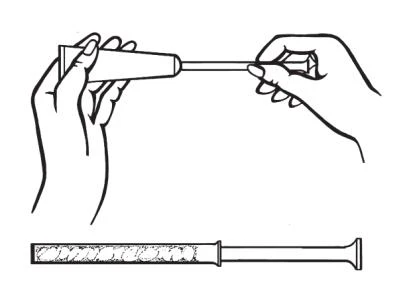
Instructions for use
Remove the cap from the cream tube.
Screw one of the provided disposable applicators onto the tube at the opening where the cap was removed.
Gently squeeze the tube to fill the applicator with cream until completely filled.
Unscrew the applicator and replace the cap on the tube.
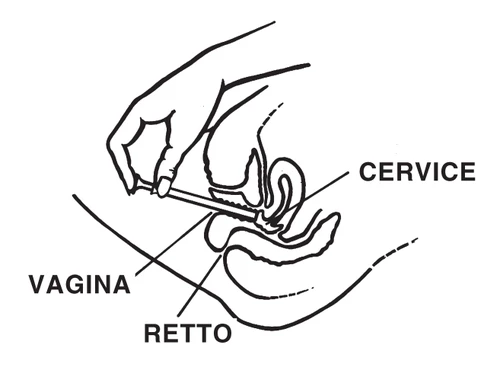
Lie on your back and hold the applicator with your thumb and middle finger.
Insert the applicator into the vagina as deeply as possible without causing discomfort.
Push the plunger fully to deliver the cream into the vagina.
Remove the applicator and discard it.
Wash your hands thoroughly after applying the cream.
Avoid contact with the eyes.
If you use more Cleocin than you should
If you have used more Cleocin than recommended, contact your doctor, as you may experience adverse effects.
If you have any doubts about how to use this medicine, consult your doctor or pharmacist.
4. Possible side effects
Like all medicines, this medicine can cause side effects, although not everybody will experience them.
Stop using this medicine immediately and contact your doctor if you experience:
- severe, persistent diarrhoea, or diarrhoea with blood or mucus in the stools (which may be associated with stomach pain or fever). These may be symptoms of a serious intestinal inflammation (**pseudomembranous **(colitis) (see section 2 “Warnings and precautions”);
Contact your doctor if you experience the following side effects:
Very common (may affect more than 1 in 10 people):
- vulvovaginal infections caused by Candida (a type of fungus)
Common (may affect up to 1 in 10 people):
- fungal infections, including infections caused by a fungus called Candida
- headache, dizziness
- altered taste
- upper respiratory tract infections (e.g. nose and throat)
- abdominal pain
- constipation
- diarrhoea
- nausea, vomiting
- itching in areas other than the application site
- skin rash
- back pain
- urinary tract infections
- presence of sugar and protein in the urine
- abnormalities during labour
- pain, discomfort and inflammation of the vulva and vagina
- irregular menstrual cycle, abnormal uterine bleeding
- vaginal discharge
Uncommon (may affect up to 1 in 100 people):
- bacterial infections
- allergic reactions
- vertigo
- nosebleeds
- abdominal swelling
- flatulence
- bad breath
- urticaria, skin redness
- difficulty urinating
- vulvovaginal infections caused by a bacterium called Trichomonas
- vaginal infections
- lower abdominal pain in the pelvic area (pelvic pain)
- abnormalities in microbiological tests
Frequency not known (cannot be estimated from the available data):
- skin infection caused by a fungus called Candida
- overactive thyroid
- stomach and intestinal disorders
- indigestion
- skin rash characterized by red patches on the skin surrounded by small blisters
- presence of fragments of uterine tissue in abnormal locations (e.g. ovaries, fallopian tubes, vagina, intestine)
- pain and inflammation at the application site
The following additional side effects have been reported after taking clindamycin-containing medicines, the same active substance as Cleocin, administered orally or by injection (into a muscle or vein). Therefore, it cannot be ruled out that you may also experience the following side effects after taking Cleocin:
- decreased number of white blood cells and platelets in the blood
- increased number of eosinophils (a type of white blood cell) in the blood
- severe allergic reactions which may include skin rash, fever, and symptoms affecting multiple organs
- inflammation and lesions of the oesophagus
- yellow or yellowish discoloration of the skin and the whites of the eyes (jaundice)
- abnormalities in medical tests assessing liver function
- skin and mucous membrane reactions characterized by blistering, red patches, and scaling (erythema, dermatitis)
- severe acute hypersensitivity reactions affecting the skin and mucous membranes (Stevens-Johnson syndrome, toxic epidermal necrolysis, acute generalized exanthematous pustulosis)
Reporting of side effects
If you experience any side effect, including those not listed in this leaflet, talk to your doctor or pharmacist. You can also report side effects directly via the national reporting system at https://www.aifa.gov.it/content/segnalazioni-reazioni-avverse. By reporting side effects, you can help provide more information on the safety of this medicine.
5. How to store Cleocin
Keep this medicine out of the sight and reach of children.
Do not use this medicine after the expiry date stated on the carton and tube after "Exp.".
The expiry date refers to the last day of that month.
Do not store above 25°C.
Do not refrigerate or freeze.
Do not dispose of medicines via wastewater or household waste. Ask your pharmacist how to dispose of medicines you no longer use. This will help protect the environment.
6. Package contents and other information
What Cleocin contains
- The active substance is clindamycin (as clindamycin phosphate). 100 g of cream contain 2.376 g of clindamycin phosphate, equivalent to 2 g of clindamycin.
- The other ingredients are: liquid paraffin, propylene glycol, cetyl stearyl alcohol (see section 2 “Cleocin contains”), polysorbate 60, cetyl palmitate, stearic acid, sorbitan monostearate, benzyl alcohol and purified water.
Description of the appearance of Cleocin and contents of the pack
The vaginal cream is packed in an aluminium and polyethylene tube with a polypropylene cap.
Cleocin 2% vaginal cream is available in packs containing 1 tube of 21 g cream + 3 disposable polyethylene applicators, or in packs containing 1 tube of 40 g cream + 7 disposable polyethylene applicators.
It is possible that not all pack sizes are marketed.
Marketing Authorisation Holder and Manufacturer
Marketing Authorisation Holder
Pfizer Italia S.r.l.
via Isonzo, 71
04100 Latina
Manufacturer
PFIZER MANUFACTURING BELGIUM N.V.
Rijksweg 12
B-2870 Puurs
Belgium
Pfizer Service Company BVBA
Hoge Wei
1930 Zaventem
Belgium
Instructions for the user: package leaflet
Instructions for the user: package leaflet
CLEOCIN 100 mg vaginal ovule
clindamycin phosphate equivalent to 100 mg of clindamycin
Please read this leaflet carefully before using this medicine because it contains important information for you.
- Keep this leaflet. You may need to read it again.
- If you have any questions, ask your doctor or pharmacist.
- This medicine has been prescribed for you only. Do not give it to other people, even if their symptoms are the same as yours, as it may be harmful.
- If you experience any adverse reaction, including those not listed in this leaflet, contact your doctor or pharmacist. See section 4.
Contents of this leaflet
- What Cleocin is and what it is used for
- What you need to know before using Cleocin
- How to use Cleocin
- Possible side effects
- How to store Cleocin
- Contents of the pack and other information
1. What Cleocin is and what it is used for
The name of the medicine is Cleocin 100 mg Vaginal Ovules.
It will be referred to as Cleocin in this leaflet.
Cleocin is a semi-solid ovule (vaginal ovule). When inserted into the vagina, it releases a medicine called
clindamycin phosphate, which belongs to the group of antibiotics.
Cleocin is used to treat a bacterial infection of the vagina called bacterial vaginosis.
2. What you need to know before using Cleocin
Do not use Cleocin:
- if you are allergic to clindamycin, to another antibiotic called lincomycin, or to any of the other ingredients of this medicine (listed in section 6);
- if you have previously had inflammation of the colon (colitis) when taking antibiotics.
Warnings and precautions
Inform your doctor or pharmacist before using Cleocin:
- if you suffer from diarrhoea or generally experience diarrhoea when taking antibiotics;
- if you have a history of inflammatory bowel disease such as Crohn's disease or ulcerative colitis.
If you develop severe or prolonged diarrhoea, or diarrhoea with blood during or after treatment with Cleocin, inform your doctor immediately, as treatment may need to be stopped. This could be a sign of intestinal inflammation (pseudomembranous colitis), which may occur following treatment with antibiotics.
Consult your doctor to find out whether you can use this medicine in the following cases:
- if you have kidney, liver, or immune system problems;
- if you are under 16 or over 65 years of age.
Cleocin must not be used in children under 16 years of age.
As with all vaginal infections, sexual intercourse during treatment with Cleocin is not recommended.
Cleocin may reduce the effectiveness of condoms and diaphragms. Contraceptive condoms or diaphragms should not be considered effective during use of the medicine and for 72 hours after treatment.
The use of other vaginal products such as tampons or douches during treatment with suppositories is not recommended.
Other medicines and Cleocin
Inform your doctor or pharmacist if you are currently taking, have recently taken, or might take any other medicines.
In particular, inform your doctor if you are taking:
- Medicines used to relax muscles, as Cleocin may increase the effect of these medicines.
Pregnancy, breastfeeding and fertility
If you are pregnant, think you might be pregnant, are planning a pregnancy, or are breastfeeding, consult your doctor or pharmacist before using this medicine.
The use of Cleocin during the first three months of pregnancy is not recommended, as there is insufficient evidence regarding its safety.
If you are pregnant, Cleocin should only be used after careful consultation with your doctor, who will decide whether this treatment is suitable for you.
If you are breastfeeding, your doctor will advise you whether Cleocin is suitable for you, as the active substance may pass into breast milk.
Although it is unlikely that an infant would ingest a significant amount of the active substance through breast milk, if the baby develops diarrhoea with blood or shows any signs of illness, inform your doctor immediately. In such a case, breastfeeding must be discontinued.
Driving and using machines
It is unlikely that this medicine will affect your ability to drive or operate machinery.
3. How to use Cleocin
Use this medicine exactly as your doctor has told you. If you are unsure, consult your doctor or pharmacist.
Do not use the product if the packaging containing the vaginal ovules is torn, opened, or not completely sealed.
Take care to avoid overheating the ovule, as heat may soften and deform it.
The recommended dose of this medicine is one ovule to be inserted into the upper part of the vagina each night before going to sleep, for three consecutive nights. After insertion, the ovule will dissolve and disappear.
Insertion:
- Remove the ovule from the aluminum packaging.
- Lie on your back with your knees drawn up to your chest.
- Insert the ovule into the vagina using the tip of the middle finger, as deeply as possible without causing discomfort.
Always wash your hands after using the ovules.
If you use more Cleocin than you should
Contact your doctor. Do not use any further ovules unless instructed by your doctor.
If you forget to use a dose of Cleocin
If you realize you have forgotten to use the ovule only a few hours late, use it immediately.
If it is almost time for the next ovule, skip the missed dose. Take the next ovule at the usual time.
Continue using the ovules at the scheduled times.
If you swallow an ovule
If an ovule is swallowed, contact your doctor. It is unlikely that the ovules will cause harm, but your doctor will be able to advise you on what to do.
If you have any doubts about how to use this medicine, consult your doctor or pharmacist.
4. Possible side effects
Like all medicines, this medicine can cause side effects, although not everyone gets them.
Contact your doctor immediately if:
- you develop severe, persistent diarrhoea, possibly with blood (which may be associated with stomach pain or fever). This is an uncommon side effect that may occur after treatment with antibiotics and could be a sign of serious intestinal inflammation or inflammation of the lining of the large intestine (pseudomembranous colitis).
- you experience allergic reactions or very severe skin reactions. These side effects are very rare.
Common (may affect up to 1 in 10 people)
- fungal infections, yeast infections
- headache
- stomach pain, diarrhoea, nausea (feeling unwell)
- itching (at a site different from the application site)
- vaginal irritation, vaginal disorders, vaginal conditions
Uncommon (may affect up to 1 in 100 people)
- vomiting
- rash
- upper abdominal or back pain
- fever or chills, feeling unwell
- pain when urinating, blood in urine, cloudy or foul-smelling urine, increased frequency and urgency of urination
- vaginal infections, vaginal discharge, menstrual irregularities
- pain (at application site), itching, localised swelling
Reporting of side effects
If you experience any side effect, including those not listed in this leaflet, talk to your doctor or
pharmacist. You can also report side effects directly through the national reporting system at: http://www.agenziafarmaco.gov.it/it/responsabili. By reporting side effects, you can help provide more information on the safety of this medicine.
5. How to store Cleocin
Keep this medicine out of the sight and reach of children.
Do not use this medicine after the expiry date stated on the pack and blister after Exp.
The expiry date refers to the last day of the month.
Do not store above 25°C.
Do not dispose of any medicine via wastewater or household waste. Ask your pharmacist how to dispose of medicines you no longer use. This will help protect the environment.
6. Package contents and other information
What Cleocin contains
- The active substance is clindamycin phosphate. Each ovule contains clindamycin phosphate equivalent to 100 mg of clindamycin.
- The only excipient is saturated fatty acid glycerides.
Description of the appearance of Cleocin and package contents
Cleocin is a white or almost white ovule. It is available in a pack of laminate blisters containing 3
ovules, presented in a cardboard carton.
Marketing Authorisation Holder and Manufacturer
Marketing Authorisation Holder
Pfizer Italia S.r.l.: Via Isonzo n. 71, 04100 Latina.
Manufacturer
Pfizer Manufacturing Belgium NV
Rijksweg 12
B– 2870 Puurs
Belgium
Pfizer Service Company BVBA
Hoge Wei 10, Zaventem
B-1930
Belgium
This medicinal product is authorised in the European Economic Area Member States under the following
names:
| Ireland | Dalacin vaginal ovule |
| Italy | Cleocin |
| Germany | Sobelin 100 mg Vaginal suppositories |
| Spain | Dalacin 100 mg vaginal ovules |
| Finland, Sweden | Dalacin |
This leaflet was last approved in MM/YYYY