Clenil Compositum
Italy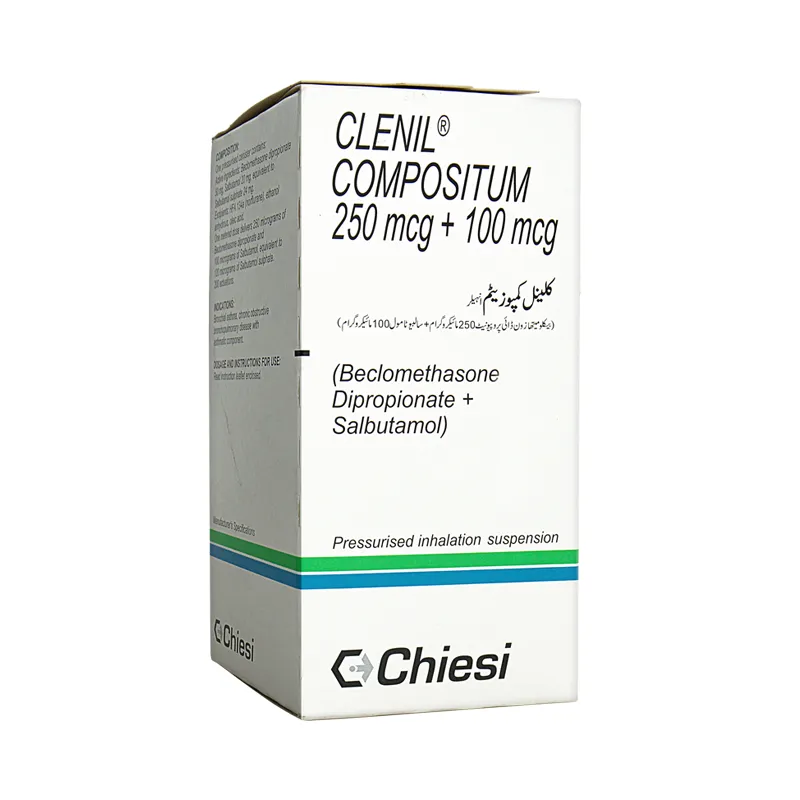
Table of Contents
- Package leaflet: Information for the patient
- CLENIL COMPOSITUM 0.8 mg + 1.6 mg / 2 ml suspension for nebulisation
- 1. What CLENIL COMPOSITUM is and what it is used for
- 2. What you need to know before taking CLENIL COMPOSITUM
- 3. How to take CLENIL COMPOSITUM
- 4. Possible side effects
- 5. How to store CLENIL COMPOSITUM
- 6. Pack contents and other information
- INSTRUCTIONS FOR THE USE OF CLENIL COMPOSITUM FOR NEBULIZATION
- Package leaflet: information for the patient
- CLENIL COMPOSITUM 250 mcg + 100 mcg pressurized inhalation suspension
- 1. What CLENIL COMPOSITUM is and what it is used for
- 2. What you should know before taking CLENIL COMPOSITUM
- 3. How to take CLENIL COMPOSITUM
- 4. Possible side effects
- 5. How to store CLENIL COMPOSITUM
- 6. Package contents and other information
- Patient Information Leaflet
- CLENIL COMPOSITUM 250 mcg + 100 mcg pressurized inhalation suspension
- 1. What CLENIL COMPOSITUM is and what it is used for
- 2. What you need to know before taking CLENIL COMPOSITUM
- 3. How to take CLENIL COMPOSITUM
- 4. Possible side effects
- 5. How to store CLENIL COMPOSITUM
- 6. Package contents and other information
Package leaflet: Information for the patient
CLENIL COMPOSITUM 0.8 mg + 1.6 mg / 2 ml suspension for nebulisation
Beclometasone dipropionate; Salbutamol
Please read this leaflet carefully before using this medicine because it contains important information for you.
- Keep this leaflet. You may need to read it again.
- If you have any questions, ask your doctor or pharmacist.
- This medicine has been prescribed for you only. Do not give it to other people, even if they have the same symptoms as yours, because it may be harmful.
- If you experience any adverse reactions, including those not listed in this leaflet, contact your doctor or pharmacist. See section 4.
Contents of this leaflet:
- What CLENIL COMPOSITUM is and what it is used for
- What you need to know before using CLENIL COMPOSITUM
- How to use CLENIL COMPOSITUM
- Possible side effects
- How to store CLENIL COMPOSITUM
- Contents of the pack and other information
1. What CLENIL COMPOSITUM is and what it is used for
CLENIL COMPOSITUM is a medicine containing two active substances:
- beclometasone dipropionate, belonging to the group of corticosteroids, which reduces swelling and inflammation of the airways;
- salbutamol, belonging to the group of bronchodilators, which relaxes the muscles in the walls of the small airways of the lungs.
CLENIL COMPOSITUM is used to prevent breathing difficulties caused by asthma and other conditions involving narrowing of the bronchi (chronic obstructive bronchopulmonary disease with asthmatic component).
2. What you need to know before taking CLENIL COMPOSITUM
Do not take CLENIL COMPOSITUM if:
- you are allergic to the active substances or to any of the other ingredients of this medicine (listed in section 6);
- you have pulmonary viral infections;
- you have or have had pulmonary tuberculosis;
- you are pregnant or breastfeeding.
Warnings and precautions
Talk to your doctor before taking CLENIL COMPOSITUM if:
- you are being treated with corticosteroids;
- you have overactive thyroid (hyperthyroidism);
- you have heart problems such as: heart vessel diseases (coronary artery disease), heart rhythm disorders (arrhythmias) or impaired heart function (heart failure);
- you suffer from high blood pressure (arterial hypertension);
- you have an enlarged prostate (prostatic hypertrophy);
- you have increased eye pressure with possible worsening of vision (glaucoma);
- you have diabetes;
- you have a particular adrenal gland tumour called phaeochromocytoma. Contact your doctor if you experience blurred vision or other visual disturbances.
Take special care if
- during treatment with CLENIL COMPOSITUM your asthma worsens or does not improve, or you experience increased breathing difficulties. This indicates that your bronchospasm is persistent;
- you are switching from systemic corticosteroid treatment (e.g. tablets) to inhaled therapy. Initially, your doctor will instruct you to continue both treatments, then gradually reduce the systemic corticosteroid;
- you have heart disease and during treatment with CLENIL COMPOSITUM experience chest pain or worsening of symptoms related to heart disease;
- you notice psychological or behavioural effects such as: psychomotor hyperactivity, sleep disturbances, anxiety, depression, aggression, behavioural disorders (mainly in children). These effects are rare during treatment with inhaled corticosteroids.
IN ALL THESE CASES, CONSULT YOUR DOCTOR, WHO MAY PRESCRIBE AN APPROPRIATE TREATMENT.
Like other medicines, prolonged treatment with CLENIL COMPOSITUM may cause redness and itching (signs of sensitization). If this occurs, stop treatment and consult your doctor.
Children and adolescents
In children using CLENIL COMPOSITUM, regular monitoring of height is necessary, as long-term treatment with inhaled corticosteroids may lead to slowed growth. In such cases, consult your doctor, as a change in therapy may be required.
Other medicines and CLENIL COMPOSITUM
Inform your doctor if you are taking or have recently taken any other medicines, including those obtained without a prescription.
This is particularly important if you are using:
- medicines belonging to the same class as beclometasone (corticosteroids) administered systemically (e.g. tablets) or nasally, as this may increase the risk of adrenal gland function impairment (adrenal suppression);
- medicines belonging to the same class as salbutamol (sympathomimetics), which stimulate the nervous system and primarily affect the heart and blood vessels;
- beta-blockers, mainly used for high blood pressure (hypertension) and heart diseases.
Some medicines may enhance the effects of CLENIL COMPOSITUM, and your doctor may decide to monitor you closely if you are taking such medicines (including certain HIV treatments: ritonavir, cobicistat).
Pregnancy and breastfeeding
If you are pregnant, suspect you may be pregnant, planning a pregnancy, or breastfeeding, ask your doctor or pharmacist for advice before taking this medicine.
Do not take CLENIL COMPOSITUM if you are pregnant or breastfeeding.
Driving and using machines
CLENIL COMPOSITUM does not affect the ability to drive or operate machinery.
CLENIL COMPOSITUM contains sodium
This medicine contains less than 1 mmol (23 mg) of sodium per dose, i.e. it is practically 'sodium-free'.
For athletes:
using this medicine without therapeutic need constitutes doping and may result in a positive anti-doping test.
3. How to take CLENIL COMPOSITUM
Take this medicine exactly as your doctor has told you. If you are unsure, consult your doctor or pharmacist.
Your doctor will determine the correct dose of this medicine based on the severity of your condition.
CLENIL COMPOSITUM is used to treat the initial phase of your illness; your doctor will prescribe an alternative medicine after approximately 10 days.
The usual dose is 1 vial 1-2 times daily in adults.
Use in children
Half the contents of one vial, 1-2 times daily.
The vial is marked with a graduation corresponding to half the dose.
Method of administration
Shake the medicine vigorously before use.
This medicine must be nebulized (transformed into very fine droplets) using an "aerosol device" equipped with oral and/or nasal administration accessories.
Take CLENIL COMPOSITUM by inhalation through the mouth; breathe in deeply to ensure the medicine reaches the lungs.
For correct use of this medicine, refer to the section “Instructions for use of CLENIL COMPOSITUM for AEROSOL” at the end of this leaflet.
Immediately after using CLENIL COMPOSITUM, rinse your mouth thoroughly with water; this will reduce the risk of fungal infections. The rinsing liquid must not be swallowed.
If you take more CLENIL COMPOSITUM than you should
If you accidentally take too high a dose of CLENIL COMPOSITUM, you may experience an increased heart rate and muscle tremors, which usually disappear after a few days, or disturbances in adrenal function. In any case, contact your doctor immediately or go to the nearest hospital, as appropriate measures may be necessary.
If you forget to take CLENIL COMPOSITUM
Continue your treatment as usual, without doubling the next dose.
If you stop treatment with CLENIL COMPOSITUM
Do not stop treatment without consulting your doctor.
If you have any doubts about how to use this medicine, consult your doctor or pharmacist.
4. Possible side effects
Like all medicines, this medicine can cause side effects, although not everyone experiences them.
Following the instructions contained in this leaflet reduces the risk of side effects.
As with other inhaled medicines, immediately after taking the dose, breathlessness, cough, shortness of breath, and wheezing ( paradoxical bronchospasm ) may occur. The frequency of this side effect is unknown. If this happens, stop taking CLENIL COMPOSITUM immediately and contact your doctor.
Other side effects
If you use CLENIL COMPOSITUM, especially at high doses and/or for prolonged periods, you may experience other side effects. Inform your doctor if you notice:
Common side effects (may affect up to 1 in 10 people)
Pneumonia (lung infection) in patients with COPD.
Inform your doctor if you experience any of the following symptoms while taking beclometasone dipropionate, as they could be signs of a lung infection:
- fever or chills
- increased mucus production or changes in mucus colour
- worsening cough or increased breathing difficulties
Side effects with unknown frequency (frequency cannot be estimated from available data)
Fungal infections (candida) in the mouth (oral cavity and throat). In such cases, your doctor will prescribe antifungal treatment (with antifungal medicines or alkalizing agents).
Muscle tremors.
Increased heart rate.
Psychomotor hyperactivity, sleep disturbances, anxiety, depression, aggression, behavioural disturbances (mainly in children).
Blurred vision.
Reporting of side effects
If you experience any side effect, including those not listed in this leaflet, talk to your doctor or pharmacist. You can also report side effects directly via the national reporting system at http://www.agenziafarmaco.gov.it/content/come-segnalare-una-sospetta-reazione-avversa. By reporting side effects, you can help provide more information on the safety of this medicine.
5. How to store CLENIL COMPOSITUM
Keep this medicine out of the sight and reach of children.
This medicine does not require any special storage temperature. Store the medicine in an upright position as shown on the packaging.
After opening the protective pouch, the single-dose vials can be stored for up to 3 months.
If half a dose is used, the re-closed vial must be stored at a temperature between 2 °C and 8 °C (in the refrigerator), and the remaining amount must be used within 12 hours of the first opening.
Do not use this medicine after the expiry date stated on the carton after the word "EXP". The expiry date refers to the last day of that month. This date applies to the product in its original, unopened packaging and properly stored.
Do not dispose of any medicine via wastewater or household waste. Ask your pharmacist how to dispose of medicines no longer required. This will help protect the environment.
6. Pack contents and other information
What CLENIL COMPOSITUM contains
The active substances are: beclometasone dipropionate and salbutamol.
Each 2 ml vial contains: 0.8 mg of beclometasone dipropionate and 1.6 mg of salbutamol.
The other components are: sodium chloride, polysorbate 20, sorbitan monolaurate, water for injectable preparations.
Description of the appearance of CLENIL COMPOSITUM and pack contents
This medicine is a nebulizer suspension, available in packs containing 10 or 20 unit-dose vials of 2 ml each, each with a half-dose graduation and resealable cap.
Marketing Authorization Holder
PROMEDICA S.r.l., Via Palermo 26/A - Parma
Manufacturer
CHIESI FARMACEUTICI S.p.A., Parma facility, Via S. Leonardo 96.
INSTRUCTIONS FOR THE USE OF CLENIL COMPOSITUM FOR NEBULIZATION
CLENIL COMPOSITUM is easy to use. Before use, carefully read the following instructions, which
indicate what to do and what to pay attention to.
To use, perform the following steps:
Figure A Bend the single-dose vial in both directions.
Figure B Detach the single-dose vial from the strip, first at the top and then in the center.
Figure C Shake vigorously by shaking and turning the vial upside down several times, until the
suspension becomes homogeneous.
Figure D Open the single-dose vial by rotating the tab in the direction indicated by the arrow.
Figure E By applying moderate pressure on the walls of the single-dose vial, dispense the prescribed
amount of medication and transfer it into the nebulizer chamber (nebulizer device).
Figure F If using half a dose, hold the container up to the light and compare the remaining level of
medication with the marking inside the vial (corresponding to half a dose) to ensure that the correct dose has been used. The vial must be reclosed by turning and pressing the cap upside down.
The reclosed vial must be stored in the refrigerator, at a temperature between 2 °C and
8 °C, and the remaining amount must be used within 12 hours of the first opening.

Package leaflet: information for the patient
CLENIL COMPOSITUM 250 mcg + 100 mcg pressurized inhalation suspension
Beclometasone dipropionate; Salbutamol
Please read this leaflet carefully before using this medicine because it contains important information for you.
- Keep this leaflet. You may need to read it again.
- If you have any questions, ask your doctor or pharmacist.
- This medicine has been prescribed for you only. Do not give it to others, even if their symptoms are the same as yours, as it could be harmful.
- If you experience any side effects, including those not listed in this leaflet, talk to your doctor or pharmacist. See section 4.
Contents of this leaflet:
- What CLENIL COMPOSITUM is and what it is used for
- What you need to know before using CLENIL COMPOSITUM
- How to use CLENIL COMPOSITUM
- Possible side effects
- How to store CLENIL COMPOSITUM
- Contents of the pack and other information
1. What CLENIL COMPOSITUM is and what it is used for
CLENIL COMPOSITUM is a medicine that contains two active substances:
- beclometasone dipropionate, belonging to the corticosteroid group, which reduces swelling and inflammation of the airways;
- salbutamol, belonging to the bronchodilator group, which relaxes the muscles in the walls of the small airways of the lungs.
CLENIL COMPOSITUM is used to prevent breathing difficulties caused by asthma and other conditions involving narrowing of the bronchi (chronic obstructive bronchopulmonary disease with an asthmatic component).
2. What you should know before taking CLENIL COMPOSITUM
Do not take CLENIL COMPOSITUM if:
- you are allergic (hypersensitive) to the active substances or to any of the other ingredients of this medicine (listed in section 6);
- you have lung infections caused by viruses;
- you have or have had pulmonary tuberculosis;
- you are pregnant or breastfeeding;
- you are under 18 years of age.
Warnings and precautions
Talk to your doctor before taking CLENIL COMPOSITUM if:
- you are being treated with corticosteroids;
- you have overactive thyroid (hyperthyroidism);
- you have heart problems such as: heart vessel diseases (coronary artery disease), irregular heart rhythm (arrhythmias) or impaired heart function (heart failure);
- you suffer from high blood pressure (arterial hypertension);
- you have an enlarged prostate (prostatic hypertrophy);
- you have increased eye pressure with possible worsening of vision (glaucoma);
- you have diabetes;
- you have a particular adrenal gland tumour called phaeochromocytoma. Contact your doctor if you experience blurred vision or other visual disturbances.
Take special care if
- your asthma worsens or does not improve, or if you experience increased breathing difficulties during treatment with CLENIL COMPOSITUM. This means your bronchospasm is persistent;
- you are switching from systemic corticosteroid therapy (e.g. tablets) to inhaled therapy. Initially, your doctor will instruct you to continue both treatments, then gradually reduce the systemic corticosteroid;
- you are going through periods of stress (due to lung infections, serious illnesses, surgery, trauma, etc.) or if you experience a severe asthma attack, as additional systemic corticosteroid treatment may be required; this is particularly important if you have stopped oral corticosteroid treatment or if you have impaired adrenal function;
- you have heart disease and during treatment with CLENIL COMPOSITUM you develop chest pain or worsening of symptoms related to heart disease;
- you notice psychological or behavioural effects such as: psychomotor hyperactivity, sleep disorders, anxiety, depression, aggression, behavioural disturbances (mainly in children). These effects are rare during treatment with inhaled corticosteroids.
IN ALL THESE CASES, CONSULT YOUR DOCTOR WHO MAY PRESCRIBE AN APPROPRIATE THERAPY.
Like other medicines, prolonged use of CLENIL COMPOSITUM may cause redness and itching (signs of sensitization). If this occurs, stop treatment and consult your doctor.
Children and adolescents
CLENIL COMPOSITUM 250 mcg + 100 mcg is not suitable for children and adolescents. If necessary, consult your doctor or pharmacist, as lower doses of CLENIL COMPOSITUM are available specifically for these patients.
Other medicines and CLENIL COMPOSITUM
Tell your doctor if you are taking, have recently taken, or might take any other medicines, including those obtained without a prescription. This is particularly important if you are using:
- medicines belonging to the same class as beclometasone (corticosteroids) administered systemically (e.g. tablets) or nasally, as this may increase the risk of impaired adrenal function (adrenal suppression);
- medicines belonging to the same class as salbutamol (sympathomimetics), which stimulate the nervous system and have effects mainly on the heart and blood vessels;
- beta-blockers, used mainly for high blood pressure (hypertension) and heart diseases.
Moreover, since CLENIL COMPOSITUM contains small amounts of alcohol, it is particularly important that you inform your doctor if you are taking:
- disulfiram (used in alcoholism);
- metronidazole (used for infections).
Some medicines may increase the effects of CLENIL COMPOSITUM, and your doctor may wish to monitor you closely if you are taking these medicines (including certain HIV treatments: ritonavir, cobicistat).
Pregnancy and breastfeeding
If you are pregnant or breastfeeding, do not take CLENIL COMPOSITUM.
Driving and using machines
CLENIL COMPOSITUM does not affect the ability to drive or operate machinery.
CLENIL COMPOSITUM contains ethanol
This medicine contains 8.3 mg of alcohol (ethanol) per dose, which is equivalent to 0.24 mg/kg for a two-dose administration. The amount in two doses of this medicine is equivalent to that contained in less than 1 mL of wine or beer. The small amount of alcohol in this medicine will not produce significant effects.
For those engaged in sports:
using the drug without therapeutic need constitutes doping and may lead to a positive anti-doping test.
3. How to take CLENIL COMPOSITUM
Take this medicine exactly as directed by your doctor, who will determine the correct dose according to the severity of your condition. CLENIL COMPOSITUM is used to treat the initial phase of your disease; your doctor will prescribe an alternative medicine after approximately 10 days.
If in doubt, consult your doctor or pharmacist.
The usual dose is 2 inhalations, twice daily in adults.
In severe cases, your doctor may increase the number of inhalations to 2 inhalations 3–4 times daily.
The effect of one inhalation of CLENIL COMPOSITUM lasts for at least 4 hours.
Do not exceed 2 inhalations at a time, and do not repeat the treatment before 4 hours have passed.
Method of administration
CLENIL COMPOSITUM is easy to use. Before using it, carefully read the following instructions, which indicate what to do and what to pay attention to.
Successful treatment depends on correct use of the inhaler.
Inhaler function test: Before using the inhaler for the first time, or if you have not used the inhaler for seven or more days, remove the mouthpiece cap by gently pressing the sides and release two test sprays into the air to ensure that your inhaler is working properly.
Opening the package
When you open the box, the actuator is closed with the protective cap.
Taking a dose of CLENIL COMPOSITUM
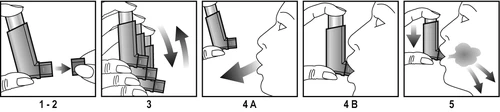
Figure 1–2 Remove the protective cap.
Hold the actuator between your thumb and index finger, with the mouthpiece at the bottom.
Figure 3 Shake vigorously without pressing.
Figure 4 a–b Breathe out fully (4a), then place the mouthpiece between your lips, sealing your lips tightly around it (4b).
Figure 5 Inhale slowly and deeply through your mouth only, and at the same time press once with your index finger on the canister. Avoid partial actuations. At the end of inhalation, hold your breath as long as possible. After completing the prescribed number of inhalations, replace the protective cap on the mouthpiece.
Cleaning
The mouthpiece must always be kept clean to prevent blockage due to obstruction. If cleaning is not performed regularly as indicated, the actuator may become blocked or may not function properly. The actuator should be cleaned at least every 3 days starting from the beginning of use.
To clean the actuator, follow the instructions below:
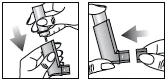
- Remove the plastic protective cap.

- Remove the metal canister from the plastic mouthpiece.

- Wash the plastic mouthpiece body for one minute under warm running water, holding it under the stream with the lower part facing the water.

- Rotate the mouthpiece and wash the upper part of the mouthpiece for an additional minute under warm running water.

- Remove any remaining water from inside the plastic mouthpiece by gently tapping it several times against a hard surface. Check that no water remains in the central cavity of the plastic mouthpiece where the metal canister stem is inserted.

- Carefully dry the plastic mouthpiece both inside and outside, for example by leaving it in the air overnight without the metal canister and protective cap, or by using a stream of warm air. Make sure the mouthpiece is completely dry before use.

- Reinsert the metal canister into the actuator and replace the protective cap on the mouthpiece.
Do not use the mouthpiece while still wet; ensure it is completely dry before use.
Using a wet mouthpiece may promote obstruction and blockage of the actuator.
If the actuator becomes blocked: perform cleaning steps 1 to 7.
Release one test spray into the air to verify that the obstruction has been cleared before resuming normal use.
Immediately after using CLENIL COMPOSITUM, rinse your mouth thoroughly with water; this will reduce the risk of fungal infections. The rinsing liquid must not be swallowed.
If you take more CLENIL COMPOSITUM than you should
If you accidentally take too much CLENIL COMPOSITUM, you may experience an increased heart rate and tremors, which usually disappear after a few days, or adrenal gland function disturbances. Nevertheless, contact your doctor immediately or go to the nearest hospital, as appropriate measures may be necessary.
If you forget to take CLENIL COMPOSITUM
Continue your treatment as usual. Do not double the next dose.
If you stop using CLENIL COMPOSITUM
Do not stop treatment without consulting your doctor.
4. Possible side effects
Like all medicines, this medicine can cause side effects, although not everybody will experience them.
Following the instructions contained in this leaflet reduces the risk of side effects.
As with other inhaled medicines, immediately after taking the dose, breathlessness, cough, shortness of breath and wheezing ( paradoxical bronchospasm ) may occur. The frequency of this side effect is unknown. If this happens, stop using CLENIL COMPOSITUM immediately and contact your doctor.
Other side effects
If you use CLENIL COMPOSITUM, especially at high doses and/or for prolonged periods, you may experience other side effects. Inform your doctor if you notice:
Common side effects (may affect up to 1 in 10 people)
Pneumonia (lung infection) in patients with COPD.
Inform your doctor if you experience any of the following symptoms while taking beclometasone dipropionate, as they could be signs of a lung infection:
- fever or chills
- increased mucus production, changes in mucus colour
- worsening cough or increased breathing difficulties
Very rare side effects (may affect up to 1 in 10,000 people)
Adrenal suppression (with symptoms such as loss of appetite, hypotension, abdominal pain, weight loss, fatigue, headache, nausea, vomiting).
Cataract, increased eye pressure with possible worsening of vision (glaucoma).
Changes in heart rhythm (arrhythmias such as atrial fibrillation, supraventricular tachycardia, extrasystoles), reduced blood flow to the heart tissue (myocardial ischemia).
Decreased bone mineral density.
Side effects with unknown frequency (frequency cannot be estimated from available data)
Fungal infections (candida) in the mouth (oral and throat). In such cases, your doctor will prescribe antifungal treatment (antimycotic drugs or alkalizing agents).
Tremor, stomach or duodenal (peptic) ulcer.
Hoarseness (dysphonia), redness and pain (irritation) in the throat, cough, difficulty breathing (dyspnea).
Bone weakening (osteoporosis).
Increased heart rate.
Psychomotor hyperactivity, sleep disorders, anxiety, depression, aggression, behavioural disturbances (mainly in children).
Blurred vision.
In children and adolescents taking inhaled corticosteroids, growth retardation (a very rare side effect) has also been reported.
Reporting of side effects
If you experience any side effect, including those not listed in this leaflet, talk to your doctor or pharmacist. You can also report side effects directly via the national reporting system at www.aifa.gov.it/content/segnalazioni-reazioni-avverse. By reporting side effects, you can help provide more information on the safety of this medicine.
5. How to store CLENIL COMPOSITUM
Keep this medicine out of sight and reach of children.
Store at a temperature not exceeding 30°C.
The pressurised container must not be pierced, and even if empty, must not be exposed to heat sources, must not be frozen, and must not be exposed to direct sunlight.
Do not use this medicine after the expiry date stated on the packaging after the word EXP. The expiry date refers to the last day of that month.
Do not dispose of any medicine via wastewater or household waste. Ask your pharmacist how to dispose of medicines no longer in use. This will help protect the environment.
6. Package contents and other information
What CLENIL COMPOSITUM contains
The active substances are: beclometasone dipropionate and salbutamol.
Each container contains: 50 mg of beclometasone dipropionate and 20 mg of salbutamol (each actuation
delivers 250 micrograms of beclometasone dipropionate and 100 micrograms of salbutamol).
The other components are: HFC 134a (norflurane), anhydrous ethanol, oleic acid.
This medicine contains fluorinated greenhouse gases. Each inhaler contains 11.129 g of norflurane
(HFC-134a), equivalent to 0.016 tonnes of CO2 (global warming potential = 1430).
Description of the appearance of CLENIL COMPOSITUM and contents of the pack
This medicine is a pressurized suspension for inhalation, supplied in an aluminum pressurized container fitted
with a metering valve, a conventional actuator button, and a snap-on protective cap.
CLENIL COMPOSITUM provides 200 inhalations of 250 micrograms of beclometasone and 100 micrograms of
salbutamol.
Marketing Authorization Holder
PROMEDICA S.r.l., Via Palermo 26/A - Parma
Manufacturer
CHIESI FARMACEUTICI S.p.A., Parma plant, Via S. Leonardo 96.
CHIESI SA, 2 rue des Docteurs Alberto et Paolo Chiesi, La Chaussée Saint-Victor - France
Patient Information Leaflet
CLENIL COMPOSITUM 250 mcg + 100 mcg pressurized inhalation suspension
Beclometasone dipropionate; Salbutamol
Please read this leaflet carefully before using this medicine, as it contains important information for you.
- Keep this leaflet. You may need to read it again.
- If you have any questions, consult your doctor or pharmacist.
- This medicine has been prescribed for you only. Do not give it to others, even if their symptoms are the same as yours, as it may be harmful.
- If you experience any adverse reactions, including those not listed in this leaflet, consult your doctor or pharmacist. See section 4.
Contents of this leaflet:
- What CLENIL COMPOSITUM is and what it is used for
- What you need to know before taking CLENIL COMPOSITUM
- How to take CLENIL COMPOSITUM
- Possible side effects
- How to store CLENIL COMPOSITUM
- Contents of the pack and other information
1. What CLENIL COMPOSITUM is and what it is used for
CLENIL COMPOSITUM is a medicine that contains 2 active substances:
- beclometasone dipropionate, belonging to the group of corticosteroids, which reduces swelling and inflammation of the airways;
- salbutamol, belonging to the group of bronchodilators, which relaxes the muscles in the walls of the small airways of the lungs.
CLENIL COMPOSITUM is used to prevent breathing difficulties caused by asthma and other conditions involving narrowing of the bronchi (chronic obstructive bronchopulmonary disease with asthmatic component).
2. What you need to know before taking CLENIL COMPOSITUM
Do not take CLENIL COMPOSITUM if:
- you are allergic (hypersensitive) to the active substances or to any of the other ingredients of this medicine (listed in section 6);
- you have lung infections caused by viruses;
- you have or have had pulmonary tuberculosis;
- you are pregnant or breastfeeding;
- you are under 18 years of age.
Warnings and precautions
Talk to your doctor before taking CLENIL COMPOSITUM if:
- you are being treated with corticosteroids;
- you have overactive thyroid (hyperthyroidism);
- you have heart problems such as: heart vessel diseases (coronary artery disease), irregular heart rhythm (arrhythmias), or impaired heart function (heart failure);
- you suffer from high blood pressure (arterial hypertension);
- you have an enlarged prostate (prostatic hypertrophy);
- you have increased eye pressure with possible worsening of vision (glaucoma);
- you have diabetes;
- you have a particular adrenal gland tumour called phaeochromocytoma. Contact your doctor if you experience blurred vision or other visual disturbances.
Take special care if:
- your asthma worsens or does not improve, or you experience increased breathing difficulties during treatment with CLENIL COMPOSITUM. This means your bronchospasm is persistent;
- you are switching from systemic corticosteroid therapy (e.g. tablets) to inhaled therapy. Initially, your doctor will instruct you to continue both treatments, then gradually reduce the systemic corticosteroid;
- you are going through periods of stress (due to lung infections, serious illnesses, surgery, trauma, etc.) or if you experience a severe asthma attack, as additional systemic corticosteroid treatment may be needed; this is particularly important if you have stopped oral corticosteroid treatment or if you have impaired adrenal function;
- you have heart disease and, during treatment with CLENIL COMPOSITUM, experience chest pain or worsening of symptoms related to heart disease;
- you notice psychological or behavioural effects such as: psychomotor hyperactivity, sleep disorders, anxiety, depression, aggression, behavioural disturbances (mainly in children). These effects are rare during treatment with inhaled corticosteroids.
IN ALL THESE CASES, CONSULT YOUR DOCTOR, WHO MAY PRESCRIBE AN APPROPRIATE TREATMENT.
Like other medicines, prolonged use of CLENIL COMPOSITUM may cause redness and itching (sensitization reactions). If this occurs, stop treatment and consult your doctor.
Children and adolescents
CLENIL COMPOSITUM 250 mcg + 100 mcg is not suitable for children and adolescents. If necessary, consult your doctor or pharmacist, as lower-dose formulations of CLENIL COMPOSITUM are available specifically for these patients.
Other medicines and CLENIL COMPOSITUM
Inform your doctor if you are taking, have recently taken, or might take any other medicines, including those obtained without a prescription. This is particularly important if you are using:
- medicines belonging to the same class as beclometasone (corticosteroids) administered systemically (e.g. tablets) or nasally, as this may increase the risk of impaired adrenal function (adrenal suppression);
- medicines belonging to the same class as salbutamol (sympathomimetics), which stimulate the nervous system and have effects mainly on the heart and blood vessels;
- beta-blockers, used mainly for high blood pressure (hypertension) and heart diseases.
Moreover, since CLENIL COMPOSITUM contains small amounts of alcohol, it is particularly important that you inform your doctor if you are taking:
- disulfiram (used in the treatment of alcoholism);
- metronidazole (used to treat infections).
Some medicines may increase the effects of CLENIL COMPOSITUM, and your doctor may wish to monitor you closely if you are taking these medicines (including certain HIV treatments: ritonavir, cobicistat).
Pregnancy and breastfeeding
If you are pregnant or breastfeeding, do not take CLENIL COMPOSITUM.
Driving and using machines
CLENIL COMPOSITUM does not affect your ability to drive or operate machinery.
CLENIL COMPOSITUM contains ethanol
This medicine contains 8.3 mg of alcohol (ethanol) per dose, equivalent to 0.24 mg/kg for a two-dose administration. The amount in two doses of this medicine is equivalent to that contained in less than 1 mL of wine or beer. The small amount of alcohol in this medicine will not produce significant effects.
For those engaged in sports:
using this medicine without therapeutic need constitutes doping and may result in a positive anti-doping test.
3. How to take CLENIL COMPOSITUM
Take this medicine exactly as directed by your doctor, who will indicate the correct dose according to the severity of your condition.
CLENIL COMPOSITUM is used to treat the initial phase of your illness; your doctor will prescribe an alternative medicine after approximately 10 days.
If you have any doubts, consult your doctor or pharmacist.
The usual dose is 2 inhalations, twice daily in adults.
In severe cases, your doctor may increase the number of inhalations to 2 inhalations 3–4 times daily.
The effect of one inhalation of CLENIL COMPOSITUM lasts for at least 4 hours.
Do not perform more than 2 inhalations at a time, and do not repeat the treatment before 4 hours have passed.
Method of administration
The package contains a pressurized canister with a standard inhaler and a JET spacer-inhaler, which can only be used with the metal canister supplied in the package.
If you have difficulty coordinating inhalation with actuation, use the JET spacer-inhaler; otherwise, use the standard inhaler.
CLENIL COMPOSITUM is easy to use. Before use, read carefully the following instructions, which explain what to do and what to pay attention to.
Successful treatment depends on correct use of the inhaler.
Inhaler test dose: Before using the inhaler for the first time, or if you have not used it for seven or more days, remove the mouthpiece cap by gently pressing the sides and release two sprays into the air to ensure that your inhaler is working properly.
Opening the package
When you open the box, the inhaler is closed with the protective cap.
Taking a dose of CLENIL COMPOSITUM
STANDARD INHALER
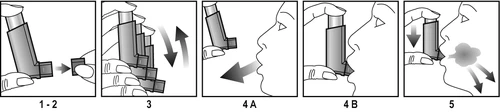
Figure 1–2 Remove the protective cap.
Hold the inhaler between thumb and index finger, with the mouthpiece at the bottom.
Figure 3 Shake vigorously without pressing.
Figure 4 a–b Breathe out fully (4a), then place the mouthpiece in your mouth with lips tightly closed (4b).
Figure 5 Breathe in slowly and deeply through your mouth only, and at the same time press once with your index finger on the canister. Avoid partial actuations. At the end of inhalation, hold your breath as long as possible. After completing the prescribed number of inhalations, close the mouthpiece with the protective cap.
JET SPACER-INHALER
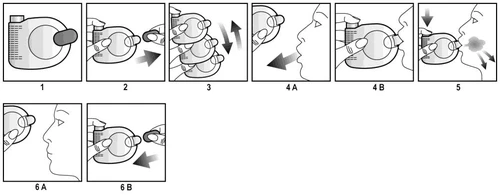
The JET device is designed to improve the efficiency of a standard spray inhaler and to facilitate patient adherence to therapy (especially in elderly patients) who have difficulty with the inhalation technique, by eliminating the need for precise coordination between actuation and inhalation. The JET device reduces the amount of active ingredient deposited in the mouth and throat, thereby improving local tolerability.
Figure 1 Remove the pressurized canister from the standard inhaler and insert it into the JET device.
Figure 2 Remove the protective cap from the JET spacer-inhaler, holding it as shown in the figure.
Figure 3 Shake vigorously without pressing.
Figure 4 a–b Breathe out deeply (4a), then place the mouthpiece in your mouth with lips tightly closed (4b).
Figure 5 Press with your index finger on the pressurized canister and inhale deeply; continue inhaling even a few moments after actuation. (You may perform several breaths through the JET device.)
Figure 6 a–b After inhalation, hold your breath as long as possible (6a), then close the JET device with the protective cap (6b).
Cleaning
The mouthpiece must always be kept clean to prevent blockage due to obstruction. If cleaning is not performed regularly as indicated, the inhaler may become blocked or may not work properly. The inhaler must be cleaned at least every 3 days from the start of use.
To clean the standard inhaler, follow the instructions below:
- Remove the plastic protective cap.

- Remove the metal canister from the plastic mouthpiece.

- Wash the plastic mouthpiece body for one minute under running hot water, positioning it under the water flow from the bottom.

- Rotate the mouthpiece and wash the upper part for another minute under running hot water.

- Carefully remove any remaining water inside the plastic mouthpiece by gently tapping it repeatedly against a hard surface. Ensure that no water remains in the central cavity of the plastic mouthpiece where the metal canister stem is inserted.

- Dry the plastic mouthpiece thoroughly inside and out, for example by leaving it in the air overnight without the metal canister and protective cap, or by using a stream of warm air. Make sure the mouthpiece is completely dry before use.

- Reinsert the metal canister into the inhaler and replace the protective cap on the mouthpiece.
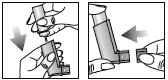
To clean the JET inhaler, follow the same cleaning steps 1 to 7 as for the standard inhaler.
Do not use the mouthpiece while still wet; ensure it is completely dry before use.
Using a wet mouthpiece may promote obstruction and blockage of the inhaler.
If necessary, and if the standard inhaler is not dry, use the JET inhaler provided in the package, and vice versa.
If the inhaler becomes blocked: perform cleaning steps 1 to 7.
Release one test spray into the air to check that the obstruction has cleared before resuming normal use.
Immediately after using CLENIL COMPOSITUM, rinse your mouth thoroughly with water; this will reduce the risk of fungal infections. The rinsing liquid must not be swallowed.
If you take more CLENIL COMPOSITUM than you should
If you accidentally take an excessive dose of CLENIL COMPOSITUM, you may experience an increased heart rate and tremors, which usually disappear after a few days, or adrenal gland function disturbances. Nevertheless, contact your doctor immediately or go to the nearest hospital, as appropriate measures may be necessary.
If you forget to take CLENIL COMPOSITUM
Continue your treatment as usual, without doubling the next dose.
If you stop using CLENIL COMPOSITUM
Do not stop treatment without consulting your doctor.
4. Possible side effects
Like all medicines, this medicine can cause side effects, although not everyone gets them.
Following the instructions contained in this leaflet reduces the risk of side effects.
As with other inhaled medicines, immediately after taking the dose, breathlessness, cough, shortness of breath and wheezing ( paradoxical bronchospasm ) may occur. The frequency of this side effect is unknown. If this happens, stop taking CLENIL COMPOSITUM immediately and contact your doctor.
Other side effects
If you use CLENIL COMPOSITUM, especially at high doses and/or for prolonged periods, you may experience other side effects. Inform your doctor if you notice:
Common side effects (may affect up to 1 in 10 people)
pneumonia (lung infection) in patients with COPD.
Inform your doctor if you experience any of the following symptoms while taking beclometasone dipropionate, as they may be signs of a lung infection:
- fever or chills
- increased mucus production, changes in mucus colour
- worsening cough or increased breathing difficulties
Very rare side effects (may affect up to 1 in 10,000 people)
Adrenal suppression (with symptoms such as loss of appetite, hypotension, abdominal pain, weight loss, fatigue, headache, nausea, vomiting).
Cataract, increased eye pressure with possible worsening of vision (glaucoma).
Changes in heart rhythm (arrhythmias such as atrial fibrillation, supraventricular tachycardia, extrasystoles), reduced blood flow to the heart tissue (myocardial ischemia).
Decreased bone mineral density.
Side effects with unknown frequency (frequency cannot be estimated from the available data)
Fungal infections (candida) in the mouth (oral and throat). In such cases, your doctor will prescribe antifungal therapy (with antifungal medicines or alkalising agents).
Tremor, stomach or duodenal (peptic) ulcer.
Hoarseness (dysphonia), redness and pain (irritation) of the throat, cough, difficulty breathing (dyspnoea).
Weakening of the bones (osteoporosis).
Increased heart rate.
Psychomotor hyperactivity, sleep disorders, anxiety, depression, aggression, behavioural disturbances (mainly in children).
Blurred vision.
In children and adolescents taking inhaled corticosteroids, growth retardation (very rare side effect) has also been reported.
Reporting of side effects
If you experience any side effect, including those not listed in this leaflet, talk to your doctor or pharmacist. You can also report side effects directly via the national reporting system at www.aifa.gov.it/content/segnalazioni-reazioni-avverse. By reporting side effects, you can help provide more information on the safety of this medicine.
5. How to store CLENIL COMPOSITUM
Keep this medicine out of sight and reach of children.
Store at a temperature not exceeding 30°C.
The pressurised container must not be pierced, and even if empty, must not be brought near heat sources, must not be frozen, and must not be exposed to direct sunlight.
Do not use this medicine after the expiry date stated on the carton after the word EXP. The expiry date refers to the last day of that month.
Do not dispose of medicines via wastewater or household waste. Ask your pharmacist how to dispose of medicines no longer required. This will help protect the environment.
6. Package contents and other information
What CLENIL COMPOSITUM contains
The active substances are: beclometasone dipropionate and salbutamol.
Each container contains: 50 mg of beclometasone dipropionate and 20 mg of salbutamol (each actuation
delivers 250 micrograms of beclometasone dipropionate and 100 micrograms of salbutamol).
The other components are: HFC 134a (norflurane), anhydrous ethanol, oleic acid.
This medicinal product contains fluorinated greenhouse gases. Each inhaler contains 11.129 g of norflurane
(HFC-134a), equivalent to 0.016 tonnes of CO2 (global warming potential = 1430).
Description of the appearance of CLENIL COMPOSITUM and package contents
This medicinal product is a pressurized suspension for inhalation, available in an aluminum pressurized container equipped with a metering valve, conventional actuator, JET spacer actuator, and a snap-on protective cap.
CLENIL COMPOSITUM provides sufficient medication for 200 inhalations delivering 250 micrograms of beclometasone dipropionate and 100 micrograms of salbutamol per inhalation.
Marketing Authorization Holder
PROMEDICA S.r.l., Via Palermo 26/A - Parma
Manufacturer
CHIESI FARMACEUTICI S.p.A., Parma facility, Via S. Leonardo 96.
CHIESI SA, 2 rue des Docteurs Alberto et Paolo Chiesi, La Chaussée Saint-Victor - France