Cipralex
Italy
Table of Contents
- Package leaflet: Information for the user
- Cipralex 5 mg film-coated tablets, 10 mg film-coated tablets, 15 mg film-coated tablets, 20 mg film-coated tablets
- 1. What Cipralex is and what it is used for
- 2. What you should know before taking Cipralex
- 3. How to take Cipralex
- 4. Possible side effects
- 5. How to store Cipralex
- 6. Package contents and other information
- Package leaflet: information for the user
- Cipralex 20 mg/ml oral drops, solution
- 1. What Cipralex is and what it is used for
- 2. What you need to know before taking Cipralex
- 3. How to take Cipralex
- 4. Possible side effects
- 5. How to store Cipralex
- 6. Package contents and other information
Package leaflet: Information for the user
Cipralex 5 mg film-coated tablets, 10 mg film-coated tablets, 15 mg film-coated tablets, 20 mg film-coated tablets
escitalopram
Please read this leaflet carefully before using this medicine because it contains important information for you.
- Keep this leaflet. You may need to read it again.
- If you have any questions, consult your doctor or pharmacist.
- This medicine has been prescribed for you only. Do not give it to others, even if their symptoms are the same as yours, as it may be harmful.
- If you experience any adverse reactions, including those not listed in this leaflet, consult your doctor or pharmacist. See section 4.
Contents of this leaflet:
- What Cipralex is and what it is used for
- What you need to know before taking Cipralex
- How to take Cipralex
- Possible side effects
- How to store Cipralex
- Contents of the pack and other information
1. What Cipralex is and what it is used for
Cipralex contains the active substance escitalopram. Cipralex belongs to a group of medicines called Selective Serotonin Reuptake Inhibitors (SSRIs).
Cipralex is used to treat depression (major depressive episodes) and anxiety (such as panic disorder with or without agoraphobia, social anxiety disorder, generalized anxiety disorder).
It may take a couple of weeks before you start to feel better. Continue taking Cipralex even if it takes some time before you notice an improvement in your condition.
Contact your doctor if you do not feel better or if you feel worse.
2. What you should know before taking Cipralex
Do not take Cipralex:
- if you are allergic to escitalopram or to any of the other ingredients of this medicine (listed in section 6).
- if you are taking other medicines belonging to a group known as monoamine oxidase inhibitors (MAOIs), including selegiline (used in the treatment of Parkinson’s disease), moclobemide (used in the treatment of depression), or linezolid (an antibiotic).
- if you were born with, or have experienced, an abnormal heart rhythm (identified by an ECG, a test used to assess heart function).
- if you are taking medicines for heart rhythm disorders or that may affect your heart rhythm (see section 2 “Other medicines and Cipralex”).
Warnings and precautions
Talk to your doctor or pharmacist before taking Cipralex.
Inform your doctor if you have any other conditions or illnesses, as they may need to be taken into account. In particular, inform your doctor:
- if you suffer from epilepsy. Treatment with Cipralex must be discontinued if seizures occur for the first time or if the frequency of seizures increases (see also section 4 “Possible side effects”).
- if you have impaired liver or kidney function. Your doctor may need to adjust your dose.
- if you have diabetes. Treatment with Cipralex may alter blood glucose control. A change in insulin and/or oral hypoglycemic agent dosage may be necessary.
- if you have low levels of sodium in your blood.
- if you tend to develop bleeding or bruising, or if you are pregnant (see section “Pregnancy, breastfeeding and fertility”).
- if you are receiving electroconvulsive therapy.
- if you have coronary heart disease (cardiac coronary disease).
- if you have or have had heart problems, or have recently had a heart attack.
- if you have a slow resting heart rate and/or if you know you have salt deficiencies due to prolonged severe diarrhea and vomiting (feeling unwell) or if you are taking diuretics (medicines to increase urination).
- if, when standing up, you experience a rapid or irregular heartbeat, fainting, collapse, or dizziness, which may indicate an abnormality in heart rhythm.
- if you have or have previously had eye problems, such as certain types of glaucoma (increased eye pressure).
Please note
Some patients with bipolar disorder may enter a manic phase. This is characterized by rapidly changing thoughts, inappropriate happiness, and excessive physical activity.
If you experience these feelings, contact your doctor.
Symptoms such as restlessness or difficulty sitting or standing still may occur during the first weeks of treatment. If these symptoms occur, inform your doctor immediately.
Medicines such as Cipralex (so-called selective serotonin reuptake inhibitors (SSRIs) and serotonin-norepinephrine reuptake inhibitors (SNRIs)) may cause symptoms of sexual dysfunction (see section 4).
In some cases, these symptoms have persisted after discontinuation of treatment.
Suicidal thoughts and worsening of depression or anxiety disorder
If you suffer from depression and/or anxiety disorders, you may sometimes think about harming yourself or committing suicide. These thoughts may be more common at the beginning of treatment with antidepressants, as these medicines usually take about two weeks or more to show their effect.
You are more likely to have these thoughts:
- if you have previously had thoughts of suicide or self-harm;
- if you are a young adult. Clinical study data have shown an increased risk of suicidal behaviour in psychiatric patients under 25 years of age treated with an antidepressant.
If at any time you think about harming yourself or committing suicide, contact your doctor or go immediately to hospital.
It may be helpful to inform a close family member or friend that you suffer from depression or an anxiety disorder, and ask them to read this leaflet. You may ask them to tell you if they think your depression or anxiety is worsening or if they are concerned about any changes in your behaviour.
Children and adolescents
Cipralex is generally not intended for use in children and adolescents under 18 years of age.
Furthermore, you should know that patients under 18 years of age taking this class of medicines have an increased risk of adverse effects such as suicide attempts, suicidal ideation, and hostility (mainly aggression, oppositional behaviour, and anger). Despite this, your doctor may prescribe Cipralex to patients under 18 years of age if they consider it the best treatment option. If your doctor has prescribed Cipralex to a patient under 18 years of age and you wish to obtain further information, please contact your doctor. You must inform your doctor if any of the above symptoms appear or worsen during treatment with Cipralex in a patient under 18 years of age. In addition, the long-term safety effects of Cipralex on growth, maturation, and cognitive and behavioural development have not yet been established in this age group.
Other medicines and Cipralex
Inform your doctor or pharmacist if you are taking, have recently taken, or might take any other medicines.
Inform your doctor if you are taking any of the following medicines:
- “non-selective monoamine oxidase inhibitors (MAOIs)” containing phenelzine, iproniazid, isocarboxazid, nialamide, or tranylcypromine as the active ingredient. If you have taken any of these medicines, you must wait 14 days before starting treatment with Cipralex. After stopping Cipralex, 7 days must pass before taking any of these medicines.
- “reversible selective MAO-A inhibitors” containing moclobemide (used in the treatment of depression).
- “irreversible MAO-B inhibitors” containing selegiline (used in the treatment of Parkinson’s disease). These increase the risk of adverse effects.
- The antibiotic linezolid.
- Lithium (used in the treatment of bipolar disorder) and tryptophan.
- Imipramine and desipramine (both used to treat depression).
- Sumatriptan and similar medicines (used to treat migraine) and tramadol and similar medicines (opioids, used to treat severe pain). These increase the risk of adverse effects.
- Cimetidine, lansoprazole, and omeprazole (used to treat gastric ulcers), fluconazole (used to treat fungal infections), fluvoxamine (an antidepressant), and ticlopidine (used to reduce the risk of stroke). These may cause an increase in escitalopram blood levels.
- St. John’s wort (hypericum perforatum, St. John’s Wort), a herbal product used for depression.
- Acetylsalicylic acid and non-steroidal anti-inflammatory drugs (medicines used for pain relief or to reduce blood clotting, also called antiplatelets). These may increase the tendency to bleed.
- Warfarin, dipyridamole, and phenprocoumon (medicines used to reduce blood clotting, also called anticoagulants). Your doctor will likely monitor your clotting time at the beginning and end of Cipralex treatment to ensure your anticoagulant dose remains appropriate.
- Mefloquine (used to treat malaria), bupropion (used to treat depression), and tramadol (used to treat severe pain), due to the possible risk of lowered seizure threshold.
- Neuroleptics (medicines used to treat schizophrenia, psychosis) and antidepressants (tricyclic antidepressants and SSRIs), due to the possible risk of lowered seizure threshold.
- Flecainide, propafenone, and metoprolol (used in cardiovascular conditions), clomipramine and nortriptyline (antidepressants), and risperidone, thioridazine, and haloperidol (antipsychotics). A dose adjustment of Cipralex may be necessary.
- Medicines that reduce potassium or magnesium levels in the blood, as these conditions increase the risk of life-threatening heart rhythm disturbances.
Do not take Cipralex if you are taking medicines for heart rhythm problems or that may affect your heart rhythm, such as, for example, class IA and III antiarrhythmics, antipsychotics (such as phenothiazine derivatives, pimozide, haloperidol), tricyclic antidepressants, certain antimicrobial agents (such as sparfloxacin, moxifloxacin, IV erythromycin, pentamidine, antimalarial treatments, particularly halofantrine), or certain antihistamines (astemizole, hydroxyzine, mizolastine). If you have any further doubts, contact your doctor.
Cipralex with food, drinks, and alcohol
Cipralex can be taken with or without food (see section 3 “How to take Cipralex”).
An interaction between Cipralex and alcohol is not expected. However, as with many medicines, the combination of Cipralex and alcohol is not recommended.
Pregnancy, breastfeeding and fertility
If you are pregnant, think you might be pregnant, are planning to become pregnant, or are breastfeeding, ask your doctor or pharmacist for advice before using this medicine. Do not take Cipralex during pregnancy or while breastfeeding unless your doctor has discussed the risks and benefits of treatment with you.
If you take Cipralex during the third trimester of pregnancy, be aware that the following effects may occur in the newborn: breathing difficulties, bluish skin colour, seizures, unstable body temperature, feeding difficulties, vomiting, hypoglycaemia (low blood glucose levels), hypertonia or hypotonia, hyperreflexia, tremor, restlessness, irritability, lethargy, persistent crying, drowsiness, and sleep difficulties. If the newborn shows any of these symptoms, contact your doctor immediately.
Ensure that your midwife and/or doctor know that you are taking Cipralex.
When taken during pregnancy, particularly during the last three months, medicines such as Cipralex may increase the risk of a serious condition in newborns called persistent pulmonary hypertension of the newborn (PPHN), which causes the baby to breathe faster and appear bluish. These symptoms usually appear within the first 24 hours after birth. If this happens to your baby, contact your midwife and/or doctor immediately.
If you take Cipralex near the end of pregnancy, there may be an increased risk of heavy vaginal bleeding shortly after delivery, especially if you have bleeding disorders (tendency to bleed easily). Inform your doctor or midwife that you are taking Cipralex so they can advise you on what to do.
Sudden discontinuation of Cipralex treatment should be avoided during pregnancy.
Escitalopram is expected to be excreted in breast milk.
Citalopram, a medicine similar to escitalopram, has been shown in animal studies to reduce sperm quality. In theory, this could affect fertility, but effects on human fertility have not yet been observed.
Driving and using machines
We recommend that you do not drive or operate machinery until you know how Cipralex affects you.
Cipralex contains sodium
This medicine contains less than 1 mmol of sodium (23 mg) per tablet, i.e., essentially "sodium-free".
3. How to take Cipralex
Always take this medicine exactly as your doctor has told you. If you are unsure, consult your doctor or pharmacist.
Adults
Depression
The usual recommended dose of Cipralex is 10 mg once daily. Your doctor may increase this dose up to a maximum of 20 mg per day.
Panic disorder
The initial dose of Cipralex for the first week of treatment is 5 mg once daily, which is then increased to 10 mg once daily. Your doctor may increase this dose up to a maximum of 20 mg per day.
Social anxiety disorder
The dose of Cipralex normally recommended is 10 mg once daily.
Your doctor may reduce the dose to 5 mg per day or increase it up to a maximum of 20 mg per day, depending on your individual response to treatment.
Generalized anxiety disorder
The dose of Cipralex normally recommended is 10 mg once daily. This dose may be increased by your doctor up to a maximum of 20 mg per day.
Elderly patients (over 65 years of age)
The recommended starting dose of Cipralex is 5 mg once daily. This dose may be increased by your doctor up to 10 mg per day.
Use in children and adolescents
Cipralex is normally not recommended for use in children and adolescents. For further information, see section 2 “Warnings and precautions”.
Reduced renal function
Caution is advised in patients with severely reduced renal function. Take the medicine as prescribed by your doctor.
Reduced liver function
Patients with liver disorders should not receive more than 10 mg per day. Take the medicine as prescribed by your doctor.
Patients known to be slow metabolizers of the CYP2C19 enzyme
Patients with this known genotype should not receive more than 10 mg per day. Take the medicine as prescribed by your doctor.
How to take the tablets
Cipralex may be taken with or without food. Swallow the tablets with a glass of water. Do not chew them, as they have a bitter taste.
If necessary, the 10 mg, 15 mg, and 20 mg tablets can be divided. To do this, place the tablet on a flat surface with the break line facing upwards. The tablet can be split by pressing down on each end using both index fingers, as shown in the illustration.

The 10 mg, 15 mg, and 20 mg tablets can be divided into equal doses.
Duration of treatment
It may take a few weeks before you notice any improvement. Continue taking Cipralex even if you do not experience immediate improvement in your condition.
The dosage must never be changed without first consulting your doctor.
Continue taking Cipralex for as long as your doctor recommends. If treatment is stopped too early, symptoms may return. It is recommended that treatment continues for at least six months after symptoms have resolved.
If you take more Cipralex than you should
If you have taken more Cipralex than prescribed, contact your doctor or go immediately to the nearest hospital emergency department, even if you do not feel unwell. Some of the symptoms of overdose may include dizziness, tremor, agitation, seizures, coma, nausea, vomiting, changes in heart rhythm, low blood pressure, and disturbances in electrolyte balance. Take the Cipralex packaging or container with you when you go to a doctor or hospital.
If you forget to take Cipralex
If you forget to take a dose of Cipralex, do not take a double dose. If you remember before going to bed, take the missed dose immediately and continue as usual the next day. If you remember during the night or the following day, skip the missed dose and continue with your regular dosing schedule.
If you stop taking Cipralex
Do not stop taking Cipralex unless your doctor tells you to. When you have completed treatment with Cipralex, it is generally recommended that the dose be gradually reduced over a couple of weeks.
When stopping Cipralex, especially if stopped abruptly, you may experience withdrawal symptoms. These are common when stopping treatment with Cipralex. The risk is greater if you have taken Cipralex for a long time or at high doses, or if the dose is reduced too quickly. Most patients find that these symptoms are mild and resolve spontaneously within a few weeks. However, in some patients, withdrawal symptoms may be severe or prolonged (2–3 months or longer). If you experience severe withdrawal symptoms when stopping Cipralex, inform your doctor. Your doctor may advise you to restart treatment and then reduce the dose more gradually.
Withdrawal symptoms include: dizziness (feeling unstable or off balance), prickling or tingling sensations, burning sensations (less frequent), electric shock-like sensations (also in the head), sleep disturbances (vivid dreams, nightmares, difficulty sleeping), anxiety, headache, malaise (nausea), sweating (including night sweats), restlessness or agitation, tremor (shaking), confusion or disorientation, excessive emotionality or irritability, diarrhoea (loose stools), visual disturbances, and disturbances in heart rhythm (palpitations).
If you have any doubts about how to use this medicine, consult your doctor or pharmacist.
4. Possible side effects
Like all medicines, Cipralex can cause side effects, although not everyone experiences them.
Side effects usually disappear after a few weeks of treatment. Please note that many of the side effects may also be symptoms of your illness and therefore decrease as you start to feel better.
If you experience any of the following symptoms, you must contact your doctor or go to hospital immediately:
Uncommon (may affect up to 1 in 100 people):
- abnormal bleeding, including gastrointestinal haemorrhage.
Rare (may affect up to 1 in 1,000 people):
- Swelling of the skin, tongue, lips, throat or face, urticaria or breathing difficulties or a feeling of suffocation (severe allergic reaction).
- High fever, agitation, confusion, tremor and sudden muscle contractions may be symptoms of a rare condition called serotonin syndrome.
Not known (frequency cannot be estimated from the available data):
- difficulty in urination
- seizures (fits), see also section “Warnings and precautions”
- yellowing of the skin and whites of the eyes, which are signs of impaired liver function/hepatitis
- rapid or irregular heartbeat, feeling faint, which may be symptoms of a life-threatening condition known as Torsade de Pointes
- thoughts of self-harm (hurting yourself) or suicide. See also section “Warnings and precautions”
- sudden swelling of the skin or mucous membranes (angioedema)
In addition to the side effects listed above, the following have also been reported:
Very common (may affect more than 1 in 10 people):
- feeling unwell (nausea)
- headache
Common (may affect up to 1 in 10 people):
- blocked nose or nasal discharge (sinusitis)
- decreased or increased appetite
- anxiety, restlessness, abnormal dreams, difficulty sleeping, drowsiness, dizziness, yawning, tremor, skin reactions
- diarrhoea, constipation, vomiting, dry mouth
- increased sweating
- muscle and joint pain (arthralgia and myalgia)
- sexual disorders (delayed ejaculation, erection problems, decreased sexual drive, and women may have difficulty achieving orgasm)
- tiredness, fever
- weight gain
Uncommon (may affect up to 1 in 100 people):
- urticaria, skin rashes, itching
- teeth grinding, agitation, nervousness, panic attacks, confusion
- disturbed sleep, taste disturbances, fainting (syncope)
- dilated pupils (mydriasis), visual disturbances, ringing in the ears (tinnitus)
- hair loss
- increased menstrual flow
- irregular menstrual cycle
- weight loss
- increased heart rate
- swelling of arms or legs
- nosebleeds
Rare (may affect up to 1 in 1,000 people):
- aggression, depersonalisation, hallucinations
- slowed heart rate
Not known (frequency cannot be estimated from the available data):
- decrease in blood sodium levels (symptoms include feeling unwell with muscle weakness or confusion)
- dizziness upon standing due to a drop in blood pressure (orthostatic hypotension)
- changes in liver function test values (increased levels of liver enzymes in the blood)
- movement disorders (involuntary muscle movements)
- painful erections (priapism)
- signs of abnormal bleeding, for example under the skin and mucous membranes (bruising) and low platelet counts in the blood (thrombocytopenia)
- increased production of a hormone called ADH, causing fluid retention and dilution of the blood, leading to reduced sodium levels (inappropriate ADH secretion)
- milk production in men and in women who are not breastfeeding
- increased levels of the hormone prolactin in the blood
- mania
- an increased risk of bone fractures has been observed in patients taking this type of medicine
- changes in heart rhythm (called “prolongation of the QT interval”, assessed by an ECG that records the heart's electrical activity)
- heavy vaginal bleeding shortly after childbirth (postpartum haemorrhage), see section 2 “Pregnancy, breastfeeding and fertility” for further information
In addition, a number of side effects are known to occur with medicines that act like escitalopram (the active ingredient in Cipralex). These include:
- motor restlessness (akathisia)
- loss of appetite
Reporting of side effects
If you experience any side effect, including those not listed in this leaflet, talk to your doctor or pharmacist. You can also report side effects directly via the national reporting system at: https://www.aifa.gov.it/content/segnalazioni-reazioni-avverse.
By reporting side effects, you can help provide more information on the safety of this medicine.
5. How to store Cipralex
Keep this medicine out of the sight and reach of children.
Do not use this medicine after the expiry date stated on the carton and blister after Exp..
The expiry date refers to the last day of that month.
This medicine does not require any special storage conditions.
Do not dispose of any medicine via wastewater or household waste. Ask your pharmacist how to
dispose of medicines you no longer use. This will help protect the environment.
6. Package contents and other information
What Cipralex contains
The active substance is escitalopram. Each Cipralex tablet contains 5 mg, 10 mg, 15 mg, or 20 mg of
escitalopram (as oxalate).
The other excipients are:
Tablet core: silicified microcrystalline cellulose, talc, sodium croscarmellose, and magnesium
stearate.
Coating: hypromellose, macrogol 400, titanium dioxide (E 171).
Description of the appearance of Cipralex and the contents of the pack
Cipralex is available as film-coated tablets of 5 mg, 10 mg, 15 mg, and 20 mg. The tablets are
described below.
Cipralex 5 mg: white, round, 6 mm, film-coated tablet marked with "EK" on one side of the tablet.
Cipralex 10 mg: white, oval, 8x5.5 mm, divisible, film-coated tablet marked with "E" and "L" on each side of the tablet.
Cipralex 15 mg: white, oval, 9.8x6.3 mm, divisible, film-coated tablet marked with "E" and "M" on each side of the tablet.
Cipralex 20 mg: white, oval, 11.5x7 mm, divisible, film-coated tablet marked with "E" and "N" on each side of the tablet.
The 10 mg, 15 mg, and 20 mg tablets can be divided into equal doses.
Cipralex is available in the following pack sizes:
Blister packs with outer cardboard carton
5 mg, 10 mg, 15 mg, and 20 mg: 14, 28, 56, and 98 tablets
Polyethylene bottles
15 mg and 20 mg: 100 tablets
5 mg and 10 mg: 100 and 200 tablets
Unit dose packaging
5 mg, 10 mg, 15 mg, and 20 mg: 49x1, 56x1, 98x1, 100x1, and 500x1 tablets
Not all pack sizes may be marketed.
Marketing Authorization Holder and Manufacturer
H. Lundbeck A/S
Ottiliavej 9
Valby
Denmark
Legal Representative in Italy
Lundbeck Italia S.p.A.
Via Joe Colombo, 2 - 20124 Milano
This medicinal product is authorized in the European Economic Area countries under the
following names:
Austria: Cipralex
Belgium: Sipralexa
Bulgaria: Cipralex
Cyprus: Cipralex
Czech Republic: Cipralex
Denmark: Cipralex
Estonia: Cipralex
Finland: Cipralex
France: Seroplex
Germany: Cipralex
Greece: Cipralex
Hungary: Cipralex
Iceland: Cipralex
Ireland: Lexapro
Italy: Cipralex
Latvia: Cipralex 10 mg film-coated tablets; Cipralex 20 mg film-coated tablets
Lithuania: Cipralex
Luxembourg: Sipralexa
Malta: Cipralex
Netherlands: Lexapro
Norway: Cipralex
Poland: Cipralex
Portugal: Cipralex
Romania: Cipralex
Slovakia: Cipralex
Slovenia: Cipralex
Spain: Cipralex
Sweden: Cipralex
United Kingdom: Cipralex
Package leaflet: information for the user
Cipralex 20 mg/ml oral drops, solution
escitalopram
Please read this leaflet carefully before using this medicine because it contains important information for you.
- Keep this leaflet. You may need to read it again.
- If you have any questions, consult your doctor or pharmacist.
- This medicine has been prescribed for you only. Do not give it to others, even if their symptoms are the same as yours, as it could be harmful.
- If you experience any side effect, including those not listed in this leaflet, contact your doctor or pharmacist. See section 4.
Contents of this leaflet:
- What Cipralex is and what it is used for
- What you need to know before taking Cipralex
- How to take Cipralex
- Possible side effects
- How to store Cipralex
- Contents of the pack and other information
1. What Cipralex is and what it is used for
Cipralex contains the active substance escitalopram. Cipralex belongs to a group of medicines called Selective Serotonin Reuptake Inhibitors (SSRIs).
The active substance in Cipralex is escitalopram, and it is used to treat depression (major depressive episodes) and anxiety disorders (such as panic disorder with or without agoraphobia, social anxiety disorder, and generalized anxiety disorder) in adults aged 18 years and over.
It may take a couple of weeks before you start to feel better. Continue taking Cipralex even if it takes some time before you notice an improvement in your condition.
Contact your doctor if you do not feel better or if you feel worse.
2. What you need to know before taking Cipralex
Do not take Cipralex:
- if you are allergic to escitalopram or to any of the other ingredients of this medicine (listed in section 6)
- if you are taking other medicines belonging to a group known as MAO inhibitors, including selegiline (used in the treatment of Parkinson’s disease), moclobemide (used in the treatment of depression), and linezolid (an antibiotic)
- if you were born with, or have experienced, an abnormal heart rhythm (identified by ECG, a test used to assess heart function)
- if you are taking medicines for heart rhythm problems or that may affect your heart rhythm (see section 2 “Other medicines and Cipralex”)
Warnings and precautions
Talk to your doctor or pharmacist before taking Cipralex.
Inform your doctor if you have any other condition or illness, as this may need to be taken into account. In particular, tell your doctor:
- if you suffer from epilepsy. Treatment with Cipralex should be discontinued if you experience seizures for the first time or if the frequency of seizures increases (see also section 4 “Possible side effects”)
- if you have impaired liver or kidney function. Your doctor may need to adjust your dose
- if you have diabetes. Treatment with Cipralex may alter blood glucose control. It may be necessary to adjust the dose of insulin and/or oral hypoglycaemic agents
- if you have low levels of sodium in your blood
- if you have a tendency to develop bleeding or bruising, or if you are pregnant (see section “Pregnancy, breastfeeding and fertility”)
- if you are receiving electroconvulsive therapy
- if you suffer from coronary heart disease (cardiac coronary disease)
- if you have or have had heart problems, or have recently had a heart attack
- if you have a low resting heart rate and/or if you know you have salt deficiencies due to prolonged severe diarrhoea and vomiting (feeling unwell) or if you are using diuretics (medicines to increase urination)
- if, when standing up, you experience a rapid or irregular heartbeat, fainting, collapse, or dizziness, which may indicate an abnormality in heart rhythm
- if you have or have previously had eye problems, such as certain types of glaucoma (increased eye pressure)
Please note
Some patients with bipolar disorder may enter a manic phase. This is characterised by unusual thoughts that change rapidly, inappropriate happiness, and excessive physical activity.
If you experience these feelings, contact your doctor.
Symptoms such as restlessness or difficulty sitting or standing still may occur during the first weeks of treatment. If these symptoms occur, inform your doctor immediately.
Medicines such as Cipralex (so-called selective serotonin reuptake inhibitors (SSRIs) and serotonin-noradrenaline reuptake inhibitors (SNRIs)) may cause symptoms of sexual dysfunction (see section 4).
In some cases, these symptoms have been observed to persist after discontinuation of treatment.
Suicidal thoughts and worsening of depression or anxiety disorder
If you suffer from depression and/or anxiety disorders, you may sometimes think about harming yourself or committing suicide.
These thoughts may be more common at the beginning of treatment with antidepressants, as these medicines usually take about two weeks or more to show their effect.
You are more likely to have these thoughts:
- if you have previously had thoughts of suicide or self-harm
- if you are a young adult. Clinical study data have shown an increased risk of suicidal behaviour in psychiatric patients under 25 years of age treated with an antidepressant.
If at any time you think about harming yourself or committing suicide, contact your doctor or go
immediately to hospital.
It may be helpful to inform a close family member or friend that you suffer from depression or an anxiety disorder, and ask them to read this leaflet. You may ask them to tell you if they think your depression or anxiety is worsening or if they are concerned about any change in your behaviour.
Children and adolescents
Cipralex is generally not intended for use in children and adolescents under 18 years of age.
Furthermore, you should know that patients under 18 years of age taking this class of medicines have an increased risk of side effects such as suicide attempts, suicidal ideation, and hostility (mainly aggression, oppositional behaviour, and anger). Despite this, your doctor may prescribe Cipralex to patients under 18 years of age if they consider it the best option for them. If your doctor has prescribed Cipralex to a patient under 18 years of age and you would like more information, contact your doctor again. You must inform your doctor if any of the above symptoms appear or worsen during treatment with Cipralex in a patient under 18 years of age. In addition, the long-term safety effects of Cipralex on growth, maturation, and cognitive and behavioural development have not yet been established in this age group.
Other medicines and Cipralex
Tell your doctor or pharmacist if you are taking, have recently taken, or might take any other medicines.
Inform your doctor if you are taking any of the following medicines:
- “non-selective monoamine oxidase inhibitors (MAOIs)” containing phenelzine, iproniazid, isocarboxazid, nialamide, or tranylcypromine as active ingredients. If you have taken any of these medicines, you must wait 14 days before starting treatment with Cipralex. After stopping Cipralex treatment, 7 days must pass before taking any of these medicines.
- “reversible selective MAO-A inhibitors” containing moclobemide (used in the treatment of depression)
- “irreversible MAO-B inhibitors” containing selegiline (used in the treatment of Parkinson’s disease). These increase the risk of side effects
- the antibiotic linezolid
- lithium (used in the treatment of bipolar disorder) and tryptophan
- imipramine and desipramine (both used to treat depression)
- sumatriptan and similar medicines (used to treat migraine) and tramadol and similar medicines (opioids, used to treat severe pain). These increase the risk of side effects
- cimetidine, lansoprazole, and omeprazole (used to treat gastric ulcers), fluconazole (used to treat fungal infections), fluvoxamine (an antidepressant), and ticlopidine (used to reduce the risk of stroke). These may cause an increase in escitalopram levels in the blood
- St John’s wort (Hypericum perforatum), a herbal remedy used for depression
- acetylsalicylic acid and non-steroidal anti-inflammatory drugs (medicines used for pain relief or to reduce blood clotting, also known as antiplatelets). These may increase the tendency to bleed
- warfarin, dipyridamole, and fenprocoumon (medicines used to reduce blood clotting, also known as anticoagulants). Your doctor will likely monitor your blood clotting time at the beginning and end of Cipralex treatment to ensure your anticoagulant dose remains appropriate
- mefloquine (used to treat malaria), bupropion (used to treat depression), and tramadol (used to treat severe pain) due to the possible risk of reduced seizure threshold
- neuroleptics (medicines used to treat schizophrenia, a psychosis) and antidepressants (tricyclic antidepressants and SSRIs) due to the possible risk of reduced seizure threshold
- flecainide, propafenone, and metoprolol (used in cardiovascular conditions), clomipramine and nortriptyline (antidepressants), and risperidone, thioridazine, and haloperidol (antipsychotics). Dose adjustment of Cipralex may be necessary
- medicines that reduce potassium or magnesium levels in the blood, as these conditions increase the risk of life-threatening heart rhythm disturbances
Do not take Cipralex if you are taking medicines for heart rhythm problems or that may affect heart rhythm, such as, for example, class IA and III antiarrhythmics, antipsychotics (such as phenothiazine derivatives, pimozide, haloperidol), tricyclic antidepressants, certain antimicrobial agents (such as sparfloxacin, moxifloxacin, IV erythromycin, pentamidine, antimalarial treatments, particularly halofantrine), and certain antihistamines (astemizole, hydroxyzine, mizolastine).
If you have any further doubts, contact your doctor.
Cipralex with food, drinks and alcohol
Cipralex can be taken with or without food (see section 3 “How to take Cipralex”).
Cipralex is not expected to interact with alcohol. However, as with many medicines, combining Cipralex and alcohol is not recommended.
Pregnancy, breastfeeding and fertility
Inform your doctor if you are pregnant or planning a pregnancy. Do not take Cipralex if you are pregnant or breastfeeding unless your doctor has discussed the risks and benefits of treatment with you.
If you take Cipralex during the third trimester of pregnancy, you should be aware that the following effects may occur in the newborn: breathing difficulties, bluish skin colour, seizures, unstable body temperature, feeding difficulties, vomiting, hypoglycaemia (low blood glucose levels), hypertonia or hypotonia, hyperreflexia, tremor, restlessness, irritability, lethargy, persistent crying, drowsiness, and sleep difficulties. If the newborn shows any of these symptoms, contact your doctor immediately.
Ensure that your midwife and/or doctor know that you are taking Cipralex.
When taken during pregnancy, particularly during the last three months of pregnancy, medicines such as Cipralex may increase the risk of a serious condition in newborns called persistent pulmonary hypertension of the newborn (PPHN), which causes the baby to breathe faster and appear bluish. These symptoms usually appear within the first 24 hours after birth. If this happens to your baby, contact your midwife and/or doctor immediately.
If you take Cipralex near the end of pregnancy, there may be an increased risk of heavy vaginal bleeding shortly after delivery, especially if you have bleeding disorders (a tendency to bleed easily). Inform your doctor or midwife that you are taking Cipralex so they can advise you on what to do.
Abrupt discontinuation of Cipralex treatment should be avoided during pregnancy.
Cipralex is expected to be excreted in breast milk.
Citalopram, a medicine similar to escitalopram, has been shown in animal studies to reduce sperm quality. In theory, this could affect fertility, but no impact on human fertility has been observed so far.
Driving and using machines
We advise you not to drive or operate machinery until you know how Cipralex affects you.
Cipralex 20 mg/ml oral drops, solution contains alcohol
This medicine contains 100 mg of alcohol (96% ethanol) per ml, equivalent to 11.8% v/v. The amount in 1 ml of this medicine is equivalent to less than 3 ml of beer or 1 ml of wine. The small amount of alcohol in this medicine will not have noticeable effects.
Cipralex 20 mg/ml oral drops, solution contains sodium
This medicine contains less than 1 mmol of sodium (23 mg) per ml, i.e., essentially “sodium-free”.
3. How to take Cipralex
Always take this medicine exactly as instructed by your doctor. If you have any doubts, consult your
doctor or pharmacist.
Turn the bottle completely upside down. If no drops come out, tap the bottle gently to start the flow.
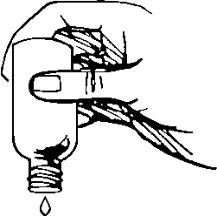
Count the required number of drops into a drink (water, orange juice or apple juice), briefly shake the glass,
and drink all the liquid.
Cipralex oral drops must not be mixed with other liquids or combined with other medicines.
Adults
Depression
The usual recommended dose of Cipralex is 10 mg (10 drops) once daily. Your doctor may increase this
dose up to a maximum of 20 mg (20 drops) daily.
Panic disorder
The initial dose of Cipralex for the first week of treatment is 5 mg (5 drops) daily, then increased to
10 mg (10 drops) daily. Your doctor may increase this dose up to a maximum of 20 mg (20 drops) daily.
Social anxiety disorder
The normally recommended dose of Cipralex is 10 mg (10 drops) once daily.
Your doctor may reduce the dose to 5 mg (5 drops) daily or increase it up to a maximum of 20 mg (20
drops) daily, depending on your individual response to treatment.
Generalised anxiety disorder
The normally recommended dose of Cipralex is 10 mg (10 drops) once daily. This dose may be increased
by your doctor up to a maximum of 20 mg (20 drops) daily.
Elderly patients (over 65 years of age)
The recommended initial dose of Cipralex is 5 mg (5 drops) once daily. This dose may be increased by
your doctor up to 10 mg (10 drops) daily.
Children and adolescents
Cipralex is normally not recommended for use in children and adolescents. For further information, see
also section 2 “What you need to know before taking Cipralex”.
Reduced renal function
Caution is advised in patients with severely reduced kidney function. Take the medicine as prescribed
by your doctor.
Reduced liver function
Patients with liver disorders should not receive more than 10 mg daily. Take the medicine as prescribed
by your doctor.
Patients known to be slow metabolisers of the CYP2C19 enzyme
Patients with this known genotype should not receive more than 10 mg daily. Take the medicine as
prescribed by your doctor.
Duration of treatment
It may take a few weeks before you notice any improvement. Continue taking Cipralex even if you do not
immediately feel better.
The dosage must never be changed without first consulting your doctor.
Continue taking Cipralex for as long as your doctor has recommended. If treatment is stopped too early,
symptoms may return. It is recommended to continue treatment for at least six months after symptoms
have resolved.
If you take more Cipralex than you should
If you have taken more Cipralex than prescribed, contact your doctor or go immediately to the nearest
hospital emergency department, even if you do not feel unwell. Some symptoms of overdose may include
dizziness, tremor, agitation, seizures, coma, nausea, vomiting, changes in heart rhythm, low blood pressure,
and disturbances in electrolyte balance. Take the Cipralex bottle with you when visiting a doctor or going
to hospital.
If you forget to take Cipralex
If you forget to take a dose of Cipralex, do not take a double dose. If you remember before going to bed,
take it immediately and continue as usual the next day. If you remember during the night or the following
day, skip the missed dose and continue with your regular dosing schedule.
If you stop taking Cipralex
Do not stop taking Cipralex unless your doctor tells you to. When you have completed treatment with
Cipralex, it is generally recommended that the dose be gradually reduced over a couple of weeks.
When stopping Cipralex, especially if stopped suddenly, you may experience withdrawal symptoms. These
are common when stopping treatment with Cipralex. The risk is greater if you have taken Cipralex for a
long time or at high doses, or if the dose is reduced too quickly. Most patients find that such symptoms are
mild and usually disappear spontaneously within a few weeks. However, in some patients, withdrawal
symptoms may be severe or may persist for a longer time (2–3 months or more). If you experience severe
withdrawal symptoms when stopping Cipralex, inform your doctor. Your doctor may advise you to restart
treatment and then reduce the dose more gradually.
Withdrawal symptoms include: dizziness (feeling unstable or off balance), pins and needles sensation,
burning sensation (less common), electric shock-like sensations, even in the head, sleep disturbances (vivid
dreams, nightmares, difficulty sleeping), anxiety, headache, malaise (nausea), sweating (including night
sweats), restlessness or agitation, tremor (shaking), confusion or disorientation, excessive emotionality or
irritability, diarrhoea (loose stools), visual disturbances, heart rhythm disturbances (palpitations).
If you have any questions about the use of this medicine, ask your doctor or pharmacist.
4. Possible side effects
Like all medicines, this medicine can cause side effects, although not everybody gets them.
The side effects usually disappear after a few weeks of treatment. Please bear in mind that many of the side effects may also be symptoms of your illness, and therefore decrease as you start to feel better.
If you experience any of the following symptoms, you must contact your doctor or go to hospital immediately:
Uncommon (may affect up to 1 in 100 people):
- abnormal bleeding, including gastrointestinal bleeding.
Rare (may affect up to 1 in 1,000 people):
- Swelling of the skin, tongue, lips or face, or if you have difficulty breathing or a feeling of suffocation (allergic reaction).
- High fever, agitation, confusion, tremor and sudden muscle contractions may be symptoms of a rare condition called serotonin syndrome.
Not known (frequency cannot be estimated from the available data):
- difficulty urinating
- seizures (fits), see also section “Warnings and precautions”
- yellowing of the skin and whites of the eyes, which are signs of impaired liver function/hepatitis
- rapid or irregular heartbeat, feeling faint, which may be symptoms of a life-threatening condition known as Torsade de Pointes
- thoughts of self-harm (hurting yourself) or suicide. See also section “Warnings and precautions”
In addition to the side effects listed above, the following have also been reported:
Very common (may affect more than 1 in 10 people):
- feeling unwell (nausea)
- headache
Common (may affect up to 1 in 10 people):
- stuffy nose or nasal discharge (sinusitis)
- decreased or increased appetite
- anxiety, restlessness, abnormal dreams, difficulty falling asleep, drowsiness, dizziness, yawning, tremor, skin reactions
- diarrhoea, constipation, vomiting, dry mouth
- increased sweating
- muscle and joint pain (arthralgia and myalgia)
- sexual disorders (delayed ejaculation, erection problems, reduced sexual drive, and women may have difficulty achieving orgasm)
- tiredness, fever
- weight gain
Uncommon (may affect up to 1 in 100 people):
- hives, skin rash, itching
- teeth grinding, agitation, nervousness, panic attacks, confusion
- disturbed sleep, taste disturbances, fainting (syncope)
- dilated pupils (mydriasis), visual disturbances, ringing in the ears (tinnitus)
- hair loss
- increased menstrual flow
- irregular menstrual cycle
- weight loss
- increased heart rate
- swelling of arms or legs
- nosebleeds
Rare (may affect up to 1 in 1,000 people):
- aggression, depersonalization, hallucinations
- slowed heart rate
Not known (frequency cannot be estimated from the available data):
- decrease in blood sodium levels (symptoms include feeling unwell with muscle weakness or confusion)
- dizziness upon standing due to a drop in blood pressure (orthostatic hypotension)
- changes in liver function tests (increased levels of liver enzymes in the blood)
- movement disorders (involuntary muscle movements)
- painful erections (priapism)
- signs of increased bleeding, for example bruising of the skin and mucous membranes (ecchymoses) and low platelet levels in the blood (thrombocytopenia)
- sudden swelling of the skin or mucous membranes (angioedema)
- increased production of a hormone called ADH, causing fluid retention and blood dilution, leading to reduced sodium levels (inappropriate ADH secretion)
- increased levels of the hormone prolactin in the blood
- milk secretion in men and in women who are not breastfeeding
- mania
- an increased risk of bone fractures has been observed in patients taking this type of medicine
- changes in heart rhythm (called “QT interval prolongation”, assessed by an ECG that records the heart's electrical activity)
- heavy vaginal bleeding shortly after childbirth (postpartum haemorrhage); see section 2 “Pregnancy, breastfeeding and fertility” for further information
In addition, a number of side effects are known to occur with medicines that act like escitalopram (the active substance in Cipralex). These include:
- motor restlessness (akathisia)
- loss of appetite
Reporting of side effects
If you get any side effects, including ones not listed in this leaflet, talk to your doctor or pharmacist. You can also report side effects directly via the national reporting system at: https://www.aifa.gov.it/content/segnalazioni-reazioni-avverse.
By reporting side effects, you can help provide more information on the safety of this medicine.
5. How to store Cipralex
Keep this medicine out of the sight and reach of children.
Do not use this medicine after the expiry date which is stated on the packaging and on the label of the
bottle after Exp. (expiry date).
The expiry date refers to the last day of that month.
After opening, the oral solution drops must be used within 8 weeks and stored at a temperature below 25°C.
Do not dispose of any medicine via wastewater or household waste. Ask your pharmacist how to dispose of medicines you no longer use. This will help protect the environment.
6. Package contents and other information
What Cipralex contains
The active substance is escitalopram. Each ml of Cipralex oral drops contains 20 mg of escitalopram (as
escitalopram oxalate).
1 drop contains 1 mg of escitalopram.
The other components are:
propyl gallate
anhydrous citric acid
ethanol 96%
sodium hydroxide
purified water.
Description of the appearance of Cipralex and contents of the pack
Cipralex oral drops, solution is available in a 15 ml brown glass bottle with a dropper dispenser.
Not all pack sizes may be marketed.
Cipralex oral drops, solution is a clear, almost colourless to slightly yellowish solution.
Marketing Authorisation Holder and Manufacturer
H. Lundbeck A/S
Ottiliavej 9
Valby
Denmark
Legal Representative in Italy
Lundbeck Italia S.p.A.
Via Joe Colombo, 2 - 20124 Milano
This medicinal product is authorised in the European Economic Area countries under the
following names:
Czech Republic: Cipralex 20 mg/ml.
Denmark: Cipralex
Finland: Cipralex
France: Seroplex
Germany: Cipralex 20mg/ml Tropfen zum Einnehmen, Lösung
Greece: Cipralex
Italy: Cipralex
Norway: Cipralex
Portugal: Cipralex
Spain: Cipralex
Sweden: Cipralex
United Kingdom: Cipralex
This Patient Information Leaflet was last updated on .