Celecoxib Viatris
Italy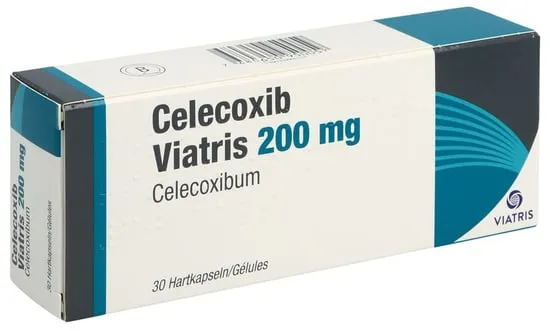
Table of Contents
- Package leaflet: Information for the user
- Celecoxib Viatris 100 mg hard capsules, 200 mg hard capsules
- 1. What Celecoxib Viatris is and what it is used for
- 2. What you should know before taking Celecoxib Viatris
- 3. How to take Celecoxib Viatris
- 4. Possible side effects
- 5. How to store Celecoxib Viatris
- 6. Package contents and other information
Package leaflet: Information for the user
Celecoxib Viatris 100 mg hard capsules, 200 mg hard capsules
celecoxib
Generic medicine
Please read all of this leaflet carefully before you take this medicine because it contains important information for you.
- Keep this leaflet. You may need to read it again.
- If you have any questions, ask your doctor or pharmacist.
- This medicine has been prescribed for you only. Do not give it to other people, even if their symptoms are the same as yours, as it may be harmful.
- If you experience any side effects, including those not listed in this leaflet, tell your doctor or pharmacist. See section 4.
Contents of this leaflet
- What Celecoxib Viatris is and what it is used for
- What you need to know before taking Celecoxib Viatris
- How to take Celecoxib Viatris
- Possible side effects
- How to store Celecoxib Viatris
- Contents of the pack and other information
1. What Celecoxib Viatris is and what it is used for
Celecoxib Viatris belongs to a class of medicines known as non-steroidal anti-inflammatory drugs (NSAIDs), and more specifically to a subgroup known as cyclooxygenase-2 (COX-2) inhibitors. The body produces prostaglandins, which can cause pain and inflammation. In certain conditions such as rheumatoid arthritis and osteoarthritis, the body produces increased levels of prostaglandins. Celecoxib Viatris works by reducing the production of prostaglandins, thereby reducing pain and inflammation.
Celecoxib Viatris is used in adults for the symptomatic treatment of rheumatoid arthritis, osteoarthritis, and ankylosing spondylitis.
You may expect the medicine to start working within a few hours of taking the first dose, although it may take several days before you feel the full effect.
2. What you should know before taking Celecoxib Viatris
Celecoxib Viatris has been prescribed for you by your doctor. The information below will help you achieve the best results with Celecoxib Viatris. If you have any further questions, please consult your doctor or pharmacist.
Do not take Celecoxib Viatris
Inform your doctor if any of the following conditions apply to you, as patients with these conditions must not take Celecoxib Viatris:
- if you are allergic to celecoxib or to any of the other ingredients of this medicine (listed in section 6)
- if you have had an allergic reaction to a class of medicines called “sulfonamides” (e.g. certain antibiotics used to treat infections)
- if you currently have a stomach or intestinal ulcer, or gastrointestinal bleeding
- if you have previously experienced asthma, nasal polyps, severe nasal congestion, or an allergic reaction such as skin rash with itching, swelling of the face, lips, tongue or throat, difficulty breathing, or wheezing after taking acetylsalicylic acid or any other non-steroidal anti-inflammatory and pain-relieving drug (NSAID)
- if you are pregnant. If you could become pregnant during treatment, you should discuss contraceptive methods with your doctor
- if you are breastfeeding
- if you have severe liver disease
- if you have severe kidney disease
- if you have an inflammatory bowel disease such as ulcerative colitis or Crohn’s disease
- if you have heart failure, established ischemic heart disease, or cerebrovascular disease (e.g. you have been diagnosed with a heart attack, stroke, or transient ischemic attack [temporary reduction in blood flow to the brain, also known as “mini-stroke”], angina, or blockage of blood vessels to the heart or brain)
- if you have or have had circulatory problems (peripheral arterial disease) or have undergone surgery on the arteries in your legs
Warnings and precautions
Talk to your doctor or pharmacist before taking Celecoxib Viatris:
- if you previously had a stomach or intestinal ulcer or gastrointestinal bleeding (do not take Celecoxib Viatris if you currently have a stomach or intestinal ulcer or gastrointestinal bleeding)
- if you are taking acetylsalicylic acid (even at low doses used for cardiovascular protection)
- if you are taking antiplatelet therapy
- if you are taking medicines to reduce blood clotting (e.g. warfarin, warfarin-like anticoagulants, or newer oral anticoagulants such as apixaban)
- if you are taking corticosteroids (e.g. prednisone)
- if you are taking Celecoxib Viatris together with other NSAIDs other than acetylsalicylic acid, such as ibuprofen or diclofenac. Concomitant use of these medicines should be avoided
- if you smoke, or have diabetes, high blood pressure, or high cholesterol
- if you have impaired heart, liver, or kidney function, your doctor may monitor you regularly
- if you have fluid retention (such as swollen ankles or feet)
- if you are dehydrated, for example due to illness, diarrhea, or use of diuretics (used to treat excess fluid in the body)
- if you have previously experienced a severe allergic reaction or a serious skin reaction to any medicine
- if you feel unwell due to an infection or suspect you have an infection, as Celecoxib Viatris may mask fever or other signs of infection and inflammation
- if you are over 65 years of age, your doctor will monitor you regularly
- alcohol consumption and use of NSAIDs may increase the risk of gastrointestinal problems
As with other NSAIDs (e.g. ibuprofen or diclofenac), this medicine may lead to increased blood pressure, and therefore your doctor may ask you to monitor your blood pressure regularly.
During treatment with celecoxib, rare cases of serious liver reactions have been reported, including severe hepatitis, liver damage, and liver failure (some cases were fatal or required liver transplantation). Among cases with known onset time, most serious liver reactions occurred within one month of starting treatment.
Serious skin reactions have been reported with Celecoxib Viatris. Discontinue use of Celecoxib Viatris and consult a doctor immediately if you notice any of the symptoms of serious skin reactions described in section 4, Possible side effects.
Celecoxib Viatris may make it more difficult to become pregnant. Inform your doctor if you are planning a pregnancy or if you have difficulty becoming pregnant (see section Pregnancy and breastfeeding).
Other medicines and Celecoxib Viatris
Inform your doctor or pharmacist if you are taking, have recently taken, or might take any other medicines:
- Dextromethorphan (used to treat cough)
- ACE inhibitors, angiotensin II antagonists, beta-blockers, and diuretics (used for high blood pressure and heart failure)
- Fluconazole and rifampicin (used to treat fungal and bacterial infections)
- Warfarin or other medicines similar to warfarin (medicines that reduce blood clotting), including newer agents such as apixaban
- Lithium (used to treat certain types of depression)
- Other medicines used to treat depression, sleep disorders, high blood pressure, or irregular heartbeat
- Neuroleptics (used to treat certain mental disorders)
- Methotrexate (used to treat rheumatoid arthritis, psoriasis, and leukemia)
- Carbamazepine (used to treat epilepsy/seizures and certain types of pain or depression)
- Barbiturates (used to treat epilepsy/seizures and certain sleep disorders)
- Cyclosporine and tacrolimus (used for immunosuppression, e.g. after organ transplants)
Celecoxib Viatris may be taken with a low dose of acetylsalicylic acid (75 mg daily or less). Ask your doctor for advice before taking both medicines together.
Pregnancy, breastfeeding, and fertility
If you are pregnant, suspect you may be pregnant, planning to become pregnant, or breastfeeding, consult your doctor or pharmacist before taking this medicine.
Pregnancy
Celecoxib Viatris must not be taken by pregnant women or women who may become pregnant (e.g. women of childbearing potential who are not using adequate contraceptive methods) during treatment. If you become pregnant while taking Celecoxib Viatris, you must stop treatment and contact your doctor for alternative therapy.
Breastfeeding
Celecoxib Viatris must not be used during breastfeeding.
Fertility
NSAIDs, including Celecoxib Viatris, may make it more difficult to become pregnant. Inform your doctor if you are planning a pregnancy or if you have difficulty becoming pregnant.
Driving and using machines
Before driving or operating machinery, you should be aware of how you react to Celecoxib Viatris.
If you feel dizzy or drowsy after taking Celecoxib Viatris, do not drive or operate machinery until these effects have subsided.
Celecoxib Viatris contains lactose
Celecoxib Viatris contains lactose (a type of sugar). If your doctor has diagnosed you with an intolerance to certain sugars, please consult him/her before taking this medicine.
Celecoxib Viatris contains sodium
This medicine contains less than 1 mmol (23 mg) of sodium per capsule, i.e. essentially ‘sodium-free’.
3. How to take Celecoxib Viatris
Take this medicine exactly as your doctor or pharmacist has told you. If you are unsure, consult your doctor or pharmacist. If you think or feel that the effect of Celecoxib Viatris is too strong or too weak, talk to your doctor or pharmacist.
Your doctor will tell you what dose to take. Since the risk of unwanted effects related to heart problems may increase with higher doses and longer treatment duration, it is important that you use the lowest effective dose needed to control your pain and that you do not take Celecoxib Viatris for longer than necessary to control your symptoms.
Method of administration:
Celecoxib Viatris is for oral use. The capsules can be taken at any time of day, with or without food. However, always try to take each dose of Celecoxib Viatris at the same time every day.
If you have difficulty swallowing the capsules:
The entire contents of the capsule may be poured onto a level teaspoon of semi-solid food (such as cold or room temperature apple puree, rice pudding, yoghurt, or mashed banana) and swallowed immediately with about 240 ml of water.
To open the capsule, hold it upright to keep the granules at the bottom, then remove the cap by gently twisting it with light pressure, taking care not to spill the contents. Do not chew or crush the granules.
Contact your doctor within two weeks of starting treatment if you do not experience any improvement.
Recommended dose:
For osteoarthritis, the recommended dose is 200 mg per day, which your doctor may increase, if necessary, up to a maximum of 400 mg per day.
The usual dose is:
- one 200 mg capsule once daily; or
- one 100 mg capsule twice daily.
For rheumatoid arthritis, the recommended dose is 200 mg per day, which your doctor may increase, if necessary, up to a maximum of 400 mg per day.
The usual dose is:
- one 100 mg capsule twice daily.
For ankylosing spondylitis, the recommended dose is 200 mg per day, which your doctor may increase, if necessary, up to a maximum of 400 mg per day.
The usual dose is:
- one 200 mg capsule once daily; or
- one 100 mg capsule twice daily.
Kidney or liver problems: Make sure your doctor knows if you have liver or kidney problems, as a lower dose may be needed.
Elderly patients, especially those weighing less than 50 kg: If you are over 65 years of age, and especially if you weigh less than 50 kg, your doctor may monitor you more closely.
Do not take more than 400 mg per day.
Use in children:
Celecoxib Viatris is intended for adults only. It must not be used in children.
If you take more Celecoxib Viatris than you should:
Do not take more capsules than prescribed by your doctor. If you take too many capsules, contact your doctor, pharmacist, or go to hospital, and bring the medicine with you.
If you forget to take Celecoxib Viatris:
If you forget to take a capsule, take it as soon as you remember. Do not take a double dose to make up for the forgotten dose.
If you stop taking Celecoxib Viatris:
Stopping treatment with Celecoxib Viatris suddenly may lead to a worsening of your symptoms. Do not stop taking Celecoxib Viatris unless your doctor tells you to. Your doctor will likely advise you to gradually reduce the dose over several days before stopping treatment completely.
If you have any doubts about how to use this medicine, consult your doctor or pharmacist.
4. Possible side effects
Like all medicines, this medicine can cause side effects, although not everybody will experience them.
The side effects listed below were observed in patients with arthritis who were taking
Celecoxib Viatris. The side effects listed below marked with an asterisk (*) occurred at higher
frequencies in patients taking Celecoxib Viatris to prevent colon polyps. Patients in these studies
took Celecoxib Viatris at higher doses and for a longer duration.
If you experience any of the following conditions, stop taking Celecoxib Viatris and inform your
doctor immediately:
If you have:
- an allergic reaction such as skin rash, swelling of the face, wheezing or difficulty breathing
- heart problems such as chest pain
- severe stomach pain or any sign of bleeding in the stomach or intestines, such as black stools or blood in the stool, or vomiting blood
- a skin reaction such as skin rash, blisters or peeling of the skin
- liver failure (symptoms include nausea, diarrhoea, jaundice (yellowing of the skin or whites of the eyes)).
Very common: may affect more than 1 in 10 people
- High blood pressure, including worsening of existing high blood pressure*.
Common: may affect up to 1 in 10 people
- Heart attack*
- Fluid retention with swollen ankles, legs and/or hands
- Urinary tract infections
- Shortness of breath*, sinusitis (inflammation or infection of the sinuses, blocked or painful sinuses), stuffy or runny nose, sore throat, cough, cold, flu-like symptoms
- Dizziness, sleep disturbances
- Vomiting*, stomach pain, diarrhoea, indigestion, flatulence
- Skin rash, itching
- Muscle stiffness
- Difficulty swallowing*
- Headache
- Nausea
- Joint pain
- Worsening of existing allergies
- Accidental injury
Uncommon: may affect up to 1 in 100 people
- Stroke*
- Heart failure, palpitations (awareness of heartbeat), increased heart rate
- Abnormal blood test results related to liver function
- Abnormal blood test results related to kidney function
- Anaemia (changes in red blood cells which may cause tiredness and shortness of breath)
- Anxiety, depression, fatigue, drowsiness, tingling sensation
- Elevated potassium levels in blood test results (may cause nausea, fatigue, muscle weakness or palpitations)
- Blurred or impaired vision, ringing in the ears, mouth sores and pain, hearing difficulties*
- Constipation, belching, inflammation of the stomach (indigestion, stomach pain or vomiting), worsening of stomach or intestinal inflammation
- Leg cramps
- Increased skin rashes with itching (urticaria)
- Eye inflammation
- Difficulty breathing
- Skin discolouration (bruising)
- Chest pain (generalised pain not related to the heart)
- Swelling of the face
Rare: may affect up to 1 in 1,000 people
- Ulcers (bleeding) in the stomach, oesophagus or intestines; or intestinal perforation (may cause stomach pain, fever, nausea, vomiting, intestinal blockage), dark or black stools, inflammation of the pancreas (may cause stomach pain), inflammation of the oesophagus.
- Low levels of sodium in the blood (a condition known as hyponatraemia)
- Reduction in white blood cells (which help protect the body from infections) or platelets (increased risk of bleeding or bruising)
- Difficulty coordinating muscle movements
- Feeling confused, taste disturbances
- Increased sensitivity to light
- Hair loss
- Hallucinations
- Bleeding in the eye
- Acute reaction that may cause lung inflammation
- Irregular heartbeat
- Hot flushes
- Blood clots in the blood vessels of the lungs. Symptoms may include sudden shortness of breath, sharp pain when breathing or fainting.
- Bleeding in the stomach or intestines (may cause blood in stools or vomiting), inflammation of the intestine or colon
- Severe liver inflammation (hepatitis). Symptoms include nausea, diarrhoea, jaundice (yellowing of the skin or eyes), dark urine, pale stools, easy bleeding, itching or chills.
- Acute kidney failure
- Menstrual disorders
- Swelling of the face, lips, mouth, tongue or throat, or difficulty swallowing.
Very rare: may affect up to 1 in 10,000 people
- Severe allergic reactions (including potentially life-threatening anaphylactic shock)
- Serious skin diseases such as Stevens-Johnson syndrome, exfoliative dermatitis and toxic epidermal necrolysis (may cause rash, blisters or peeling of the skin) and generalised exanthematous pustulosis (symptoms include reddened skin with swellings covered by numerous small pustules)
- Delayed allergic reaction with possible symptoms such as skin rash, facial swelling, fever, swollen lymph nodes, abnormal blood test results (e.g. liver function, blood count (eosinophilia, a specific increase in white blood cells)).
- Fatal brain haemorrhages
- Meningitis (inflammation of the membrane covering the brain and spinal cord)
- Liver failure, liver damage, and severe liver inflammation (fulminant hepatitis), (some cases fatal or requiring liver transplant). Symptoms include nausea, diarrhoea, jaundice (yellowing of the skin or eyes), dark urine, pale stools, easy bleeding, itching or chills.
- Liver disorders (such as cholestasis and cholestatic hepatitis, which may be accompanied by symptoms such as altered stool colour, nausea, and yellowing of the skin or eyes)
- Kidney inflammation or other kidney disorders (such as nephrotic syndrome and minimal change disease, which may be accompanied by symptoms such as fluid retention (oedema), foamy urine, fatigue and loss of appetite).
- Worsening of epilepsy (increased frequency and/or severity of seizures)
- Blockage of an artery or vein in the eye, causing partial or complete loss of vision
- Inflamed blood vessels (may cause fever, pain, red skin patches)
- Reduction in red blood cells, white blood cells and platelets (may cause fatigue, easy bruising, frequent nosebleeds and increased risk of infections)
- Muscle pain and weakness
- Impaired sense of smell
- Loss of taste
Not known: frequency cannot be estimated from the available data:
- Reduced fertility in women, generally reversible upon discontinuation of the medicine
- Other serious skin conditions such as drug-induced fixed eruption (a distinctive skin allergic reaction that typically recurs at the same site(s) upon re-exposure to the drug and may appear as round or oval patches of redness and swelling of the skin, blisters (urticaria), itching) and generalised bullous fixed drug eruption (may lead to widespread skin reactions)
In clinical studies not related to arthritis or other arthritis-related conditions, where Celecoxib
Viatris was taken at doses of 400 mg daily for up to 3 years, the following side effects were
observed:
Common: may affect up to 1 in 10 people
- Heart problems: angina (chest pain)
- Stomach problems: irritable bowel syndrome (may include stomach pain, diarrhoea, indigestion, flatulence)
- Kidney stones (may cause back pain or stomach pain, blood in urine), difficulty urinating
- Weight gain
Uncommon: may affect up to 1 in 100 people
- Deep vein thrombosis (blood clotting usually in the leg, which may cause pain, swelling or redness in the calf or breathing problems)
- Stomach problems: stomach infection (which may cause irritation and ulcers in the stomach and intestines)
- Fracture of lower limbs
- Herpes zoster (shingles), skin infection, eczema (dry, itchy skin rash), pneumonia (chest infection (possible cough, fever, breathing difficulties))
- Floaters in the eye causing impaired or blurred vision, dizziness due to inner ear disorders, painful, inflamed or bleeding gums, mouth sores
- Excessive urination at night, bleeding haemorrhoids, frequent bowel movements
- Fat deposits on the skin or elsewhere, ganglion cyst (a harmless swelling above and around joints and tendons of the hands or feet), difficulty speaking, abnormal or very heavy vaginal bleeding, breast pain
- Elevated sodium levels in blood test results
Reporting of side effects
If you experience any side effect, including those not listed in this leaflet, talk to your
doctor or pharmacist. You can also report side effects directly via the national reporting system at www.aifa.gov.it/content/segnalazioni-reazioni-avverse . By reporting side effects, you can help provide more information on the safety of this
medicine.
5. How to store Celecoxib Viatris
Keep this medicine out of the sight and reach of children.
Do not use this medicine after the expiry date stated on the blister pack and carton. The expiry date refers to the last day of that month.
Do not store Celecoxib Viatris above 30 °C.
Do not dispose of medicines via wastewater or household waste. Ask your pharmacist how to dispose of medicines you no longer use. This will help protect the environment.
6. Package contents and other information
What Celecoxib Viatris contains
The active substance is celecoxib.
Each capsule contains 100 mg or 200 mg of celecoxib.
The other components are:
Monohydrate lactose, sodium lauryl sulfate, povidone, sodium croscarmellose, magnesium stearate. The
capsule shells contain: gelatin, titanium dioxide E171, sodium lauryl sulfate and sorbitan monolaurate. The ink contains shellac, propylene glycol, indigotine E132 (100 mg capsules) or iron oxide E172 (200 mg capsules).
Description of the appearance of Celecoxib Viatris and package contents
Celecoxib Viatris is available as capsules.
White opaque capsules with two blue bands marked 7767 and 100
White opaque capsules with two gold bands marked 7767 and 200
The capsules are packaged in transparent or opaque PVC/aluminum blisters.
Celecoxib Viatris is available in pack sizes of 2, 5, 6, 10, 20, 30, 40, 50, 60, 100, 10x10, 10x30, 10x50,
1x50 in divisible units, 1x100 in divisible units, 5x(10x10) capsules.
Not all pack sizes may be marketed.
Marketing Authorisation Holder and Manufacturer
Marketing Authorisation Holder
Viatris Pharma S.r.l.
Via Vittor Pisani 20
20124 Milan
Italy
Manufacturer
Pfizer Manufacturing Deutschland GmbH
Mooswaldallee 1
79108 Freiburg im Breisgau
Germany
or
Klocke Verpackungs-Service GmbH
Max-Becker-Str. 6
76356 Weingarten (Baden)
Germany
or
Mylan Hungary Kft.
Mylan utca 1
Komárom, 2900
Hungary
This medicinal product is authorised in the European Economic Area Member States and in the United Kingdom (Northern Ireland) under the following names:
| Name | Country |
| Celecoxib Viatris | Austria, Italy, Netherlands, Finland, France |
| Celecoxib Upjohn | Sweden |
| Celecoxib | United Kingdom (Northern Ireland) |