Ceftriaxone ABC
Italy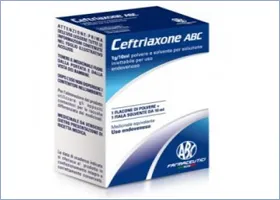
Table of Contents
- Package leaflet: Information for the user
- 1. What CEFTRIAXONE ABC is and what it is used for
- 2. What you need to know before CEFTRIAXONE ABC is administered to you
- 3. How CEFTRIAXONE ABC is administered
- 4. Possible side effects
- 5. How to store CEFTRIAXONE ABC
- 6. Package contents and other information
- Patient Information Leaflet: Information for the User
- CEFTRIAXONE ABC 1 g/10 ml powder and solvent for injectable solution for intravenous use
- 1. What CEFTRIAXONE ABC is and what it is used for
- 2. What you need to know before you are given CEFTRIAXONE ABC
- 3. How CEFTRIAXONE ABC is administered
- 4. Possible side effects
- 5. How to store CEFTRIAXONE ABC
- 6. Package contents and other information
- Package leaflet: Information for the user
- CEFTRIAXONE ABC 2 g powder for solution for infusion
- 1. What CEFTRIAXONE ABC is and what it is used for
- 2. What you need to know before being given CEFTRIAXONE ABC
- 3. How CEFTRIAXONE ABC is administered
- 4. Possible side effects
- 5. How to store CEFTRIAXONE ABC
- 6. Package contents and other information
Package leaflet: Information for the user
CEFTRIAXONE ABC 250 mg/2 ml powder and solvent for injectable solution for intramuscular use
CEFTRIAXONE ABC 500 mg/2 ml powder and solvent for injectable solution for intramuscular use
CEFTRIAXONE ABC 1 g/3.5 ml powder and solvent for injectable solution for intramuscular use
Ceftriaxone (as ceftriaxone sodium)
Lidocaine (as lidocaine hydrochloride)
Generic medicine
Please read this leaflet carefully before you are given this medicine because it contains
important information for you.
- Keep this leaflet. You may need to read it again.
- If you have any questions, ask your doctor, pharmacist, or nurse.
- This medicine has been prescribed for you only. Never give it to other people, even if they have the same symptoms as yours, because it could be harmful.
- If you experience any side effect, including those not listed in this leaflet, tell your doctor, pharmacist, or nurse. See section 4.
Contents of this leaflet:
- What CEFTRIAXONE ABC is and what it is used for
- What you need to know before you are given CEFTRIAXONE ABC
- How CEFTRIAXONE ABC is administered
- Possible side effects
- How to store CEFTRIAXONE ABC
- Contents of the pack and other information
1. What CEFTRIAXONE ABC is and what it is used for
CEFTRIAXONE ABC contains the active substance ceftriaxone, which is an antibiotic administered to adults and children (including newborns). It works by killing the bacteria that cause infections. It belongs to a group of medicines called cephalosporins.
CEFTRIAXONE ABC is used to treat infections:
- of the brain (meningitis).
- of the lungs.
- of the middle ear.
- of the abdomen and abdominal wall (peritonitis).
- of the urinary tract and kidneys.
- of the bones and joints.
- of the skin or soft tissues.
- of the blood.
- of the heart.
It may be administered:
- to treat specific sexually transmitted infections (gonorrhoea and syphilis).
- to treat patients with a low number of white blood cells in the blood (neutropenia) who have fever due to bacterial infection.
- to treat chest infections in adults with chronic bronchitis.
- to treat Lyme disease (caused by tick bites) in adults and children, including newborns from 15 days of age.
- to prevent infections during surgery.
2. What you need to know before CEFTRIAXONE ABC is administered to you
Do not receive CEFTRIAXONE ABC if:
- you are allergic to ceftriaxone or to any of the other ingredients of this medicine (listed in section 6);
- you have previously experienced a sudden or severe allergic reaction to penicillin or to similar antibiotics (such as cephalosporins, penicillins, monobactams, and carbapenems). Possible signs include sudden swelling of the throat or face, which may make breathing or swallowing difficult, sudden swelling of hands, feet, and ankles, chest pain, and a severe rash that develops rapidly;
- you are allergic to lidocaine and CEFTRIAXONE ABC is to be administered by intramuscular injection;
- you have a heart conduction disorder causing low blood pressure and a slow heart rate (complete atrioventricular block);
- you have a condition characterized by reduced blood volume (hypovolemia).
CEFTRIAXONE ABC must not be administered to children in the following cases:
- the child is premature;
- the child is a newborn (up to 28 days of age) and has certain blood disorders or jaundice (yellowing of the skin or whites of the eyes), or is to receive a product containing calcium through a vein.
Warnings and precautions
Talk to your doctor, pharmacist, or nurse before CEFTRIAXONE ABC is administered to you if:
- you are experiencing or have previously experienced any combination of the following symptoms: rash, skin redness, blistering on lips, eyes, or mouth, skin peeling, high fever, flu-like symptoms, increased levels of liver enzymes detectable in blood tests, increase in a type of white blood cells (eosinophilia), and swollen lymph nodes (signs of serious skin reactions; see also section 4 “Possible side effects”);
- you have recently received or are about to receive products containing calcium;
- you have recently had diarrhoea after taking an antibiotic, or have intestinal problems, particularly colitis (inflammation of the intestine);
- you have liver or kidney problems;
- you have gallstones or kidney stones;
- you have other diseases, such as haemolytic anaemia (a reduction in red blood cells that may cause pale yellow skin, weakness, or shortness of breath);
- you are on a low-sodium diet;
- you have muscle dysfunction and weakness (myasthenia gravis);
- you have seizures (epilepsy);
- you have any heart condition, especially if it affects heart rate;
- you have respiratory problems;
- you have porphyria (a rare inherited disease affecting the skin and nervous system);
- you have liver or kidney problems (see section 4).
If you are to undergo blood or urine tests
If you are receiving CEFTRIAXONE ABC for a prolonged period, you may need to have regular blood tests. CEFTRIAXONE ABC may affect the results of urine sugar tests and a blood test known as the Coombs test. If you are scheduled for tests:
- inform the person collecting your sample that you have been administered CEFTRIAXONE ABC.
If you are diabetic or require monitoring of blood glucose levels, you must not use certain blood glucose monitoring systems that may inaccurately measure blood glucose during treatment with ceftriaxone. If such systems are used, check the instructions for use and inform your doctor, pharmacist, or nurse. Alternative testing methods should be used if necessary.
Children
Talk to your doctor, pharmacist, or nurse before administering CEFTRIAXONE ABC to a child if:
- the child has recently received or is about to receive intravenously a product containing calcium.
Other medicines and CEFTRIAXONE ABC
Inform your doctor, pharmacist, or nurse if you are taking, have recently taken, or might take any other medicines.
In particular, inform your doctor or pharmacist if you are taking any of the following medicines:
- an antibiotic called an aminoglycoside;
- an antibiotic called chloramphenicol (used to treat infections, particularly eye infections).
Several medicines can interact with lidocaine, leading to altered effects. These include:
- medicines used to treat infections (clarithromycin, erythromycin);
- medicines used to treat stomach ulcers (e.g. cimetidine);
- strong painkillers such as codeine and meperidine (narcotic or opioid medicines);
- medicines used to treat irregular heart rate (e.g. mexiletine, tocainide).
Pregnancy, breastfeeding, and fertility
If you are pregnant, think you may be pregnant, planning to become pregnant, or breastfeeding, consult your doctor before using this medicine.
Your doctor will assess the benefits of treatment with CEFTRIAXONE ABC for you and the potential risks for your baby.
Driving and using machines
CEFTRIAXONE ABC may cause dizziness. If you feel dizzy, do not drive and do not operate tools or machinery.
Contact your doctor if you experience these symptoms.
Ceftriaxone ABC 250 mg/2 ml contains sodium
This medicine contains less than 1 mmol (23 mg) of sodium per dose, i.e. essentially 'sodium-free'.
Ceftriaxone ABC 500 mg/2 ml contains sodium
This medicine contains 41.4 mg of sodium (a component of table salt) per dose. This corresponds to 2.07% of the maximum daily recommended dietary intake for an adult.
Ceftriaxone ABC 1 g/3.5 ml contains sodium
This medicine contains 82.8 mg of sodium (a component of table salt) per dose. This corresponds to 4.14% of the maximum daily recommended dietary intake for an adult.
3. How CEFTRIAXONE ABC is administered
CEFTRIAXONE ABC is generally administered by a doctor or nurse via an injection given directly into a muscle. CEFTRIAXONE ABC will be prepared by a doctor, pharmacist, or nurse and will not be mixed or administered simultaneously with calcium-containing injections.
Usual dose
Your doctor will determine the correct dose of CEFTRIAXONE ABC for you. The dose will depend on the severity and type of infection, whether you are receiving concomitant treatment with other antibiotics, your body weight and age, and the functioning of your kidneys and liver. The number of days or weeks during which you will receive CEFTRIAXONE ABC will depend on the type of infection you have.
Adults, elderly patients, and children aged 12 years or older with a body weight equal to or greater than 50 kilograms (kg):
- 1 to 2 g once daily, depending on the severity and type of infection. If you have a severe infection, your doctor may administer a higher dose (up to 4 g per day). If your daily dose exceeds 2 g, it may be given as a single daily dose or as two separate doses.
Newborns, infants, and children from 15 days to 12 years of age with a body weight below 50 kg:
- 50–80 mg of CEFTRIAXONE ABC once daily per kg of the child's body weight, depending on the severity and type of infection. If you have a severe infection, your doctor may prescribe a higher dose, starting from 100 mg per kg of body weight, up to a maximum of 4 g per day. If your daily dose exceeds 2 g, it may be given as a single daily dose or as two separate doses.
- Children with a body weight equal to or greater than 50 kg should receive the usual adult dose.
Newborns (0–14 days of life)
- 20–50 mg of CEFTRIAXONE ABC once daily per kg of the newborn's body weight, depending on the severity and type of infection.
- The maximum daily dose must not exceed 50 mg per kg of the newborn's body weight.
Patients with liver or kidney problems
You may be given a different dose from the usual. Your doctor will decide how much CEFTRIAXONE ABC you need and will monitor you closely, depending on the severity of your liver or kidney disease.
If you are given more CEFTRIAXONE ABC than you should
If you are accidentally given more CEFTRIAXONE ABC than prescribed, contact your doctor or the nearest hospital immediately.
If you forget to take CEFTRIAXONE ABC
If you miss an injection, you should receive it as soon as possible. However, if it is almost time for your next scheduled injection, skip the missed dose. Do not take a double dose (two injections together) to make up for a forgotten dose.
If you stop treatment with CEFTRIAXONE ABC
Do not stop taking CEFTRIAXONE ABC unless instructed by your doctor. If you have any doubts about using this medicine, consult your doctor or nurse.
4. Possible side effects
Like all medicines, this medicine can cause side effects, although not everybody gets them.
Treatment with ceftriaxone, especially in elderly patients with severe renal impairment or neurological disorders, may rarely cause reduced consciousness, abnormal movements, agitation, and seizures.
The following side effects may occur with this medicine:
Severe allergic reactions (frequency not known; cannot be estimated from available data)
If you experience a severe allergic reaction, seek immediate medical attention.
Signs may include:
- Sudden swelling of the face, throat, lips, or mouth, which may cause difficulty breathing or swallowing.
- Sudden swelling of the hands, feet, and ankles.
- Chest pain occurring in the context of allergic reactions, which may be a symptom of an allergy-induced heart attack (Kounis syndrome).
Severe skin reactions (frequency not known; cannot be estimated from available data)
If you develop a severe skin reaction, contact a doctor immediately.
Signs may include:
- Severe rash developing rapidly, with blistering or peeling of the skin, and possible blistering in the mouth (Stevens-Johnson syndrome and toxic epidermal necrolysis, also known as SJS and TEN).
- Any combination of the following symptoms: widespread rash, high body temperature, elevated liver enzymes, abnormalities in blood tests (eosinophilia), swollen lymph nodes, and involvement of other organs (drug reaction with eosinophilia and systemic symptoms, also known as DRESS or drug hypersensitivity syndrome).
- Jarisch-Herxheimer reaction, which may cause fever, chills, headache, muscle pain, and rash, usually resolving spontaneously. These symptoms may occur shortly after starting Ceftriaxone ABC treatment for spirochete infections such as Lyme disease.
Other possible side effects:
Common (may affect up to 1 in 10 people)
- Abnormalities in white blood cells (such as reduced leukocytes and increased eosinophils) and platelets (reduced thrombocytes).
- Soft stools or diarrhea.
- Changes in blood test results indicating liver function abnormalities.
- Rash.
Uncommon (may affect up to 1 in 100 people)
- Fungal infections (e.g., oral thrush).
- Decreased number of white blood cells (granulocytopenia).
- Reduced number of red blood cells (anemia).
- Blood clotting problems. Signs include easy bruising, joint pain, and swelling.
- Headache.
- Dizziness.
- Nausea or vomiting.
- Itching.
- Pain or burning sensation along the vein where CEFTRIAXONE ABC was administered. Pain at the injection site.
- Fever.
- Abnormal kidney function test results (increased blood creatinine).
Rare (may affect up to 1 in 1,000 people)
- Inflammation of the large intestine (colon). Signs include diarrhea, often with blood and mucus, stomach pain, and fever.
- Difficulty breathing (bronchospasm).
- Rash with hives (urticaria), possibly covering large areas of the body, associated with itching and swelling.
- Blood or sugar in the urine.
- Edema (fluid accumulation).
- Chills.
Frequency not known (cannot be estimated from available data)
- Secondary infections that may not respond to the prescribed antibiotic.
- A form of anemia characterized by destruction of red blood cells (hemolytic anemia).
- Severe decrease in white blood cells (agranulocytosis).
- Seizures.
- Dizziness.
- Inflammation of the pancreas (pancreatitis). Signs include severe stomach pain radiating to the back.
- Inflammation of the mouth lining (stomatitis).
- Inflammation of the tongue (glossitis). Signs include swelling, redness, and irritation of the tongue.
- Problems affecting the gallbladder and/or liver, which may cause pain, nausea, vomiting, yellowing of the skin, itching, unusually dark urine, and clay-colored stools.
- A neurological condition that may develop in newborns with severe jaundice (kernicterus).
- Kidney problems caused by calcium-ceftriaxone deposits. You may experience pain when urinating, or a reduced amount of urine produced.
- False positive Coombs test (a blood test to detect blood-related problems).
- False positive test for galactosemia (an abnormal accumulation of the sugar galactose).
- CEFTRIAXONE ABC may interfere with certain types of blood glucose tests; please consult your doctor.
Following accidental intravascular injection of lidocaine during intramuscular administration of Ceftriaxone ABC i.m., additional side effects may occur, including:
Frequency not known (cannot be estimated from available data)
- Changes in heart rhythm and rate.
- Low blood pressure.
- Slowed heart rate (below 60 beats per minute).
- Interruption of normal blood circulation due to cardiac arrest and reduced blood flow.
- Loss of balance, tingling around the mouth, numbness of the tongue, difficulty tolerating everyday sounds (hyperacusis), ringing in the ears (tinnitus), dizziness or lightheadedness, confusion, nervousness, involuntary rhythmic muscle contractions, seizures or epileptic fits, profound unconsciousness (coma).
- Blurred vision, double vision, or temporary loss of vision.
- Feeling unwell (nausea or vomiting).
- Breathing difficulties.
- Reduced respiratory rate or possible cessation of breathing.
- Unusual drowsiness or fatigue during the day or fainting.
Reporting of side effects
If you experience any side effect, including those not listed in this leaflet, talk to your doctor or pharmacist. You can also report side effects directly via the website:
www.aifa.gov.it/content/segnalazioni-reazioni-avverse.
By reporting side effects, you can help provide more information on the safety of this medicine.
5. How to store CEFTRIAXONE ABC
Do not use this medicinal product after the expiry date stated on the packaging after "Exp". The expiry date refers to the last day of that month. The expiry date indicated refers to the product stored correctly in its original packaging.
6. Package contents and other information
What CEFTRIAXONE ABC contains
CEFTRIAXONE ABC 250 mg/2 ml powder and solvent for injectable solution for intramuscular use
The active substance is ceftriaxone disodium 3.5 H₂O 298.2 mg, equivalent to 250 mg of ceftriaxone.
The other component is lidocaine hydrochloride.
CEFTRIAXONE ABC 500 mg/2 ml powder and solvent for injectable solution for intramuscular use
The active substance is ceftriaxone disodium 3.5 H₂O 596.5 mg, equivalent to 500 mg of ceftriaxone.
The other component is lidocaine hydrochloride.
CEFTRIAXONE ABC 1 g/3.5 ml powder and solvent for injectable solution for intramuscular use
The active substance is ceftriaxone disodium 3.5 H₂O 1.193 g, equivalent to 1 g of ceftriaxone.
The other component is lidocaine hydrochloride.
CEFTRIAXONE ABC must not be mixed with other drugs in the same syringe.
Description of the appearance of CEFTRIAXONE ABC and contents of the pack
CEFTRIAXONE ABC 250 mg/2 ml powder and solvent for injectable solution for intramuscular use:
1 vial of powder + 1 solvent vial of 2 ml.
CEFTRIAXONE ABC 500 mg/2 ml powder and solvent for injectable solution for intramuscular use:
1 vial of powder + 1 solvent vial of 2 ml.
CEFTRIAXONE ABC 1 g/3.5 ml powder and solvent for injectable solution for intramuscular use:
1 vial of powder + 1 solvent vial of 3.5 ml.
Marketing Authorization Holder
ABC FARMACEUTICI S.P.A. Corso Vittorio Emanuele II, 72 Torino
Manufacturers
LABORATORIO FARMACEUTICO CT - Via Dante Alighieri 71 - 18038 Sanremo (Im)
LABORATORIO FARMACEUTICO CT - Via Ariosto 17 – 18038 Sanremo (Im)
Disposal of syringes/sharp objects
The following list of points must be strictly observed regarding the use and disposal of syringes and other sharp medical devices:
- Needles and syringes must never be reused.
- All used needles and syringes must be placed in a dedicated sharps container (single-use, puncture-resistant container).
- Keep the container out of reach of children.
- Used sharps containers must not be disposed of in household waste.
- Dispose of the full container according to local requirements or as instructed by your physician.
Disposal of expired/unused medicines
KEEP THIS MEDICINE OUT OF SIGHT AND REACH OF CHILDREN
Patient Information Leaflet: Information for the User
CEFTRIAXONE ABC 1 g/10 ml powder and solvent for injectable solution for intravenous use
Ceftriaxone (as ceftriaxone sodium)
Generic medicine
Please read this leaflet carefully before this medicine is administered to you, as it contains
important information for you.
- Keep this leaflet. You may need to read it again.
- If you have any questions, ask your doctor, pharmacist or nurse.
- This medicine has been prescribed for you only. Never give it to other people, even if their symptoms are the same as yours, as it may be harmful.
- If you experience any side effects, including those not listed in this leaflet, contact your doctor, pharmacist or nurse. See section 4.
Contents of this leaflet:
- What CEFTRIAXONE ABC is and what it is used for
- What you need to know before you are given CEFTRIAXONE ABC
- How CEFTRIAXONE ABC is administered
- Possible side effects
- How to store CEFTRIAXONE ABC
- Contents of the pack and other information
1. What CEFTRIAXONE ABC is and what it is used for
CEFTRIAXONE ABC contains the active substance ceftriaxone, which is an antibiotic administered to adults and children (including newborns). It works by killing the bacteria that cause infections. It belongs to a group of medicines called cephalosporins.
CEFTRIAXONE ABC is used to treat infections:
- of the brain (meningitis).
- of the lungs.
- of the middle ear.
- of the abdomen and abdominal wall (peritonitis).
- of the urinary tract and kidneys.
- of bones and joints.
- of the skin or soft tissues.
- of the blood.
- of the heart.
It may be administered:
- to treat specific sexually transmitted infections (gonorrhoea and syphilis).
- to treat patients with a low number of white blood cells in the blood (neutropenia) who have fever due to bacterial infection.
- to treat chest infections in adults with chronic bronchitis.
- to treat Lyme disease (caused by tick bites) in adults and children, including newborns from 15 days of age.
- to prevent infections during surgical procedures.
2. What you need to know before you are given CEFTRIAXONE ABC
Do not be given CEFTRIAXONE ABC if:
- you are allergic to ceftriaxone or to any of the other ingredients of this medicine (listed in section 6);
- you have had a sudden or severe allergic reaction to penicillin or to similar antibiotics (such as cephalosporins, penicillins, monobactams and carbapenems). Possible signs include sudden swelling of the throat or face, which may make it difficult to breathe or swallow, sudden swelling of hands, feet and ankles, chest pain, and a severe rash that develops rapidly.
- you are allergic to lidocaine and CEFTRIAXONE ABC is to be administered by intramuscular injection.
CEFTRIAXONE ABC must not be given to children in the following cases:
- the child is premature;
- the child is a newborn (up to 28 days of age) and has certain blood disorders or jaundice (yellowing of the skin or whites of the eyes), or needs to receive a calcium-containing product intravenously.
Warnings and precautions
Talk to your doctor, pharmacist or nurse before you are given CEFTRIAXONE ABC if:
- you are experiencing or have previously experienced any combination of the following symptoms: rash, skin redness, blistering on lips, eyes and mouth, skin peeling, high fever, flu-like symptoms, increased levels of liver enzymes detectable in blood tests, increase in a type of white blood cells (eosinophilia), and swollen lymph nodes (signs of serious skin reactions; see also section 4 “Possible side effects”).
- you have recently received or are about to receive products containing calcium.
- you have recently had diarrhoea after taking an antibiotic, or have had intestinal problems, particularly colitis (inflammation of the intestine).
- you have liver or kidney problems.
- you have gallstones or kidney stones.
- you have other diseases, such as haemolytic anaemia (a reduction in red blood cells which may cause pale yellow skin, weakness or shortness of breath).
- you are on a low-sodium diet.
- you have liver or kidney problems (see section 4).
If you are due to have blood or urine tests
If you are given CEFTRIAXONE ABC for a prolonged period, you may need regular blood tests. CEFTRIAXONE ABC may affect the results of urine sugar tests and a blood test known as the Coombs test. If you are due to have tests:
- inform the person taking your sample that you have been given CEFTRIAXONE ABC.
If you are diabetic or require monitoring of blood glucose levels, do not use certain blood glucose monitoring systems, as they may incorrectly measure blood glucose levels during treatment with ceftriaxone. If such systems are used, check the instructions for use and inform your doctor, pharmacist or nurse. Alternative testing methods should be used if necessary.
Children
Talk to your doctor, pharmacist or nurse before administering CEFTRIAXONE ABC to a child if:
- the child has recently received or is about to receive intravenously a product containing calcium.
Other medicines and CEFTRIAXONE ABC
Tell your doctor, pharmacist or nurse if you are taking, have recently taken or might take any other medicines.
In particular, inform your doctor or pharmacist if you are taking any of the following medicines:
- an antibiotic called an aminoglycoside.
- an antibiotic called chloramphenicol (used to treat infections, particularly eye infections).
Pregnancy, breastfeeding and fertility
If you are pregnant, think you may be pregnant, are planning to become pregnant, or are breastfeeding, consult your doctor before using this medicine.
Your doctor will assess the benefits of treatment with CEFTRIAXONE ABC for you and the possible risks to the unborn child or nursing infant.
Driving and using machines
CEFTRIAXONE ABC may cause dizziness. If you feel dizzy, do not drive or operate tools or machinery.
Contact your doctor if you experience these symptoms.
CEFTRIAXONE ABC contains sodium
This medicine contains 82.8 mg of sodium (a component of common table salt) per dose. This corresponds to 4.14% of the maximum daily intake recommended in the adult diet.
3. How CEFTRIAXONE ABC is administered
CEFTRIAXONE ABC is generally administered by a doctor or nurse through an intravenous infusion (IV infusion) or via an injection directly into a vein. CEFTRIAXONE ABC will be prepared by a doctor, pharmacist, or nurse and must not be mixed or administered simultaneously with calcium-containing injections.
Standard dose
Your doctor will determine the correct dose of CEFTRIAXONE ABC for you. The dose depends on the severity and type of infection, whether you are receiving other antibiotics at the same time, your body weight and age, and the functioning of your kidneys and liver. The number of days or weeks during which you will receive CEFTRIAXONE ABC depends on the type of infection you have.
Adults, elderly patients, and children aged 12 years or older with a body weight of 50 kilograms (kg) or more:
- 1 to 2 g once daily, depending on the severity and type of infection. If you have a severe infection, your doctor may administer a higher dose (up to 4 g per day). If your daily dose exceeds 2 g, it may be given as a single daily dose or divided into two separate doses.
Neonates, infants, and children from 15 days to 12 years of age with a body weight below 50 kg:
- 50–80 mg of CEFTRIAXONE ABC once daily per kg of the child’s body weight, depending on the severity and type of infection. If the infection is severe, your doctor may prescribe a higher dose, starting from 100 mg per kg of body weight, up to a maximum of 4 g per day. If your daily dose exceeds 2 g, it may be administered as a single daily dose or divided into two separate doses.
- Children with a body weight of 50 kg or more should receive the standard adult dose.
Neonates (0–14 days of life):
- 20–50 mg of CEFTRIAXONE ABC once daily per kg of the neonate’s body weight, depending on the severity and type of infection.
- The maximum daily dose must not exceed 50 mg per kg of the neonate’s body weight.
Patients with liver or kidney problems
You may be given a different dose than the standard one. Your doctor will decide the amount of CEFTRIAXONE ABC you need and will monitor you closely, depending on the severity of your liver or kidney condition.
If you receive more CEFTRIAXONE ABC than you should
If you are accidentally given more CEFTRIAXONE ABC than prescribed, contact your doctor or the nearest hospital immediately.
If you miss a dose of CEFTRIAXONE ABC
If you miss an injection, it should be administered as soon as possible. However, if it is almost time for your next scheduled injection, skip the missed dose. Do not take a double dose (two injections together) to make up for a missed dose.
If you stop treatment with CEFTRIAXONE ABC
Do not stop taking CEFTRIAXONE ABC unless your doctor tells you to. If you have any doubts about using this medicine, consult your doctor or nurse.
4. Possible side effects
Like all medicines, this medicine can cause side effects, although not everybody gets them.
Treatment with ceftriaxone, especially in elderly patients with severe renal insufficiency or disorders of the nervous system, may rarely cause reduced level of consciousness, abnormal movements, agitation, and seizures.
With this medicine, you may experience the following side effects:
Severe allergic reactions (frequency not known; the frequency cannot be estimated from the available data)
If you have a severe allergic reaction, seek immediate medical advice.
Signs may include:
- sudden swelling of the face, throat, lips or mouth. This may make breathing or swallowing difficult.
- sudden swelling of the hands, feet and ankles.
- chest pain occurring in the context of allergic reactions, which may be a symptom of an allergy-induced heart attack (Kounis syndrome).
Severe skin reactions (frequency not known; the frequency cannot be estimated from the available data)
If you develop a severe skin reaction, inform a doctor immediately.
Signs may include:
- Severe rash that develops rapidly, with blistering or peeling of the skin and possible formation of blisters in the mouth (Stevens-Johnson syndrome and toxic epidermal necrolysis, also known as SJS and TEN).
- Any combination of the following symptoms: widespread rash, high body temperature, elevated liver enzymes, abnormalities in blood tests (eosinophilia), swollen lymph nodes and involvement of other organs (drug reaction with eosinophilia and systemic symptoms, also known as DRESS or drug hypersensitivity syndrome).
- Jarisch-Herxheimer reaction, which may cause fever, chills, headache, muscle pain and rash, usually resolving spontaneously. These symptoms may occur shortly after starting treatment with Ceftriaxone ABC for spirochetal infections such as Lyme disease.
Other possible side effects:
Common (may affect up to 1 in 10 people)
- Abnormalities in white blood cells (such as reduced leukocytes and increased eosinophils) and platelets (reduced thrombocytes).
- Soft stools or diarrhoea.
- Changes in blood test results related to liver function.
- Rash.
Uncommon (may affect up to 1 in 100 people)
- Fungal infections (e.g. thrush).
- Decreased number of white blood cells (granulocytopenia).
- Reduced number of red blood cells (anaemia).
- Blood clotting problems. Signs include easy bruising, joint pain and swelling.
- Headache.
- Dizziness.
- Nausea or vomiting.
- Itching.
- Pain or burning sensation along the vein where CEFTRIAXONE ABC was administered. Pain at the injection site.
- Fever.
- Abnormal kidney function test results (increased blood creatinine).
Rare (may affect up to 1 in 1,000 people)
- Inflammation of the large intestine (colon). Signs include diarrhoea, often with blood and mucus, stomach pain and fever.
- Difficulty breathing (bronchospasm).
- Rash with hives (urticaria), possibly affecting large areas of the body, associated with itching and swelling.
- Blood or sugar in the urine.
- Oedema (fluid accumulation).
- Chills.
Not known (frequency cannot be estimated from the available data)
- Secondary infections that may not respond to the prescribed antibiotic.
- A form of anaemia characterised by destruction of red blood cells (haemolytic anaemia).
- Severe decrease in the number of white blood cells (agranulocytosis).
- Seizures.
- Vertigo.
- Inflammation of the pancreas (pancreatitis). Signs include severe stomach pain spreading to the back.
- Inflammation of the mouth lining (stomatitis).
- Inflammation of the tongue (glossitis). Signs include swelling, redness and irritation of the tongue.
- Problems affecting the gallbladder and/or liver which may cause pain, nausea, vomiting, yellowing of the skin, itching, unusually dark urine and pale stools.
- A neurological condition that may develop in newborns with severe jaundice (kernicterus).
- Kidney problems caused by calcium-ceftriaxone deposits. You may experience pain when urinating or a reduced amount of urine produced.
- False positive Coombs test (a blood test to detect blood-related problems).
- False positive test for galactosaemia (an abnormal accumulation of the sugar galactose).
- CEFTRIAXONE ABC may interfere with certain types of blood glucose tests; please check with your doctor.
Reporting of side effects
If you experience any side effects, including those not listed in this leaflet, inform your doctor or pharmacist. You can also report side effects directly via the website:
https://www.aifa.gov.it/content/segnalazioni-reazioni-avverse
By reporting side effects, you can help provide more information on the safety of this medicine.
5. How to store CEFTRIAXONE ABC
Do not use this medicinal product after the expiry date stated on the packaging after “Exp”. The expiry date refers to the last day of that month. The stated expiry date applies to the product stored correctly in its original packaging.
6. Package contents and other information
What CEFTRIAXONE ABC contains
CEFTRIAXONE ABC 1 g/10 ml powder and solvent for injectable solution for intravenous use
The active substance is ceftriaxone disodium 3,5 H₂O 1,193 g, equivalent to 1 g of ceftriaxone.
The other component is water for injections.
CEFTRIAXONE ABC must not be mixed with other medicinal products in the same syringe.
Description of the appearance of CEFTRIAXONE ABC and contents of the pack
CEFTRIAXONE ABC 1 g/10 ml powder and solvent for injectable solution for intravenous use:
1 vial of powder + 1 10 ml solvent vial.
Marketing Authorization Holder
ABC FARMACEUTICI S.P.A. Corso Vittorio Emanuele II, 72 Torino
Manufacturers
LABORATORIO FARMACEUTICO CT - Via Dante Alighieri 71 - 18038 Sanremo (Im)
LABORATORIO FARMACEUTICO CT - Via Ariosto 17 – 18038 Sanremo (Im)
Disposal of syringes/sharp objects
The following list of points must be strictly observed regarding the use and disposal of syringes and other sharp medical devices:
- Needles and syringes must never be reused.
- Place all used needles and syringes into a dedicated sharps container (single-use, puncture-resistant container).
- Keep the container out of reach of children.
- Used sharps containers must not be disposed of in domestic waste.
- Dispose of the full container in accordance with local requirements or as instructed by your physician.
Disposal of expired/unwanted medicines
- Release of medicines into the environment should be minimized. Medicinal products must not be disposed of via wastewater or household waste. Use dedicated collection systems, if available.*
KEEP THIS MEDICINE OUT OF SIGHT AND REACH OF CHILDREN
Package leaflet: Information for the user
CEFTRIAXONE ABC 2 g powder for solution for infusion
Ceftriaxone (as ceftriaxone sodium)
Generic medicine
Please read this leaflet carefully before this medicine is administered to you because it contains important information for you.
- Keep this leaflet. You may need to read it again.
- If you have any questions, ask your doctor, pharmacist, or nurse.
- This medicine has been prescribed for you only. Never give it to others, even if their symptoms are the same as yours, because it could be harmful.
- If you experience any side effect, including those not listed in this leaflet, tell your doctor, pharmacist, or nurse. See section 4.
Contents of this leaflet:
- What CEFTRIAXONE ABC is and what it is used for
- What you need to know before being administered CEFTRIAXONE ABC
- How CEFTRIAXONE ABC is administered
- Possible side effects
- How to store CEFTRIAXONE ABC
- Contents of the pack and other information
1. What CEFTRIAXONE ABC is and what it is used for
CEFTRIAXONE ABC contains the active substance ceftriaxone, which is an antibiotic administered to adults and children (including newborns). It works by killing the bacteria that cause infections. It belongs to a group of medicines called cephalosporins.
CEFTRIAXONE ABC is used to treat the following infections:
- of the brain (meningitis).
- of the lungs.
- of the middle ear.
- of the abdomen and abdominal wall (peritonitis).
- of the urinary tract and kidneys.
- of bones and joints.
- of the skin or soft tissues.
- of the blood.
- of the heart.
It may also be administered:
- to treat specific sexually transmitted infections (gonorrhoea and syphilis).
- to treat patients with a low number of white blood cells in the blood (neutropenia) who have fever due to a bacterial infection.
- to treat chest infections in adults with chronic bronchitis.
- to treat Lyme disease (caused by tick bites) in adults and children, including newborns from 15 days of age.
- to prevent infections during surgery.
2. What you need to know before being given CEFTRIAXONE ABC
Do not be given CEFTRIAXONE ABC if:
- you are allergic to ceftriaxone or to any of the other ingredients of this medicine (listed in section 6);
- you have had a sudden or severe allergic reaction to penicillin or to similar antibiotics (such as cephalosporins, penicillins, monobactams, and carbapenems). Possible signs include sudden swelling of the throat or face, which may make breathing or swallowing difficult, sudden swelling of hands, feet and ankles, chest pain, and a severe rash that develops rapidly.
- you are allergic to lidocaine and CEFTRIAXONE ABC is to be administered by intramuscular injection.
CEFTRIAXONE ABC must not be given to children in the following cases:
- the child is premature;
- the child is a newborn (up to 28 days of life) and has certain blood disorders or jaundice (yellowing of the skin or the whites of the eyes), or is to receive a calcium-containing product intravenously.
Warnings and precautions
Talk to your doctor, pharmacist, or nurse before being given CEFTRIAXONE ABC if:
- you are experiencing or have previously experienced any combination of the following symptoms: rash, skin redness, blistering on lips, eyes and mouth, skin peeling, high fever, flu-like symptoms, increased levels of liver enzymes detectable in blood tests, increase in a type of white blood cells (eosinophilia), and swollen lymph nodes (signs of serious skin reactions, see also section 4 “Possible side effects”).
- you have recently received or are about to receive products containing calcium.
- you have recently had diarrhoea after taking an antibiotic. You have had intestinal problems, particularly colitis (inflammation of the intestine).
- you suffer from liver or kidney problems.
- you have gallstones or kidney stones.
- you have other diseases, for example haemolytic anaemia (a reduction in red blood cells which may cause pale yellow skin and lead to weakness or shortness of breath).
- you are on a low-sodium diet.
- you have liver or kidney problems (see section 4).
If you are to undergo blood or urine tests
If you are given CEFTRIAXONE ABC for a prolonged period, you may need to have regular blood tests. CEFTRIAXONE ABC may affect the results of urine sugar tests and a blood test known as the Coombs test. If you are to undergo tests:
- inform the person taking your sample that you have been given CEFTRIAXONE ABC.
If you are diabetic or require monitoring of blood glucose levels, do not use certain blood glucose monitoring systems which may incorrectly measure blood glucose during treatment with ceftriaxone. If such systems are used, check the instructions for use and inform your doctor, pharmacist, or nurse. Alternative analytical methods should be used if necessary.
Children
Talk to your doctor, pharmacist, or nurse before administering CEFTRIAXONE ABC to a child if:
- the child has recently received or is about to receive intravenously a product containing calcium.
Other medicines and CEFTRIAXONE ABC
Tell your doctor, pharmacist, or nurse if you are taking, have recently taken, or might take any other medicines.
In particular, inform your doctor or pharmacist if you are taking any of the following medicines:
- an antibiotic called an aminoglycoside.
- an antibiotic called chloramphenicol (used to treat infections, particularly eye infections).
Pregnancy, breastfeeding and fertility
If you are pregnant, think you might be pregnant, are planning to become pregnant, or are breastfeeding, ask your doctor for advice before using this medicine.
Your doctor will assess the benefits that treatment with CEFTRIAXONE ABC would provide you against any possible risks to your baby.
Driving and using machines
CEFTRIAXONE ABC may cause dizziness. If you feel dizzy, do not drive or operate tools or machinery. Contact your doctor if you experience these symptoms.
CEFTRIAXONE ABC contains sodium
This medicine contains 165.7 mg of sodium (a component of table salt) per dose. This corresponds to 8.28% of the maximum daily recommended dietary intake for an adult.
3. How CEFTRIAXONE ABC is administered
CEFTRIAXONE ABC is generally administered by a doctor or nurse through a drip
(intravenous infusion) or via an injection directly into a vein. CEFTRIAXONE ABC
will be prepared by a doctor, pharmacist, or nurse and will not be mixed with, nor administered simultaneously to, injections containing calcium.
Usual dose
Your doctor will determine the appropriate dose of CEFTRIAXONE ABC for you. The dose will depend on the severity and type of infection, any concomitant treatment with other antibiotics, your body weight and age, and the functioning of your kidneys and liver. The number of days or weeks during which you will receive CEFTRIAXONE ABC will depend on the type of infection you have.
Adults, elderly patients, and children aged 12 years or older with a body weight equal to or greater than 50 kilograms (kg):
- 1 to 2 g once daily, depending on the severity and type of infection. If you have a severe infection, your doctor may administer a higher dose (up to 4 g per day). If your daily dose exceeds 2 g, it may be given as a single daily dose or divided into two separate doses.
Newborns, infants, and children from 15 days to 12 years of age with a body weight below 50 kg:
- 50–80 mg of CEFTRIAXONE ABC once daily per kg of the child's body weight, depending on the severity and type of infection. If the infection is severe, your doctor may prescribe a higher dose starting from 100 mg per kg of body weight, up to a maximum of 4 g per day. If your daily dose exceeds 2 g, it may be given as a single daily dose or divided into two separate doses.
- Children with a body weight equal to or greater than 50 kg should receive the usual adult dose.
Newborns (0–14 days of age):
- 20–50 mg of CEFTRIAXONE ABC once daily per kg of the newborn's body weight, depending on the severity and type of infection.
- The maximum daily dose must not exceed 50 mg per kg of the newborn's body weight.
Patients with liver or kidney problems
You may be given a different dose than the usual one. Your doctor will decide the amount of CEFTRIAXONE ABC you need and will monitor you closely, depending on the severity of your liver or kidney disease.
If you are given more CEFTRIAXONE ABC than you should
If you are accidentally given more CEFTRIAXONE ABC than prescribed, contact your doctor or go to the nearest hospital immediately.
If you miss a dose of CEFTRIAXONE ABC
If you miss an injection, you should receive it as soon as possible. However, if it is almost time for your next scheduled injection, skip the missed dose. Do not take a double dose (two injections together) to make up for the missed dose.
If you stop treatment with CEFTRIAXONE ABC
Do not stop taking CEFTRIAXONE ABC unless your doctor tells you to. If you have any doubts about using this medicine, consult your doctor or nurse.
4. Possible side effects
Like all medicines, this medicine can cause side effects, although not everyone gets them.
Treatment with ceftriaxone, especially in elderly patients with severe renal insufficiency or nervous system disorders, may rarely cause reduced level of consciousness, abnormal movements, agitation, and seizures.
With this medicine, you may experience the following side effects:
Severe allergic reactions (not known, frequency cannot be estimated from the available data)
If you have a severe allergic reaction, seek immediate medical attention.
Signs may include:
- sudden swelling of the face, throat, lips, or mouth. This may make breathing or swallowing difficult.
- sudden swelling of the hands, feet, and ankles.
- chest pain occurring in the context of allergic reactions, which may be a symptom of a heart attack triggered by an allergy (Kounis syndrome).
Severe skin reactions (not known, frequency cannot be estimated from the available data)
If you develop a severe skin reaction, inform a doctor immediately.
Signs may include:
- severe rash developing rapidly, with blistering or peeling of the skin and possible blistering in the mouth (Stevens-Johnson syndrome and toxic epidermal necrolysis, also known as SJS and TEN).
- any combination of the following symptoms: widespread rash, high body temperature, increased liver enzymes, abnormalities in blood tests (eosinophilia), swollen lymph nodes, and involvement of other organs (drug reaction with eosinophilia and systemic symptoms, also known as DRESS or drug hypersensitivity syndrome).
- Jarisch-Herxheimer reaction, which may cause fever, chills, headache, muscle pain, and rash, usually resolving spontaneously. These symptoms may occur shortly after starting treatment with Ceftriaxone ABC for spirochete infections such as Lyme disease.
Other possible side effects:
Common (may affect up to 1 in 10 people)
- abnormalities in white blood cells (such as reduced leukocytes and increased eosinophils) and platelets (reduced thrombocytes).
- soft stools or diarrhoea.
- changes in blood test results for liver function.
- rash.
Uncommon (may affect up to 1 in 100 people)
- fungal infections (e.g., thrush).
- decreased number of white blood cells (granulocytopenia).
- reduced number of red blood cells (anaemia).
- blood clotting problems. Signs include easy bruising, joint pain, and swelling.
- headache.
- dizziness.
- nausea or vomiting.
- itching.
- pain or burning sensation along the vein where CEFTRIAXONE ABC was administered. Pain at the injection site.
- fever.
- abnormal kidney function test results (increased blood creatinine).
Rare (may affect up to 1 in 1,000 people)
- inflammation of the large intestine (colon). Signs include diarrhoea, often with blood and mucus, stomach pain, and fever.
- difficulty breathing (bronchospasm).
- rash with hives (urticaria), which may cover large areas of the body, associated with itching and swelling.
- blood or sugar in the urine.
- oedema (fluid accumulation).
- chills.
Not known (frequency cannot be estimated from the available data)
- secondary infections that may not respond to the prescribed antibiotic.
- a form of anaemia characterised by destruction of red blood cells (haemolytic anaemia).
- severe decrease in the number of white blood cells (agranulocytosis).
- seizures.
- vertigo.
- inflammation of the pancreas (pancreatitis). Signs include severe stomach pain spreading to the back.
- inflammation of the mouth lining (stomatitis).
- inflammation of the tongue (glossitis). Signs include swelling, redness, and irritation of the tongue.
- problems affecting the gallbladder and/or liver that may cause pain, nausea, vomiting, yellowing of the skin, itching, unusually dark urine, and pale stools.
- a neurological condition that may develop in newborns with severe jaundice (kernicterus).
- kidney problems caused by calcium-ceftriaxone deposits. You may experience pain when urinating, or a reduced amount of urine produced.
- false positive Coombs test (a blood test to detect blood-related problems).
- false positive test for galactosaemia (an abnormal accumulation of the sugar galactose).
- CEFTRIAXONE ABC may interfere with certain types of blood glucose tests; please consult your doctor.
Reporting of side effects
If you experience any side effects, including those not listed in this leaflet, talk to your doctor or pharmacist. You can also report side effects directly via the website:
https://www.aifa.gov.it/content/segnalazioni-reazioni-avverse . By reporting side effects, you can help provide more information on the safety of this medicine.
5. How to store CEFTRIAXONE ABC
Do not use this medicinal product after the expiry date stated on the packaging after "Exp". The expiry date refers to the last day of that month. The stated expiry date applies to the product stored correctly in its original packaging.
6. Package contents and other information
What CEFTRIAXONE ABC contains
CEFTRIAXONE ABC 2 g powder for solution for infusion
The active substance is ceftriaxone disodium 3.5 H2O 2.386 g, equivalent to 2 g of ceftriaxone.
CEFTRIAXONE ABC must not be mixed with other medicinal products in the same syringe.
Description of the appearance of CEFTRIAXONE ABC and contents of the pack
CEFTRIAXONE ABC 2 g powder for solution for infusion:
1 vial of powder.
Marketing Authorization Holder
ABC FARMACEUTICI S.P.A. Corso Vittorio Emanuele II, 72 Torino
Manufacturers
LABORATORIO FARMACEUTICO CT - Via Dante Alighieri 71 - 18038 Sanremo (Im)
LABORATORIO FARMACEUTICO CT - Via Ariosto 17 – 18038 Sanremo (Im)
Disposal of syringes/sharp objects
The following list of points must be strictly observed regarding the use and disposal of syringes and other sharp medical devices:
- Needles and syringes must never be reused.
- Place all used needles and syringes into a dedicated sharps container (single-use, puncture-resistant container).
- Keep the container out of reach of children.
- Used sharps containers must not be disposed of in household waste.
- Dispose of the full container in accordance with local requirements or as instructed by the physician.
Disposal of expired/unwanted medicines
Medicinal products should not be disposed of via wastewater or household waste. The release of medicines into the environment must be minimized. Use dedicated collection systems if available.
KEEP THIS MEDICINE OUT OF THE SIGHT AND REACH OF CHILDREN