Cefodox
Italy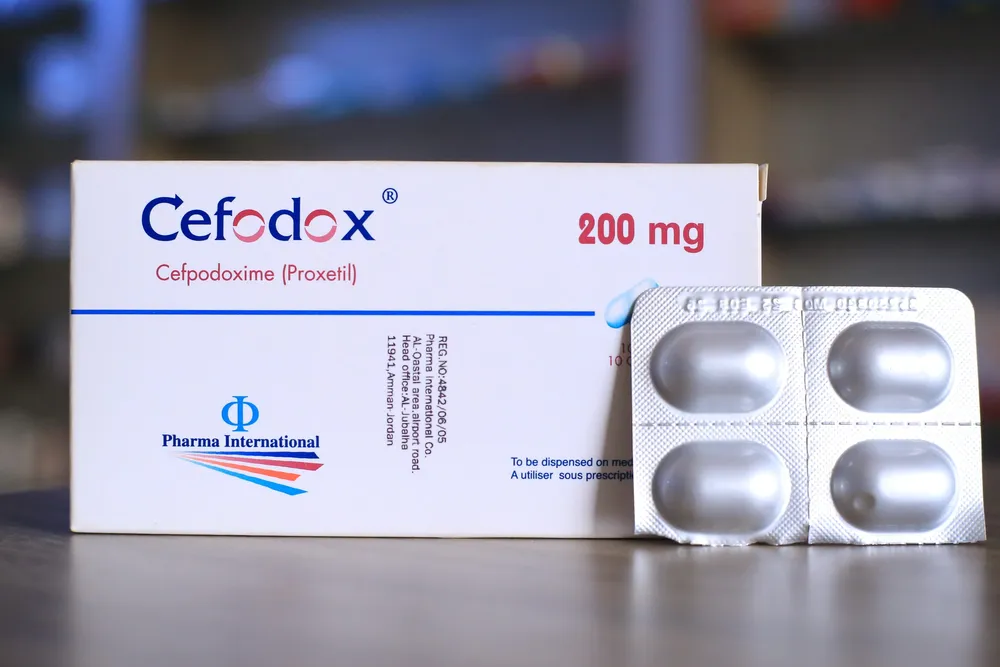
Table of Contents
- PACKAGE LEAFLET: INFORMATION FOR THE USER
- CEFODOX 100 mg film-coated tablets, 200 mg film-coated tablets
- 1. WHAT CEFODOX IS AND WHAT IT IS USED FOR
- 2. WHAT YOU NEED TO KNOW BEFORE USING CEFODOX
- 3. HOW TO USE CEFODOX
- 4. POSSIBLE ADVERSE EFFECTS
- 5. HOW TO STORE CEFODOX
- 6. CONTENTS OF THE PACKAGE AND OTHER INFORMATION
- PACKAGE LEAFLET: INFORMATION FOR THE USER
- CEFODOX CHILDREN 40 mg/5 ml granules for oral suspension
- 1. WHAT CEFODOX PEDIATRIC IS AND WHAT IT IS USED FOR
- 2. WHAT YOU SHOULD KNOW BEFORE ADMINISTERING CEFODOX CHILDREN
- 3. HOW TO ADMINISTER CEFODOX CHILDREN
- 4. POSSIBLE ADVERSE EFFECTS
- 5. HOW TO STORE CEFODOX PEDIATRIC
- 6. PACKAGING CONTENTS AND OTHER INFORMATION
PACKAGE LEAFLET: INFORMATION FOR THE USER
CEFODOX 100 mg film-coated tablets, 200 mg film-coated tablets
Cefpodoxime
Please read all of this leaflet carefully before you start using this medicine because it contains important information for you.
- Keep this leaflet. You may need to read it again.
- If you have any questions, ask your doctor or pharmacist.
- This medicine has been prescribed for you only. Do not give it to other people, even if their symptoms are the same as yours, as it may be harmful.
- If you experience any side effects, including those not listed in this leaflet, tell your doctor or pharmacist. See section 4.
Contents of this leaflet:
- What CEFODOX is and what it is used for
- What you need to know before taking CEFODOX
- How to take CEFODOX
- Possible side effects
- How to store CEFODOX
- Contents of the pack and other information
1. WHAT CEFODOX IS AND WHAT IT IS USED FOR
CEFODOX contains a substance called cefpodoxime, which belongs to a class of antibiotics known as "cephalosporins". CEFODOX is used to kill bacteria that cause infections in the body.
Your doctor has prescribed CEFODOX if you have:
- Tonsillitis (inflammation of the throat tonsils)
- Acute bacterial sinusitis (severe inflammation of the nose caused by germs)
- Acute exacerbation of chronic bronchitis (a chronic lung disease)
- Bacterial pneumonia (a bacterial infection of the lungs).
2. WHAT YOU NEED TO KNOW BEFORE USING CEFODOX
DO NOT use CEFODOX
- if you are allergic to cefpodoxime, to other cephalosporins, or to any of the other ingredients of this medicine (listed in section 6)
- if you have previously experienced a severe allergic reaction to certain antibiotics (penicillins, monobactams, or carbapenems), as you may also be allergic to cefpodoxime.
If you think any of these apply to you, talk to your doctor before using this medicine. In such
cases, your doctor will not prescribe Cefpodoxime.
Warnings and precautions
Talk to your doctor or pharmacist before using CEFODOX.
In particular, inform your doctor if:
- your kidneys do not function properly and/or you are undergoing any treatment (such as dialysis) for renal failure. In this case, your doctor will prescribe a lower dose of cefpodoxime
- you have ever had intestinal inflammation known as colitis or other serious diseases affecting the digestive system (stomach) and/or the intestine
- you need to undergo certain blood tests such as cross-matching and Coombs test (tests usually performed before a blood transfusion), as this medicine may alter their results
- you have diabetes and need to frequently monitor your urine, as this medicine may alter urine test results for sugar levels (such as Benedict's or Fehling's tests). Your doctor will recommend using alternative tests to monitor diabetes while taking this medicine
- you develop skin or mucous membrane disorders
- you have liver disorders and need to monitor ASAT, ALAT, alkaline phosphatase, and bilirubin levels, as this medicine may alter these test results
Severe skin reactions, including Stevens-Johnson syndrome, toxic epidermal necrolysis, drug reaction with eosinophilia and systemic symptoms (DRESS), and generalized acute exanthematous pustulosis (GEP) have been reported during treatment with cefpodoxime. Discontinue use of cefpodoxime and contact your doctor immediately if you experience any symptoms related to these severe skin reactions described in section 4.
Children and adolescents
CEFODOX film-coated tablets are not indicated for children under 12 years of age.
Other medicines and CEFODOX
Inform your doctor or pharmacist if you are taking, have recently taken, or might take any other medicines.
The way this medicine works may be influenced by other medicines that are eliminated via the kidneys. This is
particularly true when administered together with medicines that affect proper kidney function. Many medicines can influence the effect of cefpodoxime, so consult your doctor before using this CEFODOX.
In particular, inform your doctor or pharmacist if the person taking this medicine is also taking:
- Antacids (used to treat indigestion)
- Anti-ulcer drugs (used to treat ulcers), such as ranitidine and cimetidine
- Diuretics (used to increase urine flow)
- Aminoglycoside antibiotics used to treat infections
- Probenecid (used to treat gout)
- Anticoagulants such as warfarin
Antacids and anti-ulcer drugs (such as ranitidine and cimetidine) should be taken 2–3 hours after taking
CEFODOX. Your doctor is aware of these interactions and will adjust treatment as necessary.
Medical tests
Inform your doctor if the person taking this medicine needs to undergo medical tests (blood, urine, or diagnostic tests) while taking this medicine, as this medicine may alter test results (see section “Warnings and precautions”).
CEFODOX with food and drink
Always take this medicine with food (see section 3 “How to use CEFODOX”).
Pregnancy and breastfeeding
If you are pregnant, think you might be pregnant, planning to become pregnant, or breastfeeding, consult your doctor or pharmacist before using this medicine.
Your doctor will weigh the benefits of treatment with CEFODOX against any potential risks to the baby.
If breastfeeding, this medicine may be used. If the infant develops symptoms such as diarrhea or mucosal infections, inform your doctor.
Driving and using machines
During treatment with cefpodoxime, dizziness or seizures, confusion, altered consciousness, or movement disorders (symptoms of a condition called encephalopathy) may occur. These effects may impair your ability to drive vehicles (including bicycles) or operate machinery.
If you experience these effects, avoid driving and using machinery.
CEFODOX contains sodium
This medicine contains less than 1 mmol (23 mg) of sodium per tablet, i.e., essentially “sodium-free”.
CEFODOX contains lactose (a milk sugar)
If your doctor has diagnosed you with an intolerance to certain sugars, contact your doctor before taking this medicine.
3. HOW TO USE CEFODOX
Take this medicine exactly as directed by your doctor or pharmacist. If you have any doubts, consult your doctor or pharmacist.
Adults, adolescents and elderly patients (without renal problems)
The usual recommended dose is:
- in case of tonsillitis: 100 mg (1 tablet of 100 mg) twice daily
- in case of sinusitis: 200 mg (1 tablet of 200 mg or 2 tablets of 100 mg) twice daily
- in case of acute exacerbation of chronic bronchitis and pneumonia: 200 mg (1 tablet of 200 mg or 2 tablets of 100 mg) twice daily
A cefpodoxime-containing preparation specifically for neonates and children is available on the market.
Adults, adolescents and elderly patients with renal problems
Depending on the severity of renal impairment, you may need to take cefpodoxime less frequently, for example once daily or on alternate days. Your doctor will determine the appropriate dose.
If you are on dialysis, you may need to take a dose of this medicine after each dialysis session. Your doctor will advise you on the dose to take each time.
How to take CEFODOX
It is important to take CEFODOX at the same time every day. Always take this medicine with food.
If you take more CEFODOX than you should
If you accidentally take too much medicine, contact your doctor or pharmacist immediately. They will advise you on what to do.
If you forget to take CEFODOX
If you forget to take a dose at the scheduled time, take it as soon as possible. However, if it is almost time for the next dose, skip the missed dose. Do not take a double dose to make up for the forgotten tablet. Simply take the next dose at the correct time and continue your treatment as before.
If you stop taking CEFODOX
Continue taking CEFODOX until your doctor tells you to stop. Do not stop treatment just because you start to feel better. If you stop treatment prematurely, your condition may return or worsen.
If you have any questions about the use of this medicine, consult your doctor or pharmacist.
4. POSSIBLE ADVERSE EFFECTS
Like all medicines, this medicine can cause adverse effects, although not everyone experiences them.
Adverse effects are listed below according to frequency.
Conditions requiring particular attention
The following serious adverse effects have occurred in a small number of people, but for some of these, the exact frequency could not be determined.
Stop using cefpodoxime and contact your doctor immediately if you notice any of the following symptoms:
- Severe allergic reaction. Signs include prominent rash and itching, swelling, sometimes of the face or mouth, causing difficulty breathing.
- Skin rash, with blisters, appearing as small spots (dark central spot surrounded by a paler area, with a dark ring around the edge). Widespread rash with blisters and skin peeling (these may be signs of Stevens-Johnson syndrome or toxic epidermal necrolysis).
- Widespread rash, high body temperature, and swollen lymph nodes (DRESS syndrome or drug hypersensitivity syndrome);
- A widespread, red, scaly rash, with formation of subcutaneous pustules and blisters accompanied by fever. Symptoms usually appear at the beginning of treatment (generalized pustular eruption).
- Severe diarrhoea or blood in diarrhoeal stools (these may be signs of pseudomembranous colitis or Clostridium difficile-associated colitis).
Beta-lactam antibiotics, including cefpodoxime, may increase the risk of encephalopathy (a disorder that may include seizures, confusion, altered consciousness, and movement disorders), particularly in cases of overdose or reduced renal function.
All of the above adverse reactions require urgent medical treatment.
If you think you are experiencing any of these reactions, STOP taking this medicine and CONTACT your doctor or the nearest emergency department immediately.
Very common adverse effects (may affect more than 1 in 10 people)
- Headache
- Stomach discomfort, diarrhoea
Common adverse effects (may affect up to 1 in 10 people)
- Dizziness
- Ringing in the ears
- Abdominal bloating, nausea, vomiting, flatulence (gas)
- Loss of appetite
- Changes in blood tests assessing liver function (increased aspartate aminotransferase (ASAT), alanine aminotransferase (ALAT), alkaline phosphatase (PAL))
- Rash, lumpy rash (urticaria), itching
Uncommon adverse effects (may affect up to 1 in 100 people)
- Other allergic reactions affecting the skin and mucous membranes
- Tingling and numbness (paraesthesia)
- Weakness and general malaise
- Decrease in certain types of white blood cells (neutropenia)
- Intestinal infection (enterocolitis)
- Anaphylactic reactions, bronchospasm
- Mucocutaneous hypersensitivity reactions
Rare adverse effects (may affect up to 1 in 1,000 people)
- Changes in blood tests assessing liver function (increased bilirubin)
- Anaemia (reduction in haemoglobin in the blood, the substance that carries oxygen)
- Decrease in certain types of white blood cells (leucopenia)
- Increase in certain types of white blood cells (eosinophilia)
- Increase (thrombocytosis) or decrease (thrombocytopenia) in the number of small blood cells (platelets) necessary for blood clotting
Very rare adverse effects (may affect up to 1 in 10,000 people)
- Facial and extremity oedema
- Impaired kidney function (increased blood levels of creatinine and urea)
- Liver damage
- A type of anaemia called “haemolytic anaemia”, which can be severe and is caused by the breakdown of red blood cells (haemolytic anaemia)
- Skin rash with blisters appearing as small spots (dark central spot surrounded by a paler area, with a dark ring around the edge) (erythema multiforme)
- Widespread rash with blisters and skin peeling (Stevens-Johnson syndrome and toxic epidermal necrolysis)
Adverse effects for which frequency cannot be determined from available data
- Decrease in a type of white blood cells (agranulocytosis)
- Presence of blood in stools (haematochezia)
- Severe intestinal inflammation (pseudomembranous colitis, Clostridium difficile-associated colitis)
- Other kidney function disorders
- Liver damage with accumulation of bile components in the liver (cholestatic liver damage)
- Reddish-purple skin spots caused by inflammation of blood vessel walls (purpura)
- Formation of blisters on the skin (bullous dermatitis)
- A course of cefpodoxime may temporarily increase the risk of infections caused by other types of microorganisms (superinfections)
- Severe allergic reaction (anaphylactic shock)
- Encephalopathy (a disorder that may include seizures, confusion, altered consciousness, and movement disorders). Beta-lactam antibiotics, including cefpodoxime, may increase the risk of encephalopathy, particularly in cases of overdose or reduced renal function.
Reporting of adverse effects
If you experience any adverse effect, including those not listed in this leaflet, contact your doctor or pharmacist. You may also report adverse effects directly via the national reporting system at https://www.aifa.gov.it/content/segnalazioni-reazioni-avverse.
By reporting adverse effects, you can help provide more information on the safety of this medicine.
5. HOW TO STORE CEFODOX
Keep this medicine out of the sight and reach of children.
Do not use this medicine after the expiry date stated on the pack after "Exp". The expiry date refers to the last day of the month.
OPA-AL-PE/AL-PE blisters: store in the original packaging to protect the medicine from moisture.
AL-PVC/PVDC blisters: do not store above 25°C. Store in the original packaging to protect the medicine from moisture.
Do not use this medicine if you notice any visible signs of deterioration.
Do not dispose of medicines via wastewater or household waste. Ask your pharmacist how to dispose of medicines no longer required. This will help protect the environment.
6. CONTENTS OF THE PACKAGE AND OTHER INFORMATION
What CEFODOX contains
CEFODOX 100 mg film-coated tablets
- Each tablet contains: active substance: cefpodoxime proxetil 130.45 mg (equivalent to Cefpodoxime 100 mg)
- Other components: magnesium stearate, calcium carmellose, crospovidone, hydroxypropylcellulose, sodium lauryl sulfate, lactose, titanium dioxide, talc, hypromellose.
CEFODOX 200 mg film-coated tablets
- Each tablet contains: active substance: cefpodoxime proxetil 260.90 mg (equivalent to Cefpodoxime 200 mg)
- Other components: magnesium stearate, calcium carmellose, crospovidone, hydroxypropylcellulose, sodium lauryl sulfate, lactose, titanium dioxide, talc, hypromellose.
Description of the appearance of CEFODOX and package contents
CEFODOX 100 mg film-coated tablets
CEFODOX 100 mg appears as film-coated tablets. The tablets are round, white to yellowish in colour, with a diameter of 9 mm.
The pack contains 12 tablets packed in OPA-AL-PE/AL-PE blisters or in AL-PVC/PVDC blisters.
CEFODOX 200 mg film-coated tablets
CEFODOX 200 mg appears as film-coated tablets. The tablets are oval-shaped, white to yellowish in colour, sized 6.5 x 16 mm, with a score line.
The pack contains 6 tablets packed in OPA-AL-PE/AL-PE blisters or in AL-PVC/PVDC blisters.
Marketing Authorization Holder
SCHARPER S.p.A. - Viale Ortles, 12 – 20139 Milan, Italy
Manufacturer
Sandoz GmbH
Biochemiestrasse 10
6250 Kundl (Austria)
Medical advice/education
Antibiotics are used to treat bacterial infections. They are ineffective against viral infections.
If your doctor has prescribed you antibiotics, it is because you specifically need them for your current illness. However, despite antibiotic treatment, some bacteria may survive or grow. This phenomenon is called resistance: some antibiotic treatments become ineffective.
Improper use of antibiotics increases resistance. You may also help bacteria become more resistant—and thus slow down treatment or reduce antibiotic effectiveness—if you do not follow the appropriate:
- dosages
- timing
- duration of treatment.
Therefore, to preserve the effectiveness of this medicine:
1 - Use antibiotics only when prescribed.
2 - Strictly follow the prescribed instructions.
3 - Do not reuse an antibiotic without a medical prescription, even if you are treating a similar illness.
4 - Never give your antibiotics to another person; they may not be suitable for their illness.
5 - After completing treatment, return any unused medicines to a pharmacy to ensure they are properly disposed of.
PACKAGE LEAFLET: INFORMATION FOR THE USER
CEFODOX CHILDREN 40 mg/5 ml granules for oral suspension
Cefpodoxime
Please read this leaflet carefully before giving this medicine to your child because it contains important information for you.
- Keep this leaflet. You may need to read it again.
- If you have any questions, consult your doctor or pharmacist.
- This medicine has been prescribed for your child only. Do not give it to others, even if their symptoms are the same as your child's, because it could be harmful.
- If your child experiences any side effect, including those not listed in this leaflet, speak to your doctor or pharmacist. See section 4.
Contents of this leaflet
- What CEFODOX CHILDREN is and what it is used for
- What you need to know before giving CEFODOX CHILDREN
- How to give CEFODOX CHILDREN
- Possible side effects
- How to store CEFODOX CHILDREN
- Contents of the pack and other information
1. WHAT CEFODOX PEDIATRIC IS AND WHAT IT IS USED FOR
CEFODOX PEDIATRIC contains a substance called cefpodoxime, which belongs to a class of antibiotics known as "cephalosporins". CEFODOX PEDIATRIC is used in infants over 28 days of age and in children up to 11 years of age to kill bacteria causing infection in the child.
The doctor may have prescribed CEFODOX PEDIATRIC for the child if he or she has:
- Tonsillitis (inflammation of the throat tonsils)
- Acute sinusitis (severe inflammation of the nose)
- Acute otitis media (severe ear infection)
- Bacterial pneumonia (lung infection caused by bacteria).
2. WHAT YOU SHOULD KNOW BEFORE ADMINISTERING CEFODOX CHILDREN
DO NOT give CEFODOX CHILDREN to the child
- if the child is allergic to cefpodoxime, to cephalosporins, or to any of the other ingredients of this medicine (listed in section 6)
- if the child has had a severe allergic reaction to certain antibiotics (penicillins, monobactams, or carbapenems), as they may also be allergic to cefpodoxime
- if the child suffers from phenylketonuria (an inherited metabolic disorder). See section "CEFODOX CHILDREN contains aspartame".
If you think any of these situations apply to the child, talk to your doctor before giving this medicine.
In such cases, the doctor will not prescribe cefpodoxime to the child.
Warnings and precautions
Talk to your doctor or pharmacist before giving CEFODOX CHILDREN to the child.
In particular, inform the doctor:
- if it has been reported that the child's kidneys do not function properly and/or if the child is undergoing any treatment (such as dialysis) for kidney failure. In this case, the doctor will prescribe a lower dose of cefpodoxime.
- if the child has ever had intestinal inflammation called colitis or other serious diseases affecting the digestive system (stomach) and/or the intestine.
- if the child needs to undergo certain blood tests such as cross-matching and Coombs test (tests usually performed before a blood transfusion), as this medicine may alter their results.
- if the child has diabetes and needs to frequently monitor urine, as this medicine may alter urine test results for sugar levels (such as Benedict's or Fehling's tests). The doctor will recommend using alternative tests to monitor the child's diabetes while taking this medicine.
- If the child develops skin or mucous membrane disorders.
- If the child has liver problems and needs to undergo certain blood tests such as monitoring of ASAT, ALAT, alkaline phosphatase, and bilirubin levels, as this medicine may alter their results.
Severe skin reactions, including Stevens-Johnson syndrome, toxic epidermal necrolysis,
drug reaction with eosinophilia and systemic symptoms (DRESS), and generalized exanthematous pustulosis
(GEP) have been reported in association with cefpodoxime therapy. Discontinue use of cefpodoxime and contact
your doctor immediately if any of the symptoms related to these severe skin reactions described in section 4 occur.
Children and adolescents
This medicine is indicated only for neonates over 28 days of age and for children up to 11 years of age.
Other medicines and CEFODOX CHILDREN
Inform your doctor or pharmacist if the child is taking, has recently taken, or might take any other medicines.
The way this medicine works may be affected by other medicines that are eliminated via the kidneys. This is particularly true when administered together with medicines that affect proper kidney function. Many medicines can influence the effect of cefpodoxime, so consult your doctor before giving CEFODOX CHILDREN to the child.
In particular, inform your doctor or pharmacist if the child is taking:
- Antacids (used to treat indigestion)
- Anti-ulcer drugs (used to treat ulcers), such as ranitidine and cimetidine
- Diuretics (used to increase urine flow)
- Aminoglycoside antibiotics used to treat infections
- Probenecid (used to treat gout)
- Anticoagulants such as warfarin.
Antacids and anti-ulcer medicines (such as ranitidine and cimetidine) should be taken 2–3 hours after the
child has taken CEFODOX CHILDREN. Your doctor is aware of these medicines and will change the treatment if necessary.
Medical tests
Inform your doctor if the child needs to undergo medical tests (blood, urine, or diagnostic tests) while taking this medicine, as this medicine may alter test results (see section "Warnings and precautions").
CEFODOX CHILDREN with food and drink
This medicine can be given to the child with or without food (see section 3 "How to give CEFODOX CHILDREN to the child").
Driving and using machines
During treatment with cefpodoxime, dizziness or seizures, confusion, altered consciousness, and movement disorders (symptoms of a condition called encephalopathy) may occur. These effects may impair the ability to drive vehicles (including bicycles) or operate machinery.
If these effects occur, avoid letting the child use vehicles such as bicycles.
CEFODOX CHILDREN contains lactose
If your doctor has diagnosed an intolerance to certain sugars, contact them before taking this medicine.
CEFODOX CHILDREN contains aspartame
This medicine contains 50 mg of aspartame per 12.5 ml dose of suspension, equivalent to 4 mg/ml.
Aspartame is a source of phenylalanine. It may be harmful if you have phenylketonuria, a rare genetic disorder causing accumulation of phenylalanine because the body cannot eliminate it properly.
CEFODOX CHILDREN contains sucrose
If your doctor has diagnosed an intolerance to certain sugars, contact them before taking this medicine. It may be harmful to teeth.
CEFODOX CHILDREN contains sodium
This medicine contains 16.1 mg of sodium (a main component of table salt) per 12.5 ml dose of suspension. This corresponds to 0.8% of the maximum daily recommended dietary intake for an adult.
CEFODOX CHILDREN contains sorbitol
This medicine contains 0.85 mg of sorbitol per 12.5 ml dose of suspension, equivalent to 0.07 mg/ml.
3. HOW TO ADMINISTER CEFODOX CHILDREN
Give this medicine to the child exactly as directed by the doctor or pharmacist. If
you have any doubts, consult the doctor or pharmacist.
Newborns (over 28 days of age) and children (up to 11 years of age)
- The recommended average dose is 8 mg/kg per day, given in two separate doses administered 12 hours apart.
- The dose to be given to the child can be read directly from the oral syringe (provided inside the package), which has graduated markings from 1 kg to 25 kg body weight.
- The graduated markings on the syringe correspond to the child's weight in kilograms, ranging from 1 kg (0.5 ml of suspension) to 25 kg (12.5 ml of suspension). The oral syringe also has intermediate markings at 1 kg intervals (0.5 ml of suspension each).
- The following table indicates the dosages according to the child's body weight.
| Body weight in kg | Dose of Cefpodoxime in mg to be taken twice daily | Dose of Cefpodoxime in ml to be taken twice daily |
| 5 | 20 | 2.5 |
| 10 | 40 | 5 |
| 15 | 60 | 7.5 |
| 20 | 80 | 10 |
| 25 | 100 | 12.5 |
Children weighing at least 25 kg may take 12.5 ml of suspension twice daily.
It is important to give the medicine to the child at the same time every day.
Children with kidney problems
Depending on the severity of the kidney problems, the child may need to take cefpodoxime less frequently,
for example once daily or on alternate days. The doctor will decide the appropriate dose for the child.
Instructions for preparing the suspension
- Unscrew the bottle cap by pressing down.
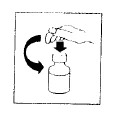
- Remove the capsule protecting the granules from moisture by pulling the two small tabs.
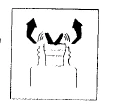
- Discard the capsule intact. The contents of the capsule MUST NOT be ingested.
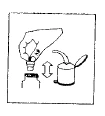
- Prepare the extemporaneous suspension by adding water up to the level indicated by the groove marked on the bottle glass, which may be at 100 ml or 50 ml (the final volume of the suspension will be either 100 ml or 50 ml).
- Shake the bottle well to obtain a homogeneous suspension.
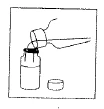
- Draw up the required dose using the graduated syringe, placing it directly into the bottle and pulling back the plunger.
- Give the medicine to the child.
- Replace the child-resistant cap after use.
- Rinse the graduated syringe with tap water after each use (fill with water and expel several times).
If you give the child more CEFODOX CHILDREN than you should
If you have accidentally given too much medicine to the child, contact your doctor or pharmacist immediately.
They will advise you on what to do.
If you forget to give the child CEFODOX CHILDREN
If you forget to give a dose of the medicine at the scheduled time, give it as soon as possible.
However, if it is almost time for the next dose, skip the missed dose. Do not give a double dose to make up
for the missed one. Simply give the next dose at the regular time and continue the treatment as before.
If you stop the child’s treatment with CEFODOX CHILDREN
Continue giving the medicine to the child until your doctor tells you to stop. Do not stop the treatment just
because the child starts to feel better. If you stop the treatment prematurely, the child’s condition may
return or worsen.
If you have any doubts about the use of this medicine, consult your doctor or pharmacist.
4. POSSIBLE ADVERSE EFFECTS
Like all medicines, this medicine can cause adverse effects, although not everyone experiences them. The adverse effects are listed according to frequency.
Conditions requiring special attention
The following serious adverse effects have occurred in a small number of people, but for some of these, the exact frequency could not be determined.
Stop using cefpodoxime and contact your doctor immediately if you notice any of the following symptoms:
- Severe allergic reaction. Signs include widespread itchy rash, swelling, sometimes of the face or mouth, causing difficulty breathing.
- Skin rash with blisters, appearing as small spots (a dark central spot surrounded by a paler area, with a dark ring around the edge).
- Widespread skin rash with blisters and skin peeling. (These may be signs of Stevens-Johnson syndrome or toxic epidermal necrolysis).
- Widespread rash, high body temperature, and swollen lymph nodes (DRESS syndrome or drug hypersensitivity syndrome).
- A widespread, red, scaly rash, with formation of subcutaneous pustules and blisters, accompanied by fever. Symptoms usually appear early in treatment (generalized pustular exanthema).
- Severe diarrhoea or blood in diarrhoeal stools (these may be signs of pseudomembranous colitis or Clostridium difficile colitis).
Beta-lactam antibiotics, including cefpodoxime, may increase the risk of encephalopathy (a disorder that may include seizures, confusion, altered consciousness, movement disorders), particularly in cases of overdose or reduced renal function.
ALL THE ABOVE ADVERSE REACTIONS REQUIRE URGENT MEDICAL TREATMENT. IF YOU THINK OR NOTICE THAT THE CHILD IS HAVING ANY OF THESE REACTIONS, STOP THE TREATMENT AND CONTACT YOUR DOCTOR OR THE NEAREST EMERGENCY SERVICE IMMEDIATELY.
Very common adverse effects (may affect more than 1 in 10 people)
- Headache
- Stomach ache, diarrhoea
Common adverse effects (may affect up to 1 in 10 people)
- Dizziness
- Ringing in the ears (tinnitus)
- Abdominal swelling, nausea, vomiting, flatulence (gas)
- Loss of appetite
- Changes in blood tests monitoring liver function (increased aspartate aminotransferase (ASAT), alanine aminotransferase (ALAT), alkaline phosphatase (PAL))
- Skin rash, lumpy rash (urticaria), itching
Uncommon adverse effects (may affect up to 1 in 100 people)
- Other allergic reactions of the skin and mucous membranes
- Tingling and numbness (paraesthesia)
- Weakness and general feeling of malaise
- Decrease in certain types of white blood cells (neutropenia)
- Intestinal infection (enterocolitis)
- Anaphylactic reactions, bronchospasm
- Mucocutaneous hypersensitivity reactions
Rare adverse effects (may affect up to 1 in 1,000 people)
- Changes in blood tests monitoring liver function (increased bilirubin)
- Anaemia (reduction in haemoglobin in the blood, the substance that carries oxygen)
- Decrease in certain types of white blood cells (leucopenia)
- Increase in certain types of white blood cells (eosinophilia)
- Increase (thrombocytosis) or decrease (thrombocytopenia) in the number of small blood cells (platelets) necessary for blood clotting
Very rare adverse effects (may affect up to 1 in 10,000 people)
- Facial and extremity swelling (oedema)
- Impaired kidney function (increased blood levels of creatinine and urea)
- Liver damage
- A type of anaemia called “haemolytic anaemia”, which can be severe and is caused by the breakdown of red blood cells (haemolytic anaemia)
- Skin rash with blisters appearing as small spots (a dark central spot surrounded by a paler area, with a dark ring around the edge) (erythema multiforme)
- Widespread skin rash with blisters and skin peeling (Stevens-Johnson syndrome and toxic epidermal necrolysis)
Adverse effects for which frequency cannot be determined based on available data
- Decrease in a type of white blood cells (agranulocytosis)
- Presence of blood in stools (haematochezia)
- Severe intestinal inflammation (pseudomembranous colitis, Clostridium difficile colitis)
- Other kidney function disorders
- Liver damage with accumulation of bile components in the liver (cholestatic liver damage)
- Reddish-purple skin spots caused by inflammation of blood vessel walls (purpura)
- Formation of blisters on the skin (bullous dermatitis)
- A course of CEFODOX PAEDIATRIC may temporarily increase the risk of infections caused by other types of microorganisms (superinfections)
- Severe allergic reaction (anaphylactic shock)
- Encephalopathy (a disorder that may include seizures, confusion, altered consciousness, movement disorders). Beta-lactam antibiotics, including cefpodoxime, may increase the risk of encephalopathy, particularly in cases of overdose or reduced renal function.
Reporting of adverse effects
If you experience any adverse effect, including those not listed in this leaflet, please contact your doctor or pharmacist. You may also report adverse effects directly via the national reporting system at https://www.aifa.gov.it/content/segnalazioni-reazioni-avverse.
By reporting adverse effects, you can help provide more information on the safety of this medicine.
5. HOW TO STORE CEFODOX PEDIATRIC
Keep this medicine out of the sight and reach of children.
Do not use this medicine after the expiry date stated on the pack after "Exp". The expiry date refers to the last day of the month.
Vial containing the granulate: do not store above 25°C.
Reconstituted suspension: store in the refrigerator (from +2°C to +8°C) for no more than 10 days.
Do not dispose of any medicine via wastewater or household waste. Ask your pharmacist how to dispose of medicines no longer required. This will help protect the environment.
6. PACKAGING CONTENTS AND OTHER INFORMATION
What CEFODOX BAMBINI contains
- 100 g of granules contain: active substance: cefpodoxime proxetil 6.261 g (equivalent to cefpodoxime 4.800 g), corresponding to cefpodoxime 40 mg/5 ml of reconstituted suspension
- other components are: Calcium carmellose, Sodium chloride, Sodium glutamate, Sodium carmellose, Aspartame, Iron oxide, Citric acid monohydrate, Hypromellose, Sorbitan trioleate, Talc, Anhydrous colloidal silica, Banana flavor powder (isoamyl acetate, isoamyl isovalerate, ethyl butyrate, geranyl formate, acetaldehyde, citral, nonyl aldehyde, orange oil, gum arabic, sorbitol, maltodextrin), Sucrose, Lactose monohydrate, Potassium sorbate.
Description of the appearance of CEFODOX BAMBINI and packaging contents
CEFODOX BAMBINI is a pale yellow oral suspension granule.
Packaging may contain:
1 bottle of 50 ml + graduated syringe
1 bottle of 100 ml + graduated syringe
It is possible that not all pack sizes are marketed.
Marketing Authorization Holder
SCHARPER S.p.A.
Viale Ortles, 12
20139 Milan, Italy
Manufacturer
- Opella Healthcare International SAS 56, Route de Choisy - 60200 Compiègne (France)
Medical advice / education
Antibiotics are used to treat bacterial infections. They are ineffective against viral infections.
If your doctor has prescribed an antibiotic, it is specifically needed for your current illness. Despite antibiotic treatment, some bacteria may survive and multiply. This phenomenon is called resistance: some antibiotic treatments become ineffective.
Improper use of antibiotics increases resistance. You can also help bacteria become more resistant—and thus slow down recovery or reduce antibiotic effectiveness—if you do not follow the appropriate:
- dosage
- timing
- duration of treatment
Therefore, to preserve the effectiveness of this medicine:
1 - Use antibiotics only when prescribed.
2 - Strictly follow the prescribed instructions.
3 - Do not reuse an antibiotic without a doctor's prescription, even if you are treating a similar illness.
4 - Never give your antibiotics to someone else; it may not be suitable for their condition.
5 - After completing treatment, return all unused medicines to a pharmacy so they can be properly disposed of.