Buprenorphine and naloxone Ethypharm
Italy
Table of Contents
- Package leaflet: Information for the user
- BUPRENORPHINE AND NALOXONE ETHYPHARM 2 mg/0.5 mg sublingual tablets
- 1. What BUPRENORFINE AND NALOXONE ETHYPHARM is and what it is used for
- 2. What you should know before taking BUPRENORPHINE AND NALOXONE
- 3. How to take BUPRENORPHINE AND NALOXONE ETHYPHARM
- 4. Possible side effects
- 5. How to store BUPRENORPHINE AND NALOXONE ETHYPHARM
- 6. Package contents and other information
- Package leaflet: Information for the user
- BUPRENORPHINE AND NALOXONE ETHYPHARM 8 mg/2 mg sublingual tablets
- 1. What BUPRENORPHINE AND NALOXONE ETHYPHARM is and what it is used for
- 2. What you need to know before taking
- 3. How to take BUPRENORPHINE AND NALOXONE ETHYPHARM
- 4. Possible side effects
- 5. How to store BUPRENORPHINE AND NALOXONE ETHYPHARM
- 6. Package contents and other information
Package leaflet: Information for the user
BUPRENORPHINE AND NALOXONE ETHYPHARM 2 mg/0.5 mg sublingual tablets
buprenorphine / naloxone
Equivalent medicine
Please read all of this leaflet carefully before taking this medicine because it contains important information for you.
- Keep this leaflet. You may need to read it again.
- If you have any questions, ask your doctor or pharmacist.
- This medicine has been prescribed for you only. Do not give it to others, even if their symptoms are the same as yours, as it could be harmful.
- If you experience any adverse reactions, including those not listed in this leaflet, talk to your doctor or pharmacist. See section 4.
Contents of this leaflet
- What BUPRENORPHINE AND NALOXONE ETHYPHARM is and what it is used for
- What you need to know before taking BUPRENORPHINE AND NALOXONE ETHYPHARM
- How to take BUPRENORPHINE AND NALOXONE ETHYPHARM
- Possible side effects
- How to store BUPRENORPHINE AND NALOXONE ETHYPHARM
- Contents of the pack and other information
1. What BUPRENORFINE AND NALOXONE ETHYPHARM is and what it is used for
BUPRENORFINE AND NALOXONE ETHYPHARM is used to treat opioid dependence (narcotics) such as heroin or morphine in drug-dependent individuals who have agreed to be treated for their addiction. BUPRENORFINE AND NALOXONE ETHYPHARM is used in adults and adolescents over 15 years of age who are also receiving medical and psychosocial support.
2. What you should know before taking BUPRENORPHINE AND NALOXONE
ETHYPHARM
Do not take BUPRENORPHINE AND NALOXONE ETHYPHARM
- if you are allergic to buprenorphine, naloxone, or any of the other ingredients of this medicine (see section 6)
- if you have severe respiratory problems
- if you have severe liver problems
- if you have alcohol intoxication or alcohol withdrawal symptoms such as tremor, sweating, anxiety, confusion, or hallucinations
- if you are taking naltrexone or nalmefene for the treatment of alcohol or opioid dependence
Warnings and precautions
Talk to your doctor before taking BUPRENORPHINE AND NALOXONE ETHYPHARM if you have:
- asthma or other respiratory problems
- any liver disease such as hepatitis
- low blood pressure
- recent head injury or brain disorder
- urinary problems (especially related to enlarged prostate in men)
- any kidney disease
- thyroid problems
- adrenal cortical disorder (e.g. Addison's disease)
- depression or other conditions treated with antidepressants
Taking these medicines together with BUPRENORPHINE AND NALOXONE ETHYPHARM may lead to serotonin syndrome, a condition that can be fatal (see “Other medicines and BUPRENORPHINE AND NALOXONE ETHYPHARM”).
Never open the blister pack in advance.
In case of accidental ingestion or suspected ingestion, call emergency services immediately.
Important information you should be aware of:
- Additional monitoring You may require closer medical supervision if you are under 18 years of age or over 65 years of age. This medicine must not be taken by individuals under 15 years of age.
- Misuse and abuse This medicine may be attractive to individuals who misuse prescription medicines and must be stored securely to prevent theft. Do not give this medicine to other people. It could cause death or serious harm.
- Respiratory problems Some people have died from respiratory failure (inability to breathe) due to misuse of this medicine or when taken together with other substances that depress the central nervous system, such as alcohol, benzodiazepines (tranquilizers), or other opioids.
This medicine can cause severe respiratory depression (reduced ability to breathe), potentially fatal in children and non-opioid-dependent individuals in case of accidental or intentional ingestion.
- Dependence This medicine can cause dependence.
- Withdrawal symptoms This medicine may cause withdrawal symptoms if taken less than six hours after using a short-acting opioid (e.g. morphine, heroin) or less than 24 hours after using a long-acting opioid such as methadone.
In addition, BUPRENORPHINE AND NALOXONE ETHYPHARM may cause withdrawal symptoms if treatment is stopped abruptly.
- Liver damage
Liver damage has been reported following the use of BUPRENORPHINE AND NALOXONE ETHYPHARM, particularly with misuse of the medicine. This may also be due to viral infections (chronic hepatitis C), alcohol abuse, anorexia, or use of other medicines that can damage the liver (see section 4). Your doctor may regularly perform blood tests to monitor your liver function.
Inform your doctor if you have liver problems before starting treatment with BUPRENORPHINE AND NALOXONE ETHYPHARM.
-
- Blood pressure This medicine may cause a sudden drop in blood pressure, leading to dizziness when rising quickly from a sitting or lying position.
- Diagnosis of unrelated medical conditions This medicine may mask painful symptoms that could help diagnose certain diseases. Remember to inform your doctor that you are taking this medicine.
Other medicines and BUPRENORPHINE AND NALOXONE ETHYPHARM
Inform your doctor if you are taking, have recently taken, or might take any other medicine.
Some medicines may increase the risk of side effects of BUPRENORPHINE AND NALOXONE ETHYPHARM and may sometimes cause very serious reactions. Do not take other medicines during treatment with BUPRENORPHINE AND NALOXONE ETHYPHARM without first consulting your doctor, especially:
-
- Sedative medicines such as benzodiazepines (used to treat anxiety or sleep disorders, such as diazepam, temazepam, alprazolam) or similar medicines: Concomitant use of BUPRENORPHINE AND NALOXONE ETHYPHARM and sedative medicines such as benzodiazepines or similar medicines increases the risk of drowsiness, breathing difficulties (respiratory depression), coma, and may be life-threatening. Therefore, concomitant use should only be considered when no other treatment options are available. However, if your doctor prescribes BUPRENORPHINE AND NALOXONE ETHYPHARM together with sedative medicines, your doctor should limit the dose and duration of concomitant treatment. Inform your doctor if you are taking sedative medicines and take exactly the dose recommended by your doctor. It may be helpful to inform family members or friends so they are aware of the signs and symptoms listed above. Contact your doctor if such symptoms occur.
- Other medicines that may cause drowsiness used to treat conditions such as anxiety, insomnia, seizures/epileptic fits, or pain. These types of medicines reduce alertness, making driving and operating machinery difficult. They may also cause central nervous system depression, a serious condition. Below is an illustrative list of these types of medicines:
- other opioid-containing medicines such as methadone, certain painkillers, and cough suppressants;
- antidepressants (used to treat depression) such as isocarboxazid, phenelzine, selegiline, tranylcypromine, and valproate, which may increase the effects of the medicine;
- antidepressants such as moclobemide, tranylcypromine, citalopram, escitalopram, fluoxetine, fluvoxamine, paroxetine, sertraline, duloxetine, venlafaxine, amitriptyline, doxepin, or trimipramine. These medicines may interact with BUPRENORPHINE AND NALOXONE ETHYPHARM and may cause symptoms such as involuntary rhythmic muscle contractions, including muscles controlling eye movement, agitation, hallucinations, coma, excessive sweating, tremor, exaggerated reflexes, increased muscle tone, and fever above 38°C. Contact your doctor if you experience such symptoms.
- H₁-receptor antagonist sedatives (used to treat allergic reactions) such as diphenhydramine and chlorphenamine;
- barbiturates (used to promote sleep or sedation) such as phenobarbital and secobarbital;
- tranquilizers (used to promote sleep or sedation) such as chloral hydrate.
- Clonidine (used to treat high blood pressure) may prolong the effects of the medicine.
- Antiretrovirals (used to treat HIV) such as ritonavir, nelfinavir, and indinavir may increase the effects of the medicine.
- Some antifungal agents (used to treat fungal infections) such as ketoconazole, itraconazole, and some antibiotics may prolong the effects of the medicine.
- Some medicines may reduce the effect of BUPRENORPHINE AND NALOXONE ETHYPHARM. These include medicines used to treat epilepsy (such as carbamazepine and phenytoin) and medicines used to treat tuberculosis (rifampicin).
- Naltrexone and nalmefene (medicines used to treat addictions) may block the therapeutic effects of BUPRENORPHINE AND NALOXONE ETHYPHARM. They must not be taken during treatment with BUPRENORPHINE AND NALOXONE ETHYPHARM as they may cause a sudden onset of severe and prolonged withdrawal symptoms.
BUPRENORPHINE AND NALOXONE ETHYPHARM with food, drinks, and alcohol
Alcohol may increase drowsiness and the risk of respiratory failure when taken with BUPRENORPHINE AND NALOXONE ETHYPHARM. Do not take BUPRENORPHINE AND NALOXONE ETHYPHARM with alcoholic beverages. Do not eat or drink anything, including food or any beverage, until the tablet is completely dissolved.
Pregnancy and breastfeeding
If you are pregnant, think you may be pregnant, are planning to become pregnant, or are breastfeeding, consult your doctor or pharmacist before taking this medicine.
The risks associated with the use of BUPRENORPHINE AND NALOXONE ETHYPHARM in pregnant women are not known. Inform your doctor if you are pregnant or if you plan to become pregnant. Your doctor will decide whether to continue your treatment with an alternative medicine.
Medicines such as BUPRENORPHINE AND NALOXONE ETHYPHARM, when taken during pregnancy and especially in the later stages, may cause drug withdrawal symptoms, including breathing problems, in the newborn.
These symptoms may appear several days after birth.
Do not breastfeed while taking this medicine, as BUPRENORPHINE AND NALOXONE ETHYPHARM passes into breast milk.
Driving and using machines
BUPRENORPHINE AND NALOXONE ETHYPHARM may cause drowsiness. This is more likely during the first few weeks of treatment or when the dose is changed, but may also occur if alcohol or other sedative medicines are taken together with BUPRENORPHINE AND NALOXONE ETHYPHARM. Do not drive, operate tools or machinery, or engage in hazardous activities until you know how this medicine affects you.
BUPRENORPHINE AND NALOXONE ETHYPHARM contains lactose
If your doctor has diagnosed you with an intolerance to certain sugars, contact him before taking this medicine.
BUPRENORPHINE AND NALOXONE ETHYPHARM contains sodium
This medicine contains less than 1 mmol (23 mg) of sodium per tablet, i.e. essentially ‘sodium-free’.
3. How to take BUPRENORPHINE AND NALOXONE ETHYPHARM
Your treatment will be prescribed and monitored by doctors experienced in treating drug addiction.
Your doctor will determine the optimal dose for you. During treatment, your doctor may adjust the dose based on your response.
Take this medicine exactly as instructed by your doctor or pharmacist. If you have any doubts, consult your doctor or pharmacist.
Starting treatment
The recommended initial dose for adults and adolescents over 15 years of age is one or two tablets of BUPRENORPHINE AND NALOXONE ETHYPHARM 2 mg/0.5 mg. On day 1, up to two additional tablets of BUPRENORPHINE AND NALOXONE ETHYPHARM 2 mg/0.5 mg may be administered depending on your needs.
Before taking the first dose of BUPRENORPHINE AND NALOXONE ETHYPHARM, there should be clear and evident signs of withdrawal. A medical assessment of your readiness for treatment will determine the most appropriate time to take the first dose of BUPRENORPHINE AND NALOXONE ETHYPHARM.
-
- Starting treatment with BUPRENORPHINE AND NALOXONE ETHYPHARM during heroin dependence
If you are dependent on heroin or another short-acting opioid, your first dose of BUPRENORPHINE AND NALOXONE ETHYPHARM should be taken when the first withdrawal symptoms appear, but no sooner than 6 hours after the last opioid use. - Starting treatment with BUPRENORPHINE AND NALOXONE ETHYPHARM during methadone dependence
If you are taking methadone or another long-acting opioid, the methadone dose should be reduced to less than 30 mg/day before starting treatment with BUPRENORPHINE AND NALOXONE ETHYPHARM. The first dose of BUPRENORPHINE AND NALOXONE ETHYPHARM should be taken only when the first signs of withdrawal appear, but no sooner than 24 hours after the last methadone use.
- Starting treatment with BUPRENORPHINE AND NALOXONE ETHYPHARM during heroin dependence
Taking BUPRENORPHINE AND NALOXONE ETHYPHARM
Take your dose once daily by placing the tablets under the tongue.
- Keep the tablets under the tongue until they are completely dissolved. This will take 5–10 minutes.
- Do not chew or swallow the tablets, as the medicine will not work properly and you may experience withdrawal symptoms.
- Do not eat or drink anything until the tablets are completely dissolved.
How to remove the tablet from the blister pack
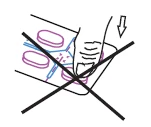
1 – Do not push the tablet through the foil
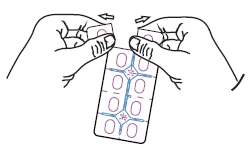
2 – Remove only one section of the blister by tearing along the perforated line

3 – Starting from the edge where the seal is lifted, pull the foil to remove the tablet
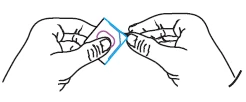
If the blister is damaged, do not use the tablet.
Dosage adjustment and maintenance therapy:
In the days following the start of treatment, your doctor may increase your dose of BUPRENORPHINE AND NALOXONE ETHYPHARM according to your needs. If you feel the effect of BUPRENORPHINE AND NALOXONE ETHYPHARM is too strong or too weak, speak to your doctor or pharmacist. The maximum daily dose is 24 mg.
After a period of successful treatment, you may discuss with your doctor gradually reducing the dose to a lower maintenance dose.
Stopping treatment
Depending on your condition, the dose of BUPRENORPHINE AND NALOXONE ETHYPHARM may be gradually reduced under close medical supervision until it is discontinued.
Do not change your treatment in any way and do not stop treatment without the consent of your treating doctor.
If you take more BUPRENORPHINE AND NALOXONE ETHYPHARM than you should
If you or someone else takes an excessive dose of this medicine, you must go or be taken immediately to an emergency room or hospital for treatment of overdose with BUPRENORPHINE AND NALOXONE ETHYPHARM, as this medicine can cause serious breathing problems that may lead to death.
Symptoms of overdose include drowsiness, lack of coordination with slowed reflexes, blurred vision and/or speech difficulties. You may lose consciousness and have slower-than-normal breathing.
If you forget to take BUPRENORPHINE AND NALOXONE ETHYPHARM
Inform your doctor as soon as possible if you have missed a dose.
If you stop treatment with BUPRENORPHINE AND NALOXONE ETHYPHARM
Do not change or stop your treatment in any way without the consent of your treating doctor. Sudden discontinuation of treatment may cause withdrawal symptoms.
If you have any questions about using this medicine, consult your doctor or pharmacist.
4. Possible side effects
Like all medicines, this medicine can cause side effects, although not everyone gets them.
Contact your doctor immediately or seek urgent medical attention if you experience any of the following side effects:
- swelling of the face, lips, tongue or throat, which could cause difficulty swallowing or breathing, hives/severe skin rash. These could be signs of a potentially life-threatening allergic reaction.
- drowsiness and lack of coordination, blurred vision, speech problems, inability to think clearly or rationally, or if breathing becomes much slower than normal.
Also contact your doctor immediately if you experience any of the following side effects:
- severe tiredness, itching sensation accompanied by yellowing of the skin or eyes. These could be symptoms of liver damage.
- seeing or hearing things that are not there (hallucinations).
Side effects reported in association with BUPRENORPHINE AND NALOXONE ETHYPHARM
Very common (may affect more than 1 in 10 people):
- insomnia (inability to sleep),
- constipation,
- nausea,
- excessive sweating,
- headache,
- drug withdrawal syndrome.
Common (may affect up to 1 in 10 people):
- weight loss,
- swelling (hands and feet),
- drowsiness,
- anxiety,
- nervousness,
- tingling,
- depression,
- decreased libido,
- increased muscle tension,
- abnormal thinking,
- increased tearing (watery eyes) or other tear disorders,
- blurred vision,
- hot flushes,
- increased blood pressure,
- migraine,
- runny nose,
- sore throat and painful swallowing,
- increased cough,
- stomach discomfort and other stomach disturbances,
- diarrhoea,
- abnormal liver function,
- flatulence,
- vomiting,
- skin rash,
- itching,
- hives,
- pain,
- joint pain,
- muscle pain,
- leg cramps (muscle spasms),
- difficulty achieving or maintaining an erection,
- changes in urine,
- abdominal pain,
- back pain,
- weakness,
- infection,
- chills,
- chest pain,
- fever,
- flu-like symptoms,
- general discomfort,
- accidental injury due to loss of attention or coordination,
- malaise and dizziness.
Uncommon (may affect up to 1 in 100 people):
- swollen glands (lymph nodes),
- agitation, tremor,
- abnormal dreams,
- excessive muscle activity,
- depersonalization (feeling detached from oneself),
- drug dependence, amnesia (memory disorder),
- loss of interest,
- exaggerated feeling of well-being,
- convulsion (seizure),
- speech disorder,
- constricted pupils,
- difficulty urinating,
- eye inflammation or infection,
- fast or slow heartbeat,
- low blood pressure,
- palpitations,
- myocardial infarction (heart attack),
- chest tightness,
- dyspnoea,
- asthma,
- yawning,
- pain and presence of ulcers in the mouth,
- changes in tongue colour,
- acne,
- skin nodule,
- hair loss,
- dry or scaly skin,
- joint inflammation,
- urinary tract infection,
- abnormalities in blood tests,
- blood in urine,
- ejaculation abnormalities,
- menstrual or vaginal problems,
- kidney stones,
- presence of protein in urine,
- pain or difficulty urinating,
- sensitivity to heat or cold,
- heat stroke,
- loss of appetite,
- feelings of hostility.
Not known (frequency cannot be estimated from the available data):
- sudden withdrawal syndrome caused by taking BUPRENORPHINE AND NALOXONE ETHYPHARM too soon after using illicit opioids, neonatal drug withdrawal syndrome,
- difficulty or slow breathing, liver injury with or without jaundice, hallucinations, swelling of the face and throat or allergic reactions that could be fatal, drop in blood pressure upon standing up from a sitting or lying position,
- misuse by injection of this medicine may cause withdrawal symptoms, infections, other skin reactions, and potentially serious liver problems (see “Warnings and precautions”).
Reporting of side effects
If you experience any side effect, including those not listed in this leaflet, talk to your doctor or pharmacist.
You can also report side effects directly via the national reporting system at the following website:
https://www.aifa.gov.it/content/segnalazioni-reazioni-avverse
By reporting side effects, you can help provide more information on the safety of this medicine.
5. How to store BUPRENORPHINE AND NALOXONE ETHYPHARM
Keep this medicine out of the sight and reach of children and of any other family members.
Do not use this medicine after the expiry date stated on the blister and the carton after "Exp.". The expiry date refers to the last day of that month.
Do not store above 30°C.
Store in the original packaging to protect the medicine from light. However,
BUPRENORPHINE AND NALOXONE ETHYPHARM may be attractive to individuals who abuse prescription medicines. Store the medicine in a safe place to protect it from theft.
Do not dispose of any medicine via wastewater or household waste. Ask your pharmacist how to dispose of medicines no longer used. This will help protect the environment.
6. Package contents and other information
What BUPRENORPHINE AND NALOXONE ETHYPHARM contains
- The active substances are buprenorphine and naloxone. Each 2 mg/0.5 mg sublingual tablet contains 2 mg of buprenorphine (as hydrochloride) and 0.5 mg of naloxone (as dihydrate hydrochloride). The other components are monohydrate lactose, maize starch, mannitol (E421), povidone K30, anhydrous citric acid, sodium citrate, lime flavour, lemon flavour, acesulfame potassium and sodium stearyl fumarate.
Description of the appearance of BUPRENORPHINE AND NALOXONE ETHYPHARM and contents of the pack
The sublingual tablets of BUPRENORPHINE AND NALOXONE ETHYPHARM 2 mg/0.5 mg are uncoated, round, white to off-white, biconvex tablets, 6.5 mm in diameter, with "N2" engraved on one side and the logo "↑" on the other.
The packs contain single-dose, divisible blisters with removable child-resistant film, containing 7 x 1 tablets and 28 x 1 tablets.
Not all pack sizes may be marketed.
Marketing Authorization Holder and Manufacturer
Ethypharm
194 Bureaux de la Colline, Batiment D
92213 Saint-Cloud Cedex
France
Manufacturer
Ethypharm
Chemin de la Poudrière
76121 Le Grand
Quevilly Cedex
France
Ethypharm
Z.I. de Saint Arnoult
28170 Châteauneuf en
Thymerais
France
This medicinal product is authorized in the European Economic Area Member States under the following names:
Italy: BUPRENORPHINE AND NALOXONE ETHYPHARM 2 mg/0.5 mg
More detailed information on this medicinal product is available on the website: http://www.aifa.gov.it/.
Package leaflet: Information for the user
BUPRENORPHINE AND NALOXONE ETHYPHARM 8 mg/2 mg sublingual tablets
buprenorphine / naloxone
Generic medicine
Please read this leaflet carefully before taking this medicine because it contains
important information for you.
- Keep this leaflet. You may need to read it again.
- If you have any questions, ask your doctor or pharmacist.
- This medicine has been prescribed for you only. Do not give it to others, even if their symptoms are the same as yours, because it could be harmful.
- If you experience any adverse reactions, including those not listed in this leaflet, contact your doctor or pharmacist. See section 4.
Contents of this leaflet
- What BUPRENORPHINE AND NALOXONE ETHYPHARM is and what it is used for
- What you need to know before taking BUPRENORPHINE AND NALOXONE ETHYPHARM
- How to take BUPRENORPHINE AND NALOXONE ETHYPHARM
- Possible side effects
- How to store BUPRENORPHINE AND NALOXONE ETHYPHARM
- Package contents and other information
1. What BUPRENORPHINE AND NALOXONE ETHYPHARM is and what it is used for
BUPRENORPHINE AND NALOXONE ETHYPHARM is used to treat opioid dependence (narcotics) such as heroin or morphine in drug-dependent individuals who have agreed to be treated for their addiction. BUPRENORPHINE AND NALOXONE ETHYPHARM is used in adults and adolescents over the age of 15 who are also receiving medical and psychosocial support.
2. What you need to know before taking
Do not take BUPRENORPHINE AND NALOXONE ETHYPHARM
- if you are allergic to buprenorphine, naloxone, or any of the excipients of this medicine (see section 6)
- if you have severe breathing problems
- if you have severe liver problems
- if you have alcohol intoxication or tremor, sweating, anxiety, confusion, or hallucinations caused by alcohol
- if you are taking naltrexone or nalmefene for the treatment of alcohol or opioid dependence
Warnings and precautions
Talk to your doctor before taking BUPRENORPHINE AND NALOXONE ETHYPHARM if you have:
- asthma or other breathing problems
- any liver disease such as hepatitis
- low blood pressure
- recent head injury or brain disorder
- urinary problems (especially related to an enlarged prostate in men)
- any kidney disease
- thyroid problems
- corticosuprarenal disorder (e.g. Addison's disease)
- depression or other conditions treated with antidepressants
Taking these medicines together with BUPRENORPHINE AND NALOXONE ETHYPHARM may
lead to serotonin syndrome, a condition that can be fatal (see “Other
medicines and BUPRENORPHINE AND NALOXONE ETHYPHARM”).
Never open the blister pack in advance.
In case of accidental ingestion or suspected ingestion, call emergency services immediately.
Important information to be aware of:
- Additional monitoring You may require closer medical supervision if you are under 18 or over 65 years of age. This medicine must not be taken by individuals under 15 years of age.
- Misuse and abuse This medicine may be attractive to individuals who misuse prescription medicines and should be stored in a secure place to prevent theft. Do not give this medicine to other people. It could cause death or serious harm.
- Breathing problems Some people have died from respiratory failure (inability to breathe) due to misuse of this medicine, or from taking it together with other substances that depress the central nervous system such as alcohol, benzodiazepines (tranquilizers), or other opioids.
This medicine can cause severe respiratory depression (reduced ability to breathe),
which may be fatal in children and non-dependent individuals in case of accidental or
intentional ingestion.
- Dependence This medicine may lead to dependence.
- Withdrawal symptoms This medicine may cause withdrawal symptoms if taken less than six hours after using a short-acting opioid (e.g. morphine, heroin) or less than 24 hours after using a long-acting opioid such as methadone.
In addition, BUPRENORPHINE AND NALOXONE ETHYPHARM may cause withdrawal
symptoms if treatment is abruptly stopped.
- Liver damage Liver damage has been reported after taking BUPRENORPHINE AND NALOXONE ETHYPHARM, particularly with misuse of the medicine. This may also be due to viral infections (chronic hepatitis C), alcohol abuse, anorexia, or use of other medicines that can damage the liver (see section 4). Your doctor may periodically order blood tests to monitor your liver function. Inform your doctor if you have liver problems before starting treatment with BUPRENORPHINE AND NALOXONE ETHYPHARM.
- Blood pressure
This medicine may cause a sudden drop in blood pressure, leading to dizziness when standing up quickly from a sitting or lying position.
- Diagnosis of unrelated medical conditions This medicine may mask painful symptoms that could help diagnose certain diseases. Remember to inform your doctor that you are taking this medicine.
Other medicines and BUPRENORPHINE AND NALOXONE ETHYPHARM
Inform your doctor if you are currently taking, have recently taken, or might take any other
medicine.
Some medicines may increase the side effects of BUPRENORPHINE AND NALOXONE
ETHYPHARM and may sometimes cause very serious reactions. Do not take other medicines during
treatment with BUPRENORPHINE AND NALOXONE ETHYPHARM without first consulting your
doctor, especially:
- Sedative medicines such as benzodiazepines (used to treat anxiety or sleep disorders, such as diazepam, temazepam, alprazolam) or similar medicines: Concomitant use of BUPRENORPHINE AND NALOXONE ETHYPHARM and sedative medicines such as benzodiazepines or similar medicines increases the risk of drowsiness, breathing difficulties (respiratory depression), coma, and may be life-threatening. Therefore, concomitant use should only be considered when no other treatment options are available. However, if your doctor prescribes BUPRENORPHINE AND NALOXONE ETHYPHARM together with sedative medicines, your doctor should limit the dose and duration of concomitant treatment. Inform your doctor if you are taking sedative medicines and take exactly the dose recommended by your doctor. It may be helpful to inform friends or family members so they are aware of the signs and symptoms listed above. Contact your doctor if such symptoms occur.
- Other medicines that may cause drowsiness used to treat conditions such as anxiety, insomnia, seizures/epileptic fits, or pain. These medicines reduce alertness and may make driving or operating machinery difficult. They may also cause central nervous system depression, a very serious condition. Below is an illustrative list of such medicines:
- other opioid-containing medicines such as methadone, certain painkillers, and cough suppressants;
- antidepressants (used to treat depression) such as isocarboxazid, phenelzine, selegiline, tranylcypromine, and valproate, which may increase the effects of the medicine;
- antidepressants such as moclobemide, tranylcypromine, citalopram, escitalopram, fluoxetine, fluvoxamine, paroxetine, sertraline, duloxetine, venlafaxine, amitriptyline, doxepin, or trimipramine. These medicines may interact with BUPRENORPHINE AND NALOXONE ETHYPHARM and may cause symptoms such as involuntary and rhythmic muscle contractions, including muscles controlling eye movements, agitation, hallucinations, coma, excessive sweating, tremor, exaggerated reflexes, increased muscle contraction, and fever above 38 °C. Contact your doctor if such symptoms occur.
- H₁-receptor antagonist sedatives (used to treat allergic reactions) such as diphenhydramine and chlorphenamine;
- barbiturates (used to promote sleep or sedation) such as phenobarbital and secobarbital;
- tranquilizers (used to promote sleep or sedation) such as chloral hydrate.
- Clonidine (used to treat high blood pressure) may prolong the effects of the medicine.
- Antiretrovirals (used to treat HIV) such as ritonavir, nelfinavir, and indinavir may increase the effects of the medicine.
- Some antifungal agents (used to treat fungal infections) such as ketoconazole, itraconazole, and certain antibiotics may prolong the effects of the medicine.
- Some medicines may reduce the effect of BUPRENORPHINE AND NALOXONE ETHYPHARM. These include medicines used to treat epilepsy (such as carbamazepine and phenytoin) and medicines used to treat tuberculosis (rifampicin).
- Naltrexone and nalmefene (medicines used to treat addictions) may block the therapeutic effects of BUPRENORPHINE AND NALOXONE ETHYPHARM. They must not be taken during treatment with BUPRENORPHINE AND NALOXONE ETHYPHARM as they may cause a sudden onset of severe and prolonged withdrawal symptoms.
BUPRENORPHINE AND NALOXONE ETHYPHARM with food, drinks, and alcohol
Alcohol may increase drowsiness and the risk of respiratory failure when taken with
BUPRENORPHINE AND NALOXONE ETHYPHARM. Do not take BUPRENORPHINE AND
NALOXONE ETHYPHARM with alcoholic beverages. Do not eat or drink any food or beverage until the tablet is completely dissolved.
Pregnancy and breastfeeding
If you are pregnant, think you may be pregnant, planning a pregnancy, or breastfeeding, consult your doctor or pharmacist before taking this medicine.
The risks of using BUPRENORPHINE AND NALOXONE ETHYPHARM during pregnancy are not known. Inform your doctor if you are pregnant or intend to plan a pregnancy. Your doctor will decide whether to continue your treatment with an alternative medicine.
Medicines such as BUPRENORPHINE AND NALOXONE ETHYPHARM, when taken
during pregnancy and especially in the later stages, may cause drug withdrawal symptoms, including breathing problems, in the newborn. These symptoms may appear several days after birth.
Do not breastfeed during treatment, as BUPRENORPHINE AND NALOXONE ETHYPHARM passes into breast milk.
Driving and using machines
BUPRENORPHINE AND NALOXONE ETHYPHARM may cause drowsiness. This is more likely during the first weeks of treatment or when the dose is adjusted, but may also occur if alcohol or other sedative medicines are taken together with BUPRENORPHINE AND NALOXONE ETHYPHARM. Do not drive, operate tools or machinery, or perform hazardous activities until you know how this medicine affects you.
BUPRENORPHINE AND NALOXONE ETHYPHARM contains lactose
If your doctor has diagnosed an intolerance to certain sugars, consult your doctor before taking this medicine.
BUPRENORPHINE AND NALOXONE ETHYPHARM contains sodium
This medicine contains less than 1 mmol (23 mg) of sodium per tablet, i.e. essentially ‘sodium-free’
3. How to take BUPRENORPHINE AND NALOXONE ETHYPHARM
Your treatment must be prescribed and monitored by doctors experienced in the treatment of drug addiction.
Your doctor will determine the optimal dose for you. During treatment, your doctor may adjust the dose according to your response.
Always take this medicine exactly as instructed by your doctor or pharmacist. If you have any doubts, consult your doctor or pharmacist.
Starting treatment
The recommended initial dose in adults and adolescents over 15 years of age is one or two tablets of BUPRENORPHINE AND NALOXONE ETHYPHARM 2 mg/0.5 mg. On day 1, up to two additional tablets of BUPRENORPHINE AND NALOXONE ETHYPHARM 2 mg/0.5 mg may be administered, depending on your needs.
Before taking the first dose of BUPRENORPHINE AND NALOXONE ETHYPHARM, clear and evident signs of withdrawal should be present. A medical assessment of your readiness for treatment will determine the most appropriate time to take the first dose of BUPRENORPHINE AND NALOXONE ETHYPHARM.
-
- Starting treatment with BUPRENORPHINE AND NALOXONE ETHYPHARM during heroin dependence
If you are dependent on heroin or another short-acting opioid, your first dose of BUPRENORPHINE AND NALOXONE ETHYPHARM should be taken at the onset of the first withdrawal symptoms, but no sooner than 6 hours after the last opioid use.
- Starting treatment with BUPRENORPHINE AND NALOXONE ETHYPHARM during methadone dependence
If you are taking methadone or another long-acting opioid, the methadone dose should be reduced to less than 30 mg/day before starting treatment with BUPRENORPHINE AND NALOXONE ETHYPHARM. The first dose of BUPRENORPHINE AND NALOXONE ETHYPHARM should be taken only at the onset of the first withdrawal signs, but no sooner than 24 hours after the last methadone use.
How to take BUPRENORPHINE AND NALOXONE ETHYPHARM
- Take your daily dose by placing the tablets under your tongue.
- Keep the tablets under your tongue until they have completely dissolved. This will take 5–10 minutes.
- Do not chew or swallow the tablets, as the medicine will not work and you may experience withdrawal symptoms.
- Do not eat or drink anything until the tablets have completely dissolved.
How to remove the tablet from the blister pack
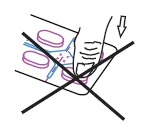
1 – Do not push the tablet through the foil
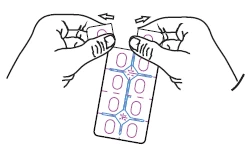
2 – Remove only one section of the blister pack by tearing along the perforated line

3 – Starting from the edge where the seal is lifted, peel back the foil to remove the tablet
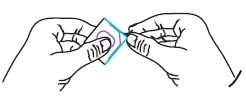
Do not use the tablet if the blister pack is damaged.
Dosage adjustment and maintenance therapy:
In the days following the start of treatment, your doctor may increase your dose of BUPRENORPHINE AND NALOXONE ETHYPHARM according to your needs. If you feel that the effect of BUPRENORPHINE AND NALOXONE ETHYPHARM is too strong or too weak, speak to your doctor or pharmacist. The maximum daily dose is 24 mg.
After a period of successful treatment, you may discuss with your doctor the possibility of gradually reducing your dose to a lower maintenance dose.
Stopping treatment
Depending on your condition, your dose of BUPRENORPHINE AND NALOXONE ETHYPHARM may be progressively reduced under close medical supervision until treatment is discontinued.
Do not alter your treatment in any way and do not stop treatment without the consent of your treating doctor.
If you take more BUPRENORPHINE AND NALOXONE ETHYPHARM than you should
If you or someone else takes an excessive dose of this medicine, you must go or be taken immediately to the emergency room or hospital for treatment of overdose with BUPRENORPHINE AND NALOXONE ETHYPHARM, as this medicine can cause serious breathing problems that may lead to death.
Symptoms of overdose include drowsiness, lack of coordination, slowed reflexes, blurred vision and/or speech difficulties. You may lose consciousness and experience abnormally slow breathing.
If you forget to take BUPRENORPHINE AND NALOXONE ETHYPHARM
Inform your doctor as soon as possible if you have missed a dose.
If you stop taking BUPRENORPHINE AND NALOXONE ETHYPHARM
Do not change or stop your treatment in any way without the consent of your treating doctor. Sudden discontinuation of treatment may cause withdrawal symptoms.
If you have any doubts about how to use this medicine, consult your doctor or pharmacist.
4. Possible side effects
Like all medicines, this medicine can cause side effects, although not everyone will experience them.
Immediately contact your doctor or seek emergency medical help if you experience any of the following side effects:
- swelling of the face, lips, tongue or throat, which could cause difficulty swallowing or breathing, hives/severe skin rash. These could be signs of a potentially life-threatening allergic reaction.
- drowsiness and lack of coordination, blurred vision, speech problems, inability to think clearly or rationally, or if breathing becomes much slower than normal.
Also, immediately contact your doctor if you experience any of the following side effects:
- severe tiredness, itching sensation accompanied by yellowing of the skin or eyes. These could be symptoms of liver damage.
- seeing or hearing things that are not there (hallucinations).
Side effects reported in association with BUPRENORPHINE AND NALOXONE
ETHYPHARM
Very common (may affect more than 1 in 10 people):
-
insomnia (inability to sleep),
-
constipation,
-
nausea,
-
excessive sweating,
-
headache,
-
drug withdrawal syndrome.
Common (may affect up to 1 in 10 people): -
weight loss,
-
swelling (hands and feet),
-
drowsiness,
-
anxiety,
-
restlessness,
-
tingling,
-
depression,
-
decreased libido,
-
increased muscle tension,
-
abnormal thinking,
-
increased tearing (watery eyes) or other tear-related disorders,
-
blurred vision,
-
hot flushes,
-
increased blood pressure,
-
migraine,
-
runny nose,
-
sore throat and painful swallowing,
-
increased cough,
-
stomach discomfort and other stomach disturbances,
-
diarrhoea,
-
abnormal liver function,
-
flatulence,
-
vomiting,
-
rash,
-
itching,
-
hives,
-
pain,
-
joint pain,
-
muscle pain,
-
leg cramps (muscle spasms),
-
difficulty achieving or maintaining an erection,
-
changes in urine,
-
abdominal pain,
-
back pain,
-
weakness,
-
infection,
-
chills,
-
chest pain,
-
fever,
-
flu-like symptoms,
-
general discomfort,
-
accidental injury due to loss of attention or coordination,
-
malaise and dizziness.
Uncommon (may affect up to 1 in 100 people): -
swollen glands (lymph nodes),
-
agitation, tremor,
-
abnormal dreams,
-
excessive muscle activity,
-
depersonalization (feeling detached from oneself),
-
drug dependence, amnesia (memory disorder),
-
loss of interest,
-
exaggerated feeling of well-being,
-
seizures (fits),
-
speech disorder,
-
constricted pupils,
-
difficulty urinating,
-
eye inflammation or infection,
-
fast or slow heartbeat,
-
low blood pressure,
-
palpitations,
-
myocardial infarction (heart attack),
-
chest tightness,
-
shortness of breath,
-
asthma,
-
yawning,
-
pain and presence of mouth ulcers,
-
changes in tongue colour,
-
acne,
-
skin nodules,
-
hair loss,
-
dry or scaly skin,
-
joint inflammation,
-
urinary tract infection,
-
abnormalities in blood tests,
-
blood in urine,
-
ejaculation abnormalities,
-
menstrual or vaginal problems,
-
kidney stones,
-
presence of protein in urine,
-
pain or difficulty urinating,
-
sensitivity to heat or cold,
-
heat stroke,
-
loss of appetite,
-
feelings of hostility.
Not known (frequency cannot be estimated from the available data): -
sudden withdrawal syndrome caused by taking the medicine too soon after using illicit opioids, neonatal drug withdrawal syndrome,
-
difficulty or slow breathing, liver injury with or without jaundice, hallucinations, swelling of the face and throat or allergic reactions that could be life-threatening, low blood pressure upon standing up from a sitting or lying position,
-
misuse by injection of this medicine may cause withdrawal symptoms, infections, other skin reactions, and potentially serious liver problems (see “Warnings and precautions”).
Reporting of side effects
If you experience any side effect, including those not listed in this leaflet, talk to your doctor or pharmacist.
You can also report side effects directly via the national reporting system at the following website:
https://www.aifa.gov.it/content/segnalazioni-reazioni-avverse
By reporting side effects, you can help provide more information on the safety of this medicine.
5. How to store BUPRENORPHINE AND NALOXONE ETHYPHARM
Keep this medicine out of the sight and reach of children and of any other family members.
Do not use this medicine after the expiry date stated on the blister and on the outer carton after
"Exp.". The expiry date refers to the last day of that month.
Do not store above 30°C.
Store in the original packaging to protect the medicine from light. However,
BUPRENORPHINE AND NALOXONE ETHYPHARM may be attractive to individuals who misuse prescription medicines. Store the medicine in a safe place to protect it from theft.
Do not dispose of any medicine via wastewater or household waste. Ask your pharmacist how to dispose of medicines you no longer use. This will help protect the environment.
6. Package contents and other information
What BUPRENORFINA E NALOXONE ETHYPHARM contains
- The active substances are buprenorphine and naloxone. Each 8 mg/2 mg tablet contains 8 mg of buprenorphine (as hydrochloride) and 2 mg of naloxone (as dihydrate hydrochloride).
- The excipients are monohydrate lactose, corn starch, mannitol (E421), povidone K30, anhydrous citric acid, sodium citrate, lime flavour, lemon flavour, acesulfame potassium and sodium stearyl fumarate.
Description of the appearance of BUPRENORFINA E NALOXONE ETHYPHARM and contents of the
pack
The sublingual tablets of BUPRENORFINA E NALOXONE ETHYPHARM 8 mg/2 mg are
uncoated, round, white to almost white, biconvex tablets with a diameter of 10.5 mm,
imprinted with "N8" on one side and the logo "↑" on the other.
The packs contain unit-dose divisible blisters with a removable child-resistant film, containing 7 x 1 tablets and 28 x 1 tablets.
Not all pack sizes may be marketed.
Marketing Authorisation Holder and Manufacturer
Ethypharm
194 Bureaux de la Colline, Batiment D
92213 Saint-Cloud Cedex
France
Manufacturer
Ethypharm
Chemin de la Poudrière
76121 Le Grand
Quevilly Cedex
France
Ethypharm
Z.I. de Saint Arnoult
28170 Châteauneuf en
Thymerais
France
This medicinal product is authorised in the European Economic Area Member States under the
following names:
Italy: BUPRENORFINA E NALOXONE ETHYPHARM 8 mg/2 mg
More detailed information on this medicinal product is available on the website
http://www.aifa.gov.it.