Brukinsa
Italy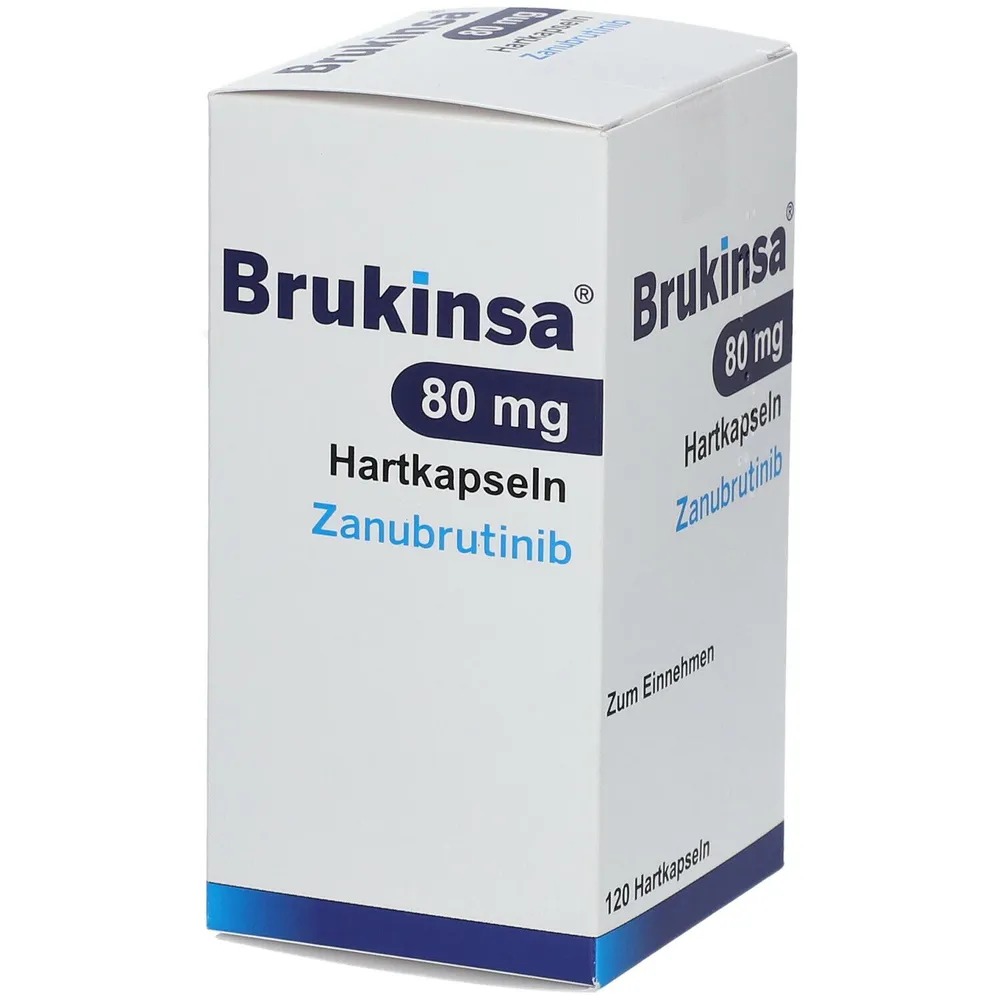
Table of Contents
- Package leaflet: Information for the patient
- BRUKINSA 80 mg hard capsules
- 1. What BRUKINSA is and what it is used for
- 2. What you should know before taking BRUKINSA
- 3. How to take BRUKINSA
- 4. Possible side effects
- 5. How to store BRUKINSA
- 6. Package contents and other information
- Patient information leaflet
- BRUKINSA 160 mg film-coated tablets
- 1. What BRUKINSA is and what it is used for
- 2. What you should know before taking BRUKINSA
- 3. How to take BRUKINSA
- 4. Possible side effects
- 5. How to store BRUKINSA
- 6. Package contents and other information
Package leaflet: Information for the patient
BRUKINSA 80 mg hard capsules
zanubrutinib
This medicinal product is under additional monitoring. This will allow for rapid identification of
new safety information. You can help by reporting any side effects you experience while taking this
medicinal product. See the end of section 4 for information on how to report side effects.
Please read this leaflet carefully before you start taking this medicine, as it contains important
information for you.
- Keep this leaflet. You may need to read it again.
- If you have any questions, ask your doctor, pharmacist, or nurse.
- This medicine has been prescribed for you only. Do not give it to others, even if they have the same symptoms as you, because it may be harmful.
- If you experience any side effect, including those not listed in this leaflet, contact your doctor, pharmacist, or nurse. See section 4.
Contents of this leaflet
- What BRUKINSA is and what it is used for
- What you need to know before taking BRUKINSA
- How to take BRUKINSA
- Possible side effects
- How to store BRUKINSA
- Contents of the pack and other information
1. What BRUKINSA is and what it is used for
BRUKINSA is an anticancer medicine that contains the active substance zanubrutinib. It belongs to a class of medicines known as protein kinase inhibitors. This medicine works by blocking Bruton's tyrosine kinase, a protein in the body that promotes the growth and survival of cancer cells. By inhibiting this protein, BRUKINSA reduces the number of cancer cells and slows down tumor growth.
BRUKINSA is used to treat Waldenström’s macroglobulinaemia (also known as lymphoplasmacytic lymphoma), a cancer affecting a type of white blood cells called B-lymphocytes, which produce excessive amounts of a protein called IgM.
This medicine is used when the disease has relapsed or previous treatment has not worked, or in patients who cannot receive chemotherapy in combination with immunotherapy.
BRUKINSA is also used to treat marginal zone lymphoma. This is a type of cancer that also affects B-lymphocytes or B-cells. In marginal zone lymphoma, abnormal B-cells multiply too quickly and survive for too long. This can cause enlargement of organs involved in the body's natural defenses, such as lymph nodes and spleen. Abnormal B-cells can also affect various organs including the stomach, salivary glands, thyroid, eyes, lungs, bone marrow, and blood. Patients may experience fever, weight loss, fatigue, and night sweats, as well as symptoms related to the location of the lymphoma. This medicine is used when the disease has recurred or previous treatment has been ineffective.
BRUKINSA is also used to treat chronic lymphocytic leukaemia (CLL), another type of cancer affecting B-cells and involving the lymph nodes. This medicine is used in patients who have not previously been treated for CLL, or when the disease has relapsed or did not respond to prior treatment.
BRUKINSA is also used to treat follicular lymphoma (FL), a slow-growing cancer affecting B-lymphocytes. In patients with FL, there is an excessive number of B-lymphocytes in the lymph nodes, spleen, and bone marrow. BRUKINSA is administered in combination with another medicine called obinutuzumab when the disease has recurred or when previously used medicines have not been effective.
2. What you should know before taking BRUKINSA
Do not take BRUKINSA
- if you are allergic to zanubrutinib or to any of the other ingredients of this medicine (listed in section 6).
Warnings and precautions
Talk to your doctor, pharmacist, or nurse before taking BRUKINSA:
- if you have previously had unusual bruising or bleeding, or if you are taking medicines or supplements that increase the risk of bleeding (see section “Other medicines and BRUKINSA”). If you have recently undergone surgery or are scheduled to have surgery, your doctor may ask you to stop taking BRUKINSA for a short period (3 to 7 days) before and after the surgical procedure or dental procedure.
- if you have irregular heartbeat or have previously had irregular heartbeat or severe heart failure, or if you have experienced any of the following symptoms: shortness of breath, weakness, dizziness, lightheadedness, fainting or near-fainting, chest pain, or swollen legs.
- if you have previously been told that you are at high risk of developing infections. During treatment with BRUKINSA, you may develop viral, bacterial, or fungal infections with possible symptoms such as: fever, chills, weakness, confusion, generalized body aches, cold or flu-like symptoms, feeling tired or short of breath, or yellowing of the skin or eyes (jaundice).
- if you have ever had or may have hepatitis B. This is because BRUKINSA could cause reactivation of hepatitis B. Your doctor will closely monitor you for signs of this infection before starting treatment.
- if you have liver or kidney problems.
- if you have recently undergone any surgical procedure, especially one that might affect how you absorb food or medicines through the stomach or intestines.
- if you have recently had low levels of red blood cells, white blood cells, or platelets.
- if you have previously had other cancers, including skin cancer (e.g., basal cell carcinoma or squamous cell carcinoma). Use sun protection.
If any of the above situations apply to you or if you have any doubts, talk to your doctor, pharmacist, or nurse before taking this medicine.
Tests and monitoring before and during treatment
Laboratory tests may show lymphocytosis, an increase in white blood cells ("lymphocytes") in the blood during the very first weeks of treatment. This is an expected condition and may last for several months. This does not necessarily mean that your blood cancer is worsening. Your doctor will monitor your white blood cell count before and during treatment and, in rare cases, may give you another medicine. Talk to your doctor to understand the meaning of your test results.
Tumour lysis syndrome (TLS): During cancer treatment, and sometimes even without treatment, abnormal levels of chemicals in the blood may occur due to the rapid breakdown of tumour cells. This can lead to changes in kidney function, abnormal heartbeat, or seizures. Your doctor or other healthcare provider may perform blood tests to check for TLS.
Children and adolescents
BRUKINSA must not be used in patients under 18 years of age, as it is unlikely to be effective.
Other medicines and BRUKINSA
Tell your doctor or pharmacist if you are taking, have recently taken, or might take any other medicines. This includes medicines that do not require a prescription, herbal medicines, and supplements. This is because BRUKINSA may affect how some medicines work. In addition, some medicines may affect how BRUKINSA works.
BRUKINSA may increase the risk of bleeding. Therefore, you must inform your doctor if you are taking other medicines that increase the risk of bleeding. These include:
- acetylsalicylic acid such as aspirin and non-steroidal anti-inflammatory drugs (NSAIDs) such as ibuprofen and naproxen,
- anticoagulants such as warfarin, heparin, and other medicines used to treat or prevent blood clots,
- supplements that may increase the risk of bleeding such as fish oil, vitamin E, or flaxseed.
If any of the above conditions apply to you or if you have any doubts, talk to your doctor, pharmacist, or nurse before taking BRUKINSA.
Also inform your doctor if you are taking any of the following medicines – The effects of BRUKINSA or other medicines may be affected if you take BRUKINSA together with any of the following medicines:
- antibiotics used to treat bacterial infections – ciprofloxacin, clarithromycin, erythromycin, nafcillin, or rifampicin
- medicines used to treat fungal infections – fluconazole, itraconazole, ketoconazole, posaconazole, voriconazole
- medicines used to treat human immunodeficiency virus (HIV) infection – efavirenz, etravirine, indinavir, lopinavir, ritonavir, telaprevir
- medicines used to prevent nausea and vomiting associated with chemotherapy – aprepitant
- medicines used to treat depression – fluvoxamine, St. John’s wort
- medicines called kinase inhibitors used to treat other cancers – imatinib
- medicines used to treat high blood pressure or chest pain – bosentan, diltiazem, verapamil
- antiarrhythmic medicines for the heart – digoxin, dronedarone, quinidine
- medicines used to prevent seizures, treat epilepsy, or treat a painful facial condition called trigeminal neuralgia – carbamazepine, mephenytoin, phenytoin
- medicines used to treat headaches (migraines and cluster headaches) – dihydroergotamine, ergotamine
- medicines used to treat excessive sleepiness and other sleep disorders – modafinil
- medicines used to treat psychosis and Tourette’s syndrome – pimozide
- anaesthetics – alfentanil, fentanyl
- immunosuppressants – cyclosporine, sirolimus, tacrolimus
BRUKINSA with food
Inform your doctor if you consume grapefruit or bitter oranges, as they may increase the amount of BRUKINSA in your blood.
Pregnancy and breastfeeding
Do not become pregnant while taking this medicine. BRUKINSA must not be used during pregnancy. It is not known whether BRUKINSA may harm the unborn baby.
Women of childbearing age must use a highly effective method of contraception during treatment with BRUKINSA and for at least one month after treatment ends. In addition to hormonal contraceptives such as pills or contraceptive devices, a barrier method of contraception (e.g., condoms) must also be used.
- Inform your doctor immediately if you become pregnant.
- Do not breastfeed while taking this medicine, as BRUKINSA may pass into breast milk.
Driving and using machines
After taking BRUKINSA, you may feel tired or dizzy, which could affect your ability to drive or operate machinery. If you feel tired or dizzy after taking BRUKINSA, you must not drive or operate machinery.
BRUKINSA contains sodium
This medicine contains less than 1 mmol of sodium (23 mg) per dose, i.e., essentially “sodium-free”.
3. How to take BRUKINSA
Take this medicine exactly as your doctor or pharmacist has told you. If you are unsure, consult your doctor or pharmacist.
The recommended dose is 320 mg (4 capsules) daily: 4 capsules once a day or 2 capsules in the morning and 2 in the evening.
Your doctor may adjust the dose.
Take the capsules by mouth with a glass of water, with food or between meals.
Take the capsules at approximately the same time each day.
BRUKINSA works best when swallowed whole. Swallow the capsules whole; do not open, crush, or chew them.
If you take more BRUKINSA than you should
If you take more BRUKINSA than prescribed, inform your doctor immediately. Bring the capsule packaging and this leaflet with you.
If you forget to take BRUKINSA
If you miss a dose, take the next dose at the scheduled time, resuming the regimen prescribed by your doctor. If you take BRUKINSA once daily, take the next dose the following day. If you take the medicine twice daily, in the morning and evening, and you miss the morning dose, take the next dose in the evening. Do not take a double dose to make up for a forgotten capsule. If you are unsure, ask your doctor, pharmacist, or nurse when to take the next dose.
If you stop taking BRUKINSA
Do not stop taking this medicine unless instructed by your doctor.
If you have any doubts about how to use this medicine, consult your doctor, pharmacist, or nurse.
4. Possible side effects
Like all medicines, this medicine can cause side effects, although not everybody gets them.
Stop taking BRUKINSA and contact your doctor immediately if you notice any of the
following side effects:
- itchy, irregular rash, difficulty breathing, swelling of the face, lips, tongue or throat – these could be signs of an allergic reaction to the medicine.
Contact your doctor immediately if you notice any of the following side effects.
Very common (may affect more than 1 in 10 people):
- fever, chills, generalised body aches, feeling tired, cold or flu-like symptoms, shortness of breath, frequent and painful urination – these could be signs of an infection (viral, bacterial or fungal). These may include infections of the nose, sinuses or throat (upper respiratory tract infection), lung infection or urinary tract infection
- bruising or increased tendency to bruise; contusions
- bleeding
- muscle and bone pain
- rash
- diarrhoea; your doctor may need to give you fluids and an electrolyte supplement or another medicine
- fatigue
- high blood pressure
- constipation
- dizziness
- blood in the urine
- blood tests showing a reduced number of blood cells. Your doctor will perform blood tests during treatment with BRUKINSA to monitor your blood cell counts.
Common (may affect up to 1 in 10 people):
- swelling of the hands, ankles or feet
- nosebleeds
- itchy skin
- lung infection (lower respiratory tract infection)
- small bleeding spots under the skin
- fast heartbeat, skipped heartbeats, weak or irregular pulse, mental confusion, shortness of breath, chest discomfort (symptoms of heart rhythm problems)
- weakness
- low white blood cell count with fever (febrile neutropenia)
Uncommon side effects (may affect up to 1 in 100 people):
- reactivation of hepatitis B (if you have had hepatitis B, it may come back)
- gastrointestinal bleeding (blood in the stool)
- abnormal levels of chemicals in the blood caused by the rapid breakdown of tumour cells during cancer treatment, and sometimes even without treatment (tumour lysis syndrome)
Not known:
- Redness and peeling of the skin over a large area of the body, which may be itchy or painful (generalised exfoliative dermatitis)
Reporting of side effects
If you get any side effects, including those not listed in this leaflet, talk to your doctor, pharmacist or nurse.
You can also report side effects directly through the national reporting system detailed in Annex V. By reporting side effects, you can help provide more information on the safety of this medicine.
5. How to store BRUKINSA
Keep this medicine out of the sight and reach of children.
Do not use this medicine after the expiry date stated on the carton and vial after "Exp".
The expiry date refers to the last day of that month.
This medicine does not require any special storage conditions.
Do not dispose of medicines via wastewater or household waste. Ask your pharmacist how to
dispose of medicines you no longer use. This will help protect the environment.
6. Package contents and other information
What BRUKINSA contains
- The active substance is zanubrutinib. Each hard capsule contains 80 mg of zanubrutinib.
- The other components are:
- capsule contents: microcrystalline cellulose, sodium croscarmellose, sodium lauryl sulfate (E487), colloidal anhydrous silica, magnesium stearate (see section 2 “BRUKINSA contains sodium”)
- capsule shell: gelatin and titanium dioxide (E171)
- printing ink: shellac (E904), iron oxide black (E172) and propylene glycol (E1520).
Description of the appearance of BRUKINSA and contents of the pack
BRUKINSA is a hard capsule, white to off-white in colour, printed with "ZANU 80" in black ink on one side. The capsules are supplied in a plastic bottle with a child-resistant closure. Each bottle contains 120 hard capsules.
Marketing Authorisation Holder
BeOne Medicines Ireland Limited.
10 Earlsfort Terrace
Dublin 2
D02 T380
Ireland
Tel. +353 1 566 7660
E-mail [email protected]
Manufacturer
BeOne Medicines I GmbH, Dutch Branch
Evert van de Beekstraat 1, 104
1118 CL Schiphol
The Netherlands
For further information about this medicinal product, please contact the local representative of the Marketing Authorisation Holder in your country:
België/Belgique/Belgien
Patient information leaflet
BRUKINSA 160 mg film-coated tablets
zanubrutinib
This medicinal product is subject to additional monitoring. This will allow for rapid identification of new safety information. You can help by reporting any side effects you experience while taking this medicine. See the end of section 4 for information on how to report side effects.
Please read this leaflet carefully before taking this medicine, as it contains important information for you.
- Keep this leaflet. You may need to read it again.
- If you have any questions, ask your doctor, pharmacist, or nurse.
- This medicine has been prescribed for you only. Do not give it to others, even if they have the same symptoms as you, because it could be harmful.
- If you experience any side effect, including those not listed in this leaflet, contact your doctor, pharmacist, or nurse. See section 4.
Contents of this leaflet
- What BRUKINSA is and what it is used for
- What you need to know before taking BRUKINSA
- How to take BRUKINSA
- Possible side effects
- How to store BRUKINSA
- Contents of the pack and other information
1. What BRUKINSA is and what it is used for
BRUKINSA is an anticancer medicine that contains the active substance zanubrutinib. It belongs to a class of medicines known as protein kinase inhibitors. This medicine works by blocking Bruton’s tyrosine kinase, a protein in the body that supports the growth and survival of cancer cells. By inhibiting this protein, BRUKINSA reduces the number of cancer cells and slows down tumor growth.
BRUKINSA is used to treat Waldenström's macroglobulinaemia (also known as lymphoplasmacytic lymphoma), a cancer affecting a type of white blood cells called B-lymphocytes, which produce excessive amounts of a protein called IgM.
This medicine is used when the disease has relapsed or the previous treatment was ineffective, or in patients who cannot receive chemotherapy in combination with immunotherapy.
BRUKINSA is also used to treat marginal zone lymphoma. This is a type of cancer that also affects B-lymphocytes or B-cells. In marginal zone lymphoma, abnormal B-cells multiply too quickly and survive for too long. This can cause enlargement of organs involved in the body’s natural defenses, such as lymph nodes and the spleen. Abnormal B-cells may also affect various organs including the stomach, salivary glands, thyroid, eyes, lungs, bone marrow, and blood. Patients may experience fever, weight loss, fatigue, and night sweats, as well as symptoms related to the lymphoma’s location. This medicine is used when the disease has recurred or previous treatments have not been effective.
BRUKINSA is also used to treat chronic lymphocytic leukaemia (CLL), another type of cancer affecting B-cells and involving the lymph nodes. This medicine is used in patients who have not been previously treated for CLL, or when the disease has relapsed or did not respond to prior treatment.
BRUKINSA is also used to treat follicular lymphoma (FL), a slow-growing cancer affecting B-lymphocytes. In patients with FL, there is an excessive number of B-lymphocytes in the lymph nodes, spleen, and bone marrow. BRUKINSA is administered in combination with another medicine called obinutuzumab when the disease has recurred or when previously used medicines have not been effective.
2. What you should know before taking BRUKINSA
Do not take BRUKINSA
- if you are allergic to zanubrutinib or to any of the other ingredients of this medicine (listed in section 6).
Warnings and precautions
Talk to your doctor, pharmacist, or nurse before taking BRUKINSA:
- if you have previously had unusual bruising or bleeding, or if you are taking medicines or supplements that increase the risk of bleeding (see section “Other medicines and BRUKINSA”). If you have recently undergone surgery or are scheduled to have surgery, your doctor may ask you to stop taking BRUKINSA for a short period (3 to 7 days) before and after the surgical procedure or dental intervention.
- if you have an irregular heartbeat or have previously had an irregular heartbeat or severe heart failure, or if you have experienced any of the following symptoms: shortness of breath, weakness, dizziness, lightheadedness, fainting or near-fainting, chest pain, or swollen legs.
- if you have previously been told that you are at high risk of developing infections. During treatment with BRUKINSA, you may develop viral, bacterial, or fungal infections with possible symptoms such as: fever, chills, weakness, confusion, generalized body aches, cold or flu-like symptoms, feeling tired or short of breath, or yellowing of the skin or eyes (jaundice).
- if you have ever had or may have hepatitis B. This is because BRUKINSA could cause reactivation of hepatitis B. Your doctor will closely monitor you for signs of this infection before starting treatment.
- if you have liver or kidney problems.
- if you have recently undergone any surgery, especially if it could affect how you absorb food or medicines through the stomach or intestine.
- if you have recently had low levels of red blood cells, white blood cells, or platelets.
- if you have previously had other cancers, including skin cancer (e.g., basal cell carcinoma or squamous cell carcinoma). Use sun protection.
If any of the situations described above apply to you or if you have any doubts, talk to your doctor, pharmacist, or nurse before taking this medicine.
Tests and monitoring before and during treatment
Laboratory tests may show lymphocytosis, an increase in white blood cells ("lymphocytes") in the blood during the very first weeks of treatment. This is an expected condition and may last for several months. This does not necessarily mean that your blood cancer is worsening. Your doctor will monitor your white blood cell count before and during treatment and, in rare cases, may prescribe another medicine. Talk to your doctor to understand the meaning of your test results.
Tumour lysis syndrome (TLS): During cancer treatment, and sometimes even without treatment, abnormal levels of chemicals in the blood may occur due to the rapid breakdown of tumour cells. This can lead to changes in kidney function, abnormal heartbeat, or seizures. Your doctor or other healthcare provider may perform blood tests to check for TLS.
Children and adolescents
BRUKINSA must not be used in patients under 18 years of age, as it is unlikely to be effective.
Other medicines and BRUKINSA
Tell your doctor or pharmacist if you are taking, have recently taken, or might take any other medicines. This includes medicines that do not require a prescription, herbal medicines, and supplements. This is because BRUKINSA may affect how some medicines work. In addition, some medicines may affect how BRUKINSA works.
BRUKINSA may increase the risk of bleeding. Therefore, you must inform your doctor if you are taking other medicines that increase the risk of bleeding. These include:
- acetylsalicylic acid such as aspirin and non-steroidal anti-inflammatory drugs (NSAIDs) such as ibuprofen and naproxen,
- anticoagulants such as warfarin, heparin, and other medicines used to treat or prevent blood clots,
- supplements that may increase the risk of bleeding such as fish oil, vitamin E, or flaxseed. If you fall into any of the above categories or have any doubts, talk to your doctor, pharmacist, or nurse before taking BRUKINSA.
Also inform your doctor if you are taking any of the following medicines – The effects of BRUKINSA or other medicines may be affected if you take BRUKINSA together with any of the following:
- antibiotics used to treat bacterial infections – ciprofloxacin, clarithromycin, erythromycin, nafcillin, or rifampicin
- medicines used to treat fungal infections – fluconazole, itraconazole, ketoconazole, posaconazole, voriconazole
- medicines used to treat human immunodeficiency virus (HIV) infection – efavirenz, etravirine, indinavir, lopinavir, ritonavir, telaprevir
- medicines used to prevent nausea and vomiting associated with chemotherapy: aprepitant
- medicines used to treat depression: fluvoxamine, St. John’s wort
- medicines called kinase inhibitors used to treat other cancers – imatinib
- medicines used to treat high blood pressure or chest pain – bosentan, diltiazem, verapamil
- antiarrhythmic medicines for the heart – digoxin, dronedarone, quinidine
- medicines used to prevent seizures, treat epilepsy, or treat a painful facial condition called trigeminal neuralgia – carbamazepine, mephenytoin, phenytoin
- medicines used to treat headaches (migraines and cluster headaches) – dihydroergotamine, ergotamine
- medicines used to treat excessive sleepiness and other sleep disorders – modafinil
- medicines used to treat psychosis and Tourette syndrome – primozide
- anaesthetics – alfentanil, fentanyl
- immunosuppressants – cyclosporine, sirolimus, tacrolimus
BRUKINSA with food
Inform your doctor if you consume grapefruit or bitter oranges, as they may increase the amount of BRUKINSA in your blood.
Pregnancy and breastfeeding
Do not become pregnant while taking this medicine. BRUKINSA must not be used during pregnancy. It is not known whether BRUKINSA may harm the unborn baby.
Women of childbearing potential must use a highly effective method of contraception during treatment with BRUKINSA and for at least one month after treatment ends. In addition to hormonal contraceptives such as pills or contraceptive devices, a barrier method of contraception (e.g., condoms) must also be used.
- Inform your doctor immediately if you become pregnant.
- Do not breastfeed while taking this medicine, as BRUKINSA may pass into breast milk.
Driving and using machines
After taking BRUKINSA, you may feel tired or dizzy, which could affect your ability to drive or operate machinery. If you feel tired or dizzy after taking BRUKINSA, do not drive or operate machinery.
BRUKINSA contains sodium and lactose
This medicine contains less than 1 mmol of sodium (23 mg) per dose, i.e., essentially “sodium-free”.
This medicine contains lactose. If your doctor has diagnosed you with an intolerance to certain sugars, contact them before taking this medicine.
3. How to take BRUKINSA
Take this medicine exactly as your doctor or pharmacist has told you. If you are unsure, consult your doctor or pharmacist.
The recommended dose is 320 mg (2 tablets) daily: 2 tablets once a day or 1 tablet in the morning and 1 in the evening.
Your doctor may adjust the dose.
Take the tablets orally with a glass of water, with food or between meals.
Take the tablets at approximately the same time each day.
The tablets may be divided into two equal halves. Your doctor will advise you if splitting the tablets is necessary.
Do not chew or crush the tablets.
If you take more BRUKINSA than you should
If you take more BRUKINSA than prescribed, inform your doctor immediately. Bring the tablet packaging and this leaflet with you.
If you forget to take BRUKINSA
If you miss a dose, take the next dose at the scheduled time, resuming the dosing schedule prescribed by your doctor. If you take BRUKINSA once daily, take the next dose the following day. If you take the medicine twice daily, in the morning and evening, and you miss the morning dose, take the next dose in the evening. Do not take a double dose to make up for a missed tablet. If you are unsure, ask your doctor, pharmacist, or nurse when to take the next dose.
If you stop taking BRUKINSA
Do not stop taking this medicine unless your doctor tells you to.
If you have any doubts about how to use this medicine, consult your doctor, pharmacist, or nurse.
4. Possible side effects
Like all medicines, this medicine can cause side effects, although not everyone experiences them.
Stop taking BRUKINSA and contact your doctor immediately if you notice any of the following side effects:
- Itchy, irregular skin rash, difficulty breathing, swelling of the face, lips, tongue or throat – these could be signs of an allergic reaction to the medicine.
Contact your doctor immediately if you notice any of the following side effects.
Very common (may affect more than 1 in 10 people):
- Fever, chills, general body aches, tiredness, cold or flu-like symptoms, shortness of breath, frequent and painful urination – these could be signs of an infection (viral, bacterial or fungal). These may include infections of the nose, sinuses or throat (upper respiratory tract infection), lung infection or urinary tract infection
- Bruising or increased tendency to bruise; contusions
- Bleeding
- Muscle and bone pain
- Rash
- Diarrhea; your doctor may need to give you fluids, a salt supplement, or another medicine
- Cough
- Tiredness
- High blood pressure
- Constipation
- Dizziness
- Blood in the urine
- Blood tests showing a decrease in blood cell counts. Your doctor will perform blood tests during treatment with BRUKINSA to monitor your blood cell counts.
Common (may affect up to 1 in 10 people):
- Swelling of hands, ankles or feet
- Nosebleeds
- Itchy skin
- Lung infection (lower respiratory tract infection)
- Small bleeding spots under the skin
- Fast heartbeat, skipped heartbeats, weak or irregular pulse, mental confusion, shortness of breath, chest discomfort (symptoms of heart rhythm problems)
- Weakness
- Low white blood cell count with fever (febrile neutropenia)
Uncommon side effects (may affect up to 1 in 100 people):
- Reactivation of hepatitis B (if you have had hepatitis B, it may return)
- Gastrointestinal bleeding (blood in stool)
- Abnormal levels of chemicals in the blood caused by the rapid breakdown of tumor cells during cancer treatment, and sometimes even without treatment (tumor lysis syndrome)
Not known:
- Redness and peeling of the skin over a large area of the body, which may be itchy or painful (generalized exfoliative dermatitis)
Reporting of side effects
If you experience any side effects, including those not listed in this leaflet, talk to your doctor, pharmacist or nurse. You can also report side effects directly through the national reporting system listed in Annex V. By reporting side effects, you can help provide more information on the safety of this medicine.
5. How to store BRUKINSA
Keep this medicine out of the sight and reach of children.
Do not use this medicine after the expiry date stated on the carton and vial after "Exp".
The expiry date refers to the last day of that month.
This medicine does not require any special storage conditions.
Do not dispose of medicines via wastewater or household waste. Ask your pharmacist how to
dispose of medicines you no longer use. This will help protect the environment.
6. Package contents and other information
What BRUKINSA contains
- The active substance is zanubrutinib. Each film-coated tablet contains 160 mg of zanubrutinib.
- The other components are:
- tablet core: lactose monohydrate, croscarmellose sodium, sodium lauryl sulfate (E487), anhydrous colloidal silica, povidone, microcrystalline cellulose, and magnesium stearate. See section 2 “BRUKINSA contains sodium and lactose”.
- film coating: hypromellose, titanium dioxide (E171), triacetin, aluminium lake of brilliant blue FCF (E133), aluminium lake of indigo carmine (E132).
Description of the appearance of BRUKINSA and contents of the pack
BRUKINSA is a blue, oval-shaped, film-coated tablet, 16 mm in length and 7.8 mm in width, with the letters “zanu” engraved on one side and a break line on the opposite side.
The tablets are supplied in a plastic bottle with a child-resistant closure. Each carton contains one bottle with 60 film-coated tablets.
Marketing Authorization Holder
BeOne Medicines Ireland Limited.
10 Earlsfort Terrace
Dublin 2
D02 T380
Ireland
Tel. +353 1 566 7660
E-mail [email protected]
Manufacturer
BeOne Medicines I GmbH, Dutch Branch
Evert van de Beekstraat 1, 104
1118 CL Schiphol
The Netherlands
For further information on this medicinal product, please contact the local representative of the Marketing Authorization Holder:
België/Belgique/Belgien Lietuva
BeOne Medicines Belgium Swixx Biopharma UAB
Tél/Tel: 0800 89 307 Tel: +370 5 236 91 40
България Luxembourg/Luxemburg
Swixx Biopharma EOOD BeOne Medicines Belgium
Teл.: +359 (0)2 4942 480 Tél/Tel: 800 85520
Česká republika Magyarország
Swixx Biopharma s.r.o. Swixx Biopharma Kft.
Tel: +420 242 434 222 Tel.: +36 1 9206 570
Danmark Malta
BeOne Medicines, Denmark Branch Swixx Biopharma S.M.S.A.
Tlf: 808 10 660 Tel: +30 214 444 9670
Deutschland Nederland
BeOne Medicines Germany GmbH BeOne Medicines Netherlands B.V.
Tel: 0800 200 8144 Tel: 08000 233 408
Eesti Norge
Swixx Biopharma OÜ BeOne Medicines Sweden AB
Tel: +372 640 1030 Tlf: 800 31 491
Ελλάδα Österreich
Swixx Biopharma Μ.Α.Ε BeOne Medicines Austria GmbH
Tel: +30 214 444 9670 Tel: 0800 909 638
España Polska
BeOne Medicines ESP, S.L.U BeOne Medicines Poland sp. z o. o.
Tel: 9000 31 090 Tel.: 8000 80 952
France Portugal
BeOne Medicines France Sarl BeOne Medicines Portugal, Unipessoal Lda.
Tél: 080 554 3292 Tel: 800 210 376
Hrvatska România
Swixx Biopharma d.o.o. Swixx Biopharma S.R.L
Tel: +385 1 2078 500 Tel: +40 37 1530 850
Ireland Slovenija
BeOne Medicines UK, Ltd Swixx Biopharma d.o.o.
Tel: 1800 812 061 Tel: +386 1 2355 100
Ísland Slovenská republika
BeOne Medicines Sweden AB Swixx Biopharma s.r.o.
Sími: 800 4418 Tel: +421 2 20833 600
Italia Suomi / Finland
BeOne Medicines Italy Srl BeOne Medicines Sweden AB
Tel: 800 588 525 Puh/Tel: 0800 774 047
Κύπρος Sverige
Swixx Biopharma Μ.Α.Ε BeOne Medicines Sweden AB
Tel: +30 214 444 9670 Puh/Tel: 0200 810 337
Latvija
Swixx Biopharma SIA
Tel: +371 6 616 47 50
Other sources of information
More detailed information on this medicinal product is available on the website of the European Medicines Agency: http://www.ema.europa.eu .