Brufenlik
Italy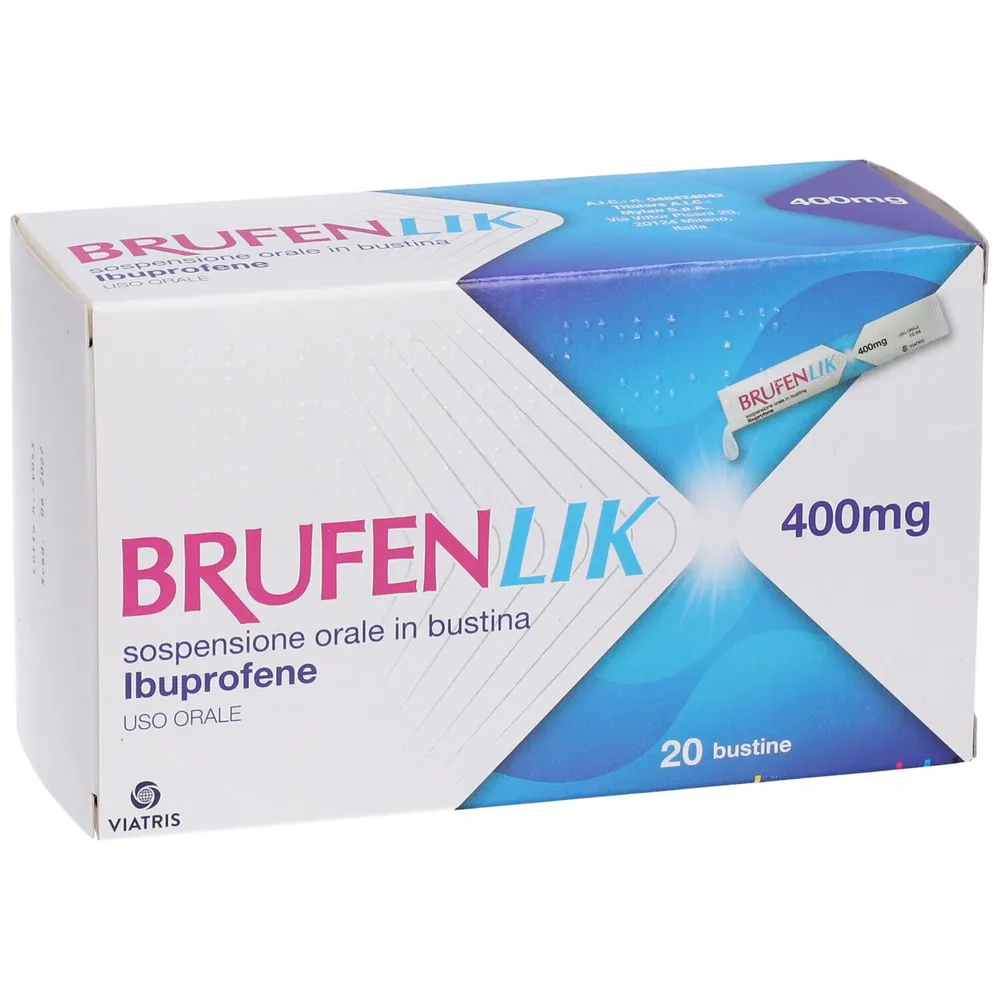
Table of Contents
- Package leaflet: Information for the patient
- Brufenlik 200 mg oral suspension in sachet
- 1. What Brufenlik is and what it is used for
- 2. What you need to know before taking Brufenlik
- 3. How to take Brufenlik
- 4. Possible side effects
- 5. How to store Brufenlik
- 6. Package contents and other information
- Patient information leaflet
- Brufenlik 400 mg oral suspension in sachet
- 1. What Brufenlik is and what it is used for
- 2. What you need to know before taking Brufenlik
- 3. How to take Brufenlik
- 4. Possible side effects
- 5. How to store Brufenlik
- 6. Package contents and other information
Package leaflet: Information for the patient
Brufenlik 200 mg oral suspension in sachet
ibuprofen
Please read this leaflet carefully before taking this medicine because it contains important information for you.
- Always take this medicine exactly as described in this leaflet or as your doctor or pharmacist has told you to do.
- Keep this leaflet. You may need to read it again.
- If you would like more information or advice, please consult your pharmacist.
- If you experience any side effects, including those not listed in this leaflet, talk to your doctor or pharmacist. See section 4.
- Adults (over 18 years): Consult your doctor if you do not notice improvement or if you notice worsening of symptoms after 3 days in case of fever or 5 days in case of pain.
- Children and adolescents: Consult your doctor if use of the medicine is required for more than 3 days in children and adolescents, or if symptoms worsen.
Contents of this leaflet:
- What Brufenlik is and what it is used for
- What you need to know before taking Brufenlik
- How to take Brufenlik
- Possible side effects
- How to store Brufenlik
- Contents of the pack and other information
1. What Brufenlik is and what it is used for
The active substance in this medicine is ibuprofen. It belongs to a group of medicines called non-steroidal anti-inflammatory drugs (NSAIDs). Brufenlik reduces fever and relieves pain.
Brufenlik is used for the short-term treatment of mild to moderate pain such as:
- Headache and migraine
- Toothache
- Dysmenorrhoea (painful menstruation)
- Muscle, joint and back pain
- Fever associated with the common cold.
Brufenlik 200 mg is used in adults and children over 6 years of age (weighing more than 20 kg).
2. What you need to know before taking Brufenlik
Do not take Brufenlik
- if you are allergic to ibuprofen or to any of the other ingredients of this medicine (listed in section 6);
- if you have ever had an allergic reaction (such as asthma, rash, swollen face or lips, or shortness of breath) after taking ibuprofen, acetylsalicylic acid, or other NSAIDs;
- if you have severe heart failure;
- if you have severe liver or kidney failure;
- if you have active bleeding or a higher tendency to bleed;
- if you have (or have had two or more episodes of) stomach ulcer, duodenal ulcer, or gastrointestinal bleeding;
- if you have or have ever had a stomach or small intestine ulcer or bleeding while taking NSAIDs;
- after the sixth month of pregnancy.
Warnings and precautions
Always use the lowest effective dose for the shortest possible duration to reduce the risk of side effects. Doses higher than those recommended may carry risks. This also means that taking multiple NSAIDs at the same time should be avoided.
Talk to your doctor or pharmacist before taking Brufenlik:
- if you have certain disorders of the immune system (mixed connective tissue disorders and systemic lupus erythematosus (SLE), immune system conditions affecting connective tissue leading to joint pain, skin changes, and organ involvement), as this may increase the risk of aseptic meningitis;
- if you suffer from kidney or liver impairment;
- if you have heart problems, including heart attack, angina (chest pain), or a history of heart attack, coronary bypass surgery, peripheral arterial disease (poor circulation in legs or feet due to narrowed or blocked arteries), or any type of stroke (including "mini-stroke" or "TIA", transient ischemic attack);
- if you have high blood pressure, diabetes, high cholesterol, a family history of heart disease or stroke, or if you are a smoker;
- if you suffer from asthma, chronic rhinitis (chronic stuffy and runny nose), or allergic conditions, as Brufenlik may cause breathing difficulties, hives, or a severe allergic reaction in such cases;
- if you have inflammatory bowel disease, a history of stomach ulcer, or a higher tendency to bleed for other reasons;
- if you have an infection – see section "Infections" below.
Ibuprofen may cause serious allergic reactions, especially if you are allergic to acetylsalicylic acid. Symptoms may include hives, swelling of the face, tongue, or throat, difficulty swallowing, or breathing problems. Stop taking Brufenlik and contact a doctor immediately if you experience any of these symptoms (see section 4, Possible side effects).
Skin reactions
Serious skin reactions have been reported with Brufenlik treatment. Stop taking Brufenlik and consult your doctor immediately if you develop a rash, mucosal lesions, blisters, or other signs of allergy, as these may be early signs of a severe skin reaction. See section 4.
Gastrointestinal ulcers and bleeding
- Patients who have previously experienced gastrointestinal problems, especially elderly patients, should contact a doctor if they develop abdominal symptoms (particularly gastrointestinal bleeding), especially at the beginning of treatment. Bleeding, ulceration, or perforation in the stomach or intestines may occur without warning signs, even in patients who have never previously experienced such problems.
- Elderly patients should be aware of their increased risk of adverse events, particularly gastrointestinal bleeding and perforation, which can be fatal.
- Discontinue treatment and consult a doctor if gastrointestinal bleeding or ulceration occurs during treatment with Brufenlik.
2/16
Cardiovascular effects
- Anti-inflammatory/pain-relieving medicines such as ibuprofen may be associated with a small increased risk of heart attack or stroke, particularly when used at high doses. Do not exceed the recommended dose or duration of treatment.
Infections
- Brufenlik may mask symptoms of infections such as fever and pain. Therefore, Brufenlik may delay appropriate treatment of the infection, potentially increasing the risk of complications. This has been observed in bacterial pneumonia and bacterial skin infections associated with chickenpox. If you take this medicine while having an infection and infection symptoms persist or worsen, seek medical advice immediately.
- During chickenpox, it is advisable to avoid using this medicine. If you are dehydrated
- Particular caution is required in dehydrated patients, as there is a risk of kidney failure, especially in dehydrated children, adolescents, and elderly people.
Headache
- Prolonged use of any type of painkiller for headache may worsen the condition. If this occurs or is suspected, you should consult a doctor and treatment should be discontinued.
Children and adolescents
In dehydrated children and adolescents, there is a risk of impaired kidney function.
Brufenlik 200 mg must not be taken by children under 6 years of age (weighing less than 20 kg).
For younger children, other pharmaceutical forms and more appropriate dosages are available.
Other medicines and Brufenlik
Inform your doctor or pharmacist if you are taking, have recently taken, or might take any other medicines.
Do not use different types of painkillers simultaneously unless specifically prescribed by a doctor.
Brufenlik may affect or be affected by treatment with certain medicines, including those used for the treatment/prevention of:
- tumors and immune system disorders (methotrexate);
- bipolar disorder (lithium);
- heart conditions (e.g., digoxin);
- acetylsalicylic acid for pain relief;
- pain and inflammation (NSAIDs such as etoricoxib, naproxen, diclofenac);
- thromboembolic disorders (medicines with anticoagulant effect, i.e., substances that thin the blood/prevent clot formation, e.g., clopidogrel, acetylsalicylic acid, warfarin, ticlopidine);
- depression (medicines called SSRIs – selective serotonin reuptake inhibitors);
- hypertension (medicines that reduce high blood pressure, e.g., ACE inhibitors, beta-blockers, angiotensin II receptor antagonists, and diuretics);
- rejection in organ transplant patients (medicines that suppress the immune system, such as cyclosporine or tacrolimus);
- inflammation (corticosteroids);
- bacterial infections (some antibiotics including aminoglycosides and quinolones);
- fungal infections (antifungals, particularly voriconazole or fluconazole); 3/16
- diabetes mellitus (sulfonylureas);
- high cholesterol (cholestyramine);
- human immunodeficiency virus (HIV) infection (zidovudine);
- mifepristone;
- herbal extract called ginkgo biloba (may increase the risk of bleeding if taken together with ibuprofen).
Other medicines may also interact with or be affected by Brufenlik. Therefore, always consult your doctor or pharmacist before using Brufenlik with other medicines.
Brufenlik and alcohol
If you consume alcohol while taking Brufenlik, you may be more susceptible to side effects.
Pregnancy, breastfeeding, and fertility
If you are pregnant, suspect you may be pregnant, planning a pregnancy, or breastfeeding, consult your doctor or pharmacist before taking this medicine.
Pregnancy
Women should not use Brufenlik during the last three months of pregnancy.
The use of Brufenlik should be avoided in women who are planning a pregnancy or who are pregnant. Treatment at any time during pregnancy should only occur if indicated by a doctor.
Breastfeeding
Ibuprofen passes into breast milk, but appears to have no effect on the infant when used at the recommended dose and for the shortest possible duration. However, consult a doctor if more than occasional use is required during breastfeeding.
Fertility
The use of ibuprofen may impair fertility. This effect is reversible upon discontinuation of the medicine. The use of ibuprofen is not recommended when trying to conceive or during fertility investigations.
Driving and using machines
Brufenlik may affect reaction abilities in some people, for example due to side effects such as visual disturbances, dizziness, or drowsiness. This should be taken into account when high alertness is required, such as when driving a vehicle. This is especially important when taken in combination with alcohol. If you experience these or other side effects affecting alertness, you must not drive or operate machinery.
Brufenlik contains maltitol, sodium benzoate, ethanol, propylene glycol, and sodium
This medicine contains:
- maltitol (E 965). If your doctor has diagnosed you with an intolerance to certain sugars, contact them before taking this medicine.
- 20 mg of sodium benzoate (E 211) per sachet, equivalent to 2 mg/ml.
- orange flavor containing 14 mg of alcohol (ethanol) per sachet. The amount in each sachet of this medicine is equivalent to less than 1 ml of beer or 1 ml of wine. The small amount of alcohol in this medicine will not produce significant effects.
4/16
- 48 mg of propylene glycol per sachet, equivalent to 4.8 mg/ml.
- 17 mg of sodium (the main component of table salt) per 10 ml sachet. This corresponds to 1% of the maximum recommended daily dietary intake for an adult.
3. How to take Brufenlik
Take this medicine exactly as stated in this leaflet or as directed by your doctor or pharmacist. If you have any doubts, consult your doctor or pharmacist.
The lowest effective dose for the shortest duration necessary to relieve symptoms should be used.
If you have an infection, contact your doctor immediately if symptoms (e.g. fever and pain) persist or worsen (see section 2). Adults: Consult your doctor if you do not notice any improvement or if your symptoms worsen after 3 days in case of fever or 5 days in case of pain.
Children and adolescents: Consult your doctor if the medicine needs to be used for more than 3 days in children and adolescents, or if symptoms worsen.
Adults and adolescents aged over 12 years (body weight over 40 kg)
The recommended dose is 1 or 2 sachets, up to 3–4 times daily (depending on the single dose) as needed. Allow an interval of at least 4–6 hours between doses. Do not take more than 6 sachets in 24 hours.
Taking more than 2 sachets as a single dose does not provide better analgesic effect and should be avoided.
Children over 6 years of age (body weight over 20 kg)
The maximum daily dose is 30 mg per kg of body weight, divided into individual doses according to body weight. Allow an interval of at least 6–8 hours between doses.
Children aged 6 to 7 years (20–30 kg): 1 sachet up to 3 times daily as needed. Allow an interval of at least 6–8 hours between doses. Do not take more than 3 sachets in 24 hours.
Children aged 8 to 12 years (over 30 kg): 1 sachet up to 4 times daily as needed. Allow an interval of at least 6–8 hours between doses. Do not take more than 4 sachets in 24 hours.
Method of administration
For oral use. Mix the contents of the sachet well before swallowing by pressing repeatedly on the top and bottom parts of the sachet with your fingers. You may take the medicine directly from the sachet. The contents of the sachet cannot be divided and must be used in full. To achieve a faster onset of action, Brufenlik may be taken on an empty stomach. If you have a sensitive stomach, take Brufenlik with food.
If you take more Brufenlik than you should
If you have taken more Brufenlik than you should, or if children have accidentally taken this medicine, always contact your doctor or go to the nearest hospital to obtain advice on the risk and measures to be taken.
Symptoms may include nausea (feeling unwell), stomach ache, vomiting (which may be blood-streaked), headache, tinnitus (ringing in the ears), confusion, and involuntary, oscillating eye movements. At high doses, drowsiness, chest pain, palpitations, loss of consciousness, seizures (especially in children), weakness, dizziness, blood in the urine, feeling cold, and breathing problems may occur.
5/16
If you forget to take Brufenlik
Do not take a double dose to make up for a forgotten dose.
If you have any doubts about how to use this medicine, consult your doctor or pharmacist.
4. Possible side effects
Like all medicines, this medicine can cause side effects, although not everyone experiences them.
Stop taking this medicine and contact a doctor or go immediately to the nearest emergency room if you experience any of the following serious side effects – you may require urgent medical treatment:
Rare (may affect up to 1 in 1,000 people):
if you experience any of the following symptoms (signs of anaphylaxis, angioedema or severe shock)
- swelling of the face, tongue or throat
- difficulty swallowing
- hives and breathing difficulties
- if you develop a reduced number of white blood cells (agranulocytosis) leading to decreased resistance to infections. You must contact your doctor immediately if you develop an infection with symptoms such as:
- fever and severe worsening of general condition, or fever with symptoms of local infection such as sore throat/pharynx/mouth or urinary problems
- Symptoms of aseptic meningitis may include
- headache, neck stiffness, nausea, sensitivity to light and sound, and fever
Very rare (may affect up to 1 in 10,000 people):
- During the use of Brufenlik, extremely severe and serious skin reactions have been reported, such as Stevens-Johnson syndrome and toxic epidermal necrolysis.
- Skin adverse reactions may appear as rashes with or without blisters. Skin irritation, sores or swelling of the mouth, throat, eyes, nose and around the genitals (Stevens-Johnson syndrome) may occur, along with fever and flu-like symptoms.
- Rashes may progress to severe and widespread skin damage (peeling of the epidermis and superficial mucous membranes), potentially leading to life-threatening consequences.
- In addition, a serious skin reaction known as DRESS syndrome may occur. Symptoms of DRESS include:
- skin rash, fever, swollen lymph nodes and increased eosinophils (a type of white blood cell). DRESS syndrome symptoms usually appear approximately 2–6 weeks (possibly up to 8 weeks) after starting treatment.
Not known (frequency cannot be estimated from available data):
-
Exceptionally, severe skin infections in case of chickenpox. When using an NSAID, skin inflammation related to infections may develop or worsen (e.g., a condition such as necrotizing fasciitis characterized by
-
intense pain, high fever, swollen and warm skin, blisters, necrosis). If signs of skin infection develop or worsen during Brufenlik use, immediate medical advice is recommended.
-
A red, scaly rash with pustules and blisters located mainly in skin folds, trunk and upper extremities, accompanied by fever at the beginning of treatment (acute generalized exanthematous pustulosis). Discontinue Brufenlik if you experience these symptoms and consult a doctor immediately. See also section 2.
Other possible side effects include:
Common (may affect up to 1 in 10 people):
- Headache, dizziness
- Gastrointestinal side effects (indigestion, diarrhoea, nausea (feeling unwell), vomiting (feeling unwell), stomach ache, flatulence (intestinal gas), constipation, black stools, gastrointestinal bleeding, vomiting blood)
- Skin rash
- Fatigue
Uncommon (may affect up to 1 in 100 people):
- Rhinitis (itching, runny or blocked nose, sneezing)
- Hypersensitivity
- Insomnia (difficulty sleeping), anxiety
- Numbness
- Vision disorders
- Hearing loss
- Tinnitus (ringing in the ears)
- Dizziness
- Cough, breathing difficulties and chest pain (bronchospasm), asthma, shortness of breath (dyspnoea)
- Mouth ulceration
- Stomach ulcer, intestinal ulcer, perforated gastric ulcer, inflammation of the stomach lining
- Hepatitis (inflammation of the liver), jaundice, abnormal liver function
- Skin rash, itching, small bruises on the skin and mucous membranes
- Photosensitivity (skin sensitivity to sunlight)
- Impaired kidney function
- Paresthesia
Rare (may affect up to 1 in 1,000 people):
- Depression, confusion
- Visual disturbances
- Vision loss, eye pain worsened by eye movement, loss of colour vision due to inflammation or damage of the optic nerve (optic neuritis, toxic optic neuropathy)
- Fluid retention
- Changes in blood counts
- Anaemia (reduction in red blood cells or haemoglobin)
Very rare (may affect up to 1 in 10,000 people):
- Inflammation of the pancreas, liver failure
- Heart failure, heart attack
- Hypertension
Not known (frequency cannot be estimated from available data):
- Worsening of ulcers in the large intestine (colitis) and Crohn’s disease (intestinal disorder)
Be aware that Brufenlik may prolong bleeding time.
Medicines like Brufenlik may carry a slightly increased risk of heart attack or stroke.
Reporting of side effects
If you experience any side effect, including those not listed in this leaflet, talk to your doctor or pharmacist. You can also report side effects directly via the national reporting system at https://www.aifa.gov.it/content/segnalazioni-reazioni-avverse.
By reporting side effects, you can help provide more information on the safety of this medicine.
5. How to store Brufenlik
Keep this medicine out of the sight and reach of children.
This medicine does not require any special storage conditions.
Do not use this medicine after the expiry date stated on the packaging after EXP. The expiry date refers to the last day of that month.
Do not dispose of any medicine via wastewater or household waste. Ask your pharmacist how to dispose of medicines you no longer use. This will help protect the environment.
6. Package contents and other information
What Brufenlik contains
The active substance is ibuprofen. Each sachet (10 ml) contains 200 mg of ibuprofen.
The other components are: glycerol, liquid maltitol E965, xanthan gum, citric acid, sodium citrate, sodium benzoate E211, sodium saccharin, purified water, microcrystalline cellulose, polysorbate 80, and orange flavour containing propylene glycol. See section 2 ("Brufenlik contains maltitol, sodium benzoate, propylene glycol and ethanol").
Description of the appearance of Brufenlik and contents of the pack
Brufenlik is a viscous oral suspension, white to off-white in colour, with an orange flavour.
Brufenlik is available in packs of 20 and 40 sachets of 10 ml.
Not all pack sizes may be marketed.
Marketing Authorisation Holder and Manufacturer
Marketing Authorisation Holder
Mylan S.p.A.
Via Vittor Pisani 20,
20124 Milan, Italy
Manufacturer
Kern Pharma S.L.
Poligono Industrial Colon II
Calle Venus 72, 08228 Terrassa
Barcelona, Spain
8/16
Patient information leaflet
Brufenlik 400 mg oral suspension in sachet
Ibuprofen
Please read this leaflet carefully before taking this medicine because it contains important information for you.
- Always take this medicine exactly as described in this leaflet or as your doctor or pharmacist has instructed you.
- Keep this leaflet. You may need to read it again.
- If you would like more information or advice, please consult your pharmacist.
- If you experience any adverse reaction, including those not listed in this leaflet, contact your doctor or pharmacist. See section 4.
- Adults (over 18 years): Consult your doctor if you do not notice improvement or if symptoms worsen after 3 days in case of fever or after 5 days in case of pain.
- Adolescents (over 12 years): Consult your doctor if the medicine is needed for more than 3 days in children and adolescents, or if symptoms worsen.
Contents of this leaflet:
- What Brufenlik is and what it is used for
- What you need to know before taking Brufenlik
- How to take Brufenlik
- Possible side effects
- How to store Brufenlik
- Package contents and other information
1. What Brufenlik is and what it is used for
The active substance in this medicine is ibuprofen. It belongs to a group of medicines called non-steroidal anti-inflammatory drugs (NSAIDs). Brufenlik reduces fever and relieves pain.
Brufenlik is used for short-term treatment of mild to moderate pain such as
- Headache and migraine
- Toothache
- Dysmenorrhoea (painful menstruation)
- Muscular, joint and back pain
- Fever associated with the common cold. Brufenlik 400 mg is used in adults and adolescents over 12 years of age (weighing more than 40 kg).
2. What you need to know before taking Brufenlik
Do not take Brufenlik
- if you are allergic to ibuprofen or to any of the other ingredients of this medicine (listed in section 6);
- if you have ever had an allergic reaction (such as asthma, rash, swollen face or lips, or shortness of breath) after taking ibuprofen, acetylsalicylic acid, or other NSAIDs;
- if you have severe heart failure;
- if you have severe liver or kidney failure;
- if you have active bleeding or a higher tendency to bleed;
9/16
- if you have (or have had two or more episodes of) stomach ulcer, duodenal ulcer, or gastrointestinal bleeding;
- if you have or have ever had a stomach or small intestine ulcer or bleeding while taking NSAIDs;
- after the sixth month of pregnancy.
Warnings and precautions
Always use the lowest effective dose for the shortest possible duration to reduce the risk of side effects. Doses higher than those recommended may carry risks. This also means that taking more than one NSAID at the same time should be avoided.
Talk to your doctor or pharmacist before taking Brufenlik:
- if you have certain disorders of the immune system (mixed connective tissue disorders and systemic lupus erythematosus (SLE), immune system conditions affecting connective tissue causing joint pain, skin changes, and disorders in other organs), as there may be an increased risk of aseptic meningitis;
- if you suffer from kidney or liver failure;
- if you have heart problems including heart attack, angina (chest pain), or if you have a history of heart attack, coronary bypass surgery, peripheral arterial disease (poor circulation in legs or feet due to narrowed or blocked arteries), or any type of stroke (including "mini-stroke" or "TIA", transient ischemic attack);
- if you have high blood pressure, diabetes, high cholesterol, a family history of heart disease or stroke, or if you are a smoker;
- if you suffer from asthma, chronic rhinitis (chronic stuffy and runny nose), or allergic diseases, as Brufenlik may cause breathing difficulties, hives, or a severe allergic reaction in the presence of any of these conditions;
- if you have inflammatory bowel diseases, previous stomach ulcer, or a higher tendency to bleed for other reasons;
- If you have an infection – see section "Infections" below.
Ibuprofen may cause serious allergic reactions, especially if you are allergic to acetylsalicylic acid.
Symptoms may include hives, swelling of the face, tongue, or throat, difficulty swallowing, or breathing difficulties. Stop taking Brufenlik and contact a doctor immediately if you experience any of these symptoms (see section 4 Possible side effects).
Skin reactions
Serious skin reactions have been reported with Brufenlik treatment. Stop taking Brufenlik and consult your doctor immediately if you develop a rash, mucosal lesions, blisters, or other signs of allergy, as these may be early signs of a very serious skin reaction. See section 4.
Gastrointestinal ulcers and bleeding
- Patients who have previously had gastrointestinal problems, especially elderly patients, should contact a doctor if they experience abdominal symptoms (particularly gastrointestinal bleeding), especially at the beginning of treatment. Bleeding, ulceration, or perforation in the stomach or intestine may occur without warning signs, even in patients who have never previously experienced such problems.
- Elderly patients should be aware of their increased risk of adverse events, particularly bleeding and perforation of the digestive tract, which can be fatal.
- Stop treatment and consult a doctor if gastrointestinal bleeding or ulceration occurs during treatment with Brufenlik.
10/16
Cardiovascular effects
- Anti-inflammatory/pain-relieving medicines such as ibuprofen may be associated with a small increased risk of heart attack or stroke, especially when used at high doses. Do not exceed the recommended dose or duration of treatment.
Infections
- Brufenlik may mask symptoms of infections such as fever and pain. Therefore, Brufenlik may delay appropriate treatment of the infection, potentially increasing the risk of complications. This has been observed in bacterial pneumonia and bacterial skin infections associated with chickenpox. If you take this medicine while having an infection and infection symptoms persist or worsen, contact your doctor immediately. • During chickenpox, it is advisable to avoid using this medicine.
If you are dehydrated
- Particular caution should be taken in dehydrated patients, as there is a risk of kidney failure, especially in dehydrated adolescents and elderly people.
Headache
- Prolonged use of any type of painkiller for headache may worsen the condition. If this occurs or is suspected, you should consult a doctor and treatment should be discontinued.
Children and adolescents
In dehydrated children and adolescents, there is a risk of impaired kidney function.
Brufenlik 400 mg must not be taken by children under 12 years of age (weighing less than 40 kg).
Other pharmaceutical forms and more appropriate dosages are available for children.
Other medicines and Brufenlik
Tell your doctor or pharmacist if you are taking, have recently taken, or might take any other medicines.
Do not use different types of painkillers simultaneously unless specifically prescribed by a doctor.
Brufenlik may affect or be affected by treatment with certain medicines, including those used to treat/prevent:
- cancer and immune system disorders (methotrexate);
- bipolar disorder (lithium);
- heart conditions (e.g., digoxin);
- acetylsalicylic acid for pain relief;
- pain and inflammation (NSAIDs such as etoricoxib, naproxen, diclofenac);
- thromboembolic disorders (medicines with anticoagulant effect, i.e., substances that thin the blood/prevent clot formation, e.g., clopidogrel, acetylsalicylic acid, warfarin, ticlopidine);
- depression (medicines called SSRIs – selective serotonin reuptake inhibitors);
- high blood pressure (medicines that reduce hypertension, e.g., ACE inhibitors, beta-blockers, angiotensin II receptor antagonists, and diuretics);
- rejection in organ transplant patients (immunosuppressive medicines such as cyclosporine or tacrolimus);
- inflammation (corticosteroids);
- bacterial infections (some antibiotics including aminoglycosides and quinolones);
- fungal infections (antifungals, particularly voriconazole or fluconazole);
- type 2 diabetes mellitus (sulfonylureas);
- high cholesterol (cholestyramine); 11/16
- human immunodeficiency virus (HIV) infection (zidovudine);
- mifepristone;
- herbal extract called ginkgo biloba (may increase the risk of bleeding if taken together with ibuprofen).
Some other medicines may also affect or be affected by treatment with Brufenlik. Therefore, always consult your doctor or pharmacist before using Brufenlik with other medicines.
Brufenlik and alcohol
If you consume alcohol while taking Brufenlik, you may be more likely to experience side effects.
Pregnancy, breastfeeding, and fertility
If you are pregnant, think you may be pregnant, are planning a pregnancy, or are breastfeeding, consult your doctor or pharmacist before taking this medicine.
Pregnancy
Women must not use Brufenlik during the last three months of pregnancy.
The use of Brufenlik should be avoided by women who are planning a pregnancy or who are already pregnant. In addition to the effect ibuprofen may have on the baby, Brufenlik also contains benzyl alcohol, which may cause side effects. Treatment at any time during pregnancy should only occur if prescribed by a doctor.
Breastfeeding
Brufenlik 400 mg sachets may not be suitable for use if you are breastfeeding. Ask your doctor for advice if you are breastfeeding before taking this medicine. Ibuprofen passes into breast milk, but does not appear to affect the baby when used at the recommended dose for a short period. However, this medicine also contains benzyl alcohol and may not be suitable during breastfeeding. This is because large amounts of benzyl alcohol may accumulate in the body and cause side effects (called "metabolic acidosis") in the baby.
Fertility
The use of ibuprofen may impair fertility. This effect is reversible upon discontinuation of the medicine. The use of ibuprofen is not recommended when trying to conceive or during fertility investigations.
Driving and using machines
Brufenlik may affect reaction abilities in some people, for example due to side effects such as visual disturbances, dizziness, or drowsiness. This should be taken into account when high alertness is required, such as when driving a vehicle. This is especially important when taken together with alcohol. If you experience these or other side effects affecting alertness, you must not drive or operate machinery.
Brufenlik contains maltitol, sodium benzoate, benzyl alcohol, and sodium
This medicine contains:
- maltitol (E 965). If your doctor has diagnosed you with an intolerance to certain sugars, contact them before taking this medicine;
- 10 mg of sodium benzoate (E 211) per sachet, equivalent to 1 mg/ml;
- 0.0017 mg of benzyl alcohol in each 10 ml sachet.
12/16
o Benzyl alcohol may cause allergic reactions.
o Ask your doctor or pharmacist for advice if you are pregnant or breastfeeding or if you have liver or kidney disease. This is because large amounts of benzyl alcohol may accumulate in the body and cause unwanted effects (such as metabolic acidosis). See also section “Pregnancy, breastfeeding, and fertility”.
- 58 mg of sodium (a main component of table salt) per sachet. This corresponds to 3% of the maximum daily dietary intake recommended for an adult.
3. How to take Brufenlik
Take this medicine exactly as stated in this leaflet or as instructed by your
doctor or pharmacist. If you have any doubts, consult your doctor or pharmacist.
The lowest effective dose for the shortest duration necessary to relieve symptoms should be used.
If you have an infection, contact your doctor immediately if symptoms (for example fever and pain)
persist or worsen (see section 2).
Adults (over 18 years): Consult your doctor if you do not notice improvement or if symptoms worsen after 3 days in case of fever or 5 days in case of pain.
Adolescents (over 12 years): Consult your doctor if use of the medicine is required for more than 3 days in children and adolescents, or if symptoms worsen.
Adults and adolescents aged over 12 years (body weight over 40 kg)
The recommended dose is 1 sachet up to 3 times daily as needed. Allow an interval of at least 4–6 hours between doses. Do not take more than 3 sachets in 24 hours.
Taking more than 1 sachet as a single dose does not provide better analgesic effect and should be avoided.
Method of administration
For oral use. Mix the contents of the sachet thoroughly before swallowing by pressing repeatedly on the top and bottom parts of the sachet with your fingers. You may take the medicine directly from the sachet. The contents of the sachet cannot be divided between doses and the entire contents must be used. To achieve a faster onset of action, Brufenlik may be taken on an empty stomach. If you have a sensitive stomach, take Brufenlik with food.
If you take more Brufenlik than you should
If you have taken more Brufenlik than you should, or if children have accidentally taken this medicine,
always contact your doctor or go to the nearest hospital to obtain advice regarding the risk and necessary actions to take.
Symptoms may include nausea (feeling unwell), stomach ache, vomiting (which may be blood-streaked), headache, tinnitus (ringing in the ears), confusion, and oscillating, uncontrolled eye movements. At high doses, drowsiness, chest pain, palpitations, loss of consciousness, seizures (especially in children), weakness, dizziness, blood in the urine, feeling cold, and breathing difficulties may occur.
If you forget to take Brufenlik
Do not take a double dose to make up for the forgotten dose.
If you have any doubts about how to use this medicine, consult your doctor or pharmacist.
4. Possible side effects
13/16
Like all medicines, this medicine can cause side effects, although not everyone experiences them.
Stop taking this medicine and contact a doctor or go immediately to the nearest emergency room if you experience any of the following serious side effects – you may need urgent medical treatment:
Rare (may affect up to 1 in 1,000 people):
if you experience any of the following symptoms (signs of anaphylaxis, angioedema or severe shock)
- swelling of the face, tongue or throat
- difficulty swallowing,
- hives and breathing difficulties.
- if you experience a reduction in white blood cells (agranulocytosis) leading to decreased resistance to infections. Contact your doctor immediately if you develop an infection with symptoms such as:
- fever and severe worsening of general condition, or fever with symptoms of local infection such as sore throat/pharynx/mouth or urinary problems.
- Symptoms of aseptic meningitis may include
- headache, neck stiffness, nausea, sensitivity to light and sound, and fever
Very rare (may affect up to 1 in 10,000 people):
- During use of Brufenlik, extremely severe skin reactions have been reported, such as Stevens-Johnson syndrome and toxic epidermal necrolysis.
- Skin adverse reactions may appear as rashes with or without blisters. Skin irritation, sores or swelling of the mouth, throat, eyes, nose and around the genitals (Stevens-Johnson syndrome) and fever and flu-like symptoms may occur.
- Rashes may progress to severe and widespread skin damage (peeling of the epidermis and superficial mucous membranes), potentially leading to life-threatening consequences.
- In addition, a serious skin reaction known as DRESS syndrome may occur. Symptoms of DRESS include:
- skin rash, fever, swollen lymph nodes and increased eosinophils (a type of white blood cells). DRESS syndrome symptoms usually appear about 2–6 weeks (possibly up to 8 weeks) after starting treatment.
Frequency not known (frequency cannot be estimated from available data):
- Exceptionally, severe skin infections in case of chickenpox. When using an NSAID, skin inflammation related to infections may develop or worsen (e.g., a condition such as necrotizing fasciitis characterized by
- intense pain, high fever, swollen and warm skin, blisters, necrosis). If signs of skin infection develop or worsen during use of Brufenlik, immediate medical advice is recommended.
- A red, scaly rash with pustules and blisters mainly located in skin folds, trunk and upper limbs, accompanied by fever at the beginning of treatment (acute generalized exanthematous pustulosis). Discontinue use of Brufenlik if you experience these symptoms and consult a doctor immediately. See also section 2.
Other side effects that may occur include:
Common (may affect up to 1 in 10 people):
- Headache, dizziness 14/16
- Gastrointestinal side effects (dyspepsia, diarrhoea, nausea (feeling unwell), vomiting (feeling unwell), stomach ache, flatulence (intestinal gas), constipation, black stools, gastrointestinal bleeding, vomiting blood)
- Skin rash
- Fatigue
Uncommon (may affect up to 1 in 100 people):
- Rhinitis (itching, runny or blocked nose, sneezing)
- Hypersensitivity
- Insomnia (difficulty sleeping), anxiety
- Numbness
- Visual disturbances
- Hearing loss
- Tinnitus (ringing in the ears)
- Dizziness
- Cough, breathing difficulties and chest pain (bronchospasm), asthma, shortness of breath (dyspnoea)
- Mouth ulceration
- Stomach ulcer, intestinal ulcer, perforated gastric ulcer, inflammation of the stomach lining
- Hepatitis (liver inflammation), jaundice, abnormal liver function
- Skin rash, itching, small bruises on the skin and mucous membranes
- Photosensitivity (skin sensitivity to sunlight)
- Impaired kidney function
- Paresthesia
Rare (may affect up to 1 in 1,000 people):
- Depression, confusion
- Visual disturbances
- Vision loss, eye pain worsened by eye movement, loss of colour vision due to inflammation or damage of the optic nerve (optic neuritis, toxic optic neuropathy)
- Fluid retention
- Changes in blood count
- Anaemia (reduction in red blood cells or haemoglobin)
Very rare (may affect up to 1 in 10,000 people):
- Pancreatitis, liver failure
- Heart failure, heart attack
- Hypertension
Frequency not known (frequency cannot be estimated from available data):
- Worsening of ulcers in the large intestine (colitis) and Crohn’s disease (intestinal disorder)
Be aware that Brufenlik may prolong bleeding time.
Medicines like Brufenlik may slightly increase the risk of heart attack or stroke.
Reporting of side effects
If you experience any side effect, including those not listed in this leaflet, talk to your doctor or pharmacist. You can also report side effects directly via the national reporting system at https://www.aifa.gov.it/content/segnalazioni-reazioni-avverse.
By reporting side effects, you can help provide more information on the safety of this medicine.
15/16
5. How to store Brufenlik
Keep this medicine out of the sight and reach of children.
This medicine does not require any special storage conditions.
Do not use this medicine after the expiry date stated on the packaging after EXP. The expiry date refers to the last day of that month.
Do not dispose of medicines via wastewater or household waste. Ask your pharmacist how to dispose of medicines you no longer use. This will help protect the environment.
6. Package contents and other information
What Brufenlik contains
The active substance is ibuprofen. Each sachet (10 ml) contains 400 mg of ibuprofen.
The other ingredients are: glycerol, maltitol liquid E965, xanthan gum, citric acid, sodium citrate, sodium benzoate E211, sodium saccharin, purified water, sodium chloride, hypromellose, thaumatin E957, strawberry flavour containing benzyl alcohol. See section 2 (“Brufenlik contains maltitol, sodium benzoate, benzyl alcohol and sodium”).
Description of the appearance of Brufenlik and the contents of the pack
Brufenlik is a white, viscous oral suspension with a strawberry flavour.
Brufenlik is available in packs of 10 and 20 sachets of 10 ml.
Not all pack sizes may be marketed.
Marketing Authorisation Holder and Manufacturer
Marketing Authorisation Holder
Mylan S.p.A.
Via Vittor Pisani 20,
20124 Milan, Italy
Manufacturer
Kern Pharma S.L.
Poligono Industrial Colon II
Calle Venus 72, 08228 Terrassa
Barcelona, Spain
16/16