Brinzolamide EG
Italy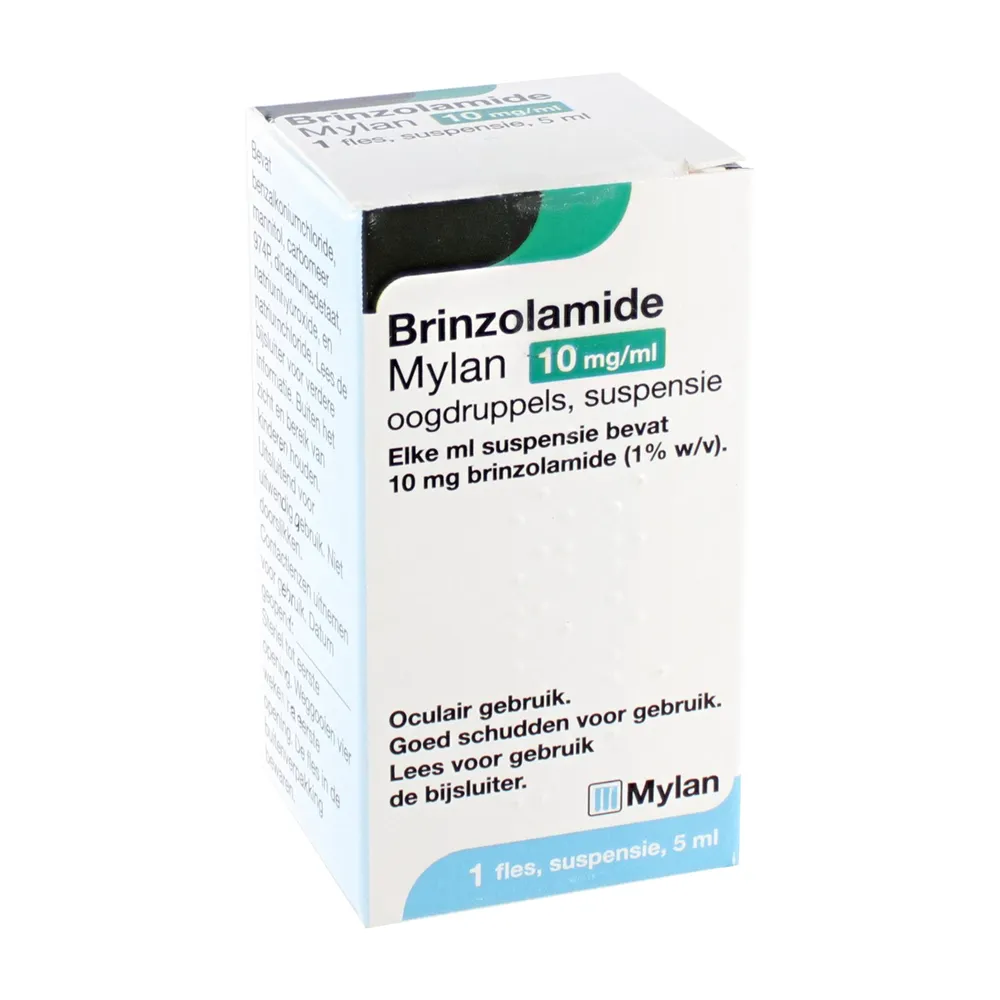
Table of Contents
- Package leaflet: Information for the patient
- BRINZOLAMIDE EG 10 mg/ml eye drops, suspension
- 1. What BRINZOLAMIDE EG is and what it is used for
- 2. What you need to know before using BRINZOLAMIDE EG
- 3. How to use BRINZOLAMIDE EG
- 4. Possible side effects
- 5. How to store BRINZOLAMIDE EG
- 6. Package contents and other information
Package leaflet: Information for the patient
BRINZOLAMIDE EG 10 mg/ml eye drops, suspension
Generic medicine
Please read this leaflet carefully before using this medicine because it contains important information for you.
Keep this leaflet. You may need to read it again.
If you have any questions, ask your doctor or pharmacist.
This medicine has been prescribed for you only. Do not give it to other people, even if their symptoms are the same as yours, because it may be harmful.
If you experience any side effects, including those not listed in this leaflet, talk to your doctor or pharmacist. See section 4.
Contents of this leaflet
- What BRINZOLAMIDE EG is and what it is used for
- What you need to know before using BRINZOLAMIDE EG
- How to use BRINZOLAMIDE EG
- Possible side effects
- How to store BRINZOLAMIDE EG
- Contents of the pack and other information
1. What BRINZOLAMIDE EG is and what it is used for
BRINZOLAMIDE EG contains brinzolamide, which belongs to a group of medicines called
carbonic anhydrase inhibitors. It reduces pressure in the eye.
BRINZOLAMIDE EG eye drops are used to treat high pressure inside the eye. This
pressure can lead to a condition called glaucoma.
If the pressure in the eye is too high, it may damage vision.
2. What you need to know before using BRINZOLAMIDE EG
Do not use BRINZOLAMIDE EG
if you have severe kidney problems;
if you are allergic to brinzolamide or to any of the other ingredients of this medicine (listed in section 6);
if you are allergic to medicines called sulfonamides. Examples include drugs used to treat diabetes and infections, as well as diuretics (tablets that increase urine production).
BRINZOLAMIDE EG may cause the same allergic reaction;
if you have too much acid in your blood (a condition called hyperchloremic acidosis).
If you have any further questions, consult your doctor.
Warnings and precautions
Before using BRINZOLAMIDE EG, consult your doctor or pharmacist:
if you have kidney or liver problems;
if you have dry eyes or corneal problems;
if you are taking other sulfonamide medicines;
if you have previously developed a severe skin rash, skin peeling, blisters, and/or mouth ulcers after using brinzolamide or related medicines.
Exercise special caution with BRINZOLAMIDE EG
Severe skin reactions, including Stevens-Johnson syndrome and toxic epidermal necrolysis, have been reported during treatment with brinzolamide. If you notice any symptoms related to these severe skin reactions described in section 4, stop treatment with BRINZOLAMIDE EG immediately and contact your doctor without delay.
Caution for athletes: This product contains substances prohibited for doping. Any use differing from the recommended dosage regimen or route of administration is forbidden.
Children and adolescents
BRINZOLAMIDE EG must not be used in neonates, children, and adolescents under 18 years of age unless advised by a doctor.
Other medicines and BRINZOLAMIDE EG
Inform your doctor or pharmacist if you are taking, have recently taken, or might take any other medicines.
If you are using another carbonic anhydrase inhibitor (acetazolamide or dorzolamide, see section 1 “What BRINZOLAMIDE EG is and what it is used for”), consult your doctor.
Pregnancy and breastfeeding
If you are pregnant, think you might be pregnant, planning a pregnancy, or breastfeeding, ask your doctor or pharmacist for advice before taking this medicine.
Women of childbearing potential are advised to use effective contraceptive methods during treatment with BRINZOLAMIDE EG. The use of BRINZOLAMIDE EG is not recommended during pregnancy or breastfeeding. Do not use BRINZOLAMIDE EG unless clearly indicated by your doctor.
Ask your doctor or pharmacist for advice before taking any medicine.
Driving and using machines
Do not drive and do not operate machinery until your vision is clear. Your vision may be blurred for a short time immediately after administration of BRINZOLAMIDE EG.
BRINZOLAMIDE EG may reduce your ability to perform tasks requiring mental alertness and/or physical coordination. If you experience such symptoms, be cautious when driving vehicles or operating machinery.
BRINZOLAMIDE EG contains benzalkonium chloride
This medicine contains approximately 0.1 mg of benzalkonium chloride (a preservative) per ml. Benzalkonium chloride may be absorbed by soft contact lenses and may alter their color. Remove your contact lenses before using this medicine and wait 15 minutes before reinserting them.
Benzalkonium chloride may also cause eye irritation, especially if you have dry eye or corneal disorders (damage to the transparent outer layer of the eye). If you experience an unusual sensation in the eye, burning, or pain after using this medicine, speak with your doctor.
3. How to use BRINZOLAMIDE EG
Use this medicine exactly as your doctor or pharmacist has told you. If you are unsure, consult your doctor or pharmacist.
Use BRINZOLAMIDE EG only in your eyes. Do not swallow or inject it.
Recommended dose
1 drop in the affected eye(s), twice daily – in the morning and in the evening.
Use this dose unless your doctor tells you otherwise. Use BRINZOLAMIDE EG in both eyes only if prescribed by your doctor. Use the medicine for the length of time prescribed by your doctor.
How to use
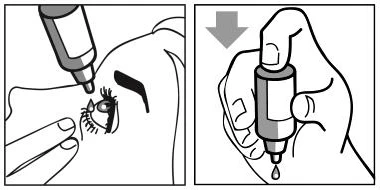
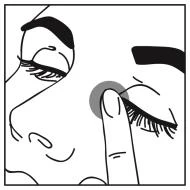
Figure 1 Figure 2 Figure 3
- Take the BRINZOLAMIDE EG bottle and a mirror.
- Wash your hands.
- Shake the bottle and unscrew the cap. After removing the cap, remove the tamper-evident elastic collar if it is loose, before using the medicine.
- Hold the bottle in your hand, between your thumb and other fingers, with the tip pointing downwards.
- Tilt your head backwards. Pull down the lower eyelid with a clean finger to create a “pocket” between the eyelid and the eye. The drop should be placed here (Figure 1).
- Hold the tip of the bottle close to the eye. Using a mirror may help.
- Do not touch the eye, eyelid, surrounding areas, or any other surface with the tip of the bottle. This could contaminate the eye drops.
- A gentle squeeze at the base of the bottle will release one drop of BRINZOLAMIDE EG at a time.
- Do not squeeze the bottle: it is specifically designed so that gentle pressure on the bottom is sufficient (Figure 2).
- After using BRINZOLAMIDE EG, press with your finger on the inner corner of the eye, near the nose (Figure 3), for at least 1 minute. This helps prevent BRINZOLAMIDE EG from spreading into the rest of the body.
- If you are using the eye drops in both eyes, repeat the steps for the other eye.
- Immediately replace the cap tightly after use.
- Finish one bottle before opening the next.
If a drop misses the eye, try again.
If you are using other eye drops, wait at least 5 minutes between instilling BRINZOLAMIDE EG and the other eye drops. Ophthalmic ointments should be administered last.
If you use more BRINZOLAMIDE EG than you should
If you have instilled too much eye drop into your eyes, rinse them immediately with warm water. Do not use the eye drops again until it is time for your next dose.
If you forget to use BRINZOLAMIDE EG
Use one single drop as soon as you remember, then return to your regular dosing schedule. Do not use a double dose to make up for a missed dose.
If you stop using BRINZOLAMIDE EG
If you stop using BRINZOLAMIDE EG without consulting your doctor, your intraocular pressure may not be controlled, which could lead to vision loss.
If you have any doubts about how to use this medicine, consult your doctor or pharmacist.
4. Possible side effects
Like all medicines, this medicine can cause side effects, although not everyone gets them.
Stop treatment with BRINZOLAMIDE EG and contact your doctor immediately if you notice
any of the following symptoms:
- Flat, reddish spots on the trunk, with a target-like or circular appearance, often with central blisters, skin peeling, mouth, throat, nose, genital or eye ulcers. These serious skin reactions may be preceded by fever and flu-like symptoms (Stevens-Johnson syndrome, toxic epidermal necrolysis).
The following side effects have been observed with brinzolamide.
Common side effects (may affect up to 1 in 10 people)
- Eye disorders: blurred vision, eye irritation, eye pain, eye discharge, eye itching, dry eye, abnormal sensation in the eye, eye redness.
- General side effects: bad taste.
Uncommon side effects (may affect up to 1 in 100 people)
- Eye disorders: light sensitivity, conjunctival inflammation or infection, eye swelling, itching, eyelid redness or swelling, new growth on the eye surface, increased eye pigmentation, eye fatigue, crusting on the eyelid margin or increased tearing.
- General side effects: reduced heart function, palpitations, slow heart rate, breathing difficulty, shortness of breath, cough, decreased red blood cell count, increased blood chloride levels, dizziness, drowsiness, memory problems, depression, nervousness, generalised weakness, fatigue, abnormal sensation, pain, tremor, decreased sex drive, male sexual dysfunction, cold symptoms, chest congestion, nasal cavity infection, throat irritation, sore throat, increased or decreased mouth sensitivity, inflammation inside the oesophagus, abdominal pain, nausea, vomiting, stomach discomfort, frequent bowel movements, diarrhoea, flatulence, indigestion, kidney pain, muscle pain, muscle spasms, back pain, nosebleeds, runny nose, nasal congestion, sneezing, rash, abnormal skin sensation, itching, headache, dry mouth.
Rare side effects (may affect up to 1 in 1,000 people)
- Eye disorders: corneal swelling, double or reduced vision, abnormal vision, reduced eye sensation, swelling around the eyes, increased eye pressure, optic nerve damage.
- General side effects: memory impairment, drowsiness, chest pain, upper respiratory tract congestion, sinus congestion, nasal congestion, dry nose, tinnitus (ringing in the ears), hair loss, generalised itching, feeling of nervousness, irritability, irregular heart rate, difficulty sleeping.
Not known (frequency cannot be estimated from the available data)
- Eye disorders: eyelid abnormalities, visual disturbances, corneal discomfort, eye allergy, decreased growth or number of eyelashes.
- General side effects:
- flat, reddish spots on the trunk, with a target-like or circular appearance, often with central blisters, skin peeling, mouth, throat, nose, genital or eye ulcers which may be preceded by fever and flu-like symptoms. These serious skin reactions can potentially be life-threatening (Stevens-Johnson syndrome, toxic epidermal necrolysis). Worsening of allergic symptoms, decreased sensitivity, tremor, loss or reduction of taste sensation,
decrease in blood pressure, increase in blood pressure, increased heart rate, joint pain, asthma, extremity pain, redness, inflammation or itching of the skin, abnormalities in liver function blood tests, swelling of extremities, frequent urination, decreased appetite.
Reporting of side effects
If you experience any side effect, including those not listed in this leaflet, talk to your doctor or pharmacist. You can also report side effects directly via the national reporting system at https://www.aifa.gov.it/content/segnalazioni-reazioni-avverse.
By reporting side effects, you can help provide more information on the safety of this medicine.
5. How to store BRINZOLAMIDE EG
Keep this medicine out of the sight and reach of children.
Do not use this medicine after the expiry date stated on the bottle and carton after EXP. The
expiry date refers to the last day of that month.
This medicine does not require any special storage conditions.
The bottle must be discarded four weeks after first opening to prevent the risk of infection. Write the opening date in the space below, as well as in the space on the bottle label and carton, for each bottle.
For the pack containing one bottle, write only one date.
Date of opening (1):
Date of opening (2):
Date of opening (3):
Date of opening (4):
Date of opening (5):
Date of opening (6):
Do not dispose of any medicine via wastewater or household waste. Ask your pharmacist how to dispose of medicines you no longer use. This will help protect the environment.
6. Package contents and other information
What BRINZOLAMIDE EG contains
The active substance is brinzolamide 10 mg/ml.
The other components are: benzalkonium chloride solution 50%, carbomer 974P, disodium edetate, mannitol (E421), Poloxamer 407, water for injections, and sodium chloride. Small amounts of sodium hydroxide are added to maintain normal acidity levels (pH values).
Description of the appearance of BRINZOLAMIDE EG and pack contents
BRINZOLAMIDE EG is a milky eye drop suspension packaged in a container containing 1, 3 or 6 plastic bottles with screw caps (dropper containers), each containing 5 ml of white, homogeneous suspension.
Available pack sizes: outer cartons containing 1 x 5 ml, 3 x 5 ml, or 6 x 5 ml.
Not all pack sizes may be marketed.
Marketing Authorization Holder
EG S.p.A., Via Pavia 6, 20136 Milano, Italy
Manufacturers
Pharmathen S.A., 6 Dervenakion str., Pallini, Attiki 15351 – Greece
Famar S.A. Plant A, 63 Agiou Dimitriou Street, Alimos, Athens 17456 – Greece
BALKANPHARMA-RAZGRAD AD, 68 Aprilsko vastanie Blvd., Razgrad 7200 – Bulgaria
STADA Arzneimittel AG, Stadastrasse 2–18, Bad Vilbel 61118 – Germany
Centrafarm Services B.V., Van de Reijtstraat 31 E, 4814 Breda – The Netherlands
This medicinal product is authorized in the European Economic Area (EEA) member states under the following names:
CZ Brinzolamide STADA 10 mg/ml oční kapky, suspenze
DE Brinzolamid AL 10 mg/ml Augentropfensuspension
DK Brinzolamid Stada
ES Brinzolamida STADA 10 mg/ml colirio en suspensión EFG
FR BRINZOLAMIDE EG 10 mg/ml, collyre en suspension
IT Brinzolamide EG
NL Brinzolamide CF 10 mg/ml, oogdruppels, suspensie
SE Brinzolamid Stada 10 mg/ml ögondroppar, suspension