Brevibloc
Italy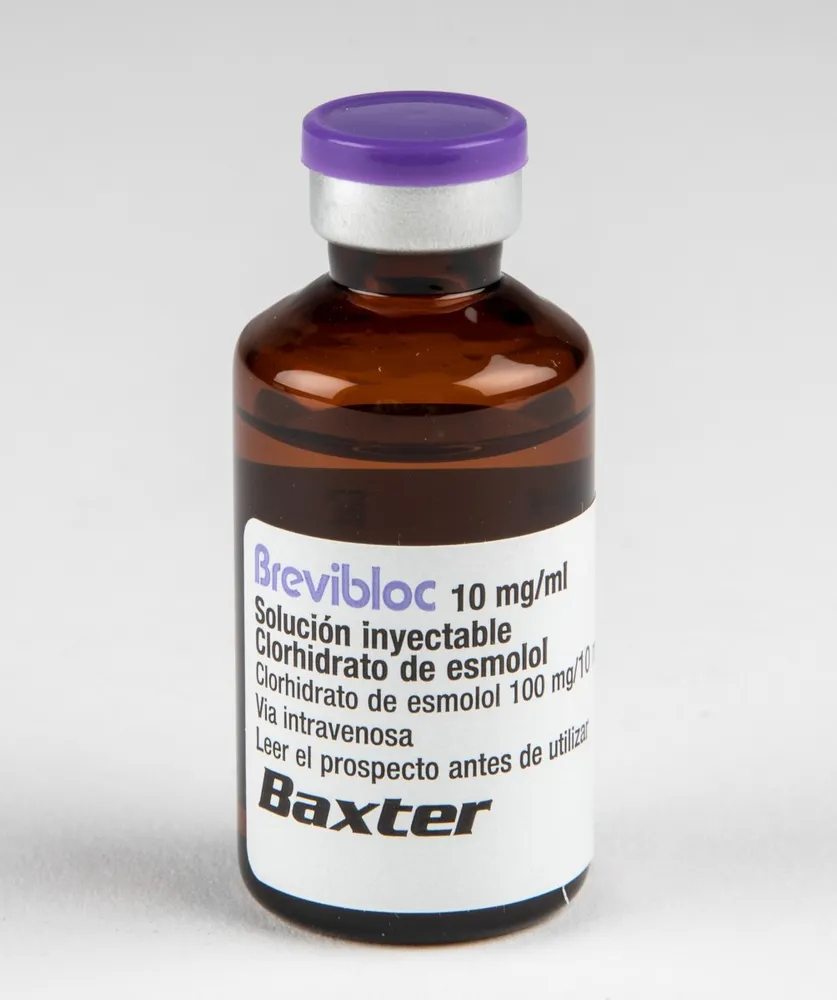
Table of Contents
- Package leaflet: Information for the patient
- BREVIBLOC 10 mg/ml Solution for infusion
- 1. What BREVIBLOC is and what it is used for
- 2. What you should know before being given BREVIBLOC
- 3. How BREVIBLOC will be administered to you
- 4. Possible side effects
- 5. How to store BREVIBLOC
- 6. Package Contents and Other Information
- Patient Information Leaflet
- BREVIBLOC 10 mg/ml Solution for infusion
- 1. What BREVIBLOC is and what it is used for
- 2. What you should know before being given BREVIBLOC
- 3. How BREVIBLOC will be administered to you
- 4. Possible side effects
- 5. How to store BREVIBLOC
- 6. Package contents and other information
Package leaflet: Information for the patient
BREVIBLOC 10 mg/ml Solution for infusion
Esmolol hydrochloride
Read this entire leaflet carefully before this medicine is administered to you
because it contains important information for you.
- Keep this leaflet. You may need to read it again.
- If you have any questions, ask your doctor or nurse.
- If you experience any side effects, including those not listed in this leaflet, inform your doctor or nurse. See section 4.
Contents of this leaflet:
- What BREVIBLOC is and what it is used for
- What you need to know before you are administered BREVIBLOC
- How BREVIBLOC will be administered to you
- Possible side effects
- How to store BREVIBLOC
- Contents of the pack and other information
1. What BREVIBLOC is and what it is used for
BREVIBLOC contains the active substance esmolol, which belongs to a group of medicines called
"beta-blockers". This medicine works by controlling the force and rate of your heartbeat.
Brevibloc is used in adults to treat:
- heart rhythm disorders when your heartbeat is too fast (tachycardia)
- heart rhythm disorders (tachycardia) and high blood pressure (hypertension), including when this occurs during or immediately after surgery.
2. What you should know before being given BREVIBLOC
Your doctor will not give you BREVIBLOC
- if you are allergic to esmolol, to other beta-blocking medicines, or to any of the other ingredients of this medicine (listed in section 6).
- if you have a very slow heart rate (sinus bradycardia) (less than 50 beats per minute)
- if you have a fast heartbeat or one that alternates between fast and slow (sinoatrial node dysfunction)
- if you have a condition called “severe heart block”. Heart block is a problem with the electrical impulses that control the heartbeat (second- or third-degree atrioventricular block)
- if your heart function is impaired (cardiogenic shock)
- if you have very low blood pressure (severe hypotension)
- if you have a weak heart (decompensated heart failure)
- if you are taking or have recently taken medicines to treat high blood pressure such as medicines belonging to the group called “calcium antagonists” (verapamil, diltiazem). Brevibloc will not be administered within 48 hours after you stop taking verapamil
- if you have a tumour of the adrenal glands, located above the kidneys, causing high blood pressure (pheochromocytoma) that has not been treated
- if you have high blood pressure in the lungs (pulmonary hypertension)
- if you have acute asthma (a respiratory disease) that is rapidly worsening
- if you have increased levels of acid in your blood (metabolic acidosis)
Warnings and precautions
Talk to your doctor, nurse, or pharmacist before being given BREVIBLOC.
Your doctor will be particularly cautious with this medicine if:
- you have been treated for certain heart rhythm disorders called supraventricular arrhythmias and you have heart disease or are taking other medicines for heart conditions. The use of Brevibloc in these cases may lead to serious reactions that could be fatal (see section 4 Possible side effects)
- during treatment you have low blood pressure (hypotension). Signs may include dizziness or lightheadedness, especially when standing up. This condition usually improves within 30 minutes after stopping Brevibloc treatment
- you have a slow heartbeat (bradycardia). If your heart rate drops to 50–55 beats per minute, your doctor will administer a lower dose or stop treatment with Brevibloc
- you have a weak heart
- you have problems with the electrical impulses controlling your heartbeat (heart block)
- you have a tumour of the adrenal glands (located above the kidneys) causing high blood pressure (pheochromocytoma) that has been treated with medicines called alpha-receptor blockers
- you are taking medicines to treat high blood pressure (hypertension) caused by low body temperature (hypothermia)
- you have or have had a lung disease causing narrowing of the airways or wheezing, such as asthma. In case of severe breathing difficulties (bronchospasm), your doctor will stop treatment with Brevibloc and, if necessary, give you another medicine
- you have diabetes (high blood sugar levels) or low blood sugar (hypoglycaemia). Brevibloc may increase the effects of diabetes medicines
- you have skin problems near the injection site. These may be caused by leakage of solution around the injection site. If this occurs, your doctor will use a different vein for injection
- you have chest pain called “Prinzmetal’s angina”
- you have low circulating blood volume in the body (hypovolaemia)
- you have circulation disorders, such as pale fingers (Raynaud’s syndrome) or difficulty walking
- you have kidney disease or are undergoing dialysis, a blood filtration system
- you have any allergies or are at risk of severe allergic reactions. Brevibloc may make allergies more severe and harder to treat
- you or someone in your family has or has had a skin disease called psoriasis
- your thyroid gland, located in the neck, is overactive (hyperthyroidism)
If any of the above conditions apply to you (or if you are unsure), consult your doctor or nurse before being given this medicine. You may need careful monitoring and your treatment may be adjusted.
Long-term use of medicines like Brevibloc may cause a reduction in the strength of your heartbeat.
Since Brevibloc is used only for a limited time, this is unlikely to occur. During treatment, you will be closely monitored, and Brevibloc treatment will be reduced or stopped if your heartbeat strength decreases. Additionally, your doctor will continuously monitor your blood pressure and ECG during Brevibloc treatment.
Children and adolescents
The safety and efficacy of Brevibloc in children and adolescents up to 18 years of age has not yet been established. Therefore, no dosage recommendations can be made.
For athletes
Using the medicine without a therapeutic need constitutes doping and may result in a positive anti-doping test.
Other medicines and BREVIBLOC
Tell your doctor or nurse if you are taking, have recently taken, or might take any other medicines.
In particular, inform your doctor or nurse if you are taking:
- medicines that may lower blood pressure or slow heart rate
- medicines used to treat heart rhythm problems (such as verapamil and diltiazem). Brevibloc will not be administered within 48 hours after stopping verapamil
- quinidine, disopyramide, amiodarone
- medicines used to treat high blood pressure such as nifedipine, methyldopa
- medicines used to treat weak heart (such as digoxin, digitoxin, cardiac glycosides)
- medicines used to treat diabetes (antidiabetics), including insulin and oral antidiabetic drugs
- medicines known as ganglion-blocking agents (ganglionic blockers)
- medicines used as painkillers (such as non-steroidal anti-inflammatory drugs known as NSAIDs, floctafenic acid, morphine)
- medicines used to treat mental disorders (amisulpride, chlorpromazine, clozapine, reserpine)
- medicines used to treat depression (tricyclic antidepressants such as imipramine and amitriptyline)
- medicines used to treat epilepsy, a disease characterized by uncontrolled body movements and loss of consciousness (such as phenobarbital)
- medicines used to treat allergies (epinephrine)
- medicines belonging to the group called “alpha-2 agonists” (such as clonidine, used to treat high blood pressure and migraine)
- medicines mainly used to treat Parkinson’s disease, a central nervous system disorder that impairs movement control, manifesting for example as tremor,
stiffness, slowed movements, difficulty maintaining balance (ergot derivatives) - medicines used to treat low blood sugar levels (glucagon)
- medicines used to treat a disease characterized by severe muscle weakness (myasthenia gravis)
- medicines that increase heart contraction and blood pressure (with a so-called “positive inotropic” effect)
- medicines used to make blood thinner (warfarin)
- medicines used in anaesthesia, such as suxamethonium chloride or mivacurium
Pregnancy, breastfeeding, and fertility
You will not be given Brevibloc if you are pregnant or think you might be pregnant, as Brevibloc is not recommended during pregnancy.
Inform your doctor if you are breastfeeding. Brevibloc may pass into breast milk, therefore you will not be given Brevibloc if you are breastfeeding, as Brevibloc is not recommended during breastfeeding.
BREVIBLOC contains sodium
Brevibloc contains approximately 0.28 mg of sodium per vial. This should be taken into account in patients with impaired kidney function or those on a low-sodium diet.
3. How BREVIBLOC will be administered to you
This medicine will always be administered to you exactly as prescribed by your doctor. If you have
any doubts, please consult your doctor.
The dose will be determined by your doctor based on your body weight and your overall health condition.
Brevibloc has not been studied for use in treatments lasting longer than 24 hours.
Brevibloc is ready for use. Brevibloc will be administered to you through a needle inserted into a vein in
your arm.
Use in children and adolescents
The safety and efficacy of Brevibloc in children and adolescents up to 18 years of age has not yet been
established. The currently available data do not allow any recommendations to be made regarding dosage.
If you are given more Brevibloc than you should have
It is highly unlikely that you will be given more infusion solution than required, as your doctor or nurse will
monitor you during treatment.
However, if this does happen, your doctor will stop treatment with Brevibloc and will administer
additional treatment if necessary.
If you have any doubts about the use of this medicine, consult your doctor, pharmacist, or nurse.
4. Possible side effects
Like all medicines, this medicine can cause side effects, although not everybody gets them.
Most of the adverse reactions observed are mild and transient.
Inform your doctor or nurse immediately if you notice any of the following side effects, which may be serious:
- decrease in blood pressure (hypotension) The dose of Brevibloc will be reduced or administration stopped. Your doctor will monitor your blood pressure during treatment.
Additionally, you may experience the following side effects:
Very common (may affect more than 1 in 10 people)
- excessive sweating
Common (may affect up to 1 in 10 people)
- loss of appetite (anorexia)
- depression
- anxiety
- drowsiness
- headache
- tingling sensation (paraesthesia)
- difficulty concentrating
- feeling confused or agitated
- dizziness
- nausea and vomiting
- feeling weak
- feeling tired
- irritation, inflammation, and hardening of the skin at the site where Brevibloc was injected
Uncommon (may affect up to 1 in 100 people)
- abnormal thoughts
- irritability
- sudden loss of consciousness (syncope)
- uncontrolled body movements (seizures)
- speech problems
- vision problems
- chest pain
- slowed heartbeat (bradycardia)
- problems with the electrical impulses controlling the heartbeat (atrioventricular block)
- increased blood pressure in the lungs
- cessation of heart activity (cardiac arrest)
- a disturbance in heart rhythm (ventricular extrasystoles)
- an irregular heartbeat rhythm (nodal rhythm)
- chest pain caused by a heart problem (angina pectoris)
- poor blood circulation in arms and legs (peripheral ischemia)
- paleness
- flushing
- shortness of breath or tightness in the chest making breathing difficult (dyspnea)
- fluid in the lungs (pulmonary edema)
- difficulty breathing (bronchospasm)
- lung disease making breathing difficult (asthma)
- stuffy nose (nasal congestion)
- abnormal wheezing or rattling sounds while breathing
- changes in taste sensation (dysgeusia)
- difficulty digesting (dyspepsia)
- constipation
- dry mouth
- stomach or abdominal pain
- skin discoloration
- redness of the skin
- muscle or bone pain, including around the shoulder blades and ribs (musculoskeletal pain)
- difficulty urinating
- chills
- elevated body temperature (fever)
- pain, swelling (edema), burning sensation, or bruising at the injection site where Brevibloc was administered
Rare (may affect up to 1 in 10,000 people)
- severe decrease in heart rate (sinus arrest)
- absence of electrical activity in the heart (asystole)
- inflammation of blood vessels (thrombophlebitis)
- degeneration of skin tissue (cutaneous necrosis) caused by leakage of solution around the injection site
Not known (frequency cannot be estimated from the available data)
- increased potassium levels in the blood (hyperkalemia)
- increased levels of acids in the body (metabolic acidosis)
- increased heart contraction rate (accelerated idioventricular rhythm)
- spasm of the heart arteries (coronary arteriospasm)
- cessation of normal blood circulation (cardiac arrest)
- onset or worsening of psoriasis (a skin disease causing scaly patches)
- swelling of the face, limbs, tongue, or throat (angioedema)
- hives (urticaria)
- muscle weakness
- inflammation of a vein (phlebitis) or blistering at the infusion site
Other side effects reported with other medicines containing the same active substance as Brevibloc (esmolol), and which may therefore also potentially occur with Brevibloc, include:
Effects affecting the nervous system
-
seeing or hearing things that are not real (hallucinations)
-
vivid dreams
-
sleep disorders
-
memory problems
-
depression leading to immobility and lack of expression (catatonia)
Effects affecting blood and circulation -
cold fingers and toes
-
decrease in the number of platelets in the blood (thrombocytopenia)
-
increase in antinuclear antibodies in the blood, which the body produces against itself
-
elevated levels in the blood of eosinophils, a type of white blood cells
-
red spots on the skin due to destruction of platelets in the blood (thrombocytopenic purpura)
-
red spots on the skin due to inflammation of blood vessels (non-thrombocytopenic purpura)
Effects affecting muscles and bones
-
joint pain (arthralgia)
Effects affecting the immune system, the body's defence system -
disease involving multiple organs of the body (systemic lupus erythematosus)
Allergic reactions -
worsening of allergic reactions
Effects affecting the eye -
decreased tear production
Effects affecting the lungs -
lung infection (pneumonia)
-
infection of the pleura, the membrane surrounding the lungs (pleuritis)
Reporting of side effects
If you experience any side effects, including those not listed in this leaflet, talk to your doctor, pharmacist, or nurse. You can also report side effects directly via the website http://www.agenziafarmaco.gov.it/it/responsabili. By reporting side effects, you can help provide more information on the safety of this medicine.
5. How to store BREVIBLOC
Keep this medicine out of the sight and reach of children.
Do not store above 25°C. Do not refrigerate or freeze.
From a microbiological standpoint, the product should be used immediately after opening. If not used
immediately, the in-use storage duration and conditions prior to use are the responsibility of the user and
should normally not exceed 24 hours at 2 to 8°C, unless the container was opened under controlled and
validated aseptic conditions.
Do not use this medicine after the expiry date stated on the packaging after "Exp". The expiry date refers to
the last day of that month.
Do not dispose of medicines via wastewater or household waste. Ask your pharmacist how to dispose of
medicines no longer required. This will help protect the environment.
6. Package Contents and Other Information
What BREVIBLOC Contains
- The active substance is esmolol hydrochloride.
- The other components are: sodium chloride, sodium acetate, glacial acetic acid, sodium hydroxide or hydrochloric acid (added to ensure the correct pH), water for injections.
Description of the Appearance of BREVIBLOC and Contents of the Package
Brevibloc is a sterile solution for infusion.
It is available in a pack containing 5 vials of 10 ml each.
Marketing Authorization Holder and Manufacturer
Marketing Authorization Holder
BAXTER S.p.A.
Piazzale dell’Industria 20
00144 ROMA
Italy
Manufacturer
Baxter Healthcare Ltd
Caxton Way
Thetford Norfolk IP24 3SE
United Kingdom
The following information is intended exclusively for physicians or healthcare professionals:
This section contains practical information regarding administration. Please refer to the SmPC for
complete information on dosage, administration method, contraindications,
warnings, etc.
Dosage and Method of Administration
Brevibloc 10 mg/ml is an iso-osmotic ready-to-use solution recommended for intravenous administration.
This dosing regimen is used for administering the correct loading dose or bolus injection via syringe.
The dosage is outlined in the following table.
Incompatibilities
This medicinal product must not be mixed with other medicinal products or with sodium bicarbonate solutions.
Special Precautions for Disposal and Handling
- Each vial is for single use only and contains no preservatives. Once the seal on the access port has been broken and the drug withdrawn, the vial must be used within 24 hours. Do not reconnect partially used vials.
- Do not use plastic containers in series connections. Such use may result in air embolism due to residual air from the primary container before completion of fluid delivery from the secondary container.
- Do not use if the outer packaging has been previously opened or damaged.
- The solution should be visually inspected before use for the presence of particles and any change in colour. Do not use if the solution is not clear, colourless to pale yellow.
- Dispose of unused contents according to local regulations.
Patient Information Leaflet
BREVIBLOC 10 mg/ml Solution for infusion
Esmolol hydrochloride
Please read this leaflet carefully before you are given this medicine
because it contains important information for you.
- Keep this leaflet. You may need to read it again.
- If you have any questions, ask your doctor or nurse.
- If you get any side effects, including those not listed in this leaflet, tell your doctor or nurse. See section 4.
Contents of this leaflet:
- What BREVIBLOC is and what it is used for
- What you need to know before you are given BREVIBLOC
- How BREVIBLOC will be administered to you
- Possible side effects
- How to store BREVIBLOC
- Contents of the pack and other information
1. What BREVIBLOC is and what it is used for
BREVIBLOC contains the active substance esmolol, which belongs to a group of medicines called beta-blockers. This medicine works by controlling the force and rate of your heartbeat.
Brevibloc is used in adults to treat:
- heart rhythm disorders, when your heartbeat is too fast (tachycardia)
- heart rhythm disorders (tachycardia) and high blood pressure (hypertension), including when this occurs during or immediately after surgery.
2. What you should know before being given BREVIBLOC
Your doctor will not administer BREVIBLOC to you
- if you are allergic to esmolol, to other beta-blocking medicines, or to any of the other ingredients of this medicine (listed in section 6)
- if you have a very slow heart rate (sinus bradycardia) (less than 50 beats per minute)
- if you have a fast heartbeat or one that alternates between fast and slow (sinoatrial node dysfunction)
- if you suffer from a condition called “severe heart block.” Heart block is a problem with the electrical impulses controlling the heartbeat (second- or third-degree atrioventricular block)
- if your heart function is impaired (cardiogenic shock)
- if you suffer from very low blood pressure (severe hypotension)
- if you have a weak heart (decompensated heart failure)
- if you are taking or have recently taken medicines to treat high blood pressure such as medicines belonging to the group called “calcium antagonists” (verapamil, diltiazem). Brevibloc will not be administered within 48 hours after stopping verapamil
- if you have a tumour of the adrenal gland, glands located above the kidneys, causing increased blood pressure (pheochromocytoma) that has not been treated
- if you suffer from increased blood pressure in the lungs (pulmonary hypertension)
- if you have acute asthma (a respiratory disease) that is rapidly worsening
- if you have increased levels of acid in the blood (metabolic acidosis)
Warnings and precautions
Talk to your doctor, nurse, or pharmacist before you are given Brevibloc.
Your doctor will be particularly careful when using this medicine if:
- you have been treated for certain heart rhythm disorders called supraventricular arrhythmias and you have heart disease or are taking other medicines for heart conditions
- the use of Brevibloc in such cases may lead to serious reactions that could be fatal (see section 4 Possible side effects)
- during treatment you have low blood pressure (hypotension). Signs may include dizziness or lightheadedness, especially when standing up. This condition usually improves within 30 minutes after stopping Brevibloc treatment
- you suffer from a slow heartbeat (bradycardia). If your heart rate drops to 50–55 beats per minute, your doctor will administer a lower dose or discontinue Brevibloc treatment
- you have a weak heart
- you suffer from problems with the electrical impulses controlling your heartbeat (heart block)
- you have a tumour of the adrenal gland, glands located above the kidneys, causing increased blood pressure (pheochromocytoma) that has been treated with medicines called alpha-receptor blockers
- you are taking medicines to treat high blood pressure (hypertension) caused by low body temperature (hypothermia)
- you suffer or have suffered from a lung disease causing narrowing of the airways or wheezing, such as asthma. In case of severe breathing difficulties (bronchospasm), your doctor will discontinue Brevibloc treatment and, if necessary, administer another medicine
- you have diabetes (high blood sugar levels) or low blood sugar (hypoglycaemia). Brevibloc may increase the effects of diabetes medicines
- you have skin problems near the injection site. These may be caused by leakage of solution around the injection site. If this occurs, your doctor will use a different vein for injection
- you suffer from chest pain called “Prinzmetal’s angina”
- you have a low volume of circulating blood in the body (hypovolemia)
- you suffer from circulation disorders, such as pale fingers (Raynaud’s syndrome) or difficulty walking
- you suffer from kidney disease or are undergoing dialysis, a blood filtration system
- you have any allergies or are at risk of serious allergic reactions. Brevibloc may make allergies more severe and harder to treat
- you or someone in your family suffers or has suffered from a skin disease called psoriasis
- your thyroid gland, a gland in the neck, is overactive (hyperthyroidism)
If you have any of the conditions listed above (or are unsure), consult your doctor or nurse before being given this medicine. You may need careful monitoring and treatment may need to be adjusted.
Long-term use of medicines like Brevibloc may cause a reduction in the strength of your heartbeat.
Since Brevibloc is used only for a limited time, this is unlikely to occur. During treatment, you will be closely monitored and Brevibloc treatment will be reduced or stopped if the strength of your heartbeat decreases. Additionally, your doctor will continuously monitor your blood pressure and ECG during Brevibloc treatment.
Children and adolescents
The safety and efficacy of Brevibloc in children and adolescents up to 18 years of age has not yet been established. Therefore, no dosage recommendations can be made.
For athletes
Using this medicine without a therapeutic need constitutes doping and may result in a positive anti-doping test.
Other medicines and BREVIBLOC
Tell your doctor or nurse if you are taking, have recently taken, or might take any other medicines.
In particular, inform your doctor or nurse if you are taking:
- medicines that may lower blood pressure or slow the heartbeat
- medicines used to treat heart rhythm problems (such as verapamil and diltiazem). Brevibloc will not be administered within 48 hours after stopping verapamil; quinidine, disopyramide
- medicines used to treat high blood pressure such as nifedipine, minoxidil
- medicines used to treat a weak heart (such as digoxin, digitoxin, cardiac glycosides)
- medicines used to treat diabetes (antidiabetics), including insulin and oral antidiabetic drugs
- medicines known as ganglion-blocking agents (ganglion blockers)
- medicines used as painkillers (such as non-steroidal anti-inflammatory drugs known as NSAIDs, floctafénine, morphine)
- medicines used to treat mental disorders (amisulpride, chlorpromazine, clozapine, reserpine)
- medicines used to treat depression (tricyclic antidepressants such as imipramine and amitriptyline)
- medicines used to treat epilepsy, a disease characterized by uncontrolled body movements and loss of consciousness (such as phenobarbital)
- medicines used to treat allergies (epinephrine)
- medicines belonging to the group called “alpha-2 agonists” (such as clonidine, used to treat high blood pressure and migraine)
- medicines mainly used to treat Parkinson’s disease, a central nervous system disorder impairing movement control, manifesting, for example, as tremor, rigidity, slowness of movement, and difficulty maintaining balance (ergot derivatives)
- medicines used to treat low blood sugar levels (glucagon)
- medicines used to treat a disease characterized by severe muscle weakness (myasthenia gravis)
- medicines that increase heart contraction and blood pressure (with a “positive inotropic” effect)
- medicines used to make the blood thinner (warfarin)
- medicines used in anaesthesia, such as suxamethonium chloride or mivacurium
Pregnancy, breastfeeding, and fertility
You will not be given Brevibloc if you are pregnant or think you might be, as Brevibloc is not recommended during pregnancy.
Inform your doctor if you are breastfeeding. Brevibloc may pass into breast milk; therefore, you will not be given Brevibloc if you are breastfeeding, as Brevibloc is not recommended during breastfeeding.
BREVIBLOC contains sodium
This medicine contains 700 mg of sodium per bag. This should be taken into consideration in patients with impaired kidney function or those on a low-sodium diet.
3. How BREVIBLOC will be administered to you
This medicine will always be administered to you exactly as instructed by your doctor. If you have
any doubts, please consult your doctor.
The dose will be determined by your doctor based on your body weight and your overall health condition.
Brevibloc has not been studied for use in therapies lasting longer than 24 hours.
Brevibloc is ready to use. Brevibloc will be administered to you through a needle inserted into a vein in
your arm.
Use in children and adolescents
The safety and efficacy of Brevibloc in children and adolescents up to 18 years of age have not yet been
established. The currently available data do not allow for any dosage recommendations to be made.
If you are given more Brevibloc than you should be
It is highly unlikely that you will be given more infusion solution than you should, as your doctor or
nurse will monitor you during treatment.
However, if this were to happen, your doctor will stop treatment with Brevibloc and will administer
additional treatment if necessary.
If you have any doubts about the use of this medicine, consult your doctor, pharmacist, or nurse.
4. Possible side effects
Like all medicines, this medicine can cause side effects, although not everybody gets them.
Most of the adverse reactions observed are mild and transient.
Inform your doctor or nurse immediately if you notice any of the following side effects, which can be serious:
- decrease in blood pressure (hypotension) The dose of Brevibloc will be reduced or administration stopped. Your doctor will monitor your blood pressure during treatment.
In addition, you may experience the following side effects:
Very common (may affect more than 1 in 10 people)
- excessive sweating
Common (may affect up to 1 in 10 people)
- loss of appetite (anorexia)
- depression
- anxiety
- drowsiness
- headache
- tingling sensations (paraesthesia)
- difficulty concentrating
- feeling confused or agitated
- dizziness
- nausea and vomiting
- feeling weak
- feeling tired
- irritation, inflammation, and hardening of the skin at the site where Brevibloc was injected
Uncommon (may affect up to 1 in 100 people)
- abnormal thoughts
- irritability
- sudden loss of consciousness (syncope)
- uncontrolled body movements (seizures)
- speech problems
- vision problems
- chest pain
- slow heart rate (bradycardia)
- problems with the electrical impulses controlling the heartbeat (atrioventricular block)
- increased blood pressure in the lungs (pulmonary hypertension)
- cessation of heart activity (cardiac arrest)
- a disturbance in heart rhythm (ventricular extrasystoles)
- an irregular heartbeat rhythm (nodal rhythm)
- chest pain caused by a heart problem (angina pectoris)
- poor blood circulation in arms and legs (peripheral ischemia)
- pallor
- flushing
- shortness of breath or tightness in the chest making breathing difficult (dyspnea)
- fluid in the lungs (pulmonary edema)
- difficulty breathing (bronchospasm)
- lung disease making breathing difficult (asthma)
- stuffy nose (nasal congestion)
- abnormal wheezing or rattling sounds during breathing
- changes in taste sensation (dysgeusia)
- difficulty digesting (dyspepsia)
- constipation
- dry mouth
- stomach or abdominal pain
- skin discoloration
- redness of the skin
- pain, swelling (edema), burning sensation, or bruising at the site where Brevibloc was injected
Rare (may affect up to 1 in 1,000 people)
- severe decrease in heart rate (sinus arrest)
- absence of electrical activity in the heart (asystole)
- inflammation of blood vessels (thrombophlebitis)
- degeneration of skin tissue (cutaneous necrosis) caused by leakage of solution around the injection site
Not known (frequency cannot be estimated from the available data)
- increased levels of potassium in the blood (hyperkalemia)
- increased levels of acids in the body (metabolic acidosis)
- increased heart contraction rate (accelerated idioventricular rhythm)
- spasm of the heart arteries (coronary arteriospasm)
- interruption of normal blood circulation (cardiac arrest)
- onset or worsening of psoriasis (a skin disease causing scaly patches)
- swelling of the skin of the face, limbs, tongue, or throat (angioedema)
- hives (urticaria)
- muscle weakness
- inflammation of a vein (phlebitis) or blister formation at the infusion site
Other side effects that have been reported with other medicines containing the same active substance as Brevibloc (esmolol), and which may therefore also potentially occur with Brevibloc, include:
Effects affecting the nervous system
-
seeing or hearing things that do not exist (hallucinations)
-
vivid dreams
-
sleep disorders
-
memory problems
-
depression leading to immobility and lack of expression (catatonia)
Effects affecting blood and circulation -
cold fingers and toes
-
decrease in the number of platelets in the blood (thrombocytopenia)
-
increased levels of antinuclear antibodies in the blood, which the body produces against itself
-
elevated concentration in the blood of eosinophils, a type of white blood cells
-
red spots on the skin due to destruction of platelets in the blood (thrombocytopenic purpura)
-
red spots on the skin due to inflammation of blood vessels (non-thrombocytopenic purpura)
Effects affecting muscles and bones -
joint pain (arthralgia)
Effects affecting the immune system, the body's defence system -
disease involving multiple organs of the body (systemic lupus erythematosus)
Allergic reactions -
worsening of allergic reactions
Effects affecting the eye -
decreased tear production
Effects affecting the lungs -
lung infection (pneumonia)
-
infection of the pleura, the membrane surrounding the lungs (pleuritis)
Reporting of side effects
If you get any side effects, including those not listed in this leaflet, talk to your doctor, pharmacist, or nurse. You can also report side effects directly via the website http://www.agenziafarmaco.gov.it/it/responsabili. By reporting side effects, you can help provide more information on the safety of this medicine.
5. How to store BREVIBLOC
Keep this medicine out of the sight and reach of children.
Do not store above 25°C. Do not refrigerate or freeze.
From a microbiological standpoint, the opened product should be used immediately. If not used
immediately, the storage times and conditions prior to use are the responsibility of the user and should
normally not exceed 24 hours at 2 to 8°C, unless the container was opened under controlled and validated
aseptic conditions.
Do not use this medicine after the expiry date stated on the packaging after "Exp.". The expiry date refers
to the last day of that month.
Do not dispose of any medicine via wastewater or household waste. Ask your pharmacist how to
dispose of medicines no longer required. This will help protect the environment.
6. Package contents and other information
What BREVIBLOC contains
- The active substance is esmolol hydrochloride.
- The other components are: sodium chloride, sodium acetate, glacial acetic acid, sodium hydroxide or hydrochloric acid (added to ensure the correct pH), water for injections.
Description of the appearance of BREVIBLOC and contents of the pack
Brevibloc is a sterile solution for infusion.
It is available in a pack containing one 250 ml plastic bag.
Marketing Authorization Holder and Manufacturer
Marketing Authorization Holder
BAXTER S.p.A.
Piazzale dell’Industria 20
00144 ROMA
Manufacturer
Baxter S.A.
Boulevard René Branquart 80,
7860 Lessines, Belgium
-
- The following information is intended exclusively for physicians or healthcare professionals:
This section contains practical information regarding administration. Please read the SmPC for
complete information on dosage, administration method, contraindications,
warnings, etc.
Dosage and method of administration
Brevibloc 10 mg/ml is an isotonic ready-to-use solution recommended for intravenous administration.
This dosing schedule is used for administering the correct loading dose or bolus injection via syringe.
The dosage is outlined in the following table.
Table 1: Dosage table for administration of loading and maintenance doses
Volume and amount
of esmolol required for a Volume of esmolol required to provide various MAINTENANCE DOSES
LOADING DOSE of for infusions between 25 and 300 micrograms/kg/min
500 micrograms/kg (volume in ml per hour)
Patient weight Volume Amount 25 50 100 150 200 300
(kg) (ml) (mg) mcg/kg/min mcg/kg/min mcg/kg/min mcg/kg/min mcg/kg/min mcg/kg/min
AMOUNT TO BE ADMINISTERED PER HOUR
40 2 20 6 ml/hr 12 ml/hr 24 ml/hr 36 ml/hr 48 ml/hr 72 ml/hr
50 2.5 25 7.5 ml/hr 15 ml/hr 30 ml/hr 45 ml/hr 60 ml/hr 90 ml/hr
60 3 30 9 ml/hr 18 ml/hr 36 ml/hr 54 ml/hr 72 ml/hr 108 ml/hr
70 3.5 35 10.5 ml/hr 21 ml/hr 42 ml/hr 63 ml/hr 84 ml/hr 126 ml/hr
80 4 40 12 ml/hr 24 ml/hr 48 ml/hr 72 ml/hr 96 ml/hr 144 ml/hr
90 4.5 45 13.5 ml/hr 27 ml/hr 54 ml/hr 81 ml/hr 108 ml/hr 162 ml/hr
100 5 50 15 ml/hr 30 ml/hr 60 ml/hr 90 ml/hr 120 ml/hr 180 ml/hr
110 5.5 55 16.5 ml/hr 33 ml/hr 66 ml/hr 99 ml/hr 132 ml/hr 198 ml/hr
120 6 60 18 ml/hr 36 ml/hr 72 ml/hr 108 ml/hr 144 ml/hr 216 ml/hr
* ml corresponding to Brevibloc (10 mg/ml)
* As soon as the desired heart rate or safe physiological conditions for the patient are achieved (e.g., reduction in blood pressure), OMIT the loading dose and reduce the maintenance infusion rate from 50 micrograms/kg/min to 25 micrograms/kg/min or lower. If necessary, the interval between steps may be extended from 5 to 10 minutes.
NOTE: It has not been shown that maintenance doses exceeding 200 micrograms/kg/min provide significant benefits, and the safety of doses exceeding 300 micrograms/kg/min has not been studied.
Perioperative tachycardia and hypertension
For perioperative tachycardia and hypertension, the dosing regimen may vary as follows:
Intraoperative treatment – during anesthesia when immediate control is required:
Administer a bolus dose of 80 mg over 15–30 seconds, followed by an infusion of 150 micrograms/kg/min. Adjust the infusion rate as needed up to 300 micrograms/kg/min. The required infusion volume depending on patient weight is indicated in Table 1.
At emergence from anesthesia
Administer 500 micrograms/kg/min for 4 minutes, then continue with an infusion of 300 micrograms/kg/min. The required infusion volume depending on patient weight is indicated in Table 1.
In postoperative situations where titration is possible
Administer a loading dose of 500 micrograms/kg/min for 1 minute before each titration step to achieve a rapid response. Use titration steps of 50, 100, 150, 200, 250, and 300 micrograms/kg/min, each lasting 4 minutes, and stop when the desired therapeutic effect is achieved. The required infusion volume depending on patient weight is indicated in Table 1.
Potential effects to consider during Brevibloc treatment
If adverse effects occur, the dosage of Brevibloc may be reduced or administration discontinued. Adverse effects should resolve within 30 minutes.
If local reactions occur at the infusion site, an alternative infusion site should be used, and care should be taken to prevent extravasation.
Administration of Brevibloc for periods longer than 24 hours has not been fully evaluated. Infusions lasting more than 24 hours should only be performed with caution.
Gradual termination of the infusion is recommended to avoid the risk of rebound tachycardia and rebound hypertension. As with all beta-blockers, since withdrawal effects cannot be excluded, caution should be exercised when abruptly discontinuing Brevibloc infusion in patients with coronary artery disease.
Switching Brevibloc therapy to alternative medications
After adequate control of heart rate and stable clinical status have been achieved in patients, transition to alternative medications (such as antiarrhythmics or calcium antagonists) may be considered.
Dosage reduction:
When replacing Brevibloc with alternative medications, the physician must carefully consider the instructions for the selected alternative drug and reduce the Brevibloc dosage as follows:
- Within the first hour after the first dose of the alternative medication, reduce the BREVIBLOC infusion rate by half (50%).
- After administration of the second dose of the alternative medication, monitor the patient's response; if satisfactory control is maintained for the first hour, discontinue the Brevibloc infusion.
Additional dosage information
When the desired therapeutic effect or safe physiological conditions for the patient are achieved (e.g., reduction in blood pressure), omit the bolus and reduce the maintenance infusion rate from 50 micrograms/kg/min to 25 or 12.5 micrograms/kg/min.
Additionally, the interval between steps may be increased from 5 to 10 minutes.
Brevibloc administration must be stopped when heart rate or blood pressure rapidly reach or exceed a safety threshold. When heart rate or blood pressure return to acceptable levels, resume administration without a bolus and at a lower dose.
Special populations
Elderly
Elderly patients should be treated with caution, starting with a lower dosage.
No specific studies have been conducted in the elderly. However, analysis of data from 252 patients over 65 years of age did not indicate differences in pharmacodynamic effects compared to patients under 65 years.
Patients with renal impairment
Caution is required when administering Brevibloc to patients with renal impairment, as the acid metabolite of Brevibloc is excreted unchanged by the kidneys. Elimination of the acid metabolite is significantly reduced in patients with end-stage renal disease; elimination half-life increases approximately 10-fold compared to normal, and plasma levels are considerably elevated.
Patients with hepatic impairment
No special precautions are necessary in patients with hepatic impairment, since red blood cell esterases play the primary role in the metabolism of Brevibloc.
Paediatric population
The safety and efficacy of Brevibloc in children and adolescents up to 18 years of age have not yet been established. The currently available data are described in sections 5.1 and 5.2, but no dosage recommendations can be made.
Incompatibilities
This medicinal product must not be mixed with other medicinal products or sodium bicarbonate solutions.
Special precautions for disposal and handling
- Each bag is for single use only and contains no preservatives. Once the seal on the port has been broken and the drug withdrawn, the bag must be used within 24 hours. Do not reconnect partially used bags.
- Do not use plastic containers in series connections. Such use may result in air embolism due to residual air in the primary container before completion of fluid delivery from the secondary container.
- Do not use if the outer packaging has been previously opened or damaged.
- The solution should be inspected visually before use for particulate matter and discoloration. Do not use if the solution is not clear, colorless to pale yellow.
- Dispose of unused contents according to local regulations.