Bondronat
Italy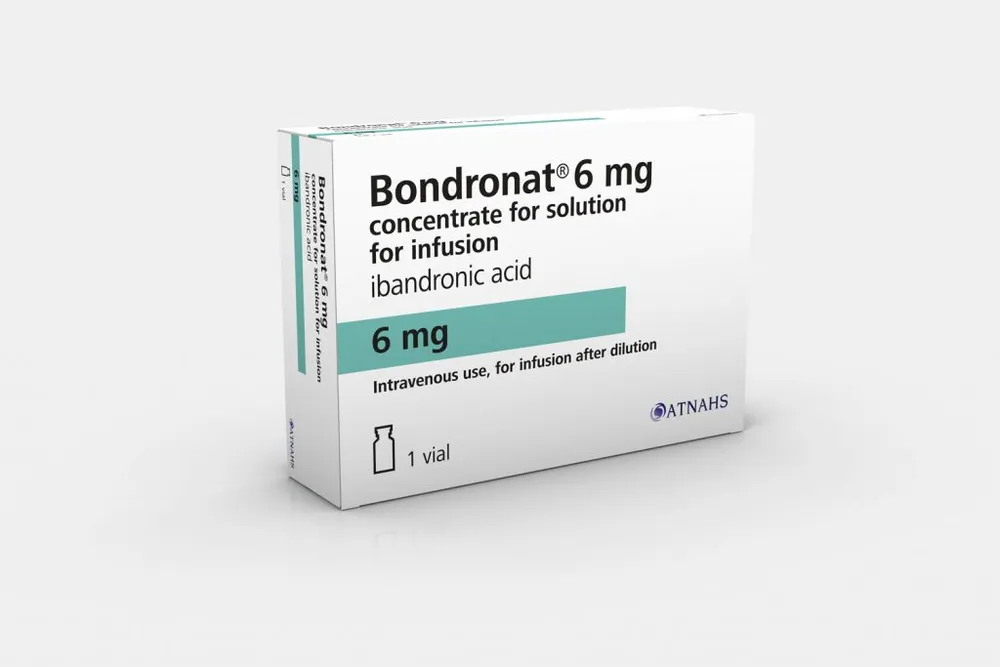
Table of Contents
- Package leaflet: Information for the patient
- Bondronat 2 mg concentrate for solution for infusion
- 1. What Bondronat is and what it is used for
- 2. What you should know before being given Bondronat
- 3. How Bondronat is administered
- 4. Possible side effects
- 5. How to store Bondronat
- 6. Package contents and other information
- The following information is intended exclusively for healthcare professionals
- Package leaflet: Information for the patient
- Bondronat 50 mg film-coated tablets
- 1. What Bondronat is and what it is used for
- 2. What you need to know before taking Bondronat
- 3. How to take Bondronat
- 4. Possible side effects
- 5. How to store Bondronat
- 6. Package contents and other information
- Patient Information Leaflet
- Bondronat 6 mg concentrate for solution for infusion
- 1. What Bondronat is and what it is used for
- 2. What you need to know before you are given Bondronat
- 3. How Bondronat is administered
- 4. Possible side effects
- 5. How to store Bondronat
- 6. Package contents and other information
- The following information is intended exclusively for healthcare professionals
Package leaflet: Information for the patient
Bondronat 2 mg concentrate for solution for infusion
ibandronic acid
Please read all of this leaflet carefully before you start using this medicine because it contains important information for you.
- Keep this leaflet. You may need to read it again.
- If you have any questions, ask your doctor, pharmacist or nurse.
- If you get any side effects, talk to your doctor, pharmacist or nurse. This includes any side effects not listed in this leaflet. See section 4.
Contents of this leaflet:
- What Bondronat is and what it is used for
- What you need to know before Bondronat is given to you
- How Bondronat is given
- Possible side effects
- How to store Bondronat
- Contents of the pack and other information
1. What Bondronat is and what it is used for
Bondronat contains the active substance ibandronic acid. This belongs to a group of medicines
known as bisphosphonates.
Bondronat is indicated for adults and is prescribed to you if you have breast cancer that has
spread to the bones ("bone metastases").
- It helps prevent bone fractures
- It helps prevent other bone complications that might require surgery or radiotherapy.
Bondronat may also be prescribed if you have high levels of calcium in the blood due to tumour.
Bondronat works by reducing the loss of calcium from the bones. This helps prevent bone weakening.
2. What you should know before being given Bondronat
Bondronat must not be given to you if:
- you are allergic to ibandronic acid or to any of the other ingredients of this medicine listed in section 6
- you have or have previously had low levels of calcium in your blood.
Do not take this medicine if any of these conditions apply to you. If you are unsure, consult your doctor or pharmacist before being given Bondronat.
Warnings and precautions:
The side effect known as osteonecrosis of the jaw (bone damage of the jaw) has been reported very rarely after marketing in patients taking Bondronat for cancer-related conditions. Osteonecrosis of the jaw may also occur after treatment has ended.
It is important to try to prevent the development of osteonecrosis of the jaw, as this is a painful condition that may be difficult to treat. To reduce the risk of developing osteonecrosis of the jaw, several precautions should be taken.
Before starting treatment, inform your doctor or nurse (healthcare professional) if:
- you have any problems with your mouth or teeth, such as poor dental health, gum disease, or if you are scheduled for a tooth extraction
- you do not receive routine dental care or have not had a dental check-up for a long time
- you are a smoker (this may increase the risk of dental problems)
- you have previously been treated with bisphosphonates (used to treat or prevent bone problems)
- you are taking medicines called corticosteroids (such as prednisolone or dexamethasone)
- you have cancer
Your doctor will ask you to have a dental examination before starting treatment with Bondronat.
During treatment, you must maintain good oral hygiene (including regular tooth brushing) and have routine dental check-ups. If you wear dentures, ensure they fit properly in your mouth. If you are undergoing or are scheduled for dental procedures (e.g. tooth extractions), inform your doctor about your dental treatment and inform your dentist that you are being treated with Bondronat.
Contact your doctor and dentist immediately if you experience any problems with your mouth or teeth, such as tooth loss, pain or swelling, or non-healing sores or discharge, as these could be signs of osteonecrosis of the jaw.
In patients receiving long-term treatment with ibandronate, atypical fractures of long bones, such as the ulna and tibia, have also been reported. These fractures occur after minimal or no trauma, and some patients experience pain in the area of the fracture before a complete fracture occurs.
Consult your doctor or pharmacist before being given Bondronat:
- if you are allergic to any other bisphosphonate
- if you have high or low levels of vitamin D, calcium in your blood, or any other mineral
- if you have kidney problems
- if you have heart problems and your doctor has advised you to limit your daily fluid intake.
Severe allergic reactions, sometimes fatal, have been reported in patients treated with intravenous ibandronic acid.
If any of the following symptoms occur—such as shortness of breath/difficulty breathing, throat tightness, tongue swelling, dizziness, feeling faint, facial redness or swelling, rash, nausea, or vomiting—you must immediately inform your doctor or nurse (see section 4).
Children and adolescents
Bondronat must not be used in children and adolescents under 18 years of age.
Other medicines and Bondronat
Talk to your doctor or pharmacist if you are taking, have recently taken, or might take any other medicines. This is because Bondronat may affect the action of other medicines. In addition, other medicines may affect the action of Bondronat.
In particular, inform your doctor or pharmacist if you are taking a type of injectable antibiotic called an "aminoglycoside", such as gentamicin. This is because aminoglycosides and Bondronat can both reduce the amount of calcium in the blood.
Pregnancy and breastfeeding
Bondronat must not be given to you if you are pregnant, planning to become pregnant, or breastfeeding.
Ask your doctor or pharmacist for advice before taking this medicine.
Driving and using machines
You may drive and operate machinery, as Bondronat is not expected to have any effect or only a negligible effect on the ability to drive and use machines.
However, consult your doctor before driving, operating machinery, or using equipment.
Bondronat contains less than 1 mmol of sodium (23 mg) per vial, i.e. it is practically 'sodium-free'.
3. How Bondronat is administered
Administration of this medicine
- Bondronat is normally administered by a doctor or medical personnel experienced in the treatment of tumours.
- Bondronat is given as an intravenous infusion.
Your doctor may carry out periodic blood tests during treatment with Bondronat to
ensure that you are receiving the correct dose of this medicine.
How much medicine you will be given
Your doctor will determine the amount of Bondronat you will receive depending on your condition.
If you have breast cancer that has spread to the bones, the recommended dose is 3 vials
(6 mg) every 3–4 weeks, administered as an intravenous infusion lasting at least 15 minutes.
If you have high levels of calcium in the blood due to tumour, the recommended dose is a single
administration of 1 vial (2 mg) or 2 vials (4 mg), depending on the severity of the disease.
The medicine must be administered as a 2-hour intravenous infusion. Repeating the dose may be considered
if the response is inadequate or if the disease recurs.
Your doctor may adjust the dose or the duration of the intravenous infusion if you have kidney problems.
If you have any doubts about using this medicine, consult your doctor or pharmacist.
4. Possible side effects
Like all medicines, this medicine can cause side effects, although not everyone will experience them.
Contact a nurse or doctor immediately if you notice any of the following serious side effects –
you may need urgent medical treatment:
Rare (affects up to 1 in 1,000 people):
- persistent eye pain and inflammation
- new pain, weakness, or discomfort in the thigh, hip, or groin. These could be early signs of an atypical femoral fracture.
Very rare (affects up to 1 in 10,000 people):
- pain or sores in the mouth or jaw/mandible. These could be early signs of serious jaw problems (osteonecrosis, i.e. severe degeneration and death of jaw/mandible bone tissue)
- consult your doctor if you experience ear pain, ear discharge, and/or ear infection. These episodes could indicate bone damage in the ear
- itching, swelling of the face, lips, tongue, and throat, with breathing difficulties. You may be experiencing a severe, potentially life-threatening allergic reaction (see section 2)
- severe skin reactions.
Not known (frequency cannot be estimated from available data)
- asthma attack
Other possible side effects
Common (affects up to 1 in 10 people):
- flu-like symptoms, including fever, shaking, chills, feeling unwell, tiredness, bone pain, and painful muscles and joints. These symptoms usually disappear within a few hours or days. Talk to a nurse or doctor if any effect becomes bothersome or lasts longer than a few days
- increased body temperature
- stomach and abdominal pain, indigestion, nausea, vomiting, or diarrhoea
- low levels of calcium or phosphate in the blood
- changes in blood tests such as Gamma GT or creatinine
- a heart rhythm problem called “bundle branch block”
- bone or muscle pain
- headache, dizziness, feeling of weakness
- feeling thirsty, sore throat, changes in taste
- swelling in the legs and feet
- joint pain, arthritis, or other joint problems
- problems with the parathyroid gland
- bruising
- infections
- an eye condition called “cataract”
- skin problems
- dental problems.
Uncommon (affects less than 1 in 100 people):
- restlessness or chills
- persistently low body temperature (“hypothermia”)
- a disease affecting blood vessels in the brain called “cerebrovascular disorder” (stroke or cerebral haemorrhage)
- cardiovascular problems (including palpitations, heart attack, hypertension (high blood pressure), and varicose veins)
- changes in blood cells (“anaemia”)
- elevated alkaline phosphatase levels in the blood
- fluid accumulation and swelling (“lymphoedema”)
- fluid in the lungs
- stomach problems such as “gastroenteritis” or “gastritis”
- gallstones
- inability to urinate, cystitis (bladder inflammation)
- migraine
- nerve pain, damaged nerve root
- deafness
- increased sensitivity to sound, taste, touch, or changes in smell
- difficulty swallowing
- mouth ulcers, swollen lips (“cheilitis”), oral thrush
- itching or tingling of the skin around the mouth
- pelvic pain, discharge, itching, or pain in the vagina
- skin growth called “benign skin neoplasm”
- memory loss
- sleep disorders, anxiety, emotional instability, or mood swings
- skin rash
- hair loss
- injection site reactions or pain
- weight loss
- kidney cysts (fluid-filled sac in the kidney).
Reporting of side effects
If you experience any side effect, including those not listed in this leaflet, talk to your doctor, pharmacist, or nurse. You can also report side effects directly via the national reporting system listed in Annex V*.
By reporting side effects, you can help provide more information on the safety of this medicine.
5. How to store Bondronat
- Keep this medicine out of the sight and reach of children.
- Do not use this medicine after the expiry date stated on the carton and label after “Exp.” or “EXP”. The expiry date refers to the last day of the month.
- After dilution, the infusion solution is stable for 24 hours at a temperature between 2°C and 8°C (in the refrigerator).
- Do not use this medicine if you notice that the solution is not clear or contains particles.
6. Package contents and other information
What Bondronat contains
- The active substance is ibandronic acid. One vial with 2 mL of concentrate for solution for infusion contains 2 mg of ibandronic acid (as sodium monohydrate).
- The other components are sodium chloride, acetic acid, sodium acetate, and water for injections.
Description of the appearance of Bondronat and contents of the pack
Bondronat is a clear, colourless solution. Bondronat is supplied in packs containing 1 vial (type I glass vial of 2 mL with a bromobutyl rubber stopper).
Marketing Authorisation Holder and Manufacturer
Marketing Authorisation Holder
Atnahs Pharma Netherlands B.V.
Copenhagen Towers,
Ørestads Boulevard 108, 5.tv
DK-2300 København S
Denmark
Manufacturer
Atnahs Pharma Denmark ApS
Copenhagen Towers,
Ørestads Boulevard 108, 5.tv
DK-2300 København S
Denmark
or
Universal Farma, S.L.
C/ El Tejido
2 Azuqueca de Henares
19200 Guadalajara
Spain
More detailed information on this medicinal product is available on the European Medicines Agency website: http://www.ema.europa.eu/.
The following information is intended exclusively for healthcare professionals
Dosage: prevention of skeletal events in patients with breast cancer and bone metastases
The recommended dose for the prevention of skeletal events in patients with breast cancer and bone metastases is 6 mg administered intravenously every 3–4 weeks. The dose should be infused over at least 15 minutes.
Patients with renal impairment
In patients with mild renal impairment (creatinine clearance [CLcr] ≥50 and <80 mL/min), no dose adjustment is required. In patients with moderate renal impairment (CLcr ≥30 and <50 mL/min) or severe renal impairment (CLcr <30 mL/min) who are being treated for the prevention of skeletal events due to breast cancer and metastatic bone disease, the following dosage recommendations should be followed:
| Creatinine clearance (mL/min) | Dosage | Infusion volume and duration | |-------------------------------|--------|-------------------------------| | 50 ≤ CLcr < 80 | 6 mg (6 mL of concentrate for infusion solution) | 100 mL over 15 minutes | | 30 ≤ CLcr < 50 | 4 mg (4 mL of concentrate for infusion solution) | 500 mL over one hour | | CLcr < 30 | 2 mg (2 mL of concentrate for infusion solution) | 500 mL over one hour |
The 15-minute infusion time has not been studied in patients with malignancy and creatinine clearance below 50 mL/min.
Dosage: treatment of tumour-induced hypercalcaemia
Bondronat is generally administered in a hospital setting. The dosage will be determined by the physician, taking into account the following factors.
Prior to treatment with Bondronat, the patient should be adequately rehydrated with sodium chloride 9 mg/mL (0.9%). The severity of hypercalcaemia and the type of tumour should be taken into consideration. In most patients with severe hypercalcaemia (albumin-corrected serum calcium* ≥ 3 mmol/L or ≥ 12 mg/dL), 4 mg as a single dose is considered adequate. In patients with moderate hypercalcaemia (albumin-corrected serum calcium <3 mmol/L or <12 mg/dL), 2 mg is an effective dosage. The highest dose used in clinical studies was 6 mg, but this dose did not provide additional efficacy benefit.
* Note that albumin-corrected serum calcium concentrations are calculated as follows:
Albumin-corrected
serum calcium [mmol/L] = Serum calcium [mmol/L] - [0.02 × albumin (g/L)] + 0.8
Or
Albumin-corrected
serum calcium [mg/dL] = Serum calcium [mg/dL] + 0.8 × [4 - albumin (g/dL)]
To convert albumin-corrected serum calcium values from mmol/L to mg/dL, multiply by 4.
In most cases, elevated serum calcium levels can be normalized within 7 days. The median time to relapse (re-increase of albumin-corrected calcium levels above 3 mmol/L) was 18–19 days for the 2 mg and 4 mg doses. For the 6 mg dose, the median time to relapse was 26 days.
Method and route of administration
Bondronat concentrate for solution for infusion must be administered as an intravenous infusion.
The vial contents should be used as follows:
- Prevention of skeletal events in patients with breast cancer and bone metastases — add to 100 mL of isotonic sodium chloride solution or 100 mL of 5% dextrose solution and infuse over at least 15 minutes. See also the dosage section above for patients with renal impairment.
- Treatment of tumour-induced hypercalcaemia — add to 500 mL of isotonic sodium chloride solution or 500 mL of 5% dextrose solution and infuse over 2 hours.
Caution:
To avoid potential incompatibilities, Bondronat concentrate for solution for infusion must be diluted only with isotonic sodium chloride solution or 5% dextrose solution.
Solutions containing calcium must not be mixed with Bondronat concentrate for solution for infusion.
Diluted solutions are for single use only. Solutions should only be used if they are clear and free from particles.
It is recommended that the product be used immediately after dilution (see section 5 of this leaflet, “How to store Bondronat”).
Bondronat concentrate for solution for infusion must be administered by intravenous infusion. Care must be taken to ensure that Bondronat is not administered intra-arterially or paravenously, as this may result in tissue damage.
Frequency of administration
For the treatment of tumour-induced hypercalcaemia, Bondronat concentrate for solution for infusion is generally administered as a single infusion.
For the prevention of skeletal events in patients with breast cancer and bone metastases, Bondronat infusions are repeated every 3–4 weeks.
Duration of treatment
A limited number of patients (50 patients) received a second infusion for hypercalcaemia. Repeated treatments may be considered in cases of recurrent hypercalcaemia or inadequate response.
In patients with breast cancer and bone metastases, Bondronat infusions should be administered every 3–4 weeks. In clinical studies, treatment was continued for up to 96 weeks.
Overdose
There have been no reports of acute intoxication with Bondronat concentrate for solution for infusion to date. Since, in preclinical studies, both the kidneys and liver were identified as target organs of toxicity at high doses, renal and hepatic function should be monitored.
Clinically significant hypocalcaemia (very low serum calcium levels) should be corrected by intravenous administration of calcium gluconate.
Package leaflet: Information for the patient
Bondronat 50 mg film-coated tablets
ibandronic acid
Please read this entire leaflet carefully before taking this medicine, as it contains important information for you.
- Keep this leaflet. You may need to read it again.
- If you have any questions, ask your doctor or pharmacist.
- This medicine has been prescribed for you only. Do not give it to other people, even if their symptoms are the same as yours, as it may be harmful.
- If you experience any adverse reactions, including those not listed in this leaflet, inform your doctor or pharmacist. See section 4.
Contents of this leaflet:
- What Bondronat is and what it is used for
- What you need to know before taking Bondronat
- How to take Bondronat
- Possible side effects
- How to store Bondronat
- Contents of the pack and other information
1. What Bondronat is and what it is used for
Bondronat contains the active substance ibandronic acid. This belongs to a group of medicines
known as bisphosphonates.
Bondronat is used in adults and is prescribed to you if you have breast cancer that has spread
to the bones ("bone metastases").
- It helps prevent bone fractures.
- It helps prevent other bone problems that might require surgery or radiotherapy.
Bondronat works by reducing the loss of calcium from the bones. This helps to stop the weakening
of the bones.
2. What you need to know before taking Bondronat
Do not take Bondronat:
- if you are allergic to ibandronic acid or to any of the other ingredients of this medicine listed in section 6.
- if you have problems with your throat/food passage (oesophagus), such as narrowing or difficulty swallowing.
- if you are unable to remain in an upright position (sitting or standing) for at least one hour (60 minutes) continuously.
- if you have, or have previously had, low levels of calcium in your blood.
You must not take this medicine if any of these conditions apply to you. If you are unsure, consult your doctor or pharmacist before taking Bondronat.
Warnings and precautions:
The side effect known as osteonecrosis of the jaw/mandible (severe deterioration of the jawbone tissue) has been reported very rarely after marketing authorization in patients taking Bondronat for cancer-related conditions. Osteonecrosis of the jaw/mandible may also occur after treatment has ended.
It is important to try to prevent the development of osteonecrosis of the jaw/mandible, as it is a painful condition that may be difficult to treat. To reduce the risk of developing osteonecrosis of the jaw/mandible, several precautions should be followed.
Before starting treatment, inform your doctor or nurse (healthcare professional) if:
- you have any problems with your mouth or teeth, such as poor dental health, gum disease, or if you are scheduled for dental extraction
- you do not receive routine dental care or have not had a dental check-up for a long time
- you are a smoker (this may increase the risk of dental problems)
- you have previously been treated with bisphosphonates (used to treat or prevent bone problems)
- you are taking medicines called corticosteroids (such as prednisolone or dexamethasone)
- you have cancer
Your doctor will require you to have a dental examination before starting treatment with Bondronat.
During treatment, you must maintain good oral hygiene (including regular tooth cleaning) and attend routine dental check-ups. If you wear dentures, ensure they fit properly in your mouth. If you are undergoing dental treatment or need dental surgery (e.g., tooth extractions), inform your doctor about your dental treatment and inform your dentist that you are being treated with Bondronat.
Contact your doctor and dentist immediately if you experience any problems with your mouth or teeth, such as tooth loss, pain or swelling, or non-healing sores or discharge, as these could be signs of osteonecrosis of the jaw/mandible.
Atypical fractures of long bones, such as the ulna and tibia, have also been reported in patients receiving long-term treatment with ibandronate. These fractures occur after minimal or no trauma, and some patients experience pain in the affected area before a complete fracture occurs.
Consult your doctor or pharmacist before taking Bondronat if:
- you are allergic to any other bisphosphonate.
- you have swallowing or digestive problems.
- you have high or low levels of vitamin D or any other mineral in your blood.
- you have kidney problems.
Irritation, inflammation, or ulceration of the oesophagus may occur, often associated with symptoms such as severe chest pain, severe pain when swallowing food and/or drink, severe nausea or vomiting, especially if you do not drink a full glass of water within one hour of taking Bondronat and/or lie down during the first hour after taking Bondronat. If you develop these symptoms, stop treatment with Bondronat and inform your doctor immediately (see sections 3 and 4).
Children and adolescents
Bondronat must not be used in children and adolescents under 18 years of age.
Other medicines and Bondronat
Consult your doctor or pharmacist if you are taking, have recently taken, or might take any other medicine. This is because Bondronat may affect the action of other medicines. In addition, other medicines may affect the action of Bondronat.
In particular, inform your doctor or pharmacist if you are taking any of the following medicines:
- supplements containing calcium, magnesium, iron, or aluminium.
- acetylsalicylic acid and non-steroidal anti-inflammatory drugs (NSAIDs) such as ibuprofen or naproxen, as both NSAIDs and Bondronat may cause gastrointestinal irritation.
- a type of injectable antibiotic called an "aminoglycoside", such as gentamicin, as both aminoglycosides and Bondronat may reduce calcium levels in the blood.
Medicines that reduce stomach acidity, such as cimetidine and ranitidine, may slightly increase the effects of Bondronat.
Bondronat with food and drink
Do not take Bondronat with food or any other drink except water, as Bondronat is less effective when taken with food or drinks (see section 3). Take Bondronat at least 6 hours after eating, drinking, or taking other medicines or supplements (products containing calcium (milk), aluminium, magnesium, or iron), except water. After swallowing the tablet, wait at least 30 minutes before consuming food or drinks or taking other medicines or supplements (see section 3).
Pregnancy and breastfeeding
You must not take Bondronat if you are pregnant, planning to become pregnant, or breastfeeding. Ask your doctor or pharmacist for advice before taking this medicine.
Driving and using machines
You may drive and use machinery, as it is expected that Bondronat has no effect or a negligible effect on the ability to drive and operate machinery. However, consult your doctor before driving, using machines, or operating equipment.
Bondronat contains lactose
If your doctor has informed you that you have an intolerance to certain sugars (e.g., galactose intolerance, Lapp lactase deficiency, or glucose-galactose malabsorption), contact your doctor before taking this medicine.
3. How to take Bondronat
Always take this medicine exactly as instructed by your doctor. If you have any doubts, consult your doctor or pharmacist.
Take the tablet at least 6 hours after eating, drinking, or taking other medicines or supplements, except for water. Water with a high calcium content must not be used. It is recommended to use bottled water with a low mineral content if you suspect that tap water may have potentially high calcium levels (hard water).
Your doctor may carry out periodic blood tests during treatment with Bondronat to ensure that the correct dose of this medicine is being administered.
Taking the medicine
It is important that you take Bondronat at the correct time and in the correct manner. Since it may cause irritation, inflammation, or ulcers in the passage through which food travels (oesophagus),
to prevent this from happening, follow the instructions below:
- Take the tablet as soon as you wake up, before taking any food, drinks, or other medicines or supplements.
- Take the tablet with a full glass of water (approximately 200 mL). Do not take the tablet with any other beverage besides water.
- Swallow the tablet whole; do not chew, suck, or crush it. Do not let the tablet dissolve in your mouth.
- After taking the tablet, wait at least 30 minutes before taking any food or drink, other medicines, or supplements.
- Remain in an upright position (sitting or standing) while taking the tablet and for the following hour (60 minutes), otherwise part of the medicine may flow back into the passage through which food travels (oesophagus).
How much medicine to take
The usual dose of Bondronat is one tablet daily. If you have mild kidney problems, your doctor may reduce the dose to one tablet taken on alternate days. If you have severe kidney problems, your doctor may reduce the dose to one tablet per week.
If you take more Bondronat than you should
If you take more tablets than you should, contact your doctor immediately or go to hospital immediately. Before going, drink a full glass of milk. Do not induce vomiting and do not lie down.
If you forget to take Bondronat
Do not take a double dose to make up for a forgotten dose. If you take one tablet daily, simply skip the missed dose completely and continue as usual the next day. If you take the tablet on alternate days or once a week, consult your doctor or pharmacist for advice.
If you stop taking Bondronat
Continue taking Bondronat for as long as your doctor tells you, because this medicine is effective only if taken throughout the prescribed period.
If you have any questions about how to use this medicine, consult your doctor or pharmacist.
4. Possible side effects
Like all medicines, this medicine can cause side effects, although not everyone gets them.
Contact a nurse or doctor immediately if you notice any of the following serious side effects – you may need urgent medical treatment:
Common (affects up to 1 in 10 people):
- nausea, heartburn, and discomfort when swallowing (inflammation of the throat/food passage).
Uncommon (affects less than 1 in 100 people):
- severe stomach pain. This could be a sign of a bleeding ulcer in the first part of the intestine (duodenum), or that your stomach is inflamed (gastritis).
Rare (affects up to 1 in 1,000 people):
- persistent eye pain and inflammation
- new pain, weakness, or discomfort in the thigh, hip, or groin. These could be early signs of an atypical femoral fracture.
Very rare (affects up to 1 in 10,000 people):
- pain or sores in the mouth or jaw. These could be early signs of serious jaw problems (osteonecrosis, i.e. severe degeneration and death of jawbone tissue)
- contact your doctor if you experience ear pain, ear discharge, and/or ear infection. These events could indicate bone damage in the ear
- itching, swelling of the face, lips, tongue, and throat, with breathing difficulties. You may be experiencing a severe allergic reaction that could be life-threatening
- severe skin reactions.
Not known (frequency cannot be estimated from available data):
- asthma attack
Other possible side effects
Common (affects up to 1 in 10 people):
- stomach pain, indigestion
- low levels of calcium in the blood
- weakness.
Uncommon (affects less than 1 in 100 people):
- chest pain
- itching or tingling of the skin (paresthesia)
- flu-like symptoms, general feeling of being unwell or pain
- dry mouth, unusual taste in the mouth, or difficulty swallowing
- anaemia
- high levels of urea or high levels of parathyroid hormone in the blood.
Reporting of side effects
If you get any side effects, including those not listed in this leaflet, talk to your doctor, pharmacist, or nurse.
You can also report side effects directly via the national reporting system detailed in Annex V*.
By reporting side effects, you can help provide more information on the safety of this medicine.
5. How to store Bondronat
- Keep this medicine out of the sight and reach of children.
- Do not use this medicine after the expiry date stated on the blister and carton after “EXP” or “Scad”. The expiry date refers to the last day of that month.
- Store in the original packaging to protect it from moisture.
- Do not dispose of any medicine via wastewater or household waste. Ask your pharmacist how to dispose of medicines you no longer use. This will help protect the environment.
6. Package contents and other information
What Bondronat contains
- The active substance is ibandronic acid. Each film-coated tablet contains 50 mg of ibandronic acid (as sodium monohydrate).
The other components are:
- tablet core: lactose monohydrate, povidone, microcrystalline cellulose, crospovidone, purified stearic acid, anhydrous colloidal silica.
- tablet coating: hypromellose, titanium dioxide (E 171), talc, macrogol 6000.
Description of the appearance of Bondronat and package contents
The film-coated tablets are oblong-shaped and white to off-white in colour, with "L2/IT" engraved on one side.
They are available in packs of 28 and 84 tablets. Not all pack sizes may be marketed.
Marketing Authorisation Holder and Manufacturer
Marketing Authorisation Holder
Atnahs Pharma Netherlands B.V.
Copenhagen Towers,
Ørestads Boulevard 108, 5.tv
DK-2300 København S
Denmark
Manufacturer
IL CSM Clinical Supplies Management GmbH
Marie-Curie-Strasse 8
Lörrach
Baden-Württemberg
79539, Germany
Atnahs Pharma Denmark ApS
Copenhagen Towers,
Ørestads Boulevard 108, 5.tv
DK-2300 København S
Denmark
More detailed information on this medicinal product is available on the website of the European Medicines Agency: http://www.ema.europa.eu/.
Patient Information Leaflet
Bondronat 6 mg concentrate for solution for infusion
ibandronic acid
Please read this leaflet carefully before using this medicine because it contains important information for you.
- Keep this leaflet. You may need to read it again.
- If you have any questions, ask your doctor, pharmacist or nurse.
- If you experience any side effects, including those not listed in this leaflet, tell your doctor, pharmacist or nurse. See section 4.
Contents of this leaflet:
- What Bondronat is and what it is used for
- What you need to know before being given Bondronat
- How Bondronat is administered
- Possible side effects
- How to store Bondronat
- Contents of the pack and other information
1. What Bondronat is and what it is used for
Bondronat contains the active substance acidum ibandronicum. This belongs to a group of medicines
known as bisphosphonates.
Bondronat is used in adults and is prescribed to you if you have breast cancer that has spread to the
bones ("bone metastases").
- It helps prevent bone fractures
- It helps prevent other bone problems that might require surgery or radiotherapy.
Bondronat may also be prescribed if you have high levels of calcium in the blood due to tumour.
Bondronat works by reducing the loss of calcium from the bones. This helps to prevent bone weakening.
2. What you need to know before you are given Bondronat
Do not be given Bondronat:
- if you are allergic to ibandronic acid or to any of the other ingredients of this medicine listed in section 6
- if you have or have previously had low levels of calcium in your blood.
Do not be given this medicine if any of these conditions apply to you. If you are not sure, consult your doctor or pharmacist before being given Bondronat.
Warnings and precautions:
The side effect known as osteonecrosis of the jaw/mandible (severe deterioration of the jaw/mandible bone tissue) has been reported very rarely after marketing in patients taking Bondronat to treat cancer-related conditions. Osteonecrosis of the jaw/mandible may also occur after treatment has ended.
It is important to try to prevent the development of osteonecrosis of the jaw/mandible, as this is a painful condition that may be difficult to treat. To reduce the risk of developing osteonecrosis of the jaw/mandible, several precautions should be taken.
Before receiving treatment, inform your doctor or nurse (healthcare professional) if:
- you have any problems with your mouth or teeth, such as poor dental health, gum disease, or if you are scheduled for dental extraction
- you do not receive routine dental care or have not had a dental check-up for a long time
- you are a smoker (this may increase the risk of dental problems)
- you have previously been treated with bisphosphonates (used to treat or prevent bone problems)
- you are taking medicines called corticosteroids (such as prednisolone or dexamethasone)
- you have cancer
Your doctor will ask you to have a dental examination before starting treatment with Bondronat.
During treatment, you must maintain good oral hygiene (including regular tooth cleaning) and attend routine dental check-ups. If you wear dentures, ensure they fit properly in your mouth. If you are undergoing or are scheduled for dental procedures or oral surgery (e.g. tooth extractions), inform your doctor about your dental treatment and inform your dentist that you are being treated with Bondronat.
Contact your doctor and dentist immediately if you experience any problems with your mouth or teeth, such as tooth loss, pain or swelling, or non-healing sores or discharge, as these may be signs of osteonecrosis of the jaw/mandible.
Atypical fractures of long bones, such as the ulna and tibia, have also been reported in patients on long-term ibandronate treatment. These fractures occur after minimal or no trauma, and some patients may experience pain in the area of the fracture before a complete fracture occurs.
Talk to your doctor or pharmacist before you are given Bondronat:
- if you are allergic to any other bisphosphonate
- if you have high or low levels of vitamin D, calcium, or any other mineral in your blood
- if you have kidney problems
- if you have heart problems and your doctor has advised you to limit your daily fluid intake.
Cases of severe allergic reactions, sometimes fatal, have been reported in patients treated with intravenous ibandronic acid.
If any of the following symptoms occur—such as shortness of breath/difficulty breathing, tightness in the throat, swelling of the tongue, dizziness, feeling faint, redness or swelling of the face, rash, nausea, and vomiting—you must inform your doctor or nurse immediately (see section 4).
Children and adolescents
Bondronat must not be used in children and adolescents under 18 years of age.
Other medicines and Bondronat
Inform your doctor or pharmacist if you are taking, have recently taken, or might take any other medicines. This is because Bondronat may affect the action of other medicines. In addition, other medicines may affect the action of Bondronat.
In particular, inform your doctor or pharmacist if you are taking a type of injectable antibiotic called an "aminoglycoside," such as gentamicin, because aminoglycosides and Bondronat can both reduce the amount of calcium in the blood.
Pregnancy and breastfeeding
Do not be given Bondronat if you are pregnant, planning to become pregnant, or breastfeeding.
Ask your doctor or pharmacist for advice before taking this medicine.
Driving and using machines
You may drive and use machines, as Bondronat is not expected to have any effect or a negligible effect on the ability to drive and operate machinery. However, consult your doctor before driving, using machines, or operating equipment.
Bondronat contains less than 1 mmol of sodium (23 mg) per vial, i.e., it is practically "sodium-free."
3. How Bondronat is administered
Administration of this medicine
- Bondronat is normally administered by a doctor or medical staff experienced in cancer treatment.
- Bondronat is given by intravenous infusion.
Your doctor may carry out periodic blood tests during treatment with Bondronat to
ensure that you are receiving the correct dose of this medicine.
How much medicine you will be given
Your doctor will determine the amount of Bondronat you will receive depending on your condition.
If you have breast cancer that has spread to the bones, the recommended dose is 1 vial (6 mg) every 3–4 weeks, administered as an intravenous infusion lasting at least 15 minutes.
If you have high levels of calcium in the blood due to cancer, the recommended dose is a single administration of 2 mg or 4 mg, depending on the severity of the disease.
The medicine must be administered as a two-hour intravenous infusion. Repeating the dose may be considered if the response is inadequate or if the disease recurs.
Your doctor may adjust the dose or the duration of the intravenous infusion if you have kidney problems.
If you have any questions about the use of this medicine, consult your doctor or pharmacist.
4. Possible side effects
Like all medicines, this medicine can cause side effects, although not everybody gets them.
Contact a nurse or doctor immediately if you notice any of the following serious side effects – you may
need urgent medical treatment:
Rare (affects up to 1 in 1,000 people):
- persistent eye pain and inflammation
- new pain, weakness, or discomfort in the thigh, hip, or groin. These may be early signs of an unusual femoral fracture.
Very rare (affects up to 1 in 10,000 people):
- pain or sores in the mouth or jaw. These could be early signs of serious jaw problems (osteonecrosis, i.e. severe degeneration and death of jawbone tissue)
- contact your doctor if you experience ear pain, ear discharge, and/or ear infection. These episodes could indicate bone damage in the ear
- itching, swelling of the face, lips, tongue, or throat, with breathing difficulties. You may be experiencing a severe, potentially life-threatening allergic reaction (see section 2)
- severe skin reactions.
Not known (frequency cannot be estimated from available data):
- asthma attack
Other possible side effects
Common (affects up to 1 in 10 people):
- flu-like symptoms, including fever, shivering, chills, feeling unwell, fatigue, bone pain, and painful muscles and joints. These symptoms usually disappear within a few hours or days. Contact a nurse or doctor if any symptom becomes bothersome or lasts longer than a few days
- increased body temperature
- stomach and abdominal pain, indigestion, nausea, vomiting, or diarrhoea
- low levels of calcium or phosphate in the blood
- changes in blood test results such as Gamma GT or creatinine
- a heart rhythm problem called "bundle branch block"
- bone and muscle pain
- headache, dizziness, feeling weak
- feeling thirsty, sore throat, changes in taste
- swelling in legs and feet
- joint pain, arthritis, or other joint problems
- problems with the parathyroid gland
- bruising
- infections
- an eye condition called "cataract"
- skin problems
- dental problems.
Uncommon (affects less than 1 in 100 people):
- tremors or chills
- persistently low body temperature ("hypothermia")
- a disease affecting blood vessels in the brain called "cerebrovascular disorder" (stroke or cerebral haemorrhage)
- cardiovascular problems (including palpitations, heart attack, hypertension (high blood pressure), and varicose veins)
- changes in blood cells ("anaemia")
- elevated alkaline phosphatase levels in the blood
- fluid accumulation and swelling ("lymphoedema")
- fluid in the lungs
- stomach problems such as "gastroenteritis" or "gastritis"
- gallstones
- inability to urinate, cystitis (bladder inflammation)
- migraine
- nerve pain, damaged nerve root
- deafness
- increased sensitivity to sound, taste, touch, or altered sense of smell
- difficulty swallowing
- mouth ulcers, swollen lips ("cheilitis"), oral thrush
- itching or tingling of the skin around the mouth
- pelvic pain, discharge, itching, or pain in the vagina
- skin growth called "benign skin neoplasm"
- memory loss
- sleep disorders, anxiety, emotional instability, or mood swings
- skin rash
- hair loss
- injection site reactions such as lesions or pain
- weight loss
- kidney cysts (fluid-filled sacs in the kidney).
Reporting of side effects
If you experience any side effect, including those not listed in this leaflet, talk to your doctor, pharmacist, or nurse. You can also report side effects directly via the national reporting system detailed in Annex V*.
By reporting side effects, you can help provide more information on the safety of this medicine.
5. How to store Bondronat
- Keep this medicine out of the sight and reach of children.
- Do not use this medicine after the expiry date stated on the carton and label after "Exp" or "EXP". The expiry date refers to the last day of the month.
- After dilution, the infusion solution is stable for 24 hours at a temperature between 2°C and 8°C (in the refrigerator).
- Do not use this medicine if you notice that the solution is not clear or contains particles.
6. Package contents and other information
What Bondronat contains
- The active substance is ibandronic acid. One vial containing 6 mL of concentrate for solution for infusion contains 6 mg of ibandronic acid (as monosodium monohydrate).
- The other components are sodium chloride, acetic acid, sodium acetate and water for injections.
Description of the appearance of Bondronat and contents of the pack
Bondronat is a clear, colourless solution. Bondronat is supplied in packs containing 1, 5 and 10 vials (Type I glass vials of 6 mL with bromobutyl rubber stoppers). Not all pack sizes may be marketed.
Marketing Authorisation Holder and Manufacturer
Marketing Authorisation Holder
Atnahs Pharma Netherlands B.V.
Strawinskylaan 3127
1077 ZX Amsterdam
Copenhagen Towers,
Ørestads Boulevard 108, 5.tv
DK-2300 København S
Denmark
The Netherlands
Manufacturer
Atnahs Pharma Denmark ApS
Copenhagen Towers,
Ørestads Boulevard 108, 5.tv
DK-2300 København S
Denmark
Or
Universal Farma, S.L.
C/ El Tejido 2
Azuqueca de Henares
19200 Guadalajara
Spain
More detailed information on this medicinal product is available on the website of the European Medicines Agency: http://www.ema.europa.eu/.
The following information is intended exclusively for healthcare professionals
Dosage: prevention of skeletal events in patients with breast cancer and bone metastases
The recommended dose for the prevention of skeletal events in patients with breast cancer and bone metastases is 6 mg administered intravenously every 3–4 weeks. The dose should be infused over at least 15 minutes.
Patients with renal impairment
Dose adjustment is not required in patients with mild renal impairment (CLcr ≥50 and <80 mL/min). In patients with moderate renal impairment (CLcr ≥30 and <50 mL/min) or severe renal impairment (CLcr <30 mL/min) being treated for the prevention of skeletal events related to breast cancer and metastatic bone disease, the following dosage recommendations should be followed:
| Creatinine clearance (mL/min) | Dose | Infusion volume and time | |-------------------------------|------|---------------------------| | 50 ≤ CLcr <80 | 6 mg (6 mL concentrate for infusion solution) | 100 mL over 15 minutes | | 30 ≤ CLcr <50 | 4 mg (4 mL concentrate for infusion solution) | 500 mL over one hour | | CLcr <30 | 2 mg (2 mL concentrate for infusion solution) | 500 mL over one hour |
Use 0.9% sodium chloride solution or 5% glucose solution.
Administer every 3–4 weeks.
The 15-minute infusion time has not been studied in patients with tumours and creatinine clearance below 50 mL/min.
Dosage: treatment of tumour-induced hypercalcaemia
Bondronat is generally administered in a hospital setting. The dosage will be determined by the physician, taking into account the following factors.
Prior to treatment with Bondronat, the patient should be adequately rehydrated with 9 mg/mL (0.9%) sodium chloride. The severity of hypercalcaemia and the type of tumour should be considered. In most patients with severe hypercalcaemia (albumin-corrected serum calcium* ≥ 3 mmol/L or ≥ 12 mg/dL), a single dose of 4 mg is considered adequate. In patients with moderate hypercalcaemia (albumin-corrected serum calcium <3 mmol/L or <12 mg/dL), 2 mg is an effective dose. The highest dose used in clinical studies was 6 mg, but this dose did not provide additional efficacy benefit.
* Note that albumin-corrected serum calcium concentrations are calculated as follows:
Corrected calcium [mmol/L] = serum calcium [mmol/L] – [0.02 × albumin level (g/L)] + 0.8
for albumin values
Or
Corrected calcium [mg/dL] = serum calcium [mg/dL] + 0.8 × [4 – albumin level (g/dL)]
for albumin values
To convert albumin-corrected serum calcium values from mmol/L to mg/dL, multiply by 4.
In most cases, elevated calcium levels can be normalized within 7 days. The median time to relapse (re-elevation of albumin-corrected serum calcium above 3 mmol/L) was 18–19 days for the 2 mg and 4 mg doses. For the 6 mg dose, the median time to relapse was 26 days.
Method and route of administration
Bondronat concentrate for solution for infusion must be administered as an intravenous infusion.
The vial contents should be used as follows:
- Prevention of skeletal events in patients with breast cancer and bone metastases – add to 100 mL of isotonic sodium chloride solution or 100 mL of 5% dextrose solution and infuse over at least 15 minutes. See also the dosage section above for patients with renal impairment.
- Treatment of tumour-induced hypercalcaemia – add to 500 mL of isotonic sodium chloride solution or 500 mL of 5% dextrose solution and infuse over 2 hours.
Caution:
To avoid potential incompatibilities, Bondronat concentrate for solution for infusion must be diluted only with isotonic sodium chloride solution or 5% dextrose solution.
Solutions containing calcium must not be mixed with Bondronat concentrate for solution for infusion.
Diluted solutions are for single use only. Solutions should be used only if they are clear and free from particles.
It is recommended to use the product immediately after dilution (see section 5 of this leaflet, "How to store Bondronat").
Bondronat concentrate for solution for infusion must be administered by intravenous infusion. Care must be taken to avoid intra-arterial or paravenous administration, as this may result in tissue damage.
Frequency of administration
For the treatment of tumour-induced hypercalcaemia, Bondronat concentrate for solution for infusion is generally administered as a single infusion.
For the prevention of skeletal events in patients with breast cancer and bone metastases, Bondronat infusions are repeated every 3–4 weeks.
Duration of treatment
A limited number of patients (50 patients) received a second infusion for hypercalcaemia. Repeated treatments may be considered in cases of recurrent hypercalcaemia or insufficient efficacy.
In patients with breast cancer and bone metastases, Bondronat infusions should be administered every 3–4 weeks. In clinical studies, treatment was continued for up to 96 weeks.
Overdose
There have been no reports of acute intoxication with Bondronat concentrate for solution for infusion to date. Since in preclinical studies both the kidneys and the liver were identified as target organs of toxicity at high doses, renal and hepatic function should be monitored.
Clinically significant hypocalcaemia (serum calcium levels very low) should be corrected by intravenous administration of calcium gluconate.