Bettamousse
Italy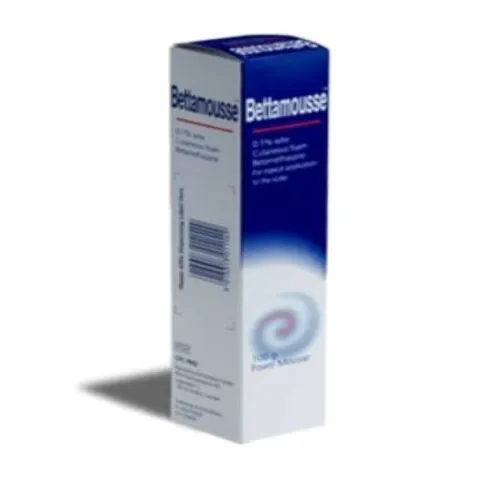
Table of Contents
- Package leaflet: Information for the user
- Bettamousse 1 mg/g (0,1%) cutaneous foam
- 1. What Bettamousse is and what it is used for
- 2. What you need to know before using Bettamousse
- 3. How to use Bettamousse
- 4. Possible side effects
- 5. How to store Bettamousse
- 6. Package contents and other information
Package leaflet: Information for the user
Bettamousse 1 mg/g (0,1%) cutaneous foam
Betamethasone
Please read all of this leaflet carefully before you start using this medicine because it contains important information for you.
- Keep this leaflet. You may need to read it again.
- If you have any questions, ask your doctor or pharmacist.
- This medicine has been prescribed for you only. Do not pass it on to others, even if they have the same symptoms as you, because it could be harmful.
- If you experience any side effect, including those not listed in this leaflet, talk to your doctor, pharmacist or nurse.
- In this package leaflet, Bettamousse 1 mg/g (0,1%) cutaneous foam is referred to as Bettamousse.
Contents of this leaflet:
- What Bettamousse is and what it is used for
- What you need to know before you use Bettamousse
- How to use Bettamousse
- Possible side effects
- How to store Bettamousse
- Contents of the pack and other information
1. What Bettamousse is and what it is used for
Bettamousse contains the active substance betamethasone valerate.
Bettamousse belongs to a group of medicines called corticosteroids (abbreviated as “steroids”).
Bettamousse is used to treat scalp skin disorders such as psoriasis (reddish, raised patches of skin covered with silvery scales), which may cause itching, tightness, or skin irritation. Bettamousse works by reducing inflammation (redness, itching, and discomfort). It is important to use this medicine to prevent skin damage and the development of infections.
2. What you need to know before using Bettamousse
Do not use Bettamousse
- If you are allergic to betamethasone valerate or to any of the other ingredients of this medicine (listed in section 6). Some of these ingredients (cetyl alcohol, stearyl alcohol, and propylene glycol) may cause local skin reactions (such as contact dermatitis).
1/8
- If you have any type of infection of the scalp, unless it is already being treated.
- In children under 6 years of age.
If any of the situations listed above apply to you, consult your doctor or pharmacist.
Warnings and precautions
Consult your doctor or pharmacist before using Bettamousse if:
- You have any type of skin infection.
- You have open wounds on the scalp.
- Blurred vision or other visual disturbances occur.
- You are taking other medicines, including those obtained without a prescription.
Contact your doctor if blurred vision or other visual disturbances occur.
Children and adolescents
Do not use this medicine in children under 6 years of age.
Other medicines and Bettamousse
Tell your doctor or pharmacist if you are using, have recently used, or might use any other medicines.
Pregnancy and breastfeeding
If you are pregnant, suspect you may be pregnant, planning a pregnancy, or are breastfeeding, consult your doctor or pharmacist before using this medicine.
Driving and using machines
No effects on driving or operating machinery are known.
Bettamousse contains cetyl alcohol and stearyl alcohol, which may cause local skin reactions (e.g. contact dermatitis).
Bettamousse contains propylene glycol, which may cause skin irritation.
3. How to use Bettamousse
Use this medicine exactly as directed by your doctor or pharmacist. The prescribed dose will be clearly indicated on your doctor's prescription. If you have any doubts, consult your doctor or pharmacist.
To remember:
2/8
- Use the lowest possible dose of Bettamousse for the shortest time necessary.
- Avoid contact with the eyes. If Bettamousse comes into contact with the eyes, rinse them thoroughly with cold water. If eye irritation persists, contact your doctor.
- Avoid contact with the inside of the nose and mouth.
- Avoid contact with open wounds.
Recommended dose:
Adults
- An amount of foam no larger than a golf ball.
- Massage the affected areas of the scalp twice daily (morning and evening).
- If there is no improvement after 7 days, stop using Bettamousse and consult your doctor again.
Children over 6 years
- The dose depends on body size.
- The usual dose for children is lower than that for adults. For example, for a child whose size is half that of an adult, use no more than "half a golf ball" of foam.
- Massage the affected area of the scalp twice daily (morning and evening).
- Do not use Bettamousse for more than 5–7 days in children. If symptoms have not improved, consult your doctor again.
Do not use in children under 6 years of age.
When symptoms improve
For adults and children: as soon as symptom improvement is observed, Bettamousse may be applied once daily. If the condition continues to improve, applying Bettamousse once every two to three days may be sufficient to prevent symptoms from returning.
Infections
If you have a skin infection, your doctor will prescribe another medicine to treat it. In the meantime, your doctor may also advise you to stop using Bettamousse. If you are unsure about how much foam to use, consult your doctor or pharmacist.
Instructions for use:
3/8
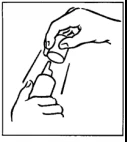
- Remove the cap
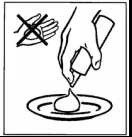
- Invert the container and spray the required amount of foam onto a clean saucer or similar surface. The foam melts upon contact with the skin, so it should not be sprayed directly onto the hand.
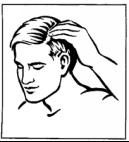
- Massage the foam into the affected areas of the scalp, but not into the hair. Allow hair to dry naturally.
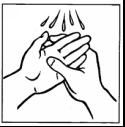
- Wash your hands immediately after using the foam.
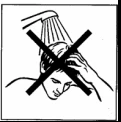
- Do not wash your hair immediately after applying the foam; leave it on overnight or throughout the day.
- You may wash and dry your hair immediately before applying the foam. This product is flammable. Do not use Bettamousse near flames or direct sources of heat. Do not smoke while using the product or while holding the container.
Medical check-ups
4/8
If you use this medicine for a prolonged period, your doctor may schedule regular check-ups to ensure the medicine is working properly and that the dose you are using is appropriate for your condition.
If you use more Bettamousse than you should
Wash the scalp immediately and restart treatment as directed. It is unlikely that you will experience adverse effects from a single instance of excessive use. However, if you are concerned, contact your nearest emergency department or your doctor.
Prolonged use of excessive amounts of Bettamousse may lead to a range of unwanted effects (see section 4).
If you forget to use Bettamousse
Do not use a double dose to make up for the missed dose. Simply use the next dose as prescribed.
If you stop using Bettamousse
Do not stop treatment with Bettamousse without first consulting your doctor. The condition may return after you stop using Bettamousse. If this occurs, consult your doctor as soon as possible.
If you have any questions about how to use this medicine, consult your doctor or pharmacist.
4. Possible side effects
Like all medicines, Bettamousse can cause side effects, although not everyone experiences them.
If any of the following symptoms occur, stop using Bettamousse and seek immediate medical attention:
- Headache
- Burning
- Itching
Uncommon: may affect up to 1 in 100 people
- Skin infection
- Thinning of the skin
- Skin discoloration (in the form of dark spots or lines)
- Red rash on the face
- Increased tendency to bruise
- Blurred vision
Rare: may affect up to 1 in 1,000 people
- Hypersensitivity reactions such as itching, redness, and burning
5/8
- Patches of lighter or darker skin
- Hair loss
- Infection of hair follicles
- Red spots on the skin
Not known: frequency cannot be estimated from the available data
- Worsening of scalp conditions, with formation of pus-filled ulcers
- Acne
- Purple spots on the skin
- Rash around the mouth
Effects due to prolonged use of a high dose of Bettamousse:
- Excessive hair growth
- Changes in skin pigmentation
- Menstrual irregularities in women
- Fluid retention (feeling of swelling)
- Mood changes or sleep disturbances
- Stomach disturbances or gastric discomfort
- Acne
- Headache
These effects are more likely to occur in children and when occlusive dressings are used on the scalp after applying Bettamousse.
The frequency of these effects due to prolonged use is unknown.
Reporting of side effects
If you experience any side effect, including those not listed in this leaflet, talk to your doctor or pharmacist.
You can also report side effects directly via the national reporting system at
https://www.aifa.gov.it/content/segnalazioni-reazioni-avverse
By reporting side effects, you can help provide more information on the safety of this medicine.
5. How to store Bettamousse
Keep this medicine out of the sight and reach of children.
Do not use Bettamousse after the expiry date stated on the label. The expiry date refers to the last day of that month.
6/8
Do not store above 25°C. Do not refrigerate. Protect from sunlight and all other sources of direct heat, as this product is highly flammable.
Do not pierce or burn the container, even when it is empty.
Do not dispose of any medicine via wastewater or household waste. Ask your pharmacist how to dispose of medicines you no longer use. This will help protect the environment.
6. Package contents and other information
What Bettamousse contains
- The active substance is betamethasone (as valerate) 1 mg/g (0.1%)
- The other components are cetyl alcohol, stearyl alcohol, polysorbate 60, ethanol, purified water, propylene glycol, anhydrous citric acid, potassium citrate, and butane/propane.
Description of the appearance of Bettamousse and package contents
Bettamousse is a white, foamy foam for topical use.
Bettamousse is available in an aluminium container fitted with a valve and a transparent cap. It is available in two sizes: 50 g or 100 g.
Marketing Authorization Holder
Giuliani S.p.A.
Via Palagi, 2
20129 Milan
Italy
Manufacturers
Pharmasol Limited
North Way, Walworth Industrial Estate
Andover, Hampshire SP10 5AZ
United Kingdom
Aerosol Service Italiana S.r.l.
Via del Maglio No. 6
23868 Valmadrera (Lecco)
Italy
Recipharm Ltd
Ashton-under-Lyne
Lancashire, OL7 9RR
United Kingdom
7/8
8/8