Betadine
Italy
Table of Contents
- Patient Information Leaflet: Information for the User
- BETADINE 10% Topical Alcohol Solution
- 1. What Betadine 10% Alcoholic Cutaneous Solution is and what it is used for
- 2. What you need to know before using Betadine 10% Cutaneous Alcoholic Solution
- 3. How to use Betadine 10% Alcoholic Cutaneous Solution
- 4. Possible side effects
- 5. How to store Betadine 10% Alcoholic Cutaneous Solution
- 6. Package contents and other information
- Package leaflet: information for the user
- BETADINE 5% Alcoholic Cutaneous Solution
- 1. What Betadine 5% Alcoholic Cutaneous Solution is and what it is used for
- 2. What you need to know before using Betadine 5% Alcoholic Cutaneous Solution
- 3. How to use Betadine 5% Alcoholic Cutaneous Solution
- 4. Possible side effects
- 5. How to store Betadine 5% Alcoholic Cutaneous Solution
- 6. Package contents and other information
- Instructions for the user: package leaflet
- BETADINE 5% Alcoholic Cutaneous Solution, in single-dose containers
- 1. What Betadine 5% Alcoholic Cutaneous Solution is and what it is used for
- 2. What you need to know before using Betadine 5% Alcoholic Cutaneous Solution
- 3. How to use Betadine 5% Cutaneous Alcohol Solution
- 4. Possible side effects
- 5. How to store Betadine 5% Alcoholic Cutaneous Solution
- 6. Package contents and other information
- Package leaflet: information for the user
- BETADINE 1% Mouthwash
- 1. What Betadine 1% Mouthwash is and what it is used for
- 2. What you should know before using Betadine 1% Mouthwash
- 3. How to use Betadine 1% Gargle
- 4. Possible side effects
- 5. How to store Betadine 1% Mouthwash
- 6. Package contents and other information
- Package leaflet: information for the user
- BETADINE 10% concentrate and solvent for vaginal solution
- 1. What Betadine 10% concentrate and solvent for vaginal solution is and what it is used for
- 3. How to use Betadine 10% concentrate and solvent for vaginal solution
- 4. Possible side effects
- 5. How to store Betadine 10% concentrate and solvent for vaginal solution
- 6. Package contents and other information
- Package leaflet: Information for the user
- BETADINE 0.2 g Vaginal Tablets
- 1. What Betadine 0.2 g vaginal tablets is and what it is used for
- 2. What you should know before using Betadine 0.2 g vaginal tablets
- 3. How to use Betadine 0.2 g vaginal tablets
- 4. Possible side effects
- 5. How to store Betadine 0.2 g vaginal tablets
- 6. Package contents and other information
- Package leaflet: information for the user
- BETADINE 5% cream
- 1. What Betadine 5% cream is and what it is used for
- 2. What you need to know before using Betadine 5% cream
- 3. How to use Betadine 5% cream
- 4. Possible side effects
- 5. How to store Betadine 5% cream
- 6. Package contents and other information
- Package leaflet: information for the user
- BETADINE 10% Impregnated Gauzes
- 1. What Betadine 10% Impregnated Gauzes is and what it is used for
- 2. What you need to know before using Betadine 10% Impregnated Gauzes
- 3. How to use Betadine 10% Impregnated Gauzes
- 4. Possible side effects
- 5. How to store Betadine 10% Impregnated Gauzes
- 6. Package contents and other information
- Patient Information Leaflet: Information for the User
- BETADINE 10% Vaginal Gel
- 1. What Betadine 10% vaginal gel is and what it is used for
- 2. What you should know before using Betadine 10% vaginal gel
- 3. How to use Betadine 10% vaginal gel
- 4. Possible side effects
- 5. How to store Betadine 10% vaginal gel
- 6. Package contents and other information
- Package leaflet: information for the user
- BETADINE 10% Gel
- 1. What Betadine 10% Gel is and what it is used for
- 2. What you need to know before using Betadine 10% Gel
- 3. How to use Betadine 10% Gel
- 4. Possible side effects
- 5. How to store Betadine 10% Gel
- 6. Contents of the pack and other information
- Package leaflet: Information for the user
- BETADINE 10% cutaneous solution
- 1. What Betadine 10% cutaneous solution is and what it is used for
- 2. What you need to know before using Betadine 10% cutaneous solution
- 3. How to use Betadine 10% Cutaneous Solution
- 4. Possible side effects
- 5. How to store Betadine 10% cutaneous solution
- 6. Package contents and other information
- Package leaflet: Information for the user
- BETADINE 10% cutaneous solution
- 1. What Betadine 10% cutaneous solution is and what it is used for
- 2. What you should know before using Betadine 10% cutaneous solution
- 3. How to use Betadine 10% Cutaneous Solution
- 4. Possible side effects
- 5. How to store Betadine 10% cutaneous solution
- 6. Package contents and other information
- Package leaflet: information for the user
- BETADINE 10% cutaneous solution
- 1. What Betadine 10% cutaneous solution is and what it is used for
- 2. What you need to know before using Betadine 10% cutaneous solution
- 3. How to use Betadine 10% Cutaneous Solution
- 4. Possible side effects
- 5. How to store Betadine 10% cutaneous solution
- 6. Package contents and other information
- Package leaflet: Information for the user
- BETADINE 10% cutaneous solution
- 1. What Betadine 10% cutaneous solution is and what it is used for
- 2. What you need to know before using Betadine 10% cutaneous solution
- 3. How to use Betadine 10% Cutaneous Solution
- 4. Possible side effects
- 5. How to store Betadine 10% cutaneous solution
- 6. Contents of the pack and other information
- Package leaflet: Information for the user
- BETADINE 10% cutaneous solution
- 1. What Betadine 10% cutaneous solution is and what it is used for
- 2. What you need to know before using Betadine 10% cutaneous solution
- 3. How to use Betadine 10% Topical Solution
- 4. Possible side effects
- 5. How to store Betadine 10% cutaneous solution
- 6. Package contents and other information
- Package leaflet: information for the user
- BETADINE 10% vaginal solution
- 1. What Betadine 10% vaginal solution is and what it is used for
- 2. What you should know before using Betadine 10% vaginal solution
- 3. How to use Betadine 10% vaginal solution
- 4. Possible side effects
- 5. How to store Betadine 10% vaginal solution
- 6. Package contents and other information
Patient Information Leaflet: Information for the User
BETADINE 10% Topical Alcohol Solution
Povidone-iodine
Please read this leaflet carefully before using this medicine because it contains important information for you.
Always use this medicine exactly as described in this leaflet or as your doctor or pharmacist has instructed you.
- Keep this leaflet. You may need to read it again.
- If you need more information or advice, consult your pharmacist.
- If you experience any side effects, including those not listed in this leaflet, consult your doctor or pharmacist. See section 4.
- Consult your doctor if you do not notice improvement or if you notice worsening of symptoms after a short period of treatment.
Contents of this leaflet:
- What Betadine 10% Topical Alcohol Solution is and what it is used for
- What you need to know before using Betadine 10% Topical Alcohol Solution
- How to use Betadine 10% Topical Alcohol Solution
- Possible side effects
- How to store Betadine 10% Topical Alcohol Solution
- Contents of the pack and other information
1. What Betadine 10% Alcoholic Cutaneous Solution is and what it is used for
Betadine 10% Alcoholic Cutaneous Solution contains povidone-iodine, a local antiseptic.
Betadine 10% Alcoholic Cutaneous Solution is indicated for the cleaning and disinfection of minor skin injuries
such as small superficial wounds and mild pressure ulcers (skin lesions affecting body areas subjected to prolonged pressure), in adults and children over 2 years of age. The medicine can be used for disinfection of intact skin prior to surgical procedures.
2. What you need to know before using Betadine 10% Cutaneous Alcoholic Solution
Do not use Betadine 10% Cutaneous Alcoholic Solution
- If you are allergic to povidone-iodine, or to any of the other ingredients of this medicine (listed in section 6).
- If you have thyroid disorders.
- Before, during, and after administration of radioactive iodine (see section "Other medicines and Betadine").
- If you are using mercury-containing products (see section "Other medicines and Betadine").
- If the child is under 2 years of age.
Warnings and precautions
Talk to your doctor or pharmacist before using Betadine 10% Cutaneous Alcoholic Solution.
Betadine 10% Cutaneous Alcoholic Solution is for external use only and must not be applied to severely
damaged skin or over large body surface areas.
Accidental ingestion or inhalation of some disinfectants may lead to serious, sometimes fatal, consequences.
Avoid contact with the eyes.
Do not use this medicine for prolonged treatments: the use, especially if prolonged, of topical products may
cause allergic reactions (see section “Possible side effects”). If this occurs, stop treatment and consult your
doctor, who will establish appropriate therapy.
Particular caution is required in patients with renal insufficiency who require regular applications of Betadine
on damaged skin.
Consult your doctor if you have thyroid disorders (a gland located at the base of the neck). In such cases, your
doctor may prescribe specific tests (including scintigraphy) to assess thyroid function. In cases of goiter,
thyroid nodules, or other acute and non-acute thyroid diseases, hyperfunction of the thyroid (hyperthyroidism)
may develop following administration of large amounts of iodine.
The use of povidone-iodine may cause temporary skin discoloration at the site of application due to the
inherent color of the medicine.
Avoid contact with jewelry, especially items containing silver.
Discontinue treatment at least 10 days before undergoing scintigraphy or after scintigraphy with labeled iodine
(thyroid function test), or during treatment with radioactive iodine for thyroid carcinoma.
Children and adolescents
In children and adolescents, the use of povidone-iodine should be minimized due to the increased risk of
developing thyroid abnormalities. Use only when strictly necessary and under medical supervision.
Betadine 10% alcoholic cutaneous solution is highly flammable. In case of skin irritation, contact dermatitis, or
hypersensitivity, discontinue use. Do not heat before application.
Other medicines and Betadine 10% Cutaneous Alcoholic Solution
Inform your doctor or pharmacist if you are taking, have recently taken, or might take any other medicines.
➢ Avoid the simultaneous use of other disinfectants and detergents.
➢ Do not use mercury-containing products or compounds containing benzoin, carbonates, tannic acid,
alkalis, silver, hydrogen peroxide, or taurolidine on the same area treated with this medicine.
➢ Temporary dark discoloration of the skin may occur in the treated area when used simultaneously, before,
or after povidone-iodine and other antiseptics containing octenidine.
➢ Avoid simultaneous use of lithium (a medicine used for mood disorders).
➢ Povidone-iodine may cause false positive results in certain laboratory tests (e.g., toluidine or guaiac gum
tests for detection of hemoglobin or glucose in feces or urine).
➢ Povidone-iodine may interfere with various diagnostic tests (thyroid scintigraphy, determination of
iodine-binding proteins (PBI), diagnosis with radioactive iodine) and may prevent planned thyroid
treatment with iodine (radioactive iodine therapy). After completion of treatment, wait 4 weeks before
performing a new scintigraphy.
Fertility, pregnancy, and breastfeeding
If you are pregnant, think you may be pregnant, planning to become pregnant, or breastfeeding, consult your
doctor or pharmacist before taking this medicine.
Povidone-iodine crosses the placenta and is excreted in breast milk. Infants born to mothers who received
iodine during pregnancy may develop thyroid disorders, including congenital hypothyroidism.
The use of povidone-iodine should be avoided unless the potential benefit to the mother outweighs the
potential risk to the fetus and newborn.
Fertility
No data on effects on fertility are available.
Driving and using machines
Betadine 10% Cutaneous Alcoholic Solution does not affect the ability to drive or operate machinery.
3. How to use Betadine 10% Alcoholic Cutaneous Solution
Use this medicinal product exactly as described in these instructions or as directed by your doctor or pharmacist. If you have any doubts, consult your doctor or pharmacist.
Apply undiluted Betadine alcoholic solution once or twice to the entire area of skin to be disinfected. Spread the product using a sterile gauze pad. Allow it to dry completely.
Caution: Do not exceed the recommended doses.
The solution is highly flammable: it must dry completely before any medical device is applied.
In pre-operative preparation, avoid accumulation under the patient, as chemical skin burns may occur.
Prolonged exposure to moisture related to the solution may cause irritation or, rarely, severe skin reactions.
If you use more Betadine 10% Alcoholic Cutaneous Solution than you should
If the recommended doses are exceeded, either intentionally or accidentally, the following may occur:
- gastrointestinal symptoms (including metallic taste, increased salivation, burning or stinging pain in the mouth and throat, diarrhea)
- reduced or absent urine production (anuria)
- low blood pressure, which may lead to collapse
- circulatory failure
- rapid heartbeat (tachycardia)
- metabolic disturbances, including metabolic acidosis (disturbance of the blood’s acid-base balance)
- swelling of the throat that may lead to asphyxiation (inability to breathe) and/or pulmonary edema (fluid in the lungs)
- seizures
- fever
- thyroid disorders (hyperthyroidism or hypothyroidism)
Other symptoms may include: eye irritation or swelling (periorbital edema), skin rash, elevated sodium levels (hypernatremia), and impaired kidney function.
In case of accidental ingestion, contact your doctor immediately or go to the nearest hospital.
If you have any questions about the use of this medicinal product, consult your doctor or pharmacist.
4. Possible side effects
Like all medicines, this medicine can cause side effects, although not everybody will experience them.
Rare side effects (may affect up to 1 in 1,000 people)
- Hypersensitivity
- Contact dermatitis (with skin rash, small blisters, and itching)
Very rare side effects (may affect up to 1 in 10,000 people)
- Allergic reactions
- Angioedema (swelling of hands, feet, face, lips, tongue, throat)
- Hyperthyroidism (overactive thyroid)
Side effects with unknown frequency (frequency cannot be estimated from the available data)
- Hypothyroidism (underactive thyroid)
- Electrolyte imbalance (alteration in electrolyte levels)
- Metabolic acidosis (disturbance in the body's acid-base balance)
- Exfoliative dermatitis (skin disease characterized by peeling)
- Dry skin (especially after repeated applications due to high alcohol content; risk is higher in the genital area)
- Skin discoloration
- Acute kidney injury
- Abnormal blood osmolality (alteration in the concentration of substances in the blood)
- Contact burn
- Thermal burn
Due to its high flammability, alcoholic povidone-iodine solution must be allowed to dry completely before using any devices (particularly surgical high-frequency devices).
Reporting of side effects
If you experience any side effect, including those not listed in this information, talk to your doctor or pharmacist. You may also report side effects directly via the national reporting system at www.aifa.gov.it/content/segnalazioni-reazioni-avverse.
By reporting side effects, you can help provide more information on the safety of this medicine.
5. How to store Betadine 10% Alcoholic Cutaneous Solution
Keep this medicine out of the sight and reach of children.
Store below 25°C.
Do not use this medicine after the expiry date stated after Exp. The expiry date refers to the last day of that month.
Do not dispose of any medicine via wastewater or household waste. Ask your pharmacist how to dispose of medicines you no longer use. This will help protect the environment.
6. Package contents and other information
What Betadine 10% Alcoholic Cutaneous Solution contains
100 ml of solution contain:
- The active substance is Povidone-iodine (10% iodine) 10 g.
- The other components are: isopropyl alcohol, citric acid, disodium phosphate, purified water.
Description of the appearance of Betadine 10% Alcoholic Cutaneous Solution and package contents
Betadine 10% cutaneous solution is a brown-coloured solution contained in a bottle.
The bottle content is 1000 ml.
Marketing Authorization Holder
Cooper Consumer Health B.V.
Verrijn Stuartweg 60 – 1112 AX Diemen
(The Netherlands)
Manufacturer
Meda Manufacturing Avenue J.F. Kennedy 33700 Merignac France
Licensed to Mundipharma
1-Litre bottle
AIC No. 023907102
Batch
Expiry date


Over-the-counter medicinal product
Package leaflet: information for the user
BETADINE 5% Alcoholic Cutaneous Solution
Povidone-iodine
Please read this leaflet carefully before using this medicine as it contains important information for you.
Always use this medicine exactly as described in this leaflet or as your doctor or pharmacist has instructed.
- Keep this leaflet. You may need to read it again.
- If you would like more information or advice, consult your pharmacist.
- If you experience any adverse reactions, including those not listed in this leaflet, contact your doctor or pharmacist. See section 4.
- Contact your doctor if you do not notice improvement or if your symptoms worsen after a short period of treatment.
Contents of this leaflet:
- What Betadine 5% Alcoholic Cutaneous Solution is and what it is used for
- What you need to know before using Betadine 5% Alcoholic Cutaneous Solution
- How to use Betadine 5% Alcoholic Cutaneous Solution
- Possible side effects
- How to store Betadine 5% Alcoholic Cutaneous Solution
- Contents of the pack and other information
1. What Betadine 5% Alcoholic Cutaneous Solution is and what it is used for
Betadine 5% Alcoholic Cutaneous Solution contains povidone-iodine, a disinfectant for local use.
Betadine 5% Alcoholic Cutaneous Solution is indicated for disinfecting intact skin prior to surgery or before certain invasive procedures such as punctures and injections, in adults and children over 2 years of age.
Consult a doctor if you do not feel better or if you feel worse after a short period of treatment.
2. What you need to know before using Betadine 5% Alcoholic Cutaneous Solution
Do not use Betadine 5% Alcoholic Cutaneous Solution
- If you are allergic to povidone-iodine or to any of the other ingredients of this medicine (listed in section 6)
- If you have thyroid disorders.
- Before, during, and after administration of radioactive iodine (see section "Other medicines and Betadine").
- If you are using products containing mercury (see section "Other medicines and Betadine").
- If the child is under 2 years of age.
Warnings and precautions
Talk to your doctor or pharmacist before using Betadine 5% Alcoholic Cutaneous Solution.
Betadine 5% Alcoholic Cutaneous Solution is for external use only and must not be applied to damaged skin or over large areas.
Accidental ingestion or inhalation of some disinfectants may lead to serious, sometimes fatal, consequences.
Avoid contact with the eyes.
Do not use this medicine for prolonged treatments: local use, especially if prolonged, may lead to allergic reactions (see section "Possible side effects"). In such cases, discontinue treatment and consult your doctor, who will initiate appropriate therapy.
Particular caution is required in patients with renal insufficiency who require regular applications of Betadine on damaged skin.
Consult your doctor if you have thyroid disorders (a gland located at the base of the neck). In this case, your doctor may prescribe specific tests (including scintigraphy) to assess thyroid function. In case of goiter, thyroid nodules, or other acute or non-acute thyroid diseases, hyperthyroidism may develop following administration of large amounts of iodine.
The use of povidone-iodine may cause temporary skin discoloration at the site of application due to the inherent color of the medicine.
Avoid contact with jewelry, especially items containing silver.
Discontinue treatment at least 10 days before undergoing thyroid scintigraphy or after scintigraphy with labeled iodine (thyroid function tests), or before treatment with radioactive iodine for thyroid carcinoma.
Children and adolescents
In children and adolescents, the use of povidone-iodine should be minimized due to the higher risk of developing thyroid disturbances. Use only when strictly necessary and under medical supervision.
Betadine 5% alcoholic cutaneous solution is highly flammable. In case of skin irritation, contact dermatitis, or hypersensitivity, discontinue use. Do not heat before application.
Other medicines and Betadine 5% Alcoholic Cutaneous Solution
Inform your doctor or pharmacist if you are taking, have recently taken, or might take any other medicines.
➢ Avoid the simultaneous use of other disinfectants and detergents.
➢ Do not use mercury-containing products or compounds of benzoin, carbonates, tannic acid, alkalis, silver, hydrogen peroxide, or taurolidine on the same area treated with this medicine.
➢ Temporary dark discoloration of the skin may occur in areas treated simultaneously, before, or after with povidone-iodine and other antiseptics containing octenidine.
➢ Avoid simultaneous use of lithium (a medicine for mood disorders).
➢ Povidone-iodine may cause false positive results in certain laboratory tests (e.g., toluidine or guaiac tests for detecting hemoglobin or glucose in feces or urine).
➢ Povidone-iodine may interfere with various diagnostic tests (thyroid scintigraphy, determination of iodine-binding proteins (PBI), diagnosis with radioactive iodine) and may prevent planned thyroid treatment with iodine (radioactive iodine therapy). After treatment ends, wait 4 weeks before performing a new scintigraphy.
Fertility, pregnancy, and breastfeeding
If you are pregnant, suspect you may be pregnant, planning to become pregnant, or breastfeeding, consult your doctor or pharmacist before using this medicine.
Povidone-iodine crosses the placenta and is excreted in breast milk. Infants of mothers who have received iodine during pregnancy may develop thyroid disorders, including congenital hypothyroidism.
The use of povidone-iodine should be avoided unless the potential benefit to the mother justifies the potential risk to the fetus and newborn.
Fertility
No data are available on effects on fertility.
Driving and using machines
Betadine 5% Alcoholic Cutaneous Solution does not affect the ability to drive or operate machinery.
Important information about some excipients
This medicine contains 545.52 mg of alcohol (ethanol) per ml.
It may cause a burning sensation on damaged skin.
3. How to use Betadine 5% Alcoholic Cutaneous Solution
Use this medicine exactly as stated in this leaflet or as instructed by your
doctor or pharmacist. If you have any doubts, consult your doctor or pharmacist.
Dosage
The recommended dose is 1 or 2 applications to the area to be disinfected.
Method
Apply the undiluted solution. Spread the product using a sterile gauze. Allow to dry
completely.
Use this medicine only for short periods of time.
Caution: Do not exceed the indicated doses without medical advice.
The alcoholic solution is highly flammable: it must dry completely before any device is applied.
In pre-operative preparation, avoid accumulation under the patient, as chemical skin burns may occur.
Prolonged exposure to moisture related to the solution may cause irritation or, rarely, severe skin reactions.
If you use more Betadine 5% Alcoholic Cutaneous Solution than you should
If the recommended doses are exceeded, either intentionally or accidentally, the following symptoms may occur:
- gastrointestinal symptoms (including metallic taste, increased salivation, burning or stinging pain in the mouth and throat, diarrhea)
- reduced or absent urine production (anuria)
- low blood pressure which may lead to collapse
- circulatory failure
- rapid heartbeat (tachycardia)
- metabolic disturbances, including metabolic acidosis (disturbance of the blood's acid-base balance)
- swelling of the throat which may lead to asphyxiation (inability to breathe) and/or pulmonary edema (fluid in the lungs)
- seizures
- fever
- thyroid disorders (hyperthyroidism or hypothyroidism)
Other symptoms may include: eye irritation or swelling (eye tumefaction), skin rash,
elevated sodium levels (hypernatremia), and impaired kidney function.
In case of accidental ingestion, consult your doctor immediately or go to the nearest
hospital.
If you have any questions about the use of this medicine, ask your doctor or pharmacist.
4. Possible side effects
Like all medicines, this medicine can cause side effects, although not everyone experiences them.
Rare side effects (may affect up to 1 in 1,000 people)
- Hypersensitivity
- Contact dermatitis (with skin rash, small blisters, and itching)
Very rare side effects (may affect up to 1 in 10,000 people)
- Allergic reactions
- Angioedema (swelling of hands, feet, face, lips, tongue, throat)
- Hyperthyroidism (excessive thyroid activity)
Side effects with unknown frequency (frequency cannot be estimated from available data)
- Hypothyroidism (reduced thyroid activity)
- Electrolyte imbalance (alteration in electrolyte levels)
- Metabolic acidosis (disruption of the blood's acid-base balance)
- Exfoliative dermatitis (skin disease characterized by peeling)
- Dry skin (especially after repeated applications due to high alcohol content; risk is higher in the genital area)
- Skin discoloration
- Acute kidney injury
- Abnormal blood osmolality (altered concentration of substances in the blood)
- Contact burn
- Thermal burn
Due to its high flammability, the alcoholic povidone-iodine solution must dry completely before using medical devices (particularly surgical high-frequency devices).
Reporting of side effects
If you experience any side effect, including those not listed in this leaflet, talk to your doctor or pharmacist. You may also report side effects directly via the national reporting system at www.aifa.gov.it/content/segnalazioni-reazioni-avverse.
By reporting side effects, you can help provide more information on the safety of this medicine.
5. How to store Betadine 5% Alcoholic Cutaneous Solution
Keep this medicine out of the sight and reach of children.
This medicine does not require any special storage conditions.
Do not use this medicine after the expiry date stated on the bottle after “Exp.”.
The expiry date refers to the last day of that month.
Period of validity after opening the bottle: 6 months.
Do not dispose of any medicine via wastewater or household waste. Ask your pharmacist how to dispose of medicines you no longer use. This will help protect the environment.
6. Package contents and other information
What Betadine 5% Alcoholic Cutaneous Solution contains
- The active substance is povidone-iodine (containing 10% iodine); 100 ml of solution contain 5 g of povidone-iodine.
- The other components are: ethanol 96 percent, glycerol 85 percent, macrogol lauryl ether, purified water.
Description of the appearance of Betadine 5% Alcoholic Cutaneous Solution and contents of the pack
Betadine 5% Alcoholic Cutaneous Solution is a brown-coloured solution supplied in a bottle of
125 ml or 500 ml.
Marketing Authorization Holder
Cooper Consumer Health B.V.
Verrijn Stuartweg 60 – 1112 AX Diemen
(The Netherlands)
Manufacturer
Meda Manufacturing Avenue J.F. Kennedy F - 33700 Merignac France
Licensed by Mundipharma
Instructions for the user: package leaflet
BETADINE 5% Alcoholic Cutaneous Solution, in single-dose containers
Povidone-iodine
Please read this leaflet carefully before using this medicine because it contains important information for you.
Always use this medicine exactly as described in this leaflet or as your doctor or pharmacist has instructed you.
- Keep this leaflet. You may need to read it again.
- If you would like more information or advice, consult your pharmacist.
- If you experience any side effects, including those not listed in this leaflet, contact your doctor or pharmacist. See section 4.
- Contact your doctor if you do not notice improvement or if your symptoms worsen after a short period of treatment.
Contents of this leaflet:
- What Betadine 5% Alcoholic Cutaneous Solution is and what it is used for
- What you need to know before using Betadine 5% Alcoholic Cutaneous Solution
- How to use Betadine 5% Alcoholic Cutaneous Solution
- Possible side effects
- How to store Betadine 5% Alcoholic Cutaneous Solution
- Contents of the pack and other information
1. What Betadine 5% Alcoholic Cutaneous Solution is and what it is used for
Betadine 5% Alcoholic Cutaneous Solution contains povidone-iodine, a disinfectant for topical use.
Betadine 5% Alcoholic Cutaneous Solution is indicated for disinfecting intact skin prior to surgery or before certain invasive procedures such as punctures and injections in adults and children over 2 years of age.
Consult your doctor if you do not feel better or if you feel worse after a short period of treatment.
2. What you need to know before using Betadine 5% Alcoholic Cutaneous Solution
Do not use Betadine 5% Alcoholic Cutaneous Solution
- If you are allergic to povidone-iodine, or to any of the other ingredients of this medicine (listed in section 6)
- If you have thyroid disorders.
- Before, during, and after administration of radioactive iodine (see section "Other medicines and Betadine").
- If you are using products containing mercury (see section "Other medicines and Betadine").
- If the child is under 2 years of age.
Warnings and precautions
Talk to your doctor or pharmacist before using Betadine 5% Alcoholic Cutaneous Solution.
Betadine 5% Alcoholic Cutaneous Solution is for external use only and must not be applied to damaged skin or over large areas.
Accidental ingestion or inhalation of some disinfectants may lead to serious, sometimes fatal, consequences.
Avoid contact with the eyes.
Do not use this medicine for prolonged treatments: the use, especially if prolonged, of topical products may cause allergic reactions (see section “Possible side effects”). In such cases, discontinue treatment and consult your doctor, who will initiate appropriate therapy.
Particular caution is required in patients with renal insufficiency who require regular applications of Betadine on damaged skin.
Consult your doctor if you have thyroid disorders (a gland located at the base of the neck). In this case, your doctor may prescribe specific tests (including scintigraphy) to assess thyroid function. In case of goiter, thyroid nodules, or other acute and non-acute thyroid diseases, administration of large amounts of iodine may lead to thyroid overactivity (hyperthyroidism).
The use of povidone-iodine may cause temporary skin discoloration at the site of application due to the color of the medicine itself.
Avoid contact with jewelry, especially items containing silver.
Discontinue treatment at least 10 days before undergoing thyroid scintigraphy or after scintigraphy with labeled iodine (thyroid function test), or before treatment with radioactive iodine for thyroid carcinoma.
Children and adolescents
In children and adolescents, the use of povidone-iodine should be minimized due to the higher risk of developing thyroid disturbances. Use only when strictly necessary and under medical supervision.
Betadine 5% alcoholic cutaneous solution is highly flammable. In case of skin irritation, contact dermatitis, or hypersensitivity, discontinue use. Do not heat before application.
Other medicines and Betadine 5% Alcoholic Cutaneous Solution
Inform your doctor or pharmacist if you are taking, have recently taken, or might take any other medicines.
➢ Avoid the simultaneous use of other disinfectants and detergents.
➢ Do not use simultaneously on areas treated with this medicine, products containing mercury or benzoin compounds, carbonates, tannic acid, alkalis, silver, hydrogen peroxide, or taurolidine.
➢ Temporary dark discoloration of the skin may occur in areas treated simultaneously, before, or after with povidone-iodine and other antiseptics containing octenidine.
➢ Avoid simultaneous use of lithium (a medicine used for mood disorders).
➢ Povidone-iodine may cause false positive results in certain laboratory tests (e.g. toluidine or guaiac gum tests for detection of hemoglobin or glucose in feces or urine).
➢ Povidone-iodine may interfere with various diagnostic tests (thyroid scintigraphy, determination of protein-bound iodine (PBI), diagnostics with radioactive iodine) and may prevent planned thyroid treatment with iodine (radioactive iodine therapy). After completion of treatment, wait 4 weeks before performing a new scintigraphy.
Fertility, pregnancy and breastfeeding
If you are pregnant, suspect you may be pregnant, planning a pregnancy, or breastfeeding, consult your doctor or pharmacist before taking this medicine.
Povidone-iodine crosses the placenta and is excreted in breast milk. Infants of mothers who received iodine during pregnancy may develop thyroid disorders, including congenital hypothyroidism.
The use of povidone-iodine should be avoided unless the potential benefit to the mother outweighs the potential risk to the fetus and newborn.
Fertility
No data on effects on fertility are available.
Driving and using machines
Betadine 5% Alcoholic Cutaneous Solution does not affect the ability to drive or operate machinery.
Important information about certain excipients
This medicine contains 545.52 mg of alcohol (ethanol) per ml.
It may cause a burning sensation on damaged skin.
3. How to use Betadine 5% Cutaneous Alcohol Solution
Use this medicinal product exactly as stated in this leaflet or as directed by your
doctor or pharmacist. If you have any doubts, consult your doctor or pharmacist.
Dosage
The recommended dose is 1 or 2 applications to the area to be disinfected.
Method of use
- remove one bottle from the strip;
- twist to remove the container cap and use the solution;
- apply the solution, covering the entire area to be treated.
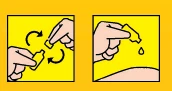
The applied solution forms a protective film that does not stain. Use this medicinal product only for
short periods of time.
Caution: do not exceed the indicated doses without medical advice.
The alcohol solution is highly flammable: it must dry completely before any device is applied.
During pre-operative preparation, avoid pooling under the patient, as chemical skin burns may occur.
Prolonged exposure to moisture conditions related to the solution may cause irritation or, rarely, severe skin reactions.
If you use more Betadine 5% Cutaneous Alcohol Solution than you should
If the recommended doses are exceeded, either intentionally or accidentally, the following may occur:
- gastrointestinal symptoms (including metallic taste, increased salivation, burning or stinging pain in the mouth and throat, diarrhea)
- reduced or absent urine production (anuria)
- low blood pressure which may lead to collapse
- circulatory failure
- rapid heartbeat (tachycardia)
- metabolic disturbances, including metabolic acidosis (disruption of the blood's acid-base balance)
- swelling of the throat which may lead to asphyxiation (inability to breathe) and/or pulmonary edema (fluid in the lungs)
- seizures
- fever
- thyroid disorders (hyperthyroidism or hypothyroidism).
Other symptoms may also occur: eye irritation or swelling (eye tumefaction), skin rash,
elevated sodium levels (hypernatremia), impaired kidney function.
In case of accidental ingestion of the product, consult a doctor immediately or go to the nearest
hospital.
If you have any doubts about how to use this medicinal product, consult your doctor or pharmacist.
4. Possible side effects
Like all medicines, this medicine can cause side effects, although not everybody will experience them.
Rare side effects (may affect up to 1 in 1,000 people)
- Hypersensitivity
- Contact dermatitis (with skin rashes, small blisters, and itching)
Very rare side effects (may affect up to 1 in 10,000 people)
- Allergic reactions
- Angioedema (swelling of hands, feet, face, lips, tongue, throat)
- Hyperthyroidism (excessive activity of the thyroid gland)
Side effects with unknown frequency (frequency cannot be estimated from available data)
- Hypothyroidism (reduced activity of the thyroid gland)
- Electrolyte imbalance (alteration of electrolyte levels)
- Metabolic acidosis (disruption of the acid-base balance in the blood)
- Exfoliative dermatitis (skin disease characterized by skin peeling)
- Dry skin (especially after repeated applications due to the high alcohol content; risk is higher in the genital area)
- Skin discoloration
- Acute kidney injury
- Abnormal blood osmolality (alteration of the concentration of substances in the blood)
- Contact burn
- Heat burn.
Due to its high flammability, the alcoholic iodopovidone solution must dry completely before using any devices (particularly surgical high-frequency devices).
Reporting of side effects
If you experience any side effect, including those not listed in this leaflet, talk to your doctor or pharmacist. You can also report side effects directly via the national reporting system at www.aifa.gov.it/content/segnalazioni-reazioni-avverse.
By reporting side effects, you can help provide more information on the safety of this medicine.
5. How to store Betadine 5% Alcoholic Cutaneous Solution
Keep this medicine out of the sight and reach of children.
This medicine does not require any special storage conditions.
Do not use this medicine after the expiry date stated on the packaging and on the single-dose container after “Exp.”.
The expiry date refers to the last day of that month.
Do not dispose of medicines via wastewater or household waste. Ask your pharmacist how to dispose of medicines you no longer use. This will help protect the environment.
6. Package contents and other information
What Betadine 5% Cutaneous Alcoholic Solution contains
- The active substance is povidone-iodine (containing 10% iodine); 100 ml of solution contain 5 g of povidone-iodine.
- The other components are: ethanol 96 percent, glycerol 85 percent, macrogol lauryl ether, purified water.
Description of the appearance of Betadine 5% Cutaneous Alcoholic Solution and contents of the pack
Betadine 5% Cutaneous Alcoholic Solution in single-use containers is a brown-coloured solution
contained in single-use strips of 10 ml, packed in cardboard boxes.
Betadine 5% Cutaneous Alcoholic Solution in single-use containers is available in packs of 5 and 10
containers.
Marketing Authorisation Holder
Cooper Consumer Health B.V.
Verrijn Stuartweg 60 – 1112 AX Diemen
(The Netherlands)
Manufacturer
Meda Manufacturing
Avenue J.F. Kennedy
F - 33700 Merignac France
Licence Mundipharma
Package leaflet: information for the user
BETADINE 1% Mouthwash
Povidone-iodine
Please read this leaflet carefully before using this medicine because it contains important information for you.
Always use this medicine exactly as described in this leaflet or as your doctor or pharmacist has instructed you.
- Keep this leaflet. You may need to read it again.
- If you need more advice or information, consult your pharmacist.
- If you experience any side effects, including those not listed in this leaflet, contact your doctor or pharmacist. See section 4.
- Contact your doctor if you do not notice improvement or if you experience worsening of symptoms after a short period of treatment.
Contents of this leaflet:
- What Betadine 1% Mouthwash is and what it is used for
- What you need to know before using Betadine 1% Mouthwash
- How to use Betadine 1% Mouthwash
- Possible side effects
- How to store Betadine 1% Mouthwash
- Contents of the pack and other information
1. What Betadine 1% Mouthwash is and what it is used for
Betadine 1% Mouthwash contains the active substance iodopovidone, which belongs to the category of
antiseptics for local use.
Betadine 1% Mouthwash is indicated for disinfecting the oral mucosa in adults and children over 6 years of age.
2. What you should know before using Betadine 1% Mouthwash
Do not use Betadine 1% Mouthwash
- If you are allergic to povidone-iodine or to any of the other ingredients of this medicine (listed in section 6).
- If you have thyroid disorders.
- Before, during, and after administration of radioactive iodine (see section "Other medicines and Betadine 1% Mouthwash").
- If you are using products containing mercury (see section "Other medicines and Betadine 1% Mouthwash").
- If the child is under 6 years of age.
Warnings and precautions
Talk to your doctor or pharmacist before using Betadine 1% Mouthwash.
Accidental ingestion or inhalation of some disinfectants may lead to serious, sometimes fatal, consequences.
Avoid contact with the eyes.
Do not use this medicine for prolonged treatments: the use, especially if prolonged, of topical products may lead to allergic reactions (see section “Possible side effects”). In such cases, discontinue treatment and consult your doctor, who will initiate appropriate therapy.
Particular caution is required in patients with renal insufficiency who require regular applications of Betadine on damaged skin.
Consult your doctor if you have thyroid disorders (a gland located at the base of the neck). In this case, your doctor may prescribe specific tests (including scintigraphy) to assess thyroid function. In case of goitre, thyroid nodules, or other acute and non-acute thyroid diseases, hyperfunction of the thyroid (hyperthyroidism) may develop following administration of large amounts of iodine.
Discontinue treatment at least 10 days before undergoing scintigraphy or after scintigraphy with radioactive iodine (thyroid function test), or during treatment with radioactive iodine for thyroid carcinoma.
Long-term use of povidone-iodine for gargling should be avoided in pregnant women, breastfeeding mothers, and individuals at high risk of developing thyroid dysfunction due to excessive iodine intake.
The use of povidone-iodine may cause transient discoloration of the skin at the site of application due to the inherent colour of the medicine.
Avoid contact with jewellery, particularly items containing silver.
Children and adolescents
In children and adolescents, the use of povidone-iodine should be reduced to the minimum necessary. Use only when strictly necessary and under medical supervision.
Other medicines and Betadine 1% Mouthwash
Inform your doctor or pharmacist if you are taking, have recently taken, or might take any other medicines.
➢ Avoid the simultaneous use of other disinfectants and detergents.
➢ Do not use simultaneously on areas treated with this medicine, products containing mercury or benzoin compounds, carbonates, tannic acid, alkalis, silver, hydrogen peroxide, or taurolidine.
➢ Temporary dark staining of the skin may occur in areas treated simultaneously, before, or after with povidone-iodine and other antiseptics containing octenidine.
➢ Avoid simultaneous use of lithium (a medicine for mood disorders).
➢ Povidone-iodine may cause false positive results in certain laboratory tests (e.g. toluidine or guaiac gum tests for detection of haemoglobin or glucose in faeces or urine).
➢ Povidone-iodine may interfere with various diagnostic tests (thyroid scintigraphy, determination of protein-bound iodine (PBI), diagnostics with radioactive iodine) and may prevent planned thyroid treatment with iodine (radioactive iodine therapy). After completion of treatment, wait 4 weeks before performing a new scintigraphy.
Fertility, pregnancy and breastfeeding
If you are pregnant, think you may be pregnant, are planning to become pregnant, or are breastfeeding, consult your doctor or pharmacist before taking this medicine.
Povidone-iodine crosses the placenta and is excreted in breast milk. Infants born to mothers who received iodine during pregnancy may develop thyroid disorders, including congenital hypothyroidism.
The use of povidone-iodine should be avoided unless the potential benefit to the mother outweighs the potential risk to the foetus and newborn.
Long-term use of povidone-iodine for gargling should be avoided (see section “Warnings and precautions”).
Fertility
No data on effects on fertility are available.
Driving and using machines
Betadine 1% Mouthwash does not affect the ability to drive or operate machinery.
Important information about certain excipients
Betadine 1% Mouthwash contains less than 1 mmol (23 mg) of sodium per 20 ml of mouthwash, i.e. essentially 'sodium-free'.
Betadine 1% Mouthwash contains 681.88 mg of alcohol (ethanol) in 20 ml of mouthwash. The amount in 20 ml of this medicine is equivalent to less than 18 ml of beer or 8 ml of wine.
The small amount of alcohol in this medicine will not produce significant effects.
3. How to use Betadine 1% Gargle
Use this medicine exactly as stated in this leaflet or as instructed by your doctor or pharmacist. If you have any doubts, consult your doctor or pharmacist.
Dilute to your preferred taste, but only when necessary, bearing in mind that efficacy is maintained at a dilution of 1 part Betadine to 2 parts water, and gargle 2-3 times daily.
Caution: Do not exceed the recommended doses without medical advice.
Use this medicine only for short periods. If there is no noticeable improvement after a short period of treatment, consult your doctor.
If you use more Betadine 1% Gargle than you should
If the recommended doses are exceeded, either intentionally or accidentally, the following symptoms may occur:
- gastrointestinal symptoms (including metallic taste, increased salivation, burning or stinging pain in the mouth and throat, diarrhea)
- reduced or absent urine production (anuria)
- drop in blood pressure which may lead to collapse
- circulatory failure
- rapid heartbeat (tachycardia)
- metabolic disorders, including metabolic acidosis (disturbance of the blood’s acid-base balance)
- swelling of the throat which may lead to asphyxiation (inability to breathe) and/or pulmonary edema (fluid in the lungs)
- seizures
- fever
- thyroid abnormalities (hyperthyroidism or hypothyroidism)
Other symptoms that may occur include: eye irritation or swelling (eye tumefaction), skin rash, increased sodium levels (hypernatremia), and impaired kidney function.
In case of accidental ingestion, consult your doctor immediately or go to the nearest hospital.
If you have any doubts about how to use this medicine, consult your doctor or pharmacist.
4. Possible side effects
Like all medicines, this medicine can cause side effects, although not everyone gets them.
Rare side effects (may affect up to 1 in 1,000 people)
- Hypersensitivity
- Contact dermatitis (with skin rash, small blisters, and itching)
Very rare side effects (may affect up to 1 in 10,000 people)
- Allergic reactions
- Angioedema (swelling of hands, feet, face, lips, tongue, throat)
- Hyperthyroidism (overactivity of the thyroid gland)
Side effects with unknown frequency (frequency cannot be estimated from the available data)
- Hypothyroidism (reduced activity of the thyroid gland)
- Aspiration pneumonia
- Electrolyte imbalance (alteration in electrolyte levels)
- Metabolic acidosis (disturbance in the body's acid-base balance)
- Exfoliative dermatitis (skin disease characterized by skin peeling)
- Acute renal failure
- Abnormal blood osmolarity (alteration in the concentration of substances in the blood)
- Heat burn.
Reporting of side effects
If you experience any side effect, including those not listed in this leaflet, talk to your doctor or pharmacist. You can also report side effects directly via the national reporting system at www.aifa.gov.it/content/segnalazioni-reazioni-avverse.
By reporting side effects, you can help provide more information on the safety of this medicine.
5. How to store Betadine 1% Mouthwash
Keep this medicine out of the sight and reach of children.
Store below 25°C.
Do not use this medicine after the expiry date stated on the pack after Exp. The expiry date refers to the last day of that month.
Period of validity after opening the container: 3 months.
Do not dispose of any medicine via wastewater or household waste. Ask your pharmacist how to dispose of medicines you no longer use. This will help protect the environment.
6. Package contents and other information
What Betadine 1% Mouthwash contains
- The active substance is Povidone-iodine (10% iodine). 100 ml of mouthwash contains 1 g of Povidone-iodine.
- The other components are: Ethanol, Glycerol, Eucalyptol, Menthol, Sodium saccharin, Citric acid monohydrate, Disodium phosphate dihydrate, Potassium iodate, Purified water.
Description of the appearance of Betadine 1% Mouthwash and package contents
Betadine 1% Mouthwash is a solution contained in a 200 ml PET bottle with child-resistant cap and dosing device.
Marketing Authorization Holder
Cooper Consumer Health B.V.
Verrijn Stuartweg 60 – 1112 AX Diemen
(The Netherlands)
Manufacturer
Meda Manufacturing – Merignac (France)
Avenue J.F. Kennedy
33700 Merignac
France
Package leaflet: information for the user
BETADINE 10% concentrate and solvent for vaginal solution
Povidone-iodine
Please read this leaflet carefully before using this medicine as it contains important information for you.
Always use this medicine exactly as described in this leaflet or as your doctor or pharmacist has instructed.
- Keep this leaflet. You may need to read it again.
- If you need more information or advice, consult your pharmacist.
- If you experience any side effects, including those not listed in this leaflet, consult your doctor or pharmacist. See section 4.
- Consult your doctor if you do not notice any improvement or if your symptoms worsen after a short period of treatment.
Contents of this leaflet:
- What Betadine 10% concentrate and solvent for vaginal solution is and what it is used for
- What you need to know before using Betadine 10% concentrate and solvent for vaginal solution
- How to use Betadine 10% concentrate and solvent for vaginal solution
- Possible side effects
- How to store Betadine 10% concentrate and solvent for vaginal solution
- Contents of the pack and other information
1. What Betadine 10% concentrate and solvent for vaginal solution is and what it is used for
Betadine 10% concentrate and solvent for vaginal solution contains povidone-iodine, an antiseptic for local use.
Betadine 10% concentrate and solvent for vaginal solution is indicated for disinfection of the vaginal mucosa (the tissue lining the vagina).
- What you need to know before using Betadine 10% concentrate and solvent for vaginal solution
Do not use Betadine 10% concentrate and solvent for vaginal solution
- If you are allergic to povidone-iodine or to any of the other ingredients of this medicine (listed in section 6).
- If you have thyroid disorders.
- Before, during, and after administration of radioactive iodine (see section "Other medicines and Betadine").
- If you are using mercury-containing products (see section "Other medicines and Betadine").
- In girls under 2 years of age.
Warnings and precautions
Talk to your doctor or pharmacist before using Betadine 10% concentrate and solvent for vaginal solution.
Betadine 10% concentrate and solvent for vaginal solution is for topical use only; do not ingest.
Accidental ingestion or inhalation of some antiseptics may have serious, sometimes fatal, consequences.
Avoid contact with the eyes.
Do not use this medicine for prolonged treatments: the use, especially if prolonged, of topical products may lead to allergic reactions (see section “Possible side effects”). In such cases, discontinue treatment and consult your doctor, who will initiate appropriate therapy.
Particular caution should be exercised in patients with renal insufficiency who require regular applications of Betadine on damaged skin.
Consult your doctor if you have thyroid disorders (a gland located at the base of the neck). In such cases, your doctor may prescribe specific tests (including scintigraphy) to assess thyroid function. In cases of goiter, thyroid nodules, or other acute and non-acute thyroid diseases, hyperthyroidism may develop following administration of large amounts of iodine.
The use of povidone-iodine may cause temporary skin discoloration at the site of application due to the colour of the medicine itself.
Avoid contact with jewellery, especially items containing silver.
Discontinue treatment at least 10 days before undergoing scintigraphy or after scintigraphy with radioactive iodine, or during radioactive iodine treatment for thyroid carcinoma.
Children and adolescents
In children and adolescents, the use of povidone-iodine should be minimized. Use only when strictly necessary and under medical supervision.
Other medicines and Betadine 10% concentrate and solvent for vaginal solution
Inform your doctor or pharmacist if you are taking, have recently taken, or might take any other medicines.
➢ Avoid simultaneous use of other antiseptics and detergents.
➢ Do not use mercury-containing products or compounds of benzoin, carbonates, tannic acid, alkalis, silver, hydrogen peroxide, or taurolidine on the same area treated with this medicine.
➢ Temporary dark skin staining may occur in areas treated simultaneously, before, or after with povidone-iodine and other antiseptics containing octenidine.
➢ Avoid concomitant use of lithium (a medicine for mood disorders).
➢ Povidone-iodine may cause false positive results in certain laboratory tests (e.g., toluidine or guaiac tests for detection of haemoglobin or glucose in faeces or urine).
➢ Povidone-iodine may interfere with various diagnostic tests (thyroid scintigraphy, determination of protein-bound iodine (PBI), diagnosis with radioactive iodine) and may prevent planned thyroid treatment with iodine (radioactive iodine therapy). After completion of treatment, wait 4 weeks before performing a new scintigraphy.
Pregnancy and breastfeeding
If you are pregnant, suspect you may be pregnant, planning to become pregnant, or breastfeeding, consult your doctor or pharmacist before taking this medicine.
Povidone-iodine crosses the placenta and is excreted in breast milk. Children of mothers who received iodine during pregnancy may develop thyroid disorders, including congenital hypothyroidism.
The use of povidone-iodine should be avoided unless the potential benefit to the mother justifies the potential risk to the fetus and newborn.
Fertility
No data on effects on fertility are available.
Driving and using machines
Betadine 10% concentrate and solvent for vaginal solution does not affect the ability to drive or operate machinery.
3. How to use Betadine 10% concentrate and solvent for vaginal solution
Use this medicine exactly as stated in this leaflet or as directed by your
doctor or pharmacist. If you have any doubts, consult your doctor or pharmacist.
Q
Perform the internal wash 1-2 times a day using the contents of 1 vial and 1 bottle.
C
- Firmly hold the bottle in your hand and press with your thumb on the plastic cap to remove it
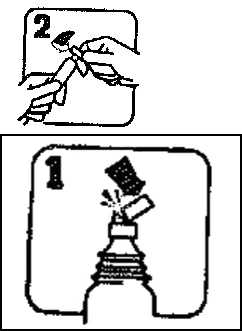
- Pour the contents of one of the vials supplied in the package into the bottle.
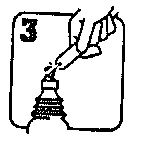
- Attach one of the vaginal cannulas supplied in the package to the bottle and gently shake the solution.
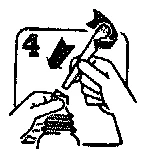
- Insert the cannula into the vagina and perform an internal wash by squeezing the bottle walls.
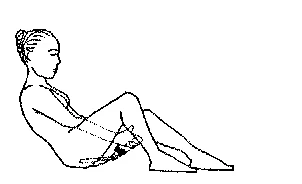
- After completing the wash, discard the used cannula.
Use this medicine only for short periods of time.
Caution: do not exceed the recommended doses without medical advice.
If you use more Betadine 10% concentrate and solvent for vaginal solution than you should
If the recommended doses are exceeded, either intentionally or accidentally, the following symptoms may occur:
- gastrointestinal symptoms (including metallic taste, increased salivation, burning or sharp pain in the mouth and throat, diarrhoea)
- reduced or absent urine production (anuria)
- drop in blood pressure which may lead to collapse
- circulatory failure
- rapid heartbeat (tachycardia)
- metabolic disturbances, including metabolic acidosis (disturbance of the blood’s acid-base balance)
- swelling of the throat which may lead to asphyxiation (inability to breathe) and/or pulmonary oedema (fluid in the lungs)
- seizures
- fever
- thyroid disorders (hyperthyroidism or hypothyroidism).
Other symptoms may include: eye irritation or swelling (eye oedema), skin rash,
increased sodium levels (hypernatraemia), impaired kidney function.
In case of accidental ingestion, consult a doctor immediately or go to the nearest
hospital.
If you have any doubts about how to use this medicine, consult your doctor or pharmacist.
4. Possible side effects
Like all medicines, this medicine can cause side effects, although not everybody will experience them.
Rare side effects (may affect up to 1 in 1,000 people)
- Hypersensitivity
- Contact dermatitis (with skin rashes, small blisters, and itching)
Very rare side effects (may affect up to 1 in 10,000 people)
- Allergic reactions
- Angioedema (swelling of hands, feet, face, lips, tongue, throat)
- Hyperthyroidism (excessive thyroid activity)
Side effects with unknown frequency (frequency cannot be estimated from available data)
- Hypothyroidism (reduced thyroid activity)
- Electrolyte imbalance (alteration in electrolyte levels)
- Metabolic acidosis (disruption of the acid-base balance in the blood)
- Exfoliative dermatitis (skin disease characterized by skin peeling)
- Dry skin (especially after repeated applications; the risk is higher in the genital area)
- Skin discoloration
- Acute kidney injury
- Abnormal blood osmolarity (alteration in the concentration of substances in the blood)
- Contact burn
- Heat burn
Reporting of side effects
If you experience any side effect, including those not listed in this leaflet, talk to your doctor or pharmacist. You may also report side effects directly via the national reporting system at: www.aifa.gov.it/content/segnalazioni-reazioni-avverse.
By reporting side effects, you can help provide more information on the safety of this medicine.
5. How to store Betadine 10% concentrate and solvent for vaginal solution
Keep this medicine out of the sight and reach of children.
Keep this medicine away from heat.
Do not use this medicine after the expiry date stated on the label after Exp.
The expiry date refers to the last day of that month.
Do not dispose of any medicine via wastewater or household waste. Ask your pharmacist how to dispose of
medicines you no longer use. This will help protect the environment.
6. Package contents and other information
What Betadine 10% concentrate and solvent for vaginal solution contains
- The active substance is iodopovidone 1 g (contained in the 10 ml vial included in the pack).
- The other components are: purified water (contained in the 10 ml vial included in the pack), dodecyl glucoside, intimate hygiene fragrance, purified water (contained in the 140 ml bottle included in the pack).
Description of the appearance of Betadine 10% concentrate and solvent for vaginal solution and contents of the
pack
Betadine 10% concentrate and solvent for vaginal solution is a brown solution.
The pack contains 5 bottles of 140 ml, 5 vials of 10 ml and 5 single-use vaginal cannulas.
Marketing Authorization Holder
Cooper Consumer Health B.V.
Verrijn Stuartweg 60 – 1112 AX Diemen
(The Netherlands)
Manufacturer
Meda Manufacturing – Mérignac (France)
Avenue J.F. Kennedy
33700 Merignac
France
Licence Mundipharma
Package leaflet: Information for the user
BETADINE 0.2 g Vaginal Tablets
Povidone-iodine
Read this entire leaflet carefully before using this medicine because it contains important information for you.
Always use this medicine exactly as described in this leaflet or as your doctor or pharmacist has instructed you.
- Keep this leaflet. You may need to read it again.
- If you need more information or advice, consult your pharmacist.
- If you experience any side effects, including those not listed in this leaflet, contact your doctor or pharmacist. See section 4.
- Contact your doctor if you do not notice any improvement or if your symptoms worsen after a short period of treatment.
Contents of this leaflet:
- What Betadine 0.2 g vaginal tablets are and what they are used for
- What you need to know before using Betadine 0.2 g vaginal tablets
- How to use Betadine 0.2 g vaginal tablets
- Possible side effects
- How to store Betadine 0.2 g vaginal tablets
- Package contents and other information
1. What Betadine 0.2 g vaginal tablets is and what it is used for
Betadine 0.2 g vaginal tablets contain povidone-iodine, a disinfectant for local use.
Betadine 0.2 g vaginal tablets are indicated for disinfecting the vaginal mucosa (the tissue lining the vagina).
2. What you should know before using Betadine 0.2 g vaginal tablets
Do not use Betadine 0.2 g vaginal tablets
- If you are allergic to povidone-iodine or to any of the other ingredients of this medicine (listed in section 6).
- If you have thyroid disorders.
- Before, during, or after administration of radioactive iodine (see section "Other medicines and Betadine 0.2 g vaginal tablets").
- If you are using mercury-containing products (see section "Other medicines and Betadine 0.2 g vaginal tablets").
- In prepubertal girls (before puberty).
Warnings and precautions
Talk to your doctor or pharmacist before using Betadine 0.2 g vaginal tablets.
Betadine 0.2 g vaginal tablets are for local use only; do not ingest.
Accidental ingestion or inhalation of some disinfectants may lead to serious, sometimes fatal, consequences.
Avoid contact with the eyes.
Do not use this medicine for prolonged treatments: prolonged or repeated use of topical products may cause allergic reactions (see section “Possible side effects”). If this occurs, stop treatment and consult your doctor, who will prescribe appropriate therapy.
Particular caution is required in patients with renal insufficiency who require regular application of Betadine on damaged skin.
Consult your doctor if you have thyroid disorders (a gland located at the base of the neck). In such cases, your doctor may prescribe specific tests (including scintigraphy) to assess thyroid function. In cases of goiter, thyroid nodules, or other acute and non-acute thyroid diseases, administration of large amounts of iodine may lead to overactivity of the thyroid gland (hyperthyroidism).
The use of povidone-iodine may cause temporary skin discoloration at the site of application due to the inherent color of the medicine.
Avoid contact with jewelry, especially items containing silver.
Discontinue treatment at least 10 days before undergoing thyroid scintigraphy or after scintigraphy with radioactive iodine (thyroid function test), or before treatment with radioactive iodine for thyroid carcinoma.
Children and adolescents
This product must not be used in girls before puberty. In adolescents, the use of povidone-iodine should be kept to the minimum necessary. Use only when strictly necessary and under medical supervision.
Other medicines and Betadine 0.2 g vaginal tablets
Inform your doctor or pharmacist if you are taking, have recently taken, or might take any other medicines.
➢ Avoid the simultaneous use of other antiseptics and detergents.
➢ Do not use mercury-containing products or compounds containing benzoin, carbonates, tannic acid, alkalis, silver, hydrogen peroxide, or taurolidine on the same area treated with this medicine.
➢ Temporary dark discoloration of the skin may occur in areas treated simultaneously, before, or after with povidone-iodine and other antiseptics containing octenidine.
➢ Avoid concomitant use of lithium (a medicine used for mood disorders).
➢ Povidone-iodine may cause false positive results in certain laboratory tests (e.g., toluidine or guaiacum tests for detecting hemoglobin or glucose in feces or urine).
➢ Povidone-iodine may interfere with various diagnostic tests (thyroid scintigraphy, determination of protein-bound iodine (PBI), diagnostics using radioactive iodine) and may prevent planned thyroid treatment with iodine (radioactive iodine therapy). After completion of treatment, wait 4 weeks before performing a new scintigraphy.
Fertility, pregnancy, and breastfeeding
If you are pregnant, think you may be pregnant, planning pregnancy, or breastfeeding, consult your doctor or pharmacist before taking this medicine.
Povidone-iodine crosses the placenta and is excreted in breast milk. Infants born to mothers who received iodine during pregnancy may develop thyroid disorders, including congenital hypothyroidism.
The use of povidone-iodine should be avoided unless the potential benefit to the mother outweighs the potential risk to the fetus and newborn.
Fertility
No data are available on effects on fertility.
Driving and using machines
Betadine 0.2 g vaginal tablets do not affect the ability to drive or operate machinery.
3. How to use Betadine 0.2 g vaginal tablets
Use this medicine exactly as stated in this leaflet or as instructed by your doctor or pharmacist. If you have any doubts, consult your doctor or pharmacist.
Dosage
1-2 tablets per day, preferably in the evening.
Instructions for use
Wet the tablet with a little water.
Insert the tablet deeply into the vagina.
Remain lying on your back for a few minutes.
Use this medicine only for short periods of time.
Caution: Do not exceed the recommended doses without medical advice.
If you use more Betadine 0.2 g vaginal tablets than you should
If the recommended doses are exceeded, either intentionally or accidentally, the following symptoms may occur:
- gastrointestinal symptoms (including metallic taste, increased salivation, burning or stinging pain in the mouth and throat, diarrhoea)
- reduced or absent urine production (anuria)
- low blood pressure which may lead to collapse
- circulatory failure
- rapid heartbeat (tachycardia)
- metabolic disturbances, including metabolic acidosis (disturbance of the blood's acid-base balance)
- swelling of the throat which may lead to asphyxiation (inability to breathe) and/or pulmonary oedema (fluid in the lungs)
- seizures
- fever
- thyroid abnormalities (hyperthyroidism or hypothyroidism).
Other symptoms may also occur: eye irritation or swelling (eye tumefaction), skin rash, elevated sodium levels (hypernatremia), impaired kidney function.
In case of accidental ingestion, consult your doctor immediately or go to the nearest hospital.
If you have any questions about the use of this medicine, consult your doctor or pharmacist.
4. Possible side effects
Like all medicines, this medicine can cause side effects, although not everyone will experience them.
Rare side effects (may affect up to 1 in 1,000 people)
- Hypersensitivity
- Contact dermatitis (with skin rashes, small blisters, and itching)
Very rare side effects (may affect up to 1 in 10,000 people)
- Allergic reactions
- Angioedema (swelling of hands, feet, face, lips, tongue, throat)
- Hyperthyroidism (excessive thyroid activity)
Side effects with unknown frequency (frequency cannot be estimated from available data)
- Hypothyroidism (reduced thyroid activity)
- Electrolyte imbalance (alteration in electrolyte levels)
- Metabolic acidosis (disruption of the blood's acid-base balance)
- Exfoliative dermatitis (skin disease characterized by peeling)
- Dry skin (especially after repeated applications; the risk is higher in the genital area)
- Skin discoloration
- Acute renal failure
- Abnormal blood osmolarity (altered concentration of substances in the blood)
- Contact burn
- Thermal burn
Reporting of side effects
If you experience any side effect, including those not listed in this information, please consult your doctor or pharmacist.
You may also report side effects directly via the national reporting system at www.aifa.gov.it/content/segnalazioni-reazioni-avverse.
By reporting side effects, you can help provide more information on the safety of this medicine.
5. How to store Betadine 0.2 g vaginal tablets
Keep this medicine out of the sight and reach of children.
Store below 30°C.
Do not use this medicine after the expiry date stated on the carton after Exp. The expiry date refers to the last day of that month.
Do not dispose of any medicine via wastewater or household waste. Ask your pharmacist how to dispose of medicines no longer used. This will help protect the environment.
6. Package contents and other information
What Betadine 0.2 g vaginal tablets contain
- The active substance is iodopovidone 0.2 g.
- Other components are: Polyethylene glycol 1000
Description of the appearance of Betadine 0.2 g vaginal tablets and pack contents
Betadine 0.2 g vaginal tablets are brownish-red vaginal tablets supplied in packs of 10 tablets.
Marketing Authorization Holder
Cooper Consumer Health B.V.
Verrijn Stuartweg 60 – 1112 AX Diemen
(The Netherlands)
Manufacturer
Meda Manufacturing
Avenue J.F. Kennedy
33700 Merignac
France
Meribel Pharma Parets, S.L.U.
Ramòn y Cajal, 2
Partes del Vallés
E-08150 Barcelona
Spain
Licence Mundipharma
Package leaflet: information for the user
BETADINE 5% cream
Povidone iodine
Please read this leaflet carefully before using this medicine because it contains important information for you.
Always use this medicine exactly as described in this leaflet or as your doctor or pharmacist has instructed you to.
- Keep this leaflet. You may need to read it again.
- If you need more information or advice, consult your pharmacist.
- If any of the side effects occur, including those not listed in this leaflet, consult your doctor or pharmacist. See section 4.
- Consult your doctor if you do not notice improvement or if you experience worsening of symptoms after a short period of treatment.
Contents of this leaflet:
- What Betadine 5% cream is and what it is used for
- What you need to know before using Betadine 5% cream
- How to use Betadine 5% cream
- Possible side effects
- How to store Betadine 5% cream
- Contents of the pack and other information
1. What Betadine 5% cream is and what it is used for
Betadine 5% cream contains povidone-iodine, a local antiseptic.
Betadine 5% cream is indicated in adults and in children over 2 years of age for:
- preventing and treating infections caused by minor cuts, superficial wounds (abrasions), and mild superficial burns affecting small areas of skin
- treating superficial skin infections caused by fungi (cutaneous mycoses)
2. What you need to know before using Betadine 5% cream
Do not use Betadine 5% cream
- If you are allergic to povidone-iodine, or to any of the other ingredients of this medicine (listed in section 6).
- If you have thyroid disorders.
- Before, during, and after administration of radioactive iodine (see section "Other medicines and Betadine").
- If you are using mercury-containing products (see section "Other medicines and Betadine").
- If the child is under 2 years of age.
Warnings and precautions
Talk to your doctor or pharmacist before using Betadine 5% cream.
Betadine 5% cream is for external use only and must not be applied to severely damaged skin or over large body surfaces.
Accidental ingestion or inhalation of some disinfectants may lead to serious, sometimes fatal, consequences.
Avoid contact with the eyes.
Do not use this medicine for prolonged treatments: the use, especially if prolonged, of topical products may cause allergic reactions (see section “Possible side effects”). In such cases, discontinue treatment and consult your doctor, who will prescribe appropriate therapy.
Particular caution is required in patients with pre-existing renal insufficiency who require regular applications of Betadine on damaged skin.
Talk to your doctor if you have thyroid disorders (a gland located at the base of the neck). In this case, your doctor may prescribe specific tests (including scintigraphy) to assess thyroid function.
In case of goiter, thyroid nodules, or other acute and non-acute thyroid diseases, hyperthyroidism may develop following administration of large amounts of iodine.
The use of povidone-iodine may cause temporary skin discoloration at the site of application due to the colour of the medicine itself.
Avoid contact with jewellery, especially silver items.
Discontinue treatment at least 10 days before undergoing thyroid scintigraphy or after scintigraphy with radioactive iodine (thyroid function test), or before treatment with radioactive iodine for thyroid carcinoma.
Children and adolescents
In children and adolescents, the use of povidone-iodine should be kept to a minimum due to the higher risk of developing thyroid disturbances.
Use only when strictly necessary and under medical supervision.
Other medicines and Betadine 5% cream
Inform your doctor or pharmacist if you are taking, have recently taken, or might take any other medicines.
➢ Avoid the simultaneous use of other antiseptics and detergents.
➢ Do not use mercury-containing products or compounds containing benzoin, carbonates, tannic acid, alkalis, silver, hydrogen peroxide, or taurolidine on the same area treated with this medicine.
➢ Temporary dark discoloration of the skin may occur in areas treated simultaneously, before, or after with povidone-iodine and other antiseptics containing octenidine.
➢ Avoid concomitant use of lithium (a medicine used for mood disorders).
➢ Povidone-iodine may cause false positive results in certain laboratory tests (e.g. toluidine or guaiac gum tests for detecting haemoglobin or glucose in faeces or urine).
➢ Povidone-iodine may interfere with various diagnostic tests (thyroid scintigraphy, determination of iodine-binding proteins (PBI), diagnosis with radioactive iodine) and may prevent planned radioactive iodine therapy of the thyroid gland. After treatment ends, wait 4 weeks before performing a new scintigraphy.
Fertility, pregnancy and breastfeeding
If you are pregnant, think you may be pregnant, planning a pregnancy, or breastfeeding, consult your doctor or pharmacist before using this medicine.
Povidone-iodine crosses the placenta and is excreted in breast milk. Infants born to mothers who received iodine during pregnancy may develop thyroid disorders, including congenital hypothyroidism.
The use of povidone-iodine should be avoided unless the potential benefit to the mother outweighs the potential risk to the fetus and newborn.
Fertility
No data on effects on fertility are available.
Driving and using machines
Betadine 5% cream does not affect the ability to drive or operate machinery.
Important information about certain excipients
This medicine contains cetyl alcohol and stearyl alcohol, which may cause localized skin reactions (e.g. contact dermatitis).
This medicine contains polysorbate 60; polysorbates may cause allergic reactions.
3. How to use Betadine 5% cream
Use this medicine exactly as described in this leaflet or as directed by your doctor or pharmacist. If you have any doubts, consult your doctor or pharmacist.
Dosage
Apply an adequate amount of cream to the area to be treated.
Instructions
- Clean and dry the skin area to be treated before applying the cream.
- Apply a thin layer of cream to the affected area.
You may cover the treated area with gauze or bandages.
Use this medicine only for short periods of time.
If you use more Betadine 5% cream than you should
If the recommended doses are exceeded, either intentionally or accidentally, the following may occur:
- gastrointestinal symptoms (including metallic taste, increased salivation, burning or stinging pain in the mouth and throat, diarrhea)
- reduced or absent urine production (anuria)
- low blood pressure that may lead to collapse
- circulatory failure
- rapid heartbeat (tachycardia)
- metabolic disturbances, including metabolic acidosis (disruption of the blood's acid-base balance)
- swelling of the throat that may lead to asphyxia (inability to breathe) and/or pulmonary edema (fluid in the lungs)
- seizures
- fever
- thyroid disorders (hyperthyroidism or hypothyroidism)
Other symptoms may also occur: eye irritation or swelling (periorbital edema), skin rash, increased sodium levels (hypernatremia), impaired kidney function.
In case of accidental ingestion, consult a doctor immediately or go to the nearest hospital.
If you have any doubts about how to use this medicine, consult your doctor or pharmacist.
4. Possible side effects
Like all medicines, this medicine can cause side effects, although not everybody will experience them.
Rare side effects (may affect up to 1 in 1,000 people)
- Hypersensitivity
- Contact dermatitis (with skin rashes, small blisters and itching)
Very rare side effects (may affect up to 1 in 10,000 people)
- Allergic reactions
- Angioedema (swelling of hands, feet, face, lips, tongue, throat)
- Hyperthyroidism (excessive activity of the thyroid gland)
Side effects with unknown frequency (frequency cannot be estimated from available data)
- Hypothyroidism (reduced activity of the thyroid gland)
- Electrolyte imbalance (alteration in electrolyte levels)
- Metabolic acidosis (disruption of the acid-base balance in the blood)
- Exfoliative dermatitis (skin disease characterized by skin peeling)
- Dry skin (especially after repeated applications; risk is higher in the genital area)
- Skin discoloration
- Acute kidney failure
- Abnormal blood osmolarity (alteration in the concentration of substances in the blood)
- Contact burn
- Thermal burn
Reporting of side effects
If you experience any side effect, including those not listed in this information, please consult your doctor or pharmacist. You may also report side effects directly via the national reporting system at www.aifa.gov.it/content/segnalazioni-reazioni-avverse.
By reporting side effects, you can help provide more information on the safety of this medicine.
5. How to store Betadine 5% cream
Keep this medicine out of the sight and reach of children.
Store below 25°C.
Do not use this medicine after the expiry date. The expiry date refers to the last day of that month.
Do not dispose of any medicine via wastewater or household waste. Ask your pharmacist how to dispose of medicines you no longer use. This will help protect the environment.
6. Package contents and other information
What Betadine 5% cream contains
Each 100 g of cream contains:
- The active substance is povidone-iodine 5 g.
- The other components are: Cetyl alcohol, Stearyl alcohol, White soft paraffin, Liquid paraffin, Glycerol, Sorbitan monostearate, Polyethylene glycol stearate 50, Polysorbate 60, Sodium hydroxide, Purified water.
Description of the appearance of Betadine 5% cream and pack sizes
Betadine 5% cream is a brown cream supplied in tubes of 30 g and 100 g.
Not all pack sizes may be marketed.
Marketing Authorization Holder
Cooper Consumer Health B.V.
Verrijn Stuartweg 60 – 1112 AX Diemen
(The Netherlands)
Manufacturer
Meda Manufacturing
Avenue J.F. Kennedy
33700 Merignac
France
Licensed to Mundipharma
Package leaflet: information for the user
BETADINE 10% Impregnated Gauzes
Povidone-iodine
Please read this leaflet carefully before using this medicine, as it contains important information for you.
Always use this medicine exactly as described in this leaflet or as your doctor or pharmacist has instructed you to do.
- Keep this leaflet. You may need to read it again.
- If you need more information or advice, consult your pharmacist.
- If you experience any of the side effects listed in this leaflet, or any that are not listed, contact your doctor or pharmacist. See section 4.
- Contact your doctor if you do not notice improvement or if you notice worsening of symptoms after a short period of treatment.
Contents of this leaflet:
- What Betadine 10% Impregnated Gauzes are and what they are used for
- What you need to know before using Betadine 10% Impregnated Gauzes
- How to use Betadine 10% Impregnated Gauzes
- Possible side effects
- How to store Betadine 10% Impregnated Gauzes
- Package contents and other information
1. What Betadine 10% Impregnated Gauzes is and what it is used for
Betadine 10% Impregnated Gauzes contains povidone-iodine, a local antiseptic.
Betadine 10% Impregnated Gauzes is indicated for the disinfection of minor skin injuries such as small, superficial wounds and mild pressure sores (skin lesions affecting body parts subjected to prolonged pressure) in adults and children over 2 years of age.
2. What you need to know before using Betadine 10% Impregnated Gauzes
Do not use Betadine 10% Impregnated Gauzes
- If you are allergic to povidone-iodine or to any of the other ingredients of this medicine (listed in section 6).
- If you have thyroid disorders.
- Before, during, and after administration of radioactive iodine (see section "Other medicines and Betadine").
- If you are using products containing mercury (see section "Other medicines and Betadine").
- If the child is under 2 years of age.
Warnings and precautions
Talk to your doctor or pharmacist before using Betadine 10% Impregnated Gauzes.
Betadine 10% Impregnated Gauzes are for external use only and must not be applied to severely damaged skin or over large body surface areas.
Avoid contact with the eyes.
Do not use this medicine for prolonged treatments: the use, especially if prolonged, of topical products may lead to allergic reactions (see section "Possible side effects"). In such cases, discontinue treatment and consult your doctor, who will establish appropriate therapy.
Particular caution is required in patients with renal insufficiency who require regular applications of Betadine on damaged skin.
Consult your doctor if you have thyroid disorders (a gland located at the base of the neck). In such cases, your doctor may prescribe specific tests (including scintigraphy) to assess thyroid function. In cases of goitre, thyroid nodules, or other acute and non-acute thyroid diseases, hyperthyroidism may develop following administration of large amounts of iodine.
The use of povidone-iodine may cause temporary skin discoloration at the site of application due to the colour of the medicine itself.
Avoid contact with jewellery, particularly items containing silver.
Discontinue treatment at least 10 days before undergoing thyroid scintigraphy or after scintigraphy with labelled iodine (thyroid function test), or before treatment with radioactive iodine for thyroid carcinoma.
Children and adolescents
In children and adolescents, the use of povidone-iodine should be minimized due to the increased risk of developing thyroid dysfunction.
Use only when strictly necessary and under medical supervision.
Other medicines and Betadine 10% Impregnated Gauzes
Inform your doctor or pharmacist if you are taking, have recently taken, or might take any other medicines.
➢ Avoid the simultaneous use of other antiseptics and detergents.
➢ Do not use mercury-containing products or compounds of benzoin, carbonates, tannic acid, alkalis, silver, hydrogen peroxide, or taurolidine on the same area treated with this medicine.
➢ Temporary dark skin staining may occur in the treated area when povidone-iodine is used simultaneously, before, or after other antiseptics containing octenidine.
➢ Avoid simultaneous use of lithium (a medicine used for mood disorders).
➢ Povidone-iodine may cause false positive results in certain laboratory tests (e.g. toluidine or guaiac gum tests for detecting haemoglobin or glucose in faeces or urine).
➢ Povidone-iodine may interfere with various diagnostic tests (thyroid scintigraphy, determination of iodine-binding proteins (PBI), diagnostics using radioactive iodine) and may prevent planned radioactive iodine therapy for the thyroid. After treatment ends, wait 4 weeks before performing a new scintigraphy.
Fertility, pregnancy and breastfeeding
If you are pregnant, suspect you may be pregnant, planning a pregnancy, or breastfeeding, consult your doctor or pharmacist before using this medicine.
Povidone-iodine crosses the placenta and is excreted in breast milk. Infants of mothers who received iodine during pregnancy may develop thyroid disorders, including congenital hypothyroidism.
The use of povidone-iodine should be avoided unless the potential benefit to the mother justifies the potential risk to the fetus and newborn.
Fertility
No data on effects on fertility are available.
Driving and using machines
Betadine 10% Impregnated Gauzes do not affect the ability to drive or operate machinery.
3. How to use Betadine 10% Impregnated Gauzes
Use this medicinal product exactly as described in this leaflet or as directed by your doctor or pharmacist. If you have any doubts, consult your doctor or pharmacist.
Dosage
The recommended dose is 1–3 applications per day to the affected area.
Method of administration
Apply 1 gauze 1–3 times daily to the affected area; if necessary, cover the gauze with a bandage.
Replace the gauze at each dressing change.
Use this medicinal product only for short periods of time.
Caution: do not exceed the recommended doses.
If you use more Betadine 10% Impregnated Gauzes than you should
If the recommended doses are exceeded, either intentionally or accidentally, the following symptoms may occur:
- gastrointestinal symptoms (including metallic taste, increased salivation, burning or sharp pain in the mouth and throat, diarrhoea)
- reduced or absent urine production (anuria)
- low blood pressure which may lead to collapse
- circulatory failure
- rapid heartbeat (tachycardia)
- metabolic disturbances, including metabolic acidosis (disruption of the blood’s acid-base balance)
- swelling of the throat which may lead to asphyxiation (inability to breathe) and/or pulmonary oedema (fluid in the lungs)
- seizures
- fever
- thyroid abnormalities (hyperthyroidism or hypothyroidism)
Other possible symptoms include: eye irritation or swelling (eye tumefaction), skin rash, elevated sodium levels (hypernatraemia), and impaired kidney function.
If you have any doubts about the use of this medicinal product, consult your doctor or pharmacist.
4. Possible side effects
Like all medicines, this medicine can cause side effects, although not everyone experiences them.
Rare side effects (may affect up to 1 in 1,000 people)
- Hypersensitivity
- Contact dermatitis (with skin rashes, small blisters, and itching)
Very rare side effects (may affect up to 1 in 10,000 people)
- Allergic reactions
- Angioedema (swelling of hands, feet, face, lips, tongue, throat)
- Hyperthyroidism (excessive thyroid activity)
Side effects with unknown frequency (frequency cannot be estimated from available data)
- Hypothyroidism (reduced thyroid activity)
- Electrolyte imbalance (alteration in electrolyte levels)
- Metabolic acidosis (disruption of the body's acid-base balance)
- Exfoliative dermatitis (skin disease characterized by skin peeling)
- Dry skin (especially after repeated applications; risk is higher in the genital area)
- Skin discoloration
- Acute kidney failure
- Abnormal blood osmolarity (alteration in the concentration of substances in the blood)
- Thermal burn
Reporting of side effects
If you experience any side effect, including those not listed in this information, talk to your doctor or pharmacist. You may also report side effects directly via the national reporting system at www.aifa.gov.it/content/segnalazioni-reazioni-avverse.
By reporting side effects, you can help provide more information on the safety of this medicine.
5. How to store Betadine 10% Impregnated Gauzes
Keep this medicine out of the sight and reach of children.
Store below 30°C.
Do not use this medicine after the expiry date. The expiry date refers to the last day of that month.
Do not dispose of any medicine via wastewater or household waste. Ask your pharmacist how to dispose of medicines you no longer use. This will help protect the environment.
6. Package contents and other information
What Betadine 10% Impregnated Gauzes contains
Each gauze contains:
- The active substance is Povidone-iodine (10% iodine) 250 mg.
- The other components are: Polyethylene glycol 400, Polyethylene glycol 4000, Polyethylene glycol 6000, Purified water.
Description of the appearance of Betadine 10% Impregnated Gauzes and package contents
Betadine 10% Impregnated Gauzes are presented as a 1 dm² gauze for external use, contained in a plastic sachet.
Pack size: 10 gauzes.
Marketing Authorization Holder
Cooper Consumer Health B.V.
Verrijn Stuartweg 60 – 1112 AX Diemen
(The Netherlands)
Manufacturer
Meda Manufacturing – Merignac (France)
Avenue J.F. Kennedy 33700 Merignac, France
Licence Mundipharma
Patient Information Leaflet: Information for the User
BETADINE 10% Vaginal Gel
Povidone-iodine
Please read this leaflet carefully before using this medicine because it contains important information for you.
Always use this medicine exactly as described in this leaflet or as your doctor or pharmacist has instructed you.
- Keep this leaflet. You may need to read it again.
- If you need further information or advice, consult your pharmacist.
- If you experience any side effects, including those not listed in this leaflet, contact your doctor or pharmacist. See section 4.
- Consult your doctor if you do not notice improvement or if your symptoms worsen after a short period of treatment.
Contents of this leaflet:
- What Betadine 10% Vaginal Gel is and what it is used for
- What you need to know before using Betadine 10% Vaginal Gel
- How to use Betadine 10% Vaginal Gel
- Possible side effects
- How to store Betadine 10% Vaginal Gel
- Contents of the pack and other information
1. What Betadine 10% vaginal gel is and what it is used for
Betadine 10% vaginal gel contains povidone-iodine, a disinfectant for local use.
Betadine 10% vaginal gel is indicated for disinfecting the vaginal mucosa (the tissue lining the vagina).
2. What you should know before using Betadine 10% vaginal gel
Do not use Betadine 10% vaginal gel
- If you are allergic to povidone-iodine or to any of the other ingredients of this medicine (listed in section 6).
- If you have thyroid disorders.
- Before, during, and after administration of radioactive iodine (see section "Other medicines and Betadine 10% vaginal gel").
- If you are using mercury-containing products (see section "Other medicines and Betadine 10% vaginal gel").
- In prepubertal girls (before puberty).
Warnings and precautions
Talk to your doctor or pharmacist before using Betadine 10% vaginal gel.
Betadine 10% vaginal gel is for topical use only.
Accidental ingestion or inhalation of some antiseptics may lead to serious, sometimes fatal, consequences.
Avoid contact with the eyes.
Do not use this medicine for prolonged treatments: the use, especially if prolonged, of topical products may lead to allergic reactions (see section “Possible side effects”). In such cases, discontinue treatment and consult your doctor, who will initiate appropriate therapy.
Particular caution is required in patients with renal impairment who require regular applications of Betadine on damaged skin.
Consult your doctor if you have thyroid disorders (a gland located at the base of the neck). In this case, your doctor may prescribe specific tests (including scintigraphy) to assess thyroid function.
In cases of goitre, thyroid nodules, or other acute and non-acute thyroid diseases, hyperthyroidism may develop following administration of large amounts of iodine.
The use of povidone-iodine may cause temporary skin discoloration at the application site due to the medicine's own colour.
Avoid contact with jewellery, particularly items containing silver.
Discontinue treatment at least 10 days before undergoing thyroid scintigraphy or after scintigraphy with radiolabelled iodine (thyroid function test), or before treatment with radioactive iodine for thyroid carcinoma.
Children and adolescents
In children and adolescents, the use of povidone-iodine should be kept to a strict minimum. Use only when strictly necessary and under medical supervision.
Other medicines and Betadine 10% vaginal gel
Inform your doctor or pharmacist if you are taking, have recently taken, or might take any other medicines.
➢ Avoid concomitant use of other antiseptics and detergents.
➢ Do not use mercury-containing products or compounds of benzoin, carbonates, tannic acid, alkalis, silver, hydrogen peroxide, or taurolidine on the same area treated with this medicine.
➢ Temporary dark staining of the skin may occur in areas treated with povidone-iodine and other antiseptics containing octenidine, whether applied simultaneously, before, or after.
➢ Avoid concomitant use of lithium (a medicine used for mood disorders).
➢ Povidone-iodine may cause false positive results in certain laboratory tests (e.g., toluidine or guaiac gum tests for detecting haemoglobin or glucose in faeces or urine).
➢ Povidone-iodine may interfere with various diagnostic tests (thyroid scintigraphy, protein-bound iodine (PBI) determination, diagnostics with radioactive iodine) and may prevent planned radioactive iodine therapy of the thyroid. After completion of treatment, wait 4 weeks before performing a new scintigraphy.
Fertility, pregnancy, and breastfeeding
If you are pregnant, suspect you may be pregnant, planning to become pregnant, or breastfeeding, consult your doctor or pharmacist before using this medicine.
Povidone-iodine crosses the placenta and is excreted in breast milk. Infants of mothers who have received iodine during pregnancy may develop thyroid disorders, including congenital hypothyroidism.
The use of povidone-iodine should be avoided unless the potential benefit to the mother justifies the potential risk to the foetus and newborn.
Fertility
No data on effects on fertility are available.
Driving and using machines
Betadine 10% vaginal gel does not affect the ability to drive or operate machinery.
3. How to use Betadine 10% vaginal gel
Use this medicine exactly as described in this leaflet or as instructed by your doctor or pharmacist. If you have any doubts, consult your doctor or pharmacist.
Dosage
Apply the contents of 1 syringe (corresponding to 5 g of gel) once daily, preferably in the evening before going to bed.
Method
Screw the threaded end of the syringe (without needle) onto the tube containing the gel.
Pull back the plunger of the syringe as far as possible to the stop mark.
Squeeze the tube to fill the syringe with gel.
Remove the filled syringe from the tube.
Insert the filled syringe deeply into the vagina.
Push the plunger of the syringe to deposit the gel inside the vagina.
Remain lying on your back for a few minutes.
After emptying, remove the syringe.
After use, wash the syringe (without needle) so it can be reused for subsequent applications.
Use this medicine only for short periods of time.
Warning: Do not exceed the recommended doses without medical advice.
If you use more Betadine 10% vaginal gel than you should
If the recommended doses are exceeded, either intentionally or accidentally, the following symptoms may occur:
- Gastrointestinal symptoms (including metallic taste, increased salivation, burning or sharp pain in the mouth and throat, diarrhea)
- Reduced or absent urine production (anuria)
- Drop in blood pressure that may lead to collapse
- Circulatory failure
- Rapid heartbeat (tachycardia)
- Metabolic disturbances, including metabolic acidosis (disturbance of the blood’s acid-base balance)
- Swelling of the throat that may lead to asphyxiation (inability to breathe) and/or pulmonary edema (fluid in the lungs)
- Seizures
- Fever
- Thyroid dysfunction (hyperthyroidism or hypothyroidism)
Other possible symptoms include: eye irritation or swelling (eye tumefaction), skin rash, elevated sodium levels (hypernatremia), and impaired kidney function.
In case of accidental ingestion, consult your doctor immediately or go to the nearest hospital.
If you have any questions about the use of this medicine, consult your doctor or pharmacist.
4. Possible side effects
Like all medicines, this medicine can cause side effects, although not everyone experiences them.
Rare side effects (may affect up to 1 in 1,000 people)
- Hypersensitivity
- Contact dermatitis (with skin rashes, small blisters, and itching)
Very rare side effects (may affect up to 1 in 10,000 people)
- Allergic reactions
- Angioedema (swelling of hands, feet, face, lips, tongue, throat)
- Hyperthyroidism (excessive thyroid activity)
Side effects with unknown frequency (frequency cannot be estimated from available data)
- Hypothyroidism (reduced thyroid activity)
- Electrolyte imbalance (alteration in electrolyte levels)
- Metabolic acidosis (disturbance in the body's acid-base balance)
- Exfoliative dermatitis (skin disease characterized by skin peeling)
- Dry skin (especially after repeated applications; risk is higher in the genital area)
- Skin discoloration
- Acute kidney failure
- Abnormal blood osmolality (alteration in the concentration of substances in the blood)
- Contact burn
- Thermal burn
Reporting of side effects
If you experience any side effect, including those not listed in this information, consult your doctor or pharmacist. You may also report side effects directly via the national reporting system at www.aifa.gov.it/content/segnalazioni-reazioni-avverse.
By reporting side effects, you can help provide more information on the safety of this medicine.
5. How to store Betadine 10% vaginal gel
Keep this medicine out of the sight and reach of children.
Keep this medicine away from heat.
Do not use this medicine after the expiry date stated on the pack after "Exp.". The expiry date refers to the last day of that month.
Do not dispose of any medicine via wastewater or household waste. Ask your pharmacist how to dispose of medicines you no longer use. This will help protect the environment.
6. Package contents and other information
What Betadine 10% vaginal gel contains
100 ml of gel contain:
The active substance is Iodopovidone (10% iodine) 10 g.
The other ingredients are: Polyethylene glycol 400, Polyethylene glycol 4000, Polyethylene glycol 6000, Sodium hydrate,
Purified water.
Description of the appearance of Betadine 10% vaginal gel and package contents
Betadine 10% vaginal gel is a brown vaginal gel contained in a 75 g tube.
The package includes a syringe without needle.
Marketing Authorization Holder
Cooper Consumer Health B.V.
Verrijn Stuartweg 60 – 1112 AX Diemen
(Netherlands)
Manufacturer
Meda Manufacturing
Avenue J.F. Kennedy
33700 Merignac
France
Licence Mundipharma
Package leaflet: information for the user
BETADINE 10% Gel
Povidone-iodine
Read this leaflet carefully before using this medicine because it contains important information for you.
Always use this medicine exactly as described in this leaflet or as your doctor or pharmacist has instructed you.
- Keep this leaflet. You may need to read it again.
- If you need more information or advice, consult your pharmacist.
- If you experience any side effects, including those not listed in this leaflet, contact your doctor or pharmacist. See section 4.
- Consult your doctor if you do not notice improvement or if you notice worsening of symptoms after a short period of treatment.
Contents of this leaflet:
- What Betadine 10% Gel is and what it is used for
- What you need to know before using Betadine 10% Gel
- How to use Betadine 10% Gel
- Possible side effects
- How to store Betadine 10% Gel
- Contents of the pack and other information
1. What Betadine 10% Gel is and what it is used for
Betadine 10% Gel contains povidone-iodine, a local antiseptic.
Betadine 10% Gel is indicated for disinfection of minor skin injuries such as small superficial wounds and mild pressure ulcers (skin lesions affecting body parts subjected to prolonged pressure) in adults and children over 2 years of age.
2. What you need to know before using Betadine 10% Gel
Do not use Betadine 10% Gel
- If you are allergic to povidone-iodine or to any of the other ingredients of this medicine (listed in section 6).
- If you have thyroid disorders.
- Before, during, and after administration of radioactive iodine (see section "Other medicines and Betadine").
- If you are using products containing mercury (see section "Other medicines and Betadine").
- If the child is under 2 years of age.
Warnings and precautions
Talk to your doctor or pharmacist before using Betadine 10% Gel.
Betadine 10% Gel is for external use only and must not be applied to severely damaged skin or over large
areas of the body.
Accidental ingestion or inhalation of some disinfectants may lead to serious, sometimes fatal, consequences.
Avoid contact with the eyes.
Do not use this medicine for prolonged treatments: use, especially if prolonged, of topical products may cause
allergic reactions (see section “Possible side effects”). If this occurs, stop treatment immediately and consult
your doctor, who will prescribe appropriate therapy.
Particular caution is required in patients with renal insufficiency who require regular applications of Betadine
on damaged skin.
Consult your doctor if you have thyroid disorders (a gland located at the base of the neck). In such cases, your
doctor may prescribe specific tests (including scintigraphy) to assess thyroid function. In cases of goiter, thyroid
nodules, or other acute and non-acute thyroid diseases, hyperthyroidism may develop following administration
of large amounts of iodine.
The use of povidone-iodine may cause temporary skin discoloration at the site of application due to the inherent
color of the medicine.
Avoid contact with jewelry, particularly items containing silver.
Discontinue treatment at least 10 days before undergoing thyroid scintigraphy or after scintigraphy with
radioactive iodine (thyroid function tests), or before treatment with radioactive iodine for thyroid carcinoma.
Children and adolescents
In children and adolescents, the use of povidone-iodine should be minimized due to the increased risk of
thyroid dysfunction.
Use only when strictly necessary and under medical supervision.
Other medicines and Betadine 10% Gel
Inform your doctor or pharmacist if you are taking, have recently taken, or might take any other medicines.
➢ Avoid the simultaneous use of other antiseptics and detergents.
➢ Do not use mercury-containing products or compounds containing benzoin, carbonates, tannic acid,
alkalis, silver, hydrogen peroxide, or taurolidine on the same area treated with this medicine.
➢ Temporary dark discoloration of the skin may occur in areas treated simultaneously, before, or after with
povidone-iodine and other antiseptics containing octenidine.
➢ Avoid simultaneous use of lithium (a medicine used for mood disorders).
➢ Povidone-iodine may cause false positive results in certain laboratory tests (e.g., toluidine or guaiac gum
tests for detecting hemoglobin or glucose in feces or urine).
➢ Povidone-iodine may interfere with various diagnostic tests (thyroid scintigraphy, determination of
iodine-binding proteins [PBI], diagnostics using radioactive iodine) and may prevent planned thyroid
treatment with iodine (radioactive iodine therapy). After completion of treatment, wait 4 weeks before
performing a new scintigraphy.
Fertility, pregnancy, and breastfeeding
If you are pregnant, suspect you may be pregnant, planning a pregnancy, or breastfeeding, consult your doctor
or pharmacist before using this medicine.
Povidone-iodine crosses the placenta and is excreted in breast milk. Infants born to mothers who received
iodine during pregnancy may develop thyroid disorders, including congenital hypothyroidism.
The use of povidone-iodine should be avoided unless the potential benefit to the mother justifies the potential
risk to the fetus and newborn.
Fertility
No data are available on effects on fertility.
Driving and using machines
Betadine 10% Gel does not affect the ability to drive vehicles or operate machinery.
3. How to use Betadine 10% Gel
Use this medicine exactly as described in these instructions or as directed by your doctor or pharmacist. If you have any doubts, consult your doctor or pharmacist.
Dosage
The recommended dose is 2 applications per day to the affected area.
How to use
Apply a layer of gel covering the entire area to be treated.
The applied solution forms a protective film that does not stain.
You may cover the treated area with gauze and adhesive bandages.
Use this medicine only for short periods of time.
Caution: Do not exceed the recommended dosage.
If you use more Betadine 10% Gel than you should
If the recommended doses are exceeded, either intentionally or accidentally, the following symptoms may occur:
- gastrointestinal symptoms (including metallic taste, increased salivation, burning or stinging pain in the mouth and throat, diarrhea)
- reduced or absent urine production (anuria)
- drop in blood pressure that may lead to collapse
- circulatory failure
- rapid heartbeat (tachycardia)
- metabolic disturbances, including metabolic acidosis (disturbance of the blood’s acid-base balance)
- swelling of the throat that may lead to asphyxiation (inability to breathe) and/or pulmonary edema (fluid in the lungs)
- seizures
- fever
- thyroid abnormalities (hyperthyroidism or hypothyroidism)
Other symptoms may also occur: eye irritation or swelling (eye tumefaction), skin rash, elevated sodium levels (hypernatremia), impaired kidney function.
In case of accidental ingestion, consult a doctor immediately or go to the nearest hospital.
If you have any doubts about how to use this medicine, consult your doctor or pharmacist.
4. Possible side effects
Like all medicines, this medicine can cause side effects, although not everybody will experience them.
Rare side effects (may affect up to 1 in 1,000 people)
- Hypersensitivity
- Contact dermatitis (with skin rashes, small blisters, and itching)
Very rare side effects (may affect up to 1 in 10,000 people)
- Allergic reactions
- Angioedema (swelling of hands, feet, face, lips, tongue, throat)
- Hyperthyroidism (excessive thyroid activity)
Side effects with unknown frequency (frequency cannot be estimated from available data)
- Hypothyroidism (reduced thyroid activity)
- Electrolyte imbalance (alteration in electrolyte levels)
- Metabolic acidosis (disruption of the acid-base balance in the blood)
- Exfoliative dermatitis (skin disease characterized by peeling)
- Dry skin (especially after repeated applications; risk is higher in the genital area)
- Skin discoloration
- Acute kidney injury
- Abnormal blood osmolarity (altered concentration of substances in the blood)
- Contact burn
- Thermal burn
Reporting of side effects
If you experience any side effect, including those not listed in this information, consult your doctor or pharmacist.
You can also report side effects directly via the national reporting system at www.aifa.gov.it/content/segnalazioni-reazioni-avverse.
By reporting side effects, you can help provide more information on the safety of this medicine.
5. How to store Betadine 10% Gel
Keep this medicine out of the sight and reach of children.
Store below 30°C.
Do not use this medicine after the expiry date. The expiry date refers to the last day of that month.
Do not dispose of any medicine via wastewater or household waste. Ask your pharmacist how to dispose of medicines you no longer use. This will help protect the environment.
6. Contents of the pack and other information
What Betadine 10% Gel contains
100 g of gel contain:
- The active substance is Iodopovidone (10% iodine) 10 g.
- The other ingredients are Polyethylene glycol 400, Polyethylene glycol 4000, Polyethylene glycol 6000, Purified water.
Description of the appearance of Betadine 10% Gel and contents of the pack
Betadine 10% Gel is available in 30 g and 100 g tubes.
Not all pack sizes may be marketed.
Marketing Authorization Holder
Cooper Consumer Health B.V.
Verrijn Stuartweg 60 – 1112 AX Diemen
(The Netherlands)
Manufacturer
Meda Manufacturing – Merignac (France)
Avenue J.F. Kennedy
33700 Merignac
France
Licence Mundipharma
Package leaflet: Information for the user
BETADINE 10% cutaneous solution
Povidone-iodine
Please read this leaflet carefully before using this medicine as it contains important information for you.
Always use this medicine exactly as described in this leaflet or as your doctor or pharmacist has instructed you.
- Keep this leaflet. You may need to read it again.
- If you need further information or advice, consult your pharmacist.
- If you experience any side effects, including those not listed in this leaflet, contact your doctor or pharmacist. See section 4.
- Contact your doctor if you do not notice improvement or if your symptoms worsen after a short period of treatment.
Contents of this leaflet:
- What Betadine 10% cutaneous solution is and what it is used for
- What you need to know before using Betadine 10% cutaneous solution
- How to use Betadine 10% cutaneous solution
- Possible side effects
- How to store Betadine 10% cutaneous solution
- Contents of the pack and other information
1. What Betadine 10% cutaneous solution is and what it is used for
Betadine 10% cutaneous solution contains povidone-iodine, a disinfectant for local use.
Betadine 10% cutaneous solution is indicated for the cleaning and disinfection of mild skin injuries such as
minor superficial wounds and mild pressure sores (skin lesions affecting body parts subjected to pressure for prolonged periods) in adults and children over 2 years of age.
2. What you need to know before using Betadine 10% cutaneous solution
Do not use Betadine 10% cutaneous solution
- If you are allergic to povidone-iodine or to any of the other ingredients of this medicine (listed in section 6).
- If you have thyroid disorders.
- Before, during, and after administration of radioactive iodine (see section "Other medicines and Betadine").
- If you are using products containing mercury (see section "Other medicines and Betadine").
- If the child is under 2 years of age.
Warnings and precautions
Talk to your doctor or pharmacist before using Betadine 10% cutaneous solution.
Betadine 10% cutaneous solution is for external use only and must not be applied to severely damaged skin or over large body surface areas.
Accidental ingestion or inhalation of some disinfectants may have serious, sometimes fatal, consequences.
Avoid contact with the eyes.
Do not use this medicine for prolonged treatments: use, especially if prolonged, of topical products may lead to allergic reactions (see section “Possible side effects”). In such cases, discontinue treatment and consult your doctor, who will prescribe appropriate therapy.
Particular caution is required in patients with renal insufficiency who require regular applications of Betadine on damaged skin.
Consult your doctor if you have thyroid disorders (a gland located at the base of the neck). In this case, your doctor may prescribe specific tests (including scintigraphy) to assess thyroid function. In case of goiter, thyroid nodules, or other acute and non-acute thyroid diseases, hyperthyroidism may develop following administration of large amounts of iodine.
The use of povidone-iodine may cause temporary skin discoloration at the site of application due to the inherent color of the medicine.
Avoid contact with jewelry, especially items containing silver.
Discontinue treatment at least 10 days before undergoing scintigraphy or after scintigraphy with radioactive iodine (thyroid function test), or before treatment with radioactive iodine for thyroid carcinoma.
Children and adolescents
In children and adolescents, the use of povidone-iodine should be minimized due to the higher risk of developing thyroid abnormalities.
Use only when strictly necessary and under medical supervision.
Other medicines and Betadine 10% cutaneous solution
Inform your doctor or pharmacist if you are taking, have recently taken, or might take any other medicines.
➢ Avoid the simultaneous use of other disinfectants and detergents.
➢ Do not use mercury-containing products or compounds of benzoin, carbonates, tannic acid, alkalis, silver, hydrogen peroxide, or taurolidine on the same area treated with this medicine.
➢ Transient dark discoloration of the skin may occur in the treated area when povidone-iodine is used concomitantly with antiseptics containing octenidine.
➢ Avoid the simultaneous use of lithium (a medicine used for mood disorders).
➢ Povidone-iodine may cause false positive results in certain laboratory tests (e.g. toluidine or guaiac gum tests for detection of hemoglobin or glucose in feces or urine).
➢ Povidone-iodine may interfere with various diagnostic tests (thyroid scintigraphy, determination of iodine-binding proteins (PBI), diagnostics using radioactive iodine) and may prevent planned thyroid treatment with iodine (radioactive iodine therapy). After completion of treatment, wait 4 weeks before performing a new scintigraphy.
Fertility, pregnancy and breastfeeding
If you are pregnant, think you may be pregnant, planning to become pregnant, or are breastfeeding, consult your doctor or pharmacist before taking this medicine.
Povidone-iodine crosses the placenta and is excreted in breast milk. Infants born to mothers who received iodine during pregnancy may develop thyroid disorders, including congenital hypothyroidism.
The use of povidone-iodine should be avoided unless the potential benefit to the mother justifies the potential risk to the fetus and newborn.
Fertility
No data are available on effects on fertility.
Driving and using machines
Betadine 10% cutaneous solution does not affect the ability to drive or operate machinery.
3. How to use Betadine 10% Cutaneous Solution
Use this medicine exactly as stated in these instructions or as directed by your doctor or pharmacist.
If you have any doubts, consult your doctor or pharmacist.
Dosage
The recommended dose is 2 applications per day to the affected area.
How to use
Apply the solution to cover the entire area to be treated.
The applied solution forms a protective film that does not stain.
You may cover the treated area with gauze and adhesive bandages.
Use this medicine only for short periods of time.
Caution: Do not exceed the recommended dosage.
If you use more Betadine 10% cutaneous solution than you should
If the recommended doses are exceeded, either intentionally or accidentally, the following symptoms may occur:
- gastrointestinal symptoms (including metallic taste, increased salivation, burning or stinging pain in the mouth and throat, diarrhea)
- reduced or absent urine production (anuria)
- low blood pressure that may lead to collapse
- circulatory failure
- rapid heartbeat (tachycardia)
- metabolic disturbances, including metabolic acidosis (disturbance of the blood's acid-base balance)
- swelling of the throat that may lead to asphyxia (inability to breathe) and/or pulmonary edema (fluid in the lungs)
- seizures
- fever
- thyroid abnormalities (hyperthyroidism or hypothyroidism)
Other symptoms that may occur include: eye irritation or swelling (periorbital edema), skin rash,
increased sodium levels (hypernatremia), and impaired kidney function.
In case of accidental ingestion, consult a doctor immediately or go to the nearest hospital.
If you have any doubts about how to use this medicine, consult your doctor or pharmacist.
4. Possible side effects
Like all medicines, this medicine can cause side effects, although not everyone experiences them.
Rare side effects (may affect up to 1 in 1,000 people)
- Hypersensitivity
- Contact dermatitis (with skin rashes, small blisters, and itching)
Very rare side effects (may affect up to 1 in 10,000 people)
- Allergic reactions
- Angioedema (swelling of hands, feet, face, lips, tongue, throat)
- Hyperthyroidism (excessive thyroid activity)
Side effects with unknown frequency (frequency cannot be estimated from available data)
- Hypothyroidism (reduced thyroid activity)
- Electrolyte imbalance (alteration in electrolyte levels)
- Metabolic acidosis (disruption of the acid-base balance in the blood)
- Exfoliative dermatitis (skin disease characterized by peeling)
- Dry skin (especially after repeated applications; risk is higher in the genital area)
- Skin discoloration
- Acute kidney injury
- Abnormal blood osmolarity (altered concentration of substances in the blood)
- Contact burn
- Heat burn
Reporting of side effects
If you experience any side effect, including those not listed in this information, talk to your doctor or pharmacist. You may also report side effects directly via the national reporting system at www.aifa.gov.it/content/segnalazioni-reazioni-avverse.
By reporting side effects, you can help provide more information on the safety of this medicine.
5. How to store Betadine 10% cutaneous solution
Keep this medicine out of the sight and reach of children.
Store below 25°C.
Discard Betadine 10% cutaneous solution 6 months after opening.
Do not use this medicine after the expiry date. The expiry date refers to the last day of that month.
Do not dispose of any medicine via wastewater or household waste. Ask your pharmacist how to dispose of medicines you no longer use. This will help protect the environment.
6. Package contents and other information
What Betadine 10% cutaneous solution contains
100 ml of solution contain:
- The active substance is Povidone-iodine (10% iodine) 10 g.
- The other components are: Glycerol, Macrogol lauryl ether, Disodium phosphate dihydrate, Citric acid monohydrate, Sodium hydroxide, Purified water.
Description of the appearance of Betadine 10% cutaneous solution and package contents
Betadine 10% cutaneous solution is a brown-coloured solution contained in a bottle.
The bottle content is 50 ml.
Marketing Authorization Holder
Cooper Consumer Health B.V.
Verrijn Stuartweg 60 – 1112 AX Diemen
(The Netherlands)
Manufacturer
Meda Manufacturing - Avenue J.F. Kennedy - 33700 Merignac France
Licence Mundipharma
Package leaflet: Information for the user
BETADINE 10% cutaneous solution
Povidone-iodine
Please read this leaflet carefully before using this medicine because it contains important information for you.
Use this medicine exactly as described in this leaflet or as your doctor or pharmacist has instructed you to do.
- Keep this leaflet. You may need to read it again.
- If you would like more information or advice, consult your pharmacist.
- If you experience any side effects, including those not listed in this leaflet, consult your doctor or pharmacist. See section 4.
- Consult your doctor if you do not notice improvement or if you experience worsening of symptoms after a short period of treatment.
Contents of this leaflet:
- What Betadine 10% cutaneous solution is and what it is used for
- What you need to know before using Betadine 10% cutaneous solution
- How to use Betadine 10% cutaneous solution
- Possible side effects
- How to store Betadine 10% cutaneous solution
- Contents of the pack and other information
1. What Betadine 10% cutaneous solution is and what it is used for
Betadine 10% cutaneous solution contains povidone-iodine, a disinfectant for local use.
Betadine 10% cutaneous solution is indicated for the cleaning and disinfection of mild skin injuries such as
minor superficial wounds and mild pressure sores (skin lesions affecting body parts subjected to pressure for prolonged periods) in adults and children over 2 years of age.
2. What you should know before using Betadine 10% cutaneous solution
Do not use Betadine 10% cutaneous solution
- If you are allergic to povidone-iodine or to any of the other ingredients of this medicine (listed in section 6).
- If you have thyroid disorders.
- Before, during, and after administration of radioactive iodine (see section "Other medicines and Betadine").
- If you are using mercury-containing products (see section "Other medicines and Betadine").
- If the child is under 2 years of age.
Warnings and precautions
Talk to your doctor or pharmacist before using Betadine 10% cutaneous solution.
Betadine 10% cutaneous solution is for external use only and must not be applied to severely damaged skin
or over large body surface areas.
Accidental ingestion or inhalation of some disinfectants may lead to serious, sometimes fatal, consequences.
Avoid contact with the eyes.
Do not use this medicine for prolonged treatments: the use, especially if prolonged, of topical products
may cause allergic reactions (see section “Possible side effects”). In such cases, discontinue treatment
and consult your doctor, who will initiate appropriate therapy.
Particular caution is required in patients with renal insufficiency who require regular applications of
Betadine on damaged skin.
Consult your doctor if you have thyroid disorders (a gland located at the base of the neck). In this
case, your doctor may prescribe specific tests (including scintigraphy) to assess thyroid function. In cases of goiter, thyroid nodules, or other acute and non-acute thyroid diseases, administration of large amounts of iodine may lead to overactivity of the thyroid gland (hyperthyroidism).
The use of povidone-iodine may cause temporary skin discoloration at the application site due to the inherent color of the medicine.
Avoid contact with jewelry, particularly items containing silver.
Discontinue treatment at least 10 days before undergoing thyroid scintigraphy or after scintigraphy with radioactive iodine (thyroid function test), or before treatment with radioactive iodine for thyroid carcinoma.
Children and adolescents
In children and adolescents, the use of povidone-iodine should be minimized due to the higher risk of developing thyroid abnormalities.
Use only when strictly necessary and under medical supervision.
Other medicines and Betadine 10% cutaneous solution
Inform your doctor or pharmacist if you are taking, have recently taken, or might take any other medicines.
➢ Avoid the simultaneous use of other disinfectants and detergents.
➢ Do not use mercury-containing products or compounds containing benzoin, carbonates, tannic acid, alkalis, silver, hydrogen peroxide, or taurolidine on the same area treated with this medicine.
➢ Temporary dark discoloration of the skin may occur in areas treated simultaneously with povidone-iodine and antiseptics containing octenidine.
➢ Avoid the simultaneous use of lithium (a medicine used for mood disorders).
➢ Povidone-iodine may cause false positive results in certain laboratory tests (e.g., toluidine or guaiac gum tests for detection of hemoglobin or glucose in feces or urine).
➢ Povidone-iodine may interfere with various diagnostic tests (thyroid scintigraphy, determination of protein-bound iodine (PBI), diagnosis with radioactive iodine) and may prevent planned thyroid treatment with iodine (radioactive iodine therapy). After completion of treatment, wait 4 weeks before performing a new scintigraphy.
Fertility, pregnancy, and breastfeeding
If you are pregnant, suspect you may be pregnant, plan to become pregnant, or are breastfeeding, consult your doctor or pharmacist before using this medicine.
Povidone-iodine crosses the placenta and is excreted in breast milk. Infants of mothers who have received iodine during pregnancy may develop thyroid disorders, including congenital hypothyroidism.
The use of povidone-iodine should be avoided unless the potential benefit to the mother justifies the potential risk to the fetus and newborn.
Fertility
No data are available on effects on fertility.
Driving and using machines
Betadine 10% cutaneous solution does not affect the ability to drive vehicles or operate machinery.
3. How to use Betadine 10% Cutaneous Solution
Use this medicinal product exactly as stated in this information or according to the instructions provided by your doctor or pharmacist. If you have any doubts, consult your doctor or pharmacist.
Dosage
The recommended dose is 2 applications per day to the affected area.
Method of administration
Apply the solution to cover the entire area to be treated.
The applied solution forms a protective film that does not stain.
You may cover the treated area with gauze and adhesive bandages.
Use this medicinal product only for short periods of time.
Caution: do not exceed the recommended doses.
If you use more Betadine 10% cutaneous solution than you should
If the recommended doses are exceeded, either intentionally or accidentally, the following symptoms may occur:
- gastrointestinal symptoms (including metallic taste, increased salivation, burning or stinging pain in the mouth and throat, diarrhea)
- reduced or absent urine production (anuria)
- drop in blood pressure that may lead to collapse
- circulatory failure
- rapid heartbeat (tachycardia)
- metabolic disturbances, including metabolic acidosis (disturbance of the blood acid-base balance)
- swelling of the throat that may lead to asphyxiation (inability to breathe) and/or pulmonary edema (fluid in the lungs)
- seizures
- fever
- thyroid disorders (hyperthyroidism or hypothyroidism).
Other possible manifestations include: eye irritation or swelling (periorbital edema), skin rash, elevated sodium levels (hypernatremia), and impaired kidney function.
In case of accidental ingestion, consult a doctor immediately or go to the nearest hospital.
If you have any doubts about how to use this medicinal product, consult your doctor or pharmacist.
4. Possible side effects
Like all medicines, this medicine can cause side effects, although not everyone experiences them.
Rare side effects (may affect up to 1 in 1,000 people)
- Hypersensitivity
- Contact dermatitis (with skin rashes, small blisters, and itching)
Very rare side effects (may affect up to 1 in 10,000 people)
- Allergic reactions
- Angioedema (swelling of hands, feet, face, lips, tongue, throat)
- Hyperthyroidism (excessive activity of the thyroid gland)
Side effects with unknown frequency (frequency cannot be estimated from the available data)
- Hypothyroidism (reduced activity of the thyroid gland)
- Electrolyte imbalance (alteration in electrolyte levels)
- Metabolic acidosis (disturbance in the body's acid-base balance)
- Exfoliative dermatitis (skin disease characterized by skin peeling)
- Dry skin (especially after repeated applications; risk is higher in the genital area)
- Skin discoloration
- Acute kidney injury
- Abnormal blood osmolarity (alteration in the concentration of substances in the blood)
- Contact burn
- Thermal burn
Reporting of side effects
If you experience any side effect, including those not listed in this information, please contact your doctor or pharmacist. You may also report side effects directly via the national reporting system at www.aifa.gov.it/content/segnalazioni-reazioni-avverse.
By reporting side effects, you can help provide more information on the safety of this medicine.
5. How to store Betadine 10% cutaneous solution
Keep this medicine out of the sight and reach of children.
Store below 25°C.
Discard Betadine 10% cutaneous solution 6 months after opening.
Do not use this medicine after the expiry date. The expiry date refers to the last day of that month.
Do not dispose of any medicine via wastewater or household waste. Ask your pharmacist how to dispose of medicines you no longer use. This will help protect the environment.
6. Package contents and other information
What Betadine 10% cutaneous solution contains
100 ml of solution contain:
- The active substance is Povidone-iodine (10% iodine) 10 g.
- The other components are: Glycerol, Macrogol lauryl ether, Disodium phosphate dihydrate, Citric acid monohydrate, Sodium hydroxide, Purified water.
Description of the appearance of Betadine 10% cutaneous solution and contents of the pack
Betadine 10% cutaneous solution is a brown-coloured solution contained in a bottle.
The bottle contains 120 ml.
Marketing Authorization Holder
Cooper Consumer Health B.V.
Verrijn Stuartweg 60 – 1112 AX Diemen
(The Netherlands)
Manufacturer
Meda Manufacturing - Avenue J.F. Kennedy - 33700 Merignac France
Licensed from Mundipharma
Package leaflet: information for the user
BETADINE 10% cutaneous solution
Povidone-iodine
Please read this leaflet carefully before using this medicine because it contains important
information for you.
Always use this medicine exactly as described in this leaflet or as your doctor or pharmacist has instructed you.
- Keep this leaflet. You may need to read it again.
- If you need more information or advice, consult your pharmacist.
- If any of the side effects occur, including those not listed in this leaflet, contact your doctor or pharmacist. See section 4.
- Contact your doctor if you do not notice improvement or if you notice worsening of symptoms after a short period of treatment.
Contents of this leaflet:
- What Betadine 10% cutaneous solution is and what it is used for
- What you need to know before using Betadine 10% cutaneous solution
- How to use Betadine 10% cutaneous solution
- Possible side effects
- How to store Betadine 10% cutaneous solution
- Contents of the pack and other information
1. What Betadine 10% cutaneous solution is and what it is used for
Betadine 10% cutaneous solution contains povidone-iodine, a disinfectant for local use.
Betadine 10% cutaneous solution is indicated for the cleaning and disinfection of mild skin injuries such as
minor superficial wounds and mild pressure ulcers (skin lesions affecting body parts subjected to prolonged pressure) in adults and children over 2 years of age.
2. What you need to know before using Betadine 10% cutaneous solution
Do not use Betadine 10% cutaneous solution
- If you are allergic to povidone-iodine or to any of the other ingredients of this medicine (listed in section 6).
- If you have thyroid disorders.
- Before, during, and after administration of radioactive iodine (see section "Other medicines and Betadine").
- If you are using mercury-containing products (see section "Other medicines and Betadine").
- If the child is under 2 years of age.
Warnings and precautions
Talk to your doctor or pharmacist before using Betadine 10% cutaneous solution.
Betadine 10% cutaneous solution is for external use only and must not be applied to severely damaged skin or over large areas.
Accidental ingestion or inhalation of some disinfectants may lead to serious, sometimes fatal, consequences.
Avoid contact with the eyes.
Do not use this medicine for prolonged treatments: the use, especially if prolonged, of topical products may cause allergic reactions (see section “Possible side effects”). In such cases, discontinue treatment and consult your doctor, who will initiate appropriate therapy.
Particular caution is required in patients with renal insufficiency who require regular applications of Betadine on damaged skin.
Consult your doctor if you have thyroid disorders (a gland located at the base of the neck). In such cases, your doctor may prescribe specific tests (including scintigraphy) to assess thyroid function. In case of goitre, thyroid nodules, or other acute and non-acute thyroid diseases, administration of large amounts of iodine may lead to thyroid overactivity (hyperthyroidism).
The use of povidone-iodine may cause temporary skin discoloration at the site of application due to the colour of the medicine itself.
Avoid contact with jewellery, especially items containing silver.
Discontinue treatment at least 10 days before undergoing thyroid scintigraphy or after scintigraphy with radioactive iodine (thyroid function test), or before treatment with radioactive iodine for thyroid carcinoma.
Children and adolescents
In children and adolescents, the use of povidone-iodine should be minimized due to the higher risk of developing thyroid abnormalities.
Use only when strictly necessary and under medical supervision.
Other medicines and Betadine 10% cutaneous solution
Inform your doctor or pharmacist if you are taking, have recently taken, or might take any other medicines.
➢ Avoid the simultaneous use of other disinfectants and detergents.
➢ Do not use mercury-containing products or compounds of benzoin, carbonates, tannic acid, alkalis, silver, hydrogen peroxide, or taurolidine on the area treated with this medicine.
➢ Temporary dark discoloration of the skin may occur in the area treated with povidone-iodine, either simultaneously, before, or after treatment with other antiseptics containing octenidine.
➢ Avoid simultaneous use of lithium (a medicine for mood disorders).
➢ Povidone-iodine may cause false positive results in certain laboratory tests (e.g. toluidine or guaiac gum tests for detecting haemoglobin or glucose in faeces or urine).
➢ Povidone-iodine may interfere with various diagnostic tests (thyroid scintigraphy, determination of protein-bound iodine (PBI), diagnostics using radioactive iodine) and may prevent planned thyroid treatment with iodine (radioactive iodine therapy). After completion of treatment, wait 4 weeks before performing a new scintigraphy.
Fertility, pregnancy and breastfeeding
If you are pregnant, think you might be pregnant, are planning a pregnancy, or are breastfeeding, consult your doctor or pharmacist before using this medicine.
Povidone-iodine crosses the placenta and is excreted in breast milk. Children of mothers who received iodine during pregnancy may develop thyroid disorders, including congenital hypothyroidism.
The use of povidone-iodine should be avoided unless the potential benefit to the mother outweighs the potential risk to the fetus and newborn.
Fertility
No data on effects on fertility are available.
Driving and using machines
Betadine 10% cutaneous solution does not affect the ability to drive or operate machinery.
3. How to use Betadine 10% Cutaneous Solution
Use this medicine exactly as stated in this information or as instructed by your doctor or pharmacist. If you have any doubts, consult your doctor or pharmacist.
Dosage
The recommended dose is 2 applications per day to the affected area.
How to use
Apply the solution to cover the entire area to be treated.
The applied solution forms a protective film that does not stain.
You may cover the treated area with gauze and adhesive bandages.
Use this medicine only for short periods of time.
Caution: Do not exceed the recommended doses.
If you use more Betadine 10% cutaneous solution than you should
If the recommended doses are exceeded, either intentionally or accidentally, the following symptoms may occur:
- gastrointestinal symptoms (including metallic taste, increased salivation, burning or stinging pain in the mouth and throat, diarrhea)
- reduced or absent urine production (anuria)
- drop in blood pressure that may lead to collapse
- circulatory failure
- rapid heartbeat (tachycardia)
- metabolic disturbances, including metabolic acidosis (disturbance in the blood's acid-base balance)
- swelling of the throat that may lead to asphyxiation (inability to breathe) and/or pulmonary edema (fluid in the lungs)
- seizures
- fever
- thyroid abnormalities (hyperthyroidism or hypothyroidism).
Other symptoms may also occur: eye irritation or swelling (eye tumefaction), skin rash, increased sodium levels (hypernatremia), impaired kidney function.
In case of accidental ingestion, contact your doctor immediately or go to the nearest hospital.
If you have any doubts about how to use this medicine, consult your doctor or pharmacist.
4. Possible side effects
Like all medicines, this medicine can cause side effects, although not everybody will experience them.
Rare side effects (may affect up to 1 in 1,000 people)
- Hypersensitivity
- Contact dermatitis (with skin rash, small blisters, and itching)
Very rare side effects (may affect up to 1 in 10,000 people)
- Allergic reactions
- Angioedema (swelling of hands, feet, face, lips, tongue, throat)
- Hyperthyroidism (excessive thyroid activity)
Side effects with unknown frequency (frequency cannot be estimated from available data)
- Hypothyroidism (reduced thyroid activity)
- Electrolyte imbalance (alteration in electrolyte levels)
- Metabolic acidosis (disruption of blood acid-base balance)
- Exfoliative dermatitis (skin disease characterized by peeling)
- Dry skin (especially after repeated applications; risk is higher in the genital area)
- Skin discoloration
- Acute kidney failure
- Abnormal blood osmolarity (alteration in concentration of substances in the blood)
- Contact burn
- Heat burn.
Reporting of side effects
If you experience any side effect, including those not listed in this information, talk to your doctor or pharmacist. You may also report side effects directly via the national reporting system at www.aifa.gov.it/content/segnalazioni-reazioni-avverse.
By reporting side effects, you can help provide more information on the safety of this medicine.
5. How to store Betadine 10% cutaneous solution
Keep this medicine out of the sight and reach of children.
Store below 25°C.
Discard Betadine 10% cutaneous solution 6 months after opening.
Do not use this medicine after the expiry date. The expiry date refers to the last day of that month.
Do not dispose of any medicine via wastewater or household waste. Ask your pharmacist how to dispose of medicines you no longer use. This will help protect the environment.
6. Package contents and other information
What Betadine 10% cutaneous solution contains
100 ml of solution contains:
- The active substance is Povidone-iodine (10% iodine) 10 g.
- The other components are: Glycerol, Macrogol lauryl ether, Disodium phosphate dihydrate, Citric acid monohydrate, Sodium hydroxide, Purified water.
Description of the appearance of Betadine 10% cutaneous solution and contents of the pack
Betadine 10% cutaneous solution is a brown-coloured solution supplied in a bottle.
The bottle contains 10 ml.
Marketing Authorization Holder
Cooper Consumer Health B.V.
Verrijn Stuartweg 60 – 1112 AX Diemen
(The Netherlands)
Manufacturer
Meda Manufacturing - Avenue J.F. Kennedy - 33700 Merignac France
IPRA S.p.A. - Via Pasquasia corner Via Giangagliano, Zona Industriale Dittaino - 94010 Assoro (Enna)
Licence Mundipharma
Package leaflet: Information for the user
BETADINE 10% cutaneous solution
Povidone-iodine
Please read this leaflet carefully before using this medicine because it contains important information for you.
Use this medicine exactly as described or as directed by your doctor or pharmacist.
- Keep this leaflet. You may need to read it again.
- If you need more information or advice, consult your pharmacist.
- If you experience any side effects, including those not listed in this leaflet, contact your doctor or pharmacist. See section 4.
- Consult your doctor if you do not notice improvement or if you notice worsening of symptoms after a short period of treatment.
Contents of this leaflet:
- What Betadine 10% cutaneous solution is and what it is used for
- What you need to know before using Betadine 10% cutaneous solution
- How to use Betadine 10% cutaneous solution
- Possible side effects
- How to store Betadine 10% cutaneous solution
- Package contents and other information
1. What Betadine 10% cutaneous solution is and what it is used for
Betadine 10% cutaneous solution contains povidone-iodine, a disinfectant for local use.
Betadine 10% cutaneous solution is indicated for the cleaning and disinfection of minor skin injuries such as
small superficial wounds and mild pressure ulcers (skin lesions affecting body parts subjected to prolonged pressure) in adults and children over 2 years of age.
2. What you need to know before using Betadine 10% cutaneous solution
Do not use Betadine 10% cutaneous solution
- If you are allergic to povidone-iodine or to any of the other ingredients of this medicine (listed in section 6).
- If you have thyroid disorders.
- Before, during, and after administration of radioactive iodine (see section "Other medicines and Betadine").
- If you are using mercury-containing products (see section "Other medicines and Betadine").
- If the child is under 2 years of age.
Warnings and precautions
Talk to your doctor or pharmacist before using Betadine 10% cutaneous solution.
Betadine 10% cutaneous solution is for external use only and must not be applied to severely damaged skin or over large areas.
Accidental ingestion or inhalation of some disinfectants may lead to serious, sometimes fatal, consequences.
Avoid contact with the eyes.
Do not use this medicine for prolonged treatments: the use, especially if prolonged, of topical products may cause allergic reactions (see section “Possible side effects”). In such cases, discontinue treatment and consult your doctor, who will establish the appropriate therapy.
Particular caution is required in patients with renal impairment who require regular applications of Betadine on damaged skin.
Consult your doctor if you have thyroid disorders (a gland located at the base of the neck). In this case, your doctor may prescribe specific tests (including scintigraphy) to assess thyroid function.
In case of goiter, thyroid nodules, or other acute and non-acute thyroid diseases, administration of large amounts of iodine may lead to overactivity of the thyroid gland (hyperthyroidism).
The use of povidone-iodine may cause temporary discoloration of the skin at the site of application due to the colour of the medicine itself.
Avoid contact with jewellery, particularly items containing silver.
Discontinue treatment at least 10 days before undergoing thyroid scintigraphy or after scintigraphy with radioactive iodine (thyroid function test), or before treatment with radioactive iodine for thyroid carcinoma.
Children and adolescents
In children and adolescents, the use of povidone-iodine should be minimized due to the increased risk of developing thyroid abnormalities.
Use only when strictly necessary and under medical supervision.
Other medicines and Betadine 10% cutaneous solution
Inform your doctor or pharmacist if you are taking, have recently taken, or might take any other medicines.
➢ Avoid the simultaneous use of other disinfectants and detergents.
➢ Do not use mercury-containing products or compounds containing benzoin, carbonates, tannic acid, alkalis, silver, hydrogen peroxide, or taurolidine on the same area treated with this medicine.
➢ Temporary dark staining of the skin may occur in areas treated simultaneously, before, or after with povidone-iodine and other antiseptics containing octenidine.
➢ Avoid simultaneous use of lithium (a medicine used for mood disorders).
➢ Povidone-iodine may cause false positive results in certain laboratory tests (e.g. toluidine or guaiac gum tests for detection of haemoglobin or glucose in faeces or urine).
➢ Povidone-iodine may interfere with various diagnostic tests (thyroid scintigraphy, determination of protein-bound iodine (PBI), diagnostics with radioactive iodine) and may prevent planned thyroid treatment with iodine (radioactive iodine therapy). After completion of treatment, wait 4 weeks before performing a new scintigraphy.
Fertility, pregnancy and breastfeeding
If you are pregnant, think you may be pregnant, planning a pregnancy, or breastfeeding, consult your doctor or pharmacist before taking this medicine.
Povidone-iodine crosses the placenta and is excreted in breast milk. Children of mothers who have received iodine during pregnancy may develop thyroid disorders, including congenital hypothyroidism.
The use of povidone-iodine should be avoided unless the potential benefit to the mother justifies the potential risk to the fetus and newborn.
Fertility
No data on effects on fertility are available.
Driving and using machines
Betadine 10% cutaneous solution does not affect the ability to drive or operate machinery.
3. How to use Betadine 10% Cutaneous Solution
Use this medicine exactly as stated in these instructions or as directed by your doctor or pharmacist. If you have any doubts, consult your doctor or pharmacist.
Dosage
The recommended dose is 2 applications per day to the affected area.
How to use
Apply the solution to cover the entire area to be treated.
The applied solution forms a non-staining protective film.
You may cover the treated area with gauze and adhesive bandages.
Use this medicine only for short periods of time.
Caution: Do not exceed the recommended doses.
If you use more Betadine 10% cutaneous solution than you should
If the recommended doses are exceeded, either intentionally or accidentally, the following may occur:
- gastrointestinal symptoms (including metallic taste, increased salivation, burning or stinging pain in the mouth and throat, diarrhea)
- reduced or absent urine production (anuria)
- low blood pressure which may lead to collapse
- circulatory failure
- rapid heartbeat (tachycardia)
- metabolic disturbances, including metabolic acidosis (disturbance in the blood’s acid-base balance)
- swelling of the throat which may lead to asphyxia (inability to breathe) and/or pulmonary edema (fluid in the lungs)
- seizures
- fever
- thyroid disorders (hyperthyroidism or hypothyroidism)
Other symptoms may also occur: eye irritation or swelling (eye tumefaction), skin rash, increased sodium levels (hypernatremia), impaired kidney function.
In case of accidental ingestion, consult your doctor immediately or go to the nearest hospital.
If you have any doubts about how to use this medicine, consult your doctor or pharmacist.
4. Possible side effects
Like all medicines, this medicine can cause side effects, although not everyone gets them.
Rare side effects (may affect up to 1 in 1,000 people)
- Hypersensitivity
- Contact dermatitis (with skin rashes, small blisters, and itching)
Very rare side effects (may affect up to 1 in 10,000 people)
- Allergic reactions
- Angioedema (swelling of hands, feet, face, lips, tongue, throat)
- Hyperthyroidism (excessive activity of the thyroid gland)
Side effects with unknown frequency (frequency cannot be estimated from the available data)
- Hypothyroidism (reduced activity of the thyroid gland)
- Electrolyte imbalance (alteration in electrolyte levels)
- Metabolic acidosis (disruption of the acid-base balance in the blood)
- Exfoliative dermatitis (skin disease characterized by peeling)
- Dry skin (especially after repeated applications; risk is higher in the genital area)
- Skin discoloration
- Acute kidney failure
- Abnormal blood osmolarity (alteration in the concentration of substances in the blood)
- Contact burn
Heat burn
Reporting of side effects
If you experience any side effect, including those not listed in this information, talk to your doctor or pharmacist. You may also report side effects directly via the national reporting system at www.aifa.gov.it/content/segnalazioni-reazioni-avverse.
By reporting side effects, you can help provide more information on the safety of this medicine.
5. How to store Betadine 10% cutaneous solution
Keep this medicine out of the sight and reach of children.
Store below 25°C.
Discard Betadine 10% cutaneous solution 6 months after opening.
Do not use this medicine after the expiry date. The expiry date refers to the last day of that month.
Do not dispose of medicines via wastewater or household waste. Ask your pharmacist how to dispose of medicines you no longer use. This will help protect the environment.
6. Contents of the pack and other information
What Betadine 10% cutaneous solution contains
100 ml of solution contain:
- The active substance is Povidone-iodine (10% iodine) 10 g.
- The other components are: Glycerol, Macrogol lauryl ether, Disodium hydrogen phosphate dihydrate, Citric acid monohydrate, Sodium hydroxide, Purified water.
Description of the appearance of Betadine 10% cutaneous solution and contents of the pack
Betadine 10% cutaneous solution is a brown-coloured solution contained in a bottle.
The bottle contains 500 ml.
Marketing Authorisation Holder
Cooper Consumer Health B.V.
Verrijn Stuartweg 60 – 1112 AX Diemen
(The Netherlands)
Manufacturer
Meda Manufacturing - Avenue J.F. Kennedy - 33700 Merignac France
Licence Mundipharma
Package leaflet: Information for the user
BETADINE 10% cutaneous solution
Povidone-iodine
Please read this leaflet carefully before using this medicine as it contains important
information for you.
Always use this medicine exactly as described in this leaflet or as your doctor or pharmacist has instructed you.
- Keep this leaflet. You may need to read it again.
- If you need more information or advice, consult your pharmacist.
- If you experience any side effects, including those not listed in this leaflet, contact your doctor or pharmacist. See section 4.
- Contact your doctor if you do not notice improvement or if you notice worsening of symptoms after a short period of treatment.
Contents of this leaflet:
- What Betadine 10% cutaneous solution is and what it is used for
- What you need to know before using Betadine 10% cutaneous solution
- How to use Betadine 10% cutaneous solution
- Possible side effects
- How to store Betadine 10% cutaneous solution
- Contents of the pack and other information
1. What Betadine 10% cutaneous solution is and what it is used for
Betadine 10% cutaneous solution contains povidone-iodine, a disinfectant for topical use.
Betadine 10% cutaneous solution is indicated for the cleaning and disinfection of minor skin injuries such as
superficial, small wounds and mild pressure ulcers (skin lesions affecting body areas subjected to prolonged pressure) in adults and children over 2 years of age.
2. What you need to know before using Betadine 10% cutaneous solution
Do not use Betadine 10% cutaneous solution
- If you are allergic to povidone-iodine, or to any of the other ingredients of this medicine (listed in section 6).
- If you have thyroid disorders.
- Before, during, and after administration of radioactive iodine (see section "Other medicines and Betadine").
- If you are using products containing mercury (see section "Other medicines and Betadine").
- If the child is under 2 years of age.
Warnings and precautions
Talk to your doctor or pharmacist before using Betadine 10% cutaneous solution.
Betadine 10% cutaneous solution is for external use only and must not be applied to severely damaged skin or over large body surface areas.
Accidental ingestion or inhalation of some disinfectants may lead to serious, sometimes fatal, consequences.
Avoid contact with the eyes.
Do not use this medicine for prolonged treatments: the use, especially if prolonged, of topical products may cause allergic reactions (see section "Possible side effects"). In such cases, discontinue treatment and consult your doctor, who will establish appropriate therapy.
Particular caution is required in patients with renal insufficiency who require regular applications of Betadine on damaged skin.
Consult your doctor if you have thyroid disorders (a gland located at the base of the neck). In such cases, your doctor may prescribe specific tests (including scintigraphy) to assess thyroid function. In case of goiter, thyroid nodules, or other acute and non-acute thyroid diseases, hyperthyroidism may develop following administration of large amounts of iodine.
The use of povidone-iodine may cause temporary skin discoloration at the site of application due to the inherent color of the medicine.
Avoid contact with jewelry, especially items containing silver.
Discontinue treatment at least 10 days before undergoing thyroid scintigraphy or after scintigraphy with radioactive iodine (thyroid function test), or before treatment with radioactive iodine for thyroid carcinoma.
Children and adolescents
In children and adolescents, the use of povidone-iodine should be minimized due to the higher risk of developing thyroid abnormalities.
Use only when strictly necessary and under medical supervision.
Other medicines and Betadine 10% cutaneous solution
Inform your doctor or pharmacist if you are taking, have recently taken, or might take any other medicines.
➢ Avoid the concomitant use of other disinfectants and detergents.
➢ Do not use mercury-containing products or compounds such as benzoin, carbonates, tannic acid, alkalis, silver, hydrogen peroxide, or taurolidine on the same area treated with this medicine.
➢ Temporary dark discoloration of the skin may occur in areas treated with povidone-iodine and other antiseptics containing octenidine, whether applied simultaneously, before, or after.
➢ Avoid concomitant use of lithium (a medicine used for mood disorders).
➢ Povidone-iodine may cause false positive results in certain laboratory tests (e.g., toluidine or guaiac tests for detecting hemoglobin or glucose in feces or urine).
➢ Povidone-iodine may interfere with various diagnostic tests (thyroid scintigraphy, determination of iodine-binding proteins (PBI), diagnosis using radioactive iodine) and may prevent planned thyroid treatment with iodine (radioactive iodine therapy). After completion of treatment, wait 4 weeks before performing a new scintigraphy.
Fertility, pregnancy, and breastfeeding
If you are pregnant, suspect you may be pregnant, planning to become pregnant, or breastfeeding, consult your doctor or pharmacist before using this medicine.
Povidone-iodine crosses the placenta and is excreted in breast milk. Infants born to mothers who received iodine during pregnancy may develop thyroid disorders, including congenital hypothyroidism.
The use of povidone-iodine should be avoided unless the potential benefit to the mother outweighs the potential risk to the fetus and newborn.
Fertility
No data on effects on fertility are available.
Driving and operating machinery
Betadine 10% cutaneous solution does not affect the ability to drive or operate machinery.
3. How to use Betadine 10% Topical Solution
Use this medicine exactly as stated in these instructions or as directed by your doctor or pharmacist. If you have any doubts, consult your doctor or pharmacist.
Dosage
The recommended dose is 2 applications per day to the affected area.
How to use
Apply the solution to cover the entire area to be treated.
The applied solution forms a protective film that does not stain.
You may cover the treated area with gauze and adhesive bandages.
Use this medicine only for short periods of time.
Instructions for opening the single-use bottle
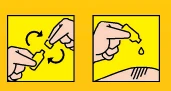
- Take one bottle from the strip.
- Twist and remove the cap from the container. The solution is now ready to use.
Caution: Do not exceed the recommended doses.
If you use more Betadine 10% topical solution than you should
If the recommended doses are exceeded, either intentionally or accidentally, the following symptoms may occur:
- gastrointestinal symptoms (including metallic taste, increased salivation, burning or stinging pain in the mouth and throat, diarrhoea)
- reduced or absent urine production (anuria)
- low blood pressure which may lead to collapse
- circulatory failure
- rapid heartbeat (tachycardia)
- metabolic disturbances, including metabolic acidosis (disturbance of the acid-base balance in the blood)
- swelling of the throat which may lead to asphyxia (inability to breathe) and/or pulmonary oedema (fluid in the lungs)
- seizures
- fever
- thyroid disorders (hyperthyroidism or hypothyroidism).
Other symptoms may include: eye irritation or swelling (periorbital oedema), skin rash, elevated sodium levels (hypernatraemia), and impaired kidney function.
In case of accidental ingestion, consult your doctor immediately or go to the nearest hospital.
If you have any doubts about how to use this medicine, consult your doctor or pharmacist.
4. Possible side effects
Like all medicines, this medicine can cause side effects, although not everybody will experience them.
Rare side effects (may affect up to 1 in 1,000 people)
- Hypersensitivity
- Contact dermatitis (with skin rashes, small blisters and itching)
Very rare side effects (may affect up to 1 in 10,000 people)
- Allergic reactions
- Angioedema (swelling of hands, feet, face, lips, tongue, throat)
- Hyperthyroidism (overactivity of the thyroid gland)
Side effects with unknown frequency (frequency cannot be estimated from the available data)
- Hypothyroidism (reduced activity of the thyroid gland)
- Electrolyte imbalance (alteration in electrolyte levels)
- Metabolic acidosis (disturbance in the body's acid-base balance)
- Exfoliative dermatitis (skin disease characterized by skin peeling)
- Dry skin (especially after repeated applications; risk is higher in the genital area)
- Skin discoloration
- Acute kidney failure
- Abnormal blood osmolarity (alteration in the concentration of substances in the blood)
- Contact burn. Heat burn.
Reporting of side effects
If you experience any side effect, including those not listed in this information, talk to your doctor or pharmacist.
You can also report side effects directly via the national reporting system at www.aifa.gov.it/content/segnalazioni-reazioni-avverse.
By reporting side effects, you can help provide more information on the safety of this medicine.
5. How to store Betadine 10% cutaneous solution
Keep this medicine out of the sight and reach of children.
Store below 25°C.
The 5 ml and 10 ml single-use bottles are for single use only. After use, discard any remaining solution in a
unit.
Do not use this medicine after the expiry date. The expiry date refers to the last day of that month.
Do not dispose of any medicine via wastewater or household waste. Ask your pharmacist how to dispose of medicines you no longer use. This will help protect the environment.
6. Package contents and other information
What Betadine 10% cutaneous solution contains
100 ml of solution contain:
- The active substance is Povidone-iodine (10% iodine) 10 g.
- The other components are: Glycerol, Macrogol lauryl ether, Disodium hydrogen phosphate dihydrate, Citric acid monohydrate, Sodium hydroxide, Purified water.
Description of the appearance of Betadine 10% cutaneous solution and package contents
Betadine 10% cutaneous solution is a brown-coloured solution contained in single-use HPDE bottles of 5 ml or 10 ml, packaged in packs of 10, 30 or 50 units.
Marketing Authorization Holder
Cooper Consumer Health B.V.
Verrijn Stuartweg 60 – 1112 AX Diemen
(The Netherlands)
Manufacturer
Meda Manufacturing - Avenue J.F. Kennedy - 33700 Merignac France
Licence Mundipharma
Package leaflet: information for the user
BETADINE 10% vaginal solution
Povidone-iodine
Please read this leaflet carefully before using this medicine as it contains important information for you.
Always use this medicine exactly as described in this leaflet or as your doctor or pharmacist has instructed you.
- Keep this leaflet. You may need to read it again.
- If you would like more information or advice, consult your pharmacist.
- If you experience any side effects, including those not listed in this leaflet, contact your doctor or pharmacist. See section 4.
- Contact your doctor if you do not notice any improvement or if your symptoms worsen after a short period of treatment.
Contents of this leaflet:
- What Betadine 10% vaginal solution is and what it is used for
- What you need to know before using Betadine 10% vaginal solution
- How to use Betadine 10% vaginal solution
- Possible side effects
- How to store Betadine 10% vaginal solution
- Contents of the pack and other information
1. What Betadine 10% vaginal solution is and what it is used for
Betadine 10% vaginal solution contains povidone-iodine, a disinfectant for local use.
Betadine 10% vaginal solution is indicated for disinfection of the vaginal mucosa (the tissue lining the vagina).
2. What you should know before using Betadine 10% vaginal solution
Do not use Betadine 10% vaginal solution
- If you are allergic to povidone-iodine or to any of the other ingredients of this medicine (listed in section 6).
- If you have thyroid disorders.
- Before, during, or after administration of radioactive iodine (see section "Other medicines and Betadine").
- If you are using products containing mercury (see section "Other medicines and Betadine").
- In girls under 2 years of age.
Warnings and precautions
Talk to your doctor or pharmacist before using Betadine 10% vaginal solution.
Betadine 10% vaginal solution is for topical use only; do not ingest.
Accidental ingestion or inhalation of some antiseptics may lead to serious, sometimes fatal, consequences.
Avoid contact with the eyes.
Do not use this medicine for prolonged treatments: the use, especially if prolonged, of topical products may cause allergic reactions (see section “Possible side effects”). In such case, discontinue treatment and consult your doctor, who will prescribe appropriate therapy.
Particular caution is required in patients with renal insufficiency who require regular application of Betadine on damaged skin.
Consult your doctor if you have thyroid disorders (a gland located at the base of the neck). In such cases, your doctor may prescribe specific tests (including scintigraphy) to assess thyroid function. In cases of goiter, thyroid nodules, or other acute and non-acute thyroid diseases, hyperthyroidism may develop following administration of large amounts of iodine.
The use of povidone-iodine may cause temporary skin discoloration at the application site due to the colour of the medicine itself.
Avoid contact with jewellery, especially items containing silver.
Discontinue treatment at least 10 days before undergoing scintigraphy or after scintigraphy with radioactive iodine (thyroid function tests), or during radioactive iodine treatment for thyroid carcinoma.
Children and adolescents
In children and adolescents, the use of povidone-iodine should be kept to a minimum. Use only when strictly necessary and under medical supervision.
Other medicines and Betadine 10% vaginal solution
Inform your doctor or pharmacist if you are taking, have recently taken, or might take any other medicines.
➢ Avoid the simultaneous use of other antiseptics and detergents.
➢ Do not use mercury-containing products or compounds such as benzoin, carbonates, tannic acid, alkalis, silver, hydrogen peroxide, or taurolidine on areas treated with this medicine.
➢ Temporary dark skin staining may occur in areas treated simultaneously, before, or after with povidone-iodine and other antiseptics containing octenidine.
➢ Avoid concomitant use of lithium (a medicine used for mood disorders).
➢ Povidone-iodine may cause false positive results in certain laboratory tests (e.g., toluidine or guaiac tests for detecting haemoglobin or glucose in faeces or urine).
➢ Povidone-iodine may interfere with various diagnostic tests (thyroid scintigraphy, determination of protein-bound iodine (PBI), diagnostics using radioactive iodine) and may prevent planned thyroid treatment with iodine (radioactive iodine therapy). After completion of treatment, wait at least 4 weeks before performing a new scintigraphy.
Fertility, pregnancy and breastfeeding
If you are pregnant, suspect you may be pregnant, planning a pregnancy, or breastfeeding, consult your doctor or pharmacist before taking this medicine.
Povidone-iodine crosses the placenta and is excreted in breast milk. Infants born to mothers who received iodine during pregnancy may develop thyroid disorders, including congenital hypothyroidism.
The use of povidone-iodine should be avoided unless the potential benefit to the mother outweighs the potential risk to the fetus and newborn.
Fertility
No data on effects on fertility are available.
Driving and using machines
Betadine 10% vaginal solution does not affect the ability to drive or operate machinery.
3. How to use Betadine 10% vaginal solution
Use this medicinal product exactly as described in this leaflet or as directed by your doctor or pharmacist. If you have any doubts, consult your doctor or pharmacist.
Dosage
Disinfection may be repeated 1–2 times daily.
Method of use
➢ Antiseptic washes
Dilute 2 tablespoons of the product in half a litre of lukewarm water and use the resulting solution to cleanse the area to be treated.
➢ Applications on the vaginal mucosa
Apply the product undiluted directly to the affected area using a gauze swab.
Use this medicinal product only for short periods of time.
Caution: Do not exceed the recommended doses without medical advice.
If you use more Betadine 10% vaginal solution than you should
If the recommended doses are exceeded, either intentionally or accidentally, the following may occur:
- gastrointestinal symptoms (including metallic taste, increased salivation, burning or stinging pain in the mouth and throat, diarrhoea)
- reduced or absent urine production (anuria)
- low blood pressure which may lead to collapse
- circulatory failure
- rapid heartbeat (tachycardia)
- metabolic disturbances, including metabolic acidosis (disturbance of the blood acid-base balance)
- swelling of the throat which may lead to asphyxia (inability to breathe) and/or pulmonary oedema (fluid accumulation in the lungs)
- seizures
- fever
- thyroid disorders (hyperthyroidism or hypothyroidism)
Other symptoms may include: eye irritation or swelling (periorbital oedema), skin rash, elevated sodium levels (hypernatraemia), and impaired kidney function.
In case of accidental ingestion, consult a doctor immediately or go to the nearest hospital.
If you have any questions about the use of this medicinal product, consult your doctor or pharmacist.
4. Possible side effects
Like all medicines, this medicine can cause side effects, although not everyone experiences them.
Rare side effects (may affect up to 1 in 1,000 people)
- Hypersensitivity
- Contact dermatitis (with skin rashes, small blisters and itching)
Very rare side effects (may affect up to 1 in 10,000 people)
- Allergic reactions
- Angioedema (swelling of hands, feet, face, lips, tongue, throat)
- Hyperthyroidism (overactivity of the thyroid gland)
Side effects with unknown frequency (frequency cannot be estimated from available data)
- Hypothyroidism (reduced activity of the thyroid gland)
- Electrolyte imbalance (alteration in electrolyte levels)
- Metabolic acidosis (disruption of the acid-base balance in the blood)
- Exfoliative dermatitis (skin disease characterized by peeling)
- Dry skin (especially after repeated applications; risk is higher in the genital area)
- Skin discoloration
- Acute kidney injury
- Abnormal blood osmolarity (alteration in the concentration of substances in the blood)
- Contact burn
- Thermal burn
Reporting of side effects
If you experience any side effect, including those not listed in this information, talk to your doctor or pharmacist. You may also report side effects directly via the national reporting system at www.aifa.gov.it/content/segnalazioni-reazioni-avverse.
By reporting side effects, you can help provide more information on the safety of this medicine.
5. How to store Betadine 10% vaginal solution
Keep this medicine out of the sight and reach of children.
Protect from light.
Do not use this medicine after the expiry date. The expiry date refers to the last day of that month.
Do not dispose of any medicine via wastewater or household waste. Ask your pharmacist how to dispose of medicines you no longer use. This will help protect the environment.
6. Package contents and other information
What Betadine 10% vaginal solution contains
100 ml of solution contain:
- The active substance is povidone-iodine (10% iodine) 10 g.
- The other components are: dodecyl glucoside, macrogol lauryl ether, intimate hygiene fragrance, purified water.
Description of the appearance of Betadine 10% vaginal solution and contents of the pack
Betadine 10% vaginal solution is a brown-coloured solution contained in a bottle.
The bottle contains 125 ml.
Marketing Authorization Holder
Cooper Consumer Health B.V.
Verrijn Stuartweg 60 – 1112 AX Diemen
(The Netherlands)
Manufacturer
Meda Manufacturing – Avenue J.F. Kennedy 33700 - Merignac (France)
Licence holder: Mundipharma