Baraclude
Italy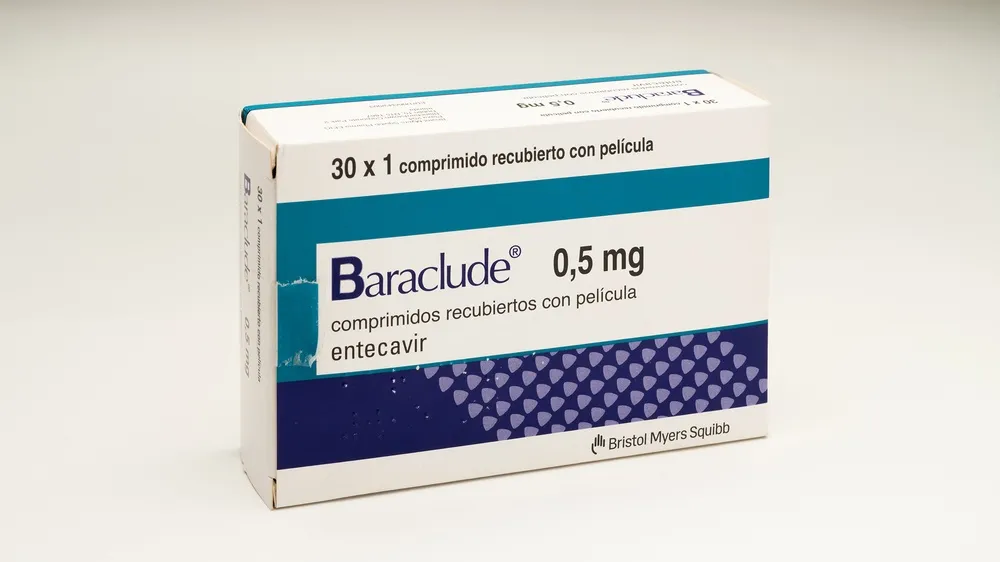
Table of Contents
- Package leaflet: Information for the user
- Baraclude 0.5 mg film-coated tablets
- 1. What BARACLUDE is and what it is used for
- 2. What you need to know before taking BARACLUDE
- 3. How to take BARACLUDE
- 4. Possible side effects
- 5. How to store BARACLUDE
- 6. Package contents and other information
- Patient Information Leaflet: Information for the User
- Baraclude 1 mg film-coated tablets
- 1. What BARACLUDE is and what it is used for
- 2. What you should know before taking BARACLUDE
- 3. How to take BARACLUDE
- 4. Possible side effects
- 5. How to store BARACLUDE
- 6. Package contents and other information
- Package leaflet: Information for the user
- Baraclude 0.05 mg/mL oral solution
- 1. What BARACLUDE is and what it is used for
- 2. What you need to know before taking BARACLUDE
- 3. How to take BARACLUDE
- 4. Possible side effects
- 5. How to store BARACLUDE
- 6. Package contents and other information
Package leaflet: Information for the user
Baraclude 0.5 mg film-coated tablets
Entecavir
Please read all of this leaflet carefully before you start taking this medicine because it contains important information for you.
-
- Keep this leaflet. You may need to read it again.
-
- If you have any questions, ask your doctor or pharmacist.
-
- This medicine has been prescribed for you only. Do not give it to other people, even if they have the same symptoms as yours, because it may be harmful.
-
- If you experience any side effects, including those not listed in this leaflet, tell your doctor or pharmacist. See section 4.
Contents of this leaflet:
- What Baraclude is and what it is used for
- What you need to know before taking Baraclude
- How to take Baraclude
- Possible side effects
- How to store Baraclude
- Contents of the pack and other information
1. What BARACLUDE is and what it is used for
Baraclude tablets are an antiviral medicine used in adults to treat chronic (long-term) hepatitis B virus infection. Baraclude can be used in people whose liver is damaged but still functions properly (compensated liver disease) and in people whose liver is damaged and does not function properly (decompensated liver disease).
Baraclude tablets are also used to treat chronic (long-term) hepatitis B virus infection in children and adolescents from 2 to 18 years of age. Baraclude can be used in children whose liver is damaged but still functions properly (compensated liver disease).
Hepatitis B virus infection can cause liver damage. Baraclude reduces the amount of virus in the body and improves liver condition.
2. What you need to know before taking BARACLUDE
Do not take Baraclude
-
- if you are allergic (hypersensitive) to entecavir or to any of the other ingredients of this medicine (listed in section 6).
Warnings and precautions
Talk to your doctor or pharmacist before taking Baraclude
-
- if you have had kidney problems, inform your doctor. This is important because Baraclude is eliminated from the body through the kidneys, and you may require a dose adjustment or different dosing schedule.
-
- do not stop taking Baraclude without medical advice, as hepatitis may worsen after stopping treatment. If treatment with Baraclude is discontinued, your doctor will continue to monitor you and perform blood tests for several months.
-
- discuss with your doctor whether your liver is functioning properly, and, if not, how this may affect your treatment with Baraclude.
-
- if you are also infected with HIV (human immunodeficiency virus), inform your doctor. You should not take Baraclude to treat hepatitis B infection unless you are already receiving medications for HIV, as the effectiveness of future HIV treatment may be reduced. Baraclude will not control your HIV infection.
-
- taking Baraclude will not prevent you from transmitting hepatitis B virus (HBV) to others through sexual contact or body fluids (including blood contamination). Therefore, it is important to take precautions to avoid spreading the hepatitis B virus (HBV) to others. A vaccine is available to protect those at risk of contracting hepatitis B virus (HBV) infection.
-
- Baraclude belongs to a class of medicines that can cause lactic acidosis (excess lactic acid in the blood) and enlargement of the liver. Symptoms such as nausea, vomiting, and stomach pain may indicate the development of lactic acidosis. This rare but serious side effect has occasionally been fatal. Lactic acidosis occurs more frequently in women, especially those who are significantly overweight. Your doctor will monitor you regularly during treatment with Baraclude.
-
- if you have previously received treatment for chronic hepatitis B, inform your doctor.
Children and adolescents
Baraclude must not be administered to children under 2 years of age or weighing less than 10 kg.
Other medicines and Baraclude
Inform your doctor or pharmacist if you are taking, have recently taken, or might take any other medicines.
Baraclude with food and drink
In most cases, you may take Baraclude with or without food. However, if you have previously been treated with a medicine containing the active substance lamivudine, you should consider the following. If you have switched to Baraclude treatment because lamivudine therapy was not effective, you must take Baraclude once daily on an empty stomach. If your liver disease is very advanced, your doctor will prescribe that you take Baraclude on an empty stomach. An empty stomach means at least 2 hours after a meal and at least 2 hours before the next meal.
Children and adolescents (from 2 to 18 years of age) may take Baraclude with or without food.
Pregnancy, breastfeeding, and fertility
Inform your doctor if you are pregnant or planning to become pregnant. The use of Baraclude during pregnancy has not been shown to be safe. Unless specifically instructed by your doctor, Baraclude must not be used during pregnancy. It is important that women of childbearing potential use an effective method of contraception during treatment with Baraclude to prevent pregnancy.
You must not breastfeed while taking Baraclude. Inform your doctor if you are breastfeeding. It is not known whether entecavir, the active ingredient in Baraclude, is excreted in human breast milk.
Driving and using machines
Dizziness, fatigue, and drowsiness are common side effects that may impair your ability to drive or operate machinery. Consult your doctor for any clarification.
Baraclude contains lactose
This medicine contains lactose. If your doctor has informed you that you have an intolerance to certain sugars, contact him before taking this medicine.
3. How to take BARACLUDE
Not all patients need to take the same dose of Baraclude.
Always take this medicine exactly as your doctor has instructed. If you are unsure, consult your doctor or pharmacist.
For adults, the recommended dose is 0.5 mg or 1 mg taken once daily by mouth (orally).
Your dose will depend on:
-
- whether you have previously received treatment for hepatitis B virus (HBV) infection, and which medicine you were treated with.
-
- whether you have kidney problems. Your doctor may prescribe a lower dose or advise you to take it less than once daily.
-
- the condition of your liver.
For children and adolescents (from 2 to 18 years of age), your child's doctor will determine the appropriate dose based on your child's weight. Baraclude oral solution is recommended for patients weighing between 10 kg and 32.5 kg. Children weighing at least 32.6 kg may take either the oral solution or the 0.5 mg tablets. Each dose should be administered once daily by mouth (orally). There are no recommendations for the use of Baraclude in children under 2 years of age or with body weight below 10 kg.
Your doctor will inform you about the correct dose. To ensure the medicine is fully effective and to reduce the risk of developing resistance to treatment, always take the dose recommended by your doctor. Take Baraclude for the entire duration prescribed by your doctor. Your doctor will advise you whether and when to stop treatment.
Some patients must take Baraclude on an empty stomach (see Baraclude with food and drink in section 2). If your doctor has instructed you to take Baraclude on an empty stomach, this means at least 2 hours after a meal and at least 2 hours before the next meal.
If you take more Baraclude than you should
Contact your doctor immediately.
If you forget to take Baraclude
It is important not to miss any doses. If you forget a dose of Baraclude, take it as soon as possible, then continue with your next dose at the usual time. If it is almost time for your next dose, do not take the missed dose. Wait and take the next dose at the scheduled time. Do not take a double dose to make up for a forgotten dose.
Do not stop treatment with Baraclude without consulting your doctor
Many patients experience very severe hepatitis symptoms when they stop taking Baraclude. Immediately inform your doctor if you notice any changes in your symptoms after stopping treatment.
If you have any doubts about how to use this medicine, consult your doctor or pharmacist.
4. Possible side effects
Like all medicines, this medicine can cause side effects, although not everybody gets them.
The following side effects have been reported by patients treated with Baraclude:
Adults
- Common (affects at least 1 in 100 patients): headache, insomnia (inability to sleep), fatigue (excessive tiredness), dizziness, somnolence (drowsiness), vomiting, diarrhoea, nausea, dyspepsia (indigestion), and increased levels of liver enzymes in the blood.
- Uncommon (affects at least 1 in 1,000 patients): rash (skin rash), hair loss.
- Rare (affects at least 1 in 10,000 patients): severe allergic reaction.
Children and adolescents
Side effects observed in children and adolescents are similar to those observed in adults as described above, with the following difference:
Very common (affects at least 1 in 10 patients): low levels of neutrophils (a type of white blood cells important in fighting infections).
If you experience any side effect, including those not listed in this leaflet, talk to your doctor or pharmacist.
Reporting of side effects
If you get any side effects, including those not listed in this leaflet, talk to your doctor or pharmacist. You can also report side effects directly via the national reporting system listed in Appendix V. By reporting side effects, you can help provide more information on the safety of this medicine.
5. How to store BARACLUDE
Keep this medicine out of the sight and reach of children.
Do not use this medicine after the expiry date stated on the bottle, blister pack or carton, after Exp. The expiry date refers to the last day of the month.
Blister packs: do not store above 30°C. Store in the original carton.
Bottle packs: do not store above 25°C. Keep the bottle tightly closed.
Do not dispose of any medicine via wastewater or household waste. Ask your pharmacist how to dispose of medicines you no longer use. This will help protect the environment.
6. Package contents and other information
What Baraclude contains
-
- The active substance is entecavir. Each film-coated tablet contains 0.5 mg of entecavir.
-
- The other excipients are: Tablet core: crospovidone, monohydrate lactose, magnesium stearate, microcrystalline cellulose, and povidone.
Film coating: hypromellose, macrogol 400, titanium dioxide (E171), and polysorbate 80 (E433).
- The other excipients are: Tablet core: crospovidone, monohydrate lactose, magnesium stearate, microcrystalline cellulose, and povidone.
Description of the appearance of Baraclude and pack sizes
The film-coated tablets (tablets) are white to almost white and triangular in shape.
They are marked with "BMS" on one side and "1611" on the other.
Baraclude 0.5 mg film-coated tablets are available in cartons containing 30 x 1 or 90 x 1 film-coated tablet (in unit-dose divisible blisters) and in bottles containing 30 film-coated tablets.
Not all pack sizes may be marketed.
Marketing Authorisation Holder and Manufacturer
Marketing Authorisation Holder
Bristol-Myers Squibb Pharma EEIG
Plaza 254
Blanchardstown Corporate Park 2
Dublin 15, D15 T867
Ireland
Manufacturer
Swords Laboratories Unlimited Company T/A Bristol-Myers Squibb Pharmaceutical Operations,
External Manufacturing
Plaza 254
Blanchardstown Corporate Park 2
Dublin 15, D15 T867
Ireland
Other sources of information
More detailed information on this medicinal product is available on the European Medicines Agency website: http://www.ema.europa.eu/.
Patient Information Leaflet: Information for the User
Baraclude 1 mg film-coated tablets
Entecavir
Please read this leaflet carefully before taking this medicine because it contains
important information for you.
-
- Keep this leaflet. You may need to read it again.
-
- If you have any questions, ask your doctor or pharmacist.
-
- This medicine has been prescribed for you only. Do not give it to other people, even if their symptoms are the same as yours, as it may be harmful.
-
- If you experience any adverse reactions, including those not listed in this leaflet, consult your doctor or pharmacist. See section 4.
Contents of this leaflet:
- What Baraclude is and what it is used for
- What you need to know before taking Baraclude
- How to take Baraclude
- Possible side effects
- How to store Baraclude
- Contents of the pack and other information
1. What BARACLUDE is and what it is used for
Baraclude tablets are an antiviral medicine used in adults to treat chronic (long-term) hepatitis B virus infection. Baraclude can be used in people whose liver is damaged but still functions properly (compensated liver disease) and in people whose liver is damaged and does not function properly (decompensated liver disease).
Baraclude tablets are also used to treat chronic (long-term) hepatitis B virus infection in children and adolescents from 2 to 18 years of age. Baraclude can be used in children whose liver is damaged but still functions properly (compensated liver disease).
Hepatitis B virus infection can cause liver damage. Baraclude reduces the amount of virus in the body and improves the condition of the liver.
2. What you should know before taking BARACLUDE
Do not take Baraclude
-
- if you are allergic (hypersensitive) to entecavir or to any of the other ingredients of this medicine (listed in section 6).
Warnings and precautions
Talk to your doctor or pharmacist before taking Baraclude
-
- if you have had kidney problems, inform your doctor. This is important because Baraclude is eliminated from the body through the kidneys, and you may need a dose adjustment or modified dosing schedule.
-
- do not stop taking Baraclude without medical advice, as hepatitis may worsen after stopping treatment. If treatment with Baraclude is discontinued, your doctor will continue to monitor you and perform blood tests for several months.
-
- discuss with your doctor whether your liver is functioning properly, and if not, what effects this may have on your treatment with Baraclude.
-
- if you are also infected with HIV (human immunodeficiency virus), inform your doctor. You should not take Baraclude to treat hepatitis B infection unless you are already taking medication for HIV, as the effectiveness of future HIV treatment may be reduced. Baraclude will not control your HIV infection.
-
- taking Baraclude will not prevent you from transmitting hepatitis B virus (HBV) to others through sexual contact or body fluids (including blood contamination). Therefore, it is important to take precautions to avoid spreading the hepatitis B virus (HBV) to others. A vaccine is available to protect those at risk of contracting hepatitis B virus (HBV) infection.
-
- Baraclude belongs to a class of medicines that can cause lactic acidosis (excess lactic acid in the blood) and enlargement of the liver. Symptoms such as nausea, vomiting, and stomach pain may indicate the development of lactic acidosis. This rare but serious side effect has occasionally been fatal. Lactic acidosis occurs more frequently in women, especially those who are significantly overweight. Your doctor will monitor you regularly during treatment with Baraclude.
-
- if you have previously received treatment for chronic hepatitis B, inform your doctor.
Children and adolescents
Baraclude must not be given to children under 2 years of age or weighing less than 10 kg.
Other medicines and Baraclude
Inform your doctor or pharmacist if you are taking, have recently taken, or might take any other medicines.
Baraclude with food and drink
In most cases, you can take Baraclude with or without food. However, if you have previously been treated with a medicine containing the active substance lamivudine, consider the following. If you have switched to Baraclude because lamivudine treatment was not successful, you must take Baraclude once daily on an empty stomach. If your liver disease is very advanced, your doctor will instruct you to take Baraclude on an empty stomach. An empty stomach means at least 2 hours after a meal and at least 2 hours before the next meal.
Pregnancy, breastfeeding, and fertility
Inform your doctor if you are pregnant or planning a pregnancy. The safety of using Baraclude during pregnancy has not been established. Unless specifically instructed by your doctor, Baraclude must not be used during pregnancy. Women of childbearing potential should use an effective method of contraception during treatment with Baraclude to avoid pregnancy.
You must not breastfeed while taking Baraclude. Inform your doctor if you are breastfeeding. It is not known whether entecavir, the active ingredient in Baraclude, is excreted in human breast milk.
Driving and using machines
Dizziness, fatigue, and somnolence are common side effects that may impair your ability to drive or operate machinery. Consult your doctor for any clarification.
Baraclude contains lactose
This medicine contains lactose. If your doctor has informed you that you have an intolerance to certain sugars, contact them before taking this medicine.
3. How to take BARACLUDE
Not all patients require the same dose of Baraclude.
Always take this medicine exactly as your doctor has instructed you. If you have any doubts, consult
your doctor or pharmacist.
For adults, the recommended dose is 0.5 mg or 1 mg, taken once daily by mouth.
Your dose will depend on:
-
- whether you have previously received treatment for hepatitis B virus (HBV) infection, and which medicine you were treated with.
-
- whether you have kidney problems. Your doctor may prescribe you a lower dose or advise you to take it less than once daily.
-
- the condition of your liver.
For children and adolescents (from 2 to 18 years of age), Baraclude oral solution or
Baraclude 0.5 mg tablets are available.
Your doctor will inform you about the correct dose. To ensure the medicine is fully effective and to
reduce the risk of developing resistance to treatment, always take the dose recommended by your doctor. Take
Baraclude for the entire duration prescribed by your doctor. Your doctor will advise you whether and when
to stop treatment.
Some patients must take Baraclude on an empty stomach (see Baraclude with food and drink in
section 2). If your doctor has told you to take Baraclude on an empty stomach, this means at least
2 hours after a meal and at least 2 hours before the next meal.
If you take more Baraclude than you should
Contact your doctor immediately.
If you forget to take Baraclude
It is important that you do not miss any doses. If you forget a dose of Baraclude, take it as soon
as possible, then continue with your next dose at the usual time. If it is almost time for your next
dose, do not take the missed dose. Wait and take the next dose at the scheduled time.
Do not take a double dose to make up for a forgotten dose.
Do not stop treatment with Baraclude without consulting your doctor
Many patients experience very severe hepatitis symptoms when they stop taking Baraclude.
Inform your doctor immediately if you notice any changes in your symptoms after stopping treatment.
If you have any questions about how to use this medicine, consult your doctor or pharmacist.
4. Possible side effects
Like all medicines, this medicine can cause side effects, although not everybody gets them.
The following side effects have been reported in patients treated with Baraclude:
Adults
- Common (affects at least 1 in 100 patients): headache, insomnia (inability to sleep), fatigue (excessive tiredness), dizziness, somnolence (drowsiness), vomiting, diarrhoea, nausea, dyspepsia (indigestion), and increased levels of liver enzymes in the blood.
- Uncommon (affects at least 1 in 1,000 patients): rash (skin rash), hair loss.
- Rare (affects at least 1 in 10,000 patients): severe allergic reaction.
Children and adolescents
Side effects observed in children and adolescents are similar to those observed in adults as described above, with the following difference:
Very common (affects at least 1 in 10 patients): low levels of neutrophils (a type of white blood cells important in fighting infections).
If you experience any side effect, including those not listed in this leaflet, consult your doctor or pharmacist.
Reporting of side effects
If you experience any side effect, including those not listed in this leaflet, consult your doctor or pharmacist. You can also report side effects directly via the national reporting system listed in Appendix V. By reporting side effects, you can help provide more information on the safety of this medicine.
5. How to store BARACLUDE
Keep this medicine out of the sight and reach of children.
Do not use this medicine after the expiry date stated on the bottle, blister pack, or carton after Exp. The expiry date refers to the last day of the month.
Blister pack presentations: do not store above 30°C. Keep in the original carton.
Bottle presentations: do not store above 25°C. Keep the bottle tightly closed.
Do not dispose of any medicine via wastewater or household waste. Ask your pharmacist how to dispose of medicines you no longer use. This will help protect the environment.
6. Package contents and other information
What Baraclude contains
-
- The active substance is entecavir. Each film-coated tablet contains 1 mg of entecavir.
-
- The other excipients are: Tablet core: crospovidone, lactose monohydrate, magnesium stearate, microcrystalline cellulose and povidone. Film coating: hypromellose, macrogol 400, titanium dioxide (E171) and red iron oxide.
Description of the appearance of Baraclude and package contents
The film-coated tablets (tablets) are pink and triangular in shape. They are marked with
"BMS" on one side and "1612" on the other. Baraclude 1 mg film-coated tablets are
available in cartons containing 30 x 1 or 90 x 1 film-coated tablet (in divisible blisters for single dose) and in bottles containing 30 film-coated tablets.
Not all pack sizes may be marketed.
Marketing Authorisation Holder and Manufacturer
Marketing Authorisation Holder
Bristol-Myers Squibb Pharma EEIG
Plaza 254
Blanchardstown Corporate Park 2
Dublin 15, D15 T867
Ireland
Manufacturer
Swords Laboratories Unlimited Company T/A Bristol-Myers Squibb Pharmaceutical Operations,
External Manufacturing
Plaza 254
Blanchardstown Corporate Park 2
Dublin 15, D15 T867
Ireland
Other sources of information
More detailed information on this medicinal product is available on the website of the European Medicines Agency: http://www.ema.europa.eu/.
Package leaflet: Information for the user
Baraclude 0.05 mg/mL oral solution
Entecavir
Please read this leaflet carefully before taking this medicine because it contains
important information for you.
-
- Keep this leaflet. You may need to read it again.
-
- If you have any questions, ask your doctor or pharmacist.
-
- This medicine has been prescribed for you only. Do not give it to other people, even if their symptoms are the same as yours, because it could be harmful.
-
- If you experience any side effect, including those not listed in this leaflet, contact your doctor or pharmacist. See section 4.
Contents of this leaflet:
- What Baraclude is and what it is used for
- What you need to know before taking Baraclude
- How to take Baraclude
- Possible side effects
- How to store Baraclude
- Contents of the pack and other information
1. What BARACLUDE is and what it is used for
Baraclude oral solution is an antiviral medicine used in adults for the treatment of chronic
(long-term) hepatitis B virus infection. Baraclude can be used in people whose liver is damaged but still functions properly (compensated liver disease) and in people whose liver is damaged and does not function properly (decompensated liver disease).
Baraclude oral solution is also used for the treatment of chronic (long-term) hepatitis B virus
infection in children and adolescents from 2 to 18 years of age. Baraclude can be used in children whose liver is damaged but still functions properly (compensated liver disease).
Hepatitis B virus infection can cause liver damage. Baraclude reduces the amount of virus in the body and improves the condition of the liver.
2. What you need to know before taking BARACLUDE
Do not take Baraclude
-
- if you are allergic (hypersensitive) to entecavir or to any of the other ingredients of this medicine (listed in section 6).
Warnings and precautions
Talk to your doctor or pharmacist before taking Baraclude
-
- if you have had kidney problems, inform your doctor. This is important because Baraclude is eliminated from the body through the kidneys, and you may need a dose adjustment or modified dosing schedule.
-
- do not stop taking Baraclude without consulting your doctor, as hepatitis may worsen after stopping treatment. If treatment with Baraclude is discontinued, your doctor will continue to monitor you and perform blood tests for several months.
-
- discuss with your doctor whether your liver is functioning properly, and if not, how this may affect your treatment with Baraclude.
-
- if you are also infected with HIV (human immunodeficiency virus), inform your doctor. You should not take Baraclude to treat hepatitis B infection unless you are already receiving medication for HIV, as the effectiveness of future HIV treatment may be reduced. Baraclude will not control your HIV infection.
-
- taking Baraclude will not prevent you from transmitting the hepatitis B virus (HBV) to others through sexual contact or body fluids (including blood contamination). Therefore, it is important to take precautions to avoid spreading the hepatitis B virus (HBV) to others. A vaccine is available to protect individuals at risk of contracting hepatitis B virus (HBV) infection.
-
- Baraclude belongs to a class of medicines that can cause lactic acidosis (excess lactic acid in the blood) and enlargement of the liver. Symptoms such as nausea, vomiting, and stomach pain may indicate the development of lactic acidosis. This rare but serious side effect has occasionally been fatal. Lactic acidosis occurs more frequently in women, especially those who are significantly overweight. Your doctor will monitor you regularly during treatment with Baraclude.
-
- if you have previously received treatment for chronic hepatitis B, inform your doctor.
Children and adolescents
Baraclude must not be given to children under 2 years of age or weighing less than 10 kg.
Other medicines and Baraclude
Inform your doctor or pharmacist if you are taking, have recently taken, or might take any other medicines.
Baraclude with food and drink
In most cases, you may take Baraclude with or without food. However, if you have previously been treated with a medicine containing the active substance lamivudine, consider the following. If you have switched to Baraclude because lamivudine treatment was not successful, you must take Baraclude once daily on an empty stomach. If your liver disease is very advanced, your doctor will instruct you to take Baraclude on an empty stomach. An empty stomach means at least 2 hours after a meal and at least 2 hours before the next meal.
Children and adolescents (from 2 to 18 years of age) may take Baraclude with or without food.
Pregnancy, breastfeeding and fertility
Inform your doctor if you are pregnant or planning to become pregnant. The safety of using Baraclude during pregnancy has not been established. Unless specifically indicated by your doctor, Baraclude should not be used during pregnancy. It is important that women of childbearing potential use an effective method of contraception during treatment with Baraclude to prevent pregnancy.
You must not breastfeed while being treated with Baraclude. Inform your doctor if you are breastfeeding. It is not known whether entecavir, the active ingredient of Baraclude, is excreted in human breast milk.
Driving and using machines
Dizziness, fatigue, and drowsiness are common side effects that may impair your ability to drive or operate machinery. Consult your doctor for any clarification.
Baraclude contains maltitol, methylhydroxybenzoate (E218), propylhydroxybenzoate (E216), and sodium.
This medicine contains maltitol. If your doctor has informed you of an intolerance to certain sugars, contact them before taking this medicine.
This product contains methylhydroxybenzoate (E218) and propylhydroxybenzoate (E216), which may cause allergic reactions (possibly delayed).
This medicine contains less than 1 mmol of sodium (23 mg) per ml, which is essentially considered 'sodium-free'.
3. How to take BARACLUDE
Not all patients need to take the same dose of Baraclude.
Take this medicine exactly as your doctor has told you. If you are not sure, consult your doctor or pharmacist. The recommended dose is 0.5 mg (10 ml) or 1 mg (20 ml), taken once daily by oral administration (by mouth).
For adults, the recommended dose is 0.5 mg (10 ml) or 1 mg (20 ml) once daily by oral administration (by mouth).
Your dose will depend on:
-
- whether you have previously received treatment for hepatitis B virus (HBV) infection, and which medicine you were treated with.
-
- whether you have kidney problems. Your doctor may prescribe you a lower dose or advise you to take it less than once daily.
- the condition of your liver.
For children and adolescents (from 2 to 18 years of age), your child's doctor will determine the appropriate dose based on your child's body weight. The correct dose of Baraclude oral solution for children and adolescents is calculated according to body weight and is administered once daily by oral administration (by mouth) as follows:
| Body weight | Recommended daily dose for oral solution |
| 10.0 - 14.1 kg | 4.0 ml |
| 14.2 - 15.8 kg | 4.5 ml |
| 15.9 - 17.4 kg | 5.0 ml |
| 17.5 - 19.1 kg | 5.5 ml |
| 19.2 - 20.8 kg | 6.0 ml |
| 20.9 - 22.5 kg | 6.5 ml |
| 22.6 - 24.1 kg | 7.0 ml |
| 24.2 - 25.8 kg | 7.5 ml |
| 25.9 - 27.5 kg | 8.0 ml |
| 27.6 - 29.1 kg | 8.5 ml |
| 29.2 - 30.8 kg | 9.0 ml |
| 30.9 - 32.5 kg | 9.5 ml |
| Up to 32.6 kg | 10.0 ml |
There are no dosage recommendations for Baraclude in children under 2 years of age or weighing less than 10 kg.
Your doctor will inform you about the correct dosage. To ensure the medicine is fully effective and to reduce the development of resistance to treatment, always take the dose recommended by your doctor. Take Baraclude for the entire duration indicated by your doctor. Your doctor will tell you whether and when to stop treatment.
Baraclude oral solution is designed as a ready-to-use product. Do not dilute or mix this solution with water or any other liquid.
Baraclude oral solution is supplied with a dosing spoon marked from 0.5 to 10 milliliters. Use the spoon as follows:
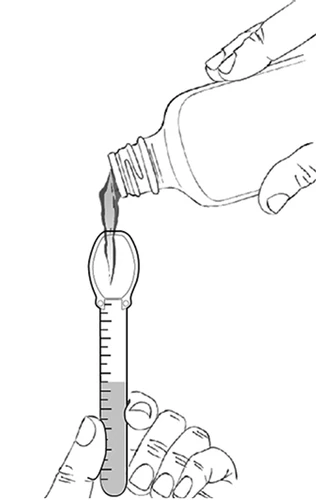
- Hold the spoon vertically (upright) and gradually fill it up to the mark corresponding to the prescribed dose. Holding the spoon with the graduated side facing you, check that it has been filled to the correct mark.
- Swallow the medicine directly from the dosing spoon.
- After each use, rinse the spoon with water and allow it to air dry.
Some patients must take Baraclude on an empty stomach (see Baraclude with food and drink in section 2). If your doctor has told you to take Baraclude on an empty stomach, this means at least 2 hours after a meal and at least 2 hours before the next meal.
If you take more Baraclude than you should
Contact your doctor immediately.
If you forget to take Baraclude
It is important that you do not miss any doses. If you forget a dose of Baraclude, take it as soon as possible, then continue with the next dose at the scheduled time. If it is almost time for the next dose, do not take the missed dose. Wait and take the next dose at the scheduled time. Do not take a double dose to make up for a forgotten dose.
Do not stop treatment with Baraclude without consulting your doctor
Many people experience very severe hepatitis symptoms when they stop taking Baraclude. Immediately inform your doctor if you notice any changes in your symptoms after stopping treatment.
If you have any questions about the use of this medicine, consult your doctor or pharmacist.
4. Possible side effects
Like all medicines, this medicine can cause side effects, although not everybody gets them.
The following side effects have been reported in patients treated with Baraclude:
Adults
- Common (affects at least 1 in 100 patients): headache, insomnia (inability to sleep), fatigue (excessive tiredness), dizziness, somnolence (drowsiness), vomiting, diarrhoea, nausea, dyspepsia (indigestion), and increased liver enzyme levels in the blood.
- Uncommon (affects at least 1 in 1,000 patients): rash (skin rash), hair loss
- Rare (affects at least 1 in 10,000 patients): severe allergic reaction
Children and adolescents
Side effects observed in children and adolescents are similar to those seen in adults as described above, with the following difference:
Very common (affects at least 1 in 10 patients): low levels of neutrophils (a type of white blood cells, which are important in fighting infections).
If you experience any side effect, including those not listed in this leaflet, talk to your doctor or pharmacist.
Reporting of side effects
If you experience any side effect, including those not listed in this leaflet, talk to your doctor or pharmacist. You can also report side effects directly via the national reporting system listed in Appendix V. By reporting side effects, you can help provide more information on the safety of this medicine.
5. How to store BARACLUDE
Keep this medicine out of the sight and reach of children.
Do not use this medicine after the expiry date stated on the bottle or carton, following
Exp. The expiry date refers to the last day of the month.
Do not store above 30°C. Keep the bottle in the outer packaging to protect it from light.
Do not dispose of any medicine via wastewater or household waste. Ask your pharmacist how to
dispose of medicines you no longer use. This will help protect the environment.
6. Package contents and other information
What Baraclude contains
-
- The active substance is entecavir. Each ml of oral solution contains 0.05 mg of entecavir.
-
- The other excipients are: anhydrous citric acid, maltitol (E965), methylhydroxybenzoate (E218), propylhydroxybenzoate (E216), orange flavour (acacia and natural flavours), sodium citrate, sodium hydroxide, hydrochloric acid and purified water.
Description of the appearance of Baraclude and contents of the pack
The oral solution is clear, colourless to pale yellow. Baraclude 0.05 mg/ml oral solution is
available in a bottle containing 210 ml of oral solution. Each pack includes a dosing spoon
(polypropylene) marked from 0.5 ml to 10 ml.
Marketing Authorisation Holder and Manufacturer
Marketing Authorisation Holder
Bristol-Myers Squibb Pharma EEIG
Plaza 254
Blanchardstown Corporate Park 2
Dublin 15, D15 T867
Ireland
Manufacturer
CATALENT ANAGNI S.R.L.
Loc. Fontana del Ceraso snc
Strada Provinciale 12 Casilina, 41
03012 Anagni (FR)
Italy
Swords Laboratories Unlimited Company T/A Bristol-Myers Squibb Pharmaceutical Operations,
External Manufacturing
Plaza 254
Blanchardstown Corporate Park 2
Dublin 15, D15 T867
Ireland
The dosing spoon is manufactured by: Comar Plastics Division, One Comar Place, Buena, NJ 08310,
USA.
Authorised representative of Comar Plastics before the European Environment Agency: MDSS
GmbH, Schiffgraben 41, 30175 Hannover, Germany.
Other sources of information
More detailed information on this medicinal product is available on the website of the European
Medicines Agency: http://www.ema.europa.eu/.