Ayvakyt
Italy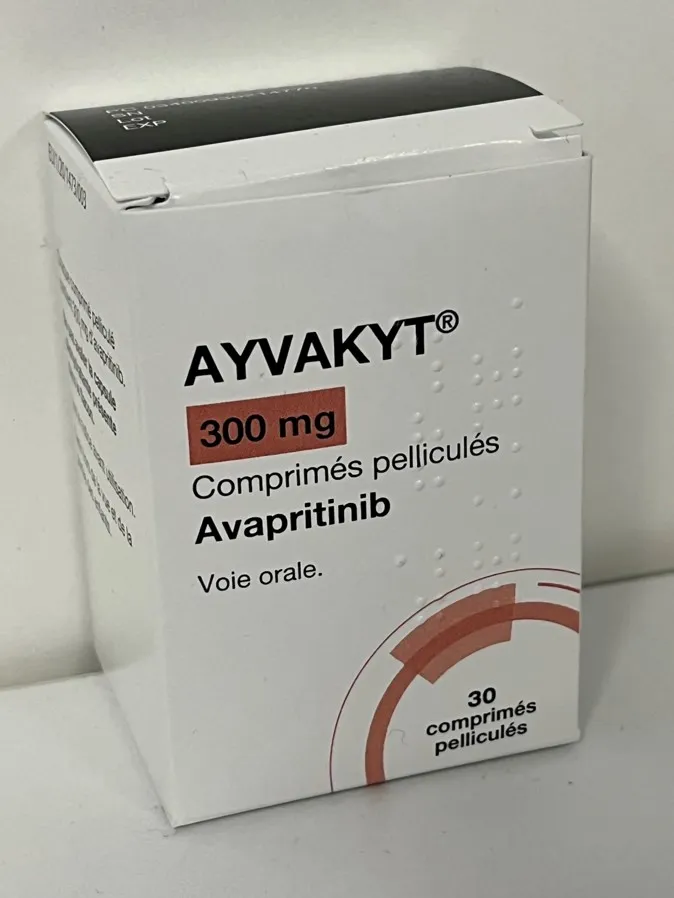
Table of Contents
- Patient Information Leaflet
- AYVAKYT 25 mg film-coated tablets
- 1. What AYVAKYT is and what it is used for
- 2. What you should know before taking AYVAKYT
- 3. How to take AYVAKYT
- 4. Possible side effects
- 5. How to store AYVAKYT
- 6. Package contents and other information
- Patient Information Leaflet
- AYVAKYT 50 mg film-coated tablets
- 1. What AYVAKYT is and what it is used for
- 2. What you should know before taking AYVAKYT
- 3. How to take AYVAKYT
- 4. Possible side effects
- 5. How to store AYVAKYT
- 6. Package contents and other information
- Package leaflet: Information for the user
- AYVAKYT 100 mg film-coated tablets
- 1. What AYVAKYT is and what it is used for
- 2. What you need to know before taking AYVAKYT
- 3. How to take AYVAKYT
- 4. Possible side effects
- 5. How to store AYVAKYT
- 6. Pack contents and other information
- Patient information leaflet
- AYVAKYT 200 mg film-coated tablets
- 1. What AYVAKYT is and what it is used for
- 2. What you need to know before taking AYVAKYT
- 3. How to take AYVAKYT
- 4. Possible side effects
- 5. How to store AYVAKYT
- 6. Package contents and other information
- Patient information leaflet
- AYVAKYT 300 mg film-coated tablets
- 1. What AYVAKYT is and what it is used for
- 2. What you should know before taking AYVAKYT
- 3. How to take AYVAKYT
- 4. Possible side effects
- 5. How to store AYVAKYT
- 6. Package contents and other information
Patient Information Leaflet
AYVAKYT 25 mg film-coated tablets
avapritinib
This medicinal product is subject to additional monitoring. This will allow for rapid identification of new safety information. You can help by reporting any side effects you experience while taking this medicine. See the end of section 4 for information on how to report side effects.
Please read this leaflet carefully before taking this medicine, as it contains important information for you.
- Keep this leaflet. You may need to read it again.
- If you have any questions, ask your doctor or pharmacist.
- This medicine has been prescribed for you only. Do not give it to others, even if they have the same symptoms as yours, because it could be harmful.
- If you experience any side effect, including those not listed in this leaflet, talk to your doctor or pharmacist. See section 4.
Contents of this leaflet
- What AYVAKYT is and what it is used for
- What you need to know before taking AYVAKYT
- How to take AYVAKYT
- Possible side effects
- How to store AYVAKYT
- Contents of the pack and other information
1. What AYVAKYT is and what it is used for
What AYVAKYT is
AYVAKYT is a medicine containing the active substance avapritinib.
What AYVAKYT is used for
AYVAKYT is used in adults for the treatment of advanced systemic mastocytosis (AdvSM), including aggressive mastocytosis (ASM), systemic mastocytosis with associated hematological neoplasm (SM-AHN), or mast cell leukemia (MCL), following at least one prior systemic therapy. These are conditions in which the body produces too many mast cells, a type of white blood cell in the blood. Symptoms arise when an excessive number of mast cells infiltrate various organs of the body, such as the liver, bone marrow, or spleen. In addition, mast cells release substances such as histamine, which cause various generalized symptoms that you may experience together with organ damage.
The group comprising ASM, SM-AHN, and MCL is referred to as advanced systemic mastocytosis (AdvSM). AYVAKYT is also used for the treatment of adults with indolent systemic mastocytosis (ISM) with moderate to severe symptoms that are not adequately controlled with symptomatic treatment. This is a disease characterized by the presence of many abnormal mast cells in the body. Mast cells are white blood cells responsible for allergic reactions. These cells can be found in any tissue of the body, but are often present in the skin, gastrointestinal tract, and bone marrow. These abnormal mast cells can cause symptoms such as severe allergic reactions, diarrhea, skin rash, and cognitive difficulties.
How AYVAKYT works
AYVAKYT blocks the activity of a group of proteins in the body called kinases. In patients with AdvSM and ISM, mast cells usually have alterations (mutations) in genes involved in the production of specific kinases associated with cell growth and proliferation.
If you have any questions about how AYVAKYT works or why this medicine has been prescribed for you, please consult your doctor.
2. What you should know before taking AYVAKYT
Do not take AYVAKYT
- if you are allergic to avapritinib or to any of the other ingredients of this medicine (listed in section 6).
Warnings and precautions
Talk to your doctor or pharmacist before taking AYVAKYT:
- if you have had a vascular aneurysm (a bulging and weakening of the wall of a blood vessel) or cerebral haemorrhage in the past year.
- if you have a low platelet count.
- if you are taking a medicine that thins the blood to prevent clots from forming, such as warfarin or phenprocoumon.
Exercise special caution with this medicine:
- you may develop symptoms such as severe headache, vision problems, severe drowsiness, or severe weakness on one side of the body (signs of cerebral haemorrhage). In this case, contact your doctor immediately and temporarily stop treatment. For patients with AdvSM, before starting treatment, your doctor will evaluate your platelet counts and monitor them as needed during avapritinib therapy;
- treatment with this medicine may lead to an increased risk of bleeding in patients with AdvSM. Avapritinib may cause bleeding in the gastrointestinal tract, such as in the stomach, rectum, or intestine. Inform your doctor if you have or have had any bleeding problems. Before starting avapritinib, your doctor may decide to perform blood tests. Seek immediate medical help if you experience any of the following symptoms: blood in your stools or black stools, stomach pain, coughing up or vomiting blood;
- you may also develop memory loss, memory disturbances, or confusion (signs of a cognitive effect). Avapritinib may sometimes affect the way you think and remember information. Contact your doctor if you experience these symptoms, or if a family member, caregiver, or someone close to you notices that you are losing memory or are confused;
- during treatment with this medicine, inform your doctor immediately if you gain weight rapidly, develop swelling in your face or limbs, or have difficulty breathing or shortness of breath. This medicine may cause fluid retention in the body (severe fluid retention may occur in patients with AdvSM);
- avapritinib may cause abnormal heart rhythm. Your doctor may order tests to assess these issues during avapritinib treatment. Inform your doctor if you experience dizziness, fainting, or irregular heartbeat while taking this medicine;
- you may experience severe stomach and intestinal problems (diarrhoea, nausea, and vomiting) if you have AdvSM. Seek immediate medical help if you experience these symptoms;
- you may become more sensitive to sunlight while taking this medicine. It is important to cover areas of skin exposed to the sun and to use sunscreen with a high sun protection factor (SPF).
While taking avapritinib, your doctor will ask you to undergo regular blood tests and will weigh you regularly if you have AdvSM.
For more information, see section 4.
Children and adolescents
AYVAKYT has not been studied in children and adolescents under 18 years of age. Do not administer this medicine to children and adolescents under 18 years of age.
Other medicines and AYVAKYT
Inform your doctor or pharmacist if you are taking, have recently taken, or might take any other medicines. AYVAKYT may affect how other medicines work, and certain other medicines may affect how this medicine works.
Inform your doctor or pharmacist before taking AYVAKYT if you are taking any of the following medicines:
The following medicines may increase the effects of avapritinib and may increase its side effects:
- boceprevir – used to treat hepatitis C
- cobicistat, indinavir, lopinavir, nelfinavir, ritonavir, saquinavir – used to treat HIV/AIDS infections
- clarithromycin, erythromycin, telithromycin – used to treat bacterial infections
- itraconazole, ketoconazole, posaconazole, voriconazole – used to treat serious fungal infections
- conivaptan – used to treat low sodium levels in the blood (hyponatraemia).
The following medicines may reduce the effects of avapritinib:
- rifampicin – used to treat tuberculosis (TB) and other bacterial infections
- carbamazepine, phenytoin, fosphenytoin, primidone, phenobarbital – used to treat epilepsy
- St John’s wort (Hypericum perforatum) – a herbal remedy used for depression
- bosentan – used to treat high blood pressure
- efavirenz and etravirine – used to treat HIV/AIDS infections
- modafinil – used to treat sleep disorders
- dabrafenib – used to treat certain types of cancer
- nafcillin – used to treat certain bacterial infections
- dexamethasone – used to reduce inflammation.
This medicine may alter the way the following medicines work or increase their side effects:
- alfentanil – used to control pain during surgery and medical procedures
- atazanavir – used to treat HIV/AIDS infection
- midazolam – used for anaesthesia, sedation, or to reduce anxiety
- simvastatin – used to treat high cholesterol
- sirolimus, tacrolimus – used to prevent rejection of organ transplants.
Ask your doctor or pharmacist for advice before taking any medicine.
AYVAKYT with food and drink
Do not drink grapefruit juice or eat grapefruit during treatment with AYVAKYT.
Pregnancy, breastfeeding, and fertility
If you are pregnant, think you may be pregnant, are planning to become pregnant, or are breastfeeding, consult your doctor or pharmacist before taking this medicine.
Pregnancy
This medicine is not recommended during pregnancy unless clearly necessary. Avoid becoming pregnant during treatment with this medicine, as it may harm the unborn baby. Your doctor will explain the potential risks of taking AYVAKYT during pregnancy.
Your doctor may check whether you are pregnant before starting treatment with this medicine.
Women of childbearing potential must use effective contraception during treatment and for at least 6 weeks after completion of treatment. Men with female partners of childbearing potential must use effective contraception during treatment and for at least 2 weeks after completion of treatment. Speak to your doctor about effective contraceptive methods you can use.
Breastfeeding
Talk to your doctor if you are breastfeeding or plan to breastfeed. It is not known whether AYVAKYT passes into breast milk. Do not breastfeed during treatment with this medicine and for at least 2 weeks after the last dose. Ask your doctor for advice on the best way to feed your baby during this time.
Fertility
AYVAKYT may cause fertility problems in men and women. Consult your doctor if you have concerns about this.
Driving and using machines
AYVAKYT may cause symptoms that affect your ability to concentrate and react (see section 4). Therefore, AYVAKYT may affect your ability to drive vehicles or operate machinery. Exercise particular caution when driving or using machines if you experience these side effects.
AYVAKYT contains sodium
This medicine contains less than 1 mmol (23 mg) of sodium per tablet, i.e., essentially ‘sodium-free’.
3. How to take AYVAKYT
Take this medicine exactly as your doctor or pharmacist has told you. If
you have any doubts, consult your doctor or pharmacist.
Recommended dose of AYVAKYT
The recommended dose of AYVAKYT depends on your condition (see below).
AYVAKYT is available in tablets of different strengths: 25 mg, 50 mg, 100 mg, 200 mg and 300 mg.
Your doctor will tell you the dose and the number of tablets to take:
Treatment of AdvSM
The recommended dose is 200 mg taken orally once daily.
Treatment of ISM
The recommended dose is 25 mg taken orally once daily.
If you have liver problems, your doctor may start treatment at a reduced dose of AYVAKYT.
If you experience side effects, your doctor may adjust the dose, temporarily interrupt or
permanently stop treatment. Do not change the dose or stop taking AYVAKYT unless
instructed by your doctor.
Swallow the AYVAKYT tablet(s) whole with a glass of water, on an empty stomach.
Do not eat for at least 2 hours before and at least 1 hour after taking AYVAKYT.
If you vomit after taking a dose of AYVAKYT, do not take an additional dose. Take the
next dose at the scheduled time.
If you take more AYVAKYT than you should
If you have accidentally taken too many tablets, contact your doctor immediately. You may
need medical treatment.
If you forget to take AYVAKYT
If you miss a dose of AYVAKYT, take it as soon as you remember, unless the next scheduled
dose is due within 8 hours. Take the next dose at the usual time.
Do not take two doses within less than 8 hours to make up for a missed dose.
4. Possible side effects
Like all medicines, this medicine can cause side effects, although not everybody gets them.
Serious side effects in patients with AdvSM
Some side effects may be serious. Inform your doctor immediately if you experience any of the following symptoms (see also section 2):
- severe headache, vision problems, severe drowsiness, severe weakness on one side of the body (signs of brain haemorrhage)
- memory loss, memory disturbances, or confusion (signs of a cognitive effect)
Other side effects in patients with AdvSM may include
Very common (may affect more than 1 in 10 people):
- altered sense of taste
- memory loss, memory disturbances, or confusion (cognitive effects)
- diarrhoea
- nausea, retching, and vomiting
- change in hair colour
- swelling (e.g. feet, ankles, face, eyes, joints)
- tiredness
- blood tests showing low platelet count, often associated with easy bruising or bleeding
- blood tests showing a decrease in red blood cells (anaemia) and white blood cells
Common (may affect up to 1 in 10 people):
- headache
- dizziness
- reduced sensation, numbness, tingling, or increased sensitivity to pain in arms and legs
- brain haemorrhages
- increased tear production
- epistaxis (nosebleeds)
- shortness of breath
- heartburn
- increased abdominal fluid
- dryness of eyes, lips, mouth, and skin
- constipation, flatulence (gas)
- abdominal pain
- gastrointestinal haemorrhage
- skin rash
- hair loss
- pain
- weight gain
- changes in the electrical activity of the heart
- bruising
- blood tests showing increased stress on the liver and elevated levels of bilirubin, a substance produced by the liver
Uncommon (may affect up to 1 in 100 people):
- fluid around the heart
- skin redness or itching
- blood tests showing reduced kidney function
Side effects in patients with ISM may include
Very common (may affect more than 1 in 10 people):
- swelling of arms and legs
Common (may affect up to 1 in 10 people):
- difficulty falling asleep (insomnia)
- flushing
- red, itchy skin
- facial swelling
- blood test showing an effect on bones (increased serum alkaline phosphatase)
Reporting of side effects
If you experience any side effect, including those not listed in this leaflet, talk to your doctor or pharmacist. You can also report side effects directly via the national reporting system listed in Annex V. By reporting side effects, you can help provide more information on the safety of this medicine.
5. How to store AYVAKYT
Keep this medicine out of the sight and reach of children.
Do not use this medicine after the expiry date stated on the vial label and outer packaging after "Exp.". The expiry date refers to the last day of that month.
This medicine does not require any special storage conditions.
Do not use this medicine if you notice that the vial is damaged or shows signs of tampering.
Do not dispose of medicines via wastewater or household waste. Ask your pharmacist how to dispose of medicines you no longer use. This will help protect the environment.
6. Package contents and other information
What AYVAKYT contains
- The active substance is avapritinib. Each film-coated tablet contains 25 mg of avapritinib.
- The other components are:
- tablet core: microcrystalline cellulose, copovidone, sodium croscarmellose and magnesium stearate (see section 2, “AYVAKYT contains sodium”);
- tablet coating: talc, macrogol 3350, polyvinyl alcohol and titanium dioxide (E171).
Description of the appearance of AYVAKYT and pack contents
AYVAKYT 25 mg film-coated tablets are round, white, 5 mm in diameter, with “BLU” engraved on one side and “25” on the other.
AYVAKYT is supplied in a bottle containing 30 film-coated tablets. Each carton contains one bottle.
Keep the desiccant container in the bottle.
Marketing Authorisation Holder and Manufacturer
Blueprint Medicines (Netherlands) B.V.
Gustav Mahlerplein 2
1082 MA Amsterdam
The Netherlands
For further information about this medicinal product, please contact the local representative of the Marketing Authorisation Holder:
België/Belgique/Belgien, България, Česká republika, Danmark, Deutschland, Eesti, España, France, Hrvatska, Ireland, Ísland, Ελλάδα, Κύπρος, Italia, Latvija, Lietuva, Luxembourg/Luxemburg, Magyarország, Malta, Nederland, Norge, Österreich, Polska, Portugal, România, Slovenija, Slovenská republika, Suomi/Finland, Sverige, United Kingdom (Northern Ireland)
Swixx Biopharma S.M.S.A.
Tel: +30 214 444 9670
Blueprint Medicines (Netherlands) B.V.
Tél/Tel/Teл/Tlf/Sími/Puh: +31 85 064 4001
E-mail: [email protected]
This medicinal product has been granted a marketing authorisation “under exceptional circumstances”. This means that further data on this medicinal product are required.
The European Medicines Agency will review new information on this medicinal product at least annually and this package leaflet will be updated if necessary.
Other sources of information
More detailed information on this medicinal product is available on the website of the European Medicines Agency: https://www.ema.europa.eu/en.
Patient Information Leaflet
AYVAKYT 50 mg film-coated tablets
avapritinib
This medicinal product is subject to additional monitoring. This will allow any new safety information to be identified rapidly. You can help by reporting any side effects you experience while taking this medicine. See the end of section 4 for information on how to report side effects.
Please read this entire leaflet carefully before taking this medicine, as it contains important information for you.
- Keep this leaflet. You may need to read it again.
- If you have any questions, consult your doctor or pharmacist.
- This medicine has been prescribed for you only. Do not give it to other people, even if their symptoms are the same as yours, as it may be harmful.
- If you experience any side effect, including those not listed in this leaflet, consult your doctor or pharmacist. See section 4.
Contents of this leaflet
- What AYVAKYT is and what it is used for
- What you need to know before taking AYVAKYT
- How to take AYVAKYT
- Possible side effects
- How to store AYVAKYT
- Contents of the pack and other information
1. What AYVAKYT is and what it is used for
What AYVAKYT is
AYVAKYT is a medicine containing the active substance avapritinib.
What AYVAKYT is used for
AYVAKYT is used in adults for the treatment of aggressive systemic mastocytosis (ASM), systemic mastocytosis associated with a haematological neoplasm (SM-AHN), or mast cell leukaemia (MCL), following at least one systemic therapy. These are conditions in which the body produces too many mast cells, a type of white blood cell in the blood. Symptoms arise when an excessive number of mast cells infiltrate various organs of the body, such as the liver, bone marrow, or spleen. In addition, mast cells release substances such as histamine, which cause various generalized symptoms that you may experience along with organ damage.
The group comprising ASM, SM-AHN, and MCL is referred to as advanced systemic mastocytosis (AdvSM).
How AYVAKYT works
AYVAKYT blocks the activity of a group of proteins in the body called kinases. Mast cells in patients with AdvSM usually have alterations (mutations) in genes involved in the production of specific kinases associated with the growth and spread of these cells.
If you have any questions about how AYVAKYT works or why this medicine has been prescribed for you, please consult your doctor.
2. What you should know before taking AYVAKYT
Do not take AYVAKYT
- if you are allergic to avapritinib or to any of the other ingredients of this medicine (listed in section 6).
Warnings and precautions
Talk to your doctor or pharmacist before taking AYVAKYT:
- if you have had a vascular aneurysm (a bulge and weakening of the wall of a blood vessel) or cerebral haemorrhage in the past year;
- if you have low platelet counts.
- if you are taking a medicine that thins the blood to prevent clots from forming, such as warfarin or phenprocoumon.
Exercise particular caution with this medicine:
- you may develop symptoms such as severe headache, vision problems, severe drowsiness, or severe weakness on one side of the body (signs of cerebral haemorrhage). In this case, contact your doctor immediately and temporarily discontinue treatment. For patients with AdvSM, before starting treatment, your doctor will evaluate your platelet counts and monitor them as needed during therapy;
- treatment with this medicine may lead to an increased risk of bleeding. Avapritinib may cause bleeding in the gastrointestinal tract, such as in the stomach, rectum, or intestines. Inform your doctor if you have or have had any bleeding problems. Before starting avapritinib, your doctor may decide to perform blood tests. Seek immediate medical help if you experience the following symptoms: blood in your stools or black stools, stomach pain, coughing up or vomiting blood;
- you may also develop memory loss, memory changes, or confusion (signs of a cognitive effect). Avapritinib may sometimes affect the way you think and remember information. Contact your doctor if you experience these symptoms, or if a family member, caregiver, or someone who knows you well notices that you are losing memory or becoming confused;
- during treatment with this medicine, inform your doctor immediately if you gain weight rapidly, develop swelling of the face or limbs, or have difficulty breathing or shortness of breath. This medicine may cause fluid retention in the body (severe fluid retention);
- avapritinib may cause abnormal heart rhythm. Your doctor may order tests to monitor for these issues during avapritinib treatment. Inform your doctor if you feel dizzy, faint, or have irregular heartbeats while taking this medicine;
- you may experience severe stomach and intestinal problems (diarrhoea, nausea, and vomiting). Seek immediate medical help if you develop these symptoms;
- you may become more sensitive to sunlight while taking this medicine. It is important to cover areas of skin exposed to sunlight and to use sunscreen with a high sun protection factor (SPF).
While taking avapritinib, your doctor will ask you to undergo regular blood tests.
You will also need to be weighed regularly.
For more information, see section 4.
Children and adolescents
AYVAKYT has not been studied in children and adolescents under 18 years of age. Do not administer this medicine to children or adolescents under 18 years of age.
Other medicines and AYVAKYT
Inform your doctor or pharmacist if you are taking, have recently taken, or might take any other medicines. AYVAKYT may affect how other medicines work, and certain other medicines may affect how this medicine works.
Inform your doctor or pharmacist before taking AYVAKYT if you are taking any of the following medicines:
The following medicines may increase the effects of avapritinib and may increase its side effects:
- boceprevir – used to treat hepatitis C
- cobicistat, indinavir, lopinavir, nelfinavir, ritonavir, saquinavir – used to treat HIV/AIDS infections
- clarithromycin, erythromycin, telithromycin – used to treat bacterial infections
- itraconazole, ketoconazole, posaconazole, voriconazole – used to treat serious fungal infections
- conivaptan – used to treat low levels of sodium in the blood (hyponatraemia).
The following medicines may reduce the effects of avapritinib:
- rifampicin – used to treat tuberculosis (TB) and other bacterial infections
- carbamazepine, phenytoin, fosphenytoin, primidone, phenobarbital – used to treat epilepsy
- St John’s wort (Hypericum perforatum) – a herbal remedy used for depression
- bosentan – used to treat high blood pressure
- efavirenz and etravirine – used to treat HIV/AIDS infections
- modafinil – used to treat sleep disorders
- dabrafenib – used to treat certain types of cancer
- nafcillin – used to treat certain bacterial infections
- dexamethasone – used to reduce inflammation.
AYVAKYT may alter the way the following medicines work or increase their side effects:
- alfentanil – used to control pain during surgery and medical procedures
- atazanavir – used to treat HIV/AIDS infection
- midazolam – used for anaesthesia, sedation, or to reduce anxiety
- simvastatin – used to treat high cholesterol
- sirolimus, tacrolimus – used to prevent rejection of organ transplants.
Ask your doctor or pharmacist for advice before taking any medicine.
AYVAKYT with food and drink
Do not drink grapefruit juice or eat grapefruit during treatment with AYVAKYT.
Pregnancy, breastfeeding, and fertility
If you are pregnant, think you may be pregnant, are planning a pregnancy, or are breastfeeding, ask your doctor or pharmacist for advice before taking this medicine.
Pregnancy
This medicine is not recommended for use during pregnancy unless clearly necessary. Avoid becoming pregnant during treatment with this medicine, as it may harm the unborn baby. Your doctor will explain the potential risks of taking AYVAKYT during pregnancy.
Your doctor may check whether you are pregnant before starting treatment with this medicine.
Women of childbearing potential must use effective contraception during treatment and for at least 6 weeks after completion of treatment. Men with female partners of childbearing potential must use effective contraception during treatment and for at least 2 weeks after completion of treatment. Speak to your doctor about effective contraceptive methods you could use.
Breastfeeding
Talk to your doctor if you are breastfeeding or planning to breastfeed. It is not known whether AYVAKYT passes into breast milk. Do not breastfeed during treatment with this medicine and for at least 2 weeks after the last dose. Ask your doctor for the best way to feed your baby during this time.
Fertility
AYVAKYT may cause fertility problems in men and women. Consult your doctor if you are concerned about this.
Driving and using machines
AYVAKYT may cause symptoms that affect your ability to concentrate and react (see section 4). Therefore, AYVAKYT may affect your ability to drive or operate machinery. Exercise particular caution when driving or operating machinery if you experience these side effects.
AYVAKYT contains sodium
This medicine contains less than 1 mmol (23 mg) of sodium per tablet, i.e., essentially ‘sodium-free’.
3. How to take AYVAKYT
Take this medicine exactly as instructed by your doctor or pharmacist. If you
have any doubts, consult your doctor or pharmacist.
Recommended dose of AYVAKYT
The recommended dose of AYVAKYT depends on your condition (see below).
AYVAKYT is available in tablets of different strengths: 25 mg, 50 mg, 100 mg, 200 mg and 300 mg.
Your doctor will tell you the dose and number of tablets to take:
Treatment of AdvSM
The recommended dose is 200 mg taken orally once daily.
If you have liver problems, your doctor may start treatment at a reduced dose of AYVAKYT.
If you experience side effects, your doctor may adjust the dose, temporarily interrupt or
permanently discontinue treatment. Do not change the dose or stop taking AYVAKYT
unless instructed by your doctor.
Swallow the AYVAKYT tablet(s) whole with a glass of water, on an empty stomach.
Do not eat for at least 2 hours before and at least 1 hour after taking AYVAKYT.
If you vomit after taking a dose of AYVAKYT, do not take an additional dose. Take the
next dose at the scheduled time.
If you take more AYVAKYT than you should
If you have accidentally taken too many tablets, contact your doctor immediately. You may
require medical treatment.
If you forget to take AYVAKYT
If you miss a dose of AYVAKYT, take it as soon as you remember, unless the next scheduled
dose is due within 8 hours. Take the next dose at the usual time.
Do not take two doses within less than 8 hours to make up for a missed dose.
4. Possible side effects
Like all medicines, this medicine can cause side effects, although not everybody gets them.
Serious side effects
Some side effects can be serious. Inform your doctor immediately if you experience
any of the following symptoms (see also section 2):
- severe headache, vision problems, severe drowsiness, severe weakness on one side of the body (signs of brain haemorrhage)
- memory loss, memory disturbances, or confusion (signs of a cognitive effect).
Other possible side effects include:
Very common (may affect more than 1 in 10 people):
- altered taste sensation
- memory loss, memory disturbances, or confusion (cognitive effects)
- diarrhoea
- nausea, retching and vomiting
- change in hair colour
- swelling (e.g. feet, ankles, face, eyes, joints)
- fatigue
- blood tests showing low platelet count, often associated with easy bruising or bleeding
- blood tests showing a decrease in red blood cells (anaemia) and white blood cells
Common (may affect up to 1 in 10 people):
- headache
- dizziness
- decreased sensation, numbness, tingling or increased sensitivity to pain in arms and legs
- brain haemorrhages
- increased tear production
- epistaxis (nosebleeds)
- shortness of breath
- heartburn
- increased abdominal fluid
- dryness of eyes, lips, mouth and skin
- constipation, flatulence (gas)
- abdominal pain (stomach ache)
- gastrointestinal bleeding
- skin rash
- hair loss
- pain
- weight gain
- changes in the electrical activity of the heart
- bruising
- blood tests showing increased stress on the liver and elevated levels of bilirubin, a substance produced by the liver
Uncommon (may affect up to 1 in 100 people):
- fluid around the heart
- skin redness or itching
- blood tests indicate reduced kidney function
Reporting of side effects
If you get any side effects, including ones not listed in this leaflet, talk to your doctor or pharmacist.
You can also report side effects directly via the national reporting system referred to in Annex V. By reporting side effects, you can help provide more information on the safety of this medicine.
5. How to store AYVAKYT
Keep this medicine out of the sight and reach of children.
Do not use this medicine after the expiry date stated on the vial label and outer carton after "Exp.". The expiry date refers to the last day of that month.
This medicine does not require any special storage conditions.
Do not use this medicine if you notice that the vial is damaged or shows signs of tampering.
Do not dispose of any medicine via wastewater or household waste. Ask your pharmacist how to dispose of medicines no longer required. This will help protect the environment.
6. Package contents and other information
What AYVAKYT contains
- The active substance is avapritinib. Each film-coated tablet contains 50 mg of avapritinib.
- The other components are:
- tablet core contains: microcrystalline cellulose, copovidone, croscarmellose sodium and magnesium stearate (see section 2 “AYVAKYT contains sodium”);
- tablet coating contains: talc, macrogol 3350, polyvinyl alcohol and titanium dioxide (E171).
Description of the appearance of AYVAKYT and the contents of the pack
AYVAKYT 50 mg film-coated tablets are round, white, 6 mm in diameter,
with “BLU” printed on one side and “50” on the other.
AYVAKYT is supplied in a bottle containing 30 film-coated tablets. Each carton contains one bottle.
Keep the desiccant container in the bottle.
Marketing Authorisation Holder and Manufacturer
Blueprint Medicines (Netherlands) B.V.
Gustav Mahlerplein 2
1082 MA Amsterdam
The Netherlands
For further information on this medicinal product, please contact the local representative of the Marketing Authorisation Holder:
België/Belgique/Belgien, България, Česká Ελλάδα, Κύπρος
republika, Danmark, Deutschland, Eesti, Swixx Biopharma S.M.S.A.
España, France, Hrvatska, Ireland, Ísland, Tel: +30 214 444 9670
Italia, Latvija, Lietuva,
Luxembourg/Luxemburg, Magyarország,
Malta, Nederland, Norge, Österreich, Polska,
Portugal, România, Slovenija, Slovenská
republika, Suomi/Finland, Sverige, United
Kingdom (Northern Ireland)
Blueprint Medicines (Netherlands) B.V.
Tél/Tel/Teл/Tlf/Sími/Puh: +31 85 064 4001
E-mail: [email protected]
This medicinal product has been granted a marketing authorisation “under conditional approval”. This means that further data on this medicinal product are required.
The European Medicines Agency will review new information on this medicinal product at least annually, and this package leaflet will be updated if necessary.
Other sources of information
More detailed information on this medicinal product is available on the website of the European Medicines Agency: https://www.ema.europa.eu/en.
Package leaflet: Information for the user
AYVAKYT 100 mg film-coated tablets
avapritinib
This medicinal product is under additional monitoring. This will allow for rapid identification of
new safety information. You can help by reporting any side effects you experience while taking
this medicine. See the end of section 4 for information on how to report side effects.
Please read this leaflet carefully before taking this medicine, as it contains important
information for you.
- Keep this leaflet. You may need to read it again.
- If you have any questions, ask your doctor or pharmacist.
- This medicine has been prescribed for you only. Do not give it to other people, even if their symptoms are the same as yours, as it could be harmful.
- If you experience any side effects, including those not listed in this leaflet, consult your doctor or pharmacist. See section 4.
Contents of this leaflet
- What AYVAKYT is and what it is used for
- What you need to know before taking AYVAKYT
- How to take AYVAKYT
- Possible side effects
- How to store AYVAKYT
- Contents of the pack and other information
1. What AYVAKYT is and what it is used for
What AYVAKYT is
AYVAKYT is a medicine containing the active substance avapritinib.
What AYVAKYT is used for
AYVAKYT is used to treat:
- a type of gastrointestinal tract tumour called gastrointestinal stromal tumour (GIST), when it cannot be treated with surgery (unresectable) or has spread to other parts of the body (metastatic), and which has a specific mutation (D842V) in the gene responsible for producing a kinase protein called platelet-derived growth factor receptor alpha (PDGFRA).
- advanced systemic mastocytosis (AdvSM), including aggressive systemic mastocytosis (ASM), systemic mastocytosis with associated haematological neoplasm (SM-AHN), or mast cell leukaemia (MCL), after at least one prior systemic therapy. These are conditions in which the body produces too many mast cells, a type of white blood cell in the blood. Symptoms arise when excessive numbers of mast cells infiltrate various organs of the body, such as the liver, bone marrow, or spleen. In addition, mast cells release substances such as histamine, which cause various generalized symptoms that you may experience along with organ damage. The group of conditions ASM, SM-AHN, and MCL is referred to as advanced systemic mastocytosis (AdvSM).
How AYVAKYT works
AYVAKYT blocks the activity of a group of proteins in the body called kinases. Mast cells in patients with AdvSM or the cells making up the tumour usually have alterations (mutations) in genes involved in the production of specific kinases associated with the growth and spread of these cells.
If you have any questions about how AYVAKYT works or why this medicine has been prescribed for you, please consult your doctor.
2. What you need to know before taking AYVAKYT
Do not take AYVAKYT:
- if you are allergic to avapritinib or to any of the other ingredients of this medicine (listed in section 6).
Warnings and precautions
Talk to your doctor or pharmacist before taking AYVAKYT:
- if you have had a vascular aneurysm (a bulging and weakening of the wall of a blood vessel) or cerebral haemorrhage in the past year.
- if you have low platelet counts.
- if you are taking a medicine that thins the blood to prevent clot formation, such as warfarin or fenprocoumon.
Exercise particular caution with this medicine:
- you may develop symptoms such as severe headache, vision problems, severe drowsiness, or severe weakness on one side of the body (signs of cerebral haemorrhage). In this case, contact your doctor immediately and temporarily discontinue treatment. For patients with AdvSM, your doctor will evaluate platelet counts before starting treatment and monitor them as needed during avapritinib therapy.
- treatment with this medicine may lead to an increased risk of bleeding. Avapritinib may cause bleeding in the gastrointestinal tract, such as in the stomach, rectum, or intestines. In patients with GIST, avapritinib may also cause bleeding in the liver and tumour bleeding. Inform your doctor if you have or have had any bleeding problems. Before starting avapritinib, your doctor may decide to perform blood tests. Seek immediate medical attention if you experience any of the following symptoms: blood in your stools or black stools, stomach pain, coughing up or vomiting blood;
- you may also develop memory loss, memory disturbances, or confusion (signs of a cognitive effect). Avapritinib may sometimes affect the way you think and remember information. Contact your doctor if you experience these symptoms, or if a family member, caregiver, or someone close to you notices memory loss or confusion;
- during treatment with this medicine, inform your doctor immediately if you gain weight rapidly, develop swelling in the face or limbs, or experience difficulty breathing or shortness of breath. This medicine may cause fluid retention in the body (severe fluid retention);
- avapritinib may cause abnormal heart rhythm. Your doctor may perform tests to assess these issues during treatment with avapritinib. Inform your doctor if you experience dizziness, fainting, or irregular heartbeat while taking this medicine;
- you may experience severe stomach and intestinal problems (diarrhoea, nausea, and vomiting). Seek immediate medical attention if you develop these symptoms;
- you may become more sensitive to sunlight while taking this medicine. It is important to cover exposed skin areas and use sunscreen with a high sun protection factor (SPF).
While taking avapritinib, your doctor will ask you to undergo regular blood tests.
You will also need to be weighed regularly.
For more information, see section 4.
Children and adolescents
AYVAKYT has not been studied in children and adolescents under 18 years of age.
Do not administer this medicine to children or adolescents under 18 years of age.
Other medicines and AYVAKYT
Inform your doctor or pharmacist if you are taking, have recently taken, or might need to take any other medicines. AYVAKYT may affect how other medicines work, and certain other medicines may affect how this medicine works.
Inform your doctor or pharmacist before taking AYVAKYT if you are taking any of the following medicines:
The following medicines may increase the effects of avapritinib and may increase its side effects:
- boceprevir – used to treat hepatitis C
- cobicistat, indinavir, lopinavir, nelfinavir, ritonavir, saquinavir – used to treat HIV/AIDS infections
- clarithromycin, erythromycin, telithromycin – used to treat bacterial infections
- itraconazole, ketoconazole, posaconazole, voriconazole – used to treat serious fungal infections
- conivaptan – used to treat low sodium levels in the blood (hyponatraemia).
The following medicines may reduce the effects of avapritinib:
- rifampicin – used to treat tuberculosis (TB) and other bacterial infections
- carbamazepine, phenytoin, fosphenytoin, primidone, phenobarbital – used to treat epilepsy
- St John’s wort (Hypericum perforatum) – a herbal remedy used for depression
- bosentan – used to treat high blood pressure
- efavirenz and etravirine – used to treat HIV/AIDS infections
- modafinil – used to treat sleep disorders
- dabrafenib – used to treat certain types of cancer
- nafcillin – used to treat certain bacterial infections
- dexamethasone – used to reduce inflammation.
AYVAKYT may alter the way the following medicines work or increase their side effects:
- alfentanil – used to control pain during surgery and medical procedures
- atazanavir – used to treat HIV/AIDS infection
- midazolam – used for anaesthesia, sedation, or to reduce anxiety
- simvastatin – used to treat high cholesterol
- sirolimus, tacrolimus – used to prevent rejection of organ transplants.
Ask your doctor or pharmacist for advice before taking any medicine.
AYVAKYT with food and drink
You must not drink grapefruit juice or eat grapefruit during treatment with AYVAKYT.
Pregnancy, breastfeeding and fertility
If you are pregnant, think you may be pregnant, are planning to become pregnant, or are breastfeeding, consult your doctor or pharmacist before taking this medicine.
Pregnancy
This medicine is not recommended for use during pregnancy unless clearly necessary. Avoid becoming pregnant while taking this medicine, as it may harm the unborn baby. Your doctor will explain the potential risks of taking AYVAKYT during pregnancy.
Your doctor may check whether you are pregnant before starting treatment with this medicine.
Women of childbearing potential must use effective contraception during treatment and for at least 6 weeks after completing treatment. Men with female partners of childbearing potential must use effective contraception during treatment and for at least 2 weeks after completing treatment. Speak to your doctor about effective contraceptive methods you could use.
Breastfeeding
Talk to your doctor if you are breastfeeding or plan to breastfeed. It is not known whether AYVAKYT passes into breast milk. Do not breastfeed during treatment with this medicine and for at least 2 weeks after the last dose. Ask your doctor for the best way to feed your baby during this time.
Fertility
AYVAKYT may cause fertility problems in men and women. Consult your doctor if you have concerns about this.
Driving and using machines
AYVAKYT may cause symptoms that affect your ability to concentrate and react (see section 4). Therefore, AYVAKYT may affect your ability to drive or operate machinery. Pay particular attention when driving or operating machinery if you experience these side effects.
AYVAKYT contains sodium
This medicine contains less than 1 mmol (23 mg) of sodium per tablet, i.e., essentially ‘sodium-free’.
3. How to take AYVAKYT
Take this medicine exactly as your doctor or pharmacist has told you. If you are not sure, check with your doctor or pharmacist.
Recommended dose of AYVAKYT
The recommended dose of AYVAKYT depends on your condition (see below).
AYVAKYT is available in tablets of different strengths: 25 mg, 50 mg, 100 mg, 200 mg, and 300 mg.
Your doctor will tell you the dose and number of tablets to take:
Treatment of GIST
The recommended dose is 300 mg taken orally once daily.
Treatment of AdvSM
The recommended dose is 200 mg taken orally once daily.
If you have liver problems, your doctor may start treatment at a reduced dose of AYVAKYT.
If you experience side effects, your doctor may adjust the dose, temporarily interrupt or permanently discontinue treatment. Do not change the dose or stop taking AYVAKYT unless your doctor tells you to.
Swallow the AYVAKYT tablet whole with a glass of water, on an empty stomach. Do not eat for at least 2 hours before and at least 1 hour after taking AYVAKYT.
If you vomit after taking a dose of AYVAKYT, do not take an additional dose. Take the next dose at the scheduled time.
If you take more AYVAKYT than you should
If you have taken too many tablets by accident, contact your doctor immediately. You may need medical treatment.
If you forget to take AYVAKYT
If you miss a dose of AYVAKYT, take it as soon as you remember, unless the next scheduled dose is due within 8 hours. Take the next dose at the usual time.
Do not take two doses within less than 8 hours to make up for a missed dose.
4. Possible side effects
Like all medicines, this medicine can cause side effects, although not everybody gets them.
Serious side effects
Some side effects can be serious. Inform your doctor immediately if you experience
any of the following symptoms (see also section 2):
- severe headache, vision problems, severe drowsiness, severe weakness on one side of the body (signs of brain haemorrhage)
- memory loss, memory disturbances, or confusion (signs of a cognitive effect).
Other side effects in patients with GIST may include:
Very common (may affect more than 1 in 10 people):
- loss of appetite
- memory loss, memory disturbances, or confusion (signs of a cognitive effect)
- dizziness
- altered sense of taste
- increased tear production
- abdominal pain (stomach pain)
- nausea, retching, and vomiting
- dryness of eyes, lips, mouth, and skin
- heartburn
- change in hair colour
- rash
- swelling (e.g., feet, ankles, face, eyes, joints)
- fatigue
- blood tests showing a decrease in red blood cells (anaemia) and white blood cells
- blood tests showing increased stress on the liver and elevated levels of bilirubin, a substance produced by the liver
Common (may affect up to 1 in 10 people):
- red or painful eyes, blurred vision
- dehydration
- low levels of albumin in the blood
- depression
- anxiety
- difficulty falling asleep (insomnia)
- brain haemorrhages
- reduced sensation, numbness, tingling, or increased sensitivity to pain in arms and legs
- feeling of weakness or unusual drowsiness
- speech disorders or hoarseness
- movement disorder
- headache
- tremor
- bleeding in the eye
- increased sensitivity to light
- increased blood pressure
- shortness of breath
- stuffy nose
- cough, including cough with mucus production
- gastrointestinal bleeding
- fluid accumulation in the abdomen
- constipation, flatulence (gas)
- difficulty swallowing
- mouth, lip, or tongue pain, oral thrush
- increased saliva production
- red or itchy skin
- skin discolouration
- hair loss
- pain
- muscle spasms
- blood in the urine
- fever or general feeling of malaise
- changes in the electrical activity of the heart
- weight gain or weight loss
- blood tests showing low platelet levels, often associated with easy bruising or bleeding
- blood tests showing altered levels of minerals in the blood
- blood tests showing reduced kidney function
- blood tests showing increased muscle breakdown
Uncommon (may affect up to 1 in 100 people):
- bleeding in the tumour
- fluid around the heart
- bleeding in the liver
Other side effects in patients with AdvSM may include
Very common (may affect more than 1 in 10 people):
- altered sense of taste
- memory loss, memory disturbances, or confusion (cognitive effects)
- diarrhoea
- nausea, retching, and vomiting
- change in hair colour
- swelling (e.g., feet, ankles, face, eyes, joints)
- fatigue
- blood tests showing low platelet count, often associated with easy bruising or bleeding
- blood tests showing a decrease in red blood cells (anaemia) and white blood cells
Common (may affect up to 1 in 10 people):
- headache
- dizziness
- reduced sensation, numbness, tingling, or increased sensitivity to pain in arms and legs
- brain haemorrhages
- increased tearing
- epistaxis (nosebleed)
- shortness of breath
- heartburn
- increased abdominal fluid
- dryness of eyes, lips, mouth, and skin
- constipation, flatulence (gas)
- abdominal pain (stomach ache)
- gastrointestinal bleeding
- rash
- hair loss
- pain
- weight gain
- changes in the electrical activity of the heart
- bruising
- blood tests showing increased stress on the liver and elevated levels of bilirubin, a substance produced by the liver
Uncommon (may affect up to 1 in 100 people):
- fluid around the heart
- skin redness or itching
- blood tests indicate reduced kidney function
Reporting of side effects
If you experience any side effect, including those not listed in this leaflet, talk to your doctor or pharmacist.
You can also report side effects directly through the national reporting system listed in Annex V. By reporting side effects, you can help provide more information on the safety of this medicine.
5. How to store AYVAKYT
Keep this medicine out of the sight and reach of children.
Do not use this medicine after the expiry date stated on the vial label and outer carton after "Exp.". The expiry date refers to the last day of that month.
This medicine does not require any special storage conditions.
Do not use this medicine if you notice that the vial is damaged or shows signs of tampering.
Do not dispose of any medicine via wastewater or household waste. Ask your pharmacist how to dispose of medicines no longer required. This will help protect the environment.
6. Pack contents and other information
What AYVAKYT contains
- The active substance is avapritinib. Each film-coated tablet contains 100 mg of avapritinib.
- The other ingredients are (see section 2 “AYVAKYT contains sodium”):
- the tablet core contains microcrystalline cellulose, copovidone, sodium croscarmellose and magnesium stearate
- the tablet coating contains: talc, macrogol 3350, polyvinyl alcohol and titanium dioxide (E171)
- the printing ink contains: shellac glaze 45% (20% esterified) in ethanol, Brilliant Blue FCF (E133), titanium dioxide (E171), black iron oxide (E172) and propylene glycol.
Description of the appearance of AYVAKYT and pack contents
AYVAKYT 100 mg film-coated tablets are round, white, 9 mm in diameter,
with “BLU” printed in blue ink on one side and “100” on the other.
AYVAKYT is supplied in a bottle containing 30 film-coated tablets. Each carton contains one bottle.
Keep the desiccant container in the bottle.
Marketing Authorisation Holder and Manufacturer
Blueprint Medicines (Netherlands) B.V.
Gustav Mahlerplein 2
1082 MA Amsterdam
The Netherlands
For further information on this medicinal product, please contact the local representative of the Marketing Authorisation Holder:
België/Belgique/Belgien, България, Česká republika, Danmark, Deutschland, Eesti, España, France, Hrvatska, Ireland, Ísland, Ελλάδα, Κύπρος, Italia, Latvija, Lietuva, Luxembourg/Luxemburg, Magyarország, Malta, Nederland, Norge, Österreich, Polska, Portugal, România, Slovenija, Slovenská republika, Suomi/Finland, Sverige, United Kingdom (Northern Ireland)
Swixx Biopharma S.M.S.A.
Tel: +30 214 444 9670
Blueprint Medicines (Netherlands) B.V.
Tél/Tel/Teл/Tlf/Sími/Puh: +31 85 064 4001
E-mail: [email protected]
This medicinal product has been granted a conditional marketing authorisation. This means that further data on this medicinal product are required.
The European Medicines Agency will review new information on this medicinal product at least annually and this package leaflet will be updated as necessary.
Other sources of information
More detailed information on this medicinal product is available on the European Medicines Agency website: https://www.ema.europa.eu/en.
Patient information leaflet
AYVAKYT 200 mg film-coated tablets
avapritinib
This medicinal product is subject to additional monitoring. This will allow any new safety information to be identified quickly. You can help by reporting any side effects you experience while taking this medicine. See the end of section 4 for information on how to report side effects.
Please read this leaflet carefully before taking this medicine because it contains important information for you.
- Keep this leaflet. You may need to read it again.
- If you have any questions, ask your doctor or pharmacist.
- This medicine has been prescribed for you only. Do not give it to other people, even if their symptoms are the same as yours, as it may be harmful.
- If you experience any side effect, including those not listed in this leaflet, tell your doctor or pharmacist. See section 4.
Contents of this leaflet
- What AYVAKYT is and what it is used for
- What you need to know before taking AYVAKYT
- How to take AYVAKYT
- Possible side effects
- How to store AYVAKYT
- Contents of the pack and other information
1. What AYVAKYT is and what it is used for
What AYVAKYT is
AYVAKYT is a medicine containing the active substance avapritinib.
What AYVAKYT is used for
AYVAKYT is used to treat:
- a type of gastrointestinal tract tumour called gastrointestinal stromal tumour (GIST), when it cannot be treated with surgery (unresectable) or has spread to other parts of the body (metastatic), and which has a specific mutation (D842V) in the gene responsible for producing a kinase protein called platelet-derived growth factor receptor alpha (PDGFRA).
- advanced systemic mastocytosis (AdvSM), including aggressive systemic mastocytosis (ASM), systemic mastocytosis with associated haematological neoplasm (SM-AHN), or mast cell leukaemia (MCL), after at least one systemic therapy. These are conditions in which the body produces too many mast cells, a type of white blood cell in the blood. Symptoms occur when excessive numbers of mast cells infiltrate various organs of the body, such as the liver, bone marrow, or spleen. In addition, mast cells release substances such as histamine, which cause various generalized symptoms that you may experience along with organ damage. The group comprising ASM, SM-AHN, and MCL is referred to as advanced systemic mastocytosis (AdvSM).
How AYVAKYT works
AYVAKYT blocks the activity of a group of proteins in the body called kinases. The mast cells in patients with AdvSM or the cells making up the tumour usually have alterations (mutations) in the genes involved in producing specific kinases associated with the growth and spread of these cells.
If you have any questions about how AYVAKYT works or why this medicine has been prescribed for you, please consult your doctor.
2. What you need to know before taking AYVAKYT
Do not take AYVAKYT
- if you are allergic to avapritinib or to any of the other ingredients of this medicine (listed in section 6).
Warnings and precautions
Talk to your doctor or pharmacist before taking AYVAKYT:
- if you have had a vascular aneurysm (a bulging and weakening of a blood vessel wall) or cerebral haemorrhage within the past year.
- if you have low platelet counts.
- if you are taking a medicine that thins the blood to prevent clots from forming, such as warfarin or phenprocoumon.
Exercise particular caution with this medicine:
- you may develop symptoms such as severe headache, vision problems, severe drowsiness, or severe weakness on one side of the body (signs of cerebral haemorrhage). In this case, contact your doctor immediately and temporarily stop treatment. For patients with AdvSM, your doctor will assess platelet counts before starting treatment and monitor them as needed during avapritinib therapy;
- treatment with this medicine may lead to an increased risk of bleeding. Avapritinib may cause bleeding in the gastrointestinal tract, such as in the stomach, rectum, or intestine. In patients with GIST, avapritinib may also cause bleeding in the liver and tumour-related bleeding. Inform your doctor if you have or have had any bleeding problems. Before starting avapritinib, your doctor may decide to perform blood tests. Seek immediate medical help if you experience any of the following symptoms: blood in your stools or black stools, stomach pain, coughing or vomiting blood;
- you may also develop memory loss, memory disturbances, or confusion (signs of a cognitive effect). Avapritinib may sometimes affect the way you think and remember information. Contact your doctor if you experience these symptoms, or if a family member, caregiver, or someone who knows you well notices that you are losing memory or becoming confused;
- during treatment with this medicine, inform your doctor immediately if you gain weight rapidly, develop swelling in your face or limbs, or have difficulty breathing or shortness of breath. This medicine may cause fluid retention in the body (severe fluid retention);
- avapritinib may cause abnormal heart rhythm. Your doctor may perform tests to monitor for these issues during avapritinib treatment. Inform your doctor if you experience dizziness, fainting, or irregular heartbeat while taking this medicine;
- you may experience severe stomach and intestinal problems (diarrhoea, nausea, and vomiting). Seek immediate medical help if you experience these symptoms;
- you may become more sensitive to sunlight while taking this medicine. It is important to cover areas of skin exposed to sunlight and to use sunscreen with a high sun protection factor (SPF).
While taking avapritinib, your doctor will ask you to undergo regular blood tests.
You will also need to be weighed regularly.
For more information, see section 4.
Children and adolescents
AYVAKYT has not been studied in children and adolescents under 18 years of age.
Do not give this medicine to children or adolescents under 18 years of age.
Other medicines and AYVAKYT
Tell your doctor or pharmacist if you are taking, have recently taken, or might take any other medicines. AYVAKYT may affect how other medicines work, and certain other medicines may affect how this medicine works.
Tell your doctor or pharmacist before taking AYVAKYT if you are taking any of the following medicines:
The following medicines may increase the effects of avapritinib and may increase its side effects:
- boceprevir – used to treat hepatitis C
- cobicistat, indinavir, lopinavir, nelfinavir, ritonavir, saquinavir – used to treat HIV/AIDS infections
- clarithromycin, erythromycin, telithromycin – used to treat bacterial infections
- itraconazole, ketoconazole, posaconazole, voriconazole – used to treat serious fungal infections
- conivaptan – used to treat low sodium levels in the blood (hyponatremia).
The following medicines may reduce the effects of avapritinib:
- rifampicin – used to treat tuberculosis (TB) and other bacterial infections
- carbamazepine, phenytoin, fosphenytoin, primidone, phenobarbital – used to treat epilepsy
- St John’s wort (Hypericum perforatum) – a herbal remedy used for depression
- bosentan – used to treat high blood pressure
- efavirenz and etravirine – used to treat HIV/AIDS infections
- modafinil – used to treat sleep disorders
- dabrafenib – used to treat certain types of cancer
- nafcillin – used to treat certain bacterial infections
- dexamethasone – used to reduce inflammation.
AYVAKYT may alter the way the following medicines work or increase their side effects:
- alfentanil – used to control pain during surgery and medical procedures
- atazanavir – used to treat HIV/AIDS infection
- midazolam – used for anaesthesia, sedation, or to reduce anxiety
- simvastatin – used to treat high cholesterol
- sirolimus, tacrolimus – used to prevent rejection of organ transplants.
Ask your doctor or pharmacist for advice before taking any medicine.
AYVAKYT with food and drink
Do not drink grapefruit juice or eat grapefruit during treatment with AYVAKYT.
Pregnancy, breastfeeding, and fertility
If you are pregnant, think you may be pregnant, planning to become pregnant, or are breastfeeding, consult your doctor or pharmacist before taking this medicine.
Pregnancy
This medicine is not recommended for use during pregnancy unless clearly necessary. Avoid becoming pregnant while being treated with this medicine, as it may harm the unborn baby. Your doctor will explain the potential risks of taking AYVAKYT during pregnancy.
Your doctor may check whether you are pregnant before starting treatment with this medicine.
Women of childbearing potential must use effective contraception during treatment and for at least 6 weeks after completion of treatment. Men with female partners of childbearing potential must use effective contraception during treatment and for at least 2 weeks after completion of treatment. Speak to your doctor about effective contraceptive methods you can use.
Breastfeeding
Talk to your doctor if you are breastfeeding or plan to breastfeed. It is not known whether AYVAKYT passes into breast milk. Do not breastfeed during treatment with this medicine and for at least 2 weeks after the last dose. Ask your doctor for advice on the best way to feed your baby during this time.
Fertility
AYVAKYT may cause fertility problems in men and women. Speak to your doctor if you have concerns about this.
Driving and using machines
AYVAKYT may cause symptoms that affect your ability to concentrate and react (see section 4). Therefore, AYVAKYT may affect your ability to drive or operate machinery. Exercise particular caution when driving or operating machinery if you experience these side effects.
AYVAKYT contains sodium
This medicine contains less than 1 mmol (23 mg) of sodium per tablet, i.e., essentially ‘sodium-free’.
3. How to take AYVAKYT
Take this medicine exactly as your doctor or pharmacist has told you. If you are not sure, consult your doctor or pharmacist.
Recommended dose of AYVAKYT
The recommended dose of AYVAKYT depends on your condition (see below).
AYVAKYT is available in tablets of different strengths: 25 mg, 50 mg, 100 mg, 200 mg and 300 mg.
Your doctor will tell you the dose and the number of tablets to take:
Treatment of GIST
The recommended dose is 300 mg taken orally once daily.
Treatment of AdvSM
The recommended dose is 200 mg taken orally once daily.
If you have liver problems, your doctor may start treatment at a reduced dose of AYVAKYT.
If you experience side effects, your doctor may adjust the dose, temporarily interrupt or permanently discontinue treatment. Do not change the dose or stop taking AYVAKYT unless instructed by your doctor.
Swallow the AYVAKYT tablet(s) whole with a glass of water, on an empty stomach.
Do not eat for at least 2 hours before and at least 1 hour after taking AYVAKYT.
If you vomit after taking your dose of AYVAKYT, do not take an additional dose. Take the next dose at the scheduled time.
If you take more AYVAKYT than you should
If you have taken too many tablets by accident, contact your doctor immediately. You may require medical treatment.
If you forget to take AYVAKYT
If you miss a dose of AYVAKYT, take it as soon as you remember, unless the next scheduled dose is due within 8 hours. Take the next dose at the usual time.
Do not take two doses within less than 8 hours to make up for a missed dose.
4. Possible side effects
Like all medicines, this medicine can cause side effects, although not everyone experiences them.
Serious side effects
Some side effects may be serious. Inform your doctor immediately if you experience
any of the following symptoms (see also section 2):
- severe headache, vision problems, severe drowsiness, severe weakness on one side of the body (signs of brain haemorrhage)
- memory loss, memory disturbances, or confusion (signs of a cognitive effect).
Other side effects in patients with GIST may include:
Very common (may affect more than 1 in 10 people):
- loss of appetite
- memory loss, memory disturbances, or confusion (signs of a cognitive effect)
- dizziness
- altered sense of taste
- increased tear production
- abdominal pain (stomach pain)
- nausea, retching, and vomiting
- diarrhoea
- dryness of the eyes, lips, mouth, and skin
- heartburn
- changes in hair colour
- skin rash
- swelling (e.g., feet, ankles, face, eyes, joints)
- fatigue
- blood tests showing a decrease in red blood cells (anaemia) and white blood cells
- blood tests showing increased stress on the liver and elevated levels of bilirubin, a substance produced by the liver
Common (may affect up to 1 in 10 people):
- red or painful eyes, blurred vision
- dehydration
- low levels of albumin in the blood
- depression
- anxiety
- difficulty falling asleep (insomnia)
- brain haemorrhages
- decreased sensation, numbness, tingling, or increased sensitivity to pain in arms and legs
- feeling weak or unusually drowsy
- speech disorders or hoarseness
- movement disorder
- headache
- tremor
- bleeding in the eye
- increased sensitivity to light
- increased blood pressure
- shortness of breath
- nasal congestion
- cough, including cough with mucus production
- gastrointestinal bleeding
- accumulation of fluid in the abdomen
- constipation, flatulence (gas)
- difficulty swallowing
- mouth, lip, or tongue pain, oral thrush
- increased saliva production
- red or itchy skin
- skin discolouration
- hair loss
- pain
- muscle spasms
- blood in the urine
- fever or general feeling of malaise
- changes in the electrical activity of the heart
- weight gain or weight loss
- blood tests showing low platelet levels, often associated with easy bruising or bleeding
- blood tests showing altered levels of minerals in the blood
- blood tests showing reduced kidney function
- blood tests showing increased breakdown of muscle
Uncommon (may affect up to 1 in 100 people):
- bleeding in the tumour
- fluid around the heart
- bleeding in the liver
Other side effects in patients with AdvSM may include
Very common (may affect more than 1 in 10 people):
- altered sense of taste
- memory loss, memory disturbances, or confusion (cognitive effects)
- diarrhoea
- nausea, retching, and vomiting
- changes in hair colour
- swelling (e.g., feet, ankles, face, eyes, joints)
- fatigue
- blood tests showing low platelet count, often associated with easy bruising or bleeding
- blood tests showing a decrease in red blood cells (anaemia) and white blood cells
Common (may affect up to 1 in 10 people):
- headache
- dizziness
- decreased sensation, numbness, tingling, or increased sensitivity to pain in arms and legs
- brain haemorrhages
- increased tearing
- epistaxis (nosebleed)
- shortness of breath
- heartburn
- increased abdominal fluid
- dryness of the eyes, lips, mouth, and skin
- constipation, flatulence (gas)
- abdominal pain (stomach ache)
- gastrointestinal bleeding
- skin rash
- hair loss
- pain
- weight gain
- changes in the electrical activity of the heart
- bruising
- blood tests showing increased stress on the liver and elevated levels of bilirubin, a substance produced by the liver
Uncommon (may affect up to 1 in 100 people):
- fluid around the heart
- skin redness or itching
- blood tests indicate reduced kidney function
Reporting of side effects
If you experience any side effect, including those not listed in this leaflet, talk to your doctor or pharmacist. You can also report side effects directly via the national reporting system listed in Annex V. By reporting side effects, you can help provide more information on the safety of this medicine.
5. How to store AYVAKYT
Keep this medicine out of the sight and reach of children.
Do not use this medicine after the expiry date stated on the vial label and the outer carton after "Exp.". The expiry date refers to the last day of that month.
This medicine does not require any special storage conditions.
Do not use this medicine if you notice that the vial is damaged or shows signs of tampering.
Do not dispose of any medicine via wastewater or household waste. Ask your pharmacist how to dispose of medicines you no longer use. This will help protect the environment.
6. Package contents and other information
What AYVAKYT contains
- The active substance is avapritinib. Each film-coated tablet contains 200 mg of avapritinib.
- The other components are (see section 2 “AYVAKYT contains sodium”):
- tablet core: microcrystalline cellulose, copovidone, sodium croscarmellose, and magnesium stearate
- tablet coating: talc, macrogol 3350, polyvinyl alcohol, and titanium dioxide (E171)
- printing ink: shellac glaze 45% (20% esterified) in ethanol, Brilliant Blue FCF (E133), titanium dioxide (E171), black iron oxide (E172), and propylene glycol.
Description of the appearance of AYVAKYT and package contents
AYVAKYT 200 mg film-coated tablets are oval, white, 16 mm in length and 8 mm in width, with “BLU” printed in blue ink on one side and “200” on the other.
AYVAKYT is supplied in a bottle containing 30 film-coated tablets. Each carton contains one bottle.
Keep the desiccant container in the bottle.
Marketing Authorisation Holder and Manufacturer
Blueprint Medicines (Netherlands) B.V.
Gustav Mahlerplein 2
1082 MA Amsterdam
The Netherlands
For further information about this medicinal product, please contact the local representative of the Marketing Authorisation Holder in:
België/Belgique/Belgien, България, Česká republika, Danmark, Deutschland, Eesti, España, France, Hrvatska, Ireland, Ísland, Ελλάδα, Κύπρος, Latvija, Lietuva, Luxembourg/Luxemburg, Magyarország, Malta, Nederland, Norge, Österreich, Polska, Portugal, România, Slovenija, Slovenská republika, Suomi/Finland, Sverige, United Kingdom (Northern Ireland)
Swixx Biopharma S.M.S.A.
Tel: +30 214 444 9670
Blueprint Medicines (Netherlands) B.V.
Tél/Tel/Teл/Tlf/Sími/Puh: +31 85 064 4001
E-mail: [email protected]
This medicinal product has been granted a conditional marketing authorisation. This means that further data on this medicinal product are required.
The European Medicines Agency will review new information on this medicinal product at least annually and this package leaflet will be updated as necessary.
Other sources of information
More detailed information on this medicinal product is available on the website of the European Medicines Agency: https://www.ema.europa.eu/en.
Patient information leaflet
AYVAKYT 300 mg film-coated tablets
avapritinib
This medicinal product is subject to additional monitoring. This will allow for rapid identification of new safety information. You can help by reporting any side effects you experience while taking this medicine. See the end of section 4 for information on how to report side effects.
Please read this entire leaflet carefully before taking this medicine, as it contains important information for you.
- Keep this leaflet. You may need to read it again.
- If you have any questions, consult your doctor or pharmacist.
- This medicine has been prescribed for you only. Do not give it to others, even if their symptoms appear identical to yours, as it could be harmful.
- If you experience any side effect, including those not listed in this leaflet, consult your doctor or pharmacist. See section 4.
Contents of this leaflet
- What AYVAKYT is and what it is used for
- What you need to know before taking AYVAKYT
- How to take AYVAKYT
- Possible side effects
- How to store AYVAKYT
- Contents of the pack and other information
1. What AYVAKYT is and what it is used for
What AYVAKYT is
AYVAKYT is a medicine containing the active substance avapritinib.
What AYVAKYT is used for
AYVAKYT is used to treat adults with a type of gastrointestinal tumour called gastrointestinal stromal tumour (GIST), when it cannot be treated with surgery (unresectable) or has spread to other parts of the body (metastatic), and which has a specific mutation (D842V) in the gene responsible for producing a kinase protein called platelet-derived growth factor receptor alpha (PDGFRA).
How AYVAKYT works
AYVAKYT blocks the activity of a group of proteins in the body called kinases. Mast cells in patients with AdvSM or the cells making up the tumour usually have alterations (mutations) in genes involved in the production of specific kinases associated with the growth and spread of these cells.
If you have any questions about how AYVAKYT works or why this medicine has been prescribed for you, please consult your doctor.
2. What you should know before taking AYVAKYT
Do not take AYVAKYT
- if you are allergic to avapritinib or to any of the other ingredients of this medicine (listed in section 6).
Warnings and precautions
Talk to your doctor or pharmacist before taking AYVAKYT:
- if you have had a vascular aneurysm (a bulging and weakening of the wall of a blood vessel) or cerebral haemorrhage within the past year.
- if you are taking a medicine that thins the blood to prevent clotting, such as warfarin or phenprocoumon.
Be especially careful with this medicine:
- you may develop symptoms such as severe headache, vision problems, severe drowsiness, or severe weakness on one side of the body (signs of cerebral haemorrhage). In this case, contact your doctor immediately and temporarily stop treatment;
- treatment with this medicine may increase the risk of bleeding. Avapritinib may cause bleeding in the gastrointestinal tract, such as in the stomach, rectum, or intestine. In patients with GIST, avapritinib may also cause liver bleeding and tumour bleeding. Inform your doctor if you have or have had any bleeding problems. Before starting avapritinib, your doctor may decide to perform blood tests. Seek immediate medical help if you experience any of the following symptoms: blood in your stools or black stools, stomach pain, coughing up blood or vomiting blood;
- you may also develop memory loss, memory disturbances, or confusion (signs of a cognitive effect). Avapritinib may sometimes affect the way you think and remember information. Contact your doctor if you experience these symptoms, or if a family member, caregiver, or someone who knows you well notices that you are losing memory or becoming confused;
- during treatment with this medicine, inform your doctor immediately if you gain weight rapidly, develop swelling in the face or limbs, or have difficulty breathing or shortness of breath. This medicine may cause fluid retention in the body (severe fluid retention);
- Avapritinib may cause abnormal heart rhythm. Your doctor may perform tests to monitor for these issues during treatment with avapritinib. Inform your doctor if you feel dizzy, faint, or have irregular heartbeats while taking this medicine;
- you may experience severe stomach and intestinal problems (diarrhoea, nausea, and vomiting). Seek immediate medical help if you experience these symptoms;
- you may become more sensitive to sunlight while taking this medicine. It is important to cover exposed skin areas and use sunscreen with a high sun protection factor (SPF).
While taking avapritinib, your doctor will ask you to undergo regular blood tests.
You will also need to be weighed regularly.
For more information, see section 4.
Children and adolescents
AYVAKYT has not been studied in children and adolescents under 18 years of age. Do not administer this medicine to children or adolescents under 18 years of age.
Other medicines and AYVAKYT
Tell your doctor or pharmacist if you are taking, have recently taken, or might take any other medicines. AYVAKYT may affect how other medicines work, and certain other medicines may affect how this medicine works.
Tell your doctor or pharmacist before taking AYVAKYT if you are taking any of the following medicines:
The following medicines may increase the effects of avapritinib and may increase its side effects:
- boceprevir – used to treat hepatitis C
- cobicistat, indinavir, lopinavir, nelfinavir, ritonavir, saquinavir – used to treat HIV/AIDS infections
- clarithromycin, erythromycin, telithromycin – used to treat bacterial infections
- itraconazole, ketoconazole, posaconazole, voriconazole – used to treat serious fungal infections
- conivaptan – used to treat low levels of sodium in the blood (hyponatraemia).
The following medicines may reduce the effects of avapritinib:
- rifampicin – used to treat tuberculosis (TB) and other bacterial infections
- carbamazepine, phenytoin, fosphenytoin, primidone, phenobarbital – used to treat epilepsy
- St John’s wort (Hypericum perforatum) – a herbal remedy used for depression
- bosentan – used to treat high blood pressure
- efavirenz and etravirine – used to treat HIV/AIDS infections
- modafinil – used to treat sleep disorders
- dabrafenib – used to treat certain types of cancer
- nafcillin – used to treat certain bacterial infections
- dexamethasone – used to reduce inflammation.
This medicine may alter the way the following medicines work or increase their side effects:
- alfentanil – used to control pain during surgery and medical procedures
- atazanavir – used to treat HIV/AIDS infection
- midazolam – used for anaesthesia, sedation, or to reduce anxiety
- simvastatin – used to treat high cholesterol
- sirolimus, tacrolimus – used to prevent rejection of organ transplants.
Ask your doctor or pharmacist for advice before taking any medicine.
AYVAKYT with food and drink
Do not drink grapefruit juice or eat grapefruit during treatment with AYVAKYT.
Pregnancy, breast-feeding and fertility
If you are pregnant, think you may be pregnant, are planning to become pregnant, or are breast-feeding, consult your doctor or pharmacist before taking this medicine.
Pregnancy
This medicine is not recommended for use during pregnancy unless clearly necessary. Avoid becoming pregnant while taking this medicine, as it may harm the unborn baby. Your doctor will explain the potential risks of taking AYVAKYT during pregnancy.
Your doctor may check whether you are pregnant before starting treatment with this medicine.
Women of childbearing potential must use effective contraception during treatment and for at least 6 weeks after completion of treatment. Men with female partners of childbearing potential must use effective contraception during treatment and for at least 2 weeks after completion of treatment. Speak to your doctor about effective contraceptive methods you can use.
Breast-feeding
Talk to your doctor if you are breast-feeding or plan to breast-feed. It is not known whether AYVAKYT passes into breast milk. Do not breast-feed during treatment with this medicine and for at least 2 weeks after the last dose. Ask your doctor for advice on the best way to feed your baby during this time.
Fertility
AYVAKYT may cause fertility problems in men and women. Consult your doctor if you have concerns about this.
Driving and using machines
AYVAKYT may cause symptoms that affect your ability to concentrate and react (see section 4). Therefore, AYVAKYT may affect your ability to drive or operate machinery. Exercise particular caution when driving or using machines if you experience these side effects.
AYVAKYT contains sodium
This medicine contains less than 1 mmol (23 mg) of sodium per tablet, i.e., essentially ‘sodium-free’.
3. How to take AYVAKYT
Take this medicine exactly as directed by your doctor or pharmacist. If you
have any doubts, consult your doctor or pharmacist.
Recommended dose of AYVAKYT
The recommended dose of AYVAKYT depends on your condition (see below).
AYVAKYT is available in tablets of different strengths: 25 mg, 50 mg, 100 mg, 200 mg and 300 mg.
Your doctor will tell you the dose and number of tablets to take:
Treatment of GIST
The recommended dose is 300 mg taken orally once daily.
If you have liver problems, your doctor may start treatment at a reduced dose of AYVAKYT.
If you experience side effects, your doctor may adjust the dose, temporarily or permanently stop
treatment. Do not change the dose or stop taking AYVAKYT unless instructed by your doctor.
Swallow the AYVAKYT tablet(s) whole with a glass of water, on an empty stomach.
Do not eat for at least 2 hours before and at least 1 hour after taking AYVAKYT.
If you vomit after taking a dose of AYVAKYT, do not take an additional dose. Take the next dose at
the scheduled time.
If you take more AYVAKYT than you should
If you have accidentally taken too many tablets, contact your doctor immediately. You may require
medical treatment.
If you forget to take AYVAKYT
If you miss a dose of AYVAKYT, take it as soon as you remember, unless the next scheduled dose is
due within 8 hours. Take the next dose at the usual time.
Do not take two doses within less than 8 hours to make up for a missed dose.
4. Possible side effects
Like all medicines, this medicine can cause side effects, although not everybody gets them.
More serious side effects
Some side effects can be serious. Immediately contact your doctor if you experience any of the
following symptoms (see also section 2):
- severe headache, vision problems, severe drowsiness, severe weakness on one side of the body (signs of intracranial haemorrhage)
- memory loss, memory impairment, or confusion (signs of a cognitive effect).
Other possible side effects include:
Very common (may affect more than 1 in 10 people):
- loss of appetite
- memory loss, memory impairment, or confusion (cognitive effects)
- dizziness
- altered sense of taste
- increased tear production
- abdominal pain (stomach pain)
- nausea, retching, and vomiting
- diarrhoea
- dryness of eyes, lips, mouth, and skin
- heartburn
- change in hair colour
- skin rash
- swelling (e.g., feet, ankles, face, eyes, joints)
- fatigue
- blood tests showing a decrease in red blood cells (anaemia) and white blood cells
- blood tests showing increased stress on the liver and elevated levels of bilirubin, a substance produced by the liver
Common (may affect up to 1 in 10 people):
- red or painful eyes, blurred vision
- dehydration
- low levels of albumin in the blood
- depression
- anxiety
- difficulty falling asleep (insomnia)
- intracranial haemorrhage
- reduced sensation, numbness, tingling, or increased sensitivity to pain in arms and legs
- feeling of weakness or unusual drowsiness
- speech disorders or hoarseness
- movement disorder
- headache
- tremor
- bleeding in the eye
- increased sensitivity to light
- increased blood pressure
- shortness of breath
- stuffy nose
- cough, including cough with mucus production
- gastrointestinal bleeding
- fluid accumulation in the abdomen
- constipation, flatulence (gas)
- difficulty swallowing
- mouth, lip, or tongue pain, oral thrush
- increased saliva production
- red or itchy skin
- skin discoloration
- hair loss
- pain
- muscle spasms
- blood in the urine
- fever or general feeling of being unwell
- changes in the electrical activity of the heart
- weight gain or weight loss
- blood tests showing low platelet levels, often associated with easy bruising or bleeding
- blood tests showing altered levels of minerals in the blood
- blood tests showing reduced kidney function
- blood tests showing increased muscle breakdown
Uncommon (may affect up to 1 in 100 people):
- bleeding in the tumour
- fluid around the heart
- bleeding in the liver
Reporting of side effects
If you get any side effects, including ones not listed in this leaflet, talk to your doctor or pharmacist.
You can also report side effects directly via the national reporting system listed in Annex V. By reporting side effects, you can help provide more information on the safety of this medicine.
5. How to store AYVAKYT
Keep this medicine out of the sight and reach of children.
Do not use this medicine after the expiry date stated on the label of the vial and on the outer
carton following “Exp.”. The expiry date refers to the last day of that month.
This medicine does not require any special storage conditions.
Do not use this medicine if you notice that the vial is damaged or shows signs of tampering.
Do not dispose of medicines via wastewater or household waste. Ask your pharmacist how to
dispose of medicines you no longer use. This will help protect the environment.
6. Package contents and other information
What AYVAKYT contains
- The active substance is avapritinib. Each film-coated tablet contains 300 mg of avapritinib.
- The other components are:
- the tablet core contains microcrystalline cellulose, copovidone, croscarmellose sodium and magnesium stearate
- the tablet coating contains: talc, macrogol 3350, polyvinyl alcohol and titanium dioxide (E171)
- the printing ink contains: shellac glaze 45% (20% esterified) in ethanol, Brilliant Blue FCF (E133), titanium dioxide (E171), black iron oxide (E172) and propylene glycol.
Description of the appearance of AYVAKYT and the contents of the pack
The film-coated tablets of AYVAKYT 300 mg are oval, white, 18 mm in length and 9 mm in width, with "BLU" printed in blue ink on one side and "300" on the other.
AYVAKYT is supplied in a bottle containing 30 film-coated tablets. Each carton contains one bottle.
Keep the desiccant in the bottle.
Marketing Authorisation Holder and Manufacturer
Blueprint Medicines (Netherlands) B.V.
Gustav Mahlerplein 2
1082 MA Amsterdam
The Netherlands
For further information on this medicinal product, please contact the local representative of the Marketing Authorisation Holder:
België/Belgique/Belgien, България, Česká republika, Danmark, Deutschland, Eesti, España, France, Hrvatska, Ireland, Ísland, Ελλάδα, Κύπρος, Italia, Latvija, Lietuva, Luxembourg/Luxemburg, Magyarország, Malta, Nederland, Norge, Österreich, Polska, Portugal, România, Slovenija, Slovenská republika, Suomi/Finland, Sverige, United Kingdom (Northern Ireland)
Swixx Biopharma S.M.S.A.
Tel: +30 214 444 9670
Blueprint Medicines (Netherlands) B.V.
Tél/Tel/Teл/Tlf/Sími/Puh: +31 85 064 4001
E-mail: [email protected]
This medicinal product has been granted a marketing authorisation "under conditional approval". This means that further data on this medicinal product are required.
The European Medicines Agency will review new information on this medicinal product at least annually, and this package leaflet will be updated if necessary.
Other sources of information
More detailed information on this medicinal product is available on the website of the European Medicines Agency: https://www.ema.europa.eu/en