Avonex
Italy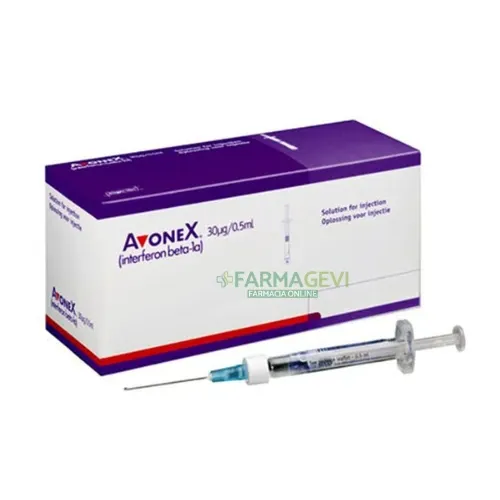
Table of Contents
- Package leaflet: Information for the user
- AVONEX 30 micrograms/0.5 ml solution for injection
- 1. What AVONEX is and what it is used for
- 2. What you should know before using AVONEX
- 3. How to use AVONEX
- AVONEX
- 4. Possible adverse effects
- 5. How to store AVONEX
- 6. Package contents and other information
- 7. How to inject AVONEX
- Package leaflet: Information for the user
- AVONEX 30 micrograms/0.5 ml solution for injection, pre-filled pen
- 1. What is AVONEX and what is it used for
- 2. What you need to know before using AVONEX
- 3. How to use AVONEX PEN
- 4. Possible side effects
- 5. How to store AVONEX PEN
- 6. Package contents and other information
- 7. How to inject AVONEX PEN
- 1. Take an Avonex Pen out of the refrigerator
- 2. Allow Avonex Pen to warm up.
Package leaflet: Information for the user
AVONEX 30 micrograms/0.5 ml solution for injection
(interferon beta-1a)
Pre-filled syringe
Please read this leaflet carefully before using this medicine because it contains important information for you.
Even if you have used AVONEX before, some of the information may have changed.
- Keep this leaflet. You may need to read it again.
- If you have any questions, ask your doctor or pharmacist.
- This medicine has been prescribed for you only. Do not give it to other people, even if their symptoms are the same as yours, because it could be harmful.
- If you experience any side effects, including those not listed in this leaflet, contact your doctor or pharmacist. See section 4.
(Supplementary information)
This package leaflet is revised from time to time.
Please check whether there are any changes to the leaflet each time you renew your prescription.
If you are unsure about anything, consult your doctor or pharmacist.
Contents of this leaflet
- What AVONEX is and what it is used for
- What you need to know before using AVONEX
- How to use AVONEX
- Possible side effects
- How to store AVONEX
- Contents of the pack and other information
- How to inject AVONEX
1. What AVONEX is and what it is used for
What AVONEX is
The active substance of Avonex is a protein called interferon beta-1a.
Interferons are natural substances produced by the body to protect itself from infections and diseases. The protein contained in Avonex has exactly the same composition as the interferon beta naturally produced by the human body.
What AVONEX is used for
Avonex is used to treat multiple sclerosis (MS). Treatment with Avonex may help prevent worsening of the disease, although it cannot cure MS.
Each individual experiences a different set of MS-related symptoms. Possible symptoms include:
- Sensation of imbalance or dizziness, walking difficulties, muscle stiffness and spasms, fatigue, numbness in face, arms or legs
- Acute or chronic pain, bladder or bowel problems, sexual dysfunction, and vision disturbances
- Thinking and concentration difficulties, depression. MS also tends to flare up from time to time; this phenomenon is called relapse (recurrence).
(Supplementary information)
Avonex is most effective when taken:
- at the same time each week
- once a week
- regularly Do not stop treatment with Avonex without first discussing it with your doctor.
Avonex may help reduce the number of relapses (recurrences) you experience and slow the progression of MS-related disability. Your doctor will advise you on how long you should continue taking Avonex or when it may be appropriate to stop.
How AVONEX works
Multiple sclerosis is associated with damage to the nerves (brain or spinal cord). In MS, the immune system reacts by attacking myelin – the "insulating" sheath that surrounds nerve fibers. Damage to myelin disrupts the transmission of signals between the brain and other parts of the body. This is what causes the symptoms of MS. Avonex appears to work by preventing the body's immune system from attacking myelin.
2. What you should know before using AVONEX
Do not use AVONEX:
- If you are allergic to interferon beta or to any of the other ingredients of this medicine (listed in section 6)
- If you have severe depression or are having suicidal thoughts.
Contact your doctor immediately if any of these situations apply to you.
(Additional information)
Avonex and allergic reactions. Since Avonex contains a protein, there is a low possibility of an allergic reaction.
Further information on depression. If you have severe depression or have suicidal thoughts, you must not use Avonex.
If you suffer from depression, your doctor may still prescribe Avonex, but it is important that you inform your doctor if you have previously suffered from depression or other similar mood disorders.
Warnings and precautions
Talk to your doctor before using Avonex if you have or have previously had any of the following conditions:
- Depression or mood disorders
- Suicidal thoughts
You must report immediately to your doctor any mood changes, suicidal thoughts, or unusual feelings of sadness, anxiety, or worthlessness.
- Epilepsy or other uncontrolled seizure disorders
- Severe kidney or liver problems
- Low levels of white blood cells or platelets, which may increase the risk of infections, bleeding, or anemia
- Heart problems, which may cause symptoms such as chest pain (angina), especially after physical activity, swelling of the ankles, shortness of breath (congestive heart failure), or irregular heartbeat (arrhythmias)
- Injection site irritation, which may cause skin and tissue damage (injection site necrosis). When preparing for injection, carefully follow the instructions provided in section 7 “How to inject AVONEX” at the end of this leaflet. This helps reduce the risk of injection site reactions.
Talk to your doctor if you have any of these conditions, or if they worsen during treatment with Avonex.
During treatment, blood clots (thrombi) may form within small blood vessels. These clots could affect kidney function. Clot formation may occur from several weeks to several years after starting treatment with Avonex.
Your doctor may decide to monitor your blood pressure, blood counts (platelet count), and kidney function.
Inform your doctor that you are taking Avonex:
- If you need to have a blood test, because Avonex may alter the test results.
(Additional information)
In some cases, you will need to inform healthcare professionals that you are using Avonex.
For example, if you are prescribed other medicines or if you need to have a blood test, Avonex may affect the action of other medicines or the test results.
Paediatric population
The use of Avonex is not recommended in children and adolescents because limited data are available on its use in this population. Avonex must not be used in children under 10 years of age, as its efficacy and safety have not yet been established in this age group.
Other medicines and AVONEX
Tell your doctor if you are taking, have recently taken, or might take any other medicines, especially medicines used to treat epilepsy and depression. Avonex may affect the action of other medicines or be affected by them. This applies to all medicines, including those not requiring a prescription.
Pregnancy and breastfeeding
If you are pregnant, think you may be pregnant, or are planning to become pregnant, consult your doctor or pharmacist before taking this medicine.
No harmful effects on the newborn/breastfed infant are expected. Avonex may be used during breastfeeding.
Driving and using machines
Do not drive if you feel dizzy. Avonex may cause dizziness in some people.
If this happens to you, or if you experience other side effects that may affect your abilities, you must not drive or operate machinery.
Important information about some of the other ingredients of AVONEX
This medicine is practically "sodium-free". It contains less than 23 mg (1 mmol) of sodium per weekly dose.
3. How to use AVONEX
Recommended weekly dose
One injection of Avonex per week.
Try to take Avonex every week, always on the same day and at the same time.
If you have decided to start treatment with Avonex, your doctor may provide you with a titration kit
called Avostartclip. The Avostartclip attaches to the syringe and allows you to gradually increase the dose
of Avonex at the beginning of treatment. This helps limit the flu-like symptoms that some people
may experience when starting Avonex. Your doctor or nurse will teach you how
to use the Avostartclip titration kit.
(Supplementary information)
Starting Avonex therapy
If you have never taken Avonex before, your doctor may advise you to gradually increase the
dose, to allow your body to get used to the effects of Avonex before taking the full dose. You will likely
be provided with an Avostartclip titration kit, which is attached to the syringe and allows
administration of a reduced dose of Avonex at the beginning of therapy. Each Avostartclip must
be used only once and must then be discarded together with the remaining Avonex. For further
information on how to use this device, consult your doctor.
Self-injection
You may inject Avonex yourself without the help of a doctor, if you have been properly instructed on how to do so. Instructions for
injection are provided at the end of this package leaflet (see section 7, How to inject)
AVONEX
If you have difficulty handling the syringe, please consult your doctor, who can assist you.
(Supplementary information)
At the end of this leaflet you will find further details on how to inject Avonex.
Alternative needle:
A needle for injection is already included in the Avonex pack. Your doctor may prescribe a shorter and finer needle depending on your physical characteristics. If you think this applies to you, please discuss it with your doctor.
If you have difficulty handling the syringe, talk to your doctor about the possibility of using an appropriate device. This device is a specially designed holder that facilitates the injection of Avonex.
How long to use AVONEX
Your doctor will decide how long you should use Avonex. It is important to continue using Avonex regularly. Do not make any changes unless instructed by your doctor.
If you inject more Avonex than you should
You should administer only one injection of Avonex per week. If you have administered more than one injection of Avonex within a three-day period, seek immediate advice from your doctor or pharmacist.
If you forget an injection
If you miss your usual weekly dose, inject a dose as soon as possible. Then wait one week before the next Avonex injection. Continue your injections on this new weekly schedule. If there is a particular day of the week on which you prefer to administer the injection, consult your doctor for instructions on how to reschedule the injection to your preferred day. Do not inject a double dose to make up for a forgotten injection.
4. Possible adverse effects
Like all medicines, this medicine can cause adverse effects, although not everybody gets them.
(Supplementary information)
Even though the list of possible adverse effects may seem alarming, you may not experience any of them.
Serious adverse effects: contact your doctor
Severe allergic reactions
If you experience any of the following symptoms:
- Swelling of the face, lips, or tongue
- Difficulty breathing
- Redness
Call your doctor immediately. Do not continue using Avonex until you have informed your doctor.
Depression
If you experience symptoms of depression:
- Unusual feelings of sadness, anxiety, or worthlessness
Call your doctor immediately.
Liver problems
If you experience any of the following symptoms:
- Yellowing of the skin or whites of the eyes ( jaundice )
- Widespread itching
- Nausea and vomiting
- Easy bruising
Call your doctor immediately, as these may be symptoms of a liver problem.
Adverse effects observed in clinical studies
(Supplementary information)
Adverse effects observed in clinical studies. These are adverse effects reported during the period when Avonex was studied. The figures provided are based on the number of people who reported each effect and give an indication of how likely it is that you may experience that particular adverse effect.
Very common adverse effects
(may affect more than 1 in 10 people)
- Flu-like symptoms – headache, muscle pain, chills, or fever: see Flu-like symptoms below
- Headache
Common adverse effects
(may affect up to 1 in 10 people)
- Loss of appetite
- Feeling weak and tired
- Difficulty sleeping
- Depression
- Flushing
- Runny nose
- Diarrhoea ( soft stools )
- Feeling unwell or malaise (nausea or vomiting)
- Numbness or tingling of the skin
- Skin redness or bruising
- Increased sweating, night sweats
- Muscle or joint pain, pain in arms, legs, or neck
- Muscle cramps, muscle and joint stiffness
- Pain, bruising, and redness at the injection site
- Changes in blood test results. Symptoms you may notice include fatigue, repeated infections, unexplained bruising or bleeding.
Uncommon adverse effects
(may affect up to 1 in 100 people)
- Hair loss
- Changes in menstrual cycle
- Burning sensation at the injection site
Rare adverse effects
(may affect up to 1 in 1,000 people)
- Difficulty breathing
- Kidney problems, including scarring, which could reduce kidney function. If you experience one or more of the following symptoms:
- Foamy urine
- Fatigue
- Swelling, particularly in the ankles and eyelids, and weight gain
Inform your doctor, as these could be signs of a possible kidney problem. - Blood clots in small blood vessels that can affect the kidneys (thrombotic thrombocytopenic purpura or haemolytic uraemic syndrome). Symptoms may include increased bruising, bleeding, fever, extreme weakness, headache, dizziness, or a feeling of emptiness in the head. Your doctor may detect changes in your blood and kidney function.
If any of these adverse effects bother you, talk to your doctor.
Other adverse effects
(Supplementary information)
These effects have been observed in people using Avonex, but it is not known how likely they are to occur.
- Hypo- or hyperthyroidism
- Nervousness or anxiety, emotional instability, irrational thoughts or hallucinations (imaginary visions or sounds), confusion, suicidal ideation
- Numbness, dizziness, seizures, and migraine
- Awareness of heartbeat ( palpitations ), rapid or irregular heartbeat, heart problems with the following symptoms: reduced ability to perform physical activity, inability to lie flat in bed, shortness of breath, or swelling in the ankles
- Liver problems, as described above
- Hives or blistering rash, itching, or worsening of psoriasis if you have it
- Swelling or bleeding at the injection site, tissue damage (necrosis), or chest pain after injection
- Weight gain or weight loss
- Changes in laboratory test results, including liver function tests
- Pulmonary arterial hypertension: A condition causing severe narrowing of the blood vessels in the lungs, leading to increased pressure in the vessels carrying blood from the heart to the lungs. Pulmonary arterial hypertension has been observed at various times during treatment, even several years after starting therapy with interferon-beta products.
If any of these adverse effects bother you, talk to your doctor.
Injection-related adverse effects
- Feeling faint: The first injection of Avonex may be administered by your doctor, as it may make you feel faint or even cause you to faint. This is unlikely to happen more than once.
- Immediately after injection, you may experience muscle stiffness or weakness – an effect similar to an MS relapse. This is rare, occurs only at the time of injection, and resolves shortly afterwards. However, this adverse effect may occur at any time after starting Avonex therapy.
- If you notice irritation or skin problems after injection, talk to your doctor.
Flu-like symptoms
(Supplementary information)
Three simple ways to reduce the intensity of flu-like symptoms:
- Administer your Avonex injection just before going to bed. This way, when the adverse effects occur, you will be sleeping.
- Take paracetamol or ibuprofen half an hour before your Avonex injection and continue taking it for up to one day. Ask your doctor or pharmacist for advice on an appropriate dose.
- If you develop a fever, drink plenty of water to keep your body hydrated.
After injecting Avonex, some people feel as if they have the flu. The symptoms include:
- Headache
- Muscle pain
- Chills or fever
These symptoms are not due to actual influenza
You cannot infect other people. This type of symptom is more common at the beginning of Avonex therapy. Your doctor may provide you with a titration kit (Avostartclip) that allows you to gradually increase the dose at the start of therapy, helping to minimize flu-like symptoms.
With continued injections, flu-like symptoms will gradually decrease over time.
Children (aged 10 years and older) and adolescents
In clinical studies, certain adverse effects were reported more frequently in children and adolescents than in adults, such as muscle pain, limb pain, fatigue, and joint pain.
Reporting of adverse effects
If you experience any adverse effect, including those not listed in this leaflet, talk to your doctor or pharmacist. You can also report adverse effects directly through the national reporting system listed in Annex V. By reporting adverse effects, you can help provide more information on the safety of this medicine.
To improve traceability of this medicine, your doctor or pharmacist should record the name and batch number of the medicine you are taking in your medical file.
It is advisable to note down these details in case you are asked for this information in the future.
5. How to store AVONEX
Keep this medicine out of the sight and reach of children.
Do not use this medicine after the expiry date stated on the label. The expiry date refers to the
last day of that month.
Store in the original packaging (sealed plastic tray) to protect the medicine from light.
Store in a refrigerator (between 2 °C and 8 °C). Do not freeze.
Avonex may also be stored at room temperature (between 15°C and 30°C) for up to one week.
DO NOT use Avonex if you notice any of the following:
- The pre-filled syringe is broken.
- The sealed plastic tray is damaged or opened.
- The solution is not clear or if particles are visible in suspension.
- The tamper-evident cap has been broken.
Do not dispose of medicines via wastewater or household waste. Ask your pharmacist how to
dispose of medicines you no longer use. This will help protect the environment.
6. Package contents and other information
What AVONEX contains
The active substance is: interferon beta-1a, 30 micrograms/0.5 ml
The other components are: sodium acetate trihydrate, glacial acetic acid, arginine hydrochloride,
polysorbate 20 and water for injections.
Description of the appearance of AVONEX and contents of the pack
Avonex injectable solution consists of ready-to-use injections.
An Avonex pack contains four or twelve ready-to-use (pre-filled) syringes, each containing 0.5 ml of clear, colourless liquid. Not all pack sizes may be marketed. Each syringe is individually packed in a sealed plastic tray. Each pack also includes an injection needle.
Marketing Authorisation Holder and Manufacturer
The Marketing Authorisation Holder is:
Biogen Netherlands B.V.
Prins Mauritslaan 13
1171 LP Badhoevedorp
The Netherlands
Manufacturer
FUJIFILM Diosynth Biotechnologies Denmark ApS
Biotek Allé 1,
DK-3400 Hillerød,
Denmark.
Biogen Netherlands B.V.
Prins Mauritslaan 13
1171 LP Badhoevedorp
The Netherlands
If you would like a version of this leaflet in larger print, please contact your local representative.
For further information about this medicinal product, please contact the local representative of the Marketing Authorisation Holder:
België/Belgique/Belgien Lietuva
Biogen Belgium NV/SA Biogen Lithuania UAB
+32 2 2191218 +370 5 259 6176
България Luxembourg/Luxemburg
TP EVOPHARMA Biogen Belgium NV/SA
+359 2 962 12 00 +32 2 2191218
Česká republika Magyarország
Biogen (Czech Republic) s.r.o. Biogen Hungary Kft.
+420 255 706 200 +36 1 899 9883
Danmark Malta
Biogen Denmark A/S Pharma. MT Ltd.
+45 77 41 57 57 +356 21337008
Deutschland Nederland
Biogen GmbH Biogen Netherlands B.V.
+49 (0) 89 99 6170 +31 20 542 2000
Eesti Norge
Biogen Estonia OÜ Biogen Norway AS
+372 618 9551 +47 23 40 01 00
Ελλάδα Österreich
Genesis Pharma SA Biogen Austria GmbH
+30 210 8771500 +43 1 484 46 13
España Polska
Biogen Spain S.L. Biogen Poland Sp. z o.o.
+34 91 310 7110 +48 22 351 51 00
France Portugal
Biogen France SAS Biogen Portugal
+33 (0)1 41 37 9595 Sociedade Farmacêutica, Unipessoal Lda.
+351 21 318 8450
Hrvatska România
Biogen Pharma d.o.o. Johnson & Johnson Romania S.R.L.
+385 1 775 73 22 +40 21 207 18 00
Ireland Slovenija
Biogen Idec (Ireland) Ltd. Biogen Pharma d.o.o.
+353 (0)1 463 7799 +386 1 511 02 90
Ísland Slovenská republika
Icepharma hf Biogen Slovakia s.r.o.
+354 540 8000 +421 2 323 34008
Italia Suomi/Finland
Biogen Italia s.r.l. Biogen Finland Oy
+39 02 584 9901 +358 207 401 200
Κύπρος Sverige
Genesis Pharma Cyprus Ltd Biogen Sweden AB
+357 22 76 57 15 +46 8 594 113 60
Latvija United Kingdom (Northern Ireland)
Biogen Latvia SIA Biogen Idec (Ireland) Limited
+371 68 688 158 +44 (0) 1628 50 1000
More detailed information on this medicinal product is available on the website of the European Medicines Agency, http://www.ema.europa.eu.
This leaflet is available in all official languages of the European Union/European Economic Area on the European Medicines Agency's website.
7. How to inject AVONEX
You should have already received instructions on how to inject Avonex.
These guidelines are for reminder purposes only. If you have any doubts, consult your doctor or pharmacist.
Choosing the injection site
- Avonex is injected into a muscle, for example, one of the muscles in the upper thigh. Injection into the gluteal muscles (buttocks) is not recommended.
- Choose a different injection site each week to reduce the risk of skin or muscle irritation.
- Do not select areas of skin with bruises, lesions, or infections, and do not inject into an open wound.
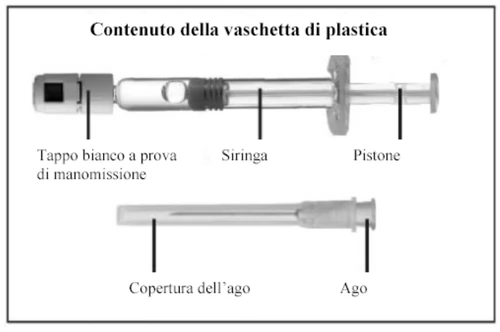
Plunger
A. Getting ready
- Remove a sealed tray from the refrigerator
- Check the expiration date on the tray lid. Do not use the product if it has expired.
- Completely peel off the paper lid. Check that the tray contains a pre-filled syringe and an injection needle (see figure “Contents of the plastic tray”).
- Allow the syringe to warm up
- Leave the syringe at room temperature for 30 minutes. This makes the injection more comfortable than injecting it immediately after removal from the refrigerator. Tip: do not use external heat sources, such as hot water, to warm the syringe.
- Wash your hands thoroughly with soap and water, then dry them.
- Prepare alcohol swabs and adhesive bandages (not supplied), if needed.
Find a clean, flat surface on which to place the injection materials.
Place the tray on this surface.
B. Preparing the injection
Check the liquid in the syringe
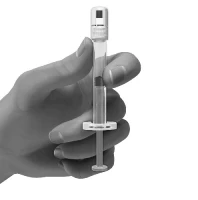
It should appear clear and colourless. If the solution is cloudy or coloured, or if particles are visible, do not use the pre-filled syringe.
Remove the syringe cap
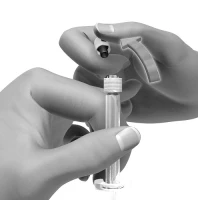
The syringe has a white tamper-evident cap.
Ensure the cap is intact and has not been opened.
If the cap appears to have been opened, do not use the syringe. Hold the syringe with the white cap facing upwards.
Bend the cap at a right angle until it detaches.
Do not touch the hub.
Do not push the plunger.
3 Attach the needle
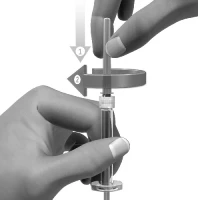
Open the needle packaging to expose the hub. Keep the protective cover on the needle.
Push the needle onto the syringe.
Rotate it clockwise until it clicks into place.
Tip: ensure the needle is securely attached to the syringe, otherwise leakage may occur.
If you have been instructed to gradually increase your dose of Avonex,
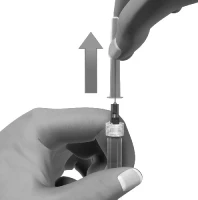
you may need an Avostartclip titration kit provided by your doctor. For further details, consult your doctor.
Now remove the needle protective cover. Do not twist it.
Tip: if you twist the protective cover while removing it, you may accidentally remove the needle as well.
C. Administering the injection
Clean and stretch the injection site
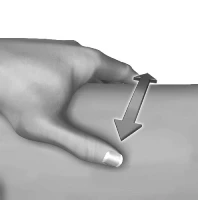
If desired, use an alcohol swab to clean the skin at the chosen injection site. Wait for the skin to dry.
With one hand, stretch the skin around the injection site.
Relax the muscle.
Administer the injection
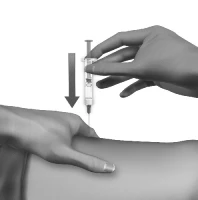
Insert the needle into the muscle with a quick, firm motion perpendicular to the skin.
The needle should be inserted completely.
Slowly push the plunger until the syringe is empty.
If you are using the syringe with Avostartclip, you will receive a lower dose of Avonex.
The syringe will not empty completely.
Remove the needle
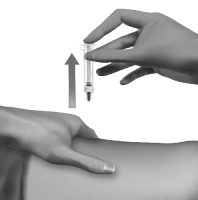
Remove the injection needle while keeping the skin firmly stretched or compressed around the injection site.
If using alcohol swabs, place one over the injection site.
If desired, apply an adhesive bandage to the injection site.
Dispose of used materials properly
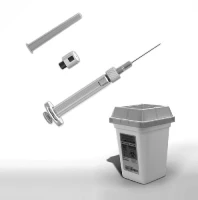
After administering the injection, place the needle and syringe into a dedicated container (a sharps disposal container), not in household waste.
If you used Avostartclip, you must discard the syringe (and Avostartclip) after injection. The unused portion of Avonex must not be reused.
Paper and swabs may be placed in a regular waste container.
Package leaflet: Information for the user
AVONEX 30 micrograms/0.5 ml solution for injection, pre-filled pen
(interferon beta-1a)
Pre-filled pen
Please read this leaflet carefully before using this medicine, as it contains important information for you.
Even if you have used Avonex before, some of the information may have changed.
- Keep this leaflet. You may need to read it again.
- If you have any questions, consult your doctor or pharmacist.
- This medicine has been prescribed for you only. Do not give it to others, even if their symptoms are the same as yours, as it could be harmful.
- If you experience any side effects, including those not listed in this leaflet, consult your doctor or pharmacist. See section 4.
(Supplementary information)
This patient information leaflet is updated from time to time.
Please check whether there are any changes to the leaflet each time you renew your prescription.
(Supplementary information)
If you have any questions, consult your doctor or pharmacist.
Contents of this leaflet
- What AVONEX is and what it is used for
- What you need to know before using AVONEX
- How to use AVONEX PEN
- Possible side effects
- How to store AVONEX PEN
- Contents of the pack and other information
- How to self-inject with AVONEX PEN
1. What is AVONEX and what is it used for
(Additional information)
Avonex is more effective when administered:
- at the same time each week
- once a week
- regularly Do not stop treatment with Avonex without first consulting your doctor.
What is AVONEX
Avonex Pen is used to inject Avonex. The active substance in Avonex is a protein called
interferon beta-1a. Interferons are natural substances produced by the body to protect itself from
infections and diseases. The protein contained in Avonex has exactly the same composition as
interferon beta produced by the human body.
What AVONEX is used for
Avonex is used to treat multiple sclerosis (MS). Treatment with Avonex may help prevent worsening of the disease, although it cannot cure MS.
Each person has an individual variety of MS symptoms. Possible symptoms include:
- Sense of imbalance or dizziness, walking difficulties, muscle stiffness and spasms, fatigue, numbness in face, arms or legs
- Acute or chronic pain, bladder or bowel problems, sexual dysfunction and vision problems
- Thinking and concentration difficulties, depression. MS also tends to flare up from time to time: this phenomenon is called a relapse (recurrence).
Avonex may help reduce the number of relapses (recurrences) you experience and slow the progression of MS-related disability. Your doctor will inform you how long you should continue taking Avonex or when it may be time to stop.
How AVONEX works
Multiple sclerosis is associated with damage to nerves (brain or spinal cord). In MS, the immune system reacts by attacking myelin – the "insulating" sheath that surrounds nerve fibers. Damage to myelin disrupts the transmission of signals between the brain and other parts of the body. This is what causes the symptoms of MS. Avonex appears to work by preventing the body's immune system from attacking myelin.
2. What you need to know before using AVONEX
(Supplementary information)
Avonex and allergic reactions
Since Avonex contains a protein, there is a low possibility of an allergic reaction.
Additional information on depression
If you suffer from severe depression or have suicidal thoughts, you must not use Avonex. If you have depression, your doctor may still prescribe Avonex, but it is important that you inform your doctor if you have previously suffered from depression or other similar mood disorders.
Do not use AVONEX
- If you are allergic to interferon beta or to any of the other ingredients of this medicine (listed in section 6)
- If you have severe depression or are having suicidal thoughts.
Inform your doctor immediately if you are in any of these circumstances.
Warnings and precautions
Talk to your doctor before using Avonex if you have or have previously had any of the following
conditions :
- Depression or mood disorders
- Suicidal thoughts . You must report immediately to your doctor any mood changes, suicidal thoughts, or unusual feelings of sadness, anxiety, or worthlessness.
- Epilepsy or other seizure disorders not controlled by medication
- Severe kidney or liver problems
- Low levels of white blood cells or platelets , which may increase the risk of infections, bleeding, or anemia
- Heart problems , which may cause symptoms such as chest pain ( angina ), especially after physical activity, swelling of the ankles, shortness of breath ( congestive heart failure ) or irregular heartbeat ( arrhythmias )
- Injection site reactions, which may cause skin and tissue damage (necrosis at injection site). When preparing for injection, carefully follow the instructions provided in section 7 “How to inject AVONEX PEN” at the end of this leaflet. This helps reduce the risk of injection site reactions.
Talk to your doctor if you have any of these conditions , or if they worsen during treatment with Avonex.
During treatment, blood clots may form within small blood vessels. These clots could affect kidney function. Clot formation may occur from several weeks to several years after starting Avonex treatment.
Your doctor may decide to monitor your blood pressure, blood tests (platelet count), and kidney function.
Inform your doctor that you are taking Avonex:
- if you need to have a blood test , because Avonex may alter the test results.
(Supplementary information)
In some cases, you will need to inform healthcare professionals that you are using Avonex. For example, if other medicines are prescribed for you or if you need to have a blood test, Avonex may affect the action of other medicines or the test results.
Paediatric population
The use of Avonex is not recommended in children and adolescents because there is limited data available on its use in this population. Avonex must not be used in children under 10 years of age, as its efficacy and safety have not yet been established in this age group.
Other medicines and AVONEX
Tell your doctor if you are taking, have recently taken, or might take any other medicines, especially those used to treat epilepsy and depression. Avonex may affect the action of other medicines or be affected by them. This applies to all medicines, including those without a prescription.
Pregnancy and breastfeeding
If you are pregnant, think you may be pregnant, or are planning to become pregnant, consult your doctor or pharmacist before taking this medicine.
No harmful effects on the newborn/infant who is breastfed are expected. Avonex may be used during breastfeeding.
Driving and using machines
Do not drive if you feel dizzy . In some people, Avonex may cause dizziness.
If this happens to you, or if you experience other side effects that may impair your abilities, you must not drive or operate machinery.
Important information about some of the other ingredients of Avonex
This medicine is practically "sodium-free". It contains less than 23 mg (1 mmol) of sodium per weekly dose.
3. How to use AVONEX PEN
(Additional information)
There is additional information on how to administer the injection using Avonex Pen on the reverse of this
leaflet.
Recommended weekly dose
One injection using Avonex Pen, once a week.
Try to take Avonex every week, always on the same day and at the same time.
Self-injection
You may self-inject Avonex using Avonex Pen without the help of a doctor, provided your doctor has given you
instructions to do so. Instructions for self-injection are provided at the end of this leaflet (see section 7, How to inject Avonex Pen).
If you have difficulty handling Avonex Pen, consult your doctor, who can assist you.
Duration of treatment with AVONEX
Your doctor will decide how long you should use Avonex. It is important to continue using Avonex regularly. Do not make any changes unless instructed by your doctor.
If you inject more Avonex than you should
You should administer only one injection of Avonex Pen per week. If you have used more than one Avonex Pen within a three-day period, seek immediate advice from your doctor or pharmacist.
If you forget an injection
If you miss your usual weekly dose, inject a dose as soon as possible. Then wait one week before using Avonex Pen again. Continue your injections on this new day each week. If there is a specific day of the week on which you prefer to administer the injection, consult your doctor for instructions on how to return to your preferred day. Do not inject a double dose to make up for a forgotten injection.
4. Possible side effects
(Supplementary information)
Even though the list of possible side effects may seem concerning, you may not experience any of them.
Like all medicines, this medicine can cause side effects, although not everybody gets them.
Serious side effects: contact your doctor
Severe allergic reactions
If you experience any of the following symptoms:
- Swelling of the face, lips, or tongue
- Difficulty breathing
- Redness of the skin
Call your doctor immediately. Do not continue using Avonex until you have spoken to your doctor.
Depression
If you experience symptoms of depression:
- Unusual feelings of sadness, anxiety, or worthlessness
Call your doctor immediately.
Liver problems
If you experience any of the following symptoms:
- Yellowing of the skin or whites of the eyes ( jaundice )
- Widespread itching
- Nausea and vomiting
- Easy bruising
Call your doctor immediately, as these may be symptoms of a liver problem.
Side effects observed in clinical studies
(Supplementary information)
Side effects observed in clinical studies. These are side effects reported during the period when Avonex was studied. The figures given are based on the number of people who reported the side effect and are intended to give you an idea of how likely it is that you might also experience the side effect.
Very common side effects (may affect more than 1 in 10 people)
- Flu-like symptoms – headache, muscle pain, chills, or fever: see Flu-like symptoms below
- Headache
Common side effects (may affect up to 1 in 10 people)
- Loss of appetite
- Feeling weak and tired
- Difficulty sleeping
- Depression
- Flushing
- Runny nose
- Diarrhoea ( loose stools )
- Feeling unwell or malaise (nausea or vomiting)
- Numbness or tingling of the skin
- Redness or bruising of the skin
- Increased sweating, night sweats
- Muscle or joint pain, pain in the arms, legs, or neck
- Muscle cramps, muscle and joint stiffness
- Pain, bruising, and redness at the injection site
- Changes in blood test results. Symptoms you may notice include tiredness, repeated infections, unexplained bruising or bleeding
Uncommon side effects (may affect up to 1 in 100 people)
- Hair loss
- Changes in menstrual cycle
- Burning sensation at the injection site
Rare side effects (may affect up to 1 in 1,000 people)
- Difficulty breathing
- Kidney problems, including scarring, which could reduce kidney function. If you experience any of the following symptoms:
- Foamy urine
- Tiredness
- Swelling, particularly in the ankles and eyelids, and weight gain
Inform your doctor, as these could be signs of a possible kidney problem. - Blood clots in small blood vessels that may affect the kidneys (thrombotic thrombocytopenic purpura or haemolytic uraemic syndrome). Symptoms may include increased bruising, bleeding, fever, extreme weakness, headache, dizziness, or a feeling of emptiness in the head. Your doctor may detect changes in your blood and kidney function.
If any of these side effects bother you, talk to your doctor.
Other side effects
(Supplementary information)
These side effects have been observed in people using Avonex, but it is not known how likely they are to occur.
If you feel dizzy, do not drive
- Hypo- or hyperthyroidism
- Nervousness or anxiety, emotional instability, irrational thoughts or hallucinations (imaginary sights or sounds), confusion, suicidal ideation
- Numbness, dizziness, seizures, and migraine
- Awareness of heartbeat ( palpitations ), rapid or irregular heartbeat, heart problems with symptoms such as reduced ability to perform physical activity, inability to lie flat in bed, shortness of breath, or swelling in the ankles
- Liver problems, as described above
- Hives or blistering rash, itching, or worsening of psoriasis if you have it
- Swelling or bleeding at the injection site, tissue damage (necrosis), or chest pain after injection
- Weight gain or weight loss
- Changes in laboratory test results, including liver function tests
- Pulmonary arterial hypertension: A condition causing severe narrowing of the blood vessels in the lungs, leading to increased pressure in the blood vessels carrying blood from the heart to the lungs. Pulmonary arterial hypertension has been observed at various times during treatment, including several years after starting treatment with interferon-beta products.
If any of these side effects bother you, talk to your doctor.
Injection-related side effects
- Fainting sensation: The first injection of Avonex may be given by your doctor, as it may cause you to feel faint or may actually cause you to faint. This is unlikely to happen more than once.
- Shortly after injection, you may experience muscle stiffness or weakness – an effect similar to an MS relapse. This is rare, occurs only at the time of injection, and resolves shortly afterwards.
However, this side effect may occur at any time after starting treatment with Avonex.
- If you notice irritation or skin problems after injection, talk to your doctor.
Flu-like symptoms
(Supplementary information)
Three simple ways to reduce the intensity of flu-like symptoms:
- Use Avonex Pen in the evening, just before going to bed. This way you can sleep while these effects occur.
- Take paracetamol or ibuprofen half an hour before the Avonex Pen injection and continue taking it for up to one day. Ask your doctor or pharmacist to advise you on an appropriate dose.
- If you develop a fever, drink plenty of water to keep your body hydrated.
After using Avonex Pen, some people feel as if they have the flu.
Symptoms include:
- Headache
- Muscle pain
- Chills or fever
These symptoms are not due to a true influenza infection.
You cannot pass it on to others. This type of symptom is more common at the beginning of Avonex treatment and gradually decreases with continued injections.
Children (aged 10 years and older) and adolescents
In clinical studies, certain side effects were reported more frequently in children and adolescents than in adults, such as muscle pain, limb pain, fatigue, and joint pain.
Reporting of side effects
If you experience any side effect, including those not listed in this leaflet, talk to your doctor or pharmacist. You can also report side effects directly through the national reporting system listed in Annex V. By reporting side effects, you can help provide more information on the safety of this medicine.
To improve traceability of this medicine, your doctor or pharmacist should record the name and batch number of the medicine you are taking in your medical record.
You are advised to note down these details in case you are asked for them in the future.
5. How to store AVONEX PEN
Keep this medicine out of the sight and reach of children.
Do not use this medicine after the expiry date stated on the label. The expiry date refers to the last day of that month.
Avonex Pen contains a prefilled syringe of Avonex. Keep it in the original packaging to protect the medicine from light.
Store in a refrigerator (between 2°C and 8°C). Do not freeze.
Avonex Pen may also be stored at room temperature (between 15°C and 30°C) for a maximum of one week.
Do not use Avonex Pen if you notice that:
- The pen is broken.
- The solution is discolored or particles are visible in the solution.
- The tamper-evident cap has been broken.
Do not dispose of any medicine via wastewater or household waste. Ask your pharmacist how to dispose of medicines you no longer use. This will help protect the environment.
6. Package contents and other information
What AVONEX PEN contains
The active substance is: interferon beta-1a, 30 micrograms/0.5 ml
The other components are: sodium acetate trihydrate, glacial acetic acid, arginine hydrochloride,
polysorbate 20 and water for injections.
Description of the appearance of AVONEX PEN and contents of the pack
Each individual pack contains one Avonex Pen, one needle and one tamper-evident pen cap. Avonex Pen contains a pre-filled syringe of Avonex and must only be used after receiving adequate instructions. Avonex Pens are supplied in packs of four or twelve for one month or three months of injections.
Marketing Authorisation Holder and Manufacturer
The Marketing Authorisation Holder is:
Biogen Netherlands B.V.
Prins Mauritslaan 13
1171 LP Badhoevedorp
The Netherlands
.
Manufacturer:
FUJIFILM Diosynth Biotechnologies Denmark ApS
Biotek Allé 1,
DK-3400 Hillerød,
Denmark.
Biogen Netherlands B.V.
Prins Mauritslaan 13
1171 LP Badhoevedorp
The Netherlands
If you require a version of this leaflet in larger print, please contact the local representative.
For further information about this medicine, contact the local representative of the Marketing Authorisation Holder:
België/Belgique/Belgien Lietuva
Biogen Belgium NV/SA Biogen Lithuania UAB
+32 2 2191218 +370 5 259 6176
България Luxembourg/Luxemburg
TP EVOPHARMA Biogen Belgium NV/SA
+359 2 962 12 00 +32 2 2191218
Česká republika Magyarország
Biogen (Czech Republic) s.r.o. Biogen Hungary Kft.
+420 255 706 200 +36 1 899 9883
Danmark Malta
Biogen Denmark A/S Pharma. MT Ltd.
+45 77 41 57 57 +356 21337008
Deutschland Nederland
Biogen GmbH Biogen Netherlands B.V.
+49 (0) 89 99 6170 +31 20 542 2000
Eesti Norge
Biogen Estonia OÜ Biogen Norway AS
+372 618 9551 +47 23 40 01 00
Ελλάδα Österreich
Genesis Pharma SA Biogen Austria GmbH
+30 210 8771500 +43 1 484 46 13
España Polska
Biogen Spain S.L. Biogen Poland Sp. z o.o.
+34 91 310 7110 +48 22 351 51 00
France Portugal
Biogen France SAS Biogen Portugal
+33 (0)1 41 37 9595 Sociedade Farmacêutica, Unipessoal Lda.
+351 21 318 8450
Hrvatska România
Biogen Pharma d.o.o. Johnson & Johnson Romania S.R.L.
+385 1 775 73 22 +40 21 207 18 00
Ireland Slovenija
Biogen Idec (Ireland) Ltd. Biogen Pharma d.o.o.
+353 (0)1 463 7799 +386 1 511 02 90
Ísland Slovenská republika
Icepharma hf Biogen Slovakia s.r.o.
+354 540 8000 +421 2 323 34008
Italia Suomi/Finland
Biogen Italia s.r.l. Biogen Finland Oy
+39 02 584 9901 +358 207 401 200
Κύπρος Sverige
Genesis Pharma Cyprus Ltd Biogen Sweden AB
+357 22 76 57 15 +46 8 594 113 60
Latvija United Kingdom (Northern Ireland)
Biogen Latvia SIA Biogen Idec (Ireland) Limited
+371 68 688 158 +44 (0) 1628 50 1000
More detailed information on this medicine is available on the website of the European Medicines Agency, http://www.ema.europa.eu .
This leaflet is available in all languages of the European Union/European Economic Area on the website of the European Medicines Agency.
7. How to inject AVONEX PEN
Avonex Pen (single-use)
Pack contents – Avonex Pen, needle, and tamper-proof cap for Avonex Pen
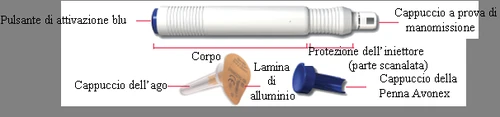
Avonex Pen – ready for injection
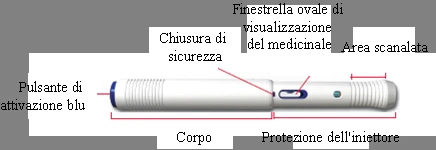
Avonex Pen – after injection (ready for disposal)

You should have already received instructions on how to use the Avonex Pen.
These notes are only a reminder. If you have any doubts or problems, consult your doctor or
pharmacist.
Where to inject
Choose a different injection site each week
The best area is the outer muscle of the upper thigh.
Alternate between the right and left thigh.
Keep a record of where you administered the injection each week.
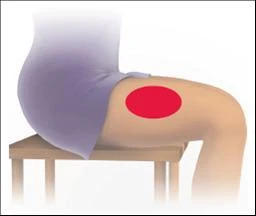
- Avonex is injected into a muscle ; the best area is the outer muscle of the upper thigh, as shown in the image above. Injection into the gluteal muscles is not recommended.
- Choose a different injection site each week . This reduces the risk of skin or muscle irritation.
- Do not use areas of skin with bruises, lesions or infections, or areas with open wounds.
A. Preparation
1. Take an Avonex Pen out of the refrigerator
Check that the package contains one Avonex Pen, one needle, and one pen cap.
Do not shake the Avonex Pen.
Check the expiration date on the Avonex Pen label.
Do not use it if it has expired.
2. Allow Avonex Pen to warm up.
Let it sit at room temperature for half an hour.
This makes the injection more comfortable than using it immediately after
removal from the refrigerator.
Tip: Do not use external heat sources, such as warm water, to warm Avonex Pen.
- Wash your hands thoroughly with soap and water, and dry them.
- Prepare disinfectant wipes and plasters (not supplied), if needed.
- Find a clean, flat surface on which to place the injection materials.
B. Preparing Avonex Pen
1 Remove the tamper-proof cap.
Check that the cap is intact and has not been opened.
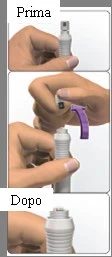
If it appears to have been opened, do not use that Avonex Pen.
- Hold Avonex Pen with the cap facing upwards.
- Bend the cap at a right angle until it breaks off completely.
- Do not touch the exposed glass tip. Tip: Place the pen on the table before starting the procedure at step 2.
2 Attach the needle.
- Avonex Pen is designed to work exclusively
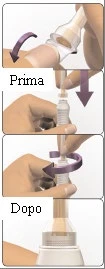
with the provided needle.
- Remove the aluminum seal from the needle cover.
- Attach the needle by pressing it onto the glass end of the pen. Keep the pen in a vertical position.
- Do not remove the needle cover yet.
- To prevent possible leakage from the needle, gently turn the needle clockwise until it is securely attached. If leakage occurs, you may not receive the full dose of medication. Tip: The needle cover will detach automatically when following the instructions in the next step 3.
3 Extend the injector shield.
- Hold the body of the pen firmly with one hand.
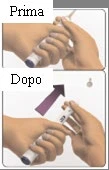
Point the needle cover away from your body and from other
people.
- Using your other hand, with a quick movement, slide the injector shield (ribbed area) over the needle, until the needle is completely covered.
- The plastic needle cover will detach. Tip: Do not press the blue activation button at the same time.
4 Check that the injector shield is fully extended.
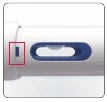
- Check that the injector shield is fully extended. A small rectangular window next to the oval viewing window will appear: this is the safety lock.
5 Check the liquid
- Look through the oval viewing window. The
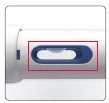
liquid should be clear and colourless.
If the solution is cloudy, coloured, or contains particles in
suspension, do not use this pen. The presence of one or more small air bubbles is normal.
C. How to use Avonex Pen
1 Disinfect the injection site.
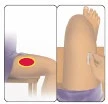
If necessary, use an alcohol-soaked swab to clean the skin at the chosen injection site. Wait for the skin to dry.
Tip: The best area is the outer muscle of the upper thigh.
2 Place Avonex Pen on the skin.
- With one hand, hold the body of the pen at a right angle
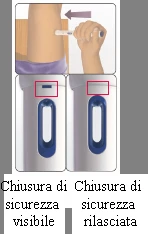
to the injection site. Ensure that the pen's viewing windows are visible.
- Tip: Be careful not to press the blue activation button too early.
- Press the body of the pen firmly downward onto the skin to release the safety lock.
- Check that the safety lock has been released. The small rectangular window will disappear. Avonex Pen is now ready for injection. Tip: Continue to hold the pen firmly against the skin.
3 Perform the injection
- To start the injection, press the blue activation button with your thumb.
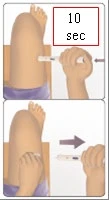
You will hear a click indicating that the injection process has started. Do not lift the pen from the skin.
- Keep holding the pen against the skin and count slowly to 10 seconds.
- After 10 seconds, remove the pen to withdraw the needle from the injection site.
- Apply pressure to the injection site for a few seconds. If bleeding occurs, wipe it away.
4 Confirm that the injection has been completed
- Check the oval viewing window. The
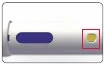
window will appear yellow if the full dose has been administered.
- Do not reuse Avonex Pen. The pen is for single use only.
5 Disposal
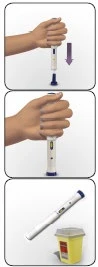
- Place the pen cap on a flat, hard surface. Tip: Do not hold the pen cap, as you might prick yourself with the needle.
- Insert the needle directly into the pen cap.
- Press firmly to seal the needle until you hear a click. You may need to use both hands. Once the pen is sealed, there is no risk of injury.
- Waste must be disposed of properly. Your doctor, nurse, or pharmacist will provide instructions for the disposal of used Avonex Pen, for example, in a sharps container.