Atriblastina
Italy
Table of Contents
- Package leaflet: Information for the user
- ADRIBLASTINA 10 mg/5 ml injectable solution for intravenous use, 50 mg/25 ml injectable solution for intravenous use, 200 mg/100 ml injectable solution for intravenous use
- 1. What Adriblastina is and what it is used for
- 2. What you should know before Adriblastina is administered
- 3. How to administer Adriblastina
- 4. Possible side effects
- 5. How to store Adriblastina
- 6. Package contents and other information
- The following information is intended exclusively for physicians or healthcare professionals
- Package leaflet: Information for the user
- ADRIBLASTINA 10 mg/5 ml powder and solvent for injectable solution, 50 mg powder for injectable solution
- 1. What Adriblastina is and what it is used for
- 2. What you should know before Adriblastina is administered
- 3. How to administer Adriblastina
- 4. Possible side effects
- 5. How to store Adriblastina
- 6. Package contents and other information
- The following information is intended exclusively for physicians or healthcare professionals
Package leaflet: Information for the user
ADRIBLASTINA 10 mg/5 ml injectable solution for intravenous use, 50 mg/25 ml injectable solution for intravenous use, 200 mg/100 ml injectable solution for intravenous use
Doxorubicin hydrochloride
Please read this leaflet carefully before this medicine is administered to you because it contains important information for you.
- Keep this leaflet. You may need to read it again.
- If you have any questions, ask your doctor, the doctor treating your child, or the nurse.
- If you experience any side effects, including those not listed in this leaflet, inform your doctor, the doctor treating your child, or the nurse. See section 4. Contents of this leaflet:
- What Adriblastina is and what it is used for
- What you need to know before Adriblastina is administered
- How Adriblastina is administered
- Possible side effects
- How to store Adriblastina
- Contents of the pack and other information
1. What Adriblastina is and what it is used for
Adriblastina contains the active substance doxorubicin hydrochloride, which belongs to a group of medicines called cytotoxic antibiotics used to treat cancer. Doxorubicin works by interfering with the growth of tumour cells, which are eventually destroyed.
This medicine is indicated in adults and children for the treatment of various types of cancer (neoplasms), including:
- breast cancer
- lung cancer
- advanced bladder cancer
- thyroid cancer
- ovarian cancer
- bone cancer (osteosarcoma)
- soft tissue cancer (sarcoma)
- nervous system tissue cancer (neuroblastoma)
- kidney cancer (Wilms' tumour)
- blood cancers (acute lymphoblastic leukaemia, acute myeloblastic leukaemia, Hodgkin and non-Hodgkin lymphomas).
2. What you should know before Adriblastina is administered
Do not administer Adriblastina to yourself or your child:
- if you are allergic to doxorubicin hydrochloride, to other medicines in the same group (anthracyclines or anthraquinones), or to any of the other ingredients of this medicine (listed in section 6).
Adriblastina must not be administered if you or your child:
- have a low number of blood cells (myelosuppression) before starting treatment with this medicine;
- suffer from severe liver problems (severe hepatic insufficiency);
- suffer from serious heart problems such as heart failure, severe arrhythmia, or have recently had a heart attack;
- have previously been treated for cancer with maximum cumulative doses of one or more of the following medicines: doxorubicin, daunorubicin, epirubicin, idarubicin, and/or other medicines belonging to the anthracycline and anthraquinone group (see section “Other medicines and Adriblastina”).
Warnings and precautions
Speak to your doctor, your child’s doctor, or nurse BEFORE Adriblastina is administered, if you think any of the following conditions apply to you or your child:
- you have undergone cancer therapy (cytotoxic therapy) that may have caused toxicity-related problems such as mouth inflammation and ulcers (stomatitis), reduced number of white blood cells (neutropenia), red blood cells and platelets (thrombocytopenia) in the blood, and generalized infections in various parts of the body. Before starting treatment with Adriblastina, these toxic effects must have disappeared or significantly diminished;
- you have excessive body weight, as the toxic effects of this medicine may be increased;
- you suffer or have previously suffered from a heart problem. Adriblastina may cause disturbances in heart function (cardiotoxicity), especially if you or your child have previously had heart problems. Furthermore, the risk of developing such disturbances increases if you are currently undergoing or have recently undergone radiotherapy to the chest area, if you have been treated with other anticancer medicines similar to Adriblastina (called anthracyclines or anthraquinones), or if you are taking other medicines that affect heart function (e.g., trastuzumab). Trastuzumab (a medicine used in the treatment of certain cancers) may take up to 7 months to be eliminated from the body. Because trastuzumab can affect the heart, Adriblastina must not be administered until 7 months after discontinuation of trastuzumab. If Adriblastina is administered within this time interval, heart function must be closely monitored (see section “Other medicines and Adriblastina”);
- you have a liver problem. In this case, the toxic effects of Adriblastina may be higher than expected, and your doctor will prescribe a lower dose of this medicine.
Inform your doctor, your child’s doctor, or nurse if any of the following conditions occur or worsen DURING treatment with Adriblastina (see also section 4 “Possible side effects”):
- heart problems, which may be
- acute (occurring immediately after the start of treatment): increased or decreased heart rate and irregular heartbeat rhythm (arrhythmias). These disturbances can be easily detected by electrocardiogram (ECG) and are usually not serious enough to require discontinuation of treatment;
- delayed (occurring long after the start of treatment, sometimes 2-3 months later, or even months or years after treatment ends). The most common manifestations of delayed toxicity are:
- inability of the heart to supply adequate blood flow to meet the body’s needs (heart failure or congestive heart failure). Common symptoms include: difficulty breathing (dyspnea), fluid accumulation in the lungs (pulmonary edema), swelling in other parts of the body, especially in the legs and ankles (dependent edema), enlargement of the heart (cardiomegaly) and liver (hepatomegaly), reduced urine output (oliguria), fluid accumulation in the abdomen (ascites) and in the space between the lungs and chest wall (pleural effusion), and abnormal heart rhythm (gallop rhythm). Sometimes, heart failure can be severe and lead to death;
- inflammation of the membrane surrounding the heart (pericarditis);
- inflammation of the heart muscle (myocarditis). Children are more likely to develop delayed-type heart problems (see section “Children and adolescents”);
- decreased levels in the blood of total white blood cells (leukopenia) or a specific type of white blood cells called neutrophils (neutropenia), or of platelets (thrombocytopenia), or of red blood cells (anemia). Typically, the lowest white blood cell count occurs 10–14 days after starting treatment and returns to normal by day 21. Sometimes, the consequences of reduced blood cell counts can be severe, including fever, infections in various organs and in the bloodstream, shock, bleeding, reduced oxygen supply to the brain, and death;
- development of leukemia (a cancer of the blood’s white cells) not present before starting treatment with Adriblastina (secondary leukemia). Leukemia may appear 1–3 years after completing treatment with Adriblastina and is more likely to occur if this medicine is given at high doses or in combination with other anticancer medicines or radiotherapy;
- vomiting and inflammation of the mouth’s mucosa (stomatitis). In severe cases, mucosal ulcers may also develop. Typically, these lesions resolve within the third week of treatment;
- liver problems, as this increases the risk of systemic toxic effects from the medicine. Your doctor will adjust the dose of Adriblastina based on your or your child’s condition;
- inflammation of the vein (phlebitis) where repeated injections of Adriblastina have been administered, inflammation and blockage of the vein (thrombophlebitis), or leakage of the medicine from the vein where the needle was inserted (extravasation). In case of extravasation, local pain, blisters, redness of the skin may occur, and in more severe cases, tissue necrosis. Therefore, administration of Adriblastina must be immediately stopped. These risks can be avoided by strictly following the instructions for intravenous administration of Adriblastina (see section 3 “How to administer Adriblastina”);
- excessive increase in blood uric acid levels;
- inflammation and blood clot formation in veins, mainly in the legs, pelvis (thrombophlebitis), and lungs (pulmonary embolism). In some cases, pulmonary embolism may lead to death;
- problems affecting the final part of the intestine called the colon. If you or your child suffer from a specific type of blood cancer (acute non-lymphocytic leukemia), lesions (ulcerations), damage, and necrosis of part of the colon may occur after treatment with Adriblastina in combination with cytarabine (another anticancer medicine) for 3 consecutive days. These effects may result in death due to bleeding or severe infections.
You or your child may notice reddish discoloration of the urine, which may last up to 1–2 days after administration of Adriblastina.
During treatment with Adriblastina, you must not receive vaccinations with live or attenuated vaccines, because, due to your weakened immune defenses, severe or even fatal infections may occur.
However, you may receive vaccinations with inactivated or killed vaccines, although the effectiveness of such vaccinations may be reduced.
Adriblastina may enhance the toxic effects of other anticancer medicines (see section “Other medicines and Adriblastina”).
Before and during treatment with Adriblastina, your doctor will perform frequent and regular laboratory tests to assess your or your child’s condition and the effectiveness of this medicine.
Children and adolescents
Children and adolescents, particularly females, are more susceptible to the cardiotoxic effects of Adriblastina. These effects appear after a certain period from the start of treatment (delayed onset of cardiotoxicity).
Other medicines and Adriblastina
Inform your doctor, your child’s doctor, or nurse if you or your child are taking, have recently taken, or might take any other medicine.
The following medicines may increase the effectiveness and/or toxic effects of Adriblastina:
- verapamil (a medicine used to lower blood pressure);
- cyclosporine (a medicine used to prevent organ transplant rejection). Concomitant administration of these two medicines may also cause coma and epileptic seizures;
- other anticancer medicines. When Adriblastina is administered together with other anticancer medicines, toxic effects on the bone marrow, blood, stomach, intestine, and heart may increase;
- medicines toxic to the heart or medicines to lower blood pressure (called “calcium antagonists”). When Adriblastina is administered together with these medicines, the risk of heart function disturbances (cardiotoxicity) may increase;
- paclitaxel (an anticancer medicine).
The following medicines may reduce the effects of Adriblastina:
- phenobarbital (a medicine used for seizures);
- phenytoin (a medicine used for epilepsy);
- St. John’s wort (a herbal remedy used for depression).
Adriblastina may increase the toxic effects of other anticancer medicines such as:
- cyclophosphamide;
- 6-mercaptopurine.
Pregnancy, breastfeeding, and fertility
If you are pregnant, suspect you may be pregnant, planning to become pregnant, or breastfeeding, consult your doctor or nurse before receiving this medicine.
Pregnancy
Avoid becoming pregnant while being treated with Adriblastina, as this medicine may harm the unborn child (congenital abnormalities).
Contraception in women of childbearing age
Always use an effective method of birth control (contraception) during treatment with Adriblastina and for at least 6.5 months after the last dose. Discuss with your doctor which contraceptive methods are appropriate for you and your partner.
Contraception in men
Men must always use effective contraceptive methods during treatment with Adriblastina and for at least 3.5 months after the last dose.
Breastfeeding
Do not breastfeed during treatment with Adriblastina and for at least 10 days after the last dose, as Adriblastina passes into breast milk.
Fertility
Adriblastina may have negative effects on fertility in both men and women.
In women, problems such as temporary absence of menstruation (amenorrhea) or permanent cessation (premature menopause) may occur.
In men, damage to sperm cells may occur, and in more severe cases, a marked reduction in sperm production (oligospermia) or complete absence of sperm production (azoospermia). In some cases, sperm production may return to normal. Reduced or absent sperm production may occur several years after completing treatment with this medicine.
Before starting treatment, both men and women should seek advice on methods to preserve fertility.
Driving and use of machines
There are no data available to determine the effect of this medicine on the ability to drive vehicles or operate machinery.
Adriblastina contains sodium
Adriblastina 10 mg/5 ml (2 mg/ml) injectable solution contains 17.7 mg of sodium (a main component of table salt) per 5 ml vial. This corresponds to 0.9% of the maximum daily dietary intake recommended for an adult.
Adriblastina 50 mg/25 ml (2 mg/ml) injectable solution contains 88.5 mg of sodium per 25 ml vial. This corresponds to 4.4% of the maximum daily dietary intake recommended for an adult.
Adriblastina 200 mg/100 ml (2 mg/ml) injectable solution contains 354 mg of sodium per 100 ml vial. This corresponds to 17.7% of the maximum daily dietary intake recommended for an adult.
3. How to administer Adriblastina
This medicine must be administered to you or your child under the supervision of physicians experienced in
tumor therapy with antineoplastic drugs.
This medicine may only be used in suitable facilities (hospitals, clinics, and treatment centers) that ensure
immediate and effective treatment of any complications, even severe ones, caused by the disease or by therapy
with Adriblastina.
If the physician considers it necessary, Adriblastina may be administered in combination with other
medicines for tumor treatment (polychemotherapy).
Adriblastina as a single anticancer medicine
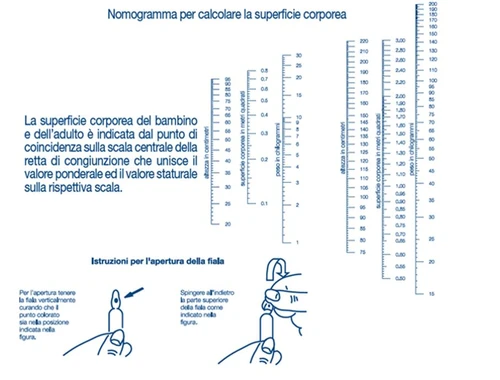
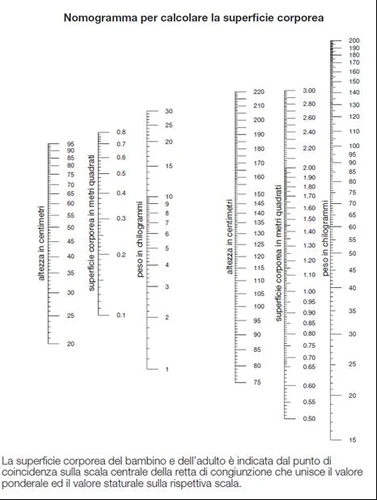
The recommended dose is 60–75 mg/m² of body surface area. This dose may be administered as a single
intravenous injection or divided over 2–3 consecutive days, every 21 days. Your doctor will determine the
dose based on your health status.
Adriblastina in combination with other anticancer medicines
The recommended dose is 25–50 mg/m² of body surface area every 3–4 weeks. The dose may be increased
to 60–75 mg/m² of body surface area if the other anticancer medicines do not reduce the number of white
blood cells, red blood cells, and platelets in the blood.
Use in children and adolescents
In children and adolescents, the recommended dose is 30 mg/m² per day, administered via intravenous
injection for 3 consecutive days, every 4 weeks.
Use in patients with bone marrow problems
In patients with bone marrow impairment leading to low production of blood cells (white blood cells, red
blood cells, platelets), the recommended dose is 60 mg/m² of body surface area.
Bone marrow problems may be due to advanced age, previous treatments, or the presence of a tumor that
has spread to the bone marrow.
Your doctor will determine the frequency of administration.
Use in patients with liver problems
In patients with liver problems, your doctor will reduce the dose to be administered and determine the most
appropriate dose for you. Dose reduction is necessary to minimize or avoid the risk of toxic effects of the
medicine.
If more Adriblastina has been administered than intended
If you believe that you or your child have received more Adriblastina than prescribed, inform your doctor,
your child’s doctor, or the nurse immediately, as the following may occur:
- reduction in blood cell counts, particularly reduced numbers of white blood cells (leukopenia) and platelets (thrombocytopenia);
- toxic effects on the stomach and intestine (mucositis);
- severe heart problems (acute cardiac alterations).
4. Possible side effects
Like all medicines, this medicine can cause side effects, although not everyone will experience them.
Contact your doctor immediately if you or your child experience any of the following side effects, as they may be serious:
Very common (may affect more than 1 in 10 people):
- significant reduction in blood cell production (white blood cells, red blood cells, platelets) in the bone marrow
Common (may affect up to 1 in 10 people):
- blood infections (sepsis, septicaemia)
- heart problems (heart failure) (see section 2 “Warnings and precautions”)
- reactions at the infusion site. If the medicine leaks out of the vein where the needle was inserted (extravasation), administration of Adriblastina will be immediately stopped (see section 2 “Warnings and precautions”)
Uncommon (may affect up to 1 in 100 people):
- blockage of a vein by a blood clot (embolism)
Unknown frequency (frequency cannot be estimated from the available data):
- severe allergic reaction (anaphylactic shock)
- blood cell cancers (acute lymphocytic leukemia, acute myeloid leukemia) (see section 2 “Warnings and precautions”)
- shock
- inflammation of the vein (phlebitis) or inflammation and blockage of the vein (thrombophlebitis) where repeated injections of the medicine have been administered (see section 2 “Warnings and precautions”)
- bleeding inside the stomach and/or intestine (gastrointestinal haemorrhage)
The following side effects may also occur:
Very common (may affect more than 1 in 10 people):
- hair loss (alopecia), accompanied by reversible inhibition of beard growth in men
- infection
- reduced appetite
- inflammation and/or ulceration of the mouth lining (stomatitis)
- diarrhoea
- vomiting
- nausea
- inflammation of part of the intestine (colitis)
- tingling sensation, burning, inflammation and swelling of the palms of the hands and soles of the feet (palmar-plantar erythrodysesthesia syndrome)
- fever (pyrexia)
- muscle weakness (asthenia)
- chills
- changes in laboratory tests: abnormalities in echocardiogram and electrocardiogram (ECG) due to heart function disturbances; increased blood levels of certain substances (transaminases) normally produced by the liver; weight gain
Common (may affect up to 1 in 10 people):
- eye inflammation (conjunctivitis)
- increased heart rate (tachycardia)
- inflammation of the oesophagus (oesophagitis)
- abdominal pain
- urticaria
- skin and nail discoloration (hyperpigmentation)
Unknown frequency (frequency cannot be estimated from the available data):
- dehydration
- increased levels of uric acid in the blood (hyperuricaemia)
- inflammation of the transparent part of the eye called cornea (keratitis)
- increased tear production
- heart rhythm abnormalities
- haemorrhage
- hot flushes
- inflammation of the stomach with formation of micro-ulcers (erosive gastritis)
- inflammation of the colon (colitis)
- changes in mucosal colour
- redness or other skin reactions similar to sunburn (photosensitisation reactions) when exposed to sunlight or ultraviolet rays (e.g. in a solarium)
- recall reactions
- itching
- skin disorders
- reddish discoloration of the urine (chromaturia) (see section 2 “Warnings and precautions”)
- absence of menstruation (amenorrhoea) (see section 2 “Fertility”)
- reduced sperm production (oligospermia) (see section 2 “Fertility”)
- absence of sperm production (azoospermia) (see section 2 “Fertility”)
- malaise
Reporting of side effects
If you or your child experience any side effects, including those not listed in this leaflet, talk to your doctor, the doctor treating your child, or pharmacist. You can also report side effects directly via the national reporting system at
https://www.aifa.gov.it/content/segnalazioni-reazioni-avverse .
By reporting side effects, you can help provide more information on the safety of this medicine.
5. How to store Adriblastina
Keep this medicine out of the sight and reach of children.
Do not use this medicine after the expiry date stated on the carton and vial after "Exp.". The expiry date refers to the last day of that month.
Store in a refrigerator (2°C – 8°C).
Keep in the original packaging to protect the medicine from light.
The solution stored in the refrigerator may appear as a gel. The gelled product will turn back into a solution ranging from slightly viscous to quite fluid after 2–4 hours at room temperature (15°C – 25°C).
Do not dispose of any medicine via wastewater or household waste. Ask your pharmacist how to dispose of medicines you no longer use. This will help protect the environment.
6. Package contents and other information
What Adriblastina contains
- The active substance is doxorubicin hydrochloride. Each 5 ml vial contains 10 mg of doxorubicin hydrochloride. Each 25 ml vial contains 50 mg of doxorubicin hydrochloride. Each 100 ml vial contains 200 mg of doxorubicin hydrochloride.
- The other components are sodium chloride, hydrochloric acid (for pH adjustment), and water for injections.
Description of the appearance of Adriblastina and contents of the pack
Adriblastina 10 mg/5 ml solution for injection is available in a pack containing 1 glass vial with a rubber stopper and an aluminium and plastic seal. Each vial is packaged in a transparent plastic pouch (Onco-tain).
Adriblastina 50 mg/25 ml solution for injection is available in a pack containing 1 glass vial with a rubber stopper and an aluminium and plastic seal. Each vial is packaged in a transparent plastic pouch (Onco-tain).
Adriblastina 200 mg/100 ml solution for injection is available in a pack containing 1 glass vial with a rubber stopper and an aluminium and plastic seal. Each vial is packaged in a transparent plastic pouch (Onco-tain).
Marketing Authorization Holder
Pfizer Italia S.r.l.
Via Isonzo, 71
04100 Latina – Italy
Manufacturer
Adriblastina 10 mg/5 ml solution for injection for intravenous use
Adriblastina 50 mg/25 ml solution for injection for intravenous use
Adriblastina 200 mg/100 ml solution for injection for intravenous use
Pfizer Service Company BV
Hermeslaan 11
1932 Zaventem
Belgium
The following information is intended exclusively for physicians or healthcare professionals
Incompatibilities
Adriblastina is incompatible with the following medicines:
- Heparin
- Fluorouracil
- Other chemotherapeutic agents or other medicines in general
Dosage
When Adriblastina is used as a single antineoplastic agent, the recommended dose in adults is 60–75 mg/m² of body surface area administered by intravenous injection at 21-day intervals, according to hematopoietic status. The lower dose (60 mg/m²) is recommended for patients with reduced bone marrow reserve due to advanced age, previous therapies, or bone marrow neoplastic infiltration. The dose of 60–75 mg/m² may be administered as a single injection or divided over 2–3 consecutive days. An alternative regimen of 30 mg/m²/day intravenously for three consecutive days has been suggested, particularly in pediatric patients; this cycle should be repeated every 4 weeks. The cumulative dose of Adriblastina by intravenous route, regardless of the administration schedule, must not exceed 550 mg/m² of body surface area. Adriblastina is currently widely used in combination chemotherapy at usual doses of 25–50 mg/m² every 3–4 weeks when combined with other myelosuppressive agents, and at doses of 60–75 mg/m² when combined with drugs that do not exhibit bone marrow toxicity. The dosage of Adriblastina should be reduced in patients with impaired liver function to avoid increased overall toxicity. In general, when serum bilirubin levels are between 1.2–3 mg/100ml and bromsulfalein retention is 9–15%, it is recommended to administer half the normal dose of Adriblastina. If bilirubin and BSF retention values are even higher, one-quarter of the normal dose is recommended. Moderate impairment of renal function does not appear to require modification of the recommended doses, due to the low renal excretion of Adriblastina.
Method of Administration
Adriblastina is not active orally and must not be administered by intramuscular or intrathecal route. Administration is performed by intravenous injection, and in the case of locoregional treatment of tumors, by slow intra-arterial infusion. It is advisable to administer the intravenous injection over 5–10 minutes through the tubing of an ongoing physiological saline infusion, after ensuring that the needle is properly positioned within the vein. This technique reduces the risk of thrombosis and perivenous extravasation, which may lead to severe cellulitis or necrosis. Phlebosclerosis may occur when the injection is performed into small veins or when repeated in the same vein.
Special precautions for disposal and handling
Adriblastina should be administered through the tubing of a physiological saline infusion. Unused solution should be discarded.
The following safety measures, applicable to all antineoplastic agents, are recommended:
- Personnel should be trained in proper reconstitution and handling techniques;
- Pregnant personnel should be excluded from these tasks;
- Personnel handling the drug should wear protective clothing: goggles, gowns, masks, and disposable gloves;
- A specific area should be designated for drug reconstitution (preferably equipped with a vertical laminar flow system); the work surface should be protected with absorbent paper with a plastic backing;
- All items used for reconstitution, administration, and cleaning, including gloves, should be placed in disposable high-risk waste bags for high-temperature incineration;
- In case of accidental contact of the drug with skin or eyes, immediately and thoroughly wash the skin with soap and water, and the eyes with a sodium bicarbonate solution. Follow up with careful monitoring by a specialist;
- In case of accidental contamination of objects with the drug, immerse them in a 1% sodium hypochlorite solution, then rinse thoroughly with water;
- Cleaning materials must be disposed of as previously indicated.
Unused material and waste derived from this medicinal product must be disposed of in accordance with applicable local regulations.
For further information, consult the Summary of Product Characteristics.
Package leaflet: Information for the user
ADRIBLASTINA 10 mg/5 ml powder and solvent for injectable solution, 50 mg powder for injectable solution
Doxorubicin hydrochloride
Please read this leaflet carefully before this medicine is administered, as it contains
important information for you.
- Keep this leaflet. You may need to read it again.
- If you have any questions, consult the doctor treating you or your child, or the nurse.
- If you experience any adverse reactions, including those not listed in this leaflet, contact your doctor, the doctor treating your child, or the nurse. See section 4.
Contents of this leaflet:- What Adriblastina is and what it is used for
- What you need to know before Adriblastina is administered
- How to administer Adriblastina
- Possible side effects
- How to store Adriblastina
- Contents of the pack and other information
1. What Adriblastina is and what it is used for
Adriblastina contains the active substance doxorubicin hydrochloride, which belongs to a group of medicines called cytotoxic antibiotics used to treat cancer. Doxorubicin works by interfering with the growth of cancer cells, which are eventually destroyed.
This medicine is indicated in adults and children for the treatment of various types of cancer (neoplasms), including:
- breast cancer
- lung cancer
- bladder cancer
- thyroid cancer
- ovarian cancer
- bone cancer (osteosarcoma)
- soft tissue cancer (sarcoma)
- nervous tissue cancer (neuroblastoma)
- kidney cancer (Wilms' tumour)
- blood cancer (acute lymphoblastic leukaemia, acute myeloblastic leukaemia, Hodgkin and non-Hodgkin lymphomas).
Adriblastina is also indicated for the treatment of early-stage bladder cancer (superficial tumour), administered directly into the bladder ( intravesical route ), and for the prevention of bladder cancer recurrence following surgical intervention (transurethral resection).
2. What you should know before Adriblastina is administered
Do not administer Adriblastina to yourself or your child:
- if you are allergic to doxorubicin hydrochloride, to other medicines in the same group (anthracyclines or anthracenediones), or to any of the other ingredients of this medicine (listed in section 6).
Adriblastina must not be administered intravenously ( intravenous administration ) if you or your
child:
- have a low number of blood cells (myelosuppression) prior to starting treatment with this medicine;
- suffer from severe liver problems (severe hepatic insufficiency);
- suffer from severe heart problems such as heart failure, severe arrhythmia, or have recently had a heart attack;
- have previously been treated for cancer with maximum cumulative doses of one or more of the following medicines: doxorubicin, daunorubicin, epirubicin, idarubicin, and/or other medicines belonging to the anthracycline and anthracenedione group (see section “Other medicines and Adriblastina”).
Adriblastina must not be administered directly into the bladder ( intravesical administration ) if
you or your child:
- have a urinary tract infection;
- have bladder inflammation;
- have noticed blood in the urine (haematuria).
Warnings and precautions
Talk to your doctor, your child’s doctor, or nurse BEFORE Adriblastina is administered, if you think any of the following conditions apply to you or your child:
- you have undergone cancer therapy ( cytotoxic therapy ) that may have caused toxicity-related problems such as mouth inflammation and ulcers (stomatitis), reduced number of white blood cells (neutropenia), red blood cells, and platelets (thrombocytopenia) in the blood, and generalized infections throughout the body. Before starting treatment with Adriblastina, these toxic effects must have disappeared or significantly diminished;
- you have excessive body weight, because the toxic effects of this medicine may increase;
- you suffer or have previously suffered from a heart problem. Adriblastina may cause disturbances in heart function (cardiac toxicity), especially if you or your child have previously had heart disorders. Moreover, the risk of such disturbances increases if you are currently undergoing or have recently undergone radiotherapy to the chest area, if you have been treated with other anticancer medicines similar to Adriblastina (called anthracyclines or anthracenediones), or if you are taking other medicines that cause heart function disturbances (e.g. trastuzumab). Trastuzumab (a medicine used in the treatment of certain cancers) may take up to 7 months to be eliminated from the body. Since trastuzumab may affect the heart, Adriblastina must not be administered until 7 months after discontinuation of trastuzumab. If Adriblastina is administered within this time interval, heart function must be closely monitored (see section “Other medicines and Adriblastina”);
- you have a liver problem. In this case, the toxic effects of Adriblastina may be higher than expected, and your doctor will prescribe a lower dose of this medicine.
Inform your doctor, your child’s doctor, or nurse if any of the following
conditions appear or worsen DURING treatment with Adriblastina (see also section 4
“Possible side effects”):
-
heart problems, which may include:
- acute (occurring immediately after the start of treatment): increased or decreased heart rate and irregular heartbeat (arrhythmias). These disturbances are easily detectable by electrocardiogram (ECG) and are usually not serious enough to require discontinuation of treatment with this medicine;
- delayed (appearing long after the start of treatment, sometimes 2-3 months later, or even months or years after treatment ends). The most common manifestations of delayed toxicity are:
o inability of the heart to supply adequate blood flow to meet the body’s needs (heart failure or congestive heart failure). The most common symptoms are: difficulty breathing (dyspnoea), fluid accumulation in the lungs (pulmonary oedema), swelling in other parts of the body, especially in the legs and ankles (dependent oedema), enlargement of the heart (cardiomegaly) and liver (hepatomegaly), reduced urine production (oliguria), fluid accumulation in the abdomen (ascites) and in the space between the lungs and chest wall (pleural effusion), and irregular heartbeat (gallop rhythm). Sometimes, heart failure can be severe and lead to death;
o inflammation of the membrane surrounding the heart (pericarditis);
o inflammation of the heart muscle (myocarditis).
Children are more likely to develop delayed-type heart problems (see section “Children and adolescents”).
-
decreased blood levels of total white blood cells (leucopenia) or of a specific type of white blood cells called neutrophils (neutropenia), or of platelets (thrombocytopenia), or of red blood cells (anaemia). Typically, the lowest white blood cell count occurs 10–14 days after starting treatment and returns to normal by day 21. Sometimes, the consequences of reduced blood cells can be severe, including fever, infections in various organs and in the bloodstream, shock, bleeding, reduced oxygen supply to the brain, and death;
-
development of blood cancer ( leukaemia ) not present before starting treatment with Adriblastina (secondary leukaemia). Leukaemia may appear 1–3 years after completing Adriblastina treatment and is more likely to occur if this medicine is given at high doses or in combination with other anticancer medicines or radiotherapy;
-
vomiting and inflammation of the mouth mucosa (stomatitis). In severe cases, mucosal ulcers may also occur. Typically, these lesions resolve within three weeks of treatment;
-
liver problems, as this increases the risk of systemic toxic manifestations from this medicine. Your doctor will adjust the dose of Adriblastina based on your or your child’s condition;
-
inflammation of the vein (phlebitis) where repeated injections of Adriblastina have been administered, inflammation and blockage of the vein (thrombophlebitis), or leakage of the medicine from the vein where the needle was inserted ( extravasation ). In case of extravasation, local pain, blisters, skin redness may occur, and in more severe cases, necrosis; therefore, administration of Adriblastina must be immediately stopped. These risks can be avoided by strictly following the instructions for intravenous administration of Adriblastina (see section 3 “How to administer Adriblastina”);
-
excessive increase in blood uric acid levels;
-
inflammation and blood clot formation in veins, mainly in the legs and pelvis ( thrombophlebitis ) and in the lungs ( pulmonary embolism ). In some cases, pulmonary embolism may lead to death;
-
problems in the last part of the intestine called the colon. If you or your child suffer from a specific type of blood cancer (acute non-lymphocytic leukaemia), it is possible that, following treatment with Adriblastina in combination with cytarabine (another anticancer medicine) for 3 consecutive days, lesions (ulcerations), damage, and necrosis of part of the intestine (colon) may occur. These effects may lead to death due to bleeding or severe infections.
Inform your doctor, your child’s doctor, or nurse if any of the following
conditions appear or worsen DURING intravesical administration of Adriblastina (directly into the bladder):
- difficulty urinating (dysuria), frequent passage of small amounts of urine without increased fluid intake (pollakiuria), frequent need to urinate at night (nocturia), painful, slow, and intermittent urination, often drop by drop (stranguria), presence of blood in the urine (haematuria), bladder discomfort, necrosis of the inner bladder wall, bladder compression.
You or your child may notice reddish discoloration of the urine, which may last up to 1–2 days after administration of Adriblastina.
During treatment with Adriblastina, you must not receive vaccinations with live or attenuated vaccines, because, due to your weakened immune system, severe or even fatal infections may occur.
However, you may receive vaccinations with inactivated or killed vaccines, although the effectiveness of such vaccinations may be reduced.
Adriblastina may enhance the toxic effects of other medicines used in cancer treatment (see section “Other medicines and Adriblastina”).
Before and during treatment with Adriblastina, your doctor will perform frequent and regular laboratory tests to assess your or your child’s condition and the effectiveness of this medicine.
Children and adolescents
Children and adolescents, especially females, are more susceptible to the cardiac toxic effects of Adriblastina. These effects appear some time after the start of treatment (delayed onset of cardiotoxicity).
Other medicines and Adriblastina
Inform your doctor, your child’s doctor, or nurse if you or your child are taking, have recently taken, or might take any other medicine.
The following medicines may increase the efficacy and/or toxic effects of Adriblastina:
- verapamil (a medicine used to lower blood pressure);
- cyclosporine (a medicine used to prevent organ transplant rejection). Concomitant administration of these two medicines may also cause coma and epileptic seizures;
- other anticancer medicines. When Adriblastina is administered concomitantly with other anticancer medicines, toxic effects on the bone marrow, blood, stomach, intestine, and heart may increase;
- medicines toxic to the heart or medicines to lower blood pressure (called “calcium channel blockers”). Concomitant administration of Adriblastina with these medicines may increase the risk of heart function disturbances (cardiotoxicity);
- paclitaxel (an anticancer medicine).
The following medicines may reduce the effects of Adriblastina:
- phenobarbital (a medicine used to treat seizures);
- phenytoin (a medicine used to treat epilepsy);
- St. John’s wort (a medicine used to treat depression).
Adriblastina may increase the toxic effects of other anticancer medicines such as:
- cyclophosphamide;
- 6-mercaptopurine.
Pregnancy, breastfeeding, and fertility
If you are pregnant, suspect you may be pregnant, planning to become pregnant, or breastfeeding, consult your doctor or nurse before receiving this medicine.
Pregnancy
Avoid becoming pregnant while undergoing treatment with Adriblastina, as this medicine may harm the unborn child (congenital abnormalities).
Contraception in women of childbearing potential
Always use an effective method of birth control (contraception) during treatment with Adriblastina and for at least 6.5 months after the last dose. Discuss with your doctor the appropriate contraceptive methods for you and your partner.
Contraception in men
Men must always use effective contraception during treatment with Adriblastina and for at least 3.5 months after the last dose.
Breastfeeding
Do not breastfeed during treatment with Adriblastina and for at least 10 days after the last dose, as Adriblastina passes into breast milk.
Fertility
Adriblastina may have negative effects on fertility in both men and women.
In women, problems such as temporary absence of menstruation (amenorrhoea) or permanent cessation (early menopause) may occur.
In men, sperm damage may occur, and in more severe cases, marked reduction in sperm production (oligospermia) or complete absence of sperm production (azoospermia). In some cases, sperm production may return to normal. Reduced or absent sperm production may also occur several years after completing treatment with this medicine.
Before treatment, both men and women should seek advice on methods to preserve fertility.
Driving and using machines
There are no available data to determine the effect of this medicine on the ability to drive or operate machinery.
Adriblastina contains methyl parahydroxybenzoate
This medicine contains methyl parahydroxybenzoate, which may cause allergic reactions (including delayed reactions) and, exceptionally, bronchospasm.
3. How to administer Adriblastina
This medicine must be administered to you or your child under the supervision of physicians experienced in
tumor therapy with anticancer drugs.
This medicine may only be used in suitable facilities (hospitals, clinics, and healthcare centers) that ensure
immediate and effective treatment of any complications, even serious ones, caused by the disease or by therapy
with Adriblastina.
If considered necessary by the physician, Adriblastina may be administered in combination with other
anticancer medicines (polychemotherapy).
Intravenous administration:
Adriblastina as a single anticancer medicine
The recommended dose is 60–75 mg/m² of body surface area. This dose may be administered as a single intravenous injection or divided over 2–3 consecutive days, every 21 days. Your doctor will determine the dose based on your health condition.
Adriblastina in combination with other anticancer medicines
The recommended dose is 25–50 mg/m² of body surface area every 3–4 weeks. The dose may be increased to 60–75 mg/m² of body surface area if the other anticancer medicines do not reduce the number of white blood cells, red blood cells, and platelets in the blood.
Intravesical administration (into the bladder):
For the treatment of bladder tumor, the recommended dose is 30–50 mg weekly or monthly. The frequency of administration will be determined by the doctor and may differ depending on whether it is for treatment or prevention of bladder tumor.
Use in children and adolescents
In children and adolescents, the recommended dose is 30 mg/m² per day, administered via intravenous injection for 3 consecutive days, every 4 weeks.
Use in patients with bone marrow problems
In patients with bone marrow impairment leading to low production of blood cells (white blood cells, red blood cells, platelets), the recommended dose is 60 mg/m² of body surface area.
Bone marrow problems may be due to advanced age, previous treatments, or the presence of a tumor that has spread to the bone marrow.
Your doctor will determine the frequency of administration.
Use in patients with liver problems
In patients with liver impairment, your doctor will reduce the dose of the medicine and determine the most appropriate dose for you. Dose reduction is necessary to minimize or avoid the risk of toxic effects of the medicine.
If more Adriblastina is administered than intended
If you believe that you or your child have been given more Adriblastina than required, inform your doctor, your child’s doctor, or the nurse immediately, as the following may occur:
- reduction in the number of blood cells, particularly reduced white blood cell count (leucopenia) and reduced platelet count (thrombocytopenia);
- gastrointestinal toxicity (mucositis);
- severe heart problems (acute cardiac alterations).
4. Possible side effects
Like all medicines, this medicine can cause side effects, although not everyone gets them.
Contact your doctor immediately if you or your child experience any of the following side effects, as they may be serious:
Very common (may affect more than 1 in 10 people):
- marked reduction in the production of blood cells (white blood cells, red blood cells, platelets) in the bone marrow
Common (may affect up to 1 in 10 people):
- blood infections (sepsis, septicaemia)
- heart problems (heart failure) (see section 2 “Warnings and precautions”)
- reactions at the infusion site. If the medicine leaks out from the vein where the needle was inserted (extravasation), administration of Adriblastina will be immediately stopped (see section 2 “Warnings and precautions”)
Uncommon (may affect up to 1 in 100 people):
- blockage of a vein by a blood clot (embolism)
Not known (frequency cannot be estimated from the available data):
- severe allergic reaction (anaphylactic shock)
- blood cell cancers (acute lymphocytic leukemia, acute myeloid leukemia) (see section 2 “Warnings and precautions”)
- shock
- inflammation of the vein (phlebitis) or inflammation and blockage of the vein (thrombophlebitis) at the site where repeated injections of the medicine have been given (see section 2 “Warnings and precautions”)
- bleeding inside the stomach and/or intestine (gastrointestinal haemorrhage)
The following side effects may also occur:
Very common (may affect more than 1 in 10 people):
- hair loss (alopecia), accompanied by reversible cessation of beard growth in men
- infection
- reduced appetite
- inflammation and/or ulceration of the mouth lining (stomatitis)
- diarrhoea
- vomiting
- nausea
- inflammation of part of the intestine (colitis)
- tingling sensation, burning, inflammation and swelling of the palms of the hands and soles of the feet (palmar-plantar erythrodysesthesia syndrome)
- fever (pyrexia)
- muscle weakness (asthenia)
- chills
- changes in laboratory tests: abnormalities in echocardiogram and electrocardiogram (ECG) due to disturbances in heart function; increased blood levels of certain substances (transaminases) normally produced by the liver; weight gain
Common (may affect up to 1 in 10 people):
- eye inflammation (conjunctivitis)
- increased heart rate (tachycardia)
- inflammation of the oesophagus (oesophagitis)
- abdominal pain
- urticaria
- skin rash
- darker skin and nail pigmentation (hyperpigmentation)
Not known (frequency cannot be estimated from the available data):
- dehydration
- increased levels of uric acid in the blood (hyperuricaemia)
- inflammation of the transparent part of the eye called the cornea (keratitis)
- increased tear production
- irregular heart rhythm
- haemorrhage
- hot flushes
- inflammation of the stomach with formation of micro-ulcers (erosive gastritis)
- inflammation of the colon (colitis)
- changes in mucosal colour
- redness or other skin reactions resembling sunburn (photosensitisation reactions) when exposed to sunlight or ultraviolet rays (e.g. in a sunbed)
- flare reactions
- itching
- skin disorders
- reddish discoloration of the urine (chromaturia) (see section 2 “Warnings and precautions”)
- absence of menstruation (amenorrhoea) (see section 2 “Fertility”)
- reduced sperm production (oligospermia) (see section 2 “Fertility”)
- absence of sperm production (azoospermia) (see section 2 “Fertility”)
- malaise
Reporting of side effects
If you or your child experience any side effect, including those not listed in this leaflet, talk to your doctor, the doctor treating your child, or pharmacist. You can also report side effects directly via the national reporting system at https://www.aifa.gov.it/content/segnalazioni-reazioni-avverse. By reporting side effects, you can help provide more information on the safety of this medicine.
5. How to store Adriblastina
Keep this medicine out of the sight and reach of children.
Do not use this medicine after the expiry date stated on the carton, vial, and bottle after "Exp.". The expiry date refers to the last day of that month.
Once prepared, solutions must be used immediately.
Do not dispose of medicines via wastewater or household waste. Ask your pharmacist how to dispose of medicines you no longer use. This will help protect the environment.
6. Package contents and other information
What Adriblastina 10 mg/5 ml lyophilisate and solvent for injectable solution contains
- The active substance is doxorubicin hydrochloride. Each vial contains 10 mg of doxorubicin hydrochloride.
- The other components are: methyl parahydroxybenzoate, lactose, physiological saline solution.
What Adriblastina 50 mg lyophilisate for injectable solution contains
- The active substance is doxorubicin hydrochloride. Each vial contains 50 mg of doxorubicin hydrochloride.
- The other components are: methyl parahydroxybenzoate, lactose.
Description of the appearance of Adriblastina and contents of the pack
Adriblastina 10 mg/5 ml lyophilisate and solvent for injectable solution is available in a pack containing 1 glass vial of 10 mg with rubber stopper and aluminium seal containing the powder, and 1 glass ampoule of 5 ml containing the solvent.
Adriblastina 50 mg lyophilisate for injectable solution is available in a pack containing 1 glass vial of 50 mg with rubber stopper and aluminium seal.
Marketing Authorization Holder
Pfizer Italia S.r.l.
Via Isonzo, 71
04100 Latina – Italy
Manufacturer
Latina Pharma S.p.A
Via Murillo, 7
04013 Sermoneta (LT)
Italy
The following information is intended exclusively for physicians or healthcare professionals
Reconstitution Information:
After reconstitution, the chemical and physical stability of the reconstituted solution is 24 hours at room temperature, or 48 hours under refrigeration (2°C to 8°C).
From a microbiological standpoint, the product should be used immediately.
If not used immediately, the times and conditions of use are the responsibility of the user and should normally not exceed 24 hours at a temperature between 2°C and 8°C, unless reconstitution has been carried out under controlled, validated aseptic conditions.
Compatibility
Adriblastin is compatible with the following medicinal products:
- Sterile water for infusion
- Sodium chloride physiological solution
Incompatibility
Adriblastin is incompatible with the following medicinal products:
- Heparin
- Fluorouracil
- Other chemotherapeutic agents or other medicinal products in general
Dosage
Intravenous route: When Adriblastin is used as a single antineoplastic agent, the recommended dose in adults is 60–75 mg/m² body surface area administered by intravenous injection at 21-day intervals, depending on hematopoietic status. The lower dose (60 mg/m²) is recommended for patients with reduced bone marrow reserve due to advanced age, prior therapy, or neoplastic bone marrow infiltration. The dose of 60–75 mg/m² may be administered either as a single injection or divided over 2–3 consecutive days. In pediatric patients, an alternative regimen of 30 mg/m²/day intravenously for three consecutive days has been suggested; this cycle should be repeated every 4 weeks. The cumulative dose of Adriblastin by intravenous route, regardless of the administration schedule, must not exceed 550 mg/m² body surface area. Adriblastin is currently widely used also in combination chemotherapy regimens at usual doses of 25–50 mg/m² every 3–4 weeks when combined with other agents exhibiting myelosuppressive activity, and at doses of 60–75 mg/m² when combined with drugs that do not exhibit bone marrow toxicity. The dosage of Adriblastin should be reduced in patients with impaired hepatic function to avoid increased overall toxicity. As a general rule, when serum bilirubin levels range between 1.2–3 mg/100 ml and bromosulfophthalein retention is 9–15%, it is recommended to administer half the normal dose of Adriblastin. If bilirubin levels are even higher, one-quarter of the normal dose is recommended. Moderate impairment of renal function does not appear to be a reason for modifying the recommended doses, given the low renal excretion of Adriblastin via the urinary tract.
Intravesical route: The recommended dose for intravesical topical treatment is 30–50 mg per instillation, administered at intervals ranging from one week to one month. Depending on whether the treatment is prophylactic or therapeutic, the frequency and duration of treatment should be determined individually by the physician.
The limitations associated with intravenous administration of Adriblastin do not apply to intravesical administration, as absorption and passage of the drug into the systemic circulation are very limited.
Method of Administration
Intravenous route: Adriblastin is not active orally and must not be administered by intramuscular or intrathecal routes. Administration is performed by intravenous injection; in the case of locoregional tumor treatment, it may also be given by slow intra-arterial infusion or by topical intravesical instillation via catheter. Adriblastin dissolves completely and rapidly in both water and physiological saline solution. The latter is preferred, as it yields an isotonic solution that is generally better tolerated. Intravenous administration should be carried out over 5–10 minutes through the tubing of an ongoing intravenous infusion of physiological saline solution, after confirming that the needle is properly positioned within the vein. This technique reduces the risk of thrombosis and perivenous extravasation, which could lead to severe cellulitis or necrosis. Phlebitis may occur if the injection is administered into small veins or repeatedly into the same vein. This method minimizes the risk of drug leakage and ensures adequate venous flushing at the end of administration.
Intravesical route: Intravesical administration is not suitable for the treatment of invasive tumors that have infiltrated the muscular layer of the bladder wall.
For intravesical treatment, it is recommended to administer the drug at a concentration of 1 mg/ml. The drug should be instilled using a catheter and retained within the bladder for 1–2 hours. During instillation, the patient should be rotated to maximize contact between the solution and the mucosal surface of the bladder and pelvis. To avoid excessive dilution with urine, patients should be instructed to refrain from drinking fluids for 12 hours prior to instillation and to empty the bladder at the end of the procedure.
Special Precautions for Disposal and Handling
Intravenous administration should be performed through the tubing of an ongoing infusion of physiological saline solution.
The following safety measures, applicable to all antineoplastic agents, are recommended:
- Personnel should be trained in proper reconstitution and handling techniques;
- Pregnant personnel should be excluded from these tasks;
- Personnel handling the drug should wear protective clothing: goggles, gowns, masks, and disposable gloves;
- A designated area should be established for drug reconstitution (preferably equipped with a vertical laminar flow hood); work surfaces should be protected with absorbent paper with a plastic backing;
- All materials used for reconstitution, administration, and cleaning—including gloves—should be placed in disposable, high-risk waste bags for high-temperature incineration;
- In case of accidental contact of the drug with skin or eyes, immediately wash the skin thoroughly with soap and water, and rinse eyes with sodium bicarbonate solution. Monitor the patient closely with regular specialist evaluations;
- In case of accidental contamination of equipment with the drug, immerse the items in a 1% sodium hypochlorite solution, then rinse thoroughly with water;
- Cleaning materials should be disposed of as described above.
Any unused material and waste derived from this medicinal product must be disposed of in accordance with applicable local regulations.
For further information, consult the Summary of Product Characteristics.