Aspirina
Italy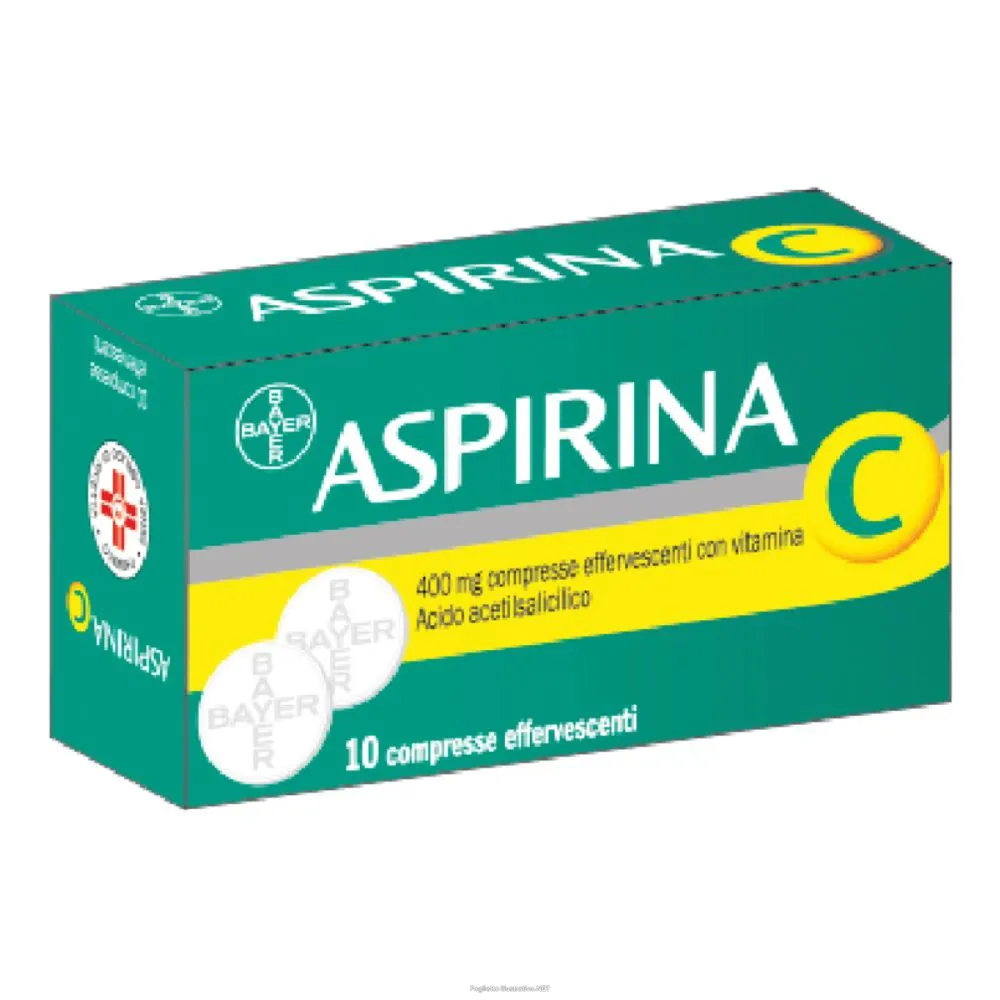
Table of Contents
- Package leaflet: Information for the patient
- Aspirin 500 mg tablets
- 1. What Aspirin 500 mg tablets is and what it is used for
- 2. What you need to know before taking Aspirin 500 mg tablets
- 3. How to take Aspirin 500 mg tablets
- 4. Possible side effects
- 5. How to store Aspirin 500 mg tablets
- 6. Package contents and other information
- Aspirin 500 mg granules
- 1. What Aspirin 500 mg granules is and what it is used for
- 2. What you need to know before taking Aspirin 500 mg granules
- 3. How to take Aspirin 500 mg granules
- 4. Possible side effects
- 5. How to store Aspirin 500 granules
- 6. Package contents and other information
- Aspirin 400 mg effervescent tablets with Vitamin C
- 1. What is Aspirina 400 mg effervescent tablets with Vitamin C and what is it used for?
- 3. How to take Aspirin 400 mg effervescent tablets with Vitamin C
- 4. Possible adverse effects
- 5. How to store Aspirin 400 mg effervescent tablets with Vitamin C
- 6. Package contents and other information
- Aspirin Rapid 500 mg chewable tablets
- 1. What Aspirin Rapida is and what it is used for
- 2. What you should know before taking Aspirina Rapida
- 3. How to take Aspirina Rapida
- 4. Possible side effects
- 5. How to store Aspirina Rapida
- 6. Pack contents and other information
- Patient Information Leaflet
- Aspirin 400 mg effervescent granules with Vitamin C
- 1. What is Aspirina 400 mg effervescent granules with Vitamin C and what is it used for?
- 3. How to take Aspirin 400 mg effervescent granules with Vitamin C
- 4. Possible side effects
- 5. How to store Aspirin 400 mg effervescent granules with Vitamin C
- 6. Package contents and other information
Package leaflet: Information for the patient
Aspirin 500 mg tablets
acetylsalicylic acid
Please read this leaflet carefully before taking this medicine because it contains important information for you.
Always take this medicine exactly as described in this leaflet or as your doctor or pharmacist has instructed you.
- Keep this leaflet. You may need to read it again.
- If you need more information or advice, consult your pharmacist.
- If any side effects occur, including those not listed in this leaflet, consult your doctor or pharmacist. See section 4.
- Consult your doctor if you do not notice any improvement or if you experience worsening of symptoms after 3-5 days.
Contents of this leaflet:
- What Aspirin 500 mg tablets are and what they are used for
- What you need to know before taking Aspirin 500 mg tablets
- How to take Aspirin 500 mg tablets
- Possible side effects
- How to store Aspirin 500 mg tablets
- Contents of the pack and other information
1. What Aspirin 500 mg tablets is and what it is used for
Aspirin is an analgesic (pain reliever: reduces pain), anti-inflammatory, and antipyretic (fever reducer: reduces fever).
Aspirin is used for the symptomatic treatment of feverish conditions and influenza-like and cold syndromes, and for the symptomatic relief of headache, toothache, neuralgia, menstrual pain, rheumatic pain, and muscular pain.
This product is intended for use in adults only.
Consult your doctor if you do not notice any improvement or if your symptoms worsen after 3–5 days.
2. What you need to know before taking Aspirin 500 mg tablets
Do not take Aspirin 500 mg tablets
- if you are allergic to acetylsalicylic acid, to other analgesics (painkillers), antipyretics (fever reducers), or non-steroidal anti-inflammatory drugs (NSAIDs), or to any of the other ingredients of this medicine (listed in section 6);
- if you suffer from gastroduodenal ulcer (ulcer of the stomach or the first part of the intestine);
- if you suffer from haemorrhagic diathesis (tendency to bleed);
- if you suffer from severe renal (reduced kidney function), hepatic (liver) or cardiac (heart) insufficiency;
- if you have glucose-6-phosphate dehydrogenase deficiency (an enzyme deficiency, genetically determined, leading to a disease characterized by reduced survival of red blood cells);
- if you are already taking methotrexate (at doses of 15 mg/week or more) or warfarin (see "Other medicines and Aspirin 500 mg tablets");
- if you have previously suffered from asthma induced by salicylates or substances with similar activity, particularly non-steroidal anti-inflammatory drugs (NSAIDs);
- if you are in the last trimester of pregnancy or if you are breastfeeding (see "Pregnancy, breastfeeding and fertility");
- if you are under 16 years of age (see "Children and adolescents").
Warnings and precautions
Talk to your doctor or pharmacist before taking Aspirin 500 mg tablets.
Take the medicine only with food.
Before taking any medicine, you should take all necessary precautions to prevent unwanted reactions:
- rule out any history of allergic reactions to this or other medicines;
- rule out the presence of other contraindications or conditions that may increase the risk of potentially serious adverse effects. If in doubt, consult your doctor or pharmacist.
- do not use acetylsalicylic acid together with another NSAID or, in any case, do not use more than one NSAID at a time.
Allergic reactions
Acetylsalicylic acid and other NSAIDs may cause allergic reactions [including asthma attacks, rhinitis (runny nose), angioedema (swelling of the skin and mucous membranes), or urticaria (small skin rashes accompanied by itching)].
The risk is higher in individuals who have previously experienced an allergic reaction after using this type of medicine (see "Do not take Aspirin 500 mg tablets") and in individuals who have allergic reactions (e.g. skin reactions, itching, urticaria) to other substances.
In patients with asthma and/or rhinitis (with or without nasal polyps) and/or urticaria, reactions may be more frequent and severe.
Inform your doctor if:
- you are scheduled for surgery (even minor procedures such as tooth extraction), as preoperative use of this medicine may make it more difficult to control bleeding during the procedure (intraoperative haemostasis);
- you are undergoing testing for occult blood, since acetylsalicylic acid may cause gastrointestinal bleeding.
Your doctor will prescribe this medicine only after a careful assessment of the benefit/risk ratio in the following cases:
- if you have an increased risk of allergic reactions, for example if you suffer from asthma and/or rhinitis (with or without nasal polyps) and/or urticaria;
- if you have an increased risk of gastrointestinal damage, since acetylsalicylic acid and other NSAIDs can cause serious gastrointestinal adverse effects (bleeding, ulceration, perforation); for this reason, these medicines should not be used in patients who have or have previously had gastrointestinal ulcers or gastrointestinal bleeding (see "Do not take Aspirin 500 mg tablets") or who consume large amounts of alcohol or higher doses of acetylsalicylic acid (dose-dependent effect);
- if you have blood coagulation disorders or are undergoing treatment with anticoagulant medicines (used to slow down or inhibit blood clotting);
- if you have impaired kidney, heart or liver function;
- if you suffer from asthma;
- if you have hyperuricemia/gout (increased level of uric acid in the blood).
- It is advisable to consult your doctor also if any of the above conditions have occurred in the past.
- if you are taking medicines not recommended or requiring special precautions or dose adjustments (see "Other medicines and Aspirin 500 mg tablets");
- if you are over 70 years of age, especially if you are taking other medicines concurrently;
- if you are in the first or second trimester of pregnancy (see "Pregnancy, breastfeeding and fertility").
Children and adolescents
This medicine must not be taken by children or adolescents under 16 years of age.
Elderly
The risk of serious adverse effects is higher in elderly patients.
If you are over 70 years of age, consult your doctor before taking this medicine.
Other medicines and Aspirin 500 mg tablets
Inform your doctor or pharmacist if you are taking, have recently taken or might take any other medicine.
Do not take Aspirin 500 mg tablets together with the following medicines (see "Do not take Aspirin 500 mg tablets"):
- Methotrexate (used in certain cancers and rheumatoid arthritis) (doses greater than or equal to 15 mg/week);
- Warfarin [used to make the blood less prone to clotting (anticoagulant)].
Take Aspirin 500 mg tablets together with the following medicines only on medical prescription and under medical supervision: - Selective Serotonin Re-uptake Inhibitors (SSRIs) (used to treat depression);
- ACE inhibitors (used to treat high blood pressure);
- Acetazolamide (used in certain types of edema (swelling));
- Valproic acid (used in epilepsy);
- Other NSAIDs (excluding those for local use);
- Antacids (used for digestive disorders);
- Antiplatelet agents (used for prevention and treatment of blood clots in arteries);
- Thrombolytics (used to dissolve blood clots) or anticoagulants (used to slow down or inhibit blood clotting) taken orally or by injection;
- Antidiabetics, such as insulin and oral hypoglycaemics (used to stimulate insulin production by the pancreas);
- Digoxin (used in heart failure);
- Diuretics (used to increase urine production);
- Phenytoin (used in epilepsy);
- Corticosteroids (excluding those for local use and those used in replacement therapy for adrenal insufficiency);
- Metoclopramide (used to treat vomiting);
- Methotrexate (doses less than 15 mg/week);
- Uricosurics, such as probenecid, benzbromarone (used to increase excretion of uric acid);
- Zafirlukast (used to treat asthma).
Do not take other oral medicines within 1 or 2 hours of taking this medicine.
Aspirin 500 mg tablets and alcohol
The combined effects of alcohol and acetylsalicylic acid increase the risk of gastrointestinal bleeding.
Pregnancy, breastfeeding and fertility
If you are pregnant, think you may be pregnant, are planning to become pregnant, or are breastfeeding, ask your doctor for advice before taking this medicine.
Pregnancy
Do not take Aspirin 500 mg tablets during the last trimester of pregnancy.
During the first and second trimesters of pregnancy, take this medicine only after consulting your doctor and carefully evaluating the benefit/risk ratio in your individual case.
Breastfeeding
Do not take Aspirin 500 mg tablets while breastfeeding.
Fertility
If you are a woman with fertility problems or undergoing fertility investigations, be aware that the use of acetylsalicylic acid, like any medicine that inhibits prostaglandin and cyclooxygenase synthesis, may interfere with fertility.
Driving and using machines
Due to the possible occurrence of headache or dizziness, this medicine may impair your ability to drive or operate machinery.
3. How to take Aspirin 500 mg tablets
Take this medicine exactly as stated in this leaflet or as directed by your
doctor or pharmacist. If you have any doubts, consult your doctor or pharmacist.
The recommended dose is 1 or 2 tablets as a single dose, repeated, if necessary, at intervals
of 4–8 hours, up to 2–3 times a day.
An Aspirin tablet should always be swallowed with water, tea, lemonade, etc.
Take the product with food, preferably after main meals.
Caution: Do not exceed the stated doses without medical advice. Elderly patients should adhere strictly
to the lower doses indicated above.
Always use the lowest effective dose and increase it only if it is insufficient to relieve symptoms
(pain and fever).
Patients at higher risk of serious adverse effects, who may use the medicine only if prescribed by a doctor,
must follow the doctor's instructions carefully.
Do not take this product for more than 3–5 days without consulting a doctor. Consult your doctor if
symptoms persist. Use the medicine for the shortest possible duration.
Consult your doctor if the condition recurs frequently or if you have noticed any recent change
in its characteristics.
If you take more Aspirin 500 mg tablets than you should
In case of accidental ingestion of an excessive dose of Aspirin, contact your doctor immediately or go
to the nearest hospital.
Salicylate toxicity (a dosage exceeding 100 mg/kg/day for two consecutive days may induce
toxicity: for example, in a 70 kg individual, salicylate toxicity occurs with intake of more
than 7 g of acetylsalicylic acid per day, equivalent to more than 14 tablets of Aspirin 500 mg tablets C)
may result from chronic intake of excessive doses or from acute overdose,
which can be potentially life-threatening and includes accidental ingestion in children.
- Chronic intoxication ( repeated use of considerable doses): symptoms include dizziness, vertigo, tinnitus (ringing or buzzing in the ear), hearing loss, sweating, nausea and vomiting, headache, and confusion. These symptoms may be controlled by reducing the dosage.
- Acute intoxication: signs and symptoms/investigation findings (biochemical and instrumental) may include:
- Signs and symptoms of mild/moderate overdose: tachypnea (rapid breathing), hyperventilation (excessively deep breathing), respiratory alkalosis (disturbance of acid-base balance due to altered breathing), sweating, nausea, vomiting, headache, dizziness.
- Signs and symptoms of moderate/severe overdose: respiratory alkalosis with compensatory metabolic acidosis (disturbance of acid-base balance due to altered breathing and accumulation of acids in the body), fever, hyperventilation (excessively deep breathing), pulmonary edema (fluid in the lungs), respiratory failure, asphyxia, arrhythmias (abnormal heart rhythms), hypotension (low blood pressure), cardiac arrest, dehydration, oliguria (reduced urine output) progressing to renal failure (reduced kidney function), ketosis ("acetone"), hyperglycemia (increased blood sugar levels), severe hypoglycemia (marked decrease in blood sugar levels), tinnitus (ringing or buzzing in the ear), deafness, gastrointestinal bleeding, gastric ulcer, coagulopathy (impaired blood clotting), iron deficiency anemia, encephalopathy (brain dysfunction), and central nervous system depression ranging from lethargy (extreme drowsiness) and confusion to coma and convulsions, cerebral edema (swelling of brain tissue), liver damage.
- At high doses, disturbances in taste and skin eruptions (acneiform, erythematous, scarlatiniform, eczematoid, desquamative, bullous, purpuric) and pruritus may also occur.
- Other signs and symptoms: conjunctivitis, anorexia (loss of appetite), reduced visual acuity (reduced ability to see objects clearly), drowsiness.
- Rarely reported: aplastic anemia (failure to produce red blood cells), agranulocytosis (absence of granulocytes in the blood), disseminated intravascular coagulation (widespread blood clotting), pancytopenia (deficiency of all blood cell types), leucopenia (low white blood cell count), thrombocytopenia (low platelet count), eosinopenia (low eosinophil count), purpura (reddish skin patches), eosinophilia (increased eosinophils) associated with drug-induced hepatotoxicity, renal toxicity (allergic tubulo-interstitial nephritis), hematuria (blood in urine).
Acute allergic reactions following acetylsalicylic acid intake may be treated, if
necessary, with administration of adrenaline, corticosteroids, and an antihistamine.
If you forget to take Aspirin 500 mg tablets
Continue treatment as per the recommended dose. Do not take a double dose to make up for a forgotten dose.
If you stop taking Aspirin 500 mg tablets
Stopping treatment does not cause any adverse effects.
If you have any questions about the use of this medicine, consult your doctor or pharmacist.
4. Possible side effects
Like all medicines, this medicine can cause side effects, although not everyone experiences them.
The most frequently observed side effects involve the gastrointestinal system.
These disturbances may be partially reduced by taking the medicine with food. Most side effects depend on both the dose and the duration of treatment.
The side effects observed with acetylsalicylic acid are generally common to other NSAIDs.
The following side effects may occur:
Effects on the blood
- Prolongation of bleeding time,
- Anaemia due to gastrointestinal bleeding,
- Reduced platelet count (thrombocytopenia) in extremely rare cases. As a consequence of bleeding, acute and chronic post-haemorrhagic/iron-deficiency (sideropenic) anaemia (due, for example, to occult microbleeding) may occur, with the related alterations in laboratory parameters and associated clinical signs and symptoms such as asthenia (weakness), pallor, and hypoperfusion (reduced blood supply to tissues).
Effects on the nervous system
- Headache,
- Dizziness. Rarely, the following may occur:
- Reye's syndrome (*), an acute illness affecting the brain and liver, potentially fatal, which occurs almost exclusively in children. From rare to very rare:
- Cerebral haemorrhage, especially in patients with uncontrolled hypertension (high blood pressure) and/or receiving anticoagulant therapy (medicines used to slow down or inhibit blood clotting), which in isolated cases may be potentially fatal.
Effects on the ear
- Tinnitus (ringing, buzzing, or hissing in the ear).
Effects on the respiratory system
- Asthmatic syndrome,
- Rhinitis (runny nose),
- Nasal congestion (stuffy nose) (associated with allergic reactions);
- Epistaxis (nosebleeds).
Effects on the heart
- Cardiorespiratory distress (severe and acute respiratory failure) (associated with allergic reactions).
Effects on the eye
- Conjunctivitis (associated with allergic reactions).
Effects on the gastrointestinal system
- Gastrointestinal bleeding (occult),
- Gastric disturbances,
- Pyrosis (heartburn),
- Gastrointestinal pain,
- Gingival bleeding (bleeding gums),
- Vomiting,
- Diarrhoea,
- Nausea,
- Cramp-like abdominal pain (associated with allergic reactions). Rarely, the following may occur:
- Gastrointestinal inflammation,
- Gastrointestinal erosion,
- Gastrointestinal ulceration,
- Haematemesis (vomiting blood or material resembling "coffee grounds"),
- Melena (passage of black, tarry stools),
- Oesophagitis (inflammation of the oesophagus). Very rarely:
- Haemorrhagic gastrointestinal ulcer and/or gastrointestinal perforation, with the related clinical signs and symptoms and alterations in laboratory parameters.
Effects on the liver
- Rarely: hepatotoxicity (hepatocellular damage, usually mild and asymptomatic), manifested by increased transaminase levels.
Effects on the skin
- Skin rash,
- Oedema (swelling),
- Urticaria,
- Pruritus (itching),
- Erythema (redness),
- Angioedema (associated with allergic reactions).
Effects on the kidneys and urinary tract
- Impaired renal function (in conditions involving impaired blood circulation in the kidneys),
- Urogenital bleeding (of the urinary and genital tract).
Effects on the body as a whole
- Perioperative bleeding (immediately before, during, and immediately after surgical procedures),
- Haematomas (collections of blood outside blood vessels).
Effects on the immune system
- Rarely: anaphylactic shock (severe, potentially life-threatening allergic reaction), with the related alterations in laboratory parameters and clinical manifestations.
(*) Reye's syndrome (RS)
RS initially presents with vomiting (persistent or recurrent) and other signs of varying degrees of encephalopathy: from lethargy, drowsiness, or personality changes (irritability or aggressiveness) to disorientation, confusion, or delirium, up to seizures or loss of consciousness. The clinical picture may vary: vomiting may even be absent or replaced by diarrhoea.
If these symptoms occur in the days immediately following an episode of influenza (or influenza-like illness, chickenpox, or another viral infection) during which acetylsalicylic acid or other medicines containing salicylates were administered, physicians should immediately consider the possibility of RS.
Reporting of side effects
If you experience any side effect, including those not listed in this leaflet, talk to your doctor or pharmacist. You may also report side effects directly via the national reporting system at https://www.aifa.gov.it/content/segnalazioni-reazioni-avverse .
By reporting side effects, you can help provide more information on the safety of this medicine.
5. How to store Aspirin 500 mg tablets
Keep this medicine out of the sight and reach of children.
Do not use this medicine after the expiry date stated on the packaging. The expiry date refers to the last day of that month.
Blister packs: store at a temperature not exceeding 30 °C.
Do not dispose of any medicine via wastewater or household waste. Ask your pharmacist how to dispose of medicines no longer required. This will help protect the environment.
6. Package contents and other information
What Aspirin 500 mg tablets contain
- The active substance is acetylsalicylic acid. One tablet contains 500 mg of acetylsalicylic acid.
- The other components are: maize starch, powdered cellulose.
Description of the appearance of Aspirin 500 mg tablets and package contents
Aspirin is presented as swallowable tablets.
Pack sizes are 4, 20, 24 or 30 tablets in blister packs.
It is possible that not all pack sizes are marketed.
Marketing Authorisation Holder and Manufacturer
Marketing Authorisation Holder
Bayer S.p.A. - Viale Certosa 130 - Milan
Manufacturer
Bayer Bitterfeld GmbH - Greppin – Germany
Patient Information Leaflet
Aspirin 500 mg granules
acetylsalicylic acid
Please read this leaflet carefully before taking this medicine because it contains important information for you.
Always take this medicine exactly as described in this leaflet or as your doctor or pharmacist has instructed you.
- Keep this leaflet. You may need to read it again.
- If you need more information or advice, consult your pharmacist.
- If you experience any side effects, including those not listed in this leaflet, contact your doctor or pharmacist. See section 4.
- Consult your doctor if you do not notice any improvement or if your symptoms worsen after 3–5 days.
Contents of this leaflet:
- What Aspirin 500 mg granules is and what it is used for
- What you need to know before taking Aspirin 500 mg granules
- How to take Aspirin 500 mg granules
- Possible side effects
- How to store Aspirin 500 mg granules
- Package contents and other information
1. What Aspirin 500 mg granules is and what it is used for
Aspirin is an analgesic (pain reliever), anti-inflammatory, and antipyretic (reduces fever).
Aspirin is used for the symptomatic treatment of feverish conditions and influenza and cold-like syndromes, as well as for the symptomatic relief of headache, toothache, neuralgia, menstrual pain, and rheumatic and muscular pain.
This product is intended for use in adults only.
Consult your doctor if you do not notice any improvement or if your symptoms worsen after 3–5 days.
2. What you need to know before taking Aspirin 500 mg granules
Do not take Aspirin 500 mg granules
- if you are allergic to acetylsalicylic acid, to other analgesics (painkillers), antipyretics (fever reducers), or to any other component of this medicine (listed in section 6);
- if you suffer from gastroduodenal ulcer (ulcer of the stomach or the first part of the intestine);
- if you suffer from haemorrhagic diathesis (tendency to bleed);
- if you suffer from severe renal (kidney), hepatic (liver), or cardiac (heart) insufficiency;
- if you have glucose-6-phosphate dehydrogenase deficiency (an enzyme deficiency, genetically determined, which leads to a disease characterized by reduced survival of red blood cells);
- if you are already taking methotrexate (at doses of 15 mg/week or more) or warfarin (see: "Other medicines and Aspirin 500 mg granules");
- if you have previously experienced asthma induced by salicylates or substances with similar activity, particularly non-steroidal anti-inflammatory drugs (NSAIDs);
- if you are in the last trimester of pregnancy or if you are breastfeeding (see "Pregnancy, breastfeeding and fertility");
- if you are under 16 years of age (see "Children and adolescents").
Warnings and precautions
Talk to your doctor or pharmacist before taking Aspirin 500 mg granules.
Take the medicine only with food.
Before taking any medicine, you should take all necessary precautions to prevent unwanted reactions:
- rule out any history of allergic reactions to this or other medicines;
- rule out the presence of other contraindications or conditions that may increase the risk of potentially serious adverse effects. If in doubt, consult your doctor or pharmacist.
- do not use acetylsalicylic acid together with another NSAID, or in any case, do not use more than one NSAID at a time.
Allergic reactions
Acetylsalicylic acid and other NSAIDs may cause allergic reactions [including asthma attacks, rhinitis (runny nose), angioedema (swelling of the skin and mucous membranes), or urticaria (small skin spots accompanied by itching)]. The risk is higher in individuals who have previously experienced an allergic reaction after using these types of medicines (see "Do not take Aspirin 500 mg granules") and in those who have allergic reactions (e.g. skin reactions, itching, urticaria) to other substances. In patients with asthma and/or rhinitis (with or without nasal polyps) and/or urticaria, reactions may be more frequent and severe.
Inform your doctor if:
- you are scheduled for surgery (even minor procedures such as tooth extraction), as preoperative use of this medicine may make it more difficult to control bleeding during surgery (intraoperative haemostasis);
- you are undergoing testing for occult blood in the stool, since acetylsalicylic acid may cause gastrointestinal bleeding.
Your doctor will prescribe this medicine only after careful evaluation of the benefit/risk ratio in the following cases:
- if you have an increased risk of allergic reactions, for example if you suffer from asthma and/or rhinitis (with or without nasal polyps) and/or urticaria;
- if you have an increased risk of gastrointestinal injury, since acetylsalicylic acid and other NSAIDs may cause serious gastrointestinal adverse effects (bleeding, ulceration, perforation); for this reason, these medicines should not be used in patients who currently suffer or have previously suffered from gastrointestinal ulcers or gastrointestinal bleeding (see "Do not take Aspirin 500 mg granules") or who consume large amounts of alcohol or high doses of acetylsalicylic acid (dose-dependent effect);
- if you have blood coagulation disorders or are undergoing treatment with anticoagulant medicines (used to slow down or inhibit blood clotting);
- if you have impaired kidney, heart, or liver function;
- if you suffer from asthma;
- if you have hyperuricaemia/gout (elevated levels of uric acid in the blood).
You should consult your doctor also if any of the above conditions occurred in the past.
- if you are taking medicines not recommended or requiring special precautions or dose adjustment (see "Other medicines and Aspirin 500 mg granules");
- if you are over 70 years of age, especially if taking concomitant therapies;
- if you are in the first or second trimester of pregnancy (see "Pregnancy, breastfeeding and fertility");
- if you are following a low-sodium diet.
Children and adolescents
This medicine must not be taken by children or adolescents under 16 years of age.
Elderly
The risk of serious adverse effects is higher in elderly patients.
If you are over 70 years of age, consult your doctor before taking this medicine.
Patients with impaired kidney or liver function
This medicine should be used with caution (see "Warnings and precautions").
Other medicines and Aspirin 500 mg granules
Inform your doctor or pharmacist if you are taking, have recently taken, or might take any other medicine.
Do not take Aspirin 500 mg granules together with the following medicines (see "Do not take Aspirin 500 mg granules"):
- Methotrexate (used in certain cancers and rheumatoid arthritis) (doses ≥ 15 mg/week);
- Warfarin [used to make blood less likely to clot (anticoagulant)].
Take Aspirin 500 mg granules together with the following medicines only on medical prescription and under medical supervision:
- Selective Serotonin Re-uptake Inhibitors (SSRIs) (used to treat depression);
- ACE inhibitors (used to treat high blood pressure);
- Acetazolamide (used in certain types of oedema (swelling));
- Valproic acid (used in epilepsy);
- Other NSAIDs (excluding those for local use);
- Antacids (used for digestive disorders);
- Antiplatelet agents (used for prevention and treatment of blood clots in arteries);
- Thrombolytics (used to dissolve blood clots) or anticoagulants (used to slow down or inhibit blood clotting) taken orally or by injection;
- Antidiabetics, e.g. insulin and oral hypoglycaemics (used to stimulate insulin production by the pancreas);
- Digoxin (used in heart failure);
- Diuretics (used to increase urine production);
- Phenytoin (used in epilepsy);
- Corticosteroids (excluding those for local use and those used in replacement therapy for adrenal insufficiency);
- Metoclopramide (used to treat vomiting);
- Methotrexate (doses < 15 mg/week);
- Uricosurics, e.g. probenecid, benzbromarone (used to increase excretion of uric acid);
- Zafirlukast (used to treat asthma).
Aspirin 500 mg granules contains buffer systems that could reduce the effects of the thyroid hormone levothyroxine.
Do not take other oral medicines within 1 or 2 hours of taking this medicine.
Aspirin 500 mg granules and alcohol
The combined effects of alcohol and acetylsalicylic acid increase the risk of gastrointestinal bleeding.
Pregnancy, breastfeeding and fertility
If you are pregnant, think you may be pregnant, plan to become pregnant, or are breastfeeding, consult your doctor before taking this medicine.
Pregnancy – last trimester
Do not take Aspirin during the last three months of pregnancy, as it may harm the fetus or cause problems during delivery. It may cause kidney and heart problems in the fetus. It may affect your and your baby's tendency to bleed and may delay or prolong labour beyond the expected duration.
Pregnancy – first and second trimesters
You should not take Aspirin during the first six months of pregnancy unless absolutely necessary and under medical advice. If treatment is required during this period or during attempts to conceive, the lowest possible dose for the shortest possible time should be used.
From the 20th week of pregnancy, Aspirin may cause kidney problems in the fetus if taken for more than a few days, thereby reducing the levels of amniotic fluid surrounding the baby (oligohydramnios), or cause narrowing of a blood vessel (ductus arteriosus) in the baby's heart. If treatment is required for more than a few days, your doctor may recommend additional monitoring.
Breastfeeding
Do not take Aspirin while breastfeeding.
Fertility
If you are a woman with fertility problems or undergoing fertility investigations, note that the use of acetylsalicylic acid, like any medicine that inhibits prostaglandin synthesis and cyclooxygenase, may interfere with fertility.
Driving and using machines
Due to the possible occurrence of headache or dizziness, this medicine may impair your ability to drive or operate machinery.
Aspirin 500 mg granules contains sodium
This medicine contains less than 1 mmol (23 mg) of sodium per sachet, i.e. essentially "sodium-free".
Aspirin 500 mg granules contains aspartame
This medicine contains 5 mg of aspartame per sachet. Aspartame is a source of phenylalanine. It may be harmful if you have phenylketonuria, a rare genetic disorder causing accumulation of phenylalanine because the body cannot properly eliminate it.
Aspirin 500 mg granules contains ethanol
This medicine contains 0.001 mg of alcohol (ethanol) in each sachet. The amount in each sachet of this medicine is equivalent to less than 1 ml of beer or 1 ml of wine. The small amount of alcohol in this medicine will not produce any significant effects.
3. How to take Aspirin 500 mg granules
Take this medicine exactly as stated in this leaflet or as directed by your
doctor or pharmacist. If you have any doubts, consult your doctor or pharmacist.
The recommended dose is 1 or 2 sachets of granules as a single dose, repeated, if necessary, at intervals of 4–8 hours, up to 2–3 times a day. Never exceed the maximum dosage of 2 sachets 3 times
a day (maximum 6 sachets per day).
Aspirin 500 mg granules can be placed directly on the tongue. It dissolves with saliva, allowing administration without water.
Take the product with food, preferably after main meals.
Caution: Do not exceed the recommended doses without medical advice. Elderly patients should adhere to the lower doses indicated above.
Always use the lowest effective dose and increase it only if symptoms (pain or fever) are not adequately relieved.
Patients at higher risk of serious adverse effects, who may use the medicine only if prescribed by a doctor, must strictly follow the doctor's instructions.
Do not take the product for more than 3–5 days without consulting a doctor. Consult your doctor if symptoms persist. Use the medicine for the shortest possible duration.
Consult your doctor if the condition recurs frequently or if you have noticed any recent changes in its characteristics.
If you take more Aspirin 500 mg granules than you should
In case of accidental overdose of Aspirin 500 mg granules, contact your doctor immediately or go to the nearest hospital.
Salicylate toxicity (a dosage exceeding 100 mg/kg/day for 2 consecutive days may cause toxicity: for example, in a 70 kg individual, salicylate toxicity occurs with intake of more than 7 g of acetylsalicylic acid per day, equivalent to more than 14 sachets of Aspirin 500 mg granules)
may result from chronic ingestion of excessive doses or from acute overdose, potentially life-threatening, including accidental ingestion in children.
- Chronic intoxication (repeated use of high doses): symptoms include dizziness, vertigo, tinnitus (ringing or buzzing in the ear), hearing loss, sweating, nausea and vomiting, headache, and confusion. These symptoms may be controlled by reducing the dose.
- Acute intoxication: signs, symptoms, and results of biochemical and instrumental investigations may include:
- Signs and symptoms of mild/moderate overdose: tachypnea (rapid breathing), hyperventilation (excessively deep breathing), respiratory alkalosis (acid-base imbalance due to altered breathing), sweating, nausea, vomiting, headache, dizziness.
- Signs and symptoms of moderate/severe overdose: respiratory alkalosis with compensatory metabolic acidosis (acid-base imbalance due to altered breathing and accumulation of acids in the body), fever, hyperventilation, pulmonary edema (fluid in the lungs), respiratory failure, asphyxia, arrhythmias (abnormal heart rhythms), hypotension (low blood pressure), cardiocirculatory arrest (cessation of heart function), dehydration, oliguria (reduced urine output) progressing to renal failure (impaired kidney function), ketosis ("acetone"), hyperglycemia (increased blood sugar), severe hypoglycemia (severe drop in blood sugar), tinnitus, hearing loss, gastrointestinal bleeding, gastric ulcer, coagulopathy (impaired blood coagulation), iron-deficiency anemia, encephalopathy (brain dysfunction), and central nervous system depression, ranging from lethargy (extreme drowsiness) and confusion to coma and convulsions, cerebral edema (swelling of brain tissue), liver damage.
- At high doses, taste disturbances and skin eruptions (acneiform, erythematous, scarlatiniform, eczematoid, desquamative, bullous, purpuric) may also occur, along with pruritus (itching).
- Other signs and symptoms: conjunctivitis, anorexia (loss of appetite), reduced visual acuity (blurred vision), drowsiness.
- Rarely reported: aplastic anemia (failure to produce red blood cells), agranulocytosis (absence of blood cells called granulocytes), disseminated intravascular coagulation (widespread blood clotting), pancytopenia (deficiency of all blood cell types), leucopenia (low white blood cell count), thrombocytopenia (low platelet count), eosinopenia (low eosinophil count), purpura (reddish skin patches), eosinophilia (increased eosinophils) associated with drug-induced hepatotoxicity, renal toxicity (allergic tubulo-interstitial nephritis), hematuria (blood in urine).
Acute allergic reactions following acetylsalicylic acid intake may be treated, if necessary, with adrenaline, corticosteroids, and antihistamines.
If you forget to take Aspirin 500 mg granules
Continue treatment as per the recommended dose. Do not take a double dose to make up for a missed dose.
If you stop taking Aspirin 500 mg granules
Stopping treatment does not cause any adverse effects.
If you have any questions about the use of this medicine, consult your doctor or pharmacist.
4. Possible side effects
Like all medicines, this medicine can cause side effects, although not everyone will experience them.
The most frequently observed side effects involve the gastrointestinal system.
These disturbances may be partially relieved by taking the medicine with food. Most side effects depend on both the dose and the duration of treatment.
The side effects observed with acetylsalicylic acid are generally common to other NSAIDs.
The following side effects may occur:
Effects on blood
- Prolongation of bleeding time,
- Anaemia due to gastrointestinal haemorrhage,
- Reduction in platelets (thrombocytopenia) in extremely rare cases. Following haemorrhage, post-haemorrhagic/iron-deficiency anaemia (due to, for example, occult microbleeding) may occur, with associated laboratory parameter changes and corresponding clinical signs and symptoms such as asthenia (weakness), pallor, and hypoperfusion (reduced blood supply to tissues).
Effects on the nervous system
- Headache,
- Dizziness. Rarely, the following may occur:
- Reye's syndrome (*), an acute illness affecting the brain and liver, potentially fatal, which affects almost exclusively children. From rare to very rare:
- Cerebral haemorrhage, especially in patients with uncontrolled hypertension (high blood pressure) and/or receiving anticoagulant therapy (medicines used to slow down or inhibit blood coagulation), which, in isolated cases, may be potentially fatal.
Effects on the ear
- Tinnitus (ringing/hissing/whistling in the ear).
Effects on the respiratory system
- Respiratory disease exacerbated by acetylsalicylic acid,
- Asthmatic syndrome,
- Rhinitis (runny nose),
- Nasal congestion (stuffy nose) (associated with allergic reactions);
- Epistaxis (nosebleeds).
Effects on the heart
- Cardiorespiratory distress (severe and acute respiratory failure) (associated with allergic reactions).
Effects on the eye
- Conjunctivitis (associated with allergic reactions).
Effects on the gastrointestinal system
- Gastrointestinal bleeding (occult),
- Gastric disturbances,
- Pyrosis (heartburn),
- Gastrointestinal pain,
- Gingival bleeding,
- Vomiting,
- Diarrhoea,
- Nausea,
- Cramp-like abdominal pain (associated with allergic reactions). Rarely, the following may occur:
- Gastrointestinal inflammation,
- Gastrointestinal erosion,
- Gastrointestinal ulceration,
- Haematemesis (vomiting blood or material resembling "coffee grounds"),
- Melena (passage of black, tarry stools),
- Oesophagitis (inflammation of the oesophagus). Very rarely:
- Haemorrhagic gastrointestinal ulcer and/or gastrointestinal perforation, with corresponding clinical signs and symptoms and changes in laboratory parameters. May occur with unknown frequency (especially during long-term treatment):
- Intestinal diaphragm disease
Effects on the liver
- Rarely: hepatotoxicity (hepatic cell damage, generally mild and asymptomatic), manifested by increased transaminase levels.
Effects on the skin
- Skin rash,
- Oedema (swelling),
- Urticaria,
- Pruritus (itching),
- Erythema (redness),
- Angioedema (associated with allergic reactions).
Effects on the kidneys and urinary tract
- Impaired renal function and acute kidney injury (in conditions of impaired blood circulation in the kidneys),
- Urogenital haemorrhages (of the urinary and genital tract).
Effects on the body as a whole
- Procedural haemorrhages (immediately before, during, and immediately after surgical procedures),
- Haematomas (collections of blood outside blood vessels).
Effects on the immune system
- Rarely: anaphylactic shock (severe, potentially life-threatening allergic reaction), with corresponding laboratory parameter changes and clinical manifestations.
(*) Reye's syndrome (RS)
RS initially presents with vomiting (persistent or recurrent) and other signs of encephalopathy of varying severity: from lethargy, drowsiness, or personality changes (irritability or aggression) to disorientation, confusion, or delirium, up to seizures or loss of consciousness. The clinical picture may vary: vomiting may even be absent or replaced by diarrhoea.
If these symptoms arise in the days immediately following an influenza (or influenza-like) episode, varicella, or another viral infection, during which acetylsalicylic acid or other medicines containing salicylates were administered, physicians should immediately consider the possibility of RS.
Reporting of side effects
If you experience any side effect, including those not listed in this leaflet, talk to your doctor or pharmacist. You may also report side effects directly via the national reporting system at https://www.aifa.gov.it/content/segnalazioni-reazioni-avverse.
By reporting side effects, you can help provide more information on the safety of this medicine.
5. How to store Aspirin 500 granules
Keep this medicine out of the sight and reach of children.
Do not use this medicine after the expiry date stated on the packaging. The expiry date refers to the last day of that month.
Store below 25°C.
Do not dispose of any medicine via wastewater or household waste. Ask your pharmacist how to dispose of medicines you no longer use. This will help protect the environment.
6. Package contents and other information
What Aspirina 500 mg contains
- The active substance is acetylsalicylic acid. One sachet contains 500 mg of acetylsalicylic acid.
- The other components are: monosodium citrate, sodium hydrogen carbonate, citric acid, mannitol, ascorbic acid, cola flavour (contains ethanol), orange flavour, aspartame.
Description of the appearance of Aspirina 500 mg granules and pack contents
Aspirina 500 mg granules is a granular powder for oral use.
Pack sizes are 2, 4, 10 or 20 sachets.
Not all pack sizes may be marketed.
Marketing Authorisation Holder and Manufacturer
Marketing Authorisation Holder
Bayer S.p.A. - Viale Certosa 130 - Milan
Manufacturer
Bayer Bitterfeld GmbH (Germany)
Patient Information Leaflet
Aspirin 400 mg effervescent tablets with Vitamin C
acetylsalicylic acid + ascorbic acid
Please read this leaflet carefully before taking this medicine because it contains important information for you.
Always take this medicine exactly as described in this leaflet or as your doctor or pharmacist has instructed.
- Keep this leaflet. You may need to read it again.
- If you need more information or advice, consult your pharmacist.
- If you experience any side effects, including those not listed in this leaflet, consult your doctor or pharmacist. See section 4.
- Consult your doctor if you do not notice any improvement or if your symptoms worsen after 3–5 days.
Contents of this leaflet:
- What Aspirin 400 mg effervescent tablets with Vitamin C are and what they are used for
- What you need to know before taking Aspirin 400 mg effervescent tablets with Vitamin C
- How to take Aspirin 400 mg effervescent tablets with Vitamin C
- Possible side effects
- How to store Aspirin 400 mg effervescent tablets with Vitamin C
- Package contents and other information
1. What is Aspirina 400 mg effervescent tablets with Vitamin C and what is it used for?
Aspirina is an analgesic (painkiller: reduces pain), anti-inflammatory, and antipyretic (fever-reducing: lowers fever).
Aspirina is used for the symptomatic treatment of feverish conditions and influenza or cold syndromes, and for the symptomatic relief of headache and toothache, neuralgia, menstrual pain, rheumatic and muscular pain.
Vitamin C (ascorbic acid) contributes to the body's defense system.
This product is intended solely for adult patients.
Consult your doctor if you do not notice improvement or if symptoms worsen after 3–5 days.
- What you should know before taking Aspirina 400 mg effervescent tablets with Vitamin C
Do not take Aspirina 400 mg effervescent tablets with Vitamin C
- if you are allergic to acetylsalicylic acid, ascorbic acid, other analgesics (painkillers), antipyretics (fever reducers), or other non-steroidal anti-inflammatory drugs (NSAIDs), or to any of the other ingredients of this medicine (listed in section 6);
- if you have gastroduodenal ulcer (ulcer of the stomach or the first part of the intestine);
- if you have haemorrhagic diathesis (tendency to bleed);
- if you have severe renal (kidney), hepatic (liver), or cardiac (heart) insufficiency;
- if you have glucose-6-phosphate dehydrogenase deficiency (an enzyme deficiency, genetically determined, leading to a disease characterized by reduced survival of red blood cells);
- if you are already taking methotrexate (at doses of 15 mg/week or more) or warfarin (see "Other medicines and Aspirina 400 mg effervescent tablets with Vitamin C");
- if you have previously suffered from asthma induced by salicylates or substances with similar activity, particularly non-steroidal anti-inflammatory drugs (NSAIDs);
- if you are in the last trimester of pregnancy or are breastfeeding (see "Pregnancy, breastfeeding and fertility");
- if you are under 16 years of age (see "Children and adolescents");
- if you suffer from or have suffered from nephrolithiasis (urinary or kidney stones);
- if you have hyperoxaluria (increased urinary excretion of calcium oxalate);
- if you have haemochromatosis (a disorder of iron metabolism leading to progressive accumulation of iron in the body).
Warnings and precautions
Consult your doctor or pharmacist before taking Aspirina 400 mg effervescent tablets with Vitamin C.
Take the medicine only with food.
Before taking any medicine, take all necessary precautions to prevent unwanted reactions:
- rule out any history of allergic reactions to this or other medicines;
- rule out the presence of other contraindications or conditions that may increase the risk of potentially serious adverse effects. If in doubt, consult your doctor or pharmacist.
- do not use acetylsalicylic acid together with another NSAID, or in any case, do not use more than one NSAID at a time.
Allergic reactions
Acetylsalicylic acid and other NSAIDs may cause allergic reactions [including asthma attacks, rhinitis (runny nose), angioedema (swelling of the skin and mucous membranes), or urticaria (small skin patches accompanied by itching)].
The risk is higher in individuals who have previously experienced an allergic reaction after using this type of medicine (see "Do not take Aspirina 400 mg effervescent tablets with Vitamin C") and in those who have allergic reactions (e.g., skin reactions, itching, urticaria) to other substances.
In patients with asthma and/or rhinitis (with or without nasal polyps) and/or urticaria, reactions may be more frequent and severe.
Inform your doctor if:
- you are scheduled for surgery (even minor procedures such as tooth extraction), as preoperative use of this medicine may make it more difficult to control bleeding during surgery (intraoperative haemostasis);
- you are undergoing testing for occult blood in stool, since acetylsalicylic acid may cause gastrointestinal bleeding.
In the following cases, your doctor will prescribe this medicine only after a careful assessment of the risk/benefit ratio:
- if you have an increased risk of allergic reactions, for example, if you suffer from asthma and/or rhinitis (with or without nasal polyps) and/or urticaria;
- if you have an increased risk of gastrointestinal injury, since acetylsalicylic acid and other NSAIDs can cause serious gastrointestinal adverse effects (bleeding, ulceration, perforation); for this reason, these medicines should not be used in patients who suffer or have previously suffered from gastrointestinal ulcers or gastrointestinal bleeding (see "Do not take Aspirina 400 mg effervescent tablets with Vitamin C") or who consume large amounts of alcohol or high doses of acetylsalicylic acid (dose-dependent effect);
- if you have blood coagulation disorders or are undergoing treatment with anticoagulant medicines (used to slow down or inhibit blood clotting);
- if you have impaired kidney, heart, or liver function;
- if you suffer from asthma;
- if you have hyperuricaemia/gout (elevated levels of uric acid in the blood);
- if you are predisposed to calcium-oxalate nephrolithiasis (kidney stones) or recurrent nephrolithiasis. You should consult your doctor even if the above conditions occurred in the past.
- if you are taking medicines not recommended or requiring special precautions or dosage adjustments (see "Other medicines and Aspirina 400 mg effervescent tablets with Vitamin C");
- if you are over 70 years of age, especially if taking concomitant therapies;
- if you are in the first or second trimester of pregnancy (see "Pregnancy, breastfeeding and fertility");
- if you are on a low-sodium (low-salt) diet.
Children and adolescents
This medicine must not be taken by children or adolescents under 16 years of age.
Elderly
The risk of serious adverse effects is higher in elderly patients.
If you are over 70 years of age, consult your doctor before taking this medicine.
Patients with impaired kidney or liver function
This medicine should be used with caution (see "Warnings and precautions").
Other medicines and Aspirina 400 mg effervescent tablets with Vitamin C
Inform your doctor or pharmacist if you are taking, have recently taken, or might take any other medicine.
Do not take Aspirina 400 mg effervescent tablets with Vitamin C together with the following medicines
(see "Do not take Aspirina 400 mg effervescent tablets with Vitamin C"):
- Methotrexate (used in certain cancers and rheumatoid arthritis) (doses ≥ 15 mg/week);
- Warfarin [used to make blood thinner (anticoagulant)].
Take Aspirina 400 mg effervescent tablets with Vitamin C together with the following medicines only under medical prescription and supervision:
- Selective Serotonin Reuptake Inhibitors (SSRIs) (used for depression);
- ACE inhibitors (used for high blood pressure);
- Acetazolamide (used for certain types of edema (swelling));
- Valproic acid (used in epilepsy);
- Other NSAIDs (excluding those for local use);
- Antacids (used for digestive disturbances);
- Antiplatelet agents (used for prevention and treatment of blood clots in arteries);
- Thrombolytics (used to dissolve blood clots) or anticoagulants (used to slow down or inhibit blood clotting) taken orally or by injection;
- Antidiabetic agents, e.g., insulin and oral hypoglycaemics (used to stimulate insulin production by the pancreas);
- Digoxin (used in heart failure);
- Diuretics (used to increase urine output);
- Phenytoin (used in epilepsy);
- Corticosteroids (excluding those for local use and those used in replacement therapy for adrenal insufficiency);
- Metoclopramide (used for vomiting);
- Methotrexate (doses < 15 mg/week);
- Uricosuric agents, e.g., probenecid, benzbromarone (used to increase excretion of uric acid);
- Zafirlukast (used for asthma);
- Deferoxamine (used when there is excess iron in the blood).
Aspirina 400 mg effervescent tablets with Vitamin C contain buffering agents that may reduce the effects of the thyroid hormone Levotiroxine.
Do not take other oral medicines within 1 or 2 hours of taking this medicine.
Aspirina 400 mg effervescent tablets with Vitamin C and laboratory tests
Aspirina 400 mg effervescent tablets with Vitamin C
Aspirina 400 mg effervescent tablets with Vitamin C and alcohol
The combined effects of alcohol and acetylsalicylic acid increase the risk of gastrointestinal bleeding.
Pregnancy, breastfeeding and fertility
If you are pregnant, suspect you may be pregnant, planning a pregnancy, or breastfeeding, consult your doctor before taking this medicine.
Pregnancy – third trimester
Do not take Aspirina with Vitamin C during the last three months of pregnancy, as it may harm the fetus or cause problems during delivery. It may cause kidney and heart problems in the fetus. It may affect your and your baby's tendency to bleed and delay or prolong labour beyond expected duration.
Pregnancy – first and second trimesters
You should not take Aspirina with Vitamin C during the first six months of pregnancy unless absolutely necessary and under medical advice. If treatment is required during this period or during attempts to conceive, the lowest possible dose should be used for the shortest possible time.
From the 20th week of pregnancy, Aspirina with Vitamin C may cause kidney problems in the fetus if taken for more than a few days, thereby reducing the levels of amniotic fluid surrounding the baby (oligohydramnios), or cause narrowing of a blood vessel (ductus arteriosus) in the baby's heart.
If treatment is required for more than a few days, your doctor may recommend additional monitoring.
Breastfeeding
Do not take Aspirina with Vitamin C during breastfeeding.
Fertility
If you are a woman with fertility problems or undergoing fertility investigations, be aware that the use of acetylsalicylic acid, like any medicine inhibiting prostaglandin synthesis and cyclooxygenase, may interfere with fertility.
Driving and using machines
Due to the possible occurrence of headache or dizziness, this medicine may impair your ability to drive vehicles or operate machinery.
Aspirina 400 mg effervescent tablets with Vitamin C contains sodium
This medicine contains 467 mg of sodium (main component of table salt) per tablet.
This corresponds to 23% of the maximum recommended daily dietary intake of sodium for an adult.
3. How to take Aspirin 400 mg effervescent tablets with Vitamin C
Take this medicine exactly as stated in this leaflet or as directed by your
doctor or pharmacist. If you have any doubts, consult your doctor or pharmacist.
The recommended dose is 1 or 2 tablets, repeated, if necessary, at intervals of 4–8 hours, up to
3–4 times a day.
The Aspirin 400 mg effervescent tablet with Vitamin C must always be dissolved in
half a glass of water before use.
Take the product with a full stomach, preferably after main meals.
Caution: Do not exceed the recommended doses without medical advice. Elderly patients should adhere to
the lowest doses indicated above.
Always use the lowest effective dose and increase it only if it is insufficient to relieve symptoms
(pain and fever).
Patients at higher risk of serious adverse effects, who may use the medicine only if prescribed by a doctor,
must strictly follow the doctor’s instructions.
Do not take this product for more than 3–5 days without consulting a doctor. Consult your doctor if
symptoms persist. Use the medicine for the shortest possible duration.
Consult your doctor if the condition recurs frequently or if you have noticed any recent changes
in its characteristics.
If you take more Aspirin 400 mg effervescent tablets with Vitamin C than you should
In case of accidental overdose of Aspirin 400 mg effervescent tablets with Vitamin C, contact your doctor immediately
or go to the nearest hospital.
Salicylate toxicity (a dosage exceeding 100 mg/kg/day for 2 consecutive days may cause toxicity: for example, in a 70 kg individual, salicylate toxicity may occur with ingestion of more than 7 g of acetylsalicylic acid per day, equivalent to more than 17 tablets of Aspirin 400 mg effervescent tablets with Vitamin C) may result from chronic ingestion of excessive doses or from acute overdose, which can be potentially life-threatening, including accidental ingestion in children.
- Chronic intoxication (repeated use of considerable doses): symptoms include dizziness, vertigo, tinnitus (ringing or buzzing in the ear), hearing loss, sweating, nausea and vomiting, headache, and confusion. These symptoms may be controlled by reducing the dose.
- Acute intoxication: signs, symptoms, and results of biochemical and instrumental investigations may include:
- Signs and symptoms of mild/moderate overdose: tachypnea (rapid breathing), hyperventilation (excessively deep breathing), respiratory alkalosis (disturbance of acid-base balance due to altered respiration), sweating, nausea, vomiting, headache, dizziness.
- Signs and symptoms of moderate/severe overdose: respiratory alkalosis with compensatory metabolic acidosis (disturbance of acid-base balance due to altered respiration and accumulation of acids in the body), fever, hyperventilation, pulmonary edema (fluid in the lungs), respiratory failure, asphyxia, arrhythmias (irregular heartbeat), hypotension (low blood pressure), cardiocirculatory arrest (cessation of heart function), dehydration, oliguria (reduced urine output) progressing to renal failure (impaired kidney function), ketosis ("acetone"), hyperglycemia (increased blood sugar levels), severe hypoglycemia (severe drop in blood sugar levels), tinnitus, hearing loss, gastrointestinal bleeding, gastric ulcer, coagulopathy (impaired blood clotting), iron-deficiency anemia, encephalopathy (brain dysfunction), and central nervous system depression, ranging from lethargy (extreme drowsiness) and confusion to coma and convulsions, cerebral edema (swelling of brain tissue), liver damage.
- At high doses, disturbances in taste and skin eruptions (acneiform, erythematous, scarlatiniform, eczematoid, desquamative bullous, purpuric) may also occur.
- Other signs and symptoms: conjunctivitis, anorexia (loss of appetite), reduced visual acuity (reduced ability to see objects clearly), drowsiness.
- Rarely reported: aplastic anemia (failure to produce red blood cells), agranulocytosis (absence of blood cells called granulocytes), disseminated intravascular coagulation (widespread presence of blood clots), pancytopenia (deficiency of all types of blood cells), leukopenia (deficiency of white blood cells), thrombocytopenia (deficiency of platelets), eosinopenia (deficiency of blood cells called eosinophils), purpura (reddish skin patches), eosinophilia (increase in eosinophils) associated with drug-induced hepatotoxicity, renal toxicity (allergic tubulo-interstitial nephritis), hematuria (presence of blood in urine).
Acute allergic reactions following acetylsalicylic acid intake may be treated, if necessary, with administration of adrenaline, corticosteroids, and antihistamines.
Isolated cases of acute and chronic overdose of ascorbic acid (vitamin C) have been reported. Overdose of ascorbic acid may cause oxidative hemolysis (destruction of red blood cells) in patients with glucose-6-phosphate dehydrogenase enzyme deficiency (an inherited enzyme deficiency leading to a disease characterized by reduced red blood cell survival), disseminated intravascular coagulation (widespread presence of numerous blood clots), and significantly elevated levels of oxalates (a salt of oxalic acid) in blood and urine.
It has been shown that increased oxalate levels lead to the formation of calcium oxalate deposits (an insoluble calcium salt that tends to precipitate as crystals and accumulate in the urinary tract) in patients undergoing dialysis.
High doses of vitamin C may cause calcium oxalate deposits, calcium oxalate crystalluria (crystals in urine) in patients predisposed to crystal formation, tubulointerstitial nephropathy (chronic inflammatory kidney diseases affecting mainly renal tubules and interstitium), and acute renal failure (rapid decline in kidney function) due to calcium oxalate crystals.
If you forget to take Aspirin 400 mg effervescent tablets with Vitamin C
Continue treatment as per the recommended dose. Do not take a double dose to make up for a missed dose.
If you stop taking Aspirin 400 mg effervescent tablets with Vitamin C
Discontinuation of treatment does not cause any effects.
If you have any questions about the use of this medicine, consult your doctor or pharmacist.
4. Possible adverse effects
Like all medicines, this medicine can cause adverse effects, although not everyone experiences them.
The most frequently observed adverse effects involve the gastrointestinal system.
These disturbances may be partially relieved by taking the medicine with food. Most adverse effects depend on both the dose and the duration of treatment.
The adverse effects observed with acetylsalicylic acid are generally common to other NSAIDs.
The following adverse effects may occur:
Effects on the blood
- Prolongation of bleeding time,
- Anaemia due to gastrointestinal haemorrhage,
- Reduced platelet count (thrombocytopenia), extremely rarely. Following haemorrhage, haemorrhagic/iron-deficiency anaemia (due to, for example, occult microbleeding) may occur, with associated laboratory parameter changes and related clinical signs and symptoms such as asthenia (weakness), pallor, and hypoperfusion (reduced blood supply to tissues).
Effects on the nervous system
- Headache,
- Dizziness. Rarely, the following may occur:
- Reye's syndrome (*), an acute illness affecting the brain and liver, potentially fatal, occurring almost exclusively in children. From rare to very rare:
- Cerebral haemorrhage, especially in patients with uncontrolled hypertension (high blood pressure) and/or anticoagulant therapy (medicines used to slow down or inhibit blood clotting), which in isolated cases may be potentially fatal.
Effects on the ear
- Tinnitus (ringing/hissing/whistling in the ear).
Effects on the respiratory system
- Asthmatic syndrome,
- Rhinitis (runny nose),
- Nasal congestion (stuffy nose) (associated with allergic reactions);
- Epistaxis (nosebleed).
Effects on the heart
- Cardio-respiratory distress (severe and acute respiratory failure) (associated with allergic reactions).
Effects on the eye
- Conjunctivitis (associated with allergic reactions).
Effects on the gastrointestinal system
- Gastrointestinal bleeding (occult),
- Gastric disturbances,
- Heartburn,
- Gastrointestinal pain,
- Gingival bleeding,
- Vomiting,
- Diarrhoea,
- Nausea,
- Cramping abdominal pain (associated with allergic reactions). Rarely, the following may occur:
- Gastrointestinal inflammation,
- Gastrointestinal erosion,
- Gastrointestinal ulceration,
- Haematemesis (vomiting blood or material resembling "coffee grounds"),
- Melena (passage of black, tarry stools),
- Oesophagitis (inflammation of the oesophagus). Very rarely:
- Haemorrhagic gastrointestinal ulcer and/or gastrointestinal perforation, with related clinical signs and symptoms and changes in laboratory parameters.
Effects on the liver
- Rarely: hepatotoxicity (liver cell damage, usually mild and asymptomatic), manifested by increased transaminase levels.
Effects on the skin
- Skin rash,
- Oedema (swelling),
- Urticaria,
- Pruritus,
- Erythema (redness),
- Angioedema (associated with allergic reactions).
Effects on the kidneys and urinary tract
- Impaired renal function (in conditions of impaired blood circulation in the kidneys) and acute kidney injury,
- Urogenital haemorrhages (of the urinary and genital systems).
Effects on the body as a whole
- Procedural bleeding (immediately before, during, and immediately after surgical procedures),
- Haematomas (collections of blood outside blood vessels).
Effects on the immune system
- Rarely: anaphylactic shock (severe, potentially life-threatening allergic reaction), with associated laboratory parameter changes and clinical manifestations.
(*) Reye's syndrome (RS)
RS initially presents with vomiting (persistent or recurrent) and other signs of encephalopathy of varying severity: from listlessness, drowsiness, or personality changes (irritability or aggression) to disorientation, confusion, or delirium, up to seizures or loss of consciousness. The clinical picture may vary: vomiting may even be absent or replaced by diarrhoea.
If these symptoms occur in the days immediately following an episode of influenza (or influenza-like illness, chickenpox, or another viral infection) during which acetylsalicylic acid or other medicines containing salicylates were administered, physicians should immediately consider the possibility of RS.
Reporting of adverse effects
If you experience any adverse effect, including those not listed in this leaflet, talk to your doctor or pharmacist. You may also report adverse effects directly via the national reporting system at https://www.aifa.gov.it/content/segnalazioni-reazioni-avverse .
By reporting adverse effects, you can help provide more information on the safety of this medicine.
5. How to store Aspirin 400 mg effervescent tablets with Vitamin C
Keep this medicine out of the sight and reach of children.
Do not use this medicine after the expiry date stated on the packaging. The expiry date refers to the last
day of that month.
Store below 25°C.
Do not dispose of any medicine via wastewater or household waste. Ask your pharmacist how to dispose of
medicines you no longer use. This will help protect the environment.
6. Package contents and other information
What Aspirina 400 mg effervescent tablets with Vitamin C contains
- The active substances are acetylsalicylic acid and ascorbic acid (Vitamin C). One tablet contains 0.4 g of acetylsalicylic acid and 0.240 g of ascorbic acid.
- The other components are: monosodium citrate, sodium bicarbonate, sodium carbonate, citric acid.
Description of the appearance of Aspirina 400 mg effervescent tablets with Vitamin C and contents of the
pack
Aspirina 400 mg effervescent tablets with Vitamin C are effervescent tablets.
Pack sizes are 10, 12, 20 or 40 tablets.
Not all pack sizes may be marketed.
Marketing Authorisation Holder and manufacturer
Marketing Authorisation Holder
Bayer S.p.A. - Viale Certosa 130 - Milan, Italy
Manufacturer
Bayer Bitterfeld GmbH - Greppin - Germany
Patient Information Leaflet
Aspirin Rapid 500 mg chewable tablets
acetylsalicylic acid
Please read this leaflet carefully before taking this medicine because it contains important information for you.
Always take this medicine exactly as described in this leaflet or as your doctor or pharmacist has instructed you.
- Keep this leaflet. You may need to read it again.
- If you would like more information or advice, consult your pharmacist.
- If you experience any of the side effects listed in this leaflet, or any not listed, contact your doctor or pharmacist. See section 4.
- Contact your doctor if you do not notice any improvement, or if your symptoms worsen after 3 - 5 days.
Contents of this leaflet:
- What Aspirin Rapid is and what it is used for
- What you need to know before taking Aspirin Rapid
- How to take Aspirin Rapid
- Possible side effects
- How to store Aspirin Rapid
- Contents of the pack and other information
1. What Aspirin Rapida is and what it is used for
Aspirin is an analgesic (pain reliever: reduces pain), anti-inflammatory, and antipyretic (fever reducer: reduces fever).
Aspirin is used for the symptomatic treatment of feverish conditions and influenza-like and cold syndromes, and for the symptomatic relief of headache, toothache, neuralgia, menstrual pain, rheumatic pain, and muscular pain.
This product is intended for use in adult patients only.
Consult your doctor if you do not notice improvement or if your symptoms worsen after 3–5 days.
2. What you should know before taking Aspirina Rapida
Do not take Aspirina Rapida
- if you are allergic to acetylsalicylic acid, to other analgesics (painkillers), antipyretics (fever reducers), or non-steroidal anti-inflammatory drugs (NSAIDs), or to any of the other ingredients of this medicine (listed in section 6);
- if you suffer from gastroduodenal ulcer (ulcer of the stomach or the first part of the intestine);
- if you suffer from haemorrhagic diathesis (tendency to bleed);
- if you suffer from severe renal (kidney), hepatic (liver), or cardiac (heart) insufficiency;
- if you have glucose-6-phosphate dehydrogenase deficiency (an enzyme deficiency, genetically determined, leading to a disease characterized by reduced survival of red blood cells);
- if you are already taking methotrexate (at doses of 15 mg/week or more) or warfarin (see "Other medicines and Aspirina Rapida");
- if you have previously suffered from asthma induced by salicylates or substances with similar activity, particularly non-steroidal anti-inflammatory drugs (NSAIDs);
- if you are in the last trimester of pregnancy or if you are breastfeeding (see "Pregnancy, breastfeeding and fertility");
- if you are under 16 years of age (see "Children and adolescents").
Warnings and precautions
Talk to your doctor or pharmacist before taking Aspirina Rapida.
Take the medicine only with food.
Before administering any medicine, you should take all necessary precautions to prevent unwanted reactions:
- rule out any previous allergic reactions to this or other medicines;
- rule out the presence of other contraindications or conditions that may increase the risk of potentially serious adverse effects. If in doubt, consult your doctor or pharmacist.
- do not use acetylsalicylic acid together with another NSAID, or in any case, do not use more than one NSAID at a time.
Allergic reactions
Acetylsalicylic acid and other NSAIDs may cause allergic reactions [including asthma attacks, rhinitis (runny nose), angioedema (swelling of the skin and mucous membranes), or urticaria (small skin patches accompanied by itching)].
The risk is higher in individuals who have previously experienced an allergic reaction after using these types of medicines (see "Do not take Aspirina Rapida") and in those who have allergic reactions (e.g., skin reactions, itching, urticaria) to other substances.
In patients with asthma and/or rhinitis (with or without nasal polyps) and/or urticaria, reactions may be more frequent and severe.
Inform your doctor if:
- you are scheduled for surgery (even minor procedures such as tooth extraction), since preoperative use of this medicine may make it more difficult to control bleeding during surgery (intraoperative haemostasis);
- you are undergoing testing for occult blood, as acetylsalicylic acid may cause gastrointestinal bleeding.
In the following cases, your doctor will prescribe this medicine only after a careful assessment of the risk/benefit ratio:
- if you have an increased risk of allergic reactions, for example, if you suffer from asthma and/or rhinitis (with or without nasal polyps) and/or urticaria;
- if you have an increased risk of gastrointestinal injury, since acetylsalicylic acid and other NSAIDs can cause serious gastrointestinal adverse effects (bleeding, ulceration, perforation); for this reason, these medicines should not be used in patients who suffer or have previously suffered from gastrointestinal ulcers or gastrointestinal bleeding (see "Do not take Aspirina Rapida") or who consume large amounts of alcohol or higher doses of acetylsalicylic acid (dose-dependent effect);
- if you have blood coagulation disorders or are undergoing treatment with anticoagulant medicines (used to slow down or inhibit blood clotting);
- if you have impaired kidney, heart, or liver function;
- if you suffer from asthma;
- if you have hyperuricaemia/gout (elevated levels of uric acid in the blood).
It is advisable to consult your doctor also if any of the above conditions have occurred in the past.
- if you are taking medicines that are not recommended or require special precautions or dosage adjustments (see "Other medicines and Aspirina Rapida");
- if you are over 70 years of age, especially if you are taking other concomitant therapies;
- if you are in the first or second trimester of pregnancy (see "Pregnancy, breastfeeding and fertility");
- if you are on a low-sodium diet.
Children and adolescents
This medicine must not be taken by children and adolescents under 16 years of age.
Elderly
The risk of serious adverse effects is higher in elderly patients.
If you are over 70 years of age, consult your doctor before taking this medicine.
Patients with impaired kidney or liver function
This medicine should be used with caution (see "Warnings and precautions").
Other medicines and Aspirina Rapida
Inform your doctor or pharmacist if you are taking, have recently taken, or might take any other medicine.
Do not take Aspirina Rapida together with the following medicines (see "Do not take Aspirina Rapida"):
- Methotrexate (used in certain cancers and rheumatoid arthritis) (doses ≥ 15 mg/week);
- Warfarin [used to thin the blood (anticoagulant)].
Take Aspirina Rapida together with the following medicines only on prescription and under medical supervision:
- Selective Serotonin Re-uptake Inhibitors (SSRIs) (used for depression);
- ACE inhibitors (used for high blood pressure);
- Acetazolamide (used in certain types of oedema (swelling));
- Valproic acid (used in epilepsy);
- Other NSAIDs (excluding those for local use);
- Antacids (used for digestive disorders);
- Antiplatelet agents (used for prevention and treatment of blood clots in arteries);
- Thrombolytics (used to dissolve blood clots) or anticoagulants (used to slow down or inhibit blood clotting) taken orally or by injection;
- Antidiabetics, e.g., insulin and oral hypoglycaemics (used to stimulate insulin production by the pancreas);
- Digoxin (used in heart failure);
- Diuretics (used to increase urine production);
- Phenytoin (used in epilepsy);
- Corticosteroids (excluding those for local use and those used in replacement therapy for adrenal insufficiency);
- Metoclopramide (used for vomiting);
- Methotrexate (doses < 15 mg/week);
- Uricosuric agents, e.g., probenecid, benzbromarone (used to increase excretion of uric acid);
- Zafirlukast (used for asthma).
Aspirina Rapida contains buffering agents that may reduce the effects of the thyroid hormone levothyroxine.
Do not take other oral medicines within 1 or 2 hours of taking this medicine.
Aspirina Rapida and alcohol
The combined effects of alcohol and acetylsalicylic acid increase the risk of gastrointestinal bleeding.
Pregnancy, breastfeeding and fertility
If you are pregnant, suspect you may be pregnant, planning a pregnancy, or breastfeeding, consult your doctor before taking this medicine.
Pregnancy – last trimester
Do not take Aspirina Rapida during the last three months of pregnancy, as it may harm the fetus or cause problems during delivery. It may cause kidney and heart problems in the fetus. It may affect your and your baby's tendency to bleed and may delay or prolong labour beyond expected duration.
Pregnancy – first and second trimesters
You should not take Aspirina Rapida during the first six months of pregnancy unless absolutely necessary and under medical advice. If treatment is required during this period or during attempts to conceive, the lowest effective dose for the shortest possible time should be used.
From the 20th week of pregnancy, Aspirina Rapida may cause kidney problems in the fetus if taken for more than a few days, thereby reducing the levels of amniotic fluid surrounding the baby (oligohydramnios), or may cause narrowing of a blood vessel (ductus arteriosus) in the baby's heart. If treatment is required for more than a few days, your doctor may recommend additional monitoring.
Breastfeeding
Do not take Aspirina Rapida while breastfeeding.
Fertility
If you are a woman with fertility problems or undergoing fertility investigations, note that the use of acetylsalicylic acid, like any medicine inhibiting prostaglandin and cyclooxygenase synthesis, may interfere with fertility.
Driving and using machines
Due to the possible occurrence of headache or dizziness, this medicine may impair your ability to drive or use machinery.
Aspirina Rapida contains sodium
This medicine contains less than 1 mmol (23 mg) of sodium per tablet, i.e., it is essentially 'sodium-free'.
Aspirina Rapida contains aspartame
This medicine contains 16.5 mg of aspartame per tablet.
Aspartame is a source of phenylalanine. It may be harmful if you have phenylketonuria, a rare genetic disorder causing accumulation of phenylalanine because the body cannot properly eliminate it.
Aspirina Rapida contains sunset yellow (E110)
May cause allergic reactions.
3. How to take Aspirina Rapida
Take this medicine exactly as stated in this leaflet or as directed by your
physician or pharmacist. If you have any doubts, consult your doctor or pharmacist.
The recommended dose is 1 or 2 tablets as a single dose, repeated if necessary at intervals
of 4–8 hours, up to 2–3 times daily.
Aspirina Rapida tablets should be chewed, with or without water.
Take the product with food, preferably after main meals.
Caution: Do not exceed the recommended doses without medical advice. Elderly patients should adhere strictly to
the minimum doses indicated above.
Always use the lowest effective dose and increase it only if insufficient to relieve symptoms
(pain and fever).
Patients at higher risk of serious adverse effects, who may use the medicine only if prescribed by a doctor, must follow the doctor’s instructions carefully.
Do not take the product for longer than 3–5 days without consulting a doctor. Consult your doctor if
symptoms persist. Use the medicine for the shortest possible duration.
Consult your doctor if the condition recurs frequently or if you have noticed any recent changes
in its characteristics.
If you take more Aspirina Rapida than you should
In case of accidental overdose of Aspirina Rapida, contact your doctor immediately or go to the nearest hospital.
Salicylate toxicity (a dosage exceeding 100 mg/kg/day for 2 consecutive days may induce toxicity: in a 70 kg individual, for example, salicylate toxicity occurs with intake of more than 7 g of acetylsalicylic acid per day, equivalent to more than 14 tablets of Aspirina Rapida) may result from chronic ingestion of excessive doses or from acute overdose, potentially life-threatening, including accidental ingestion in children.
- Chronic intoxication (repeated use of considerable doses): symptoms include dizziness, vertigo, tinnitus (ringing or buzzing in the ear), hearing loss, sweating, nausea and vomiting, headache, and confusion. These symptoms may be controlled by reducing the dosage.
- Acute intoxication: signs and symptoms/investigation findings (biochemical and instrumental) may include:
- Signs and symptoms of mild/moderate overdose: tachypnea (rapid breathing), hyperventilation (excessively deep breathing), respiratory alkalosis (acid-base imbalance due to altered breathing), sweating, nausea, vomiting, headache, dizziness.
- Signs and symptoms of moderate/severe overdose: respiratory alkalosis with compensatory metabolic acidosis (acid-base imbalance due to altered breathing and accumulation of acids in the body), fever, hyperventilation, pulmonary edema (fluid in the lungs), respiratory failure, asphyxia, arrhythmias (abnormal heart rhythms), hypotension (low blood pressure), cardiocirculatory arrest (cessation of heart function), dehydration, oliguria (reduced urine output) progressing to renal failure (impaired kidney function), ketosis ("acetone"), hyperglycemia (increased blood sugar levels), severe hypoglycemia (severe drop in blood sugar), tinnitus, hearing loss, gastrointestinal bleeding, gastric ulcer, coagulopathy (impaired blood clotting), iron-deficiency anemia, encephalopathy (brain dysfunction), and central nervous system depression, ranging from lethargy (extreme drowsiness) and confusion to coma and convulsions, cerebral edema (brain swelling), liver damage.
- At high doses, taste disturbances and skin eruptions (acneiform, erythematous, scarlatiniform, eczematoid, desquamative, bullous, purpuric) may also occur, as well as pruritus.
- Other signs and symptoms: conjunctivitis, anorexia (loss of appetite), reduced visual acuity (impaired ability to see objects clearly), drowsiness.
- Rarely observed: aplastic anemia (failure to produce red blood cells), agranulocytosis (lack of white blood cells called granulocytes), disseminated intravascular coagulation (widespread blood clotting), pancytopenia (deficiency of all blood cell types), leukopenia (low white blood cell count), thrombocytopenia (low platelet count), eosinopenia (low eosinophil count), purpura (reddish skin patches), eosinophilia (increased eosinophils) associated with drug-induced hepatotoxicity, renal toxicity (allergic tubulo-interstitial nephritis), hematuria (blood in urine).
Acute allergic reactions following acetylsalicylic acid intake may be treated, if necessary, with administration of adrenaline, corticosteroids, and an antihistamine.
If you forget to take Aspirina Rapida
Continue treatment as per the recommended dose. Do not take a double dose to make up for the missed dose.
If you stop taking Aspirina Rapida
Discontinuation of treatment does not cause any effects.
If you have any questions about the use of this medicine, consult your doctor or pharmacist.
4. Possible side effects
Like all medicines, this medicine can cause side effects, although not everyone gets them.
The most frequently observed side effects are related to the gastrointestinal system.
These disturbances may be partially relieved by taking the medicine with food. Most side effects depend on both the dose and the duration of treatment. The side effects observed with acetylsalicylic acid are generally common to other NSAIDs.
The following side effects may occur:
Effects on blood
- Prolongation of bleeding time,
- Anaemia due to gastrointestinal haemorrhage,
- Reduction in platelets (thrombocytopenia) in extremely rare cases. Following haemorrhage, haemorrhagic/iron-deficiency anaemia (due to, for example, occult microbleeding) may occur, with associated laboratory parameter changes and related clinical signs and symptoms such as asthenia (weakness), pallor, and hypoperfusion (reduced blood supply to tissues).
Effects on the nervous system
- Headache,
- Dizziness. Rarely, the following may occur:
- Reye's syndrome (*), an acute illness affecting the brain and liver, potentially fatal, which affects almost exclusively children. From rare to very rare:
- Cerebral haemorrhage, especially in patients with uncontrolled hypertension (high blood pressure) and/or receiving anticoagulant therapy (medicines used to slow down or inhibit blood clotting), which in isolated cases may be potentially life-threatening.
Effects on the ear
- Tinnitus (ringing/hissing/tinkling/whistling in the ear).
Effects on the respiratory system
- Respiratory disease exacerbated by acetylsalicylic acid,
- Asthmatic syndrome,
- Rhinitis (runny nose),
- Nasal congestion (stuffy nose) (associated with allergic reactions);
- Epistaxis (nosebleeds).
Effects on the heart
- Cardio-respiratory distress (severe and acute respiratory failure) (associated with allergic reactions).
Effects on the eye
- Conjunctivitis (associated with allergic reactions).
Effects on the gastrointestinal system
- Gastrointestinal bleeding (occult),
- Gastric disturbances,
- Pyrosis (heartburn),
- Gastrointestinal pain,
- Gingival bleeding,
- Vomiting,
- Diarrhoea,
- Nausea,
- Cramping abdominal pain (associated with allergic reactions).
Rarely, the following may occur:
- Gastrointestinal inflammation,
- Gastrointestinal erosion,
- Gastrointestinal ulceration,
- Haematemesis (vomiting blood or coffee-ground-like material),
- Melena (passage of black, tarry stools),
- Oesophagitis (inflammation of the oesophagus).
Very rarely:
- Haemorrhagic gastrointestinal ulcer and/or gastrointestinal perforation, with related clinical signs and symptoms and changes in laboratory parameters. May occur with unknown frequency (especially during long-term treatment):
- Intestinal diaphragm disease.
Effects on the liver
- Rarely: hepatotoxicity (hepatocellular damage, generally mild and asymptomatic), manifested by increased transaminase levels.
Effects on the skin
- Skin rash,
- Oedema (swelling),
- Urticaria,
- Pruritus (itching),
- Erythema (redness),
- Angioedema (associated with allergic reactions).
Effects on the kidneys and urinary tract
- Impaired renal function and acute kidney injury (in conditions of impaired blood circulation in the kidneys),
- Urogenital haemorrhages (of the urinary and genital tract).
Effects on the body as a whole
- Procedural haemorrhages (immediately before, during, and immediately after surgical procedures),
- Haematomas (collections of blood outside blood vessels).
Effects on the immune system
- Rarely: anaphylactic shock (severe, potentially life-threatening allergic reaction), with associated laboratory parameter changes and clinical manifestations.
(*) Reye's syndrome (RS)
RS initially presents with vomiting (persistent or recurrent) and other signs of varying degrees of encephalopathy: from lethargy, drowsiness, or personality changes (irritability or aggressiveness) to disorientation, confusion, or delirium, up to seizures or loss of consciousness. The clinical picture may vary: vomiting may even be absent or replaced by diarrhoea.
If these symptoms occur in the days immediately following an episode of influenza (or flu-like illness, chickenpox, or another viral infection) during which acetylsalicylic acid or other medicines containing salicylates were administered, physicians should immediately consider the possibility of RS.
Reporting of side effects
If you experience any side effect, including those not listed in this leaflet, talk to your doctor or pharmacist. You may also report side effects directly via the national reporting system at https://www.aifa.gov.it/content/segnalazioni-reazioni-avverse.
By reporting side effects, you can help provide more information on the safety of this medicine.
5. How to store Aspirina Rapida
Keep this medicine out of the sight and reach of children.
Do not use this medicine after the expiry date stated on the packaging. The expiry date refers to the last day of that month.
Store below 30 °C.
Do not dispose of any medicine via wastewater or household waste. Ask your pharmacist how to dispose of medicines you no longer use. This will help protect the environment.
6. Pack contents and other information
What Aspirina Rapida contains
- The active substance is acetylsalicylic acid. One effervescent tablet contains 500 mg of acetylsalicylic acid.
- The other components are: calcium stearate, maize starch, mannitol, aspartame, ascorbic acid, anhydrous citric acid, heavy magnesium carbonate, pregelatinized starch, mandarin flavour, orange flavour, anhydrous sodium carbonate, sodium carmellose, lemon freshening flavour, sunset yellow (E110).
Description of the appearance of Aspirina Rapida and pack contents
Aspirina Rapida is presented as effervescent tablets.
Pack sizes: 2 or 10 tablets.
It is possible that not all pack sizes are marketed.
Marketing Authorisation Holder and Manufacturer
Marketing Authorisation Holder
Bayer S.p.A. - Viale Certosa 130 - Milan
Manufacturer
Bayer Bitterfeld GmbH - Greppin - Germany
Patient Information Leaflet
Aspirin 400 mg effervescent granules with Vitamin C
acetylsalicylic acid + ascorbic acid
Please read this leaflet carefully before taking this medicine because it contains important information for you.
Always take this medicine exactly as described in this leaflet or as your doctor or pharmacist has instructed you.
- Keep this leaflet. You may need to read it again.
- If you need more information or advice, consult your pharmacist.
- If you experience any side effects, including those not listed in this leaflet, contact your doctor or pharmacist. See section 4.
- Contact your doctor if you do not notice improvement or if your symptoms worsen after 3–5 days.
Contents of this leaflet:
- What Aspirin 400 mg effervescent granules with Vitamin C is and what it is used for
- What you need to know before taking Aspirin 400 mg effervescent granules with Vitamin C
- How to take Aspirin 400 mg effervescent granules with Vitamin C
- Possible side effects
- How to store Aspirin 400 mg effervescent granules with Vitamin C
- Contents of the pack and other information
1. What is Aspirina 400 mg effervescent granules with Vitamin C and what is it used for?
Aspirina is an analgesic (painkiller: reduces pain), anti-inflammatory, and antipyretic (fever-reducing: lowers fever).
Aspirina is used for the symptomatic treatment of feverish conditions and influenza-like and cold syndromes, and for the symptomatic relief of headache, toothache, neuralgia, menstrual pain, rheumatic and muscular pain.
Vitamin C (ascorbic acid) contributes to the body's defense system.
This product is intended for adult patients only.
Consult your doctor if you do not experience improvement or if your symptoms worsen after 3–5 days.
- What you should know before taking Aspirina 400 mg effervescent granules with Vitamin C
Do not take Aspirina 400 mg effervescent granules with Vitamin C
- if you are allergic to acetylsalicylic acid, ascorbic acid, other analgesics (painkillers), antipyretics (fever reducers), or other non-steroidal anti-inflammatory drugs (NSAIDs), or to any of the other ingredients of this medicine (listed in section 6);
- if you suffer from gastroduodenal ulcer (ulcer of the stomach or the first part of the intestine);
- if you suffer from haemorrhagic diathesis (tendency to bleed);
- if you suffer from severe renal (reduced kidney function), hepatic (liver), or cardiac (heart) insufficiency;
- if you have glucose-6-phosphate dehydrogenase deficiency (an enzyme deficiency, genetically determined, leading to a disease characterized by reduced survival of red blood cells);
- if you are already taking methotrexate (at doses of 15 mg/week or more) or warfarin (see "Other medicines and Aspirina 400 mg effervescent granules with Vitamin C");
- if you have previously suffered from asthma induced by salicylates or substances with similar activity, particularly non-steroidal anti-inflammatory drugs (NSAIDs);
- if you are in the last trimester of pregnancy or if you are breastfeeding (see "Pregnancy, breastfeeding and fertility");
- if you are under 16 years of age (see "Children and adolescents");
- if you suffer or have suffered from nephrolithiasis (kidney stones or stones in the urinary tract);
- if you suffer from hyperoxaluria (increased urinary excretion of calcium oxalate);
- haemochromatosis (a disorder of iron metabolism leading to progressive accumulation of iron in the body).
Warnings and precautions
Talk to your doctor or pharmacist before taking Aspirina 400 mg effervescent granules with Vitamin C.
Take the medicine only with food.
Before taking any medicine, you should take all necessary precautions to prevent unwanted reactions:
- rule out any history of allergic reactions to this or other medicines;
- rule out the presence of other contraindications or conditions that may expose you to potentially serious adverse effects. If in doubt, consult your doctor or pharmacist.
Allergic reactions
Acetylsalicylic acid and other NSAIDs can cause allergic reactions (including asthma attacks, rhinitis (runny nose), angioedema (swelling of the skin and mucous membranes), or urticaria (small skin rashes accompanied by itching)).
The risk is higher in individuals who have previously experienced an allergic reaction after using this type of medicine (see "Do not take Aspirina 400 mg effervescent granules with Vitamin C") and in those who have allergic reactions (e.g., skin reactions, itching, urticaria) to other substances.
In patients with asthma and/or rhinitis (with or without nasal polyps) and/or urticaria, reactions may be more frequent and severe.
Inform your doctor if:
- you are scheduled for surgery (even minor procedures such as tooth extraction), as preoperative use of this medicine may make it more difficult to stop bleeding during surgery (intraoperative haemostasis);
- you are undergoing a test for occult blood in stool, since acetylsalicylic acid may cause gastrointestinal bleeding.
Your doctor will prescribe this medicine only after careful evaluation of the risk-benefit ratio in the following cases:
- if you have an increased risk of allergic reactions, for example if you suffer from asthma and/or rhinitis (with or without nasal polyps) and/or urticaria;
- if you have an increased risk of gastrointestinal injury, as acetylsalicylic acid and other NSAIDs can cause serious gastrointestinal adverse effects (bleeding, ulceration, perforation); for this reason, these medicines should not be used in patients who suffer or have previously suffered from gastrointestinal ulcers or gastrointestinal bleeding (see "Do not take Aspirina 400 mg effervescent granules with Vitamin C") or who consume large amounts of alcohol or high doses of acetylsalicylic acid (dose-dependent effect);
- if you have blood coagulation disorders or are undergoing treatment with anticoagulant medicines (used to slow down or inhibit blood clotting);
- if you suffer from impaired kidney, heart, or liver function;
- if you have asthma;
- if you have hyperuricaemia/gout (elevated blood uric acid levels);
- if you are predisposed to calcium-oxalate nephrolithiasis (kidney stones) or recurrent nephrolithiasis.
You should consult your doctor even if any of the above conditions occurred in the past.
- if you are taking medicines not recommended or requiring special precautions or dosage adjustment (see "Other medicines and Aspirina 400 mg effervescent granules with Vitamin C");
- if you are over 70 years of age, especially if taking concomitant therapies;
- if you are in the first or second trimester of pregnancy (see "Pregnancy, breastfeeding and fertility");
- if you are on a low-sodium (low-salt) diet.
Children and adolescents
This medicine must not be taken by children or adolescents under 16 years of age.
Elderly
The risk of serious adverse effects is higher in elderly patients.
If you are over 70 years of age, consult your doctor before taking this medicine.
Patients with impaired kidney or liver function
This medicine should be used with caution (see "Warnings and precautions").
Other medicines and Aspirina 400 mg effervescent granules with Vitamin C
Inform your doctor or pharmacist if you are taking, have recently taken, or might take any other medicines.
Do not take Aspirina 400 mg effervescent granules with Vitamin C together with the following medicines (see: "Do not take Aspirina 400 mg effervescent granules with Vitamin C"):
- Methotrexate (used in certain cancers and rheumatoid arthritis) (doses ≥15 mg/week);
- Warfarin [used to make blood less likely to clot (anticoagulant)].
Take Aspirina 400 mg effervescent granules with Vitamin C together with the following medicines only under medical prescription and supervision:
- Selective Serotonin Reuptake Inhibitors (SSRIs) (used for depression);
- ACE inhibitors (used for high blood pressure);
- Acetazolamide (used in certain types of edema (swelling));
- Valproic acid (used in epilepsy);
- Other NSAIDs (excluding those for local use);
- Antacids (used for digestive disorders);
- Antiplatelet agents (used for prevention and treatment of blood clots in arteries);
- Thrombolytics (used to dissolve blood clots) or anticoagulants (used to slow down or inhibit blood clotting) taken orally or by injection;
- Antidiabetics, e.g., oral hypoglycemics (used to stimulate insulin production by the pancreas);
- Digoxin (used in heart failure);
- Diuretics (used to increase urine production);
- Phenytoin (used in epilepsy);
- Corticosteroids (excluding those for local use and those used in replacement therapy for adrenal insufficiency);
- Metoclopramide (used for vomiting);
- Methotrexate (doses <15 mg/week);
- Uricosuric agents, e.g., probenecid, benzbromarone (used to increase excretion of uric acid);
- Zafirlukast (used for asthma);
- Deferoxamine (used when there is excess iron in the blood).
Aspirina 400 mg effervescent granules with Vitamin C contains buffering agents that could reduce the effects of the thyroid hormone levothyroxine.
Do not take other oral medicines within 1 or 2 hours of taking this medicine.
Aspirina 400 mg effervescent granules with Vitamin C and laboratory tests
Aspirina 400 mg effervescent granules with Vitamin C
Aspirina 400 mg effervescent granules with Vitamin C and alcohol
The combined effects of alcohol and acetylsalicylic acid increase the risk of gastrointestinal bleeding.
Pregnancy, breastfeeding and fertility
If you are pregnant, think you may be pregnant, planning a pregnancy, or breastfeeding, consult your doctor before taking this medicine.
Pregnancy – third trimester
Do not take Aspirina with Vitamin C during the last three months of pregnancy, as it may harm the fetus or cause problems during delivery. It may cause kidney and heart problems in the fetus. It may affect your and your baby's tendency to bleed and delay or prolong labour beyond normal.
Pregnancy – first and second trimesters
You should not take Aspirina with Vitamin C during the first six months of pregnancy unless absolutely necessary and under medical advice. If treatment is required during this period or during attempts to conceive, the lowest effective dose should be used for the shortest possible duration.
From the 20th week of pregnancy, Aspirina with Vitamin C may cause kidney problems in the fetus if taken for more than a few days, thereby reducing the levels of amniotic fluid surrounding the baby (oligohydramnios), or cause narrowing of a blood vessel (ductus arteriosus) in the baby's heart. If treatment is needed for more than a few days, your doctor may recommend additional monitoring.
Breastfeeding
Do not take Aspirina with Vitamin C while breastfeeding.
Fertility
If you are a woman with fertility problems or undergoing fertility investigations, be aware that the use of acetylsalicylic acid, like any medicine that inhibits prostaglandin synthesis and cyclooxygenase, may interfere with fertility.
Driving and using machines
Due to the possible occurrence of headache or dizziness, this medicine may impair your ability to drive or operate machinery.
Aspirina 400 mg effervescent granules with Vitamin C contains sodium
This medicine contains 469 mg of sodium (the main component of table salt) per sachet. This corresponds to 23% of the maximum daily intake of sodium recommended in an adult diet.
Aspirina 400 mg effervescent granules with Vitamin C contains sucrose
Contains 5.6 g of sucrose (sugar) per sachet. This should be taken into account in patients with diabetes mellitus.
If you have been diagnosed with an intolerance to certain sugars, consult your doctor before taking this medicine.
Aspirina 400 mg effervescent granules with Vitamin C contains sunset yellow (E110)
May cause allergic reactions.
3. How to take Aspirin 400 mg effervescent granules with Vitamin C
Take this medicine exactly as stated in this leaflet or as instructed by your
doctor or pharmacist. If you have any doubts, consult your doctor or pharmacist.
The recommended dose is 1 sachet, repeated if necessary at intervals of 4–8 hours, up to 3–4
times daily.
The contents of the sachet should be poured into half a glass of water or more and stirred.
Wait until the slight effervescence has stopped before drinking.
Take the product with food, preferably after main meals.
Caution: Do not exceed the stated doses without medical advice. Elderly patients should adhere to
the lowest recommended dosages.
Always use the lowest effective dose and increase it only if symptoms (pain and fever) are not
adequately relieved.
Patients at higher risk of serious adverse effects, who may only use the medicine if prescribed by a
doctor, must strictly follow the doctor’s instructions.
Do not take the product for longer than 3–5 days without consulting a doctor. Consult your doctor if
symptoms persist. Use the medicine for the shortest duration possible.
Consult your doctor if the condition recurs repeatedly or if you have noticed any recent changes in
its characteristics.
If you take more Aspirin 400 mg effervescent granules with Vitamin C than you should
If you accidentally take too much Aspirin 400 mg effervescent granules with Vitamin C, contact your
doctor immediately or go to the nearest hospital.
Salicylate toxicity (a dosage exceeding 100 mg/kg/day for 2 consecutive days may induce toxicity:
for example, in a 70 kg individual, salicylate toxicity occurs with intake of more than 7 g of
acetylsalicylic acid per day, equivalent to more than 17 sachets of Aspirin 400 mg effervescent
granules with Vitamin C) may result from chronic ingestion of excessive doses or from acute
overdose, which can be potentially life-threatening and includes accidental ingestion in children.
-
Chronic intoxication (repeated use of considerable doses): symptoms include dizziness, vertigo, tinnitus (ringing or buzzing in the ear), hearing loss, sweating, nausea and vomiting, headache, and confusion. These symptoms may be controlled by reducing the dose.
Tinnitus may occur at blood concentrations between 150 and 300 micrograms/ml, while more severe adverse events appear at concentrations above 300 micrograms/ml. -
Acute intoxication: signs and symptoms/investigation findings may include:
-
Signs and symptoms of mild/moderate overdose: tachypnea (rapid breathing), hyperventilation (excessively deep breathing), respiratory alkalosis (acid-base imbalance due to altered breathing), sweating, nausea, vomiting, headache, dizziness.
-
Signs and symptoms of moderate/severe overdose: respiratory alkalosis with compensatory metabolic acidosis (acid-base imbalance due to altered breathing and accumulation of acids in the body), fever, hyperventilation (excessively deep breathing), pulmonary edema (fluid in the lungs), respiratory failure, asphyxia, arrhythmias (irregular heartbeat), hypotension (low blood pressure), cardiocirculatory arrest (cessation of heart function), dehydration, oliguria (reduced urine output) progressing to renal failure (reduced kidney function), ketosis ("acetone"), hyperglycemia (increased blood sugar), severe hypoglycemia (severe drop in blood sugar), tinnitus (ringing or buzzing in the ear), hearing loss, gastrointestinal bleeding, gastric ulcer, coagulopathy (impaired blood clotting), iron deficiency anemia, encephalopathy (brain dysfunction), and central nervous system depression, ranging from lethargy (extreme drowsiness) and confusion to coma and convulsions, cerebral edema (swelling of brain tissue), liver damage.
-
At high doses, taste disturbances and skin eruptions (acneiform, erythematous, scarlatiniform, eczematoid, desquamative, bullous, purpuric) may also occur, along with pruritus (itching).
-
Other signs and symptoms: conjunctivitis, anorexia (loss of appetite), reduced visual acuity (reduced ability to see objects clearly), drowsiness.
-
Rarely observed: aplastic anemia (failure to produce red blood cells), agranulocytosis (absence of granulocytes in the blood), disseminated intravascular coagulation (widespread blood clotting), pancytopenia (deficiency of all blood cell types), leucopenia (low white blood cell count), thrombocytopenia (low platelet count), eosinopenia (low eosinophil count), purpura (reddish skin patches), eosinophilia (increased eosinophils) associated with drug-induced hepatotoxicity, renal toxicity (allergic tubulo-interstitial nephritis), hematuria (blood in urine).
Acute allergic reactions following acetylsalicylic acid intake may be treated, if necessary, with adrenaline, corticosteroids, and antihistamines.
Isolated cases of acute and chronic overdose of ascorbic acid (vitamin C) have been reported. Overdose of ascorbic acid may cause oxidative hemolysis (destruction of red blood cells) in patients with glucose-6-phosphate dehydrogenase deficiency (an inherited enzyme deficiency leading to reduced red blood cell survival), disseminated intravascular coagulation (widespread blood clotting), and significantly elevated levels of oxalates (a salt of oxalic acid) in blood and urine.
Elevated oxalate levels have been shown to lead to calcium oxalate deposits (an insoluble calcium salt that tends to precipitate as crystals and accumulate in the urinary tract) in patients undergoing dialysis.
High doses of vitamin C may cause calcium oxalate deposits, calcium oxalate crystalluria (crystals in urine) in patients predisposed to crystal formation, tubulointerstitial nephropathy (chronic inflammatory kidney diseases affecting renal tubules and interstitium), and acute renal failure (rapid decline in kidney function) due to calcium oxalate crystals.
If you forget to take Aspirin 400 mg effervescent granules with Vitamin C
Continue treatment as per the recommended dose. Do not take a double dose to make up for a missed dose.
If you stop taking Aspirin 400 mg effervescent granules with Vitamin C
Stopping treatment does not cause any adverse effects.
If you have any doubts about using this medicine, consult your doctor or pharmacist.
4. Possible side effects
Like all medicines, this medicine can cause side effects, although not everyone gets them.
The side effects most frequently observed involve the gastrointestinal system.
These disturbances may be partially relieved by taking the medicine with food. Most side effects depend on both the dose and the duration of treatment.
The side effects observed with acetylsalicylic acid are generally common to other NSAIDs.
The following side effects may occur:
Effects on blood
- Prolongation of bleeding time,
- Anaemia due to gastrointestinal haemorrhage,
- Reduction in platelets (thrombocytopenia) in extremely rare cases. Following haemorrhage, haemorrhagic/iron-deficiency anaemia (due to, for example, occult microbleeding) may occur, with the related laboratory parameter changes and associated clinical signs and symptoms such as asthenia (weakness), pallor, and hypoperfusion (reduced blood supply to tissues).
Effects on the nervous system
- Headache,
- Dizziness. Rarely, Reye's syndrome (*) – an acute illness affecting the brain and liver, potentially fatal, which occurs almost exclusively in children – may occur. From rare to very rare:
- Cerebral haemorrhage, especially in patients with uncontrolled hypertension (high blood pressure) and/or anticoagulant therapy (medicines used to slow down or inhibit blood clotting), which, in isolated cases, may be potentially fatal.
Effects on the ear
- Tinnitus (ringing, buzzing, or hissing in the ear).
Effects on the respiratory system
- Asthmatic syndrome,
- Rhinitis (runny nose),
- Nasal congestion (stuffy nose) (associated with allergic reactions),
- Epistaxis (nosebleed).
Effects on the heart
- Cardio-respiratory distress (severe and acute respiratory failure) (associated with allergic reactions).
Effects on the eye
- Conjunctivitis (associated with allergic reactions).
Effects on the gastrointestinal system
- Gastrointestinal bleeding (occult),
- Gastric disturbances,
- Heartburn,
- Gastrointestinal pain,
- Gingival bleeding (bleeding gums),
- Vomiting,
- Diarrhoea,
- Nausea,
- Cramp-like abdominal pain (associated with allergic reactions). Rarely, the following may occur:
- Gastrointestinal inflammation,
- Gastrointestinal erosion,
- Gastrointestinal ulceration,
- Haematemesis (vomiting blood or material resembling "coffee grounds"),
- Melena (passage of black, tarry stools),
- Oesophagitis (inflammation of the oesophagus). Very rarely:
- Haemorrhagic gastrointestinal ulcer and/or gastrointestinal perforation, with the related clinical signs and symptoms and changes in laboratory parameters.
Effects on the liver
- Rarely: hepatotoxicity (hepatic cell damage, usually mild and asymptomatic), manifested by increased transaminase levels.
Effects on the skin
- Skin rash,
- Oedema (swelling),
- Urticaria,
- Pruritus (itching),
- Erythema (redness),
- Angioedema (associated with allergic reactions).
Effects on the kidneys and urinary tract
- Impaired renal function (in conditions of impaired blood circulation in the kidneys) and acute kidney injury,
- Urogenital haemorrhage (of the urinary and genital tract).
Effects on the body as a whole
- Procedural bleeding (immediately before, during, and immediately after surgical procedures),
- Haematomas (collections of blood outside blood vessels).
Effects on the immune system
- Rarely: anaphylactic shock (severe, potentially life-threatening allergic reaction), with the related laboratory parameter changes and clinical manifestations.
(*) Reye's syndrome (RS)
RS initially presents with vomiting (persistent or recurrent) and other signs of varying degrees of encephalopathy: from lethargy, drowsiness, or personality changes (irritability or aggressiveness) to disorientation, confusion, or delirium, progressing to seizures or loss of consciousness. The clinical picture may vary: vomiting may even be absent or replaced by diarrhoea.
If these symptoms occur in the days immediately following an episode of influenza (or influenza-like illness, chickenpox, or another viral infection) during which acetylsalicylic acid or other medicines containing salicylates were administered, physicians should immediately consider the possibility of RS.
Reporting of side effects
If you experience any side effect, including those not listed in this leaflet, talk to your doctor or pharmacist. You can also report side effects directly via the national reporting system at https://www.aifa.gov.it/content/segnalazioni-reazioni-avverse...
By reporting side effects, you can help provide more information on the safety of this medicine.
5. How to store Aspirin 400 mg effervescent granules with Vitamin C
Keep this medicine out of the sight and reach of children.
Do not use this medicine after the expiry date stated on the packaging. The expiry date refers to the last day of that month.
Store below 25°C.
Do not dispose of any medicine via wastewater or household waste. Ask your pharmacist how to dispose of medicines you no longer use. This will help protect the environment.
6. Package contents and other information
What Aspirina 400 mg effervescent granules with Vitamin C contains
- The active substances are: acetylsalicylic acid and ascorbic acid (vitamin C). One sachet contains 0.4 g of acetylsalicylic acid and 0.240 g of ascorbic acid.
- The other components are: citric acid, sodium citrate monobasic, sodium bicarbonate, sodium carbonate, orange concentrate, powdered orange flavour, sucrose, saccharin, E 110.
Description of the appearance of Aspirina 400 mg effervescent granules with Vitamin C and contents of the
pack
Aspirina 400 mg effervescent granules with Vitamin C comes in the form of sachets.
Pack contents: 10 sachets or 20 sachets.
Not all pack sizes may be marketed.
Marketing Authorization Holder and Manufacturer
Marketing Authorization Holder
Bayer S.p.A. - Viale Certosa 130 - Milan
Manufacturer
E-Pharma Trento S.p.A.
Frazione Ravina
Via Provina, 2
38123 Trento (TN)