Aspi Gola
Italy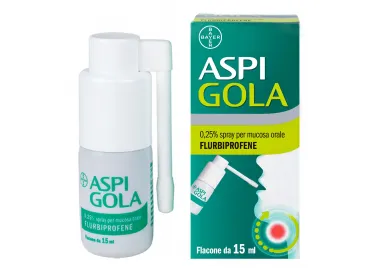
Table of Contents
- Package leaflet: Information for the patient
- ASPI GOLA 8.75 mg lemon and honey flavoured tablets
- 1. What ASPI GOLA is and what it is used for
- 2. What you need to know before taking ASPI GOLA
- 3. How to take ASPI GOLA
- 4. Possible side effects
- 5. How to store ASPI GOLA
- 6. Package contents and other information
- Patient Information Leaflet: Instructions for the User
- ASPI GOLA 0.25% mouthwash
- 1. What ASPI GOLA is and what it is used for
- 2. What you should know before using ASPI GOLA
- 3. How to use ASPI GOLA
- 4. Possible side effects
- 5. How to store ASPI GOLA
- 6. Package contents and other information
- Package leaflet: Information for the user
- ASPI GOLA 0.25% oral mucosa spray
- 2. What ASPI GOLA is and what it is used for
- 2. What you need to know before using ASPI GOLA
- 3. How to use ASPI GOLA
- 4. Possible side effects
- 5. How to store ASPI GOLA
- 6. Package contents and other information
Package leaflet: Information for the patient
ASPI GOLA 8.75 mg lemon and honey flavoured tablets
Flurbiprofen
Please read all of this leaflet carefully before you start taking this medicine because it contains
important information for you.
Always take this medicine exactly as described in this leaflet or as your doctor or
pharmacist has told you to do.
- Keep this leaflet. You may need to read it again.
- If you need more advice or information, ask your pharmacist.
- If you get any side effects, including those not listed in this leaflet, talk to your doctor or pharmacist. See section 4.
- Talk to your doctor if you do not notice any improvement or if you notice worsening of symptoms after 3 days of treatment.
Contents of this leaflet:
- What ASPI GOLA is and what it is used for
- What you need to know before taking ASPI GOLA
- How to take ASPI GOLA
- Possible side effects
- How to store ASPI GOLA
- Contents of the pack and other information
1. What ASPI GOLA is and what it is used for
ASPI GOLA contains flurbiprofen, a non-steroidal anti-inflammatory and analgesic (pain-relieving) medicine that acts against inflammation and pain in the throat, mouth, and gums.
ASPI GOLA Pastilles are used in adults and adolescents over 12 years of age for the treatment of symptoms of pain and irritation of the gums, mouth, and throat (e.g. gingivitis, stomatitis, pharyngitis).
Consult your doctor if you do not feel better or if you feel worse after 3 days of treatment (see section 3).
2. What you need to know before taking ASPI GOLA
Do not take ASPI GOLA
- if you are allergic to flurbiprofen or to any of the other ingredients of this medicine (listed in section 6);
- if you are allergic to acetylsalicylic acid (a medicine for inflammation, pain, fever and heart conditions) or to other non-steroidal anti-inflammatory drugs (NSAIDs) (see section “Other medicines and ASPI GOLA”);
- if you have previously suffered from gastrointestinal bleeding or perforation related to previous treatment with non-steroidal anti-inflammatory drugs (NSAIDs);
- if you suffer from chronic inflammatory bowel diseases (ulcerative colitis and Crohn's disease);
- if you frequently suffer from peptic ulcer (stomach ulcer) or gastrointestinal bleeding (two or more separate episodes of ulcer or bleeding);
- if you suffer from severe heart failure (reduced heart function), severe liver failure (reduced liver function), or severe kidney failure (reduced kidney function);
- if you are in the last three months of pregnancy (see section “Pregnancy, breastfeeding and fertility”).
Do not give ASPI GOLA tablets to children under 12 years of age.
Warnings and precautions
Talk to your doctor or pharmacist before taking ASPI GOLA.
Talk to your doctor or pharmacist if:
- you have an infection – refer to the section “Infections” below.
In particular, inform your doctor if:
- you have previously suffered from bronchial asthma (a respiratory disease), as this increases the risk that you may develop bronchospasm (narrowing of the airways causing severe breathing difficulties due to reduced airflow);
- you have previously suffered from allergies;
- you are taking other non-steroidal anti-inflammatory drugs (NSAIDs);
- you suffer from systemic lupus erythematosus or mixed connective tissue disease;
- you suffer from reduced kidney, heart or liver function (renal, cardiac or hepatic insufficiency);
- you suffer from hypertension (high blood pressure);
- you have been taking other painkillers for a long time or without following the prescribed dosage, as this may cause headache;
- you have previously suffered from peptic ulcer (stomach ulcer) or other stomach or intestinal diseases, as this increases the risk that these conditions may recur. This risk increases especially with high doses of flurbiprofen, if you are elderly, or if the peptic ulcer was complicated by gastrointestinal bleeding or perforation (see section 4 “Possible side effects”);
- if you are elderly (as you are more likely to experience side effects);
- if you have heart or blood vessel problems, as medicines such as ASPI GOLA may be associated with a small increased risk of heart attack (myocardial infarction) or stroke. The risk of side effects increases with higher doses and prolonged treatment; do not exceed the recommended dose of ASPI GOLA or take it for long periods. Inform your doctor if you have heart problems, a history of stroke, or think you may be at risk for these conditions (for example, if you have high blood pressure, diabetes, high cholesterol or if you smoke).
Inform your doctor of any unusual abdominal symptoms.
The use of this medicine, especially if prolonged, may cause allergic reactions or local irritation (see section 4 “Possible side effects”); in such cases, stop treatment and consult your doctor, who will prescribe appropriate therapy if necessary.
If you experience mouth irritation, stop treatment.
Infections
Non-steroidal anti-inflammatory drugs (NSAIDs) may mask signs of infection such as fever and pain. This may delay appropriate treatment of the infection, thereby increasing the risk of complications. If you take this medicine during an infection and the symptoms of infection persist or worsen, consult your doctor or pharmacist immediately.
Children and adolescents
Do not give this medicine to children under 12 years of age (see “Do not take ASPI GOLA”).
Other medicines and ASPI GOLA
Inform your doctor or pharmacist if you are taking, have recently taken, or might take any other medicines.
Inform your doctor if you are taking any of the following medicines:
-
medicines containing acetylsalicylic acid (medicine for inflammation, pain, fever and heart conditions), as they may increase side effects;
-
antiplatelet agents (medicines that make the blood thinner, such as low-dose daily acetylsalicylic acid), as they increase the risk of gastrointestinal bleeding;
-
anticoagulants (medicines that slow down or inhibit blood clotting, such as warfarin), as their effect may be enhanced by NSAIDs;
-
selective serotonin reuptake inhibitors (medicines used for depression), as they increase the risk of gastrointestinal bleeding;
-
antihypertensive medicines (ACE inhibitors, angiotensin II antagonists and diuretics), as NSAIDs may reduce the effect of diuretics or some antihypertensive drugs may increase renal toxicity;
-
alcohol, as it may increase the risk of side effects, especially the risk of stomach and intestinal bleeding;
-
cardiac glycosides (medicines affecting heart function), as NSAIDs may worsen heart failure and increase blood levels of glycosides;
-
cyclosporine (a medicine used to prevent organ transplant rejection), as it increases the risk of renal toxicity;
-
corticosteroids (medicines used for inflammation/allergies), as they increase the risk of stomach and intestinal ulcers or bleeding;
-
lithium (a medicine used for behavioral disorders), as blood levels of lithium may increase;
-
methotrexate (a medicine used for psoriasis, arthritis and tumors), as blood levels of methotrexate may increase;
-
mifepristone (a medicine used to terminate pregnancy): NSAIDs should not be used for 8–12 days after taking mifepristone, as they reduce its effectiveness;
-
oral antidiabetics (for treating diabetes);
-
phenytoin (a medicine for treating epilepsy);
-
agents to increase water elimination through the kidneys (diuretics, including potassium-sparing agents);
-
agents for gout (probenecid, sulfinpyrazone); quinolone antibiotics (medicines used for bacterial infections), as NSAIDs may increase the risk of seizures;
-
tacrolimus (an immunosuppressive medicine used after organ transplantation), as NSAIDs may increase the risk of renal toxicity;
-
zidovudine (a medicine used for AIDS), as NSAIDs increase the risk of blood toxicity;
-
Cox-2 inhibitors and other NSAIDs (medicines used for inflammation and pain), as this may enhance the effect of these medicines and increase the risk of side effects.
Pregnancy, breastfeeding and fertility
Oral formulations (e.g. tablets) of flurbiprofen may cause adverse effects in the newborn. It is not known whether the same risk applies to ASPI GOLA.
If you are pregnant or breastfeeding, suspect you may be pregnant, or are planning to become pregnant, ask your doctor or pharmacist for advice before taking this medicine.
Pregnancy
Do not take ASPI GOLA during the last three months of pregnancy.
Do not take ASPI GOLA during the first 6 months of pregnancy unless absolutely necessary and under medical advice. If treatment is needed during this period, take the lowest possible dose for the shortest possible time.
Breastfeeding
The use of flurbiprofen during breastfeeding is not recommended unless strictly necessary and advised by a doctor.
Fertility
Flurbiprofen belongs to a group of medicines that may affect female fertility. This effect is reversible when the medicine is discontinued. Occasional use of this medicine is unlikely to affect your chances of becoming pregnant. However, consult your doctor if you have fertility problems before taking this medicine.
Driving and using machines
This medicine does not impair the ability to drive or use machinery.
ASPI GOLA contains glucose and sucrose
This medicine contains glucose and sucrose.
If your doctor has diagnosed you with an intolerance to certain sugars, contact him/her before taking this medicine.
3. How to take ASPI GOLA
Take this medicine exactly as described in this leaflet or as directed by your doctor or pharmacist. If you have any doubts, consult your doctor or pharmacist.
HOW MUCH AND HOW TO TAKE
Use the lowest effective dose for the shortest duration necessary to relieve symptoms.
If you have an infection, consult your doctor or pharmacist immediately if symptoms (such as fever and pain) persist or worsen (refer to section 2).
Warning: Do not exceed the recommended doses without medical advice.
Adults and adolescents over 12 years of age
The recommended dose is 1 tablet every 3–6 hours, as needed. Do not exceed 8 tablets in 24 hours.
Allow the tablet to dissolve slowly in the mouth.
If you are elderly or have previously suffered from stomach ulcer (stomach lesion)
If you are elderly or have previously had a peptic ulcer (stomach lesion), it is advisable to use the lowest recommended dose, as the risk of serious adverse effects is higher. The risk of developing stomach or intestinal ulcers, bleeding, or perforation is also increased (see section 4, "Possible side effects").
Use in children and adolescents
Do not give ASPI GOLA Tablets to children under 12 years of age.
Duration of treatment
Use ASPI GOLA only for short-term treatment, not exceeding 7 days. If no noticeable improvement occurs after 3 days of treatment, the cause may be a different medical condition; in this case, consult your doctor.
Consult your doctor if symptoms recur frequently or if you have noticed any recent changes in their characteristics.
If you take more ASPI GOLA than you should
If you accidentally ingest or take an excessive dose of ASPI GOLA, contact your doctor immediately or go to the nearest hospital.
In case of accidental ingestion of a large amount of flurbiprofen, you may experience symptoms such as nausea, vomiting, irritation of the stomach or intestine, stomach ache, or rarely diarrhea. Other possible symptoms include tinnitus (ringing in the ears), headache, and gastrointestinal bleeding. In such cases, your doctor will initiate appropriate treatment.
If you forget to take ASPI GOLA
Do not take a double dose to make up for the missed dose.
If you stop taking ASPI GOLA
If you have any questions about using this medicine, consult your doctor or pharmacist.
4. Possible side effects
Like all medicines, this medicine can cause side effects, although not everybody gets them.
If you experience any of the following side effects during treatment with ASPI GOLA, STOP
the treatment and contact your doctor immediately:
Allergic reactions (hypersensitivity reactions):
- Allergic reaction
- Anaphylactic reactions (severe allergic reactions)
- Angioedema (sudden swelling of the mouth/throat and mucous membranes)
Local irritation
- Sensation of heat or tingling in the mouth and throat
- Respiratory events: Asthma, bronchospasm, breathlessness or shortness of breath
- Various skin disorders: Skin rashes of different types, itching, redness, swelling, skin peeling, blisters, desquamation or ulceration of the skin and mucous membranes.
If you experience any of the following side effects at the beginning of treatment with ASPI GOLA, contact your doctor immediately:
- Abdominal pain
- Peptic ulcer (stomach lesion)
- Perforation and bleeding of the stomach or intestine
These side effects may be fatal and may occur with or without warning symptoms. These side effects are especially likely if you are elderly or have previously suffered from stomach or intestinal diseases.
In addition, you may experience the following side effects:
Effects related to the blood
- Anaemia (reduction in the number of red blood cells in the blood)
- Thrombocytopenia (reduction in the number of platelets in the blood)
- Aplastic anaemia (reduction in all types of blood cells: red blood cells, white blood cells, platelets)
- Agranulocytosis (reduction in the number of granulocytes, a type of white blood cell, in the blood)
Effects related to the nervous system
- Dizziness
- Headache, migraine (chronic disease characterised by recurrent headaches)
- Paresthesia (numbness of limbs or other body parts)
- Somnolence (drowsiness)
- Cerebrovascular events (diseases caused by lack of blood flow to an area of the brain)
- Visual disturbances
- Optic neuritis (severe inflammation of the optic nerve, which may lead to vision loss up to blindness)
- Confusion
- Vertigo
Effects related to the immune system
- Anaphylactic reactions (severe allergic reaction)
- Hypersensitivity
- Angioedema (inflammatory reaction of the skin)
Effects related to the eye
- Visual disturbances
Effects related to the ear and labyrinth
- Tinnitus (ringing in the ears)
Effects related to the cardiovascular system
- Heart failure
- Swelling
- Hypertension (high blood pressure)
Effects related to the bronchi and lungs
- Throat irritation
- Asthma
- Bronchospasm (narrowing of the bronchi causing severe breathing difficulty due to reduced airflow)
- Dyspnoea (shortness of breath)
Effects related to the mouth, stomach and intestine
- Diarrhoea
- Constipation
- Nausea
- Vomiting
- Mouth sores, blisters in the mouth or throat
- Pain in the mouth and throat, numbness of the mouth or throat
- Sensation of warmth or burning, tingling in the mouth
- Dry mouth
- Abdominal bloating, abdominal pain
- Indigestion
- Flatulence (passing gas from the intestine)
- Inflammation of the tongue, taste disturbances
- Blood in the stool
- Blood in vomit
- Colitis
- Worsening of inflammatory bowel diseases (Crohn's disease)
- Gastritis (inflammation of the stomach)
- Peptic ulcer, bleeding from the stomach and intestine, gastric perforation
Effects related to the skin and underlying tissue
- Skin rash
- Itching
- Urticaria (red, itchy skin patches)
- Purpura (appearance of purplish skin spots of varying sizes)
- Bullous dermatoses (severe skin lesions characterised by erythema, blistering and skin detachment), including Stevens-Johnson Syndrome, Toxic Epidermal Necrolysis and Erythema Multiforme
Effects related to the kidneys and urinary tract
- Kidney toxicity
- Tubulo-interstitial nephritis (inflammation of the kidneys)
- Nephrotic syndrome (alteration of the kidney glomeruli leading to protein loss in urine)
- Renal failure (reduced kidney function)
General effects and effects at the site of administration
- Fever, pain, discomfort, fatigue
Effects related to the liver
- Hepatitis (inflammation of the liver)
Effects related to psychiatric disorders
- Insomnia
- Depression, hallucination
Reporting of side effects
If you experience any side effect, including those not listed in this leaflet, please inform your doctor or pharmacist. You may also report side effects directly via the national reporting system at the following website:
https://www.aifa.gov.it/content/segnalazioni-reazioni-avverse. By reporting side effects, you can help provide more information on the safety of this medicine.
5. How to store ASPI GOLA
Keep this medicine out of the sight and reach of children.
Do not use this medicine after the expiry date stated on the packaging. The expiry date refers to the last day of that month.
Do not dispose of medicines via wastewater or household waste. Ask your pharmacist how to dispose of medicines no longer required. This will help protect the environment.
6. Package contents and other information
What ASPI GOLA contains
- The active substance is flurbiprofen. Each tablet contains 8.75 mg of flurbiprofen.
- The other components are: sucrose, glucose, macrogol, potassium hydroxide, lemon flavour, levomenthol, honey.
Description of the appearance of ASPI GOLA and package contents
ASPI GOLA is available as tablets contained in blisters.
Pack sizes are 16 or 24 tablets.
Marketing Authorization Holder and Manufacturer
Marketing Authorization Holder
Bayer S.p.A., Viale Certosa 130, 20156 Milan, Italy
Manufacturer
Doppel Farmaceutici S.r.l., Via Volturno, 48 - 20089 Quinto de’ Stampi-Rozzano (MI), Italy
or
Lozy's Pharmaceuticals S.l., Spain
Patient Information Leaflet: Instructions for the User
ASPI GOLA 0.25% mouthwash
flurbiprofen
Please read this leaflet carefully before using this medicine because it contains
important information for you.
Always use this medicine exactly as described in this leaflet or as your doctor or pharmacist has instructed you.
- Keep this leaflet. You may need to read it again.
- If you need more information or advice, consult your pharmacist.
- If any side effects occur, including those not listed in this leaflet, consult your doctor or pharmacist. See section 4.
- Consult your doctor if you do not notice any improvement or if your symptoms worsen after 3 days of treatment.
Contents of this leaflet:
- What ASPI GOLA is and what it is used for
- What you need to know before using ASPI GOLA
- How to use ASPI GOLA
- Possible side effects
- How to store ASPI GOLA
- Contents of the pack and other information
1. What ASPI GOLA is and what it is used for
ASPI GOLA contains flurbiprofen, a non-steroidal anti-inflammatory and analgesic (pain-relieving) medicine that acts against inflammation and pain in the throat, mouth and gums.
ASPI GOLA Mouthwash is used in adults and adolescents over 12 years of age for the treatment of symptoms of pain and irritation of the gums, mouth and throat (e.g. gingivitis, stomatitis, pharyngitis), including as a result of conservative or surgical dental treatments (e.g. dental caries treatment or tooth extraction).
Consult a doctor if you do not feel better or if you feel worse after 3 days of treatment (see section 3).
2. What you should know before using ASPI GOLA
Do not use ASPI GOLA
- if you are allergic to flurbiprofen or to any of the other ingredients of this medicine (listed in section 6);
- if you are allergic to acetylsalicylic acid (a medicine used for inflammation, pain, fever and heart disorders) or to other non-steroidal anti-inflammatory drugs (NSAIDs) (see section “Other medicines and ASPI GOLA”);
- if you have previously experienced stomach or intestinal bleeding or perforation related to previous treatments with non-steroidal anti-inflammatory drugs (NSAIDs);
- if you suffer from chronic inflammatory bowel diseases (ulcerative colitis and Crohn's disease);
- if you frequently suffer from peptic ulcer (stomach lesion) or gastrointestinal bleeding (two or more separate episodes of ulcer or bleeding);
- if you have severe heart failure (reduced heart function), severe liver failure (reduced liver function) or severe kidney failure (reduced kidney function);
- if you are in the last three months of pregnancy (see section “Pregnancy, breastfeeding and fertility”). Do not give ASPI GOLA to children under 12 years of age.
Warnings and precautions
Talk to your doctor or pharmacist before using ASPI GOLA.
Talk to your doctor or pharmacist if:
- you have an infection – refer to the section “Infections” below.
In particular, inform your doctor if:
- you have previously suffered from bronchial asthma (a respiratory disease), as this increases the risk that you may develop bronchospasm (narrowing of the airways causing severe breathing difficulties due to reduced airflow);
- you have previously suffered from allergies;
- you are taking other non-steroidal anti-inflammatory drugs (NSAIDs);
- you suffer from systemic lupus erythematosus or mixed connective tissue disease;
- you have reduced kidney, heart or liver function (kidney, heart or liver failure);
- you suffer from hypertension (high blood pressure);
- you have been taking other painkillers for a long time or without following the recommended dosage, as this may cause headaches;
- you have previously suffered from peptic ulcer (stomach lesion) or other stomach and intestinal diseases, as this increases the risk that these conditions may recur. This risk increases, especially with high doses of flurbiprofen, if you are elderly or if the peptic ulcer was complicated by gastrointestinal bleeding or perforation (see section 4 “Possible side effects”);
- if you are elderly (as you are more likely to experience side effects);
- if you have heart or blood vessel problems, since medicines such as ASPI GOLA may be associated with a slight increase in the risk of heart attack (myocardial infarction) or stroke. The risk of side effects increases with higher doses and prolonged treatment; do not exceed the recommended dose of ASPI GOLA and do not use it for long periods. Inform your doctor if you have heart problems, a history of stroke, or think you may be at risk for these conditions (for example, if you have high blood pressure, diabetes, high cholesterol or smoke).
Inform your doctor of any unusual abdominal symptoms.
The use of this medicine, especially if prolonged, may cause allergic reactions or local irritation (see section 4 “Possible side effects”); in such cases, stop treatment and consult your doctor, who will prescribe appropriate therapy if necessary.
If you experience mouth irritation, discontinue treatment.
Infections
Non-steroidal anti-inflammatory drugs (NSAIDs) may mask signs of infection such as fever and pain. This may delay appropriate treatment of the infection, thereby increasing the risk of complications. If you take this medicine during an infection and the symptoms of infection persist or worsen, contact your doctor or pharmacist immediately.
Children and adolescents
Do not give ASPI GOLA Mouthwash to children under 12 years of age.
Other medicines and ASPI GOLA
Tell your doctor or pharmacist if you are taking, have recently taken or might take any other medicines.
Inform your doctor if you are taking any of the following medicines:
- medicines containing acetylsalicylic acid (medicine for inflammation, pain, fever and heart disorders), as they may increase the risk of side effects;
- antiplatelet agents (medicines that make the blood thinner, such as low-dose daily acetylsalicylic acid), as they increase the risk of gastrointestinal bleeding;
- anticoagulants (medicines that slow down or inhibit blood clotting, such as warfarin), since their effect may be enhanced by NSAIDs;
- selective serotonin reuptake inhibitors (medicines used for depression), as they increase the risk of gastrointestinal bleeding;
- antihypertensive medicines (ACE inhibitors, angiotensin II antagonists and diuretics), since NSAIDs may reduce the effect of diuretics or some antihypertensive drugs may increase renal toxicity;
- alcohol, as it may increase the risk of side effects, especially the risk of stomach and intestinal bleeding;
- cardiac glycosides (medicines affecting heart function), as NSAIDs may worsen heart failure and increase blood levels of cardiac glycosides;
- ciclosporin (a medicine used to prevent organ transplant rejection), as it increases the risk of kidney toxicity;
- corticosteroids (medicines used for inflammation/allergies), as they increase the risk of stomach and intestinal lesions or bleeding;
- lithium (a medicine used for behavioral disorders), as blood lithium levels may increase;
- methotrexate (a medicine used for psoriasis, arthritis and cancer), as blood methotrexate levels may increase;
- mifepristone (a medicine used to terminate pregnancy): NSAIDs should not be used for 8–12 days after taking mifepristone, as they reduce its effectiveness;
- oral antidiabetics (for treating diabetes);
- phenytoin (a medicine for treating epilepsy);
- agents that increase water elimination through the kidneys (diuretics, including potassium-sparing agents);
- medicines for gout (probenecid, sulfinpyrazone);
- quinolone antibiotics (medicines used for bacterial infections), as NSAIDs may increase the risk of seizures;
- tacrolimus (an immunosuppressant used after organ transplantation), as NSAIDs may increase the risk of kidney toxicity;
- zidovudine (a medicine used for AIDS), as NSAIDs increase the risk of blood toxicity;
- Cox-2 inhibitors and other NSAIDs (medicines used for inflammation and pain), as their effects and the risk of side effects may be increased.
Pregnancy, breastfeeding and fertility
Oral formulations (e.g. tablets) of flurbiprofen may cause adverse effects in the unborn child. It is not known whether the same risk applies to ASPI GOLA.
If you are pregnant, breastfeeding, suspect you may be pregnant or are planning to become pregnant, consult your doctor or pharmacist before using this medicine.
Pregnancy
Do not use ASPI GOLA during the last three months of pregnancy.
Do not use ASPI GOLA during the first six months of pregnancy unless absolutely necessary and under medical advice. If treatment is required during this period, take the lowest possible dose for the shortest possible time.
Breastfeeding
The use of flurbiprofen during breastfeeding is not recommended unless strictly necessary and advised by a doctor.
Fertility
Flurbiprofen belongs to a group of medicines that may affect female fertility. This effect is reversible when the drug is discontinued. Occasional use of this medicine is unlikely to affect the ability to become pregnant. However, consult your doctor if you have fertility problems before taking this medicine.
Driving and using machines
This medicine does not affect the ability to drive vehicles or operate machinery.
ASPI GOLA Mouthwash contains para-hydroxybenzoates, hydrogenated castor oil-40 polyoxylated
This medicine contains para-hydroxybenzoates which may cause allergic reactions (including delayed reactions).
This medicine contains hydrogenated castor oil-40 polyoxylated which may cause localized skin reactions.
3. How to use ASPI GOLA
Use this medicine exactly as described in this leaflet or as directed by your doctor or pharmacist. If you have any doubts, consult your doctor or pharmacist.
DOSE AND METHOD
The lowest effective dose for the shortest duration necessary to relieve symptoms should be used.
If you have an infection, contact your doctor or pharmacist immediately if symptoms (such as fever and pain) persist or worsen (refer to section 2).
Caution: Do not exceed the recommended doses without medical advice.
Adults and adolescents over 12 years of age
The recommended dose is 2–3 mouth rinses or gargles per day (hold in the mouth for up to 1 minute).
You may use the mouthwash undiluted (without diluting with water), using 10 ml (1 measuring cup) of mouthwash, or diluted by pouring 10 ml (1 measuring cup) of mouthwash into half a glass of water.
When used at the recommended doses, accidental ingestion is unlikely to cause harm, although it is advisable not to swallow the product.
If you are elderly or have previously suffered from stomach ulcer
If you are elderly or have previously had a peptic ulcer (stomach lesion), it is recommended to use the lowest recommended dose, as there is an increased risk of serious consequences in case of adverse effects, and a higher risk of developing ulcers, bleeding, or perforation of the stomach and intestines (see section 4 “Possible side effects”).
Use in children and adolescents
Do not give ASPI GOLA Mouthwash to children under 12 years of age.
Duration of treatment
Use ASPI GOLA only for short-term treatment, not exceeding 7 days. If no significant improvement is observed after 3 days of treatment, the cause may be a different pathological condition; in this case, consult your doctor.
Consult your doctor if the condition recurs frequently or if you have noticed any recent changes in its characteristics.
If you use more ASPI GOLA than you should
If you accidentally ingest/overdose on ASPI GOLA, inform your doctor immediately or go to the nearest hospital.
In case of accidental ingestion of large amounts of flurbiprofen, symptoms such as nausea, vomiting, irritation of the stomach or intestines, stomach pain, or rarely diarrhea may occur. Ringing in the ears (tinnitus), headache, and gastrointestinal bleeding may also occur. In such cases, the doctor will provide appropriate treatment.
If you forget to use ASPI GOLA
Do not use a double dose to make up for the missed dose.
If you stop using ASPI GOLA
If you have any questions about using this medicine, consult your doctor or pharmacist.
4. Possible side effects
Like all medicines, this medicine can cause side effects, although not everybody gets them.
If you experience any of the following side effects during treatment with ASPI GOLA, STOP
TREATMENT IMMEDIATELY and contact your doctor immediately:
Allergic reactions (sensitization phenomena):
- Allergic reaction
- Anaphylactic reactions (severe allergic reactions)
- Angioedema (sudden swelling of the mouth/throat and mucous membranes)
Local irritation
- Respiratory events: asthma, bronchospasm, shortness of breath or difficulty breathing
- Various skin disorders: skin rashes of different types, itching, redness, swelling, skin peeling, blisters, desquamation or ulceration of the skin and mucous membranes.
If you experience any of the following side effects at the beginning of treatment with ASPI GOLA, contact your doctor IMMEDIATELY:
- Abdominal pain
- Peptic ulcer (lesion of the stomach)
- Perforation and bleeding of the stomach or intestine. These side effects can be fatal and may occur with or without warning symptoms. These side effects are especially likely if you are elderly or have previously suffered from stomach or intestinal diseases.
In addition, you may experience the following side effects:
Effects related to the blood
- Anaemia (reduction in the amount of red blood cells in the blood)
- Thrombocytopenia (reduction in the number of platelets in the blood)
- Aplastic anaemia (reduction in all types of blood cells: red blood cells, white blood cells, platelets)
- Agranulocytosis (reduction in the number of granulocytes, a type of white blood cells, in the blood)
Effects related to the nervous system
- Dizziness
- Headache, migraine (a chronic condition characterized by recurrent headaches)
- Paresthesia (numbness of limbs or other body parts)
- Drowsiness
- Cerebrovascular accidents (diseases caused by inadequate blood flow to an area of the brain)
- Visual disturbances
- Optic neuritis (severe inflammation of the optic nerve, which may lead to reduced vision up to blindness)
- Confusion
- Vertigo
Effects related to the immune system
- Anaphylactic reactions (severe allergic reaction)
- Hypersensitivity
- Angioedema (inflammatory reaction of the skin)
Effects related to the eye
- Visual disturbances
Effects related to the ear and labyrinth
- Tinnitus (ringing in the ears)
Effects related to the cardiovascular system
- Heart failure
- Swelling
- Hypertension (high blood pressure)
Effects related to the bronchi and lungs
- Sore throat
- Asthma
- Bronchospasm (narrowing of the bronchi causing severe breathing difficulty due to reduced airflow)
- Dyspnea (shortness of breath)
Effects related to the mouth, stomach and intestine
- Diarrhoea
- Constipation
- Nausea
- Vomiting
- Mouth sores, blisters in the mouth or throat
- Mouth and throat pain, numbness of mouth or throat
- Dry mouth
- Abdominal bloating, stomach pain
- Indigestion
- Flatulence (passing gas from the intestine)
- Tongue inflammation, altered taste
- Blood in stools
- Blood in vomit
- Colitis
- Worsening of inflammatory bowel diseases (Crohn's disease)
- Gastritis (inflammation of the stomach)
- Peptic ulcer, gastrointestinal bleeding, gastric perforation
Effects related to the skin and underlying tissue
- Skin rash
- Itching
- Urticaria (red, itchy skin patches)
- Purpura (appearance of purplish skin patches of varying sizes)
- Bullous dermatoses (severe skin lesions characterized by erythema, blistering and areas of skin detachment), including Stevens-Johnson Syndrome, Toxic Epidermal Necrolysis and Erythema Multiforme
Effects related to the kidneys and urinary tract
- Kidney toxicity
- Tubulo-interstitial nephritis (inflammation of the kidneys)
- Nephrotic syndrome (alteration of the kidney glomeruli leading to protein loss in urine)
- Renal failure (reduced kidney function)
General effects and effects at the site of administration
- Fever, pain, discomfort, fatigue
Effects related to the liver
- Hepatitis (inflammation of the liver)
Effects related to psychiatric disorders
- Insomnia
- Depression, hallucination
Reporting of side effects
If you experience any side effect, including those not listed in this leaflet, talk to your doctor or pharmacist. You may also report side effects directly via the national reporting system at https://www.aifa.gov.it/content/segnalazioni-reazioni-avverse. By reporting side effects, you can help provide more information on the safety of this medicine.
5. How to store ASPI GOLA
Keep this medicine out of the sight and reach of children.
Do not use this medicine after the expiry date stated on the packaging.
The expiry date refers to the last day of that month.
Once the bottle has been opened, use within 9 weeks.
Do not dispose of any medicine via wastewater or household waste. Ask your pharmacist
how to dispose of medicines no longer required. This will help protect the environment.
6. Package contents and other information
What ASPI GOLA contains
- The active substance is flurbiprofen. 100 ml of solution contain 250 mg of flurbiprofen.
- The other components are: glycerol (98%), ethanol, liquid non-crystallizable sorbitol, polyoxethylated 40 hydrogenated castor oil, sodium saccharin, methyl parahydroxybenzoate, propyl parahydroxybenzoate, mint flavour, patent blue V (E131), anhydrous citric acid, sodium hydroxide, purified water.
Description of the appearance of ASPI GOLA and contents of the pack
Pack containing a bottle with dosing spoon and child-resistant cap, 160 ml.
Marketing Authorization Holder and Manufacturer
Marketing Authorization Holder
Bayer S.p.A., Viale Certosa 130, 20156 Milan, Italy
Manufacturer
Doppel Farmaceutici S.r.l. - Via Martiri delle Foibe, 1- 29016 Cortemaggiore (PC) Italy
Package leaflet: Information for the user
ASPI GOLA 0.25% oral mucosa spray
Flurbiprofen
Please read this leaflet carefully before using this medicine because it contains
important information for you.
Always use this medicine exactly as described in this leaflet or as your doctor or
pharmacist has instructed you.
- Keep this leaflet. You may need to read it again.
- If you need more information or advice, consult your pharmacist.
- If any side effects occur, including those not listed in this leaflet, consult your doctor or pharmacist. See section 4.
- Consult your doctor if you do not notice any improvement or if your symptoms worsen after 3 days of treatment.
Contents of this leaflet:
- What ASPI GOLA is and what it is used for
- What you need to know before using ASPI GOLA
- How to use ASPI GOLA
- Possible side effects
- How to store ASPI GOLA
- Package contents and other information
2. What ASPI GOLA is and what it is used for
ASPI GOLA contains flurbiprofen, a non-steroidal anti-inflammatory and analgesic (pain-relieving) medicine that acts against inflammation and pain in the throat, mouth and gums.
ASPI GOLA Oral Mucosa Spray is used in adults and adolescents over 12 years of age for the treatment of symptoms of pain and irritation of the gums, mouth and throat (e.g. gingivitis, stomatitis, pharyngitis), including those following conservative or extractive dental treatments (e.g. treatment of caries or tooth extraction).
Consult your doctor if you do not feel better or if you feel worse after 3 days of treatment (see section 3).
2. What you need to know before using ASPI GOLA
Do not use ASPI GOLA
- if you are allergic to flurbiprofen or to any of the other ingredients of this medicine (listed in section 6);
- if you are allergic to acetylsalicylic acid (a medicine for inflammation, pain, fever and heart conditions) or to other non-steroidal anti-inflammatory drugs (NSAIDs) (see section “Other medicines and ASPI GOLA”);
- if you have previously experienced gastrointestinal bleeding or perforation of the stomach or intestine related to previous treatment with non-steroidal anti-inflammatory drugs (NSAIDs);
- if you suffer from chronic inflammatory bowel diseases (ulcerative colitis and Crohn’s disease);
- if you frequently suffer from peptic ulcer (stomach ulcer) or bleeding of the stomach or intestine (two or more separate episodes of ulcer or bleeding);
- if you have severe heart failure (reduced heart function), severe liver failure (reduced liver function), or severe kidney failure (reduced kidney function);
- if you are in the last three months of pregnancy (see section “Pregnancy, breastfeeding and fertility”). Do not give ASPI GOLA Spray to children under 12 years of age.
Warnings and precautions
Talk to your doctor or pharmacist before using ASPI GOLA.
Talk to your doctor or pharmacist if:
- you have an infection – refer to the section “Infections” below.
In particular, inform your doctor if:
- you have previously suffered from bronchial asthma (a respiratory disease), as this increases the risk that you may develop bronchospasm (narrowing of the airways causing severe breathing difficulties due to reduced airflow);
- you have previously suffered from allergies;
- you are taking other non-steroidal anti-inflammatory drugs (NSAIDs);
- you suffer from systemic lupus erythematosus or mixed connective tissue disease;
- you suffer from reduced kidney, heart or liver function (renal, cardiac or hepatic insufficiency);
- you suffer from hypertension (high blood pressure);
- you have been taking other analgesics for a long time or without following the prescribed dosage, as this may cause headache;
- you have previously suffered from peptic ulcer (stomach ulcer) or other stomach and intestinal diseases, as this increases the risk that these conditions may recur. This risk increases, especially with high doses of flurbiprofen, if you are elderly or if the peptic ulcer was complicated by gastrointestinal bleeding or perforation (see section 4 “Possible side effects”);
- if you are elderly (as you are more likely to experience side effects);
- if you have heart or blood vessel problems, since medicines such as ASPI GOLA may be associated with a modest increase in the risk of heart attack (myocardial infarction) or stroke. The risk of side effects increases with higher doses and prolonged treatment; do not exceed the recommended dose of ASPI GOLA and do not use it for long periods. Inform your doctor if you have heart problems, a history of stroke, or think you may be at risk for these conditions (for example, if you have high blood pressure, diabetes, high cholesterol or smoke).
Inform your doctor of any unusual abdominal symptoms.
The use of this medicine, especially if prolonged, may cause allergic reactions or local irritation (see section 4 “Possible side effects”); in such cases, stop treatment and consult your doctor, who, if necessary, will initiate appropriate therapy.
If you experience mouth irritation, discontinue treatment.
Infections
Non-steroidal anti-inflammatory drugs (NSAIDs) may mask signs of infection such as fever and pain. This may delay appropriate treatment of the infection, thereby increasing the risk of complications. If you take this medicine during an infection and the symptoms of infection persist or worsen, contact your doctor or pharmacist immediately.
Children and adolescents
Do not give ASPI GOLA Spray to children under 12 years of age.
Other medicines and ASPI GOLA
Tell your doctor or pharmacist if you are taking, have recently taken or might take any other medicines.
Inform your doctor if you are taking any of the following medicines:
- medicines containing acetylsalicylic acid (a medicine for inflammation, pain, fever and heart conditions), as they may increase side effects;
- antiplatelet agents (medicines that make the blood thinner, such as low-dose daily acetylsalicylic acid), as they increase the risk of gastrointestinal bleeding;
- anticoagulants (medicines that slow down or inhibit blood clotting, such as warfarin), since their effect may be enhanced by NSAIDs;
- selective serotonin reuptake inhibitors (medicines used for depression), as they increase the risk of gastrointestinal bleeding;
- antihypertensive medicines (ACE inhibitors, angiotensin II antagonists and diuretics), as NSAIDs may reduce the effect of diuretics or some antihypertensive drugs may increase renal toxicity;
- alcohol, as it may increase the risk of side effects, especially gastrointestinal bleeding;
- cardiac glycosides (medicines affecting heart function), as NSAIDs may worsen heart failure and increase blood levels of cardiac glycosides;
- cyclosporine (a medicine used to prevent organ transplant rejection), as it increases the risk of renal toxicity;
- corticosteroids (medicines used for inflammation/allergies), as they increase the risk of gastrointestinal lesions or bleeding;
- lithium (a medicine used for behavioral disorders), as blood levels of lithium may increase;
- methotrexate (a medicine used for psoriasis, arthritis and cancer), as blood levels of methotrexate may increase;
- mifepristone (a medicine used to terminate pregnancy): NSAIDs should not be used for 8–12 days after taking mifepristone, as they reduce its effectiveness;
- oral antidiabetics (for treating diabetes);
- phenytoin (a medicine for epilepsy);
- agents to increase water elimination through the kidneys (diuretics, including potassium-sparing agents);
- agents for gout (probenecid, sulfinpyrazone);
- quinolone antibiotics (medicines used for bacterial infections), as NSAIDs may increase the risk of seizures;
- tacrolimus (an immunosuppressant used after organ transplantation), as NSAIDs may increase the risk of renal toxicity;
- zidovudine (a medicine used for AIDS), as NSAIDs increase the risk of blood toxicity;
- Cox-2 inhibitors and other NSAIDs (medicines used for inflammation and pain), as this may increase the effect of these medicines and the risk of side effects.
Pregnancy, breastfeeding and fertility
Oral formulations (e.g. tablets) of flurbiprofen may cause adverse effects in the newborn. It is not known whether the same risk applies to ASPI GOLA.
If you are pregnant, breastfeeding, suspect you may be pregnant or are planning to become pregnant, consult your doctor or pharmacist before using this medicine.
Pregnancy
Do not use ASPI GOLA during the last three months of pregnancy.
Do not use ASPI GOLA during the first six months of pregnancy unless absolutely necessary and on medical advice. If treatment is necessary during this period, take the lowest possible dose for the shortest possible time.
Breastfeeding
The use of flurbiprofen during breastfeeding is not recommended unless strictly necessary and advised by a doctor.
Fertility
Flurbiprofen belongs to a group of medicines that may affect female fertility. This effect is reversible when the medicine is discontinued. Occasional use of this medicine is unlikely to affect your chances of becoming pregnant. However, consult your doctor if you have fertility problems before taking this medicine.
Driving and using machines
This medicine does not impair your ability to drive or operate machinery.
ASPI GOLA Spray contains parahydroxybenzoates, hydrogenated castor oil-40 polyoxylated
This medicine contains parahydroxybenzoates which may cause allergic reactions (including delayed reactions).
This medicine contains hydrogenated castor oil-40 polyoxylated which may cause localized skin reactions.
3. How to use ASPI GOLA
Use this medicine exactly as stated in this leaflet or as directed by your doctor or pharmacist. If you have any doubts, consult your doctor or pharmacist.
HOW MUCH AND HOW TO USE
The lowest effective dose for the shortest duration necessary to relieve symptoms should be used.
If you have an infection, contact your doctor or pharmacist immediately if symptoms (such as fever and pain) persist or worsen (refer to section 2).
Warning: Do not exceed the recommended doses without medical advice.
Adults and adolescents over 12 years of age
The recommended dose is 2 sprays, 3 times a day.
Spray the solution directly onto the affected area (mouth, throat). Each spray delivers 0.2 ml of solution, equivalent to 0.5 mg of flurbiprofen.
If you are elderly or have previously suffered from stomach ulcer (stomach lesion)
If you are elderly or have previously suffered from peptic ulcer (stomach lesion), it is advisable to use the lowest recommended dose, as there is an increased risk of serious consequences in case of adverse effects, and a higher risk of developing stomach or intestinal ulcers, bleeding, or perforation (see section 4 "Possible side effects").
Use in children and adolescents
Do not give ASPI GOLA Spray to children under 12 years of age.
Duration of treatment
Use ASPI GOLA only for short-term treatment, not exceeding 7 days. If no noticeable improvement occurs after 3 days of treatment, the cause may be a different medical condition; in this case, consult your doctor.
Consult your doctor if the condition recurs frequently or if you have noticed any recent changes in its characteristics.
If you use more ASPI GOLA than you should
If you accidentally ingest/overdose on ASPI GOLA, contact your doctor immediately or go to the nearest hospital.
In case of accidental ingestion of large amounts of flurbiprofene, you may experience symptoms such as: nausea, vomiting, stomach or intestinal irritation, stomach ache, or rarely diarrhea. Tinnitus, headache, and gastrointestinal bleeding may also occur. In such cases, the doctor will initiate appropriate treatment.
If you forget to use ASPI GOLA
Do not use a double dose to make up for the missed dose.
If you stop using ASPI GOLA
If you have any questions about using this medicine, consult your doctor or pharmacist.
4. Possible side effects
Like all medicines, this medicine can cause side effects, although not everybody will get them.
If you experience the following side effects during treatment with ASPI GOLA, STOP the
treatment and contact your doctor immediately:
Allergic reactions (hypersensitivity reactions):
- Allergic reaction
- Anaphylactic reactions (severe allergic reactions)
- Angioedema (sudden swelling of the mouth/throat and mucous membranes)
Local irritation
Respiratory events: Asthma, bronchospasm, breathlessness or shortness of breath
Various skin disorders: Skin rashes of different types, itching, redness, swelling, peeling, blisters, desquamation or ulceration of the skin and mucous membranes.
If you experience the following side effects at the beginning of treatment with ASPI GOLA, contact your doctor immediately:
- Abdominal pain
- Peptic ulcer (stomach lesion)
- Perforation and bleeding of the stomach or intestines. These side effects can be fatal and may occur with or without warning symptoms. These side effects are more likely if you are elderly or have previously suffered from stomach or intestinal diseases.
Additionally, you may experience the following side effects:
Effects related to the blood
- Anaemia (reduction in the number of red blood cells in the blood)
- Thrombocytopenia (reduction in the number of platelets in the blood)
- Aplastic anaemia (reduction in all types of blood cells: red blood cells, white blood cells, platelets)
- Agranulocytosis (reduction in the number of granulocytes, a type of white blood cells, in the blood)
Effects related to the nervous system
- Dizziness
- Headache, migraine (chronic disease characterized by recurrent headaches)
- Paresthesia (numbness of limbs or other body parts)
- Drowsiness
- Cerebrovascular events (diseases caused by inadequate blood flow to a part of the brain)
- Visual disturbances
- Optic neuritis (severe inflammation of the optic nerve, which may lead to vision loss up to blindness)
- Confusion
- Vertigo
Effects related to the immune system
- Anaphylactic reactions (severe allergic reaction)
- Hypersensitivity
- Angioedema (inflammatory reaction of the skin)
Effects related to the eye
- Visual disturbances
Effects related to the ear and labyrinth
- Tinnitus (ringing in the ears)
Effects related to the cardiovascular system
- Heart failure
- Swelling
- Hypertension (high blood pressure)
Effects related to the bronchi and lungs
- Throat irritation
- Asthma
- Bronchospasm (narrowing of the bronchi causing severe breathing difficulty due to reduced airflow)
- Dyspnea (shortness of breath)
Effects related to the mouth, stomach and intestine
- Diarrhoea
- Constipation
- Nausea
- Vomiting
- Lesions inside the mouth, blisters in the mouth or throat
- Pain in mouth and throat, numbness of mouth or throat
- Dry mouth
- Abdominal bloating, abdominal pain
- Indigestion
- Flatulence (passing gas from the intestine)
- Inflammation of the tongue, altered taste
- Blood in stools
- Blood in vomit
- Colitis
- Worsening of inflammatory bowel diseases (Crohn's disease)
- Gastritis (inflammation of the stomach)
- Peptic ulcer, gastrointestinal bleeding, gastric perforation
Effects related to the skin and underlying tissue
- Skin rash
- Itching
- Urticaria (red, itchy skin patches)
- Purpura (appearance of purple-coloured skin spots of varying sizes)
- Bullous dermatoses (severe skin lesions characterized by erythema, blistering and skin detachment), including Stevens-Johnson Syndrome, Toxic Epidermal Necrolysis and Erythema Multiforme
Effects related to the kidneys and urinary tract
- Kidney toxicity
- Tubulo-interstitial nephritis (inflammation of the kidneys)
- Nephrotic syndrome (alteration of kidney glomeruli leading to protein loss in urine)
- Renal failure (reduced kidney function)
Effects related to general conditions and site of administration
- Fever, pain, discomfort, fatigue
Effects related to the liver
- Hepatitis (inflammation of the liver)
Effects related to psychiatric disorders
- Insomnia
- Depression, hallucination
Reporting of side effects
If you experience any side effect, including those not listed in this leaflet, talk to your doctor or pharmacist. You can also report side effects directly via the national reporting system at the website https://www.aifa.gov.it/content/segnalazioni-reazioni-avverse. By reporting side effects, you can help provide more information on the safety of this medicine.
5. How to store ASPI GOLA
Keep this medicine out of the sight and reach of children.
Do not use this medicine after the expiry date stated on the packaging.
The expiry date refers to the last day of that month.
Once opened, use within 21 weeks.
Do not dispose of any medicine via wastewater or household waste. Ask your pharmacist
how to dispose of medicines no longer in use. This will help protect the environment.
6. Package contents and other information
What ASPI GOLA contains
The active substance is flurbiprofen. 100 ml of solution contain 250 mg of flurbiprofen.
- The other components are: glycerol (98%), ethanol, liquid non-crystallizable sorbitol, hydrogenated castor oil-40 polyoxylated, sodium saccharin, methyl parahydroxybenzoate, propyl parahydroxybenzoate, mint flavour, patent blue V (E131), anhydrous citric acid, sodium hydroxide, purified water.
Description of the appearance of ASPI GOLA and contents of the pack
Pack containing a bottle with dosing pump and dispenser of 15 ml.
Marketing authorization holder and manufacturer
Marketing authorization holder
Bayer S.p.A., Viale Certosa 130, 20156 Milan, Italy
Manufacturer
Doppel Farmaceutici S.r.l. - Via Martiri delle Foibe, 1- 29016 Cortemaggiore (PC), Italy