Aspaveli
Italy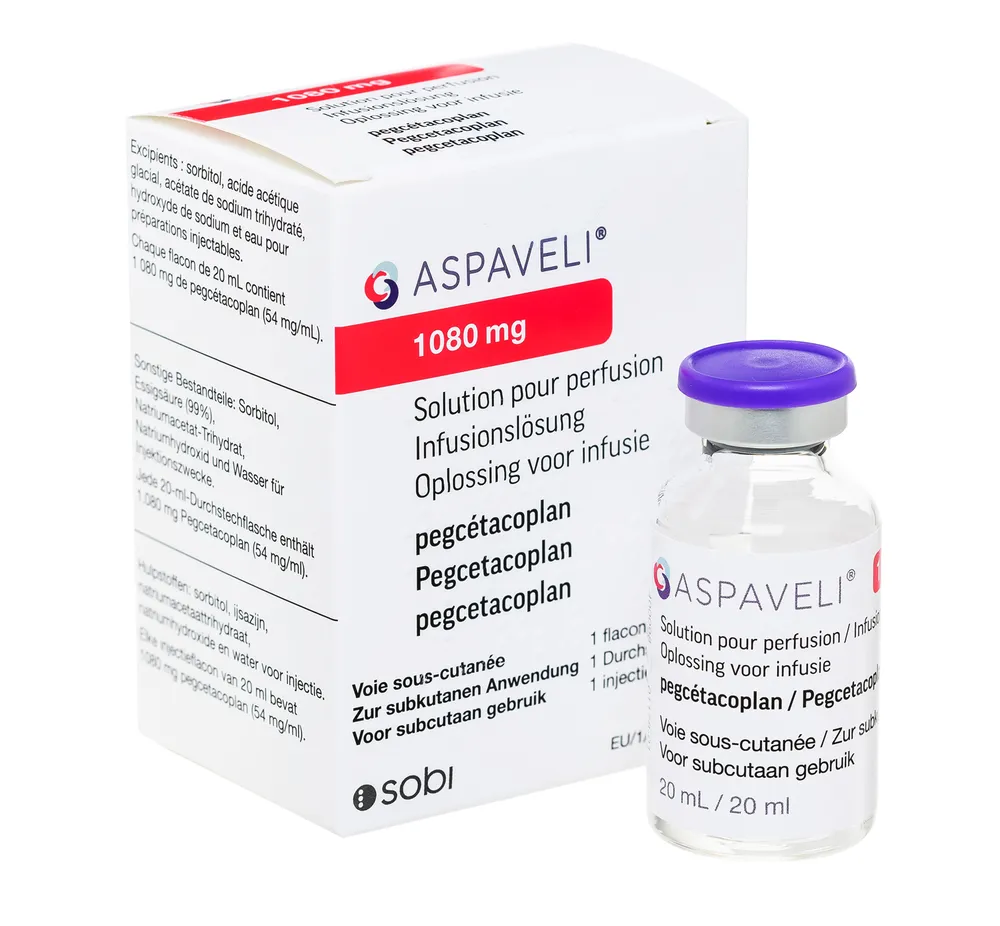
Table of Contents
- Package leaflet: Information for the user
- ASPAVELI 1 080 mg infusion solution
- 1. What ASPAVELI is and what it is used for
- 2. What you need to know before using ASPAVELI
- 3. How to use ASPAVELI
- Instructions for use – preparation of the syringe
- 4. Possible side effects
- 5. How to store ASPAVELI
- 6. Package contents and other information
Package leaflet: Information for the user
ASPAVELI 1 080 mg infusion solution
pegcetacoplan
This medicinal product is subject to additional monitoring. This will allow for rapid identification of new safety information. You can help by reporting any side effects you experience while taking this medicine. See the end of section 4 for information on how to report side effects.
Please read all of this leaflet carefully before you start using this medicine because it contains important information for you.
- Keep this leaflet. You may need to read it again.
- If you have any questions, ask your doctor, pharmacist or nurse.
- This medicine has been prescribed for you only. Do not pass it on to other people, even if their symptoms are the same as yours, as it may be harmful.
- If you experience any side effect, including those not listed in this leaflet, tell your doctor, pharmacist or nurse. See section 4.
What is in this leaflet
- What ASPAVELI is and what it is used for
- What you need to know before you use ASPAVELI
- How to use ASPAVELI
- Possible side effects
- How to store ASPAVELI
- Contents of the pack and other information
1. What ASPAVELI is and what it is used for
What ASPAVELI is
ASPAVELI is a medicine containing the active substance pegcetacoplan. Pegcetacoplan has been designed to bind to complement protein C3, which is part of the body's defense system known as the “complement system”.
What ASPAVELI is used for
Paroxysmal nocturnal hemoglobinuria (PNH)
ASPAVELI is used to treat adult patients with a disease called paroxysmal nocturnal hemoglobinuria (PNH) who have anemia as a result of this disease.
In patients with PNH, the “complement system” becomes overactive and attacks red blood cells, which can lead to a reduction in red blood cell count (anemia), fatigue, functional impairment, pain, abdominal pain, dark urine, shortness of breath, difficulty swallowing, erectile dysfunction, and blood clots. By binding to and blocking protein C3, this medicine can prevent the complement system from attacking red blood cells, thereby controlling the disease symptoms. This medicine has been shown to be effective in increasing red blood cell count (reducing anemia), with potential improvement in the symptoms described.
C3 glomerulopathy (C3G) and primary immune-complex membranoproliferative glomerulonephritis (IC-MPGN)
ASPAVELI is used to treat adult and adolescent patients (aged 12 to 17 years) with diseases called C3 glomerulopathy (C3G) or primary immune-complex membranoproliferative glomerulonephritis (IC-MPGN). For these diseases, ASPAVELI is used in combination with a renin-angiotensin system (RAS) inhibitor, unless treatment with RAS inhibitors is considered inappropriate.
Glomerulonephritis is a kidney disorder characterized by kidney inflammation. C3G and primary IC-MPGN are two types of glomerulonephritis. In patients with C3G and primary IC-MPGN, the “complement system” becomes overactive. When this system is not properly regulated, damage can occur to the network of tiny blood vessels in the kidney, called the glomerulus, which filters blood. Over time, this impairs the kidneys’ ability to remove waste products from the blood. If these waste products are not removed, they accumulate in the body and may cause inflammation, damage, and kidney failure. This can lead to blood in the urine (hematuria), excessive levels of protein in the urine (proteinuria), reduced kidney function (measured as glomerular filtration rate [GFR]), elevated blood creatinine levels, fatigue, and swelling (edema) of the hands, feet, or ankles. This medicine has been shown to reduce protein levels in the urine and may stabilize kidney function.
2. What you need to know before using ASPAVELI
Do not use ASPAVELI
- if you are allergic to pegcetacoplan or to any of the other ingredients of this medicine (listed in section 6)
- if you have an infection caused by bacteria known as encapsulated bacteria
- if you have not been vaccinated against Neisseria meningitidis, Streptococcus pneumoniae, and Haemophilus influenzae.
Warnings and precautions
Talk to your doctor, pharmacist, or nurse before using ASPAVELI.
Symptoms of infection
Before starting treatment with ASPAVELI, inform your doctor if you currently have any infections.
Since this medicine acts on the complement system, which is part of the body's defense mechanisms
against infections, its use exposes you to a higher risk of infections, including those caused by
encapsulated bacteria such as Streptococcus pneumoniae, Neisseria meningitidis, and Haemophilus
influenzae. These are serious infections affecting the nose, throat, and lungs or the membranes
covering the brain, and which may spread into the bloodstream and throughout the body.
Talk to your doctor before starting treatment with ASPAVELI to ensure you receive vaccination
against Streptococcus pneumoniae, Neisseria meningitidis, and Haemophilus influenzae, if you
have not previously received these vaccines. Even if you have previously received these vaccines, you
may still require additional vaccinations before starting treatment with this medicine. These
vaccinations should be administered at least 2 weeks before starting therapy. If you cannot be
vaccinated 2 weeks prior, your doctor will prescribe antibiotics to reduce the risk of infection to be
taken for 2 weeks after vaccination. After vaccination, you may be monitored more closely by your
doctor to detect any symptoms of infection.
Symptoms of infection
If any of the following symptoms occur, inform your doctor immediately:
- headache and fever
- fever and skin rash
- fever with or without chills or feeling cold
- shortness of breath
- rapid heartbeat
- clammy skin
- headache with neck or back stiffness
- headache with nausea or vomiting
- sensitivity of the eyes to light
- muscle pain with flu-like symptoms
- confusion
- severe pain or discomfort
Ensure that your vaccinations are up to date. You should also be aware that vaccines reduce the
risk of serious infections, but do not completely prevent them. According to national guidelines, your
doctor may consider it necessary for you to take additional preventive measures, such as antibacterial
medicines, to prevent the development of infections.
Allergic reactions
Some patients may experience allergic reactions. If you have a severe allergic reaction, stop the
ASPAVELI infusion and seek immediate medical help. Severe allergic reactions may present as
difficulty breathing, chest pain or tightness in the chest and/or dizziness/fainting, severe itching or
raised bumps on the skin, swelling of the face, lips, tongue, and/or throat, which may cause difficulty
swallowing or collapse.
Injection site reactions
Injection site reactions have been observed with the use of ASPAVELI. Before self-administering the
medicine, you must be adequately trained in the correct injection technique.
Laboratory monitoring for PNH
During treatment with ASPAVELI, your doctor will perform regular check-ups, including blood tests
to measure lactate dehydrogenase (LDH) levels and tests to assess kidney function; if necessary, your
doctor will adjust the dose.
Effects on laboratory tests
The use of silica-based reagents in coagulation tests should be avoided, as they may cause a falsely
prolonged activated partial thromboplastin time (aPTT).
Children and adolescents
Do not administer this medicine to children under 18 years of age with PNH, as there are no data on its
safety and efficacy in this group.
Do not administer this medicine to children under 12 years of age with C3G or primary IC-MPGN, as
there are no data on its safety and efficacy in this group.
Other medicines and ASPAVELI
Inform your doctor or pharmacist if you are taking, have recently taken, or might take any other
medicines.
Pregnancy, breastfeeding, and fertility
Women of childbearing potential
The effects of the medicine on the unborn child are unknown. Women who may become pregnant are
advised to use effective contraception during treatment and for up to 8 weeks after treatment ends.
Consult your doctor before taking this medicine.
Pregnancy/breastfeeding
ASPAVELI is not recommended during pregnancy and breastfeeding. If you are pregnant, suspect
you may be pregnant, planning to become pregnant, or breastfeeding, consult your doctor before
taking this medicine.
Driving and using machines
This medicine does not alter or alters negligibly the ability to drive or use machines.
ASPAVELI contains sorbitol
Sorbitol is a source of fructose. If your doctor has informed you that you have an intolerance to certain
sugars, or if you have been diagnosed with hereditary fructose intolerance, a rare genetic condition in
which patients cannot metabolize fructose, talk to your doctor before taking or receiving this medicine.
ASPAVELI contains sodium
This medicine contains less than 1 mmol (23 mg) of sodium per dose, i.e., essentially "sodium-free".
3. How to use ASPAVELI
Use this medicine exactly as instructed by your doctor. If you have any doubts, consult your doctor.
At least 2 weeks before starting treatment with this medicine, your doctor will review your medical history and may administer one or more vaccinations. If you cannot be vaccinated at least 2 weeks before starting treatment with ASPAVELI, your doctor will prescribe antibiotics to reduce the risk of infection, to be taken for 2 weeks following vaccination.
If you are using this medicine to treat PNH
Dosage for adults:
The recommended initial dose for adults with PNH is 1,080 mg twice weekly. You must take the dose twice weekly on Days 1 and 4 of each treatment week.
If you are switching to ASPAVELI from another type of PNH medicine called a C5 inhibitor, you will need to take ASPAVELI in addition to your current dose of C5 inhibitor as prescribed for 4 weeks. After 4 weeks, you must stop taking the C5 inhibitor.
Do not change the dose or dosing interval without consulting your doctor. Your doctor may adjust your dose to 1,080 mg every three days (e.g., Day 1, Day 4, Day 7, Day 10, Day 13, and so on), if appropriate. If you think you may have missed a dose, contact your doctor as soon as possible.
If you are using this medicine to treat C3G or primary IC-MPGN
Dosage for adults:
The recommended initial dose for adults with C3G or primary IC-MPGN is 1,080 mg twice weekly. You must take the dose twice weekly on Days 1 and 4 of each treatment week.
Dosage for adolescents:
The recommended initial dose for adolescents with C3G or primary IC-MPGN, to be taken twice weekly, is based on the patient's body weight. Your doctor will calculate the dose according to the following table.
You must take the dose twice weekly on Days 1 and 4 of each treatment week.
| Body weight | Initial dose (infusion volume) | Second dose (infusion volume) | Maintenance dose (infusion volume) |
| 50 kg and above | 1,080 mg twice weekly (20 mL) | ||
| From 35 to less than 50 kg | 648 mg (12 mL) | 810 mg (15 mL) | 810 mg twice weekly (15 mL) |
| From 30 to less than 35 kg | 540 mg (10 mL) | 540 mg (10 mL) | 648 mg twice weekly (12 mL) |
Method and route of administration
ASPAVELI is intended for subcutaneous infusion using:
- an infusion pump or
- a wearable delivery system.
The first doses of the medicine will be administered by healthcare professionals in a hospital or treatment centre. If the treatment proves effective, your doctor may consider, together with you, the possibility of self-administering the medicine at home. If this is feasible, a healthcare professional will show you or your caregiver how to perform the infusion.
Infusion rate
When using an infusion pump, the infusion duration is approximately 30 minutes if two infusion sites are used, or approximately 60 minutes if a single infusion site is used.
When using a wearable delivery system, the infusion duration generally ranges from 30 to 60 minutes (depending on how quickly the medicine disperses within the body).
The infusion must be started immediately after drawing up this medicine into the syringe and must be completed within 2 hours of syringe preparation.
Instructions for use – preparation of the syringe
| Step 1 | Infusion Preparation Before Starting 1. Remove one carton containing a vial from the refrigerator. Keep the vial in the carton at room temperature and allow it to warm for about 30 minutes. Do not attempt to speed up the warming process by using a microwave or any other heat source. 2. Identify a flat, well-lit work surface, such as a table. 3. Gather the necessary supplies: i) If using an infusion pump (Figure 1): A. Syringe infusion pump and manufacturer’s instructions (not shown) B. Compatible syringe C1. Transfer needle OR C2. Needle-free transfer device to withdraw product from the vial D. Infusion set (not shown; configuration varies based on device manufacturer’s instructions) E. Infusion tubing and Y-connector (if needed) F. Sharps container G. Alcohol wipes H. Gauze and adhesive tape or transparent dressing OR ii) If using a wearable delivery system (Figure 2): A. Wearable delivery system and manufacturer’s instructions (not shown) B. Compatible syringe C1. Transfer needle OR C2. Needle-free transfer device to withdraw product from the vial F. Sharps container G. Alcohol wipes | Figure 1: Example of required supplies (infusion pump)
Figure 2: Example of required supplies (wearable delivery system)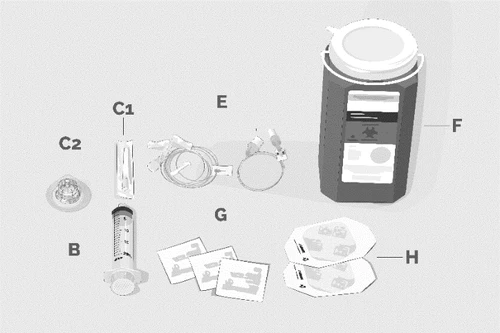 |
| Clean the work surface thoroughly using an alcohol wipe. | ||
Wash hands thoroughly with soap and water. Dry hands.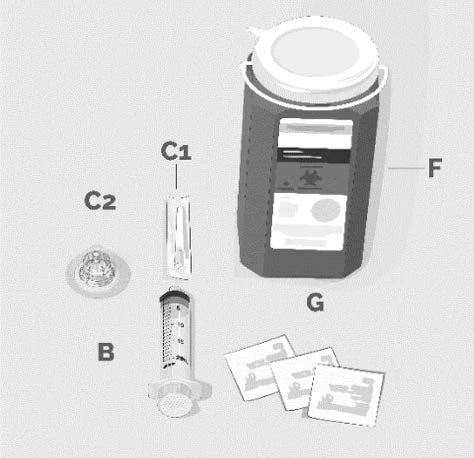 | ||
| Step 2 | Vial and Solution Inspection Remove the vial from the carton. Carefully examine the liquid in the vial. ASPAVELI is a clear, colorless to slightly yellow solution. Check for the presence of particles or discoloration (Figure 3). Do not use the vial if: • The solution appears cloudy, contains particles, or is dark yellow • The protective closure cap (flip-off cap) is missing or damaged • The expiration date (EXP) printed on the label has passed. | Figure 3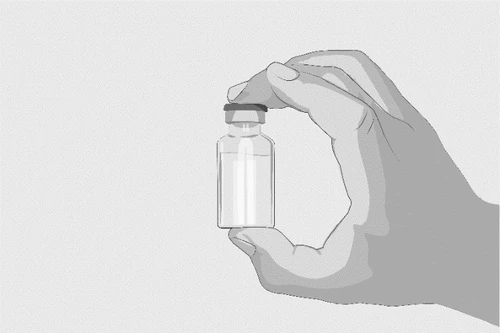 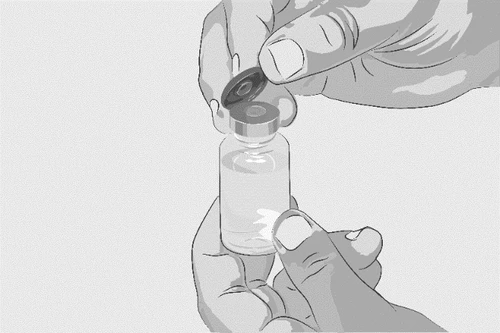 |
| Step 3 | Syringe Preparation and Filling Remove the protective closure cap (flip-off cap) from the vial to expose the center of the gray rubber stopper (Figure 4). Discard the closure cap. Clean the stopper with a new alcohol wipe and allow it to dry. Option 1: If using a needle-free transfer device (such as a vial adapter), follow the manufacturer’s instructions for the device. OR Option 2: If using a transfer needle and syringe, follow the instructions below. A. Attach a sterile transfer needle to a sterile syringe. B. Pull back the plunger to fill the syringe with approximately 20 mL of air (Figure 5). C. Ensure the vial is upright. DO NOT invert the vial. Insert the air-filled syringe with transfer needle into the center of the vial stopper. D. The tip of the transfer needle must not be in the solution to avoid air bubbles (Figure 6). E. Gently push the air from the syringe into the vial. This injects the air from the syringe into the vial. F. Invert the vial (Figure 7). G. With the transfer needle tip in the solution, slowly pull back the plunger to draw the prescribed dose of ASPAVELI into the syringe (Figure 8). | Figure 4
Figure 5
Figure 6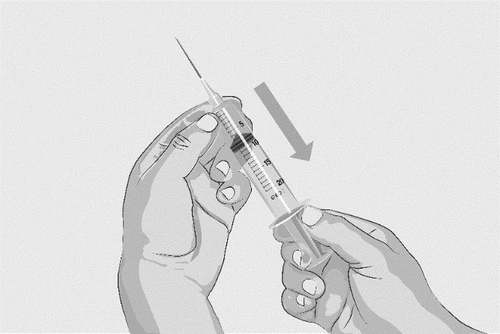 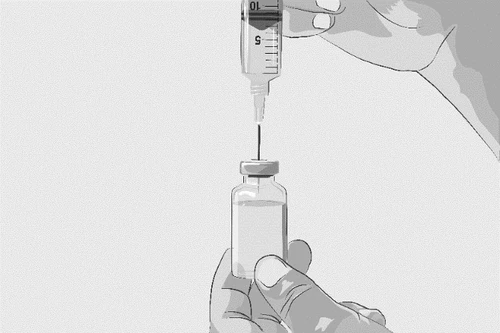 |
| H. Confirm that the prescribed dose has been withdrawn. Any excess volume should be discarded. I. Remove the filled syringe and transfer needle from the vial. J. Do not recap the transfer needle. Unscrew the needle and dispose of it in the sharps container. | Figure 7
Figure 8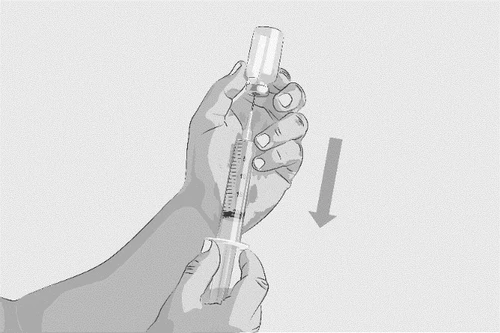 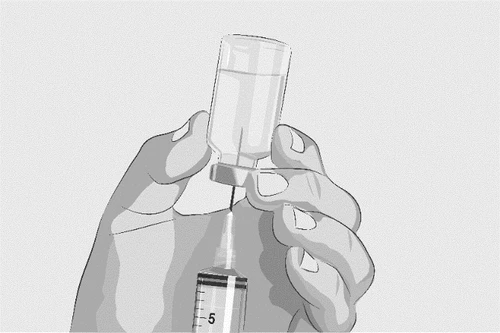 |
For administering the medicine using a wearable delivery system, follow the manufacturer's instructions for the device. Dispose of all used single-use items and any unused products as well as the empty vial, as recommended by the healthcare provider.
For administering the medicine using a syringe infusion pump, follow the steps outlined below.

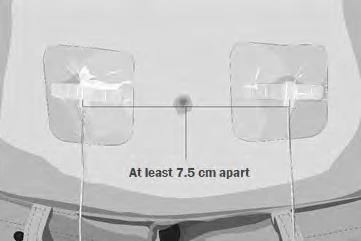
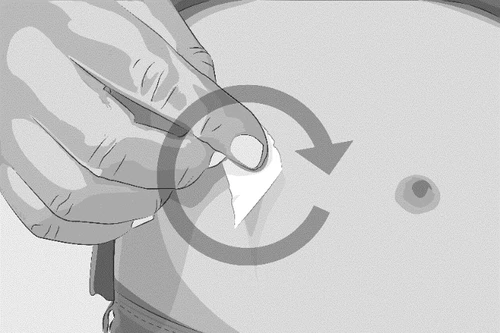
| Step 6 | Insertion and securing of the infusion needle(s). A. Lift a skin fold with the thumb and index finger around the infusion site (the location where you intend to place the needle). Insert the needle into the skin (Figure 12). For guidance on needle angle, follow the manufacturer's instructions for the device. B. Secure the needle (or needles) using sterile gauze and adhesive tape or by applying a transparent dressing over the infusion site (or sites) (Figure 13). | Figure 12 Figure 13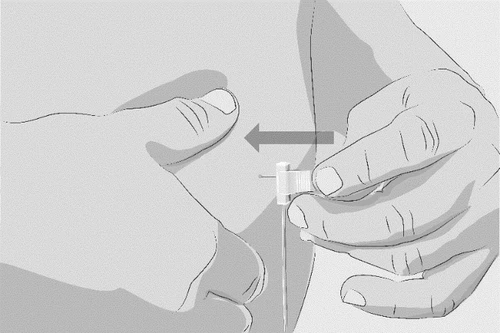 |
| Step 7 | Starting the infusion. For instructions on how to start the infusion, follow the manufacturer's instructions for the device. Begin the infusion immediately after drawing the solution into the syringe. | |
| Step 8 | Completing the infusion. For instructions on how to complete the infusion, follow the manufacturer's instructions for the device. | 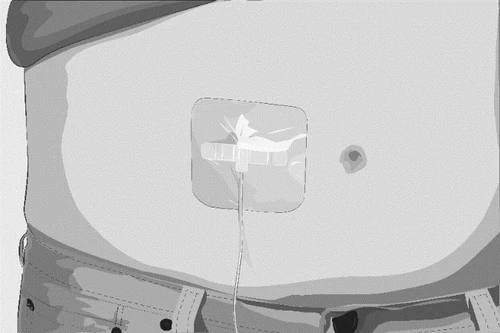 |
| Step 9 | Documentation of the infusion. Document the treatment as directed by the healthcare provider. | |
| Step 10 | Cleaning. A. At the end of the infusion, remove the dressing and slowly withdraw the needle (or needles). Cover the infusion site with a new dressing. B. Disconnect the infusion set from the pump and dispose of it in the sharps container (Figure 14). C. Discard all used single-use items, unused products, and the empty vial as recommended by the healthcare provider. D. Clean and store the syringe infusion pump according to the manufacturer's instructions for the device. | Figure 14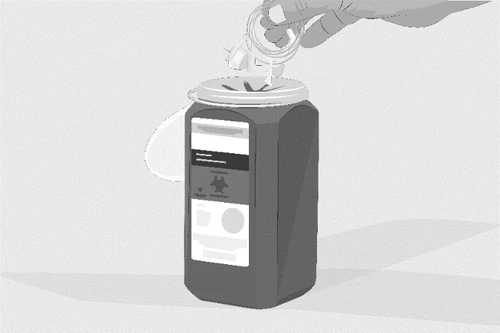 |
If you forget to use ASPAVELI
If you miss a dose, take it as soon as you remember; then take your next dose at the scheduled time.
If you stop treatment with ASPAVELI for PNH
PNH is a chronic disease, meaning that you will likely need to take this medicine for a long time.
If you wish to stop taking the medicine, discuss this first with your doctor. Stopping treatment abruptly may cause your symptoms to worsen.
If your doctor decides to discontinue treatment with this medicine, follow their instructions on how to proceed. Your doctor will closely monitor you for at least 8 weeks after stopping treatment to check for any signs of red blood cell destruction (haemolysis) due to PNH. Symptoms or problems that may occur due to red blood cell destruction include:
- fatigue
- shortness of breath
- blood in the urine
- abdominal pain
- reduced number of red blood cells
- blood clots forming in the bloodstream (thrombosis)
- difficulty swallowing
- erectile dysfunction in men
Contact your doctor if you experience any of these signs or symptoms.
If you stop treatment with ASPAVELI for C3G or primary IC-MPGN
C3G and primary IC-MPGN are chronic diseases, meaning that you will likely need to take this medicine for a long time. If you wish to stop taking the medicine, discuss this first with your doctor.
4. Possible side effects
Like all medicines, this medicine can cause side effects, although not everyone gets them.
Before treatment, your doctor will discuss with you the possible side effects and explain the risks and benefits associated with ASPAVELI.
The most serious side effect is the development of severe infections.
If you experience any symptoms of infection (see section 2 “Symptoms of infection”), inform your doctor immediately.
If you have any doubts about the meaning of the side effects listed below, please ask your doctor for clarification.
The following are side effects reported in patients with aHUS:
Very common (may affect more than 1 in 10 people):
- infusion site reactions: including redness, swelling, itching, bruising, and pain or hardening of the skin. These reactions usually resolve within a few days
- infection of the nose, throat, or respiratory tract (upper respiratory tract infection)
- diarrhoea
- destruction of red blood cells (haemolysis)
- stomach ache (abdominal pain)
- headache
- fatigue
- fever or high temperature (pyrexia)
- cough
- urinary tract infection
- complications related to mandatory vaccinations
- pain in arms and legs (limb pain)
- dizziness
- joint pain (arthralgia)
- back pain
Common (may affect up to 1 in 10 people):
- infection of the ear, mouth, or skin
- sore throat
- reduction in the number of platelets in the blood (thrombocytopenia), leading to increased risk of bleeding or bruising
- nausea
- decrease in blood potassium levels (hypokalaemia)
- nosebleeds (epistaxis)
- skin redness (erythema)
- muscle pain (myalgia)
- stomach and intestinal infection, possibly causing symptoms such as mild to severe nausea, vomiting, cramps, diarrhoea (gastrointestinal infection)
- increased liver values
- difficulty breathing (dyspnoea)
- reduction in white blood cell count (neutropenia)
- impaired kidney function
- discoloured urine
- high blood pressure
- muscle spasms
- stuffy nose (nasal congestion)
- rash
- blood infection (sepsis)
- viral infection
- fungal infection
- respiratory tract infection
- eye infection
- urticaria
- COVID‑19
- bacterial infection
- vaginal infection
Uncommon (may affect up to 1 in 100 people):
- inflammation of the cervix
- groin infection
- nasal abscess
- pneumonia
- tuberculosis
- fungal infection of the oesophagus
- anal abscess
The following are side effects reported in patients with C3G or primary IC-MPGN:
Very common (may affect more than 1 in 10 people):
- infusion site reactions
- infection of the nose, throat, or respiratory tract (upper respiratory tract infection)
- allergic reaction (including rash and eczema)
- fever or high temperature (pyrexia)
- headache
- diarrhoea
- nausea
- impaired kidney function
- influenza
Common (may affect up to 1 in 10 people):
- cough
- pneumonia
- fatigue
- opportunistic infections (including erysipelas and other infections that occur when the immune system is weakened)
- urinary tract infection
- ear infection
- reduction in the number of platelets in the blood (thrombocytopenia)
- muscle pain (myalgia)
- nosebleeds (epistaxis)
- reduction in white blood cell count (neutropenia)
- decrease in blood potassium levels (hypokalaemia)
- pain in arms and legs (limb pain)
Reporting of side effects
If you experience any side effect, including those not listed in this leaflet, tell your doctor, pharmacist, or nurse.
You can also report side effects directly through the national reporting system listed in Annex V.
Reporting side effects can help provide more information on the safety of this medicine.
5. How to store ASPAVELI
- Keep this medicine out of the sight and reach of children.
- Do not use this medicine after the expiry date stated on the carton after “Exp.” and on the vial after “EXP”. The expiry date refers to the last day of that month.
- Store in a refrigerator (2 °C - 8 °C).
- Keep the vial in the original carton to protect the medicine from light.
- Do not dispose of any medicine via wastewater. Ask your pharmacist how to dispose of medicines you no longer use. This will help protect the environment.
6. Package contents and other information
What ASPAVELI contains
The active substance is pegcetacoplan 1,080 mg (54 mg/mL in a 20 mL vial).
The other components are sorbitol (E 420) (see section 2 “ASPAVELI contains sorbitol”),
glacial acetic acid, sodium acetate trihydrate (see section 2 “ASPAVELI contains sodium”), sodium
hydroxide (see section 2 “ASPAVELI contains sodium”), and water for injections.
Description of the appearance of ASPAVELI and package contents
ASPAVELI is a clear, colourless to slightly yellow solution for subcutaneous infusion (54 mg/mL in a 20 mL vial). Solutions that are cloudy, contain particles, or show discoloration must not be used.
Packaging
ASPAVELI is supplied in single packs containing 1 vial or multiple packs containing 1 x 8 vials.
Please note that alcohol swabs, needles, and other items or equipment are not included in the pack.
Not all pack sizes may be marketed.
Marketing Authorization Holder
Swedish Orphan Biovitrum AB (publ)
SE-112 76 Stockholm
Sweden
Manufacturer
Swedish Orphan Biovitrum AB (publ)
Norra Stationsgatan 93
113 64 Stockholm
Sweden
Other sources of information
More detailed information on this medicinal product is available on the website of the European Medicines Agency: https://www.ema.europa.eu. In addition, links to other websites on rare diseases and related therapeutic treatments are provided.