Artrosilene
Italy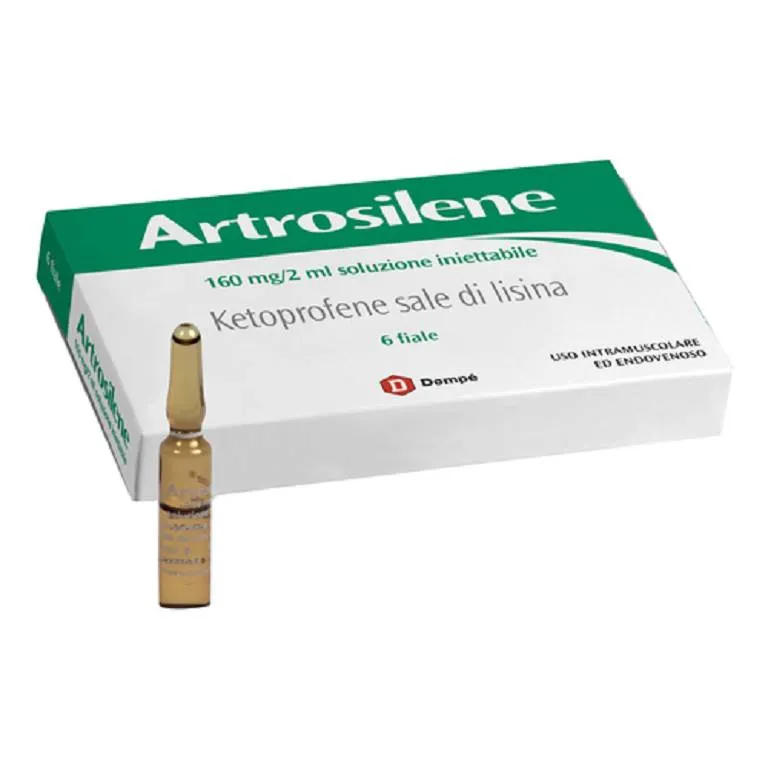
Table of Contents
- Package leaflet: Information for the patient
- Artrosilene 320 mg prolonged-release hard capsules
- 1. What Artrosilene is and what it is used for
- 2. What you need to know before taking Artrosilene
- 3. How to take Artrosilene
- 4. Possible adverse effects
- 5. How to store Artrosilene
- 6. Package contents and other information
- Patient Information Leaflet: Information for the user
- Artrosilene 160 mg suppositories
- 1. What Artrosilene Is and What It Is Used For
- 2. What you need to know before using Artrosilene
- 3. How to use Artrosilene
- 4. Possible adverse effects
- 5. How to store Artrosilene
- 6. Package contents and other information
- Package leaflet: information for the patient
- Artrosilene 160 mg/2 ml solution for injection
- 1. What Artrosilene is and what it is used for
- 2. What you need to know before using Artrosilene
- 3. How to use Artrosilene
- 4. Possible side effects
- 5. How to store Artrosilene
- 6. Package contents and other information
- The following information is intended exclusively for healthcare professionals:
- Package leaflet: information for the user
- Artrosilene 5% gel
- 1. What Artrosilene is and what it is used for
- 2. What you need to know before using Artrosilene
- 3. How to use Artrosilene
- 4. Possible adverse reactions
- 5. How to store Artrosilene
- 6. Package contents and other information
- Patient Information Leaflet: Information for the User
- Artrosilene 15% cutaneous foam
- 1. What Artrosilene is and what it is used for
- 2. What you should know before using Artrosilene
- 3. How to use Artrosilene
- 4. Possible side effects
- 5. How to store Artrosilene
- 6. Package contents and other information
Package leaflet: Information for the patient
Artrosilene 320 mg prolonged-release hard capsules
ketoprofen lysine salt
Please read this leaflet carefully before taking this medicine because it contains important information for you.
- Keep this leaflet. You may need to read it again.
- If you have any questions, ask your doctor or pharmacist.
- This medicine has been prescribed for you only. Do not give it to other people, even if their symptoms are the same as yours, because it could be harmful.
- If you experience any adverse reaction, including those not listed in this leaflet, consult your doctor or pharmacist. See section 4.
Contents of this leaflet:
- What Artrosilene is and what it is used for
- What you need to know before taking Artrosilene
- How to take Artrosilene
- Possible side effects
- How to store Artrosilene
- Contents of the pack and other information
1. What Artrosilene is and what it is used for
Artrosilene contains ketoprofen, which belongs to a group of medicines called Non-Steroidal Anti-Inflammatory Drugs (NSAIDs). Ketoprofen blocks the chemicals that cause inflammation.
Artrosilene is indicated for the symptomatic treatment of inflammatory conditions associated with pain, such as: rheumatoid arthritis (an autoimmune disease causing joint pain and stiffness), ankylosing spondylitis (a chronic inflammatory disease mainly affecting the spine and pelvic joints), painful osteoarthritis (a disease affecting the joints), extra-articular rheumatism (rheumatic diseases affecting structures outside the joints), and post-traumatic inflammation (inflammatory conditions of traumatic origin), in adults.
2. What you need to know before taking Artrosilene
Do not take Artrosilene
- if you are allergic to ketoprofen, other non-steroidal anti-inflammatory drugs (NSAIDs), or any of the other ingredients of this medicine (listed in section 6);
- if you have a history of hypersensitivity reactions (allergy) triggered by the use of ketoprofen or substances with a similar mechanism of action, for example acetylsalicylic acid or other NSAIDs (other anti-inflammatory drugs), such as asthma (bronchial inflammation and narrowing of the airways), bronchospasm (constriction of the bronchi), allergic rhinitis (allergic inflammation of the nasal mucosa), urticaria, skin rashes, nasal polyps, angioedema (swelling of the skin and mucous membranes), or other allergic-type reactions;
- if you suffer from bronchial asthma (bronchial inflammation and narrowing of the airways);
- if you have severe heart failure (inability of the heart to pump sufficient blood to meet the body's needs);
- if you suffer from gastritis (inflammation of the stomach lining);
- if you currently have a peptic ulcer (a lesion in the stomach or first part of the intestine) or gastrointestinal bleeding, or if you have previously experienced recurrent peptic ulcer or bleeding (two or more distinct, confirmed episodes of bleeding or ulceration);
- if you have previously experienced gastrointestinal bleeding, ulceration, perforation, or chronic dyspepsia (difficult digestion);
- if you have a history of gastrointestinal bleeding or perforation related to previous NSAID therapy;
- if you have cerebrovascular bleeding or any active bleeding;
- if you suffer from Crohn’s disease (inflammation of the intestine) or ulcerative colitis (inflammation of the intestine with ulcers);
- if you have severe liver (reduced liver function due to cirrhosis or severe hepatitis) or kidney (reduced kidney function) insufficiency;
- if you have renal hypoperfusion (reduced blood flow to the kidneys);
- if you suffer from leucopenia (reduced number of white blood cells) or thrombocytopenia (reduced number of platelets);
- if you suffer from haemorrhagic diathesis (predisposition to bleeding) or other coagulation disorders, or if you have haemostatic disorders (difficulty in stopping bleeding);
- if you are being treated with high-dose diuretics;
- if you are in the last three months of pregnancy (see "Pregnancy, breastfeeding and fertility");
- if the patient to be treated is a child.
Warnings and precautions
Talk to your doctor or pharmacist before taking Artrosilene.
Warnings
Undesirable effects can be minimized by using the lowest effective dose for the shortest duration necessary to control symptoms (see "How to take Artrosilene" and the sections below on gastrointestinal and cardiovascular risks).
Concomitant use of Artrosilene with other anti-inflammatory drugs should be avoided.
During treatment with all NSAIDs, including Artrosilene, gastrointestinal bleeding, ulceration, and perforation—sometimes fatal—have been reported at any time, with or without warning symptoms or previous history of serious gastrointestinal events. Patients who have previously suffered from these conditions are at higher risk (see "Do not take Artrosilene").
Report any abdominal signs or symptoms (including gastrointestinal bleeding), even at the beginning of treatment.
Inform your doctor if you are taking medicines that may increase the risk of ulceration or bleeding, such as oral corticosteroids (medicines used to treat inflammatory conditions), anticoagulants (medicines that delay blood clotting), such as warfarin, selective serotonin reuptake inhibitors (medicines used to treat depression), or antiplatelet agents (medicines that prevent platelet aggregation) such as acetylsalicylic acid (see "Other medicines and Artrosilene").
Elderly patients are at greater risk of developing adverse reactions to NSAIDs, especially gastrointestinal bleeding and perforation, which may be fatal.
Stop treatment with Artrosilene immediately at the first signs of gastrointestinal bleeding or ulceration.
Serious skin reactions (of the skin), some of which have been fatal, such as exfoliative dermatitis, Stevens-Johnson syndrome, and toxic epidermal necrolysis, have been reported very rarely in association with the use of NSAIDs (see "Possible side effects").
The reaction usually occurs during the initial stages of treatment.
Discontinue Artrosilene at the first appearance of skin rash, mucosal lesions, or any other sign of hypersensitivity (allergic reaction).
Ask your doctor or pharmacist for advice before using Artrosilene
- If your kidneys do not function properly, as Artrosilene should be used with caution in such cases. If you use Artrosilene, kidney function should be monitored, especially if you are elderly or are taking diuretics (medicines that lower blood pressure).
- If you have liver problems, you should have regular check-ups.
- If you have an infection – see section «Infections» below.
- If you suffer from uncontrolled hypertension (high blood pressure), congestive heart failure (fluid accumulation in the lungs, abdominal organs, and peripheral tissues due to inadequate heart pumping function), established ischaemic heart disease (heart disease occurring due to reduced blood flow caused by narrowing of the coronary arteries), peripheral arterial disease and/or cerebrovascular disease (disease of the arteries and blood vessels of the brain), as you should only be treated with Artrosilene after careful evaluation by your doctor.
- If you have risk factors for these conditions, for example high blood pressure, diabetes (a disease caused by high levels of glucose in the blood), hyperlipidemia (high levels of fats in the blood), or if you smoke.
- If you have a history of allergic reactions or previous allergies, as the medicine should be administered with caution.
- If you suffer from bronchial asthma (bronchial inflammation and narrowing of the airways), allergic diathesis (predisposition to develop allergies), chronic rhinitis (inflammation of the nasal mucosa), allergic rhinitis (allergic inflammation of the nasal mucosa), chronic sinusitis and/or nasal polyposis. Consult your doctor if you experience visual disturbances, such as blurred vision, as treatment should be discontinued.
- If you have haematopoietic disorders (affecting the formation and maturation of blood cells), systemic lupus erythematosus (an autoimmune disease), or mixed connective tissue disorders, as Artrosilene should be administered with caution.
- If you have hepatic porphyria (a rare blood disorder characterized by altered activity of one of the liver enzymes), as the medicine could trigger an attack. It is not known whether the medicine causes habituation or dependence. Some NSAIDs may be associated with an increased risk of arterial thrombotic events (e.g., heart attack or stroke). Currently, there are insufficient data to rule out a similar risk for Artrosilene. An increased risk of atrial fibrillation (a disturbance in the heart's rhythm) has been reported with the use of NSAIDs. Hyperkalemia (increased blood potassium levels) may occur, especially if you have diabetes, renal insufficiency, and/or are taking medicines that may cause hyperkalemia (see "Other medicines and Artrosilene"). In such cases, potassium levels should be monitored periodically.
Infections
Artrosilene may mask symptoms of infections such as fever and pain. Therefore, Artrosilene may delay appropriate treatment of the infection, potentially increasing the risk of complications. This has been observed in bacterial pneumonia and bacterial skin infections associated with chickenpox. If you take this medicine while having an infection and the symptoms persist or worsen, consult your doctor immediately.
Other medicines and Artrosilene
Inform your doctor or pharmacist if you are taking or have recently taken any other medicines, including those without a prescription.
Use of Artrosilene in combination with the following is not recommended:
- Other anti-inflammatory drugs, such as NSAIDs, selective cyclooxygenase-2 inhibitors, or high doses of salicylates (over 3 g per day);
- Medicines that delay blood clotting (such as heparin and warfarin, which delay blood clotting, and antiplatelet agents such as ticlopidine and clopidogrel);
- Lithium (a medicine used to treat manic-depressive psychosis);
- Methotrexate (a medicine indicated for the treatment of certain autoimmune diseases and some cancers) at doses exceeding 15 mg/week;
- Hydantoins (used to treat epilepsy) and sulfonamides (such as certain antibiotics used to treat bacterial infections).
Caution is required when using Artrosilene in combination with:
- Potassium salts;
- Potassium-sparing diuretics, ACE inhibitors, angiotensin II receptor blockers (medicines used to lower blood pressure);
- NSAIDs (anti-inflammatory drugs);
- Heparins (anticoagulants);
- Cyclosporine and tacrolimus (medicines used to prevent organ transplant rejection or for certain immune system disorders);
- Trimethoprim (an antibiotic used for bacterial infections);
- Tenofovir (a medicine used to treat certain viral infections);
- Methotrexate at doses below 15 mg/week;
- Corticosteroids (medicines used to treat inflammatory conditions);
- Pentoxifylline (a medicine used to improve blood circulation in the limbs);
- Zidovudine (a medicine used to treat HIV);
- Sulfonylureas (medicines used to treat diabetes);
- Cardiac glycosides (medicines acting on the heart).
Consider the combination of Artrosilene with:
- Beta-blockers, ACE inhibitors, diuretics (medicines used to lower blood pressure);
- Mifepristone (a medicine used for medical termination of pregnancy);
- Intrauterine contraceptive devices;
- Cyclosporine and tacrolimus (medicines used to prevent organ transplant rejection or for certain immune system disorders);
- Thrombolytics (medicines that help dissolve blood clots);
- Ticlopidine and clopidogrel (medicines that prevent platelet aggregation);
- Selective serotonin reuptake inhibitors (some antidepressants);
- Probenecid (a medicine used to treat gout);
- Quinolones and sulfonamides (antibiotics used to treat bacterial infections);
- Phenytoin (a medicine used to treat epilepsy);
- Gemeprost (a medicine used for uterine examinations and surgical procedures).
The consumption of alcoholic beverages is not advised during treatment with Artrosilene.
Pregnancy, breastfeeding and fertility
If you are pregnant, think you may be pregnant, are planning to become pregnant, or are breastfeeding, consult your doctor or pharmacist before taking this medicine.
Pregnancy
The use of ketoprofen during the first and second trimesters of pregnancy should be avoided.
The use of ketoprofen should only be considered if the expected benefit to the mother outweighs the risk to the embryo or fetus.
During the first and second trimesters of pregnancy, take this medicine only if strictly necessary and under medical advice.
If ketoprofen is used by a woman who is trying to conceive or who is in the first or second trimester of pregnancy, the dosage should be kept as low as possible and the duration of treatment as short as possible.
During the third trimester of pregnancy, all medicines of the same class as Artrosilene may expose the fetus to:
- cardiopulmonary toxicity;
- renal dysfunction; and the mother and newborn, at the end of pregnancy, to:
- possible prolongation of bleeding time and anti-aggregating effects, which may occur even at very low doses;
- inhibition of uterine contractions, leading to delayed or prolonged labour. Use of the medicine close to delivery may cause disturbances in the newborn’s circulation and respiration. Therefore, DO NOT use Artrosilene during the third trimester of pregnancy (see "Do not take Artrosilene").
Breastfeeding
There is no available information on the excretion of ketoprofen in human breast milk. Ketoprofen is not recommended during breastfeeding.
Fertility
The use of NSAIDs, including Artrosilene, may reduce female fertility and is not recommended in women attempting to conceive. If you have fertility problems or are undergoing fertility investigations, discontinue treatment with Artrosilene.
Driving and using machines
After administration of Artrosilene, drowsiness, dizziness, convulsions, and visual disturbances may occur. It is therefore recommended to avoid driving, operating machinery, or performing activities requiring special vigilance (see "Possible side effects").
3. How to take Artrosilene
Take this medicine exactly as directed by your doctor or pharmacist. If you have any doubts, consult your doctor or pharmacist.
Dosage
The recommended dose is 1 single capsule per day.
The maximum daily dose is 1 capsule.
Do not exceed the maximum daily dose.
Elderly patients and patients with hepatic or renal impairment
Use the lowest effective dose.
Do not use in case of severe hepatic or renal impairment (see "Do not use Artrosilene").
Artrosilene is contraindicated in children (see "Do not use Artrosilene").
Method of administration
Artrosilene should be taken during or after meals.
Duration of treatment
The lowest effective dose should be used for the shortest duration necessary to relieve symptoms. If you have an infection, contact your doctor immediately if symptoms (for example fever and pain) persist or worsen (see section 2).
Adverse effects may be minimized by using the shortest treatment duration needed to control symptoms (see "Warnings and precautions").
If you take more Artrosilene than you should
In case of accidental overdose, contact your doctor immediately or go to the nearest hospital.
Cases of overdose with doses up to 2.5 g of ketoprofen have been reported. In most cases, symptoms were limited to lethargy, confusion, loss of consciousness, drowsiness, headache, vertigo, dizziness, nausea, vomiting, epigastric pain (in the upper part of the abdomen), abdominal pain, and diarrhea.
Gastrointestinal bleeding, hypotension (low blood pressure), respiratory depression, and cyanosis (bluish discoloration of the skin and mucous membranes) may also occur.
There are no specific antidotes for ketoprofen overdose. In case of suspected massive overdose, gastric lavage is recommended, along with symptomatic and supportive treatment.
In case of renal impairment (reduced kidney function), haemodialysis (a blood purification technique performed outside the body) may be useful in removing the circulating medicine.
If you have any questions about the use of this medicine, consult your doctor or pharmacist.
4. Possible adverse effects
Like all medicines, this medicine can cause adverse effects, although not everyone experiences them.
The most commonly observed adverse events are gastrointestinal in nature.
The adverse effects observed with the use of ketoprofen in adults are:
Common (may affect up to 1 in 10 people):
-
dyspepsia (indigestion), nausea, abdominal pain, and vomiting. Uncommon (may affect up to 1 in 100 people):
-
headache, dizziness, drowsiness,
-
constipation, diarrhoea, flatulence (passing intestinal gas through the anus), gastritis (inflammation of the stomach mucosa),
-
skin rash, pruritus (itching), fatigue, oedema (fluid retention). Rare (may affect up to 1 in 1,000 people):
-
haemorrhagic anaemia (reduction in haemoglobin in the blood, the substance that carries oxygen, caused by bleeding),
-
paraesthesia (numbness, tingling sensations), dyskinesia (involuntary movements),
-
blurred vision (see “Warnings and precautions”),
-
tinnitus (persistent perception of noise in the ears),
-
asthma (bronchial inflammation and narrowing of the airways),
-
exanthema (skin rash),
-
asthenia (weakness),
-
stomatitis (inflammation of the mucous membranes lining the mouth), peptic ulcer (lesion in the stomach or the first part of the intestine),
-
hepatitis (inflammation of the liver), increased transaminases (elevated levels of certain enzymes indicating liver function), increased bilirubin (a substance indicating liver function),
-
weight gain. Very rare (may affect up to 1 in 10,000 people):
-
facial oedema (swelling) and erythema (redness of the skin). Frequency not known (frequency cannot be estimated from the available data):
-
agranulocytosis (severe reduction in a type of white blood cells), thrombocytopenia (reduced platelet count), bone marrow failure (reduced production of blood cells by the bone marrow), haemolytic anaemia (reduction in haemoglobin in the blood, the substance that carries oxygen, caused by destruction of red blood cells), leucopenia (reduced white blood cell count), neutropenia (reduced number of a type of white blood cells), aplastic anaemia (reduction in haemoglobin in the blood, the substance that carries oxygen, caused by inadequate production of blood cells by the bone marrow), leucocytosis (increased white blood cell count), thrombocytopenic purpura (skin spots due to reduced platelet count),
-
anaphylactic reaction (severe allergic reaction, including shock), hypersensitivity (allergy),
-
jaundice (yellowing of the skin and whites of the eyes),
-
mood alterations, depression, hallucinations (perception of non-existent things), confusion, agitation, insomnia, convulsions (uncontrolled body movements), dysgeusia (altered taste), tremor, syncope (fainting), hyperkinesia (involuntary and uncoordinated movements),
-
periorbital oedema (swelling around the eyes),
-
peripheral oedema, chills,
-
heart failure (inability of the heart to pump sufficient blood to meet the body's needs), atrial fibrillation (irregular heart rhythm), palpitations (awareness of heartbeats), tachycardia (increased heart rate), hypertension (high blood pressure), hypotension (low blood pressure), vasodilation (dilation of blood vessels), vasculitis (inflammation of blood vessels), including leukocytoclastic vasculitis (inflammation of small blood vessels), bronchospasm (constriction of the bronchi), particularly in patients with known hypersensitivity to acetylsalicylic acid and other NSAIDs, rhinitis (inflammation of the nasal mucosa), dyspnoea (difficulty breathing), laryngeal oedema (swelling of the throat due to fluid accumulation), laryngospasm (narrowing of the larynx),
-
acute respiratory failure (one fatal case has been reported in an asthmatic patient sensitive to acetylsalicylic acid),
-
exacerbation of colitis (worsening of intestinal inflammation), exacerbation of colitis (worsening of intestinal inflammation), exacerbation of Crohn’s disease (worsening of intestinal inflammation), gastrointestinal haemorrhage (bleeding from the stomach or intestine), gastrointestinal perforation (sometimes fatal, especially in elderly patients, see “Warnings”), gastric ulcer (lesion in the stomach), oral ulceration, duodenal ulcer (lesion in the first part of the intestine), duodenal perforation, pyrosis (heartburn), oedema (swelling) of the mouth, pancreatitis (inflammation of the pancreas), melaena (presence of digested blood in faeces), haematemesis (vomiting blood), abdominal discomfort, colitis, hyperchlorhydria (excess acid in the stomach), gastric pain (stomach ache), erosive gastritis (severe inflammation of the stomach), oedema of the tongue (swelling of the tongue), photosensitivity reactions (sensitivity to sunlight or UV lamps),
-
alopecia (hair loss),
-
angioedema (swelling of the face, lips, mouth, tongue or throat which may cause breathing or swallowing difficulties), bullous dermatitis including Stevens-Johnson syndrome, Lyell’s syndrome and toxic epidermal necrolysis (severe skin reactions),
-
maculopapular exanthema (skin rash with spots), purpura (purple spots on the skin due to abnormal blood accumulation), generalised acute exanthematous pustulosis (skin eruption with pustule formation), dermatitis (skin irritation),
-
acute renal failure (reduced kidney function), tubulo-interstitial nephritis, nephritis and nephritic syndrome (kidney inflammations), nephrotic syndrome (kidney disorder causing protein loss in urine), glomerulonephritis (inflammatory kidney disease), fluid/sodium retention with possible oedema (accumulation of water and sodium causing swelling), acute tubular necrosis and renal papillary necrosis (severe kidney damage), oliguria (reduced urine output), abnormal kidney function tests, haematuria (presence of blood in urine),
-
aseptic meningitis (inflammation of the membranes covering the brain not caused by infection), lymphangitis (inflammation of lymphatic vessels),
-
hyperkalaemia (increased potassium levels in the blood) and hyponatraemia (decreased sodium levels in the blood). Following the instructions provided in this leaflet reduces the risk of adverse effects.
Reporting of adverse effects
If you experience any adverse effect, including those not listed in this leaflet, talk to your doctor or pharmacist. You may also report adverse effects directly via the national reporting system at https://www.aifa.gov.it/content/segnalazioni-reazioni-avverse. By reporting adverse effects, you can help provide more information on the safety of this medicine.
5. How to store Artrosilene
Keep this medicine out of the sight and reach of children.
Do not use this medicine after the expiry date stated on the packaging. The expiry date refers to the last day of that month. The indicated expiry date applies to the product stored in its original, unopened packaging and kept under recommended storage conditions.
Do not store above 30°C.
Do not dispose of any medicine via wastewater or household waste. Ask your pharmacist how to dispose of medicines you no longer use. This will help protect the environment.
6. Package contents and other information
What Artrosilene contains
- The active substance is ketoprofen lysine salt. One capsule contains 320 mg of ketoprofen lysine salt.
- The other components are: carboxypolymethylene, magnesium stearate, polyvinylpyrrolidone, talc, diethyl phthalate, polymers of acrylic and methacrylic acid esters.
Capsule shell composition: Body – titanium dioxide (E171), gelatin; Cap – quinoline yellow (E104), indigo carmine (E132), titanium dioxide (E171), gelatin.
Description of the appearance of Artrosilene and package contents
320 mg prolonged-release hard capsules – Pack containing 20 capsules
Marketing Authorization Holder and Manufacturer
Dompé farmaceutici s.p.a. - Via San Martino 12/12a - 20122 Milan
Manufacturer:
Istituto De Angeli s.r.l. – Pharmaceutical Plant of Reggello (FI)
Patient Information Leaflet: Information for the user
Artrosilene 160 mg suppositories
ketoprofen lysine salt
Please read this leaflet carefully before using this medicine because it contains important information for you.
- Keep this leaflet. You may need to read it again.
- If you have any questions, ask your doctor or pharmacist.
- This medicine has been prescribed for you only. Do not give it to other people, even if their symptoms are the same as yours, as it may be harmful.
- If you experience any adverse reaction, including those not listed in this leaflet, contact your doctor or pharmacist. See section 4.
Contents of this leaflet:
- What Artrosilene is and what it is used for
- What you need to know before using Artrosilene
- How to use Artrosilene
- Possible side effects
- How to store Artrosilene
- Package contents and other information
1. What Artrosilene Is and What It Is Used For
Artrosilene contains ketoprofen, which belongs to a group of medicines used against pain and inflammation known as Non-Steroidal Anti-Inflammatory Drugs (NSAIDs). Ketoprofen blocks the chemical substances that cause inflammation.
Artrosilene is indicated for the symptomatic treatment of inflammatory conditions associated with pain, including: rheumatoid arthritis (an autoimmune disease causing joint pain and stiffness), ankylosing spondylitis (a chronic inflammatory disease affecting the spine and joints), painful osteoarthritis (a disease affecting the joints), extra-articular rheumatism (rheumatic diseases affecting structures outside the joints), and post-traumatic inflammation (inflammatory conditions of traumatic origin), in adults.
2. What you need to know before using Artrosilene
Do not use Artrosilene:
- if you are allergic to ketoprofen or to any of the other ingredients of this medicine (listed in section 6);
- if you have a history of hypersensitivity reactions (allergy) triggered by the use of ketoprofen or substances with a similar mechanism of action, for example acetylsalicylic acid or other NSAIDs (other anti-inflammatory drugs), such as asthma (bronchial inflammation and narrowing of the airways), bronchospasm (constriction of the bronchi), allergic rhinitis (allergic inflammation of the nasal mucosa), urticaria, skin rashes, nasal polyps, angioedema (swelling of the skin and mucous membranes), or other allergic-type reactions;
- if you suffer from bronchial asthma (bronchial inflammation and narrowing of the airways);
- if you have severe heart failure (the heart's inability to pump sufficient blood to meet the body’s needs);
- if you have gastritis (inflammation of the stomach lining);
- if you currently have a peptic ulcer (a lesion in the stomach or the first part of the intestine) or gastrointestinal bleeding, or if you have previously experienced recurrent peptic ulcer or bleeding (two or more distinct, confirmed episodes of bleeding or ulceration);
- if you have previously suffered from gastrointestinal bleeding, ulceration, or perforation, or chronic dyspepsia (indigestion);
- if you have a history of gastrointestinal bleeding or perforation related to previous NSAID therapy;
- if you suffer from Crohn’s disease (inflammation of the intestine) or ulcerative colitis (inflammation of the intestine with ulcers);
- if you have severe hepatic (reduced liver function due to cirrhosis or severe hepatitis) or renal (reduced kidney function) insufficiency;
- if you have serious blood coagulation disorders;
- if you suffer from leucopenia (reduced number of white blood cells) or thrombocytopenia (reduced number of platelets);
- if you have renal hypoperfusion (reduced blood flow to the kidneys);
- if you suffer from haemorrhagic diathesis (predisposition to bleeding) or other coagulation disorders, or if you have haemostatic disorders (difficulty in stopping bleeding);
- if you have cerebrovascular haemorrhage or any active bleeding;
- if you are in the last three months of pregnancy (see "Pregnancy, breastfeeding and fertility");
- if the person to be treated is a child;
- if you are undergoing treatment with high-dose diuretics;
- if you suffer from proctitis (inflammation of the rectal mucosa) or have previously experienced proctorrhagia (rectal bleeding), or if you suffer from haemorrhoidal disorders or have other current or recently healed local lesions.
Warnings and precautions
Talk to your doctor or pharmacist before taking Artrosilene.
Warnings
Adverse effects can be minimized by using the lowest effective dose for the shortest duration necessary to control symptoms (see "How to use Artrosilene" and the sections below on gastrointestinal and cardiovascular risks).
Concomitant use of Artrosilene with other anti-inflammatory drugs should be avoided.
During treatment with all NSAIDs, including Artrosilene, gastrointestinal bleeding, ulceration, and gastrointestinal perforation—some of which may be fatal—have been reported at any time, with or without warning symptoms or previous history of serious gastrointestinal events. Patients who have previously experienced these conditions are at higher risk (see "Do not take Artrosilene").
Inform your doctor of any abdominal signs or symptoms (including gastrointestinal bleeding), even at the beginning of treatment.
Inform your doctor if you are taking medicines that may increase the risk of ulceration or bleeding, such as oral corticosteroids (medicines used to treat inflammatory conditions), anticoagulants (medicines that delay blood clotting), such as warfarin, selective serotonin reuptake inhibitors (medicines used to treat depression), or antiplatelet agents such as acetylsalicylic acid (see "Other medicines and Artrosilene").
Elderly patients are at higher risk of developing adverse reactions to NSAIDs, especially gastrointestinal bleeding or perforation, which may be fatal.
Stop treatment with Artrosilene immediately at the first signs of gastrointestinal bleeding or ulceration.
Serious skin reactions (of the skin), some of which are fatal, such as exfoliative dermatitis, Stevens-Johnson syndrome, and toxic epidermal necrolysis, have been very rarely reported with the use of NSAIDs (see "Possible side effects"). These reactions usually occur during the initial stages of treatment. Discontinue use of Artrosilene at the first appearance of skin rash, mucosal lesions, or any other sign of hypersensitivity (allergic reaction).
Ask your doctor or pharmacist before using Artrosilene if:
- your kidneys do not function properly, as Artrosilene should then be used with caution. If you use Artrosilene, your kidney function should be monitored, especially if you are elderly or are taking diuretics (medicines that lower blood pressure).
- you have liver problems and require periodic monitoring.
- you suffer from uncontrolled hypertension (high blood pressure), congestive heart failure (fluid accumulation in the lungs, abdominal organs, and peripheral tissues due to inadequate heart pumping function), confirmed ischemic heart disease (heart condition due to reduced blood flow caused by narrowing of the coronary arteries), peripheral arterial disease, and/or cerebrovascular disease (disease of the blood vessels in the brain), as treatment with Artrosilene should only occur after careful medical evaluation.
- you have risk factors for these conditions, for example, high blood pressure, diabetes (a disease caused by high levels of glucose in the blood), hyperlipidemia (high levels of fats in the blood), or if you smoke.
- you have an infection – see section "Infections" below.
- you have allergic manifestations or have previously suffered from allergies, as the medicine should be administered with caution.
- you suffer from bronchial asthma (bronchial inflammation and narrowing of the airways), allergic diathesis (predisposition to develop allergies), chronic rhinitis (inflammation of the nasal mucosa), allergic rhinitis (allergic inflammation of the nasal mucosa), chronic sinusitis, and/or nasal polyposis. Consult your doctor if you experience vision disturbances, such as blurred vision, as treatment should be discontinued. If you have hematopoietic disorders (affecting the formation and maturation of blood cells), systemic lupus erythematosus (an immune system disease), or mixed connective tissue disorders, Artrosilene should be administered with caution.
- you have hepatic porphyria (a rare blood disorder characterized by altered activity of one of the liver enzymes), as the medicine could trigger an attack. It is not known whether the medicine causes phenomena of tolerance or dependence. Some NSAIDs may be associated with an increased risk of arterial thrombotic events (e.g., heart attack or stroke). Currently, there are insufficient data to exclude a similar risk for Artrosilene. An increased risk of atrial fibrillation (a disturbance in the heart's rhythm) has been reported with the use of NSAIDs. Hyperkalemia (increased potassium levels in the blood) may occur, especially if you suffer from diabetes, renal insufficiency, and/or are taking medicines that may cause hyperkalemia (see "Other medicines and Artrosilene"). In these circumstances, potassium levels should be monitored periodically.
Infections
Artrosilene may mask symptoms of infections such as fever and pain. Therefore, Artrosilene may delay appropriate treatment of the infection, potentially increasing the risk of complications. This has been observed in bacterial pneumonia and bacterial skin infections associated with chickenpox. If you take this medicine while having an infection and the symptoms of infection persist or worsen, consult your doctor immediately.
Other medicines and Artrosilene
Inform your doctor or pharmacist if you are taking, have recently taken, or might take any other medicines.
Use of Artrosilene in combination with the following is not recommended:
Other anti-inflammatory drugs, such as NSAIDs, selective cyclooxygenase-2 inhibitors, or high doses of salicylates (over 3 g/day),
Medicines that delay blood clotting (such as heparin and warfarin) and medicines that prevent platelet aggregation, such as ticlopidine and clopidogrel,
Lithium (a medicine used to treat manic-depressive psychosis),
Methotrexate (a medicine indicated for the treatment of certain autoimmune diseases and some cancers) at doses exceeding 15 mg/week,
Hydantoins (used to treat epilepsy) and sulfonamides (such as certain antibiotics used to treat bacterial infections).
Caution is required when using Artrosilene in combination with:
- Potassium salts,
- Potassium-sparing diuretics, ACE inhibitors, angiotensin II receptor blockers (medicines used to lower blood pressure),
- NSAIDs (anti-inflammatory drugs),
- Heparins (anticoagulants),
- Cyclosporine and tacrolimus (medicines used to prevent organ transplant rejection or for certain immune system diseases),
- Trimethoprim (an antibiotic used for bacterial infections),
- Tenofovir (a medicine used to treat certain viral infections),
- Methotrexate at doses below 15 mg/week,
- Corticosteroids (medicines used to treat inflammatory conditions),
- Pentoxifylline (a medicine used to improve blood circulation in the limbs),
- Zidovudine (a medicine used to treat HIV),
- Sulfonylureas (medicines used to treat diabetes),
- Cardiac glycosides (medicines that act on the heart).
Consider the combination of Artrosilene with: - Beta-blockers, ACE inhibitors, diuretics (medicines used to lower blood pressure),
- Mifepristone (a medicine used for medical termination of pregnancy),
- Intrauterine contraceptive devices,
- Thrombolytics (medicines that help dissolve blood clots),
- Ticlopidine and clopidogrel (medicines that prevent platelet aggregation),
- Selective serotonin reuptake inhibitors (some antidepressants),
- Phenytoin (a medicine used to treat epilepsy),
- Cyclosporine, tacrolimus (medicines used to prevent organ transplant rejection or for certain immune system diseases),
- Probenecid (a medicine used to treat gout),
- Quinolones and sulfonamides (antibiotics used to treat bacterial infections),
- Gemeprost (a medicine used for uterine examinations and surgical procedures).
During treatment with Artrosilene, consumption of alcoholic beverages is not recommended.
Pregnancy, breastfeeding and fertility
If you are pregnant, think you may be pregnant, are planning a pregnancy, or are breastfeeding, consult your doctor or pharmacist before using this medicine.
Pregnancy
The use of ketoprofen during the first and second trimesters of pregnancy should be avoided.
Ketoprofen use should only be considered if the expected benefit to the mother outweighs the risk to the embryo or fetus.
During the first and second trimesters of pregnancy, take this medicine only if strictly necessary and under medical advice.
If ketoprofen is used by a woman who is trying to become pregnant or during the first and second trimesters of pregnancy, the dosage should be kept as low as possible and the duration of treatment as short as possible.
During the third trimester of pregnancy (the last three months), all medicines in the class of Artrosilene may expose the fetus to:
- cardiopulmonary toxicity;
- renal dysfunction; and the mother and newborn, at the end of pregnancy, to:
- possible prolongation of bleeding time, and anti-aggregating effects, which may occur even at very low doses;
- inhibition of uterine contractions, leading to delayed or prolonged labor.
Use of the medicine close to delivery may cause disturbances in the newborn’s circulation and respiration. Therefore, do not use Artrosilene during the third trimester of pregnancy (see "Do not take Artrosilene").
Breastfeeding
There is no available information on the excretion of ketoprofen in breast milk. Ketoprofen is not recommended during breastfeeding.
Fertility
The use of NSAIDs, including Artrosilene, may reduce female fertility and is therefore not recommended for women attempting to conceive. If you have fertility problems or are undergoing fertility investigations, discontinue treatment with Artrosilene.
Driving and using machines
After administration of Artrosilene, drowsiness, dizziness, convulsions, and visual disturbances may occur. It is therefore recommended to avoid driving, operating machinery, or performing activities requiring special alertness (see "Possible side effects").
3. How to use Artrosilene
Use this medicine exactly as directed by your doctor or pharmacist.
If you have any doubts, consult your doctor or pharmacist.
Dosage
The recommended dose is:
Adults: 1 suppository twice daily, or as prescribed by a physician.
The maximum daily dose is 200 mg of ketoprofen, equivalent to 320 mg of ketoprofen lysine salt. Do not exceed the maximum daily dose.
Elderly patients and patients with hepatic or renal impairment
Use the lowest effective dose.
Do not use in case of severe hepatic or renal insufficiency (see "Do not use Artrosilene").
Artrosilene is contraindicated in children (see "Do not use Artrosilene").
Method of administration
Artrosilene may be taken during or after meals.
Duration of treatment
The lowest effective dose for the shortest duration necessary to relieve symptoms should be used. If you have an infection, contact your doctor immediately if symptoms (e.g. fever and pain) persist or worsen (see section 2).
Adverse effects can be minimized by using the shortest duration of treatment needed to control symptoms (see "Warnings and precautions").
If you use more Artrosilene than you should
In case of accidental overdose or ingestion of an excessive dose of Artrosilene, contact your doctor immediately or go to the nearest hospital.
Cases of overdose with doses exceeding 2.5 g of ketoprofen have been reported.
In most cases, symptoms were limited to lethargy, confusion, loss of consciousness, drowsiness, headache, vertigo, dizziness, nausea, vomiting, diarrhoea, epigastric pain (pain in the upper abdomen), abdominal pain.
Gastrointestinal bleeding, hypotension (low blood pressure), respiratory depression, and cyanosis (bluish discoloration of the skin and mucous membranes) may also occur.
There are no specific antidotes for ketoprofen overdose. In case of suspected massive overdose, gastric lavage is recommended, along with symptomatic and supportive treatment.
In cases of renal impairment (reduced kidney function), haemodialysis (a blood purification technique) may be helpful in removing the circulating medicine.
If you have any doubts about how to use this medicine, consult your doctor or pharmacist.
4. Possible adverse effects
Like all medicines, this medicine can cause adverse effects, although not everyone experiences them.
The most commonly observed adverse events are gastrointestinal in nature.
The adverse effects observed with the use of ketoprofen in adults are:
Common (may affect up to 1 in 10 people):
-
dyspepsia (indigestion), nausea, abdominal pain, and vomiting.
Uncommon (may affect up to 1 in 100 people): -
headache, dizziness, drowsiness,
-
constipation, diarrhoea, flatulence (passing wind),
-
gastritis (inflammation of the stomach lining),
-
rash, pruritus (itching),
-
fatigue.
Rare (may affect up to 1 in 1,000 people): -
haemorrhagic anaemia (reduction in haemoglobin in the blood—the substance that carries oxygen—caused by bleeding),
-
paraesthesia (numbness, tingling),
-
blurred vision (see “Warnings and precautions”),
-
tinnitus (persistent ringing or noise in the ears),
-
asthma (bronchial inflammation and narrowing of the airways),
-
stomatitis (inflammation of the mucous membranes lining the mouth),
-
peptic ulcer (lesion in the stomach or the first part of the intestine),
-
hepatitis (liver inflammation), increased transaminases (elevated levels of certain enzymes indicating liver function), increased bilirubin (a substance indicating liver function),
-
weight gain.
Very rare (may affect up to 1 in 10,000 people): -
facial oedema (swelling of the face),
-
erythema (redness of the skin).
Frequency not known (frequency cannot be estimated from the available data): -
agranulocytosis (severe reduction in a type of white blood cells), thrombocytopenia (reduced platelet count), bone marrow failure (reduced production of blood cells by the bone marrow), haemolytic anaemia (reduction in haemoglobin in the blood caused by destruction of red blood cells), leucopenia (decreased white blood cell count), neutropenia (reduced number of a type of white blood cells), aplastic anaemia (reduction in haemoglobin in the blood due to inadequate blood cell production by the bone marrow), leucocytosis (increased white blood cell count), thrombocytopenic purpura (skin spots due to reduced platelet count),
-
anaphylactic reaction (severe allergic reaction, including shock),
-
hypersensitivity (allergy),
-
jaundice (yellowing of the skin and whites of the eyes),
-
mood alterations, depression, hallucinations (perception of things not present in reality), confusion, agitation, insomnia, convulsions (uncontrolled body movements), dysgeusia (altered taste), tremor, dyskinesia (involuntary movements), syncope (fainting), hyperkinesia (involuntary and uncoordinated movements),
-
periorbital oedema (swelling around the eyes), peripheral oedema, chills, asthenia (weakness),
-
heart failure (inability of the heart to pump sufficient blood to meet the body's needs), atrial fibrillation (irregular heart rhythm), palpitations (awareness of heartbeat), tachycardia (increased heart rate), hypertension (high blood pressure), vasodilation (widening of blood vessels),
-
vasculitis (inflammation of blood vessels), including leukocytoclastic vasculitis (inflammation of small blood vessels), hypotension (low blood pressure),
-
bronchospasm (constriction of the airways), particularly in patients with known hypersensitivity to acetylsalicylic acid and other NSAIDs, rhinitis (inflammation of the nasal mucosa), dyspnoea (difficulty breathing),
-
laryngeal oedema (swelling of the larynx due to fluid accumulation), laryngospasm (narrowing of the larynx),
-
acute respiratory failure (one fatal case has been reported in an asthmatic patient sensitive to acetylsalicylic acid),
-
exacerbation of colitis (worsening of intestinal inflammation), exacerbation of Crohn’s disease (worsening of intestinal inflammation), gastrointestinal haemorrhage (bleeding from the stomach or intestine), gastrointestinal perforation (sometimes fatal, especially in the elderly; see “Warnings”),
-
gastric ulcer (lesion in the stomach), oral ulceration, duodenal ulcer (lesion in the first part of the intestine), duodenal perforation, pyrosis (heartburn),
-
oedema (swelling) of the mouth,
-
rectal tenesmus (anal sphincter contraction and urge to defecate), soft stools, pancreatitis (inflammation of the pancreas), melaena (presence of digested blood in stools), haematemesis (vomiting blood), abdominal discomfort, colitis, hyperchlorhydria (excess stomach acid), gastric pain (stomach ache), erosive gastritis (severe inflammation of the stomach),
-
oedema of the tongue (swelling of the tongue),
-
photosensitivity reactions (sensitivity to sunlight or UV lamps),
-
alopecia (hair loss), urticaria (hives), angioedema (swelling of face, lips, mouth, tongue or throat that may cause difficulty in breathing or swallowing), blistering skin reactions including Stevens-Johnson syndrome, Lyell’s syndrome and toxic epidermal necrolysis (serious skin reactions), oedema (fluid retention), exanthema (skin rash), maculopapular exanthema (rash with spots), purpura (purple spots on the skin due to abnormal blood accumulation), generalised acute exanthematous pustulosis (skin eruption with pustules), dermatitis (skin irritation),
-
acute renal failure (reduced kidney function), tubulo-interstitial nephritis, nephritis and nephritic syndrome (kidney inflammations), nephrotic syndrome (kidney disorder causing protein loss in urine), glomerulonephritis (inflammatory kidney disease), fluid/sodium retention with possible oedema (accumulation of water and sodium causing swelling), acute tubular necrosis and renal papillary necrosis (severe kidney damage), oliguria (reduced urine output), abnormal kidney function tests, haematuria (blood in urine),
-
aseptic meningitis (inflammation of the membranes covering the brain not caused by infection), lymphangitis (inflammation of lymphatic vessels),
-
hyperkalaemia (increased potassium levels in the blood) and hyponatraemia (decreased sodium levels in the blood).
Following the instructions provided in this leaflet reduces the risk of adverse effects.
Reporting of adverse effects
If you experience any adverse effect, including those not listed in this leaflet, talk to your doctor or pharmacist. You can also report adverse effects directly via the national reporting system: https://www.aifa.gov.it/content/segnalazioni-reazioni-avverse.
By reporting adverse effects, you can help provide more information on the safety of this medicine.
5. How to store Artrosilene
Keep this medicine out of the sight and reach of children.
Do not use this medicine after the expiry date stated on the packaging. The expiry date refers to the last day of that month.
The stated expiry date applies to the product when unopened and stored correctly.
Store below 30°C.
Do not dispose of any medicine via wastewater or household waste. Ask your pharmacist how to dispose of medicines no longer in use. This will help protect the environment.
6. Package contents and other information
What Artrosilene contains
- The active substance is ketoprofen lysine salt. Each suppository contains 160 mg of ketoprofen lysine salt.
- The other ingredients are semisynthetic glycerides.
Description of the appearance of Artrosilene and contents of the pack
- Carton containing 10 suppositories.
Marketing Authorization Holder and Manufacturer
Dompé farmaceutici S.p.A
Via San Martino, 12 - 20122 Milan
Manufacturer
Istituto De Angeli s.r.l. - Officina Farmaceutica di Reggello (FI)
Package leaflet: information for the patient
Artrosilene 160 mg/2 ml solution for injection
ketoprofen lysine salt
Please read this leaflet carefully before using this medicine because it contains important information for you.
- Keep this leaflet. You may need to read it again.
- If you have any questions, consult your doctor or pharmacist.
- This medicine has been prescribed for you only. Do not give it to others, even if their symptoms are the same as yours, as it could be harmful.
- If any adverse reaction occurs, including those not listed in this leaflet, contact your doctor or pharmacist. See section 4.
Contents of this leaflet:
- What Artrosilene is and what it is used for
- What you need to know before using Artrosilene
- How to use Artrosilene
- Possible side effects
- How to store Artrosilene
- Package contents and other information
1. What Artrosilene is and what it is used for
Artrosilene contains ketoprofen, which belongs to a group of medicines called Non-Steroidal Anti-Inflammatory Drugs (NSAIDs). Ketoprofen blocks the chemicals that cause inflammation.
Artrosilene is indicated for the symptomatic treatment of inflammatory conditions associated with pain, including:
- acute exacerbations of rheumatoid arthritis (an autoimmune disease causing joint pain and stiffness);
- osteoarthritis (degenerative joint diseases), such as coxarthrosis and gonarthrosis;
- ankylosing spondylitis (a chronic inflammatory disease primarily affecting the spine and sacroiliac joints);
- conditions affecting joints and their surrounding tissues, such as shoulder periarthritis (chronic inflammatory disorders of the shoulder joint);
- tendinitis and tenosynovitis (inflammation of the tendon and its protective sheath);
- capsulitis and bursitis (inflammation of the membranes surrounding and protecting the joint);
- musculoskeletal back pain, sciatica (pain associated with inflammation of the sciatic nerve, located in the buttock and leg);
- acute gout (accumulation of uric acid in the small joints of hands and feet);
- post-operative pain management;
- treatment of neoplastic pain (pain caused by tumours).
2. What you need to know before using Artrosilene
Do not use Artrosilene
- if you are allergic to ketoprofen, to other non-steroidal anti-inflammatory drugs (NSAIDs), or to any of the other ingredients of this medicine (listed in section 6);
- if you have a history of hypersensitivity reactions (allergy) triggered by the use of ketoprofen or substances with a similar mechanism of action, for example acetylsalicylic acid or other NSAIDs (other anti-inflammatory drugs), such as asthma (bronchial inflammation and narrowing of the airways), bronchospasm (constriction of the bronchi), allergic rhinitis (inflammation of the nasal mucosa of allergic origin), nasal polyps, urticaria, skin rashes, angioedema (swelling of the skin and mucous membranes), or other allergic-type reactions;
- if you suffer from bronchial asthma (bronchial inflammation and narrowing of the airways);
- if you are undergoing treatment with high doses of diuretics;
- if you suffer from leucopenia (reduced number of white blood cells) or thrombocytopenia (reduced number of platelets);
- if you suffer from gastritis (inflammation of the stomach mucosa);
- if you currently have a peptic ulcer (a lesion in the stomach or the first part of the intestine) or gastrointestinal bleeding, or if you have previously experienced recurrent peptic ulcer or bleeding (two or more distinct, confirmed episodes of bleeding or ulceration);
- if you have previously suffered from gastrointestinal bleeding, ulceration, perforation, or chronic dyspepsia (indigestion);
- if you have a history of gastrointestinal bleeding or perforation related to previous treatment with NSAIDs;
- if you suffer from Crohn’s disease (inflammation of the intestine) or ulcerative colitis (inflammation of the intestine with ulcers);
- if you have severe heart failure (inability of the heart to pump sufficient blood to meet the body's needs);
- if you have severe hepatic (reduced liver function due to cirrhosis, severe hepatitis) or renal (reduced kidney function) insufficiency;
- if you have renal hypoperfusion (reduced blood flow to the kidneys);
- if you suffer from haemorrhagic diathesis (predisposition to develop bleeding) or other coagulation disorders, or if you have haemostatic disorders (difficulty in stopping bleeding);
- if you have cerebrovascular haemorrhage or any active bleeding;
- if you are in the last three months of pregnancy (see "Pregnancy, breastfeeding and fertility");
- if the person to be treated is a child.
Warnings and precautions
Talk to your doctor or pharmacist before taking Artrosilene.
Warnings
Undesirable effects can be minimized by using the lowest effective dose for the shortest duration necessary to control symptoms (see "How to take Artrosilene" and the sections below on gastrointestinal and cardiovascular risks).
Concomitant use of Artrosilene with other anti-inflammatory drugs should be avoided.
During treatment with all NSAIDs, including Artrosilene, gastrointestinal bleeding, ulceration, and perforation—potentially fatal—have been reported at any time, with or without warning symptoms or previous history of serious gastrointestinal events. Patients who have previously experienced these conditions are at higher risk (see "Do not take Artrosilene").
Report any abdominal signs or symptoms (including gastrointestinal bleeding) even at the beginning of treatment.
Inform your doctor if you are taking medicines that may increase the risk of ulceration or bleeding, such as oral corticosteroids (medicines used to treat inflammatory conditions), anticoagulants (medicines that delay blood clotting), such as warfarin, selective serotonin reuptake inhibitors (medicines used to treat depression), or antiplatelet agents such as acetylsalicylic acid (see "Other medicines and Artrosilene").
Elderly patients are at greater risk of developing adverse reactions to NSAIDs, especially gastrointestinal bleeding and perforation, which can be fatal.
Immediately discontinue treatment with Artrosilene at the first signs of gastrointestinal bleeding or ulceration.
Severe skin reactions (of the skin), some of which have been fatal, such as exfoliative dermatitis, Stevens-Johnson syndrome, and toxic epidermal necrolysis, have been very rarely reported in association with the use of NSAIDs (see section 4 "Possible side effects"). These reactions usually occur in the early stages of treatment.
Stop taking Artrosilene at the first appearance of skin rash, mucosal lesions, or any other sign of hypersensitivity (allergic reaction).
Consult your doctor or pharmacist before using Artrosilene:
If your kidneys do not function properly, as Artrosilene should be taken with caution in such cases. If you use Artrosilene, kidney function should be monitored, especially if you are elderly or are taking diuretics (medicines that lower blood pressure).
If you have liver problems, you should undergo periodic check-ups.
If you suffer from uncontrolled hypertension (high blood pressure), congestive heart failure (fluid accumulation in the lungs, abdominal organs, and peripheral tissues due to inadequate pumping function of the heart), confirmed ischemic heart disease (heart condition arising from reduced blood flow due to narrowing of the coronary arteries), peripheral arterial disease, and/or cerebrovascular disease (disease of the arteries and blood vessels of the brain), as treatment with Artrosilene should only be initiated after careful medical evaluation.
If you have risk factors for these conditions, such as high blood pressure, diabetes (a disease caused by high levels of glucose in the blood), hyperlipidemia (elevated levels of fats in the blood), or if you smoke.
If you have an infection – see section "Infections" below.
If you have allergic manifestations or have previously suffered from allergies, as the medicine should be administered with caution.
If you suffer from bronchial asthma (bronchial inflammation and narrowing of the airways) or allergic diathesis (predisposition to develop allergies), chronic rhinitis (inflammation of the nasal mucosa), allergic rhinitis, chronic sinusitis, and/or nasal polyposis.
Consult your doctor if you experience visual disturbances, such as blurred vision, as treatment must be discontinued.
If you suffer from hematopoietic disorders (altering the formation and maturation of blood cells), systemic lupus erythematosus (an immune system disease), or mixed connective tissue disease, as Artrosilene should be administered with caution.
If you have hepatic porphyria (a rare blood disorder characterized by altered activity of one of the liver enzymes), as the medicine could trigger an attack.
It is not known whether the medicine causes phenomena of tolerance or dependence.
Some NSAIDs may be associated with an increased risk of arterial thrombotic events (e.g., heart attack or stroke). There are currently insufficient data to exclude a similar risk for Artrosilene.
An increased risk of atrial fibrillation (a disturbance in the heart's rhythm) has been reported in association with the use of NSAIDs.
Hyperkalemia (increased potassium levels in the blood) may occur, especially if you have diabetes, renal insufficiency, and/or are taking medicines that may cause hyperkalemia (see "Other medicines and Artrosilene"). In such cases, potassium levels should be monitored periodically.
Infections
Artrosilene may mask symptoms of infections such as fever and pain. Therefore, Artrosilene could delay appropriate treatment of the infection, possibly increasing the risk of complications. This has been observed in bacterial pneumonia and bacterial skin infections related to varicella. If you take this medicine while having an infection and infection symptoms persist or worsen, consult your doctor immediately.
Other medicines and Artrosilene
Inform your doctor or pharmacist if you are taking, have recently taken, or might take any other medicines, including those without a prescription.
The use of Artrosilene is not recommended in combination with:
- Other anti-inflammatory drugs, such as NSAIDs, selective cyclooxygenase-2 inhibitors, or high doses of salicylates (over 3 g/day);
- Medicines that delay blood clotting (such as heparin and warfarin, which delay blood clotting, and antiplatelet agents such as ticlopidine and clopidogrel);
- Lithium (a medicine used to treat manic-depressive psychosis);
- Methotrexate (a medicine indicated for the treatment of certain autoimmune diseases and some cancers) at doses exceeding 15 mg/week;
- Hydantoins (used to treat epilepsy) and sulfonamides (such as certain antibiotics used to treat bacterial infections).
Caution is required when using Artrosilene in combination with:
- Potassium salts;
- Potassium-sparing diuretics, ACE inhibitors, angiotensin II receptor blockers (medicines used to lower blood pressure);
- NSAIDs (anti-inflammatory drugs);
- Heparin (anticoagulants);
- Cyclosporine and tacrolimus (medicines used to prevent organ transplant rejection or for certain immune system diseases);
- Trimethoprim (an antibiotic used for bacterial infections);
- Tenofovir (a medicine used to treat certain viral infections);
- Corticosteroids (medicines used to treat inflammatory conditions);
- Methotrexate at doses below 15 mg/week;
- Pentoxifylline (a medicine used to improve blood circulation in the limbs);
- Zidovudine (a medicine used to treat HIV);
- Sulfonylureas (medicines for diabetes);
- Cardiac glycosides (medicines acting on the heart).
Consider the combination of Artrosilene with:
- Beta-blockers, ACE inhibitors, diuretics (medicines used to lower blood pressure);
- Mifepristone (a medicine used for medical termination of pregnancy);
- Intrauterine contraceptive devices;
- Cyclosporine and tacrolimus (medicines used to prevent organ transplant rejection or for certain immune system diseases);
- Probenecid (a medicine used to treat gout);
- Thrombolytics such as tirofiban, eptifibatide, abciximab, and iloprost (medicines that facilitate the dissolution of blood clots);
- Ticlopidine and clopidogrel (medicines that prevent platelet aggregation);
- Selective serotonin reuptake inhibitors (some antidepressants);
- Quinolones and sulfonamides (antibiotics used to treat bacterial infections);
- Phenytoin (a medicine used to treat epilepsy);
- Gemeprost (a medicine used for uterine examinations and surgical procedures).
During treatment with Artrosilene, consumption of alcoholic beverages is not recommended.
Pregnancy, breastfeeding and fertility
If you are pregnant, suspect you may be pregnant, plan to become pregnant, or are breastfeeding, consult your doctor or pharmacist before using this medicine.
Pregnancy
The use of ketoprofen during the first and second trimesters of pregnancy should be avoided.
Ketoprofen should only be considered if the expected benefit to the mother outweighs the risk to the embryo or fetus.
During the first and second trimesters of pregnancy, take this medicine only if strictly necessary and under medical advice.
If ketoprofen is used by a woman attempting to conceive, or during the first or second trimester of pregnancy, the dosage should be kept as low as possible and the duration of treatment as short as possible.
During the third trimester of pregnancy, all medicines in the same class as Artrosilene may expose the fetus to:
- cardiopulmonary toxicity;
- renal dysfunction; and the mother and newborn, near the end of pregnancy, to:
- possible prolongation of bleeding time and anti-aggregating effects, which may occur even at very low doses;
- inhibition of uterine contractions, leading to delayed or prolonged labor.
Use of the medicine close to delivery may cause disturbances in the newborn’s circulation and respiration. Therefore, DO NOT use Artrosilene during the third trimester of pregnancy (see "Do not take Artrosilene").
Breastfeeding
There is no available information on the excretion of ketoprofen in human breast milk. Ketoprofen is not recommended during breastfeeding.
Fertility
The use of NSAIDs, including Artrosilene, may reduce female fertility and is not recommended in women attempting to conceive. If you have fertility problems or are undergoing fertility investigations, discontinue treatment with Artrosilene.
Driving and use of machinery
Following administration of Artrosilene, drowsiness, dizziness, convulsions, and visual disturbances may occur. It is therefore recommended to avoid driving, operating machinery, or performing activities requiring special alertness (see "Possible side effects").
Artrosilene contains sodium.
This medicine contains less than 1 mmol (23 mg) of sodium per dose, i.e., essentially 'sodium-free'.
3. How to use Artrosilene
Use this medicine exactly as directed by your doctor or pharmacist.
If you have any doubts, consult your doctor or pharmacist.
Dosage
The recommended dose is 160–320 mg of ketoprofen lysine salt, corresponding to 100–200 mg of
ketoprofen, i.e. 1–2 vials to be administered by intramuscular (into the muscle) or intravenous
(into the vein) route.
The maximum daily dose is 200 mg of ketoprofen, corresponding to 320 mg of ketoprofen lysine
salt. Do not exceed the maximum daily dose.
Elderly patients and patients with hepatic or renal impairment
Use the lowest effective dose.
Do not use in case of severe hepatic or renal insufficiency (see "Do not use Artrosilene").
Artrosilene is contraindicated in children (see "Do not use Artrosilene").
Intravenous administration of the medicine is permitted only in Hospitals or Clinics.
The lowest effective dose for the shortest duration necessary to relieve symptoms should be used.
If you have an infection, contact your doctor immediately if symptoms (e.g. fever and pain) persist
or worsen (see section 2).
Adverse effects can be minimized by using the shortest possible duration of treatment needed to
control symptoms (see "Warnings and precautions").
Duration of treatment:
Injectable therapy should be limited to three days; if necessary, continue with oral or rectal therapy.
If you use more Artrosilene than you should
In case of accidental overdose of Artrosilene, inform your doctor immediately or go to the nearest
hospital.
Cases of overdose with doses up to 2.5 g of ketoprofen have been reported. In most cases, symptoms
were limited to lethargy, confusion, loss of consciousness, drowsiness, headache, vertigo, dizziness,
nausea, vomiting, diarrhoea, epigastric pain (pain in the upper abdomen), and abdominal pain.
Gastrointestinal bleeding, hypotension (low blood pressure), respiratory depression, and cyanosis
(blue discoloration of the skin and mucous membranes) may also occur.
There are no specific antidotes for ketoprofen overdose. In case of suspected massive overdose,
gastric lavage is recommended, along with symptomatic and supportive treatment. In case of
renal failure (reduced kidney function), haemodialysis (a blood purification technique performed
outside the body) may be useful to remove the medicine from circulation.
If you have any questions about the use of this medicine, consult your doctor or pharmacist.
4. Possible side effects
Like all medicines, this medicine can cause side effects, although not everybody gets them.
The most commonly observed adverse events are gastrointestinal in nature. The side effects observed with the use of ketoprofen in adults are:
Common (may affect up to 1 in 10 people):
-
dyspepsia (indigestion), abdominal pain, nausea and vomiting.
Uncommon (may affect up to 1 in 100 people): -
headache, dizziness, drowsiness,
-
constipation, diarrhoea, flatulence (passing wind), gastritis (inflammation of the stomach lining),
-
itching, skin rash,
-
fatigue, injection site pain at the site of injection after intramuscular injection, including cutis medicamentosa embolism (Nicolau syndrome).
Rare (may affect up to 1 in 1,000 people):
-
haemorrhagic anaemia (reduction in haemoglobin in the blood, the substance that carries oxygen in the blood, caused by bleeding),
-
paraesthesia (numbness or tingling sensations),
-
blurred vision (see "Warnings and precautions"),
-
tinnitus (persistent ringing or noise in the ears),
-
asthma (inflammation of the airways and narrowing of the bronchial tubes),
-
stomatitis (inflammation of the mucous membranes lining the mouth),
-
peptic ulcer (ulceration of the stomach or the first part of the intestine),
-
hepatitis (inflammation of the liver), increased transaminases (elevation of certain enzymes indicating liver function), increased bilirubin (a substance indicating liver function),
-
weight gain.
Very rare (may affect up to 1 in 10,000 people): -
facial oedema (swelling of the face).
Not known (frequency cannot be estimated from the available data): -
thrombocytopenia (reduced number of platelets), agranulocytosis (severe reduction in a type of white blood cells), bone marrow failure (reduced production of blood cells by the bone marrow), haemolytic anaemia (reduction in haemoglobin in the blood, the substance that carries oxygen in the blood, caused by destruction of red blood cells), neutropenia (decrease in a type of white blood cells), aplastic anaemia (reduction in haemoglobin in the blood, the substance that carries oxygen in the blood, caused by inadequate production of blood cells by the bone marrow), leucopenia (decrease in white blood cells), leucocytosis (increase in white blood cells), thrombocytopenic purpura (skin spots due to reduced number of platelets),
-
anaphylactic reaction (severe allergic reaction, including shock), hypersensitivity (allergy),
-
jaundice (yellowing of the skin and whites of the eyes),
-
depression, hallucinations (perception of things not present in reality), confusion, mood alterations, agitation,
-
insomnia, convulsions (uncontrolled body movements), dizziness, dysgeusia (altered taste), tremor, dyskinesia (involuntary movements), hyperkinesia (involuntary and uncoordinated movements), hypoesthesia (reduced sensation);
-
syncope (fainting),
-
periorbital oedema (swelling around the eye),
-
peripheral oedema, chills, asthenia (weakness), fever, abscess (collection of fluid) at the injection site after intramuscular injection, leakage at the site of administration (after application of the medicine by iontophoresis, a physiotherapy treatment), burn at the application site (after application of the medicine by iontophoresis), burning sensation (local reaction at infusion site);
-
heart failure (inability of the heart to pump adequate blood to meet the body's needs), atrial fibrillation (irregular heart rhythm), palpitations (awareness of heartbeat), hypertension (high blood pressure), hypotension (low blood pressure), tachycardia (increased heart rate), bradycardia (reduced heart rate),
-
vasodilatation (widening of blood vessels), vasculitis (inflammation of blood vessels), including leukocytoclastic vasculitis (inflammation of small blood vessels),
-
laryngospasm (spasm and narrowing of the larynx), bronchospasm (constriction of the bronchi, especially in patients allergic to acetylsalicylic acid and other NSAIDs), rhinitis (inflammation of the nose), dyspnoea (difficulty breathing), laryngeal oedema (swelling of the throat due to fluid accumulation), acute respiratory failure (one fatal case has been reported in an asthmatic patient sensitive to acetylsalicylic acid),
-
exacerbation of colitis (worsening of intestinal inflammation), exacerbation of Crohn's disease (worsening of intestinal inflammation), gastrointestinal perforation (bleeding of the stomach or intestine), gastrointestinal haemorrhage (sometimes fatal, especially in the elderly; see "Warnings and precautions"), gastric pyrosis (heartburn), gastric ulcer (lesion in the stomach), mouth ulceration, duodenal ulcer (lesion in the first part of the intestine), duodenal perforation (perforation of the first part of the intestine), oedema (swelling) of the mouth, pancreatitis (inflammation of the pancreas), erosive gastritis (severe inflammation of the stomach), haematemesis (vomiting blood), melena (presence of digested blood in stools), abdominal discomfort, colitis, hyperchlorhydria (excess acid in the stomach), gastric pain (stomach ache), oedema of the tongue (swelling of the tongue),
-
photosensitivity reactions (sensitivity to sunlight or UV lamps), alopecia (loss of hair), urticaria, angioedema (swelling of face, lips, mouth, tongue or throat that may cause difficulty in breathing and swallowing), dermatitis (skin irritation), bullous dermatitis including Stevens-Johnson syndrome, Lyell's syndrome and toxic epidermal necrolysis (serious skin reactions), oedema (fluid retention), erythema (redness of the skin), eczema (skin irritation), exanthema (skin rash), maculopapular exanthema (rash with spots), purpura (purple spots on the skin due to abnormal blood accumulation), generalised acute exanthematous pustulosis (skin eruption with formation of pus-filled lesions),
-
acute renal failure (reduced kidney function), tubulointerstitial nephritis, nephritis and nephritic syndrome (reduced kidney function), nephrotic syndrome (kidney disorder causing loss of protein in urine), acute tubular necrosis and renal papillary necrosis (serious kidney damage), glomerulonephritis (inflammatory kidney disease), water/sodium retention with possible oedema (accumulation of salt and water causing swelling), oliguria (reduced urine output), pollakiuria (increased frequency of urination), abnormal kidney function test, haematuria (presence of blood in urine),
-
osteoarthritis (degenerative joint disease),
-
aseptic meningitis (inflammation of the membranes covering the brain not caused by infection), lymphangitis (inflammation of lymphatic vessels),
-
hyperkalaemia (increased potassium levels in the blood) (see "Warnings and precautions" and "Other medicines and Artrosilene") and hyponatraemia (decreased sodium levels in the blood).
Following the instructions in this leaflet reduces the risk of side effects.
Reporting of side effects
If you experience any side effect, including those not listed in this leaflet, talk to your doctor or pharmacist. You can also report side effects directly via the national reporting system at the website
https://www.aifa.gov.it/content/segnalazioni-reazioni-avverse.
By reporting side effects, you help provide more information on the safety of this medicine.
5. How to store Artrosilene
Keep this medicine out of the sight and reach of children.
Do not use this medicine after the expiry date stated on the packaging. The expiry date refers to the last day of that month. The indicated expiry date applies to the product in its original, undamaged packaging, provided it has been properly stored.
Store in the original packaging to protect the medicine from light.
Do not dispose of any medicine via wastewater or household waste. Ask your pharmacist how to dispose of medicines you no longer use. This will help protect the environment.
6. Package contents and other information
What Artrosilene contains
- The active substance is ketoprofen lysine salt. Each vial contains 160 mg ketoprofen lysine salt (equivalent to 100 mg ketoprofen).
- The other components are: citric acid, sodium hydroxide, water for injectable preparations.
Description of the appearance of Artrosilene and contents of the package
Artrosilene is a solution for injection – pack containing 6 vials of 2 ml.
Marketing Authorization Holder
Dompé farmaceutici S.p.A. - Via San Martino 12 - 20122 Milano
Manufacturer
Alfasigma S.p.A. – Via Enrico Fermi, 1 - Alanno (PE)
Abiogen Pharma S.p.A. – Via Meucci 35 – 56014 Ospedaletto (PI)
The following information is intended exclusively for healthcare professionals:
Intravenous use of the drug is permitted only in Hospitals or Clinics.
Route of administration
For intramuscular injection, administer deeply into the upper outer quadrant of the buttock.
For intravenous administration, slow infusion via intravenous drip is recommended. Dilute in 50–500 ml volume.
Aqueous solutions of lysine salt of ketoprofen may be used in physiotherapy treatments (iontophoresis, mesotherapy).
Instructions for use
Before administration, injectable medicines must be inspected for the presence of suspended particles or any other alterations in normal appearance that might render the product unsuitable for use.
The solution should be injected immediately after opening; any unused portion must be discarded.
Injections must be performed in strict adherence to sterilization, aseptic, and antiseptic procedures.
Open ampoules along the designated break line. Inject immediately after drawing the solution into the syringe.
The use in intravenous infusion has been found compatible with:
- Sodium chloride solution (physiological saline)
- Fructose (levulose) 10% in water
- Glucose (dextrose) 5% in physiological saline
- Glucose (dextrose) 10% in water
- Ringer's acetate
- Ringer's lactate (Hartmann's solution)
- Colloidal solution of low molecular weight dextran (40,000) in physiological saline or in 5% glucose solution
Aqueous solutions of lysine salt of ketoprofen may be used in physiotherapy treatments (iontophoresis, mesotherapy). In case of iontophoresis treatment, the medicinal product should be applied at the negative pole.
Package leaflet: information for the user
Artrosilene 5% gel
Lysine ketoprofen
Please read this leaflet carefully before using this medicine because it contains important information for you.
- Keep this leaflet. You may need to read it again.
- If you have any questions, consult your doctor or pharmacist.
- This medicine has been prescribed for you only. Do not give it to others, even if their symptoms are the same as yours, as it could be harmful.
- If you experience any side effects, including those not listed in this leaflet, contact your doctor or pharmacist. See section 4.
Contents of this leaflet:
- What Artrosilene is and what it is used for
- What you need to know before using Artrosilene
- How to use Artrosilene
- Possible side effects
- How to store Artrosilene
- Package contents and other information
1. What Artrosilene is and what it is used for
Artrosilene 5% gel contains as its active substance ketoprofen lysine salt, which belongs to a group of medicines called "Non-Steroidal Anti-Inflammatory Drugs" (NSAIDs).
Artrosilene 5% gel is applied to the skin for the local treatment of painful and inflammatory conditions of the joints, muscles, tendons, and ligaments, whether of rheumatic origin or caused by trauma.
2. What you need to know before using Artrosilene
Do not use Artrosilene:
-
if you are allergic to ketoprofen or other similar substances such as acetylsalicylic acid and other non-steroidal anti-inflammatory drugs (NSAIDs), or to any of the other ingredients of this medicine (listed in section 6 “Contents of the pack and other information”);
-
if you have a history of previous allergy to ketoprofen, tiaprofenic acid, fenofibrate, UV sunscreens or perfumes;
-
if you have experienced photosensitivity reactions; Immediately discontinue the use of Artrosilene 5% gel if skin reactions occur, including those developing following concomitant use of products containing octocrylene (octocrylene is an excipient found in various cosmetic and personal hygiene products such as shampoo, aftershave, shower and bath gels, skin creams, lipsticks, anti-aging creams, makeup removers, hair sprays, used to prevent their photodegradation). Do not expose treated areas to sunlight or UV lamps from sunbeds for the entire duration of treatment and for two weeks after stopping treatment.
-
if you have skin changes such as eczema or acne, skin infections or open wounds;
-
if you are in the third trimester of pregnancy (the last three months of pregnancy) or during breastfeeding (see subsection “Pregnancy and breastfeeding”).
Warnings and precautions
Talk to your doctor or pharmacist before using Artrosilene.
Use Artrosilene with caution:
- if you have heart, liver or kidney problems (impaired cardiac, hepatic or renal function);
- if you suffer from asthma, chronic rhinitis, chronic sinusitis or nasal polyps, as you may have a higher risk of allergy to acetylsalicylic acid and/or NSAIDs.
Exposure to sunlight (even when the sky is overcast) or to UVA lamps on areas treated with
Artrosilene may cause potentially severe skin reactions (photosensitization).
Therefore, it is necessary to:
- protect treated areas from sunlight by wearing clothing throughout the duration of treatment and for two weeks after discontinuation, in order to avoid any risk of photosensitization;
- wash your hands thoroughly after each application of Artrosilene.
Treatment must be stopped immediately if any skin reaction occurs after applying Artrosilene.
Do not apply the medicine on sores or open wounds, but only on intact skin.
Avoid contact with eyes or mucous membranes. Wash your hands thoroughly after each application.
Do not use occlusive dressings (gauze strips, coverings made of waterproof or non-breathable material), as they may further increase absorption.
Do not exceed the recommended duration of treatment, as there is a risk of developing contact dermatitis and allergic reactions to sunlight (photosensitivity), which increase over time.
Children and adolescents
The safety and efficacy of Artrosilene have not been established in children and adolescents.
Other medicines and Artrosilene
Inform your doctor or pharmacist if you are taking, have recently taken, or might take any other medicines.
With high-dose and prolonged treatments, there may be competition between absorbed ketoprofen and other medicines highly bound to plasma proteins.
Be cautious with Artrosilene if you are being treated with blood-thinning medicines (coumarin anticoagulants).
Pregnancy, breastfeeding and fertility
If you are pregnant, suspect you may be pregnant, planning a pregnancy, or are breastfeeding, consult your doctor or pharmacist before using this medicine.
Do not use Artrosilene during the third trimester of pregnancy, as it may cause cardiopulmonary and renal toxicity in the fetus. At the end of pregnancy, prolonged bleeding time may occur in both mother and child.
You should not use Artrosilene during the first 6 months of pregnancy unless strictly necessary and under medical advice. If treatment is required during this period, the lowest effective dose for the shortest possible time should be used.
Oral formulations (e.g. capsules) of Artrosilene may cause adverse effects on the fetus.
It is not known whether Artrosilene poses the same risk when applied to the skin.
Avoid using ketoprofen during breastfeeding.
Driving and using machines
No studies on the ability to drive vehicles and use machines have been conducted.
Artrosilene 5% gel contains methyl para-hydroxybenzoate
This medicine contains methyl para-hydroxybenzoate, which may cause allergic reactions (including delayed reactions).
Artrosilene 5% gel contains ethanol
This medicine contains 50 mg of alcohol (ethanol) in each gram of gel.
It may cause a burning sensation on damaged skin.
In neonates (premature and full-term), high concentrations of ethanol may cause severe local reactions and systemic toxicity due to significant absorption through immature skin (especially under occlusion).
Artrosilene 5% gel contains the fragrance lavender nerolene
This medicine contains the fragrance lavender nerolene, which in turn contains benzyl salicylate, citronellol, geraniol, aldehyde exil cinnamic, hydroxycitronellal, lilial, linalool.
Benzyl salicylate, citronellol, geraniol, aldehyde exil cinnamic, hydroxycitronellal, lilial, linalool may cause allergic reactions.

3. How to use Artrosilene
Use this medicine exactly as described in this leaflet or as prescribed by your doctor or pharmacist. If you have any doubts, consult your doctor or pharmacist.
For topical use only.
Depending on the size of the area to be treated, apply the medicine 2–3 times daily, or as directed by your physician, gently massaging to enhance absorption.
When used for iontophoresis (a technique enabling transdermal delivery of the medicine using electric current), the medicine must be applied to the negative electrode.
Wash your hands thoroughly and for a prolonged period after each use.
Duration of treatment – The medicine is used for both acute and chronic conditions, for periods ranging from a few days up to 3–4 weeks.
If you use more Artrosilene than you should
Overdose following topical application is unlikely.
However, if accidentally ingested, the medicine may cause adverse reactions in the body, depending on the amount swallowed.
In case of accidental ingestion or overdose of Artrosilene, contact your doctor immediately or go to the nearest hospital.
If you have any doubts about how to use this medicine, consult your doctor or pharmacist.
4. Possible adverse reactions
Like all medicines, this medicine may cause adverse reactions, although not everyone experiences them.
Uncommon (may affect up to 1 in 100 people)
- Localized skin reactions such as redness (erythema), eczema, itching, and burning sensation.
Rare (may affect up to 1 in 1,000 people)
- Allergic reactions to sunlight (photosensitization),
- Urticaria,
- More severe adverse reactions such as bullous or vesicular eczema, which may extend beyond the application site or become generalized.
Very rare (may affect up to 1 in 10,000 people)
- Worsening of kidney function (exacerbation of pre-existing renal insufficiency).
Frequency not known (frequency cannot be estimated from the available data)
- Anaphylactic shock, angioedema (localized swelling of the skin and mucous membranes), allergic reactions (hypersensitivity). Adhering to the instructions provided in this leaflet reduces the risk of adverse reactions.
Reporting of adverse reactions
If you experience any adverse reaction, including those not listed in this leaflet, consult your doctor or pharmacist. You may also report adverse reactions directly via the national reporting system at the website
https://www.aifa.gov.it/content/segnalazioni-reazioni-avverse . By reporting adverse reactions, you can help provide further information on the safety of this medicine.
5. How to store Artrosilene
Keep this medicine out of the sight and reach of children.
Do not use this medicine after the expiry date stated on the packaging. The expiry date refers to the last day of that month. The expiry date applies to the product in its original, unopened packaging, correctly stored.
Do not dispose of any medicine via wastewater or household waste. Ask your pharmacist how to dispose of medicines you no longer use. This will help protect the environment.
6. Package contents and other information
What Artrosilene contains
- The active substance is ketoprofen lysine salt. One gram of Artrosilene contains 50 mg of ketoprofen lysine salt.
- The other components are: carboxypolymethylene, triethanolamine, polysorbate 80, ethyl alcohol, methyl parahydroxybenzoate, lavender nerolene (containing benzyl salicylate, citronellol, geraniol, hexyl cinnamic aldehyde, hydroxycitronellal, lilial, linalool), purified water.
Description of the appearance of Artrosilene and contents of the pack
50 g tube
Marketing Authorisation Holder and Manufacturer
Marketing Authorisation Holder
Dompé farmaceutici S.p.A. - Via San Martino, 12 - 20122 Milan
Manufacturer
Doppel Farmaceutici S.r.l. - Via Martiri delle Foibe, 1 - 29016 Cortemaggiore (PC)
Patient Information Leaflet: Information for the User
Artrosilene 15% cutaneous foam
Lysine ketoprofen
Please read this leaflet carefully before using this medicine, as it contains important information for you.
- Keep this leaflet. You may need to read it again.
- If you have any questions, ask your doctor or pharmacist.
- This medicine has been prescribed for you only. Do not give it to others, even if their symptoms are the same as yours, as it could be harmful.
- If any adverse reaction occurs, including those not listed in this leaflet, contact your doctor or pharmacist. See section 4.
Contents of this leaflet:
- What Artrosilene is and what it is used for
- What you need to know before using Artrosilene
- How to use Artrosilene
- Possible side effects
- How to store Artrosilene
- Contents of the pack and other information
1. What Artrosilene is and what it is used for
Artrosilene 15% cutaneous foam contains the active substance ketoprofen lysine salt, which belongs to a group of medicines called "Non-Steroidal Anti-Inflammatory Drugs" (NSAIDs).
Artrosilene 15% cutaneous foam is applied to the skin for the local treatment of painful and inflammatory conditions of joints, muscles, tendons and ligaments, whether of rheumatic origin or caused by trauma.
2. What you should know before using Artrosilene
Do not use Artrosilene:
- if you are allergic to ketoprofen or to other similar substances such as acetylsalicylic acid and other non-steroidal anti-inflammatory drugs (NSAIDs), or to any of the other ingredients of this medicinal product (listed in section 6 “Contents of the pack and other information”);
- if you have a history of prior allergy to ketoprofen, tiaprofenic acid, fenofibrate, UV sunscreens, or fragrances;
- if you have previously experienced photosensitization reactions;
Immediately discontinue use of Artrosilene 15% cutaneous foam if skin reactions occur, including those that may develop following concomitant use of products containing octocrylene (octocrylene is an excipient found in various cosmetic and personal hygiene products such as shampoos, aftershaves, shower gels and bath products, skin creams, lipsticks, anti-aging creams, makeup removers, hair sprays, used to prevent their photodegradation).

Do not expose treated areas to sunlight or UV lamps (sunbeds) throughout the duration of treatment and for two weeks after stopping treatment.
- if you have skin changes such as eczema or acne, skin infections, or open wounds;
- if you are in the third trimester of pregnancy (the last three months of pregnancy) or during breastfeeding (see subsection “Pregnancy and breastfeeding”).
Warnings and precautions
Talk to your doctor or pharmacist before using Artrosilene.
Use Artrosilene with caution:
- if you have heart, liver, or kidney problems (reduced cardiac, hepatic, or renal function);
- if you suffer from asthma, chronic rhinitis, chronic sinusitis, or nasal polyps, as you may have a higher risk of allergy to acetylsalicylic acid and/or NSAIDs.
Exposure to sunlight (even when the sky is overcast) or UVA lamps on areas treated with Artrosilene may induce potentially severe skin reactions (photosensitization).
Therefore, it is necessary to:
- protect treated areas from sunlight by wearing clothing throughout the duration of treatment and for two weeks after discontinuation, in order to avoid any risk of photosensitization;
- wash your hands thoroughly after each application of Artrosilene.
Treatment must be stopped immediately if any skin reaction occurs following application of Artrosilene.
Do not apply the medicine on ulcers or open wounds, only on intact skin.
Avoid contact with eyes or mucous membranes. Wash your hands thoroughly after each application.
Do not use occlusive dressings (e.g. gauze strips, waterproof or non-breathable coverings), as these may further increase absorption.
Do not exceed the recommended duration of treatment, as there is a risk of developing contact dermatitis and allergic reactions to sunlight (photosensitivity), which may increase over time.
Children and adolescents
The safety and efficacy of Artrosilene have not been established in children and adolescents.
Other medicines and Artrosilene
Inform your doctor or pharmacist if you are taking, have recently taken, or might take any other medicines.
With high-dose and prolonged treatments, there may be competition between absorbed ketoprofen and other highly protein-bound drugs in plasma.
Be cautious with Artrosilene if you are being treated with blood-thinning medicines (coumarin anticoagulants).
Pregnancy, breastfeeding and fertility
If you are pregnant, suspect you may be pregnant, planning to become pregnant, or are breastfeeding, consult your doctor or pharmacist before using this medicine.
Do not use Artrosilene during the third trimester of pregnancy, as it may cause cardiopulmonary and renal toxicity in the fetus. At the end of pregnancy, prolonged bleeding time may occur in both mother and child.
You should not use Artrosilene during the first 6 months of pregnancy unless strictly necessary and under medical advice. If treatment is required during this period, the lowest possible dose for the shortest possible time should be used.
Oral formulations (e.g. capsules) of Artrosilene may cause adverse effects on the fetus.
It is not known whether Artrosilene poses the same risk when applied to the skin.
Avoid using ketoprofen during breastfeeding.
Driving and using machines
No studies have been conducted on the ability to drive vehicles or operate machinery.
Artrosilene 15% cutaneous foam contains propylene glycol
This medicine contains 40 mg of propylene glycol per ml of product. It may cause skin irritation.
Do not use this medicine in children under 4 weeks of age with open wounds or extensive areas of damaged skin (such as burns) without first consulting your doctor or pharmacist.
Artrosilene 15% cutaneous foam contains benzyl alcohol
This medicine contains 3 mg of benzyl alcohol per ml of product. Benzyl alcohol may cause allergic reactions and mild local irritation.
Artrosilene 15% cutaneous foam contains the fragrance lavandin nerol
This medicine contains the fragrance lavandin nerol, which itself contains benzyl salicylate, citronellol, geraniol, cinnamaldehyde, hydroxycitronellal, lilial, linalool.
Benzyl salicylate, citronellol, geraniol, cinnamaldehyde, hydroxycitronellal, lilial, and linalool may cause allergic reactions.
3. How to use Artrosilene
Use this medicine exactly as stated in this leaflet or as directed by your doctor or pharmacist. If you have any doubts, consult your doctor or pharmacist.
For topical use only.
Depending on the size of the area to be treated, apply the medicine 2–3 times daily, or as prescribed by your doctor, gently massaging it to enhance absorption.
When used for iontophoresis (a technique enabling transdermal delivery of the medicine using electric current), the medicine must be applied to the negative electrode.
After each use, wash your hands thoroughly and for a prolonged period.
For the pressurized container in inverted position ( Fig. 1 ), shake before use and dispense by pressing the grooved button ( Fig. 2 ).
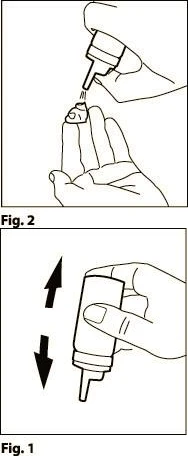
Duration of treatment – This medicine is used for both acute and chronic conditions, for periods ranging from a few days up to 3–4 weeks.
If you use more Artrosilene than you should
Overdose following topical application is unlikely.
If accidentally ingested, the medicine may cause adverse reactions in the body, depending on the amount taken.
In case of accidental ingestion or overdose of Artrosilene, immediately contact your doctor or go to the nearest hospital.
If you have any questions about the use of this medicine, consult your doctor or pharmacist.
4. Possible side effects
Like all medicines, this medicine can cause side effects, although not everybody gets them.
Uncommon (may affect up to 1 in 100 people)
- localised skin reactions such as redness (erythema), eczema, itching and burning sensation.
Rare (may affect up to 1 in 1,000 people)
- allergic reactions to sunlight (photosensitisation),
- urticaria,
- more severe adverse reactions such as bullous or vesicular eczema which may extend beyond the application site or become generalised.
Very rare (may affect up to 1 in 10,000 people)
- worsening of kidney function (exacerbation of pre-existing renal insufficiency).
Frequency not known (frequency cannot be estimated from the available data)
- anaphylactic shock, angioedema (localized swelling of the skin and mucous membranes), allergic reactions (hypersensitivity).
Following the instructions provided in this leaflet reduces the risk of side effects.
Reporting of side effects
If you experience any side effect, including those not listed in this leaflet, talk to your doctor or pharmacist.
You can also report side effects directly via the national reporting system at the following address:
https://www.aifa.gov.it/content/segnalazioni-reazioni-avverse. By reporting side effects, you can help provide more information on the safety of this medicine.
5. How to store Artrosilene
Keep this medicine out of the sight and reach of children.
Do not use this medicine after the expiry date stated on the packaging. The expiry date refers to the
last day of that month. The expiry date applies to the product in its original, unopened packaging stored
correctly.
Store Artrosilene 15% cutaneous foam away from heat. It contains a flammable propellant.
Do not expose to temperatures above 50 °C.
Do not dispose of any medicine via wastewater or household waste. Ask your pharmacist how to
dispose of medicines no longer required. This will help protect the environment.
6. Package contents and other information
What Artrosilene contains
- The active substance is ketoprofen lysine salt. Each pressurized container contains 7.5 g of ketoprofen lysine salt; 47.5 g of Artrosilene solution, 2.5 g of propane-butane propellant.
- The other components are: polysorbate 80, propylene glycol, polyvinylpyrrolidone, lavender Nerolene (containing benzyl salicylate, citronellol, geraniol, aldehyde hexyl cinnamic, hydroxycitronellal, lilial, linalool), benzyl alcohol, purified water.
Description of the appearance of Artrosilene and contents of the package
Pressurized container of 50 ml
Marketing Authorization Holder and Manufacturer
Marketing Authorization Holder
Dompé farmaceutici S.p.A. - Via San Martino, 12 - 20122 Milan, Italy
Manufacturer
Zellaerosol GmbH - Wiesenstrasse 13 - Zell I.W. (Germany)
Farmol Health Care s.r.l., - Via del Maglio, 6, Valmadrera (LC) 23868 - Italy