Anzupgo
Italy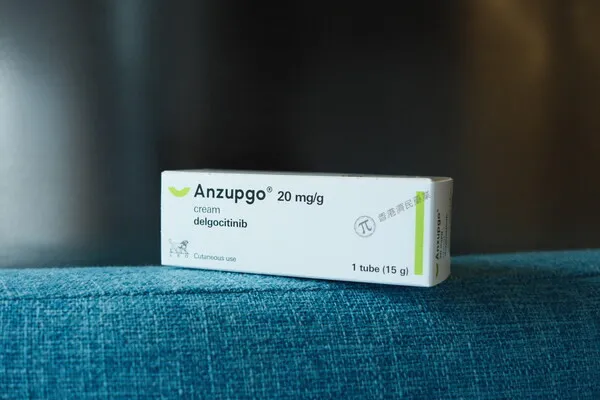
Table of Contents
Package leaflet: Information for the patient
Anzupgo 20 mg/g cream
delgocitinib
This medicinal product is subject to additional monitoring. This will allow for rapid identification of new safety information. You can help by reporting any suspected adverse reactions you experience while taking this medicine. See the end of section 4 for information on how to report adverse reactions.
Please read this leaflet carefully before using this medicine because it contains important information for you.
- Keep this leaflet. You may need to read it again.
- If you have any questions, ask your doctor, pharmacist, or nurse.
- This medicine has been prescribed for you only. Do not give it to others, even if their symptoms are the same as yours, as it may be harmful.
- If you experience any adverse reaction, including those not listed in this leaflet, contact your doctor, pharmacist, or nurse. See section 4.
Contents of this leaflet
- What Anzupgo is and what it is used for
- What you need to know before using Anzupgo
- How to use Anzupgo
- Possible adverse reactions
- How to store Anzupgo
- Contents of the pack and other information
1. What Anzupgo is and what it is used for
Anzupgo contains the active substance delgocitinib. It belongs to a group of medicines called
Janus kinase inhibitors.
Anzupgo is used to treat adults with moderate to severe chronic hand eczema.
It is used when treatment with topical corticosteroid creams is not sufficiently effective or cannot be used.
Anzupgo targets several proteins (enzymes) in the body called Janus kinases. It works by blocking the activity of four specific Janus kinase enzymes, thereby helping to reduce inflammation and immune responses that cause hand eczema. By reducing these processes, Anzupgo can help improve skin condition and reduce itching and pain. This, in turn, may increase the ability to perform daily activities and improve quality of life.
2. What you need to know before using Anzupgo
Do not use Anzupgo
- if you are allergic to delgocitinib or to any of the other ingredients of this medicine (listed in section 6).
Warnings and precautions
Talk to your doctor, pharmacist, or nurse before using Anzupgo.
Children and adolescents
Do not use this medicine in children and adolescents under 18 years of age, as it has not been studied in this age group.
Other medicines and Anzupgo
Inform your doctor or pharmacist if you are using, have recently used, or might use any other medicines.
The concomitant use of Anzupgo with other topical medicines on the skin affected by eczema is not recommended, as this has not been studied.
Pregnancy and breastfeeding
If you are pregnant, suspect you may be pregnant, are planning to become pregnant, or are breastfeeding, consult your doctor before using this medicine.
The effects of this medicine in pregnant women are unknown; therefore, it is preferable to avoid using Anzupgo during pregnancy or if pregnancy is suspected.
It is not known whether delgocitinib passes into human breast milk, but this medicine is absorbed in minimal amounts into the body. Therefore, risks to the infant are not expected, and Anzupgo may be used during breastfeeding.
However, if you are breastfeeding, you must take care to ensure that this medicine does not come into contact with the nipple or any other area where the infant could ingest it during breastfeeding.
If you are caring for an infant, you should also avoid contact between your hands and the infant’s skin immediately after applying Anzupgo. This precaution is intended to minimize any unnecessary exposure of the infant to this medicine. In case of accidental transfer of the cream onto the infant’s skin, the cream can be removed.
Driving and using machines
This medicine is unlikely to affect your ability to drive vehicles or operate machinery.
Anzupgo contains benzyl alcohol, butylated hydroxyanisole, and cetyl stearyl alcohol
This medicine contains 10 mg of benzyl alcohol (E 1519) per gram. Benzyl alcohol may cause allergic reactions or mild local irritation.
Butylated hydroxyanisole (E 320) may cause local skin reactions (e.g., contact dermatitis) or irritation to the eyes and mucous membranes.
Cetyl stearyl alcohol may cause local skin reactions (e.g., contact dermatitis).
3. How to use Anzupgo
Use this medicine exactly as instructed by your doctor, pharmacist, or nurse. If you have any doubts, consult your doctor, pharmacist, or nurse.
Anzupgo is for topical use only. Avoid contact with eyes, mouth, or nose. If the cream comes into contact with any of these areas, remove it completely and/or rinse thoroughly with water.
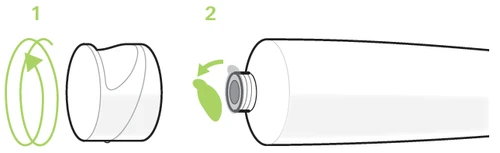
Before first use
- Unscrew the cap.
- Remove the seal on the top of the tube. Screw the cap back on.
Dosage and method of administration
- Avoid applying other products, such as creams or ointments, to the skin immediately before or after applying Anzupgo.
- Apply a thin layer of Anzupgo twice daily to the affected areas of the hands and wrists. Ensure the skin is clean and dry.
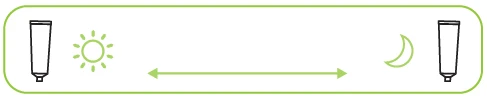
Twice daily
If the medicine is applied by another person, that person must wash their hands after application.
How long to use Anzupgo
- Use Anzupgo until the skin is clear or almost clear of lesions, or as directed by your doctor.
- If signs or symptoms of chronic hand eczema recur, treatment with Anzupgo may be restarted as advised by your doctor.
- Inform your doctor if you do not notice any improvement after 12 weeks of treatment with Anzupgo.
If you use more Anzupgo than you should
If you have applied too much Anzupgo, remove the excess amount.
If you forget to use Anzupgo
If you forget to apply the cream at the scheduled time, apply it as soon as you remember, then continue with your regular application schedule. Do not apply the cream more than twice a day.
If you have any questions about the use of this medicine, consult your doctor, pharmacist, or nurse.
4. Possible side effects
Like all medicines, this medicine can cause side effects, although not everybody gets them.
The following side effects have been reported with Anzupgo:
Common (may affect up to 1 in 10 people)
- Application site reactions (i.e. pain, itching, redness, and tingling)
Reporting of side effects
If you experience any side effects, including those not listed in this leaflet, talk to your doctor, pharmacist, or nurse. You can also report side effects directly through the national reporting system listed in Annex V. By reporting side effects, you can help provide more information on the safety of this medicine.
5. How to store Anzupgo
Keep this medicine out of sight and reach of children.
Do not use this medicine after the expiry date which is stated on the tube and on the carton after
“EXP”. The expiry date refers to the last day of that month.
Do not freeze.
The tube should be discarded 1 year after first opening.
Do not dispose of medicines via wastewater or household waste. Ask your pharmacist how to
dispose of medicines you no longer use. This will help protect the environment.
6. Package contents and other information
What Anzupgo contains
- The active substance is delgocitinib. One gram of cream contains 20 mg of delgocitinib.
- The other components are benzyl alcohol (E 1519), butylated hydroxyanisole (E 320), cetyl stearyl alcohol, monohydrate citric acid (E 330), disodium edetate, hydrochloric acid (E 507) (used for pH adjustment), liquid paraffin, macrogol cetyl ether, and purified water (see section 2 “Anzupgo contains benzyl alcohol, butylated hydroxyanisole and cetyl stearyl alcohol”).
Description of the appearance of Anzupgo and contents of the pack
Anzupgo is a cream ranging in colour from white to slightly brown.
Anzupgo is supplied in tubes containing 15 or 60 grams of cream. Each carton contains one tube. Not all pack sizes may be marketed.
Marketing Authorisation Holder
LEO Pharma A/S
Industriparken 55
DK-2750 Ballerup
Denmark
Manufacturer
LEO Laboratories Ltd.
285 Cashel Road
Crumlin, Dublin 12
Ireland
For further information about this medicinal product, please contact the local representative of the Marketing Authorisation Holder in your country:
België/Belgique/Belgien