Androcur
Italy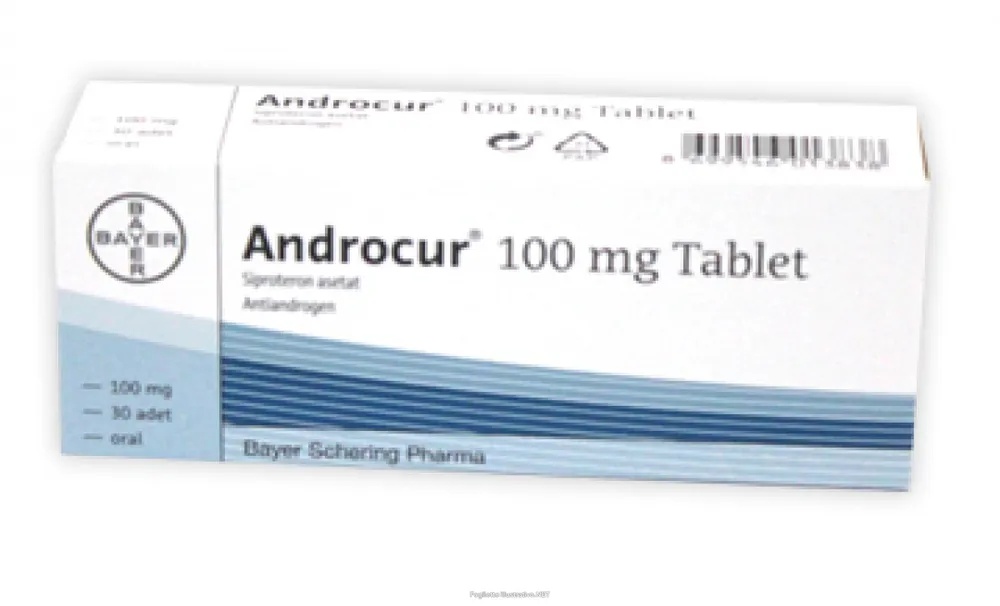
Table of Contents
- Patient Information Leaflet: Information for the User
- Androcur 50 mg Tablets
- 1. What Androcur is and what it is used for
- 2. What you should know before taking Androcur
- 3. How to take Androcur
- 4. Possible side effects
- 5. How to store Androcur
- 6. Package contents and other information
- Package leaflet: information for the user
- Androcur 100 mg tablets
- 1. What Androcur is and what it is used for
- 2. What you should know before taking Androcur
- 3. How to take Androcur
- 4. Possible side effects
- 5. How to store Androcur
- 6. Contents of the pack and other information
- Package leaflet: information for the user
- Androcur 300 mg prolonged-release injectable solution for intramuscular use
- 1. What Androcur is and what it is used for
- 2. What you need to know before using Androcur
- 3. How to use Androcur
- 4. Possible adverse effects
- 5. How to store Androcur
- 6. Package contents and other information
Patient Information Leaflet: Information for the User
Androcur 50 mg Tablets
cyproterone acetate
Please read this leaflet carefully before taking this medicine because it contains important information for you.
- Keep this leaflet. You may need to read it again.
- If you have any questions, ask your doctor or pharmacist.
- This medicine has been prescribed for you only. Do not give it to others, even if they have the same symptoms as yours, as it may be harmful.
- If you experience any side effects, including those not listed in this leaflet, consult your doctor or pharmacist. See section 4.
Contents of this leaflet:
- What Androcur is and what it is used for
- What you need to know before taking Androcur
- How to take Androcur
- Possible side effects
- How to store Androcur
- Contents of the pack and other information
1. What Androcur is and what it is used for
The active substance of Androcur is cyproterone acetate, which belongs to the group of antiandrogen hormones.
This medicinal product is used to reduce deviations of sexual drive in men and for antiandrogen treatment of inoperable prostate carcinoma.
For reducing deviations of sexual drive, you should take cyproterone acetate 50/300 mg only if the doctor considers other interventions to be inadequate.
Note: Androcur is not indicated in women.
2. What you should know before taking Androcur
Do not take Androcur:
- if you are allergic to the active substance or to any of the other ingredients of this medicine (listed in section 6);
- if you have liver diseases (liver disorders);
- if you have Dubin-Johnson syndrome or Rotor syndrome (rare conditions presenting with jaundice – yellowing of the skin and whites of the eyes);
- if you currently have or have previously had liver tumours (liver cancers) (except those due to metastases from prostate carcinoma);
- if you have debilitating diseases (excluding inoperable prostate carcinoma);
- if you have severe chronic depression;
- if you currently have or have previously had thromboembolic events (formation of blood clots in blood vessels [thrombosis], or blockage of a blood vessel by a clot [embolism]);
- if you have severe forms of diabetes with vasculopathy (diabetes affecting blood circulation due to blood vessel disease);
- if you have sickle cell anaemia (a red blood cell disorder);
- if you currently have or have previously had meningioma (a usually benign brain tumour).
Warnings and precautions
Talk to your doctor or pharmacist before taking Androcur.
Liver
Your doctor will perform liver function tests before starting treatment, at regular intervals during treatment, and whenever you experience symptoms suggestive of hepatotoxicity (liver damage).
This is because signs of direct liver toxicity, such as jaundice, hepatitis, and liver failure, have been observed in patients treated with Androcur. Fatal outcomes have been reported at doses equal to or greater than 100 mg. Most fatal cases involved male patients with advanced prostate carcinoma.
Hepatotoxicity is dose-dependent and usually manifests several months after the start of treatment.
If hepatotoxicity is confirmed, Androcur administration must be discontinued, unless the liver damage can be attributed to another cause, such as the presence of metastases. In such cases, continuation of Androcur treatment may be considered only if the perceived benefit outweighs the associated risk.
Additionally, very rare cases of benign and malignant liver tumours have been observed following the use of Androcur, which may lead to life-threatening intra-abdominal haemorrhage. If you experience new or persistent abdominal discomfort or pain, inform your doctor immediately.
Meningiomas (usually benign brain tumours)
The use of cyproterone acetate has been associated with the development of a generally benign brain tumour (meningioma). The risk increases particularly with prolonged use (several years) or shorter-term use at high doses (25 mg or more per day). If you are diagnosed with a meningioma, your doctor will discontinue treatment with cyproterone acetate (see section "Do not take cyproterone acetate"). If you notice symptoms such as visual disturbances (e.g. double vision or blurred vision), hearing loss or tinnitus, loss of smell, headaches that worsen over time, memory loss, seizures, or weakness in arms or legs, inform your doctor immediately.
Anaemia
Cases of anaemia have been reported during treatment with Androcur. Therefore, your doctor will perform periodic blood counts (complete blood tests) during treatment.
Diabetes mellitus
If you have diabetes mellitus (the type of diabetes causing excess glucose to be excreted in urine), your condition must be closely monitored by your doctor, as your insulin or oral antidiabetic medication requirements may change during treatment with Androcur (see also "Do not take Androcur").
Adrenal function
Your doctor will regularly monitor adrenal function (the function of the gland producing steroid hormones) during treatment with Androcur, as preclinical data suggest that high-dose Androcur may suppress adrenal function.
Shortness of breath
During treatment with high-dose Androcur, you may experience shortness of breath. Although this generally does not require treatment, inform your doctor if you develop this symptom.
Thromboembolic events (blood clots)
Thromboembolic events have been reported in patients treated with Androcur, although a causal relationship with the medicine has not been established. If you have previously experienced thrombotic and/or thromboembolic events, such as deep vein thrombosis of the lower limbs, pulmonary embolism, myocardial infarction, stroke (cerebrovascular event), or advanced-stage tumours, inform your doctor, as there is an increased risk of further thromboembolic events.
Other medicines and Androcur
Inform your doctor or pharmacist if you are taking, have recently taken, or might take any other medicines, including those without a prescription.
In particular, inform your doctor if you are taking:
- ketoconazole, itraconazole, clotrimazole (medicines used for the treatment of fungal infections), or ritonavir (used for HIV infection); these and other potent CYP3A4 inhibitors may inhibit the metabolism of cyproterone acetate.
- CYP3A4 inducers, such as rifampicin (used for the treatment of tuberculosis), phenytoin (used for the treatment of epilepsy), and products containing Hypericum perforatum (St. John's wort) (used for the treatment of depression); these may reduce cyproterone acetate levels.
- HMG-CoA inhibitors (statins), used to lower cholesterol levels in the blood. Concomitant use with Androcur may increase the risk of rhabdomyolysis (breakdown of skeletal muscle cells) and myopathies (muscle weakness).
If you are taking medicines for the treatment of diabetes, your doctor may adjust the dose of these medicines during concomitant treatment with Androcur (see "Warnings and precautions").
Androcur with food, drinks and alcohol
In the indication "reduction of deviations of sexual drive", the therapeutic efficacy of Androcur may be reduced by alcohol consumption.
Pregnancy, breastfeeding and fertility
Androcur is not intended for use by women.
Driving and using machines
Patients whose activities require a high degree of attention (e.g. drivers, machine operators) should be aware that Androcur may cause asthenia (tiredness), reduced vitality, and impaired concentration ability.
Androcur contains lactose
If you have been diagnosed by your doctor with an intolerance to certain sugars, consult him/her before taking this medicine.
3. How to take Androcur
Take this medicine exactly as directed by your doctor or pharmacist. If you have any doubts, consult your doctor or pharmacist.
The recommended maximum dose is: 300 mg per day.
The tablets should be taken with some liquid after meals.
The tablet may be divided into two equal halves.
Reduction of deviations of sexual drive in men
Treatment usually starts with 1 tablet of Androcur 50 mg twice daily. It may be necessary to increase the dose to 2 tablets twice daily, or up to 2 tablets three times daily for a short period of time.
Once a satisfactory result has been achieved, the therapeutic effect should be maintained with the lowest possible dose. Often, half a tablet twice daily is sufficient. When reaching the maintenance dose or when discontinuing treatment, the dosage should be reduced gradually. For this purpose, it is recommended to reduce the daily dose by 1 tablet, or preferably half a tablet, at intervals of several weeks.
To stabilize the therapeutic effect, Androcur must be taken for a prolonged period of time; if possible, appropriate psychotherapeutic measures should be implemented simultaneously.
Antiandrogen treatment of inoperable prostate carcinoma
2 tablets of Androcur 50 mg two or three times daily (= 200–300 mg), according to the doctor's instructions.
Reduction of the initial increase in male sex hormones during combination therapy with GnRH agonists
If you are being treated with GnRH agonists for prostate cancer, to prevent disease flare-up during the initial phase of treatment with these medicines, start with 2 tablets of Androcur 50 mg only, twice daily (= 200 mg) for 5–7 days, followed by 2 tablets of Androcur 50 mg twice daily (= 200 mg) for 3–4 weeks, together with a GnRH agonist at the dose recommended by your doctor.
For the treatment of hot flushes in patients receiving combination therapy with GnRH analogues or after orchidectomy (surgical removal of one or both testicles)
1 to 3 tablets of Androcur 50 mg daily (= 50–150 mg), with gradual increase of the dose up to 2 tablets three times daily (= 300 mg) if necessary.
Use in children and adolescents
The use of Androcur is not recommended in male children and adolescents under 18 years of age due to insufficient data on safety and efficacy.
Androcur must not be administered before completion of puberty, due to the possible negative influence on growth and immature endocrine function.
Use in elderly patients
There are no data indicating the need for dose adjustment in elderly patients.
Use in patients with impaired liver function (liver function)
The use of Androcur is contraindicated in patients with liver disease (hepatic disorders) until liver function tests have returned to normal.
Use in patients with impaired kidney function
There are no data indicating the need for dose adjustment in patients with impaired renal function.
If you take more Androcur than you should
No harmful effects from overdosage have ever been reported or are expected.
In case of accidental overdose, contact your doctor immediately or go to the nearest hospital.
If you stop taking Androcur
Do not stop treatment or reduce the dose following improvement or disappearance of disease symptoms.
If you have any doubts about how to use this medicine, consult your doctor or pharmacist.
4. Possible side effects
Like all medicines, this medicine can cause side effects, although not everyone experiences them.
The most common side effects associated with the use of Androcur are reduced libido, erectile dysfunction, and reversible inhibition of spermatogenesis.
The most serious side effects associated with the use of Androcur are liver toxicity, benign and malignant liver tumours which may cause intraperitoneal haemorrhage, and thromboembolic events.
The frequency of side effects is listed below.
Very common side effects (may affect more than 1 in 10 people):
- reduced libido, erectile dysfunction. These changes are reversible after discontinuation of therapy;
- reversible inhibition of spermatogenesis. Recovery of spermatogenesis occurs gradually within a few months after stopping treatment.
Common side effects (may affect up to 1 in 10 people):
- weight gain or weight loss;
- depressive state, agitation (temporary);
- sensation of breathlessness (see “Warnings and precautions”);
- liver toxicity, including jaundice, hepatitis, liver failure (see “Warnings and precautions”);
- gynaecomastia (excessive development of the male breast), sometimes associated with nipple tenderness to touch, which normally regresses after discontinuation of treatment;
- fatigue, hot flushes, sweating.
Uncommon side effects (may affect up to 1 in 100 people):
- rash (skin eruptions).
Rare side effects (may affect up to 1 in 1,000 people):
- hypersensitivity reaction, i.e. an especially pronounced and severe reaction to the medicine;
- meningioma (see section 2 “Warnings and precautions”).
Very rare side effects (may affect up to 1 in 10,000 people):
- benign and malignant liver tumours (see “Warnings and precautions”).
Side effects with frequency not known (frequency cannot be estimated from the available data):
- anaemia (see “Warnings and precautions”);
- thromboembolic events (a causal relationship with Androcur has not been established; see “Warnings and precautions”);
- intraperitoneal haemorrhage (see “Warnings and precautions”);
- osteoporosis (caused by long-term androgen deprivation induced by Androcur as well as by other antiandrogen treatments).
Following the instructions contained in this leaflet reduces the risk of side effects.
Reporting of side effects
If you experience any side effects, including those not listed in this leaflet, tell your doctor or pharmacist. You can also report side effects directly via the national reporting system at https://www.aifa.gov.it/content/segnalazioni-reazioni-avverse. By reporting side effects, you can help provide more information on the safety of this medicine.
5. How to store Androcur
Keep this medicine out of the sight and reach of children.
Do not use this medicine after the expiry date which is stated on the packaging after "Exp.".
The expiry date refers to the last day of that month.
This medicine does not require any special storage conditions.
Do not dispose of any medicine via wastewater or household waste. Ask your pharmacist how to dispose of medicines you no longer use. This will help protect the environment.
6. Package contents and other information
What Androcur contains
- The active substance is ciproterone acetate. Each tablet contains 50 mg of ciproterone acetate.
- The other components are: maize starch, lactose monohydrate, magnesium stearate, povidone 25, colloidal silica.
Description of the appearance of Androcur and contents of the pack
Oral tablet.
Tablets are white to slightly yellowish, with a score line on one side and the letters "BV" imprinted within a regular hexagon on the other side.
The tablet can be divided into two equal parts.
Pack size: 25 tablets of 50 mg
Pack size: 30 tablets of 50 mg
It is possible that not all pack sizes are marketed.
Marketing Authorization Holder
Advanz Pharma Limited
Unit 17, Northwood House,
Northwood Crescent,
Dublin 9,
D09 V504,
Ireland
Manufacturer
Bayer Weimar GmbH und Co. KG, Germany.
Package leaflet: information for the user
Androcur 100 mg tablets
cyproterone acetate
Please read this leaflet carefully before taking this medicine because it contains
important information for you.
- Keep this leaflet. You may need to read it again.
- If you have any questions, ask your doctor or pharmacist.
- This medicine has been prescribed for you only. Do not give it to other people, even if their symptoms are the same as yours, because it could be harmful.
- If you experience any adverse reaction, including those not listed in this leaflet, consult your doctor or pharmacist. See section 4.
Contents of this leaflet:
- What Androcur is and what it is used for
- What you need to know before taking Androcur
- How to take Androcur
- Possible side effects
- How to store Androcur
- Contents of the pack and other information
1. What Androcur is and what it is used for
The active substance of Androcur is ciproterone acetate, which belongs to the group of antiandrogen hormones.
This medicine is used for the antiandrogen treatment of inoperable prostate carcinoma.
Note: Androcur is not indicated in women.
2. What you should know before taking Androcur
Do not take Androcur:
- if you are allergic to the active substance or to any of the other ingredients of this medicine (listed in section 6);
- if you have liver disease (liver disorders);
- if you have Dubin-Johnson syndrome or Rotor syndrome (rare conditions presenting with jaundice – yellowing of the skin and whites of the eyes);
- if you have or have had liver tumours (liver cancers) (except those from metastases of prostatic carcinoma);
- if you suffer from debilitating diseases (excluding inoperable prostatic carcinoma);
- if you have severe chronic depression;
- if you have or have had thromboembolic events (formation of blood clots in blood vessels [thrombosis], or blockage of a blood vessel by a clot [embolism]);
- if you have severe forms of diabetes with vasculopathy (diabetes affecting blood circulation due to blood vessel disease);
- if you have sickle cell anaemia (a red blood cell disorder);
- if you have or have had meningioma (a usually benign brain tumour).
Warnings and precautions
Talk to your doctor or pharmacist before taking Androcur.
Liver
Your doctor will perform liver function tests before starting treatment, at regular intervals during treatment, and whenever you experience symptoms related to hepatotoxicity (liver damage).
This is because signs of direct liver toxicity such as jaundice, hepatitis, and liver failure have been observed in patients treated with Androcur. Cases with fatal outcomes have been reported at dosages equal to or greater than 100 mg. Most fatal cases involved male patients with advanced prostatic carcinoma.
Hepatotoxicity is dose-related and usually appears several months after the start of treatment.
If hepatotoxicity is confirmed, administration of Androcur must be discontinued, unless the liver damage can be attributed to another cause, such as the presence of metastases; in such a case, continuation of Androcur treatment may be considered only if the perceived benefit outweighs the associated risk.
In addition, very rare cases of benign and malignant liver tumours have been observed following the use of Androcur, which may cause life-threatening intra-abdominal haemorrhage. If you experience new or persistent abdominal discomfort or pain, inform your doctor immediately.
Meningiomas (usually benign brain tumours)
The use of cyproterone acetate has been associated with the development of a generally benign brain tumour (meningioma). The risk increases particularly with prolonged use (several years) or with shorter-term use at high doses (25 mg or more per day). If you are diagnosed with a meningioma, your doctor will discontinue treatment with cyproterone acetate (see section "Do not take cyproterone acetate"). If you notice symptoms such as visual disturbances (e.g. double vision or blurred vision), hearing loss or tinnitus, loss of smell, headaches that worsen over time, memory loss, seizures, or weakness in arms or legs, inform your doctor immediately.
Anaemia
Cases of anaemia have been reported during treatment with Androcur. Therefore, your doctor will perform periodic blood counts (complete blood tests) during treatment.
Diabetes mellitus
If you have diabetes mellitus (a form of diabetes causing excess glucose to be excreted in the urine), your doctor must closely monitor your condition, as your need for insulin or oral antidiabetic medicines may change during treatment with Androcur (see also “Do not take Androcur”).
Adrenal cortical function
Your doctor will regularly monitor adrenal cortical function (the function of the gland producing steroid hormones) during treatment with Androcur, as preclinical data indicate a possible suppression of adrenal cortical function due to the effect of Androcur administered at high doses.
Shortness of breath
During treatment with Androcur at high doses, you may experience a sensation of shortness of breath. Although this generally does not require treatment, inform your doctor if you develop this symptom.
Thromboembolic events (blood clots)
Thromboembolic events have been reported in patients treated with Androcur, although a causal relationship with the medicine has not been established. If you have previously experienced thrombotic and/or thromboembolic events, such as deep vein thrombosis of the lower limbs, pulmonary embolism, myocardial infarction, stroke (cerebrovascular event), or have advanced-stage tumours, inform your doctor, as there is an increased risk of further thromboembolic events.
Other medicines and Androcur
Inform your doctor or pharmacist if you are taking, have recently taken, or might take any other medicines, including those without a prescription.
In particular, inform your doctor if you are taking:
- ketoconazole, itraconazole, clotrimazole (medicines used for the treatment of fungal infections), or ritonavir (used for HIV infection); these and other strong CYP3A4 inhibitors may inhibit the metabolism of cyproterone acetate.
- CYP3A4 inducers, such as rifampicin (used for the treatment of tuberculosis), phenytoin (used for the treatment of epilepsy), and products containing Hypericum perforatum (St. John’s wort) (used for the treatment of depression); these may reduce cyproterone acetate levels.
- HMGCoA inhibitors (statins), used to reduce cholesterol levels in the blood. Concomitant use with Androcur may increase the risk of rhabdomyolysis (breakdown of skeletal muscle cells) and myopathies (muscle weakness).
If you are taking medicines for the treatment of diabetes, your doctor may adjust the dosage of these medicines during concomitant treatment with Androcur (see “Warnings and precautions”).
Pregnancy, breastfeeding and fertility
Androcur is not intended for use by women.
Driving and using machines
Patients whose activities require a high degree of attention (e.g. drivers, machine operators) should be aware that Androcur may cause asthenia (tiredness), reduced vitality, and impaired concentration ability.
Androcur contains lactose
If your doctor has diagnosed you with an intolerance to certain sugars, contact him before taking this medicine.
3. How to take Androcur
Take this medicine exactly as directed by your doctor or pharmacist. If you have
any doubts, consult your doctor or pharmacist.
The recommended dose is: 1 tablet of Androcur 100 mg two or three times daily (= 200 - 300 mg).
The tablets should be taken with some liquid after meals.
Reduction of the initial increase in male sex hormones during treatment in association
with GnRH agonists
If you are being treated with GnRH agonists for prostate cancer, to prevent worsening of the disease at the beginning of treatment with these medicines, start with 1 tablet of Androcur 100 mg alone twice daily (= 200 mg) for 5 - 7 days, followed by 1 tablet of Androcur 100 mg twice daily (= 200 mg) for 3 - 4 weeks together with a GnRH agonist at the dosage recommended by your doctor.
For the treatment of hot flushes in patients receiving GnRH analogues
or after orchiectomy (surgical removal of one or both testicles)
Half a tablet to one and a half tablets of Androcur 100 mg daily (= 50 - 150 mg), with gradual increase of the dose up to 1 tablet three times daily (= 300 mg), if necessary.
Use in children and adolescents
The use of Androcur is not recommended in male children and adolescents under 18
years of age due to insufficient data on safety and efficacy.
Androcur must not be administered before completion of puberty, due to the possible negative influence on growth and immature endocrine function.
Use in elderly patients
There are no data indicating the need for dose adjustment in elderly patients.
Use in patients with impaired liver function (liver function)
The use of Androcur is contraindicated in patients with liver disease (hepatic disorders) until liver function tests have normalized.
Use in patients with impaired kidney function
There are no data indicating the need for dose adjustment in patients with impaired kidney function.
If you take more Androcur than you should
No harmful effects from overdose of this medicine have ever been reported or are expected.
In case of accidental overdose, contact your doctor immediately or go to the nearest hospital.
If you stop treatment with Androcur
Do not stop treatment or reduce the dose following improvement or disappearance of disease symptoms.
If you have any doubts about how to use this medicine, consult your doctor or pharmacist.
4. Possible side effects
Like all medicines, this medicinal product can cause side effects, although not everyone experiences them.
The most common side effects associated with the use of Androcur are reduced libido, erectile dysfunction, and reversible inhibition of spermatogenesis.
The most serious side effects associated with the use of Androcur are hepatic toxicity, benign and malignant liver tumours which may cause intraperitoneal haemorrhage, and thromboembolic events.
The frequency of side effects is listed below.
Very common side effects (may affect more than 1 in 10 people):
- decreased libido, erectile dysfunction. These changes are reversible after discontinuation of therapy;
- reversible inhibition of spermatogenesis. Recovery of spermatogenesis occurs gradually within several months after stopping treatment.
Common side effects (may affect up to 1 in 10 people):
- weight gain or weight loss;
- depressive state, agitation (temporary);
- sensation of breathlessness (see section “Warnings and precautions”);
- hepatic toxicity, including jaundice, hepatitis, liver failure (see section “Warnings and precautions”);
- gynaecomastia (excessive development of male breast tissue), sometimes associated with nipple tenderness to touch, which usually regresses after discontinuation of treatment;
- fatigue, hot flushes, sweating.
Uncommon side effects (may affect up to 1 in 100 people):
- rash (skin eruptions).
Rare side effects (may affect up to 1 in 1,000 people):
- hypersensitivity reaction, i.e. an exaggerated and severe reaction to the medicine;
- meningioma (see section 2 “Warnings and precautions”).
Very rare side effects (may affect up to 1 in 10,000 people):
- benign and malignant liver tumours (see “Warnings and precautions”).
Side effects with unknown frequency (frequency cannot be estimated from the available data):
- anaemia (see “Warnings and precautions”);
- thromboembolic events (a causal relationship with Androcur has not been established; see “Warnings and precautions”);
- intraperitoneal haemorrhage (see “Warnings and precautions”);
- osteoporosis (caused by long-term androgen deprivation induced by Androcur, as well as by other antiandrogen treatments).
Following the instructions contained in this leaflet reduces the risk of side effects.
Reporting of side effects
If you experience any side effect, including those not listed in this leaflet, talk to your doctor or pharmacist.
You can also report side effects directly via the national reporting system at https://www.aifa.gov.it/content/segnalazioni-reazioni-avverse. By reporting side effects, you can help provide more information on the safety of this medicine.
5. How to store Androcur
Keep this medicine out of the sight and reach of children.
Do not use this medicine after the expiry date stated on the packaging after "Exp.". The expiry date refers to the last day of that month.
This medicine does not require any special storage conditions.
Do not dispose of medicines via wastewater or household waste. Ask your pharmacist how to dispose of medicines you no longer use. This will help protect the environment.
6. Contents of the pack and other information
What Androcur contains
- The active substance is ciproterone acetate. Each tablet contains 100 mg of ciproterone acetate.
- The other ingredients are: maize starch, lactose monohydrate, povidone 25, magnesium stearate.
Description of the appearance of Androcur and contents of the pack
Tablet for oral use.
30 tablets of 100 mg.
Marketing Authorization Holder
Advanz Pharma Limited
Unit 17, Northwood House,
Northwood Crescent,
Dublin 9,
D09 V504,
Ireland
Manufacturer
Bayer Weimar GmbH und Co. KG, Döbereinerstrasse 20, 99427 Weimar, Germany
Package leaflet: information for the user
Androcur 300 mg prolonged-release injectable solution for intramuscular use
cyproterone acetate
Please read this leaflet carefully before using this medicine because it contains
important information for you.
- Keep this leaflet. You may need to read it again.
- If you have any questions, ask your doctor or pharmacist.
- This medicine has been prescribed for you only. Do not give it to other people, even if their symptoms are the same as yours, as it may be harmful.
- If you experience any side effect, including those not listed in this leaflet, consult your doctor or pharmacist. See section 4.
Contents of this leaflet:
- What Androcur is and what it is used for
- What you need to know before using Androcur
- How to use Androcur
- Possible side effects
- How to store Androcur
- Contents of the pack and other information
1. What Androcur is and what it is used for
The active substance of Androcur is ciproterone acetate, which belongs to the group of antiandrogen hormones.
This medicinal product is used for the antiandrogen treatment of inoperable prostate carcinoma.
Important: Androcur is not indicated for use in women.
2. What you need to know before using Androcur
Do not use Androcur:
- if you are allergic to the active substance or to any of the other ingredients of this medicine (listed in section 6);
- if you have liver diseases (liver disorders);
- if you have Dubin-Johnson syndrome or Rotor syndrome (rare conditions characterized by jaundice — yellowish discoloration of the skin and whites of the eyes);
- if you currently have or have previously had liver tumours (liver cancers) (except those due to metastases from prostate carcinoma);
- if you have debilitating diseases (excluding inoperable prostate carcinoma);
- if you have severe chronic depression;
- if you currently have or have previously had thromboembolic disorders (formation of blood clots in blood vessels [thrombosis], or blockage of a blood vessel by a clot [embolism]);
- if you have severe forms of diabetes with vasculopathy (diabetes affecting blood circulation due to blood vessel disease);
- if you have sickle cell anaemia (a red blood cell disorder);
- if you currently have or have previously had meningioma (a usually benign brain tumour).
Warnings and precautions
Talk to your doctor or pharmacist before using Androcur.
Liver
Your doctor will perform liver function tests before starting treatment, at regular intervals during treatment, and whenever you develop symptoms suggestive of hepatotoxicity (liver damage).
This is because signs of direct liver toxicity such as jaundice, hepatitis, and liver failure have been observed in patients treated with Androcur. At dosages equal to or greater than 100 mg, fatal outcomes have been reported. Most fatal cases involved male patients with advanced prostate carcinoma.
Hepatotoxicity is dose-related and generally occurs several months after the start of treatment.
If hepatotoxicity is confirmed, administration of Androcur must be discontinued, unless the liver damage can be attributed to another cause, such as the presence of metastases; in this case, continuing treatment with Androcur may be considered only if the perceived benefit outweighs the associated risk.
In addition, very rare cases of benign and malignant liver tumours have been observed following the use of Androcur, which may lead to life-threatening intra-abdominal haemorrhage.
If you experience new or unusual abdominal discomfort or pain that does not resolve quickly, inform your doctor immediately.
Meningiomas (usually benign brain tumours)
The use of cyproterone acetate has been associated with the development of a generally benign brain tumour (meningioma). The risk increases particularly with long-term use (several years) or with shorter-term use at high doses (25 mg or more per day). If you are diagnosed with a meningioma, your doctor will discontinue treatment with cyproterone acetate (see section “Do not take cyproterone acetate”). If you notice symptoms such as visual disturbances (e.g. double vision or blurred vision), hearing loss or tinnitus, loss of smell, headaches that worsen over time, memory loss, seizures, or weakness in arms or legs, inform your doctor immediately.
Anaemia
Cases of anaemia have been reported during treatment with Androcur. Therefore, your doctor will perform periodic blood counts (complete blood tests) during treatment.
Diabetes mellitus
If you have diabetes mellitus (the type of diabetes causing excess glucose to be excreted in urine), your doctor must closely monitor your condition, as your insulin requirement or need for oral antidiabetic medications may change during treatment with Androcur (see also “Do not use Androcur”).
Adrenocortical function
Your doctor will regularly monitor adrenocortical function (the function of the gland producing steroid hormones) during treatment with Androcur, as preclinical data indicate a possible suppression of adrenocortical function due to the effect of Androcur when administered at high doses.
Shortness of breath
During treatment with Androcur at high doses, you may experience shortness of breath. Although this generally does not require treatment, inform your doctor if you develop this symptom.
Thromboembolic events (blood clots)
Thromboembolic events have been reported in patients treated with Androcur, although a causal relationship with the medicine has not been definitively established. If you have previously experienced thrombotic and/or thromboembolic events, such as deep vein thrombosis of the lower limbs, pulmonary embolism, myocardial infarction, stroke (cerebrovascular event), or advanced-stage tumours, inform your doctor, as your risk of further thromboembolic events is increased.
Other conditions
Like all oily solutions, Androcur must be injected exclusively by intramuscular route (into the muscle) and very slowly. Pulmonary microembolism of oily solutions (formation of small clots in the pulmonary arteries) may, in some cases, cause signs and symptoms such as cough, dyspnoea (breathlessness, difficulty breathing), and chest pain. Other signs and symptoms may occur, including vasovagal reactions such as malaise, hyperhidrosis (excessive sweating), dizziness, paresthesia (altered sensation), or syncope (fainting). These reactions may occur during or immediately after injection and are reversible. Treatment usually consists of supportive measures, such as oxygen administration.
Other medicines and Androcur
Inform your doctor or pharmacist if you are taking, have recently taken, or might take any other medicines, including those not requiring a prescription.
In particular, inform your doctor if you are taking:
- ketoconazole, itraconazole, clotrimazole (medicines used for the treatment of fungal infections), or ritonavir (used for HIV infection); these and other strong CYP3A4 inhibitors may inhibit the metabolism of cyproterone acetate.
- CYP3A4 inducers, such as rifampicin (used for the treatment of tuberculosis), phenytoin (used for the treatment of epilepsy), and products containing Hypericum perforatum (St. John's wort) (used for the treatment of depression); these may reduce cyproterone acetate levels.
- HMG-CoA inhibitors (statins), used to lower cholesterol levels in the blood. Concomitant use with Androcur may increase the risk of rhabdomyolysis (breakdown of skeletal muscle cells) and myopathies (muscle weakness).
If you are taking medicines for the treatment of diabetes, your doctor may adjust the dosage of these medicines during concomitant treatment with Androcur (see “Warnings and precautions”).
Pregnancy, breastfeeding and fertility
Androcur is not intended for use in women.
Driving and using machines
Patients whose activities require a high degree of attention (e.g. drivers, machine operators) should be aware that Androcur may cause asthenia (weakness) and reduced vitality, as well as impaired concentration ability.
Androcur contains castor oil
This medicine contains castor oil, which may cause severe allergic reactions.
Androcur contains benzyl benzoate
This medicine contains 1855.8 mg of benzyl benzoate per vial, equivalent to 618.6 mg/1 ml.
3. How to use Androcur
Use this medicine exactly as directed by your doctor or pharmacist. If you have
any doubts, consult your doctor or pharmacist.
The recommended dose is 1 vial per week as a deep intramuscular injection.
Injections must be administered very slowly (see also "Warnings and
precautions"). Androcur is intended exclusively for intramuscular injection.
Particular care must be taken to avoid intravascular injection (injection into blood vessels).
Use in children and adolescents
The use of Androcur is not recommended in boys under 18 years of age due to insufficient data on safety and efficacy.
Androcur must not be administered before completion of puberty, due to the possible negative effects on linear growth and immature endocrine function.
Use in elderly patients
There are no data indicating the need for dose adjustment in elderly patients.
Use in patients with hepatic impairment (liver function)
The use of Androcur is contraindicated in patients with liver disease until liver function tests have returned to normal.
Use in patients with renal impairment
There are no data indicating the need for dose adjustment in patients with renal impairment.
If you use more Androcur than you should
No harmful effects from overdose have ever been reported or are expected.
In case of accidental overdose, contact your doctor immediately or go to the nearest hospital.
If you stop treatment with Androcur
Do not stop treatment or reduce the dose if symptoms improve or disappear.
If you have any doubts about how to use this medicine, consult your doctor or pharmacist.
4. Possible adverse effects
Like all medicines, this medicine may cause adverse effects, although not everyone experiences them.
The most common adverse effects associated with the use of Androcur are reduced libido, erectile dysfunction, and reversible inhibition of spermatogenesis.
The most serious adverse effects associated with the use of Androcur are hepatotoxicity, benign and malignant liver tumours which may cause intraperitoneal haemorrhage, and thromboembolic events.
The frequency of adverse effects is reported below.
Very common adverse effects (may affect more than 1 in 10 people):
- decreased libido, erectile dysfunction. These changes are reversible after discontinuation of therapy;
- reversible inhibition of spermatogenesis. Recovery of spermatogenesis occurs gradually within several months after stopping treatment.
Common adverse effects (may affect up to 1 in 10 people):
- weight gain or weight loss;
- depressive state, agitation (temporary);
- sensation of breathlessness (see “Warnings and precautions”);
- liver toxicity, including jaundice, hepatitis, liver failure (see “Warnings and precautions”);
- gynaecomastia (excessive development of male breast tissue), sometimes associated with nipple tenderness to touch, which usually regresses after treatment is stopped;
- fatigue, hot flushes, sweating.
Uncommon adverse effects (may affect up to 1 in 100 people):
-
- rash (skin eruptions).
Rare adverse effects (may affect up to 1 in 1,000 people):
- hypersensitivity reaction, i.e. an especially exaggerated and severe reaction to the medicine;
- meningioma (see section 2 “Warnings and precautions”).
Very rare adverse effects (may affect up to 1 in 10,000 people):
- benign and malignant liver tumours (see “Warnings and precautions”).
Adverse effects with unknown frequency (frequency cannot be estimated from the available data):
- anaemia (see “Warnings and precautions”);
- oily pulmonary microembolism (see “Warnings and precautions”);
- vasovagal reactions (see “Warnings and precautions”);
- thromboembolic events (a causal relationship with Androcur has not been established; see “Warnings and precautions”);
- intraperitoneal haemorrhage (see “Warnings and precautions”);
- osteoporosis (caused by long-term androgen deprivation induced by Androcur as well as by other antiandrogen treatments).
Following the instructions contained in this leaflet reduces the risk of adverse effects.
Reporting of adverse effects
If you experience any adverse effect, including those not listed in this leaflet, consult your doctor or pharmacist. You can also report adverse effects directly via the national reporting system at https://www.aifa.gov.it/content/segnalazioni-reazioni-avverse. By reporting adverse effects, you can help provide more information on the safety of this medicine.
5. How to store Androcur
Keep this medicine out of the sight and reach of children.
Do not use this medicine after the expiry date stated on the packaging after "Exp". The expiry date refers to the last day of that month.
This medicine does not require any special storage temperature. Store in the original packaging to protect the medicine from light.
Do not dispose of medicines via wastewater or household waste. Ask your pharmacist how to dispose of medicines no longer in use. This will help protect the environment.
6. Package contents and other information
What Androcur contains
- The active substance is ciproterone acetate. Each 3 ml vial of Androcur contains 300 mg of ciproterone acetate in oily solution.
- Other components are: benzyl benzoate, castor oil for injectable preparations.
Description of the appearance of Androcur and contents of the pack
Prolonged-release injectable solution for intramuscular use.
Clear, particle-free solution.
1 vial of 3 ml
Marketing Authorization Holder
Advanz Pharma Limited
Unit 17, Northwood House,
Northwood Crescent,
Dublin 9,
D09 V504,
Ireland
Manufacturer
Bayer AG, Muellerstrasse 170-178, D-13353; Berlin (Germany)