Anafranil
Italy
Table of Contents
- Package leaflet: Information for the patient
- Anafranil 25 mg/2 mL injectable solution
- 1. What Anafranil is and what it is used for
- 2. What you need to know before taking Anafranil
- 3. How to use Anafranil
- 5. How to store Anafranil
- 6. Package contents and other information
- Patient Information Leaflet: Information for the patient
- Anafranil 10 mg film-coated tablets, 25 mg film-coated tablets
- 1. What Anafranil is and what it is used for
- 2. What you should know before taking Anafranil
- 3. How to take Anafranil
- 4. Possible side effects
- 5. How to store Anafranil
- 6. Package contents and other information
- Package leaflet: Information for the patient
- Anafranil 75 mg prolonged-release tablets
- 1. What Anafranil is and what it is used for
- 2. What you should know before taking Anafranil
- 3. How to take Anafranil
- 4. Possible side effects
- 5. How to store Anafranil
- 6. Package contents and other information
Package leaflet: Information for the patient
Anafranil 25 mg/2 mL injectable solution
clomipramine hydrochloride
Please read this leaflet carefully before using this medicine because it contains important information for you.
- Keep this leaflet. You may need to read it again.
- If you have any questions, ask your doctor or pharmacist.
- This medicine has been prescribed for you only. Do not give it to other people, even if their symptoms are the same as yours, as it could be harmful.
- If you experience any side effect, including those not listed in this leaflet, tell your doctor or pharmacist. See section 4.
Contents of this leaflet:
- What Anafranil is and what it is used for
- What you need to know before using Anafranil
- How to use Anafranil
- Possible side effects
- How to store Anafranil
- Contents of the pack and other information
1. What Anafranil is and what it is used for
Anafranil contains the active substance clomipramine hydrochloride, which belongs to a group of medicines called tricyclic antidepressants (non-selective monoamine reuptake inhibitors).
Anafranil is a medicine used to treat:
- depressive states of various nature and with different symptoms (endogenous, reactive, neurotic, organic, masked, and involutional forms)
- depression associated with schizophrenia and personality disorders
- depression in elderly patients
- depression associated with painful conditions and somatic disorders that persist over time
- obsessive-compulsive disorders
- phobias
- panic attacks
- chronic painful conditions persisting over time, regardless of the presence or absence of depression.
2. What you need to know before taking Anafranil
Do not take Anafranil
- if you are allergic to clomipramine hydrochloride, to other tricyclic antidepressants in the dibenzazepine group, or to any of the other ingredients of this medicine (listed in section 6)
- if you have recently had a heart attack
- if you suffer from heart failure
- if you have heart rhythm or electrical conduction disorders, including congenital long QT syndrome
- if you are taking or have taken within the last two weeks a monoamine oxidase inhibitor (MAOI) (see “Other medicines and Anafranil”)
- if you have severe liver disease
- if you suffer from mania
- if you have increased eye pressure (glaucoma)
- if you have prostate problems (prostatic hypertrophy)
- if you have narrowing of the stomach valve (pylorus) or other diseases of the stomach, intestine, or genitourinary tract characterized by narrowing
- if you are pregnant or suspect you may be pregnant (see section “Pregnancy and breastfeeding”)
- if you are breastfeeding (see section “Pregnancy and breastfeeding”)
- if you are under 18 years of age.
Warnings and precautions
Talk to your doctor or pharmacist before taking Anafranil.
During the first months of treatment with Anafranil and during prolonged treatment, your doctor will
periodically perform blood tests and closely monitor you for the onset of fever and sore throat,
as some patients have reported changes in white blood cell count.
Inform your doctor before using Anafranil:
- if you have low potassium levels in the blood. Your doctor will treat this condition before prescribing Anafranil;
- if you suffer from severe mood swings (bipolar disorder), as you may experience manic or hypomanic episodes during depressive phases. If manic episodes occur, your doctor will evaluate whether to reduce the dose or discontinue treatment with Anafranil, which may be restarted at a low dose once the manic episodes are under control;
- Anafranil may cause heart or blood vessel problems; therefore, your doctor will closely monitor your heart function during treatment with Anafranil and may perform an electrocardiogram (ECG), especially if you are elderly;
- if you suffer from hypotension, as Anafranil may cause a drop in blood pressure;
- if you have epilepsy or are undergoing electroconvulsive therapy;
- if you are predisposed to seizures due to brain damage of various kinds, treatment with neuroleptic medicines, alcohol or anticonvulsant withdrawal (e.g. benzodiazepines), as you may be more likely to experience a seizure. In such cases, your doctor will monitor you closely during treatment with Anafranil;
- if you have or have had elevated eye pressure or urinary retention problems;
- if you wear contact lenses, as Anafranil may reduce tear production and cause mucus buildup, potentially damaging the eye;
- if you have liver disease, kidney disease, or a tumor of the adrenal glands (pheochromocytoma, neuroblastoma);
- if your thyroid is overactive (hyperthyroidism) or you are taking thyroid preparations;
- if you have liver problems, your doctor will periodically check your liver enzyme levels;
- if you have kidney problems, your doctor will periodically check your kidney function;
- if you suffer from chronic constipation.
Pay special attention during treatment with Anafranil:
- if you suffer from panic attacks, as anxiety may increase during the first days of treatment. This effect usually disappears within 2 weeks;
- if you suffer from schizophrenia, as psychotic states may worsen.
Inform your doctor immediately if, during treatment with Anafranil:
- you notice a worsening of your condition, behavioral changes, or the emergence of suicidal thoughts or behaviors. The risk of suicide is higher if you have previously had suicidal thoughts or behaviors, especially during the initial phase of treatment or when the dose of Anafranil is changed. Your doctor will evaluate whether to reduce or discontinue treatment with Anafranil.
- you experience delusions, especially at night. This occurs more frequently in predisposed patients and in elderly patients and usually disappears within a few days after stopping Anafranil;
- you develop high fever, involuntary rhythmic muscle contractions, agitation, seizures, delirium, or coma. These are signs and symptoms of serotonin syndrome;
- you need to undergo local or general anesthesia, as the anesthesiologist must be informed that you are taking Anafranil.
Visit your dentist regularly if you are taking Anafranil for a long time, as it may increase the risk of dental caries.
Children and adolescents
Anafranil must not be used in children and adolescents under 18 years of age.
Other medicines and Anafranil
Tell your doctor or pharmacist if you are taking, have recently taken, or might take any other medicines.
The following medicines may make concomitant use with Anafranil dangerous:
- monoamine oxidase inhibitors, including moclobemide (concomitant use is contraindicated, see Do not take Anafranil)
- selective serotonin reuptake inhibitors (medicines for treating depression) such as fluoxetine, paroxetine, sertraline, fluvoxamine
- other tricyclic antidepressants (medicines for treating depression)
- serotonin-noradrenaline reuptake inhibitors (medicines for treating depression)
- lithium (medicine for mood disorders)
- buprenorphine/opioids (medicines for pain treatment)
- diuretics (medicines that reduce blood pressure by increasing urine production)
- medicines for heart rhythm disorders, such as quinidine-type antiarrhythmics and propafenone.
The following medicines may increase the effect of Anafranil:
- cimetidine (antihistamine)
- methylphenidate (medicine used in attention deficit hyperactivity disorder)
- phenothiazines (psychotropic medicines)
- haloperidol (medicine for treating psychotic disorders)
- neuroleptics (antipsychotics), including thioridazine
- estrogens
- valproic acid (medicine for treating epilepsy)
- phenylbutazone (medicine for pain and inflammation)
- acetylsalicylic acid (aspirin)
- scopolamine (antispasmodic medicine).
The following medicines may decrease the effect of Anafranil:
- rifampicin (antibiotic)
- oral contraceptives
- epilepsy medicines such as barbiturates, carbamazepine, phenobarbital, and phenytoin
- nicotine and other substances present in cigarette smoke
- colestipol and cholestyramine (used for treating high cholesterol)
- St. John’s wort (Hypericum perforatum), a herbal medicine used for treating depression.
The effect of the following medicines may be altered by Anafranil:
- hypnotics (medicines that induce sleep)
- sedatives
- anxiolytics (medicines to reduce anxiety)
- anesthetics
- medicines to reduce blood pressure, including guanethidine and other medicines with a similar mechanism of action
- medicines that reduce blood clotting (coumarin anticoagulants) such as warfarin
- parasympatholytic medicines, e.g.: medicines for Parkinson’s disease, including biperiden or phenothiazines (psychotropic medicines), or allergy medicines (antihistamines) or atropine (used to dilate the eye pupil)
- phenytoin (medicine for epilepsy)
- carbamazepine (medicine for epilepsy and mood disorders)
- sympathomimetic medicines (substances that activate the sympathetic nervous system): e.g. adrenaline, noradrenaline, isoprenaline, ephedrine, phenylephrine, L-dopa, nasal decongestants, or products containing sympathomimetics used for asthma and pollen allergies.
The use of medicines such as monoamine oxidase inhibitors, selective serotonin reuptake inhibitors, serotonin-noradrenaline reuptake inhibitors, tricyclic antidepressants, buprenorphine, and opioids together with Anafranil may lead to serotonin syndrome, a potentially life-threatening condition.
Anafranil with food and drink
Grapefruit, grapefruit juice, or cranberry juice may increase the effect of Anafranil. Anafranil may enhance the effects of alcohol.
Pregnancy and breastfeeding
If you are pregnant, think you may be pregnant, are planning to become pregnant, or are breastfeeding, consult your doctor or pharmacist before using this medicine.
Pregnancy
Do not use Anafranil if you are pregnant or think you may be pregnant.
Breastfeeding
Anafranil passes into breast milk. Your doctor will assess whether it is appropriate to gradually reduce treatment with Anafranil or to stop breastfeeding.
Driving and using machines
Do not take Anafranil if you need to drive or operate machinery. Anafranil may cause blurred vision, drowsiness, attention disturbances, confusion, disorientation, worsening of depression, delirium, and other effects that may impair these activities (see section “Side effects”). The consumption of alcohol and certain medicines may increase these effects.
3. How to use Anafranil
Use this medicine exactly as instructed by your doctor or pharmacist. If you have any doubts, consult your doctor or pharmacist.
Before starting treatment with Anafranil, your doctor will carry out tests to assess your blood potassium levels and blood pressure. If your blood potassium levels are high, your doctor will treat this condition before starting Anafranil.
Treatment of depression, obsessive-compulsive syndromes, phobias
Administration by intramuscular injection
The recommended dose is:
- Start of treatment: 1-2 vials per day, injected into a muscle.
- Your doctor will gradually increase your daily dose up to a maximum of 4-6 vials per day.
- As soon as improvement becomes evident, your doctor will reduce the number of daily injections and instruct you to start treatment with Anafranil tablets.
Administration by slow intravenous injection
The recommended dose is:
- Start of treatment: 2-3 vials per day, administered slowly into a vein over 1.5 to 3 hours (infusion). Your doctor will dilute the contents of the vials in an appropriate solution before administration.
- As soon as improvement becomes evident, your doctor will continue Anafranil administration via infusion for another 3-5 days. After that, you will be instructed to continue treatment with Anafranil tablets.
- In some cases, your doctor may prescribe intramuscular injections during the transition period from infusion to tablets.
Chronic painful conditions
The recommended dose is 10 to 150 mg per day, depending on your condition. Your doctor will determine the most appropriate dose for you.
Panic attacks
The recommended starting dose is 10 mg.
The daily dose may range between 25 and 100 mg. If necessary, it may be increased up to 150 mg.
Do not stop treatment before 6 months. During this period, your doctor will instruct you to gradually reduce the maintenance dose.
How to open Anafranil vials
| Take the vial as indicated in the drawing, with the colored dot facing upwards, and break it with a sharp movement. | 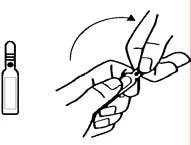 |
Use in elderly patients
In elderly patients, it may be necessary to reduce the dose of clomipramine. Your doctor will tell you how much Anafranil you should take.
If you take more Anafranil than you should
If you accidentally ingest or take an excessive dose of Anafranil, contact your doctor immediately or go to the nearest hospital.
In children, any accidental ingestion or overdose of Anafranil, regardless of amount, should be considered serious and potentially fatal.
No cases of accidental ingestion or overdose of Anafranil injectable solution have been reported. The symptoms listed below are those associated with oral overdose of Anafranil. These symptoms begin within 4 hours of ingestion and reach maximum severity after 24 hours. Signs and symptoms include:
- drowsiness, stupor, coma
- loss of muscle coordination, exaggerated reflexes, muscle rigidity, rapid jerking movements alternating with slow, broad movements, seizures
- inability to rest, agitation
- disturbances in heart rhythm and conduction, heart failure, low blood pressure, shock, cardiac arrest
- respiratory depression, bluish discoloration of the skin and mucous membranes
- vomiting
- dilated pupils
- sweating
- reduced or absent urine output
- fever
- very high fever, brief and involuntary muscle contractions, delirium, and coma
Your doctor will treat Anafranil overdose based on your condition.
If you forget to take Anafranil
Do not take a double dose to make up for the missed dose.
If you stop taking Anafranil
If you have any doubts about using this medicine, consult your doctor or pharmacist.
After sudden dose reduction or discontinuation of Anafranil, you may experience:
- nausea, vomiting, abdominal pain, diarrhoea
- insomnia
- headache
- nervousness, anxiety
- Possible side effects
Like all medicines, this medicine can cause side effects, although not everybody will experience them. Side effects are generally mild and temporary in nature, and usually disappear with continued treatment or may resolve by reducing the dose.
Very common side effects (may affect more than 1 in 10 people)
- drowsiness, fatigue, restlessness, increased appetite
- dizziness, tremors, headache, brief and involuntary muscle contractions
- dry mouth, sweating, constipation, visual disturbances, difficulty urinating
- nausea
- weight gain, disturbances in sexual desire and sexual potency
Common side effects (may affect up to 1 in 10 people)
- altered taste
- ringing or buzzing in the ears
- mental confusion, disorientation, hallucinations, anxiety, agitation
- sleep disturbances, insomnia
- mania, mild mania
- aggressiveness
- depersonalization
- nightmares
- worsening of depression
- memory lapses
- difficulty concentrating, yawning
- delirium
- speech disturbances
- tingling sensations, muscle weakness, increased muscle tone
- hot flushes
- sudden drop in blood pressure upon standing, increased heart rate, changes in electrocardiogram (ECG) in patients without heart problems, palpitations
- vomiting, abdominal discomfort, diarrhoea, decreased appetite
- increased levels of certain liver enzymes (transaminases)
- skin allergic reactions (skin rashes, urticaria), photosensitivity, itching
- abnormal breast milk secretion in women, breast enlargement
Uncommon side effects (may affect up to 1 in 100 people)
- disturbances in thinking
- seizures, movement disorders
- changes in heart rhythm, increased blood pressure
Rare side effects (may affect up to 1 in 10,000 people)
- changes in electroencephalogram (EEG)
- very high fever
- glaucoma
- inability of the bladder to empty
- disturbances in heart conduction
- liver disease (hepatitis), with or without yellowing of the skin, mucous membranes, and eyes
- allergic lung inflammation (alveolitis)
- severe systemic allergic reactions
- fluid retention with localized or generalized swelling
- injection site reactions such as: phlebitis with formation of a blood clot in the vein, inflammation of lymphatic vessels (lymphangitis), burning sensation, or skin allergic reactions
- hair loss
- disturbances in urine production due to inappropriate antidiuretic hormone secretion
- changes in blood components (reduction in white blood cells, granulocytes, and platelets; elevated eosinophil count in blood)
- red-brown spots on the skin (purpura)
- neuroleptic malignant syndrome (characterized by very high fever, muscle rigidity, changes in heart rhythm and blood pressure, and altered consciousness)
Side effects with unknown frequency (frequency cannot be estimated from available data)
- serotonin syndrome (caused by increased serotonin levels, which may cause chills, diarrhoea, severe muscle rigidity, fever, and seizures)
- problems controlling body or limb movements
- severe muscle damage
- inability to ejaculate or delayed ejaculation
- increased blood levels of prolactin (a hormone)
Additionally, an increased risk of bone fractures has been observed in patients taking this type of medicine.
Reporting of side effects
If you experience any side effects, including those not listed in this leaflet, talk to your doctor or pharmacist. You can also report side effects directly via the national reporting system at https://www.aifa.gov.it/content/segnalazioni-reazioni-avverse.
By reporting side effects, you can help provide more information on the safety of this medicine.
5. How to store Anafranil
Keep this medicine out of the sight and reach of children.
Do not use this medicine after the expiry date stated on the packaging after "Exp". The expiry date refers to the last day of that month.
Store below 25°C. Keep in the original packaging to protect the medicine from light.
Do not dispose of medicines via wastewater or household waste. Ask your pharmacist how to dispose of medicines you no longer use. This will help protect the environment.
6. Package contents and other information
What Anafranil contains
- The active substance is clomipramine hydrochloride. Each vial contains 25 mg of clomipramine hydrochloride.
- The other ingredients are glycerin, water for injections.
Description of the appearance of Anafranil and package contents
Each package contains 5 vials of 25 mg/2 mL.
Marketing Authorization Holder
Alfasigma S.p.A. - Via Ragazzi del '99, n. 5 - 40133 Bologna (BO)
Manufacturer
Alfasigma S.p.A. - Via Pontina km 30,400 - 00071 Pomezia (RM)
Patient Information Leaflet: Information for the patient
Anafranil 10 mg film-coated tablets, 25 mg film-coated tablets
clomipramine hydrochloride
Please read this leaflet carefully before taking this medicine because it contains important information for you.
- Keep this leaflet. You may need to read it again.
- If you have any questions, ask your doctor or pharmacist.
- This medicine has been prescribed for you only. Do not give it to other people, even if their symptoms are the same as yours, as it may be harmful.
- If you experience any side effects, including those not listed in this leaflet, tell your doctor or pharmacist. See section 4.
Contents of this leaflet:
- What Anafranil is and what it is used for
- What you need to know before taking Anafranil
- How to take Anafranil
- Possible side effects
- How to store Anafranil
- Contents of the pack and other information
1. What Anafranil is and what it is used for
Anafranil contains the active substance clomipramine hydrochloride, which belongs to a group of medicines
called tricyclic antidepressants (non-selective monoamine reuptake inhibitors).
Anafranil is a medicine used to treat:
- depressive states of various nature and with different symptoms (endogenous, reactive, neurotic, organic, masked, and involutional forms)
- depression associated with schizophrenia and personality disorders
- depression in elderly patients
- depression associated with persistent painful conditions and somatic disorders
- obsessive-compulsive syndromes
- phobias
- panic attacks
- persistent painful conditions regardless of the presence or absence of depression.
2. What you should know before taking Anafranil
Do not take Anafranil
- if you are allergic to clomipramine hydrochloride, to other tricyclic antidepressants of the dibenzazepine group, or to any of the other ingredients of this medicine (listed in section 6)
- if you have recently had a heart attack
- if you suffer from heart failure
- if you have heart rhythm or conduction disorders, including congenital long QT syndrome
- if you are taking or have taken within the last two weeks a monoamine oxidase inhibitor (MAOI) (see “Other medicines and Anafranil”)
- if you have severe liver disease
- if you suffer from mania
- if you have increased eye pressure (glaucoma)
- if you have prostate problems (prostatic hypertrophy)
- if you have narrowing of the stomach valve (pylorus) or other diseases of the stomach, intestine, or genitourinary tract characterized by narrowing
- if you are pregnant or suspect you may be pregnant (see section “Pregnancy and breastfeeding”)
- if you are breastfeeding (see section “Pregnancy and breastfeeding”)
- if you are under 18 years of age.
Warnings and precautions
Talk to your doctor or pharmacist before taking Anafranil.
During the first months of treatment with Anafranil and in case of prolonged treatment, your doctor will
periodically perform blood tests and closely monitor you for the onset of fever and sore throat, as some
patients have reported changes in white blood cell count.
Inform your doctor before taking Anafranil:
- if you have low potassium levels in the blood. Your doctor will treat this condition before starting Anafranil;
- if you suffer from severe mood swings (bipolar disorders), as you may experience manic or hypomanic episodes during depressive phases. If manic episodes occur, your doctor will assess whether to reduce the dose or discontinue treatment with Anafranil, which may be restarted at a low dose once the manic episodes are under control;
- Anafranil may cause heart or blood vessel problems; therefore, your doctor will closely monitor your heart function during treatment with Anafranil, especially if you are elderly;
- if you suffer from hypotension, as Anafranil may cause further lowering of blood pressure;
- if you have epilepsy or are undergoing electroconvulsive therapy;
- if you are predisposed to seizures due to brain damage of various kinds, treatment with neuroleptic medicines, alcohol or anticonvulsant withdrawal (e.g., benzodiazepines), as you may be more likely to experience a seizure. In such cases, your doctor will closely monitor you during treatment with Anafranil;
- if you have or have had increased eye pressure or urinary retention problems;
- if you wear contact lenses, as Anafranil may reduce tear production and cause mucus buildup, which can damage the eye;
- if you have liver disease, kidney disease, or a tumor of the adrenal glands (pheochromocytoma, neuroblastoma);
- if your thyroid is overactive (hyperthyroidism) or you are taking thyroid preparations;
- if you have liver disease, your doctor will periodically check your liver enzyme levels;
- if you have kidney problems, your doctor will periodically check your kidney function;
- if you suffer from chronic constipation.
Pay special attention during treatment with Anafranil:
- if you suffer from panic attacks, as anxiety may increase during the first days of treatment. This effect usually disappears within 2 weeks;
- if you suffer from schizophrenia, as psychotic states may worsen.
Inform your doctor immediately if, during treatment with Anafranil:
- you notice a worsening of your condition, behavioral changes, or the emergence of suicidal thoughts or behaviors. The risk of suicide is higher if you have previously had suicidal thoughts or behaviors, during the initial stages of treatment, or when the dose of Anafranil is changed. Your doctor will assess whether to reduce or stop treatment with Anafranil;
- you experience delusions, especially at night. This occurs more frequently in predisposed patients and elderly patients and usually disappears a few days after stopping Anafranil;
- you develop high fever, involuntary rhythmic muscle contractions, agitation, seizures, delirium, or coma. These are signs and symptoms of serotonin syndrome;
- you need to undergo local or general anesthesia, as the anesthesiologist must be informed that you are taking Anafranil.
Visit your dentist regularly if you are taking Anafranil for a prolonged period, as it may increase the risk of dental caries.
Children and adolescents
Anafranil must not be used in children and adolescents under 18 years of age.
Other medicines and Anafranil
Inform your doctor or pharmacist if you are currently using, have recently used, or might use any other
medicines.
The following medicines may make concomitant use with Anafranil dangerous:
- monoamine oxidase inhibitors including moclobemide (concomitant use is contraindicated, see Do not take Anafranil)
- selective serotonin reuptake inhibitors (medicines for treating depression) such as fluoxetine, paroxetine, sertraline, fluvoxamine
- other tricyclic antidepressants (medicines for treating depression)
- serotonin and noradrenaline reuptake inhibitors (medicines for treating depression)
- lithium (medicine for mood disorders)
- buprenorphine/opioids (medicines for pain treatment)
- diuretics (medicines that reduce blood pressure by increasing urine production)
- medicines for treating heart rhythm disorders, such as quinidine-type antiarrhythmics and propafenone.
The following medicines may increase the effect of Anafranil:
- cimetidine (antihistamine)
- methylphenidate (medicine used in attention deficit hyperactivity disorder)
- phenothiazines (psychotropic medicines)
- haloperidol (medicine for treating psychotic disorders)
- neuroleptics (antipsychotics), including thioridazine
- estrogens
- valproic acid (medicine for treating epilepsy)
- phenylbutazone (medicine for pain and inflammation)
- acetylsalicylic acid (aspirin)
- scopolamine (antispasmodic medicine).
The following medicines may decrease the effect of Anafranil:
- rifampicin (antibiotic)
- oral contraceptives
- epilepsy medicines such as barbiturates, carbamazepine, phenobarbital, and phenytoin
- nicotine and other substances present in cigarette smoke
- colestipol and cholestyramine (used to treat high cholesterol)
- St. John’s wort (Hypericum perforatum), a herbal medicine used for treating depression.
The effect of the following medicines may be altered by Anafranil:
- hypnotics (medicines that induce sleep)
- sedatives
- anxiolytics (medicines to reduce anxiety)
- anesthetics
- medicines to reduce blood pressure, including guanethidine and other medicines with similar mechanism of action
- medicines that reduce blood clotting (coumarin anticoagulants) such as warfarin
- parasympatholytic medicines, e.g.: medicines for Parkinson’s disease, including biperiden or phenothiazines (psychotropic medicines), or allergy medicines (antihistamines) or atropine (used to dilate the pupil of the eye)
- phenytoin (medicine for epilepsy)
- carbamazepine (medicine for epilepsy and mood disorders)
- sympathomimetic medicines (substances that activate the sympathetic nervous system): e.g., adrenaline, noradrenaline, isoprenaline, ephedrine, phenylephrine, L-dopa, nasal decongestants, or products containing sympathomimetics used for asthma and hay fever.
The use of medicines such as monoamine oxidase inhibitors, selective serotonin reuptake inhibitors, serotonin-noradrenaline reuptake inhibitors, tricyclic antidepressants, buprenorphine, and opioids together with Anafranil may lead to serotonin syndrome, a potentially life-threatening condition.
Anafranil with food and drinks
Anafranil tablets can be taken with or without food. Grapefruit, grapefruit juice, or blueberry juice may increase the effect of Anafranil. Anafranil may enhance the effects of alcohol.
Pregnancy and breastfeeding
If you are pregnant, think you may be pregnant, planning to become pregnant, or breastfeeding, consult your doctor or pharmacist before taking this medicine.
Pregnancy
Do not use Anafranil if you are pregnant or think you may be pregnant.
Breastfeeding
Anafranil passes into breast milk. Your doctor will assess whether it is appropriate to gradually reduce treatment with Anafranil or to stop breastfeeding.
Driving and using machines
Do not take Anafranil if you need to drive or operate machinery. Anafranil may cause blurred vision, drowsiness, attention disturbances, confusion, disorientation, worsening of depression, delirium, and other effects that may impair these activities (see section “Undesirable effects”). Alcohol and certain medicines may increase these effects.
Anafranil film-coated tablets contain lactose (a milk sugar) and sucrose
If your doctor has diagnosed you with an intolerance to certain sugars, please consult him/her before taking this medicine.
3. How to take Anafranil
Take this medicine exactly as directed by your doctor or pharmacist. If you are unsure, consult your doctor or pharmacist.
- The coated tablets must be swallowed whole and preferably taken with meals.
- Before starting treatment with Anafranil, your doctor will carry out tests to assess your blood potassium levels and blood pressure. If your blood potassium levels are high, your doctor will treat this condition before prescribing Anafranil.
Treatment of depression, obsessive-compulsive disorders, phobias
The recommended dose is:
- Start of treatment: 1 tablet of 25 mg 2–3 times daily
- First week of treatment: your doctor will gradually increase your daily dose.
- In severe cases, the dose may be increased up to a maximum of 250 mg (10 tablets of 25 mg) per day
- Maintenance dose: 2–4 tablets of 25 mg per day.
Chronic painful conditions
The recommended dose is 10 to 150 mg (1 to 15 tablets of 10 mg) per day, depending on your condition. Your doctor will determine the most appropriate dose for you.
Panic attacks
The recommended starting dose is 1 tablet of 10 mg.
The daily dose may range between 25 and 100 mg (2 to 10 tablets of 10 mg). If necessary, it may be increased to 150 mg (15 tablets of 10 mg).
Do not stop treatment before 6 months have passed. During this period, your doctor will instruct you to gradually reduce the maintenance dose.
Use in elderly patients
Your doctor will determine the most appropriate dose for you.
Elderly patients often require a lower dose because they are more likely to experience adverse effects (see section 4). Start treatment with 1 tablet of 10 mg per day and gradually increase to 30–50 mg (3–5 tablets of 10 mg) per day, reached after approximately 10 days.
If you take more Anafranil than you should
In case of accidental overdose of Anafranil, contact your doctor immediately or go to the nearest hospital.
In children, accidental ingestion of Anafranil at any dose should be considered serious and potentially fatal.
Symptoms due to overdose of Anafranil begin within 4 hours of ingestion and reach maximum severity after 24 hours. Signs and symptoms include:
- drowsiness, stupor, coma
- loss of muscle coordination, increased reflexes, muscle rigidity, alternating rapid jerky movements with slow, broad movements, seizures
- inability to rest, agitation
- disturbances in heart rhythm and conduction, heart failure, low blood pressure, shock, cardiac arrest
- respiratory depression, bluish discoloration of the skin and mucous membranes
- vomiting
- dilated pupils
- sweating
- decreased or absent urine output
- fever
- very high fever, brief involuntary muscle contractions, delirium and coma
Your doctor will treat the overdose of Anafranil according to your condition.
If you forget to take Anafranil
Do not take a double dose to make up for the missed dose.
If you stop taking Anafranil
If you have any doubts about using this medicine, consult your doctor or pharmacist.
Following sudden dose reduction or discontinuation of Anafranil, you may experience:
- nausea, vomiting, abdominal pain, diarrhoea
- insomnia
- headache
- nervousness, anxiety
4. Possible side effects
Like all medicines, this medicine can cause side effects, although not everybody gets them.
Side effects are generally mild in nature and limited in duration; they usually disappear with continued treatment or may resolve by reducing the dose.
Very common side effects (may affect more than 1 in 10 people)
- drowsiness, fatigue, restlessness, increased appetite
- dizziness, tremors, headache, brief involuntary muscle contractions
- dry mouth, sweating, constipation, visual disturbances, difficulty urinating
- nausea
- weight gain, disturbances in sexual desire and sexual performance
Common side effects (may affect up to 1 in 10 people)
- altered taste
- ringing or buzzing in the ears
- mental confusion, disorientation, hallucinations, anxiety, agitation
- sleep disturbances, insomnia
- mania, mild mania
- aggressiveness
- depersonalization
- nightmares
- worsening of depression
- memory gaps
- difficulty concentrating, yawning
- delirium
- speech disorders
- tingling sensations, muscle weakness, increased muscle tone
- hot flushes
- dilated pupils
- sudden drop in blood pressure upon standing, increased heart rate, changes in electrocardiogram (ECG) in patients without heart problems, palpitations
- vomiting, abdominal discomfort, diarrhoea, decreased appetite
- elevated levels of certain liver enzymes (transaminases)
- skin allergic reactions (skin rash, urticaria), photosensitivity, itching
- abnormal breast milk secretion in women, breast enlargement
Uncommon side effects (may affect up to 1 in 100 people)
- thought disturbances
- seizures, movement disorders
- changes in heart rhythm, increased blood pressure
Rare side effects (may affect up to 1 in 10,000 people)
- changes in electroencephalogram (EEG)
- very high fever
- glaucoma
- inability of the bladder to empty
- disturbances in heart conduction
- liver diseases (hepatitis), with or without yellowing of the skin, mucous membranes and eyes
- allergic lung inflammation (alveolitis)
- severe allergic reactions involving the whole body
- fluid retention causing localized or generalized swelling
- hair loss
- urinary disorders due to inappropriate secretion of antidiuretic hormone
- changes in blood components (reduction in white blood cells, granulocytes and platelets, increased concentration of eosinophils in the blood)
- red-brown spots on the skin (purpura)
- neuroleptic malignant syndrome (characterized by very high fever, muscle rigidity, changes in heart rhythm and blood pressure, and altered consciousness)
Side effects with unknown frequency (cannot be estimated from available data)
- serotonin syndrome (caused by increased serotonin, which may cause chills, diarrhoea, severe muscle rigidity, fever and seizures)
- problems controlling body or limb movements (extrapyramidal disorders)
- severe muscle damage (rhabdomyolysis)
- inability to ejaculate or delayed ejaculation
- increased level of prolactin (a hormone) in the blood
In addition, an increased risk of bone fractures has been observed in patients taking this type of medicine.
Reporting of side effects
If you experience any side effect, including those not listed in this leaflet, talk to your doctor or pharmacist. You may also report side effects directly via the national reporting system at https://www.aifa.gov.it/content/segnalazioni-reazioni-avverse.
By reporting side effects, you can help provide more information on the safety of this medicine.
5. How to store Anafranil
Keep this medicine out of the sight and reach of children.
Do not use this medicine after the expiry date stated on the pack after Exp. The expiry date refers to the last day of that month.
Store below 25°C. Keep in the original packaging to protect the medicine from light and moisture.
Do not dispose of any medicine via wastewater or household waste. Ask your pharmacist how to dispose of medicines you no longer use. This will help protect the environment.
6. Package contents and other information
What Anafranil contains
Anafranil 10 mg coated tablets
- The active substance is clomipramine hydrochloride. Each coated tablet contains 10 mg of clomipramine hydrochloride.
- The other components are lactose, glycerol, maize starch, talc, magnesium stearate, sucrose, gelatin, hypromellose, copovidone, titanium dioxide, microcrystalline cellulose, yellow iron oxide, polyethylene glycol-8000, povidone.
Anafranil 25 mg coated tablets
- The active substance is clomipramine hydrochloride. Each coated tablet contains 25 mg of clomipramine hydrochloride.
- The other components are: anhydrous colloidal silica, lactose, stearic acid, glycerol, maize starch, talc, magnesium stearate, yellow iron oxide, titanium dioxide, copovidone, hypromellose, microcrystalline cellulose, polyethylene glycol-8000, povidone, sucrose.
Description of the appearance of Anafranil and pack contents
Anafranil 10 mg coated tablets
Each pack contains 50 tablets of 10 mg.
Anafranil 25 mg coated tablets
Each pack contains 20 tablets of 25 mg.
Marketing Authorization Holder
Alfasigma S.p.A. - Via Ragazzi del '99, n. 5 - 40133 Bologna (BO)
Manufacturer
Alfasigma S.p.A. - Via Pontina km 30,400 - 00071 Pomezia (RM)
Package leaflet: Information for the patient
Anafranil 75 mg prolonged-release tablets
clomipramine hydrochloride
Please read this leaflet carefully before taking this medicine because it contains important information for you.
- Keep this leaflet. You may need to read it again.
- If you have any questions, ask your doctor or pharmacist.
- This medicine has been prescribed for you only. Do not give it to others, even if they have the same symptoms as yours, because it could be harmful.
- If you experience any side effects, including those not listed in this leaflet, talk to your doctor or pharmacist. See section 4.
Contents of this leaflet:
- What Anafranil is and what it is used for
- What you need to know before taking Anafranil
- How to take Anafranil
- Possible side effects
- How to store Anafranil
- Contents of the pack and other information
1. What Anafranil is and what it is used for
Anafranil contains the active substance clomipramine hydrochloride, which belongs to a group of medicines
called tricyclic antidepressants (non-selective monoamine reuptake inhibitors).
Anafranil is a medicine used to treat:
- depressive states of various nature and with different symptoms (endogenous, reactive, neurotic, organic, masked and involutional forms)
- depression associated with schizophrenia and personality disorders
- depression in elderly patients
- depression associated with persistent painful conditions and somatic disorders
- obsessive-compulsive disorders
- phobias
- panic attacks
- persistent painful conditions regardless of the presence or absence of depression
2. What you should know before taking Anafranil
Do not take Anafranil
- if you are allergic to clomipramine hydrochloride, to other tricyclic antidepressants of the dibenzazepine group, or to any of the other ingredients of this medicine (listed in section 6)
- if you have had a heart attack
- if you suffer from heart failure
- if you have heart rhythm or conduction disorders, including congenital long QT syndrome
- if you are taking or have taken within the last two weeks a monoamine oxidase inhibitor (MAOI) (see "Other medicines and Anafranil")
- if you have severe liver disease
- if you suffer from mania
- if you have increased eye pressure (glaucoma)
- if you have prostate problems (prostatic hypertrophy)
- if you have narrowing of the stomach valve (pylorus) or other diseases of the stomach, intestine, or genitourinary tract characterized by narrowing
- if you are pregnant or suspect you may be pregnant (see section "Pregnancy and breastfeeding")
- if you are breastfeeding (see section "Pregnancy and breastfeeding")
- if you are under 18 years of age.
Warnings and precautions
Talk to your doctor or pharmacist before taking Anafranil.
During the first months of treatment with Anafranil and in case of long-term treatment, your doctor will
periodically perform blood tests and closely monitor you for the onset of fever and sore throat, as some
patients have reported changes in white blood cell count.
Inform your doctor before taking Anafranil:
- if you have low potassium levels in the blood. Your doctor will treat this condition before starting Anafranil;
- if you suffer from severe mood swings (bipolar disorders), as you may experience manic or hypomanic episodes during the depressive phase. If manic episodes occur, your doctor will assess whether to reduce the dose or discontinue treatment with Anafranil, which may eventually be restarted at a low dose once these manic episodes are under control;
- Anafranil may cause heart or vascular problems; therefore, your doctor will closely monitor your heart function during treatment with Anafranil and may perform an electrocardiogram (ECG), especially if you are elderly;
- if you suffer from hypotension, as Anafranil may cause blood pressure lowering;
- if you have epilepsy or are undergoing electroconvulsive therapy;
- if you are predisposed to seizures due to brain damage of various kinds, treatment with neuroleptic medicines, alcohol or anticonvulsant withdrawal (e.g., benzodiazepines), as you may be more likely to experience a seizure. In such cases, your doctor will closely monitor you during treatment with Anafranil;
- if you have or have had high eye pressure or urinary retention problems;
- if you wear contact lenses, as Anafranil may reduce tear production and cause mucus buildup, potentially damaging the eye;
- if you have liver disease, kidney disease, or a tumor of the adrenal glands (pheochromocytoma, neuroblastoma);
- if your thyroid gland is overactive (hyperthyroidism) or you are taking thyroid preparations;
- if you have liver disease, your doctor will periodically check your liver enzyme levels;
- if you have kidney problems, your doctor will periodically check your kidney function;
- if you suffer from chronic constipation.
Pay special attention during treatment with Anafranil:
- if you suffer from panic attacks, as anxiety may increase during the first days of treatment. This effect usually disappears within 2 weeks;
- if you suffer from schizophrenia, as psychotic states may worsen.
Inform your doctor immediately if, during treatment with Anafranil:
- you notice a worsening of your condition, behavioral changes, or the emergence of suicidal thoughts or behaviors. The risk of suicide is higher if you have previously had suicidal thoughts or behaviors, during the early stages of treatment, or when the dose of Anafranil is changed. Your doctor will assess whether to reduce or discontinue treatment with Anafranil.
- you experience delusions, especially at night. This occurs more frequently in predisposed patients and elderly patients and usually disappears within a few days after stopping Anafranil;
- you develop high fever, involuntary rhythmic muscle contractions, agitation, seizures, delirium, or coma. These are signs and symptoms suggestive of serotonin syndrome;
- you need to undergo local or general anesthesia, as the anesthesiologist must be informed that you are taking Anafranil.
Visit your dentist regularly if you are taking Anafranil for a prolonged period, as it may increase the risk of dental caries.
Children and adolescents
Anafranil must not be used in children and adolescents under 18 years of age.
Other medicines and Anafranil
Inform your doctor or pharmacist if you are currently using, have recently used, or might use any other
medicines.
The following medicines may make concomitant use with Anafranil dangerous:
- monoamine oxidase inhibitors, including moclobemide (concomitant use is contraindicated; see "Do not take Anafranil")
- selective serotonin reuptake inhibitors (medicines used to treat depression), e.g., fluoxetine, paroxetine, sertraline, fluvoxamine
- other tricyclic antidepressants (medicines used to treat depression)
- serotonin and noradrenaline reuptake inhibitors (medicines used to treat depression)
- lithium (medicine used for mood disorders)
- buprenorphine/opioids (medicines used to treat pain)
- diuretics (medicines that reduce blood pressure by increasing urine production)
- medicines used to treat heart rhythm disorders, such as quinidine-type antiarrhythmics and propafenone.
The following medicines may increase the effect of Anafranil:
- cimetidine (antihistamine)
- methylphenidate (medicine used in attention deficit hyperactivity disorder)
- phenothiazines (psychotropic medicines)
- haloperidol (medicine used to treat psychotic disorders)
- neuroleptics (antipsychotics), including thioridazine
- estrogens
- valproic acid (medicine used to treat epilepsy)
- phenylbutazone (medicine used for pain and inflammation)
- acetylsalicylic acid (aspirin)
- scopolamine (antispasmodic medicine).
The following medicines may decrease the effect of Anafranil:
- rifampicin (antibiotic)
- oral contraceptives
- antiepileptic medicines such as barbiturates, carbamazepine, phenobarbital, and phenytoin
- nicotine and other substances present in cigarette smoke
- colestipol and cholestyramine (used to treat high cholesterol)
- St. John's wort (Hypericum perforatum), a herbal medicine used to treat depression.
The effect of the following medicines may be altered by Anafranil:
- hypnotics (medicines that induce sleep)
- sedatives
- anxiolytics (medicines to reduce anxiety)
- anesthetics
- medicines to reduce blood pressure, including guanethidine and other medicines with a similar mechanism of action
- medicines that reduce blood clotting (coumarin anticoagulants) such as warfarin
- parasympatholytic medicines, e.g.: medicines for Parkinson's disease, including biperiden or phenothiazines (psychotropic medicines), or antiallergic medicines (antihistamines), or atropine (used to dilate the pupil of the eye)
- phenytoin (medicine used to treat epilepsy)
- carbamazepine (medicine used to treat epilepsy and mood disorders)
- sympathomimetic medicines (substances that activate the sympathetic nervous system): e.g., adrenaline, noradrenaline, isoprenaline, ephedrine, phenylephrine, L-dopa, nasal decongestants, or products containing sympathomimetics used for asthma and pollen allergies.
The use of medicines such as monoamine oxidase inhibitors, selective serotonin reuptake inhibitors, serotonin-noradrenaline reuptake inhibitors, tricyclic antidepressants, buprenorphine, and opioids together with Anafranil may lead to serotonin syndrome, a potentially life-threatening condition.
Anafranil with food and drink
Anafranil tablets can be taken with or without food. Grapefruit, grapefruit juice, or cranberry juice may increase the effect of Anafranil. Anafranil may enhance the effects of alcohol.
Pregnancy and breastfeeding
If you are pregnant, suspect you may be pregnant, plan to become pregnant, or are breastfeeding, consult your doctor or pharmacist before taking this medicine.
Pregnancy
Do not use Anafranil if you are pregnant or think you may be pregnant.
Breastfeeding
Anafranil passes into breast milk. Your doctor will assess whether it is appropriate to gradually reduce treatment with Anafranil or to discontinue breastfeeding.
Driving and using machines
Do not take Anafranil if you need to drive vehicles or operate machinery. Anafranil may cause blurred vision, drowsiness, attention disturbances, confusion, disorientation, worsening of depression, delirium, and other effects that may impair these activities (see section "Undesirable effects"). Alcohol and certain medicines may increase these effects.
ANAFRANIL 75 mg prolonged-release tablets contain glyceryl polyethylene glycol oxystearate (a castor oil derivative) which may cause gastrointestinal disturbances and diarrhea.
3. How to take Anafranil
Take this medicine exactly as directed by your doctor or pharmacist. If you have any doubts, consult your doctor or pharmacist.
- The tablet may be divided into two equal parts and should preferably be taken with the evening meal. The tablet must not be chewed.
- Before starting treatment with Anafranil, your doctor will perform tests to assess your blood potassium levels and blood pressure. If your blood potassium levels are high, your doctor will treat this condition before prescribing Anafranil.
Treatment of depression, obsessive-compulsive disorders, phobias
The recommended dose is:
- beginning of treatment: 1 tablet of 75 mg once daily, preferably in the evening.
- first week of treatment: your doctor will gradually increase your daily dose.
- in severe cases, the dose may be increased up to a maximum of 250 mg per day.
- maintenance dose: 1 tablet of 75 mg per day.
Chronic painful conditions
The recommended dose ranges from 10 to 150 mg per day, depending on your condition. Your doctor will determine the most appropriate dose for you.
Panic attacks
The recommended starting dose is 10 mg.
The daily dose may range between 25 and 100 mg. If necessary, it may be increased to 150 mg.
Do not stop treatment before 6 months have passed. During this period, your doctor will instruct you to gradually reduce the maintenance dose.
Use in elderly patients
Your doctor will determine the most appropriate dose for you.
In elderly patients, a reduced dose of clomipramine may be necessary. Your doctor will advise you on how much Anafranil to take.
If you take more Anafranil than you should
In case of accidental overdose of Anafranil, contact your doctor immediately or go to the nearest hospital.
In children, accidental ingestion of Anafranil at any dose should be considered serious and potentially fatal.
Symptoms due to overdose of Anafranil begin within 4 hours after ingestion and reach maximum severity after 24 hours. Signs and symptoms include:
- formation of drug masses in the gastrointestinal tract, which may be fatal
- drowsiness, stupor, coma
- loss of muscle coordination, increased reflexes, muscle rigidity, alternating rapid jerky movements with slow, broad movements, seizures
- inability to rest, agitation
- disturbances in heart rhythm and conduction, heart failure, low blood pressure, shock, cardiac arrest
- respiratory depression, bluish discoloration of the skin and mucous membranes
- vomiting
- dilated pupils
- sweating
- reduced or absent urine output
- fever
- very high fever, brief involuntary muscle contractions, delirium, and coma.
Your doctor will treat Anafranil overdose based on your clinical condition.
If you forget to take Anafranil
Do not take a double dose to make up for the missed dose.
If you stop taking Anafranil
If you have any questions about using this medicine, consult your doctor or pharmacist.
Following sudden dose reduction or discontinuation of Anafranil, you may experience:
- nausea, vomiting, abdominal pain, diarrhea
- insomnia
- headache
- nervousness, anxiety
4. Possible side effects
Like all medicines, this medicine can cause side effects, although not everybody gets them.
Side effects are generally mild in nature and limited in duration; they usually disappear with continued treatment or may resolve by reducing the dose.
Very common side effects (may affect more than 1 in 10 people)
- drowsiness, fatigue, restlessness, increased appetite
- dizziness, tremors, headache, brief and involuntary muscle contractions
- dry mouth, sweating, constipation, visual disturbances, difficulty urinating
- nausea
- weight gain, disturbances in sexual desire and sexual potency
Common side effects (may affect up to 1 in 10 people)
- altered taste
- ringing or buzzing in the ears
- mental confusion, disorientation, hallucinations, anxiety, agitation
- sleep disturbances, insomnia
- mania, mild mania
- aggressiveness
- depersonalization
- nightmares
- worsening of depression
- memory gaps
- difficulty concentrating, yawning
- delirium
- speech disorders
- tingling sensations, muscle weakness, increased muscle tone
- hot flushes
- sudden drop in blood pressure upon standing, increased heart rate, changes in electrocardiogram (ECG) in patients without heart problems, palpitations
- vomiting, abdominal discomfort, diarrhea, decreased appetite
- elevated levels of certain liver enzymes (transaminases)
- skin allergic reactions (skin rashes, urticaria), photosensitivity, itching
- abnormal breast milk secretion in women, breast enlargement
Uncommon side effects (may affect up to 1 in 100 people)
- thought disturbances
- seizures, movement disorders
- changes in heart rhythm, increased blood pressure
Rare side effects (may affect up to 1 in 10,000 people)
- changes in electroencephalogram (EEG)
- very high fever
- glaucoma
- inability of the bladder to empty
- disturbances in cardiac conduction
- liver diseases (hepatitis), with or without yellowing of the skin, mucous membranes, and eyes
- allergic lung inflammation (alveolitis)
- severe systemic allergic reactions
- localized or generalized fluid retention and swelling
- hair loss
- disturbances in urine production due to inappropriate antidiuretic hormone secretion
- changes in blood components (reduction in white blood cells, granulocytes, and platelets; elevated blood eosinophil concentration)
- red-brown skin spots (purpura)
- neuroleptic malignant syndrome (characterized by very high fever, muscle rigidity, disturbances in heart rhythm and blood pressure, and altered consciousness)
Side effects with unknown frequency (frequency cannot be estimated from available data)
- serotonin syndrome (caused by increased serotonin levels, which may cause chills, diarrhea, severe muscle rigidity, fever, and seizures)
- problems controlling body or limb movements (extrapyramidal disorders)
- severe muscle damage (rhabdomyolysis)
- inability to ejaculate or delayed ejaculation
- increased blood levels of prolactin (a hormone)
In addition, an increased risk of bone fractures has been observed in patients taking this type of medicine.
Reporting of side effects
If you experience any side effect, including those not listed in this leaflet, tell your doctor or pharmacist. You can also report side effects directly via the national reporting system at https://www.aifa.gov.it/content/segnalazioni-reazioni-avverse.
By reporting side effects, you can help provide more information on the safety of this medicine.
5. How to store Anafranil
Keep this medicine out of the sight and reach of children.
This medicine does not require any special storage conditions.
Do not use this medicine after the expiry date stated on the pack after "Exp.". The expiry date refers to the last
day of that month.
Do not dispose of any medicine via wastewater or household waste. Ask your pharmacist how to dispose of
medicines no longer in use. This will help protect the environment.
6. Package contents and other information
What Anafranil contains
- The active substance is clomipramine hydrochloride. Each prolonged-release tablet contains 75 mg of clomipramine hydrochloride.
- The other components are anhydrous colloidal silica, calcium hydrogen phosphate, calcium stearate, 30% polyacrylate dispersion, hypromellose, red iron oxide, glycerol polyethylene glycol oxystearate (castor oil derivative), talc, titanium dioxide.
Description of the appearance of Anafranil and pack contents
Each pack contains 20 tablets of 75 mg.
Marketing Authorization Holder
Alfasigma S.p.A. - Via Ragazzi del '99, n. 5 - 40133 Bologna (BO)
Manufacturer
Alfasigma S.p.A. - Via Pontina km 30.400 - 00071 Pomezia (RM)