Amlodipine Sandoz
Italy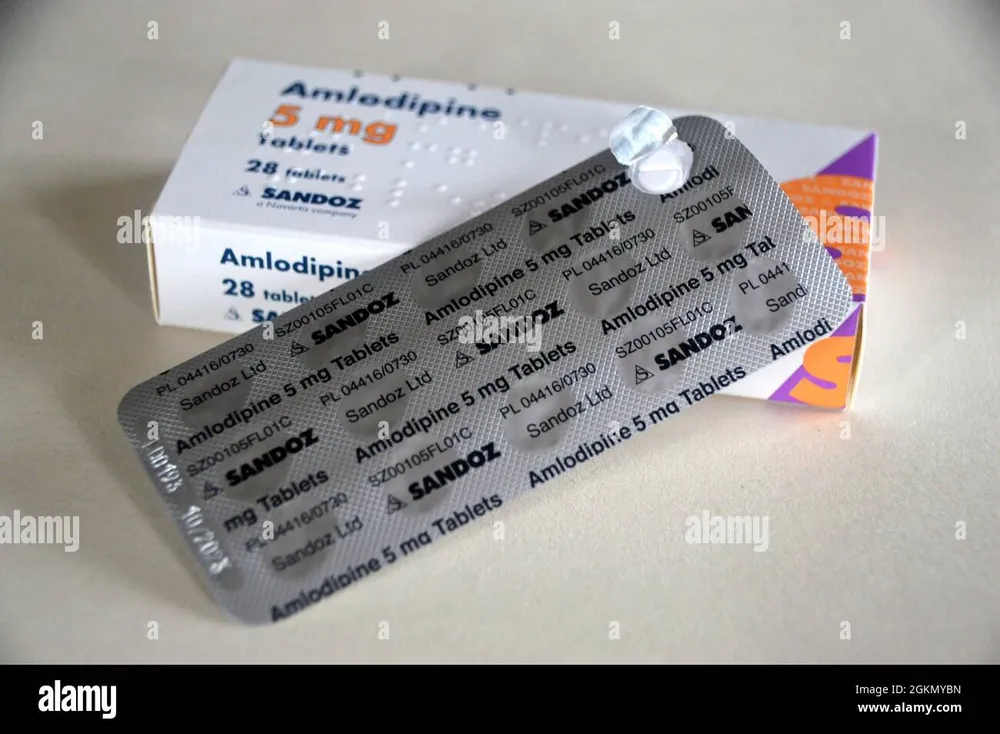
Table of Contents
PACKAGE LEAFLET: INFORMATION FOR THE PATIENT
Amlodipine Sandoz 5 mg tablets, 10 mg tablets
Amlodipine
Equivalent medicine
Please read this leaflet carefully before taking this medicine because it contains important information for you.
- Keep this leaflet. You may need to read it again.
- If you have any questions, ask your doctor or pharmacist.
- This medicine has been prescribed for you only. Never give it to other people, even if their symptoms are the same as yours, as it could be harmful.
- If you experience any side effects, including those not listed in this leaflet, contact your doctor, pharmacist, or nurse. See section 4. Contents of this leaflet:
- What Amlodipine Sandoz is and what it is used for
- What you need to know before taking Amlodipine Sandoz
- How to take Amlodipine Sandoz
- Possible side effects
- How to store Amlodipine Sandoz
- Contents of the pack and other information
1. WHAT AMLODIPINE SANDOZ IS AND WHAT IT IS USED FOR
Amlodipine Sandoz belongs to a group of medicines called calcium antagonists.
Amlodipine Sandoz is used
- for the treatment of high blood pressure (hypertension)
- for the treatment of a type of chest pain known as angina, including a rare form called Prinzmetal's angina or variant angina.
In patients with hypertension, this medicine works by relaxing blood vessels so that blood can flow more easily.
In patients with angina, Amlodipine Sandoz improves blood supply to the heart muscle, providing more oxygen and thereby preventing chest pain. Amlodipine Sandoz does not provide immediate relief of chest pain caused by angina.
2. WHAT YOU NEED TO KNOW BEFORE TAKING AMLODIPINE SANDOZ
Do not take Amlodipine Sandoz
- If you are allergic to amlodipine, to any other calcium antagonists, or to any of the excipients of this medicine (see section 6). The reaction may include itching, skin redness, or difficulty breathing.
- If you have severe low blood pressure (hypotension).
- If you have narrowing of the aortic heart valve (aortic stenosis) or cardiogenic shock (a condition in which the heart is unable to supply sufficient blood to the body).
- If you suffer from heart failure following a heart attack.
Warnings and precautions
Inform your doctor or pharmacist if you have or have previously had any of the following conditions:
- Recent heart attack
- Heart failure
- Severe high blood pressure (hypertensive crisis)
- Liver disease (hepatopathy)
- You are elderly and your dosage needs to be increased
Children and adolescents
Amlodipine Sandoz has not been studied in children under 6 years of age.
Amlodipine Sandoz should only be used for hypertension in children and adolescents aged 6 to 17 years (see section 3). For further information, consult your doctor.
Other medicines and Amlodipine Sandoz
Inform your doctor or pharmacist if you are taking, have recently taken, or might take any other medicines, including those not requiring a prescription.
Amlodipine Sandoz may affect other medicines, or other medicines may affect Amlodipine Sandoz, such as:
- ketoconazole, itraconazole (antifungal medicines)
- ritonavir, indinavir, nelfinavir (so-called protease inhibitors used in HIV treatment)
- rifampicin, erythromycin, clarithromycin (antibiotics)
- Hypericum perforatum (St. John's wort)
- verapamil, diltiazem (heart medicines)
- dantrolene (infusion for severe disturbances in body temperature)
- simvastatin (used to lower high cholesterol levels in the blood)
- tacrolimus, ciclosporin (used to control the immune response to allow the body to accept a transplanted organ).
Amlodipine Sandoz may lower blood pressure even more if you are already taking other antihypertensive medicines at the same time.
Amlodipine Sandoz with food and drinks
People taking Amlodipine Sandoz should not drink grapefruit juice, as grapefruit and its juice may increase blood levels of the active ingredient amlodipine, which could lead to an enhanced hypotensive effect of Amlodipine Sandoz.
Pregnancy and breastfeeding
Pregnancy
The safety of Amlodipine Sandoz in pregnant women has not been established. If you are pregnant, think you may be pregnant, or are planning to become pregnant, consult your doctor or pharmacist before taking this medicine.
Breastfeeding
It has been shown that amlodipine passes into breast milk in small amounts. If you are breastfeeding or intend to breastfeed, inform your doctor before taking Amlodipine Sandoz.
Driving and using machines
Amlodipine Sandoz may affect your ability to drive or operate machinery. If the tablets cause you discomfort, dizziness, fatigue, or headache, avoid driving or using machinery and contact your doctor immediately.
3. HOW TO TAKE AMLODIPINE SANDOZ
Always take this medicine exactly as instructed by your doctor. If you have any doubts, consult your doctor or pharmacist.
The usual starting dose is Amlodipine Sandoz 5 mg once daily. The dose may be increased to Amlodipine Sandoz 10 mg once daily.
This medicine may be taken before or after food and drink. Take the medicine every day at the same time with a glass of water. Do not take Amlodipine Sandoz with grapefruit juice.
Use in children and adolescents
For children and adolescents (aged 6 to 17 years), the usual starting dose is 2.5 mg daily. The maximum recommended daily dose is 5 mg.
Continue taking the tablets for as long as your doctor tells you to. Contact your doctor before stopping the treatment.
The tablet may be divided into two equal doses.
If you take more Amlodipine Sandoz than you should
If you take too many tablets, your blood pressure may drop too much, which could be dangerous. You may experience dizziness, vertigo, weakness, or fainting. The drop in blood pressure could be so severe as to cause shock. Your skin may become cold and clammy, and you may lose consciousness. If you have taken an excessive amount of Amlodipine Sandoz tablets, contact your doctor immediately.
If you forget to take Amlodipine Sandoz
Do not worry. If you forget to take a tablet, skip the missed dose. Take the next tablet at the usual scheduled time. Do not take a double dose to make up for the forgotten tablet.
If you stop taking Amlodipine Sandoz
You must continue taking Amlodipine Sandoz for as long as your doctor prescribes it. Stopping treatment may cause your condition to worsen.
If you have any questions about the use of this medicine, ask your doctor or pharmacist.
4. POSSIBLE ADVERSE REACTIONS
Like all medicines, Amlodipine Sandoz may cause adverse reactions, although not everyone experiences them.
If you notice any of the following adverse reactions, consult your doctor immediately:
- Sudden onset of shortness of breath, chest pain, breathlessness, or difficulty breathing
- Swelling of the eyelids, face, or lips
- Swelling of the tongue and throat that may cause difficulty breathing
- Severe skin reactions including intense rash, hives, redness of the skin all over the body, severe itching, blisters, skin peeling and swelling, inflammation of mucous membranes (Stevens-Johnson syndrome, toxic epidermal necrolysis), or other allergic reactions
- Myocardial infarction, arrhythmia
- Inflammation of the pancreas that may cause severe abdominal and back pain associated with a strong feeling of malaise
The following very common adverse reactions have been reported. If any of these occur or persist for more than one week, consult your doctor.
Very common: may affect more than 1 in 10 people
Edema (fluid retention)
The following common adverse reactions have also been reported. If any of these occur or persist for more than one week, consult your doctor.
Common: may affect up to 1 in 10 people
- Headache, dizziness, drowsiness (especially at the beginning of treatment)
- Palpitations (awareness of your heartbeat), flushing
- Abdominal pain, nausea
- Changes in bowel habits, diarrhoea, constipation, indigestion
- Swelling of the ankles
- Fatigue, weakness
- Visual disturbances, double vision
- Muscle cramps
In addition, the following adverse reactions have been reported. If any of these adverse reactions worsen, or if you notice any adverse reaction not listed in this leaflet, inform your doctor or pharmacist.
Uncommon: may affect up to 1 in 100 people
- Mood changes, anxiety, depression, insomnia
- Tremor, taste disturbances, fainting
- Numbness or tingling sensation in limbs; loss of pain sensitivity
- Ringing in the ears (tinnitus)
- Low blood pressure
- Sneezing/runny nose due to inflammation of the nasal mucosa (rhinitis)
- Cough
- Dry mouth, vomiting
- Hair loss, increased sweating, skin itching, red patches on the skin, skin discoloration
- Urinary disorders, need to urinate at night, frequent need to urinate
- Inability to achieve an erection; discomfort or breast enlargement in men
- Pain, malaise
- Joint or muscle pain, back pain
- Weight gain or weight loss
Rare: may affect up to 1 in 1,000 people
- Confusion
Very rare: may affect up to 1 in 10,000 people
- Low levels of white blood cells and platelets in the blood, which may cause unusual bruising or a tendency to bleed
- High blood sugar levels (hyperglycaemia)
- A nerve disorder that may cause muscle weakness, tingling, or numbness
- Swelling of the gums
- Abdominal swelling (gastritis)
- Abnormal liver function, inflammation of the liver (hepatitis), yellowing of the skin (jaundice), increased liver enzymes which may lead to changes in certain clinical tests
- Increased muscle tension
- Inflammation of blood vessels, often associated with skin rash
- Light sensitivity
Not known: frequency cannot be estimated from the available data
- Tremor, rigid posture, mask-like facial appearance, slow movements and shuffling, unbalanced gait
Reporting of adverse reactions
If you experience any adverse reaction, including those not listed in this leaflet, consult your doctor or pharmacist. You may also report adverse reactions directly via the Italian Medicines Agency (Agenzia Italiana del Farmaco) website: http://www.agenziafarmaco.gov.it/content/come-segnalare-una-sospetta-reazione-avversa. By reporting adverse reactions, you can help provide more information on the safety of this medicine.
5. HOW TO STORE AMLODIPINE SANDOZ
Keep Amlodipine Sandoz out of the sight and reach of children.
Do not use this medicine after the expiry date stated on the packaging after the term
“EXP.” The expiry date refers to the last day of the month.
Blister packs: keep the blister in the outer packaging to protect the medicine from light. Do not store above 30°C.
Bottle: store in the original packaging to protect the medicine from light.
Medicines must not be disposed of via wastewater or household waste. Ask your pharmacist how to dispose of medicines you no longer use. This will help protect the environment.
6. PACK CONTENTS AND OTHER INFORMATION
What Amlodipine Sandoz contains
- The active substance is amlodipine. Each tablet contains 5 mg or 10 mg of amlodipine (as besilate).
- The other ingredients are microcrystalline cellulose, anhydrous calcium hydrogen phosphate, sodium carboxymethyl starch (type A), and magnesium stearate.
Description of the appearance of Amlodipine Sandoz and pack contents
Amlodipine Sandoz 5 mg tablets
White or off-white, oblong, bevelled-edge tablets with a breakline on one side and engraved with “5” on the opposite side.
Amlodipine Sandoz 10 mg tablets
Oblong, white or almost white tablets with bevelled edges, a score line on one side and engraved with “10” on the other side.
The tablets are available in:
- Blister packs of 10, 14, 20, 28, 30, 50, 60, 100, 120 tablets and 50x1 tablets in perforated unit dose blisters;
- HDPE containers containing 20, 30, 50, 60, 100, 120, 200 and 250 tablets.
Not all pack sizes may be marketed.
Marketing Authorization Holder
Sandoz S.p.A., Largo U. Boccioni, 1 – 21040 Origgio (VA) – Italy
Manufacturers responsible for batch release
Lek S.A. – ul. Daminiewska 50 C – PL-02-672 – Warszawa – Poland
Lek S.A. – Ul. Podlipie 16 95 010 Strykow - Poland
Salutas Pharma GmbH - Otto-von-Guericke Allee 1 – D-39179 Barleben – Germany
Salutas Pharma GmbH - Dieselstrasse 5 - 70839 Gerlingen – Germany
Lek Pharmaceuticals d.d. – Verovskova 57 – 1526 Ljubljana – Slovenia
Rowa Pharmaceuticals Ltd – Bantry – Co. Cork – Ireland
S.C. Sandoz S.R.L., Str. Livezeni n. 7A – 540472 Targu Mures – Romania
This medicine is authorized in EEA Member States under the following names:
Austria: Amlodipin Sandoz 5 mg – Tabletten
Amlodipin Sandoz 7.5 mg – Tabletten
Amlodipin Sandoz 10 mg – Tabletten
Belgium: Amlodipin besilaat Sandoz 5 mg tabletten
Amlodipin besilaat Sandoz 7.5 mg tabletten
Amlodipine besilaat Sandoz 10 mg tabletten
Bulgaria: АМЛОПИН 5 mg ТАБЛЕТКИ
АМЛОПИН 10 mg ТАБЛЕТКИ
Denmark: Amlodipin Sandoz
Estonia: Amlocard 5 mg
Amlocard 10 mg
Finland: Amlodipin Sandoz 5 mg tabletit
Amlodipin Sandoz 10 mg tabletit
Germany: Amlobesilat-Sandoz 5 mg Tabletten
Amlobesilat-Sandoz 7.5 mg Tabletten
Amlobesilat-Sandoz 10 mg Tabletten
Greece: Amlibon Bees
Italy: Amlodipina Sandoz 5 mg compresse
Amlodipina Sandoz 10 mg compresse
Latvia: Amlocard B 5 mg tabletes
Amlocard B 10 mg tablets
Norway: Amlodipin Sandoz 5 mg tabletter
Amlodipin Sandoz 10 mg tabletter
Netherlands: Amlodipine (als besilaat) Sandoz 5 mg tabletten
Amlodipine (als besilaat) Sandoz 10 mg tabletten
Portugal: Amlodipina Sandoz
United Kingdom: Amlodipine 5 mg Tablets
Amlodipine 10 mg Tablets
Czech Republic: Orcal Neo 5 mg
Orcal Neo 10 mg
Slovakia: Amlodipin S 5 mg tablety
Amlodipin S 10 mg tablety
Slovenia: Amlodipin Lek 5 mg tablete
Amlodipin Lek 10 mg tablete
Spain: Amlodipino Sandoz 5 mg comprimidos EFG
Amlodipino Sandoz 10 mg comprimidos EFG
Sweden: Amlodipin Sandoz 5 mg tabletter
Amlodipin Sandoz 10 mg tabletter