Alprazolam Sandoz
Italy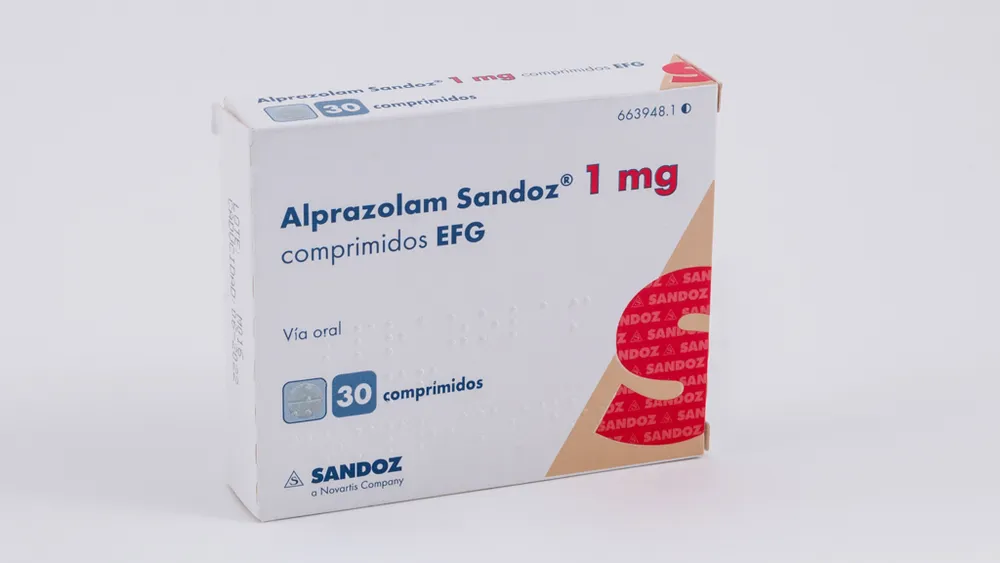
Table of Contents
- Patient Information Leaflet
- Alprazolam Sandoz 0.25 mg tablets, 0.50 mg tablets, 1 mg tablets
- 1. What Alprazolam Sandoz is and what it is used for
- 2. What you should know before taking Alprazolam Sandoz
- 3. How to take Alprazolam Sandoz
- 4. Possible side effects
- 5. How to store Alprazolam Sandoz
- 6. Package contents and other information
- Package leaflet: information for the patient
- Alprazolam Sandoz 0.75 mg/ml oral drops, solution
- 1. What Alprazolam Sandoz is and what it is used for
- 2. What you should know before taking Alprazolam Sandoz
- 3. How to take Alprazolam Sandoz
- 4. Possible side effects
- 5. How to store Alprazolam Sandoz
- 6. Package contents and other information
Patient Information Leaflet
Alprazolam Sandoz 0.25 mg tablets, 0.50 mg tablets, 1 mg tablets
Generic medicine
Please read this leaflet carefully before taking this medicine because it contains important information for you.
- Keep this leaflet. You may need to read it again.
- If you have any questions, consult your doctor or pharmacist.
- This medicine has been prescribed for you only. Do not give it to other people, even if their symptoms are the same as yours, as it may be harmful.
- If you experience any side effects, including those not listed in this leaflet, consult your doctor or pharmacist. See section 4.
Contents of this leaflet:
- What Alprazolam Sandoz is and what it is used for
- What you need to know before taking Alprazolam Sandoz
- How to take Alprazolam Sandoz
- Possible side effects
- How to store Alprazolam Sandoz
- Contents of the pack and other information
1. What Alprazolam Sandoz is and what it is used for
Alprazolam Sandoz contains the active substance alprazolam, which belongs to a group of medicines
called benzodiazepines.
Benzodiazepines are used to relieve severe anxiety states and panic attacks, which cause significant distress to the individual.
This medicine is indicated:
- for the treatment of anxiety, tension, and other anxiety-related disorders;
- for the treatment of panic attacks, including those caused by discomfort in being in open spaces (agoraphobia).
2. What you should know before taking Alprazolam Sandoz
Do not take Alprazolam Sandoz:
- if you are allergic to alprazolam, to other similar medicines (benzodiazepines), or to any of the other ingredients of this medicine (listed in section 6);
- if you suffer from myasthenia gravis, a disease causing muscle weakness and fatigue;
- if you have severe breathing problems (respiratory failure);
- if you have breathing difficulties during sleep (sleep apnea);
- if you have severe liver problems (hepatic insufficiency);
- if you have closed-angle glaucoma (increased pressure in the eye). However, the medicine may be used if you have a form of the disease called open-angle glaucoma and are receiving appropriate treatment;
- if you are in the first three months of pregnancy or if you are breastfeeding (see section "Pregnancy and breastfeeding").
Warnings and precautions
Talk to your doctor or pharmacist before taking Alprazolam Sandoz.
This medicine may reduce or even suppress consciousness, cause a significant reduction in spontaneous breathing ability, coma, and even death if taken together with other medicines acting on the brain and mind (e.g., opioids, antipsychotics, and hypnotic-sedatives) (see section "Other medicines and Alprazolam Sandoz").
Avoid taking this medicine if you have a history of alcohol or central nervous system depressant dependence, unless absolutely necessary.
Take this medicine with caution and always under medical supervision in the following cases:
- if you are elderly and/or debilitated (see section 3 “How to take Alprazolam Sandoz – Use in the elderly”). In this case, your doctor may decide to reduce the dose. Remember to use this medicine cautiously, as it may cause sedation and/or musculoskeletal weakness, increasing your risk of falls, which can have serious consequences;
- if you have lung problems (chronic respiratory insufficiency). Your doctor may decide to reduce the dose;
- if you have previously abused alcohol or drugs;
- if you have liver or kidney problems (mild to moderate hepatic or renal insufficiency);
- if you have personality disorders (psychosis), a serious mental illness altering behavior and impairing relationships with others. Alprazolam Sandoz is not recommended as primary treatment for this condition;
- if you suffer from severe depression. Alprazolam Sandoz, like other benzodiazepines, should not be used alone to treat depression or anxiety associated with depression, as it may worsen suicidal tendencies and cause mood changes;
- if you are being treated with other medicines acting on the brain and mind, because Alprazolam Sandoz may enhance the effects of these medicines (see section "Other medicines and Alprazolam Sandoz").
Tolerance
If after a few weeks the medicine seems less effective than at the beginning of treatment, consult your doctor.
Dependence
Alprazolam Sandoz may cause dependence (i.e., you may experience an increasing desire to take the medicine or develop physical symptoms that decrease or disappear only after taking the medicine). The risk increases with dose and duration of treatment. It is higher if you have previously abused drugs or alcohol. Therefore, your doctor will prescribe the most appropriate treatment based on your condition, using the lowest effective dose for the shortest possible time. Your doctor will also indicate when follow-up visits are needed to monitor your health during Alprazolam Sandoz therapy.
Withdrawal
When stopping Alprazolam Sandoz, you may experience withdrawal symptoms and a temporary worsening of the condition that led to benzodiazepine treatment (rebound symptoms), even if you took the medicine at recommended doses and for a short time (see section “If you stop taking Alprazolam Sandoz”). To minimize these symptoms, it is recommended to gradually reduce the dose.
Duration of treatment
The treatment duration should be as short as possible. The risk of dependence increases with dose and treatment duration; therefore, the lowest effective dose should be used, and treatment duration should be minimized. Your doctor will regularly reassess whether continued treatment is necessary.
Memory disturbances (Amnesia)
Taking this medicine may cause memory loss that does not affect past memories (anterograde amnesia). This may occur several hours after taking the medicine.
Paradoxical reactions
Alprazolam Sandoz may cause effects opposite to those expected (paradoxical effects) (see section 4 "Possible side effects"). These effects are more common in children and elderly patients. If you experience these effects, consult your doctor, as treatment with Alprazolam Sandoz should be discontinued.
Behavioral reactions
During treatment with this medicine, you may experience behavioral disturbances such as restlessness, agitation, irritability, aggression, delusions, anger, nightmares, hallucinations (seeing or hearing things that do not exist), psychosis (a serious mental condition where a person loses touch with reality and the ability to think and judge clearly), and behavioral changes. If you experience these symptoms, stop taking the medicine immediately. These reactions are more frequent in children and the elderly.
Benzodiazepines should not be used alone to treat depression or anxiety associated with depression, as suicidal thoughts may occur in such patients.
Children and adolescents
The efficacy and safety of Alprazolam Sandoz in children and adolescents under 18 years of age have not been established. Your doctor will decide whether Alprazolam Sandoz can be administered to children and adolescents based on their individual condition.
Other medicines and Alprazolam Sandoz
Inform your doctor or pharmacist if you are taking, have recently taken, or might take any other medicines.
Pay particular attention and inform your doctor if you are taking the following medicines:
- neuroleptic antipsychotics, for example clozapine, used to treat mental disorders;
- antidepressants such as nefazodone, fluvoxamine, fluoxetine, imipramine, desipramine, and sertraline;
- hypnotics, medicines used to promote sleep;
- anxiolytics/sedatives, used to treat anxiety;
- certain strong painkillers (narcotic analgesics, e.g., propoxyphene, opioids), which may cause increased feelings of well-being when taken with Alprazolam Sandoz. This may increase your desire to continue taking these medicines (dependence);
- antiepileptics, used for epilepsy, such as carbamazepine and phenytoin;
- anesthetics, used during surgical procedures;
- sedating antihistamines, used to treat allergies;
- medicines used for fungal infections such as ketoconazole, itraconazole, posaconazole, voriconazole;
- certain antibiotics used against bacterial infections (erythromycin, clarithromycin, telithromycin, troleandomycin);
- ritonavir and other medicines used to treat HIV (protease inhibitors);
- cimetidine, used to treat stomach lesions (ulcers);
- oral contraceptives;
- diltiazem, a medicine used to treat high blood pressure;
- digoxin, a medicine used to treat certain heart problems (arrhythmias);
- St. John’s wort, used to treat depression;
- muscle relaxants (muscle relaxants);
- rifampicin, an antibiotic used to treat infections.
Concomitant use of Alprazolam Sandoz and opioids (strong analgesics, medicines for addiction treatment, and some cough medicines) increases the risk of drowsiness, breathing difficulties (respiratory depression), coma, and can be life-threatening. Therefore, concomitant use should only be considered when no other treatment options are available.
However, if your doctor prescribes Alprazolam Sandoz together with opioids, the dose and duration of concomitant treatment must be strictly limited by your doctor.
Inform your doctor about all opioid medicines you are taking and follow your doctor’s dosage recommendations carefully. It may be helpful to inform friends or family members to watch for the symptoms listed above. Contact your doctor if you experience such symptoms.
Alprazolam Sandoz and alcohol
Do not consume alcohol during treatment with this medicine, as it may increase the sedative effect of the medicine.
Pregnancy and breastfeeding
Pregnancy
If you are pregnant, suspect you may be pregnant, plan to become pregnant, or are breastfeeding, consult your doctor or pharmacist before taking this medicine.
Do not take Alprazolam Sandoz during the first three months of pregnancy. In later stages, take this medicine only if necessary and at low doses, always under strict medical supervision.
If your doctor considers it necessary for you to take Alprazolam Sandoz in late pregnancy, your baby may experience loss of muscle tone (hypotonia), poor weight gain, feeding difficulties, and, in severe cases, breathing problems (respiratory depression or apnea), reduced body temperature (hypothermia), and a cleft lip (oral cleft).
If Alprazolam Sandoz has been taken regularly during late pregnancy or during labor, your baby may show withdrawal symptoms.
If you start treatment with Alprazolam Sandoz and are of childbearing age, consult your doctor immediately if you plan to become pregnant or suspect you are pregnant, as it will be necessary to discontinue the medicine.
Breastfeeding
Alprazolam Sandoz, like other benzodiazepines, is excreted in breast milk and is therefore contraindicated during breastfeeding.
Driving and using machines
Taking Alprazolam Sandoz may affect your ability to drive or operate machinery, as you may feel confused, forgetful, drowsy, or experience muscle problems. These effects are worse if you have not slept enough. If this happens, do not drive or operate machinery. Consuming alcohol during treatment with this medicine negatively affects your ability to drive or use machinery.
Alprazolam Sandoz contains lactose
If your doctor has diagnosed you with an intolerance to certain sugars, contact them before taking this medicine.
Alprazolam Sandoz contains sodium benzoate
This medicine contains 0.11 mg of sodium benzoate per tablet.
Alprazolam Sandoz contains sodium
This medicine contains less than 1 mmol (23 mg) of sodium per tablet, i.e., essentially 'sodium-free'.
Alprazolam Sandoz 0.5 mg tablets contain Sunset Yellow (E 110)
This may cause allergic reactions.
3. How to take Alprazolam Sandoz
Take this medicine exactly as directed by your doctor or pharmacist. If you have any doubts, consult your doctor or pharmacist.
You must continue taking this medicine for as long as your doctor advises.
Always use the lowest effective dose and do not exceed the maximum recommended dose to avoid unwanted side effects.
The duration of treatment should be as short as possible.
Treatment of anxiety
The recommended starting dose is 0.25 to 0.50 mg, taken three times daily. This dose may be increased by your doctor up to a maximum of 4 mg per day, divided into several doses. Dose increases should first be made to the evening dose, followed by daytime doses. The duration of treatment should generally not exceed 8–12 weeks, including a period of gradual discontinuation.
In certain cases, your doctor may decide to extend the treatment after evaluating your health condition.
Treatment of panic attacks and fear of open spaces (agoraphobia)
The initial dose is 0.5–1 mg daily, taken before bedtime, for 1 or 2 days of treatment. Subsequently, depending on the patient's response, the dose may be increased by the doctor, but not more frequently than increasing by 1 mg every 3 or 4 days. Dose increases should first be made at midday, then in the morning, and finally in the afternoon and evening, until reaching a dosing frequency of 3 or 4 times per day. The duration of treatment should not exceed 8 months.
Your doctor will regularly monitor your condition at the beginning of treatment and may reduce the dose or frequency of administration if necessary.
The duration of treatment with Alprazolam Sandoz should be as short as possible. The recommended treatment duration should not exceed 8–12 weeks for anxiety and 8 months for panic attacks. This period includes the time needed to gradually reduce the dose of Alprazolam Sandoz before stopping completely. Your doctor will decide whether treatment can continue beyond the recommended maximum duration.
Use in the elderly
In elderly patients, patients with severe hepatic impairment and/or impaired renal function, or in the presence of debilitating organic diseases, it is recommended to start with 0.25 mg 2–3 times daily. The dose may be increased only if necessary and if well tolerated.
If you take more Alprazolam Sandoz than you should
If you (or someone else) have taken an excessive dose of Alprazolam Sandoz, or if you suspect a child has taken this medicine, contact your doctor immediately or go to the nearest hospital emergency department.
Overdose may cause profound depression of the central nervous system, with symptoms such as drowsiness, confusion, muscle problems (ataxia, hypotonia), low blood pressure, breathing difficulties, coma, and death.
If you forget to take Alprazolam Sandoz
If you forget to take a dose, take it as soon as you remember, unless it is almost time for your next dose. Do not take a double dose to make up for the missed tablet.
If you stop taking Alprazolam Sandoz
Do not stop treatment with Alprazolam Sandoz suddenly or without first discussing it with your doctor, as withdrawal symptoms may occur.
If your doctor decides to discontinue treatment, they will gradually reduce your dose (by no more than 0.5 mg every 3 days) to minimize withdrawal symptoms, such as:
- mood disturbances, insomnia;
- vomiting, muscle and abdominal cramps;
- sweating, tremor, and seizures;
- headache, muscle pain, tension;
- severe anxiety, confusion, restlessness, irritability;
- in severe cases of withdrawal, derealization (feeling that things are not real), depersonalization (feeling of detachment from the surroundings), intolerance to sound (hyperacusis), numbness and tingling in hands and feet, sensitivity to light, noise, and physical touch, hallucinations (seeing or hearing things that are not real), or epileptic seizures.
Treatment should be discontinued gradually; otherwise, the symptoms for which you were being treated may return even more intensely than before (rebound anxiety). The risk of developing these symptoms is higher if you stop taking Alprazolam Sandoz abruptly. You may also experience mood changes, anxiety, restlessness, and sleep disturbances.
If you have any questions about the use of this medicine, consult your doctor or pharmacist.
4. Possible side effects
Like all medicines, this medicine can cause side effects, although not everybody gets them.
Seek immediate medical advice if you experience depression and mental disorders, effects opposite to those expected (see section 2 "Paradoxical reactions" such as restlessness, agitation, irritability, aggression, delusion, anger, nightmares, hallucinations (seeing or hearing things that do not exist), psychosis (a serious mental condition in which a person loses touch with reality and the ability to think and judge clearly), behavioural changes. If any of these side effects occur, treatment must be discontinued immediately. These reactions are more frequent in children and elderly patients.
Seek immediate medical advice if you experience any of the following side effects, as they may be serious:
- swelling of the face, tongue and throat leading to difficulty in swallowing and breathing (angioedema);
- difficulty in remembering events that occurred after taking the medicine (see section 2 “Memory disturbances - Amnesia”);
- dependence (see section 2 “Dependence”);
- withdrawal symptoms and rebound symptoms (see section 3 “If you stop taking Alprazolam Sandoz”).
Contact your doctor if you experience any of the following side effects:
Very common (may affect more than 1 in 10 people):
- depression;
- drowsiness;
- sedation;
- loss of ability to coordinate movements (ataxia);
- memory disturbances;
- difficulty in speaking (dysarthria);
- dizziness;
- headache;
- constipation;
- dry mouth due to lack of saliva;
- fatigue;
- irritability.
Common (may affect up to 1 in 10 people):
- decreased appetite, decreased or increased body weight;
- confusion, disorientation;
- increased or decreased sexual desire, sexual dysfunction;
- anxiety;
- insomnia, excessive sleepiness;
- nervousness;
- problems with movement coordination, balance disorders;
- loss of attention;
- excessive drowsiness (lethargy);
- tremor;
- slurred speech;
- difficulty concentrating;
- vertigo;
- blurred vision;
- nausea;
- dermatitis.
Uncommon (may affect up to 1 in 100 people):
- double vision;
- mood disorders (mania), hallucinations, anger, agitation;
- mental (psychiatric) problems, paradoxical reactions such as restlessness, irritability, agitation and aggression;
- memory loss (amnesia);
- vomiting;
- muscle weakness;
- involuntary loss of urine (incontinence);
- menstrual cycle irregularities;
- blood disorders (discrasias);
- drug dependence;
- drug withdrawal syndrome;
- skin reactions.
Not known (frequency cannot be estimated from the available data):
- increased levels of prolactin (a natural hormone) in the blood;
- mood changes (hypomania) and aggression;
- hostile behaviour, abnormal thoughts;
- impulsivity and motor hyperactivity;
- disturbances of the autonomic nervous system responsible for bodily functions that cannot be voluntarily controlled, emotional alterations (emotional blunting), reduced alertness (e.g. functions of internal organs and glands);
- involuntary muscle contractions causing unnatural postures (dystonia);
- stomach and intestinal disorders;
- increased salivation, difficulty in swallowing (dysphagia);
- liver problems (hepatitis), altered liver function;
- swelling of the face, lips, mouth, tongue or throat which may cause difficulty in swallowing and breathing (angioedema), allergic reactions after exposure to light (photosensitivity reactions);
- reduced blood pressure (hypotension), increased heart rate (tachycardia);
- nasal congestion, yellow/yellowish discoloration of the skin and mucous membranes (jaundice);
- inability to completely empty the bladder (urinary retention);
- swelling of the hands and feet due to fluid accumulation (peripheral oedema);
- increased intraocular pressure;
- misuse of this medicine (tendency to excessive or inappropriate use of Alprazolam Sandoz).
Reporting of side effects
If you experience any side effect, including those not listed in this leaflet, talk to your doctor or pharmacist. You can also report side effects directly via the national reporting system at: https://www.aifa.gov.it/content/segnalazioni-reazioni-avverse. By reporting side effects, you can help provide more information on the safety of this medicine.
5. How to store Alprazolam Sandoz
Keep this medicine out of the sight and reach of children.
Do not use this medicine after the expiry date stated on the packaging after "Exp.".
The expiry date refers to the last day of that month.
Store in the original packaging to protect the medicine from light.
Do not dispose of any medicine via wastewater or household waste. Ask your pharmacist how to dispose of medicines you no longer use. This will help protect the environment.
6. Package contents and other information
What Alprazolam Sandoz contains
Alprazolam Sandoz 0.25 mg tablets
The active substance is alprazolam. Each tablet contains 0.25 mg of alprazolam.
The other components are corn starch, microcrystalline cellulose, lactose, sodium docusate, magnesium stearate, anhydrous colloidal silica, sodium benzoate.
Alprazolam Sandoz 0.50 mg tablets
The active substance is alprazolam. Each tablet contains 0.50 mg of alprazolam.
The other components are corn starch, microcrystalline cellulose, lactose, sodium docusate, magnesium stearate, anhydrous colloidal silica, sodium benzoate, aluminium lake of Sunset Yellow (E 110).
Alprazolam Sandoz 1 mg tablets
The active substance is alprazolam. Each tablet contains 1 mg of alprazolam.
The other components are corn starch, microcrystalline cellulose, lactose, sodium docusate, magnesium stearate, anhydrous colloidal silica, sodium benzoate, aluminium lake of Indigo Carmine (E 132).
Description of the appearance of Alprazolam Sandoz and contents of the pack
Boxes of 20 tablets of 0.25 mg, 0.50 mg and 1 mg.
Marketing Authorization Holder
Sandoz S.p.A. - Largo U. Boccioni 1, 21040 - Origgio (VA) - Italy
Manufacturers
ABC Farmaceutici S.p.A. – Cantone Moretti, 29 – Loc. San Bernardo - 10015 Ivrea (TO)
MIPHARM S.p.A. - Via B. Quaranta, 12 - 20141 Milano
Package leaflet: information for the patient
Alprazolam Sandoz 0.75 mg/ml oral drops, solution
Equivalent medicine
Please read this leaflet carefully before taking this medicine, as it contains important information for you.
- Keep this leaflet. You may need to read it again.
- If you have any questions, ask your doctor or pharmacist.
- This medicine has been prescribed for you only. Do not give it to other people, even if their symptoms are the same as yours, as it could be harmful.
- If you experience any adverse reaction, including those not listed in this leaflet, contact your doctor or pharmacist. See section 4.
Contents of this leaflet:
- What Alprazolam Sandoz is and what it is used for
- What you need to know before taking Alprazolam Sandoz
- How to take Alprazolam Sandoz
- Possible side effects
- How to store Alprazolam Sandoz
- Contents of the pack and other information
1. What Alprazolam Sandoz is and what it is used for
Alprazolam Sandoz contains the active substance alprazolam, which belongs to a group of
medicines called benzodiazepines.
Benzodiazepines are used to relieve severe anxiety states and panic attacks, which cause significant distress to the individual.
This medicine is indicated:
- for the treatment of anxiety, tension, and other anxiety-related disorders;
- for the treatment of panic attacks, including those caused by discomfort in open spaces (agoraphobia).
2. What you should know before taking Alprazolam Sandoz
Do not take Alprazolam Sandoz:
- if you are allergic to alprazolam, to other similar medicines (benzodiazepines), or to any of the other ingredients of this medicine (listed in section 6);
- if you suffer from myasthenia gravis, a disease causing muscle weakness and fatigue;
- if you have severe breathing problems (respiratory failure);
- if you have breathing difficulties during sleep (sleep apnea);
- if you have severe liver problems (hepatic insufficiency);
- if you suffer from closed-angle glaucoma (high pressure in the eye). However, the medicine may be used if you have a form of the disease called open-angle glaucoma and are receiving appropriate therapy;
- if you are in the first three months of pregnancy or if you are breastfeeding (see section "Pregnancy and breastfeeding").
Warnings and precautions
Talk to your doctor or pharmacist before taking Alprazolam Sandoz.
This medicine can reduce or even abolish the state of consciousness, may cause a significant
reduction in spontaneous breathing capacity, coma, and death if taken together with
other medicines acting on the brain and mind (e.g. opioids, antipsychotics, and
hypnotic-sedatives)
(see section "Other medicines and Alprazolam Sandoz").
Avoid taking this medicine if you have alcohol or central nervous system depressant drug dependence, unless absolutely necessary.
Take this medicine with caution and always under medical supervision in the following cases:
- if you are elderly and/or debilitated (see section 3 “How to take Alprazolam Sandoz – Use in the elderly”). In this case, your doctor may decide to reduce the dose; remember to use this medicine cautiously as it may cause sedation and/or musculoskeletal weakness, increasing your risk of falls, often with serious consequences;
- if you have lung problems (respiratory insufficiency). Your doctor may decide to reduce the dose;
- if you have previously abused alcohol or drugs;
- if you have liver or kidney problems (mild to moderate hepatic or renal insufficiency);
- if you have personality disorders (psychosis), a serious mental illness that alters behavior and causes difficulties in relating to others. Alprazolam Sandoz is not recommended as primary treatment for this condition;
- if you suffer from severe depression. Alprazolam Sandoz, like other benzodiazepines, should not be used alone to treat depression or anxiety associated with depression, as it may worsen suicidal tendencies and cause mood changes;
- if you are being treated with other medicines acting on the brain and mind, because Alprazolam Sandoz may enhance the effects of these medicines (see section "Other medicines and Alprazolam Sandoz").
Tolerance
If after several weeks the medicine seems less effective than at the beginning of treatment, consult your doctor.
Dependence
Alprazolam Sandoz may cause dependence (i.e. you may experience an increasing desire to take the medicine or develop physical symptoms that decrease or disappear only after taking the medicine). The risk increases with dose and duration of treatment. The risk is higher if you have previously abused drugs or alcohol. Therefore, your doctor will prescribe the most appropriate treatment based on your condition, using the lowest effective dose for the shortest possible time. Your doctor will also advise you on when to have follow-up visits to monitor your health in relation to Alprazolam Sandoz therapy.
Withdrawal
When stopping Alprazolam Sandoz, you may experience withdrawal symptoms and a temporary worsening of the condition that led to benzodiazepine treatment (rebound symptoms), even if you have taken the medicine at recommended doses and for a short period (see section “If you stop taking Alprazolam Sandoz”). To minimize these symptoms, it is recommended to gradually reduce the dose.
Duration of treatment
Treatment duration should be as short as possible. The risk of dependence may increase with dose and duration of treatment; therefore, the lowest effective dose should be used, and treatment duration should be kept as short as possible. Your doctor will frequently reassess whether continued treatment is necessary.
Memory disturbances (Amnesia)
Taking this medicine may cause memory loss that does not affect past memories (anterograde amnesia). This may occur several hours after taking the medicine.
Paradoxical reactions
Alprazolam Sandoz may cause effects opposite to those expected (paradoxical effects) (see section 4 "Possible side effects"). These effects are more common in children and elderly people. If you experience these effects, consult your doctor, as treatment with Alprazolam Sandoz should be discontinued.
Behavioral reactions
During treatment with this medicine, you may experience behavioral disturbances such as restlessness, agitation, irritability, aggression, delusions, anger, nightmares, hallucinations (seeing or hearing things that do not exist), psychosis (a severe mental condition in which a person loses touch with reality and the ability to think and judge clearly), and behavioral changes. If you experience these symptoms, stop taking the medicine immediately. Such reactions are more frequent in children and the elderly.
Benzodiazepines should not be used alone to treat depression or anxiety associated with depression, as suicidal thoughts may occur in such patients.
Children and adolescents
The efficacy and safety of Alprazolam Sandoz in children and adolescents under 18 years of age are unknown. Your doctor will decide whether Alprazolam Sandoz can be administered to children and adolescents based on their individual condition.
Other medicines and Alprazolam Sandoz
Inform your doctor or pharmacist if you are taking, have recently taken, or might take any other medicine.
Pay particular attention and inform your doctor if you are taking the following medicines:
- neuroleptic antipsychotics, used to treat mental disorders;
- antidepressants such as nefazodone, fluvoxamine, fluoxetine, imipramine, and desipramine;
- hypnotics, medicines used to promote sleep;
- anxiolytics/sedatives, used to treat anxiety;
- certain strong painkillers (narcotic analgesics, e.g. propoxyphene, opioids), which may cause increased feelings of well-being when taken with Alprazolam Sandoz. This may increase your desire to continue taking these medicines (dependence);
- antiepileptics, used for epilepsy;
- anesthetics, used during surgical procedures;
- sedating antihistamines, used to treat allergies;
- medicines used for fungal infections such as ketoconazole, itraconazole, posaconazole, voriconazole;
- certain antibiotics used against bacterial infections (erythromycin, clarithromycin, telithromycin, troleandomycin);
- ritonavir and other medicines used to treat HIV (protease inhibitors);
- cimetidine, used to treat stomach lesions (ulcers);
- oral contraceptives;
- diltiazem, a medicine used to treat high blood pressure;
- digoxin, a medicine used to treat certain heart problems (arrhythmias).
Concomitant use of Alprazolam Sandoz and opioids (strong analgesics, medicines for addiction therapy, and some cough medicines) increases the risk of drowsiness, breathing difficulties (respiratory depression), coma, and may be life-threatening. For this reason, concomitant use should only be considered when no other treatment options are available.
However, if your doctor prescribes Alprazolam Sandoz together with opioids, the dose and duration of concomitant treatment must be limited by your doctor.
Inform your doctor about all opioid medicines you are taking and follow your doctor’s dosage recommendations carefully. It may be helpful to inform family or friends to watch for the signs and symptoms listed above. Contact your doctor if you experience such symptoms.
Alprazolam Sandoz and alcohol
Do not consume alcohol during treatment with this medicine, as it may increase the sedative effect of the medicine.
Pregnancy and breastfeeding
Pregnancy
If you are pregnant, suspect you may be pregnant, plan to become pregnant, or are breastfeeding, consult your doctor or pharmacist before taking this medicine.
Do not take Alprazolam Sandoz during the first three months of pregnancy. In later stages, take this medicine only if necessary and at low doses, always under strict medical supervision.
If your doctor considers it necessary for you to take Alprazolam Sandoz in the later stages of pregnancy, your baby may experience loss of muscle tone (hypotonia), poor weight gain, feeding difficulties, and, in severe cases, breathing problems (respiratory depression or apnea), low body temperature (hypothermia), and a cleft lip known as cleft palate (oral cleft).
If Alprazolam Sandoz has been taken regularly during the later stages of pregnancy or during labor, your baby may experience withdrawal symptoms.
If you start Alprazolam Sandoz treatment while of childbearing age, consult your doctor both if you plan to become pregnant and if you suspect you are pregnant, as it will be necessary to discontinue the medicine.
Breastfeeding
Alprazolam Sandoz, like other benzodiazepines, is excreted in breast milk and is therefore contraindicated during breastfeeding.
Driving and using machines
The use of Alprazolam Sandoz may affect your ability to drive vehicles and operate machinery because you may feel confused, forgetful, drowsy, or experience muscle problems. These effects increase if you have not slept enough. If this happens, do not drive or operate machinery. Consuming alcohol during treatment with this medicine negatively affects your ability to drive and use machinery.
Alprazolam Sandoz contains ethanol (alcohol)
This medicine contains 13 vol% ethanol (alcohol), e.g. up to 169 mg per 1 mg dose of alprazolam (40 drops), equivalent to 4.3 ml of beer and 1.8 ml of wine per dose. It may be harmful to alcoholics. This should be considered in pregnant or breastfeeding women, children, and high-risk groups such as people with liver disease or epilepsy.
Alprazolam Sandoz contains propylene glycol
This medicine contains 233.3 mg of propylene glycol per 10 drops (0.25 mg of alprazolam), equivalent to 700 mg/ml.
If the child is less than 4 weeks old, talk to your doctor or pharmacist before administering this medicine, especially if the child is taking other medicines containing propylene glycol or alcohol.
If the child is under 5 years of age, talk to your doctor or pharmacist before administering this medicine, especially if the child is taking other medicines containing propylene glycol or alcohol.
If you are pregnant or breastfeeding, do not take this medicine unless otherwise recommended by your doctor. Your doctor may perform additional monitoring during treatment.
If you suffer from liver or kidney disease, do not take this medicine unless otherwise recommended by your doctor. Your doctor may perform additional monitoring during treatment.
Propylene glycol in this medicine may produce effects similar to those of alcohol consumption and may increase the likelihood of side effects. Do not use this medicine in children under 5 years of age. Use this medicine only if recommended by your doctor. Your doctor may perform additional monitoring during treatment.
Alprazolam Sandoz contains sodium
This medicine contains less than 1 mmol (23 mg) of sodium per 10 drops (0.25 mg of alprazolam), i.e. essentially ‘sodium-free’.
3. How to take Alprazolam Sandoz
Take this medicine exactly as instructed by your doctor or pharmacist.
If you have any doubts, consult your doctor or pharmacist.
You must continue taking this medicine for as long as your doctor tells you to do so.
Always use the lowest effective dose and do not exceed the maximum recommended dose to avoid unwanted effects.
The duration of treatment should be as short as possible.
Treatment of anxiety
The recommended starting dose is 0.25 to 0.50 mg (or 10–20 drops of oral solution), taken 3 times daily. This dose may be increased by your doctor up to a maximum of 4 mg per day, divided into several doses. Dose increases should first be made to the evening dose, then to daytime doses. The duration of treatment should generally not exceed 8–12 weeks, including a period of gradual discontinuation.
In certain cases, your doctor may decide to extend the treatment after evaluating your health condition.
Treatment of panic attacks and fear of open spaces (agoraphobia)
The initial dose is 0.5–1 mg (or 20–40 drops of oral solution) per day, taken at bedtime, for 1 or 2 days of treatment. Subsequently, depending on the patient's response, the dose may be increased by the doctor, but not by more than 1 mg every 3 or 4 days.
Dose escalation should first be introduced at midday, then in the morning, and finally in the afternoon and evening, until reaching a dosing frequency of 3 or 4 times daily. The duration of treatment should not exceed 8 months.
Your doctor will regularly monitor your condition at the beginning of treatment and may reduce the dose or frequency of administration if necessary.
The duration of treatment with Alprazolam Sandoz should be as short as possible. The recommended treatment duration should not exceed 8–12 weeks for anxiety and 8 months for panic attacks. This period also includes the time needed to gradually reduce the dose of Alprazolam Sandoz before stopping. Your doctor will decide whether treatment may continue beyond the recommended maximum duration.
Use in elderly patients
In elderly patients, in patients with severe hepatic impairment and/or impaired renal function, or in the presence of debilitating organic diseases, it is recommended to start with 0.25 mg (or 10 drops of oral solution) 2–3 times daily. The dose may be increased only if necessary and if well tolerated.
If you take more Alprazolam Sandoz than you should
If you (or someone else) have taken an excessive dose of Alprazolam Sandoz, or if you suspect that a child has taken this medicine, contact your doctor immediately or go to the nearest hospital emergency department.
An overdose may cause profound depression of the central nervous system, with symptoms such as drowsiness, confusion, muscle problems (ataxia, hypotonia), low blood pressure, breathing difficulties, coma, and even death.
If you forget to take Alprazolam Sandoz
If you forget to take a dose, take it as soon as you remember, unless it is almost time for your next dose. Do not take a double dose to make up for the missed one.
If you stop taking Alprazolam Sandoz
Do not stop treatment with Alprazolam Sandoz suddenly or without first discussing it with your doctor, as withdrawal symptoms may occur.
If your doctor decides to discontinue treatment, they will gradually reduce your dose (by no more than 0.5 mg every 3 days) to minimize withdrawal symptoms, which may include:
- mood disturbances, insomnia;
- vomiting, muscle and abdominal cramps;
- sweating, tremor, and seizures;
- headache, muscle pain, tension;
- severe anxiety, confusion, restlessness, irritability;
- in severe withdrawal cases: derealization (a feeling that things are not real), depersonalization (a feeling of detachment from the surroundings), sound intolerance (hyperacusis), numbness and tingling in hands and feet, sensitivity to light, noise and physical touch, hallucinations (seeing or hearing things that are not there), or epileptic seizures.
Treatment must be discontinued gradually; otherwise, the symptoms for which you were being treated may return more intensely than before (rebound anxiety). The risk of developing these symptoms is higher if you stop taking Alprazolam Sandoz abruptly. You may also experience mood changes, anxiety, restlessness, and sleep disturbances.
If you have any questions about how to use this medicine, consult your doctor or pharmacist.
4. Possible side effects
Like all medicines, this medicine can cause side effects, although not everybody gets them.
Contact your doctor immediately if you experience depression and mental disorders, effects opposite
to those expected (see section 2 "Paradoxical reactions" such as: restlessness, agitation,
irritability, aggressiveness, delirium, rage, nightmares, hallucinations (seeing and hearing things that
do not exist), psychosis (a severe mental condition in which a person loses touch with reality and the
ability to think and judge clearly), behavioural changes. If such side effects occur, treatment must be
discontinued. These reactions are more frequent in children and elderly patients.
Contact your doctor immediately if you experience any of the following side effects as they may be
serious:
- swelling of the face, tongue and throat leading to difficulty in swallowing and breathing (angioedema);
- difficulty remembering events after taking the medicine (see section 2 "Memory disturbances - Amnesia");
- dependence (see section 2 "Dependence");
- withdrawal symptoms and rebound symptoms (see section 3 "If you stop treatment with Alprazolam Sandoz");
Contact your doctor if you experience any of the following side effects:
Very common (may affect more than 1 in 10 people):
- depression;
- drowsiness;
- sedation;
- loss of ability to coordinate movements;
- memory disturbances;
- difficulty speaking;
- dizziness;
- headache;
- constipation;
- dry mouth due to lack of saliva;
- fatigue;
- irritability.
Common (may affect up to 1 in 10 people):
- decreased appetite, decrease or increase in body weight;
- confusion, disorientation;
- increased or decreased sexual desire, sexual dysfunction;
- anxiety;
- insomnia, excessive sleepiness;
- nervousness;
- problems with coordination of movements, balance disorders;
- loss of attention;
- excessive drowsiness (lethargy);
- tremor;
- slurred speech;
- difficulty concentrating;
- vertigo;
- blurred vision;
- nausea;
- memory impairment;
- dermatitis.
Uncommon (may affect up to 1 in 100 people):
- mood disturbances (mania), hallucinations, anger, agitation;
- memory loss (amnesia);
- vomiting;
- muscle weakness;
- involuntary loss of urine (incontinence);
- menstrual irregularities;
- drug dependence;
- drug withdrawal syndrome.
Not known (frequency cannot be estimated from the available data):
- increased levels of prolactin (a natural hormone) in the blood;
- mood changes (hypomania);
- hostile behaviours, abnormal thoughts;
- impulsiveness and motor hyperactivity;
- disturbances of the nervous system controlling bodily functions that cannot be voluntarily controlled (e.g. internal organs and glands);
- involuntary muscle contractions causing unnatural postures (dystonia);
- stomach and intestinal disorders;
- liver problems (hepatitis), altered liver function;
- swelling of the face, lips, mouth, tongue or throat which may cause difficulty in swallowing and breathing (angioedema), allergic reactions after exposure to light (photosensitivity reactions);
- yellow/yellowish discoloration of the skin and mucous membranes (jaundice);
- inability to completely empty the bladder (urinary retention);
- swelling of the hands and feet due to fluid accumulation (peripheral oedema);
- increased pressure inside the eye;
- misuse of this medicine (tendency to excessive or inappropriate use of Alprazolam Sandoz).
Reporting of side effects
If you experience any side effect, including those not listed in this leaflet, contact your doctor or
pharmacist. You can also report side effects directly via the national reporting system at
https://www.aifa.gov.it/content/segnalazioni-reazioni-avverse. By reporting side effects, you can
help provide more information on the safety of this medicine.
5. How to store Alprazolam Sandoz
Keep this medicine out of the sight and reach of children.
Do not use this medicine after the expiry date stated on the packaging after "Exp.".
The expiry date refers to the last day of that month.
Store in the original packaging to protect the medicine from light.
Oral drops must be used within 6 months of first opening the bottle. Any excess medicine must be discarded.
Do not dispose of any medicine via wastewater or household waste. Ask your pharmacist how to dispose of medicines no longer required. This will help protect the environment.
6. Package contents and other information
What Alprazolam Sandoz contains
The active substance is alprazolam. 1 ml of solution contains 0.75 mg of alprazolam.
The other components are ethanol, propylene glycol, sodium saccharin, cherry flavour,
purified water.
Description of the appearance of Alprazolam Sandoz and package contents
20 ml bottle.
Marketing Authorization Holder
Sandoz S.p.A. - L.go U. Boccioni 1 - 21040 Origgio (VA) - Italy
Manufacturer
ABC Farmaceutici S.p.A. – Cantone Moretti, 29 - Loc. San Bernardo - 10015 Ivrea (TO)