Aciclin
ItalyTable of Contents
- Package leaflet: Information for the patient
- Aciclin 400 mg tablets, 800 mg tablets
- 1. What Aciclin is and what it is used for
- 2. What you need to know before taking Aciclin
- 3. How to take Aciclin
- 4. Possible side effects
- 5. How to store Aciclin
- 6. Package contents and other information
- Package leaflet: information for the patient
- Aciclin 50 mg/g cream
- 1. What Aciclin is and what it is used for
- 2. What you need to know before using Aciclin
- 4. How to take Aciclin
- 4. Possible side effects
- 5. How to store Aciclin
- 7. Package contents and other information
- Patient Information Leaflet
- Aciclin 400 mg/5 ml oral suspension
- 1. What Aciclin is and what it is used for
- 2. What you need to know before taking Aciclin
- 5. How to take Aciclin
- 4. Possible side effects
- 5. How to store Aciclin
- 8. Contents of the pack and other information
Package leaflet: Information for the patient
Aciclin 400 mg tablets, 800 mg tablets
aciclovir
Generic medicine
Please read this leaflet carefully before taking this medicine because it contains important information for you.
- Keep this leaflet. You may need to read it again.
- If you have any questions, ask your doctor or pharmacist.
- This medicine has been prescribed for you only. Do not give it to other people, even if their symptoms are the same as yours, as it could be harmful.
- If you experience any side effects, including those not listed in this leaflet, tell your doctor or pharmacist. See section 4.
Contents of this leaflet:
- What Aciclin is and what it is used for
- What you need to know before taking Aciclin
- How to take Aciclin
- Possible side effects
- How to store Aciclin
- Contents of the pack and other information
1. What Aciclin is and what it is used for
Aciclin tablets contain the active substance aciclovir, which belongs to a group of medicines known as systemic antivirals.
Aciclin tablets are indicated:
for the treatment of Herpes simplex infections, which cause painful, round lesions and blisters, as well as redness affecting the skin and mucous membranes, including genital infections occurring for the first time or recurring (recurrent infections);
for the suppression of recurrent Herpes simplex infections in immunocompetent patients (patients with normally functioning immune systems);
for the prevention of Herpes simplex infections in patients with compromised immune systems;
for the treatment of chickenpox and Herpes zoster, highly contagious infectious diseases caused by the varicella-zoster virus.
2. What you need to know before taking Aciclin
Do not take Aciclin if
you are allergic to the active substance aciclovir or valaciclovir, or to any of the other ingredients of
this medicine (listed in section 6);
Warnings and precautions
Talk to your doctor or pharmacist before taking Aciclin if:
you are elderly or have kidney problems. In such cases, your doctor may reduce the dose of aciclovir to
decrease the risk of undesirable effects affecting the nervous system.
These effects usually resolve once treatment is stopped (see section “Possible side effects”);
you have a severely weakened immune system, as prolonged or repeated use of Aciclin may promote
resistance of certain viruses, resulting in reduced response to treatment.
If your doctor has prescribed Aciclin at high doses, make sure you drink plenty of fluids such as water while
taking Aciclin (see section “How to take Aciclin”).
Children and adolescents
There are no clinical data available on the treatment of Herpes simplex or Herpes zoster infections in children with a non-compromised immune system.
Other medicines and Aciclin
Tell your doctor or pharmacist if you are taking, have recently taken, or might take any other medicines.
In particular, inform your doctor or pharmacist if you are taking any of the following
medicines: probenecid, used to treat gout;
cimetidine, used to treat certain stomach disorders;
medicines containing mycophenolate mofetil, used to prevent rejection of transplanted organs.
Pregnancy, breastfeeding and fertility
If you are pregnant, think you may be pregnant, planning to become pregnant, or breastfeeding, consult your doctor or pharmacist before taking this medicine.
Pregnancy
Limited clinical data recommend using Aciclin during pregnancy only when clearly necessary and under medical supervision. Your doctor will assess whether the potential benefits of treatment outweigh the possibility of unknown risks.
Breastfeeding
Aciclin may be excreted in breast milk; therefore, it should not be taken during breastfeeding.
Fertility
There are no data available regarding fertility in women. Aciclovir tablets have shown no effects on sperm count, morphology, or motility in men.
Driving and using machines
No studies have been conducted to evaluate the effects of Aciclin on the ability to drive or operate machinery. Consider the possible occurrence of side effects that may impair attention levels.
Aciclin tablets contain sodium. This medicine contains less than 1 mmol (23 mg) of sodium per tablet, i.e. essentially ‘sodium-free’.
3. How to take Aciclin
Take this medicine exactly as instructed by your doctor or pharmacist. If you have any doubts, consult your doctor or pharmacist.
Take the tablet orally, following your doctor's instructions.
To help you take the correct dosage—which varies depending on the condition being treated—other formulations and strengths of aciclovir are available.
Use in adults
Treatment of Herpes simplex infections
The recommended dose is 200 mg of aciclovir five times daily, approximately every 4 hours, omitting the nighttime dose. Other formulations and dosages of aciclovir are available to achieve this recommended dose.
Treatment should continue for 5 days.
In cases of severe, first-episode herpes infections, your doctor may advise you to extend the treatment duration.
If you have a severely weakened immune system (e.g., after bone marrow transplantation) or intestinal absorption problems, your doctor may prescribe a higher dose of 400 mg of aciclovir, or consider intravenous administration of aciclovir.
Aciclin is most effective when treatment is started promptly, and in recurrent infections, at the first signs of herpes (such as burning, swelling, or itching) or at the first appearance of a lesion.
Treatment of recurrent Herpes simplex infections in patients with non-compromised immune systems
The recommended dose is 200 mg of aciclovir four times daily, every 6 hours. Other formulations of aciclovir are available to achieve this dose.
Many patients may be successfully treated with a dosage of 400 mg of aciclovir twice daily, every 12 hours.
Other effective regimens include 200 mg of aciclovir three times daily (every 8 hours) or twice daily at 12-hour intervals. Other formulations and dosages of aciclovir are available to achieve these recommended doses.
In some patients, recurrent infections may be managed with a total daily dose of 800 mg of aciclovir.
Interrupt treatment periodically, always following your doctor’s advice, every 6 or 12 months, so your doctor can assess any changes in the disease course.
Preventive treatment (prophylaxis) of Herpes simplex infections in patients with compromised immune systems
The recommended dose is 200 mg of aciclovir four times daily, every 6 hours. Other formulations and dosages of aciclovir are available to achieve this dosage.
If you have a severely weakened immune system (e.g., after bone marrow transplantation) or intestinal absorption difficulties, your doctor may prescribe a higher dose of 400 mg of aciclovir, or consider intravenous aciclovir administration.
Your doctor will determine the treatment duration based on your period of risk exposure.
Treatment of Herpes zoster (shingles) and varicella (chickenpox)
The recommended dose is 800 mg of aciclovir five times daily, approximately every 4 hours (e.g., at breakfast, late morning, early afternoon, late afternoon, and evening), omitting the nighttime dose.
Treatment should continue for 7 consecutive days.
If you have a severely compromised immune system (e.g., after bone marrow transplantation) or intestinal absorption problems, your doctor will consider intravenous administration of aciclovir.
Aciclin is most effective when treatment is started promptly, at the first signs of a lesion.
Use in children
There are no clinical data available on the treatment of Herpes simplex or Herpes zoster infections in children with non-compromised immune systems.
Treatment of Herpes simplex infections and prophylaxis in children with compromised immune systems
| Age | Recommended dose | |-----|-------------------| | Under 2 years | Half the adult dose | | Over 2 years | Same as adult dosage |
Other formulations and dosages of aciclovir are available to achieve these recommended doses.
Treatment of varicella (chickenpox)
| Age | Recommended dose | |-----|-------------------| | Under 2 years | 200 mg of aciclovir four times daily | | Between 2 and 6 years | 400 mg of aciclovir four times daily | | Over 6 years | 800 mg of aciclovir four times daily |
Administration of 20 mg/kg body weight (without exceeding 800 mg) four times daily allows for more precise dose adjustment.
Treatment should continue for 5 days.
Treatment of Herpes zoster infections in children with compromised immune systems
Your doctor will evaluate whether intravenous aciclovir administration is necessary.
Use in elderly patients
If your doctor has prescribed high doses of Aciclin, maintain adequate hydration by drinking sufficient fluids.
Your doctor may consider reducing the Aciclin dosage in elderly patients with impaired renal function.
Patients with kidney problems
For the treatment of Herpes simplex infections in patients with severe kidney problems (severe renal impairment – creatinine clearance below 10 ml/min), the recommended dose is 200 mg of aciclovir twice daily, approximately every 12 hours.
Other formulations and dosages of aciclovir are available to achieve this recommended dose.
For the treatment of varicella and Herpes zoster, dosage adjustments are as follows:
| Creatinine clearance | Recommended dose | |----------------------|------------------| | 10 – 25 ml/min | 800 mg of aciclovir three times daily, approximately every 8 hours (moderate renal impairment) | | Below 10 ml/min | 800 mg of aciclovir twice daily, approximately every 12 hours (severe renal impairment) |
Your doctor will determine the duration of treatment.
If you take more Aciclin than you should
If you accidentally ingest/overdose on Aciclin, contact your doctor immediately or go to the nearest hospital.
If you accidentally take oral doses of Aciclin higher than recommended for prolonged periods, you may experience adverse effects affecting the stomach or intestines, such as nausea and vomiting, and effects on the central nervous system, such as headache and confusion.
Intravenous aciclovir overdose has led to increased serum creatinine and blood urea nitrogen, resulting in renal failure. Neurological effects including confusion, hallucinations, agitation, seizures, and coma have been reported in cases of overdose.
If you forget to take Aciclin
Do not take a double dose to make up for a missed dose.
If you stop taking Aciclin
If you have any questions about using this medicine, consult your doctor or pharmacist.
4. Possible side effects
Like all medicines, this medicine can cause side effects, although not everyone will experience them.
The frequency of side effects may vary depending on the disease being treated.
Stop treatment with Aciclin and contact your doctor immediately if you experience any of the following serious side effects:
Rare side effects (may affect up to 1 in 1,000 people)
- severe allergic reaction (anaphylaxis);
- difficulty breathing (dyspnea);
- swelling of the lips, face, neck, and throat (angioedema).
Very rare side effects (may affect up to 1 in 10,000 people)
agitation, confusion, tremor, loss of muscle coordination (ataxia), speech disorder (dysarthria), hallucinations, psychotic symptoms, seizures, drowsiness, altered brain function (encephalopathy), coma.
These nervous system side effects generally occur in people with kidney problems or other predisposing factors (see section “Warnings and precautions”). These effects usually improve when the dose of Aciclin is reduced or treatment is discontinued.
The following side effects may also occur, listed by frequency:
Common (may affect up to 1 in 10 people)
headache (cephalalgia), dizziness;
nausea, vomiting, diarrhoea, abdominal pain;
itching, skin rash including skin reaction after exposure to sunlight (photosensitivity);
fatigue, fever.
Uncommon (may affect up to 1 in 100 people)
skin allergic reaction (urticaria) and rapid, widespread hair loss.
Rare (may affect up to 1 in 1,000 people)
reversible increase in bilirubin and liver enzymes;
increased levels of nitrogen (azotemia) and creatinine in the blood.
Very rare (may affect up to 1 in 10,000 people)
reduction in the number of red blood cells (anaemia), white blood cells (leucopenia), and blood platelets (thrombocytopenia);
inflammation of the liver (hepatitis), yellowing of the eyes and skin (jaundice);
severe kidney failure, lower back pain (renal pain) which may be associated with kidney failure.
Reporting of side effects
If you experience any side effect, including those not listed in this leaflet, talk to your doctor or pharmacist. You can also report side effects directly via the national reporting system at www.aifa.gov.it/content/segnalazioni-reazioni-avverse.
By reporting side effects, you can help provide more information on the safety of this medicine.
5. How to store Aciclin
Keep this medicine out of the sight and reach of children.
Aciclin 800 mg tablets: Store in the original packaging to protect the medicine from moisture.
Do not use this medicine after the expiry date stated on the packaging after "Exp".
The expiry date refers to the last day of that month.
The stated expiry date applies to the medicine in its original, undamaged packaging, correctly stored.
Do not dispose of medicines via wastewater or household waste. Ask your pharmacist how to dispose of medicines you no longer use. This will help protect the environment.
6. Package contents and other information
What Aciclin contains
- The active substance is aciclovir. Each tablet of Aciclin 400 mg contains 400 mg of aciclovir. Each tablet of Aciclin 800 mg contains 800 mg of aciclovir.
- The other components are: microcrystalline cellulose, sodium starch glycolate, polyvinylpyrrolidone, magnesium stearate.
Description of the appearance of Aciclin and contents of the pack
Aciclin 400 mg tablets contain 25 white, round tablets of 400 mg packaged in ALU/PVC/PVDC blisters.
Aciclin 800 mg tablets contain 35 white, oval tablets of 800 mg packaged in ALU/PVC/PVDC blisters.
It is possible that not all pack sizes are marketed.
Marketing Authorization Holder and Manufacturer
Fidia Farmaceutici S.p.A.
Via Ponte della Fabbrica, 3/A
35031 Abano Terme (PD)
Package leaflet: information for the patient
Aciclin 50 mg/g cream
aciclovir
Generic medicine
Please read this leaflet carefully before using this medicine as it contains important information for you.
- Keep this leaflet. You may need to read it again.
- If you have any questions, ask your doctor or pharmacist.
- This medicine has been prescribed for you only. Do not give it to others, even if their symptoms are the same as yours, as it could be harmful.
- If you experience any adverse reactions, including those not listed in this leaflet, contact your doctor or pharmacist. See section 4.
Contents of this leaflet:
- What Aciclin is and what it is used for
- What you need to know before using Aciclin
- How to use Aciclin
- Possible side effects
- How to store Aciclin
- Contents of the pack and other information
1. What Aciclin is and what it is used for
Aciclin 50 mg/g cream contains the active substance aciclovir, which belongs to a group of medicines known as topical antiviral agents. Aciclovir acts against herpes viruses.
Aciclin 50 mg/g cream is indicated for the treatment of cutaneous infections caused by the Herpes simplex virus, such as cold sores and primary (first episode) or recurrent (recurring) genital herpes.
2. What you need to know before using Aciclin
Do not use Aciclin if
you are allergic to the active substance aciclovir or valaciclovir, or to any of the other ingredients
of this medicine (listed in section 6).
Warnings and precautions
Talk to your doctor or pharmacist before using Aciclin cream.
Do not apply Aciclin cream to soft tissues (mucous membranes) of the mouth, eyes, or vagina, as this
may cause irritation.
Take particular care when using the cream to avoid accidental application into the eyes.
If you use Aciclin cream for a prolonged period, sensitization reactions may occur; if this happens,
discontinue treatment and consult your doctor.
Inform your doctor before using this medicine if you have a severely weakened immune system
(immunocompromised), for example if you have AIDS (acquired immunodeficiency syndrome) or
have undergone bone marrow transplantation. In such cases, your doctor will assess whether oral
aciclovir (tablets, oral suspension, or granules for oral suspension) should be prescribed instead.
Other medicines and Aciclin
Inform your doctor or pharmacist if you are taking, have recently taken, or might take any other
medicines.
No clinically significant interactions with other medicines have been identified.
Pregnancy and breastfeeding
If you are pregnant, think you may be pregnant, are planning a pregnancy, or are breastfeeding, consult
your doctor or pharmacist before taking this medicine.
Pregnancy
Do not use Aciclin without first consulting your doctor. Your doctor will evaluate whether the potential
benefits of treatment outweigh the possibility of unknown risks.
Systemic exposure (whole-body exposure) to aciclovir following local topical application of Aciclin
cream is very low.
Breastfeeding
If you are breastfeeding or intend to breastfeed, speak with your doctor before using Aciclin.
Limited data indicate that Aciclin may be excreted in breast milk following systemic administration.
However, the dose received by an infant as a result of Aciclin cream use by the mother is expected to
be negligible.
Driving and using machines
No studies have been conducted to evaluate the effects of aciclovir on the ability to drive vehicles or
operate machinery.
Aciclin 50 mg/g cream contains:
- methyl 4-hydroxybenzoate, which may cause allergic reactions (including delayed-type reactions).
4. How to take Aciclin
Use this medicine exactly as directed by your doctor or pharmacist. If you have
any doubts, consult your doctor or pharmacist.
Apply Aciclin cream 5 times daily, approximately every 4 hours, for at least 5 consecutive days.
Aciclin cream should be applied to the lesions or areas where lesions are developing as early as possible,
preferably during the earliest stages (tingling, itching, burning, pain, and
redness). Treatment may also be started during later stages (papules or vesicles).
If healing has not occurred within the first 5 days of treatment, application of the cream may
be continued for an additional 5 days (up to a maximum of 10 days).
If you use more Aciclin than you should
In case of accidental ingestion/overdose of Aciclin, inform your doctor immediately or go to the nearest hospital.
If you forget to use Aciclin
If you have forgotten to apply the cream, do so as soon as you remember; then continue applying it according to the usual schedule. Do not apply a double dose to make up for the missed dose.
If you stop using Aciclin
If you have any questions about using Aciclin, consult your doctor or pharmacist.
4. Possible side effects
Like all medicines, this medicine can cause side effects, although not everyone experiences them.
Discontinue treatment with Aciclin and contact your doctor immediately if you experience any of the following serious side effects:
Very rare (may affect up to 1 in 10,000 people)
allergic reactions (immediate hypersensitivity reactions) including swelling of the lips, face, neck and throat causing breathing difficulties (angioedema), and skin reactions (urticaria).
The following side effects may also occur, listed by frequency:
Uncommon (may affect up to 1 in 100 people)
brief burning or pain after cream application;
moderate skin dryness and peeling;
itching.
Rare (may affect up to 1 in 1,000 people)
skin irritation (erythema);
skin inflammation after application due to contact with the cream (contact dermatitis).
Reporting of side effects
If you experience any side effect, including those not listed in this leaflet, consult your doctor or pharmacist. You may also report side effects directly via the national reporting system at www.aifa.gov.it/content/segnalazioni-reazioni-avverse.
By reporting side effects, you can help provide more information on the safety of this medicine.
5. How to store Aciclin
Keep this medicine out of the sight and reach of children.
Do not use this medicine after the expiry date stated on the packaging after "Exp". The expiry date refers to the last day of that month.
The expiry date stated refers to the medicine kept in its original intact packaging and stored correctly.
Store below 25°C.
Do not dispose of any medicine via wastewater or household waste. Ask your pharmacist how to dispose of medicines you no longer use. This will help protect the environment.
7. Package contents and other information
What Aciclin contains
The active substance is aciclovir. 1 g of cream contains 50 mg of aciclovir.
The other components are: tefose 1500, glycerol stearic acid, liquid paraffin, methyl
parahydroxybenzoate, purified water.
Description of the appearance of Aciclin and contents of the pack
Aciclin is a white cream contained in an aluminium tube of 10 g.
Marketing Authorisation Holder and Manufacturer
Fidia Farmaceutici S.p.A.
Via Ponte della Fabbrica, 3/A
35031 Abano Terme (PD)
Patient Information Leaflet
Aciclin 400 mg/5 ml oral suspension
Aciclovir
Generic medicine
Please read this entire leaflet carefully before taking this medicine, as it contains important information for you.
- Keep this leaflet. You may need to read it again.
- If you have any questions, consult your doctor or pharmacist.
- This medicine has been prescribed for you only. Do not give it to others, even if their symptoms are the same as yours, as it could be harmful.
- If you experience any adverse reactions, including those not listed in this leaflet, contact your doctor or pharmacist. See section 4.
Contents of this leaflet:
- What Aciclin is and what it is used for
- What you need to know before taking Aciclin
- How to take Aciclin
- Possible side effects
- How to store Aciclin
- Package contents and other information
1. What Aciclin is and what it is used for
Aciclin oral suspension contains the active substance aciclovir, which belongs to a group of medicines called antivirals for systemic use.
Aciclin oral suspension is indicated:
for the treatment of herpes simplex infections, which cause painful, roundish lesions, blisters and redness affecting the skin and mucous membranes, including genital infections occurring for the first time or recurring episodes (recurrent infections);
to suppress recurrent Herpes simplex infections in immunocompetent patients (with a normally functioning immune system);
for the prevention of Herpes simplex infections in patients with a compromised immune system;
for the treatment of chickenpox and Herpes zoster, highly contagious infectious diseases caused by the varicella-zoster virus.
2. What you need to know before taking Aciclin
Do not take Aciclin if
you are allergic to the active substance aciclovir or valaciclovir, or to any of the other ingredients of
this medicine (listed in section 6);
Warnings and precautions
Talk to your doctor or pharmacist before taking Aciclin if:
you are elderly or have kidney problems. In these cases, your doctor may reduce the dose of aciclovir to
reduce the risk of unwanted effects affecting the nervous system.
These effects usually resolve once treatment is stopped (see section “Possible side effects”);
you have a severely weakened immune system, as prolonged or repeated use of Aciclin
may promote resistance of certain viruses, leading to reduced response to treatment.
If your doctor has prescribed Aciclin at high doses, make sure you drink plenty of fluids such as water while taking
Aciclin (see section “How to take Aciclin”).
Children and adolescents
There are no clinical data available on the treatment of herpes simplex or herpes zoster infections in
children with a non-compromised immune system.
Other medicines and Aciclin
Tell your doctor or pharmacist if you are taking, have recently taken, or might take any other
medicines.
In particular, inform your doctor or pharmacist if you are taking any of the following
medicines: probenecid, used for the treatment of gout;
cimetidine, used to treat certain stomach disorders;
medicines containing mycophenolate mofetil, used to prevent rejection of transplanted organs.
Pregnancy, breastfeeding and fertility
If you are pregnant, think you may be pregnant, planning a pregnancy, or breastfeeding, consult your doctor or pharmacist before taking this medicine.
Pregnancy
Limited clinical data recommend the use of Aciclin during pregnancy only when clearly necessary and
under medical supervision. Your doctor will assess whether the potential benefits of treatment outweigh the possibility of unknown risks.
Breastfeeding
Aciclin may be excreted in breast milk; therefore, it should not be taken during breastfeeding.
Fertility
There are no data available regarding fertility in women. Aciclovir tablets have shown no effects on sperm count, morphology, or motility in men.
Driving and using machines
No studies have been conducted to evaluate the effects of Aciclin on the ability to drive or use
machinery. Consider the possible occurrence of side effects that may affect the level of
attention.
Aciclin oral suspension contains:
- Sorbitol: this medicine contains 2.3 g of sorbitol in 5 ml of suspension. Sorbitol is a source of fructose. If your doctor has told you that you (or the child) have an intolerance to certain sugars, or if you have been diagnosed with hereditary fructose intolerance, a rare genetic disorder in which patients cannot metabolize fructose, speak with your doctor before you (or the child) take this medicine. It may cause gastrointestinal problems and has a mild laxative effect.
- Methyl 4-hydroxybenzoate and propyl 4-hydroxybenzoate: may cause allergic reactions (including delayed reactions).
5. How to take Aciclin
Take this medicine exactly as directed by your doctor or pharmacist. If you have
any doubts, consult your doctor or pharmacist.
The package contains a dosing cup with markings corresponding to 5
ml and 10 ml.
Shake the suspension before use.
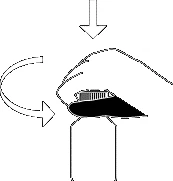
To open the bottle, press the cap downwards and
simultaneously rotate it counterclockwise (fig. 1).
To close the bottle, screw the cap tightly by rotating it in the
opposite direction.
fig. 1
To assist you in taking the correct dosage—which varies depending on the condition being treated—other formulations and dosage strengths of aciclovir are available.
Use in adults
Treatment of Herpes simplex infections
The recommended dose is 200 mg of aciclovir five times a day, approximately every 4 hours, omitting the dose during the night.
Treatment should be continued for 5 days. In cases of severe, first-episode herpes infections, your doctor may advise you to extend the treatment.
If you have a severely weakened immune system (e.g., after bone marrow transplantation) or intestinal absorption problems, your doctor may prescribe a higher dose of 400 mg of aciclovir (equivalent to 5 ml of oral suspension), or alternatively consider intravenous administration of aciclovir.
Aciclin achieves maximum effectiveness when treatment is started promptly, and in recurrent infections, at the first signs of herpes (burning, swelling, or itching) or at the first appearance of a lesion.
Treatment of recurrent Herpes simplex infections in patients with non-compromised immune system
The recommended dose is 200 mg of aciclovir four times a day, every 6 hours.
Many patients can be successfully treated with doses of 400 mg of aciclovir (equivalent to 5 ml of oral suspension) twice daily, every 12 hours. Doses of 200 mg of aciclovir three times a day, every 8 hours, or twice daily at 12-hour intervals may also be effective. In some patients, recurrent infections may require a total daily dose of 800 mg of aciclovir.
Interrupt treatment, always following your doctor’s advice, every 6 or 12 months. This allows your doctor to monitor any changes in the course of the disease.
Preventive treatment (prophylaxis) of Herpes simplex infections in patients with compromised immune system
The recommended dose is 200 mg of aciclovir four times a day, every 6 hours.
If you have a severely weakened immune system (e.g., after bone marrow transplantation) or intestinal absorption problems, your doctor may prescribe a higher dose of 400 mg of aciclovir (equivalent to 5 ml of oral suspension), or alternatively consider intravenous administration of aciclovir.
Your doctor will determine the duration of treatment based on the period of risk you are exposed to.
Treatment of herpes zoster (shingles) and varicella (chickenpox)
The recommended dose is 800 mg of aciclovir (equivalent to 10 ml of oral suspension) five times a day, approximately every 4 hours (e.g., at breakfast, late morning, early afternoon, late afternoon, and evening), omitting the dose during the night.
Treatment should be continued for 7 consecutive days.
If you have a severely weakened immune system (e.g., after bone marrow transplantation) or intestinal absorption problems, your doctor will consider intravenous administration of aciclovir.
Aciclin achieves maximum effectiveness when treatment is started promptly, at the first signs of a lesion.
Use in children
There are no clinical data available on the treatment of herpes simplex or herpes zoster infections in children with non-compromised immune systems.
Treatment of Herpes simplex infections and prophylaxis in children with compromised immune system
Age Recommended dose
under 2 years Half the adult dose. Other formulations and dosage strengths of aciclovir are available to achieve this recommended dose.
over 2 years The dosage is similar to that in adults
Treatment of varicella (chickenpox)
Age Recommended dose
under 2 years 200 mg of aciclovir four times a day
between 2 and 6 years 400 mg of aciclovir (5 ml of oral suspension) four times a day
over 6 years 800 mg of aciclovir (10 ml of oral suspension) four times a day
Administration of 20 mg/kg body weight (not exceeding 800 mg) four times a day allows for more precise dose adjustment.
Treatment should be continued for 5 days.
Treatment of herpes zoster infections in children with compromised immune system
Your doctor will evaluate the need for intravenous administration of aciclovir.
Use in elderly
If your doctor has prescribed high doses of Aciclin, maintain adequate hydration by consuming sufficient fluids with your diet.
Your doctor may consider reducing the dose of Aciclin in elderly patients with impaired renal function.
Patients with kidney problems
For the treatment of Herpes simplex infections in patients with severe kidney problems (severe renal impairment—creatinine clearance below 10 ml/min), the recommended dose is 200 mg of aciclovir twice daily, approximately every 12 hours.
For the treatment of varicella and herpes zoster, the dosage should be adjusted as follows:
Creatinine clearance Recommended dose
10 - 25 ml/min 800 mg of aciclovir (equivalent to 10 ml of oral suspension)
(moderate renal impairment) three times a day, approximately every 8 hours
below 10 ml/min 800 mg of aciclovir (equivalent to 10 ml of oral suspension)
(severe renal impairment) twice a day, approximately every 12 hours
Your doctor will determine the duration of treatment.
If you take more Aciclin than you should
If you accidentally ingest/absorb an excessive dose of Aciclin, contact your doctor immediately or go to the nearest hospital.
If you accidentally take oral doses of Aciclin higher than recommended and for prolonged periods, you may experience adverse effects affecting the stomach or intestines, such as nausea and vomiting, and effects on the central nervous system, such as headache and confusion.
Intravenous overdosage of aciclovir has led to increased serum creatinine, azotemia, and consequent renal failure. Neurological effects including confusion, hallucinations, agitation, seizures, and coma have been reported in association with overdosage.
If you forget to take Aciclin
Do not take a double dose to make up for the missed dose.
If you stop taking Aciclin
If you have any questions about using this medicine, consult your doctor or pharmacist.
4. Possible side effects
Like all medicines, this medicine can cause side effects, although not everyone experiences them.
The frequency of side effects may vary depending on the condition being treated.
Stop treatment with Aciclin and contact your doctor immediately if you experience any of the following serious side effects:
Rare side effects (may affect up to 1 in 1,000 people)
- severe allergic reaction (anaphylaxis);
- difficulty breathing (dyspnoea);
- swelling of the lips, face, neck, and throat (angioedema).
Very rare side effects (may affect up to 1 in 10,000 people)
agitation, confusion, tremor, loss of muscle coordination (ataxia), speech articulation disorder (dysarthria), hallucinations, psychotic symptoms, seizures, drowsiness, altered brain function (encephalopathies), coma.
These nervous system side effects generally occur in people with kidney problems or other predisposing factors (see section “Warnings and precautions”). These effects usually improve when the dose of Aciclin is reduced or treatment is discontinued.
The following side effects may also occur, listed by frequency:
Common (may affect up to 1 in 10 people)
headache (cephalalgia), dizziness;
nausea, vomiting, diarrhoea, abdominal pain;
itching, rash including skin reaction after exposure to sunlight (photosensitivity);
fatigue, fever.
Uncommon (may affect up to 1 in 100 people)
skin allergic reaction (urticaria) and sudden, widespread hair loss.
Rare (may affect up to 1 in 1,000 people)
reversible increase in bilirubin and liver enzymes;
increased levels of nitrogen (azotaemia) and creatinine in the blood.
Very rare (may affect up to 1 in 10,000 people)
reduction in the number of red blood cells (anaemia), white blood cells (leucopenia), and blood platelets (thrombocytopenia);
inflammation of the liver (hepatitis), yellowing of the eyes and skin (jaundice);
severe kidney failure, pain at the lower back (renal pain) which may be associated with kidney failure.
Reporting of side effects
If you experience any side effect, including those not listed in this leaflet, talk to your doctor or pharmacist. You can also report side effects directly via the national reporting system at www.aifa.gov.it/content/segnalazioni-reazioni-avverse.
By reporting side effects, you can help provide more information on the safety of this medicine.
5. How to store Aciclin
Keep this medicine out of the sight and reach of children.
Do not use this medicine after the expiry date stated on the packaging after "Exp".
The expiry date refers to the last day of that month.
The stated expiry date applies to the medicine stored in its original intact packaging and kept under proper storage conditions.
Do not dispose of any medicine via wastewater or household waste. Ask your pharmacist how to dispose of medicines you no longer use. This will help protect the environment.
8. Contents of the pack and other information
What Aciclin contains
The active substance is aciclovir.
5 ml of oral suspension contain 400 mg of aciclovir.
The other ingredients are: non-crystallizable sorbitol, glycerol, powdered cellulose, methyl
p-hydroxybenzoate, propyl p-hydroxybenzoate, sour cherry flavour, purified water.
Description of the appearance of Aciclin and contents of the pack
Milky-coloured suspension contained in a 100 ml glass bottle closed with a screw cap. A dosing spoon is included in the pack.
Marketing Authorisation Holder and Manufacturer
Marketing Authorisation Holder
Fidia Farmaceutici S.p.A.
Via Ponte della Fabbrica, 3/A
35031 Abano Terme (PD)
Manufacturer
ICE S.p.A.
Cantone Moretti, 29
10015 Ivrea (TO)