Acetaminophen
Italy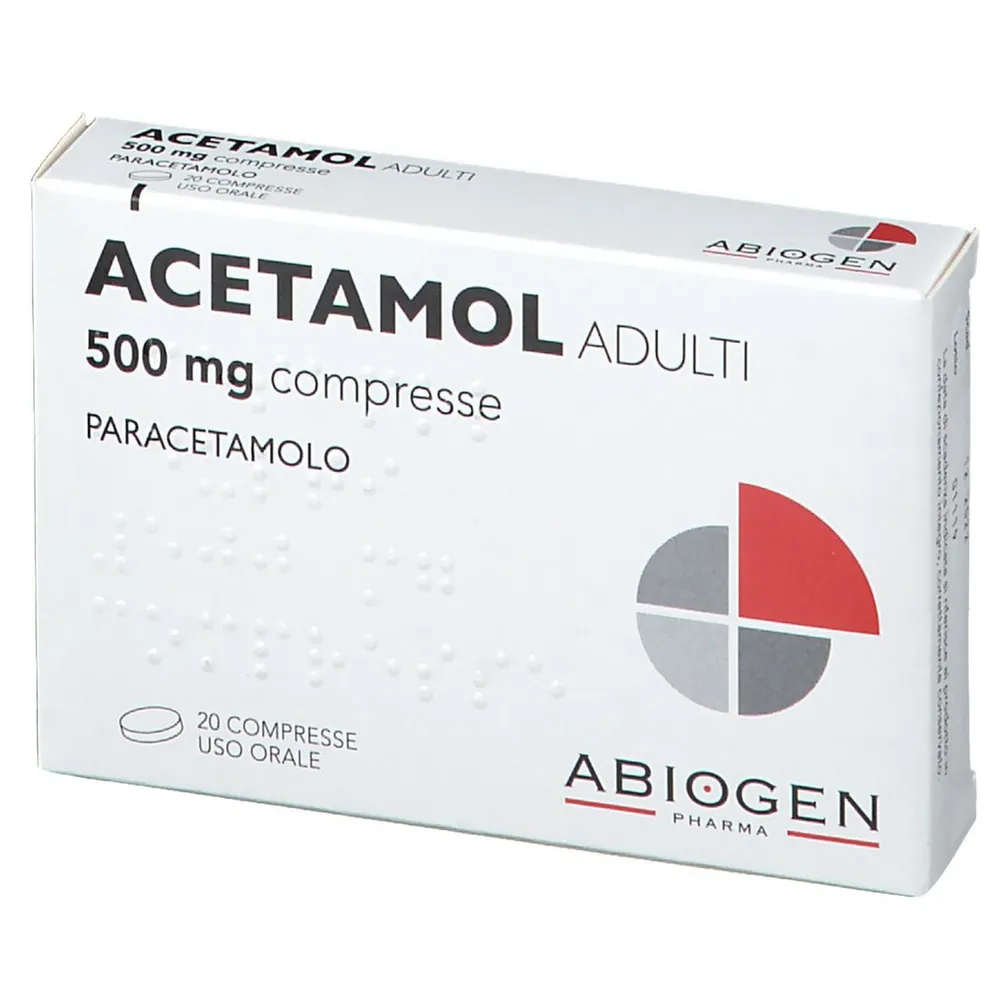
Table of Contents
- Package leaflet: Information for the patient
- ACETAMOL 500 mg tablets
- 1. What ACETAMOL is and what it is used for
- 2. What you need to know before taking ACETAMOL
- 3. How to take ACETAMOL
- 4. Possible side effects
- 5. How to store ACETAMOL
- 6. Package contents and other information
- Package leaflet: Information for the user
- ACETAMOL 1000 mg suppositories, 500 mg suppositories, CHILDREN 250 mg suppositories, INFANTS 125 mg suppositories
- 1. What ACETAMOL is and what it is used for
- 2. What you should know before using/giving ACETAMOL to a child
- 3. How to use/give ACETAMOL to the child
- 4. Possible side effects
- 5. How to store ACETAMOL
- 6. Package contents and other information
- Patient Information Leaflet
- ACETAMOL PRIMA INFANZIA 25 mg/mL syrup, PRIMA INFANZIA 100 mg/mL oral drops, solution
- 1. What ACETAMOL PRIMA INFANZIA is and what it is used for
- 2. What you should know before giving ACETAMOL PRIMA INFANZIA to your child
- 3. HOW TO GIVE ACETAMOL PRIMA INFANZIA TO A CHILD
- 4. Possible side effects
- 5. How to store ACETAMOL PRIMA INFANZIA
- 6. Package contents and other information
- Patient information leaflet
- ACETAMOL 1000 mg effervescent tablets
- 1. What ACETAMOL is and what it is used for
- 2. What you should know before taking ACETAMOL
- 3. How to take ACETAMOL
- 4. Possible side effects
- 5. How to store ACETAMOL
- 6. Package contents and other information
- Package leaflet: information for the patient
- ACETAMOL 1000 mg tablets
- 1. What ACETAMOL is and what it is used for
- 2. What you should know before taking ACETAMOL
- 3. How to take ACETAMOL
- 4. Possible side effects
- 5. How to store ACETAMOL
- 6. Package contents and other information
Package leaflet: Information for the patient
ACETAMOL 500 mg tablets
Paracetamol
Please read this leaflet carefully before taking this medicine because it contains important information for you.
Always take this medicine exactly as described in this leaflet or as your doctor or pharmacist has told you to do.
- Keep this leaflet. You may need to read it again.
- If you want more information or advice, contact your pharmacist.
- If you experience any side effects, including those not listed in this leaflet, contact your doctor or pharmacist. See section 4.
- Contact your doctor if you do not notice any improvement or if you notice worsening of symptoms after 3 days.
Contents of this leaflet:
- What ACETAMOL is and what it is used for
- What you need to know before taking ACETAMOL
- How to take ACETAMOL
- Possible side effects
- How to store ACETAMOL
- Contents of the pack and other information
1. What ACETAMOL is and what it is used for
ACETAMOL is a medicinal product containing paracetamol.
ACETAMOL is used for the treatment of fever symptoms and mild to moderate pain in adolescents and adults.
Consult your doctor if you do not feel better or feel worse after 3 days.
2. What you need to know before taking ACETAMOL
This medicine contains paracetamol. Do not take it in combination with other medicines containing paracetamol. If paracetamol is taken in high doses, serious adverse effects may occur, including severe liver disease and disturbances affecting the kidneys and blood.
Do not take ACETAMOL
- if you are allergic to paracetamol or to any of the other ingredients of this medicine (listed in section 6)
- if you are allergic to other substances similar to paracetamol; in particular, to other medicines used to treat pain (analgesics) and to reduce fever (antipyretics)
- together with other medicines containing the same active ingredient, because if paracetamol is taken in high doses, serious adverse effects may occur (see section “Other medicines and ACETAMOL”)
- if you suffer from severe hepatic failure
Warnings and precautions
Talk to your doctor or pharmacist before taking ACETAMOL.
During treatment with ACETAMOL, inform your doctor immediately if:
- you have pain or fever of uncertain cause
- you suffer from kidney disease (renal failure)
- you suffer from liver disease, even severe (severe hepatic failure, acute hepatitis, mild to moderate hepatocellular insufficiency – including Gilbert's syndrome)
- you are taking medicines that affect liver function
- you have a deficiency of an enzyme called glucose-6-phosphate dehydrogenase (an inherited disorder leading to a decrease in red blood cell count)
- you suffer from a disease caused by the destruction of certain blood cells, red blood cells (haemolytic anaemia)
- you suffer from a chronic inflammatory disease with breathing difficulties (asthma)
- you suffer from chronic alcoholism or consume large amounts of alcohol. Alcohol consumption during treatment is not recommended
- you are taking other medicines to treat pain (analgesics) and to reduce fever (antipyretics) or to treat inflammation (non-steroidal anti-inflammatory drugs) (see section “Other medicines and ACETAMOL”)
- you are taking other medicines (see section “Other medicines and ACETAMOL”)
- you have experienced breathing difficulties due to narrowing of the airways (bronchospasm) after taking acetylsalicylic acid or anti-inflammatory medicines (aspirin, NSAIDs)
- you are dehydrated (your body's water content is insufficient), malnourished, or underweight
- you suffer from anorexia (an eating disorder characterised by lack or reduction of appetite)
- you suffer from bulimia (an eating disorder in which a person ingests excessive amounts of food and then uses various methods to eliminate it to avoid gaining weight)
- you suffer from cachexia (a condition characterised by extreme thinness, reduced muscle mass, and thinning of the skin due to chronic illness)
- you suffer from hypovolaemia (reduced volume of circulating blood)
- you are undergoing prolonged fasting.
If you suffer from serious illnesses, including severe renal impairment or sepsis (when bacteria and their toxins circulate in the blood causing organ damage), malnutrition, chronic alcoholism, or if you are also taking flucloxacillin (an antibiotic), a serious condition called metabolic acidosis (an abnormality in blood and fluids) has been reported in patients using paracetamol regularly over a prolonged period or when paracetamol is taken together with flucloxacillin. Symptoms of metabolic acidosis may include: severe breathing difficulties with deep rapid breathing, drowsiness, nausea, and vomiting.
Paracetamol may cause severe skin reactions which can be fatal. The use of ACETAMOL must be stopped at the first appearance of a skin rash or any other sign of hypersensitivity/allergy.
Prolonged use or excessive doses of this medicine may cause liver disease, kidney problems, or blood disorders, even severe. In such cases, your doctor will monitor liver function, kidney function, and blood composition through appropriate tests.
If painkillers are misused or taken for prolonged periods at high doses, headache episodes may occur, which should not be treated with higher doses of the medicine; if this occurs, your doctor will discontinue the medicine.
Sudden discontinuation of analgesics after prolonged misuse at high doses may cause headache, fatigue, muscle pain, nervousness, and withdrawal symptoms that resolve within a few days. Until then, avoid taking other painkillers and do not restart them without consulting your doctor.
If allergic reactions occur, stop treatment and consult your doctor immediately.
Children and adolescents
Consult your doctor before administering this medicine to a child.
Other medicines and ACETAMOL
Inform your doctor or pharmacist if you are taking, have recently taken, or might take any other medicine.
In particular, inform your doctor if you/your child are taking:
- medicines containing the same active ingredient, because if paracetamol is taken at high doses, serious adverse effects may occur
- medicines to treat pain (analgesics), to reduce fever (antipyretics), or to treat inflammation (non-steroidal anti-inflammatory drugs)
- colestyramine (a medicine used to reduce blood fats)
- chloramphenicol (an antibiotic used to treat infections)
- oral anticoagulants (medicines to make blood less likely to clot). In this case, your doctor will advise reducing the dose and will subject you/your child to more frequent blood tests
- medicines that interfere with liver function (induction of monoamine oxidase enzymes present in the liver) or in case of exposure to substances that may have such an effect (e.g., rifampicin, cimetidine, and antiepileptics such as glutethimide, phenobarbital, carbamazepine, and phenytoin). In case of treatment with phenytoin, do not take high or prolonged doses of paracetamol
- salicylamide (a pain-relieving and fever-reducing medicine)
- zidovudine (a medicine used to treat HIV infection)
- medicines that slow down (e.g., anticholinergics, opioids) or speed up (e.g., prokinetics) gastric emptying
- antidotes (substances capable of counteracting poisoning). See section “If you take more ACETAMOL than you should”
- flucloxacillin (an antibiotic), due to a serious risk of blood and fluid abnormalities (called metabolic acidosis with high anion gap) that requires urgent treatment (see section 2).
Laboratory tests and ACETAMOL
Administration of paracetamol may interfere with the measurement of certain blood values such as uric acid and blood glucose levels.
Therefore, inform the laboratory that you or the child is undergoing treatment with ACETAMOL before undergoing blood tests.
ACETAMOL with food, drinks and alcohol
Take/give this medicine with extreme caution and under strict medical supervision if you/your child:
- are fasting
- are malnourished
- abuse alcohol (see section “Warnings and Precautions”).
Pregnancy and breastfeeding
If you are pregnant, suspect you may be pregnant, are planning a pregnancy, or are breastfeeding, consult your doctor or pharmacist before taking this medicine.
If necessary, ACETAMOL may be used during pregnancy. It is advisable to use the lowest possible dose that relieves pain and/or fever, and to take it for the shortest possible time. Contact your doctor if pain and/or fever do not decrease or if you need to take the medicine more frequently.
At the recommended doses, paracetamol may be used for short periods during breastfeeding.
Driving and using machines
ACETAMOL does not affect the ability to drive or use machinery.
3. How to take ACETAMOL
Take this medicine exactly as stated in this leaflet or as directed by your doctor or pharmacist. If you have any doubts, consult your doctor or pharmacist.
In children, it is essential to follow the dosage based on body weight, and therefore the appropriate formulation must be selected.
In adults, the maximum oral dosage is 3000 mg of paracetamol per day.
Use in children and adolescents
Adolescents weighing between 41 and 50 kg (approximately aged 12 to 15 years):
The recommended dose is 1 tablet of 500 mg, repeated if necessary after 4 hours, without exceeding 6 tablets in 24 hours.
Adolescents weighing more than 50 kg (approximately over 15 years of age):
The recommended dose is 1 tablet of 500 mg, repeated if necessary after 4 hours, without exceeding 6 tablets in 24 hours.
Adults
The recommended dose is 1 tablet of 500 mg, repeated if necessary after 4 hours, without exceeding 6 tablets in 24 hours. In cases of severe pain or high fever, 2 tablets of 500 mg may be taken, repeated if necessary after no less than 4 hours.
Duration of treatment
Fever or pain usually resolve quickly. Consult your doctor if symptoms persist for more than three days.
If you take more ACETAMOL than you should
Taking an excessive dose of paracetamol increases the risk of poisoning and can be fatal, especially if the person taking the medicine:
- suffers from liver disease
- abuses alcohol
- suffers from chronic malnutrition
- is taking medicines or substances that stimulate liver enzymes (increasing liver activity).
In case of accidental overdose of this medicine, contact your doctor immediately or go to the nearest hospital.
Symptoms of overdose usually appear within 24 hours and include:
- vomiting
- loss of appetite
- nausea
- pallor
- epigastric pain (stomach pain)
- worsening of general condition
Very high doses of paracetamol can cause liver toxicity; therefore, in cases of suspected accidental ingestion of high doses, hospitalization is recommended.
Following paracetamol overdose, the following have been observed:
- sudden inability of the kidneys to function properly (acute kidney injury),
- a condition in which small blood clots form in the bloodstream, blocking the smallest blood vessels (disseminated intravascular coagulation),
- rare cases of acute pancreatitis, an inflammation of the pancreas.
Ingestion of 7.5 g or more of paracetamol in adults and 140 mg per kg of body weight in children may lead to severe liver damage, resulting in altered blood test results (AST, ALT, lactate dehydrogenase, bilirubin, prothrombin), coma (a deep state of unconsciousness), or death.
Symptoms of liver damage peak after 3–4 days.
Recommended treatment, in addition to rapid elimination of the drug from the body (gastric lavage, forced diuresis, or hemodialysis), includes the timely administration of antidotes (substances capable of counteracting the toxic effect of the drug), such as acetylcysteine or cysteamine.
If you forget to take ACETAMOL
Do not take a double dose to make up for the missed dose.
If you stop treatment with ACETAMOL
If you have any doubts about how to use this medicine, consult your doctor or pharmacist.
4. Possible side effects
Like all medicines, this medicine can cause side effects, although not everyone will experience them.
If you or the child experience allergic reactions during treatment, even severe ones such as:
- swelling of the face, lips, eyelids, tongue and/or throat, hands, feet, ankles (angioedema)
- swelling of the larynx
- anaphylactic shock
- bronchospasm
STOP the treatment and contact your doctor immediately.
The following side effects have been reported during treatment with paracetamol with unknown frequency (the frequency cannot be estimated from the available data):
- purpura (appearance of purple-colored skin patches of various sizes)
- fixed drug eruption (skin rash with red/violet colored lesions)
- skin rash
- generalized acute exanthematous pustulosis (eruption of hundreds of superficial pustules spread over the entire body)
- severe condition that may make the blood more acidic (called metabolic acidosis), in patients with a serious illness using paracetamol (see section 2)
- reduction in the number of platelets in the blood (thrombocytopenia)
- reduction in hemoglobin, the substance that carries oxygen in the blood (anemia)
- reduction in the number of granulocytes in the blood, a type of white blood cells (agranulocytosis)
- reduction in the number of neutrophils in the blood, a type of white blood cells (neutropenia)
- changes in liver function
- inflammation of the liver (hepatitis)
- liver failure
- hepatic necrosis
- kidney disease (acute renal failure)
- inflammation of the kidneys (interstitial nephritis)
- presence of blood in the urine (hematuria)
- lack of urine production (anuria)
- hemorrhage (bleeding)
- abdominal pain
- diarrhea
- nausea
- vomiting
- dizziness
- changes in INR (a value used to express the time taken for blood to clot)
- increased liver enzymes
- headache
Very rare side effects:
- condition characterized by red skin spots with a "target" appearance associated with itching (erythema multiforme)
- severe skin disease characterized by erythema, blistering lesions with areas of skin detachment (Stevens-Johnson syndrome)
- severe skin disease characterized by redness, blistering lesions with areas of skin detachment and skin death (toxic epidermal necrolysis); lesions are accompanied by fever and blisters on mucous membranes
- reduction in the number of white blood cells in the blood (leukopenia)
Reporting of side effects
If you experience any side effect, including those not listed in this leaflet, consult your doctor or pharmacist. You may also report side effects directly via https://www.aifa.gov.it/content/segnalazioni-reazioni-avverse.
By reporting side effects, you can help provide more information on the safety of this medicine.
5. How to store ACETAMOL
This medicine does not require any special storage conditions.
Keep this medicine out of the sight and reach of children.
Do not use this medicine after the expiry date which is stated on the packaging after Exp.
The expiry date refers to the last day of that month.
Do not dispose of any medicine via wastewater or household waste. Ask your pharmacist how to
dispose of medicines you no longer use. This will help protect the environment.
6. Package contents and other information
What ACETAMOL contains
- The active substance is: paracetamol. Each tablet contains 500 mg of paracetamol.
- The other components are: potato starch, magnesium stearate, polyvinylpyrrolidone.
Description of the appearance of ACETAMOL and contents of the pack
ACETAMOL 500 mg is presented as tablets.
It is available in a box containing 20 tablets, each containing 500 mg of paracetamol.
Not all pack sizes may be marketed.
Marketing Authorization Holder and Manufacturer
ABIOGEN PHARMA S.p.A.
Via Meucci, 36 - Ospedaletto - Pisa
Package leaflet: Information for the user
ACETAMOL 1000 mg suppositories, 500 mg suppositories, CHILDREN 250 mg suppositories, INFANTS 125 mg suppositories
Paracetamol
Please read this leaflet carefully before using/giving this medicine to your child because it contains important information for you and your child.
Always use/give this medicine exactly as described in this leaflet or as your doctor or pharmacist has instructed.
- Keep this leaflet. You may need to read it again.
- If you need more information or advice, consult your pharmacist.
- If any side effects occur, including those not listed in this leaflet, contact your doctor or pharmacist. See section 4.
- Consult your doctor if you do not notice improvement or if symptoms worsen after 3 days.
Contents of this leaflet:
- What ACETAMOL is and what it is used for
- What you need to know before using/giving ACETAMOL to your child
- How to use/give ACETAMOL to your child
- Possible side effects
- How to store ACETAMOL
- Contents of the pack and other information
1. What ACETAMOL is and what it is used for
ACETAMOL is a medicinal product containing paracetamol.
ACETAMOL is used for the treatment of fever symptoms and mild to moderate pain in
children (see section “How to use/give ACETAMOL to a child”), adolescents, and adults.
Consult a doctor if you do not feel better or if you feel worse after 3 days.
2. What you should know before using/giving ACETAMOL to a child
This medicine contains paracetamol. Do not take it in combination with other medicines containing paracetamol. If paracetamol is taken in high doses, serious adverse effects may occur, including severe liver disease and effects on the kidneys and blood.
Do not use/give ACETAMOL to the child
- if allergic to paracetamol or to any of the other ingredients of this medicine (listed in section 6)
- if allergic to other substances similar to paracetamol; in particular, to other medicines used to treat pain (analgesics) and to reduce fever (antipyretics)
- together with other medicines containing the same active ingredient, because if paracetamol is taken in high doses, serious adverse effects may occur (see section “Other medicines and ACETAMOL”)
- if suffering from severe hepatic insufficiency
- if allergic to soya or peanuts.
Warnings and precautions
Talk to your doctor or pharmacist before using/giving ACETAMOL to the child.
During treatment with ACETAMOL, inform your doctor immediately if:
- you have pain or fever of uncertain cause
- you suffer from kidney disease (renal insufficiency)
- you suffer from liver disease, even severe (severe hepatic insufficiency, acute hepatitis, mild to moderate hepatocellular insufficiency – including Gilbert's syndrome)
- you are taking medicines that affect how the liver works
- you suffer from a deficiency of an enzyme called glucose-6-phosphate dehydrogenase (an inherited condition leading to a decrease in red blood cell count)
- you suffer from a disease caused by the destruction of certain blood cells, red blood cells (haemolytic anaemia)
- you suffer from a chronic inflammatory disease with breathing difficulties (asthma)
- you suffer from chronic alcoholism or consume large amounts of alcohol. Alcohol consumption during treatment is not recommended
- you are taking other medicines to treat pain (analgesics) and to reduce fever (antipyretics) or to treat inflammation (non-steroidal anti-inflammatory drugs) (see section “Other medicines and ACETAMOL”)
- you have previously experienced breathing difficulties due to narrowing of the airways (bronchospasm) after taking acetylsalicylic acid or anti-inflammatory medicines (aspirin, NSAIDs)
- you are taking other medicines (see section “Other medicines and ACETAMOL”)
- you are dehydrated (your body's water content is insufficient), malnourished, or underweight
- you suffer from anorexia (an eating disorder characterised by lack or reduction of appetite)
- you suffer from bulimia (an eating disorder in which a person ingests excessive amounts of food and then uses various methods to eliminate it to avoid gaining weight)
- you suffer from cachexia (a condition characterised by extreme thinness, reduced muscle mass, and thinning of the skin due to chronic illness)
- you suffer from hypovolaemia (reduced volume of blood circulating in the body)
- you are undergoing prolonged fasting.
If you suffer from serious illnesses, including severe renal impairment or sepsis (when bacteria and their toxins circulate in the blood causing organ damage), malnutrition, chronic alcoholism, or if you are also taking flucloxacillin (an antibiotic). In patients with these conditions, a serious condition called metabolic acidosis (an abnormality in blood and body fluids) has been reported when paracetamol is used regularly for prolonged periods or when paracetamol is taken together with flucloxacillin. Symptoms of metabolic acidosis may include: severe breathing difficulties with deep rapid breathing, drowsiness, nausea, and vomiting.
Paracetamol may cause serious skin reactions which can be fatal. The use of ACETAMOL must be discontinued at the first sign of skin rash or any other sign of hypersensitivity/allergy.
Prolonged use or excessive doses of this medicine may cause liver disease, kidney problems, or blood disorders, even severe ones. In such cases, your doctor will monitor liver function, kidney function, and blood composition through appropriate tests.
If allergic reactions occur, stop treatment immediately and consult your doctor.
Children and adolescents
Consult your doctor before administering this medicine to the child.
Other medicines and ACETAMOL
Inform your doctor or pharmacist if you/your child are taking, have recently taken, or might take any other medicines.
In particular, inform your doctor if you/your child are taking:
- medicines containing the same active ingredient, because if paracetamol is taken in high doses, serious adverse effects may occur
- medicines to treat pain (analgesics), reduce fever (antipyretics), or treat inflammation (non-steroidal anti-inflammatory drugs)
- colestyramine (a medicine used to reduce blood fats)
- chloramphenicol (a medicine used to treat infections): there is a risk of increased toxicity from this medicine
- oral anticoagulants (medicines to make the blood less likely to clot). In this case, your doctor may advise reducing the dose and will subject you/your child to more frequent blood tests
- medicines that interfere with how the liver works (induction of hepatic mono-oxygenases) or in case of exposure to substances that may have such an effect (e.g. rifampicin, cimetidine, and antiepileptics such as glutethimide, phenobarbital, carbamazepine, and phenytoin). In case of treatment with phenytoin, do not take high or prolonged doses of paracetamol
- salicylamide (a pain-relieving and fever-reducing medicine)
- zidovudine (a medicine used to treat HIV infection)
- medicines that slow down (e.g. anticholinergics, opioids) or increase (e.g. prokinetics) the rate of stomach emptying
- antidotes (substances able to counteract poisoning). See section “If you take/give the child more ACETAMOL than you should”
- flucloxacillin (an antibiotic), due to a serious risk of blood and fluid abnormalities (called high anion gap metabolic acidosis) which must be treated urgently (see section 2).
Laboratory tests and ACETAMOL
Administration of paracetamol may interfere with the measurement of certain blood values, such as uric acid and blood glucose levels.
Therefore, inform the laboratory that you or the child are being treated with ACETAMOL before undergoing blood tests.
ACETAMOL with food, drinks, and alcohol
Use/give this medicine with extreme caution and under strict medical supervision if you/your child:
- are fasting
- are malnourished
- abuse alcohol
(See section “Warnings and Precautions”)
Pregnancy and breastfeeding
If you are pregnant, suspect you may be pregnant, planning a pregnancy, or breastfeeding, consult your doctor or pharmacist before using this medicine.
If necessary, ACETAMOL may be used during pregnancy. It is advisable to use the lowest possible dose that relieves pain and/or fever, and to take it for the shortest possible time. Contact your doctor if pain and/or fever do not decrease, or if you need to take the medicine more frequently.
At the recommended doses, paracetamol may be used for a short period during breastfeeding.
Driving and using machines
ACETAMOL does not affect the ability to drive or use machinery.
3. How to use/give ACETAMOL to the child
Use/give this medicine to the child exactly as stated in this leaflet or as directed by the doctor or pharmacist. If you have any doubts, consult the doctor or pharmacist.
In children, it is essential to follow the dosage based on body weight, and therefore choose the appropriate formulation.
In adults, the maximum dosage by rectal route is 4000 mg of paracetamol per day.
ACETAMOL 1000 mg suppositories
Use in adolescents
Use the medicine only after consulting a doctor and follow his/her instructions regarding dosage and duration of treatment. Dosage depends on body weight and age:
Adolescents weighing between 41 and 50 kg (approximately 12 to 15 years of age):
The recommended dose is one 1000 mg suppository at a time, to be repeated if necessary after 8 hours, without exceeding 3 suppositories in 24 hours.
Adolescents weighing more than 50 kg (approximately over 15 years of age):
The recommended dose is one 1000 mg suppository at a time, to be repeated if necessary after 6 hours, without exceeding 4 suppositories in 24 hours.
Adults
The recommended dose is one 1000 mg suppository at a time, to be repeated if necessary after 6 hours, without exceeding 4 suppositories in 24 hours.
Duration of treatment
Fever or pain usually disappear quickly. Consult a doctor if symptoms persist for more than three days.
ACETAMOL 500 mg suppositories
Children weighing between 21 and 25 kg (approximately 6 to 10 years of age):
The recommended dose is one 500 mg suppository at a time, to be repeated if necessary after 8 hours, without exceeding 3 suppositories in 24 hours.
Children weighing between 26 and 40 kg (approximately 8 to 13 years of age):
The recommended dose is one 500 mg suppository at a time, to be repeated if necessary after 6 hours, without exceeding 4 suppositories in 24 hours.
Adults
The recommended dose is one 500 mg suppository every 4–6 hours (never less than 4 hours apart). Do not exceed 8 suppositories in 24 hours.
Duration of treatment
Fever or pain usually disappear quickly. Consult a doctor if symptoms persist for more than three days.
ACETAMOL CHILDREN 250 mg suppositories
Use the medicine only after consulting a doctor and follow his/her instructions regarding dosage and duration of treatment.
Children weighing between 11 and 12 kg (approximately 18 to 24 months of age):
The recommended dose is one 250 mg suppository at a time, to be repeated if necessary after 8 hours, without exceeding 3 suppositories in 24 hours.
Children weighing between 13 and 20 kg (approximately 2 to 7 years of age):
The recommended dose is one 250 mg suppository at a time, to be repeated if necessary after 6 hours, without exceeding 4 suppositories in 24 hours.
ACETAMOL INFANT 125 mg suppositories
Use the medicine only after consulting a doctor and follow his/her instructions regarding dosage and duration of treatment.
Children weighing between 6 and 7 kg (approximately 3 to 6 months of age):
The recommended dose is one 125 mg suppository at a time, to be repeated if necessary after 6 hours, without exceeding 4 suppositories in 24 hours.
Children weighing between 7 and 10 kg (approximately 6 to 18 months of age):
The recommended dose is one 125 mg suppository at a time, to be repeated if necessary every 4–6 hours, without exceeding 5 suppositories in 24 hours.
Children weighing between 11 and 12 kg (approximately 18 to 24 months of age):
The recommended dose is one 125 mg suppository at a time, to be repeated if necessary after 4 hours, without exceeding 6 suppositories in 24 hours.
If you take/give the child more ACETAMOL than you should
Taking an excessive dose of paracetamol increases the risk of poisoning and can be fatal, especially if the person:
- suffers from liver disease
- abuses alcohol
- suffers from chronic malnutrition
- is taking medicines or substances that stimulate liver enzymes (increasing liver activity)
In case of accidental overdose or ingestion of this medicine, contact a doctor immediately or go to the nearest hospital.
Symptoms of overdose usually appear within 24 hours and include:
- vomiting
- loss of appetite
- nausea
- pallor
- epigastric pain (stomach pain)
- worsening of general condition
Very high doses of paracetamol may cause liver toxicity; therefore, in cases of suspected accidental ingestion of high doses, hospitalization is advised.
Following paracetamol overdose, the following have been observed:
- sudden inability of the kidneys to function properly (acute kidney injury)
- a condition in which small blood clots form in the bloodstream, blocking the smallest blood vessels (disseminated intravascular coagulation)
- rare cases of acute pancreatitis, an inflammation of the pancreas
Ingestion of 7.5 g or more of paracetamol in adults, or 140 mg per kg of body weight in children, may result in severe liver damage, leading to changes in certain blood test results (AST, ALT, lactate dehydrogenase, bilirubin, prothrombin), coma (deep unconsciousness), or death.
Symptoms of liver damage peak after 3–4 days.
Recommended treatment, in addition to rapid elimination of the medicine from the body (gastric lavage, forced diuresis, or hemodialysis), includes administration of antidotes (substances that counteract the toxic effect of the medicine), such as acetylcysteine or cysteamine.
If you forget to use/give ACETAMOL to the child
Do not use/give a double dose to make up for the missed dose.
If you stop treatment with ACETAMOL
If you have any doubts about using this medicine, consult your doctor or pharmacist.
4. Possible side effects
Like all medicines, this medicine can cause side effects, although not everybody gets them.
If you/your child experience any allergic reactions during treatment, even severe ones such as:
- swelling of the face, lips, eyelids, tongue and/or throat, hands, feet, ankles (angioedema)
- swelling of the larynx
- anaphylactic shock
- bronchospasm
STOP treatment immediately and contact your doctor without delay.
The following side effects have been reported during treatment with paracetamol, with frequency not known (frequency cannot be estimated from the available data):
- purpura (appearance of purplish skin patches of varying sizes)
- fixed drug eruption (skin rash with red/violet coloured lesions)
- skin rash
- acute generalized exanthematous pustulosis (widespread eruption of hundreds of superficial pustules over the entire body)
- severe condition leading to increased acidity of the blood (called metabolic acidosis), in patients with serious illness using paracetamol (see section 2)
- reduction in the number of platelets in the blood (thrombocytopenia)
- reduction in haemoglobin, the substance that carries oxygen in the blood (anaemia)
- reduction in the number of granulocytes in the blood, a type of white blood cell (agranulocytosis)
- reduction in the number of neutrophils in the blood, a type of white blood cell (neutropenia)
- changes in liver function
- inflammation of the liver (hepatitis)
- liver failure
- hepatic necrosis
- kidney disease (acute renal failure)
- inflammation of the kidneys (interstitial nephritis)
- presence of blood in the urine (haematuria)
- failure to produce urine (anuria)
- haemorrhage (bleeding)
- abdominal pain
- diarrhoea
- nausea
- vomiting
- dizziness
- changes in INR (a value used to express the time it takes for blood to clot)
- increased liver enzymes
- headache
Very rare side effects:
- condition characterised by red skin spots with "target" appearance associated with itching (erythema multiforme)
- severe skin disease characterised by erythema, blistering lesions and areas of skin detachment (Stevens-Johnson syndrome)
- severe skin disease characterised by redness, blistering lesions with areas of skin detachment and skin death (epidermal necrolysis); lesions are accompanied by fever and blisters on mucous membranes
- reduction in the number of white blood cells in the blood (leucopenia).
Reporting of side effects
If you/your child experience any side effect, including those not listed in this leaflet, talk to your doctor or pharmacist. You can also report side effects directly via the national reporting system at https://www.aifa.gov.it/content/segnalazioni-reazioni-avverse.
By reporting side effects, you can help provide more information on the safety of this medicine.
5. How to store ACETAMOL
This medicine does not require any special storage conditions.
Keep this medicine out of the sight and reach of children.
Do not use this medicine after the expiry date which is stated on the packaging after Exp.
The expiry date refers to the last day of that month.
Do not dispose of medicines via wastewater or household waste. Ask your pharmacist how to
dispose of medicines you no longer use. This will help protect the environment.
6. Package contents and other information
What ACETAMOL contains
The active substance is paracetamol.
ACETAMOL 1000 mg suppositories
One suppository contains 1000 mg of paracetamol.
The other components are: semisynthetic glycerides, soybean lecithin.
ACETAMOL 500 mg suppositories
One suppository contains 500 mg of paracetamol.
The other components are: semisynthetic glycerides, soybean lecithin.
ACETAMOL BAMBINI 250 mg suppositories
One suppository contains 250 mg of paracetamol.
The other components are: semisynthetic glycerides, soybean lecithin.
ACETAMOL PRIMA INFANZIA 125 mg suppositories
One suppository contains 125 mg of paracetamol.
The other components are: semisynthetic glycerides, soybean lecithin.
Description of the appearance of ACETAMOL and contents of the pack
ACETAMOL 1000 mg suppositories are presented as suppositories.
Available in a carton containing 10 suppositories of 1000 mg.
ACETAMOL 500 mg suppositories are presented as suppositories.
Available in a carton containing 10 suppositories of 500 mg.
ACETAMOL BAMBINI 250 mg suppositories are presented as suppositories.
Available in a carton containing 10 suppositories of 250 mg.
ACETAMOL PRIMA INFANZIA 125 mg suppositories are presented as suppositories.
Available in a carton containing 10 suppositories of 125 mg.
Not all pack sizes may be marketed.
Marketing Authorisation Holder and Manufacturer
Marketing Authorisation Holder
ABIOGEN PHARMA S.p.A.
Via Meucci, 36 - Ospedaletto - Pisa
Manufacturer
LAMP S. PROSPERO S.P.A.
Via Della Pace, 25/A - 41030 S. Prospero - Modena
Patient Information Leaflet
ACETAMOL PRIMA INFANZIA 25 mg/mL syrup, PRIMA INFANZIA 100 mg/mL oral drops, solution
Paracetamol
Please read this leaflet carefully before giving this medicine to your child, as it contains
important information for you and your child.
Give this medicine to your child exactly as described in this leaflet or as your doctor or pharmacist has instructed.
- Keep this leaflet. You may need to read it again.
- If you need more information or advice, consult your pharmacist.
- If any side effects occur, including those not listed in this leaflet, consult your doctor or pharmacist. See section 4.
- Consult your doctor if you do not notice improvement or if symptoms worsen after 3 days.
Contents of this leaflet:
- What ACETAMOL PRIMA INFANZIA is and what it is used for
- What you need to know before giving ACETAMOL PRIMA INFANZIA to your child
- How to give ACETAMOL PRIMA INFANZIA to your child
- Possible side effects
- How to store ACETAMOL PRIMA INFANZIA
- Contents of the pack and other information
1. What ACETAMOL PRIMA INFANZIA is and what it is used for
ACETAMOL PRIMA INFANZIA is a medicinal product containing paracetamol.
ACETAMOL PRIMA INFANZIA is used for the treatment of fever symptoms and mild to moderate pain
in children weighing between 3 and 15 kg.
Consult a doctor if the child does not feel better or feels worse after 3 days.
2. What you should know before giving ACETAMOL PRIMA INFANZIA to your child
This medicine contains paracetamol. Do not take in combination with other medicines containing
paracetamol. If paracetamol is taken in high doses, serious adverse effects may occur, including severe liver damage and alterations affecting the kidneys and blood.
Do not give ACETAMOL PRIMA INFANZIA to your child
- if he/she is allergic to paracetamol or to any of the other ingredients of this medicine (listed in section 6)
- if he/she is allergic to other substances similar to paracetamol; in particular to other medicines used to treat pain (analgesics) and to reduce fever (antipyretics)
- together with other medicines containing the same active ingredient, because if paracetamol is taken in high doses, serious adverse effects may occur (see section “Other medicines and ACETAMOL PRIMA INFANZIA”)
- if he/she has severe hepatic insufficiency
Warnings and precautions
Talk to your doctor or pharmacist before giving ACETAMOL PRIMA INFANZIA to your child.
During treatment with ACETAMOL, inform your doctor immediately if:
- he/she has pain or fever of uncertain cause
- he/she suffers from kidney disease (renal insufficiency)
- he/she suffers from liver disease, even severe (severe hepatic insufficiency, acute hepatitis, mild to moderate hepatocellular insufficiency – including Gilbert's syndrome)
- he/she is taking medicines that affect liver function
- he/she has a deficiency of an enzyme called glucose-6-phosphate dehydrogenase (an inherited disorder leading to a decrease in red blood cell count)
- he/she suffers from a disease caused by the destruction of certain blood cells, red blood cells (haemolytic anaemia)
- he/she suffers from a chronic inflammatory disease with breathing difficulties (asthma)
- he/she suffers from chronic alcoholism or consumes large amounts of alcohol. Alcohol consumption during treatment is not recommended
- he/she is taking other medicines to treat pain (analgesics) and to reduce fever (antipyretics) or to treat inflammation (non-steroidal anti-inflammatory drugs) (see section “Other medicines and ACETAMOL PRIMA INFANZIA”)
- he/she has previously experienced breathing difficulties due to narrowing of the airways (bronchospasm) after taking acetylsalicylic acid or anti-inflammatory medicines (aspirin, NSAIDs)
- he/she is taking other medicines (see section “Other medicines and ACETAMOL PRIMA INFANZIA”)
- he/she is dehydrated (the body's water content is insufficient), malnourished or underweight
- he/she suffers from anorexia (an eating disorder characterised by lack or reduction of appetite)
- he/she suffers from bulimia (an eating disorder in which a person ingests excessive amounts of food and then uses various methods to eliminate it to avoid gaining weight)
- he/she suffers from cachexia (a condition characterised by extreme thinness, reduced muscle mass and thinning of the skin due to chronic diseases)
- he/she suffers from hypovolaemia (reduced volume of circulating blood)
- he/she is undergoing prolonged fasting.
If he/she suffers from severe diseases, including severe renal impairment or sepsis (when bacteria and their toxins circulate in the blood causing organ damage) or malnutrition, chronic alcoholism, or if he/she is also taking flucloxacillin (an antibiotic). In patients in these conditions, a serious condition called metabolic acidosis (an abnormality in blood and body fluids) has been reported when paracetamol is used regularly for a prolonged period or when paracetamol is taken in combination with flucloxacillin. Symptoms of metabolic acidosis may include: severe breathing difficulties with deep rapid breathing, drowsiness, nausea and vomiting.
Paracetamol may cause serious skin reactions which may be fatal. The use of ACETAMOL PRIMA INFANZIA must be discontinued at the first sign of skin rash or any other sign of hypersensitivity/allergy.
Prolonged use or excessive doses of this medicine may cause liver disease, kidney problems or blood disorders, even severe. In such cases, the doctor will monitor liver function, kidney function and blood composition through appropriate tests.
If allergic reactions occur, stop treatment and consult your doctor immediately.
Children
Consult your doctor before administering this medicine to your child.
Other medicines and ACETAMOL PRIMA INFANZIA
Inform your doctor or pharmacist if your child is taking, has recently taken or might take any other medicines.
In particular, inform your doctor if your child is taking:
- medicines containing the same active ingredient, because if paracetamol is taken in high doses, serious adverse effects may occur
- medicines to treat pain (analgesics), to reduce fever (antipyretics) or to treat inflammation (non-steroidal anti-inflammatory drugs)
- colestyramine (a medicine used to reduce blood fats)
- chloramphenicol (an antibiotic used to treat infections): there is a risk of increased toxicity from this medicine
- oral anticoagulants (medicines to make the blood less likely to clot). In this case, your doctor may advise reducing the dose and will ask you to have your child's blood tested more frequently
- medicines that interfere with liver function (induction of hepatic mono-oxygenases) or in case of exposure to substances that may have such an effect (e.g. rifampicin, cimetidine and antiepileptics such as glutethimide, phenobarbital, carbamazepine and phenytoin). In case of treatment with phenytoin, do not take high or prolonged doses of paracetamol
- salicylamide (a pain-relieving and fever-reducing medicine)
- zidovudine (a medicine used to treat HIV infection)
- medicines that slow down (e.g. anticholinergics, opioids) or speed up (e.g. prokinetics) stomach emptying
- antidotes (substances able to counteract poisoning). See section “If you give your child more ACETAMOL PRIMA INFANZIA than you should”
- flucloxacillin (an antibiotic), due to a serious risk of blood and fluid abnormalities (called metabolic acidosis with high anion gap) which must be treated urgently (see section 2).
Laboratory tests and ACETAMOL PRIMA INFANZIA
Administration of paracetamol may interfere with the measurement of certain blood values such as uric acid and blood glucose levels.
Therefore, inform the laboratory that your child is being treated with ACETAMOL PRIMA INFANZIA before blood tests are performed.
ACETAMOL PRIMA INFANZIA oral drops contain sorbitol and sodium
This medicine contains 1.4 mg of sorbitol per drop, equivalent to 50 mg per ml of product.
Sorbitol is a source of fructose. If your doctor has told you that your child is intolerant to certain sugars, or if he/she has been diagnosed with hereditary fructose intolerance, a rare genetic disorder in which patients are unable to metabolise fructose, speak with your doctor before your child takes this medicine.
This medicine contains less than 1 mmol (23 mg) of sodium per dose up to 60 drops, i.e. essentially sodium-free.
ACETAMOL PRIMA INFANZIA syrup contains parahydroxybenzoates, sucrose and sodium
Parahydroxybenzoates may cause allergic reactions (including delayed reactions).
If your doctor has diagnosed your child with intolerance to certain sugars (sucrose), contact him/her before giving this medicine to your child.
This medicine contains less than 1 mmol (23 mg) of sodium per dose up to 7.5 ml, i.e. essentially sodium-free.
3. HOW TO GIVE ACETAMOL PRIMA INFANZIA TO A CHILD
Give this medicine to the child exactly as stated in this leaflet or as directed by the doctor or pharmacist. If in doubt, consult the doctor or pharmacist.
In children, it is essential to follow the dosage based on body weight, and therefore to select the appropriate formulation.
If the child is less than three months old and suffers from jaundice (yellowish discoloration of the skin and whites of the eyes), the single oral dose should be reduced.
For children weighing more than 15 kg, ACETAMOL PRIMA INFANZIA may be insufficient to cover an adequate number of treatment days; therefore, it is advisable to use formulations intended for older children (e.g., ACETAMOL BAMBINI 250 mg suppositories).
ACETAMOL PRIMA INFANZIA 25 mg/mL syrup
Give this medicine to the child only after consulting a doctor and strictly follow the doctor's instructions regarding dosage and duration of treatment. The package contains an oral dosing syringe of 5 mL, graduated with marks every 0.5 mL; each mark corresponds to 12.5 mg of paracetamol.
Children weighing more than 3 kg (approximately up to 18 months of age)
The recommended dose is 25 mg for every 2 kg of body weight, corresponding to 1 millilitre (mL) of syrup every 6 hours (never less than 4 hours between doses).
The table below provides some examples of dosages (in mL of syrup) according to body weight.
| Dose to be administered every 6 hours | ||
| Weight in Kg | millilitres of syrup | |
| 3 | 1.5 | NEVER exceed 4 doses in 24 hours |
| 4 | 2 | |
| 5 | 2.5 | |
| 8 | 4 | |
| 10 | 5 | |
Children weighing more than 11 kg (approximately over 18 months of age)
The recommended dose is 25 mg for every 2 kg of body weight, corresponding to 1 millilitre (mL) of syrup every 4 hours (never less than 4 hours between doses).
The table contains some examples of dosages (in mL of syrup) according to body weight.
| Dose to be administered every 4 hours | ||
| weight in kg | in millilitres of syrup | NEVER exceed 6 doses in 24 hours |
| 11 | 5.5 | |
| 12 | 6 | |
| 13 | 6.5 | |
| 14 | 7 | |
| 15 | 7.5 | |
ACETAMINOPHEN early infancy 25 mg/mL syrup can be administered to children of any age
by calculating the correct dose based on body weight. However, this medicine is labelled Early Infancy
because, being packaged in 100 mL bottles, it may be insufficient for children weighing
more than 15 kg, as it may not cover an adequate number of treatment days.
Instructions for use
The bottle is equipped with a child-resistant closure system.
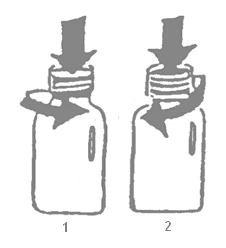
1- To open: press down and unscrew at the same time.
2- To close: screw tightly while pressing down.
ACETAMINOPHEN EARLY INFANCY 100 mg/mL oral drops, solution
Give this medicine to the child only after consulting a doctor and follow the doctor's instructions
regarding dosage and duration of treatment.
Children weighing more than 3 kg (approximately up to 18 months of age)
One drop of ACETAMINOPHEN EARLY INFANCY 100 mg/mL oral solution contains 2.8 mg of
paracetamol. The usual dose is 4 drops per kg of body weight every 6 hours
(never less than 4 hours between doses).
The table below provides some examples of dosages (in drops) according to body weight.
| Dose to be administered every 6 hours | ||
| weight in kg | in drops of solution | NEVER exceed 4 doses in 24 hours |
| 3 | 12 | |
| 4 | 16 | |
| 5 | 20 | |
| 6 | 24 | |
| 8 | 32 | |
| 10 | 40 | |
Children weighing more than 11 kg (approximately over 18 months of age)
One drop of ACETAMOL PRIMA INFANZIA 100 mg/mL oral drops solution contains 2.8 mg of
paracetamol. The usual dose is 4 drops per kg of body weight every 4 hours
(never less than 4 hours between doses).
The table contains some examples of dosing (in drops) according to body weight.
| Dose to be administered every 4 hours | ||
| weight in kg | in drops of solution | Do NOT exceed 6 doses in 24 hours |
| 11 | 44 | |
| 12 | 48 | |
| 13 | 52 | |
| 14 | 56 | |
| 15 | 60 | |
ACETAMINOPHEN early infancy 100 mg/mL oral drops solution can be administered to children of
any age, provided the correct dose is calculated according to body weight. However, this medicine is
labelled as Early Infancy because, being supplied in 30 mL bottles, it may be insufficient for children
weighing more than 15 kg, as it may not cover an adequate number of treatment days.
Instructions for use
The bottle is equipped with a child-resistant closure system.
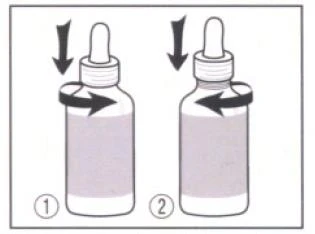
1- To open: press down and simultaneously unscrew.
2- To close: screw tightly while pressing.
If you give your child more ACETAMINOPHEN EARLY INFANCY than you should
Taking an excessive dose of paracetamol increases the risk of poisoning and can be fatal, especially if the person taking the medicine:
- has liver disease
- abuses alcohol
- suffers from chronic malnutrition
- is taking medicines or substances that stimulate liver enzymes (increasing liver activity).
If an excessive dose of this medicine has been taken or ingested, contact your doctor immediately or go to the nearest hospital.
Symptoms of overdose usually appear within 24 hours and include:
- vomiting
- loss of appetite
- nausea
- pallor
- epigastric pain (stomach pain)
- worsening of general condition
Very high doses of paracetamol may cause liver toxicity; therefore, in cases of suspected accidental ingestion of high doses of the drug, hospitalization of the child is recommended.
Following paracetamol overdose, the following have been observed:
- sudden inability of the kidneys to function properly (acute kidney injury),
- a condition in which small blood clots form within the bloodstream, blocking the smallest blood vessels (disseminated intravascular coagulation),
- rare cases of acute pancreatitis, an inflammation of the pancreas.
Ingestion of 7.5 g or more of paracetamol in adults and of 140 mg per kg of body weight in children may result in severe liver damage, leading to altered blood test results (AST, ALT, lactate dehydrogenase, bilirubin, prothrombin), coma (deep unconsciousness), or death.
Symptoms of liver damage peak after 3–4 days.
Recommended treatment, in addition to rapid removal of the drug from the body (gastric lavage, forced diuresis, or hemodialysis), includes the timely administration of antidotes (substances able to counteract the toxic effect of the drug), such as acetylcysteine or cysteamine.
If you forget to give your child ACETAMINOPHEN EARLY INFANCY
Do not give a double dose to make up for the missed dose.
If you stop treatment with ACETAMINOPHEN EARLY INFANCY
If you have any doubts about using this medicine, consult your doctor or pharmacist.
4. Possible side effects
Like all medicines, this medicine can cause side effects, although not everyone gets them.
If the child experiences allergic reactions during treatment, even severe ones such as:
- swelling of the face, lips, eyelids, tongue and/or throat, hands, feet, ankles (angioedema)
- laryngeal swelling
- anaphylactic shock
- bronchospasm
STOP the treatment immediately and contact a doctor immediately.
During treatment with paracetamol, the following side effects have been reported with unknown frequency (the frequency cannot be estimated from the available data):
- purpura (appearance of purple-colored skin patches of various sizes)
- fixed drug eruption (red/violet skin rash)
- skin rash
- generalized acute exanthematous pustulosis (eruption of hundreds of small superficial pustules spread all over the body)
- a serious condition that may make the blood more acidic (called metabolic acidosis), in patients with severe disease receiving paracetamol (see section 2)
- reduction in the number of platelets in the blood (thrombocytopenia)
- reduction in hemoglobin, the substance that carries oxygen in the blood (anemia)
- reduction in the number of granulocytes in the blood, a type of white blood cells (agranulocytosis)
- reduction in the number of neutrophils in the blood, a type of white blood cells (neutropenia)
- changes in liver function
- inflammation of the liver (hepatitis)
- liver failure
- hepatic necrosis
- kidney disease (acute renal failure)
- inflammation of the kidneys (interstitial nephritis)
- presence of blood in the urine (hematuria)
- failure to produce urine (anuria)
- hemorrhage (bleeding)
- abdominal pain
- diarrhea
- nausea
- vomiting
- dizziness
- changes in INR (a value used to express the time taken for blood to clot)
- increased liver enzymes
- headache
Very rare side effects:
- condition characterized by red spots on the skin with a "target" appearance, associated with itching (erythema multiforme)
- serious skin disease characterized by erythema, blistering lesions with areas of skin detachment (Stevens-Johnson syndrome)
- serious skin disease characterized by redness, blistering lesions with areas of skin detachment and skin death (epidermal necrolysis); lesions are accompanied by fever and blistering of the mucous membranes
- reduction in the number of white blood cells in the blood (leukopenia)
Reporting of side effects
If the child experiences any side effect, including those not listed in this leaflet, consult a doctor or pharmacist. You may also report side effects directly through the national reporting system at the following website: https://www.aifa.gov.it/content/segnalazioni-reazioni-avverse.
By reporting side effects, you can help provide more information on the safety of this medicine.
5. How to store ACETAMOL PRIMA INFANZIA
ACETAMOL 25 mg/mL syrup
Store below 25°C.
Keep this medicine out of the sight and reach of children.
Do not use this medicine after the expiry date stated on the packaging after Exp.
The expiry date of the intact and properly stored product refers to the last day of that month.
ACETAMOL PRIMA INFANZIA 100 mg/mL oral drops, solution:
This medicine does not require any special storage conditions.
Keep this medicine out of the sight and reach of children.
Do not use this medicine after the expiry date stated on the packaging after Exp.
The expiry date of the intact and properly stored product refers to the last day of that month. The shelf life of the product after first opening the bottle is 6 months.
Do not dispose of any medicine via wastewater or household waste. Ask your pharmacist how to dispose of medicines you no longer use. This will help protect the environment.
6. Package contents and other information
What ACETAMOL PRIMA INFANZIA contains
ACETAMOL PRIMA INFANZIA 25 mg/mL syrup
The active substance in 1 mL of syrup is 25 mg of paracetamol.
100 mL of syrup contain 2.5 g of paracetamol.
The other components are: macrogol 6000, glycerol (E422), methyl 4-hydroxybenzoate, propyl 4-hydroxybenzoate, sucrose, disodium hydrogen phosphate dihydrate, sodium dihydrogen phosphate dihydrate, (see section 2. Acetamol syrup contains parahydroxybenzoates, sucrose and sodium), strawberry cream flavour, purified water.
ACETAMOL PRIMA INFANZIA 100 mg/mL oral drops, solution
The active substance in one drop is 2.8 mg of paracetamol.
30 mL of oral drops contain 3 g of paracetamol.
The other components are: macrogol 300, glycerol, diethylene glycol monoethyl ether, sorbitol, sodium saccharin (see section 2. Acetamol oral drops contains sorbitol and sodium), propyl gallate, orange flavour, lemon flavour, purified water.
Description of the appearance of ACETAMOL PRIMA INFANZIA and contents of the pack
ACETAMOL PRIMA INFANZIA 25 mg/mL syrup is presented as a syrup.
It is available in a carton containing a 100 mL glass bottle of solution and an oral dosing syringe.
ACETAMOL PRIMA INFANZIA 100 mg/mL oral drops, solution is presented as an oral solution in drops.
It is available in a carton containing a 30 mL glass bottle of solution with a dropper.
Marketing Authorization Holder and Manufacturer
ABIOGEN PHARMA S.p.A.
Via Meucci, 36 - Ospedaletto - Pisa
Patient information leaflet
ACETAMOL 1000 mg effervescent tablets
Paracetamol
Please read this leaflet carefully before taking this medicine because it contains important information for you.
- Keep this leaflet. You may need to read it again.
- If you have any questions, ask your doctor or pharmacist.
- This medicine has been prescribed for you only. Do not give it to others, even if their symptoms are the same as yours, as it could be harmful.
- If you experience any adverse reaction, including those not listed in this leaflet, contact your doctor or pharmacist. See section 4.
Contents of this leaflet:
- What ACETAMOL is and what it is used for
- What you need to know before taking ACETAMOL
- How to take ACETAMOL
- Possible side effects
- How to store ACETAMOL
- Contents of the pack and other information
1. What ACETAMOL is and what it is used for
ACETAMOL is a medicinal product containing paracetamol.
ACETAMOL is used for the treatment of mild to moderate pain symptoms in adults and adolescents
aged 12 to 18 years.
2. What you should know before taking ACETAMOL
This medicine contains paracetamol. Do not take it in combination with other medicines containing paracetamol. If paracetamol is taken in high doses, serious adverse effects may occur, including severe liver damage and disturbances affecting the kidneys and blood.
Do not take ACETAMOL
If you/the adolescent:
- are allergic to paracetamol or to any of the other ingredients of this medicine (listed in section 6)
- are allergic to other substances similar to paracetamol; in particular, to other medicines used to treat pain (analgesics) and to reduce fever (antipyretics)
- have severe hepatic insufficiency
- are under 12 years of age (see "Children and adolescents").
Warnings and precautions
Talk to your doctor or pharmacist before taking ACETAMOL.
During treatment with ACETAMOL, inform your doctor immediately if:
- You suffer from kidney disease (renal failure)
- You suffer from liver disease, even severe (mild to moderate hepatocellular insufficiency, Gilbert's syndrome, severe liver failure, acute hepatitis)
- You are taking medicines that affect liver function (see section "Other medicines and ACETAMOL")
- You have a deficiency of an enzyme called glucose-6-phosphate dehydrogenase (an inherited condition leading to a decrease in red blood cell count)
- You suffer from a disease caused by the destruction of certain blood cells, red blood cells (hemolytic anemia)
- You suffer from a chronic inflammatory disease with breathing difficulties (asthma)
- You suffer from chronic alcoholism or consume large amounts of alcohol. Alcohol consumption during treatment is not recommended
- You are taking other medicines to treat pain (analgesics) and to reduce fever (antipyretics) or to treat inflammation (non-steroidal anti-inflammatory drugs) (see section "Other medicines and ACETAMOL")
- You are taking other medicines (see section "Other medicines and ACETAMOL")
- You have previously experienced breathing difficulties due to narrowing of the airways (bronchospasm) after taking acetylsalicylic acid or anti-inflammatory medicines (aspirin, NSAIDs)
- You are dehydrated (your body's water content is insufficient), malnourished, or underweight
- You suffer from anorexia (an eating disorder characterized by lack or reduction of appetite)
- You suffer from bulimia (an eating disorder in which a person consumes excessive amounts of food and then uses various methods to eliminate it to avoid gaining weight)
- You suffer from cachexia (a condition characterized by extreme thinness, reduced muscle mass, and thinning of the skin due to chronic illness)
- You suffer from hypovolemia (reduced volume of circulating blood)
- You are undergoing prolonged fasting.
If you suffer from serious illnesses, including severe renal impairment or sepsis (when bacteria and their toxins circulate in the blood causing organ damage), malnutrition, chronic alcoholism, or if you are also taking flucloxacillin (an antibiotic), a serious condition called metabolic acidosis (an abnormality in blood and body fluids) has been reported in patients using paracetamol regularly for prolonged periods or when paracetamol is taken in combination with flucloxacillin. Symptoms of metabolic acidosis may include: severe breathing difficulties with rapid, deep breathing, drowsiness, nausea, and vomiting.
Paracetamol may cause severe skin reactions which can be fatal. Treatment with ACETAMOL must be discontinued at the first sign of skin rash or any other sign of hypersensitivity/allergy.
Prolonged use or excessive doses of this medicine may cause liver disease, kidney problems, or blood disorders, even severe. In such cases, your doctor will monitor liver and kidney function and blood composition through appropriate tests.
If painkillers are misused or used long-term at high doses, headache episodes may occur, which should not be treated with higher doses of the medicine; if this happens, your doctor will discontinue the medicine.
Sudden discontinuation of analgesics after prolonged misuse at high doses may cause headache, fatigue, muscle pain, nervousness, and withdrawal symptoms that resolve within a few days. Until then, avoid taking other painkillers and do not restart them without consulting your doctor.
If allergic reactions occur, stop treatment and consult your doctor immediately.
Children and adolescents
Do not give ACETAMOL to children and adolescents under 12 years of age (see section "Do not take ACETAMOL").
Other medicines and ACETAMOL
Inform your doctor or pharmacist if you/the adolescent are taking, have recently taken, or might take any other medicine.
During treatment with paracetamol, before taking any other medicine, check that it does not contain the same active ingredient, as serious adverse effects may occur if paracetamol is taken at high doses.
In particular, inform your doctor if you are undergoing chronic treatment or are exposed to substances that induce monoamine oxidases (enzymes present in the liver), such as:
- rifampicin, an antibiotic used to treat infections
- cimetidine, a medicine used to treat ulcers
- antiepileptics such as glutethimide, phenobarbital, carbamazepine, phenytoin, and medicines used to treat uncontrollable body movements. In case of treatment with phenytoin, do not take high or prolonged doses of paracetamol
- alcohol (see section 2. "ACETAMOL and alcohol").
Also inform your doctor if you are taking the following medicines:
- salicylamide (a pain-relieving and fever-reducing medicine)
- zidovudine, a medicine used to treat HIV infection
- chloramphenicol (used to treat infections): there is a risk of increased toxicity from this medicine
- medicines that slow down (e.g., anticholinergics, opioids) or increase (e.g., prokinetics) the rate of stomach emptying
- oral anticoagulants, i.e., medicines that reduce blood clotting: your doctor may advise you to reduce the dose
- medicines for pain treatment (analgesics) and fever reduction (antipyretics)
- non-steroidal anti-inflammatory drugs, medicines used to treat inflammation
- colestyramine (a medicine used to reduce blood fats)
- probenecid (a medicine used to treat gout): your doctor may advise you to reduce the dose
- flucloxacillin (an antibiotic), due to a serious risk of blood and fluid abnormalities (called metabolic acidosis with high anion gap) which must be treated urgently (see section 2).
Laboratory tests and ACETAMOL
Administration of paracetamol may interfere with the measurement of certain blood values such as uric acid and blood glucose levels.
Therefore, inform the laboratory that you are being treated with ACETAMOL before undergoing blood tests.
ACETAMOL and alcohol
Concomitant use of alcohol increases the risk of liver damage.
If you suffer from alcohol dependence (alcoholism), the dose of ACETAMOL should be reduced (see "How to take ACETAMOL"), as alcohol may lower the toxicity threshold of paracetamol.
Pregnancy and breastfeeding
If you are pregnant, suspect you may be pregnant, are planning a pregnancy, or are breastfeeding, consult your doctor or pharmacist before taking this medicine.
If necessary, ACETAMOL can be used during pregnancy. It is advisable to use the lowest possible dose that relieves pain and to take it for the shortest possible time. Contact your doctor if pain does not decrease or if you need to take the medicine more frequently.
At recommended doses, paracetamol may be used for a short time during breastfeeding.
Driving and using machines
ACETAMOL does not affect the ability to drive vehicles or operate machinery.
ACETAMOL contains sodium, sorbitol, and sodium benzoate
This medicine contains 497 mg of sodium (the main component of table salt) per effervescent tablet. This corresponds to 24.9% of the maximum daily dietary intake recommended for an adult. This should be taken into account in individuals with reduced kidney function or those following a low-sodium diet.
This medicine contains 550 mg of sorbitol per effervescent tablet. Sorbitol is a source of fructose. If your doctor has told you that you are intolerant to certain sugars, or if you have been diagnosed with hereditary fructose intolerance, a rare genetic condition in which patients cannot metabolize fructose, speak with your doctor before taking this medicine.
This medicine contains 40 mg of sodium benzoate per effervescent tablet.
3. How to take ACETAMOL
Take this medicine exactly as directed by your doctor or pharmacist. If you have any doubts, consult your doctor or pharmacist.
The recommended initial dose is 500 mg (half a tablet), repeated after an interval of 6 hours.
If you do not achieve sufficient pain relief, you may increase the dose or reduce the interval; however, the single dose must never exceed 1000 mg (never more than 1 tablet at a time), and the interval between doses must never be less than 4 hours.
Never take two tablets at the same time; do not exceed three grams (three tablets) in 24 hours.
The tablet can be divided into equal parts.
Use in adults
The recommended dose is 500–1000 mg of paracetamol (half to one tablet) every 4–6 hours (never less than 4 hours apart).
Never take two tablets at the same time; do not exceed 3 g (3 tablets) in 24 hours.
Use in adolescents (12–18 years of age)
Doses depend on body weight and age:
Adolescents with body weight between 41 and 50 kg (approximately 12 to 15 years of age): the recommended dose is 500 mg (half a tablet) every 4–6 hours (never less than 4 hours apart).
Adolescents with body weight over 50 kg (approximately over 15 years of age): a dose of 500 mg (half a tablet) every 4–6 hours (never less than 4 hours apart).
Use in patients with liver problems (hepatic insufficiency)
The dose should be reduced or the dosing interval prolonged.
Use in patients with kidney problems
If you have kidney problems, your doctor will prescribe a longer interval between doses—at least every 8 hours.
Use in patients suffering from chronic alcoholism
Chronic alcohol consumption may increase the toxicity of paracetamol. If you regularly consume alcohol, consult your doctor before taking this medicine. In any case, do not exceed a daily dose of 2 g of paracetamol, respecting an interval of at least 8 hours between doses.
Method of administration
Allow the effervescent tablet to dissolve in half a glass of water and drink the resulting solution.
The tablet can be divided into equal parts.
If you take more ACETAMOL than you should
Taking an excessive dose of paracetamol increases the risk of poisoning and can be fatal, especially in individuals who:
- suffer from liver disease
- abuse alcohol
- suffer from chronic malnutrition
- are taking medicines or substances that induce liver enzymes (increase liver metabolism)
Paracetamol, at very high doses far exceeding those commonly recommended, may cause liver toxicity, kidney function impairment, and blood disorders, even severe ones. Therefore, in case of suspected accidental ingestion of high doses of the medicine, contact your doctor immediately or go to the nearest hospital.
Symptoms of overdose usually appear within 12–48 hours and include:
- vomiting
- loss of appetite
- nausea
- pallor
- abdominal pain
- worsening of general condition
These symptoms usually occur within the first 24 hours.
Following paracetamol overdose, the following have been observed:
- sudden inability of the kidneys to function properly (acute kidney injury),
- a condition in which small blood clots form in the bloodstream, blocking the smallest blood vessels (disseminated intravascular coagulation),
- rare cases of acute pancreatitis, an inflammation of the pancreas.
Ingestion of 7.5 g or more of paracetamol in adults and 140 mg per kg of body weight in children may lead to severe liver damage, resulting in altered blood test results (AST, ALT, lactate dehydrogenase, bilirubin, prothrombin), coma (a deep state of unconsciousness), or death.
Symptoms of liver damage peak after 3–4 days.
Recommended treatment, in addition to rapid elimination of the drug from the body (gastric lavage, forced diuresis, or hemodialysis), includes the timely administration of antidotes (substances able to counteract the toxic effect of the drug), such as acetylcysteine or cysteamine.
If you forget to take ACETAMOL
Do not take a double dose to make up for the missed dose.
If you stop taking ACETAMOL
If you have any doubts about using this medicine, consult your doctor or pharmacist.
4. Possible side effects
Like all medicines, this medicine can cause side effects, although not everyone will experience them.
If you/your adolescent experience allergic reactions during treatment, even severe ones such as:
- swelling of the face, lips, eyelids, tongue and/or throat, hands, feet, ankles (angioedema)
- swelling of the larynx
- anaphylactic shock
- bronchospasm
STOP treatment and contact your doctor immediately.
The following side effects have been reported during treatment with paracetamol.
Side effects with not known frequency (frequency cannot be estimated from the available data):
- purpura (appearance of purplish skin patches of various sizes)
- fixed drug eruption (red/purplish skin rash)
- skin rash
- generalized acute exanthematous pustulosis (eruption of hundreds of superficial pustules spread all over the body)
- severe condition causing the blood to become more acidic (called metabolic acidosis), in patients with serious illness taking paracetamol (see section 2)
- reduction in the number of platelets in the blood (thrombocytopenia)
- reduction in hemoglobin, the substance that carries oxygen in the blood (anemia)
- reduction in the number of granulocytes in the blood, a type of white blood cell (agranulocytosis)
- reduction in the number of neutrophils in the blood, a type of white blood cell (neutropenia)
- changes in liver function
- inflammation of the liver (hepatitis)
- liver failure
- hepatic necrosis
- kidney disease (acute renal failure)
- inflammation of the kidneys (interstitial nephritis)
- presence of blood in the urine (hematuria)
- failure to produce urine (anuria)
- hemorrhage (bleeding)
- abdominal pain
- diarrhea
- nausea
- vomiting
- dizziness
- changes in INR (a value used to measure blood clotting time)
- increased liver enzymes
- headache
Side effects with very rare frequency:
- condition characterized by red skin spots with "target-like" appearance associated with itching (erythema multiforme)
- severe skin diseases characterized by erythema, blistering lesions, and areas of skin detachment (Stevens-Johnson syndrome)
- severe skin disease characterized by redness, blistering lesions, skin detachment and skin death (epidermal necrolysis); lesions are accompanied by fever and blisters on mucous membranes
- reduction in the number of white blood cells in the blood (leukopenia)
Reporting of side effects
If you/your adolescent experience any side effect, including those not listed in this leaflet, talk to your doctor or pharmacist. You can also report side effects directly via the national reporting system at https://www.aifa.gov.it/content/segnalazioni-reazioni-avverse.
By reporting side effects, you can help provide more information on the safety of this medicine.
5. How to store ACETAMOL
This medicine does not require any special storage conditions.
However, it is advisable to keep the tube tightly closed in a dry place to protect the medicine
from moisture.
Keep this medicine out of the sight and reach of children.
Do not use this medicine after the expiry date stated on the carton after EXP.
The expiry date refers to the last day of that month.
Do not dispose of any medicine via wastewater or household waste. Ask your pharmacist how
to dispose of medicines no longer in use. This will help protect the environment.
6. Package contents and other information
What ACETAMOL contains
- The active substance is paracetamol 1 g.
- The other components are anhydrous citric acid, sodium bicarbonate, sorbitol (E420), anhydrous sodium carbonate, sodium benzoate (E211), orange flavour, potassium acesulfame, dimethicone, sodium docusate (see section 2, "ACETAMOL contains sodium, sorbitol and sodium benzoate").
Description of the appearance of ACETAMOL and the contents of the pack
ACETAMOL is available as effervescent, divisible tablets.
It is available in packs containing a bottle of 8 or 16 tablets.
Not all pack sizes may be marketed.
Marketing Authorisation Holder and Manufacturer
Marketing Authorisation Holder
ABIOGEN PHARMA S.p.A.
Via Meucci, 36
Ospedaletto - PISA
Manufacturer
E-Pharma Trento S.p.A.
Frazione Ravina
Via Provina, 2
38123 Trento (TN).
Package leaflet: information for the patient
ACETAMOL 1000 mg tablets
Paracetamol
Please read this leaflet carefully before taking this medicine because it contains
important information for you.
- Keep this leaflet. You may need to read it again.
- If you have any questions, ask your doctor or pharmacist.
- This medicine has been prescribed for you only. Do not give it to other people, even if their symptoms are the same as yours, because it could be harmful.
- If you experience any side effects, including those not listed in this leaflet, contact your doctor or pharmacist. See section 4.
Contents of this leaflet:
- What ACETAMOL is and what it is used for
- What you need to know before taking ACETAMOL
- How to take ACETAMOL
- Possible side effects
- How to store ACETAMOL
- Contents of the pack and other information
1. What ACETAMOL is and what it is used for
ACETAMOL is a medicinal product containing paracetamol.
ACETAMOL is used for the treatment of mild to moderate pain symptoms in adults and adolescents
aged 12 to 18 years.
2. What you should know before taking ACETAMOL
This medicine contains paracetamol. Do not take it in combination with other medicines containing paracetamol. If paracetamol is taken in high doses, serious adverse effects may occur, including severe liver damage and disturbances affecting the kidneys and blood.
Do not take ACETAMOL
If you/the adolescent:
- is allergic to paracetamol or to any of the other ingredients of this medicine (listed in section 6)
- is allergic to other substances similar to paracetamol; in particular, to other medicines used to treat pain (analgesics) and to reduce fever (antipyretics)
- has severe hepatic insufficiency
- is under 12 years of age (see “Children and adolescents”).
Warnings and precautions
Talk to your doctor or pharmacist before taking ACETAMOL.
During treatment with ACETAMOL, inform your doctor immediately if:
- You suffer from kidney disease (renal failure)
- You suffer from liver disease, even severe (mild to moderate hepatic insufficiency, Gilbert's syndrome, severe liver failure, acute hepatitis)
- You are taking medicines that affect liver function (see section “Other medicines and ACETAMOL”)
- You have a deficiency of an enzyme called glucose-6-phosphate dehydrogenase (an inherited condition leading to a decrease in red blood cell count)
- You suffer from a disease caused by the destruction of certain blood cells, red blood cells (haemolytic anaemia)
- You suffer from a chronic inflammatory disease with breathing difficulties (asthma)
- You suffer from chronic alcoholism or consume large amounts of alcohol. Alcohol consumption during treatment is not recommended
- You are taking other medicines to treat pain (analgesics) and to reduce fever (antipyretics) or to treat inflammation (non-steroidal anti-inflammatory drugs) (see section “Other medicines and ACETAMOL”)
- You are taking other medicines (see section “Other medicines and ACETAMOL”)
- You have experienced breathing difficulties due to narrowing of the airways (bronchospasm) after taking acetylsalicylic acid or anti-inflammatory medicines (aspirin, NSAIDs)
- You are dehydrated (your body's water content is insufficient), malnourished, or underweight
- You suffer from anorexia (an eating disorder characterised by lack or reduction of appetite)
- You suffer from bulimia (an eating disorder in which a person consumes excessive amounts of food and then uses various methods to eliminate it to avoid gaining weight)
- You suffer from cachexia (a condition characterised by extreme thinness, reduced muscle mass, and thinning of the skin due to chronic illness)
- You suffer from hypovolemia (reduced volume of circulating blood)
- You are undergoing prolonged fasting.
If you suffer from serious illnesses, including severe renal impairment or sepsis (when bacteria and their toxins circulate in the blood causing organ damage), malnutrition, chronic alcoholism, or if you are also taking flucloxacillin (an antibiotic), a serious condition called metabolic acidosis (an abnormality in blood and body fluids) has been reported in patients using paracetamol regularly for a prolonged period or when paracetamol is taken in combination with flucloxacillin. Symptoms of metabolic acidosis may include: severe breathing difficulties with rapid, deep breathing, drowsiness, nausea, and vomiting.
Paracetamol may cause severe skin reactions which can be fatal. Treatment with ACETAMOL must be stopped at the first sign of skin rash or any other sign of hypersensitivity/allergy.
Prolonged use or excessive doses of this medicine may cause liver disease, kidney problems, or blood disorders, even severe ones. In such cases, your doctor will monitor liver function, kidney function, and blood composition through appropriate tests.
If painkillers are used incorrectly or for prolonged periods at high doses, headache episodes may occur, which should not be treated with higher doses of the medicine; if this occurs, your doctor will discontinue the medicine.
Sudden discontinuation of analgesics after prolonged incorrect use at high doses may cause headache, fatigue, muscle pain, nervousness, and withdrawal symptoms that resolve within a few days. Until then, avoid taking other painkillers and do not restart them without consulting your doctor.
If allergic reactions occur, stop treatment and consult your doctor immediately.
Children and adolescents
Do not give ACETAMOL to children and adolescents under 12 years of age (see section “Do not take ACETAMOL”).
Other medicines and ACETAMOL
Inform your doctor or pharmacist if you/the adolescent are taking, have recently taken, or might take any other medicine.
During treatment with paracetamol, before taking any other medicine, check that it does not contain the same active ingredient, because if paracetamol is taken in high doses, serious adverse effects may occur.
In particular, inform your doctor if you are undergoing chronic treatment or are exposed to substances that induce monoamine oxidases (enzymes present in the liver), such as:
- rifampicin, an antibiotic used to treat infections
- cimetidine, a medicine used to treat ulcers
- antiepileptics such as glutethimide, phenobarbital, carbamazepine, and phenytoin. In case of treatment with phenytoin, do not take high or prolonged doses of paracetamol
- alcohol (see section “ACETAMOL and alcohol”).
Also inform your doctor if you are taking the following medicines:
- salicylamide (a pain-relieving and fever-reducing medicine)
- zidovudine, a medicine used to treat HIV infection
- chloramphenicol (used to treat infections): there is a risk of increased toxicity from this medicine
- medicines that slow down (e.g. anticholinergics, opioids) or speed up (e.g. prokinetics) gastric emptying
- oral anticoagulants, i.e. medicines that reduce blood clotting: your doctor may advise you to reduce the dose
- medicines for pain relief (analgesics) and fever reduction (antipyretics)
- non-steroidal anti-inflammatory drugs, medicines used to treat inflammation
- colestyramine (used to reduce blood fats)
- probenecid (a medicine used to treat gout): your doctor may advise you to reduce the dose
- flucloxacillin (an antibiotic), due to a serious risk of blood and fluid abnormalities (called metabolic acidosis with elevated anion gap) that requires urgent treatment (see section 2).
Laboratory tests and ACETAMOL
Administration of paracetamol may interfere with the measurement of certain blood values, such as uric acid and blood glucose levels. Therefore, inform the laboratory that you are being treated with ACETAMOL before undergoing blood tests.
ACETAMOL and alcohol
Concomitant use of alcohol increases the risk of liver damage.
If you suffer from alcohol dependence (alcoholism), the dose of ACETAMOL should be reduced (see “How to take ACETAMOL”) because alcohol may lower the threshold for paracetamol toxicity.
Pregnancy and breastfeeding
If you are pregnant, think you may be pregnant, planning to become pregnant, or breastfeeding, consult your doctor or pharmacist before taking this medicine.
If necessary, ACETAMOL can be used during pregnancy. It is advisable to use the lowest possible dose that relieves pain and to take it for the shortest possible time. Contact your doctor if pain does not decrease or if you need to take the medicine more frequently.
At recommended doses, paracetamol can be used for short periods during breastfeeding.
Driving and using machines
ACETAMOL does not affect the ability to drive or operate machinery.
3. How to take ACETAMOL
Take this medicine exactly as directed by your doctor or pharmacist. If you have any doubts, consult your doctor or pharmacist.
The recommended initial dose is 500 mg (half a tablet), repeated after an interval of 6 hours.
If you do not achieve sufficient pain relief, you may increase the dose or reduce the interval; however, the single dose must never exceed 1000 mg (never more than 1 tablet at a time), and the interval between doses must never be less than 4 hours.
Never take two tablets together; do not exceed three grams (three tablets) in 24 hours.
The tablet can be divided into equal parts.
Use in adults
The recommended dose is 500–1000 mg of paracetamol (half to one tablet) every 4–6 hours (never less than 4 hours apart).
Never take two tablets together; do not exceed 3 g (3 tablets) in 24 hours.
Use in adolescents (12–18 years)
Dosage depends on body weight and age:
- Adolescents weighing between 41 and 50 kg (approximately 12 to 15 years of age): the recommended dose is 500 mg (half a tablet) every 4–6 hours (never less than 4 hours apart).
- Adolescents weighing more than 50 kg (approximately over 15 years of age): a dose of 500 mg (half a tablet) every 4–6 hours (never less than 4 hours apart).
Use in patients with liver problems (hepatic insufficiency)
The dose should be reduced or the dosing interval prolonged.
Use in patients with kidney problems
If you have kidney problems, your doctor will prescribe a longer interval between doses—at least every 8 hours.
Use in patients with chronic alcoholism
Chronic alcohol consumption may increase the toxicity of paracetamol. If you regularly consume alcohol, consult your doctor before taking this medicine. In any case, do not exceed a daily dose of 2 g of paracetamol, maintaining an interval of at least 8 hours between doses.
If you take more ACETAMOL than you should
Taking an excessive dose of paracetamol increases the risk of poisoning and may be fatal, especially if the person taking the medicine:
- has liver disease
- abuses alcohol
- suffers from chronic malnutrition
- is taking medicines or substances that stimulate liver enzymes (increasing liver activity).
Paracetamol, when taken at very high doses exceeding those commonly recommended, may cause liver toxicity, kidney function impairment, and serious blood disorders. Therefore, in cases of suspected accidental overdose, contact your doctor immediately or go to the nearest hospital.
Symptoms of overdose usually appear within 12–48 hours and include:
- vomiting
- loss of appetite
- nausea
- pallor
- abdominal pain
- worsening of general condition
After paracetamol overdose, the following have been observed:
- sudden inability of the kidneys to function properly (acute kidney injury)
- a condition in which small blood clots form throughout the bloodstream, blocking small blood vessels (disseminated intravascular coagulation)
- rare cases of acute pancreatitis, an inflammation of the pancreas.
Ingestion of 7.5 g or more of paracetamol in adults and 140 mg per kg of body weight in children may result in severe liver damage, leading to abnormal blood test results (AST, ALT, lactate dehydrogenase, bilirubin, prothrombin), coma (a deep state of unconsciousness), or death.
Symptoms of liver damage peak after 3–4 days.
Recommended treatment, in addition to rapid elimination of the drug from the body (gastric lavage, forced diuresis, or hemodialysis), includes the timely administration of antidotes (substances capable of counteracting the toxic effect of the drug), such as acetylcysteine or cysteamine.
If you forget to take ACETAMOL
Do not take a double dose to make up for the missed dose.
If you stop taking ACETAMOL
If you have any doubts about using this medicine, consult your doctor or pharmacist.
4. Possible side effects
Like all medicines, this medicine can cause side effects, although not everyone experiences them.
If you/your adolescent experience allergic reactions during treatment, even severe ones such as:
- swelling of the face, lips, eyelids, tongue and/or throat, hands, feet, ankles (angioedema)
- laryngeal swelling
- anaphylactic shock
- bronchospasm
STOP taking the medicine and contact your doctor immediately.
The following side effects have been reported during treatment with paracetamol.
Side effects with unknown frequency (frequency cannot be estimated from the available data):
- purpura (appearance of purple-colored skin patches of various sizes)
- fixed drug eruption (red/violet skin rash)
- skin rash
- generalized acute exanthematous pustulosis (eruption of hundreds of superficial pustules spread all over the body)
- severe condition causing blood to become more acidic (called metabolic acidosis), in patients with serious illness using paracetamol (see section 2)
- reduction in the number of platelets in the blood (thrombocytopenia)
- reduction in hemoglobin, the substance that carries oxygen in the blood (anemia)
- reduction in the number of granulocytes in the blood, a type of white blood cells (agranulocytosis)
- reduction in the number of neutrophils in the blood, a type of white blood cells (neutropenia)
- changes in liver function
- inflammation of the liver (hepatitis)
- liver failure
- hepatic necrosis
- kidney disease (acute renal failure)
- inflammation of the kidneys (interstitial nephritis)
- presence of blood in the urine (hematuria)
- lack of urine production (anuria)
- hemorrhage (bleeding)
- abdominal pain
- diarrhea
- nausea
- vomiting
- dizziness
- changes in INR (a value used to express the time taken for blood to clot)
- increased liver enzymes
- headache
Very rare side effects:
- condition characterized by red skin spots with "target" appearance associated with itching (erythema multiforme)
- severe skin diseases characterized by erythema, blistering lesions with areas of skin detachment (Stevens-Johnson syndrome)
- severe skin disease characterized by redness, blistering lesions with areas of skin detachment and skin death (epidermal necrolysis); lesions are accompanied by fever and blisters on mucous membranes
- reduction in the number of white blood cells in the blood (leukopenia).
Reporting of side effects
If you/your adolescent experience any side effect, including those not listed in this leaflet, talk to your doctor or pharmacist. You can also report side effects directly via the national reporting system at https://www.aifa.gov.it/content/segnalazioni-reazioni-avverse.
By reporting side effects, you can help provide more information on the safety of this medicine.
5. How to store ACETAMOL
This medicine does not require any special storage conditions.
Keep this medicine out of the sight and reach of children.
Do not use this medicine after the expiry date stated on the packaging after EXP.
The expiry date refers to the last day of that month.
Do not dispose of any medicine via wastewater or household waste. Ask your pharmacist how to
dispose of medicines you no longer use. This will help protect the environment.
6. Package contents and other information
What ACETAMOL contains
- The active substance is paracetamol 1 g.
- The other components are potato starch, polyvinylpyrrolidone, magnesium stearate.
Description of the appearance of ACETAMOL and package contents
ACETAMOL 1000 mg tablets are white, divisible tablets.
It is available in a pack containing 16 tablets.
Marketing Authorization Holder and Manufacturer
ABIOGEN PHARMA S.p.A.
Via Meucci, 36
Ospedaletto - PISA