Zolpidem Aurovitas 10 mg film-coated tablets EFG
Spain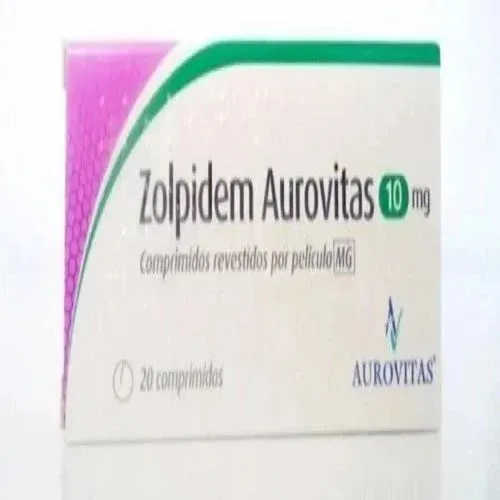
Table of Contents
Patient Information Leaflet
Introduction
Patient Information Leaflet
Zolpidem Aurovitas 10 mg film-coated tablets EFG
zolpidem tartrate
Read the entire leaflet carefully before you start using this medicine, as it contains important information for you.
- Keep this leaflet, as you may need to read it again.
- If you have any questions, ask your doctor or pharmacist.
- This medicine has been prescribed for you only, and you should not give it to others, even if they have the same symptoms as you, because it may harm them.
- If you experience any adverse reactions, consult your doctor or pharmacist, even if they are adverse reactions not listed in this leaflet. See section 4.
Leaflet Contents
- What Zolpidem Aurovitas is and what it is used for
- What you need to know before taking Zolpidem Aurovitas
- How to take Zolpidem Aurovitas
- Possible side effects
- How to store Zolpidem Aurovitas
- Contents of the pack and other information
1. What Zolpidem Aurovitas is and what it is used for
Zolpidem belongs to a group of medicines known as benzodiazepine analogues.
Zolpidem tablets are sleeping pills (hypnotics) that act on the brain to produce drowsiness. They are used for the short-term treatment of insomnia in adults when it is severe, disabling, or causing significant patient anxiety.
2. What you need to know before taking Zolpidem Aurovitas
Do not take Zolpidem Aurovitas
- If you are allergic to zolpidem or any of the other ingredients of this medicine (listed in section 6). An allergic reaction may include skin rash, itching, difficulty breathing, or swelling of the face, lips, throat, or tongue.
- If you have severe liver problems.
- If you suffer from sleep apnoea (a condition in which your breathing stops briefly during sleep).
- If you have severe muscle weakness (myasthenia gravis).
- If you have acute and severe respiratory problems.
- If you are under 18 years of age.
Warnings and precautions
Talk to your doctor or pharmacist before taking zolpidem if you:
- Are elderly or frail. Be cautious when getting up at night. Zolpidem may relax your muscles. Combined with its sedative effect, this increases the risk of falls and, consequently, of hip fractures.
- Have any kidney or liver problems.
- Have a history of respiratory disorders. While taking zolpidem, your breathing may become weaker.
- Have a history of mental illness, anxiety, or psychotic disorders. Zolpidem may unmask or worsen symptoms.
- Suffer from, or have a history of, depression (feelings of sadness).
- Have, or have ever had, a history or tendency to abuse alcohol or drugs. The risk of dependence on zolpidem (physical or psychological effects caused by a compulsion to continue taking the medicine) increases in these patients, and with the dose and duration of treatment.
- In patients treated with benzodiazepines or hypnotics, including zolpidem, the risk of suicide or suicide attempt may increase. If you ever have thoughts of harming yourself or of suicide, contact your doctor or go to hospital immediately.
- In patients with long QT syndrome (a cardiac conduction disorder, a type of arrhythmia).
Before starting treatment with this medicine:
- The cause of sleep disturbances should be clarified.
- Underlying diseases should be treated.
If treatment for sleep disturbances is not effective after 7–14 days, this may indicate an underlying psychiatric or physical illness that should be investigated.
Zolpidem must not be taken in cases of severe hepatic insufficiency because, due to liver failure, the accumulation of toxic substances in the body may lead to deterioration of brain function (hepatic encephalopathy).
Children and adolescents
Do not give this medicine to children or adolescents under 18 years of age.
Other considerations
- Habituation – If after a few weeks you notice that the tablets are not working as well as when you started treatment, you should consult your doctor.
- Dependence – When taking this type of medicine, there is a risk of dependence, which increases with dose and duration of treatment. The risk is higher if you have a history of psychiatric disorders, drug dependence, and/or alcohol or drug abuse. However, dependence may also occur at doses normally used for treatment or in the absence of risk factors such as a history of alcohol or drug abuse.
- Withdrawal – Treatment should be discontinued gradually. After stopping the medicine, a short-term withdrawal syndrome may occur, with worsening of the symptoms that led to treatment with zolpidem. This syndrome may be accompanied by other reactions including mood changes, anxiety, and restlessness.
- Amnesia – Zolpidem may cause memory loss. To reduce this risk, ensure you can sleep uninterrupted for 8 hours.
- Psychiatric and "paradoxical" reactions – Zolpidem may cause adverse effects on behaviour, such as restlessness, agitation, irritability, aggression, delusions (false beliefs), rage attacks, nightmares, hallucinations, psychosis (hallucinations: seeing, hearing, or feeling things that are not real), inappropriate behaviour, and increased insomnia.
- Sleepwalking and other associated behaviours – Zolpidem may cause people to carry out activities while asleep that they do not remember upon waking. This includes sleepwalking, driving while asleep, preparing and eating food, making phone calls, or engaging in sexual activity. Alcohol and certain medicines used to treat depression or anxiety, or using zolpidem at doses higher than the maximum recommended dose, may increase the risk of these adverse effects.
- The risks and benefits of zolpidem should be carefully considered if you have long QT syndrome (a cardiac conduction disorder, a type of arrhythmia).
- Like other hypnotic/sedative medicines, zolpidem has central nervous system depressant effects.
- Next-day psychomotor impairment (see also Driving and use of machines) – The risk of next-day psychomotor impairment, including impaired ability to drive, may be increased the day after taking zolpidem if:
- You take this medicine with less than 8 hours before performing activities requiring mental alertness.
- You take a higher dose than recommended.
- You take zolpidem together with another central nervous system depressant or another medicine that increases zolpidem levels in your blood, combined with alcohol or illegal substances.
Zolpidem may cause drowsiness and reduced level of consciousness, which may lead to falls and, consequently, serious injuries.
Take the dose once and immediately before going to bed at night. Do not take another dose during the same night.
Other medicines and Zolpidem Aurovitas
Tell your doctor if you are taking, have recently taken, or might need to take any other medicines.
Zolpidem may affect the effect and/or adverse effects of other medicines.
- Rifampicin, a medicine used to treat tuberculosis, may reduce the effect of zolpidem.
If you take zolpidem with the following medicines, effects such as sedation, drowsiness, or next-day psychomotor impairment (including impaired ability to drive) may be enhanced:
- Medicines for certain mental disorders (antipsychotics).
- Medicines for sleep problems (hypnotics).
- Medicines to relieve or reduce anxiety.
- Medicines for depression, including St. John’s wort (a herbal medicine used to treat depression).
- Medicines for moderate to severe pain (narcotic analgesics), such as codeine, morphine. These may increase feelings of euphoria, increasing the risk of physical or psychological dependence.
- Medicines for epilepsy, such as phenytoin and carbamazepine.
- Medicines used in anaesthesia. If you are undergoing surgery under general anaesthesia, inform your doctor about all medicines you are taking.
- Medicines for seasonal allergic rhinitis, skin rashes, or other allergies that may cause drowsiness (sedating antihistamines).
- Muscle relaxants; the muscle-relaxing effect and risk of falls, especially in elderly patients, may be greater.
- Medicines that inhibit liver enzymes. Ask your doctor or pharmacist which medicines have this effect (e.g., ketoconazole, a medicine used to treat fungal infections).
- Grapefruit juice may also inhibit liver enzymes.
No significant interactions have been observed when zolpidem is taken together with warfarin (to reduce blood clotting), digoxin (to treat heart failure), or ranitidine (for stomach problems).
Concomitant use of zolpidem and opioids (strong painkillers, substitution therapy medicines, and some cough medicines) increases the risk of drowsiness, difficulty breathing (respiratory depression), coma, and may result in death. For this reason, concomitant use should only be considered when no other treatment options are possible.
However, if your doctor prescribes zolpidem together with opioids, your doctor should limit the dose and duration of concomitant treatment.
Inform your doctor about all opioid medicines you are taking and follow your doctor’s recommended dose carefully. It may be advisable to ask friends or family members to watch for the signs and symptoms mentioned above. Contact your doctor if you experience such symptoms.
If you take zolpidem with antidepressants, including bupropion, desipramine, fluoxetine, sertraline, and venlafaxine, you may see things that are not real (hallucinations).
Taking zolpidem with fluvoxamine or ciprofloxacin is not recommended.
Taking Zolpidem Aurovitas with food, drinks, and alcohol
Do not consume alcohol during treatment with zolpidem, as it may increase the sedative effect.
Pregnancy, breastfeeding, and fertility
If you are pregnant or breastfeeding, think you may be pregnant, or are planning to become pregnant, consult your doctor before using this medicine.
If zolpidem is used during pregnancy, it may be harmful to the fetus.
In some studies, there was a possible increased risk of cleft lip and cleft palate ("cleft lip").
After administration of zolpidem in the second and/or third trimester of pregnancy, reduced fetal movements and changes in fetal heart rate may occur.
Zolpidem must not be taken during pregnancy, especially during the first three months. If, for urgent medical reasons, you take zolpidem in the late stages of pregnancy or during labour, your baby may experience low body temperature, muscle weakness, difficulty feeding, and breathing problems, and may show withdrawal symptoms such as agitation and tremors after birth due to physical dependence. In such cases, babies should be closely monitored in the postnatal period.
Do not breastfeed your baby, as zolpidem may pass into breast milk in small amounts.
Driving and use of machines
Zolpidem has a major effect on the ability to drive and use machines, such as "drowsy driving". On days when you take zolpidem (as with other hypnotics), you should consider the following:
- You may feel drowsy, sleepy, dizzy, or confused.
- You may take longer to make decisions.
- You may experience blurred or double vision.
- Your alertness may be reduced.
To reduce the above-mentioned effects, a minimum interval of 8 hours between taking zolpidem and driving, operating machinery, or performing work at heights is recommended.
Do not consume alcohol or any other psychoactive substance while taking zolpidem, as this may increase the effects mentioned above.
Zolpidem Aurovitas contains lactose
This medicine contains lactose. If your doctor has told you that you have an intolerance to certain sugars, consult with him before taking this medicine.
Zolpidem Aurovitas contains sodium
This medicine contains less than 1 mmol of sodium (23 mg) per tablet; hence, it is essentially "sodium-free".
3. How to take Zolpidem Aurovitas
Follow exactly the instructions for use of this medicine as given by your doctor or pharmacist. If in doubt, consult your doctor or pharmacist again.
Zolpidem is a medicine taken by mouth.
Zolpidem works quickly and should be taken immediately before going to bed or when you are already in bed.
Adults: The recommended dose is 10 mg of zolpidem every 24 hours. A lower dose may be prescribed for some patients.
Zolpidem should be taken:
- as a single dose,
- just before bedtime.
You must ensure that you allow a minimum of 8 hours between taking the medicine and engaging in activities requiring mental alertness.
Do not take more than 10 mg every 24 hours.
Elderly patients (over 65 years of age) or debilitated patients: The recommended dose is 5 mg. The recommended dose must not be exceeded.
Patients with liver problems: The usual starting dose is 5 mg. Your doctor may decide to increase this dose to 10 mg if considered safe. Do not take zolpidem if you have severe liver problems. Particular caution should be exercised in elderly patients with hepatic impairment.
Patients with a history of respiratory problems (chronic respiratory insufficiency): A lower dose is recommended.
Use in children and adolescents: Zolpidem is not indicated for patients under 18 years of age.
Duration of treatment
The treatment duration should be as short as possible. It generally ranges from a few days to two weeks. The maximum treatment duration, including the tapering-off period, is four weeks.
Your doctor will establish a gradual withdrawal schedule based on your individual needs. In certain situations, it may be necessary for you to take zolpidem for longer than four weeks.
If you take more Zolpidem Aurovitas than you should
In case of overdose or accidental ingestion, contact your doctor or pharmacist immediately or call the Toxicology Information Service at: 91 562 04 20, indicating the medicine and the amount ingested.
If you (or someone else) ingest a large number of tablets at once, or if you suspect that a child has swallowed any tablets, contact your doctor immediately or go to the nearest hospital emergency department. Take the packaging and any remaining tablets with you. Do not go for help unaccompanied. If you have taken an overdose, you may rapidly feel increasingly sleepy; high doses may lead to coma or even death. If zolpidem is taken together with other medicines acting on the central nervous system (including alcohol), the outcome may be serious and potentially fatal. In moderate cases, symptoms include: drowsiness, mental confusion, and feelings of tiredness, exhaustion (lethargy). In more severe cases, symptoms may include lack of coordination (ataxia), reduced muscle tone (hypotonia), low blood pressure (hypotension), respiratory depression, altered consciousness progressing to coma, and more severe symptoms, including fatal outcomes.
If you forget to take Zolpidem Aurovitas
If you forget to take the dose immediately before going to bed but remember during the night, take the missed dose only if you can still sleep for 8 uninterrupted hours. If this is not possible, take the next dose before going to bed the following night. Do not take a double dose to make up for a missed dose. If you are concerned, ask your doctor or pharmacist for advice.
If you stop taking Zolpidem Aurovitas
Treatment should be discontinued gradually, as otherwise the symptoms for which you were treated may return more intensely than before (rebound insomnia). Anxiety, restlessness, and mood changes may also occur. These effects will disappear over time.
If you have developed physical dependence on zolpidem, abruptly stopping treatment will result in adverse effects such as headaches, muscle pain, anxiety, tension, restlessness, confusion, irritability, and insomnia. In severe cases, other effects may occur, such as hypersensitivity to light, noise, and physical contact, abnormally acute hearing and painful sensitivity to noise, hallucinations, numbness and tingling in the limbs, loss of sense of reality (feeling that the world around you is unreal), depersonalization (feeling that your mind is separating from your body), or epileptic seizures (violent attacks or tremors). These symptoms may also occur between doses, especially if the dose is high.
If you have any further questions about the use of this medicine, ask your doctor or pharmacist.
4. Possible adverse effects
Like all medicines, this medicine can cause adverse effects, although not everyone will experience them.
The adverse effects of zolpidem, particularly some effects on the central nervous system, are dose-dependent and are less intense if you take the medicine immediately before going to sleep or going to bed. These side effects are more likely to occur in elderly people.
If you experience any of the following reactions, stop taking zolpidem immediately and contact your doctor or go to the nearest hospital emergency department:
- Allergic reactions, such as skin rash or itching, accompanied by swelling of the face, lips, throat, or tongue, and difficulty breathing or swallowing (angioedema).
These adverse effects are serious, but their frequency is unknown (cannot be estimated from available data). You require immediate medical attention.
Inform your doctor or pharmacist if any of the following adverse effects occur or worsen:
Common (may affect up to 1 in 10 people):
- Infections of the upper or lower respiratory tract.
- Hallucinations, agitation, nightmares.
- Drowsiness, headache, dizziness, worsening of insomnia, amnesia (which may be associated with inappropriate behaviors).
- Sensation of "spinning" (vertigo).
- Next-day drowsiness, emotional blunting, reduced alertness, confusion, double vision.
- Diarrhea, nausea, vomiting.
- Skin reactions.
- Fatigue.
- Back pain.
- Abdominal pain.
The risk of amnesia is higher at higher doses. If you ensure you can sleep uninterrupted for 8 hours, the risk of amnesia is reduced.
Uncommon (may affect up to 1 in 100 people):
- Itching or tingling without cause (paraesthesia).
- Joint pain, muscle pain, muscle cramps, neck pain.
- Involuntary tremor.
- Speech disorders.
- Attention deficit disorder.
- Appetite disorders.
- Blurred vision.
- Skin rash, itching.
- Excessive sweating.
- Double vision.
- Euphoric mood.
- Muscle weakness.
- Confusion, irritability.
- Worsening of insomnia.
- Coordination disturbances.
- Increased levels of certain liver enzymes (which your doctor may detect in a blood test).
Rare (may affect up to 1 in 1,000 people):
- Decreased or increased libido.
- Liver injury (hepatocellular, cholestatic, or mixed forms).
- Reduced level of consciousness.
- Reduced vision.
- Urticaria (hives).
- Changes in walking pattern.
- Falls, especially in elderly people.
- Paradoxical reactions (restlessness, agitation, irritability, aggressiveness, delusions (false beliefs), rage attacks, nightmares, hallucinations, psychosis, inappropriate behavior, and other behavioral adverse effects). These are more likely to occur in elderly people.
Very rare (may affect up to 1 in 10,000 people):
- Delusions (false beliefs).
- Physical dependence: use (even at therapeutic doses) may lead to physical dependence; abrupt discontinuation of treatment may result in withdrawal symptoms and recurrence of the condition.
- Psychological dependence: occurs when you believe you cannot sleep without taking zolpidem.
Frequency not known (cannot be estimated from available data):
- Various forms of liver damage.
- Difficulty breathing.
- Restlessness, aggressiveness, rage attacks, psychosis (hallucinations: seeing, hearing, or feeling things that do not exist), inappropriate behavior.
- Depression (feeling of sadness).
- Sleepwalking.
- Need to take increasingly higher doses of the medicine to achieve the same effect.
Reporting of adverse effects
If you experience any type of adverse effect, consult your doctor or pharmacist, even if it is a possible adverse effect not listed in this leaflet. You may also report them directly via the Spanish Pharmacovigilance System for Human Medicines: www.notificaram.es. By reporting adverse effects, you can help provide more information on the safety of this medicine.
5. Storage of Zolpidem Aurovitas
Keep this medicine out of the sight and reach of children.
Do not use this medicine after the expiry date which is stated on the blister, carton, or bottle after EXP. The expiry date is the last day of the month indicated.
This medicine does not require any special storage conditions.
Medicines must not be disposed of via wastewater or household waste. Dispose of empty containers and unused medicines at the SIGRE collection point at your pharmacy. If you are unsure, please ask your pharmacist how to dispose of containers and medicines you no longer need. This will help protect the environment.
6. Contents of the pack and other information
Composition of Zolpidem Aurovitas
- The active substance is zolpidem tartrate. Each film-coated tablet contains 10 mg of zolpidem tartrate.
- The other components are:
Tablet core: lactose monohydrate, microcrystalline cellulose (PH-101), sodium carboxymethylstarch (Type A) (from potato), magnesium stearate.
Tablet coating: hypromellose (5 cps), macrogol 400, titanium dioxide (E171).
Nature of the product and contents of the pack
Film-coated white or almost white, oval, biconvex tablets, marked with “E” on one side and “80” on the other, with a score between the “8” and the “0”. The tablet can be divided into equal doses.
Zolpidem Aurovitas film-coated tablets are available in blister packs and HDPE bottles.
Blister pack: 7, 8, 10, 14, 15, 20, 28, 30, 50, 56, 60 and 100 film-coated tablets.
HDPE bottle: 30, 100, 250 and 500 film-coated tablets.
Only some pack sizes may be marketed.
Marketing Authorization Holder and Manufacturer
Marketing Authorization Holder
Aurovitas Spain, S.A.U.
Avda. de Burgos, 16-D
28036 Madrid
Spain
Manufacturer
APL Swift Services (Malta) Limited
HF26, Hal Far Industrial Estate, Hal Far
Birzebbugia, BBG 3000
Malta
Or
Generis Farmacêutica, S.A.
Rua João de Deus, 19
2700-487 Amadora
Portugal
This medicinal product is authorized in the European Economic Area member states under the following names:
Germany: | Zolpidem PUREN 10 mg Film-coated tablets |
Spain: | Zolpidem Aurovitas 10 mg film-coated tablets EFG |
Poland: | ApoZolpin |
Netherlands: | Zolpidem tartrate Aurobindo 10 mg, film-coated tablets |
Czech Republic: | Zolpidem Aurovitas |
Date of the most recent review of this leaflet: November 2022
Detailed information on this medicinal product is available on the website of the Spanish Agency for Medicines and Health Products (AEMPS) (http://www.aemps.gob.es/).