Zoledronic acid Seacross 5 mg/100 ml solution for infusion EFG
Spain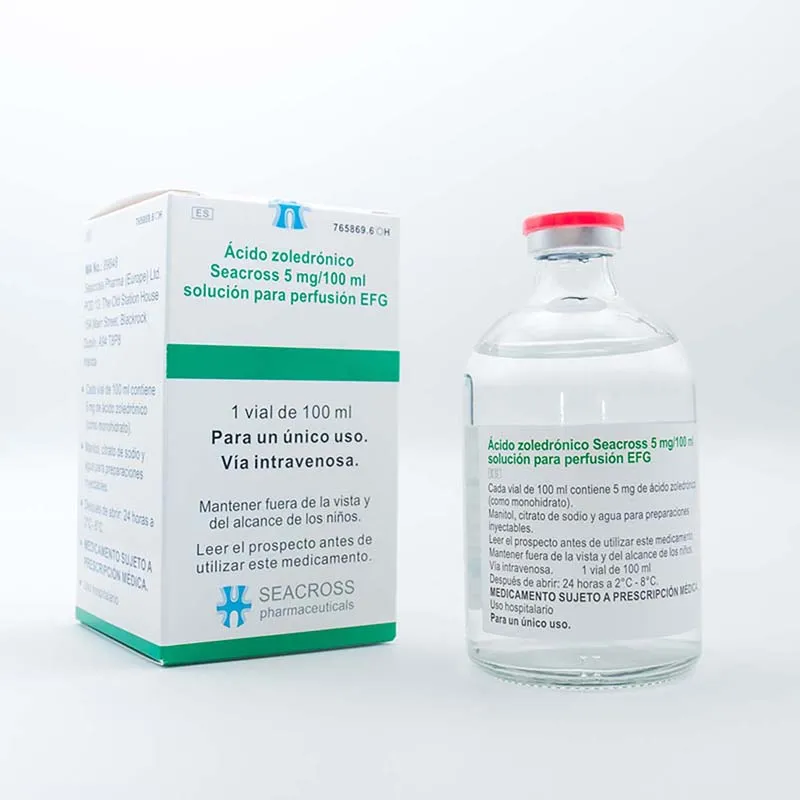
Table of Contents
- Package leaflet: Information for the user
- Introduction
- 1. What is Zoledronic Acid Seacross and what is it used for?
- 2. What you need to know before starting to use Zoledronic Acid Seacross
- 3. How to use Zoledronic acid Seacross
- 4. Possible adverse effects
- 5. Storage of Zoledronic Acid Seacross
- 6. Contents of the pack and other information
Package leaflet: Information for the user
Introduction
Package leaflet: information for the user
Zoledronic acid Seacross 5 mg/100 ml infusion solution EFG
Read all of this leaflet carefully before you are given this medicine because it contains important information for you.
- Keep this leaflet. You may need to read it again.
- If you have any questions, ask your doctor, pharmacist or nurse.
- If you get any side effects, talk to your doctor, pharmacist or nurse. This includes any possible side effects not listed in this leaflet. See section 4.
Contents of the leaflet
- What Zoledronic acid Seacross is and what it is used for
- What you need to know before you are given Zoledronic acid Seacross
- How Zoledronic acid Seacross is given
- Possible side effects
- How to store Zoledronic acid Seacross
- Contents of the pack and other information
1. What is Zoledronic Acid Seacross and what is it used for?
Zoledronic Acid Seacross contains zoledronic acid as the active substance. It belongs to a group of medicines called bisphosphonates and is used to treat postmenopausal women and adult men with osteoporosis, osteoporosis caused by corticosteroid treatment used for inflammation, and Paget's disease of bone in adults.
Osteoporosis
Osteoporosis is a disease characterized by thinning and weakening of the bones. It is common in women after menopause, but men can also be affected. During menopause, a woman's ovaries stop producing estrogens (female hormones), which help maintain bone health. After menopause, bone loss occurs and bones become weaker and more fragile. Osteoporosis can also occur in both men and women due to long-term use of steroids, which may affect bone strength. Many patients with osteoporosis do not have any symptoms but are at risk of fractures in bones weakened by osteoporosis. Reduced circulating levels of sex hormones, primarily estrogens derived from androgens, also contribute to the more gradual bone loss observed in men. Zoledronic acid strengthens bone in both women and men, thereby reducing the likelihood of fractures.
Zoledronic acid is also used in patients who have recently suffered a hip fracture due to a low-trauma injury such as a fall, and who therefore are at risk of further bone fractures.
Paget's disease of bone
Normally, old bone is removed and replaced by new bone tissue. This process is called bone remodelling. In Paget's disease, the bone remodelling process is too rapid, and new bone is formed in a disorganized manner, making it more fragile than normal. If left untreated, bones may become deformed, cause pain, and fracture. Zoledronic acid works by normalizing the bone remodelling process, ensuring the formation of normal bone and thereby restoring bone strength.
2. What you need to know before starting to use Zoledronic Acid Seacross
Carefully follow all instructions given by your doctor, pharmacist, or nurse before receiving zoledronic acid.
Do not use Zoledronic Acid Seacross
- if you are allergic to zoledronic acid, to other bisphosphonates, or to any of the other ingredients of this medicine (listed in section 6).
- if you have hypocalcemia (low calcium levels in the blood).
- if you have severe kidney problems.
- if you are pregnant.
- if you are breastfeeding.
Warnings and precautions
Talk to your doctor before starting treatment with zoledronic acid:
- if you are being treated with any medicine containing zoledronic acid, which is also the active substance in this medicine (zoledronic acid is used in adult patients with certain types of cancer to prevent bone complications or to reduce elevated calcium levels).
- if you have or have had kidney problems.
- if you are unable to take daily calcium supplements.
- if you have had partial or total surgical removal of the parathyroid glands in your neck.
- if you have had any segment of your intestine surgically removed.
An adverse reaction called osteonecrosis of the jaw (ONJ) (bone damage in the jaw) has been reported during post-marketing experience in patients treated with zoledronic acid for osteoporosis. ONJ may also occur after stopping treatment.
It is important to try to prevent the development of ONJ, as it is a painful condition that may be difficult to treat. To reduce the risk of developing osteonecrosis of the jaw, certain precautions should be taken.
Before receiving treatment with zoledronic acid, inform your doctor, pharmacist, or nurse
- if you have problems with your mouth or teeth, such as poor dental health, gum disease, or planned tooth extraction;
- if you do not receive routine dental care or have not had a dental check-up for a long time;
- if you are a smoker (as this may increase the risk of dental problems);
- if you have previously been treated with a bisphosphonate (used to treat or prevent bone disorders);
- if you are taking medicines called corticosteroids (such as prednisolone or dexamethasone);
- if you have cancer.
Your doctor may ask you to have a dental examination before starting treatment with zoledronic acid.
While being treated with zoledronic acid, you should maintain good oral hygiene (including regular tooth brushing) and undergo routine dental check-ups. If you wear dentures, make sure they are properly fitted. If you are undergoing dental treatment or are scheduled for dental surgery (e.g., tooth extraction), inform your doctor about your dental treatment and inform your dentist that you are being treated with zoledronic acid. Contact your doctor and dentist immediately if you experience any problems with your mouth or teeth, such as tooth loss, pain or swelling, or difficulty healing of ulcers or discharge, as these may be signs of osteonecrosis of the jaw.
Monitoring tests
Your doctor should perform a blood test to check your kidney function (creatinine levels) before each dose of zoledronic acid. It is important that you drink at least two glasses of fluid (such as water) a few hours before receiving zoledronic acid, as instructed by your doctor.
Children and adolescents
The use of zoledronic acid is not recommended in individuals under 18 years of age.
Other medicines and Zoledronic Acid Seacross
Inform your doctor, pharmacist, or nurse if you are taking, have recently taken, or might need to take any other medicines.
It is important for your doctor to know about all medicines you are taking, especially if you are taking any medicines that may affect your kidneys (e.g., aminoglycosides) or diuretics that may cause dehydration.
Pregnancy and breastfeeding
Zoledronic acid should not be given if you are pregnant or breastfeeding, if you think you may be pregnant, or if you are planning to become pregnant.
Consult your doctor, pharmacist, or nurse before using this medicine.
Driving and using machines
If you feel dizzy while receiving zoledronic acid, do not drive or operate machinery until you feel better.
Zoledronic Acid Seacross contains sodium
This medicine contains less than 1 mmol of sodium (23 mg) per 100 ml vial of zoledronic acid; therefore, it is essentially "sodium-free".
3. How to use Zoledronic acid Seacross
Follow exactly all the instructions given to you by your doctor or nurse. If in doubt, consult your doctor or nurse again.
Osteoporosis
The usual dose is 5 mg once a year administered as an intravenous infusion by your doctor or nurse. The infusion lasts at least 15 minutes.
If you have recently fractured your hip, administration of zoledronic acid is recommended two or more weeks after surgical repair.
It is important to take calcium and vitamin D supplements (e.g. tablets) as directed by your doctor.
For osteoporosis, zoledronic acid is effective for one year. Your doctor will inform you when to return for your next dose.
Paget's disease
For the treatment of Paget's disease, zoledronic acid should only be prescribed by physicians experienced in the treatment of Paget's bone disease.
The usual dose is 5 mg, which is administered as an initial intravenous infusion by your doctor or nurse. The infusion lasts at least 15 minutes. Zoledronic acid may be effective for more than one year, and your doctor will inform you if further treatment is needed.
Your doctor may advise you to take calcium and vitamin D supplements (e.g. tablets) for at least the first ten days after administration of zoledronic acid. It is important to strictly follow this recommendation to prevent blood calcium levels from dropping too low (hypocalcemia) in the period following the infusion. Your doctor will inform you about symptoms associated with hypocalcemia.
Use of Zoledronic acid Seacross with food and drinks
Make sure you drink sufficient fluids (at least one or two glasses) before and after treatment with zoledronic acid, as instructed by your doctor. This will help prevent dehydration. On the day you receive zoledronic acid, you may eat normally. This is especially important for patients taking diuretics and for elderly patients (over 65 years of age).
If you forget a dose of Zoledronic acid Seacross
Contact your doctor or hospital as soon as possible to arrange another appointment.
If you stop treatment with Zoledronic acid Seacross
If you are considering stopping treatment with zoledronic acid, attend your next visit and discuss it with your doctor. Your doctor will advise you and decide for how long you should continue treatment with zoledronic acid.
If you have any further questions about the use of this medicine, ask your doctor, pharmacist, or nurse.
4. Possible adverse effects
Like all medicines, this medicine can cause adverse effects, although not everyone experiences them.
Adverse effects related to the first infusion are very common (occurring in more than 30% of patients), but become less frequent with subsequent infusions. Most of these adverse effects, such as fever and flu-like symptoms, muscle or joint pain, and headache, occur within the first three days after administration of zoledronic acid. Symptoms are usually mild to moderate and resolve within three days. Your doctor may recommend a mild analgesic, such as ibuprofen or paracetamol, to reduce these adverse effects. The likelihood of experiencing these adverse effects decreases with subsequent doses of zoledronic acid.
Some adverse effects may be serious
Common (may affect up to 1 in 10 people)
Irregular heart rhythm (atrial fibrillation) has been observed in patients receiving zoledronic acid for the treatment of postmenopausal osteoporosis. It is not yet clear whether zoledronic acid causes irregular heart rhythm, but if you experience these symptoms after receiving zoledronic acid, you should inform your doctor.
Uncommon (may affect up to 1 in 100 people)
Swelling, redness, pain, itching in the eyes, or sensitivity to light.
Very rare (may affect up to 1 in 10,000 people)
Consult your doctor if you have ear pain, ear discharge, or suffer from an ear infection. These could be symptoms of bone damage in the ear.
Frequency not known (cannot be estimated from available data)
Pain in the mouth and/or jaw, swelling or difficulty healing of mouth or jaw ulcers, discharge, numbness, or a sensation of heaviness in the jaw, or tooth loss; these may be signs of jaw bone damage (osteonecrosis). If you experience these symptoms while being treated with zoledronic acid or after stopping treatment, inform your doctor and dentist immediately.
You may experience kidney problems (e.g. reduced urine output). Your doctor should perform a blood test to check your kidney function before each dose of zoledronic acid. It is important to drink at least 2 glasses of fluid (such as water) a few hours before receiving zoledronic acid, as advised by your healthcare professional.
If you experience any of the above symptoms, contact your doctor immediately.
Zoledronic acid Seacross may cause other adverse effects
Very common (may affect more than 1 in 10 people)
Fever
Common (may affect up to 1 in 10 people)
Headache, dizziness, feeling dizzy, vomiting, diarrhoea, muscle pain, bone and/or joint pain, back, arm or leg pain, flu-like symptoms (e.g. tiredness, cold, muscle and joint pain), chills, feeling tired and loss of interest, weakness, pain, malaise, swelling and/or pain at the injection site.
In patients with Paget's disease, symptoms due to low blood calcium levels have been reported, such as muscle spasms or numbness, or a tingling sensation, especially around the mouth.
Uncommon (may affect up to 1 in 100 people)
Flu, upper respiratory tract infections, decreased red blood cell count, loss of appetite, insomnia, drowsiness which may lead to reduced alertness and consciousness, tingling or numbness, extreme fatigue, tremor, temporary loss of consciousness, eye infection or irritation or inflammation with pain and redness, dizziness with a sensation of spinning, increased blood pressure, flushing, cough, shortness of breath (dyspnea), stomach discomfort, abdominal pain, constipation, dry mouth, gastric acidity, skin rash, excessive sweating, itching, skin redness, neck pain, stiffness in muscles, bones and/or joints, joint swelling, muscle spasms, shoulder pain, chest muscle or rib cage pain, joint inflammation, muscle weakness, altered kidney function test results, altered frequency of urination, swelling of hands, ankles or feet, thirst, tooth pain, altered taste.
Rare (may affect up to 1 in 1,000 people)
Atypical femoral fractures (thigh bone) which may occur rarely, especially in patients on long-term treatment for osteoporosis. Inform your doctor if you notice pain, weakness or discomfort in the thigh, hip or groin, as these may be early symptoms indicating a possible femoral fracture. Low levels of phosphate in the blood.
Not known (cannot be estimated from available data)
Severe allergic reactions including dizziness and breathing difficulties, swelling mainly of the face and throat, decreased blood pressure, dehydration secondary to acute phase reactions (post-administration symptoms such as fever, vomiting and diarrhoea).
Reporting of adverse effects
If you experience any adverse effect, talk to your doctor, pharmacist or nurse, even if it is a possible adverse effect not listed in this leaflet. You can also report them directly via the Spanish Pharmacovigilance System for Human Medicines: www.notificaram.es. By reporting adverse effects, you can help provide more information on the safety of this medicine.
5. Storage of Zoledronic Acid Seacross
Your doctor, pharmacist, or nurse knows how zoledronic acid should be properly stored.
- Keep this medicine out of the sight and reach of children.
- Do not use this medicine after the expiry date stated on the carton and vial after EXP.
- The unopened vial does not require special storage conditions.
- After opening: Chemical and physical in-use stability has been demonstrated for 24 hours between 2°C - 8°C or below 25°C.
- After opening the vial, the product should be used immediately to avoid microbial contamination. If not used immediately, the time and storage conditions prior to use are the responsibility of the user and must not exceed 24 hours at 2°C - 8°C. Allow refrigerated solution to reach room temperature before administration.
Medicines must not be disposed of via wastewater or household waste. Ask your pharmacist how to dispose of medicines and containers you no longer need. This will help protect the environment.
6. Contents of the pack and other information
Composition of Zoledronic Acid Seacross
-
The active substance is zoledronic acid. Each 100 ml vial of solution contains 5 mg of zoledronic acid (as monohydrate).
-
One ml of solution contains 0.05 mg of zoledronic acid (as monohydrate).
-
The other components are mannitol, sodium citrate, and water for injections.
Appearance of the product and contents of the container
Zoledronic Acid Seacross is a clear, colourless solution. It is supplied in transparent type II soda-lime glass vials, stoppered with type I chlorobutyl rubber closures and sealed with flip-off caps made of polypropylene and aluminium, containing 100 ml of solution.
Pack sizes of Zoledronic Acid Seacross 5 mg/100 ml solution for infusion contain 1 vial.
Marketing Authorization Holder and Manufacturer
Seacross Pharma (Europe) Limited
POD 13, The Old Station House
15A Main Street, Blackrock
Dublin, A94 T8P8
Ireland
Local Representative
Pharmavic Ibérica, S.L.
C/ Compositor Lehmberg Ruiz
6 Edificio Ibiza, Oficina 7
29007 Málaga, (Spain)
Tel: 676295501
This medicinal product is authorized in the European Economic Area member states under the following names:
SE | Zoledronic acid SUN Pharma |
NO | Zoledronsyre SUN PHARMA |
FI | Zoledronic acid SUN Pharma 5 mg/100 ml infusion solution |
DK | Zoledronsyre SUN PHARMA |
NL | Zoledroninezuur Seacross 5 mg oplossing voor infusie |
IE | Zoledronic acid Seacross 5 mg solution for infusion |
IT | ACIDO ZOLEDRONICO SEACROSS |
DE | Zoledronsäure Seacross 5 mg/100 ml Infusionslösung |
ES | Ácido zoledrónico Seacross 5 mg/100 ml solución para perfusión EFG |
FR | ACIDE ZOLEDRONIQUE SEACROSS 5 mg/100 ml, solution pour perfusion |
PT | Ácido zoledrónico Seacross |
Date of the most recent review of this leaflet: May 2024
Detailed information on this medicinal product is available on the website of the Spanish Agency for Medicinal Products and Medical Devices (AEMPS) (http://www.aemps.gob.es/).
INFORMATION FOR HEALTHCARE PROFESSIONALS
This information is intended for healthcare professionals only (see section 3):
How to prepare and administer zoledronic acid Seacross
- Zoledronic acid Seacross 5 mg/100 ml solution for infusion is ready to use.
For single use only. Any unused portion of the solution must be discarded. Only use the solution if it is clear, colourless, and free from particles. Zoledronic acid must not be mixed or administered intravenously with any other medicinal product and must be administered via a separate infusion line with an air vent at a constant infusion rate. The infusion time must not be less than 15 minutes. Zoledronic acid must not come into contact with any solution containing calcium. If refrigerated, allow the refrigerated solution to reach room temperature before administration. Aseptic techniques must be followed during infusion preparation. The infusion must be administered according to standard clinical practice.
How to store zoledronic acid Seacross
- Keep this medicine out of the sight and reach of children.
- Do not use this medicine after the expiry date stated on the packaging after EXP.
- The unopened vial does not require any special storage conditions.
After opening the vial, the product should be used immediately to avoid microbial contamination. If not used immediately, the in-use storage times and conditions prior to use are the responsibility of the user and should normally not exceed 24 hours at 2°C - 8°C. The solution, if refrigerated, must reach room temperature before administration.