Valproic acid Seacross 100 mg/ml solution for injection and infusion
Spain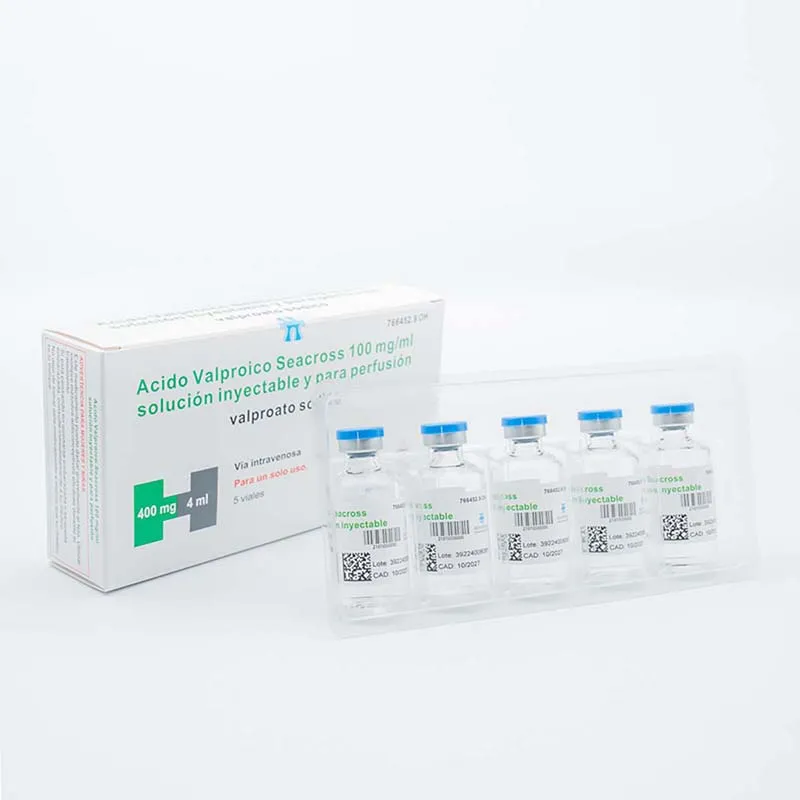
Table of Contents
- Package Leaflet: Information for the User
- Introduction
- 1. What Acido Valproico Seacross is and what it is used for
- 2. What you need to know before taking Acido Valproico Seacross
- 3. How to take Valproic Acid Seacross
- 4. Possible adverse effects
- 5. Storage of Valproic Acid Seacross
- 6. Package contents and other information
Package Leaflet: Information for the User
Introduction
Package Leaflet: Information for the User
Valproic Acid Seacross 100 mg/ml solution for injection and infusion
sodium valproate
This medicinal product is subject to additional monitoring, which will allow for faster detection of new safety information. You can help by reporting any adverse reactions you may experience. Information on how to report adverse reactions is included at the end of section 4.
WARNING Sodium valproate may seriously harm the unborn baby when taken during pregnancy. If you are a woman of childbearing potential, you must use an effective method of birth control (contraception), without interruption, throughout treatment with sodium valproate. Your doctor will discuss this with you, but you must also follow the warning in section 2 of this leaflet. Schedule an urgent appointment with your doctor if you wish to become pregnant or if you think you may be pregnant. Do not stop taking sodium valproate unless your doctor tells you to, as your condition may worsen. |
Read the entire leaflet carefully before starting to take this medicine
- Keep this leaflet. You may need to read it again.
- If you have any questions, consult your doctor or pharmacist.
- This medicine has been prescribed for you only, and you should not give it to other people, even if they have the same symptoms as you, because it could harm them.
- If you experience any adverse effects, consult your doctor or pharmacist, even if they are effects not listed in this leaflet. See section 4.
Leaflet contents:
- What Acido Valproico Seacross is and what it is used for
- What you need to know before taking Acido Valproico Seacross
- How to take Acido Valproico Seacross
- Possible adverse effects
- How to store Acido Valproico Seacross
- Contents of the pack and other information
1. What Acido Valproico Seacross is and what it is used for
What is Acido Valproico Seacross
The name of the medicine is Acido Valproico Seacross 100 mg/ml solution for injection and infusion (referred to as Acido Valproico in this leaflet).
What Acido Valproico Seacross contains
This medicine contains the active substance sodium valproate. It belongs to a group of medicines called anticonvulsants or antiepileptic agents. It works by helping to calm the brain.
What Acido Valproico Seacross is used for
Acido Valproico is used to treat:
-
Seizures affecting the whole body (generalized seizures) (absences, myoclonic seizures, and tonic-clonic seizures),
-
Seizures affecting one part of the body (focal seizures), which may also spread to involve the whole body (secondary generalized seizures).
2. What you need to know before taking Acido Valproico Seacross
Do not take Acido Valproico Seacross:
-
If you are pregnant, unless no other treatment works for you.
-
If you are a woman of childbearing potential, unless you use an effective contraceptive method throughout treatment with this medicine. Do not stop taking valproic acid or your contraceptives until you have consulted your doctor. Your doctor will give you further advice (see below under "Pregnancy, breastfeeding and fertility – Important advice for women").
-
If you are allergic (hypersensitive) to sodium valproate or any of the other ingredients of this medicine (listed in section 6: Information for the user). Signs of an allergic reaction include: skin rash, difficulty swallowing or breathing, swelling of the lips, face, throat or tongue.
-
If you have liver problems or you or your family have a history of liver disease.
-
If you suffer from a rare disease called porphyria.
-
If you have a genetic condition causing a mitochondrial disorder (e.g., Alpers-Huttenlocher syndrome).
-
If you have a known metabolic disorder, for example, a urea cycle disorder.
-
If you have untreated carnitine deficiency (a very rare metabolic disease).
-
If you are taking at the same time:
-
St. John’s wort (a herbal remedy used to treat depression).
Do not take this medicine if any of the above situations apply to you. If you are unsure, consult your doctor or pharmacist before taking valproic acid.
Warnings and precautions
Be especially careful with Acido Valproico Seacross
Contact your doctor immediately:
- If you have thoughts of harming yourself or committing suicide. A small number of people being treated with antiepileptic medicines such as sodium valproate have had thoughts of harming themselves or committing suicide. If you ever have such thoughts, contact your doctor immediately.
- If you or your child develop a sudden illness, especially during the first six months of treatment, and particularly if it includes repeated vomiting, extreme tiredness, stomach pain, drowsiness, weakness, loss of appetite, upper abdominal pain, nausea, jaundice (yellowing of the skin or whites of the eyes), leg swelling, worsening of epilepsy, or a general feeling of being unwell. This medicine may affect the liver and pancreas (see section 4).
- If this medicine is taken by a child under 3 years of age who is also taking acetylsalicylic acid (aspirin). Sodium valproate must not be administered together with acetylsalicylic acid (aspirin).
- If you experience worsening of your symptoms (more frequent or more severe seizures) while taking this medicine.
- The risk of liver damage increases if valproate is taken by children under 3 years of age, in people taking another antiepileptic medicine at the same time, or in those with other neurological or metabolic disorders or severe forms of epilepsy.
- If you or your child experience problems with balance and coordination, feel lethargic or less alert, or vomit, inform your doctor immediately. This may be due to increased levels of ammonia in the blood.
- Serious skin reactions such as Stevens-Johnson syndrome, toxic epidermal necrolysis, drug reaction with eosinophilia and systemic symptoms (DRESS syndrome), erythema multiforme, and angioedema have been reported in association with valproate treatment. Seek immediate medical attention if you notice any of the symptoms related to these serious skin reactions described in section 4.
Consult your doctor or pharmacist before starting acido valproico if:
- You have diabetes. This medicine may affect the results of urine tests.
- You have kidney problems. Your doctor may prescribe a lower dose.
- You suffer from seizures (epilepsy), brain disorders, or a metabolic disease affecting your brain. Adding sodium valproate may increase the risk of liver damage.
- You are taking other antiepileptic medicines. Adding sodium valproate may increase the risk of liver damage.
- A metabolic disorder is suspected, particularly inherited enzyme deficiencies such as "urea cycle disorder". Adding sodium valproate may increase the risk of high blood ammonia levels.
- You have a disease called systemic lupus erythematosus (SLE), an immune system disorder affecting the skin, bones, joints, and internal organs.
- You have an underlying condition called "carnitine palmitoyltransferase type II deficiency", which may increase the risk of muscle injury.
- You or your doctor suspect a genetic condition causing a mitochondrial disorder in your family. Adding sodium valproate may increase the risk of liver damage.
- This medicine is being taken by a child under 3 years of age. The risk of liver damage increases in this age group.
- You have a dietary deficiency in carnitine, found in meat and dairy products, especially in children under 10 years of age.
- You have carnitine deficiency and are taking carnitine supplements.
- You have ever developed a severe skin rash, peeling, blisters, and/or mouth sores after taking valproate.
If you are unsure whether any of the above points apply to you, consult your doctor or pharmacist before taking acido valproico.
Other medicines and Acido Valproico Seacross
Inform your doctor or pharmacist if you are taking, have recently taken, or might take any other medicines. This includes medicines obtained without a prescription, including herbal remedies. Some other medicines may affect the action of valproate or vice versa. These include:
- Some medicines used for pain and inflammation (salicylates) such as aspirin – see "Be especially careful with Acido Valproico Seacross".
- Other medicines used to treat seizures (epilepsy) – see section 3, "Patients taking other medicines for seizures". This includes medicines such as phenobarbital, primidone, phenytoin, carbamazepine, topiramate, acetazolamide, lamotrigine, rufinamide, felbamate, or zonisamide.
- Medicines containing quetiapine, used to treat schizophrenia.
- Medicines used to thin the blood (such as warfarin).
- Zidovudine: used to treat HIV infection.
- Medicines for depression.
- Monoamine oxidase inhibitors (MAOIs) such as moclobemide, selegiline, linezolid.
- Medicines used to calm emotional and mental states such as diazepam and olanzapine.
- Propofol, an anaesthetic.
- Nimodipine.
- Some medicines used for prevention and treatment of malaria, such as mefloquine and chloroquine.
- Cimetidine: used for stomach ulcers.
- Cholestyramine, used to reduce fat (cholesterol) levels in the blood.
- Some antibiotics used for infections such as aztreonam, rifampicin, and erythromycin.
- Lopinavir and ritonavir: used for HIV treatment.
- Carbapenem agents (antibiotics used to treat bacterial infections).
- Products containing estrogens (including some hormonal contraceptives containing estrogens).
- Metamizole (used to treat pain and fever).
- Cannabidiol (used to treat epilepsy and other conditions).
- Methotrexate (used to treat cancer and inflammatory diseases).
- Some antimicrobials containing pivalate (such as pivampicillin, adefovir dipivoxil).
- Ethosuximide.
- Bupropion.
- Clozapine (used to treat mental health disorders).
Acido Valproico Seacross and alcohol
Alcohol consumption is not recommended during treatment.
Weight gain
Taking this medicine may cause weight gain. Consult your doctor to understand how this may affect you.
Blood tests
Your doctor may wish to perform blood tests before you start taking acido valproico and during treatment. Blood tests may be necessary if you are undergoing surgery or if you experience unexplained bruising or bleeding.
Pregnancy, breastfeeding and fertility
Important advice for women
Do not stop taking acido valproico or interrupt your contraception until you have discussed it with your doctor. Your doctor will give you further advice.
Epilepsy
-
In case of epilepsy, you should not use this medicine if you are pregnant, unless no other treatment works for you.
-
In case of epilepsy, if you are a woman of childbearing potential, you should not take acido valproico unless you use an effective contraceptive method throughout treatment with this medicine. Do not stop taking acido valproico or your contraceptives until you have consulted your doctor. Your doctor will give you further advice.
Risks of valproate during pregnancy (regardless of the condition for which it is used)
- Consult your doctor immediately if you are planning to become pregnant or if you are pregnant.
- Valproate carries a risk if taken during pregnancy. The higher the dose, the greater the risk, but all doses carry a risk, even when valproate is used in combination with other medicines to treat epilepsy.
- It may cause serious congenital malformations and affect the child's physical and mental development as they grow after birth. Among the most common congenital abnormalities are spina bifida (the bones of the spine do not develop properly); facial and cranial malformations, cardiac, renal, urinary tract and genital organ malformations, limb defects, and multiple associated malformations affecting several organs and body parts. Congenital malformations may lead to disabilities that can be severe.
- Hearing problems or deafness have been reported in children exposed to valproate during pregnancy.
- Ocular malformations have been reported in children exposed to valproate during pregnancy, often in association with other congenital malformations. These eye malformations may affect vision.
- If you take valproate during pregnancy, you have a higher risk than other women of having a child with congenital malformations requiring medical treatment. Because valproate has been used for many years, we know that in women taking it, about 11 out of every 100 babies will have congenital malformations. This contrasts with 2-3 babies out of every 100 born to women without epilepsy.
- It is estimated that up to 30-40% of preschool-aged children whose mothers took valproate during pregnancy may have developmental problems in early childhood. Affected children may be slow in walking and talking, less intellectually capable than other children, and have difficulties with language and memory.
- Autism spectrum disorders are diagnosed more frequently in children exposed to valproate during pregnancy, and there is some evidence that children exposed to valproate during pregnancy have a higher risk of developing Attention Deficit Hyperactivity Disorder (ADHD).
- Before prescribing this medicine, your doctor should have explained what could happen to your baby if you become pregnant while taking valproate. If later you decide you want to have a child, do not stop taking the medicine or your contraceptive method until you have discussed it with your doctor.
- If you are a parent or caregiver of a girl treated with valproate, you should contact the doctor once your daughter experiences menarche.
- Some contraceptive methods (e.g., estrogen-containing contraceptive pills) may reduce valproate blood levels. Be sure to discuss with your doctor the most appropriate contraceptive method (birth control) for you.
- Consult your doctor about taking folic acid when trying to become pregnant. Folic acid may reduce the general risk of spina bifida and early miscarriage present in all pregnancies. However, it is unlikely to reduce the risk of congenital malformations associated with valproate use.
- Bleeding disorders may occur, such as poor blood clotting that may present as bruising or bleeding that takes a long time to stop, hypoglycemia (low blood sugar), hypothyroidism (underactive thyroid gland, which may cause tiredness or weight gain) in newborns whose mothers took valproate during pregnancy.
- A withdrawal syndrome (such as agitation, irritability, hyperexcitability, nervousness, excessive restlessness, uncontrolled movements (hyperkinesia), muscle disorders, tremor, seizures, and feeding disorders) may occur in newborns whose mothers took valproate during the last trimester of pregnancy.
Choose and read the situations that apply to you from the following:
- I AM STARTING TREATMENT WITH ACIDO VALPROICO
- I AM TAKING ACIDO VALPROICO AND DO NOT PLAN TO HAVE A BABY
- I AM TAKING ACIDO VALPROICO AND PLAN TO HAVE A BABY
- I AM PREGNANT AND TAKING ACIDO VALPROICO
I AM STARTING TREATMENT WITH ACIDO VALPROICO
If this is the first time you are being prescribed this medicine, your doctor should have explained the risks to the fetus if you become pregnant. Once you are able to become pregnant, you must ensure you use an effective contraceptive method without interruption throughout treatment with acido valproico. Consult your doctor or family planning clinic if you need advice on contraception.
Key messages:
- Pregnancy must be ruled out before starting treatment with this medicine by a pregnancy test result, confirmed by your doctor.
- You must use an effective contraceptive method throughout treatment with acido valproico.
- You must discuss appropriate contraceptive methods with your doctor. Your doctor will provide information on pregnancy prevention and may refer you to a specialist for advice on contraceptive methods.
- You must attend regular consultations (at least once a year) with a specialist experienced in treating epilepsy. During this visit, your doctor will ensure you fully understand and are aware of all risks and advice related to valproate use during pregnancy.
- Inform your doctor if you wish to have a baby.
- Inform your doctor immediately if you are pregnant or think you might be.
I AM TAKING ACIDO VALPROICO AND DO NOT PLAN TO HAVE A BABY
If you continue treatment with valproate but are not planning to have a baby, ensure you use an effective contraceptive method without interruption throughout treatment with this medicine. Consult your doctor or family planning clinic if you need advice on contraception.
Key messages:
- You must use an effective contraceptive method throughout treatment with this medicine.
- You must discuss contraceptive methods with your doctor. Your doctor will provide information on pregnancy prevention and may refer you to a specialist for advice on contraceptive methods.
- You must attend regular consultations (at least once a year) with a specialist experienced in treating epilepsy. During this visit, your doctor will ensure you fully understand and are aware of all risks and advice related to valproate use during pregnancy.
- Inform your doctor if you wish to have a baby.
- Inform your doctor immediately if you are pregnant or think you might be.
I AM TAKING ACIDO VALPROICO AND PLAN TO HAVE A BABY
If you are planning to have a baby, schedule an appointment with your doctor first.
Do not stop taking acido valproico or your contraceptives until you have discussed it with your doctor. Your doctor will give you further advice.
Babies whose mothers took valproate are at serious risk of congenital malformations and developmental problems that may be severely disabling. Your doctor will refer you to a specialist experienced in treating epilepsy, so alternative treatment options can be evaluated from the outset. Your specialist may implement several measures to ensure your pregnancy proceeds as safely as possible and to minimize risks for you and the fetus.
Your specialist may decide to change the dose of acido valproico, switch you to another medicine, or discontinue acido valproico well before you become pregnant, to ensure your condition remains stable.
Consult your doctor about taking folic acid when planning to have a baby. Folic acid may reduce the general risk of spina bifida and early miscarriage present in all pregnancies. However, it is unlikely to reduce the risk of congenital malformations associated with valproate use.
Key messages:
- Do not stop taking acido valproico unless your doctor advises you to.
- Do not stop using your contraceptive methods before discussing with your doctor and developing a plan to ensure control of your condition and minimize risks to your baby.
- First, schedule an appointment with your doctor. During this visit, your doctor will ensure you fully understand and are aware of all risks and advice related to valproate use during pregnancy.
- Your doctor will try to switch you to another medicine or discontinue acido valproico well before you become pregnant.
- Schedule an urgent appointment with your doctor if you are or think you might be pregnant.
I AM PREGNANT AND TAKING ACIDO VALPROICO
Do not stop taking this medicine unless your doctor advises you to, as your condition may worsen. Schedule an urgent appointment with your doctor if you are or think you might be pregnant. Your doctor will give you further advice.
Babies whose mothers took valproate are at serious risk of congenital malformations and developmental problems that may be severely disabling.
You will be referred to a specialist experienced in treating epilepsy to evaluate alternative treatment options.
In exceptional circumstances where acido valproico is the only available treatment option during pregnancy, you will be closely monitored for both your underlying condition and fetal development. You and your partner may receive counseling and support regarding valproate-exposed pregnancy.
Consult your doctor about taking folic acid. Folic acid may reduce the general risk of spina bifida and early miscarriage present in all pregnancies. However, it is unlikely to reduce the risk of congenital malformations associated with valproate use.
Key messages:
- Schedule an urgent appointment with your doctor if you are or think you might be pregnant.
- Do not stop taking this medicine unless your doctor advises you to.
- Ensure you are referred to a specialist experienced in treating epilepsy to evaluate the need for alternative therapeutic options.
- You must receive thorough counseling on the risks of using acido valproico during pregnancy, including teratogenicity (congenital malformations) and physical and mental developmental disorders in children.
- Ensure you are referred to a specialist for prenatal monitoring to detect possible cases of malformations.
Make sure to read the patient guide provided by your doctor. Your doctor will explain the Annual Risk Acknowledgment Form and ask you to sign and keep it. You will also receive a Patient Card from your pharmacist to remind you of the risks of valproate during pregnancy.
Breastfeeding
A very small amount of acido valproico passes into breast milk. Nevertheless, consult your doctor if you intend to breastfeed. Seek advice from your doctor or pharmacist before taking any medicine.
Important advice for male patients
Potential risks related to taking valproate in the 3 months before conception of a child
A study suggests a possible risk of movement and mental development disorders (developmental disorders in early childhood) in children born to fathers treated with valproate in the 3 months before conception. In this study, about 5 out of every 100 children had such disorders when born to fathers treated with valproate, compared to about 3 out of every 100 when born to fathers treated with lamotrigine or levetiracetam (other medicines that may be used to treat your condition). The risk for newborns whose fathers discontinued valproate treatment 3 months (the time required to form new sperm) or more before conception is unknown. The study has limitations, and therefore it is unclear whether the increased risk of movement and mental development disorders suggested by this study is caused by valproate. The study was not large enough to show what specific types of movement and mental development disorders the children may have.
As a precaution, your doctor will inform you:
- The potential risk in newborns whose fathers are on valproate treatment.
- The need to consider an effective contraceptive method for you and your female partner during treatment and for 3 months after stopping it.
- The need to consult your doctor when planning to conceive a child and before stopping contraception.
- The possibility of using other treatments for your condition, depending on your individual situation.
Do not donate sperm while taking valproate and for 3 months after stopping valproate.
Consult your doctor if you are thinking of having a child.
If your female partner becomes pregnant while you were taking valproate in the 3 months before conception and you have any concerns, contact your doctor. Do not stop treatment without consulting your doctor. If you stop treatment, your symptoms may worsen.
You should attend regular visits with your doctor. During these visits, your doctor will discuss with you the precautions associated with valproate use and the possibility of other treatments that may be used for your condition, depending on your individual situation.
Make sure to read the patient guide provided by your doctor. You will also receive a Patient Card from your pharmacist to remind you of the potential risks of valproate.
Driving and use of machines
You may feel drowsy when taking this medicine. If this happens, do not drive or operate tools or machinery.
Taking other medicines used to treat seizures or to calm emotional and mental health problems may increase drowsiness.
Acido Valproico Seacross contains sodium
This medicine contains 13.9 mg of sodium (main component of common/table salt) per ml. This corresponds to 0.7% of the maximum recommended daily dietary intake of sodium for an adult.
3. How to take Valproic Acid Seacross
Girls and women of childbearing age
Treatment with this medicine must be initiated and supervised by a specialist experienced in the treatment of epilepsy.
Male patients
It is recommended that valproic acid be initiated and supervised by a specialist experienced in the treatment of epilepsy – see section 2 Important advice for male patients.
Administration of this medicine is always performed by a doctor or nurse, and must be given as a slow injection or intravenous infusion. If you are unsure why you are being given valproic acid or have any doubts about the amount of medicine being administered, please ask your doctor or nurse.
Your doctor will stop giving you valproic acid and switch you to sodium valproate tablets, granules, syrup, or liquid as soon as possible. Treatment with this medicine must be initiated and supervised by a specialist experienced in the treatment of epilepsy.
Dosage
- Your doctor will determine the dose based on your condition. The amount of valproic acid you or your child receives will depend on age or body weight.
- If you have been taking oral sodium valproate, your doctor may decide to administer the same amount of valproic acid via continuous or repeated infusion.
If you have not previously taken this medicine, the doctor will use the following doses:
The recommended daily maintenance dose during long-term treatment is:
- Children (from 28 days of age to 11 years): 20–30 mg of sodium valproate per kg of body weight
- Adolescents (12 to 17 years): 25 mg of sodium valproate per kg of body weight
- Adults (≥ 18 years): 20 mg of sodium valproate per kg of body weight
Adolescents and adults
-
Patients who have been satisfactorily treated with oral sodium valproate may continue their current dose 4 to 6 hours after the last oral dose:
- either by continuous infusion over 24 hours;
- or divided into 4 one-hour infusions per day.
-
Patients not yet receiving sodium valproate may be given 10 mg/kg as a slow intravenous injection over 3–5 minutes, followed by a continuous infusion at a rate of 1 mg/kg/h (up to a maximum of 25 mg/kg/day), starting 30 minutes after the end of the bolus injection.
Paediatric population
Daily requirements in children usually range between 20 and 30 mg/kg/day. If adequate control is not achieved within this range, the dose may be increased up to 40 mg/kg/day, but only in patients in whom plasma levels of valproic acid can be monitored.
Patients with renal impairment
- Your doctor may decide to adjust the dose for you or your child.
If you take more Valproic Acid Seacross than you should
It is unlikely that your doctor or nurse will administer too much medicine. Your doctor will monitor your progress and the medication you receive. Always ask if you are unsure why a dose is being given.
Taking too much valproic acid may cause the following symptoms: feeling or being sick, pupils becoming smaller, dizziness, loss of consciousness, weak muscles and poor reflexes, breathing difficulties, headaches, seizures (fits), confusion, memory loss, low blood pressure, and unusual or inappropriate behaviour.
Taking too much of the medicine may cause excess sodium in the blood (hypernatraemia).
In case of overdose or accidental ingestion, consult your doctor or contact the Toxicology Information Service at telephone number 91 562 04 20, stating the medicine and the amount ingested.
If you forget to take Valproic Acid Seacross
Your doctor or nurse will have instructions on when to administer this medicine. It is unlikely that the medicine will not be given as prescribed. However, if you think a dose has been missed, consult your doctor or nurse.
If you stop taking Valproic Acid Seacross
It is important that you continue receiving injections of this medicine until your doctor decides to discontinue them. If you stop taking it, your seizures may return.
Tests
Make sure that you or your child attend regular check-up appointments. These are very important, as your or your child’s dose may need to be adjusted. Valproic acid may alter liver enzyme levels in blood tests. This could indicate that your liver or your child’s liver is not functioning properly. If you or your child go to hospital or visit another doctor or dentist, tell them that you are taking valproic acid.
If you have any further questions about the use of this medicine, ask your doctor or pharmacist.
4. Possible adverse effects
Like all medicines, this medicine can cause adverse effects, although not everyone will experience them.
Contact your doctor immediately if you notice any of the following serious adverse effects – you may require urgent medical treatment:
-
You have an allergic reaction which may present as:
-
Skin blistering with peeling (blisters, skin peeling or bleeding anywhere on the skin (including lips, eyes, mouth, nose, genitals, hands or feet), with or without a rash, sometimes accompanied by flu-like symptoms such as fever, chills or muscle pain – these may be signs of conditions called 'toxic epidermal necrolysis' or 'Stevens-Johnson syndrome'. This may occur more frequently in people also taking lamotrigine.
-
Skin rash or skin lesions with a pink/red ring and pale center that may be itchy, scaly, or filled with fluid. The rash may appear especially on the palms of the hands or soles of the feet. These may be signs of a condition called 'erythema multiforme'.
-
Swelling due to an allergic reaction, with painful, itchy hives (especially around the eyes, lips, throat, and sometimes hands and feet) – these may be signs of 'angioedema'.
-
Syndrome with rash, fever, swollen lymph nodes, and possible involvement of other organs – these may be signs of a condition called 'DRESS' or drug reaction with eosinophilia and systemic symptoms.
-
Drowsiness, changes in consciousness level (including coma), confusion, slowness or abnormal behavior, and memory loss, with or without more frequent or more severe seizures, particularly if phenobarbital and topiramate are taken simultaneously or if the dose of valproic acid has been increased abruptly.
-
Confusion, which could be due to decreased sodium levels in the blood or a condition called 'SIADH' or Syndrome of Inappropriate Antidiuretic Hormone Secretion.
-
Problems with balance and coordination, feeling lethargic or less alert, associated with vomiting. This may be due to increased levels of ammonia in the blood.
-
Increased number and severity of seizures.
-
Repeated vomiting, extreme tiredness, stomach pain, drowsiness, weakness, or loss of appetite, severe pain in the upper abdomen, nausea, jaundice (yellowing of the skin or whites of the eyes), leg swelling, or worsening of your epilepsy or general malaise. These may be signs of serious liver or pancreas disorders (see section 2).
-
Bruising or spontaneous bleeding due to blood clotting problems shown in blood tests.
-
Severe decrease in white blood cells or bone marrow failure, as shown in blood tests, sometimes indicated by fever and difficulty breathing, and by getting more infections than usual.
-
Underactive thyroid gland, which may cause tiredness or weight gain (hypothyroidism).
-
Joint pain, fever, fatigue, rash. These may be signs of systemic lupus erythematosus.
-
Tremor, uncontrollable muscle contractions, unsteadiness when walking (parkinsonism, extrapyramidal disorder, ataxia).
-
Muscle pain and muscle weakness (rhabdomyolysis).
-
Difficulty breathing and pain due to inflammation of the lining around the lungs (pleural effusion).
-
Kidney disease (renal failure, tubulointerstitial nephritis, and Fanconi syndrome), which may present as decreased urine output, loss of appetite, feeling unwell, seizures, or loss of consciousness.
Inform your doctor or pharmacist if any of the following adverse effects worsen or last longer than a few days, or if you notice any adverse effects not mentioned in this leaflet:
Very common (may affect more than 1 in 10 people):
- Nausea.
- Tremor.
Common (may affect up to 1 in 10 people):
- Decreased platelet count or decreased red blood cell count or abnormally increased size of red blood cells, or bone marrow disorders (shown in blood tests).
- Weight gain, obesity.
- Seeing, feeling, or hearing things that are not real (hallucinations).
- Headache.
- Rapid and uncontrollable eye movements.
- Hearing disorders or deafness.
- Vomiting, stomach pain, diarrhea, especially when starting treatment – see section 2 "How to take this medicine".
- Gingival disorder (mainly hypertrophy (excessive gum growth)).
- Mouth pain, swollen mouth, mouth ulcers, and burning sensation in the mouth (stomatitis).
- Temporary hair loss, nail disorders, and nail bed disorders.
- Urinary incontinence (involuntary leakage of urine).
- Pain during a woman's menstrual period.
- Feeling nauseous or dizzy.
Uncommon (may affect up to 1 in 100 people):
- Tingling or numbness in hands or feet.
- Inflammation of small blood vessels (vasculitis).
- Skin reactions, such as rashes.
- Abnormal hair growth, abnormal hair texture, changes in hair color.
- Excessive hair growth, especially in women, male-pattern hair growth (virilism), acne (hyperandrogenism).
- Bone disorders. Cases of bone disorders, including osteopenia and osteoporosis (thinning of the bones) and fractures, have been reported. Consult your doctor or pharmacist if you are taking antiepileptic medicines long-term, have a history of osteoporosis, or are taking steroids.
- Irregular or absent menstrual periods.
- Swelling of feet and legs (edema).
- Decreased body temperature.
- Difficulty breathing, chest pain or pressure (especially when inhaling), difficulty breathing, and dry cough due to fluid accumulation around the lungs (pleural effusion).
Rare (may affect up to 1 in 1,000 people):
- Aggression, agitation, attention disturbance, abnormal behavior, and psychomotor hyperactivity.
- Learning disorder.
- Memory impairment and cognitive disorders.
- Double vision.
- Enuresis or increased need to urinate.
- Excessive urination and thirst (Fanconi syndrome).
- Male infertility, which is usually reversible after stopping treatment and may be reversible after dose reduction. Do not stop treatment without first talking to your doctor.
- Ovarian cysts (polycystic ovaries).
- Low levels of vitamin B8 (biotin deficiency) in the body; symptoms include skin rash around the eyes, nose, and mouth, brittle and fragile nails, hair loss, loss of appetite, nausea, feeling depressed, or hallucinations.
Very rare (may affect up to 1 in 10,000 people):
- Breast enlargement in men.
Frequency not known (cannot be estimated from available data):
- Decreased levels of carnitine (shown in blood or muscle tests).
- Darker areas of skin and mucous membranes (hyperpigmentation).
Blood tests
Valproic acid may alter levels of liver enzymes, blood clotting factors, salts, or sugars detected in blood and urine tests.
Other adverse effects in children
Some adverse effects of valproate are more common or more severe in children than in adults. These include liver damage, inflammation of the pancreas (pancreatitis), aggression, agitation, attention disorders, abnormal behavior, hyperactivity, and learning disorders.
Reporting of adverse effects
If you experience any type of adverse effect, talk to your doctor or nurse, even if it is a possible adverse effect not listed in this leaflet. You can also report them directly via the Spanish Pharmacovigilance System for Human Medicines: www.notificaram.es. By reporting adverse effects, you can help provide more information on the safety of this medicine.
5. Storage of Valproic Acid Seacross
Keep this medicine out of the sight and reach of children.
Do not use this medicine after the expiry date stated on the carton and label after EXP. The expiry date refers to the last day of the month indicated.
This medicine does not require any special storage conditions.
Chemical and physical in-use stability has been demonstrated for 96 hours at 2-8 °C and at 25°C. From a microbiological standpoint, the product should be used immediately. If not used immediately, the storage duration and conditions of use prior to administration are the responsibility of the user and normally should not exceed 24 hours at 2-8 °C, unless the dilution has been carried out under controlled, validated aseptic conditions.
Only clear solutions free from particles should be used.
Medicines must not be disposed of via wastewater or household waste. Ask your pharmacist how to dispose of medicines and packaging no longer required. This will help protect the environment.
6. Package contents and other information
Composition of Valproic Acid Seacross
- The active substance is sodium valproate. Each ml contains 100 mg of sodium valproate.
The other components are disodium edetate, hydrochloric acid, sodium hydroxide, and water for injections.
Appearance of the product and contents of the container
Valproic Acid Seacross is a clear, colourless solution. It is supplied in glass vials containing 3 ml or 4 ml of solution. Each pack contains 5 vials.
Only certain pack sizes may be marketed.
Marketing Authorization Holder and Manufacturer
Seacross Pharma (Europe) Limited
POD 13, The Old Station House
15A Main Street, Blackrock
Dublin, A94 T8P8
Ireland
Local Representative
Pharmavic Ibérica, S.L.
C/ Compositor Lehmberg Ruiz
6 Edificio Ibiza, Oficina 7
29007 Málaga, (Spain)
Tel: 676295501
This medicinal product is authorized in the Member States of the European Economic Area under the following names:
DE | Natriumvalproat Seacross 100 mg/ml Injektions-/Infusionslösung |
ES | Ácido Valproico Seacross 100 mg/ml solución inyectable y para perfusión |
FR | VALPROATE DE SODIUM SEACROSS 100 mg/ml, solution injectable/pour perfusion |
IE | Sodium Valproate Seacross 100 mg/ml solution for injection/infusion |
IT | Sodio Valproato Seacross 100 mg/ml soluzione iniettabile e per infusione |
NL | Natriumvalproaat Seacross 100 mg/ml oplossing voor injectie of infusie |
PT | Valproato de sódio Seacross 100 mg/ml solução injetável e para perfusão |
Date of the last revision of this leaflet: 05/2025
Detailed information about this medicine is available on the website of the Spanish Agency for Medicines and Health Products (AEMPS) http://www.aemps.gob.es/