Urbason 4 mg tablets
Spain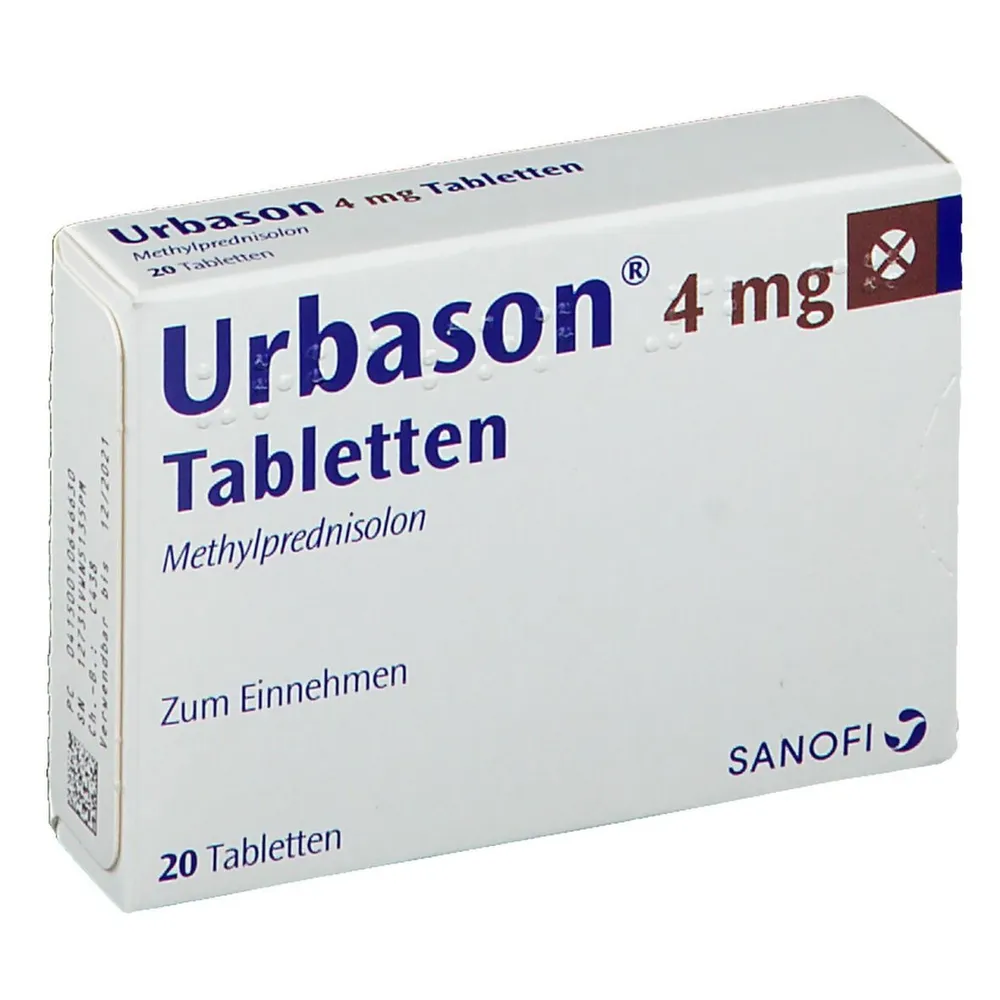
Table of Contents
Patient Information Leaflet
Introduction
Patient Information Leaflet
Urbason 4 mg tablets
methylprednisolone
Read the entire leaflet carefully before you start taking this medicine.
- Keep this leaflet as you may need to read it again.
- If you have any questions, ask your doctor or pharmacist.
- This medicine has been prescribed for you only and must not be given to other people, even if they have the same symptoms as you, because it could harm them.
- If you experience any adverse effects, consult your doctor or pharmacist, even if the effects are not listed in this leaflet. See section 4.
Leaflet Contents
- What Urbason is and what it is used for
- What you need to know before taking Urbason
- How to take Urbason
- Possible side effects
- How to store Urbason
- Contents of the pack and other information
1. What Urbason is and what it is used for
Methylprednisolone belongs to a group of medicines called corticosteroids (it acts at the cellular level by reducing the production of substances that cause inflammation or allergic reactions).
Urbason 4 mg tablets are used for:
- replacement therapy in adrenal insufficiency,
- due to its anti-inflammatory and immunosuppressive action, it is used in the treatment of severe persistent asthma, exacerbation of chronic obstructive pulmonary disease, sarcoidosis, severe allergic reactions, rheumatic diseases (such as rheumatoid arthritis, ankylosing spondylitis, or acute gouty arthritis), vasculitis, systemic lupus erythematosus, polymyositis and dermatomyositis, ulcerative colitis, Crohn's disease, liver diseases (such as autoimmune chronic active hepatitis), nephrotic syndrome, adrenogenital syndrome, blood disorders (such as acquired hemolytic anemia and idiopathic thrombocytopenic purpura), inflammatory eye diseases (such as optic neuritis), and skin diseases (such as urticaria, severe eczema, and pemphigus),
- due to its effect on the immune response, it is used as part of immunosuppressive therapy in organ transplantation,
- in combination with chemotherapeutic agents or radiotherapy.
2. What you need to know before starting to take Urbason
Do not take Urbason
- if you are allergic (hypersensitive) to the active substance, to other glucocorticoids, or to any of the other components of this medicine (listed in section 6),
- except in replacement therapy or emergency treatment, you should not use Urbason in the following cases:
- if you have gastric or duodenal ulcers,
- if you have severe bone demineralization (osteoporosis),
- if you have closed-angle or open-angle glaucoma (an eye disease),
- if you have herpetic keratitis (an eye disease),
- if you have lymphadenopathy (swollen lymph nodes) after tuberculosis vaccination,
- if you have an infection caused by amoebae (a type of infectious agent),
- if you have systemic mycosis (a fungal infection disseminated throughout the body),
- in patients with poliomyelitis (a disease of the spinal cord),
- if you have certain viral infections (such as chickenpox, herpes, herpes zoster) (see section “Warnings and precautions”),
- if you have tuberculosis, or if it is only suspected,
- 8 weeks before vaccination and 2 weeks after vaccination,
- if you have a history of psychiatric disorders, consult your doctor about the advisability of using this medicine.
Warnings and precautions
Talk to your doctor, pharmacist, or nurse before starting to take Urbason:
- if you have or have recently had intestinal diseases due to the risk of intestinal perforation with peritonitis, such as severe ulcerative colitis (with risk of perforation, abscesses, or purulent inflammation), diverticulitis, or intestinal anastomoses,
- Urbason may cause gas accumulation in the intestinal wall, a condition called intestinal pneumatosis (frequency not known, see section 4. “Possible side effects” below). The course of intestinal pneumatosis varies from a benign condition requiring no treatment to severe conditions that may require immediate treatment. If you experience persistent or worsening symptoms such as “nausea, vomiting, and abdominal pain,” you must contact your doctor immediately. Your doctor will decide whether further diagnostic tests or treatment are needed,
- if you have any infection, as Urbason may reduce your body’s defenses, leading to new infections or reactivation of existing ones. In severe infections, Urbason should only be used alongside specific anti-infective treatment,
- contact your doctor if you experience blurred vision or other visual disturbances,
- except for patients who have already had chickenpox, avoid contact with people who have, for example, chickenpox or shingles. If during treatment with Urbason you are exposed to these infections, contact a doctor immediately, even if you do not have symptoms,
- if you are taking Urbason, it is recommended that you do not receive vaccinations,
- if you have tested positive in the tuberculin test (a test to detect tuberculosis), inform your doctor,
- if you have myasthenia gravis, particularly if you are receiving high-dose glucocorticoid treatment, a low initial dose of Urbason should be used and gradually increased,
- if you have hypothyroidism or hepatic cirrhosis. In both cases, relatively low doses may be sufficient and dose reduction may be necessary. Your doctor will monitor you regularly,
- if you have overactivity of the thyroid gland (hyperthyroidism).
Contact your doctor immediately if you experience muscle weakness, muscle pain, cramps, or stiffness while using methylprednisolone. These may be symptoms of a condition called thyrotoxic periodic paralysis, which may occur in patients with overactive thyroid (hyperthyroidism) treated with methylprednisolone. You may need additional treatment to relieve this condition.
- treatment should not be stopped abruptly, but tapered gradually. Do not stop using this medicine without consulting your doctor (see section 4. “Possible side effects”),
- if you are diabetic, or have heart failure or very high blood pressure, your doctor will monitor you regularly,
- during long-term treatment, ensure adequate potassium intake, limit sodium intake, and monitor blood potassium levels. In addition, your doctor will perform regular checks to prevent eye complications,
- long-term corticosteroid treatment may lead to osteoporosis,
- in patients with suspected or diagnosed pheochromocytoma,
- rare cases of hepatobiliary disorders have been reported, mostly reversible upon discontinuation of treatment. Therefore, appropriate monitoring is required,
- if you have scleroderma (also known as systemic sclerosis, an autoimmune disorder), because daily doses of 12 mg or more may increase the risk of a serious complication called scleroderma renal crisis. Signs of scleroderma renal crisis include increased blood pressure and reduced urine output. Your doctor may advise regular monitoring of blood pressure and urine,
- if you have kidney problems or high levels of uric acid in the blood before starting treatment with Urbason,
- inform your doctor if you experience any symptoms of tumor lysis syndrome, such as muscle cramps, muscle weakness, confusion, vision loss or disturbances, difficulty breathing, seizures, irregular heartbeat, or kidney failure (decreased urine output or dark urine), especially if you have a malignant hematological neoplasm (see section 4. “Possible side effects”),
- use of Urbason during pregnancy and breastfeeding is not recommended,
- unless prescribed by a doctor, administration of Urbason to children should be avoided,
- in premature infants, echocardiograms should be performed to monitor heart status and function,
- when administered to elderly patients, the doctor will monitor the patient regularly. Elderly patients should avoid prolonged treatment with this medicine.
Use in athletes
This medicine contains methylprednisolone, which may result in a positive doping test.
Other medicines and Urbason
Tell your doctor or pharmacist if you are taking, have recently taken, or might take any other medicines, including those obtained without a prescription.
Some medicines may increase the effects of Urbason, so your doctor will monitor you closely if you are taking these medicines (including some used for HIV: ritonavir, cobicistat).
Urbason may interfere with the following medicines:
-
Amphotericin B, clarithromycin, erythromycin (antibiotics).
-
Cyclosporine.
-
Cumarin derivatives: oral anticoagulants (such as Sintrom).
-
Anticholinesterases (such as neostigmine, pyridostigmine, medicines used for muscle spasms, treatment of myasthenia gravis, and paralytic ileus).
-
Antidiabetic medicines.
-
Non-steroidal anti-inflammatory drugs (acetylsalicylic acid, indomethacin) and alcohol.
-
Non-depolarizing muscle relaxants.
-
Diltiazem (a medicine used for heart problems).
-
Some diuretics (medicines used to eliminate water).
-
Estrogens (medicines used for hormonal disorders), oral contraceptives.
-
Cardiac glycosides (medicines used to treat heart failure).
-
Enzyme inducers:
- Carbamazepine, phenytoin, barbiturates, or primidone (medicines used to treat epilepsy).
- Rifampicin, rifabutin (antibiotics).
-
Enzyme inhibitors such as ketoconazole (used for fungal infections).
-
Ion-exchange resins (such as cholestyramine, colestipol, medicines used to reduce cholesterol and triglyceride levels).
-
Salicylates.
-
Theophylline (a medicine used for asthma and bronchial problems).
-
Vaccines.
Interference with diagnostic tests
If you are undergoing skin tests (“Allergy tests”), inform your doctor that you are taking this medicine, as it may alter the results.
Taking Urbason with food and drinks
Avoid drinking large amounts of grapefruit juice, as it may interfere with Urbason.
Pregnancy, breastfeeding, and fertility
If you are pregnant or breastfeeding, think you may be pregnant, or plan to become pregnant, consult your doctor or pharmacist before using this medicine.
Like most medicines, Urbason should not be used during pregnancy or breastfeeding unless your doctor considers it essential.
Use Urbason during the first trimester of pregnancy only after discussing with your doctor the potential benefits and risks for you and the fetus of different treatment options. This is because Urbason may increase the risk of cleft lip and/or cleft palate (openings or splits in the upper lip and/or roof of the mouth) in the newborn baby. If you are pregnant or planning to become pregnant, discuss the use of Urbason with your doctor.
Urbason passes into breast milk. If high doses of Urbason are required, breastfeeding should be avoided.
Driving and using machines
Do not drive or operate tools or machines during treatment with Urbason. Some adverse effects (visual disturbances, dizziness, headache) may impair your ability to concentrate and react.
Important information about some of the components of Urbason 4 mg tablets
This medicine contains lactose. If your doctor has informed you that you have an intolerance to certain sugars, consult with him before taking this medicine.
3. How to take Urbason
Follow exactly the instructions for administering this medicine as given by your doctor. If in doubt, consult your doctor or pharmacist again.
Urbason tablets should be swallowed whole, without chewing, with a sufficient amount of liquid (approximately half a glass of water), during or immediately after a meal.
It is recommended that the total daily dose be taken in the morning. Once the maintenance dose has been established, it is advisable to take the dose corresponding to two days on alternate days, as a single dose in the morning.
The score line must not be used to split the tablet.
In cases of shock or other serious conditions, glucocorticoids should be administered intravenously.
At the beginning of treatment, you will take the initial dose. As soon as a satisfactory response is achieved, you should switch to the standard maintenance dose. Both doses will be determined by your doctor.
The initial dose is 12 to 80 mg per day in adults and 0.8 to 1.5 mg per day per kg of body weight (but never exceeding 80 mg) in children.
The standard maintenance dose is 4 to 8 mg per day in adults (although up to 16 mg per day may be taken during short-term treatment) and 2 to 4 mg per day in children.
The following are the recommended doses according to different indications:
Replacement therapy
4 to 8 mg daily in Addison's disease, as an adjunct to mineralocorticoid therapy. In stressful situations, up to 16 mg daily.
Asthma and obstructive lung disease
Initial dose: 16 to 40 mg daily.
Maintenance dose: 4 to 8 mg daily.
Interstitial lung disorders
Initial dose: 24 to 40 mg daily.
Maintenance dose: 4 to 12 mg daily.
Rheumatic diseases
Initial dose: 6 to 10 mg (mild chronic polyarthritis) and 12 to 20 mg (severe chronic polyarthritis).
Maintenance dose: it is recommended not to exceed 6 mg.
Acute rheumatic fever: up to 1 mg/kg body weight, until erythrocyte sedimentation rate remains normal for at least one week; then treatment should be gradually withdrawn.
Allergic reactions
Initial dose: 16 to 40 mg daily.
Maintenance dose: 4 to 8 mg daily.
Ulcerative colitis and Crohn's disease
Initial dose: 40 to 80 mg daily, followed by gradual dose reduction. In ulcerative colitis, treatment should be discontinued as soon as possible. In patients with Crohn's disease, longer-term therapy may be required.
Autoimmune diseases
Initial dose: 40 to 160 mg daily, with gradual dose reduction until a maintenance dose is reached.
Hematological diseases
Initial dose: 80 to 160 mg daily, gradually reduced to the maintenance dose.
Skin disorders
Initial dose: 80 to 160 mg daily. Generally, the dose should be rapidly reduced until treatment is discontinued.
If you take more Urbason than you should
In case of overdose or accidental ingestion, contact your doctor or pharmacist immediately or call the Toxicology Information Service at telephone number 91 562 04 20, indicating the medicine and the amount ingested.
Overdose may cause anxiety, depression, mental confusion, gastrointestinal spasms or hemorrhages, increased glucose levels (hyperglycemia), elevated blood pressure (hypertension), and edema.
If you forget to take Urbason
Do not take a double dose to make up for missed doses.
If you stop taking Urbason
Do not stop using this medicine without consulting your doctor.
After prolonged use of Urbason, if you need to discontinue treatment, follow your doctor's advice. Your doctor may instruct you to gradually reduce the amount of medicine you are taking until you stop completely.
Sudden discontinuation of treatment may cause:
- corticosteroid withdrawal syndrome (see section 4),
- adrenal cortical insufficiency (low cortisol levels), or
- a recurrence (return) of the underlying condition being treated.
If you have any further questions about the use of this product, ask your doctor or pharmacist.
4. Possible adverse effects
Like all medicines, Urbason can cause adverse effects, although not everyone will experience them.
The following frequency definitions have been used for classification:
Very common: may affect more than 1 in 10 people
Common: may affect up to 1 in 10 people
Uncommon: may affect up to 1 in 100 people
Rare: may affect up to 1 in 1,000 people
Very rare: may affect up to 1 in 10,000 people
Frequency not known: cannot be estimated from available data.
The following adverse effects have been observed during treatment with Urbason:
Disorders of metabolism and nutrition
Common: abnormal fat distribution, obesity, increased blood sugar levels, changes in blood fat levels (such as cholesterol or triglycerides), absence of menstrual periods, increased hair growth, weight gain.
Rare: impotence, problems with the adrenal cortex (glands located above the kidneys that produce hormones), growth retardation in children, increased protein metabolism, elevated blood urea levels.
Very rare: reversible accumulation of fat in the epidural canal or thoracic cavity.
Frequency not known: localized accumulation of adipose tissue in certain parts of the body. Cases of tumor lysis syndrome have been reported in patients with malignant hematological neoplasms. Tumor lysis syndrome may be detected by your doctor through changes in blood tests such as increased levels of uric acid, potassium, or phosphorus and decreased calcium levels, and may cause symptoms such as muscle cramps, muscle weakness, confusion, visual loss or disturbances, difficulty breathing, seizures, irregular heartbeat, or renal failure (decreased or darkened urine). If you experience any of these symptoms, you must inform your doctor immediately (see section “Warnings and precautions”).
Cardiac disorders
Frequency not known: myocardial disease (hypertrophic cardiomyopathy) in premature infants.
Vascular disorders
Common: sodium and water retention, increased potassium excretion, and possibly hypokalemia.
In patients with heart failure, pulmonary congestion may increase and hypertension may develop.
Disorders of blood vessels including vasculitis (allergic inflammation of blood vessels), increased intracranial pressure with optic nerve inflammation.
Frequency not known: increased blood clotting.
Other effects include a tendency toward increased platelet count (thrombocytosis) and increased risk of thrombosis.
Skin and subcutaneous tissue disorders
Common: skin changes (atrophy, stretch marks, acne, red-purple spots due to accumulation of small amounts of blood under the skin, small red spots).
Rare: allergic reactions (skin rash), including shock in rare cases after parenteral administration, especially in patients with bronchial asthma or after kidney transplantation.
Blood and lymphatic system disorders
Common: delayed wound healing.
Frequency not known: elevated white blood cell count, thrombocytopenia (decreased platelet count).
Musculoskeletal and connective tissue disorders
Common: osteoporosis, which in severe cases may lead to fractures.
Rare: muscle weakness (reversible). In patients with myasthenia gravis, it may cause reversible worsening of weakness, potentially leading to a myasthenic crisis.
Also, severe muscle disease (acute myopathy) due to concomitant administration of non-depolarizing muscle relaxants.
Very rare: bone tissue death in the femoral or humeral head, tendon rupture (in individuals with prior tendon injury, diabetes, or high blood uric acid levels). When Urbason is administered at very high doses over a long period, muscle disorders may occur.
Renal and urinary disorders
Frequency not known: scleroderma renal crisis in patients who already have scleroderma (an autoimmune disorder). Signs of scleroderma renal crisis include increased blood pressure and reduced urine output.
Gastrointestinal disorders
Rare: stomach or duodenal ulcers, and if these perforate, peritonitis (serious gastrointestinal infection), pancreatitis (inflammation of the pancreas), or abdominal discomfort.
Frequency not known: gas in the intestinal wall (intestinal pneumatosis).
Hepatobiliary disorders
Frequency not known: increased liver enzymes.
Endocrine disorders
Frequency not known: pheochromocytoma crisis (see section “Warnings and precautions”).
The following adverse effects have been observed after sudden withdrawal of Urbason following prolonged use, although not everyone experiences them:
- Symptoms such as fever, loss of appetite, nausea, weakness, restlessness, joint pain, skin peeling, low blood pressure, and weight loss (corticosteroid withdrawal syndrome).
Eye disorders
Rare: eye damage: opaque lens, increased eye pressure, cataracts, glaucoma (an eye disease that may lead to vision loss).
Frequency not known: retinal and choroidal membrane disease, blurred vision.
Immune system disorders
Uncommon: decreased body defenses and increased risk of infection. If you have a viral disease such as chickenpox, simple herpes, or shingles, your condition may worsen, sometimes seriously endangering your health.
Nervous system disorders
Rare: cerebral seizures.
Frequency not known: dizziness, headache, and sleep disturbances.
Psychiatric disorders
Rare: development or worsening of pre-existing psychiatric problems (euphoria, mood changes, personality changes, depression, psychosis).
If treatment with Urbason is stopped abruptly (not gradually) after long-term use, muscle pain, joint pain, breathing difficulties, anorexia, nausea, vomiting, fever, low blood pressure, low blood sugar levels, and even death due to acute adrenal insufficiency may occur (see section “Warnings and precautions”).
Reporting of adverse effects
If you experience any adverse effect, consult your doctor or pharmacist, even if it is a possible adverse effect not listed in this leaflet. You may also report them directly via the Spanish Pharmacovigilance System for Human Medicines: https://www.notificaram.es. By reporting adverse effects, you can help provide more information on the safety of this medicine.
5. Storage of Urbason
Keep out of the sight and reach of children.
Store below 30°C.
Do not use Urbason after the expiry date indicated on the packaging after EXP. The expiry date is the last day of the month stated.
Medicines should not be disposed of via wastewater or household waste. Dispose of unused medicines and their containers at a SIGRE collection point at your pharmacy. If you have any doubts, ask your pharmacist how to properly dispose of unused medicines and their packaging. This will help protect the environment.
6. Contents of the pack and other information
Composition of Urbason 4 mg tablets
- The active substance is methylprednisolone.
- The other components are monohydrate lactose, corn starch, talc, magnesium stearate, anhydrous colloidal silica.
Appearance of the product and contents of the pack
Urbason 4 mg tablets are presented as round, flat, bevelled, cross-scored, whitish tablets, 8 mm in diameter.
Each pack contains 10 or 30 tablets.
Marketing Authorization Holder and Manufacturer
Holder:
Fidia Farmaceutici S.p.A.
Via Ponte della Fabbrica, 3/A
35031 Abano Terme (PD) – Italy
Manufacturer:
Dragenopharm Apotheker Püschl GmbH
Göllstraße 1, 84529 Tittmoning - Germany
Local representative:
Laboratorios Fidia Farmacéutica S.L.U.
Parque Empresarial de la Moraleja - Edificio Torona
Avenida de Europa, 24 - Edificio A - 1 B
28108 Alcobendas - Madrid (Spain)
Date of the most recent review of this leaflet: October 2024
Detailed information about this medicine is available on the website of the Spanish Agency of Medicines and Health Products (AEMPS) http://www.aemps.gob.es/