Travoprost/timolol Stada 40 micrograms/ml + 5 mg/ml eye drops solution
Spain
Table of Contents
- Package leaflet: Information for the user
- Introduction
- 1. What Travoprost/Timolol Stada is and what it is used for
- 2. What you need to know before using Travoprost/Timolol Stada
- 3. How to use Travoprost/Timolol Stada
- 4. Possible adverse effects
- 5. Storage of Travoprost/Timolol Stada
- 6. Contents of the pack and other information
Package leaflet: Information for the user
Introduction
Package leaflet: Information for the user
Travoprost/Timolol Stada 40 micrograms/ml + 5 mg/ml eye drops, solution
Read the entire leaflet carefully before you start using this medicine, because it contains important information for you.
- Keep this leaflet. You may need to read it again.
- If you have any questions, ask your doctor or pharmacist.
- This medicine has been prescribed for you only, and you should not give it to other people, even if they have the same symptoms as you, because it may harm them.
- If you experience any adverse effects, consult your doctor or pharmacist, even if they are adverse effects not listed in this leaflet. See section 4.
Contents of the leaflet
- What Travoprost/Timolol Stada is and what it is used for
- What you need to know before using Travoprost/Timolol Stada
- How to use Travoprost/Timolol Stada
- Possible side effects
- How to store Travoprost/Timolol Stada
- Contents of the pack and other information
1. What Travoprost/Timolol Stada is and what it is used for
Travoprost/Timolol Stada eye drops solution is a combination of two active substances (travoprost and timolol). Travoprost is a prostaglandin analogue that works by increasing the outflow of aqueous fluid from the eye, thereby reducing intraocular pressure. Timolol is a beta-blocker that works by reducing the production of fluid inside the eye. The two substances act together to lower the pressure inside the eye.
Travoprost/Timolol Stada eye drops are used to treat elevated intraocular pressure in adults, including elderly patients. This pressure can lead to a condition called glaucoma.
2. What you need to know before using Travoprost/Timolol Stada
Do not use Travoprost/Timolol Stada
- if you are allergic to travoprost, prostaglandins, timolol, beta-blockers, or to any of the other components of this medicine (listed in section 6).
- if you currently have or have previously had respiratory problems such as asthma, severe chronic obstructive bronchitis (a serious lung condition that may cause wheezing, difficulty breathing, and/or persistent cough) or other types of breathing disorders.
- if you have severe allergic rhinitis.
- if you have a slow heart rate, heart failure, or a heart rhythm disorder (irregular heartbeat).
- if the surface of your eye is cloudy.
Consult your doctor if you are in any of these situations.
Warnings and precautions
Before starting to use this medicine, inform your doctor if you currently have or have previously had:
?? coronary heart disease (symptoms may include chest tightness or pain, shortness of breath, or suffocation), heart failure, low blood pressure,
- heart rhythm disorders such as slow heartbeat.
- respiratory problems, asthma, or chronic obstructive pulmonary disease.
- disease due to poor blood circulation (such as Raynaud's disease or Raynaud's syndrome).
- diabetes (since timolol may mask the signs and symptoms of low blood sugar).
- overactivity of the thyroid gland (since timolol may mask signs and symptoms of thyroid disease).
- myasthenia gravis (chronic muscle weakness).
- cataract surgery.
- eye inflammation.
If you need to undergo any type of surgery, inform your doctor that you are using travoprost/timolol, as timolol may alter the effects of certain medications used during anesthesia.
If you experience any severe allergic reaction (skin rash, redness and itching in the eye) while using travoprost/timolol, regardless of the cause, treatment with adrenaline may be less effective. Therefore, it is very important to inform your doctor that you are using travoprost/timolol when receiving any other treatment.
Travoprost/timolol may change the color of your iris (the colored part of your eye). This change may be permanent.
Travoprost/timolol may increase the length, thickness, color, and/or number of your eyelashes and may cause unusual eyelid hair growth.
Travoprost may be absorbed through the skin; therefore, pregnant women or women trying to become pregnant should not use it. In case of contact with the skin, wash immediately to remove the medicine.
Children
Travoprost/timolol must not be used in children and adolescents under 18 years of age.
Other medicines and Travoprost/Timolol Stada
Inform your doctor or pharmacist if you are taking, have recently taken, or might need to take any other medicines.
Travoprost/timolol may affect or may be affected by other medicines you are taking, including other eye drops for glaucoma treatment. Consult your doctor if you are taking or planning to take:
- medicines to lower blood pressure,
- heart medications including quinidine (used to treat heart conditions and some types of malaria),
- medicines for diabetes or antidepressants known as fluoxetine and paroxetine.
Pregnancy, breastfeeding, and fertility
If you are pregnant or breastfeeding, think you may be pregnant, or plan to become pregnant, consult your doctor or pharmacist before using this medicine.
Do not use travoprost/timolol if you are pregnant unless your doctor considers it necessary. If you can become pregnant, you should use an adequate method of contraception while using this medicine.
Do not use travoprost/timolol while breastfeeding. Travoprost/timolol may pass into breast milk.
Driving and use of machines
Immediately after applying travoprost/timolol, you may notice blurred vision. Do not drive or operate machinery until this effect has passed.
Travoprost/Timolol Stada contains benzalkonium chloride
This medicine contains 150 micrograms of benzalkonium chloride per ml of solution for eye drops. Benzalkonium chloride may be absorbed by soft contact lenses, altering their color. Remove contact lenses before using this medicine and wait 15 minutes before reinserting them.
Benzalkonium chloride may cause eye irritation, especially if you have dry eye or other corneal diseases (conditions affecting the transparent layer at the front of the eye). Consult your doctor if you experience a foreign body sensation, stinging, or eye pain after using this medicine.
Travoprost/Timolol Stada contains macrogolglycerol hydroxystearate 40
This medicine may cause skin reactions because it contains macrogolglycerol hydroxystearate 40.
3. How to use Travoprost/Timolol Stada
Follow exactly the instructions for using this medicine as given by your doctor. If in doubt, consult your doctor or pharmacist again.
Recommended dose is
One drop in the affected eye or eyes, once daily – in the morning or in the evening. Use it at the same time each day.
Travoprost/timolol should only be applied to both eyes if your doctor has specifically instructed you to do so. Continue treatment for the entire duration prescribed by your doctor.
This medicine should only be used as eye drops.
Instructions for use
1 |
|
2 |
|
3 |
|
4 |
|
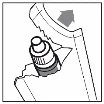
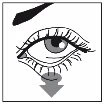
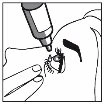
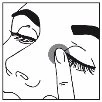
If a drop falls outside the eye, try again.
If you use more Travoprost/Timolol Stadadel than you should
If you use more travoprost/timolol than you should, you can remove it by rinsing your eyes with lukewarm water. Do not apply further drops until it is time for your next dose.
If you forget to use Travoprost/Timolol Stada
If you forget to use travoprost/timolol, continue with your next scheduled dose. Do not apply a double dose to make up for the missed dose. The dose should not exceed 1 drop per day in the affected eye(s).
If you stop using Travoprost/Timolol Stada
If you stop using travoprost/timolol without consulting your doctor, the pressure in your eye will not be controlled, which could lead to loss of vision.
If you are using another eye drop in addition to Travoprost/Timolol Stada, wait at least 5 minutes between applying travoprost/timolol and the other drops.
If you wear soft contact lenses, do not apply the drops while wearing them. After applying the drops, wait 15 minutes before reinserting your contact lenses.
If you have any further questions about the use of this medicine, ask your doctor or pharmacist.
4. Possible adverse effects
Like all medicines, this medicine can cause adverse effects, although not everyone will experience them.
Unless the effects are severe, continue treatment as usual. If you are concerned about these effects, consult your doctor or pharmacist. Do not stop using this medicine without first consulting your doctor.
Very common adverse effects (may affect more than 1 in 10 people)
Eye effects:
Eye redness
Common adverse effects (may affect up to 1 in 10 people)
Eye effects:
Inflammation with damage to the surface of the eye, eye pain, blurred vision, abnormal vision, dry eye, itchy eye, eye discomfort, signs and symptoms of eye irritation (e.g. burning, stinging).
Uncommon adverse effects (may affect up to 1 in 100 people)
Eye effects:
Inflammation of the surface of the eye, eyelid inflammation, swelling of the conjunctiva, increased eyelash growth, iris inflammation, eye inflammation, light sensitivity, decreased vision, eye strain, eye allergy, eye swelling, increased tear production, eyelid redness, eyelid color change, darkening of the skin (around the eye).
Other effects:
Allergic reaction to the active substance, dizziness, headache, increased or decreased blood pressure, shortness of breath, excessive hair growth, postnasal drip, skin inflammation and itching, decreased heart rate.
Rare adverse effects (may affect up to 1 in 1,000 people)
Eye effects:
Thinning of the surface of the eye, inflammation of the eyelid glands, broken blood vessel in the eye, eyelid crusts, abnormal growth and positioning of eyelashes.
Other effects:
Nervousness, irregular heart rate, hair loss, voice disorders, difficulty breathing, cough, throat irritation, hives, abnormal liver blood test results, skin discoloration, thirst, fatigue, strange sensation inside the nose, colored urine, pain in hands and feet.
Frequency not known (cannot be estimated from available data)
Eye effects:
Drooping eyelid (causing the eye to be partially closed), sunken eyes (eyes appear more deeply set), changes in iris color (colored part of the eye).
Other effects:
Skin rash, heart failure, chest pain, stroke, fainting, depression, asthma, increased heart rate, tingling or numbness sensation, palpitations, leg swelling, bad taste.
Additionally:
Travoprost/Timolol Stada is a combination of two active substances, travoprost and timolol. Like other medicines administered into the eyes, travoprost and timolol (a beta-blocker) are absorbed into the bloodstream. This may cause adverse effects similar to those seen with beta-blocker medicines taken by mouth or by injection. The incidence of adverse effects after eye administration is lower than with medicines taken by mouth or injected.
The adverse effects listed below include reactions observed with the class of beta-blockers used to treat eye conditions or reactions observed with travoprost alone:
Eye effects:
Eyelid inflammation, corneal inflammation, detachment of the layer beneath the retina containing blood vessels, which may cause vision disturbances after filtration surgery, reduced corneal sensitivity, corneal erosion (damage to the front layer of the eyeball), double vision, eye discharge, swelling around the eye, eyelid itching, abnormal outward turning of the lower eyelid with redness, irritation and increased tear production, blurred vision (sign of lens opacity), swelling of part of the eye (uvea), eyelid eczema, visual halos, decreased eye sensitivity, pigmentation inside the eye, dilated pupils, change in eyelash color, change in eyelash texture, altered visual field.
Other effects:
-
Ear and labyrinth disorders: dizziness with sensation of movement, ringing in the ears.
-
Heart and circulation: slow heart rate, palpitations, edema (fluid accumulation), changes in heart rhythm or rate, congestive heart failure (heart disease with difficulty breathing and swelling of feet and legs due to fluid accumulation), type of heart rhythm disorder, heart attack, low blood pressure, Raynaud's phenomenon, cold hands and feet, reduced blood flow to the brain.
-
Respiratory: constriction of airways in the lungs (predominantly in patients with pre-existing disease), mucus or stuffy nose, sneezing (due to allergy), difficulty breathing, nosebleeds, dry nose.
-
Nervous system and general disorders: difficulty sleeping (insomnia), nightmares, memory loss, hallucinations, loss of strength and energy, anxiety (excessive emotional distress).
-
Gastrointestinal: altered taste, nausea, indigestion, diarrhea, dry mouth, abdominal pain, vomiting, and constipation.
-
Allergy: worsening of allergic symptoms, generalized allergic reactions including swelling under the skin that may occur in areas such as the face and limbs and may obstruct airways, potentially causing difficulty swallowing or breathing, hives, localized and generalized rash, itching, sudden and severe life-threatening allergic reaction.
-
Skin: scaly rash with silvery appearance (psoriasiform rash) or worsening of psoriasis, skin peeling, abnormal hair texture, skin inflammation with redness and itching, hair color change, eyelash loss, itching, abnormal hair growth, skin redness.
-
Musculoskeletal: worsening of signs and symptoms of myasthenia gravis (muscle disorder), unusual sensations such as tingling, muscle weakness/fatigue, muscle pain not caused by exercise, joint pain.
-
Renal and urinary disorders: difficulty and pain when urinating, involuntary urination.
-
Reproduction: sexual dysfunction, decreased sexual desire.
-
Metabolism: low blood sugar levels, increased prostate cancer marker.
Reporting of adverse effects
If you experience any adverse effect, consult your doctor or pharmacist, even if it is a possible adverse effect not listed in this leaflet. You may also report them directly via the Spanish Pharmacovigilance System for Human Medicines: https://www.notificaram.es. By reporting adverse effects, you can help provide more information on the safety of this medicine.
5. Storage of Travoprost/Timolol Stada
Keep this medicine out of the sight and reach of children.
Do not use this medicine after the expiry date stated on the packaging, carton, and bottle, following “EXP”. The expiry date refers to the last day of the month indicated.
Before opening, this medicine does not require any special storage temperature conditions. Keep the bottle in its foil pouch to protect it from light.
After first opening, this medicine does not require any special storage conditions.
To prevent infection, the bottle must be discarded 4 weeks after first opening, and a new bottle should be used. Record the date of opening in the spaces provided on the label of each bottle and carton.
Medicines must not be disposed of via wastewater or household waste. Dispose of empty containers and unused medicines at the SIGRE collection point at your pharmacy. Ask your pharmacist how to dispose of containers and medicines you no longer need. This helps protect the environment.
6. Contents of the pack and other information
Composition of Travoprost/Timolol Stada
- The active substances are travoprost and timolol.
Each ml of solution contains 40 micrograms of travoprost and 5 mg of timolol (as timolol maleate).
- The other components are benzalkonium chloride, macrogolglycerol hydroxystearate 40, tromethamine, edetate disodium, boric acid (E284), mannitol (E421), sodium hydroxide (for pH adjustment), and water for injection or purified water.
Appearance of the medicinal product and contents of the container
Travoprost/Timolol Stada is a clear, colourless, aqueous solution, practically free from particles, available in a 5 ml plastic bottle with a colourless nozzle and a white opaque cap with a tamper-evident seal.
Each bottle is sealed in a sachet. Each bottle contains 2.5 ml of solution.
The product is available in the following pack sizes:
Packs containing 1, 3 or 6 bottles.
Only certain pack sizes may be marketed.
Marketing Authorization Holder and Manufacturer
Marketing Authorization Holder
Laboratorio STADA, S.L.
Frederic Mompou, 5
08960 Sant Just Desvern (Barcelona)
Manufacturer
Pharmathen S.A.
6, Dervenakion str.,
Pallini, Attiki 15351
Greece
or
Balkanpharma-Razgrad AD
68 Aprilsko vastanie Blvd.
Razgrad, 7200
Bulgaria
or
STADA Arzneimittel AG
Stadastrasse 2 – 18
Bad Vilbel 61118
Germany
or
Centrafarm Services B.V.
Van de Reijstraat 31-E
4814 NE Breda
Netherlands
or
JADRAN - GALENSKI LABORATORIJ d.d.
Svilno 20,
Rijeka, 51000
Croatia
This medicinal product is authorized in the Member States of the European Economic Area under the following names:
Belgium Travoprost/Timolol EG 40 microgram/ml + 5mg/ml eye drops, solution
Luxembourg Travoprost/Timolol EG 40 microgrammes/ml + 5mg/ml eye drops, solution
Estonia Travoprost/Timolol STADA 40 mikrogrammi/5 mg/ml silmatilgad, lahus
Latvia Travoprost/Timolol STADA 40 mikrogrami/ 5 mg/ml acu pilieni, škidums
Lithuania Travoprost/Timolol STADA 40 mikrogramu/ 5 mg/ml akiu lašai, tirpalas
Germany Travoprost/Timolol AL 40 Mikrogramm/ml + 5 mg/ml Augentropfen, Lösung
Denmark Travoprost/Timolol STADA 40 mikrogram/ml + 5 mg/ml øjendråber, opløsning
Spain Travoprost/Timolol STADA 40 microgramos/ml + 5 mg/ml colirio en solución
Finland Travoprost/Timolol STADA 40 mikrogram/ml + 5 mg/ml silmätipat, liuos
France TRAVOPROST/TIMOLOL EG 40 microgrammes/ml + 5 mg/ml, collyre en solution
Italy Travoprost e Timololo EG
Netherlands Travoprost/Timolol CF 0.04/5 mg/ml, oogdruppels, oplossing
Sweden Travoprost/Timolol STADA 40 mikrogram/ml + 5 mg/ml ögondroppar, lösning
Date of the most recent revision of this leaflet: June 2022
Detailed and up-to-date information on this medicinal product is available on the website of the Spanish Agency of Medicines and Health Products (AEMPS) http://www.aemps.gob.es/