Suxamethonium Ethypharm 50 mg/ml solution for injection and infusion EFG
Spain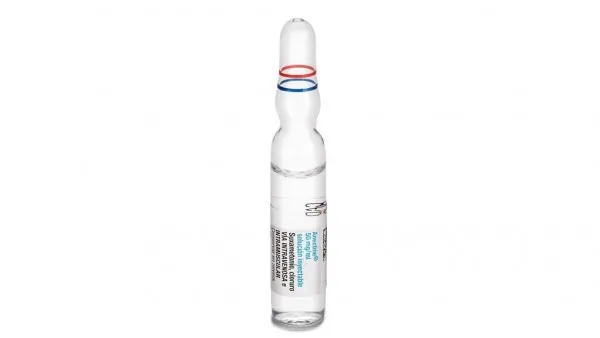
Table of Contents
- Package leaflet: Information for the user
- Introduction
- 1. What Suxametonium Ethypharm is and what it is used for
- 2. What you need to know before Suxametonio Ethypharm is administered to you
- 3. How Suxametonio Ethypharm is administered
- 4. Possible adverse effects
- 5. Storage of Suxametonium Ethypharm
- 6. Contents of the pack and other information
- **Posology and method of administration**
- Route of administration:
- **Overdose**
- **Incompatibilities**
- **Special precautions for disposal and other handling**
Package leaflet: Information for the user
Introduction
Package leaflet: information for the user
Suxametonio Ethypharm 50mg/ml solution for injection and infusion EFG
suxamethonium chloride dihydrate
Read all of this leaflet carefully before you are given this medicine, because it contains important information for you.
- Keep this leaflet, as you may need to read it again.
- If you have any questions, ask your doctor, nurse or operating theatre staff.
- This medicine has been prescribed for you only, and you should not give it to other people, even if they have the same symptoms as you, because it may harm them.
- If you experience any adverse reactions, consult your doctor, nurse or operating theatre staff, even if they are adverse reactions not listed in this leaflet. See section 4.
Contents of the leaflet
- What Suxametonio Ethypharm is and what it is used for
- What you need to know before you are given Suxametonio Ethypharm
- How Suxametonio Ethypharm is administered
- Possible side effects
- How to store Suxametonio Ethypharm
- Contents of the pack and other information
1. What Suxametonium Ethypharm is and what it is used for
Suxametonium Ethypharm contains a medicine called suxamethonium chloride dihydrate. It belongs to a group of medicines called muscle relaxants.
Suxametonium Ethypharm is used:
- to relax muscles during surgical procedures in adults and children
Consult your doctor if you would like a more detailed explanation about this medicine.
2. What you need to know before Suxametonio Ethypharm is administered to you
Do not be given Suxametonio Ethypharm:
- if you are allergic to suxamethonium chloride dihydrate or any of the other ingredients of this medicine (listed in section 6)
- if your doctor has told you that you have an abnormality in cholinesterase activity (cholinesterase is an enzyme that breaks down acetylcholine)
- if you or a family member has a history of abnormally high body temperature (hyperthermia)
- if you have abnormally high levels of potassium in your blood (hyperkalaemia)
- if you or a family member has a condition causing muscle weakness (congenital myotonia or myotonic dystrophy)
- if you have muscle weakness and loss of muscle tissue (Duchenne muscular dystrophy)
Warnings and precautions
A qualified anaesthetist will administer this medicine to you, along with other medicines to help you sleep. Ventilation equipment will be used to assist your breathing.
Consult your doctor, nurse, or operating theatre staff before this medicine is administered if:
- you have an infection causing muscle stiffness (tetanus)
- you have tuberculosis
- you are unwell
- you have a fever
- you have cancer
- you have a blood disorder called anaemia
- you do not have adequate nutrition or are unable to absorb nutrients from food (malnutrition)
- you have severe liver or kidney problems
- you have a disease in which the body attacks itself (autoimmune disease), such as a thyroid gland disorder (myxoedema)
- you have diseases causing joint problems (collagen disease)
- you have heart problems (including heart attacks, heart disease, or irregular heartbeat)
- you are receiving or have previously received a blood treatment known as plasmapheresis
- you have had a head injury
- you are recovering from major trauma or severe burns
- you have had a spinal cord injury, nerve injury, or sudden muscle loss
- you have a muscle disease, for example, myasthenia gravis
- you have recently had an eye injury
- you have glaucoma
- you have ever had an allergic reaction to any muscle relaxant administered as part of a surgical procedure (see also "Allergic reactions")
- if you have been unable to walk for a prolonged period
- if you have a severe blood infection (sepsis)
Allergic reactions
Severe allergic reactions may occur, even if you have never been exposed to muscle relaxants before. In most cases, these reactions present as a skin rash (reddening of the skin) or rash, either widespread or limited to the injection site, which then progresses to difficulty breathing, swelling, dizziness, tachycardia, sweating, and loss of consciousness. See also section 4 Possible side effects.
The appearance of the first signs requires immediate and permanent discontinuation of Suxametonio administration, even if the full dose has not been administered, and symptomatic treatment must be initiated.
Children
Special attention or additional monitoring should be given to infants and children receiving suxamethonium. If any of the warnings and precautions listed above apply to you or your child, consult your doctor.
Use of Suxametonio Ethypharm with other medicines
Inform your doctor, nurse, or other relevant hospital staff if you are taking or have recently taken any other medicines:
- antiarrhythmics (medicines used to alter heart rhythm), e.g., lidocaine, procaine, and cocaine
- antibacterials (medicines capable of killing bacteria), e.g., neomycin, vancomycin, and polymyxin B
- anticholinesterases (medicines used to treat muscle problems), such as neostigmine
- ecotiopate, a medicine used to treat high pressure in the eye (glaucoma)
- metoclopramide, a medicine used to prevent nausea or vomiting
- phenelzine, a medicine used to treat depression (monoamine oxidase inhibitor)
- promazine, a medicine used to treat restlessness and agitation
- medicines used to treat malaria, such as quinine and chloroquine
- tacrine, a medicine used to treat Alzheimer's disease
- ACE inhibitors
- anticonvulsants (medicines used to prevent seizures), e.g., carbamazepine and phenytoin
- antineoplastics (medicines used to treat cancer), e.g., cyclophosphamide and triethylenemelamine
- benzodiazepines (medicines that help you relax), e.g., diazepam and midazolam
- calcium channel blockers (medicines that reduce the force of the heart), e.g., nifedipine, verapamil, or dantrolene
- cardiac glycosides (medicines that increase the contraction of heart muscles), e.g., digoxin
- cytotoxics (a type of medicine used to treat cancer), e.g., cyclophosphamide and thiotepa
- general anaesthetics (medicines used to put you to sleep during surgery), e.g., propofol, fentanyl citrate-droperidol, and ether
- magnesium salts (a dietary supplement)
- medicines affecting the nervous system (parasympathomimetics and sympathomimetics), e.g., decamethonium, neostigmine, donepezil, bambuterol
Inform your doctor if you have recently been exposed to pesticides, e.g., sheep dip.
Inform your doctor if you have recently received a blood transfusion.
If you have any doubts about whether this medicine should be administered to you, consult your doctor or nurse.
Pregnancy and breastfeeding
If you are pregnant or breastfeeding, think you may be pregnant, or are planning to become pregnant, consult your doctor before this medicine is administered to you.
Driving and using machines
Do not drive or operate machinery immediately after surgery, as this may be dangerous. Your doctor will advise you how long you should wait before driving or using machines.
3. How Suxametonio Ethypharm is administered
You will receive Suxametonio Ethypharm as an injection into a vein (intravenous).
Your doctor will decide the appropriate dose and duration of treatment for your procedure, which will depend on:
- your body weight;
- the degree of muscle relaxation required;
- the expected response to the medicine.
Suxametonio Ethypharm will always be administered under carefully controlled conditions. If you have any further questions about the use of this medicine, consult your doctor.
Adults, elderly patients and adolescents over 12 years of age
By intravenous injection:
1 mg per kilogram of body weight.
Supplementary doses of 50 % to 100 % of the initial dose, administered at intervals of 5 to 10 minutes, will maintain muscle relaxation.
By intravenous infusion (drip):
0.1-0.2 % solution, at a rate of 2.5 to 4 mg per minute.
The maximum total dose is 500 mg.
Children from 1 to 12 years of age*
By intravenous injection:
1-2 mg per kilogram of body weight.
Infants (under 1 year): 2 mg per kilogram of body weight.
If you are given too much Suxametonio Ethypharm
Since this medicine will be administered in a hospital setting, it is unlikely that you will receive an excessive or insufficient dose; however, inform your doctor or nurse if you have any doubts.
4. Possible adverse effects
Like all medicines, injectable or infusion suxamethonium chloride may cause adverse effects, although not everyone experiences them. If you experience any type of adverse effect, consult your doctor, nurse, or another relevant member of hospital staff, even if these adverse effects are not listed in this leaflet.
Very rarely, a sudden and severe allergic reaction to suxamethonium chloride may occur. If you experience any of the following symptoms, inform your doctor or nurse immediately:
- difficulty breathing, wheezing, or breathing problems
- swelling of the eyelids, face, lips, tongue, or other body parts
- skin rash, itching, or hives
- fainting
There are other serious adverse effects that you and your doctor should monitor for.
You must inform your doctor or nurse immediately if you experience any of the following symptoms:
Very common (may affect more than 1 in 10 people)
- stomach cramps or abdominal pain, nausea, or a feeling of fullness
- visible muscle spasms under the skin
- muscle pain after surgery; your doctor will monitor you for this
Common (may affect up to 1 in 10 people)
- severe and sudden allergic reaction with difficulty breathing, swelling, dizziness, rapid heartbeat, sweating, and loss of consciousness (anaphylactic shock)
- increased pressure of the fluid in the eye, which may cause headache or blurred vision
- redness of the skin
- skin rash
- high level of potassium in the blood
- increased or decreased heartbeat
- presence of proteins in the blood or urine due to muscle damage
- muscle damage that may cause your muscles to hurt or feel soft, stiff, or weak. Your urine may also appear dark, reddish, or brown
Uncommon (may affect up to 1 in 1,000 people)
- abnormal heart rhythm
- heart problems, including changes in the way the heart beats or cessation of heartbeat
- difficulty breathing or transient respiratory arrest
- difficulty opening the mouth
Rare (may affect up to 1 in 10,000 people)
- high body temperature
Other adverse effects include:
Frequency not known: cannot be estimated from the available data
- excessive production of saliva
- high/low blood pressure
Reporting of adverse effects
If you experience any adverse effect, consult your doctor, nurse, or pharmacist, even if they are possible adverse effects not listed in this leaflet. You may also report them directly via the Spanish Pharmacovigilance System for Human Medicinal Products: https://www.notificaram.es. By reporting adverse effects, you can help provide more information on the safety of this medicine.
5. Storage of Suxametonium Ethypharm
Keep this medicine out of the sight and reach of children.
Do not use injectable or infusion suxamethonium chloride after the expiry date stated on the carton and on the label of the ampoule after EXP. The doctor or nurse will check that the expiry date has not passed before administering the injection. The expiry date refers to the last day of the month indicated.
Store in a refrigerator (between 2°C and 8°C). Do not freeze.
Keep in the original packaging to protect from light.
Once opened, this medicine must be used immediately.
Do not use this medicine if you notice any change in colour or if it contains particles.
Medicines must not be disposed of via wastewater or household waste. Your doctor or nurse will dispose of medicines you no longer require. These measures will help protect the environment.
6. Contents of the pack and other information
Composition of Suxametonium Ethypharm
The active substance is suxamethonium chloride dihydrate 50 mg/ml.
The other components are hydrochloric acid (to adjust pH) and water for injections.
Appearance of the medicinal product and contents of the container
Suxamethonium chloride for injection or for infusion is a clear, colourless solution supplied in a clear glass ampoule of 2 ml. Each 2 ml ampoule contains 100 mg of suxamethonium chloride dihydrate (equivalent to 73.1 mg of suxamethonium). Each carton contains 10 ampoules.
Marketing Authorization Holder and Manufacturer
Marketing Authorization Holder:
Ethypharm
194 Bureaux de la Colline, Bâtiment D
92213 Saint-Cloud CEDEX
France
Manufacturer:
Macarthys Laboratories Limited t/a Martindale Pharma
Bampton Road, Harold Hill,
Romford, Essex RM3 8UG
United Kingdom
Or
ETHYPHARM,
Chemin de la Poudriere, GRAND QUEVILLY, 76120, France
Or
ETHYPHARM,
Zone Industrielle de Saint-Arnoult, CHATEAUNEUF EN THYMERAIS, 28170, France
The medicinal product is authorized in the EEA Member States under the following names:
Belgium: Suxamethonium chloride Ethypharm 50 mg/ml solution for injection or for infusion
Denmark: Suxamethonium chloride dihydrate "Ethypharm"
Spain: Suxametonio Ethypharm 50 mg/ml solution for injection and infusion EFG
Finland: Suxamethonium Ethypharm 50 mg/ml injektio-/infuusioneste, liuos
Ireland: Suxamethonium Chloride 50mg/ml Solution for Injection /Infusion
Netherlands: Suxamethoniumchloride Ethypharm 50 mg/ml oplossing voor injectie /infusie
Norway: Suxamethonium chloride dihydrate Ethypharm 50 mg/ml injeksjons-/infusjonsvæske, oppløsning
Sweden: Suxamethonium Ethypharm 50mg/ml injektions-/infusionsvätska, lösning
United Kingdom: Suxamethonium Chloride 50mg/ml Solution for Injection/Infusion
Date of the most recent review of this leaflet: May 2025
Detailed and up-to-date information on this medicinal product is available on the website of the Spanish Agency for Medicines and Health Products (AEMPS) http://www.aemps.gob.es/
This information is intended for healthcare professionals only:
Suxametonium Ethypharm is used for muscular relaxation during general anaesthesia.
Posology and method of administration
By intravenous injection
Adults and adolescents over 12 years of age
The dose depends on body weight, the degree of muscle relaxation required, the route of administration, and the individual patient's response.
To achieve endotracheal intubation, suxamethonium chloride is normally administered intravenously at a dose of 1 mg/kg. With this dose, muscle relaxation is generally achieved within 30 to 60 seconds and lasts for approximately 2 to 6 minutes. Higher doses produce a longer duration of muscle relaxation, but doubling the dose does not necessarily double the duration of relaxation. Administration of supplemental doses of suxamethonium chloride at 50% to 100% of the initial dose at intervals of 5 to 10 minutes will maintain muscle relaxation during short surgical procedures performed under general anesthesia.
The total dose of suxamethonium chloride should not exceed 500 mg.
Infants and young children are more resistant to suxamethonium than adults.
Children from 1 to 12 years of age
1–2 mg/kg by intravenous injection.
Infants under 1 year of age
2 mg/kg by intravenous injection.
By intravenous infusion
Suxamethonium chloride may be administered by intravenous infusion as a 0.1–0.2% solution, diluted in 5% glucose solution or sterile isotonic saline solution, at a rate of 2.5 to 4 mg per minute. The infusion rate should be adjusted according to the individual patient's response.
Elderly patients
Same as for adults.
Elderly patients may be more susceptible to cardiac arrhythmias, especially if they are also taking digitalis medications (see section 4.4).
Route of administration:
By bolus injection or infusion.
Overdose
Manifestations of suxamethonium overdose include profound and prolonged muscular paralysis with respiratory depression. Assisted ventilation is required.
The use of neostigmine and other cholinesterase inhibitors should be avoided, as they prolong the depolarizing effect of suxamethonium chloride.
The decision to use neostigmine to reverse phase II block induced by suxamethonium depends on the physician's judgment in each individual case. Monitoring of neuromuscular function will provide valuable information in making this decision. If neostigmine is used, it should be administered with appropriate doses of an anticholinergic agent such as atropine.
Incompatibilities
This medicinal product must not be mixed with other medicinal products except those mentioned in Special precautions for disposal and other handling.
Suxametonio Ethypharm is acidic in nature and must not be mixed with solutions of high alkalinity, such as barbiturates.
Special precautions for disposal and other handling
Use once only and discard any unused solution.
Suxamethonium chloride can be administered by intravenous infusion as a 0.1–0.2% solution, diluted in 5% glucose solution or sterile isotonic saline, at a rate of 2.5 to 4 mg per minute. The infusion rate should be adjusted according to the individual patient's response.